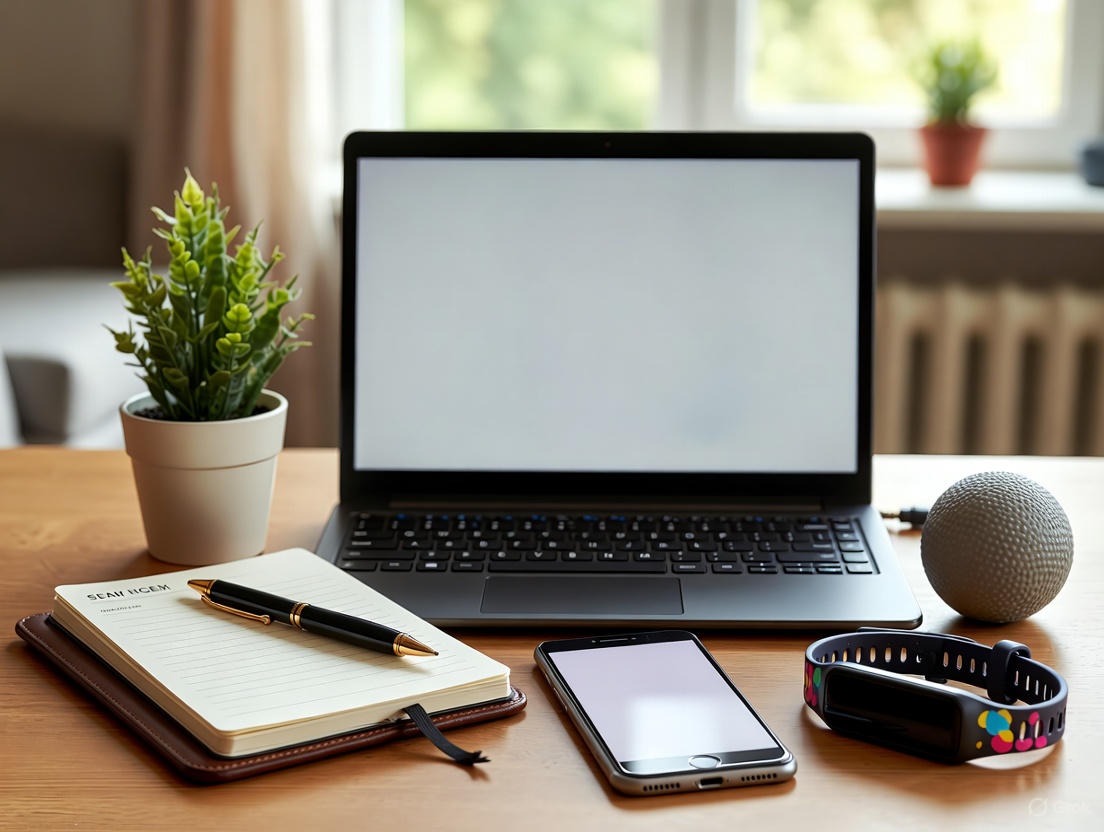
How Environment Affects Your Understanding of Body Recovery
How factors like temperature, altitude, and pollution affect recovery.
How Your Environment Dictates Your Body's Recovery: The Unseen Architect of Wellness
We live in a golden age of biohacking. We track steps, measure heart rate variability, analyze sleep stages, and quantify macronutrients with precision our ancestors could scarcely imagine. The quest for optimal recovery—the vital process of repair, adaptation, and strengthening that happens after the workout—has become a science unto itself. We focus on the pillars: sleep, nutrition, and stress management. We invest in recovery tools, from percussion massagers to compression boots, believing we’ve mastered the formula.
But what if we’re missing the most fundamental, omnipresent variable of all?
What if the very air you breathe, the light that hits your eyes, the sounds that fill your ears, and the space you inhabit are not just background scenery but active, relentless conductors of your body’s recovery symphony? Your environment is not a passive container for your life; it is an active participant in your physiology. It whispers commands to your nervous system, dictates hormonal releases, and sets the stage upon which every cellular repair process either flourishes or fails.
For too long, our understanding of recovery has been inward-facing, examining the body as a closed system. This article shifts the paradigm outward. We will explore how the external world—your physical, sensory, and even social environment—profoundly sculpts your internal recovery landscape. This is the crucial context that turns raw biometric data from devices like a smart wellness ring from mere numbers into actionable wisdom. By the end of this exploration, you will not just understand your body’s signals better; you will learn how to architect the world around you to amplify its innate healing power. Welcome to the new frontier of recovery, where your surroundings are the ultimate performance enhancer.
The Silent Saboteur: How Modern Environments Hijack Your Recovery Signals
We are evolutionary misfits in a modern world. For millennia, the human body adapted to recover in specific environmental conditions: the rhythmic patterns of natural light and darkness, the clean air of the outdoors, the profound quiet of a pre-industrial night, and the cyclic, predictable demands of a physically engaged life. Today, our recovery occurs against a backdrop of constant, low-grade environmental assault—a "signal jammer" for our nervous system.
Consider the typical evening. You finish a hard training session, intending to wind down. Yet you are bathed in the blue-spectrum glow of screens, your ears are filled with the hum of HVAC systems and digital notifications, and the air you breathe is a cocktail of volatile organic compounds from furnishings and stagnant, recycled oxygen. To your conscious mind, this is normal. To your primal physiology, it’s chaos. Your body receives conflicting signals: the time (via your circadian clock, expecting darkness) says "release melatonin and begin deep repair," but the light in your eyes says "it’s midday, stay alert." The need for physiological calm says "activate the parasympathetic nervous system," but the jarring sound of a late-night email alert triggers a micro-shot of cortisol.
This dissonance creates what we might term Recovery Signal Noise. It’s the static that makes it difficult for your body to clearly hear its own needs and execute repair protocols efficiently. Your heart rate variability (HRV)—a key metric of autonomic nervous system balance and recovery readiness tracked by advanced wearables like the Oxyzen smart ring—is directly modulated by this noise. A high HRV indicates a resilient, adaptable system capable of deep recovery. Chronic environmental stress flattens this variability, locking you into a sympathetic-dominant "fight or flight" state, even as you try to rest.
This environmental hijacking has tangible costs. It fragments sleep, preventing the crucial deep and REM stages where physical tissue repair and memory consolidation occur. It elevates baseline inflammation, turning a normal recovery process into an inflamed, sluggish ordeal. It dysregulates hormones like cortisol and growth hormone, stealing your body’s ability to effectively break down and rebuild.
Understanding this is the first step toward reclaiming your recovery. It’s not about adding another recovery modality; it’s about subtracting the environmental pollutants that inhibit the ones you already have. Before you can build a recovery-optimized environment, you must see the invisible saboteurs in your midst. The data from your wellness tracker isn’t just about you; it’s a readout of your interaction with your world. As we explore the specific environmental levers next, remember: the goal is to reduce the noise so your body’s recovery signal can come through loud and clear.
Light: The Master Zeitgeber Programming Your Recovery Clock
Of all environmental factors, light is the undisputed king. It is the primary zeitgeber (German for "time-giver") for your circadian rhythm, the master 24-hour clock that regulates nearly every recovery process in your body. From the production of melatonin and cortisol to the timing of muscle repair and memory consolidation, your circadian rhythm is the conductor, and light is its baton.
The mechanism is exquisite. Specialized photoreceptor cells in your eyes, called intrinsically photosensitive retinal ganglion cells (ipRGCs), are tuned specifically to detect short-wavelength blue light. They don't contribute to vision; their sole job is to send signals directly to your brain's suprachiasmatic nucleus (SCP)—the circadian pacemaker. When these cells detect blue light, particularly in the morning, they signal the SCN to suppress melatonin, increase cortisol for wakefulness, and set in motion a cascade that dictates hormone release, body temperature fluctuations, and gene expression for the next 24 hours.
The Modern Disruption: We have decoupled ourselves from the natural solar cycle. We spend our days indoors under inconsistent artificial light, often deficient in the intensity and blue spectrum needed for a robust morning signal. Then, at night, we bombard our ipRGCs with the very blue light they evolved to associate with sunrise, via phones, tablets, TVs, and LED bulbs. This sends a "false dawn" signal to the SCN, delaying melatonin onset by hours, shifting our entire circadian phase later, and truncating the recovery window.
The Recovery Impact: This misalignment, known as circadian disruption, is catastrophic for recovery.
Sleep Architecture Fracture: Deep sleep (NREM) and REM sleep are timed and proportioned by your circadian rhythm. Disruption leads to less deep sleep, where physical restoration and growth hormone secretion peak, and fragmented REM, crucial for cognitive recovery and emotional regulation.
Metabolic and Hormonal Chaos: Circadian misalignment impairs glucose metabolism, increases insulin resistance, and alters the secretion of cortisol, growth hormone, and leptin/ghrelin (hunger hormones). Your body loses its efficient temporal schedule for repairing tissue and managing energy.
Impaired Adaptation: The anabolic (building-up) processes that respond to training stress are strongly circadian. Training provides the stimulus, but aligned circadian biology dictates the quality of the adaptation.
Optimizing Your Light Environment for Recovery:
Seek Strong Morning Light: Within 30-60 minutes of waking, get at least 10-15 minutes of bright, outdoor light (even on cloudy days). This is the most powerful signal to anchor your rhythm. It’s a non-negotiable recovery practice.
Embrace Daytime Brightness: Work and live in well-lit environments during the day. Consider a bright light therapy lamp if you’re in a dark office.
Defend Your Dusk: As the sun sets, begin eliminating blue light. Use blue-light blocking glasses, enable night-shift modes on all devices, and switch to warm, dim, ambient lighting (under 3000K color temperature). Candlelight or salt lamps are ideal.
Prioritize Darkness for Sleep: Your bedroom must be pitch black. Invest in blackout curtains, cover all LED indicators, and consider a sleep mask. Even small amounts of light can suppress melatonin and fragment sleep.
Tracking the effects of these changes is where technology empowers you. A device that monitors sleep stages and provides a Recovery Quality Score each morning, like those discussed in our detailed guide on how your wellness ring validates your recovery strategies, becomes your feedback loop. You can experiment with light hygiene and see direct, quantifiable improvements in your deep sleep percentage and morning readiness metrics. Light isn’t just illumination; it’s biological software. Program it correctly, and you optimize your entire recovery operating system.
Soundscape & Acoustics: The Unsung Hero (or Villain) of Nervous System Restoration
If light is the director of your circadian play, then sound is the constant background score that dictates the emotional and physiological tone of your recovery. Our auditory system is a direct line to the brain’s amygdala and hypothalamus—centers for threat detection, stress response, and autonomic regulation. Unlike our eyes, our ears have no lids; they are always "on," sampling the environment, even during sleep. This makes our soundscape a perpetual moderator of recovery.
Sound affects us on a spectrum. On one end, you have noise pollution—unwanted, unpredictable, and chaotic sounds like traffic, construction, office chatter, or sudden alarms. These sounds, even at low volumes, are interpreted by the subconscious brain as potential threats. They trigger micro-activations of the sympathetic nervous system, causing subtle releases of stress hormones like cortisol and adrenaline. Over time, this creates a state of acoustic stress, elevating resting heart rate, reducing heart rate variability (HRV), and preventing the deep parasympathetic state required for cellular repair and memory consolidation. Studies consistently show that chronic noise exposure increases the risk of cardiovascular issues, sleep disturbances, and impaired cognitive function—all enemies of recovery.
On the other end of the spectrum lies therapeutic sound—predictable, rhythmic, or naturally patterned sounds that promote psychological and physiological calm. This isn't just about "relaxing music." It includes:
Pink Noise & White Noise: These contain all audible frequencies, with pink noise emphasizing lower frequencies. They mask disruptive environmental sounds and have been shown in studies to improve sleep stability and enhance memory consolidation during sleep.
Natural Soundscapes: The rhythmic patterns of rain, ocean waves, wind in trees, or birdsong are non-threatening and predictable. They capture our attention gently (a concept called "soft fascination") which can quiet internal chatter and induce a relaxed state.
Binaural Beats: When slightly different frequencies are played in each ear, the brain perceives a third, pulsing tone. Specific frequencies (in the delta or theta range) may encourage brainwave states associated with deep relaxation and sleep.
Crafting Your Recovery-Optimized Soundscape:
Identify & Mitigate Noise Pollution: Conduct an audit of your recovery spaces (bedroom, living area). Use weather stripping on doors, heavy curtains on windows, or identify the source of persistent hums or buzzes (e.g., appliances). The goal is to lower the baseline noise floor.
Curate Your Sleep Sound: Experiment with a sound machine or app that generates pink noise, brown noise, or nature sounds. The consistent auditory mask can prevent you from being startled awake by irregular noises, leading to more consolidated sleep. Notice if your wearable sleep data shows fewer awakenings or more deep sleep as a result.
Use Sound for Winding Down: Create a pre-sleep ritual that involves calming, non-rhythmic music, nature sounds, or guided meditation. This signals a clear transition from the cognitive load of the day to a state of restoration.
Embrace Periods of Silence: In our over-stimulated world, true quiet is a nutrient. Schedule time for silence—quiet walks, meditation, or simply sitting without audio input. This allows your auditory system and nervous system to truly reset.
The impact of your sound environment is often reflected in biometrics like HRV and resting heart rate (RHR). A chaotic acoustic environment will keep your RHR elevated and your HRV suppressed, indicating persistent low-grade stress. By contrast, a curated, calming soundscape should support a lower RHR and higher HRV overnight. For athletes and high-performers, this is critical data. Understanding the link between your environmental sound and your recovery score can help you fine-tune your surroundings to support, not sabotage, your training adaptations. It’s a key piece of the puzzle for anyone looking to master the exercise and recovery balance for strength training programs or any demanding physical endeavor.
The Air You Breathe: How Indoor and Outdoor Air Quality Dictates Cellular Repair
Recovery is, at its core, a biochemical and inflammatory process. Your body repairs micro-tears in muscle fiber, clears metabolic waste, and reduces exercise-induced inflammation. The quality of the air you breathe during this process—for the 20+ hours a day you are not training—is a decisive factor in how efficiently and completely this occurs. We are not just breathing for energy; we are breathing for repair.
Key Pollutants and Their Recovery Impact:
Particulate Matter (PM2.5/PM10): These microscopic particles from vehicle exhaust, industrial processes, and wildfires penetrate deep into the lungs and enter the bloodstream. They are potent pro-inflammatory agents. For recovery, this means a heightened systemic inflammatory response on top of exercise-induced inflammation, slowing repair, increasing muscle soreness, and prolonging fatigue. Research links PM2.5 exposure to reduced lung function, increased oxidative stress, and impaired vascular health—all critical for performance and recovery.
Volatile Organic Compounds (VOCs): Emitted from paints, cleaning products, furniture, air fresheners, and building materials, VOCs are the "new car smell" of indoor air pollution. They can cause direct irritation to the respiratory system and, like particulates, contribute to chronic low-grade inflammation. They may also disrupt endocrine function.
Carbon Dioxide (CO2): In poorly ventilated spaces (offices, bedrooms, gyms), CO2 levels can rise significantly from human exhalation. Elevated CO2 (above 1000 ppm) is associated with reduced cognitive function, drowsiness, and poorer sleep quality—directly hampering cognitive recovery and the restorative power of sleep.
Allergens & Mold Spores: For susceptible individuals, these trigger immune responses (histamine release) that create inflammation and stress the system, diverting resources away from focused repair.
Optimizing Your Air for Optimal Recovery:
Know Your Air: Use an indoor air quality monitor to track PM2.5, VOCs, and CO2 levels in your key recovery spaces, especially your bedroom. Data is empowering.
Ventilate Diligently: The simplest solution. Regularly open windows to exchange stale, polluted indoor air for fresh outdoor air (when outdoor quality is good). This is highly effective for reducing CO2 and VOC buildup.
Purify Strategically: Invest in a true HEPA air purifier for your bedroom and home office. HEPA filters capture particulates, while activated carbon filters adsorb VOCs and gases. Run it on high for an hour before bed, then on a low, quiet setting overnight.
Mind Your Outdoor Timing: Check local air quality indices (AQI). On days with high pollution, consider moving intense exercise indoors or shifting your schedule. Post-workout, prioritize clean indoor air for your recovery window.
Choose Low-VOC Products: Be mindful of the cleaning supplies, personal care products, and furnishings you bring into your home. Opt for natural alternatives where possible.
The connection to biometrics is clear. Poor air quality can manifest as elevated resting heart rate, lower HRV, and increased respiratory rate during sleep—all signs of physiological strain. It can also undermine sleep architecture. By optimizing air quality, you are directly reducing an inflammatory load, allowing your body to focus its energy on adaptive recovery. This principle is central for anyone in a demanding training cycle, such as those focused on marathon training, where cumulative inflammation and efficient repair are paramount. The air is not empty space; it is the medium that carries either the building blocks of recovery or the agents of its disruption.
Thermal Environment & Thermoregulation: Finding Your Recovery Temperature Sweet Spot
Your body is a thermal engine, and its temperature is not a constant but a carefully orchestrated rhythm central to recovery, particularly sleep. Core body temperature follows a circadian cycle, peaking in the late afternoon and dropping to its lowest point in the early morning hours. This decline in core temperature is not just a side effect of sleep; it is a prerequisite for initiating and maintaining quality sleep. It signals the brain that it's time for restorative processes to begin.
The Science of the Sleep-Temperature Drop: As evening approaches, your body begins to dissipate heat from its core to the periphery (hands and feet). This is achieved through vasodilation—the widening of blood vessels near the skin's surface. This process is facilitated by the release of melatonin. A cooler skin temperature helps drive down the core temperature, enabling the onset of sleep and the progression into deep, slow-wave sleep (NREM), the most physically restorative phase.
Modern Thermal Disruptions:
Overheated Bedrooms: Many homes are kept too warm at night, especially in winter. This creates a thermal barrier, impeding the body's ability to lose heat and drop its core temperature, leading to restlessness, less deep sleep, and more frequent awakenings.
Poor Bedding Materials: Synthetic sheets and mattresses that trap heat and moisture disrupt the microclimate around your body.
Inconsistent Temperatures: Dramatic temperature swings or drafts can cause micro-awakenings as the body works to re-stabilize its temperature.
Optimizing Your Thermal Environment for Recovery:
Cool is the Rule: Aim for a bedroom temperature between 60-67°F (15.5-19.5°C). This range is consistently supported by sleep research as optimal for most people. It facilitates the core temperature drop.
Prioritize a Cool Head and Feet: If you can't cool the whole room, focus on cooling the areas crucial for heat dissipation. Use a fan, wear socks to bed (which, counterintuitively, helps with vasodilation and heat loss), or use a cooling pillow.
Leverage Pre-Sleep Cooling: Take a warm bath or shower 1-2 hours before bed. As you exit, your dilated blood vessels release heat into the cooler air, accelerating the core temperature drop. This is a powerful, evidence-based sleep and recovery hack.
Choose Breathable Bedding: Opt for natural, breathable fibers like cotton, linen, bamboo, or moisture-wicking performance fabrics for sheets and sleepwear. Ensure your mattress has adequate airflow.
Respect Your Daily Rhythm: Align with your natural thermal cycle. Expose yourself to warmth in the morning (sunlight, warm shower) to help solidify your circadian rhythm, and seek cooler environments as bedtime approaches.
Monitoring the effects of thermal optimization is a powerful use of wearable data. A device that tracks sleep stages and night-time heart rate can show you the payoff. A cooler environment often leads to faster sleep onset, a higher percentage of deep sleep, and fewer disturbances. This directly translates to a higher Recovery Quality Score in the morning, indicating your body had the thermal conditions it needed to execute its repair work effectively. For those meticulously managing their training load, understanding this environmental lever is as important as the workout itself, forming a key part of a smart ring approach to training load management. When your thermal environment is aligned, your body isn't fighting to regulate temperature; it's free to focus on rebuilding.
The Psychology of Space: How Clutter, Aesthetics, and "Place" Influence Mental Recovery
Recovery is not solely a physical phenomenon; it is deeply psychological. Stress, anxiety, and cognitive load are potent inhibitors of physiological repair, primarily through their activation of the hypothalamic-pituitary-adrenal (HPA) axis and the release of cortisol. Your physical environment—the design, order, and aesthetic of the spaces you inhabit—profoundly influences your psychological state, acting as either a source of stress or a sanctuary for calm.
Clutter: The Visual Noise of Stress: Neuroscientific research reveals that clutter competes for your attentional resources. A disorganized, messy environment creates what psychologists call "cognitive overload." Your visual cortex is constantly processing unfinished tasks and chaos, which subconsciously signals to the brain that work is still to be done. This keeps the mind in a state of low-grade alertness and stress, making it difficult to transition into a parasympathetic, restorative state. Chronic clutter has been linked to elevated cortisol levels, procrastination, and decreased focus.
Aesthetics & Biophilic Design: Conversely, environments that are orderly, intentionally designed, and incorporate elements of nature have a demonstrably calming effect. Biophilic design—the incorporation of natural elements like plants, natural light, wood, stone, and views of nature—taps into our innate evolutionary connection to the natural world. Studies show exposure to such environments lowers blood pressure, heart rate, and cortisol levels while improving mood, creativity, and cognitive function. An aesthetic that you find beautiful and peaceful is not a luxury; it's a tool for down-regulating your nervous system.
The Concept of "Place" for Ritual: Designating specific spaces for specific recovery activities creates powerful psychological anchors. Your bedroom should be a sanctuary for sleep and intimacy only—not work, entertainment, or stress. A corner of a room with a comfortable chair and soft lighting becomes your "decompression zone" for reading or meditation. These dedicated spaces cue your brain for the activity that is meant to occur there, making the transition into a recovery state faster and more automatic.
Designing Your Psychologically Recovery-Optimized Space:
Declutter Ruthlessly, Especially the Bedroom: Start with your sleep sanctuary. Remove work materials, excess furniture, and piles of clothes. Surfaces should be clear and calm. This reduces visual noise and subconsciously signals "this is a place for rest."
Incorporate Nature: Add plants to your living and sleeping spaces. Use natural materials in your décor. If possible, position your seating to have a view of the outside world. Even images of nature can have a positive effect.
Control Your Color Palette: Utilize color psychology. Opt for calming, muted tones in recovery spaces—soft blues, greens, earth tones, and greys. Reserve stimulating colors like bright reds or oranges for active spaces.
Create Dedicated Zones: Be intentional. If you work from home, have a defined office space and shut the door at the end of the day. Create a small, inviting nook for your recovery practices—meditation, journaling, or gentle stretching.
Curate a "Digital Detox" Zone: Make at least one room, ideally the bedroom, a phone- and laptop-free zone. The mere presence of a device can create anticipatory anxiety and disrupt the psychological separation from daily demands.
The impact of your spatial psychology is reflected in biometric markers of stress and sleep. A cluttered, stressful environment can lead to a higher resting heart rate overnight and lower HRV. After decluttering and optimizing your space, you may see these metrics improve, alongside subjective reports of feeling more relaxed. This mental recovery is the foundation upon which physical recovery is built. It’s a critical component for preventing the kind of systemic fatigue that leads to recovery debt, a state your smart ring can help you track. By mastering your space, you master your mind’s ability to shut off, which is the ignition key for deep physical restoration.
Social & Community Environment: The Hidden Network of Recovery Support (or Stress)
Humans are inherently social beings, and our physiological systems are exquisitely tuned to our interpersonal connections. Your social environment—the quality of your relationships, the culture of your workplace or gym, and your sense of community—is a powerful modulator of your stress and recovery physiology, operating through both psychological and direct neuroendocrine pathways.
The Physiology of Connection vs. Isolation:
Positive Social Connection: Supportive relationships, feelings of belonging, and physical touch (like a hug or pat on the back) stimulate the release of oxytocin, often called the "bonding hormone" or "anti-stress hormone." Oxytocin counteracts the effects of cortisol, reduces anxiety, lowers blood pressure, and promotes feelings of calm and trust. This creates an internal biochemical environment conducive to recovery. Social support also provides a buffer against life's stressors, making challenges feel more manageable and less physiologically damaging.
Social Stress & Isolation: Conversely, toxic relationships, social conflict, loneliness, and feelings of not belonging are potent chronic stressors. They keep the HPA axis activated, leading to persistently elevated cortisol, increased systemic inflammation, and a heightened state of vigilance. Chronic loneliness has been linked to health risks comparable to smoking 15 cigarettes a day. For an athlete or anyone focused on performance, social strife is a direct tax on recovery resources, diverting energy away from repair and toward managing perceived social threats.
Your Training Environment's Culture: The social milieu of your gym, sports team, or training group is a specific and powerful environmental factor. A culture that values overtraining, ignores rest, and stigmatizes "taking it easy" can pressure you to ignore your body's recovery signals, pushing you into overreaching and injury. Conversely, a community that educates on, respects, and celebrates intelligent recovery provides positive reinforcement for listening to your body. This could mean a training partner who respects your need for a light day, or a coach who prioritizes periodization and rest.
Optimizing Your Social Environment for Recovery:
Audit Your Social Energy: Reflect on the people in your life. Which relationships are genuinely energizing and supportive? Which are draining and create anxiety? Minimize exposure to toxic interactions and consciously invest time in positive connections.
Communicate Your Recovery Needs: Be open with close friends, family, and training partners about your recovery goals. Explain why you might be skipping a social event to prioritize sleep or need a lighter training day. Good support systems will understand and encourage this.
Seek Out Recovery-Positive Communities: Align yourself with groups, online or in-person, that share a holistic view of health. Follow coaches and athletes who talk openly about the importance of rest. Consider communities built around wellness technology, where you can share and discuss data from devices like a smart ring, turning recovery into a shared, supported pursuit. Explore forums or resources like the Oxyzen blog for insights from others on the same journey.
Practice Gratitude & Connection: Simple practices like expressing gratitude to someone or engaging in small acts of kindness can boost oxytocin and your sense of connection.
Don't Underestimate Digital Social Hygiene: The constant comparison and conflict on social media can be a significant source of social stress. Curate your feeds. Mute or unfollow accounts that make you feel inadequate or anxious. Use technology to connect meaningfully, not to compare superficially.
The influence of your social world shows up in your biometric data. A period of high social conflict or isolation can correlate with poor sleep scores, lowered HRV, and an elevated resting heart rate. By contrast, feelings of connection and support often manifest in improved autonomic balance. This social piece is the often-overlooked key to sustainable performance. It’s what allows elite athletes, who often train in supportive teams, to manage incredible loads. For the rest of us, building a recovery-conscious social environment is a strategic move for long-term health, deeply connected to the principles of how exercise and recovery balance affects long-term fitness gains. You don't recover in a vacuum; you recover within a web of relationships. Make that web a source of support, not strain.
The Digital Environment: Blue Light, Notifications, and Information Overload
Our digital environment is arguably the most novel and potent environmental factor affecting modern recovery. It is a layer of reality that pervades our physical spaces, influencing us through light, sound, cognition, and behavior. Managing this digital ecosystem is not optional for optimal recovery; it is essential.
The Multifaceted Assault on Recovery:
Circadian Disruption (Revisited): As covered in the Light section, the blue light from screens is a primary disruptor. But the digital environment ensures this light is in our hands and faces right until bedtime.
Cognitive Arousal & Information Overload: Scrolling through social media, reading news, checking work email, or even playing stimulating games before bed engages the prefrontal cortex and activates the brain's reward and threat-detection circuits. This creates cognitive and emotional arousal—the opposite of the wind-down state needed for sleep. The endless stream of information can also lead to a sense of overwhelm, contributing to anxiety.
The Tyranny of Notifications: Each ping, buzz, or badge is a potential micro-stressor. It hijacks your attention, triggers FOMO (Fear Of Missing Out), and can activate a dopamine-driven feedback loop that makes disconnection feel uncomfortable. Even if you don't check your phone, the anticipation of notifications can keep your nervous system on alert.
Sleep Displacement: Simply put, time spent on devices is often time stolen from sleep. The engaging, infinite nature of digital content makes it easy to violate sleep hygiene with "just five more minutes" that turn into an hour.
Building a Recovery-Conscious Digital Environment:
Enforce a Digital Sunset: Institute a strict, device-free buffer zone of 60-90 minutes before your target bedtime. This is non-negotiable for protecting melatonin release and allowing cognitive arousal to subside. Charge your phone outside the bedroom.
Aggressively Manage Notifications: Go through every app on your phone and disable all non-essential notifications. Only allow alerts from people or apps that are truly urgent (e.g., immediate family, security apps). Schedule "Do Not Disturb" mode to activate automatically in the evening and during focused recovery time.
Curate Your Content Consumption: Be mindful of what you consume, especially in the evening. Avoid stressful news, intense dramas, or work-related content. Opt for calming music, an audiobook, or light reading on an e-ink device (like a Kindle, which has no backlight).
Use Technology to Tame Technology: Leverage built-in tools. Use "Night Shift" or "Blue Light Filter" settings all day, but especially after sunset. Utilize "Focus" or "Work" modes to batch your communication and limit distractions during deep work or recovery periods.
Reclaim Your Bedroom: Make your bedroom a device-free sanctuary. The presence of a phone, even if silent, is a temptation and a symbolic link to the demands of the waking world. Use a traditional alarm clock.
The impact of digital hygiene is starkly visible in recovery metrics. Implementing a digital sunset can lead to noticeable improvements in sleep onset latency (how fast you fall asleep), sleep efficiency (percentage of time in bed actually asleep), and HRV. By reducing cognitive and sensory stimulation, you give your nervous system the blank slate it needs to descend into deep recovery states. For the data-driven individual, this makes the vague advice to "avoid screens before bed" concrete and measurable. It becomes a critical daily protocol, as important as any supplement, for ensuring your training efforts are fully realized—a key strategy within any comprehensive deload week strategy or smart ring recovery protocol. Your digital environment should be a tool you control, not a force that controls you.
The Microbial Environment: Your Indoor Biome and Its Role in Immune Function and Inflammation
We are not singular organisms; we are complex ecosystems. While much attention is given to the gut microbiome, the microbial environment outside your body—in your home, office, and the places you recover—profoundly influences your internal ecosystem, your immune system, and ultimately, your recovery capacity. This is the science of the indoor biome.
Your immune system is a primary player in recovery. Exercise creates controlled damage, and the inflammatory response is the first step in the repair process. However, if your immune system is chronically activated or dysregulated by external threats, it cannot efficiently manage the focused repair of exercise-induced damage. It's overworked and distracted.
How Your Indoor Microbial Environment Impacts Recovery:
Diversity vs. Pathogens: A healthy indoor biome has a diverse array of mostly benign microbes, similar to a healthy soil ecosystem. Modern, sterile, sealed environments, however, can become dominated by a limited set of microbes, some of which may be opportunistic pathogens or mold species. Chronic, low-level exposure to mold spores or dust mites (and their waste) is a constant immune trigger, leading to persistent, low-grade inflammation and allergic responses. This steals immune resources away from recovery.
The "Old Friends" Hypothesis: This theory suggests that co-evolution with beneficial microorganisms from our natural environment (soil, plants, animals) is essential for training our immune system to regulate itself properly. The ultra-clean, indoor-centric modern life deprives us of these "old friends," which is linked to increased rates of autoimmune and inflammatory disorders. A lack of microbial diversity may contribute to a hypersensitive, overreactive immune system.
Ventilation & Humidity: Stagnant, humid air fosters the growth of dust mites and mold. Poor ventilation concentrates indoor pollutants and microbial particles. This creates a pro-inflammatory aerosol that you breathe for hours each day, especially during sleep.
Cultivating a Recovery-Supportive Microbial Environment:
Ventilate, Ventilate, Ventilate: This is the single most powerful action. Regularly opening windows flushes out stagnant air, reduces humidity, and introduces diverse outdoor microbes. It’s a simple reset for your indoor biome.
Embrace "Clean" Dirt: Incorporate more natural, porous materials into your home that can host diverse microbial communities: wood, stone, untreated cotton, linen, and clay. These are preferable to non-porous plastics and synthetics.
Introduce Plants: Houseplants do more than produce oxygen; they host a diverse microbiome on their leaves and in their soil. They also help regulate humidity. They are natural, living air and biome modulators.
Manage Humidity: Use a dehumidifier if necessary to keep indoor relative humidity between 30-50%. This range discourages dust mite and mold proliferation.
Rethink Cleaning Products: Harsh antibacterial soaps and chlorine-based cleaners create a "scorched earth" environment, killing good and bad microbes alike and promoting resistant strains. Opt for milder, plant-based cleaners like soap, vinegar, and hydrogen peroxide for most tasks. Clean for cleanliness, not sterility.
Get Dirty (Safely): Spend time in nature—gardening, hiking, walking in parks. This exposure to diverse environmental microbes is a form of "immune training." The Japanese practice of Shinrin-yoku (forest bathing) has documented benefits for reducing stress hormones and inflammation.
The link between your microbial environment and recovery may be subtler than other factors, but it is significant. Chronic exposure to a poor indoor biome can contribute to unexplained allergies, sinus issues, and a feeling of being perpetually "run down." This state of immune distraction can blunt your recovery from training. By fostering a diverse, naturalistic microbial environment, you reduce a silent, chronic inflammatory burden, freeing your immune system to do its vital repair work post-exercise. It’s a foundational aspect of creating a home that truly heals, supporting the kind of deep restoration needed for high-level training, whether you're into CrossFit and HIIT or endurance sports.
Geospatial Stress: The Impact of Commuting, Urban Density, and Access to Nature
Our daily movement through space—the commute to work, the layout of our neighborhood, our proximity to green spaces—is a pervasive yet often overlooked environmental stressor with deep implications for recovery. This "geospatial stress" accumulates through factors like traffic, noise, crowding, and a sheer lack of restorative vistas, imposing a chronic cognitive and physiological load.
The Recovery Costs of Our Built Environment:
The Commuting Penalty: Long, unpredictable, and stressful commutes—especially by car in heavy traffic—are well-documented sources of chronic stress. They combine noise pollution, air pollution, social friction, and a loss of personal control. This daily ordeal elevates cortisol, increases perceived stress, and reduces time available for sleep, meal preparation, and relaxation. The time spent commuting is time actively stolen from your recovery bank.
Urban Density & Sensory Overload: Living in dense urban environments without respite can lead to sensory and cognitive overload. The constant visual clutter, movement, and background noise force the brain's attentional systems to remain on high alert, a state psychologist Stephen Kaplan calls "directed attention fatigue." This mental exhaustion impairs executive function, increases irritability, and makes it harder to disengage and relax in the evening.
Nature Deficit Disorder (The Physiological Reality): While not a clinical diagnosis, the concept highlights a real phenomenon. Lack of regular exposure to natural environments—green spaces, water, parks—deprives us of the psychological and physiological benefits of nature. Studies show that even short exposures to nature lower cortisol, heart rate, and blood pressure, improve mood, and enhance cognitive restoration through "soft fascination," where the mind can wander and reset.
How Geospatial Stress Sabotages Recovery: This constant, low-grade environmental demand keeps the sympathetic nervous system subtly engaged. It contributes to the "always on" feeling that prevents true parasympathetic dominance at night. It fragments attention, making mindfulness and mental recovery difficult. Ultimately, it leaves you entering your designated recovery period (evenings) with a nervous system already depleted and dysregulated, making deep sleep and cellular repair less efficient.
Strategies to Mitigate Geospatial Stress for Better Recovery:
Re-evaluate The Commute: If possible, explore alternatives. Can you work from home some days? Shift your hours to avoid peak traffic? Switch to public transit where you can read or meditate instead of driving? Even one fewer stressful commute per week is a win. If you must drive, create a calming audio environment with podcasts, audiobooks, or calming music—not stressful news.
Incorporate "Vitamin N" (Nature) Daily: Make non-negotiable time for nature exposure. This doesn't require a wilderness trek. A 20-minute walk in a park, sitting by a tree, or even looking at a view of greenery from a window can have measurable restorative effects. Schedule it like a training session.
Create a Natural Oasis at Home: If you lack access to large parks, bring nature to your immediate environment. Cultivate a balcony garden, fill your home with plants, use nature sounds or imagery, and ensure your windows provide views of sky and greenery, not just concrete.
Use Your Weekends Geographically: Counteract a week of urban stress by prioritizing time in restorative environments on your days off. Hike, visit a beach, go to a botanical garden, or simply have a picnic in a large park. This is active recovery for your over-stimulated nervous system.
Leverage Micro-Restorative Moments: Throughout a stressful urban day, find micro-moments of geospatial relief. Take a 5-minute walk around a block with trees instead of staying inside. Eat your lunch on a bench outside. Look up at the sky. These small resets can lower cumulative stress.
The impact of managing geospatial stress can be seen in your long-term recovery trends. A life constantly drained by commuting and devoid of nature may show a pattern of suppressed HRV and higher baseline resting heart rate. By intentionally incorporating natural elements and reducing commute-related stress, you support your autonomic nervous system's resilience. This broader environmental management is key for preventing the kind of systemic burnout that data from a smart ring can help you identify and prevent before it becomes a plateau or injury. Your location and daily journey are not just logistics; they are a core component of your recovery landscape.
Integrating Environmental Mastery with Biometric Feedback: The Smart Ring as Your Guide
Understanding these ten environmental pillars is transformative, but knowledge alone is not power—applied knowledge is. This is where modern wellness technology, specifically the advanced smart ring, transitions from a simple tracker to an indispensable environmental biofeedback tool. It closes the loop between your actions and your physiology, turning your body into a real-time laboratory for environmental optimization.
A sophisticated wellness ring like those developed by Oxyzen measures the outcomes of your environmental interactions. It doesn't measure the decibel level in your bedroom or the PM2.5 count in your air, but it quantifies how those factors affect you through a suite of key metrics:
Heart Rate Variability (HRV): Your HRV score each morning is a direct readout of your autonomic nervous system balance and recovery status. It integrates the sum total of yesterday's stressors—training, yes, but also environmental stressors like poor sleep due to light/noise, inflammatory meals, or a stressful commute. A rising HRV trend indicates your overall lifestyle (environment + training) is supportive of recovery.
Resting Heart Rate (RHR): Your overnight RHR is a barometer of physiological calm. An elevated RHR can indicate residual stress from training, but also from poor sleep environment (thermal, acoustic), immune system activation (from poor air/microbial environment), or psychological stress.
Sleep Stages & Quality: The ring's analysis of your sleep architecture (light, deep, REM) is the ultimate report card on your evening environmental hygiene. Did you get enough deep sleep? That's influenced by temperature and prior light exposure. Was your sleep fragmented? That points to noise, discomfort, or digital disruptions.
Respiratory Rate & Blood Oxygen (SpO2): These metrics, tracked overnight, can offer clues about respiratory strain (potentially from poor air quality) or sleep disturbances like apnea, which can be exacerbated by environment.
The Process of Environmental Biofeedback:
Establish a Baseline: Wear your ring consistently for a week or two without making major changes. This establishes your "normal" metrics within your current environment.
Hypothesize and Intervene: Pick ONE environmental lever to optimize. For example: "I will enforce a strict digital sunset and make my bedroom pitch black for one week."
Observe the Data: Each morning, check your Recovery Quality Score and dive into the details. Did your deep sleep percentage increase? Did your sleep latency decrease? Did your HRV show an upward trend?
Iterate and Layer: Once you see a positive response (or a neutral one), you can maintain that change and layer in another intervention. "Now that my light is optimized, I will also cool my bedroom to 65°F." This methodical, data-informed approach prevents overwhelm and clearly shows you what moves the needle for your unique biology.
This turns abstract advice into personalized protocol. You're not just "trying to sleep better"; you're running a controlled experiment on yourself. The ring provides the objective data to validate what works. For instance, you can test how different exercise and recovery balance strategies interact with your newly optimized sleep environment to produce the best next-day readiness scores.
By using a smart ring in this way, you become the architect of your own thriving environment. It empowers you to answer questions like: Does my new air purifier improve my sleep HRV? Does my evening meditation in my new "decompression corner" lower my pre-sleep heart rate? This is the future of personalized wellness: not just tracking the body, but understanding its dialogue with the world, and using that knowledge to build a life that inherently supports peak recovery and performance.
Building Your Personalized Recovery Sanctuary: A Practical Room-by-Room Blueprint
Theory must culminate in action. Let's translate the principles of environmental mastery into a concrete, room-by-room blueprint for transforming your living space into a holistic recovery sanctuary. This is about intentional design, where every space supports a specific aspect of your physical and psychological restoration.
The Bedroom: The Non-Negotiable Recovery Core
Light: Absolute darkness is the goal. Install blackout curtains or shades. Cover or remove all electronic LEDs (TV, charger lights). Use blackout tape if necessary. Use a sleep mask as a backup.
Sound: Prioritize silence. Use a white/pink noise machine to mask inconsistent outdoor noise. Ensure windows are properly sealed. A thick rug can dampen sound.
Thermal: Set thermostat to 65°F (18°C). Use breathable, natural-fiber bedding (cotton, linen). Consider a cooling mattress pad or pillow if you sleep hot. A fan provides both airflow and white noise.
Air: Run a true HEPA air purifier on low overnight. Have a plant or two (e.g., snake plant, peace lily) that purify air and release oxygen at night.
Psychology & Digital: Zero screens. Charge phones/laptops in another room. Use a traditional alarm clock. Keep surfaces clear and clutter-free. The room should contain only items related to sleep, rest, and intimacy.
The Bathroom: The Transition Zone
Light: Install dimmable, warm-toned lights for evening use. Consider using candles for a truly circadian-friendly light source during wind-down routines.
Thermal: Use warm (not hot) baths or showers 1-2 hours before bed to trigger the core temperature drop. Finish with a 30-second cool rinse.
Psychology: Treat your evening hygiene routine as a ritual, not a chore. Use calming scents like lavender or chamomile in soaps or diffusers (sparingly, to avoid respiratory irritation).
The Kitchen & Dining Area: The Nutritional Command Center
Nutritional Environment: Organize your pantry and fridge using the "eye-level is buy-level" principle for healthy foods. Keep fruits and vegetables washed and visible. Store unhealthy snacks out of sight, or don't buy them at all. Invest in quality food storage to keep prepped meals fresh.
Psychology: Create a pleasant, uncluttered space for eating. Avoid eating while standing or scrolling. Make meals a mindful, disconnected event to aid digestion and signal "nourishment" to the nervous system.
The Living Area / Lounge: The Cognitive & Social Recovery Hub
Light: Use multiple light sources (floor lamps, table lamps) with warm bulbs (2700K) instead of a single harsh overhead light. This allows you to lower light levels in the evening.
Sound: Have a quality speaker for playing calming music, nature soundscapes, or for use during guided meditation.
Psychology & Social:
Declutter: Maintain tidy surfaces. Use storage solutions to hide remotes, magazines, etc.
Designate a "Decompression Zone": A specific, comfortable chair with a good reading light and a blanket, free from work materials. This is your psychological anchor for relaxation.
Foster Connection: Arrange seating to encourage face-to-face conversation. Have board games or books available to facilitate unplugged social interaction.
The Home Office / Workspace: Guarding Against Chronic Stress
Light: Maximize natural light during the day. Position your desk near a window. Use a bright, daylight-spectrum lamp for task lighting.
Air & Thermal: Ensure good ventilation. A small air purifier can help. Have personal control over your immediate temperature (a small fan or heater).
Digital & Psychology: Practice strict boundaries. Shut down the computer at a set time. If possible, close the door to the office or use a room divider. Keep the space organized to reduce cognitive load. This physical and temporal separation is crucial for mental recovery.
The Entryway / Transition Point
Psychology: Design this space to facilitate the transition from the external world to your sanctuary. Have a place to leave shoes, hang keys, and store work bags. A small ritual here—like taking three deep breaths—can signal to your brain that you are entering a space of safety and recovery.
This blueprint is not about perfection or expensive renovations. It's about intentionality. Start with the most impactful room: the bedroom. Then, gradually enact changes in other areas. Each modification is an investment in your daily recovery yield, compounding over time to create a living environment that doesn't just house you, but actively heals and prepares you. It is the physical manifestation of the principle that to perform at your best, you must recover in an environment designed for exactly that purpose.
Case Studies: Real-World Transformations Through Environmental Optimization
To solidify these concepts, let's examine hypothetical but data-informed case studies of individuals who transformed their recovery by mastering specific environmental factors. These stories illustrate the tangible connection between environment, biometric data, and lived experience.
Case Study 1: The Tech Executive – Conquering Digital and Light Pollution
Profile: Alex, 42, manages a high-growth startup. Trains for half-marathons. Feels constantly "wired but tired," struggles with sleep onset, and sees stagnant running progress.
Environmental Audit: Alex's bedtime routine involved answering Slack messages until lights out, in a room with a blinking router LED and streetlight glare. Phone was on the nightstand.
Interventions (Staggered over 4 weeks):
Week 1-2: Digital Sunset. Enforced a 9:30 PM device curfew. Phone charged in kitchen. Read a physical book before bed.
Week 3: Light Hygiene. Installed blackout curtains, covered all LEDs with tape.
Week 4: Pre-sleep Ritual. Added a 10-minute guided meditation from the "decompression chair" after digital sunset.
The Link: Alex's ring data objectively showed that reducing cognitive arousal (digital sunset) and strengthening the circadian signal (darkness) directly improved sleep efficiency and autonomic balance. His running times improved as his body finally had the recovery substrate to adapt to training. He learned to use his smart ring metrics to predict recovery quality and plan his training week more effectively.
Case Study 2: The City-Dwelling Artist – Managing Geospatial and Social Stress
Profile: Sam, 35, freelance illustrator. Lives in a noisy downtown apartment, works from home, feels socially isolated. Suffers from persistent low-grade anxiety and creative block.
Baseline Biometrics: Resting Heart Rate: 68 bpm. HRV: 28 ms. Sleep Restfulness (a metric of disturbances): Low. Recovery Score: 62/100.
Environmental Audit: Apartment is on a busy street. Sam works, eats, and relaxes in the same cluttered studio. Social life is primarily online. No regular nature exposure.
Interventions:
Sound & Space: Invested in high-quality noise-cancelling headphones for work and a white noise machine for sleep. Physically partitioned the studio with a bookshelf, creating a distinct "work zone" and "living zone." Decluttered aggressively.
"Vitamin N" Protocol: Committed to a daily 30-minute walk in the nearby botanical garden, regardless of weather. Joined a weekly outdoor sketching group.
Social Micro-Connections: Made a point to have a real conversation with a local barista or neighbor daily, instead of just transactional interactions.
The Link: Sam's biometrics revealed a nervous system under constant siege from noise and monotony. By creating auditory boundaries, physical space boundaries, and forcing nourishing nature and social exposure, Sam lowered chronic sympathetic tone. The improved recovery scores correlated with a return of creative energy and reduced anxiety. Sam's story highlights how managing exercise and recovery balance during stressful life seasons applies to non-athletic creative work as well.
Case Study 3: The Allergic Athlete – Addressing the Air and Microbial Environment
Profile: Jordan, 28, competitive cyclist. Has historical allergies and asthma. Notices performance dips and poor sleep during high-pollen seasons or after intense indoor training sessions.
Baseline Biometrics: Respiratory Rate Overnight: 16 breaths/min (elevated). HRV Trend: Declining during allergy season. SpO2 Dips: Occasional drops to 92%.
Environmental Audit: Home has old carpet, no air purifier. Garage gym is dusty and poorly ventilated. Keeps windows open for "fresh air" during high pollen days.
Interventions:
Indoor Air Overhaul: Replaced carpet with hardwood flooring. Installed a high-capacity HEPA air purifier in the bedroom and living room. Started keeping windows closed on high-pollen days and using the HVAC system's filter.
Gym Environment: Deep-cleaned the garage gym, added an exhaust fan for ventilation, and placed a simple air filter in the space.
Post-Training Protocol: Began using a nasal rinse after outdoor training during high-pollen periods.
Results: Respiratory Rate Overnight: 13 breaths/min. HRV Trend: Stabilized and improved. SpO2 Dips: Eliminated. Subjective allergy symptoms reduced by ~70%.
The Link: Jordan's data showed a direct cardiorespiratory burden from environmental allergens and poor indoor air. By treating the home and training space as part of the recovery protocol, Jordan reduced the inflammatory and respiratory strain on the system, allowing more energy to be directed toward performance adaptation. This is a prime example of using environmental control to support how pro athletes use wellness rings for exercise-recovery balance—by eliminating unnecessary external stressors.
These case studies demonstrate that recovery is not a mystery. It's a system of inputs and outputs. When you systematically improve the environmental inputs—light, sound, air, space, connection—the biometric outputs (your recovery data) improve in response. Your environment is the invisible training partner that can either hold you back or propel you forward.
The Future of Environmental Recovery: Smart Homes, Personalized Data, and Predictive Wellness
We stand on the brink of a revolution where our understanding of environmental recovery will merge seamlessly with technology, creating adaptive, living spaces that actively participate in our wellness. This future moves beyond manual optimization into the realm of predictive, automated, and deeply personalized environmental support.
1. The Integrated Smart Home Biome: Imagine a wellness ecosystem where your smart ring is the command center, communicating in real-time with your home's systems.
Lighting: As your ring detects your evening wind-down period (via lowered heart rate and temperature drop initiation), it automatically dims the lights in your home, shifting them to a warm, amber hue.
Thermal: Your bedroom thermostat receives data that you are entering the optimal sleep window and pre-cools the room to your ideal temperature.
Sound: As you get into bed, your white noise machine turns on at an ideal volume to mask external noise, perhaps even using sound frequencies aligned with your current sleep stage (e.g., shifting to pink noise as you enter deep sleep).
Air Quality: Smart air purifiers and HVAC systems ramp up filtration based on outdoor AQI data and your indoor CO2/VOC sensors, ensuring optimal air during your recovery hours. They might even release subtle, calming phytoncides (forest-derived scents) based on your stress data.
Digital Environment: Your home network automatically enables a "Family Do Not Disturb" mode on all devices during your sleep and focused recovery blocks, silencing non-essential digital intrusions.
2. Hyper-Personalized Environmental Prescriptions: With machine learning analyzing long-term biometric and environmental data, we will move from general advice ("sleep in a cool room") to precise prescriptions ("Your optimal sleep onset occurs when ambient temperature is 66.2°F and you have had 87 minutes of zero-blue-light exposure").
Your system could analyze your recovery data against local pollen, pollution, and weather forecasts to advise: "High ozone levels predicted tomorrow. Consider moving your intense training session indoors and run the bedroom purifier on high tonight."
It could identify your personal vulnerability windows: "Data shows your HRV is particularly sensitive to social stress on Thursday evenings. Recommend scheduling a calming activity and avoiding potentially charged conversations."
3. Predictive Recovery Logistics: Your devices will help you plan your life around your recovery.
Before booking a late work dinner or a red-eye flight, your wellness dashboard could provide a "Recovery Impact Forecast," predicting the effect on your next 3 days of HRV and sleep scores.
When searching for a new home or apartment, you could input the address and get a "Recovery Environment Score" based on noise maps, light pollution levels, air quality trends, and proximity to green spaces.
4. The Decentralized Recovery Network: Your personalized environmental profile could travel with you. Hotels, gyms, and even offices could offer "Recovery-Optimized" rooms where, with your permission, your environmental preferences (light, sound, thermal settings) are automatically applied upon entry, turning any space into a temporary recovery sanctuary.
This future is not science fiction; it's the logical convergence of IoT (Internet of Things), biometric wearables, and environmental science. Brands at the forefront of wellness technology, like Oxyzen, are poised to integrate these capabilities, transforming the smart ring from a passive tracker into an active environmental orchestrator. The goal is a world where your environment doesn't just stop harming you—it actively, intelligently, and seamlessly heals you. This represents the ultimate mastery of the exercise and recovery balance, optimizing not just your training, but your entire life.
Beyond the Home: The Macro-Environmental Forces Shaping Collective Recovery
Our exploration has focused on the environments we can directly control: our homes, our daily routines, our personal spaces. But we are also embedded within larger, macro-environmental systems—climate, seasonality, cultural norms, and socioeconomic structures—that cast a long shadow over our individual recovery capacity. Understanding these forces is crucial for contextualizing our personal data and advocating for broader changes that support human thriving.
Seasonality and Circadian Alignment with the Natural World: Humans evolved as seasonal creatures. Our physiology anticipates changes in daylight, temperature, and food availability.
Winter vs. Summer Recovery: Shorter days and reduced light intensity in winter can naturally lead to a greater physiological pull towards rest, longer sleep needs, and potentially more parasympathetic dominance. Fighting this by maintaining a summer-level training load and social calendar under winter's environmental cues can lead to overreaching. Conversely, summer's long days and warmth support higher activity levels but require diligent management of heat stress and sleep-disrupting light. A smart ring tracking your yearly trends can reveal your personal seasonal patterns in HRV, resting heart rate, and sleep duration, allowing you to periodize your training and recovery expectations with the earth's rhythms, not against them.
The Impact of Artificial Seasons: Modern life has created artificial, constant seasons—consistent temperature, endless food availability, and static light exposure. This disconnect may contribute to metabolic and circadian dysfunction. Reconnecting, even slightly, by eating seasonally and spending time outdoors in all weather, can help realign our internal clocks with these deeper rhythms, potentially improving metabolic health and recovery efficiency.
Climate and Atmospheric Conditions:
Heat and Humidity: Training and recovering in hot, humid environments imposes a significant additional physiological strain. The body diverts blood to the skin for cooling, increasing cardiovascular load. Sweat loss demands careful hydration and electrolyte management. Core temperature remains elevated longer post-exercise, potentially delaying the initiation of deep sleep. Recovery in these conditions requires extra emphasis on cooling strategies, hydration, and perhaps longer inter-session intervals.
Altitude: Training at altitude stimulates adaptations like increased red blood cell production, but the hypoxic (low-oxygen) environment itself is a profound stressor. Sleep is often fragmented, HRV can be suppressed, and overall recovery capacity is reduced until acclimatization occurs. Here, biometrics are essential for guiding safe adaptation, ensuring you don't overtrain while your body is already under significant environmental duress.
Air Quality on a Global Scale: Wildfire smoke, industrial pollution, and seasonal allergens are macro-environmental factors you cannot control with a home purifier. On days when the AQI is "unhealthy," your body is under an inflammatory siege. Recognizing this through your data—perhaps seeing an unexplained dip in your Recovery Quality Score—allows you to respond intelligently: scaling back intensity, staying indoors, and boosting antioxidant intake. It reframes a "bad recovery day" as a logical response to an environmental challenge, not a personal failing.
Cultural and Socioeconomic Environments: This is the most profound and often inequitable layer of environmental influence.
The Culture of Hustle vs. Rest: In cultures that glorify burnout and view rest as laziness, the social environment actively punishes recovery behaviors. Taking a rest day, leaving work on time to prioritize sleep, or using a sick day for mental health can carry social or professional stigma. This creates a psychological environment where listening to your body's recovery signals feels like a moral transgression. Changing this requires individual courage and collective advocacy to redefine productivity and success to include sustainability and health.
The Recovery Equity Gap: Access to recovery-enhancing environments is not distributed equally. Consider:
Noise Pollution: Those living near airports, highways, or in poorly insulated housing face a constant acoustic stressor they cannot escape.
Air Quality: Lower-income neighborhoods are disproportionately located near industrial zones and highways, leading to chronic exposure to poor air.
Access to Nature: "Nature deserts" in dense urban areas deprive communities of this powerful restorative resource.
Food Environments: "Food deserts" lack access to fresh, anti-inflammatory whole foods, making a recovery-supportive diet a financial and logistical challenge.
Job Precariousness: Shift work, multiple jobs, and lack of paid leave destroy any possibility of consistent sleep schedules or dedicated recovery time.
The Biometric Data Divide: The very tools we discuss for optimizing personal recovery (smart rings, etc.) are often luxury goods. This creates a "biometric data divide," where the privileged can fine-tune their environments based on precise feedback, while others struggle against structural barriers with no such guidance.
A Call for Macro-Recovery Awareness: As you master your micro-environment, cultivate awareness of these macro-forces. They teach humility—your recovery is not solely a product of your choices. They also point toward a broader definition of wellness advocacy: supporting policies for cleaner air, quieter cities, equitable access to green space, and work cultures that respect human biology. Your personal journey towards environmental recovery mastery, documented perhaps through insights shared on platforms like the Oxyzen blog, becomes part of a larger conversation about building a world that is inherently more conducive to human recovery and resilience.
The Mind-Environment Loop: How Beliefs and Perception Filter Your Recovery
We have treated the environment as an objective reality—decibels, lumens, particulates. But there is a crucial, subjective layer: your perception of your environment, shaped by your beliefs, expectations, and mental framing. This creates a "mind-environment loop," where your psychology actively modulates the physiological impact of your surroundings. Your mind is not a passive recorder of the environment; it is an active interpreter that can amplify or dampen its effects.
The Placebo and Nocebo Effects of Environment:
The Recovery-Enhancing Placebo: If you genuinely believe your bedroom is a "sleep sanctuary" you've carefully crafted, that belief itself can lower pre-sleep anxiety and improve sleep onset. If you trust that the pink noise from your machine is helping, it likely will, even beyond its objective sound-masking properties. This is not "just in your head"; it's a real, psychosomatic down-regulation of the stress response.
The Recovery-Sabotaging Nocebo: Conversely, if you perceive your environment as hostile ("This room is too hot," "That traffic noise is going to ruin my sleep"), that anxiety triggers a stress response before the environmental factor has even had a full effect. You might lie in bed with elevated cortisol and heart rate, ensuring a poor night's sleep, even if the room is objectively cool enough and the noise is minimal. The perception becomes a self-fulfilling prophecy.
Cognitive Appraisal and Environmental Stress: Psychologist Richard Lazarus's theory of stress hinges on appraisal. An environmental stimulus is not inherently stressful; it becomes so through your appraisal of it as a threat. A neighbor's occasional dog bark might be ignored (benign appraisal) or interpreted as a personal affront and a guarantee of sleeplessness (threat appraisal). The latter triggers a full stress response. Your recovery is thus shaped not just by the environment, but by your internal narrative about the environment.
Cultivating a Recovery-Optimized Mindset:
Practice Environmental Mindfulness: Instead of reacting to a disruptive sound with frustration, notice it with curiosity. "There's a siren. It's loud. Now it's fading." This non-judgmental awareness prevents the secondary emotional stress reaction from layering on top of the primary sensory disturbance.
Reframe Your Narrative: Actively craft a positive story about your recovery spaces. Use affirmations: "My bedroom is cool, dark, and safe. It supports my deepest rest." "This chair is my place of calm and restoration." This isn't woo-woo; it's cognitive restructuring that trains your brain to associate these spaces with safety and repair.
Focus on Agency, Not Control: You cannot control every environmental variable (a plane will fly over, the pollen count will be high). But you can always control your response. Focus on the elements you have optimized. "My room is dark and cool. I've done my part. My body knows how to sleep through the rest." This sense of agency reduces helplessness, a key driver of stress.
Use Data to Neutralize Anxiety: This is where biometrics are profoundly empowering. Worried that last night's late dinner ruined your recovery? Check your HRV and deep sleep data. Often, the objective data is better than your worried mind's prediction. This evidence-based feedback helps recalibrate inaccurate perceptions and break cycles of recovery-related anxiety. It's a practical way to adjust exercise based on your smart ring recovery score, using facts over fears.
By mastering this mind-environment loop, you add a powerful, internal layer of control. You become the conscious filter through which your environment passes, able to soften its sharp edges and amplify its nourishing qualities. This psychological skill turns even imperfect environments into opportunities for resilient recovery, ensuring that your mindset is the ultimate recovery-enhancing tool in your arsenal.
Synthesizing Your Environmental Audit: A Step-by-Step Action Plan for Transformation
Overwhelm is the enemy of action. We have covered a vast landscape of environmental factors. Now, we synthesize it into a manageable, step-by-step action plan. Think of this not as a to-do list to be completed in a week, but as a gradual, lifelong process of refinement—a "keystone habit" of environmental awareness that compounds over time.
Phase 1: The Observer (Weeks 1-2) – Gather Data & Awareness
Task 1: Biometric Baseline. Consistently wear your wellness ring. Don't try to change anything yet. Just observe your trends in Sleep Score, HRV, and Resting Heart Rate. Note your subjective feelings of energy and recovery.
Task 2: Environmental Journal. For 3 days, carry a notepad (or use your phone) and jot down environmental observations.
Morning: How much bright light do you get within 30 mins of waking?
Evening: What's your screen use in the 90 mins before bed? What's the light and sound like in your bedroom?
All Day: Notice moments of stress—are they tied to noise, clutter, poor air (stuffy rooms), or social friction?
Task 3: The Bedroom Audit. Spend 10 minutes in your bedroom during the day and at night. Listen for hums, check for light leaks, feel the temperature, assess clutter.
Phase 2: The Foundation Layer (Weeks 3-6) – Master the Sleep Sanctuary Recovery starts with sleep. This is your highest-impact zone.
Action 1: Pitch Black. Achieve total darkness. Install blackout curtains, cover every LED. Order a sleep mask now.
Action 2: Cool It Down. Set your bedroom thermostat to 65°F (18.5°C). Get breathable sheets.
Action 3: Digital Sunset & Sanctuary. Institute a 60-minute pre-bed device curfew. Charge your phone outside the room.
Action 4: Introduce Sound Masking. Try a white/pink noise app or machine if your environment isn't silent.
Monitor: Watch your ring data for changes in Sleep Latency, Deep Sleep %, and Sleep Consistency.
Phase 3: The Daily Rhythm Layer (Weeks 7-10) – Anchor Your Circadian Biology
Action 1: Morning Light Anchor. Get 15 mins of outdoor light within 30 mins of waking. No sunglasses.
Action 2: Evening Light Hygiene. After sunset, use warm, dim lights. Consider blue-light blocking glasses.
Action 3: Meal Timing. Aim to finish your last meal 3 hours before bed. Consolidate eating into a 10-12 hour window.
Monitor: Look for improvements in morning alertness and more stable energy levels throughout the day.
Action 1: Declutter One Zone. Start with your bedroom, then your workspace. Donate or discard items you don't need. Clear surfaces.
Action 2: Air Quality Check. Get an indoor air quality monitor (even a simple one). Open windows regularly. Consider an air purifier for the bedroom if needed.
Action 3: Create a "Decompression Zone." Designate a chair or corner for relaxation—no work, no screens. Add a plant, a soft light, a blanket.
Action 4: Noise Audit. Identify your most irritating daily noises. Can you mitigate them? (Headphones, earplugs, sealing windows?)
Monitor: Observe trends in your all-day stress levels and your overnight Resting Heart Rate.
Phase 5: The Nutritional & Community Layer (Ongoing) – Optimize Inputs and Support
Action 1: Kitchen Makeover. On your next grocery trip, spend 10 extra minutes reading labels. Avoid products with added sugars or industrial seed oils as the first ingredients. Buy more whole foods.
Action 2: Hydration Station. Get a large, visible water bottle for your desk and one for your training bag.
Action 3: Social Audit. Reflect on your key relationships. Schedule a call with a supportive friend. Limit time with chronically draining individuals.
Action 4: Find Your "Tribe." Seek out one community—online like the Oxyzen community, or local—that values holistic health and intelligent recovery.
Monitor: Note changes in energy, digestion, and overall mood. See if positive social interactions correlate with better recovery scores.
The Iterative Loop: After completing Phase 5, return to Phase 1 as an observer, but now with a refined environment. The cycle continues. The key is one change at a time, sustained over weeks. Use your smart ring data as your compass. Did a change move the needle? If yes, lock it in as a habit. If not, re-evaluate. This process turns you into both the scientist and the subject of your own recovery experiment, moving from a passive victim of your environment to its conscious, skilled architect.
Conclusion to Part One: The Environment as Your Most Constant Training Partner
We began this journey by challenging the inward-facing model of recovery. We've journeyed through the tangible realms of light, sound, and air, into the psychological spaces of clutter and perception, and out to the macro-forces of climate and culture. The thread that binds this exploration is a fundamental paradigm shift: Your recovery is not an isolated internal event. It is a continuous dialogue between your body and the world it inhabits.
Every lumen of light, every decibel of sound, every breath of air, and every social interaction is a line of code in the program that runs your nervous system, your hormonal cascades, and your cellular repair mechanisms. To ignore your environment is to attempt to debug a complex software program while willfully ignoring the operating system it runs on.
The smart wellness ring, or any sophisticated biometric tracker, is the debugger in this analogy. It reveals the output of the program—your sleep, your HRV, your readiness. But without the context of the environmental input, the data is only half the story. A low Recovery Score isn't just a verdict on your training or your discipline; it's a report on the totality of your life's conditions. It might be telling you about your polluted commute, your stressful workplace culture, or the hidden sugars in your diet, long before those factors manifest as injury or illness.
This understanding is profoundly empowering. It means that beyond buying the latest recovery gadget or supplement, you possess immense agency. You can audit, tweak, and redesign the daily environments under your control. You can become a master of your micro-climate. This is not a passive form of self-care; it is an active, daily practice of environmental stewardship for your own biology.
By mastering your environment, you gain a silent, constant, and powerful ally in your pursuit of performance, health, and well-being. Your home becomes a recovery sanctuary. Your daily routines become circadian anchors. Your social choices become buffers against stress. You move from fighting against unseen currents to sailing with the wind at your back.
This is just the beginning. In the next portion of this deep dive, we will explore the dynamic interplay between this optimized environment and specific training modalities. How do you adjust your environmental levers during a high-volume training block? What does your environment need during a deload week or when returning from illness? How do you maintain these practices while traveling? We will bridge the foundational knowledge you now possess to the tactical, day-to-day decisions of an active, demanding life, ensuring your environment evolves with you as your ultimate, adaptable training partner.
Continue Your Journey: The quest to harmonize your life with your biology is ongoing. For more insights on balancing exertion with restoration, explore our in-depth resources on how proper exercise-recovery balance improves all performance metrics and discover the personalized exercise-recovery balance your smart ring can help you uncover. Your environment is waiting to be shaped. Your recovery is waiting to be amplified. The dialogue begins with your very next breath, your next glance at the light, your next conscious choice to build a world that helps you heal, grow, and thrive.



%402x.svg)