


The Preventive Wellness Habits That Compound Over Time
Preventive habits whose benefits compound over time.
Preventive habits whose benefits compound over time.
%402x.svg)
In the relentless pursuit of a healthier, more vibrant life, we often find ourselves captivated by the dramatic: the 30-day crash diet, the grueling 6-week fitness challenge, the latest superfood trending on social media. We chase monumental, overnight transformations, only to be left disillusioned when the results are fleeting and the burnout is real. This "all or nothing" approach to wellbeing is not just unsustainable; it fundamentally misunderstands how our bodies and minds create lasting health.
The truth of profound, lifelong wellness is far quieter, more consistent, and infinitely more powerful. It doesn't reside in grand, sweeping gestures, but in the small, daily, almost imperceptible choices we make. It’s the logic of the compound effect—a principle borrowed from finance that is the ultimate secret to preventive health. Just as investing a small amount of money regularly can grow into a fortune over decades through compound interest, investing minute, consistent actions into your physical and mental health creates a "wellness portfolio" that grows exponentially in value over time.
A 1% improvement in your sleep quality, a 5% reduction in daily stress, two extra glasses of water, ten minutes of mindful breathing, a handful of extra steps—these seem trivial in isolation. But when practiced daily, they don't just add up; they multiply. They create synergistic effects where better sleep improves stress resilience, which leads to healthier food choices, which fuels more energy for movement, creating a virtuous, self-reinforcing cycle of vitality. This is preventive wellness: the practice of stopping health decline before it starts, of building a reservoir of resilience that protects you for years to come.
Yet, in a world of constant noise and distraction, how do we identify, track, and—most importantly—stick to these micro-habits? This is where the silent revolution on our fingers comes in. Modern wellness technology, particularly sophisticated smart rings, has evolved from simple step-counters to comprehensive, 24/7 health guardians. Devices like the Oxyzen ring move beyond tracking to coaching, providing the objective data and personalized insights needed to make those crucial 1% improvements visible, tangible, and therefore, achievable.
This exploration is your deep dive into the foundational pillars of preventive wellness—the habits that, when nurtured consistently, compound into a lifetime of energy, clarity, and resilience. We’ll move from the cellular level of sleep and recovery to the rhythms of daily movement, the architecture of nutrition, and the mastery of your nervous system. This is the science and the strategy of building health by the day, not by the crash course.
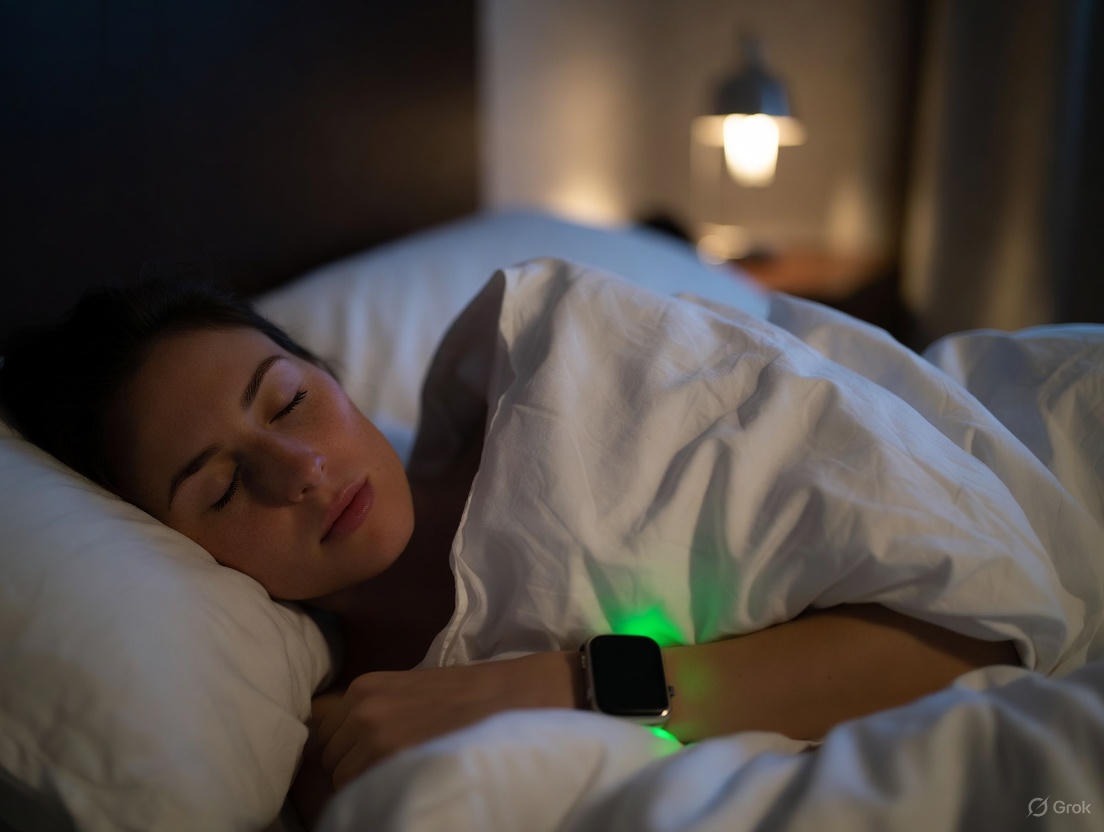
We begin our journey at night, in the quiet dark, where the most profound restorative work of the human body takes place. Sleep is not a passive state of inactivity; it is an intense, biologically active process of repair, consolidation, and reset. To treat sleep as a negotiable luxury is to undermine every other wellness effort you undertake. It is the bedrock upon which all other compounding habits are built.
During deep sleep (slow-wave sleep), your body releases growth hormone, which facilitates tissue repair, muscle growth, and cell regeneration. Your brain’s glymphatic system—a waste-clearance network—kicks into high gear, flushing out neurotoxic waste byproducts that accumulate during the day, including beta-amyloid proteins associated with cognitive decline. REM sleep, the stage associated with vivid dreams, is crucial for memory consolidation, emotional processing, and cognitive function. It’s when skills learned during the day are solidified and neural connections are pruned and strengthened.
Chronic sleep deprivation—defined as consistently getting less than 7 hours of quality sleep—doesn't just make you groggy. It systematically degrades your health portfolio. It dysregulates the hunger hormones ghrelin and leptin, increasing cravings for high-calorie, sugary foods. It impairs glucose metabolism, pushing your body toward insulin resistance. It weakens immune function, making you more susceptible to infections. It elevates cortisol (the stress hormone), contributing to anxiety and weight gain, particularly around the abdomen. It literally shrinks your capacity for focus, creativity, and emotional regulation.
The compounding benefit, however, is magnificent. Prioritizing 7-9 hours of quality sleep creates a daily positive ROI on your health. You wake with a metabolic system primed for efficiency, a brain cleared of mental fog, and a hormonal profile that supports mood stability and healthy appetite. This sets the stage for better decisions all day long—from choosing a nutritious breakfast to having the patience for a mindful work break.
Crafting Your Sleep Sanctuary: Beyond Counting Hours
The goal is not just sleep duration, but sleep quality and consistency. Here’s how to build this non-negotiable habit:
This is where intuitive feeling meets objective data. How do you know if your "cave" is cool enough, or if your new evening ritual is actually improving your sleep architecture? A wellness ring like Oxyzen, worn 24/7, becomes your personal sleep lab. It doesn’t just track when you’re in bed; it uses advanced sensors to measure your heart rate variability (HRV), resting heart rate, blood oxygen saturation, and body temperature to precisely delineate your light, deep, and REM sleep stages. You can see the direct impact of that late-afternoon coffee or the benefit of your new bedtime routine in hard data. Over time, you learn your personal patterns and can optimize relentlessly. For a deeper exploration of how technology illuminates this foundational pillar, you can read our complete guide on enabling preventive health monitoring.
Sleep is the ultimate passive income stream for your health. Invest in it nightly, and the dividends—in cognitive sharpness, metabolic health, and emotional balance—compound with every sunrise.
If sleep is the foundation, then consistent movement is the supportive architecture built upon it. The modern fitness narrative has been dominated by the "workout" – a discrete, often intense, period of suffering to be checked off the list. But what if the secret to lifelong mobility, metabolic health, and vitality isn't found in 60-minute gym sessions, but in moving throughout all 1,440 minutes of your day?
This is the concept of Non-Exercise Activity Thermogenesis (NEAT)—the calories you burn through everything that isn't sleeping, eating, or sports-like exercise. It includes walking to your car, typing, gardening, washing dishes, and even fidgeting. For most people, NEAT constitutes a significant portion of their daily energy expenditure, and it is incredibly malleable. Furthermore, the human body is designed for regular, rhythmic movement, not for prolonged sitting punctuated by bursts of high stress.
The compounding detriment of a sedentary lifestyle is well-documented: increased risk of cardiovascular disease, type 2 diabetes, certain cancers, and all-cause mortality. Sitting is the new smoking, not because a single sitting session is toxic, but because the cumulative, daily habit of inactivity creates systemic inflammation, impairs circulation, and weakens postural muscles.
The compounding benefit of consistent, low-grade movement, however, is a cascade of positive adaptations:
Building a Movement-Rich Life: The Art of "Exercise Snacking"
The goal is to break the sedentary spell and weave movement into the fabric of your day.
A smart ring is the perfect companion for this philosophy. Unlike a phone that stays on your desk or a watch you might take off, a ring like Oxyzen provides continuous, passive tracking of your movement and activity levels. It gently reminds you when you've been sedentary too long, celebrates when you hit your movement goals, and, by tracking metrics like heart rate and calorie expenditure, shows you the tangible metabolic impact of those "exercise snacks." It turns an abstract intention into a measured, manageable rhythm.
When you view movement as a constant, low-grade rhythm rather than a sporadic, high-volume event, you build a body that is resilient, capable, and energized for life. The compound interest here is paid in mobility, stability, and a metabolism that hums with efficiency, day after day, decade after decade.
We move from how we move to what we use to fuel that movement and every other process in our bodies. Nutrition is perhaps the most emotionally charged and confusing pillar of wellness, subject to endless fads and extreme ideologies. The compounding approach cuts through the noise: it’s not about perfect adherence to a rigid diet for 30 days; it’s about the cumulative effect of daily food choices on your cellular machinery, your gut microbiome, and your systemic inflammation levels.
Every bite of food is information. It instructs your genes on what to express, it feeds the trillions of bacteria in your gut that regulate everything from immunity to mood, and it either contributes to or fights against oxidative stress and inflammation. A single "unhealthy" meal is a blip. But a daily pattern of ultra-processed foods, excessive sugar, industrial seed oils, and insufficient fiber sends a consistent signal of distress to your biology, leading over time to insulin resistance, dysbiosis (an imbalanced gut microbiome), and chronic inflammation—the root cause of most modern diseases.
Conversely, the compounding benefit of a consistent, whole-foods eating pattern is nothing short of biological rejuvenation. Each day you prioritize:
Building Non-Negotiable Nutritional Habits:
Forget deprivation and think instead of consistent inclusion.
Technology plays a fascinating role here. While a ring can't scan your food, it can show you the profound impact of your nutritional choices on your physiological metrics. Did that sugary dessert last night cause a spike in your resting heart rate and a dip in your HRV, indicating increased physiological stress? Did a week of consistent, whole-foods eating correlate with a steady improvement in your sleep quality and energy scores? This biofeedback is powerful. It creates a direct loop between choice and consequence, moving nutrition from an abstract concept of "good vs. bad" to a tangible understanding of how food makes your unique body feel and function. For those curious about how these insights personalize your journey, explore our article on how health tracking technology enables personalized wellness.
By focusing on daily, sustainable habits of inclusion—more vegetables, more water, more mindful chewing—you build a biology that is anti-fragile. The compound interest accrues as cellular vitality, a thriving gut ecosystem, and a defense system that keeps you resilient in the face of life's inevitable stresses.
If nutrition builds the raw materials of your biology, then your relationship with stress determines how efficiently those materials are used—or depleted. Stress is not the enemy. It is an essential, evolutionary survival mechanism. The problem in the modern world is not acute stress (the kind that helps you meet a deadline or swerve to avoid an accident), but chronic, low-grade stress—the unrelenting drip of deadlines, financial worries, digital notifications, and social comparisons that keeps your nervous system in a perpetual state of "high alert."
This chronic activation of the sympathetic nervous system ("fight-or-flight") leads to elevated cortisol. In small, acute bursts, cortisol is life-saving. When chronically elevated, it becomes corrosive. It promotes fat storage (especially visceral fat), breaks down muscle tissue, impairs digestion and reproduction, suppresses immune function, and damages hippocampal cells in the brain, affecting memory and learning. It is the silent eroder of your compounding health portfolio.
Therefore, the fourth pillar of preventive wellness is not the elimination of stress, but the cultivation of stress resilience—the ability to encounter stressors, respond effectively, and then return to a state of calm and recovery. This is the skill of modulating your nervous system. And like a muscle, it can be trained and strengthened with consistent practice.
The compounding benefit of daily nervous system training is profound. You become less reactive and more responsive. You create space between a stimulus and your reaction, allowing for choice. Physiologically, you improve your Heart Rate Variability (HRV)—the subtle variation in time between heartbeats, which is a key biomarker of autonomic nervous system balance and resilience. A higher, more consistent HRV is associated with better cardiovascular health, improved emotional regulation, and faster recovery from stress.
Building Your Daily Resilience Toolkit:
These are not one-time fixes but micro-habits to be woven into your day.
This is where a device like Oxyzen transitions from a tracker to a true biofeedback coach. It provides an objective, daily readout of your nervous system's state through your HRV and resting heart rate trends. You can run experiments: Does my 10-minute morning meditation practice improve my average HRV over two weeks? How does a stressful meeting appear in my real-time heart rate data? Seeing the direct correlation between a mindfulness practice and an improved, measurable biomarker of resilience is one of the most powerful motivators for sticking with the habit. To understand the technology behind this, delve into the science behind modern health tracking technology.
By investing minutes each day in training your nervous system to down-regulate, you are building a compounding buffer against the wear and tear of modern life. The ROI is paid in calm, clarity, and a physiological state that supports, rather than undermines, all your other health investments.
Amid discussions of macronutrients, superfoods, and supplements, the most fundamental nutritional compound is often overlooked: water. It is the medium in which every single biochemical reaction in your body takes place. It transports nutrients, flushes toxins, regulates body temperature, lubricates joints, and cushions organs. Dehydration isn't just about thirst; it's a state of systemic inefficiency that forces your body into conservation mode, impairing every function from cognition to physical performance.
Chronic, low-grade dehydration—simply not drinking enough water throughout the day—has a stealthy, compounding negative effect. It can manifest as persistent fatigue, headaches, brain fog, constipation, dry skin, and even mood disturbances. It makes your blood more viscous, forcing your heart to work harder. It can also be mistaken for hunger, leading to unnecessary calorie consumption. When your cells are not optimally hydrated, they cannot perform their repair, energy production, or communication functions effectively.
The positive compounding effect of consistent, optimal hydration, however, is like oiling the gears of a complex machine. Every system runs more smoothly:
Building the Hydration Habit: Making Water Consumption Automatic

The goal is to move hydration from a conscious effort to an unconscious, consistent rhythm.
While a smart ring doesn't measure water intake directly, its data provides powerful indirect feedback. Chronic dehydration can lead to an elevated resting heart rate and lower HRV, as your cardiovascular system works harder. You might also see a correlation between poor hydration and lower sleep scores or higher perceived stress. By using your ring's recovery metrics as a guide, you can begin to notice how your body's performance correlates with your hydration habits. It turns the abstract goal of "drink more water" into a data-informed practice for better physiological function. This is part of the broader trend of how health tracking technology has changed preventive medicine, putting daily, actionable insights in the hands of individuals.
Water is the ultimate example of a simple, daily habit with disproportionate compounding returns. It costs nothing, takes little effort, and yet optimizes the function of every single cell in your body, creating a baseline of vitality upon which all other wellness habits can flourish.
The Power of the Pause: Intentional Recovery and the Science of Doing Nothing
In a culture that glorifies "hustle" and productivity, the sixth pillar of compounding wellness is perhaps the most counterintuitive: intentional, scheduled recovery. This is not passive collapse from exhaustion at the end of the day. It is the active, strategic practice of down-regulating your nervous system and allowing your body and mind to integrate, repair, and recharge. It is the essential "rest note" in the rhythm of a high-functioning life.
If stress is the "spending" of your biological resources (energy, neurological bandwidth, hormonal balance), then recovery is the "depositing" and "compounding" of those resources. Without sufficient recovery, you are essentially drawing down your health savings account without making deposits, leading to a state of deficit known as overtraining, burnout, or adrenal fatigue.
The compounding detriment of a non-recovery mindset is a gradual erosion of capacity. Performance plateaus, then declines. Motivation wanes. Irritability increases. Sleep becomes disturbed. Immunity drops. You become trapped in a sympathetic-dominant state, unable to access the restorative power of the parasympathetic ("rest-and-digest") nervous system.
The compounding benefit of daily, intentional recovery, however, is the creation of a surplus. You build adaptability. You don't just bounce back to baseline; with proper recovery, you can bounce forward to a higher level of resilience (a principle known as supercompensation in exercise science). This applies to cognitive work, emotional labour, and physical training alike.
Recovery happens on multiple timescales: micro (breath breaks), daily (evening wind-down), weekly (a true day of rest), and seasonally (extended time off).
This is a core area where a comprehensive wellness tracker provides indispensable insight. Your daily Readiness or Recovery Score—a composite metric often based on HRV, resting heart rate, sleep quality, and body temperature—is your objective guide to your recovery status. It answers the critical question: "Am I ready to perform today, or do I need to pull back and prioritize restoration?" Ignoring this data and pushing through on a low-recovery day is like ignoring a low fuel light in your car. By heeding these insights, you learn to balance stress and recovery proactively, ensuring your deposits always match or exceed your withdrawals. This principle of listening to your body's signals is central for anyone starting their journey, as outlined in our wellness ring basics for beginners.
By making recovery a scheduled, non-negotiable part of your wellness portfolio, you ensure that the energy you expend is sustainable. The compound interest is paid in enduring passion, consistent performance, and a deep-seated resilience that protects you from burnout.
Human beings are not designed for isolation. We are a profoundly social species, and the quality of our relationships has a direct, measurable impact on our physical health and longevity. This seventh pillar moves the focus from the individual body to the space between bodies—the social connections that nourish our nervous systems in ways food and exercise cannot.
Loneliness and social isolation are not just psychological states; they are biological stressors with a mortality risk comparable to smoking 15 cigarettes a day. Chronic loneliness increases inflammation, elevates blood pressure, impairs immune function, and disrupts sleep. It is associated with a significantly higher risk of heart disease, stroke, dementia, depression, and anxiety. In essence, a lack of positive connection actively degrades your health portfolio.
Conversely, strong, supportive social bonds have a powerful compounding positive effect, often called the "social cure." Positive social interactions:
Investing in Your Social Wellness Portfolio:
Building and maintaining relationships requires intentional habit formation, just like going to the gym.
While technology can't hug you, a smart wellness device can reveal the physiological impact of your social world. You might notice that your HRV is higher and your resting heart rate lower on days after a positive, connective social event. Conversely, you may see the physiological signature of a conflict or stressful interaction. This biofeedback reinforces the profound mind-body connection and reminds you that investing time in loved ones is not a distraction from your health goals; it is a direct, impactful pathway to achieving them. For real-world examples of how technology integrates into users' holistic lives, browse through our collection of real customer reviews and user experiences.
Your social network is a living, breathing component of your immune system and your psychological infrastructure. By making consistent, small deposits of time, attention, and care into your key relationships, you build a compounding asset that pays dividends in happiness, resilience, and longevity.
Our behaviours do not occur in a vacuum. They are powerfully shaped, often subconsciously, by the environments we inhabit—our homes, our offices, even our digital spaces. The eighth pillar of compounding wellness is the intentional design of these environments to make healthy choices the default, effortless option and derailing choices more difficult. This is "choice architecture" applied to personal health.
Every decision you make drains a tiny bit of your finite willpower and cognitive bandwidth, a concept known as ego depletion. By using your environment to automate good decisions, you conserve this precious mental energy for more important things. A well-designed environment acts as a constant, silent nudge toward wellness, creating a positive compounding effect with zero daily willpower required.
Conversely, a "toxic" environment—one filled with constant junk food cues, digital distractions, poor lighting, and clutter—forces you to expend willpower just to maintain baseline healthy habits, leading to decision fatigue and eventual relapse.
Engineering Your Environments for Success:
A smart ring integrates seamlessly into this concept of an optimized environment. It's a piece of wearable environmental design that provides gentle, haptic nudges—a vibration to remind you to move after an hour of inactivity, a subtle prompt that it's time to start your wind-down routine based on your personal sleep data. It externalizes the reminders, so you don't have to remember. It turns abstract health intentions into tangible, in-the-moment environmental cues. To see how this seamless integration works with other parts of your life, learn about wellness ring integration with other health apps.
By taking a weekend to thoughtfully design your physical and digital spaces, you set up a system that works for you 24/7. The compounding benefit is a life where wellness feels effortless and automatic, freeing your conscious mind to focus on growth, creativity, and connection.

We arrive at the final pillar of this foundational section, which serves as the unifying thread for all the others: the mindful, empowered use of personal data. In the era of wearables, we have unprecedented access to the inner workings of our bodies. This "quantified self" movement can be a source of empowerment or anxiety, depending on your relationship with the data. The goal is not to become a slave to numbers or to chase perfection, but to use objective feedback as a compassionate coach and a discovery tool for your unique biology.
The old model of health was reactive and generalized: you feel unwell, you see a doctor, you get a diagnosis based on population averages. The new, preventive model is proactive and personalized. It asks: "What are my unique baselines? What specific habits move my personal biomarkers in a positive direction? What are my body's early warning signs of imbalance?"
This is the ultimate compounding advantage: self-knowledge. The more you learn about how your body responds to sleep, food, stress, and movement, the more precisely you can invest your efforts for maximum return. Data closes the feedback loop between action and outcome, turning wellness from a guessing game into a strategic, evidence-based practice.
A sophisticated wellness device is the engine for this self-knowledge. A ring like Oxyzen, with its medical-grade sensors and 24/7 wearability, provides the continuous, clinical-quality data stream needed to see these subtle trends and run clean personal experiments. It transforms intuition into insight. You're not just "feeling" better; you have a dashboard showing your Readiness Score climb, your Sleep Consistency improve, and your Activity Strain align perfectly with your recovery capacity. This is the modern tool for stewarding your long-term health capital. For a look at how this technology is evolving and what it makes possible, explore insights into health tracking technology in 2025 and what's possible.
By embracing a data-informed—not data-obsessed—approach, you become the CEO of your own health. You move from following generic advice to executing a personalized, high-yield wellness strategy. The compound interest here is wisdom: a deep, actionable understanding of the one body and mind you have been given to steward for a lifetime.
The Synergy of Systems: When 1+1+1 Equals 10
As we conclude this foundational exploration of the core preventive habits, it’s crucial to step back and view them not as eight isolated pillars, but as an interconnected, dynamic system. This is where the true magic of compounding occurs—not linearly, but exponentially. The habits synergize, creating outcomes far greater than the sum of their parts.
Consider the cascade:
This is the wellness flywheel. A small push on one habit creates momentum that makes the others easier to turn. The goal is not perfection in any one area, but consistent, gentle nurturing of all areas, trusting that their interaction will produce the profound, holistic health you seek.
This journey of compounding wellness is a lifelong practice of showing up for yourself in small, consistent ways. It is the ultimate act of self-respect and future-mindedness. By building these micro-habits today, you are not just avoiding illness tomorrow; you are actively constructing a life of greater energy, clarity, and capacity for everything that matters to you.
Your Next Step: From Insight to Implementation
Understanding these principles is the first step. The crucial next step is implementation—translating knowledge into daily, sustainable action. This is where the right tools and guidance transform intention into reality.
To begin your own personalized compounding journey, to see how these interconnected systems manifest in your unique biology, and to equip yourself with a 24/7 guide that provides the data, insights, and gentle nudges needed for success, the path forward is clear. Visit the Oxyzen shop to discover the smart ring designed to be your partner in this process. Or, to delve deeper into the philosophy and science behind this approach to lifelong health, explore our blog for a wealth of resources that build upon every concept discussed here.
The most powerful time to invest in your health was yesterday. The second most powerful time is today. Start building your compounding wellness portfolio now.
We've established that data is the compass for our preventive wellness journey. But data points are just numbers until we learn their language. This section delves deeper into the most critical biomarkers accessible through modern wearables, teaching you not just to read them, but to interpret their stories and conversations with each other. This is the literacy of self-care.
Heart Rate Variability (HRV): The North Star of Nervous System Balance
If you only track one biomarker for resilience, let it be HRV. Often misunderstood, HRV is not about your average heart rate. It is the variation in time between consecutive heartbeats, measured in milliseconds. A higher HRV generally indicates a healthy, resilient autonomic nervous system that can swiftly adapt to stress—speeding up when needed (sympathetic activation) and calming down effectively afterward (parasympathetic recovery). A lower HRV suggests a nervous system that is stuck in a stressed or fatigued state, with less flexibility.
Resting Heart Rate (RHR): The Engine's Idle Speed
Your RHR is the number of times your heart beats per minute while you are completely at rest (ideally measured during sleep or upon waking). For most adults, a healthy RHR ranges from 60 to 100 bpm, with well-conditioned athletes often having rates in the 40s or 50s.
Sleep Architecture: Decoding the Nightly Repair Cycle
Moving beyond simple "duration," understanding sleep architecture—the cyclical progression through light, deep, and REM sleep stages—is key. Each stage serves a distinct, vital purpose.
Body Temperature: The Subtle Rhythm of Health
Continuous core body temperature tracking (via the finger, where blood flow is consistent) reveals more than just fever. It follows a circadian rhythm, typically lowest in the early morning and highest in the late afternoon.
Respiratory Rate: The Window to Autonomic Tone
The number of breaths you take per minute, especially during sleep, is a stable and informative metric. A typical adult respiratory rate is between 12-20 breaths per minute.

The true mastery lies in viewing these biomarkers not in isolation, but as an interconnected orchestra. For example:
Learning this silent language empowers you to move from reactive healthcare to truly proactive self-care. You become attuned to your body's whispers long before they become shouts. For a detailed breakdown of how the sensors and algorithms work together to generate these insights, the resource on health tracking technology sensors, algorithms, and AI explained is invaluable.
Our exploration of compounding habits now turns inward, to a frontier of health that profoundly influences every pillar we've discussed: the gut microbiome. This vast community of trillions of bacteria, fungi, and viruses living in your digestive tract is not a passive passenger; it is an active, essential organ that communicates bidirectionally with your brain via the gut-brain axis. The state of your inner ecosystem compounds daily, directly affecting your mood, immunity, metabolism, and even your cravings.
An imbalanced microbiome (dysbiosis), often resulting from a diet high in processed foods, sugars, and low in fiber, is linked to a staggering array of issues: depression, anxiety, obesity, type 2 diabetes, autoimmune conditions, and skin disorders. It can increase systemic inflammation and impair nutrient absorption, undermining all your wellness efforts.
Conversely, a diverse, flourishing microbiome acts as a daily health dividend:
Compounding Habits for a Thriving Gut Garden:
You cultivate your microbiome with every bite. The goal is to become a master gardener, seeding, feeding, and weeding your inner landscape.
While a smart ring doesn't directly analyze your gut bacteria, it provides powerful proxy data. As you improve your gut health, you will likely see it reflected in:
This creates a beautiful compounding loop: better nutrition improves your gut, which improves your mental state and reduces stress, which makes it easier to stick to healthy nutrition. It's a core example of systemic synergy. For a broader look at how daily habits driven by data lead to long-term vitality, the article on 50 healthy aging tips a smart ring helps implement daily offers practical connections.
By investing in your microbiome daily, you're not just digesting food; you're cultivating the very foundation of your mental and physical resilience. The compound interest is paid in stable mood, strong immunity, and a metabolism that works for you.
Every cell in your body operates on a roughly 24-hour cycle known as a circadian rhythm. These rhythms, governed by a master clock in the brain (the suprachiasmatic nucleus) and peripheral clocks in organs, regulate everything from hormone release and body temperature to digestion and cognitive performance. The most powerful zeitgeber (time-giver) for this system is light. Ignoring these innate rhythms by eating late at night, exposing ourselves to blue light after sunset, or keeping erratic sleep schedules creates "circadian disruption," a form of biological stress that degrades health over time.
The compounding detriment of living out of sync with your circadian biology is insidious. It's linked to increased risk for metabolic syndrome, cardiovascular disease, certain cancers, mood disorders, and accelerated aging. It makes weight management harder, sleep poorer, and energy levels erratic.
The compounding benefit of circadian alignment, however, is like catching a consistent tailwind for your health. When you align your habits with your biology, every function becomes more efficient.
Habits for Circadian Harmony:
Your wellness ring is an exceptional tool for circadian tracking. By monitoring your 24/7 body temperature rhythm and resting heart rate pattern, it can show you if your internal clock is stable or disrupted. You can experiment with these habits and see their direct impact on flattening your temperature curve or normalizing your nightly heart rate dip. This objective feedback makes the abstract concept of "circadian health" concrete and manageable. Understanding these principles is part of mastering your device, a journey covered in wellness ring basics for mastery, from unboxing to expert user.
Aligning with your circadian rhythm is the ultimate meta-habit. It optimizes the timing and effectiveness of nearly every other habit in your portfolio, ensuring your efforts yield their maximum possible return.
We have touched on stress management, but the tool of breath deserves its own deep dive as the most immediate and accessible lever we have over our autonomic nervous system. Breathing is unique—it is an automatic function we can also consciously control. By changing how we breathe, we can send direct signals to the brain to shift our physiological state from stressed (sympathetic) to calm (parasympathetic). This isn't just spiritual advice; it's neurophysiology.
Shallow, rapid, chest-based breathing (common during stress) stimulates the sympathetic nervous system. Slow, deep, diaphragmatic breathing stimulates the vagus nerve, the main highway of the parasympathetic system, triggering a relaxation response that lowers heart rate, blood pressure, and cortisol.
The compounding benefit of daily breathwork practice is a more resilient and responsive nervous system. It's like performing daily reps for your vagal tone (the activity of the vagus nerve). High vagal tone is associated with better emotional regulation, reduced inflammation, and improved social connection.
Integrating Breathwork into Your Daily Compounding Routine:
Here, your wearable provides the satisfying "proof." Practice a 5-minute box breathing session and watch your real-time heart rate dip on the device's screen. Track your HRV over weeks of consistent breathwork and see the trend line rise. This biofeedback is incredibly reinforcing, turning an ancient practice into a data-validated modern wellness strategy. It's a prime example of how health tracking technology enables personalized wellness, showing you what works for your nervous system.
Breath is the always-available, zero-cost tool that connects the mind and body. By making conscious breathing a daily micro-habit, you compound a sense of agency over your internal state, building a calm center that can weather any storm.
In the 21st century, information is our second-greatest environmental exposure, after food. What we consume through our eyes and ears directly shapes our thoughts, emotions, and stress levels. A "junk food" digital diet—composed of endless scrolling, doomscrolling, social comparison, sensationalist news, and fragmented attention—feeds anxiety, erodes focus, fragments our time, and hijacks our dopamine reward pathways. This constant cognitive litter creates low-grade psychic stress that undermines all other wellness efforts.
The compounding benefit of a conscious digital diet, however, is profound mental clarity, regained time, and reduced ambient anxiety. It frees up cognitive bandwidth for deep work, creativity, and real-world connection.
Habits for a Nourishing Digital Diet:
Your smart ring can surprisingly validate this digital hygiene. You may discover that days with high "screen time" or constant multitasking correlate with a higher resting heart rate and poorer sleep scores. Conversely, after a "digital Sabbath" or a day spent mostly in nature and offline, you might see your HRV spike. This data reinforces that digital consumption is not a separate part of life; it's a direct input into your physiological stress load. Learning to manage this input is part of the essential knowledge covered in wellness ring basics for common questions answered.
By intentionally curating your information intake, you declutter your mind. This creates the mental space necessary to be present, to focus on your compounding habits, and to engage meaningfully with your life. The dividend is peace of mind.
Your Trusted Sleep Advocate (Sleep Foundation — https://www.sleepfoundation.org/)
Discover a digital archive of scholarly articles (NIH — https://www.ncbi.nlm.nih.gov/
39 million citations for biomedical literature (PubMed — https://pubmed.ncbi.nlm.nih.gov/)
experts at Harvard Health Publishing covering a variety of health topics — https://www.health.harvard.edu/blog/)
Every life deserves world class care (Cleveland Clinic -
https://my.clevelandclinic.org/health)
Wearable technology and the future of predictive health monitoring. (MIT Technology Review — https://www.technologyreview.com/)
Dedicated to the well-being of all people and guided by science (World Health Organization — https://www.who.int/news-room/)
Psychological science and knowledge to benefit society and improve lives. (APA — https://www.apa.org/monitor/)
Cutting-edge insights on human longevity and peak performance
(Lifespan Research — https://www.lifespan.io/)
Global authority on exercise physiology, sports performance, and human recovery
(American College of Sports Medicine — https://www.acsm.org/)
Neuroscience-driven guidance for better focus, sleep, and mental clarity
(Stanford Human Performance Lab — https://humanperformance.stanford.edu/)
Evidence-based psychology and mind–body wellness resources
(Mayo Clinic — https://www.mayoclinic.org/healthy-lifestyle/)
Data-backed research on emotional wellbeing, stress biology, and resilience
(American Institute of Stress — https://www.stress.org/)


