


How Your Wellness Ring Validates Your Recovery Strategies
The ring validates if your recovery strategies (like sleep, nutrition) are working.
The ring validates if your recovery strategies (like sleep, nutrition) are working.
%402x.svg)
You’ve done the hard part. You’ve sweated through the workout, powered through the final rep, or completed the long run. The session is over, and you move into the next phase of your ritual: recovery. You stretch, hydrate, maybe use a foam roller, and prioritize sleep. You believe these strategies are working. You feel like you’re recovering well. But what if your feelings are lying to you? What if your perception of recovery is disconnected from your body’s physiological reality?
For decades, recovery has been a guessing game, governed by intuition, soreness, and generic advice. We’ve relied on subjective metrics—“I feel tired,” “My legs are heavy”—to guide critical decisions about when to push and when to rest. This approach is not just imprecise; it’s a primary culprit behind overtraining, burnout, plateaus, and injury. You can’t manage what you don’t measure, and until recently, measuring the intricate, internal process of recovery was the exclusive domain of elite athletes with access to lab-grade equipment.
Enter the modern wellness ring. This unassuming piece of wearable technology has democratized biohacking, bringing continuous, clinical-grade physiological monitoring to your finger. It’s shifting recovery from an abstract concept to a data-driven science. Your ring isn’t just tracking steps; it’s listening to the silent language of your autonomic nervous system, decoding the story of your stress, and quantifying the quality of your restoration. It provides the objective validation—or the crucial contradiction—your recovery strategy desperately needs.
This article will explore how the data from your wellness ring transforms recovery from a hopeful practice into a proven protocol. We’ll move beyond simply logging sleep and into the realm of validation: using concrete biometric feedback to confirm what’s working, discard what’s not, and personalize your path to sustained performance and well-being. Whether you’re a dedicated athlete, a busy professional fighting burnout, or someone focused on healthy aging tips that start working at any age, understanding this validation loop is the key to unlocking lasting vitality.
Let’s begin by understanding the core disconnect between how we think we recover and how our bodies actually do.
We’ve all been there. The alarm goes off after a night you thought was decent. You don’t feel particularly sore from yesterday’s workout. You mentally check the box: “Recovered. Ready to go.” But halfway through your day or your next training session, you crash. Energy plummets, focus scatters, and performance suffers. What happened? Your conscious perception was out of sync with your physiological state.
This disconnect exists because our conscious awareness is a poor barometer for the complex, systemic process of recovery. Recovery isn’t just the absence of muscle soreness; it’s the restoration of hormonal balance, the replenishment of energy stores, the repair of micro-tears in tissue, the reduction of systemic inflammation, and the recalibration of your nervous system. Most of this occurs silently, beneath the level of conscious feeling.
The Limitations of Subjective Measurement:
The High Cost of Misreading Recovery:
Consistently training in a under-recovered state creates a debt your body must eventually pay. This isn’t just about a bad workout; it’s about a cascade of negative effects:
The old model of recovery guesswork is fundamentally flawed. To progress, we need an objective translator—a device that listens to our body’s whispers before they become screams. This is the core promise of a wellness ring. As explored in our resource on how a smart ring tracks healthy aging progress over time, consistent, objective data is the antidote to guesswork. It provides a clear, unbiased window into your internal state, allowing you to align your actions with your actual physiology, not just your perception. For a deeper look at the foundational science behind this, you can explore the science-backed tips that actually work.
Your Ring as a Biofeedback Lab: The Key Metrics That Matter
A wellness ring is more than a sleep tracker; it’s a personal biofeedback laboratory worn 24/7. By leveraging sensors like photoplethysmography (PPG) to detect blood volume changes, accelerometers, and temperature sensors, it captures a symphony of data points that, when interpreted together, paint a precise picture of your recovery status. Let’s demystify the key metrics and understand what they’re actually telling you about your body’s repair processes.
If you only pay attention to one recovery metric, it should be HRV. Heart Rate Variability measures the subtle variations in time between each heartbeat. Contrary to intuition, a healthy heart does not beat with the metronomic regularity of a drum machine. It has complex, millisecond variations controlled by the constant tug-of-war between your sympathetic ("fight or flight") and parasympathetic ("rest and digest") nervous systems.
A higher HRV generally indicates strong parasympathetic tone and good adaptability. Your body is relaxed, resilient, and ready to handle stress. It suggests effective recovery.
A lower HRV suggests dominant sympathetic activity. Your body is in a state of stress, whether from exercise, psychological pressure, illness, or poor sleep. It’s a flag that your system is strained and may need more rest.
Your wellness ring tracks your nighttime HRV, which is considered the most reliable measurement, as it’s taken when you are (ideally) still and in a fasted state. By establishing your personal baseline over several weeks, you can see daily deviations. A significant drop from your baseline is a strong, objective signal that you are not fully recovered, regardless of how you feel.
Resting Heart Rate (RHR): The Body's Metabolic Idle Speed
Your Resting Heart Rate is the number of times your heart beats per minute while you are completely at rest. It’s a straightforward but powerful indicator of cardiovascular fitness and overall physiological strain.
A lower RHR typically indicates greater cardiovascular efficiency and stronger parasympathetic tone. With consistent training and recovery, you’ll likely see your RHR trend downward over time.
An elevated RHR, especially a spike of 5-10+ beats above your normal waking average, is a classic early warning sign. It can indicate your body is fighting something—lingering training fatigue, dehydration, the onset of an illness, or high life stress. It’s your body working harder just to maintain homeostasis.
The ring tracks this throughout the night, giving you a clean, reliable RHR measurement free from the distractions and movements of the day.
Sleep Architecture: Beyond Just "Hours in Bed"
Sleep is the non-negotiable pillar of recovery. Your ring moves far beyond simple duration tracking to analyze the architecture of your sleep—the cyclical journey through light, deep, and REM (Rapid Eye Movement) stages. Each stage plays a unique role in recovery:
A wellness ring scores your sleep based on duration, consistency, and the balance of these stages. Waking up feeling unrefreshed despite 8 hours in bed often finds its explanation here: you may have gotten insufficient deep or REM sleep due to disruptions, alcohol, or late-night screen time.
Respiratory Rate and Body Temperature: The Subtle Vital Signs
Respiratory Rate (breaths per minute) during sleep is a stable vital sign that can creep up in response to physiological stress, fever, or cardiopulmonary load. Monitoring its trend can provide additional context.
Skin Temperature trends can indicate changes in circadian rhythm, the onset of illness (a fever), or, for women, signal different phases of the menstrual cycle—a crucial piece of context for understanding monthly variations in recovery capacity, a topic we detail in our guide to healthy aging tips for women navigating hormonal changes.
Together, these metrics form an Objective Recovery Score. Platforms like Oura, Circular, and Ultrahuman synthesize this data into a single, easy-to-interpret number or readiness index. This score is your ring’s validated verdict on your recovery status. It answers the question, “Is my body truly ready for what I have planned today?” Understanding this data is the first step; the next is learning to listen to it, a skill we delve into in our article on how a wellness ring validates effective healthy aging tips.

Armed with this continuous stream of biometric data, you can now engage in the most powerful process in modern wellness: the Validation Loop. This is the shift from blindly following generalized recovery advice to running personalized experiments, where your ring provides the objective results. Let’s see how this works in practice for common recovery strategies.
Case Study 1: Validating Your Sleep Hygiene Protocol
You’ve read the articles: keep the room cool, avoid blue light, have a consistent bedtime. You implement a new “perfect” sleep routine: blackout curtains, 68°F room, no phone after 9 PM, and a magnesium supplement. In the past, you’d judge success by whether you “slept through the night” or felt slightly better in the morning—subjective and fuzzy.
With a Wellness Ring, You Validate:
Case Study 2: Validating Post-Workout Nutrition & Hydration
The debate around post-workout protein shakes, carbs, and electrolytes is endless. Does your specific regimen actually aid your recovery?
With a Wellness Ring, You Validate:
Case Study 3: Validating "Active Recovery" vs. Complete Rest
Is that gentle yoga or 30-minute walk on your “rest day” truly regenerative, or is it adding more subtle stress?
With a Wellness Ring, You Validate:
This Validation Loop turns you into the principal investigator of your own well-being. Every strategy—from meditation apps to foam rolling techniques, from sauna use to caffeine curfews—can be put to the test. The ring provides the peer review. For a comprehensive collection of strategies you can test, our blog features 50 healthy aging tips a smart ring can help implement daily.
Physical training is only one source of stress that demands recovery. In many modern lives, psychological and emotional stress is the dominant, and often overlooked, recovery thief. A high-pressure work deadline, family conflict, or financial anxiety can activate your sympathetic nervous system just as powerfully as a heavy squat session—and often for much longer durations. You might skip a workout, thinking you’re “resting,” while your nervous system is in a prolonged state of high alert, utterly depleting your recovery resources.
This is where the wellness ring becomes an essential lie detector for your mental load.
How Your Ring Quantifies Non-Physical Stress
Your body doesn’t differentiate between the stress of a deadline and the stress of a sprint. The physiological signature is similar: elevated cortisol, increased heart rate, decreased HRV. Your ring picks up this signature clearly:
Validating Your Stress-Management Toolkit
Just as you validate post-workout routines, you can use your ring to validate your stress-management techniques. Does that 10-minute meditation app actually calm your physiology?
This ability to see the invisible impact of mental stress is revolutionary. It validates the critical need to manage life stress as diligently as you manage training volume. It bridges the mind-body gap with hard data, showing that recovery isn’t just about muscles; it’s about the entire system. For a deep dive into this connection, our article on stress management and connection for healthy aging offers vital insights. Furthermore, protecting your cognitive function under stress is paramount, a topic covered in our guide to healthy aging tips to protect cognitive function.
For athletes and dedicated fitness enthusiasts, the concepts of periodization (cycling training intensity) and tapering (reducing load before an event) are sacred. But historically, these plans have been based on calendars and predetermined percentages, often ignoring the individual’s daily readiness. What if your 3-week taper plan starts when you’re already in a deep recovery hole? A wellness ring brings real-time biofeedback into the planning process, creating a responsive, living training plan.
Using Daily Readiness to Adjust Weekly Volume
Instead of rigidly following a plan that prescribes hard intervals on a Wednesday, you can use your morning readiness score as a gatekeeper.
This approach, often called autoregulation, ensures you apply stress when your body is best prepared to adapt to it, and you provide rest when it’s most needed. It maximizes the efficiency of every workout and minimizes the risk of overtraining.
Validating Your Taper Strategy
Tapering is an art. Too little reduction in load, and you show up fatigued. Too much, and you lose fitness. Your ring provides objective data to nail your taper.
This level of precision transforms training from a pre-written script into a dynamic dialogue with your body. It’s the ultimate validation that your periodization strategy is working on a physiological level, not just on paper. For those in critical prevention decades, this responsive approach is especially valuable, as highlighted in our resource on healthy aging tips for your 50s as a critical decade for prevention.
While the examples often center on athletic performance, the validation power of a wellness ring is perhaps even more transformative for non-athletes. Recovery is not just about repairing muscle; it’s about restoring cognitive function, emotional resilience, and systemic health for the demands of modern life.
For the High-Performance Executive: Burnout is the equivalent of athletic overtraining. The ring validates the impact of 80-hour workweeks and cross-continental travel on your nervous system. It can guide you to see that skipping lunch for a meeting tanks your afternoon HRV, or that a strategic 20-minute nap after a poor night’s sleep can measurably restore your cognitive readiness. It turns self-care from a soft concept into a hard productivity metric.
For the New Parent: In a world of sleep deprivation and constant demand, the ring provides a lifeline of objective self-awareness. It can validate that when the baby allows a 90-minute consolidated sleep block, your deep sleep spikes, offering crucial restoration. It can show that a 10-minute walk outside while the baby naps lowers your spiking daytime heart rate more effectively than scrolling through your phone. It helps you find micro-strategies that actually move your recovery needle.
For the Aging Adult Focused on Vitality: As we age, recovery capacity naturally changes. The ring becomes an essential tool for preserving independence longer and implementing healthy aging tips that track what matters. It can validate that strength training, crucial for maintaining muscle mass after 60, does not overly strain your system if followed by adequate rest. It can show how HRV monitoring directly supports healthy aging goals by providing an early warning system for systemic strain. It helps differentiate between normal aches and pain that signals the need for a true recovery day, supporting a proactive approach to fighting cellular aging.
In all these cases, the ring validates a fundamental truth: Life stress is training stress. The need for intentional recovery is universal. The ring simply makes that need visible, measurable, and manageable.
With great data comes great responsibility. It’s possible to become obsessive, anxious, or simply misinterpret the signals from your ring. Healthy validation requires smart interpretation. Here are key pitfalls to avoid:
1. Obsessing Over Single-Day Scores: Your recovery score is a trend-based tool. A single low score is not a catastrophe; it’s a data point. The power is in observing patterns over weeks and months. Did one night of poor sleep crash your score? That’s normal. Do you see a consistent downward trend in HRV over 10 days? That’s a meaningful pattern requiring attention.
2. Ignoring Contextual Overrides: The ring measures physiology, not circumstance. It doesn’t know you had two glasses of wine, slept in a hot hotel room, or started a new medication. You must be the context engine. Always cross-reference low scores with lifestyle logs. A plummeting score with no obvious life cause, however, can be an early indicator of illness—a powerful feature in itself.
3. Treating the Score as a Command, Not a Recommendation: A low readiness score is not a sentence to the couch. It’s information. For some, a gentle walk may improve circulation and mood. Use the data to make an informed choice, not to foster an all-or-nothing mindset. Learn to listen to the combination of the data and your subjective feeling.
4. Chasing an Ever-Higher HRV: HRV is highly individual. Comparing your number to others is meaningless. Furthermore, an extremely high HRV deviation from your own baseline can sometimes indicate a different kind of system imbalance (e.g., lack of any stressor). The goal is not a perpetually high score, but a responsive system that dips appropriately under stress and recovers robustly.
5. Neglecting the Big Picture of Joy: If a spontaneous night out with friends lowers your next day’s score, was it “bad” for you? Not necessarily. The ring quantifies physiological recovery, not life fulfillment. Sometimes, the mental and social benefits of connection—a key social connection factor in healthy aging—outweigh the temporary biometric cost. The data should inform your choices, not robotically dictate them.
The goal is to develop a collaborative relationship with your data—using it as an objective coach that provides feedback, not as a tyrannical judge that issues verdicts. For answers to common questions about using this technology effectively, our FAQ page is an excellent resource, and to see how others have successfully integrated it, browse our customer testimonials.

Now that we understand the metrics, the validation loop, and the pitfalls, let’s synthesize this into an actionable framework. Here is how you can use your wellness ring to build, test, and refine a truly personalized recovery protocol.
Phase 1: Establish Your Baseline (Weeks 1-4)
Phase 2: Identify One Lever (Week 5+)
Phase 3: Run a Micro-Experiment & Gather Data
Phase 4: Validate, Adopt, or Adjust
Phase 5: Iterate and Layer
This framework turns you into the architect of your own resilience. Your ring provides the blueprints and the inspection reports. For inspiration on the types of strategies you can test, explore our story and vision at Our Story to understand the philosophy behind data-driven wellness, or discover the product that enables this journey at the Oxyzen shop.
Integrating Validation: From Recovery to Holistic Lifestyle Optimization
The validation of recovery strategies is a powerful entry point, but the true revolution begins when you widen the lens. Your wellness ring’s data doesn't exist in a vacuum; it is the integrated output of your entire lifestyle. The sleep score impacted by your evening habits, the HRV suppressed by work stress, the RHR elevated by dietary choices—all of it is interconnected. This means the validation loop you’ve mastered for recovery can, and should, be applied to every pillar of well-being. Your ring becomes the central hub for a holistic, self-experimentation lifestyle, moving you from optimizing recovery in isolation to orchestrating a symphony of healthy habits that reinforce one another.
This phase is about connecting dots. It’s where you discover that the magnesium supplement you validated for sleep also subtly improves your HRV trend. It’s where you see that the mindfulness practice you use for stress directly correlates with more deep sleep after a hard training day. The ring’s data provides the feedback mechanism to see these synergies, allowing you to build a lifestyle where nutrition, movement, stress management, sleep, and social connection are not competing priorities but mutually supportive elements. This integrated approach is the cornerstone of sustainable vitality, whether your goal is athletic performance, professional resilience, or graceful aging. As you’ll see, the same data that validates your post-workout protein shake can also guide you toward a more resilient nervous system and a sharper mind.
Nutrition advice is notoriously contradictory and overwhelming. Keto or plant-based? Intermittent fasting or six small meals? Your wellness ring cuts through the noise by providing a clear, physiological report card on how your dietary choices affect your foundational metrics: sleep, stress, and recovery.
Validating Meal Timing and Composition:
Caffeine and Alcohol: The Ultimate Biohacking Experiments:
These two substances provide some of the clearest validation case studies.
Movement & Exercise: Optimizing Type, Timing, and Intensity
Your ring’s recovery metrics are the perfect tool to move beyond generic workout plans and tailor your movement to your body’s daily needs and long-term resilience goals.
Validating Exercise Type for Your Nervous System:
Not all exercise is created equal in its stress/recovery profile. High-Intensity Interval Training (HIIT) is a potent stressor, while steady-state zone 2 cardio or yoga is more parasympathetic (recovery) promoting. Your ring can validate this:
The "Sweet Spot" for Sustainable Training:
Overtraining isn’t just for elite athletes. It’s a state of chronic imbalance. Your ring is your early-detection system. A consistent, downward trend in HRV over 7-10 days, coupled with a creeping elevation in RHR and fragmented sleep, is the biometric signature of excessive cumulative stress. This data allows you to pull back before you crash, illness hits, or injury occurs. It validates the need for a deload week, turning a guess into a data-driven decision. This proactive approach is fundamental for preserving independence longer by preventing the setbacks that can come from pushing too hard for too long.
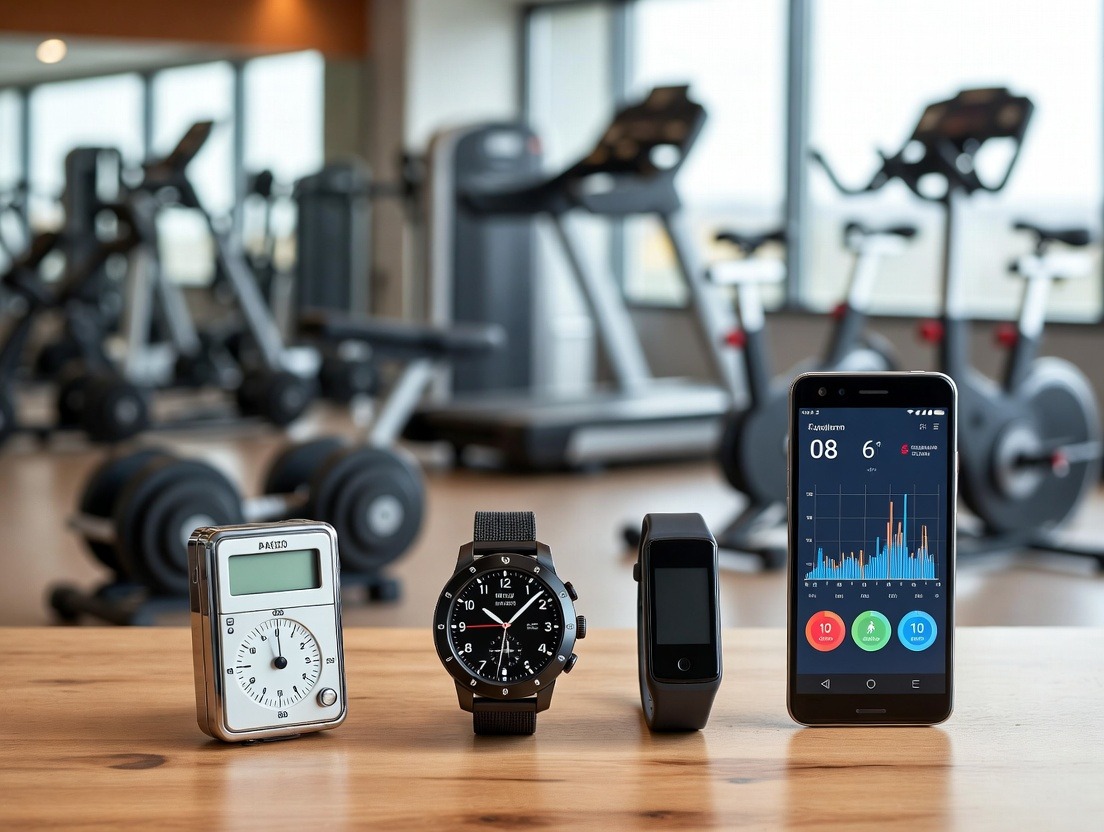
The connection between physical recovery and mental state is a two-way street. Your ring not only shows how stress hurts recovery, but also how poor recovery undermines mental resilience. This creates a powerful feedback loop for mental well-being.
Validating the Physiological Impact of Mental Practices:
We often pursue meditation or breathwork because we’re told they’re “good for us.” Your ring provides the tangible, physiological “why.”
Social Connection as a Recovery Modality:
Loneliness is a profound stressor. Conversely, positive social interaction can be a powerful recovery tool. Your ring can even hint at this. An evening spent laughing with close friends might result in a better sleep score and HRV than an evening of isolated screen time, even if bedtime is later. It validates the deep truth that connection is not a luxury; it’s a biological need that supports systemic recovery. The importance of this is highlighted in our resource on the social connection factor in healthy aging.
The Long Game: Validating Strategies for Lifelong Health and Healthy Aging
The ultimate application of the validation loop is playing the long game. The goal shifts from optimizing tomorrow’s workout to building a physiology that supports vitality, resilience, and independence for decades to come. Your wellness ring is the perfect tool for this mission, providing the feedback to implement science-backed healthy aging tips that actually work.
Tracking the Trajectory, Not Just the Daily Score:
Zoom out from the daily readiness score. Look at trends over months and years. Is your baseline HRV gradually improving with your consistent habits? Is your average resting heart rate trending down? These long-term trends are the ultimate validation of your lifestyle. They are measurable indicators of improving biological age and cardiovascular fitness. This is the essence of using a smart ring to track healthy aging progress over time.
Early Warning System for Deviations:
As you establish your personal “normal,” any significant, unexplained deviation becomes a flag. A sudden, sustained drop in HRV or rise in RHR, without a change in training or life stress, can be one of the earliest signs of an oncoming illness—sometimes even before you feel symptoms. This allows you to proactively prioritize rest, hydration, and nutrition, potentially mitigating the severity or duration of the illness. For an aging adult, this early-detection capability is a powerful tool for health management.
Validating "Microloading" for Sustainable Strength:
For those focused on maintaining muscle mass after 60, recovery is paramount. The ring allows for exquisite precision. Instead of pushing for personal records, you can validate a “microloading” strategy: consistent, moderate strength training that never crashes your recovery metrics. The validation is in the sustained trend—maintaining strength and muscle without incurring the systemic stress that leads to injury or burnout. This data-driven approach ensures that exercise remains a net-positive for the system.
Hormonal Cycles and Recovery (For Women):
For women, the monthly hormonal cycle profoundly influences recovery capacity, energy levels, and nervous system state. By tagging their cycle phases in their ring’s app, women can validate these patterns with data. They may see a predictable drop in HRV and rise in RHR in the days before menstruation (luteal phase), validating the need for reduced training intensity. They may see a peak in HRV and readiness during the follicular phase, validating it as the ideal time for higher-intensity work. This turns a subjective experience into a validated, predictable cycle, allowing for truly personalized training and recovery planning throughout the month, a process we support with tips for women navigating hormonal changes.
Data is only as good as your ability to interpret it and act on it. Here’s how to move from passive observation to creating a personalized daily dashboard for decision-making.
The Morning Check-In Ritual:
Your morning routine should include a 60-second data review. Don’t just look at the single readiness score. Assess the trio:
The Decision Matrix:
Combine this data to guide your day:
Weekly and Monthly Reviews:
Once a week, spend 10 minutes looking at your weekly trends. Are you seeing more green or more red? Is there a pattern (e.g., poor scores every Monday due to weekend habits)? Once a month, review your 30-day trends. This macro view validates whether your overall lifestyle is sustainable and supportive.
Case Studies: Real-World Validation in Action
To solidify these concepts, let’s examine two extended hypothetical case studies that show the validation loop in different life contexts.
Case Study A: Maria, The Marathon Runner (Performance Focus)
Case Study B: David, The Tech Founder (Burnout Prevention)
The current capabilities of wellness rings are just the beginning. The future of validated recovery lies in deeper integration, predictive analytics, and even more personalized guidance.
Advanced Biomarkers: Future sensors may non-invasively track markers like blood glucose trends, cortisol rhythms, and advanced hydration status, providing an even richer dataset for validation.
AI-Powered Personalization: Instead of just showing data, the platform’s AI will learn your unique patterns and offer hyper-personalized recommendations. “Based on your low HRV trend and elevated RHR, we recommend a 20-minute zone 1 walk today instead of your scheduled run, and consider adding an extra 500mg of sodium to your dinner.”
Seamless Ecosystem Integration: Your ring data will automatically sync with your calendar to suggest lighter meeting days, with your smart lights to optimize your evening wind-down, and with your fitness equipment to auto-adjust workout resistance. Recovery will become an ambient, seamlessly integrated aspect of your environment.
Longitudinal Health Forecasting: By combining your dense biometric data with advancements in genomics and health science, these devices could move beyond daily recovery to provide insights into your long-term health trajectories, validating lifestyle choices not just for next week’s energy, but for next decade’s vitality.
Conclusion of This Portion: Embracing the Data-Driven Partnership
We began by dismantling the old model of recovery guesswork. We’ve explored how a wellness ring provides objective validation for everything from sleep hygiene and post-workout nutrition to stress management and long-term aging strategies. The through line is a shift in mindset: from hoping your strategies work to knowing they do, based on the unbiased feedback from your own body.
Your wellness ring is not a replacement for intuition; it’s its upgrade. It’s the tool that validates your hunches, challenges your assumptions, and reveals the hidden connections between your daily choices and your physiological state. It turns recovery from a passive hope into an active, measurable process of restoration.
This is not about becoming a slave to data, but about forming a collaborative partnership with it. You bring the intention, the effort, and the lived experience. Your ring brings the objective metrics, the trends, and the validation. Together, they form a powerful loop that accelerates progress, prevents setbacks, and unlocks a level of self-knowledge and personalized optimization that was once the exclusive domain of professional athletes.
The journey to validated recovery is iterative and personal. It starts with one experiment, one validated insight. From there, you build. You have the tool. You understand the framework. The data is waiting to guide you. The question is no longer “Am I recovering?” but “How can I optimize my recovery today, based on what my body is telling me?”
You’ve validated individual levers: sleep timing, post-workout nutrition, a breathing exercise. Now, the true magic happens when you begin to stack these validated strategies, creating a synergistic routine where the whole is greater than the sum of its parts. Recovery stacking is the deliberate, sequential layering of complementary habits that drive your physiology toward a super-compensated state. Your wellness ring is the essential tool for validating not just each piece, but the powerful synergy of the stack itself.
The Concept of the "Recovery Cascade":
Think of your nervous system like a series of locks that need to be opened to reach deep restoration. A single habit might open one lock. A stacked routine opens them in sequence, creating a cascade into parasympathetic dominance.
Your ring’s data will show that on nights you execute the full stack, your sleep score, HRV, and deep sleep are significantly better than on nights you do only one or two elements. This validates the stack’s synergistic power.
The Post-Stress Recovery Stack:
After an exceptionally stressful day or intense workout, a reactive stack can accelerate your return to baseline.
The ring validates this stack by showing a quicker rebound in next-morning HRV and a less elevated RHR compared to days where you just ate and went to bed.
Stacking for Long-Term Adaptation (The Macro Stack):
This is where you stack lifestyle pillars over weeks and months. For example, a macro-stack for improving baseline resilience might be: Consistent Sleep + Strength Training 2x/Week + Daily Mindfulness + Weekly Social Connection. The ring’s long-term trend data—a gradually rising HRV baseline, a lowering RHR, and improved sleep scores—validates the synergistic effect of this holistic approach, which is the bedrock of truly effective healthy aging tips.
Even with perfect validation and stacking, you will encounter setbacks: illness, life crises, travel, or simply unexplained plateaus in your metrics. This is normal. The danger is misinterpreting these periods as failure. Your ring’s data is most valuable here, not as a report card, but as a compassionate, objective compass to guide you through.
The Setback Protocol: When Data Dives
Your readiness plummets for multiple days. You’re sick, exhausted, or overwhelmed.
This data-driven, patient approach prevents the common cycle of “feel a little better → overdo it → relapse.”
The Plateau Puzzle: When Progress Stalls
Your HRV baseline hasn’t improved in months. Your sleep score is stuck. This is an invitation to investigate, not despair.
In both setbacks and plateaus, the ring removes emotion and guesswork. It provides the neutral terrain map, so you can navigate challenging periods with strategy, not stigma. For common questions on navigating data plateaus, our FAQ page offers further support.
Recovery is often viewed as a solitary pursuit: your sleep, your nutrition, your meditation. Yet, human beings are wired for connection, and social interaction has a profound, measurable impact on our physiology. Your wellness ring can begin to validate this often-overlooked pillar of recovery: social recovery.
The Physiology of Positive Connection:
Positive, supportive social interactions can:
How Your Ring Can Hint at Social Validation:
While no ring measures oxytocin directly, it captures the downstream effects on the nervous system.
Co-Recovery and Shared Accountability:
Some advanced platforms allow for optional, anonymized data sharing with a coach, trainer, or even an accountability partner. Seeing that a training partner also has low readiness can validate a mutual decision to turn a planned hard session into a recovery walk. This shared data creates a culture of intelligent recovery, moving beyond peer pressure to push, toward peer support to rest.
As we embrace data-driven recovery, we must vigilantly guard against its potential pitfalls. Orthosomnia is a coined term for the insomnia that results from an obsessive pursuit of perfect sleep data. Data anxiety is the stress caused by a low score, which ironically creates more stress, worsening the score—a vicious cycle.
Recognizing the Signs:
The Antidote: Data as a Guide, Not a God
The goal of validation is empowerment, not enslavement. The ring is a tool for greater freedom—the freedom to perform, to enjoy life, and to age vitally—not another source of performance anxiety. Learning this balance is part of the journey, one reflected in the real-user experiences shared in our testimonials.
The current suite of metrics (HRV, RHR, sleep, temp, respiratory rate) is powerful, but it represents the first generation of consumer-accessible biometrics. The frontier of recovery validation is expanding rapidly, promising even deeper, more personalized insights.
1. Continuous Core Temperature Monitoring:
Beyond nighttime trends, future rings may accurately track circadian temperature rhythms throughout the day. This could validate the optimal timing for work, exercise, and meals based on your personal chronobiology, and provide even earlier detection of illness or hormonal shifts.
2. Electrodermal Activity (EDA) for Stress Detection:
Some rings already measure EDA, which detects tiny changes in skin sweat associated with sympathetic nervous system arousal. This provides a second, real-time lens on stress, validating not just the aftermath of a stressful event (via HRV), but its immediate physiological onset. You could validate which specific meetings, conversations, or thoughts trigger your stress response.
3. Non-Invasive Glucose Trend Monitoring:
While not yet in rings, the technology is advancing. Seeing how your blood glucose responds to different meals, exercise, and sleep would be the ultimate validation tool for metabolic health and energy management, completing the picture of how nutrition fuels (or disrupts) recovery.
4. Advanced Sleep Staging with Brainwave Proxies:
Future sensors may use a combination of heart rate, movement, and perhaps even audio analysis to more accurately approximate sleep stages, including distinguishing between light and deep NREM sleep with greater precision, offering even clearer validation of sleep hygiene strategies.
5. Integration with Decentralized Health Data:
Imagine your ring data seamlessly integrating with your blood test results, genetic data, and microbiome analysis. An AI could then provide validated recommendations like: “Your low HRV trend correlates with your low Vitamin D levels from last month’s test. Consider this supplementation protocol.” This moves validation from lifestyle to a truly integrated health model.
6. Environmental Integration for Context:
Future devices may incorporate ambient sensors for light, noise, and air quality. The validation would then be: “Sleep scores dropped 15% when noise levels exceeded 50 decibels,” or “HRV was highest on days you got 30+ minutes of morning sunlight.” This ties internal metrics directly to actionable external fixes.
Creating Your Personal Recovery Blueprint: A Practical Workbook
This section transforms the concepts into actionable steps. Consider this your personal workbook to build a validated recovery blueprint.
Step 1: The Baseline Audit (Weeks 1-2)
Step 2: The "Big Rock" Experiment (Weeks 3-5)
Step 3: Layer in Stress & Nutrition (Weeks 6-8)
Step 4: Develop Your Decision Matrix (Ongoing)
Step 5: Quarterly Review & Pivot
This blueprint turns abstract concepts into a lived, validated practice. To explore the device that enables this entire process, visit the Oxyzen shop.
As we delve deeper into biometric validation, a critical question arises: who owns, controls, and benefits from this intimate data? Your recovery data is a profound reflection of your inner state—your stress, your vulnerabilities, your biological rhythms.
Data Privacy and Security:
When choosing a wellness ring platform, investigate their data policy. Key questions:
Your recovery journey should not come at the cost of your privacy. Opt for companies that are transparent and treat your data as your property. You can learn about Oxyzen's approach to these values on our about page.
The Commodification of Recovery:
There is a risk that "optimized recovery" becomes another performance metric to be gamified, another arena for consumerism (buy this supplement, this device, this program). The validation loop should lead to simplification and empowerment, not complexity and dependency. The goal is to use the data to learn what your body fundamentally needs, which often boils down to consistent sleep, whole foods, meaningful movement, and connection—things that are largely free.
Philosophical North Star:
The ultimate validation is not a perfect score on an app. It is the lived experience of vitality. The ring’s data is a means to that end. It should help you feel more in tune with your body, more empowered in your choices, and more resilient in the face of life’s stresses. It should support a life rich in engagement and joy, not one confined by the pursuit of perfect biomarkers. This philosophy is at the heart of our mission, detailed in our story.
We stand at the precipice of a fundamental shift in how we understand and manage our own health and performance. The era of guessing, of generic advice, of pushing through based on grit alone, is giving way to an era of validation.
Your wellness ring is the key artifact of this new era. It closes the loop between action and outcome, between habit and physiology. It transforms recovery from a passive, hopeful state into an active, measurable skill.
The journey we’ve outlined is iterative and lifelong:
This process cultivates what we might call The Validated Self—an individual who moves through the world with a deep, data-informed trust in their own capacity and limits. This self is not fragile, afraid of a low score, but robust, because they know how to read the signals and respond appropriately. They understand that recovery is not the absence of work, but the necessary counterpart to achievement; not a sign of weakness, but the foundation of sustained strength.
Whether your aim is to stand on a podium, lead a boardroom, chase toddlers, or hike mountains at 80, the principle is the same: Listen to your body with the best tools available, validate what you hear, and have the wisdom to act on that knowledge.
Your recovery is no longer a mystery. It’s a dataset waiting to be understood, a strategy waiting to be validated, and a capacity waiting to be unlocked. The ring is on your finger. The validation begins now.
Your Trusted Sleep Advocate (Sleep Foundation — https://www.sleepfoundation.org/)
Discover a digital archive of scholarly articles (NIH — https://www.ncbi.nlm.nih.gov/
39 million citations for biomedical literature (PubMed — https://pubmed.ncbi.nlm.nih.gov/)
experts at Harvard Health Publishing covering a variety of health topics — https://www.health.harvard.edu/blog/)
Every life deserves world class care (Cleveland Clinic -
https://my.clevelandclinic.org/health)
Wearable technology and the future of predictive health monitoring. (MIT Technology Review — https://www.technologyreview.com/)
Dedicated to the well-being of all people and guided by science (World Health Organization — https://www.who.int/news-room/)
Psychological science and knowledge to benefit society and improve lives. (APA — https://www.apa.org/monitor/)
Cutting-edge insights on human longevity and peak performance
(Lifespan Research — https://www.lifespan.io/)
Global authority on exercise physiology, sports performance, and human recovery
(American College of Sports Medicine — https://www.acsm.org/)
Neuroscience-driven guidance for better focus, sleep, and mental clarity
(Stanford Human Performance Lab — https://humanperformance.stanford.edu/)
Evidence-based psychology and mind–body wellness resources
(Mayo Clinic — https://www.mayoclinic.org/healthy-lifestyle/)
Data-backed research on emotional wellbeing, stress biology, and resilience
(American Institute of Stress — https://www.stress.org/)


