


How Smart Rings Balance Simplicity With Comprehensive Fitness Data
Balances simplicity with the depth of comprehensive data.
Balances simplicity with the depth of comprehensive data.
%402x.svg)
In an age of wearable tech clamor—of wrist-bound screens that buzz, beep, and demand our attention—a quiet revolution is taking place on a different finger. The smart ring, a minimalist band of titanium or ceramic, represents a fundamental shift in how we engage with our personal health data. It asks a profound question: Can the most comprehensive insights into our sleep, recovery, stress, and fitness emerge not from a complex interface, but from an experience of sublime simplicity?
This is the central paradox of the modern smart ring. It must be effortlessly simple to wear, to live with, and to understand, yet astonishingly sophisticated in the depth and breadth of the biometric symphony it conducts beneath the surface. It’s a device that disappears into your daily life, only to reveal a universe of data about your inner state. This balance is not a happy accident; it is the core design philosophy that separates a truly transformative wellness tool from just another gadget.
For the modern individual seeking not more noise, but more meaningful insight, the smart ring offers a compelling answer. It moves beyond the step-counting paradigm into the realm of readiness and resilience. It tracks not just what you do, but how you recover from what you do—a critical metric for sustainable health. The ultimate goal is not to create another screen to stare at, but to provide a gentle, ambient guide towards better daily decisions: Should I push for a personal record today, or prioritize restorative yoga? Was that late coffee truly worth the impact on my deep sleep? Why do I feel drained despite eight hours in bed?
The journey to this seamless equilibrium between form and function, between silent wearability and eloquent data, is a story of sensor miniaturization, algorithmic brilliance, and user-centric design. It’s about translating the raw signals of pulse, temperature, and movement into a narrative you can actually use. In the following sections, we will deconstruct exactly how leading devices, like those from pioneering brands such as Oxyzen, achieve this delicate harmony. We’ll explore the technology that fits into a ring, the data it captures, the insights it distills, and ultimately, how this unassuming piece of jewelry is redefining personalized wellness by being both the simplest device you own and the most insightful.
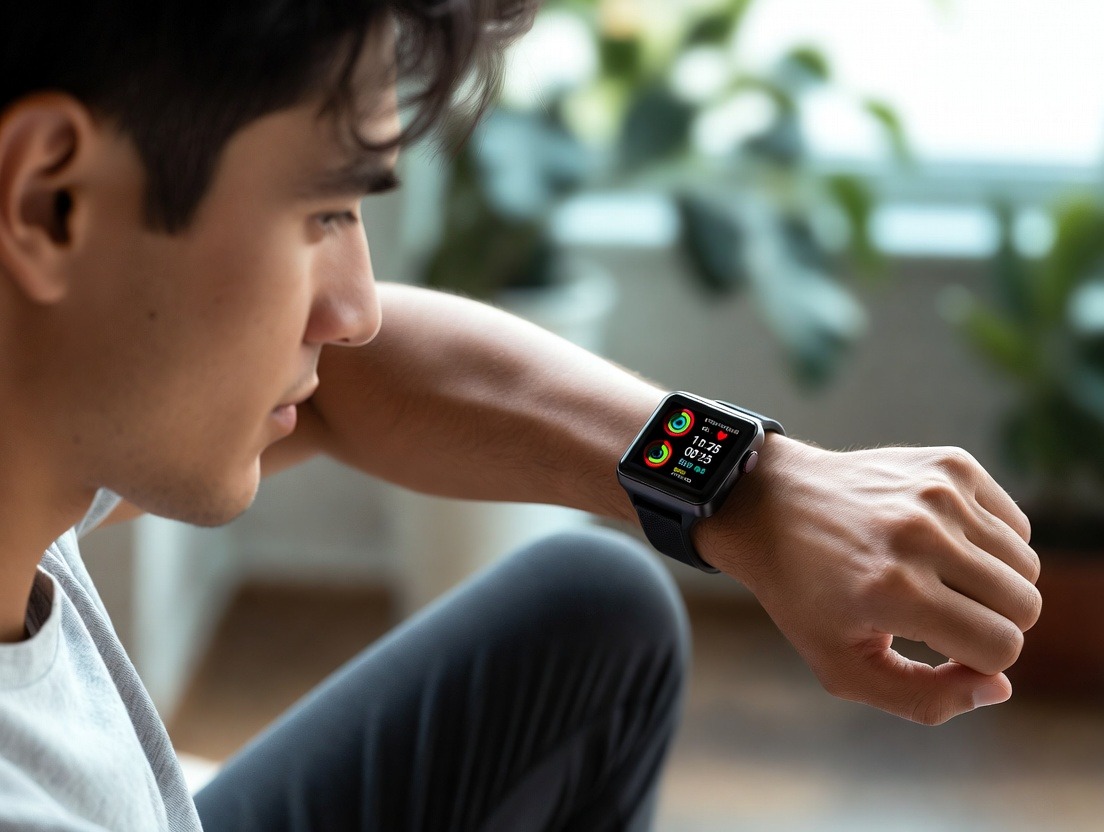
The history of fitness wearables is, in many ways, a history of the wrist. From clunky pedometers to sleek smartwatches, our arms have borne the brunt of our quantitative selfhood. Yet, this prime real estate comes with inherent compromises. A watch is an object you put on and take off; it can snag on sleeves, clack against keyboards, and, for many, becomes a sensory burden during sleep or focused work. Its very presence announces itself—a constant, silent tap on the shoulder reminding you of metrics, notifications, and an unclosed activity ring.
The smart ring challenges this orthodoxy by embracing a different philosophy: ambient, unconscious tracking. Its first and most powerful feature is not a sensor, but its form factor. By moving to the finger, it taps into a unique combination of anatomical advantage and behavioral simplicity.
An Unobtrusive Home on the Body's Perfect Sensor Platform
The base of the finger, particularly the proximal phalanx, is an ideal location for continuous biometric monitoring. It houses rich vascular beds where photoplethysmography (PPG) sensors can read blood volume pulses with remarkable clarity. Unlike the wrist, which has more tendon movement and looser skin contact, the finger provides a snug, stable fit that minimizes motion noise—the enemy of accurate heart rate and heart rate variability (HRV) data. This isn’t just a smaller watch; it’s a sensor platform optimized for the signals that matter most for 24/7 health insight.
Furthermore, the ring is a psychologically different object. For many, it’s a piece of jewelry, a permanent part of their identity they rarely remove. This "wear and forget" capability is the holy grail of continuous monitoring. You cannot get a complete picture of your sleep cycles, circadian rhythms, or recovery status with a device you charge every night and might forget to wear. The smart ring’s multi-day battery life and seamless form ensure it’s there through every sleep, workout, workday, and moment of stress, building a truly continuous data set.
The Aesthetic and Practical Imperative of Simplicity
Beyond biology, there is a design imperative. A successful smart ring must first be a good ring. It must be lightweight, comfortable for all hand activities (from typing to weightlifting), and aesthetically neutral or appealing enough to be worn alongside wedding bands or other jewelry. This demand for sartorial simplicity forces extreme engineering constraints. Every cubic millimeter must be optimized, housing a battery, multiple sensors, an antenna, and a processor in a package that doesn’t feel like a tech brick on your finger.
This constraint is, paradoxically, the mother of the smart ring’s innovation. It necessitates a user interface that is largely absent on the device itself. There are no buttons to press, no screens to swipe. All interaction is deferred to a smartphone app, liberating the physical object to be purely a sensor. This creates a clean separation of concerns: the ring collects silently, the app explains thoughtfully. You are not interrupted by pings; you are invited to reflect when you choose.
This minimalist mandate is the foundational layer of the simplicity-data balance. By solving the problem of wearability so completely, the smart ring ensures the data it collects is comprehensive and uninterrupted. It’s the principle that guides brands like Oxyzen, whose designs prioritize this seamless integration into daily life. As they note in their brand story, the mission began with a desire to remove friction from the path to self-awareness (you can explore this philosophy in detail on their Our Story page). The ring’s physical simplicity is the silent promise of deeper, more reliable understanding, a promise fulfilled by the sophisticated technology packed within its slender form.
If the ring’s form factor is its silent promise, the sensor array inside is the eloquent fulfillment. Squeezing laboratory-grade biometric monitoring into a package the size of a ring band is a feat of modern micro-engineering. This is not about a single trick; it’s about a symphony of specialized sensors working in concert to paint a holistic picture of your physiology.
The Core Trio: PPG, Accelerometer, and Skin Temperature
At the heart of nearly every advanced smart ring are three fundamental sensors:
The Advanced Players: Spo2 and Beyond
Leading rings are now incorporating more advanced sensors:
The Alchemical Processor: Turning Raw Data into Meaning
Sensors collect signals, but raw data is just noise. The true magic happens in the ring’s onboard algorithms and the subsequent cloud processing. This is where sensor fusion occurs. The accelerometer data corrects motion artifact in the PPG signal. The temperature trend provides context for an elevated nighttime heart rate. The combined data stream is fed into proprietary algorithms trained on vast physiological datasets to generate the metrics users see: sleep scores, recovery indices, activity scores, and stress estimates.
This behind-the-scenes complexity is what makes the front-end simplicity possible. You don’t need to understand photoplethysmography; you just need to see that your "Readiness Score" is low and consider taking a rest day. For those curious about the technological alchemy, particularly regarding sleep, a deep dive into how sleep trackers actually work reveals the intricate dance of hardware and software. The smart ring’s genius is hiding this formidable laboratory on your finger, presenting only the distilled, actionable conclusions. To see this technology in action, you can explore the current capabilities on the Oxyzen Shop page, where design meets this advanced engineering.

A smart ring generates a torrent of raw data points every second. The critical challenge—and the core of its value—lies not in displaying this firehose of information, but in weaving it into a coherent, intuitive narrative. This is where the balance tips from overwhelming complexity towards empowering simplicity. The best platforms move beyond isolated metrics to tell a story about your body’s current state and trajectory.
From Isolated Numbers to Composite Indices
Early wearables gave us single data points: "You took 10,000 steps." "Your heart rate was 120 bpm." While factual, these are fragments without context. Modern smart ring ecosystems synthesize multiple data streams into composite scores that provide meaning:
The Power of Baselines and Personalization
The true intelligence of this system lies in its understanding of you, not a population average. Over the first few weeks of wear, the ring establishes your personal baselines for HRV, resting heart rate, skin temperature, and sleep patterns. This is revolutionary. An HRV of 50 might be excellent for one person and low for another. The ring learns your normal, so it can meaningfully flag deviations—like a sustained drop in HRV or a spike in skin temperature—that may indicate illness, overtraining, or excessive stress.
Contextualizing the Day: Stress Monitoring and Live HR
Throughout the day, the ring provides ambient context. Some devices offer periodic stress or "body battery" estimates, using heart rate and HRV data to indicate moments of sympathetic nervous system activation. Seeing a stress spike after a particular meeting or before a meal can be a powerful cue for breath work or a mindful pause. Furthermore, the ability to track live heart rate during a workout (even without a screen on the ring itself, via the connected app) provides immediate feedback on workout intensity.
This creation of a data tapestry transforms the user from a passive data collector to an active participant in a biophysical story. The ring provides the chapter summaries (the scores) while keeping the detailed prose (the raw metrics) accessible for those who want to dive deeper. It’s a hierarchical information architecture that serves both the casual glance and the analytical deep dive. For real-world examples of how these narratives impact users, the Oxyzen Testimonials page shares stories from individuals who have gained actionable insights from this very data synthesis.
For many, the primary reason to choose a smart ring over a smartwatch is the sleep tracking experience. The wrist is a suboptimal location for sleep monitoring; a watch can be uncomfortable, its screen can emit botherlight, and its very presence can serve as a psychological reminder of the waking world. The ring, by contrast, is the perfect unobtrusive sentinel for the night, making it the premier device for capturing the complex architecture of sleep.
Unobtrusive, Continuous Sleep Staging
Leveraging its superior PPG signal and sensitive accelerometer, the smart ring performs actigraphy and pulse-based sleep staging throughout the night. It identifies when you fall asleep, how many times you wake (even briefly), and estimates the time you spend in Light, Deep, and REM sleep stages. The accuracy of this staging, validated against clinical polysomnography in many studies, provides a window into sleep quality that goes far beyond duration.
Understanding these stages is crucial. Deep sleep (slow-wave sleep) is physiologically restorative, critical for tissue repair, immune function, and memory consolidation. REM sleep is cognitively restorative, vital for emotional processing and creativity. An imbalance—such as chronically low deep sleep—can have significant health impacts, even if you’re logging 8 hours total. Our article on the science of deep sleep and its bodily impacts details why this stage is non-negotiable for health.
Key Nocturnal Biomarkers: The Nightly Health Report
Beyond staging, the ring continuously records vital signals that serve as a nightly health report:
Providing Actionable Feedback, Not Just Numbers
The ring’s ecosystem doesn’t just present this data; it translates it into actionable feedback. It might note: "Your deep sleep was lower than usual last night. Consider avoiding screens 90 minutes before bed," or "Your resting heart rate was elevated. Make sure to hydrate today." This moves the user from "What happened?" to "What can I do about it?"
This comprehensive, silent nightshift is arguably the smart ring’s killer application. It provides the foundational recovery data that powers the next day’s readiness score. By being the device you can most comfortably and consistently wear to bed, it captures the most critical period for physiological repair. For beginners looking to decipher this nightly data, our comprehensive Sleep Tracking 101 guide is the perfect starting point to understand what your ring is telling you.
The hardware and sensor fusion represent a technical triumph, but the user experience (UX) is where the philosophical commitment to simplicity is truly tested. A device packed with this much data-generating potential could easily drown the user in graphs, tables, and confounding metrics. The art of the smart ring interface lies in strategic omission—hiding complexity while making the most meaningful insights effortlessly accessible.
The Hierarchical Dashboard: Glance, Understand, Dive.
The companion smartphone app for a well-designed smart ring follows a clear hierarchical principle:
Minimalist Notifications and Gentle Nudges
Unlike a smartwatch, a smart ring typically does not buzz with texts, emails, or social media alerts. Its notifications are purposeful and sparse, derived from its own biometric analysis. A notification might say: "Unusual activity detected. You've been inactive for 90 minutes. Consider a short walk." Or, more importantly: *"Your body signs suggest high stress. A 5-minute breathing exercise is recommended."* These are context-aware nudges derived from your physiology, not your inbox, making them inherently more valuable and less intrusive.
Visualizations Over Spreadsheets
Complex data is translated into intuitive visualizations. Sleep architecture is shown as a simple, color-coded hypnogram. Weekly recovery trends are displayed as a smooth line graph. Activity is often shown as a circle or bar that fills based on your personal goal. The goal is to convey relationships and trends at a glance, not to present a spreadsheet. This design philosophy respects the user’s time and cognitive load, ensuring the tool remains a helpful guide, not a part-time job.
This art of omission is what makes the technology sustainable for long-term use. It prevents "data burnout" and ensures the user remains engaged with the insights that matter most. It’s a principle that extends from the physical design of the ring to the digital design of the app, creating a cohesive experience of effortless understanding. For answers to common questions about how to interpret this streamlined interface, the Oxyzen FAQ provides clear, straightforward guidance for new and existing users.
The fitness industry has long been obsessed with output: calories burned, miles run, pounds lifted, personal records shattered. This "more is more" ethos often leads to overtraining, injury, and burnout. The smart ring, with its 24/7 biometric perspective, introduces a crucial, missing variable to the equation: input. It measures your body’s ability to absorb and recover from stress, effectively redefining fitness as a balance between exertion and restoration.
The Paradigm Shift: Readiness Over Rigidity
Instead of a rigid, pre-programmed workout schedule, the data from a smart ring supports a dynamic, responsive approach to training. Your morning readiness or recovery score acts as a daily conversation with your body. A high score suggests you are primed to perform—perhaps it’s a day to go for that interval run or heavy lift session. A low score, driven by poor sleep, elevated resting heart rate, or low HRV, is a clear signal to pivot. On such a day, "fitness" might mean a gentle walk, yoga, mobility work, or complete rest. This evidence-based autoregulation can prevent overtraining syndrome and lead to better long-term progress, as you train with your body, not against it.
HRV: The North Star of Recovery
Heart Rate Variability emerges as the single most important metric in this new paradigm. It’s a direct, non-invasive window into the balance between your sympathetic ("fight or flight") and parasympathetic ("rest and digest") nervous systems. Unlike heart rate, which you want to be low at rest, a higher HRV generally indicates better cardiovascular fitness, resilience, and recovery.
The smart ring tracks your HRV trend over time, noting your personal baseline. A sustained drop below your baseline is a powerful early warning sign of cumulative stress—whether from training, work, or personal life. This allows for proactive intervention before performance drops or illness strikes. As discussed in our resource on deep sleep optimization for athletes, HRV and deep sleep are intimately connected in the recovery process.
The Holistic Stress Audit
The ring doesn’t distinguish between stress from a hard workout and stress from a tough workday; to your nervous system, stress is stress. By quantifying your physiological stress load (through HRV, resting heart rate, and sometimes direct stress estimates), the device provides a holistic audit of your total life stress. This can be an eye-opening revelation. You may discover that your "easy week" of training still leaves you drained because work deadlines are spiking your physiological stress. This insight empowers you to manage all forms of stress more intelligently, perhaps by incorporating meditation on high-workload days or prioritizing sleep during intense training blocks.
This redefinition moves fitness from a purely physical pursuit to an integrated practice of body intelligence. The smart ring becomes a coach for resilience, teaching you to recognize your body’s signals and respond appropriately. It champions the truth that rest is not idleness; it is the essential, productive process during which fitness is actually built. For those beginning this journey, exploring the Oxyzen Blog offers a wealth of articles on integrating recovery metrics into a sustainable wellness practice.

A mass-produced device offering personalized health insights seems like a contradiction. Yet, this is precisely what sets advanced smart rings apart. The sophistication lies in the software—the algorithms that don’t just process data, but learn from it, creating a feedback loop that continuously refines its understanding of you as an individual.
Establishing Your Baselines: The Learning Period
When you first put on a smart ring, the instructions invariably advise a baseline period, typically 1-2 weeks. During this time, the device is not just collecting data; it is learning your normal ranges. What is your average resting heart rate? What is your typical HRV? What does your skin temperature rhythm look like across a day and night? What is your normal sleep duration and composition? These baselines are not pulled from a textbook; they are empirically derived from your own body. This personal calibration is fundamental—it means the advice and scores you receive are relevant to your unique physiology.
Trend Analysis Over Single Data Points
The real power of personalization emerges in trend analysis. A single night of poor sleep or a single low HRV reading is mostly noise. Life happens. The algorithms are designed to look for sustained deviations from your personal baseline. A graph showing your HRV trending downward for five days straight is a far more meaningful signal than one low reading. The app might highlight this trend, suggesting, "Your recovery metrics have been lower than usual. Consider focusing on rest this week." This longitudinal view turns the ring from a daily snapshot tool into a trend-spotting health companion.
Adaptive Insights and Context-Aware Suggestions
The most advanced systems begin to correlate your behavior with your biometrics. Did you log a late dinner in the app? The system might analyze subsequent nights to see if late eating correlates with reduced deep sleep for you. Over time, it can offer increasingly personalized suggestions: "For you, workouts after 8 PM are associated with longer sleep onset times," or "On days when your stress score is high, your average HRV tends to drop." These are not generic wellness tips; they are data-driven observations about your personal patterns.
The Continuous Feedback Loop
This creates a virtuous cycle. You receive a personalized insight (e.g., "Your data suggests alcohol reduces your deep sleep by 30%"). You experiment with changing the behavior (e.g., avoiding alcohol on weeknights). The ring measures the outcome, providing immediate feedback on whether the change improved your metrics. This closes the loop, transforming the ring from a passive monitor into an active tool for self-experimentation and biohacking.
This ability to personalize at scale is the software engine that makes the hardware truly valuable. It ensures that the simplicity of the interface is backed by a deep, adaptive intelligence that grows with you. It acknowledges that the perfect balance of sleep, activity, and recovery is not a universal formula, but a personal equation that the ring helps you solve over time. To understand more about the philosophy behind creating such personalized technology, you can learn about the team and mission on the About Us page.
The value of a smart ring multiplies when it stops being an isolated data silo and becomes a connected node in your broader digital wellness ecosystem. This interoperability—the ability to share data seamlessly with other apps and services—is where comprehensive data finds its ultimate utility, transforming isolated insights into coordinated action.
Syncing with Fitness and Health Platforms
Leading smart rings offer integration with major health platforms like Apple Health (iOS) and Google Fit (Android). This is a critical feature. It means all the rich data from your ring—sleep stages, HRV, resting heart rate, SpO2, activity—flows into a central, secure repository on your phone. From there, you can grant permission for other trusted apps to read this data. Your favorite running app can now use your ring’s accurate, continuous heart rate data instead of an optical wrist sensor. Your meditation app can see your pre- and post-session HRV. Your nutrition tracker can correlate your food log with your energy levels and sleep scores.
Informing Your Wearable Ecosystem
For those who also wear a smartwatch during workouts for GPS or specific sport tracking, the ring becomes the foundational recovery metric provider. While your watch tracks the output of your workout, your ring provides the essential input context on whether you were recovered enough to perform it well and how well you recover afterward. Some ecosystems are beginning to allow this data to flow back the other way; your ring’s recovery score could automatically adjust your daily move goal on your watch, making the entire system smarter and more responsive.
The Smart Home and Wellness Integration
The frontier of this ecosystem lies in ambient environmental adjustments. Imagine a future where your ring, detecting a high stress score and elevated nighttime skin temperature, signals your smart thermostat to lower the bedroom temperature by two degrees to optimize sleep onset. Or, seeing that you are in a deep sleep phase, it instructs your smart lights to begin a gradual, simulated sunrise 30 minutes before your alarm, promoting a natural wake-up during light sleep. While not universal yet, this vision of a biometric-automated environment is where the data from a simple ring can orchestrate a profoundly healthier living space.
API and Developer Potential
For the tech-savvy, some brands offer or plan to offer API access, allowing developers to build custom integrations. This could range from corporate wellness programs that anonymize aggregate data to understand workforce stress, to specialized clinical research applications, or personalized wellness coaching platforms that pull direct data feeds.
This seamless connectivity ensures the smart ring doesn’t create more digital fragmentation, but less. It positions the ring as the primary, trusted source for core biometrics, feeding a universe of other tools that specialize in behavior, coaching, or environmental control. The ring’s job is to collect the truth of your body; the ecosystem’s job is to help you act on it. To discover how Oxyzen's technology integrates into a holistic approach, visiting the main Oxyzen website provides a view into this connected wellness philosophy.
The most profound insights from any biometric device are never found in a single day's data. They are etched into the slow, subtle trends that emerge over weeks, months, and seasons. This is where the smart ring’s supreme wearability pays its ultimate dividend. By being the device you are most likely to wear 24/7 for years, it becomes a unique longitudinal health diary, revealing patterns invisible to sporadic tracking or even annual check-ups.
The Power of the Continuous Data Stream
Unlike a doctor’s office measurement (a single point in time, often under stress) or a weekly weigh-in, the smart ring provides a continuous, context-rich data stream. This allows it to distinguish between normal daily fluctuations and meaningful, sustained shifts. For instance, everyone has nights of higher resting heart rate. But if your ring’s algorithm detects a seven-day moving average of your nocturnal RHR climbing steadily, it’s a robust signal worth investigating—potentially indicating overtraining, subclinical illness, or heightened life stress. This early warning system is only possible with uninterrupted data.
Seasonal Rhythms and Lifecycle Changes
Over a full year, your data will tell a story of seasons. You may see your average HRV dip in the dark, stressful winter months and peak during a relaxed summer vacation. You might discover your deep sleep percentage naturally varies with the photoperiod. Furthermore, the ring can help you navigate life’s transitions. As we age, sleep architecture changes, with deep sleep often decreasing. A ring provides an objective baseline to understand your personal aging trajectory, not just population averages. Our article on how age affects deep sleep and how to compensate explores this very data-driven approach to graceful aging. For women, tracking can illuminate cyclical patterns related to the menstrual cycle, with clear shifts in resting heart rate, skin temperature, and HRV across phases—data that can empower better cycle-synced living.
Correlation Discovery and Lifestyle Experimentation
With months of data, you move from guessing to knowing. You can retrospectively look at your lifestyle logs and biometrics to answer questions with data:
This turns self-improvement into a personal science project. The ring provides the objective measurement for your n-of-1 experiments, allowing you to tailor your habits for your unique biology.
Building a Health Time-Capsule
In the long term, this dataset becomes an invaluable health asset. Having a multi-year record of your normal sleep, temperature, and HRV patterns provides an incredibly powerful reference point if your health changes. It allows you to walk into a doctor’s office not just with symptoms, but with data: "My baseline nocturnal skin temperature is 33.5°C, but for the last three weeks, it's been elevated by 0.8°C despite no other changes." This quantitative, longitudinal history can aid in more precise diagnostics and more personalized care.
The long game fundamentally changes the relationship with the device. It’s no longer about daily scores, but about the quiet confidence that comes from deeply understanding your body’s rhythms over time. It provides a mirror not for your daily reflection, but for the slow, steady arc of your well-being. This is the ultimate sophistication—not flashy features, but profound, earned wisdom from consistent, silent observation.
A repository of beautiful data is useless if it doesn’t inspire action. The final, and perhaps most critical, piece of the simplicity-comprehensiveness puzzle is the translation of insight into behavior change. The smart ring ecosystem evolves from a dashboard into an invisible coach—one that uses your own biometrics to deliver timely, personalized, and actionable nudges that guide you toward better decisions.
Context-Aware, Not Calendar-Driven, Reminders
Traditional wellness apps rely on generic, timed reminders: "Time to meditate!" at 7 PM, regardless of your state. The smart ring’s coaching is driven by your physiology. Using on-device processing or rapid app analysis, it can identify moments ripe for intervention and deliver a just-in-time nudge. For example:
Personalized Habit Formation
The most advanced systems move beyond one-off nudges to habit-loop reinforcement. By logging simple behaviors in the app (e.g., "no caffeine after 2 PM," "30-minute walk," "10-minute meditation"), the system can show you, with clear charts, the positive impact of those habits on your core metrics. Seeing a direct correlation between your new "no phone in bed" rule and an increase in your sleep score provides powerful intrinsic motivation. It closes the feedback loop, proving that your efforts are working on a physiological level.
The Power of "What If" Modeling and Goal Setting
Some platforms are introducing features that allow for forward-looking guidance. Based on your historical patterns, the app might offer modeling: *"If you maintain your current sleep and stress patterns, your projected readiness for your Saturday race is 78/100. To boost it to 90, try adding an extra 30 minutes of sleep for the next three nights."* This shifts the paradigm from reactive to predictive coaching.
Goal setting also becomes personalized. Instead of a generic "8 hours of sleep," the app might analyze your last month and suggest: "Your sweet spot for high readiness is 7h 15m to 7h 45m. Let's aim for a 7h 30m bedtime tonight." Activity goals can be dynamically adjusted based on your recovery score, preventing the demotivation of a rigid goal on a day your body needs rest.
Building Self-Efficacy, Not Dependence
The goal of this invisible coaching is not to create dependency on the device, but to build internal self-awareness and self-efficacy. Over time, the user begins to internalize the lessons. You start to feel the signs of a low-recovery day before you check the app. You intuitively know when to push and when to pull back. The ring and its coaching accelerate this mind-body connection, using data as the teaching tool until the learnings become second nature.
This transformation from data display to behavioral catalyst is what turns a tracking device into a true wellness partner. The simplicity of the nudge—a short, empathetic sentence—belies the complex biometric analysis that triggered it. It represents the pinnacle of the design challenge: using immense computational power and data depth to deliver a single, human-friendly piece of advice at the exact moment it can make a difference. For real-world stories of how these insights translate into changed lives, the experiences shared on the Oxyzen Testimonials page illustrate this journey from data to action.
Navigating the Nuance: Understanding the Limits and Ethics of Biometric Data
As we embrace the powerful, simple insights from smart rings, a responsible discussion must also acknowledge the boundaries. The balance between simplicity and comprehensiveness is not just a design challenge; it’s an ethical one. Users must navigate the nuance of what this data means—and what it doesn’t—to avoid misinterpretation and anxiety, and to safeguard their most personal information.
The "Trends Over Absolutes" Principle
This is the cardinal rule of consumer biometrics. A smart ring provides highly accurate trends and reliable relative measurements, but it is not a medical diagnostic device. Your ring’s SpO2 reading is excellent for spotting relative dips that might indicate breathing disturbances, but it is not calibrated to give a medically precise oxygen saturation level. Its skin temperature sensor tracks changes superbly but cannot give you a clinical fever reading. The sleep staging, while impressively accurate, is an algorithmic estimation, not a polysomnogram.
The focus, therefore, must always be on deviations from your personal baseline, not on the absolute number compared to a friend or an online forum. A deep sleep duration of 45 minutes might be perfectly normal for you, while 90 minutes might be normal for someone else. The value is in noticing if your 45 minutes suddenly drops to 20 for several nights in a row. Our article on sleep tracking accuracy provides a clear-eyed look at the capabilities and limitations of this technology.
Avoiding Orthosomnia: When Tracking Hurts Sleep
A significant risk in any detailed sleep tracking is the development of orthosomnia—a coined term for an unhealthy preoccupation with perfecting sleep data, which ironically leads to worse sleep. If a user becomes anxious because their "deep sleep" was 5 minutes less than yesterday, they are missing the point. The data is meant to guide overall habit formation, not to become a source of nightly performance anxiety. The best apps are starting to incorporate educational notes to counter this, reminding users that night-to-night variability is normal and that the long-term trend is what matters.
Data Privacy and Sovereignty
The data collected by a smart ring is among the most intimate possible—continuous heartbeat, sleep patterns, stress levels. Therefore, transparency about data use, storage, and ownership is non-negotiable. Users must critically evaluate:
Responsible companies are transparent about their privacy policies, employ strong encryption, and give users clear control. Your biometric data is your property. Understanding a company's mission and values, as outlined on pages like Oxyzen's About Us, can provide insight into their approach to these critical ethical considerations.
The Human-in-the-Loop Imperative
Finally, the most important component in the system is the informed human. The ring provides clues and suggestions, but context is king. A low readiness score because you celebrated a friend's wedding is fundamentally different from a low score during a period of quiet routine. The user must apply their own life context to the data. The ring informs your intuition; it does not replace it.
Navigating this nuance is the final step in balancing simplicity with depth. It involves embracing the power of the data while maintaining a healthy skepticism about its absolutes, using it as a guide rather than a gospel. This mature perspective ensures that the technology serves your well-being, rather than adding a new layer of digital stress. For common questions on how to interpret data responsibly, resources like the Oxyzen FAQ are designed to provide clear, balanced answers.
The choice between a smart ring and a smartwatch is often presented as a matter of preference. In reality, it represents a fundamental philosophical split in the purpose of wearable technology. One is designed to connect you to the digital world; the other is designed to connect you to your inner world. Understanding this divide is key to appreciating why the smart ring's balance of simplicity and data is not just a feature, but its core identity.
The Interruption Engine vs. The Observation Engine
A modern smartwatch is, at its heart, a notification hub and an extension of your smartphone. Its value proposition is connectivity, convenience, and on-wrist utility—from taking calls to making payments to controlling smart home devices. It is an interruption engine, designed to surface information from the external world onto your body. This creates a constant, low-level cognitive load. Every buzz is a decision point: to attend or ignore.
A smart ring has no screen, no speakers, and typically no way to deliver external notifications. It is an observation engine. Its sole purpose is to look inward, collecting biometric data with minimal interference. This fundamental difference in intent shapes every aspect of the user experience. The watch asks, "What's happening out there?" The ring asks, "What's happening in here?"
The Fitness Tracker Comparison: Breadth vs. Depth
Compared to a dedicated fitness tracker (like a Garmin or Fitbit), the comparison is more nuanced but still distinct. Fitness trackers excel at activity quantification and workout tracking. They have GPS for precise run mapping, detailed sport modes, and often more advanced metrics for athletic performance (like ground contact time, vertical oscillation, etc.). They are optimized for the output phase of fitness.
Smart rings, as we've established, are optimized for the input and recovery phase. They provide a more holistic, 24/7 picture of readiness and system-wide stress. While a fitness tracker will tell you you crushed a 10K run, the ring will tell you whether you were physiologically prepared to do it and how long it will take you to fully recover. They are complementary lenses: the tracker for the doing, the ring for the being that enables the doing.
The Compromise of Comfort and Consistency
For 24/7 health monitoring, consistency is everything. Here, the ring's form factor grants it a decisive advantage. Many people cannot comfortably sleep with a watch, or choose to charge it nightly, creating data gaps. The ring's minimal profile and week-long battery life make it the device most likely to be worn continuously. This uninterrupted data stream is critical for establishing accurate baselines for metrics like HRV and temperature, which require long, stable periods of rest for ideal measurement. You cannot manage what you don't measure, and you can't measure what you don't wear.
A Unified Ecosystem, Not a Winner-Takes-All
The most insightful approach for the serious biohacker or wellness enthusiast is not an "either/or" but a "both/and." A powerful combination is using a smart ring for 24/7 baseline recovery and sleep data, and a fitness watch or dedicated tracker for guided workouts and GPS activity tracking. When these devices can share data via Apple Health or Google Fit, they create a superbly complete picture. The watch informs the ring of intense activity periods; the ring informs the watch of overall recovery status, potentially adjusting daily goals.
The smart ring carves its niche not by trying to do everything a watch does, but by doing the one thing a watch struggles with: disappearing. It wins by omission, by subtraction, by focusing relentlessly on the internal biome while letting other devices handle the external noise. This philosophical purity is what allows it to achieve its unique balance. For those considering integrating a ring into their existing tech ecosystem, exploring the Oxyzen Shop can show how a dedicated device is designed to fit seamlessly into this role.
The smart ring of today is impressive, but it is merely the first chapter. The convergence of extreme sensor miniaturization, edge computing, and generative AI is poised to transform the ring from a tracking tool into a true, proactive AI health companion. The future balance will be between an even simpler physical interaction and a shockingly comprehensive, predictive, and conversational understanding of your health.
Next-Generation Sensor Horizons
The sensor suite in rings will expand beyond optical and motion-based sensing. Research and patent filings point to several compelling possibilities:
On-Device AI and Real-Time Processing
Currently, most complex algorithmic processing happens in the cloud after data is synced from the ring. The next leap is powerful, ultra-low-power AI chips embedded in the ring itself. This enables:
The Conversational Health Interface
With the advent of sophisticated large language models (LLMs), the app interface will evolve from dashboards and scores to a conversational health assistant. You won't just see a low readiness score; you'll be able to ask, "Why is my readiness low today?" The AI will synthesize your sleep, stress, activity, and even calendar data to respond: "Based on your data, your low score is primarily driven by a 40% reduction in deep sleep last night, which correlates with your two alcoholic drinks after 9 PM. Your resting heart rate is also elevated, suggesting your body is fighting off something. I recommend light activity only and an early bedtime tonight."
This assistant could also become a proactive planning partner. You could say, "I have a big presentation on Thursday and need to be sharp. How should I adjust my week?" It would analyze your current trends and create a personalized protocol: "To optimize for Thursday, prioritize 8 hours of sleep Tuesday and Wednesday, schedule your final practice for Wednesday morning when your cognitive scores are typically highest, and avoid caffeine after 1 PM starting Tuesday."
This future embodies the ultimate balance: the ring itself becomes even more effortless and invisible, while the intelligence and comprehensiveness of its guidance become as nuanced as a conversation with a world-class personal physician and coach. The journey toward this future is documented in the ongoing research and development insights shared on the Oxyzen Blog, where the intersection of technology and wellness is constantly explored.
Theoretical benefits are one thing; real-world impact is another. The smart ring's value manifests uniquely across different lifestyles, because its personalization adapts to individual goals and challenges. Here’s how the balance of simple wearability and deep data plays out for distinct user archetypes.
The Endurance Athlete: From Overtraining to Precision Periodization
For marathoners, triathletes, and cyclists, the line between peak performance and injury/burnout is razor-thin. Traditional training plans are based on calendar periods and prescribed mileage, often ignoring daily physiological state.
The High-Performance Professional: Managing Stress, Not Just Time
For executives, founders, and knowledge workers, stress is the constant opponent. Performance is cognitive, not physical, but is equally dependent on a recovered nervous system.
The Shift Worker or New Parent: Navigating Circadian Chaos
For those whose lives defy a normal circadian rhythm—nurses, firefighters, or parents of newborns—health tracking often feels impossible. The ring provides objective grounding amidst the chaos.
The Wellness Seeker: From Generic Advice to Personalized Protocol
For the individual on a general journey to better health, the landscape of advice is overwhelming. The ring cuts through the noise with personal evidence.
These case studies illustrate the universal principle: the ring's power lies in turning the subjective ("I feel tired") into the objective ("My HRV is 20% below my baseline and my deep sleep is deficient"), and then providing a simple, actionable path forward. For more diverse examples of this transformation, the real-user experiences compiled in the Oxyzen Testimonials offer a window into these personalized journeys.
Heart Rate Variability is the cornerstone metric of the smart ring’s advanced insights, yet it remains one of the most misunderstood. To truly appreciate the data depth these devices offer, we must simplify this complex physiological signal. HRV isn't just another number; it's the direct language of your autonomic nervous system, and the smart ring is uniquely positioned to translate it for daily use.
What HRV Actually Is (In Plain English)
Contrary to what the name implies, a higher HRV is generally better. It does not mean your heart rate is "variable" in an erratic, unhealthy way. Instead, it measures the subtle, millisecond variations in the time intervals between consecutive heartbeats. These variations are controlled by the constant, push-pull dialogue between the two branches of your autonomic nervous system:
A high HRV indicates a strong, resilient PNS and a healthy balance between the two systems. It means your body can adapt swiftly to stress and then recover efficiently. A low HRV suggests your SNS is dominant—you're in a state of sustained stress, fatigue, or poor recovery.
Why the Smart Ring is the Ideal HRV Monitor
While HRV can be measured with chest straps or some watches, the smart ring has key advantages:
How to Use Your HRV Data Without Obsessing
The goal is to trend, not to fret over daily numbers. Here’s a simple framework:
HRV in Action: The Ultimate Biofeedback Tool
This is where the magic happens. By observing how specific actions affect your HRV trend, you gain unparalleled biofeedback. You learn, concretely, which habits build your resilience and which deplete it. This transforms HRV from an abstract biomarker into a personal empowerment tool. It provides a scientific basis for saying "no" to that extra commitment or "yes" to that extra hour of sleep.
By demystifying HRV and presenting it within the simple framework of a readiness score or a recovery graph, the smart ring performs its greatest act of translation. It takes a complex, medical-grade signal and makes it a practical, daily guide for anyone seeking to live in better harmony with their body's true needs. For those ready to dive deeper into the nuances of sleep and recovery metrics, a resource like deep sleep tracking and what your numbers should look like provides further context for how HRV fits into the bigger picture.

With the market for smart rings expanding, choosing the right one can feel daunting. The decision ultimately hinges on how you prioritize the elements of the simplicity-comprehensiveness balance. It's not about finding the "best" ring in a vacuum, but the best ring for your lifestyle, goals, and values. Here is a framework to guide your choice.
The Core Decision Matrix: What Matters Most to You?
Evaluate potential rings across these four key axes:
Navigating the Accuracy Question
No consumer device is 100% medically accurate. Instead of seeking perfection, look for consistency and transparency. A ring that provides consistent, trendable data is more valuable than one with occasionally perfect but often erratic readings. Look for companies that publish (or at least discuss) their validation studies or partnerships with research institutions.
The Ecosystem & Privacy Consideration
The Intangibles: Community and Company Vision
Finally, consider the company behind the ring. Are they engaged with their user community? Do they provide robust customer support (a good FAQ is a start)? Are they focused on iterative software updates that improve the experience over time? A ring is a long-term investment in your health data; you want a partner that is in it for the long haul, constantly refining the balance between the simple device on your finger and the comprehensive insights in your hand.
Choosing a smart ring is the first act of co-creation with this technology. By aligning your personal priorities with a device's strengths, you set the stage for a partnership that can genuinely enhance your understanding of yourself, seamlessly guiding you toward better health without adding complexity to your life.
The journey of the smart ring, from a novel concept to a essential wellness tool, illuminates a broader path for technology itself. In a world saturated with devices that demand our attention, the smart ring's success is a testament to a more humane, more intelligent design philosophy: that the most powerful tools are those that augment our awareness without fragmenting our focus.
The perfect balance it strikes—between the silent, simple band on your finger and the profound, comprehensive narrative of your health—is not a compromise, but a revelation. It proves that we do not need more alerts, more screens, or more granular control to understand ourselves better. What we need is ambient intelligence: technology that observes with patience, processes with wisdom, and intervenes with relevance. The smart ring listens to the silent language of your pulse, your temperature, and your movement, and translates it into a dialect you can use to have a better conversation with your own body.
This model points toward the future of all wellness technology. The era of the singular, do-it-all gadget is giving way to a curated ecosystem of specialized tools. In this ecosystem, the smart ring claims its rightful place as the foundational biometric sensor—the always-on, always-aware source of truth for your internal state. It feeds data to your fitness tracker, informs your nutrition app, and could one day adjust your environment, all while remaining personally invisible.
Ultimately, the smart ring redefines empowerment. It moves us from being passive patients or obsessed self-trackers to becoming informed participants in our own well-being. It replaces anxiety with agency, guesswork with guidance, and generic advice with personal evidence. It helps us respect our limits and recognize our capacity, teaching us that resilience is not about always pushing harder, but about learning the rhythm of effort and ease that is uniquely sustainable for us.
As sensor technology miniaturizes further and AI grows more nuanced, this harmony will only deepen. The ring will become more invisible, the insights more conversational and predictive. But the core principle will remain: the best health technology doesn't live on your wrist, shouting for attention. It lives quietly on your finger, listening, learning, and whispering the secrets of your own biology back to you—only when you need to hear them, and always in service of a simpler, healthier, more balanced life. The future of wellness isn't about having more data; it's about having the right data, presented so simply that it effortlessly leads to better choices. And that future is already here, quietly circling a finger, in perfect balance.
Your Trusted Sleep Advocate (Sleep Foundation — https://www.sleepfoundation.org/)
Discover a digital archive of scholarly articles (NIH — https://www.ncbi.nlm.nih.gov/
39 million citations for biomedical literature (PubMed — https://pubmed.ncbi.nlm.nih.gov/)
experts at Harvard Health Publishing covering a variety of health topics — https://www.health.harvard.edu/blog/)
Every life deserves world class care (Cleveland Clinic -
https://my.clevelandclinic.org/health)
Wearable technology and the future of predictive health monitoring. (MIT Technology Review — https://www.technologyreview.com/)
Dedicated to the well-being of all people and guided by science (World Health Organization — https://www.who.int/news-room/)
Psychological science and knowledge to benefit society and improve lives. (APA — https://www.apa.org/monitor/)
Cutting-edge insights on human longevity and peak performance
(Lifespan Research — https://www.lifespan.io/)
Global authority on exercise physiology, sports performance, and human recovery
(American College of Sports Medicine — https://www.acsm.org/)
Neuroscience-driven guidance for better focus, sleep, and mental clarity
(Stanford Human Performance Lab — https://humanperformance.stanford.edu/)
Evidence-based psychology and mind–body wellness resources
(Mayo Clinic — https://www.mayoclinic.org/healthy-lifestyle/)
Data-backed research on emotional wellbeing, stress biology, and resilience
(American Institute of Stress — https://www.stress.org/)


