


How Your Smart Ring Makes Travel Wellness Tips Personalized to Your Body
Personalizing travel wellness tips to your body with a ring.
Personalizing travel wellness tips to your body with a ring.
%402x.svg)
There's a peculiar ritual that plays out in airports, hotels, and vacation rentals around the world every single day. You've probably participated in it yourself. It goes something like this: you're standing in an unfamiliar bathroom at midnight after a long travel day, staring at your reflection, trying to remember whether the wellness podcast you listened to last week said you should take magnesium before bed during travel, or was it melatonin? You vaguely recall something about hydration being crucial, but you're not sure if that means you should chug the entire bottle of water on the nightstand or sip it slowly. And that tip about avoiding blue light—does that apply if you're about to watch a movie on the tablet to help you fall asleep in a strange bed?
This is the paradox of modern travel wellness advice. We have more information at our fingertips than any generation in human history. Blog posts, Instagram reels, TikTok wellness influencers, and podcast gurus all offer their golden rules for traveling well. Stay hydrated. Move your body. Prioritize sleep. Meditate. Avoid alcohol. Eat clean. The advice is everywhere, and much of it is genuinely excellent.
But here's the uncomfortable truth that nobody likes to admit: most of this advice is generic. It's designed for an average person who doesn't actually exist. Your body isn't generic. Your nervous system doesn't respond to travel stress the way your partner's does. Your sleep architecture, your recovery needs, your stress tolerance, and your energy fluctuations are uniquely yours. So why are we still relying on one-size-fits-all wellness prescriptions when we travel?
This is where the conversation around travel wellness has been stuck for decades. We've been treating our bodies like rental cars—assuming they all operate the same way, require the same fuel, and handle bumps in the road identically. But anyone who has ever traveled with a partner knows this isn't true. You might be someone who wakes up at 5 a.m. jet-lagged and ready to explore while your partner needs three days to adjust. You might thrive on airport energy while your companion feels drained before the plane even takes off. These aren't character flaws or failures of willpower. They're biological differences.
The shift from generic travel advice to personalized travel wellness isn't just a luxury—it's a necessity for anyone who wants to travel frequently without burning out, getting sick, or spending the first three days of every vacation recovering from the journey itself. And the tool that makes this shift possible is smaller than your wedding band, weighs less than a paperclip, and is already being worn by millions of travelers who have discovered that their bodies have been sending them messages all along. They just needed something to translate them.
Welcome to the new era of travel wellness. An era where your smart ring doesn't just count your steps or track your sleep—it becomes your personal travel wellness architect, designing recommendations based on your actual physiological data rather than what worked for someone else. An era where you don't have to guess whether you need more electrolytes or more rest because your body tells you through metrics that don't lie. An era where jet lag isn't a mystery you suffer through but a physiological state you can understand and actively manage.
The smart ring on your finger is about to become the most powerful travel companion you've ever owned. Not because it replaces your phone or your passport, but because it replaces the guesswork. It replaces the anxiety of not knowing whether you're handling travel stress well or slowly breaking down. It replaces the generic advice that might work for 60 percent of people but leaves the other 40 percent wondering what they're doing wrong.
Think about what happens when you travel. Your environment changes dramatically. The air pressure in the cabin, the altitude of your destination, the humidity levels, the local microbiome, the water composition, the food availability, the light exposure patterns, the noise frequencies, the electromagnetic fields, the pollen counts—your body is processing thousands of environmental variables that you aren't even consciously aware of. And it's doing this while simultaneously trying to maintain core functions like digestion, immune surveillance, cellular repair, and cognitive processing.
No wonder travel exhausts us. No wonder we get sick after trips. No wonder we make poor decisions about our wellness when we're away from home. Our bodies are working overtime just to maintain baseline function, and we're out here trying to remember whether we should take vitamin C before or after the flight.
The smart ring changes this dynamic fundamentally. It doesn't just track what you do—it tracks how your body responds to what you do. It doesn't just tell you that you slept poorly; it tells you whether your nervous system was in fight-or-flight mode all night, whether your heart rate variability dropped in response to that glass of wine, whether your body temperature patterns are shifting in ways that predict illness before you feel symptoms.
For travelers, this is revolutionary. Imagine landing in a new time zone and instead of following generic advice about when to expose yourself to sunlight, you check your ring's data and see exactly how your circadian rhythm is responding to the new environment. Imagine waking up after a long flight and knowing immediately whether you're recovered enough for a full day of exploration or whether your body needs a slower start. Imagine being able to distinguish between travel fatigue and actual illness, between normal jet lag and something more serious, between dehydration and electrolyte imbalance.
This level of personalization isn't science fiction. It's happening right now, and it's happening through a device so unobtrusive that you'll forget you're wearing it—until you need it most. The smart ring has evolved from a simple activity tracker into a sophisticated wellness computer that understands your unique physiology. And when you travel, that understanding becomes invaluable because your normal reference points disappear. You can't rely on your usual routines. You can't trust your normal hunger cues or energy signals because everything is disrupted. You need objective data to guide you.
Throughout this comprehensive guide, we're going to explore exactly how your smart ring transforms travel wellness from generic guesswork into personalized precision. We'll look at how it helps you prepare for trips before you leave home, how it guides you through the stress of travel days, how it accelerates your adaptation to new time zones and environments, and how it protects you from the wellness pitfalls that plague modern travelers. We'll examine the specific metrics that matter most when you're on the road and how to interpret them in real-time. We'll discuss how to use your ring's data to make better decisions about everything from meal timing to activity selection to sleep scheduling.
But more than that, we're going to challenge some of the assumptions you've held about travel wellness. We're going to question whether the standard advice actually applies to you. And we're going to give you the tools to answer that question for yourself, using data from your own body rather than anecdotes from strangers on the internet.
The journey ahead is substantial—over twenty thousand words of deep exploration into the intersection of wearable technology and travel wellness. By the time we're done, you'll never look at travel preparation the same way again. You'll never blindly follow generic advice without checking what your own data suggests. And you'll never wonder whether you're handling travel well—you'll know.
Let's begin by understanding the fundamental shift that makes all of this possible: the transition from population-level advice to individual-level data. Because until you understand why generic advice fails, you can't fully appreciate why personalized guidance works.

The travel wellness industry is built on a foundation of averages. When a study finds that 70 percent of travelers experience improved sleep by avoiding alcohol before bedtime, that finding gets translated into universal advice: don't drink on planes, don't have wine with dinner when you're traveling, avoid the minibar. But what if you're in the 30 percent? What if your physiology responds differently? What if that glass of wine actually helps you relax enough to sleep in an unfamiliar environment? The average advice isn't wrong—it's just not complete.
This is the central challenge of all wellness guidance, but it becomes particularly acute when we travel. Our bodies are already under stress from the journey itself. Adding generic recommendations that may or may not align with our individual needs creates a cognitive load that makes travel even more exhausting. We end up trying to follow rules instead of listening to signals. We override our intuition in favor of authority. And we often end up feeling worse because we're fighting our own biology rather than working with it.
Consider something as basic as hydration. Everyone knows you should drink more water when flying. The cabin humidity can drop below 20 percent, which is drier than most deserts. Generic advice says drink eight ounces of water for every hour in the air. But is that right for you? If you're someone who naturally retains water, if you have specific electrolyte needs, if you're prone to frequent urination, if you're taking medications that affect fluid balance—the one-size-fits-all hydration advice could actually make you feel worse rather than better.
Your smart ring eliminates this uncertainty by giving you real-time feedback on your hydration status. Not through direct measurement—that's not possible with current technology—but through proxies that correlate strongly with hydration levels. Heart rate variability, resting heart rate, body temperature, and sleep quality all shift when you're dehydrated. By tracking these metrics before, during, and after flights, your ring helps you understand your personal hydration needs rather than following generic formulas.
The same principle applies to every aspect of travel wellness. Jet lag protocols typically recommend specific light exposure windows based on your origin and destination time zones. But these protocols assume a standard circadian rhythm, a typical melatonin production pattern, and an average response to light. Your actual circadian biology might be completely different. You might be a natural early bird whose body wants to wake at 5 a.m. regardless of time zone. You might be a night owl whose melatonin peaks hours later than average. You might have genetic variations that affect how your body processes light signals.
Your smart ring captures these individual differences through continuous monitoring. It knows when your body actually wants to sleep based on your temperature minimum and heart rate patterns. It knows how your nervous system responds to different light exposures. It knows whether you're adapting to a new time zone quickly or struggling. And it can guide you toward personalized interventions that actually work for your biology rather than generic protocols designed for statistical averages.
The problem with generic advice goes beyond individual variation. It also fails to account for the dynamic nature of your physiology. Your body isn't static—it changes day to day, hour to hour, based on countless variables including stress, nutrition, activity, and even your emotional state. What worked for you on your last trip might not work on this trip because you're a different person physiologically. You might have had a higher recovery reserve last time. You might be starting this journey more depleted. You might be fighting off an infection you don't even know you have yet.
Generic advice treats you as a fixed entity with stable needs. But your smart ring sees you as the dynamic, ever-changing organism you actually are. It doesn't tell you to drink eight glasses of water because that's what the article said. It tells you that your heart rate variability dropped 15 percent during your flight, your resting heart rate is elevated, and your body temperature is slightly higher than normal—all of which suggest you need more fluids and rest than you might think.
This real-time adaptability is what separates personalized wellness from generic advice. Generic advice is static. It's written once and applied repeatedly. Personalized guidance is alive. It responds to your current state, your recent history, and your unique patterns. And that's exactly what your smart ring delivers.
Let's look at a concrete example. Two travelers fly from New York to London. They're on the same flight, staying in the same hotel, eating the same meals. Generic advice would suggest identical protocols for both: expose yourself to morning light, avoid naps longer than 20 minutes, go to bed at 10 p.m. local time. But Traveler A has high heart rate variability, low resting heart rate, and stable body temperature patterns. Traveler B has low HRV, elevated resting heart rate, and disrupted temperature rhythms. Should they follow the same protocol? Absolutely not.
Traveler A's data suggests they're resilient. Their nervous system is handling the stress well. They might benefit from pushing themselves to stay awake until a reasonable local bedtime, using light exposure strategically, and maintaining their normal routine. Traveler B's data suggests they're struggling. Their body is in a stress state. Pushing through with light exposure and activity might actually make things worse by adding more stress to an already taxed system. Traveler B might need more rest, more recovery-focused interventions, and a gentler approach to time zone adjustment.
Without the smart ring, both travelers would likely try to follow the same advice. Traveler B would probably fail, feel frustrated, and wonder what they're doing wrong. With the ring, Traveler B gets permission to do what their body actually needs rather than what the protocol dictates.
This is the fundamental shift we're talking about. It's not that generic advice is useless—it's that generic advice is a starting point, not an ending point. It's a hypothesis to test against your personal data, not a prescription to follow blindly. Your smart ring turns generic recommendations into personalized experiments. It lets you see what actually works for your body rather than what's supposed to work for someone else's.
The implications of this shift extend far beyond travel. When you learn to trust your body's signals over external authority, you become more resilient, more adaptable, and more confident in all areas of life. But travel is where this skill becomes most valuable because travel is where your normal reference points disappear. You can't rely on your usual hunger cues because you're eating at different times. You can't trust your normal energy patterns because your circadian rhythm is disrupted. You need something objective to guide you through the chaos.
Your smart ring provides that objectivity. It doesn't get jet-lagged. It doesn't get anxious about unfamiliar surroundings. It doesn't get swayed by the hotel restaurant's breakfast buffet or the allure of a midnight movie in a foreign time zone. It just keeps measuring, keeps tracking, keeps giving you data about what's actually happening inside your body.
And that data, over time, becomes wisdom. You start to recognize patterns. You learn that when your heart rate variability drops below a certain threshold, you need to prioritize rest even if your itinerary says otherwise. You discover that your body handles eastward travel better than westward travel, or vice versa. You notice that certain foods spike your heart rate during sleep, while others help you recover faster. You build a personal travel wellness manual based on years of your own data rather than advice from strangers.
This is the promise of the smart ring revolution. Not just better data, but better decisions. Not just more information, but more wisdom. Not just generic advice, but personalized guidance that actually works for your unique body.
As we move deeper into this guide, we'll explore the specific ways your smart ring delivers on this promise. We'll look at the metrics that matter most for travelers, the strategies that work best for different types of trips, and the patterns that emerge when you track your wellness across multiple journeys. We'll draw on the wealth of research in fields like chronobiology, stress physiology, and recovery science to help you understand what your ring's data really means.
But before we get into the specifics, let's establish a foundation by understanding the key metrics your smart ring tracks and why they matter for travelers. Because you can't use your ring effectively if you don't understand what it's telling you. And in the context of travel, some metrics become much more important than others.
Your smart ring collects an astonishing amount of data every single day. Depending on the model and your usage patterns, it might be tracking dozens of different metrics continuously. But when you're traveling, some of these metrics become more relevant than others. Understanding which ones to focus on—and how to interpret them in the context of travel stress—is essential for using your ring effectively.
Let's start with the metric that arguably matters most for travelers: Heart Rate Variability, or HRV. If you're not already familiar with HRV, think of it as a window into your nervous system. It measures the variation in time between your heartbeats, and contrary to what you might expect, more variation is better. High HRV indicates that your nervous system is balanced, flexible, and ready to adapt to challenges. Low HRV suggests that your system is stressed, rigid, and potentially struggling to cope.
When you travel, your HRV becomes your early warning system. A drop in HRV might indicate that you're not handling the stress of travel well, that you're dehydrated, that you're fighting off an infection, or that your circadian rhythm is severely disrupted. By tracking your HRV before, during, and after travel, you can make real-time adjustments to protect your wellness.
For example, let's say you check your ring after landing and notice your HRV is 20 percent lower than your baseline. This isn't necessarily cause for alarm—some drop is expected with travel stress. But it's information. It tells you that your nervous system is working hard to adapt. You might respond by prioritizing rest that evening, skipping the planned social activities, and focusing on recovery rather than pushing through.
On the other hand, if your HRV remains stable or even increases during travel, that's a green light. Your system is handling the stress well. You can probably stick to your plans and maybe even push a little harder than usual. The key is using HRV as a guide rather than ignoring it or overreacting to every fluctuation.
Next up is resting heart rate. This metric tells you how hard your heart is working when you're at complete rest. A lower resting heart rate generally indicates better cardiovascular fitness and recovery. When you travel, resting heart rate often elevates due to stress, dehydration, poor sleep, or circadian disruption.
Tracking your resting heart rate during travel gives you another window into your body's state. If you wake up with a resting heart rate five beats per minute higher than normal, that's a sign that your system is under strain. You might need more recovery time, better hydration, or a lighter activity day. If your resting heart rate stays near baseline, your body is likely adapting well to the travel demands.
Body temperature is another crucial metric for travelers, though it's often overlooked. Your smart ring tracks temperature trends throughout the day and night, and these patterns reveal important information about your circadian rhythm, your immune function, and your recovery status.
When you cross time zones, your body temperature rhythm needs to shift to match the new local time. This shift takes time—typically about one day per time zone crossed for full adaptation. By tracking your temperature patterns, you can see how quickly your body is adapting. You might notice that your temperature minimum—the lowest point in your daily temperature cycle—is shifting gradually toward the new local time. This gives you objective feedback about your jet lag recovery.
Temperature also serves as an early warning for illness. A sustained elevation in temperature, especially when combined with other metrics like HRV drops and resting heart rate increases, might indicate that you're fighting an infection. In a travel context, this information is gold. It tells you to slow down, rest more, and potentially seek medical attention before a minor issue becomes a trip-ending problem.
Sleep metrics become particularly important when you're away from home. Your smart ring tracks total sleep time, sleep stages, sleep efficiency, and sleep timing. But when you're traveling, the patterns matter more than any single night's numbers.
For example, you might have a terrible first night in a new time zone—waking frequently, getting minimal deep sleep, spending hours staring at the ceiling. That's normal. What matters is whether your sleep improves on subsequent nights. Your ring shows you the trajectory. If your sleep efficiency is increasing and your deep sleep is recovering night by night, you're adapting well. If your sleep remains poor for several nights, you might need to intervene with strategic naps, light exposure adjustments, or even sleep aids.
Activity metrics obviously matter during travel, but not in the way you might think. The goal isn't to hit your usual step count or exercise minutes. The goal is to maintain movement that supports your wellness without adding excessive stress to an already taxed system. Your ring helps you find this balance by showing how different activity levels affect your recovery metrics.
You might discover that a moderate walk in the morning helps your HRV recover, while an intense workout at night crashes your sleep quality. You might find that sightseeing on foot all day leaves you exhausted but satisfied, while sitting on tour buses drains your energy without providing movement benefits. The data reveals these patterns so you can optimize your travel activity for both enjoyment and wellness.
Readiness scores, which many smart rings calculate by combining multiple metrics, provide a useful summary of your overall state. These scores typically range from 0 to 100 and indicate how ready your body is for activity and stress. During travel, your readiness score becomes your daily guide. A high score suggests you can tackle ambitious itineraries and late nights. A low score advises caution, rest, and recovery focus.
But readiness scores are only useful if you understand what goes into them and how to respond to them. A low readiness score doesn't mean you're sick or broken—it means your body is under stress and needs support. By respecting these signals rather than pushing through them, you protect your long-term wellness while still enjoying your travels.
Blood oxygen monitoring, available on many smart rings, adds another dimension to travel wellness tracking. Changes in blood oxygen can indicate respiratory stress, which might be relevant if you're traveling to high altitudes or if you're concerned about sleep apnea. While temporary fluctuations are normal, sustained drops warrant attention.
The key to using all these metrics effectively is understanding your personal baseline. Your ring establishes this baseline over weeks and months of normal life. When you travel, you compare your current readings to that baseline. The deviations tell the story of how travel is affecting your body.
But baselines shift over time, and that's okay. Your body changes with age, fitness level, and life circumstances. The important thing is having a reference point for what's normal for you right now. Your ring maintains that reference automatically, updating as your physiology evolves.
Now that we understand the key metrics, let's explore how to use them before you even leave home. Because the best time to start managing travel wellness isn't when you're already exhausted in a foreign hotel room—it's in the days and weeks before your trip.
Most travelers approach trip preparation as a logistical exercise. They book flights, arrange accommodations, pack bags, and maybe check the weather at their destination. But they rarely prepare their bodies for the physiological stress of travel. This is a missed opportunity because how you prepare in the days before a trip significantly influences how you handle the journey itself.
Your smart ring gives you the tools to prepare physiologically for travel. By understanding your baseline metrics and making strategic adjustments before you leave, you can build a buffer of resilience that protects you during the trip.
Start by looking at your recovery trends in the week before travel. Are you coming into the trip well-rested or already depleted? If your HRV has been trending downward and your resting heart rate has been elevated, you're starting from a deficit. This doesn't mean you should cancel your trip—it means you need to be extra careful about recovery during travel. You might build in more rest days, avoid ambitious activities, and prioritize sleep above sightseeing.
Conversely, if your metrics show high readiness and strong recovery, you have a resilience buffer. Your body can handle more stress without breaking down. You can push harder during the trip, but you still need to monitor for signs that the buffer is depleting.
Sleep banking is a concept that's gained traction in the wellness community, and your smart ring helps you execute it effectively. The idea is simple: in the days before a trip, prioritize extra sleep to build a reserve. If you normally sleep seven hours, aim for eight or nine. Your ring confirms whether you're actually getting that extra sleep and whether it's quality sleep or just time in bed.
Research suggests that sleep banking can mitigate some effects of sleep loss during travel. While it won't completely prevent jet lag or travel fatigue, it gives you more margin for error. When you inevitably lose sleep during the journey, you have reserves to draw upon.
Hydration optimization is another pre-trip strategy that your ring supports. By tracking metrics that correlate with hydration—HRV, resting heart rate, temperature—you can ensure you're well-hydrated before you even step on the plane. This matters because starting a trip already dehydrated makes everything worse. Your blood becomes thicker, your heart works harder, and your cognitive function declines.
In the 24 to 48 hours before travel, pay extra attention to your hydration metrics. If your HRV drops or your resting heart rate rises, consider whether dehydration might be the cause. Increase fluid intake and monitor how your metrics respond. You might be surprised how quickly your numbers improve with proper hydration.
Nutrition timing becomes relevant before travel as well. Your smart ring can't track what you eat, but it can track how different eating patterns affect your metrics. In the days before a trip, experiment with meal timing that aligns with your destination's time zone. If you're traveling east, gradually shift meals earlier. If you're traveling west, shift them later. This pre-adaptation can reduce the severity of jet lag because your digestive system—which has its own circadian rhythms—starts adjusting before you arrive.
Some travelers take this further by adjusting their light exposure before travel. Your ring tracks your sleep-wake patterns, so you can see whether pre-trip light adjustments are actually shifting your circadian rhythm. For example, if you're traveling east, seek morning light and avoid evening light in the days before departure. If you're traveling west, do the opposite. Your ring's sleep timing data tells you whether these interventions are working.
Stress management in the pre-trip period is crucial but often overlooked. Travel preparation itself can be stressful—packing, finalizing arrangements, wrapping up work tasks. This stress shows up in your metrics. If you notice your HRV dropping as departure approaches, build in more recovery time. Delegate what you can. Protect your sleep even if you have a million things to do.
The goal isn't to arrive at the airport perfectly recovered—that's rarely possible. The goal is to avoid arriving already depleted. A small stress response before travel is normal and manageable. A major stress response that crashes your HRV for days is problematic because it means you're starting the trip in a hole.
Packing your smart ring strategy is part of pre-trip preparation too. Make sure your ring is charged, that you have the app installed and updated, and that you understand how to access your data while traveling. Consider whether you'll have internet access and how that affects data syncing. Some rings store data locally and sync when you're back online, while others require regular connections.
You might also want to set specific notifications or alerts for travel mode if your ring offers that feature. Some smart rings have algorithms that adjust for travel stress and provide tailored recommendations. Familiarize yourself with these capabilities before you need them.
Now let's talk about one of the most challenging aspects of travel preparation: managing expectations. Your pre-trip metrics give you objective information about your current state. If you're starting a two-week vacation with low readiness scores, you need to adjust your expectations accordingly. You might not be able to do everything you planned. You might need more rest days. You might need to prioritize recovery over exploration.
This isn't failure—it's wisdom. The alternative is ignoring your body's signals, pushing through, and ending up sick or exhausted halfway through your trip. I've seen it happen countless times. Someone arrives at their dream destination, runs themselves ragged trying to see everything, and spends the last three days of the trip in the hotel room with a cold. Their smart ring probably showed them the warning signs, but they didn't know how to read them or chose to ignore them.
Don't be that person. Use your pre-trip data to set realistic expectations. If your readiness is high, great—go explore. If it's low, build in margin. Either way, you're making decisions based on data rather than wishful thinking.
Finally, consider logging a pre-trip baseline in your ring's app or a separate journal. Note your metrics for the few days before departure. This gives you a reference point when you're traveling and everything feels confusing. You might look back and realize, "Oh, I was actually pretty depleted before I even left. No wonder I'm struggling now." That awareness helps you make better decisions going forward.
As you implement these pre-trip strategies, you're essentially building a personalized travel preparation protocol based on your own data. Over multiple trips, you'll refine this protocol. You'll learn exactly how much sleep you need before a long flight. You'll discover whether shifting meals helps you adapt faster. You'll know which metrics are most predictive of travel struggles for your unique body.
This is the opposite of generic advice. This is your wisdom, derived from your data, applied to your travels. And it's only possible because your smart ring gives you access to information that was previously invisible.
The travel day itself is where most wellness plans go to die. You have a vision of yourself calmly moving through the airport, drinking water, stretching, eating well, and arriving refreshed. Reality usually involves chaos, poor food choices, dehydration, and a level of exhaustion that makes you question why you ever wanted to travel in the first place.
Your smart ring can't eliminate the chaos of travel days, but it can help you navigate them more skillfully. By providing real-time feedback on how the journey is affecting your body, it enables micro-adjustments that compound into significantly better outcomes.
Let's walk through a typical travel day and see how your ring's data might guide your decisions.
You wake up on departure day and check your morning metrics. This is your starting point. Your readiness score might be lower than usual due to pre-trip stress and anticipation. That's normal. But if it's significantly lower—like 20 points below your baseline—you need to adjust your expectations for the day. You're starting depleted, so everything that follows will hit harder.
As you move through the airport, your ring is continuously monitoring your heart rate, stress levels, and activity. You might notice that your heart rate is elevated even though you're just walking slowly to your gate. That's a sign that your sympathetic nervous system is activated. Your body perceives travel as stress, even if you feel calm mentally.
This awareness gives you a choice. You can ignore the signal and continue as planned, or you can intervene. What would intervention look like? It might mean finding a quiet corner to do some deep breathing. It might mean putting on noise-canceling headphones and listening to calming music. It might mean skipping the pre-flight airport beer even though you usually enjoy one. The intervention isn't about perfection—it's about responding to your body's signals rather than overriding them.
On the plane, your ring continues providing valuable data. Many smart rings can track in-flight metrics, though you might need to put your device in airplane mode. Pay attention to how your heart rate and stress levels respond to takeoff, to cabin pressure changes, to the dry air.
One of the most useful features during flights is movement reminders. Prolonged sitting in cramped airplane seats is terrible for your circulation and can increase thrombosis risk. Your ring's movement alerts remind you to get up, stretch, and walk the aisle periodically. These aren't just nice-to-have suggestions—they're legitimate health interventions during long flights.
Hydration becomes critical in the dry cabin environment. Your ring can't measure your hydration directly, but it can show you the effects of dehydration through elevated heart rate and reduced HRV. If you notice these metrics trending in the wrong direction mid-flight, increase your water intake. Skip the alcohol and caffeine, which are both dehydrating. Consider electrolyte supplements if you have them.
Sleep on planes is notoriously difficult, but your ring helps you optimize whatever rest you can get. If you're trying to sleep, put your ring in sleep mode if that feature exists. The data it collects about your in-flight sleep—even if it's just light sleep and wake periods—gives you information about how well you're recovering during the journey.
Some travelers find that wearing an eye mask and earplugs improves their in-flight sleep quality, and their ring confirms this through better sleep metrics. Others discover that they simply can't sleep on planes no matter what they do, and their ring shows them that trying to force sleep is actually more stressful than accepting wakefulness and resting quietly.
When you land, your ring provides the most valuable information of all: how the journey actually affected you. You might feel relatively okay mentally, but your metrics tell a different story. Your HRV might be crashed. Your resting heart rate might be elevated. Your body temperature might be disrupted. This information helps you plan your arrival day appropriately.
If your metrics suggest severe disruption, prioritize recovery. Get to your accommodation, do some gentle movement if it feels good, hydrate, eat something nourishing, and rest. Don't force yourself to stay awake until local bedtime if your body is screaming for sleep—a strategic nap might serve you better. Don't drag yourself on a walking tour if your readiness score is in the basement.
If your metrics look surprisingly good, you have more flexibility. You might be able to stay awake until a reasonable local bedtime, exposing yourself to natural light and activity that helps reset your circadian rhythm. You might be able to enjoy a nice dinner out rather than ordering room service and collapsing.
The key is matching your behavior to your physiological state rather than your mental desires. Your mind might want to start exploring immediately—you're in a new place, after all. But your body might need recovery first. Your ring helps you make that call objectively.
Let's address a common question: Should you wear your ring continuously during travel, including during security screening? Most smart rings are fine to wear through metal detectors and body scanners, though you should follow TSA guidelines and your ring manufacturer's recommendations. If you're unsure, you can temporarily remove it and put it in your bag, but you'll lose continuous data during that period. I generally recommend wearing it through security unless specifically instructed otherwise.
Battery management becomes important on long travel days. Your ring's battery life is finite, and you might not have convenient charging opportunities. Consider charging during layovers or while eating meals. Some travelers carry a small portable charger that can top up their ring if needed. Know your ring's battery characteristics and plan accordingly.
Data syncing is another consideration. If you're crossing time zones, your ring needs to know when to sync and how to handle the time change. Most modern smart rings handle this automatically, but it's worth checking that your data is transferring correctly. You want accurate timestamps for all your metrics so you can correlate them with travel events.
Now let's talk about a scenario that many travelers face but few prepare for: the disrupted arrival. Your flight is delayed, you miss your connection, you end up arriving at 3 a.m. instead of 3 p.m. Your carefully planned arrival strategy is useless. What does your ring tell you?
In this situation, your metrics are more important than ever. You need to know how much disruption your body can handle and how to recover. If your HRV has plummeted and your resting heart rate is through the roof, you might need to completely write off the next day for recovery. Cancel plans, sleep in, and give yourself permission to do nothing. If your metrics are holding steady despite the chaos, you might be able to salvage some of your original itinerary.
The travel day is a stress test for your entire system. By tracking your response in real-time and adjusting accordingly, you prevent the acute stress of travel from becoming chronic depletion that ruins your trip. Your smart ring turns the travel day from a black box of suffering into a manageable challenge with clear feedback and actionable information.
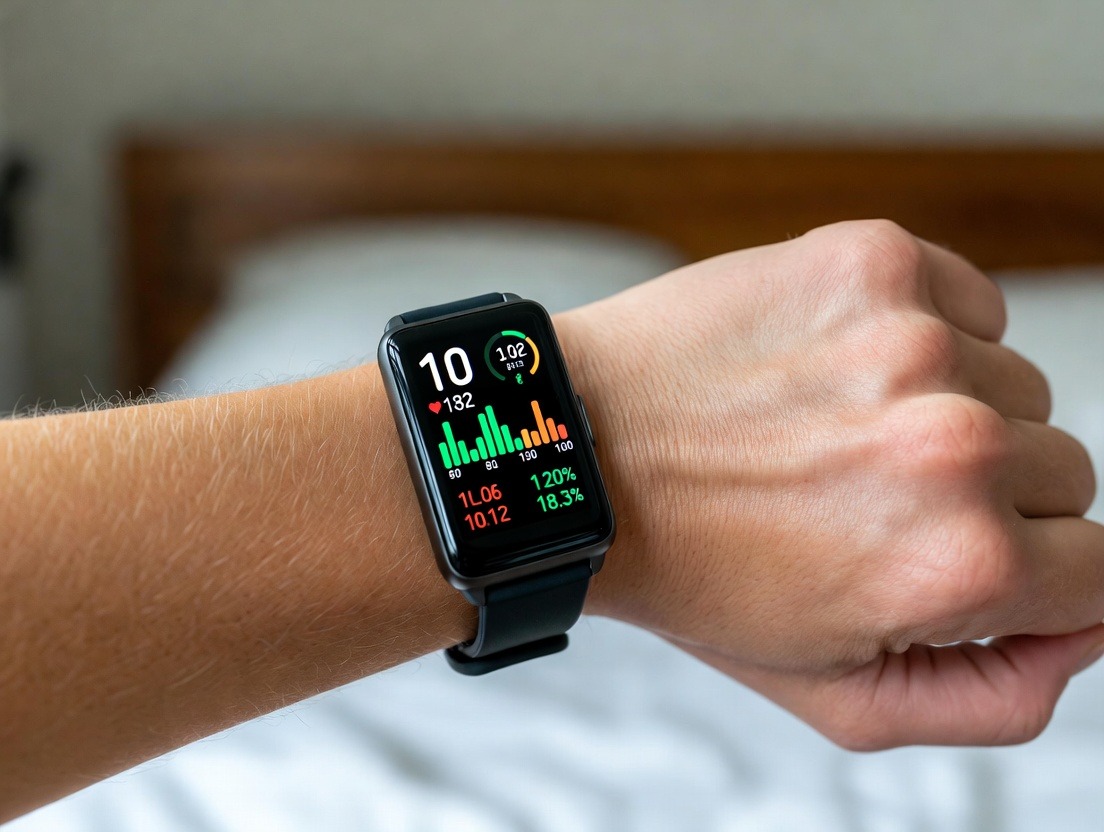
Jet lag is perhaps the most universal complaint among travelers, yet it's also one of the most misunderstood phenomena in wellness. Most people think of jet lag as simply being tired at the wrong times, but it's actually a complex disruption of your entire biological system. Every cell in your body has its own circadian clock, and when you cross time zones rapidly, these clocks fall out of synchronization with each other and with the external environment.
Your smart ring provides unprecedented visibility into this process. By tracking metrics that reflect circadian function—body temperature, heart rate variability, resting heart rate, and sleep patterns—you can see exactly how your body is adapting to a new time zone and intervene strategically to speed the process.
Let's start with the science of circadian adaptation. Your master clock, located in the suprachiasmatic nucleus of your brain, coordinates billions of peripheral clocks throughout your body. When you travel across time zones, your master clock gets conflicting signals. Light tells it one time, but your stomach's clock says something else based on when you last ate. Your muscles' clocks are confused by activity at unusual hours. Your liver's clock doesn't know whether to produce glucose or store it.
This internal desynchronization produces the symptoms we call jet lag: fatigue, insomnia, digestive issues, brain fog, and mood disturbances. The severity depends on how many time zones you've crossed, which direction you've traveled, and your individual circadian flexibility.
Eastward travel is generally harder than westward travel because it requires advancing your circadian clock—essentially going to bed earlier and waking earlier. Most people's natural circadian period is slightly longer than 24 hours, making it easier to delay (westward travel) than to advance (eastward travel). Your ring helps you understand your personal tendency by showing how quickly your metrics shift in each direction over multiple trips.
When you arrive at your destination, your ring gives you a baseline for where your circadian rhythm currently sits. Your body temperature minimum—the time of day when your core temperature is lowest—is a reliable marker of circadian phase. In a normally entrained person, this occurs about two hours before your natural wake time. By examining your temperature data from the first few days in a new time zone, you can estimate how far your clock has shifted and how much adaptation remains.
Light exposure is the most powerful tool for circadian adjustment, and your ring helps you time it perfectly. Morning light advances your clock; evening light delays it. If you're traveling east and need to advance, seek bright light in the early morning local time. If you're traveling west and need to delay, seek bright light in the late afternoon and evening. Your ring's sleep and temperature data confirm whether these interventions are working.
But light isn't the only tool. Meal timing also influences circadian clocks, particularly in peripheral organs like the liver and pancreas. Your ring can't track your meals directly, but it can show you whether your current eating schedule is supporting or hindering adaptation. If you eat at times that conflict with your shifting circadian rhythm, you might notice disruptions in your heart rate patterns or sleep quality.
Melatonin supplementation is another common intervention for jet lag, but timing is critical. Taking melatonin at the wrong time can actually make jet lag worse by shifting your clock in the wrong direction. Your ring's data helps you determine the optimal timing. If your temperature minimum suggests your clock is significantly delayed, evening melatonin might help advance it. If your clock is already advancing well, additional melatonin might overshoot.
Exercise timing also affects circadian adaptation. Morning exercise tends to advance the clock; evening exercise tends to delay it. By coordinating your activity with your desired direction of shift, you can accelerate adaptation. Your ring tracks both your exercise and your circadian metrics, allowing you to see the relationship.
One of the most valuable insights your ring provides during time zone transitions is the distinction between jet lag and travel fatigue. These conditions feel similar but require different responses. Jet lag is circadian disruption that improves with strategic light exposure and time. Travel fatigue is accumulated sleep debt and stress that improves with rest and recovery.
If your metrics show that your circadian rhythm is actually adapting well—your temperature minimum is shifting appropriately, your sleep timing is normalizing—but you still feel terrible, you're probably dealing with travel fatigue. The solution isn't more light exposure; it's more rest. Your ring helps you make this distinction rather than applying jet lag interventions to fatigue problems.
Let's look at a concrete example. You've traveled from New York to London, a five-hour time difference eastward. On your first morning in London, you wake up naturally at 4 a.m. local time. Your ring shows that your temperature minimum occurred around 2 a.m., which is appropriate for waking at 4 a.m. in a normal rhythm. But in London, you want to wake at 7 a.m., so your clock needs to advance by three hours.
Over the next few days, you track your wake time and temperature minimum. By day three, you might be waking at 5:30 a.m. with a temperature minimum at 3:30 a.m. You're making progress. By day five, you might reach your target wake time of 7 a.m. with a temperature minimum at 5 a.m. Your ring has confirmed successful adaptation.
If you weren't tracking this data, you'd just feel tired and confused for a week without knowing whether you're adapting or stuck. With the data, you know exactly where you stand and whether your interventions are working.
What about travelers who move constantly—the classic European tour where you're in a new city every day or two? In this scenario, your circadian rhythm never fully adapts because you're constantly changing time zones. Your ring helps you manage this by showing you the cumulative effects of repeated disruption. You might notice that your HRV progressively declines over the trip, your resting heart rate creeps up, and your sleep quality deteriorates. This information tells you that despite your excitement about seeing multiple cities, your body is struggling and needs more recovery support.
In this situation, you might decide to slow down. Skip one city, spend an extra day somewhere, build in rest days even if it means missing some sights. Your ring gives you permission to make these adjustments because you have objective evidence that your body needs them.
Some travelers find that strategic napping helps them function during time zone transitions. Your ring helps you nap effectively by showing you when your circadian troughs occur—those times of day when your body naturally wants to sleep. Napping during these windows is more restorative than napping at other times. By aligning your naps with your circadian biology, you get more recovery from less total sleep time.
The relationship between time zones and performance is also worth considering. If you're traveling for business, you might need to perform at specific times that conflict with your current circadian phase. Your ring helps you understand when you'll be at your cognitive best and worst. If you have an important presentation at 3 p.m. local time but your body thinks it's 10 a.m., you might struggle. Knowing this in advance allows you to prepare—maybe by scheduling a strategic nap before the presentation, or by using caffeine strategically, or by asking to reschedule if possible.
As you gain experience with time zone transitions, you'll notice patterns in your adaptation. You might learn that you handle westward travel easily but struggle with eastward trips. You might discover that you need a full day per time zone crossed to fully adapt, or that you adapt faster than average. This personal knowledge, built from multiple trips of ring data, becomes your circadian playbook. You know exactly what to expect and how to respond before you even book the flight.
Beyond time zones, travel throws another set of variables at your body: environmental changes. Altitude, humidity, temperature, air quality, and even barometric pressure all affect your physiology. Your smart ring tracks how you respond to these changes and helps you adapt more effectively.
Let's start with altitude, which is perhaps the most dramatic environmental stressor for travelers. When you ascend to high altitudes, the partial pressure of oxygen decreases, meaning each breath contains fewer oxygen molecules. Your body responds by increasing your breathing rate, elevating your heart rate, and eventually producing more red blood cells to carry oxygen more efficiently.
Your smart ring captures this adaptation process through multiple metrics. You'll likely see your resting heart rate increase at altitude—sometimes significantly. Your HRV may drop as your nervous system works harder to maintain oxygen delivery. Your blood oxygen saturation, if your ring measures it, will show the direct effect of reduced oxygen availability.
These metrics help you manage altitude exposure safely. If your blood oxygen drops too low or your heart rate spikes excessively, you might need to descend or limit activity. If your metrics show gradual improvement over days at altitude, you're acclimatizing normally.
Hydration becomes even more critical at altitude because you lose more water through increased respiration. The dry air at high elevations also increases insensible water loss. Your ring's metrics—particularly HRV and resting heart rate—can signal developing dehydration before you feel thirsty. If you notice unfavorable trends, increase fluid intake and consider electrolytes.
Sleep at altitude is notoriously difficult. Many people experience periodic breathing, where they stop breathing briefly and then gasp for air. This disrupts sleep architecture and reduces restorative sleep. Your ring shows you exactly how altitude affects your sleep. You might see reduced deep sleep, more wake periods, and lower overall sleep quality. This information helps you adjust expectations—you might need more total sleep time to get the same restorative benefit, or you might plan rest days rather than strenuous activities.
Temperature and climate shifts also register in your ring data. Moving from a cold to a hot climate, or vice versa, stresses your thermoregulatory system. Your body has to work harder to maintain core temperature, and this shows up as elevated heart rate and reduced HRV, especially during the first few days of adaptation.
Your ring's temperature tracking becomes particularly valuable in extreme climates. If you're traveling to a very hot destination, you might notice your skin temperature rising and your sleep suffering as your body struggles to cool down at night. This tells you that you need cooling strategies—air conditioning, lighter bedding, evening showers, hydration.
In cold climates, your body works to conserve heat, which can also disrupt sleep and elevate cardiovascular stress. Your ring shows you whether you're recovering adequately between cold exposures. If your metrics suggest chronic cold stress, you might need to limit outdoor time, dress more warmly, or ensure your accommodation is properly heated.
Humidity is another factor that affects your physiology, though it's often overlooked. High humidity impairs evaporative cooling, making heat stress more severe. Low humidity increases fluid loss and can irritate respiratory passages. Your ring can't measure humidity directly, but it shows you the physiological consequences. If you're in a high-humidity environment and your heart rate is elevated despite minimal activity, humidity might be the culprit.
Air quality varies dramatically between locations, and poor air quality stresses your respiratory and cardiovascular systems. While most smart rings don't measure air quality directly, they show you the effects through changes in your metrics. If you arrive in a polluted city and notice your HRV dropping and your resting heart rate rising, poor air quality might be contributing. This awareness might lead you to wear a mask on high-pollution days, spend more time in filtered indoor environments, or adjust your outdoor activities.
Allergens in new environments can trigger immune responses that affect your metrics. If you travel to a place with different pollen or mold profiles, your body might react even if you don't have obvious allergy symptoms. Your ring might show elevated heart rate, reduced HRV, and disrupted sleep as your immune system works overtime. This information helps you consider antihistamines or other interventions before symptoms become severe.
Water quality differences can also affect travelers, particularly through digestive disruption. While your ring won't directly tell you that the local water is causing issues, it will show you the physiological stress through metrics like HRV and heart rate. If you notice unexplained changes after drinking local water, you might switch to bottled water and see if your metrics improve.
The key insight here is that your body is constantly adapting to environmental variables, and that adaptation requires energy. Your smart ring shows you the cost of that adaptation. When you understand that your reduced readiness score isn't because you're weak or lazy but because your body is working hard to adjust to altitude or heat or pollution, you can respond with compassion rather than judgment.
This compassion translates into better decisions. Instead of pushing through and wondering why you feel terrible, you adjust your expectations and activities to match your physiological state. You take rest days when your metrics suggest adaptation stress. You modify your exercise intensity based on environmental demands. You prioritize recovery interventions that support your specific challenges.
Over multiple trips to different environments, you build a personal library of how your body responds to various conditions. You learn that you adapt to altitude quickly but struggle with humidity. You discover that cold doesn't bother you much but heat drains your reserves. This knowledge helps you choose destinations and activities that align with your physiology, or prepare more thoroughly for environments that challenge you.

Food is one of the great pleasures of travel, but it's also a significant source of physiological stress. New cuisines, different meal timing, unfamiliar ingredients, and changes in food preparation can all disrupt your digestive system and affect your overall wellness. Your smart ring helps you navigate this complex territory by showing you how different foods and eating patterns affect your metrics.
Let's be clear about what your ring can and cannot do regarding nutrition. It cannot tell you exactly what to eat. It cannot identify specific nutrients or count calories with precision. What it can do is show you the physiological consequences of your food choices. Over time, you learn which foods support your wellness during travel and which ones undermine it.
Consider a common travel scenario: you're in a new city, and you indulge in a rich local dinner with wine, dessert, and late-night eating. The next morning, your ring shows you the consequences. Your HRV might be significantly lower than usual. Your resting heart rate might be elevated. Your sleep metrics might show reduced deep sleep and more wake periods. This isn't moral judgment—it's physiological data. Your body processed that meal and responded in a particular way.
The question is what you do with this information. You might decide that the experience was worth the physiological cost, and you'd make the same choice again. That's fine. The data isn't telling you that you were bad; it's telling you what happened so you can make informed decisions. If you have an important day ahead—a long hike, a business presentation, an early morning tour—you might choose a lighter meal to protect your readiness.
Meal timing is particularly important during travel because your digestive system has its own circadian rhythms. Eating at times that conflict with your internal clock can disrupt sleep, impair digestion, and increase metabolic stress. Your ring helps you identify optimal meal times by showing how late eating affects your overnight metrics.
If you notice that meals after 8 p.m. consistently reduce your sleep quality and next-day HRV, you have actionable information. When traveling, you might prioritize earlier dinners even if local customs favor late dining. Or you might accept the occasional late meal but compensate with extra recovery time afterward.
Hydration tracking during travel deserves special attention because dehydration is so common and so consequential. Your ring's metrics provide early warning of developing dehydration. A rising resting heart rate, dropping HRV, and increasing body temperature can all signal fluid deficit. If you notice these trends, increase fluid intake immediately rather than waiting until you feel thirsty.
But hydration isn't just about water volume—it's also about electrolyte balance. When you're sweating more due to activity or climate, or when you're eating different foods, your electrolyte needs change. Your ring can't measure electrolytes directly, but it shows you when something is off. If you're drinking plenty of water but your metrics still suggest dehydration, you might need electrolytes. Adding an electrolyte supplement and watching your metrics improve confirms the need.
Digestive disruptions are almost inevitable during travel. Changes in gut bacteria from new foods and water, alterations in meal timing, and stress all affect digestion. Your ring captures the systemic effects of these disruptions through metrics like HRV and heart rate. A significant drop in HRV might indicate that your digestive system is under stress, even if you don't have obvious symptoms like bloating or discomfort.
This early warning allows you to intervene before minor digestive issues become major problems. You might choose blander foods for a day, increase probiotic intake, or give your digestive system a break with lighter meals. If your metrics improve, you know you're on the right track.
Alcohol presents particular challenges during travel. It's often part of the experience—wine with dinner in France, beer at a German beer garden, cocktails at a tropical resort. But alcohol significantly disrupts sleep, hydration, and recovery. Your ring shows you exactly how much alcohol affects your personal physiology.
Some people find that a single drink barely affects their metrics. Others discover that even half a glass of wine crashes their HRV and ruins their sleep quality. This isn't about moralizing alcohol consumption—it's about knowing your personal response so you can make informed choices. If you know that alcohol consistently disrupts your recovery, you might limit it to occasions when you have no important activities the next day, or you might choose lower-alcohol options.
Caffeine is another travel staple that affects everyone differently. Your ring shows you how caffeine affects your sleep, heart rate, and nervous system. You might discover that you can drink coffee until 4 p.m. without sleep disruption, or that any caffeine after noon ruins your night. This knowledge helps you time your caffeine intake strategically.
Food intolerances and sensitivities become more apparent during travel because you're eating foods you don't normally consume. Your ring might reveal patterns you hadn't noticed at home. If you consistently have poor metrics after eating certain types of cuisine, you might have a sensitivity worth investigating further.
The key to using your ring for nutritional guidance is pattern recognition over time. One night of poor metrics after a heavy meal doesn't prove anything. But if you consistently see the same patterns after similar meals across multiple trips, you've identified a reliable relationship. You can then make decisions based on that relationship rather than guesswork.
Let's talk about practical strategies for using your ring to guide nutrition during travel:
First, establish a baseline before your trip. Know your typical HRV, resting heart rate, and sleep metrics when eating your normal diet. This gives you a reference point for comparison.
Second, pay attention to morning metrics after significant meals. If you had a special dinner, check your readiness score the next morning. Compare it to mornings after more typical meals. The difference tells you something about how that meal affected you.
Third, experiment strategically. If you're curious about whether a particular food or eating pattern works for you, try it and observe the results. But only change one variable at a time so you can attribute effects accurately.
Fourth, consider keeping a food log alongside your ring data. Note what you ate, when you ate, and how you felt. Then look for correlations with your metrics. Over time, patterns will emerge that guide your choices.
Fifth, be compassionate with yourself. Travel is about experience, not optimization. If you choose to eat something that you know will affect your metrics because it's part of the experience, that's a valid choice. The data simply informs the choice; it doesn't dictate it.
Your Trusted Sleep Advocate: Sleep Foundation — https://www.sleepfoundation.org
Discover a digital archive of scholarly articles: NIH — https://www.ncbi.nlm.nih.gov/
39 million citations for biomedical literature :PubMed — https://pubmed.ncbi.nlm.nih.gov/
Experts at Harvard Health Publishing covering a variety of health topics — https://www.health.harvard.edu/blog/
Every life deserves world class care :Cleveland Clinic - https://my.clevelandclinic.org/health
Wearable technology and the future of predictive health monitoring :MIT Technology Review — https://www.technologyreview.com/
Dedicated to the well-being of all people and guided by science :World Health Organization — https://www.who.int/news-room/
Psychological science and knowledge to benefit society and improve lives. :APA — https://www.apa.org/monitor/
Cutting-edge insights on human longevity and peak performance:
Lifespan Research — https://www.lifespan.io/
Global authority on exercise physiology, sports performance, and human recovery:
American College of Sports Medicine — https://www.acsm.org/
Neuroscience-driven guidance for better focus, sleep, and mental clarity:
Stanford Human Performance Lab — https://humanperformance.stanford.edu/
Evidence-based psychology and mind–body wellness resources:
Mayo Clinic — https://www.mayoclinic.org/healthy-lifestyle/
Data-backed research on emotional wellbeing, stress biology, and resilience:
American Institute of Stress — https://www.stress.org/


