


10 Vitality and Wellness Practices Your Smart Ring Validates
Ten practices for enhancing vitality are validated by your smart ring.
Ten practices for enhancing vitality are validated by your smart ring.
%402x.svg)
For generations, the pursuit of wellness was shrouded in guesswork. We followed advice, tried trends, and hoped for the best, with little more than a vague sense of "feeling better" as our guide. Did that new meditation app actually calm your nervous system, or did it just make you feel momentarily peaceful? Did pushing through that extra mile build resilience or push you toward overtraining? Our intentions were good, but our feedback was fuzzy.
Enter the era of biometric intelligence. No longer are we flying blind. The modern smart ring, worn unobtrusively on your finger, has become a 24/7 personal health observatory, translating the subtle whispers of your body into a clear, actionable language. It moves wellness from the realm of philosophy to the domain of physiology. It transforms "I think this works" into "The data shows this works."
This continuous stream of objective data—from heart rate variability and sleep architecture to skin temperature and stress indicators—does more than just track; it validates. It confirms the profound impact of daily practices, turning timeless wisdom into personalized, data-driven truth. It closes the feedback loop, proving that the small, consistent choices you make are not just drops in the ocean, but are actively sculpting your health landscape.
In this comprehensive exploration, we will delve into ten vital wellness practices that have long been championed by health experts. But rather than taking them on faith, we will examine them through the validating lens of your smart ring’s biometric data. You will see exactly how a mindful morning ritual paints a calmer heart rate pattern, how strategic hydration shows up in your recovery score, and how quality sleep rebuilds your body at a cellular level, reflected in metrics you can see and trust. This is not about adding more to your to-do list; it’s about understanding the undeniable, measurable value of what you already know you should be doing. Let’s discover how your smart ring turns intuition into insight, and effort into evidenced-based vitality.
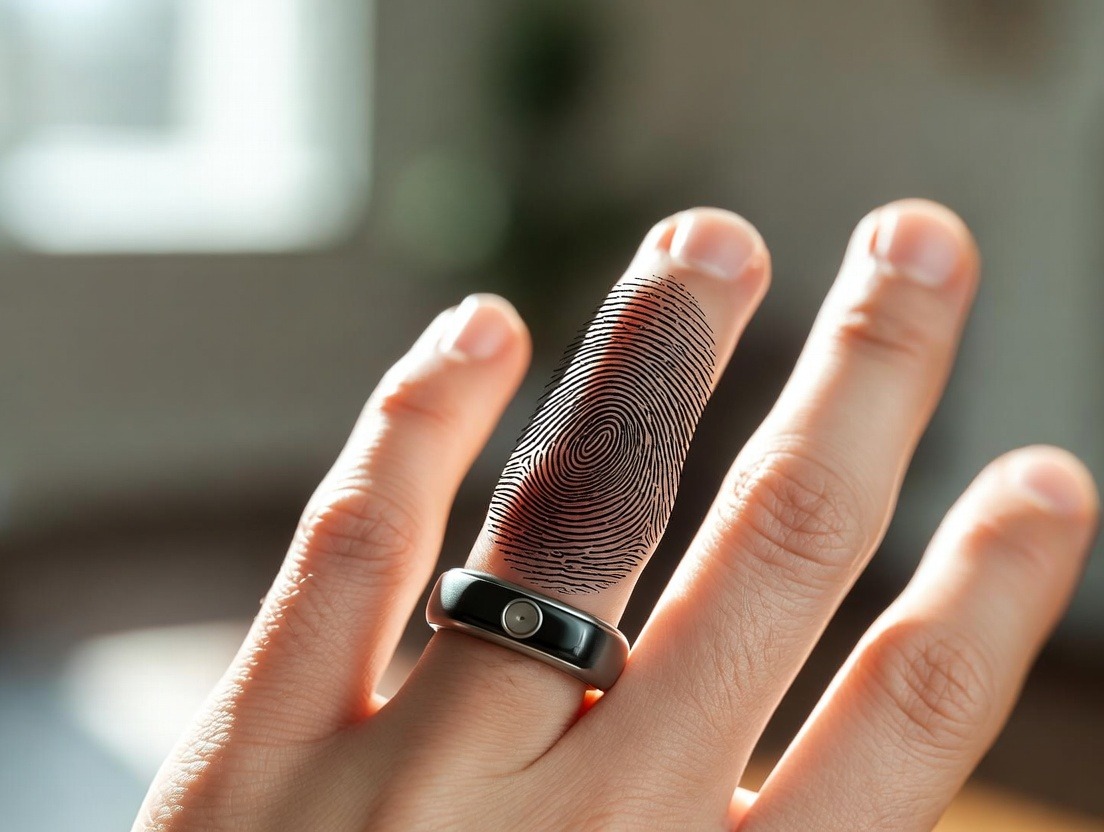
Before we dive into the specific practices, it's crucial to understand the maestro behind the curtain: the sophisticated sensor array and algorithms within your smart ring. This isn't a simple step counter. It's a bio-data interpreter, continuously listening to the unseen symphony of your autonomic nervous system (ANS)—the part of you that regulates heartbeat, digestion, respiration, and stress response without your conscious thought.
The ring uses photoplethysmography (PPG) sensors, typically employing green and red LED lights, to detect blood volume changes in the capillaries of your finger. From this subtle pulse waveform, a universe of information is extracted:
Complementing this are a temperature sensor tracking subtle shifts in skin temperature (often tied to circadian rhythm, ovulation, or illness onset) and a 3D accelerometer for measuring movement and sleep.
The true magic, however, lies in the algorithms. These sophisticated formulas take raw data points and synthesize them into holistic health scores—like Readiness and Sleep Scores—that give you a digestible snapshot of your body’s status. They establish your personal baseline, making deviations meaningful. For a deeper look into the science behind these numbers, our guide on how a wellness ring turns metrics into health action breaks down the journey from raw signal to life-changing insight.
This continuous, passive monitoring is the key to validation. Unlike a once-a-year checkup or a manual log, it provides context-rich, longitudinal data. It shows you how your body truly responds throughout the day and night, creating an irrefutable link between your actions and your physiological outcomes. With this foundation, let’s explore the first wellness practice your ring brings into clear focus.
You’ve heard "get 8 hours of sleep" a thousand times. But what if you got 8 hours of fragmented, restless sleep, waking up feeling foggy? Your smart ring reveals a more nuanced truth: consistency is king. Going to bed and waking up at roughly the same time every day, even on weekends, is arguably more powerful for your biology than a single night of long but erratic sleep.
Your body thrives on rhythm. Your circadian rhythm—an internal 24-hour clock governing hormone release, body temperature, digestion, and sleep-wake cycles—is calibrated by consistent cues, primarily light and behavior. When you disrupt your sleep schedule, you desynchronize this master clock, a state known as "social jet lag."
Your smart ring validates this by tracking:
Imagine you commit to a 10:30 PM bedtime and 6:30 AM wake-up for two weeks. Your smart ring dashboard will begin to show a beautiful, repeating pattern:
Now, contrast that with a Friday night where you stay up until 2 AM. The data doesn’t lie: your sleep latency might be longer (exhaustion can backfire), your deep sleep may be compromised, your HRV will likely be suppressed, and your Recovery Score the next morning will plummet—even if you "sleep in" to get 8 total hours. The ring validates that your body isn't fooled by the extra hours; it's punished by the shift in schedule.
This practice moves sleep from a passive state to an active ritual. By aligning with your chronobiology, you're not just sleeping; you're performing essential maintenance on your brain, immune system, and metabolism. To understand all the metrics behind your sleep quality, our complete guide to understanding wellness ring health metrics offers a detailed breakdown.
Actionable Insight: Use your ring’s sleep trend data to find your natural rhythm. Note the times you fall asleep easiest and wake naturally. Formalize that schedule. The data will show, within days, how this consistency improves not just your sleep scores, but your next-day readiness metrics, proving that when it comes to sleep, timing is everything.
"Drink eight glasses of water a day" is a one-size-fits-all mantra that ignores individual physiology, climate, and activity. Your smart ring introduces a paradigm shift: hydration as a strategic recovery tool, informed by your body's actual signals, not a generic rule.
Even mild dehydration (a loss of 1-2% of body water) has a profound physiological impact, and your ring is sensitive enough to detect its fingerprints:
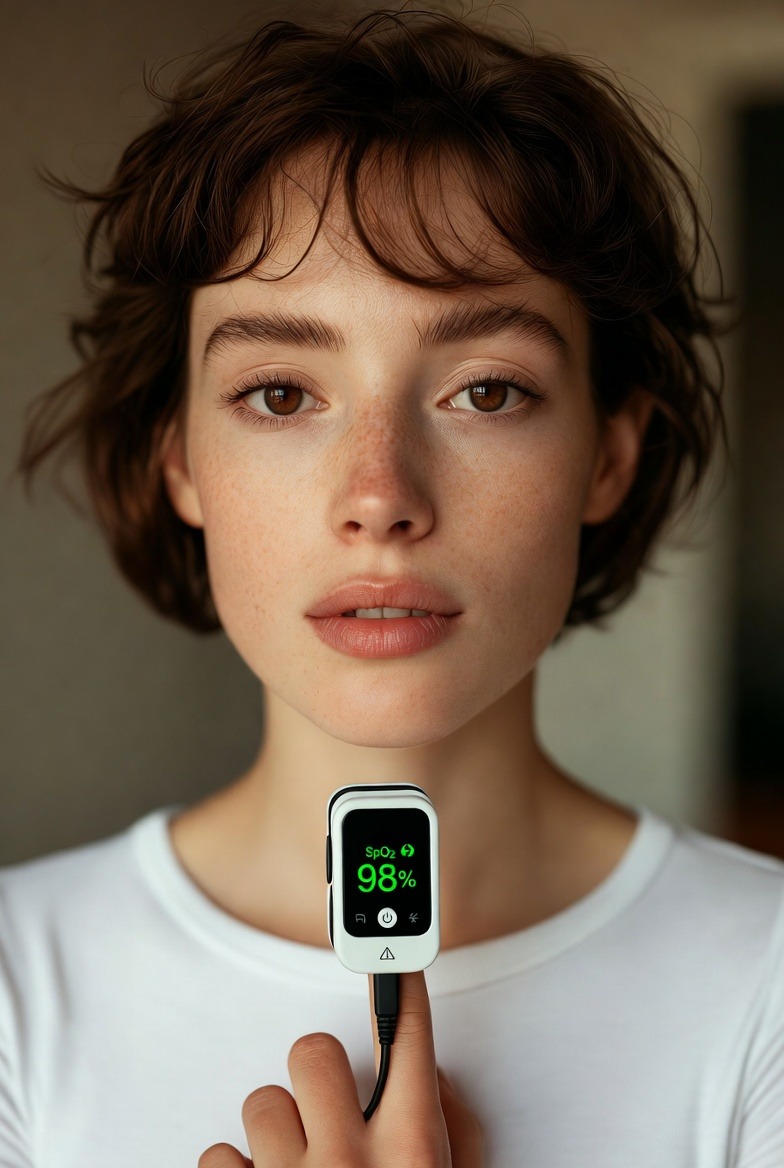
The validation occurs when you consciously pair hydration with activity and recovery cycles. Consider this data-backed approach:
This transforms hydration from a chore to a targeted biohack. You’re no longer just drinking water; you’re drinking to optimize your next recovery score, to stabilize your nighttime HRV, and to ensure your heart doesn't have to work overtime.
Actionable Insight: Conduct a self-experiment. For three days, hydrate minimally (but safely). Note the trends in your RHR, HRV, and sleep. For the next three days, proactively hydrate with 2-3 liters, especially around activity. Compare the data sets. The difference in your biometrics will validate, beyond doubt, that water is a fundamental lever for vitality. For more on how specific metrics like HRV indicate your system's state, understanding HRV numbers simply can be incredibly helpful.
We all know stress is bad, and "just breathe" is common advice. But does a few deep breaths actually change your physiology, or is it a placebo? Your smart ring delivers a resounding, data-confirmed yes. It turns abstract stress management into a tangible, observable physiological event.
Your breathing pattern is uniquely tied to your autonomic nervous system. It’s one of the few ANS functions you can consciously control. Rapid, shallow chest breathing stimulates the sympathetic nervous system (stress). Slow, deep diaphragmatic breathing activates the parasympathetic nervous system (rest and digest).
Your smart ring acts as a real-time biofeedback device for this process, tracking:
This is where validation becomes empowering. You can experiment and see exactly what works for you.
This turns stress management from a vague concept into a precise science. You’re no longer "trying to relax." You are "conducting a 5-minute parasympathetic activation session, targeting a 10% increase in HRV," and you have the data to prove you succeeded.
Actionable Insight: Use your ring's daytime spot-check feature or live session mode (if available) during different stress-management activities. Try breathwork, a walk in nature, listening to music, or talking to a friend. Observe which activity creates the most favorable, immediate shift in your heart rate and HRV. Let the data guide you to your most effective personal stress-relief toolkit.
The "no pain, no gain" mentality is obsolete and dangerous. Pushing hard every day can lead to overtraining, injury, and burnout. The modern, intelligent approach is training in harmony with your body's readiness. Your smart ring is the perfect tool for this, providing a daily objective report on whether you should go hard, go light, or rest.
Most advanced smart rings synthesize key overnight metrics—like HRV, RHR, sleep quality, and temperature—into a single Readiness or Recovery Score. This isn't a random number; it's a data-driven recommendation from your own body.
The validation comes in two powerful ways:
This practice transforms fitness from a rigid schedule to a dynamic dialogue. You're not working out blindly; you're responding to your body's daily invoice for the previous day's work and life stress.
Actionable Insight: For one month, let your ring's readiness score dictate your workout intensity. Do not force a planned hard session if your score is low. Observe the trends. You will likely find you have more high-quality, PR-breaking sessions because they're perfectly timed, and you experience fewer nagging injuries and bouts of fatigue. The data validates that strategic rest is not laziness; it's a critical component of growth.

Telling someone with sleep issues to "just go to bed earlier" is ineffective. The problem often isn't in the bed; it's in the hour before the bed. Your smart ring powerfully validates the necessity of a deliberate wind-down routine by showing how the chaos of the evening directly sabotages your sleep architecture.
The transition from wakefulness to sleep is a hormonal and neurological process. It requires a drop in cortisol (the alertness hormone) and a rise in melatonin (the sleep hormone), orchestrated by a calming of the sympathetic nervous system. Scrolling social media, watching intense TV, or working right up until bedtime floods your system with stimulating light (blue light) and psychological stress, halting this transition.
Your smart ring captures the fallout of a poor wind-down:
Now, implement a 60-minute wind-down routine: dim lights, no screens, perhaps reading a physical book, light stretching, meditation, or a warm bath. Your ring will validate its effectiveness with clear data shifts:
The ring proves that the pre-sleep period is not "dead time." It's active preparation time for one of your most vital health activities. You are literally writing the instruction manual for your nervous system on how to shut down properly. For a detailed explanation of the metrics that define your sleep, explore our article on understanding sleep stages and quality scores.
Actionable Insight: Use your ring's detailed sleep breakdown. Correlate nights with poor sleep latency and low deep sleep with your activities in the 9 PM - 11 PM window. Then, design a strict wind-down ritual for one week. Compare the "before" and "after" data for sleep latency, deep sleep minutes, and overall score. The objective improvement will make that ritual non-negotiable.
Few daily substances have as dramatic and measurable an impact on your biometrics as caffeine and alcohol. General advice like "avoid coffee after 2 PM" or "limit alcohol" is good, but personal tolerance varies wildly. Your smart ring personalizes this advice, showing you exactly how and how much these substances affect your sleep and recovery.
Alcohol is a sedative, not a sleep aid. It fragments sleep architecture. Your ring captures this with stunning clarity:
Caffeine has a long half-life. A 3 PM coffee can still be significantly affecting your system at 10 PM.
This is where personalized validation is transformative. You can conduct clean experiments:
The ring removes the debate. You can’t argue with a 40% drop in HRV and a ruined recovery score. It validates that moderating these substances isn't about deprivation; it's about protecting your most valuable asset: your nightly biological renewal process. To see how these choices fit into a larger picture of long-term health, consider reading about lifelong health strategies that balance discipline and flexibility.
Actionable Insight: Pick one substance—alcohol or caffeine—for a two-week experiment. For one week, consume as you normally would. Log the average nightly HRV and morning readiness score. For the next week, eliminate it or strictly curtail it (e.g., no alcohol, or no caffeine after 12 PM). Compare the weekly averages. The data will provide a powerful, personal reason to modify your habits.
In a fitness culture obsessed with grueling hour-long workouts, the profound power of consistent, all-day movement is often overlooked. Non-Exercise Activity Thermogenesis (NEAT)—the energy you burn from walking, standing, fidgeting, gardening—is a metabolic powerhouse. Your smart ring validates this by showing how consistent, low-grade activity builds a foundation of metabolic health that intense workouts alone cannot.
While your ring tracks dedicated workouts, its true brilliance for NEAT lies in its 24/7 monitoring of heart rate and movement. It sees the whole picture.
The concept of "sitting is the new smoking" is validated when you watch your live heart rate graph. After 60 minutes of sitting, notice how your heart rate settles into a very low, almost dormant zone. Now, get up and walk for 3 minutes. Watch the graph lift. This isn't just burning a few extra calories; it's signaling to your metabolism to stay active, improving circulation, and breaking the negative physiological pattern of prolonged stillness.
Your ring validates the cumulative benefit of these "activity snacks":
Actionable Insight: Set a simple NEAT goal on your ring, like 250+ calories from "active time" or 10,000 steps. On days you don't have a workout, focus exclusively on hitting this through walking meetings, parking farther away, or short post-meal strolls. Observe how these days still yield strong recovery metrics and good sleep, proving that vitality is built as much in the mundane movements of daily life as it is in the gym.
Intermittent fasting and time-restricted eating (TRE) are popular, but their effectiveness is often debated on subjective terms like "energy" or "weight loss." Your smart ring adds a critical layer of objective, physiological validation, showing how when you eat may be as important as what you eat for your metabolic and recovery health.
Eating, especially a large or heavy meal, is a metabolic event. It requires digestion, which activates the sympathetic nervous system, raises body temperature, and increases heart rate. Doing this close to bedtime conflicts with your body's natural wind-down process.
Your ring validates the cost of late eating through these metrics:
The principle of TRE—condensing your daily caloric intake into a consistent 8-12 hour window—aligns eating with your active circadian phase. Your ring helps you find your optimal window.
This moves TRE from a dietary fad to a recovery optimization strategy. You're not just fasting; you're creating a longer, cleaner recovery window for your body every single night. For insights into how your body's daily rhythms affect everything from sleep to metabolism, our piece on understanding circadian rhythm indicators is essential reading.
Actionable Insight: Use your ring's recovery score as the judge. Aim to finish your last meal at least 3 hours before bedtime for a week. Observe the positive trend in your morning readiness scores. Then, intentionally have a late, heavy meal and watch the next morning's score plummet. This direct cause-and-effect, visible in your data, makes aligning your eating window with your circadian rhythm a non-negotiable practice for anyone seeking optimal recovery.
One of the most underrated features of a smart ring is its continuous skin temperature sensor. While it doesn't measure core temperature like a medical thermometer, it tracks relative changes from your personal baseline. This provides a powerful, early-warning system for inflammatory responses, illness onset, and hormonal shifts, validating the importance of listening to your body's subtle thermal signals.
Your skin temperature follows a circadian rhythm, typically lowest in the early morning and highest in the late afternoon. Deviations from your personal pattern are highly informative:
The power here is proactive intervention. Instead of realizing you're sick when you have a full-blown fever and sore throat, your ring gives you a 12-24 hour head start.
This practice validates that health isn't just about the big, obvious metrics. It's about the subtle, continuous whispers of change. By paying attention to temperature trends, you move from reactive sick-care to proactive, intelligent self-care. For a deeper dive into what your temperature is signaling, read our explanation of body temperature health signals.
Actionable Insight: Don't just look at your temperature as a single number. In your ring's app, observe the trend line over days and weeks. Establish what your normal, healthy oscillation looks like. Then, when you see a deviation that persists for more than a day—especially alongside other poor metrics—take it as a validated, biological red flag to slow down and support your immune system.
The final practice flips the script. While we've discussed managing bad stress, not all stress is harmful. Controlled, acute stress followed by adequate recovery—a concept known as hormesis—is what makes us stronger. This applies to cold exposure, heat exposure (sauna), and even certain challenging mental tasks. Your smart ring validates this process by showing the positive adaptation signature of the right kind of stress.
A hormetic stressor briefly activates your sympathetic nervous system and inflammatory pathways, but when followed by rest, your body overcompensates, rebuilding itself to be more resilient to that stressor in the future.
Your smart ring captures this adaptation arc:
This turns self-imposed challenges from masochism into measurable biohacking.
The ring validates that the goal is not to avoid stress, but to dose it intelligently and then provide the recovery necessary for adaptation. It separates harmful, chronic distress from beneficial, acute eustress.
Actionable Insight: Pick one hormetic practice. Introduce it once, on a day you have high readiness. Carefully track your recovery metrics that night and your readiness the next day. Look for the positive rebound. Then, try it on a day with moderate readiness. Compare the results. Your data will guide you to the optimal frequency and timing to build resilience without tipping into overstress. This aligns with the broader concept of creating a sustainable, multi-decade health plan that builds vitality over a lifetime.
In the world of health, generic benchmarks are a trap. The "normal" sleep duration, the "ideal" heart rate, the "target" HRV—these population averages are meaningless when applied to an individual. One of the most profound validations your smart ring provides is the revelation of your unique, personal baseline. It shifts the question from "Am I normal?" to "What is normal for me?" This is the cornerstone of precision wellness.
Medical ranges are designed to catch pathology, not optimize vitality. A resting heart rate between 60-100 BPM is considered "normal," but for a fit individual, 100 BPM would be a sign of severe distress, while 45 BPM might be their healthy baseline. Your smart ring collects data on you over weeks and months, accounting for your age, genetics, fitness level, and lifestyle. It learns your rhythms.
The metrics that define your baseline include:
The true power of knowing your baseline is that it makes deviations meaningful and actionable. A 10 BPM increase in RHR is alarming if your baseline is 48, but less so if it's 70. A drop in HRV to 30 ms is catastrophic if your baseline is 80, but may be normal if your baseline is 35.
Your ring validates your health status by showing how far you've strayed from your normal:
This practice validates the principle of N-of-1 medicine. You are your own control subject. The most important comparison your ring makes is not you versus others, but you today versus you at your best. For a masterclass in using your data this way, our article on understanding your baseline vs. current metrics is an essential resource.
Actionable Insight: Dedicate the first month with your ring purely to observation. Do not try to change anything. Just live your normal life. Let the ring establish your true baselines across all metrics. After 30 days, review the trends. These numbers are your personal health fingerprint. Any future change—for better or worse—should be measured against this personalized foundation.
Modern life often pits productivity against rest, framing them as opposites. Your smart ring reframes this relationship, validating that strategic rest is the engine of high performance. It shows how the deliberate oscillation between stress (activity) and recovery (rest) is the fundamental rhythm that optimizes hormones like cortisol, growth hormone, and testosterone, leading to sustained energy and anti-aging benefits.
Your hormones follow rhythms dictated by your behavior. Intense activity spikes cortisol and adrenaline. True physiological rest allows them to recede and triggers the release of reparative hormones.
Your ring provides a real-time report card on this dance:
The old paradigm was to cram activity and ignore rest. The new, validated paradigm is to match the intensity of your recovery to the intensity of your stress.
This practice moves you from being a relentless driver of your body to a skilled manager of its resources. You learn that the quality of your rest determines the yield of your efforts. To understand how to read these recovery patterns specifically, explore our guide on the metrics behind readiness scores.
Actionable Insight: After any significant stressor—physical, mental, or emotional—use your ring's evening and overnight metrics as your report card. Did your HRV rebound? Did you sleep deeply? If not, your recovery protocol failed to match the stress. Experiment: after your next hard day, try a 20-minute meditation, an Epsom salt bath, or simply 30 minutes of reading fiction before bed. See which intervention most effectively improves the recovery metrics, validating its role in your hormonal optimization toolkit.
We are not isolated biological machines. Our vitality is deeply interwoven with our environment and our social connections. Your smart ring, perhaps surprisingly, becomes a powerful tool for validating the health impact of where you are and who you're with. It quantifies the often-intangible benefits of nature, community, and positive environments.
Different environments and social settings elicit distinct nervous system responses. A hectic open-office, a walk in a forest, a joyful dinner with friends, and a tense argument all leave different biometric signatures.
Your ring can validate these impacts:
This validation is powerful for making life design choices. You may feel better after hiking, but now you have data proving it changes your physiology. You may dread a certain weekly meeting, and your ring can confirm it’s a legitimate stressor by showing a unique heart rate spike every Tuesday at 10 AM.
This practice validates that wellness is not just an individual pursuit of perfect habits; it is also about curating your ecosystem. It empowers you to seek out environments and cultivate relationships that actively support your biological health, and to set boundaries against those that degrade it. For a perspective on how these choices fit into a multi-generational vision, consider how lifelong health strategies can create a family health legacy.
Actionable Insight: For one week, use your ring's daytime heart rate or stress graph as a diary of your environment and interactions. Jot down notes: "10 AM - stressful work call," "1 PM - walk in park," "7 PM - dinner with family." Look for clear correlations. Use this data to consciously design more of what biologically nourishes you and mitigate exposure to what depletes you.
The concept of "catching up on sleep" is often misunderstood. You cannot truly erase a significant sleep debt in one night. However, your smart ring validates the power of strategic, timed napping as a tool to mitigate acute fatigue, improve cognitive function, and boost afternoon performance without sabotaging nighttime sleep.
Your body operates on two primary sleep drives:
A nap strategically addresses the homeostatic drive without majorly disrupting the circadian rhythm.
Your ring helps you nap intelligently by identifying:
The alternative to a strategic nap is often caffeine and sugar to push through the afternoon slump, which can further disrupt evening sleep.
The ring validates that napping isn't laziness; it's a performance-enhancing, recovery-extending tool. It proves you can "bank" a small amount of recovery during the day to preserve your resilience. This is a key tactic for anyone looking to maximize their healthspan by managing daily energy effectively.
Actionable Insight: On a day when your morning readiness score was mediocre or your sleep was short, schedule a 20-minute nap window in the early afternoon (1-3 PM). Use your ring to track your heart rate during the nap. Afterwards, note your subjective energy and check your heart rate variability for the next few hours. Does it show a calming effect? Experiment with nap length—10 vs. 20 vs. 30 minutes—and see which one gives you the best post-nap biometric boost without affecting that night's sleep latency.
Nutritional science is riddled with contradiction because what works for one person may not work for another. Your smart ring introduces a powerful layer of personalized biofeedback, helping you move beyond generic macros (protein, carbs, fat) to understand how specific foods, meals, and eating patterns affect your individual metabolism, inflammation, and recovery.
While the ring doesn't measure blood glucose directly, it captures the downstream effects of your dietary choices on your nervous system and metabolism.
This is where you become a scientist of your own body.
This validates or refutes dietary claims for you. A food touted as "anti-inflammatory" may not be so for your unique biology, and your HRV will tell you. For a deep dive into the metrics that relate to your metabolic health, our article on what health metrics indicate about your metabolic health status is invaluable.
Actionable Insight: Pick one dietary variable you're curious about. Commit to a strict 5-day test. For the 5 days prior and the 5 days during the test, log your average nightly HRV and morning RHR. Use a simple spreadsheet. The trend will give you powerful, personalized data. Maybe eliminating evening snacks boosts your HRV by 15%. That's a validated reason to make that change, rooted in your physiology, not a magazine headline.
The quest for "work-life balance" often creates more stress, framing life as a precarious scale. A more dynamic, biologically sound model is stress pulsing and integration. This involves intentionally alternating focused work sprints (stress pulses) with deliberate mental and physical breaks (recovery pulses) throughout the day. Your smart ring validates this rhythm by showing how micro-recoveries preserve autonomic balance and prevent the cumulative drain of chronic stress.
Sitting at a desk for 8 hours straight, even if the work isn't physically taxing, is a form of chronic low-grade stress. It leads to mental fatigue, physical stagnation, and a depressed nervous system state.
Your ring can detect this "cognitive flatline":
The antidote is the 90-120 minute work sprint followed by a 5-15 minute recovery pulse, aligning with our natural ultradian rhythms.
This practice validates that productivity and health are not trade-offs. The highest quality cognitive work occurs in fresh sprints, not in marathon slogs. The ring proves that the most productive thing you can do is to take a break. This concept is fundamental to building a sustainable 50-year wellness blueprint that avoids burnout.
Actionable Insight: Use a timer to work in 90-minute blocks. When the timer goes off, get up for 10 minutes. Use your ring's live heart rate view or a spot-check. Do a quick breathing exercise for one minute of your break. Can you see your heart rate drop in real time? This immediate biofeedback validates the effectiveness of the break. Over time, track if this practice leads to better end-of-day stress metrics and improved sleep on workdays.
Light is the most powerful cue for your circadian rhythm. The practice of getting bright, natural light exposure first thing in the morning and limiting blue light at night is ancient wisdom. Your smart ring validates this practice not by measuring light, but by showing the profound improvement in sleep quality, mood stability, and daytime energy that results from proper circadian entrainment.
When you view bright light (especially sunlight) in the morning, it suppresses melatonin, sets your cortisol curve for a healthy peak, and firmly anchors your 24-hour clock. This has cascading effects:
Compare two scenarios:
The ring proves that light isn't just for vision; it's the primary driver of your internal biology. Managing light exposure is one of the highest-leverage wellness practices available, and the biometric improvements are the validation. For more on the metrics that reflect this internal timing, revisit our guide on circadian rhythm indicators.
Actionable Insight: For one week, make morning sunlight non-negotiable. Within 30 minutes of waking, spend 5-10 minutes outside looking toward the sky (not directly at the sun). In the evening, dim lights and use device night modes 2 hours before bed. Note your sleep latency and deep sleep metrics from your ring. The improvement will validate this simple, free practice as powerfully as any supplement or gadget.
For women of reproductive age, the menstrual cycle is not a monthly inconvenience; it is a vital sign and a central biological rhythm that influences energy, metabolism, recovery, and cognitive function. Your smart ring is an exceptional tool for validating the practice of cycle syncing—aligning your diet, exercise, and work with your hormonal phases to optimize well-being and performance.
Hormonal fluctuations across the cycle (estrogen, progesterone) have measurable effects on core biometrics. Your ring tracks these subtle shifts, providing objective confirmation of your phase.
By tracking these patterns over several cycles, your ring validates what your body is telling you.
This practice validates that a woman's body is not a static machine but a dynamic, cyclical system. Honoring this rhythm, rather than fighting against it, is a path to greater energy, fewer symptoms, and sustainable performance. It's a key component of truly personalized, precision wellness.
Actionable Insight: Use your ring's temperature trend graph as your primary cycle tracker. Look for the sustained shift that indicates ovulation has occurred. Over 3 cycles, note how your other metrics (HRV, RHR, recovery) correlate with the follicular and luteal phases. Use this data to gently guide your monthly plan, scheduling demanding projects and workouts in your high-energy follicular window and prioritizing rest and admin tasks in your luteal window.
Practices like mindfulness meditation and gratitude journaling are often discussed in fluffy, subjective terms. Your smart ring brings them down to earth, providing hard, physiological validation that these mental exercises create measurable, positive changes in your autonomic nervous system. They are not just "good for the soul"; they are medicine for your biology.
A single session of focused mindfulness or heartfelt gratitude creates an acute, measurable response.
The real magic happens with consistency. Just as lifting weights changes your muscles, consistent mindfulness changes your brain and nervous system.
This validation transforms "soft" practices into "hard" science. You're no longer just hoping meditation works; you're tracking its efficacy in milliseconds of heart rate variability. For more on how your mental state is reflected in your data, see how health metrics can predict mental health changes.
Actionable Insight: Commit to a 10-minute daily mindfulness or gratitude practice for two weeks. Use your ring's spot-check feature or simply note your subjective sense of calm before and after. More importantly, track your sleeping HRV average over the two-week period and compare it to the two weeks prior. An upward trend validates that the practice is not just a momentary pause, but is actively remodeling your nervous system for greater resilience.
The final, and perhaps most impactful, practice is using your smart ring data not in isolation, but as a tool to empower a collaborative, data-informed dialogue with your healthcare provider. It moves you from a passive patient describing symptoms to an active partner presenting trends. Your ring validates your subjective experiences with objective longitudinal data.
Telling a doctor "I'm tired" is vague. Showing them a 90-day trend of your sleeping HRV consistently 30% below your personal baseline, alongside elevated nighttime heart rate and poor sleep efficiency, is powerful, specific evidence.
Your ring's data provides context a snapshot blood test cannot:
This practice validates your role as the expert on your own body, equipped with continuous data. It helps your doctor see you more holistically.
This transforms healthcare from reactive to proactive and collaborative. Your ring validates that you are engaged in your own health journey, providing a rich dataset that can lead to more precise, personalized care. For guidance on how to prepare this data, see our article on sharing smart ring health metrics with doctors.
Actionable Insight: Before your next routine check-up, spend 15 minutes in your ring's app. Look at the 90-day trends for Resting Heart Rate, HRV, and Sleep Score. Note any significant shifts. Print or screenshot these graphs. Bring them to your appointment and say, "This is my physiological baseline over the last quarter. I'd like it to be part of my health record." This simple act can revolutionize the conversation.
Your Trusted Sleep Advocate: Sleep Foundation — https://www.sleepfoundation.org
Discover a digital archive of scholarly articles: NIH — https://www.ncbi.nlm.nih.gov/
39 million citations for biomedical literature :PubMed — https://pubmed.ncbi.nlm.nih.gov/
Experts at Harvard Health Publishing covering a variety of health topics — https://www.health.harvard.edu/blog/
Every life deserves world class care :Cleveland Clinic - https://my.clevelandclinic.org/health
Wearable technology and the future of predictive health monitoring :MIT Technology Review — https://www.technologyreview.com/
Dedicated to the well-being of all people and guided by science :World Health Organization — https://www.who.int/news-room/
Psychological science and knowledge to benefit society and improve lives. :APA — https://www.apa.org/monitor/
Cutting-edge insights on human longevity and peak performance:
Lifespan Research — https://www.lifespan.io/
Global authority on exercise physiology, sports performance, and human recovery:
American College of Sports Medicine — https://www.acsm.org/
Neuroscience-driven guidance for better focus, sleep, and mental clarity:
Stanford Human Performance Lab — https://humanperformance.stanford.edu/
Evidence-based psychology and mind–body wellness resources:
Mayo Clinic — https://www.mayoclinic.org/healthy-lifestyle/
Data-backed research on emotional wellbeing, stress biology, and resilience:
American Institute of Stress — https://www.stress.org/


