


How to Master Fatigue Prevention Using Your Smart Ring as Early Warning System
Using your smart ring as an early warning system to master fatigue prevention.
Using your smart ring as an early warning system to master fatigue prevention.
%402x.svg)
You’re tired. Not just the “need another coffee” tired, but a deep, persistent fatigue that seems to seep into your bones. It clouds your thinking, drains your motivation, and makes even simple tasks feel monumental. For weeks, maybe months, you’ve chalked it up to “being busy” or “not sleeping well.” But what if your body has been sending you precise, measurable distress signals this entire time—signals you simply couldn’t decode?
Welcome to the new frontier of proactive health: using your smart ring not just as a sleep tracker, but as a sophisticated early warning system for fatigue. This isn't about counting steps; it’s about interpreting the subtle, continuous biometric narrative your body writes each day. Fatigue is rarely a sudden event. It’s a gradual accumulation, a debt owed to your nervous system, paid for in dwindling energy, focus, and resilience. Long before you consciously feel “burned out,” key physiological markers begin to trend in the wrong direction.
This guide will teach you how to move from being a passive wearer of technology to an active interpreter of your personal health data. You’ll learn to read the whispers of your autonomic nervous system, spot the precursors to profound fatigue, and take corrective action while you still have ample energy to do so. We will explore how a device on your finger can reveal the hidden cost of stress, poor sleep, and overexertion, transforming your approach from reactive recovery to intelligent, sustained vitality.
Think of it as learning a new language—the language of your own body. And fluency in this language is the ultimate tool for mastering fatigue prevention.

Fatigue is the silent tax on modern life. It’s more than feeling sleepy; it’s a state of systemic depletion that impacts our physical capacity, cognitive sharpness, and emotional equilibrium. Unlike acute tiredness resolved by a good night's sleep, chronic fatigue embeds itself into our physiology, becoming a self-reinforcing cycle that’s difficult to break.
Historically, humans evolved with clear fatigue signals tied to physical exertion. Today, our exhaustion is more complex, born from a relentless cocktail of psychological stress, digital overload, poor sleep hygiene, and nutritional deficits. This “invisible fatigue” doesn’t always force us to rest. Instead, we push through on adrenaline and caffeine, masking the symptoms while deepening the debt.
The true cost is staggering. Chronic fatigue is a primary contributor to burnout, a state of emotional, physical, and mental exhaustion that the World Health Organization recognizes as an occupational phenomenon. It erodes workplace productivity, strains relationships, and is a significant risk factor for a host of chronic diseases, including hypertension, cardiovascular issues, and a weakened immune response. It robs us of our healthspan—the period of life spent in good health—long before it affects our lifespan.
The fundamental problem with managing this type of fatigue is its insidious nature. Our subjective perception is a notoriously poor gauge. We often only realize we’re running on empty when we’ve already crashed. We need an objective, external measure—a mirror held up to our nervous system. This is where the smart ring shifts from a gadget to an essential tool. By providing a continuous, passive stream of physiological data, it makes the invisible visible. It quantifies the unquantifiable feeling of being “worn out.”
To move from feeling perpetually drained to mastering your energy, you must first understand what you’re fighting. It’s not just about more sleep; it’s about systemic recovery. As we explore in our piece on lifelong health strategies to maximize your healthspan, energy preservation and recovery are the cornerstones of a long, vibrant life. Your smart ring provides the map to navigate this terrain, starting with the most critical metrics that signal impending fatigue.
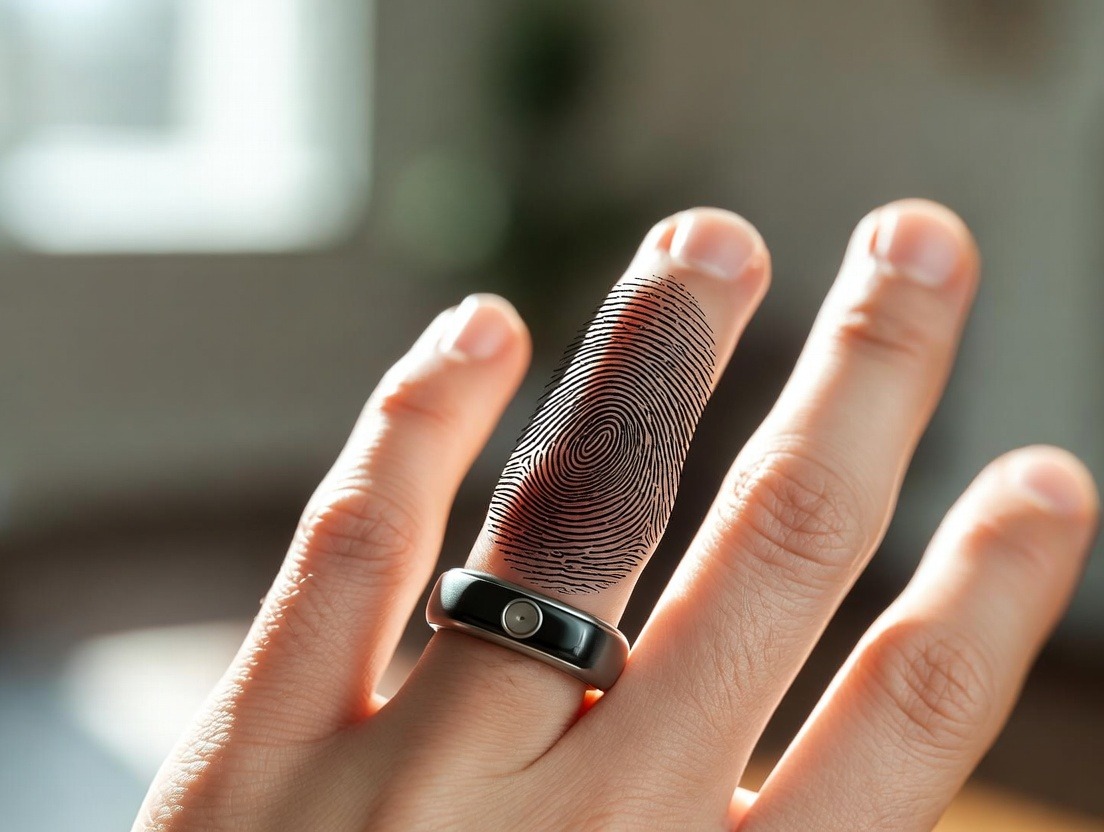
Your smart ring is a biometric powerhouse, but to use it as an early warning system, you must know which dials to watch. Not all data is created equal when it comes to predicting the slow creep of fatigue. Three core metrics form the primary dashboard: Heart Rate Variability (HRV), Resting Heart Rate (RHR), and Sleep Quality & Architecture.
Heart Rate Variability (HRV): The Master Stress Gauge
HRV is arguably the most sensitive non-invasive window into your autonomic nervous system. It measures the subtle variations in time between each heartbeat. Contrary to intuition, a higher HRV is generally better—it indicates a responsive, resilient system that can adapt quickly to stress. A downward trend in your HRV is one of the earliest and clearest signs of accumulating stress and fatigue. Your body is losing its flexibility, becoming rigid and overworked. When your HRV dips consistently below your personal baseline, it’s a red flag that your recovery is inadequate and fatigue is mounting, even if you feel okay.
Resting Heart Rate (RHR): The Engine’s Idle Speed
Your RHR is exactly what it sounds like: your heart rate when you are truly at rest, typically during deep sleep. A elevated RHR trend is a classic sign of physiological strain. It can indicate systemic inflammation, dehydration, ongoing stress, or that your body is fighting an illness. When you are fatigued, your heart has to work harder to maintain basic function. Think of a car engine idling rough and fast—it’s inefficient and a sign of underlying trouble. Monitoring your nightly RHR provides a pure, unmasked look at your cardiovascular system’s burden.
Sleep: The Non-Negotiable Foundation
Fatigue prevention is impossible without addressing sleep. But it’s not just about duration. Your ring breaks sleep into stages: light, deep, and REM. Deep sleep is critical for physical restoration and immune function, while REM sleep is vital for memory consolidation and emotional processing. Fatigue often manifests as a disruption in this architecture—you might get 8 hours but spend very little time in restorative deep sleep. Metrics like sleep latency (how long it takes to fall asleep) and sleep efficiency (percentage of time in bed actually asleep) are also crucial. Poor efficiency, characterized by frequent awakenings, fragments your sleep and prevents deep recovery. For a complete breakdown of what your ring is telling you about your slumber, our guide on understanding sleep stages and quality scores is an essential resource.
Together, these three metrics form a powerful triad. A falling HRV, a rising RHR, and poor, inefficient sleep are the unmistakable signature of brewing fatigue. Your ring tracks these 24/7, establishing your personal baseline so it can alert you to meaningful deviations. This is the core of the early warning system.
While HRV, RHR, and sleep are the primary pillars, a comprehensive fatigue early warning system listens to the entire biometric chorus. Several secondary metrics provide confirmatory signals and add nuance to the story, helping you pinpoint the potential source of your strain.
Body Temperature & Its Nocturnal Dance
Your core body temperature follows a circadian rhythm, dipping at night to initiate and maintain sleep. A disrupted temperature rhythm—such as a elevated nighttime temperature—is a strong indicator of physiological stress, inflammation, or an oncoming illness. It can also point to hormonal fluctuations. This subtle signal often appears before you feel feverish or consciously unwell, marking it as a true early warning. Smart rings that measure continuous peripheral temperature can detect these minute shifts, providing another puzzle piece in the fatigue picture.
Respiratory Rate: The Breath of Your Nervous System
Your breathing rate at rest, typically measured in breaths per minute, is controlled by your autonomic nervous system. A elevated resting respiratory rate can be a sign of anxiety, physical stress, or cardiopulmonary strain. Like a high RHR, it suggests your body is in a sustained state of higher alert. Tracking its trend can reveal periods of subconscious stress that contribute to overall fatigue.
Blood Oxygen (SpO2) During Sleep
While daytime SpO2 is typically stable in healthy individuals, nocturnal dips (below 95%) can be significant. Frequent drops, a condition known as nocturnal desaturation, can fragment sleep and strain your cardiovascular system as your body fights to re-oxygenate. This leads to unrefreshing sleep and daytime fatigue, even if you don’t have full-blown sleep apnea. Your ring’s overnight SpO2 tracking can highlight this hidden disruptor.
Activity & The Lack of Recovery
This isn’t just about how much you move, but about the balance between activity and rest. Many smart rings calculate a daily activity score or stress load. Consistently high scores without adequate periods of low activity and physiological calm (indicated by high HRV and low RHR) suggest you are in a constant state of output without input—the very definition of a fatigue debt.
Interpreting these secondary signals in context with your primary metrics creates a high-definition picture of your fatigue risk. For instance, a slightly depressed HRV with a normal RHR and sleep might suggest mild mental stress. But combine that low HRV with a elevated RHR, a restless night, and a higher nighttime temperature, and the signal becomes urgent: your body is under significant systemic duress. To truly master this interconnected view, delve into our article on the connection between all your health metrics.
You cannot detect a deviation if you don’t know your normal. This is the most crucial, and most often overlooked, step in using any biometric device effectively. Your “healthy” baseline is unique to you. It’s influenced by age, genetics, fitness level, and even lifestyle. Comparing your HRV of 45 ms to someone else’s 80 ms is meaningless. The only comparison that matters is you versus you.
The Baseline Collection Period
When you first start using your smart ring with intention, commit to a minimum two-week baseline period. During this time:
The goal is to let the ring learn your unique rhythms under your normal conditions. The algorithms will establish your personal ranges for HRV, RHR, sleep duration, and other metrics.
Understanding Trends vs. Single Data Points
A single night of poor sleep or a low HRV reading is not a crisis. Life happens. The power of the ring lies in spotting trends. Fatigue builds over days and weeks. Your early warning system is looking for:
The ring’s app will often visualize these trends for you, but cultivating a mindset that looks for multi-day patterns is key. A single bad day is noise; a bad week is a signal.
The Role of Subjective Feedback
Pair your objective data with subjective notes. Most apps have a journal feature. Each morning, briefly note:
Over time, you’ll start to see powerful correlations. You may find that an HRV below a certain threshold reliably predicts a low-energy, grumpy day. This connection turns abstract data into actionable, personal insight. This process of creating a personalized, data-informed health blueprint is at the heart of proactive lifelong health planning with a wellness ring.
Once your baseline is established, your smart ring transforms from a historian into a sentry. It’s no longer just recording data; it’s analyzing it for patterns that signify risk. Different platforms use different terminologies—Readiness Score, Recovery Index, Body Battery, etc.—but they all synthesize your key metrics into a single, digestible daily recommendation.
Understanding Your Daily “Score”
A high readiness or recovery score (e.g., 85/100) typically means your physiology is primed for stress. Your HRV is high or stable, RHR is low, sleep was good, and temperature is normal. This is a green light for challenging workouts, demanding cognitive tasks, or high-stress engagements.
A middling score (e.g., 65/100) is a yellow light. It suggests your body is managing but is not fully recovered. The recommendation might be for moderate activity or focusing on recovery practices.
A low score (e.g., 40/100) is a red flag. Your metrics are signaling significant strain, insufficient recovery, or potential illness. This is a clear instruction to prioritize rest, hydration, gentle movement, and stress reduction.
The “Why” Behind the Score
The true mastery lies in not just accepting the score, but in understanding the “why.” Drill down into the contributing factors. Did your score drop because:
This diagnostic process turns a generic “you’re tired” alert into a specific prescription. For example, the ring isn’t just saying “recover,” it’s saying “your nervous system is taxed, so do 10 minutes of breathwork today, not an ice bath.” Learning to interpret your smart ring dashboard with this level of nuance is the skill that separates casual users from true fatigue masters.

The early warning is useless without an early response. When your ring’s data shows a concerning trend or your daily score plummets, you need a pre-programmed set of actions—a Pre-Fatigue Protocol. This is your personalized playbook to course-correct before a minor dip becomes a major crash.
Tier 1 Response: The “Yellow Light” Day (Moderate Fatigue Risk)
Your metrics are suboptimal but not in crisis. The goal is gentle recovery.
Tier 2 Response: The “Red Light” Day (High Fatigue Risk)
Your body is screaming for rest. The goal is preservation, not improvement.
Having this protocol ready eliminates decision fatigue when you’re already depleted. You’ve already decided what to do; you just have to execute. This structured approach to recovery based on biometric feedback is a cornerstone of creating a personalized, multi-decade health plan.
Since sleep is the foundation of all recovery, mastering it is non-negotiable for fatigue prevention. Your smart ring provides the feedback loop to turn generic sleep advice into a personalized optimization protocol.
Leveraging Data for Behavioral Change
The Power of Consistency
Your ring will vividly show the impact of inconsistent sleep schedules. Going to bed at 10 p.m. one night and 2 a.m. the next throws off your circadian rhythm, which is reflected in poorer HRV, higher RHR, and less restorative sleep. One of the most powerful actions you can take is to standardize your wake-up time, even on weekends, within a 60-minute window.
Using the Ring for Wind-Down Validation
Many rings now feature “relaxation” or “mindfulness” sessions that track your physiological response. Use these in the evening. Can you actually lower your heart rate and increase HRV with a 10-minute breathing session? Seeing the tangible effect in your biometrics is a powerful motivator to maintain the habit. Understanding the mechanics behind your recovery is key; our explainer on the metrics behind readiness scores delves into how sleep data directly feeds into these crucial daily recommendations.
Chronic, unmanaged stress is the jet fuel for fatigue. It keeps your nervous system in a perpetual state of “fight or flight” (sympathetic dominance), burning energy reserves and inhibiting recovery. Your smart ring makes your stress response measurable, moving it from a feeling to a dataset.
Identifying Your Stress Signature
Stress isn’t always a pounding heart and sweaty palms. “Silent stress” can manifest as a elevated resting heart rate, a depressed HRV, or a higher respiratory rate while you’re sitting at your desk. By checking your ring’s continuous data after a stressful meeting, a difficult conversation, or even during a demanding work period, you can see your unique physiological signature of stress. This creates powerful awareness—you can no longer dismiss it as “just being busy.”
From Measurement to Mastery: Biofeedback in Real-Time
This is where the ring becomes an active intervention tool, not just a passive monitor. Use it for biofeedback training:
This practice trains your nervous system to return to calm more efficiently. Over time, you won’t need the screen; you’ll have developed the somatic awareness to self-regulate. You’ll know which levers to pull to downshift your physiology. This kind of precise self-regulation is a fundamental skill for building lifelong health strategies that balance discipline with flexibility.
Scheduling Recovery Based on Data
Instead of waiting until you’re overwhelmed, schedule stress-reduction blocks proactively. If you see a multi-day trend of lowered HRV during a busy project, schedule a 15-minute breathing session as a non-negotiable appointment in your calendar. Treat it with the same importance as a client meeting. You are meeting with your nervous system to ensure it can sustain the performance you demand of it.
What you consume directly fuels or hinders your body’s recovery processes. Your smart ring can serve as an immediate feedback mechanism, helping you connect dietary choices to your energy and fatigue levels in ways you might not perceive subjectively.
Hydration: The Simplest Lever
Dehydration has an almost instantaneous effect on your physiology. It increases heart rate, lowers blood volume (making your heart work harder), and can elevate body temperature. You can literally watch this happen. Try this experiment: On a normal day, note your resting heart rate in the app. Then, after a period of mild dehydration (e.g., after a workout without drinking enough, or a busy morning with only coffee), check it again. You will likely see a notable bump. Rehydrate with a large glass of water with a pinch of salt and check 30 minutes later. Observing your RHR drop back down is a powerful lesson in the direct link between hydration and cardiovascular strain.
Food as Information: The Inflammatory Response
Heavy, processed, or sugary meals can trigger a low-grade inflammatory response and demand significant energy for digestion. This “metabolic stress” can manifest as a higher resting heart rate overnight, poorer sleep efficiency, and a lower HRV the following morning. Use your ring to identify food sensitivities you may not consciously feel. Have a suspect meal for dinner, and the next morning, scrutinize your data: Was your sleep more restless? Is your RHR 5-10 BPM higher than usual? Is your HRV lower? This objective feedback can be more reliable than subjective feelings of “bloat” or “heaviness.”
Caffeine & Alcohol: Quantifying Their True Cost
Everyone knows these substances affect sleep, but your ring shows you the degree.
By using your ring to validate the impact of nutrition, you move from following generic rules to creating a personally-validated eating pattern that supports stable energy and optimal recovery. This empirical approach to wellness is a key theme in our discussion on how daily choices influence your long-term health at an epigenetic level.
The old paradigm of “no pain, no gain” is a direct path to overtraining and chronic fatigue. Your smart ring enables a smarter, more responsive approach to fitness: listening to your body’s readiness signals and modulating intensity accordingly. This is the essence of preventing exercise-induced fatigue.
Respecting Your Readiness Score
This is the most direct application. Let your daily score guide your workout intensity:
Adhering to this prevents you from digging a deeper recovery hole on days your body is already struggling.
Tracking Training Load vs. Recovery Capacity
Advanced rings provide metrics for training load or strain. The key is to watch the relationship between this load and your recovery metrics (HRV, RHR). A productive training cycle will show a manageable load with a stable or slightly improved HRV over time—this is adaptation. A dangerous trend shows a high or increasing load paired with a steadily declining HRV and rising RHR—this is the fingerprint of overreaching sliding into overtraining. Catching this divergence early allows you to deload (take an easy week) before you break down.
The Value of Low-Intensity Steady State (LISS)
Your ring validates the immense recovery benefit of Zone 2 cardio. After a gentle 45-minute walk or bike ride, check your HRV. You will often see an immediate, acute boost. This type of movement promotes parasympathetic activity, circulation, and metabolic health without the systemic stress of high-intensity work. It’s a fatigue-prevention tool, not just fitness work.
By aligning your activity with your physiology, you transform exercise from a potential source of fatigue into its most powerful antidote. This intelligent, data-informed approach is critical for sustaining performance and vitality across decades, a concept explored in our guide to mastering a 50-year wellness blueprint.
Mastering fatigue prevention with your smart ring isn’t a hack for a single busy month; it’s a foundational practice for building what experts call resilience—the ability to withstand, recover from, and adapt to stressors. This is the ultimate goal: not just avoiding crash-and-burn cycles, but elevating your entire operating baseline over the long term.
From Reactive to Proactive Health
You are moving from a model of “feel sick → see doctor” to “see data deviation → take preventive action.” This is a paradigm shift towards true health ownership. By constantly micro-adjusting based on your ring’s feedback—prioritizing sleep one week, managing stress better the next, dialing back training intensity when needed—you are actively sculpting a more robust physiology. You are increasing your allostatic load capacity—the amount of stress you can handle without negative health effects.
Watching Your Baseline Improve
With consistent application of the principles in this guide, you will witness a beautiful long-term trend: your baselines will improve. Your average HRV may slowly trend upward, signaling a more resilient nervous system. Your resting heart rate may drift downward, indicating better cardiovascular efficiency. Your sleep scores may become consistently higher. These are the biomarkers of a lengthening healthspan. You are not just preventing fatigue; you are building a body that is inherently more resistant to it. To understand which of these long-term trends matter most, our analysis of the health metrics that matter most for longevity provides a detailed roadmap.
The Compound Interest of Recovery
Think of each night of good sleep, each managed stress response, and each well-timed rest day as a deposit into your “energy bank account.” Chronic fatigue is the debt. By using your ring as an early warning system, you ensure you are consistently making deposits and avoiding high-interest debt. Over years, the compound interest on these deposits is immense: sustained energy, mental clarity, emotional stability, and a vastly reduced risk of the chronic diseases fueled by systemic inflammation and exhaustion.
This long-view transforms the smart ring from a wellness gadget into a legacy-building tool. It’s the technology that supports the daily choices which, in aggregate, define the quality of your decades. It empowers you to build not just a fatigue-resistant life, but a vibrant, enduring one—a true family health legacy founded on the principles of listening, responding, and thriving.
Having a high-tech early warning system is only transformative if it's seamlessly woven into the fabric of your daily life. The goal is not to become a slave to the data, but to let it create a flow of awareness and action that feels intuitive, almost effortless. This requires designing a personal protocol—a set of daily, weekly, and monthly rituals centered around your ring's data. When this integration is successful, checking your metrics becomes as natural as checking the weather, and acting on them becomes your second nature.
The 5-Minute Morning Review: Your Daily Launchpad
Your morning routine sets the tone for the day. Integrate your ring data into the first five minutes after you wake.
This ritual transforms you from a passive recipient of data into an active director of your day, making decisions from a place of physiological intelligence.
The Evening Wind-Down Validation
Your evening routine is about setting the stage for recovery. Use your ring to validate its effectiveness.
Weekly & Monthly Audits: The Strategic View
Fatigue prevention is a strategic, long-term game. Once a week (Sunday evening works well), take 10 minutes for a weekly review.
This systematic integration ensures your smart ring is a guiding partner, not a forgotten oracle. The data becomes a conversation with your body, one that informs a more intelligent, responsive, and ultimately fatigue-resistant way of living. As we explore the precision wellness enabled by these metrics, this daily and weekly rhythm of review and adjustment is the practical engine of that precision.
The true mastery of an early warning system lies not just in detecting present strain, but in forecasting future vulnerability. Your smart ring's historical data, when combined with your life calendar, allows you to predict—and therefore armor yourself against—periods of high fatigue risk. This moves you from defense to strategic preparation.
Identifying Your Personal Fatigue Triggers
Through consistent tracking, you will discover your unique Achilles' heels. Common triggers include:
The "Pre-Hab" Protocol for Known Stressors
Once you can predict a high-risk period, you implement a "Pre-Hab" (preventive rehabilitation) protocol before your metrics crash.
Using Long-Term Trends for Life Planning
On a macro scale, reviewing your annual data can inform major life decisions. You might notice you consistently struggle in February. Instead of suffering through it yearly, you could plan a sunny vacation, invest in a light therapy lamp, or schedule your annual creative retreat for that month. You are using data to architect a life that supports your energy, rather than constantly battling against your low points.
This predictive capability is the hallmark of a sophisticated health strategy. It turns your smart ring into a crystal ball of sorts—one grounded in the hard data of your own body. Learning to read and act on these cyclical patterns is a core component of turning raw data into genuine, actionable health insights.
Your internal metrics tell the story, but the plot is often driven by external factors. Your smart ring helps you identify and optimize the environmental and lifestyle "levers" that have the most significant impact on your fatigue levels. This is about engineering your surroundings for effortless recovery.
Light: The Master Circadian Driver
Light exposure is the single most powerful cue for your circadian rhythm, which governs sleep, hormone release, and energy cycles. Your ring's sleep and daily readiness data are a direct report card on your light hygiene.
Temperature & Sleep Environment
Your peripheral body temperature, which your ring can track, is crucial for sleep initiation. A cool room (around 65°F/18°C) facilitates the core temperature drop needed for sleep. A hot room or too many blankets can disrupt this. If your ring shows frequent nighttime awakenings or poor sleep efficiency, experiment with lowering your bedroom temperature or using cooling bedding. The data will show you the optimal setup for your body.
Noise & Sleep Fragmentation
Even if you don't fully wake up, background noise can cause micro-arousals, shifting you out of deep sleep into lighter stages. This results in unrefreshing sleep. If your sleep efficiency is low and you live in a noisy environment, your ring data provides the justification to invest in white noise machines, earplugs, or soundproofing. A week of data with and without these interventions will reveal their true value.
The Social Jet Lag Effect
This refers to the disconnect between your social clock (late nights on weekends) and your biological clock (consistent sleep schedule). It's like giving yourself minor jet lag every week. Your ring will vividly display this: poor Sunday night sleep and a crashed readiness score on Monday morning. Seeing the data can motivate you to keep weekend sleep schedules within a 60-90 minute window of your weekday routine, preserving your circadian rhythm and preventing the "Monday fatigue" that plagues so many.
By systematically testing these external factors and observing the results in your biometric data, you move from guesswork to certainty. You build an environment that passively supports low fatigue, making resilience your default state. This meticulous optimization of daily habits is what empowers you to turn health metrics into concrete, daily health actions.
Fatigue is not merely a physical phenomenon; it is inextricably linked to mental and emotional states. Chronic stress, anxiety, and low mood are both causes and consequences of physiological depletion. Your smart ring offers a groundbreaking bridge between the subjective world of mental health and the objective world of biometrics, creating a powerful feedback loop for holistic well-being.
How Mental Strain Manifests Physiologically
Mental and emotional stress activate the same physiological pathways as physical stress: the sympathetic nervous system and the HPA (hypothalamic-pituitary-adrenal) axis. This means a day of anxiety, rumination, or emotional turmoil will leave a clear signature in your data:
Using Data to Break the Anxiety-Fatigue Cycle
This is where the ring becomes a tool for cognitive behavioral therapy. When you feel anxious, check your live heart rate or HRV. Seeing the objective, physiological manifestation of your anxiety can, paradoxically, be calming. It externalizes the feeling. Instead of "I am anxious," it becomes "My nervous system is currently in a high-arousal state." This creates psychological distance and allows for more rational intervention.
You can then use biofeedback to intervene. Engage in a calming practice and watch the numbers change. This proves, in real-time, that you have agency over your physiological state. This breaks the helplessness that often accompanies anxiety and mental fatigue.
Predicting Mood Shifts
Remarkably, your physiological data can often precede subjective feelings of low mood or burnout. A sustained multi-day dip in HRV and a rise in RHR can be an early warning of an impending emotional downturn. By acting on this physical data—prioritizing sleep, social connection, nature, and relaxation—you can potentially preempt a more severe mental fatigue or depressive episode. This makes the ring a potent tool for predicting changes in mental health before they fully crystallize in your conscious awareness.
Validating the Impact of Positive Practices
Conversely, the ring validates the physiological benefit of positive mental health practices. After a therapy session, a heartfelt conversation with a friend, a session of gratitude journaling, or a walk in nature, check your metrics. You will often see an acute positive shift—a drop in heart rate, an increase in HRV coherence. This tangible feedback reinforces these healthy habits, turning them from abstract "good things to do" into proven, measurable strategies for building resilience against mental and physical fatigue.
This mind-body feedback loop is perhaps the most profound application of a wellness ring. It demystifies mental health, grounding it in biology, and provides a clear, actionable path to supporting it through tangible daily practices.
Your smart ring's early warning system reaches its highest value when monitoring for two critical states: the onset of illness and the dangerous territory of overtraining. In both cases, the biometric signatures are stark, clear, and appear long before you feel the full force of the condition. Recognizing these red flags can help you take immediate action to minimize impact and accelerate recovery.
The Biometric Signature of an Oncoming Illness
Your immune system's activation creates a massive physiological shift, and your ring will detect it.
When you see this cluster of signals—particularly the elevated RHR and temperature—it's your body's unambiguous instruction to rest. Pushing through at this point dramatically increases the severity and duration of the illness. Cancel plans, hydrate, sleep, and support your immune system. You have been given a head start.
The Deeper Danger: Overtraining Syndrome (OTS)
Overtraining is not just being tired after a hard workout; it's a state of chronic fatigue, performance decline, and mood disturbance caused by an excessive training load combined with inadequate recovery. Your ring is the ultimate guardrail against this.
If your ring shows these signs over a 2-3 week period, it is a medical-grade warning. The only cure for OTS is prolonged rest, often for weeks or months. The smart ring allows you to catch it in the "overreaching" phase, where a strategic 5-7 day deload week can completely reverse the trend. For a deep dive into the metrics that specifically indicate overtraining and burnout, this knowledge is critical for any serious athlete or fitness enthusiast.
By teaching you to recognize these extreme red-flag patterns, your smart ring becomes a guardian of your long-term health, helping you navigate the fine line between productive stress and destructive strain.
Theory is essential, but real-world application brings it to life. Let's examine three hypothetical but data-driven case studies that illustrate how the smart ring's early warning system functions across different lifestyles to prevent fatigue.
Case Study 1: The Corporate Executive (Alex)
Case Study 2: The Endurance Athlete (Sam)
Case Study 3: The New Parent (Jordan)
These cases demonstrate that regardless of lifestyle, the principles remain the same: establish a baseline, interpret trends, respect the alerts, and take targeted action. The smart ring is the universal translator for your body's requests for rest.
With great data comes great responsibility. The most common failure mode in using a device like this is shifting from empowered awareness to anxious obsession. This "orthosomnia" – the preoccupation with perfect sleep data – or constant worry over HRV can itself become a source of stress and fatigue, defeating the entire purpose. Navigating this requires a healthy mindset.
Pitfall 1: Chasing Perfect Numbers
The goal is not to have an HRV of 100 or a sleep score of 90 every single day. The human body is not a machine; it has natural variability. The goal is to understand your range and spot meaningful trends outside of it. A drop of 3% in your sleep score is noise. A 30% drop for three nights in a row is a signal. Avoid the trap of optimizing for the number itself; instead, optimize for how you feel and function, using the data as a guide, not a grade.
Pitfall 2: Ignoring Context & Subjectivity
The ring measures physiology, not experience. A night of poor sleep data after staying up late laughing with old friends is not the same as a night of poor sleep due to anxiety. The former may leave you subjectively refreshed despite the "bad" score. Always layer your subjective feeling ("I feel great!") over the objective data ("HRV is low today"). If they conflict, trust your feeling but investigate gently. The data is one input, not the sole truth.
Pitfall 3: Making Drastic Changes Based on Single Points
Never overhaul your life based on one day's data. If your readiness score is low, the response is a gentle, recovery-oriented day—not a frantic search for a new supplement, diet, or training program. Use single points as prompts for curiosity, not panic. Lasting change is built on responding to consistent trends with sustainable habit adjustments.
Pitfall 4: Letting the Ring Override Bodily Awareness
The ring should enhance your interoception (awareness of internal body signals), not replace it. Before you check the app in the morning, ask yourself: "How do I feel?" Then, see if the data aligns. This practice keeps you connected to your body. The ring is a tool to calibrate and refine your internal sense, not to invalidate it.
Strategies for Healthy Engagement:
Cultivating this balanced relationship is key to making the technology sustainable and beneficial for the long haul. It aligns with the philosophy of balancing discipline with flexibility in any lifelong health journey.
The smart ring on your finger today is just the beginning. The convergence of biometric sensing, artificial intelligence, and personalized medicine is rapidly evolving, promising even more sophisticated and integrated fatigue prevention systems in the near future. Understanding this trajectory helps us appreciate the current tool and anticipate even more powerful capabilities.
Multi-Modal Integration & the "Digital Twin"
The future lies not in a single device, but in a biometric ecosystem. Your smart ring data will seamlessly integrate with other sources:
Predictive AI & Proactive Nudging
Current systems are largely descriptive (showing what happened) and diagnostic (explaining why). Next-generation AI will be predictive and prescriptive.
Longitudinal Biomarkers & Healthspan Forecasting
The real power of decades of continuous wear is the creation of unparalleled longitudinal data. Researchers will be able to identify patterns that predict age-related decline far in advance. Your ring data could provide an ongoing "fatigue resilience score" that tracks your healthspan. It might alert you that your rate of recovery is slowing, prompting preventative lifestyle or medical interventions years before clinical symptoms of frailty appear. This directly connects to the mission of preventing frailty in old age through lifelong strategies.
Closed-Loop Systems & Automated Environments
Imagine your ring communicating with your smart home. As your bedtime readiness signals peak, it could automatically dim your lights, lower the thermostat, and start playing your wind-down playlist. If it detects a stress spike during the workday, it could subtly increase the brightness of your office light therapy lamp. The environment itself becomes an extension of your fatigue prevention system.
This exciting future underscores the importance of starting now. The habits you build today—interpreting data, respecting your body's signals, taking preventive action—will make you perfectly poised to adopt and benefit from these advances. You are not just buying a product; you are building a foundational practice for a lifetime of managed energy and vitality.
We have covered immense ground, transforming the simple concept of a "smart ring" into a dynamic, intelligent early warning system for fatigue. You've moved from seeing it as a sleep tracker to understanding it as a translator of your autonomic nervous system, a predictor of vulnerability, and a guide for daily decision-making.
Let's consolidate the core pillars of mastery you now possess:
This journey is not about perfection. It is about progress and partnership. Progress in understanding your body's language, and a partnership with a technology that makes the invisible visible. There will be days you ignore the data and pay the price, and days you heed its warning and feel the reward. Both are learning.
The path ahead involves deepening this practice. In the next portion of this guide, we will dive into even more advanced applications: fine-tuning for specific populations (shift workers, peri-menopausal women, entrepreneurs), integrating with professional healthcare, building family-wide fatigue resilience, and using your data to make compelling, evidence-based arguments for change in your work and personal life.
Your smart ring is now more than a piece of tech. It is the cornerstone of a proactive, empowered approach to health. It is your personal lab, your biofeedback coach, and your guardian against the slow creep of depletion. You have the map and the compass. The mastery of your energy, and the prevention of fatigue, is now firmly in your hands.
Your Trusted Sleep Advocate: Sleep Foundation — https://www.sleepfoundation.org
Discover a digital archive of scholarly articles: NIH — https://www.ncbi.nlm.nih.gov/
39 million citations for biomedical literature :PubMed — https://pubmed.ncbi.nlm.nih.gov/
Experts at Harvard Health Publishing covering a variety of health topics — https://www.health.harvard.edu/blog/
Every life deserves world class care :Cleveland Clinic - https://my.clevelandclinic.org/health
Wearable technology and the future of predictive health monitoring :MIT Technology Review — https://www.technologyreview.com/
Dedicated to the well-being of all people and guided by science :World Health Organization — https://www.who.int/news-room/
Psychological science and knowledge to benefit society and improve lives. :APA — https://www.apa.org/monitor/
Cutting-edge insights on human longevity and peak performance:
Lifespan Research — https://www.lifespan.io/
Global authority on exercise physiology, sports performance, and human recovery:
American College of Sports Medicine — https://www.acsm.org/
Neuroscience-driven guidance for better focus, sleep, and mental clarity:
Stanford Human Performance Lab — https://humanperformance.stanford.edu/
Evidence-based psychology and mind–body wellness resources:
Mayo Clinic — https://www.mayoclinic.org/healthy-lifestyle/
Data-backed research on emotional wellbeing, stress biology, and resilience:
American Institute of Stress — https://www.stress.org/


