


How Your Wellness Ring Shows When You're Heading Toward Fatigue
Your ring shows data trends that indicate you are heading toward fatigue.
Your ring shows data trends that indicate you are heading toward fatigue.
%402x.svg)
We’ve all been there. That afternoon slump that feels like wading through syrup. The mental fog that descends just as a critical deadline looms. The creeping exhaustion that makes even simple tasks feel Herculean. Fatigue isn't just about feeling sleepy; it's a systemic drain on your physical, cognitive, and emotional resources, and by the time you consciously acknowledge it, you’re often already deep in its grip.
But what if you had a sentinel on your finger, quietly gathering data 24/7, capable of sounding an alarm before the crash? Modern wellness rings are shifting from simple step counters to sophisticated biometric guardians. They don’t just track what you do; they decipher how your body is responding to the cumulative pressures of life. They are uniquely positioned to detect the subtle, subclinical signatures of impending fatigue—the kind that precedes burnout, illness, or injury.
This isn't about counting hours of poor sleep. It's about a holistic, multi-parameter analysis that connects the dots between your nervous system, your heart, your body temperature, and your movement patterns. Your ring sees the whispers of strain in your heart rate variability long before you hear the shout of exhaustion. It notes the restless night before the unproductive day. It recognizes the pattern of an elevated resting heart rate that signals your body is fighting a silent battle.
In this exploration, we will decode the precise physiological and biometric markers your wellness ring monitors to predict fatigue. We'll move beyond the basics and into the nuanced interplay of data that paints a vivid picture of your resilience—or lack thereof. By understanding these signals, you can transition from reactive recovery to proactive energy management, turning data into a powerful tool for sustaining performance, health, and well-being. This knowledge is foundational to building lifelong health strategies that adapt to every life stage, ensuring you have the energy to live fully at every age.
We live in an age of unprecedented connectivity and convenience, yet chronic fatigue has become a widespread hallmark of modern life. It’s a complex condition that straddles the line between normal physiology and a warning sign of deeper imbalance. Unlike the healthy tiredness after a good workout or a long, productive day, the fatigue we’re discussing is persistent, pervasive, and often unrelieved by rest.
Clinically, fatigue is a multi-dimensional experience. Physical fatigue manifests as a lack of energy, muscle weakness, or persistent lethargy. Cognitive fatigue, often called "brain fog," involves impaired concentration, memory lapses, and slowed mental processing. Emotional fatigue saps motivation, increases irritability, and can lead to feelings of detachment or cynicism—a key component of burnout.
The causes are seldom singular. They form a tangled web:
The insidious nature of this modern fatigue is that it often builds gradually. We adapt to a "new normal" of lower energy, attributing it to "just getting older" or "being busy." This normalization is dangerous because it allows underlying dysregulations to solidify. This is where objective data becomes revolutionary. A wellness ring bypasses our flawed self-perception and denial, offering a clear, quantified view of our physiological state. It provides the evidence we need to change course, supporting a prevention-first approach to lifelong health that targets fatigue at its source, not just its symptoms.
By tracking the biomarkers discussed in the following sections, your ring transforms from a passive recorder to an active guide, helping you identify which strands of the fatigue web are most relevant to you and empowering you to cut them before they ensnare your well-being.
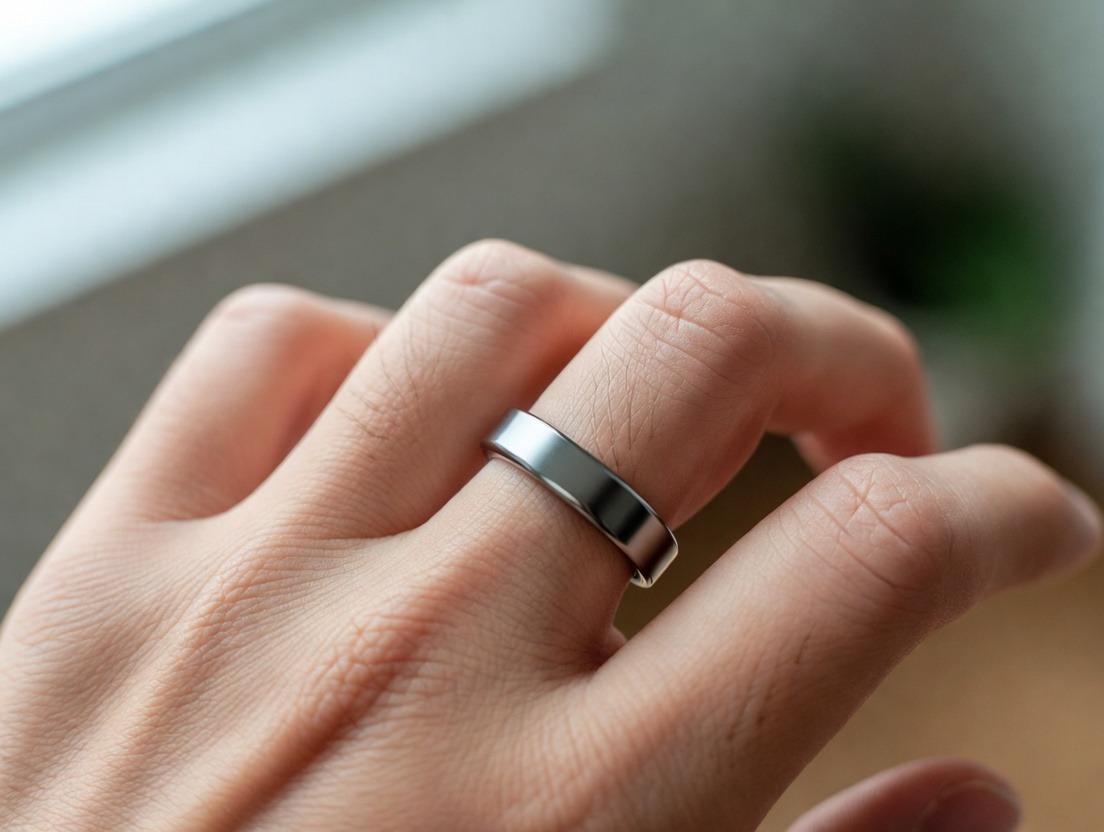
To understand how a tiny device on your finger can predict fatigue, you must first appreciate the dashboard of metrics it monitors. These aren't random data points; they are carefully chosen vital signs that offer a window into your autonomic nervous system (ANS), metabolic state, and recovery status. Think of your ANS as your body's autopilot, controlling functions you don't consciously think about: heart rate, digestion, respiration, and the critical balance between stress and rest.
A high-end wellness ring typically tracks these core biometrics continuously or at high-frequency intervals:
The magic isn't in any single metric. It's in their synergy. For example, a slightly elevated RHR might be meaningless on its own. But when paired with a plummeting HRV, a rise in nighttime skin temperature, and a reduction in deep sleep, it forms a compelling narrative of a body under siege, fighting to maintain homeostasis. This interconnected view is what enables predictive insights. The ring doesn't just tell you you're tired today; it analyzes the trend over the past 48-72 hours and signals that if the pattern continues, a significant energy crash is probable tomorrow.
This biometric dashboard is the cornerstone of how smart ring data guides lifelong health decision-making. It translates the abstract feeling of "dragging" into concrete, actionable data, allowing you to make informed choices about training, workload, and rest before your body forces you to stop.
If you were to choose one biometric as the premier early-warning system for fatigue, it would be Heart Rate Variability. HRV has moved from a tool of elite athletes and clinical researchers to a mainstream metric, and for good reason. It is arguably the most sensitive non-invasive measure of your autonomic nervous system's balance and your body's readiness to handle stress.
Here's the essential principle: Your heart should not beat like a monotonous metronome. A healthy, resilient heart is constantly receiving signals from both branches of your ANS. The sympathetic nervous system (SNS—"fight or flight") speeds the heart up. The parasympathetic nervous system (PSNS—"rest and digest") slows it down. This tug-of-war creates natural, slight variations in the time between beats. High HRV indicates that your body can switch efficiently between these states—you can ramp up for a challenge and then powerfully downshift to recover. Low HRV suggests the SNS is dominant and "loud," drowning out the calming signals of the PSNS, leaving your system in a state of constant low-grade alert. This is a classic pre-fatigue state.
How Your Ring Sees Fatigue in Your HRV:
The Real-World Example: Sarah, a project manager, notices her HRV score has been trending down for five days. She feels "fine," just a little busier than usual. On day six, her ring flags a "low recovery" score because, despite 8 hours in bed, her HRV stayed low overnight. She ignores it, powers through a critical presentation, and schedules a hard spin class. That night, she comes down with a brutal cold. Her ring didn't predict the cold per se; it detected the systemic strain and suppressed immune function that made her vulnerable to it. This is the power of HRV as a canary in the coal mine.
By learning to respect these HRV trends, you can pivot. It might mean swapping an intense workout for gentle yoga, prioritizing an extra hour of sleep, or practicing stress-reduction techniques. This responsive approach to your body's signals is a key pillar of building lifelong health habits that actually stick, because it’s based on personalized, real-time feedback, not rigid, one-size-fits-all rules.
Your resting heart rate is like your body's idle speed. For a well-tuned engine, idling high is inefficient and a sign of underlying strain. In physiological terms, a lower RHR (within a healthy range) generally indicates stronger cardiovascular fitness and more efficient heart function. Each beat delivers more blood, so the heart doesn't need to work as hard at rest.
An elevated RHR, particularly your nocturnal RHR as you sleep (when external stimuli are minimized), is a powerful, straightforward indicator that your body is under stress. This stress can be physical (like fighting an infection or recovering from hard training), psychological (anxiety, chronic work pressure), or environmental (poor sleep conditions, alcohol consumption).
How Your Ring Detects Fatigue Through RHR:
It's crucial to interpret RHR in concert with HRV. Often, the onset of accumulating fatigue will show as a rising RHR paired with a falling HRV. This double-whammy is the ANS screaming that it is stuck in "fight or flight" mode, with a heart that's working harder (high RHR) while lacking flexibility and resilience (low HRV). This combination is a high-reliability marker for needing immediate restorative action.
Monitoring these cardiovascular trends is fundamental to any lifelong health strategy for cardiovascular protection. By using your ring to identify and mitigate the factors that cause a chronic RHR climb—be it poor sleep, chronic stress, or inadequate recovery—you're not just avoiding next week's fatigue; you're actively protecting your long-term heart health.
Everyone knows poor sleep leads to fatigue. But a wellness ring reveals that the relationship is far more nuanced than just logging 8 hours. Sleep is a complex, architecturally structured process. Disruption to its architecture—even if total time seems sufficient—is a primary pathway to fatigue. Your ring assesses sleep quality by analyzing three key components: duration, consistency, and architecture.
1. The Loss of Deep (Slow-Wave) Sleep:
Deep sleep is the most physically restorative phase. It's when tissue growth and repair occur, energy is restored, and the pituitary gland releases growth hormone. Factors like alcohol consumption, sleeping in a hot room, or going to bed overly stressed can severely suppress deep sleep. Your ring tracks the time spent in this crucial stage. A trend of reduced deep sleep, even by 20-30 minutes, means your body is missing its most critical repair window, leading to accumulated physical fatigue and soreness.
2. The Fragmentation of Sleep:
This is a stealthy fatigue culprit. It’s not about waking up fully and checking your phone; it's about the dozens of micro-arousals and shifts to lighter sleep stages you don't remember. Causes include sleep apnea (signaled by SpO2 drops), environmental noise, partner disturbance, or even digestive issues. Your ring detects this through increased movement and heart rate spikes during the night. Fragmented sleep prevents you from completing full, restorative sleep cycles. You might get 7 hours of "time in bed," but the effective restorative value might be equivalent to only 5 hours of solid sleep. This creates a massive, hidden sleep debt.
3. Irregular Sleep Timing:
Your circadian rhythm thrives on consistency. Going to bed and waking up at wildly different times each day—a classic "social jet lag" pattern—disrupts your body's internal clock. This confuses the hormonal cascade that regulates sleepiness and alertness (melatonin, cortisol), making it harder to fall asleep, stay asleep, and wake up refreshed. Your ring’s sleep consistency score highlights this variability. Fatigue is often the result of a misaligned clock, not just lack of sleep.
How the Ring Connects the Dots:
The ring’s algorithms create a composite "Sleep Score" or "Readiness Score" based on these factors. A declining score over several nights is a direct predictor of daytime fatigue. For instance, a pattern might show: Night 1: Slight reduction in deep sleep. Night 2: Increased restlessness and a higher sleeping heart rate. Night 3: Significant sleep fragmentation and late bedtime. By the morning of Day 4, the ring’s recovery metric will likely be low, warning you that your cognitive and physical batteries are dangerously under-charged.
Understanding and optimizing your sleep is arguably the highest-impact action for preventing fatigue. It’s the bedrock of lifelong health strategies to optimize sleep quality. Your ring provides the objective proof of what helps or hurts your sleep, allowing you to experiment and find the perfect routine for truly restorative rest, night after night.
Your core body temperature follows a delicate, healthy rhythm—it dips at night to facilitate deep sleep and rises gently in the morning to help you wake. This rhythm is governed by your circadian clock. Deviations from your personal temperature baseline are highly informative, as even subtle shifts can indicate significant internal processes.
Wellness rings with continuous skin temperature sensing (usually on the palm side of the finger, a good proxy for core trends) track this rhythm. They aren't designed to give a clinical fever reading but to identify trends and deviations from your own norm over time.
How Temperature Signals Oncoming Fatigue:
By monitoring temperature trends, your ring helps you distinguish between different types of fatigue. Is it neural fatigue from poor sleep (maybe normal temp but bad sleep architecture)? Or is it systemic, inflammatory fatigue (elevated temp, high RHR, low HRV)? This distinction is critical for choosing the right intervention: perhaps anti-inflammatory nutrition and complete rest versus simply prioritizing an earlier bedtime.
This granular view of your body’s internal state is a powerful example of how a wellness ring enables lifelong health monitoring. It catches the small smoldering fires of inflammation and strain before they have a chance to blaze into full-on fatigue or illness, allowing for precise, early intervention.
In our culture of "more is more," we often wear our busyness and intense workout schedules as badges of honor. However, sustainable health and performance are not about maximum output; they are about the optimal balance between stress (activity) and adaptation (recovery). This is the principle of hormesis—a positive stressor followed by adequate recovery makes you stronger. The same stressor without recovery breaks you down.
Your wellness ring is an expert accountant for your energy bank. It tracks the "deposits" (sleep, rest, parasympathetic activity) and "withdrawals" (exercise, work stress, mental load). Fatigue is the inevitable result of a chronic account deficit.
How the Ring Identifies the Mismatch:
The key insight here is personalization. The "optimal" activity level is different for everyone and changes daily based on recovery. Your ring provides that daily feedback. Learning to align your activity with your readiness is a master skill for sustaining energy. It means having the discipline to take a rest day when the data suggests it, or to go for that vigorous hike when your scores are high. This dynamic adjustment is the essence of how smart rings have changed the game for lifelong health tracking, making the balance between doing and recovering a data-informed practice, not a guessing game.
While we are awake, our breathing is under both automatic and voluntary control. But during sleep, it becomes a pure reflection of our autonomic state and physiological health. Two metrics—Respiratory Rate (RR) and Blood Oxygen Saturation (SpO2)—measured overnight by advanced wellness rings, provide critical clues about sleep quality and hidden stressors that drive fatigue.
Respiratory Rate (Breaths Per Minute):
Your sleeping respiratory rate is remarkably stable for a given individual. A normal range is typically between 12-20 breaths per minute. Significant deviations from your personal baseline are meaningful.
Blood Oxygen Saturation (SpO2):
This metric measures the percentage of hemoglobin in your blood that is carrying oxygen. It's normally 95-100%. During sleep, it's normal for it to dip slightly. However, frequent or significant dips (usually below 94% or a 4% drop from your baseline) can indicate sleep-disordered breathing.
Monitoring these respiratory metrics turns your ring into a sentinel for one of the most common yet under-diagnosed causes of chronic, unrelenting fatigue: sleep-disordered breathing. Addressing an issue like mild sleep apnea can be transformative for energy levels. This kind of deep, physiological insight is what we mean when we talk about the science behind successful lifelong health strategies—using technology to uncover hidden obstacles to vitality that you could never perceive on your own.

Fatigue is not merely a physical phenomenon. The mental exhaustion from sustained focus, decision-making, and emotional labor is real and has a direct physiological footprint. While your ring can't read your thoughts, it is exceptionally good at measuring your body's response to cognitive and emotional stress. This bridges the gap between how you "feel" mentally and what's happening in your biology.
The Signature of Mental Strain:
Using the Ring for Mental Energy Management:
This data empowers you to become a better steward of your mental energy. For example:
Managing this cognitive-emotional-physiological loop is critical for long-term well-being. It’s a core component of lifelong health strategies for stress resilience over decades. Your ring provides the hard evidence of your stress patterns, helping you identify triggers and validate the effectiveness of your de-stressing techniques, turning the management of mental fatigue from an abstract concept into a data-driven practice.
By this point, you understand the individual biomarkers. But the true genius—and practical utility—of a modern wellness ring lies in its synthesis. The proprietary algorithms (with names like Readiness Score, Body Battery, Recovery Index, etc.) are where the magic happens. They take the multi-dimensional data stream—HRV, RHR, sleep quality, temperature, activity—and distill it into a single, actionable number or visual indicator each morning.
This score is not a grade. It is a prediction of your functional capacity for the day ahead. It answers the question: "Based on how well your body recovered last night and the strain it's been under, how much stress can it likely handle today?"
A Simplified Look at the Algorithmic Logic:
How to Use This Score to Preempt Fatigue:
This predictive capacity transforms health management from retrospective to prospective. Instead of wondering why you crashed, you get a daily forecast that helps you plan your energy expenditure strategically. This is the pinnacle of using smart ring data to reveal lifelong health trends and make proactive adjustments. By respecting your readiness score, you learn to work with your body's natural rhythms, not against them, building sustainable energy for the long haul.
Receiving a low readiness score or noticing a troubling trend in your biometric data is not a verdict—it's an invitation. It's your body, via your ring, initiating a crucial conversation about resource management. The key to moving from data to vitality lies in your response. Proactive intervention means taking targeted, evidence-based actions before fatigue fully manifests, turning a potential crash into a mere detour.
Your response should be proportional and precise, guided by which metrics are most off-kilter. This is where you transition from passive tracking to active biohacking.
The Tiered Response System:
Targeted Actions Based on Specific Signals:
The ultimate goal of these interventions is not to never see a low score again—that's unrealistic. Life has stressors. The goal is to respond intelligently, reduce the depth and duration of the low periods, and accelerate your bounce-back. This responsive, data-informed approach is the very definition of creating a lifelong health strategy using a wellness ring. It turns abstract wellness advice into a dynamic, living plan that evolves with your daily life.
While the daily readiness score is an essential tactical tool, the real strategic power of your wellness ring lies in its capacity to reveal long-term trends. Fatigue often doesn't arrive as a sudden event; it's a slow creep. By zooming out to the weekly, monthly, and even seasonal view, you can identify patterns that predict burnout, seasonal affective slumps, or the gradual erosion of your resilience.
This macro view acts as an early-warning radar system for your overall well-being.
Key Long-Term Patterns to Analyze:
The Burnout Signature:
Burnout—a state of emotional, physical, and mental exhaustion caused by excessive and prolonged stress—has a classic biometric profile. It often looks like:
Seeing this pattern emerge in your long-term data is a powerful impetus for radical change. It moves the need for a vacation or a work-life overhaul from a "nice-to-have" to a medical necessity backed by your own physiological evidence. This ability to track long-term trends makes the ring an indispensable tool for the lifelong preservation of cognitive function and overall resilience, as it helps you catch and correct the slow drains on your system before they cause irreversible damage.
One of the most enlightening uses of a wellness ring is as a personal biofeedback lab. It allows you to run n=1 experiments to see how specific lifestyle choices directly impact your physiology and next-day readiness. This removes the guesswork and generic advice, replacing it with personalized, undeniable cause-and-effect data.
The Alcohol Signature:
Even moderate alcohol consumption, often considered "harmless," leaves a clear and negative fingerprint on your biometrics. Typically, you'll see:
The Caffeine Effect:
Caffeine's impact is more variable and depends heavily on timing and personal tolerance. Key patterns include:
Dietary Influences:
While rings don't track food directly, they capture the metabolic and inflammatory aftermath.
By observing these patterns, you move from following rules to understanding your unique reactions. This self-knowledge is empowering and forms the basis of truly personalized nutrition and lifestyle strategies. This experimental, data-driven approach is a perfect example of how a wellness ring personalizes lifelong health plans, allowing you to optimize not just for general health, but for your specific physiology and daily performance goals.
Human biology is not monolithic. Men and women experience different hormonal landscapes, circadian rhythms, and physiological responses to stress, which are clearly reflected in biometric data. A sophisticated understanding of these differences is crucial for accurately interpreting your ring's fatigue signals. Ignoring them can lead to misdiagnosis of normal cyclical variations as problems, or worse, missing real issues because they don't fit a male-centric model.
Key Considerations for Women:
Key Considerations for Men:
The Universal Takeaway: Know Your Baseline.
For everyone, regardless of gender, the most important thing is to establish your personal baseline and rhythm. A woman seeing a luteal phase dip in HRV should not panic if it’s a consistent, predictable pattern. A man seeing a gradual, age-related decline in HRV over years can take it as a motivator to double down on cardio fitness and stress management.
Your ring allows you to become the world's leading expert on your own body's unique patterns. This level of nuanced self-awareness is critical for supporting hormonal balance as a lifelong health strategy. By working with your natural rhythms instead of against them, you can plan demanding tasks for high-energy phases and schedule more recovery during predictable low-energy windows, optimizing your life across decades.
Your body does not exist in a vacuum. It is constantly interacting with and adapting to its environment. External factors like weather, air travel, and light exposure exert powerful forces on your nervous system, and your wellness ring captures these influences with striking clarity. Recognizing these patterns helps you attribute fatigue correctly and develop countermeasures.
Jet Lag and Travel Fatigue:
Crossing time zones creates a dramatic mismatch between your internal circadian clock and the external environment. Your ring data vividly illustrates the struggle:
Seasonal Changes (Temperature and Daylight):
The Critical Role of Light:
Light is the primary Zeitgeber (time-giver) for your circadian rhythm. Your ring, by tracking sleep timing and quality, indirectly reveals the health of your light environment.
By analyzing your data in the context of your environment, you stop blaming yourself for "lack of willpower" when you're tired after a trip or during a heatwave. Instead, you develop environmental mastery. You might invest in blackout curtains and a fan for summer, use a light therapy lamp in winter, or be more disciplined about blue-light blockers when traveling. This holistic awareness is part of a lifelong health strategy for adapting to every life stage and environment, ensuring your habits support your biology no matter where you are or what season it is.
We've established that psychological stress creates a physiological signature. The reverse is also powerfully true: you can use physiological interventions to directly improve your psychological state and build stress resilience. This creates a positive feedback loop. Your ring provides both the motivation (by showing the damage of stress) and the validation (by showing the benefits of interventions).
Biofeedback for Nervous System Training:
Your ring, particularly its HRV and heart rate data, turns your body into a biofeedback machine. You can see in real-time how different practices shift your state.
Breaking the Rumination Cycle:
One of the most fatiguing mental activities is chronic worry and rumination—replaying past events or anxiously forecasting the future. This state keeps the SNS activated. When you feel this spiral starting, you can use your ring's data as an objective anchor.
Building Resilience Over Time:
The goal isn't to eliminate stress, but to increase your capacity to handle it—to widen your "stress container." Your ring tracks this resilience. As you incorporate regular recovery practices, you should see:
This process of building resilience through conscious practice is a core tenet of lifelong health strategies for stress resilience over decades. It's not about avoiding life's storms, but about steadily building a sturdier ship. Your ring provides the navigation instruments, showing you which practices truly strengthen your vessel.

Information without application is just noise. The final, and most important, step is to translate the insights from your wellness ring into concrete, sustainable habits that proactively manage your energy and prevent fatigue from taking root. This moves you from being a passive patient of your data to an active architect of your vitality.
The Habit-Forming Framework:
Building Your Personal Energy Protocol:
Combine your learnings into a personalized set of rules. For example:
This protocol becomes your operating system for energy management. It’s dynamic, not rigid. As your life changes—a new job, a baby, entering menopause—you use your ring’s data to update the protocol. This iterative process is the essence of lifelong health strategies where consistency beats perfection. It’s not about never having a bad night or a stressful week; it’s about having a system that consistently guides you back to balance, preventing bad days from becoming bad months or years.
By investing in this fatigue-proof lifestyle, you are doing more than avoiding burnout. You are investing in the compound interest of well-being. The energy, clarity, and resilience you save and cultivate compound over time, leading to a higher quality of life, better decision-making, and the sustained vitality needed to pursue your goals. This is the ultimate promise of smart ring data guiding lifelong health decision-making—a future where you are empowered, informed, and in the driver's seat of your own health journey.
As we've explored, a modern wellness ring is a powerful sentinel, offering a continuous stream of physiological insight. However, to wield this tool with wisdom, we must understand its boundaries. It is a master of the quantifiable—the electrical, thermal, and mechanical outputs of your body. Yet, fatigue is a complex tapestry woven from both quantifiable threads and deeply qualitative ones. Relying on data alone, without integrating self-awareness and clinical judgment, can lead to a phenomenon known as "data anxiety" or a misplaced over-reliance on technology.
The Unquantifiable Dimensions of Fatigue:
The Danger of "Data Anxiety":
Paradoxically, the very device meant to reduce stress can become a source of it. Obsessively checking scores, feeling like a failure over a low HRV reading, or becoming paralyzed by the need to "optimize" every metric is counterproductive. This anxiety itself activates the sympathetic nervous system, creating the very physiological state you're trying to avoid. It's crucial to remember: The score is a guide, not a grade. The data is a servant, not a master.
Integrating the Objective and Subjective:
The most effective approach is a conscious integration. Use the phrase: "The data says ______, and I feel ______."
When the data and your feelings align, trust the signal and act. When they conflict, pause and investigate. Perhaps you need more emotional or social recovery, not physical. Or perhaps you're experiencing "perceived fatigue" where your mind is tired but your body is ready—a cue for engaging in gentle, mood-boosting movement rather than complete rest.
This balanced perspective is essential for a sustainable relationship with health technology. It ensures your journey is guided by data but grounded in your humanity, a principle central to lifelong health strategies that embrace purpose and meaning for longevity. The ring tells you the "what" and "when" of your physiology; your wisdom must discern the "why."
To see the principles in action, let's follow Alex, a 38-year-old amateur marathoner, whose wellness ring data narrates a classic story of overtraining and recovery. This case illustrates the multi-parameter warning signs and the slow, non-linear path back to balance.
The Descent (Weeks 1-2):
Alex is in peak training, running 50+ miles per week with intense speed sessions. The initial data is tough but expected: low readiness scores post-hard workouts, with rebounds on rest days. However, subtle red flags emerge:
The Breaking Point (Week 3):
Alex runs a demanding half-marathon time trial. The data the next morning is a Code Red:
The Intervention & Recovery (Weeks 4-8):
With data as undeniable proof, Alex and his coach enact a radical rest plan for two weeks:
The Data-Led Comeback:
Recovery is not a straight line. The data shows a fascinating pattern:
The Lessons:
Alex’s story is a textbook example of why recovery is a long-term investment in lifelong health. The ring provided the objective evidence needed to justify a radical pause, track the often-invisible work of healing, and guide a safe, evidence-based return to activity. It turned a frustrating setback into a masterclass in body literacy.
Your wellness ring is a phenomenal core device, but it operates within a larger ecosystem of health data. To get the most precise picture of fatigue—especially complex, chronic fatigue—integrating its insights with other sources creates a powerful diagnostic matrix. Think of it as a detective combining different types of evidence.
1. Synergy with Other Wearables:
2. Journaling & Subjective Logging (The "Why" Behind the "What"):
Your phone's notes app or a dedicated journal is a critical companion.
3. Clinical & Lab Data (The Deep Dive):
When fatigue is persistent and unexplained by lifestyle factors, your ring data can be a compelling cover letter to take to a healthcare provider. It can guide targeted testing.
This integrated, layered approach transforms you from a passive patient into an informed partner in your health care. You arrive not with vague complaints of "being tired," but with a documented timeline: "My HRV has trended down 25% over three months, my sleep efficiency is below 80%, and this correlates with my increased work travel and poor digestion. I’d like to explore checking my cortisol and inflammatory markers." This is the pinnacle of how smart ring data guides lifelong health decision-making—using it as a central node in a comprehensive, evidence-based personal health system.
The technology embedded in wellness rings is not static. It is accelerating toward a future where fatigue prediction becomes increasingly precise, personalized, and prescriptive. We are moving from descriptive analytics ("what happened") to diagnostic ("why it happened") and ultimately to predictive and prescriptive insights ("what will happen and what to do about it").
1. The Rise of True Artificial Intelligence (AI) and Machine Learning:
Current algorithms are largely rules-based (if X and Y, then Z). Next-generation AI will analyze your unique, multi-year dataset to identify hyper-personalized patterns invisible to the human eye or simple algorithms.
2. Dynamic, Evolving Baselines:
Your baseline isn't fixed at age 25. Future systems will continuously recalibrate what's "normal" for you at your current age, fitness level, and life stage (e.g., postpartum, perimenopause). It will differentiate between a "new normal" and a "dangerous deviation." This is essential for adjusting your lifelong health strategy with age in a data-informed way.
3. Integrated Proactive Coaching:
The app will evolve from a dashboard to a true AI health coach.
4. Non-Invasive Expansion of Biomarkers:
Research is ongoing into measuring new biomarkers via optical sensors and algorithms:
This future points toward a paradigm of true preventative health. The goal won't just be to warn you of fatigue tomorrow, but to build a digital twin—a model of your physiology that allows you to simulate the impact of life choices before you make them. "What if I take this job with a long commute?" "What's the optimal training load for my next marathon that avoids overtraining?" This is the ultimate fulfillment of the promise of smart rings changing the game for lifelong health tracking, moving us from reactive healthcare to proactive, personalized well-being architecture.
Now that you understand the signals, the science, and the strategies, it's time to synthesize this knowledge into a living, breathing document: your Personal Fatigue Management Protocol (PFMP). This is not a rigid set of rules, but a flexible playbook that empowers you to respond intelligently to your body's signals. Think of it as your owner's manual for sustained energy.
Step 1: Establish Your Personal Baselines (The 30-Day Observation Period)
For one month, focus on consistent tracking without making major changes.
Step 2: Define Your "Zones" and Action Triggers
Based on your baseline and the ring's scoring system, define clear tiers.
Step 3: Build Your Toolkit of Interventions
Categorize actions so you can easily deploy them.
Step 4: Integrate Contextual Factors
Add clauses to your protocol based on life circumstances.
Step 5: Schedule Quarterly Reviews
Every 3 months, review your data trends and your protocol.
This living document is your greatest defense against chronic fatigue. It systematizes self-care, making it effortless to make the right choice for your energy in the moment. It is the practical embodiment of creating a lifelong health strategy using your wellness ring. By following it, you build not just resilience against fatigue, but a profound and empowering partnership with your own body.
While your wellness ring is a profoundly personal device, human beings are not islands. Our energy and fatigue levels are inextricably linked to our social ecosystems—our relationships, our work culture, and our community connections. The data on your finger is influenced by the people around you, and vice versa. Understanding this can expand your fatigue management strategy from a solo pursuit to a relational one.
The Physiology of Connection:
Positive social interactions have a measurable, calming effect on the nervous system. They can stimulate oxytocin release, which can lower cortisol and blood pressure. In theory, a day filled with supportive, laughter-filled interactions could result in a better HRV reading than a day of solitude, even with similar activity levels. Conversely, chronic loneliness and social conflict are potent stressors, linked to inflammation, poor sleep, and higher all-cause mortality. Your ring may capture the physiological fallout of a draining argument or the uplift of a deep conversation with a friend.
The Concept of "Energy Givers" vs. "Energy Takers":
We intuitively know that some people and activities leave us feeling energized, while others deplete us. Your ring can provide objective data to confirm these intuitions.
Building a Fatigue-Aware Community:
We can use this understanding to create cultures that support sustainable energy, both at home and at work.
The Role of Collective Recovery:
Just as we schedule social events, we can schedule collective recovery. A "digital detox" weekend with friends, a team offsite that includes nature walks instead of just conference rooms, or a family agreement on screen-free evenings. Engaging in recovery together makes it more enjoyable and sustainable.
Recognizing that your energy is part of a larger web is a mature step in holistic health. It aligns with the powerful understanding that social connection is a critical factor in lifelong health strategies. By curating your social environment and advocating for energizing interactions, you don't just manage your own fatigue—you contribute to a more resilient, vital community. Your ring’s data can start these essential conversations, providing a neutral ground to discuss the often-intangible dynamics that shape our daily vitality.
We have journeyed through the intricate landscape of modern fatigue, guided by the sophisticated sensors of the wellness ring. We've learned that fatigue is not a simple state of being tired, but a complex, multi-system signal—a language your body uses to communicate imbalance, strain, and the need for restoration.
Your wellness ring acts as a high-precision translator for this language. It deciphers the subtle dialects of your autonomic nervous system through Heart Rate Variability, hears the elevated idle of your engine in your Resting Heart Rate, audits the quality of your nightly repair shift in your Sleep Architecture, and feels the metabolic and inflammatory heat via Temperature Trends. It sees the mismatch between effort and recovery and warns you of long-term trends that point toward burnout.
But as we've emphasized, this technology is a partner in dialogue, not an oracle. Its data must be integrated with your subjective experience—your feelings, your context, your unique life story. The most powerful stance is to hold both the objective number and the internal feeling, using any dissonance between them as a clue for deeper inquiry.
You now possess the knowledge to move from being a victim of fatigue to becoming an expert manager of your energy. You can:
This is more than just avoiding crash-and-burn cycles. This is about cultivating resilience—the capacity to withstand stress, recover efficiently, and adapt. It is about investing in your health capital with the same foresight you might apply to your financial capital, understanding that the compound interest of good recovery pays dividends in creativity, productivity, relationships, and joy for decades to come.
In the next portion of this guide, we will dive even deeper. We will explore advanced topics: fine-tuning these principles for athletes and high-performers; addressing the unique challenges of chronic health conditions like fibromyalgia or Long COVID; navigating fatigue through major life transitions like parenthood or career change; and harnessing your ring's data for longevity optimization, ensuring your energy supports not just a long life, but a vibrant and active one.
This journey begins with a single step: putting on the ring, observing without judgment, and starting a new conversation with the most important system you’ll ever manage—your own body. By learning its language, you unlock the potential not just to avoid fatigue, but to build a life of sustained vitality, purpose, and power.
Your Trusted Sleep Advocate: Sleep Foundation — https://www.sleepfoundation.org
Discover a digital archive of scholarly articles: NIH — https://www.ncbi.nlm.nih.gov/
39 million citations for biomedical literature :PubMed — https://pubmed.ncbi.nlm.nih.gov/
Experts at Harvard Health Publishing covering a variety of health topics — https://www.health.harvard.edu/blog/
Every life deserves world class care :Cleveland Clinic - https://my.clevelandclinic.org/health
Wearable technology and the future of predictive health monitoring :MIT Technology Review — https://www.technologyreview.com/
Dedicated to the well-being of all people and guided by science :World Health Organization — https://www.who.int/news-room/
Psychological science and knowledge to benefit society and improve lives. :APA — https://www.apa.org/monitor/
Cutting-edge insights on human longevity and peak performance:
Lifespan Research — https://www.lifespan.io/
Global authority on exercise physiology, sports performance, and human recovery:
American College of Sports Medicine — https://www.acsm.org/
Neuroscience-driven guidance for better focus, sleep, and mental clarity:
Stanford Human Performance Lab — https://humanperformance.stanford.edu/
Evidence-based psychology and mind–body wellness resources:
Mayo Clinic — https://www.mayoclinic.org/healthy-lifestyle/
Data-backed research on emotional wellbeing, stress biology, and resilience:
American Institute of Stress — https://www.stress.org/


