


Modern Health Monitoring: From Annual Check-Ups to Daily Insights
Contrasts the old model of infrequent doctor visits with the new model of daily health insights from devices.
Contrasts the old model of infrequent doctor visits with the new model of daily health insights from devices.
%402x.svg)
For generations, the cadence of our health management was dictated by the calendar. We lived our lives—stressed, slept, ate, moved—and once a year, we presented ourselves to a doctor for a snapshot assessment: the annual physical. This ritual, built on trust in professional expertise, offered a vital but fragmented view. It was a single data point in a year-long story, often revealing problems only after they had taken root. We accepted this episodic model because continuous, personalized insight was simply beyond our reach.
Today, we stand at the precipice of a profound revolution. The paradigm of health monitoring is undergoing a seismic shift—from reactive, intermittent check-ups to proactive, continuous, and deeply personalized daily insights. Fueled by staggering advances in miniaturized sensors, artificial intelligence, and connected devices, we are no longer passive patients waiting for an annual verdict. We are becoming active participants in our own well-being, equipped with a stream of data that illuminates the intricate rhythms of our bodies in real time.
This transformation moves health from the clinic into the context of life itself. It’s about understanding how yesterday’s workout impacted last night’s sleep quality, how a week of work stress subtly altered your heart rate variability, and how your body uniquely responds to different foods and environments. This is the promise of modern health monitoring: a transition from diagnosing disease to optimizing wellness, from generalized population guidelines to hyper-personalized baselines, and from a model of sick care to one of genuine health care.
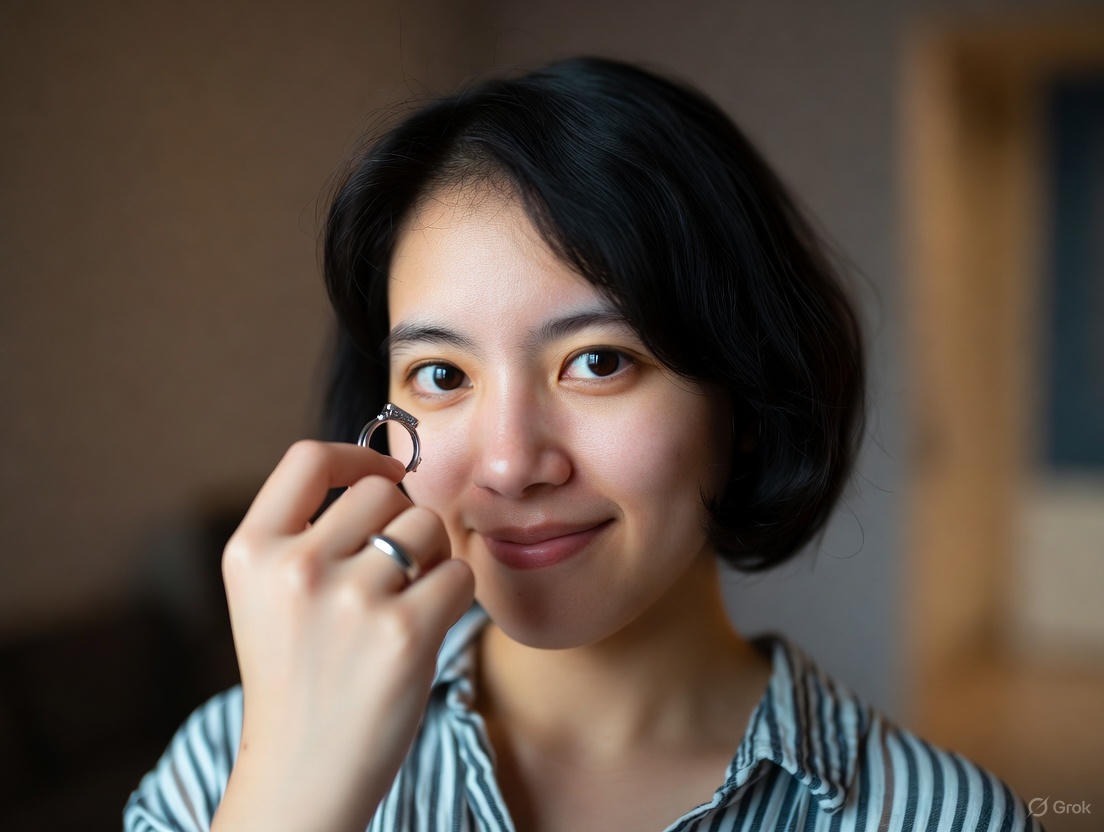
At the heart of this quiet revolution is a new class of wearable technology. Among the most powerful and discreet are smart rings—unobtrusive bands worn on the finger that function as 24/7 health guardians. Devices like the Oxyzen ring exemplify this new era, gathering clinical-grade data on sleep, activity, recovery, and vital signs seamlessly, turning the human body into a source of continuous, actionable insight. This article will explore the journey from the old world of annual check-ups to the new frontier of daily health intelligence, examining the science, the technology, and the profound implications for how we live, prevent illness, and thrive.

For decades, the annual physical examination has been the cornerstone of preventive medicine. It is a ritual steeped in good intentions: a systematic review by a medical professional designed to catch problems early, update vaccinations, and provide a baseline for health. The stethoscope, the blood pressure cuff, the vial of blood drawn for analysis—these are the symbols of this model. Yet, for all its value, this approach is fundamentally limited by its design.
The most significant constraint is its episodic nature. A person’s health is not a static picture; it is a dynamic, flowing movie. The annual check-up captures a single frame. It can easily miss transient but critical events—like nocturnal blood pressure spikes, intermittent arrhythmias, or periods of highly disrupted sleep—that occur between visits. A patient might be experiencing significant stress-induced physiological changes for eleven months, only to have a relatively calm week before their appointment, rendering the snapshot misleadingly benign.
Furthermore, the annual physical is inherently reactive and generalized. It is excellent at identifying clear markers of established pathology—high cholesterol, elevated blood sugar, a concerning lump. But it is poorly equipped to assess the subtler, continuous metrics of wellness and resilience: sleep architecture, metabolic flexibility, nervous system balance, and recovery capacity. The guidelines used are often based on broad population averages, which may not align with an individual’s unique optimal range. Your "normal" resting heart rate might be meaningfully different from the textbook 60-100 BPM, but without continuous data, this personal baseline remains unknown.
The environment of the check-up itself also introduces bias, famously known as "white coat syndrome," where a patient’s blood pressure elevates purely due to the anxiety of the clinical setting. This can lead to misdiagnosis or unnecessary treatment. The data gathered is isolated from the context of real life. The blood test reveals your fasting glucose, but it cannot tell your doctor how your glucose responded to the specific meal you ate three hours earlier, or how your afternoon walk moderated that response.
This model also places the patient in a passive role. Health becomes something managed for you during a brief encounter, rather than something you actively participate in every day. The responsibility for insight and intervention lies almost entirely with the healthcare system, creating a dependency that can disempower individuals. The result is a healthcare journey often characterized by waiting—waiting for the appointment, waiting for symptoms to become severe enough to mention, waiting for a problem to appear on the annual radar.
While the annual physical will undoubtedly remain a crucial component of healthcare for specific screenings and doctor-patient relationship building, its role is evolving. It is transitioning from being the primary source of health information to becoming a verification and consultation point for the rich, continuous data we now gather ourselves. The check-up is no longer the story; it is becoming a pivotal chapter review in an ongoing narrative we author daily.
If the annual check-up is a high-resolution photograph, continuous health monitoring is a full-length documentary. The difference is not merely in the volume of data, but in the dimensionality of it. Continuous data provides context, and in human physiology, context is not just everything—it is the only thing that makes data meaningful.
Consider heart rate. A reading of 85 beats per minute (BPM) on an annual check-up sheet is a simple datapoint. But is it high because you just rushed to the appointment? Because you’re chronically stressed? Because you’re fighting off a minor infection? Or is it perfectly normal for your personal baseline? A standalone number is a mystery. Now, imagine seeing that 85 BPM in the context of a continuous stream: You see that your resting heart rate (RHR) while sleeping is typically 48 BPM, but it has trended up to 52 BPM over the past three nights. You see a spike to 110 BPM during a stressful work meeting that took two hours to recover from. You notice your heart rate variability (HRV)—a key metric of nervous system resilience—has been declining all week. Suddenly, that 85 BPM snapshot is part of a rich story about recovery deficit, cumulative stress, and a body signaling for rest.
This is the transformative power of context. Continuous monitoring reveals patterns, trends, and correlations that are invisible to episodic medicine. It allows us to move from asking "What is my blood pressure?" to asking far more powerful questions: "How does my blood pressure respond to different types of exercise?" "What is my typical nocturnal dip, and did it occur last night?" "Do my afternoon caffeine intake and evening screen time have a measurable impact on my sleep-onset physiology?"
The science behind this is rooted in physiological dynamics. Our bodies are complex, adaptive systems that operate in cycles—circadian rhythms, ultradian rhythms, menstrual cycles, seasonal cycles. Health is the optimal functioning of these rhythms. Disruption or inflexibility in these rhythms is often the earliest precursor to disease. Continuous data is the only tool that can map these rhythms in detail. For instance, a smart ring tracking skin temperature can detect the subtle nightly drop that is essential for initiating sleep, and a deviation from this pattern can signal anything from metabolic issues to the onset of an illness before symptoms appear.
This data-rich approach also enables the establishment of a true personal baseline. We are not identical. Your optimal sleep duration, your target HRV range, your ideal workout intensity—these are unique to your biology, lifestyle, and genetics. Population averages are useful guides, but personal baselines are actionable truths. Continuous monitoring allows you to discover what "normal" and "optimal" truly mean for you, turning health from a game of comparison into a journey of self-optimization.
Ultimately, the rise of continuous data shifts the focus from disease management to health optimization. Instead of waiting for a biomarker to cross a pathological threshold (like hypertension or prediabetes), we can observe subtler, earlier warning signs—a creeping rise in resting heart rate, a consistent shortening of deep sleep, a reduction in HRV. This provides a precious window for proactive, lifestyle-based intervention long before a clinical diagnosis is warranted. It empowers us to connect cause and effect in our daily lives, transforming health from a vague concept into a tangible, data-informed practice.
The engine of this data revolution has been the explosive evolution of wearable technology. This journey began with simple pedometers, devices focused on a single, easily-measured metric: step count. While motivating for general activity awareness, these first-generation wearables provided a shallow view of health. They counted outputs but gave little insight into the body’s internal state or the quality of the effort.
The landscape transformed with the introduction of optical heart rate monitors, accelerometers, and GPS in wrist-based fitness trackers and smartwatches. Suddenly, we had access to heart rate zones, estimated calorie burn, sleep stage tracking, and workout maps. This was a monumental leap, popularizing the concept of bio-tracking and creating a mass market for personal health data. However, these devices often faced limitations in accuracy, particularly for heart rate variability (HRV) and detailed sleep physiology, due to their placement on the wrist—a location prone to movement artifacts and less optimal for certain vascular measurements.
We are now in the third wave of this revolution: the era of clinical-grade, multi-sensor wearables designed for 24/7 health insight, not just fitness tracking. This new generation of devices, epitomized by advanced smart rings, is defined by several key advancements.
First is sensor sophistication and fusion. Modern devices like the Oxyzen ring incorporate a suite of medical-grade sensors—including photoplethysmography (PPG) for heart rate and blood oxygen, a 3-axis accelerometer for movement, a skin temperature sensor, and often an electrodermal activity (EDA) sensor for stress response. By fusing data from these multiple streams with advanced algorithms, they can derive highly accurate insights into sleep stages (light, deep, REM), respiration rate, and autonomic nervous system balance (through HRV), metrics that were once only available in a sleep lab or clinical setting.
Second is the form factor advantage. The finger is a uniquely advantageous location for health monitoring. It has a rich capillary network, providing a strong PPG signal for cardiovascular metrics. It experiences less temperature fluctuation from ambient conditions than the wrist, leading to more reliable core temperature trend data. Crucially, it is less prone to movement artifacts during sleep, making it the gold-standard location for accurate, undisturbed sleep staging—a cornerstone of recovery metrics. This discreet, always-on form factor encourages consistent wear, which is essential for building a complete and reliable longitudinal dataset.
Third is the shift from activity reporting to readiness assessment. While step counts and active minutes remain, the focus of these advanced devices is on measuring the body’s response to stress and its capacity for recovery. The core question they answer each morning is not "How many steps did I get?" but "How recovered is my body, and what is it capable of today?" A readiness or recovery score—synthesizing sleep quality, HRV, resting heart rate, and temperature data—provides actionable guidance. A low score might suggest prioritizing gentle movement, meditation, or an earlier bedtime, while a high score indicates a green light for intense training or demanding cognitive work.
This evolution represents a fundamental change in purpose. Wearables are no longer just fitness accessories; they are becoming continuous health guardians. They provide the raw, contextual data that bridges the gap between daily life and clinical understanding, empowering users and their healthcare providers with a comprehensive, real-time view of physiological well-being. As these devices become more accurate and their algorithms more refined, their role in early detection and personalized prevention will only grow more significant.
The true magic of modern health monitoring lies in its ability to illuminate previously hidden aspects of our physiology. Beyond steps and calories, a new dashboard of vital biomarkers has emerged, providing a direct line to the body’s internal state. These metrics offer profound insights into recovery, stress, metabolic health, and overall system resilience.
Heart Rate Variability (HRV): The Master Metric of Resilience
HRV is arguably the most important biomarker now accessible outside the lab. It measures the subtle variations in time between each heartbeat. Contrary to intuition, a higher HRV is generally better—it indicates a flexible, responsive autonomic nervous system. Your heart doesn't beat like a metronome; it constantly accelerates and decelerates based on signals from your brain. High HRV suggests a strong balance, where your body can swiftly activate the sympathetic ("fight-or-flight") system when needed and efficiently return to the restorative parasympathetic ("rest-and-digest") state. A downward trend in HRV is a sensitive, early warning sign of accumulated stress, overtraining, poor recovery, or impending illness. Tracking HRV daily, preferably upon waking, provides an objective measure of your body’s readiness to handle stress.
Resting Heart Rate (RHR) Trends: The Body’s Barometer
While a single RHR measurement is common, its trend over time is incredibly revealing. For a fit individual, a low and stable RHR is typical. A sustained increase of 5-7 beats per minute above your personal baseline can signal multiple things: dehydration, inadequate recovery, heightened stress, or the onset of an infection. It’s a fundamental indicator of cardiovascular load and overall physiological strain. Monitoring this trend helps you differentiate between a single bad night and a more systemic issue that needs addressing.
Sleep Staging and Quality: Beyond Just Hours in Bed
Modern devices move far beyond simple sleep duration. They use movement, heart rate, and HRV patterns to estimate time spent in Light, Deep, and REM sleep. Each stage is critical: Deep sleep is for physical restoration and immune function, while REM sleep is essential for memory consolidation and emotional processing. The balance and architecture of these stages are more important than just total hours. Seeing that you got 8 hours of sleep but only 45 minutes of deep sleep explains why you might still feel exhausted. Furthermore, metrics like sleep latency (time to fall asleep), sleep efficiency (percentage of time in bed actually asleep), and nightly awakenings provide a complete picture of sleep quality, directly linking daily habits to nightly outcomes. For a deep dive into optimizing this critical pillar of health, explore our guide on how a nighttime routine transforms your sleep quality.
Blood Oxygen Saturation (SpO2) During Sleep
Nocturnal SpO2 monitoring is a game-changer for identifying sleep-disordered breathing, like sleep apnea, which often goes undiagnosed. Brief, repeated drops in blood oxygen levels during sleep strain the cardiovascular system and disrupt sleep architecture. Continuous tracking can reveal these dips, prompting users to seek professional evaluation long before daytime symptoms like fatigue become debilitating.
Skin Temperature Trends: The Subtle Signal
Basal body temperature is a well-known metric, but continuous skin temperature tracking reveals dynamic patterns. A elevated temperature trend can indicate the onset of illness, inflammation, or hormonal changes (like ovulation). A failure to achieve the typical nocturnal temperature drop is strongly linked to poor sleep initiation and quality. This biomarker provides a silent, continuous readout of the body’s metabolic and inflammatory state.
Respiratory Rate: The Calm Indicator
Breathing rate, especially during sleep, is a stable vital sign that can become elevated due to factors like fever, heart conditions, anxiety, or respiratory issues. A creeping increase in resting respiratory rate can be an early sign of cardiopulmonary stress. Monitoring it establishes a personal baseline for calm, efficient breathing.
By tracking this constellation of biomarkers together, a coherent narrative of health emerges. You can see how a stressful day depresses your HRV, which then correlates with less deep sleep and a higher waking RHR. This interconnected view turns abstract concepts like "stress" and "recovery" into tangible, measurable phenomena, giving you the power to intervene with precision.
A continuous stream of raw biomarker data is powerful, but it can also be overwhelming. The number of data points generated by a wearable device in a single week is staggering. This is where artificial intelligence (AI) and machine learning step in, performing the critical alchemy of turning data into actionable, personalized insight.
AI algorithms are the sophisticated interpreters of our physiological language. They are trained on massive, anonymized datasets to recognize patterns that correlate with specific outcomes. For instance, an algorithm can learn the precise combination of a lowered HRV, elevated nighttime heart rate, and reduced deep sleep that statistically precedes a common cold by 48 hours. For you, it might notice that on days following two consecutive nights of late alcohol consumption, your sleep efficiency consistently drops by 15%, regardless of total sleep time.
This moves us from generic metrics to contextualized intelligence. Instead of just showing you a graph of your sleep stages, an AI-powered platform might provide an insight like: "Your deep sleep was 22% lower than your baseline last night. This correlates with your recorded late dinner at 9:45 PM. For better sleep quality, try finishing your last meal at least 3 hours before bedtime." The system isn't just reporting; it's hypothesizing connections based on your unique data patterns.
The cornerstone of this personalized intelligence is the establishment of a dynamic personal baseline. When you first start using a device, its algorithms begin a learning phase. Over several weeks, they observe your typical ranges for HRV, RHR, sleep duration, temperature, and more. This baseline isn't a fixed number; it's a personalized range that can adapt with you as you become fitter, change seasons, or age. All new data is then compared against your normal, not a population average. This is revolutionary. A resting heart rate of 58 BPM might be "excellent" for a general chart but could be a 10% elevation from your normal of 53 BPM, signaling a potential issue.
This AI-driven personalization enables predictive and preventive nudges. The system can identify deviations from your baseline that suggest you are not fully recovered and may be at higher risk of injury or burnout if you proceed with a hard training session. It can suggest an earlier bedtime based on a cumulative sleep debt calculation. It can even identify subtle, long-term trends, such as a gradual increase in resting heart rate over six months, prompting a review of lifestyle factors or a conversation with a doctor.
The ultimate goal is to create a closed-loop system of learning and adaptation. You act (e.g., change your diet, start meditation, adjust training), the device measures the physiological response, the AI interprets the results, and you receive feedback on what works for your unique biology. This creates a powerful, empirical feedback loop for self-experimentation, moving health optimization from guesswork to data-driven personal science. For those beginning this journey of self-experimentation, starting with foundational habits is key, as outlined in the minimal nighttime wellness routine: 5 essential steps.

If continuous monitoring has taught us one unequivocal truth, it is that sleep is the non-negotiable bedrock of every other aspect of health. It is the ultimate recovery and regeneration protocol, hardwired into our biology. Before wearables, we could only subjectively assess sleep as "good" or "bad." Now, data reveals sleep in all its complex, staged glory, showing us exactly why it’s so fundamental and how our daily choices dismantle or defend it.
Data unveils sleep as an active, structured physiological process, not a passive state of unconsciousness. The cycling between Light, Deep, and REM sleep serves distinct, vital functions. Deep sleep (N3) is when the body undertakes most of its physical repair: tissue growth and repair, immune system strengthening, and the clearance of metabolic waste from the brain. REM sleep, characterized by rapid eye movement and dreaming, is crucial for cognitive functions—memory consolidation, learning, emotional processing, and creativity. Disrupting these cycles has immediate and measurable downstream effects.
Continuous tracking provides irrefutable evidence of cause and effect. You can see the direct impact of habits on your sleep architecture:
Perhaps the most powerful insight from sleep data is the concept of sleep consistency. It’s not just about getting 8 hours on weekends to "catch up." Data shows that consistent bed and wake times, even on weekends, are one of the strongest predictors of high sleep quality and stable daytime energy. Erratic schedules confuse your circadian rhythm, leading to social jet lag that impairs metabolism, mood, and cognitive function. The data makes this invisible dysfunction visible.
Furthermore, sleep insights directly inform daytime readiness. A night of poor or insufficient deep sleep will almost invariably result in a lower recovery score, higher resting heart rate, and a depressed HRV the next morning. This isn't just about feeling tired; it's about operating with a compromised immune system, reduced emotional regulation, impaired reaction time, and poorer glucose metabolism. The data provides an objective reason to adjust your day—to opt for a recovery walk instead of a high-intensity interval training session, or to prioritize calming activities.
Understanding this, the goal becomes building a ritual that supports your unique sleep physiology. This is where science-backed routines become invaluable. For a comprehensive, step-by-step approach, our resource on the perfect nighttime wellness routine: step-by-step guide details how to structure your evening for optimal sleep. For those with busy schedules, it's entirely possible to craft effective habits quickly, as shown in nighttime wellness rituals that take less than 30 minutes.
Modern life is a constant negotiation between stress and recovery. Stress is not inherently bad—it’s the physiological challenge that leads to growth, adaptation, and resilience. The problem is chronic, unmanaged stress without adequate recovery. For the first time, we can move beyond subjective feelings of being "stressed out" or "burned out" and actually quantify this critical balance in real time.
The primary metrics in this arena are Heart Rate Variability (HRV) and Resting Heart Rate (RHR), which together form a dynamic duo for assessing autonomic nervous system (ANS) status. The ANS has two branches: the sympathetic (SNS), which mobilizes energy for action ("stress response"), and the parasympathetic (PNS), which conserves energy for restoration ("rest-and-digest"). HRV is the finest measure of the interplay between these two systems.
When you encounter a stressor—be it a hard workout, a tight work deadline, or an emotional conflict—your SNS activates. Heart rate increases, HRV typically drops in the short term as the heart rhythm becomes more uniform to meet demand. This is a normal, healthy response. The critical phase is what happens afterward. A resilient system will quickly down-regulate the SNS and activate the PNS, allowing heart rate to drop back to baseline and HRV to recover and even super-compensate (rise above baseline). This is recovery.
Chronic stress occurs when the recovery phase is truncated or absent. The SNS remains partially engaged, leading to a sustained lower HRV and a higher RHR. This state, sometimes called "sympathetic dominance," is measurable long before it manifests as anxiety, fatigue, or illness. Continuous monitoring allows you to see this in your own data: a string of days with suppressed HRV and elevated RHR is a clear, objective signal that your system is under strain and that your recovery resources are depleted.
Beyond HRV and RHR, some advanced devices also track electrodermal activity (EDA) or skin conductance, which measures subtle changes in sweat gland activity—a direct marker of sympathetic nervous system arousal. This can be particularly useful for spotting acute stress responses throughout the day, helping you identify specific triggers you might have been unaware of.
The practical application of this data is in managing your stress-recovery budget. Think of it like a financial budget. Stressors (workouts, work, life events) are debits. Sleep, meditation, leisure, and relaxation are credits. The data from your wearable is your daily balance sheet. A high recovery score in the morning indicates a surplus—you’re well-capitalized to take on challenging debits. A low score indicates a deficit—you need to focus on making "deposits" through restorative activities and perhaps reducing planned "spending."
This quantified approach transforms vague wellness advice into precise action. Instead of "manage your stress," you receive specific guidance: "Your HRV is 15% below your baseline this week. Consider integrating 10 minutes of breathwork before bed and prioritize sleep over an intense workout tomorrow." It empowers you to time your stressors strategically and honor your body’s need for recovery, preventing the downward spiral into burnout. For individuals whose minds are particularly active at night, implementing a tailored approach can be transformative, as discussed in the nighttime wellness routine for anxious minds.
The fitness world has long been dominated by a simple, sometimes punitive, ethos: more is better. More miles, more weight, more calories burned. Wearables initially reinforced this with step goals and calorie counters. The new paradigm of health monitoring, informed by recovery biomarkers, completely overturns this notion. The focus shifts from output alone to the delicate balance between stress (training) and adaptation (recovery). The guiding question becomes: "What is the right dose of activity for my body today?"
This is the principle of readiness-based training, and it is fueled by daily biomarker data. Your wearable’s morning recovery score—a composite of your sleep data, HRV, RHR, and temperature—provides an objective answer to how well your body has adapted to previous stress and what its current capacity is.
This approach personalizes fitness in a profound way. It accounts for all sources of stress, not just gym time. A poor night’s sleep, a stressful family week, or fighting off a virus are all forms of stress that lower your readiness. The data prevents you from blindly following a pre-written training program that doesn't account for your life’s context.
Furthermore, continuous monitoring helps optimize workout quality and timing. Heart rate zone data during a run or cycle shows you if you’re actually working in your intended aerobic zone or drifting into a more stressful, glycolytic state. Post-workout, the data reveals the magnitude of the stress imposed: How much did your RHR elevate overnight? How long did it take for your HRV to bounce back? This feedback allows you to fine-tune intensity and volume.
For athletes, this is the edge between peak performance and overtraining syndrome. For the everyday individual, it’s the key to sustainable, enjoyable, and effective fitness that builds health without breaking down the body. It replaces the guilt of "missing a workout" with the intelligence of "choosing the right workout." It recognizes that adaptation happens not during the stress, but during the recovery that follows. Therefore, managing recovery is managing fitness. To explore how top performers structure their wind-down for maximum physical repair, see nighttime routine for athletes: maximizing recovery while you rest.
While no wearable can directly measure the glucose spike from a bagel or the micronutrient content of your salad, the continuous monitoring of key biomarkers provides powerful indirect insights into your metabolic health and how your body responds to your dietary choices. It turns your body into a biofeedback device for nutrition.
The most direct connection is between diet and sleep quality. As mentioned, the data vividly illustrates how late or heavy meals, alcohol, and even high-sugar snacks close to bedtime can disrupt sleep architecture, increase sleep latency, and reduce sleep efficiency. This creates a direct feedback loop: you can log your evening meal and correlate it with the subsequent night’s sleep score, quickly identifying personal dietary triggers for poor rest.
Resting Heart Rate (RHR) and Heart Rate Variability (HRV) are also highly sensitive to dietary intake. A meal that causes significant inflammation or a large glucose excursion can trigger a sympathetic nervous system response, leading to a higher RHR and lower HRV for several hours afterward. By observing these metrics after different types of meals (e.g., high-carb vs. high-fat, or after dairy if you have a sensitivity), you can infer which foods are more physiologically stressful for your system.
Skin temperature trends offer another clue. Chronic low-grade inflammation, which can be driven by a diet high in processed foods, sugars, and unhealthy fats, may manifest as a subtle but persistent elevation in your baseline skin temperature. Conversely, adopting an anti-inflammatory diet might be reflected in a gradual normalization of temperature trends.
Perhaps one of the most promising areas is the inference of metabolic flexibility—the body’s ability to efficiently switch between burning carbohydrates and fats for fuel. While not a direct measurement, patterns in daytime heart rate and HRV stability can offer clues. A metabolically inflexible person might experience more energy crashes and potentially greater sympathetic activation (lower HRV) between meals. While continuous glucose monitors (CGMs) provide the gold-standard data here, the correlation between glucose stability and autonomic nervous system balance means your wearable data can be a helpful, albeit indirect, proxy for assessing the metabolic impact of your lifestyle.
The practical application is in guided self-experimentation. You can use your recovery, sleep, and HRV data as outcome measures for nutritional interventions. For example:
This turns nutrition from a dogma-driven practice ("this diet is best") into a personalized, data-informed exploration ("this is what works best for my body"). The goal is not to achieve perfect biomarker numbers every day, but to understand your body’s language so you can make smarter, more supportive choices that align with your health goals.
The most profound impact of the daily health insight revolution will be felt when this rich, continuous data stream seamlessly integrates with the traditional healthcare system. We are moving toward a future where the divide between patient-generated health data (PGHD) and electronic medical records (EMRs) dissolves, creating a collaborative, continuous model of care.
Imagine a scenario where, instead of describing your sleep problems vaguely to a doctor, you share a 90-day trend from your smart ring showing chronically suppressed deep sleep and frequent oxygen desaturations. This objective data immediately elevates the conversation, prompting a targeted referral for a sleep study. Or, a cardiologist reviewing a patient with borderline hypertension can examine weeks of continuous blood pressure and heart rate data from a wearable, identifying patterns like nocturnal hypertension or stress-induced spikes that were missed in office readings, leading to more precise medication timing and dosing.
This integration enables preventive and predictive healthcare. By establishing longitudinal baselines for patients, doctors can detect deviations much earlier. A gradual, months-long rise in a patient’s resting heart rate or a decline in HRV could be flagged by an AI algorithm for clinician review long before the patient feels symptomatic, allowing for early lifestyle or medical intervention to prevent a cardiac event.
It also fosters a collaborative partnership between patient and provider. The patient becomes an active, informed participant, bringing high-quality data to appointments. The clinician becomes a guide and interpreter, using their expertise to contextualize the data within a broader medical framework. This shared decision-making model improves adherence, patient engagement, and outcomes.
For chronic disease management, the potential is staggering. Patients with diabetes, heart failure, or hypertension can be monitored continuously at home, with algorithms alerting them and their care team to dangerous trends. Post-operative recovery can be tracked through activity levels, sleep, and vital signs, enabling earlier discharge from the hospital with remote monitoring and reducing readmission rates.
The path forward involves overcoming challenges of data standardization, privacy, and clinician workflow integration. However, the direction is clear. The future of medicine is not less data; it is more contextual, continuous, and personalized data. The annual check-up will evolve into a continuous care relationship, punctuated by in-person visits that are informed by a comprehensive, real-time understanding of the patient’s health. In this future, your wearable device becomes a legitimate, trusted node in your healthcare ecosystem, empowering you and equipping your care team with the insights needed to keep you not just disease-free, but vibrantly healthy. For busy professionals navigating this new landscape, establishing realistic routines is the first step, as detailed in nighttime wellness for busy professionals: realistic routines.

The journey from annual check-ups to daily insights represents more than a technological upgrade; it is a fundamental shift in our relationship with our own bodies and our concept of health. We are transitioning from being periodic spectators to becoming constant, compassionate observers of the intricate symphony of our physiology. This new rhythm of health is continuous, contextual, and deeply personal.
This paradigm empowers us with something previously reserved for elite athletes and astronauts: objective self-knowledge. We are no longer guessing about our stress levels, our sleep quality, or our recovery status. We have data that tells our body’s story in its own language. This knowledge is the foundation of true agency. It allows us to move from reactive healthcare—waiting for a problem to become severe enough to demand attention—to proactive health creation, where we make daily choices informed by a deep understanding of their likely impact.
The smart ring, sitting unobtrusively on a finger, symbolizes this quiet revolution. It is a gateway to this continuous conversation with the self. It doesn’t shout demands but provides gentle, evidence-based nudges. It helps us see the connection between that second glass of wine and a fragmented sleep graph, between a week of mindfulness practice and a rising HRV trend, between a consistent bedtime and a resilient mood. It turns abstract health principles into personal, lived truths.
As we move forward, the goal is not to become obsessed with data or slaves to a score, but to use these insights to cultivate informed intuition. Over time, as you correlate how you feel with what the data shows, you develop a sharper internal sense of your needs. The device becomes a training tool for your own body awareness, eventually leading to a state where you can sense your need for recovery or recognize your peak readiness without glancing at your phone.
Embracing this new rhythm requires a shift in mindset. It asks us to value consistency over intensity, recovery as much as effort, and personalized baselines over comparison. It invites us to participate in our well-being with curiosity and compassion. The promise is not just a longer life, but a life of greater vitality, resilience, and understanding—a life where we are truly the authors of our own health story, equipped with the insights to write it well.
The true power of daily health insights is not realized in a single day or week, but in their accumulation over months and years. This longitudinal data transforms from a series of snapshots into a dynamic, living biography of your body. It reveals not just how you slept last Tuesday, but your unique seasonal patterns, your long-term response to lifestyle changes, and the slow, graceful (or not-so-graceful) arc of your healthspan. This is where proactive health management becomes strategic, moving from reacting to yesterday’s poor sleep to architecting a lifestyle designed for lifelong resilience.
This seamless integration of daily data into a macro-strategy hinges on trend analysis. While daily scores are actionable, the trends tell the true story. A wellness platform might highlight that your average HRV has increased by 12% over the last six months, coinciding with your consistent meditation practice. Conversely, it might flag a gradual, month-over-month increase in your resting heart rate, prompting an investigation into potential causes like creeping dehydration, a change in medication, or undetected cardio-respiratory strain.
This longitudinal view is particularly powerful for understanding circannual rhythms—the biological changes that occur with the seasons. Many people subjectively feel different in winter versus summer, but data quantifies this. You may discover your average sleep need increases by 30 minutes in the winter months, or that your HRV is naturally higher in the spring and autumn. Your skin temperature baseline may shift. Recognizing these as normal, predictable patterns prevents you from pathologizing them and allows you to adapt your routines accordingly. This concept of adapting to your body’s natural cycles is explored in depth in our guide to seasonal nighttime routines: adapting to your body's needs.
Furthermore, this data becomes an invaluable tool for navigating major life transitions. The physiological impact of changing jobs, moving to a new city, becoming a parent, or entering menopause is profound. Continuous monitoring provides an objective anchor during these turbulent times. It can show you the tangible stress load of the transition and, more importantly, help you identify which new habits or adjustments are effective for mitigating that load. It turns a chaotic life event into a navigable process with measurable feedback.
Ultimately, this integrated data stream empowers you to work collaboratively with health professionals on primary prevention. Walking into a doctor’s office with a year’s worth of trended sleep, stress, and cardiovascular data is a radically different proposition than arriving with a vague complaint. It allows for interventions that are finely tuned to your unique physiology and life context, focusing on optimizing function and preventing decline long before disease thresholds are crossed. This is the pinnacle of modern health monitoring: a closed-loop system where daily living generates data, data generates insight, and insight informs actions that enhance daily living, creating a virtuous upward spiral of well-being.
To fully trust and leverage the insights from a device like a smart ring, it’s helpful to understand the sophisticated, yet elegant, technology at work. Unlike a smartwatch with a screen and multiple functions, a smart ring is a purpose-built health sensor, and its design is its superpower. The magic happens through a combination of advanced hardware, clever placement, and complex algorithms.
At the core are the sensors, miniaturized to fit within a sleek band:
The raw data from these sensors is a cacophony of electrical signals. This is where advanced algorithms and AI perform their wizardry. Using machine learning models trained on vast datasets of clinical and physiological information, the system:
The entire process is a remarkable feat of bio-engineering, all happening silently on your finger. The result is not just a gadget, but a personal health observatory, delivering insights that were once locked inside sleep labs and stress tests directly into the palm of your hand.
With great data comes great responsibility—and the potential for great anxiety. A common pitfall in the world of quantified self is analysis paralysis or orthosomnia (a preoccupation with achieving perfect sleep data). The goal of health monitoring is to reduce stress and empower, not to create a new source of performance anxiety. The data should serve you, not the other way around.
The key is to adopt a trend-based, not day-by-day, mindset. Your body is not a machine that outputs a perfect score every day under perfect conditions. It is a complex, adaptive system influenced by countless variables. A single day of low HRV or poor sleep is meaningless noise. It’s the direction and consistency of the trend over weeks that matters. Look at your data like a stock market chart: ignore the daily dips and spikes and focus on the 30-day or 90-day moving average. Did that new workout routine gradually improve your deep sleep over a month? That’s a signal. Did one bad night of sleep after a friend’s wedding crash your scores? That’s noise; let it go.
Implement the 48-Hour Rule. If you see a negative deviation in your scores, ask yourself: "Was there an obvious, acute reason in the last 48 hours?" (e.g., travel, alcohol, a hard workout, an emotional event). If yes, note the connection for future learning and then consciously release any judgment. The data has done its job by showing you the cost; you don’t need to compound it with mental stress. Simply return to your supportive routines.
Use the data for positive reinforcement, not self-criticism. Celebrate when you see a positive correlation! When you notice that a week of consistent 10 p.m. bedtimes led to your highest average HRV of the month, use that as motivation. The data is proving that your healthy choices work. Frame it as a discovery of what helps your unique biology thrive, not as a report card you’re failing.
Set boundaries with the device. You do not need to check your scores constantly. For most people, checking once in the morning for your readiness guidance and perhaps once in the evening to reflect is more than sufficient. Avoid checking your live heart rate during a stressful meeting; this often amplifies anxiety. The device’s job is to collect data in the background and provide a curated summary, not to be a source of real-time neurosis.
Remember, the ultimate metric is how you feel. The data is a tool to explain and optimize your subjective experience, not to replace it. If you feel energetic, focused, and emotionally balanced, but your sleep score is an 82 instead of a 90, trust your lived experience. The data may be missing context, or your personal "optimal" may simply differ from the algorithm’s model. Use the data to investigate mysteries ("Why do I feel so tired?"), not to invalidate your own sensations when you feel good. The aim is to build a nighttime routine that supports your life, not one you rigidly adhere to out of fear, which is why it's crucial to understand common nighttime routine mistakes that ruin your sleep.

To see the real-world impact of this shift from annual check-ups to daily insights, let’s follow a hypothetical, yet very common, journey. Meet Elena, a 34-year-old marketing manager. Her annual physicals were always "fine"—bloodwork within range, blood pressure normal. Yet, she battled constant low-grade anxiety, afternoon energy crashes, and a feeling of being "wired but tired." She attributed it to her demanding job and personality. Her doctor suggested mindfulness, which felt vague and unactionable.
In January, Elena began wearing a smart ring. The first week of data was illuminating, and overwhelming:
The data gave her anxiety a physiological signature. It wasn't "just in her head"; it was in her nervous system. Instead of feeling broken, she felt empowered. She had a map of the problem.
Week 2-3: The Experimentation Phase. Elena used the data to start small, targeted experiments.
The data responded. Her sleep efficiency jumped to 88%. Her 3 a.m. awakenings shortened. Her deep sleep increased to an average of 1.5 hours. Most notably, her morning HRV began a slow, steady climb.
Week 4: Integration and Insight. By the end of the month, the trends were clear. Her average readiness score had improved by 25%. Her subjective feeling of "morning grogginess" had vanished—a transformation explained by the science in how nighttime routines reduce morning grogginess. The data showed her that her anxiety had a tangible physiological component tied to sleep hygiene and nervous system dysregulation. More importantly, it showed her that she had the power to change it.
Elena’s story exemplifies the transition from passive patient to active health agent. The annual check-up told her nothing was wrong. Continuous daily insights showed her where she was sub-optimal and provided the feedback loop to make impactful change. Her health was no longer a yearly verdict, but a daily practice informed by her own unique data.
Embarking on the journey of modern health monitoring can be as simple or as detailed as you wish. The goal is to start, observe, and learn. Here is a practical, step-by-step guide to building your personal health dashboard without feeling overwhelmed.
Step 1: Choose Your Tool Wisely.
Select a device that aligns with your primary goals and lifestyle. If sleep and recovery are your focus, a smart ring’s accuracy and comfort for 24/7 wear is ideal. If you want on-wrist GPS for runs and phone notifications, a high-end fitness watch with advanced health sensors may be better. The key is consistency of wear; the best device is the one you’ll wear every night and most days.
Step 2: Establish Your Baseline – The Learning Month.
When you first start, do not try to change anything for at least 2-4 weeks. Simply wear the device consistently and live your normal life. This period is crucial for the algorithms to learn your personal baselines for HRV, RHR, sleep duration, and temperature. It also shows you an honest, unvarnished picture of your starting point. Observe without judgment.
Step 3: Identify One Key Insight.
After the baseline period, review your trends. Don’t try to fix everything at once. Ask: What is one surprising or sub-optimal pattern? Is it consistently low deep sleep? Is it a weekly HRV crash every Sunday night? Is it a high resting heart rate every morning after you drink wine? Pick one single metric to focus on.
Step 4: Design a Mini-Experiment.
Based on your chosen insight, create a small, sustainable change to test for two weeks. For example:
Step 5: Review, Iterate, and Connect.
After two weeks, review the data. Did your target metric improve? If yes, you’ve discovered a powerful, personalized health lever. Integrate that change into your routine. If not, no problem—you’ve learned something valuable. Adjust your experiment (maybe try a 4-hour eating window, or focus on a cooler bedroom) and try again. This iterative process is the core of data-driven self-care.
To build a sustainable foundation for these experiments, especially around the critical period of sleep, a structured approach is helpful. Our guide on how to build a nighttime routine that actually sticks provides a proven framework for turning experiments into lasting habits.
Step 6: Integrate with Your Broader Health Picture.
Share relevant data trends with your healthcare providers. Use your newfound understanding of your stress and sleep patterns to have more productive conversations. Remember, this dashboard is a complement to professional care, not a replacement.
Starting this journey is about curiosity, not perfection. Each piece of data is a clue in the fascinating mystery of your own well-being. By following these steps, you systematically turn those clues into a personalized blueprint for a healthier, more resilient you.
As we willingly generate a continuous, deeply intimate stream of physiological data, profound ethical questions arise. This data isn't just about steps; it can infer your sleep patterns, stress levels, potential illnesses, and even, through subtle correlations, aspects of your mental state. Who owns this data? How is it secured? And what is it being used for? Navigating this new frontier requires conscious consumerism and a clear ethical framework from device manufacturers.
The Paramount Concern: Data Security and Encryption.
Health data is among the most sensitive personal information. A breach is not like a credit card leak; it is a violation of one’s biological privacy. Reputable health tech companies must treat security with the rigor of a medical institution. This means:
The Core Principle: User Ownership and Control.
You should be the undisputed owner of your raw physiological data. This means you should have the ability to:
The Murky Waters: Insurance, Employers, and Monetization.
The potential misuse of this data is the greatest ethical hazard. Could insurance companies request access to adjust premiums? Could employers use readiness scores to monitor employee "wellness" or productivity? While current regulations like HIPAA in the U.S. protect data held by specific healthcare entities, the rules for data collected by consumer wearables are less clear.
Ethical companies must have explicit, public policies against selling individual user data to third parties like insurers, employers, or data brokers. Data monetization, if it exists, should be strictly confined to aggregated, anonymized insights that cannot be traced back to any individual. The business model should be based on providing value to the user, not on exploiting their biological data.
The User’s Responsibility: Informed Vigilance.
As a user, it is your responsibility to read the privacy policies of the devices and apps you use. Look for clear language on ownership, encryption standards, and sharing policies. Support companies that are transparent and advocate for strong digital health rights. The future of this transformative technology depends not just on its capabilities, but on a foundation of trust, built through uncompromising ethical standards and informed, empowered users.
The ultimate goal of modern health monitoring transcends managing weekly stress or improving sleep. It points toward a grander objective: extending healthspan. Healthspan is the period of life spent in good health, free from chronic disease and disability. While lifespan is about how long you live, healthspan is about how well you live during those years. Daily insights provide the foundational tools to compress morbidity—to push the onset of age-related decline as late as possible, ensuring vitality aligns with longevity.
This connection works because the biomarkers we track daily are the very same biomarkers of aging. They are dynamic indicators of systemic resilience that decline with age in a predictable, but modifiable, way.
Daily monitoring shifts the focus from age-based to biology-based health strategies. Instead of following generic advice for "people in their 50s," you follow the guidance of your own data. Your 50-year-old body might have the cardiovascular resilience of a typical 40-year-old, or it might be showing early signs of strain requiring intervention. The data tells you which, allowing for hyper-personalized interventions.
This approach enables early detection of deviation from your personal healthy aging trajectory. A gradual, year-over-year decline in a metric is expected. A sudden acceleration of that decline is a critical signal. For example, a faster-than-expected drop in HRV or a quicker rise in RHR over a 6-month period could prompt deeper investigation into lifestyle factors (like diet, chronic stress) or even lead to earlier diagnostic testing, catching issues like metabolic syndrome or atrial fibrillation in their most treatable stages.
In essence, daily health monitoring provides the feedback loop for practicing longevity medicine on yourself. It turns the abstract science of aging into a daily practice of nurturing the biomarkers that define a long and healthy life. It’s not about chasing immortality; it’s about ensuring that your years are filled with energy, cognition, and vitality, all the way to the end.
We have traveled a great distance from the opening premise of the annual check-up. We have seen how the episodic, generalized snapshot of health has been supplanted—not replaced, but profoundly augmented—by the continuous, personalized movie of daily insights. This is more than a technological trend; it is a cultural and philosophical shift in how we conceive of ourselves.
We are moving toward a world where health is not a destination to be reached at the doctor’s office, but a continuous dialogue. A dialogue between our actions and our physiology, mediated by data. This fosters a new kind of intimacy with our own bodies. We learn their unique language—the meaning of a dipping HRV, the story told by a temperature trend, the silent plea for recovery in a shortened deep sleep cycle. This intimacy breeds compassion; when we see the tangible cost of overwork or poor habits on our nervous system, we are more likely to treat ourselves with kindness and make supportive choices.
This is also the path to a more informed and empowered populace. Armed with objective data, individuals can advocate for themselves within the healthcare system with greater confidence. They can move from vague symptom descriptions to precise pattern reporting. This elevates the patient-provider relationship to a collaborative partnership, focused on optimization rather than just crisis management.
The journey ahead will see this technology become more seamless, more accurate, and more integrated. It will likely expand to include non-invasive continuous glucose monitoring, advanced hydration and electrolyte sensing, and even more sophisticated markers of inflammation and cellular health. The line between consumer wellness and clinical-grade diagnostics will continue to blur.
But the core promise will remain the same: to give each individual the tools to author their own health story with awareness and agency. It is a shift from outsourcing our well-being to a system, to internalizing it as a personal practice. It’s about knowing ourselves so well that we can not only prevent illness but actively cultivate a state of thriving. In this new paradigm, the smart ring on your finger is more than a device; it is a companion on the most important journey you’ll ever take—the journey of caring for, understanding, and celebrating the incredible, dynamic vessel that is your body, every single day.


