


How Modern Health Monitoring Enables Personalized Medicine
Shows how data from monitors allows healthcare to be tailored to an individual's unique physiology.
Shows how data from monitors allows healthcare to be tailored to an individual's unique physiology.
%402x.svg)
For centuries, medicine has operated on a model of averages. A patient presents with symptoms, a doctor matches them to a known condition, and a standard treatment is prescribed—the one deemed most effective for the "average" person. This approach has saved countless lives, but it is fundamentally reactive and generalized. It waits for you to get sick. It treats you based on population data, not your unique physiology. Today, we stand at the precipice of a healthcare revolution that flips this model on its head, moving from reactive, one-size-fits-all care to proactive, precisely tailored health optimization. This is the promise of personalized medicine, and its engine is the unprecedented, continuous stream of personal data provided by modern health monitoring.
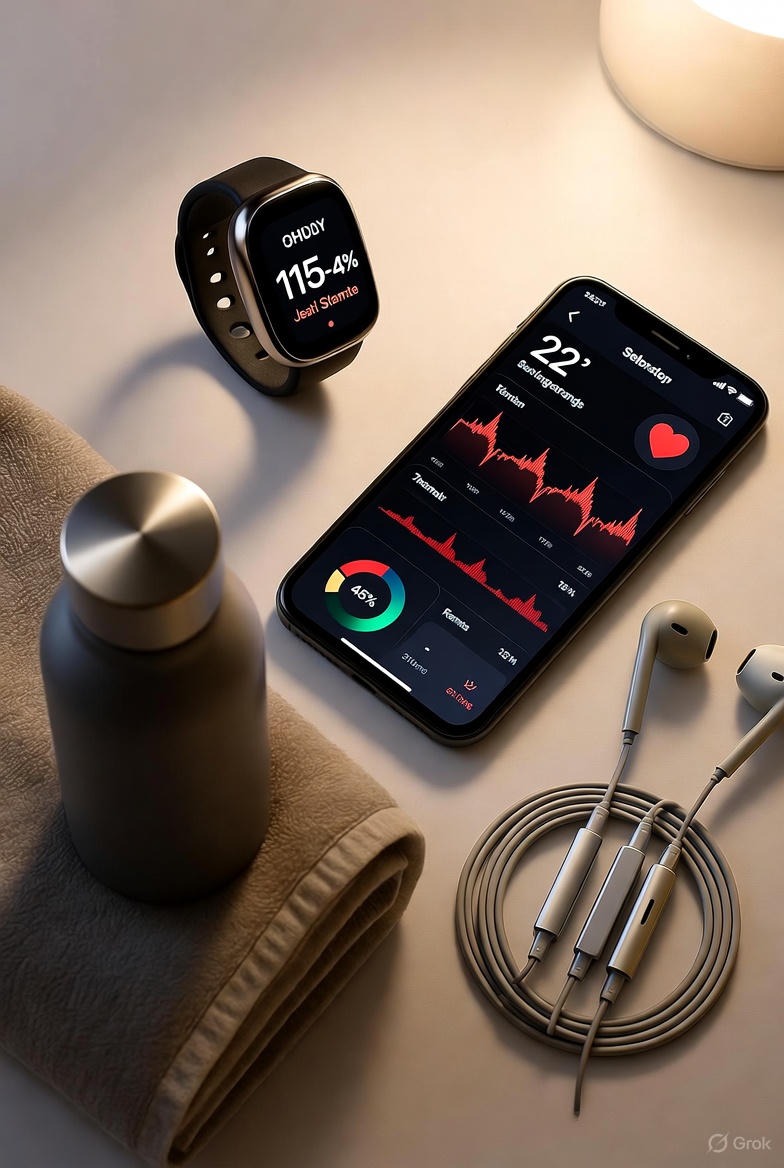
The shift is profound. Imagine a world where your health plan isn't based on your age and gender, but on the real-time metrics of your body: your unique sleep architecture, your personal stress response patterns, your cardiovascular fitness trends, and your metabolic fluctuations throughout the day. This is no longer science fiction. It is the direct result of the miniaturization of sensors, advances in artificial intelligence, and the proliferation of wearable technology—from sophisticated smartwatches to the discreet, powerful smart rings that gather data 24/7.
This article will explore how this quiet revolution in data collection is dismantling the old medical paradigm. We will journey from the foundational biometrics now at our fingertips, through the transformative power of continuous data, and into a future where your doctor has a dynamic, high-resolution map of your health, not just a snapshot from an annual check-up. This is about moving from guessing to knowing, from treating disease to cultivating wellness, and from standardized protocols to truly personalized pathways. Welcome to the era where your body’s own data becomes the most powerful tool for your long-term vitality.

For decades, the annual physical exam and occasional blood test served as the primary pillars of preventative health. These episodic checkpoints, while valuable, offer a deeply limited view. They are like taking a single photograph of a raging river and trying to understand its currents, depth, and seasonal changes. You might spot a major logjam (a critical health issue), but you’ll miss the subtle eddies, the gradual erosion of the bank, and the daily flow patterns that predict future problems.
Modern health monitoring technology replaces that single photograph with a live, high-definition video feed. Devices like the Oura Ring, Whoop strap, and advanced smartwatches have moved critical biometric sensing from the clinic to the body. They provide an "always-on" stream of data that reveals not just states, but patterns and trends. This foundational shift rests on several key, continuously tracked metrics:
Heart Rate Variability (HRV): Once confined to elite athletic labs and clinical stress tests, HRV is now a nightly metric for millions. It measures the subtle variations in time between heartbeats, which is a direct window into your autonomic nervous system. A higher HRV typically indicates a resilient, adaptable system (parasympathetic dominance, or "rest and digest" mode), while a lower HRV can signal stress, fatigue, illness, or overtraining. Tracking HRV trends allows you to understand your body’s readiness to perform or its need for recovery.
Resting Heart Rate (RHR) and Continuous Heart Rate: Your resting heart rate is a fundamental indicator of cardiovascular fitness and overall health. Continuous monitoring doesn’t just log your RHR each morning; it shows how your heart responds to a stressful work meeting, a tough workout, a meal, or meditation. This contextual data is invaluable for linking lifestyle choices to physiological outcomes.
Body Temperature: Basal body temperature, especially its circadian rhythm and nocturnal fluctuations, is a key biomarker. Continuous wrist or finger-based temperature sensing can detect subtle shifts that often precede symptomatic illness, signal hormonal changes, or reveal disruptions in circadian rhythm long before you feel "off."
Sleep Architecture: Beyond simple duration, advanced wearables use accelerometers, optical heart rate monitors, and temperature sensors to estimate sleep stages—light, deep, and REM sleep. Each stage plays a distinct role in physical recovery, memory consolidation, and metabolic health. Understanding your personal sleep architecture is the first step toward optimizing it, as detailed in our guide on how a nighttime routine transforms your sleep quality.
Respiratory Rate: The number of breaths you take per minute, particularly during sleep, is a stable vital sign. Unexplained changes can be early indicators of respiratory issues, anxiety, or metabolic stress.
Activity and Metabolic Equivalents (METs): This goes beyond step counting to estimate the actual energy expenditure and intensity of your movement throughout the day, painting a complete picture of your daily activity profile.
This constant, multi-parameter biometric stream forms the raw material of personalized health. It creates a dynamic baseline unique to you. We no longer ask, "Is my heart rate normal for a 40-year-old?" We now ask, "Is my heart rate normal for me today, given how I slept and what I did yesterday?" This is the foundational question of personalized medicine, made answerable by the sensors we now wear.
If the suite of biometrics is the language of the body, then Heart Rate Variability (HRV) is its most eloquent dialect for speaking about stress, recovery, and overall system resilience. Often misunderstood, HRV is not about the speed of your heart, but the variability in the intervals between beats. This millisecond-level variation is controlled by the autonomic nervous system (ANS)—the unconscious regulator of everything from your digestion to your fight-or-flight response.
A higher HRV indicates a heart that is responsive and adaptable, thanks to a strong parasympathetic ("rest and digest") tone. It’s like a skilled drummer who can subtly speed up and slow down with the music. A lower HRV suggests a heart under more rigid, sympathetic ("fight or flight") control, like a metronome—steady, but inflexible and stressed. Therefore, your HRV score is arguably the single best proxy metric for your body’s overall stress load and its capacity to handle it.
Modern health monitors leverage HRV as the cornerstone of "readiness" or "recovery" scores. These aren't arbitrary numbers; they are algorithmic syntheses of your nightly HRV, resting heart rate, sleep quality, and temperature. A high readiness score doesn't just mean you're not sick; it signals that your body has the physiological resources to perform, learn, adapt, and thrive. It suggests you’re primed for a challenging workout, an important presentation, or a demanding cognitive task.
Conversely, a low readiness score is a personalized, data-driven red flag. It’s your body whispering, "I'm struggling," often before your conscious mind has registered fatigue. This allows for truly personalized daily decision-making:
This transforms health from a binary state (sick/well) into a spectrum of resilience. You learn to identify your personal triggers—be it poor sleep, alcohol, a conflict, or an intense work period—by seeing their direct fingerprint on your HRV data the next morning. This feedback loop is the core of modern, data-enabled self-awareness, turning your wearable into the central nervous system for your personal health strategy.
Sleep is not merely a period of rest; it is the body's most critical nightly renovation project. Hormones are balanced, memories are consolidated, tissues are repaired, and the brain's glymphatic system flushes out metabolic waste. The old adage of "getting your 8 hours" is as crude as saying a building needs "some materials" for renovation. The quality, timing, and structure of those hours are what matter. Modern health monitoring provides the blueprint for this renovation, revealing the architecture of your sleep in stunning detail.
By estimating time in light, deep, and REM sleep, these devices move us far beyond simple duration. Each stage has a non-negotiable function:
A health monitor doesn't just report these stages; it correlates them with your daily life. You can see the direct impact of habits on your sleep quality:
This empirical feedback is revolutionary. It allows you to engineer your environment and behavior for optimal sleep. You can test and validate which elements of a science-backed nighttime routine for better sleep actually work for your unique physiology. Perhaps a cool room has a dramatic effect on your deep sleep, while 20 minutes of reading fiction significantly boosts your REM. The data tells your personal story.
Furthermore, long-term sleep tracking can identify disorders like potential sleep apnea (through consistent oxygen desaturation and elevated respiratory effort) or chronic insomnia patterns. This objective data empowers you to have a more informed conversation with a healthcare provider, moving from "I'm tired" to "My device shows I'm getting 6.5 hours of sleep with 45% less deep sleep than my baseline, and my resting heart rate is elevated by 8 beats per minute."
In the framework of personalized medicine, sleep data becomes the non-negotiable foundation. You cannot tailor nutrition, exercise, or stress interventions effectively if the bedrock of sleep is fractured. By optimizing this one-third of your life, you set the stage for every other health intervention to succeed.

The fitness tracker revolution began with step counts, but it has evolved into a sophisticated understanding of total daily energy expenditure (TDEE) and non-exercise activity thermogenesis (NEAT). This 24/7 activity profile is a critical component of personalized health, moving far beyond isolated workouts to paint a picture of your metabolic landscape throughout the entire day.
Modern devices calculate calories burned not just through heart rate, but by combining accelerometer data, heart rate trends, and user profile to estimate Metabolic Equivalents (METs). This provides a more nuanced view than a simple 30-minute "cardio" label. But the real power lies in the breakdown of your day:
With this data, personalized insights emerge. You might discover that on days you take a short, brisk walk after each meal (a practice shown to improve glycemic control), your overall daily heart rate variability improves. You could see that on days with back-to-back meetings and zero breaks, your resting heart rate trend climbs steadily, a sign of accumulating stress.
For those managing weight or metabolic conditions like insulin resistance or type 2 diabetes, this data is transformative. It shifts the focus from the stressful, often inaccurate counting of calorie inputs to a greater awareness of calorie and metabolic outputs. You learn that:
This holistic view reframes "fitness." It’s no longer just about performance in the gym; it’s about the metabolic tone of your entire day. Personalized medicine uses this activity profile to create movement prescriptions that are sustainable and aligned with your life—not just generic mandates to "exercise more," but specific guidance to "break sedentary time every 50 minutes" or "increase daily non-exercise steps to 8,000" based on what your data shows is both achievable and impactful for your unique metabolic health.
Stress is not an abstract feeling; it is a quantifiable physiological cascade. While we cannot yet track cortisol (the primary stress hormone) continuously with a wearable, modern health monitors are exceptionally adept at measuring the effects of stress on the cardiovascular and nervous systems. By correlating lifestyle events with biometric responses, we can identify our unique "stress signature" and learn to manage it with precision.
Your device acts as a passive biofeedback machine. Consider these real-world correlations:
This ability to link cause and effect is the first step in personalized stress management. It moves you from a vague sense of being "stressed out" to concrete observations: "When I have more than three back-to-back meetings, my physiological stress markers remain elevated for the next 14 hours," or "A 10-minute breathing exercise before bed improves my sleep HRV by 15%."
Armed with this data, you can deploy targeted interventions and immediately see their efficacy. You learn which practices are mere placebos and which are powerful levers for your biology. For the busy professional, this could mean instituting a strict digital sunset ritual, a practice supported by strategies in nighttime wellness for busy professionals realistic routines. For others, it might reveal that a nightly gratitude journal or a short meditation is their most potent tool for nervous system recovery, a core idea in how to build a nighttime routine that actually sticks.
In the context of personalized medicine, this is preventative care at its finest. Chronic, unmanaged stress is a root contributor to inflammation, hypertension, anxiety, depression, and immune dysfunction. By identifying your personal stressors and validating effective countermeasures through biometric feedback, you are actively building resilience against a host of future chronic conditions. You are not just managing your mood; you are managing your long-term health trajectory.
The ultimate promise of personalized health monitoring is a shift from diagnostics to prediction—a move from treating disease to preventing its onset altogether. This is where continuous data transitions from being informative to being truly transformative. By establishing a deeply understood personal baseline, subtle deviations that signal impending illness become glaringly obvious long before symptoms appear.
The human body doesn't get sick suddenly. It undergoes a gradual, often subclinical, decline in resilience that eventually tips over into symptomatic illness. Episodic doctor visits almost always catch you after the tipping point. Continuous monitoring aims to catch you on the downward slope, allowing for early intervention.
Several biomarkers serve as powerful leading indicators:
When these metrics deviate in concert, the predictive power is substantial. Users of advanced health rings often report receiving "readiness" scores that are unusually low, advising rest, only to feel the first sore throat or headache a day later. This isn't magic; it's the device detecting the physiological state of being "under the weather" before the conscious brain registers it.
This capability heralds a new model of "sickness prevention." Upon seeing these early warnings, you can proactively:
In this way, the health monitor becomes a personal sentinel. It empowers you to act during the critical, early window where lifestyle interventions are most powerful. This shifts healthcare from a passive, reactive model to an active, participatory, and preventative one—the very core of personalized medicine. It’s the difference between waiting for a storm to flood your house and seeing the pressure drop on your barometer, allowing you to secure the shutters and sandbag the doors in time.
Nutrition has long been a field of conflicting generalizations: "Carbs are bad," "Fat is bad," "Eat six small meals a day," "Intermittent fast." The frustrating truth is that human metabolism is wildly individual. Glycemic responses to the same food can vary tenfold between people, influenced by genetics, gut microbiome, sleep, stress, and time of day. Modern health monitoring is beginning to cut through the noise by providing a direct, personalized feedback loop between what you eat and how your body responds.
While current wearables don't directly measure blood glucose (though continuous glucose monitors (CGMs) are a related and powerful trend), they measure powerful proxies that are dramatically influenced by nutrition:
This creates a powerful framework for self-experimentation. Instead of adopting a rigid, generic diet, you can use a n=1 (sample size of one) approach:
When combined with periodic lab tests (like cholesterol, HbA1c, or inflammatory markers), this continuous data is even more powerful. You can see how long-term dietary changes not only move your lab numbers but also improve your daily physiological metrics like sleep depth and stress resilience. This closes the loop, making nutrition a true science of the self. It empowers you to build a way of eating that optimizes not just your weight, but your energy, recovery, sleep, and long-term health biomarkers—a truly personalized nutrition plan.

Your body is not a static machine; it operates on a finely tuned 24-hour cycle known as the circadian rhythm. This internal clock governs the daily ebb and flow of hormone release (cortisol, melatonin), body temperature, metabolism, and cognitive function. Living in misalignment with this rhythm—through irregular sleep schedules, mistimed light exposure, or eating at odd hours—is termed "circadian disruption" and is linked to a staggering array of issues: poor sleep, metabolic syndrome, mood disorders, and impaired cognitive performance. Modern health monitoring provides the tools to visualize and, crucially, to align with your personal circadian biology.
Key biomarkers act as hands on your internal clock face:
With this data, you can move from guessing to precise optimization:
Aligning with your circadian rhythm is perhaps one of the most profound yet overlooked aspects of personalized health. It's about working with your biology, not against it. For those struggling with morning grogginess, aligning these rhythms is the key, as explored in how nighttime routines reduce morning grogginess. By using your wearable data to find your natural rhythm and then structuring your light, food, and activity around it, you tap into a deep source of energy, metabolic efficiency, and cognitive clarity. You stop fighting your body's natural tendencies and start harnessing them.
The sheer volume of data from continuous health monitoring can be overwhelming. Seven days of sleep, heart rate, HRV, temperature, and activity data generate thousands of data points. This is where artificial intelligence (AI) and machine learning transition from buzzwords to essential tools for personalized health. Their primary role is not to diagnose, but to interpret—to find meaningful patterns in the noise and establish what is normal for you.
Establishing Your Personal Baseline: The first and most critical job of these algorithms is to learn your normal ranges. A resting heart rate of 65 might be high for one person and low for another. An AI doesn't use population averages; it observes you over weeks to establish that your typical RHR is 58, your typical HRV is 45ms, and your typical deep sleep is 1.5 hours. All future insights are measured as deviations from this personal baseline.
Identifying Correlations and Trends: The human brain is poor at spotting complex, multi-variable correlations. AI excels at this. It can surface insights like: "On days when your step count exceeds 12,000 and your last meal is before 8 PM, your deep sleep increases by an average of 12%." Or, "Your HRV is consistently 20% lower on days following high-stress work meetings, regardless of sleep duration." These are actionable, personalized insights that you might never have deduced on your own.
Predictive Modeling: More advanced systems use your historical data to make probabilistic forecasts. Based on your current sleep deficit, activity strain, and stress markers, an algorithm might predict a 40% chance of a low readiness score tomorrow, prompting a recommendation to prioritize an early bedtime. It’s a personalized, data-driven nudge toward better choices.
Contextualizing Spot Measurements: When you take a single measurement—like a blood pressure reading at a pharmacy—it exists in a vacuum. Was it high because you just rushed there? Because you're stressed? AI-powered health platforms can contextualize that spot reading against your continuous data. Was your HRV low all night? Was your sleep restless? This context turns a single alarming number into part of a comprehensible story, helping you and a healthcare provider understand its true significance.
This layer of intelligent interpretation is what turns raw data into a coherent health narrative. It acts as a personalized health coach, learning your patterns, highlighting what matters, and filtering out irrelevant noise. The goal is not to make you a slave to the data, but to provide such clear, relevant insights that you can make informed decisions almost intuitively, supported by an invisible layer of computational intelligence that knows you better than any generic health guideline ever could.
The rise of personal health data creates a new dynamic in the patient-provider relationship. The old model featured a patient with subjective symptoms and a doctor with objective, but sparse, clinical data. The new model introduces a third, powerful element: a rich, longitudinal dataset from the patient's own life. The future of personalized medicine hinges on the effective, collaborative integration of this data into professional care.
This integration is transformative at several levels:
1. Enhanced Diagnostic Context: A patient presenting with fatigue is no longer a mystery. They can share months of data showing a gradual decline in HRV, a creeping rise in resting heart rate, and consistently poor deep sleep. This immediately directs the conversation away from vague possibilities and toward specific investigations: Is this an undiagnosed sleep disorder? Is it chronic stress or burnout? Is there an underlying inflammatory condition? The data provides a detailed map of the "terrain," helping the doctor pinpoint where to look.
2. Objective Treatment Efficacy Monitoring: If a doctor prescribes a medication for hypertension, a CPAP machine for sleep apnea, or a mindfulness practice for anxiety, continuous data provides real-world efficacy reports. Did the new blood pressure medication actually lower nighttime heart rate and improve HRV? Is the CPAP increasing deep sleep and reducing respiratory disturbances? Is meditation lowering the physiological stress response to daily triggers? This moves treatment from a "try this and tell me how you feel in 6 weeks" approach to a data-informed feedback loop where interventions can be adjusted and optimized with precision.
3. Preventative Partnership: In this model, the annual physical is no longer a snapshot but a quarterly or biannual review of trends. A healthcare provider can look at a patient's longitudinal data and say, "I see a concerning trend here. Your metabolic markers are stable, but your stress resilience (HRV) has been on a steady 6-month decline, and your sleep efficiency is dropping. Let's work on stress-management strategies now, before this manifests as a clinical issue like hypertension or burnout." This is proactive, preventative medicine in its truest form.
4. Remote Patient Monitoring & Chronic Disease Management: For patients with chronic conditions like heart failure, atrial fibrillation, or diabetes, continuous data from medically validated devices can provide early warning of exacerbations, allowing for timely intervention that can prevent hospitalizations. It also empowers patients to be active, informed participants in managing their condition day-to-day.
The key to this future is data literacy and collaboration. Patients must learn to summarize and present their data effectively, not just dump thousands of data points on a doctor. Providers must be open to this new information stream and trained to interpret it within a clinical context. The goal is not to replace the doctor with an algorithm, but to create a partnership where the patient's lived experience (quantified by data) and the clinician's medical expertise combine to form a holistic, dynamic, and deeply personalized health strategy. The patient becomes the expert on their own daily biology, and the doctor becomes the expert guide, interpreting the map and helping navigate toward better health.
The journey from data collection to improved health is not automatic. It requires a deliberate, iterative process of building what we can call a "Personalized Health Protocol." This is your unique set of daily and weekly habits, informed by your biometric feedback, designed to move your key metrics in a positive direction. Modern health monitoring provides the compass and map for this journey, allowing you to build a protocol that is dynamic, responsive, and proven—by your own data—to work for you.
The process follows a simple, scientific cycle: Observe, Intervene, Measure, Refine.
This methodical approach prevents overwhelm and provides empirical validation. You are no longer following generic advice; you are conducting personal science. Your protocol might eventually include:
The smart ring or wearable is the control center for this entire operation. It provides the feedback that tells you if your protocol is working or if it needs adjustment due to life changes, stress, or illness. It turns wellness from a static goal into a dynamic, optimized system.
While the power of personalized health data is most acutely felt at the individual level, its aggregation holds transformative potential for public health and medical research. When anonymized and analyzed at scale, the datasets generated by millions of users create a living, breathing map of human health in real-time, offering insights impossible to capture through traditional, infrequent surveys or clinical trials.
This macro view enables several groundbreaking applications:
Identifying Public Health Trends in Real-Time: Imagine detecting the early spread of a seasonal flu virus not by reported doctor visits (which lag by weeks), but by observing a sudden, clustered increase in elevated resting heart rates, lowered HRV, and sleep disruptions in a specific geographic region—all before most people seek care. This "biometric syndromic surveillance" could provide public health officials with a powerful early-warning system.
Understanding the True Impact of Lifestyle on Disease: Large-scale, longitudinal wearables data can reveal profound correlations between daily habits and long-term outcomes. Researchers can analyze decades of sleep, activity, and heart rate data from a population to answer questions like: "What are the precise sleep patterns most associated with a lower 20-year incidence of cardiovascular disease?" or "How does the consistency of daily activity, not just total volume, correlate with cognitive decline?" These insights move epidemiology from retrospective questionnaires to prospective, objective measurement.
Democratizing and Diversifying Medical Research: Traditional clinical trials are expensive, slow, and often lack diversity. Wearables enable large-scale, decentralized "virtual trials." Researchers can recruit participants from anywhere, collect continuous, passive data, and monitor adherence and outcomes remotely. This can accelerate research into chronic conditions, mental health, and rare diseases, while ensuring the findings are relevant to a more representative population.
Validating the "Exposome": The exposome is the measure of all the environmental exposures (diet, stress, toxins, social connections) an individual encounters from conception onward. Wearables are the first tools capable of quantifying major parts of the exposome—physical activity, sleep quality, environmental light and sound—continuously. Linking this exposure data to health outcomes at a population level can uncover subtle, cumulative environmental risk factors that have previously been invisible.
Of course, this requires rigorous privacy safeguards, ethical data use policies, and transparent user consent. But the potential is staggering. The data from your ring, when combined with that of millions of others (stripped of your identity), ceases to be just a personal tool and becomes a cell in a vast organism of shared human health intelligence. It helps science move faster, understand deeper, and ultimately, create better health guidelines that are informed by the real-world, minute-by-minute lives of people, not just idealized clinical settings.
As we embrace a world where our most intimate physiological processes are digitized and transmitted, critical ethical questions demand our urgent attention. The promise of personalized medicine through data is inextricably linked to how we manage the profound privacy and autonomy concerns this data creates. Navigating this horizon is not a technical challenge, but a societal one.
The Paramount Concern: Data Privacy and Security: Health data is the most sensitive personal data that exists. A credit card number can be changed; the pattern of your heartbeat during sleep cannot. The companies that collect this data bear a tremendous responsibility. They must employ bank-grade, end-to-end encryption, ensure data is anonymized for research purposes, and be transparent about who has access. Users must have clear, understandable controls over what is collected and shared. A breach of this data is not just a privacy violation; it could lead to discrimination or exploitation.
The Question of Ownership: Who truly owns your health data? Is it you, the generator? The company that built the device and platform that interprets it? Your insurance company or employer if they provide the device? The principle of user-centric data ownership is crucial. This means you should have the right to access all your raw data, to export it, to share it selectively with researchers or healthcare providers, and to have it deleted. The data should be a tool for your empowerment, not a commodity you unknowingly trade for a service.
The Risk of Biometric Discrimination: As this data becomes more predictive, it could be misused by entities with a vested interest in profiling risk. Could a health or life insurance company demand access to your wearable data to set premiums, penalizing you for poor sleep or high stress? Could employers use "corporate wellness" programs with wearables to monitor employee activity and stress, leading to pressure or discrimination against those with lower "readiness" scores? Clear legal and regulatory frameworks, akin to genetic non-discrimination laws (GINA), are needed to prevent a new form of biometric discrimination.
The Psychological Burden of Constant Quantification: For some, constant health monitoring can lead to "orthosomnia" – an unhealthy preoccupation with perfecting sleep data, or anxiety triggered by a low HRV score. Personalized health must include the freedom to not track, to take a data vacation, and to listen to the body's subjective feelings alongside the objective numbers. The technology should be a servant to our well-being, not a source of它.
The path forward requires a balanced, informed approach. We must advocate for strong privacy regulations, demand transparency from technology providers, and cultivate our own literacy about data rights. The goal is to harness the incredible power of personalized health data while building robust digital fences to protect our most personal information. In doing so, we secure not just better health, but the autonomy and dignity that should be at its core.
The current state of health monitoring, as revolutionary as it is, represents only the first chapter. The full vision of personalized medicine will be realized through the convergence of three powerful streams of data: continuous biometrics from wearables, our static genetic blueprint from genomics, and interactive, software-driven interventions known as digital therapeutics.
Wearables Provide the Dynamic, Real-Time Story: As we've explored, devices like smart rings give us the "how" and the "when." They show how your body is functioning in real-time, in your actual environment. They capture the impact of your lifestyle on your physiology.
Genomics Provides the Static, Predispositional Blueprint: Your DNA offers the "why" behind some of your tendencies. Genetic testing can reveal predispositions for how you metabolize caffeine (affecting your sleep), how you respond to different types of exercise (power vs. endurance), your risk for certain nutrient deficiencies, or your sensitivity to stress. It’s the foundational code.
Digital Therapeutics Provide the Prescriptive, Adaptive Intervention: These are evidence-based, often app-delivered interventions for preventing, managing, or treating medical conditions. Think of a cognitive behavioral therapy for insomnia (CBT-I) app that uses your sleep data from your ring to personalize its program, or a diabetes management platform that integrates CGM data with food logging and AI-driven coaching.
When these three forces converge, personalization reaches a new height. Imagine a system that:
Or a system that:
This is the holy grail: a closed-loop system where your biology is constantly measured, your risks and tendencies are understood from your genes, and personalized, adaptive guidance is delivered to keep you on an optimal path. It turns healthcare from a series of disjointed transactions into a seamless, continuous, and deeply personal partnership between you and a suite of technologies designed to understand and serve your unique biology.
The principles of data-driven personalized health are universal, but their application and priority shift dramatically across different stages of life and unique life circumstances. A one-size-fits-all approach fails in clinical medicine, and it fails in personal optimization. Here’s how modern health monitoring can be tailored to serve the distinct needs of specific populations, transforming from a general wellness tool into a targeted health ally.
For older adults, the goal of health technology shifts from peak performance to maintaining function, independence, and quality of life. Continuous monitoring becomes a vital tool for proactive care and early intervention.
Here, the wearable acts as a discreet guardian and communication tool, providing both the individual and their family or care team with objective insights into day-to-day stability, empowering a focus on preventative maintenance rather than crisis management.
Family health is an ecosystem. The stress, sleep, and activity of one member inevitably affect the others. Health monitoring can move from an individual pursuit to a framework for family-wide well-being.
In the family context, the data serves as a neutral, objective language for discussing health, replacing nagging with collaboration and creating a shared culture of awareness and preventative habit-building.
For individuals whose primary currency is cognitive performance and decision-making, health monitoring transitions from a lifestyle accessory to a core performance optimization system. The metrics become key performance indicators (KPIs) for the human system driving the business.
For this population, the smart ring is less a fitness device and more a CEO dashboard for their own biology, enabling them to manage their most important asset—their cognitive and physical capacity—with the same rigor they apply to their business.
While personalized health is deeply individual, humans are social creatures who learn and are motivated through connection and comparison. The next layer of value in health monitoring emerges when we move from isolated data silos to voluntary, community-oriented sharing and learning. This isn't about competition, but about contextualization and collective wisdom.
Normative Benchmarking (The "For You" Factor): Most platforms show your data against population averages (e.g., "Your HRV is higher than 60% of people your age and gender"). This is helpful, but the next step is peer-group benchmarking. Imagine comparing your sleep consistency not to all 40-year-olds, but to a curated group of "40-year-old vegetarian triathletes" or "45-year-old executive parents." This provides a more relevant and inspiring context. Your "normal" is redefined by those with similar lifestyles and aspirations, making your data more actionable.
Community Challenges and Support: Data can foster positive social accountability. Joining a 30-day "Sleep Consistency Challenge" with friends or an online community, where the goal is to minimize bedtime variability, uses gentle social pressure and shared purpose to build better habits. Sharing strategies for improving deep sleep or managing stress within a supportive group can uncover solutions you might never have found alone.
Crowdsourced Insights and Pattern Recognition: When users voluntarily and anonymously share their data and lifestyle logs, powerful collective insights can emerge. A platform might detect that "Users who report practicing gratitude journaling in our app show, on average, a 12% greater HRV rebound after a high-stress day than those who don't." This isn't a clinical study, but a real-world, large-scale correlation that can guide individuals toward potentially effective practices. You benefit from the aggregated experimentation of thousands.
Mitigating Anxiety through Normalization: For those prone to health anxiety, seeing a single night of poor sleep data can be distressing. Within a community, you can learn that such nights are universal—that your friend who is a peak athlete also has terrible sleep before a big presentation. This normalizes natural fluctuations and prevents the catastrophic interpretation of normal, temporary dips in biomarkers.
The key to ethical and beneficial community features is voluntary, controlled, and anonymized sharing. The power lies in opting in to share specific data points for specific, valuable purposes. This transforms health from a solitary journey into a shared expedition, where we can use each other's experiences—illuminated by data—as guideposts on our own path to better health.

The current suite of sensors—optical heart rate, accelerometer, temperature, and SpO2—has already revolutionized personal health awareness. However, the frontier of biosensing is rapidly expanding, promising a future where our wearables will paint an almost complete, real-time picture of our internal biochemistry. This will bring us closer to the Star Trek-style "tricorder" than ever before.
Continuous Glucose Monitoring (CGM) Integration: This is the most imminent leap. CGMs measure interstitial glucose levels every few minutes, revealing your unique glycemic response to food, stress, sleep, and exercise. When combined with heart rate, HRV, and activity data, it creates a master key to metabolic health. You’ll see not just that a pastry spikes your glucose, but that the subsequent "crash" correlates with a spike in cortisol (via elevated heart rate) and a drop in cognitive focus. This integration is the ultimate personalized nutrition feedback loop.
Electrodermal Activity (EDA) for Stress Measurement: Also known as galvanic skin response, EDA measures tiny changes in the skin's electrical conductivity caused by sweat—a direct indicator of sympathetic nervous system ("fight or flight") arousal. This provides a second, complementary lens to HRV for measuring stress, capturing acute emotional reactions that HRV might miss. It could quantify the physiological impact of a tense conversation or a calming meditation in real-time.
Hydration and Electrolyte Balance: Future sensors may use optical or bioimpedance spectroscopy to estimate hydration status and electrolyte levels at the tissue level. This would be a game-changer for athletes, individuals in hot climates, or those managing conditions affected by fluid balance.
Blood Pressure Monitoring: Cuffless, continuous blood pressure monitoring using photoplethysmography (PPG) and pulse wave analysis algorithms is an active area of research and development. Success here would provide the missing piece for cardiovascular health tracking, allowing for the observation of BP trends throughout the day and in response to daily activities.
Alcohol and Lactate Detection: Non-invasive sensors to estimate blood alcohol content or muscle lactate levels could provide immediate feedback on recovery status and the impact of lifestyle choices.
The Promise of Multi-Omics on a Chip: Looking further ahead, the convergence of lab-on-a-chip technology with wearables could enable the periodic measurement of biomarkers from sweat or interstitial fluid, providing insights into hormones (cortisol), inflammatory markers (CRP), and other key metabolites. This would bring the annual blood panel into the continuous data stream.
As these sensors mature and converge into a single, unobtrusive device, the concept of a "personalized health baseline" will expand exponentially. We will move from understanding our cardiovascular and nervous system patterns to having a dynamic, integrated view of our metabolic, endocrine, and biochemical state. This will not only empower individuals with unprecedented self-knowledge but will also provide the medical community with rich, continuous datasets to redefine what "health" and "disease" truly look like in the real world.
In an age of quarterly goals and monthly subscriptions, health is one of the few truly long-term projects. The most profound value of continuous health monitoring may only reveal itself over years and decades. It becomes less about today's readiness score and more about building a quantified health legacy—a longitudinal narrative of your body's journey through life. This long-term data holds unique and irreplaceable wisdom.
Identifying Lifelong Patterns and Drifts: Aging is not a single event but a gradual process of change. With a decade of data, you can observe your personal aging trajectory. What is the natural, healthy rate of change for your resting heart rate? How does your deep sleep percentage trend from your 30s into your 40s and 50s? This allows you to distinguish between normal, age-related drift and an abnormal, potentially disease-related deviation. A sudden acceleration in a trend can be an early, powerful warning sign.
The Power of Pre- and Post-Intervention Baselines: Imagine being diagnosed with a condition like sleep apnea or hypertension at age 50. With 10 years of pre-diagnosis data, you have a crystal-clear picture of your "healthy" baseline before the condition manifested. After starting treatment (e.g., a CPAP or medication), you can measure the efficacy not against a population average, but against your own past healthy self. This provides unparalleled precision in therapy optimization.
Informing Major Life Decisions: Long-term data can provide empirical guidance for life choices. Considering a career change? Review your stress and sleep data from the past two years during high-intensity periods. Thinking about relocating? If you have data from previous vacations in different climates, you might see how your sleep and recovery improved in a sunnier or cooler environment. This data adds an objective layer to major life planning.
Creating a Health Inheritance: This data archive can become one of the most valuable things you pass on to your children. While they won't inherit your specific HRV, they do inherit your genetics and often your environment. Understanding your long-term health patterns—when certain issues began, how you successfully managed them—can provide them with a personalized risk map and a playbook of strategies that are likely to be relevant to their own biology.
Contributing to the Science of Longevity: Voluntarily contributing decades of your de-identified health data to longitudinal research studies could help scientists finally unravel the complex interplay of lifestyle, genetics, and aging. Your data legacy could directly contribute to the discovery of biomarkers for longevity and the creation of interventions to extend human healthspan.
To build this legacy, consistency is key. It requires choosing a platform with longevity and data portability, ensuring you can maintain and access your archive for life. The goal shifts from daily optimization to lifelong understanding. Your wearable becomes a historian of your health, compiling a biography written in the language of your own beating heart, your sleeping brain, and your resilient metabolism—a story that grows more valuable with every passing year.
Your Trusted Sleep Advocate: Sleep Foundation — https://www.sleepfoundation.org
Discover a digital archive of scholarly articles: NIH — https://www.ncbi.nlm.nih.gov/
39 million citations for biomedical literature :PubMed — https://pubmed.ncbi.nlm.nih.gov/
Experts at Harvard Health Publishing covering a variety of health topics — https://www.health.harvard.edu/blog/
Every life deserves world class care :Cleveland Clinic - https://my.clevelandclinic.org/health
Wearable technology and the future of predictive health monitoring :MIT Technology Review — https://www.technologyreview.com/
Dedicated to the well-being of all people and guided by science :World Health Organization — https://www.who.int/news-room/
Psychological science and knowledge to benefit society and improve lives. :APA — https://www.apa.org/monitor/
Cutting-edge insights on human longevity and peak performance:
Lifespan Research — https://www.lifespan.io/
Global authority on exercise physiology, sports performance, and human recovery:
American College of Sports Medicine — https://www.acsm.org/
Neuroscience-driven guidance for better focus, sleep, and mental clarity:
Stanford Human Performance Lab — https://humanperformance.stanford.edu/
Evidence-based psychology and mind–body wellness resources:
Mayo Clinic — https://www.mayoclinic.org/healthy-lifestyle/
Data-backed research on emotional wellbeing, stress biology, and resilience:
American Institute of Stress — https://www.stress.org/


