The Modern Health Monitoring Future: 2025-2030 Predictions
Informed predictions about the near-term future (5 years) of health monitoring technology.
The Modern Health Monitoring Future: 2025-2030 Predictions
Imagine waking up to a notification that isn’t about a missed call or a social media update, but a personalized, actionable insight about your body. It reads: *“Your overnight HRV trend suggests elevated stress. Your cortisol forecast for today is 18% above baseline. Consider the 20-minute mindfulness session and delayed caffeine intake outlined in your plan. Your smart ring has already adjusted your daytime activity goals accordingly.”* This isn’t science fiction. It’s the doorstep of a revolution in personal health, powered by continuous, passive, and profoundly intelligent monitoring.
The next five years will witness the most dramatic transformation in healthcare since the invention of the stethoscope. We are moving decisively away from episodic, reactive care—the annual physical, the visit triggered by symptoms—and toward a seamless, predictive, and personalized model of health management. At the center of this shift is a new generation of wearable technology, led by sophisticated smart rings and integrated sensor ecosystems, that turns our own physiological data into a lifelong, real-time health narrative.
This article is your definitive guide to that future. We will explore the convergence of biosensing, artificial intelligence, and preventative wellness that will define health monitoring from 2025 to 2030. From rings that diagnose sleep apnea to AI health coaches that integrate with your DNA, we will unpack the predictions that are set to redefine our relationship with our own well-being.
The Silent Revolution: How Wearables Evolved from Step Counters to Clinical Partners
The journey of the wearable began humbly. The first pedometers were simple mechanical devices, and even the initial wave of digital fitness trackers offered a one-dimensional view of health: movement. They answered the question “How many?”—how many steps, how many floors, how many hours of restless sleep.
The pivotal shift came when wearables started asking “How well?” and “Why?” The introduction of continuous optical heart rate monitoring was the first crack in the dam. Suddenly, we weren’t just counting steps; we were observing heart rate zones, estimating calorie burn with slightly more accuracy, and getting crude sleep stage breakdowns. The smartwatch era accelerated this, adding ECG sensors, blood oxygen (SpO2) monitoring, and skin temperature tracking. These were signposts pointing toward a more holistic picture.
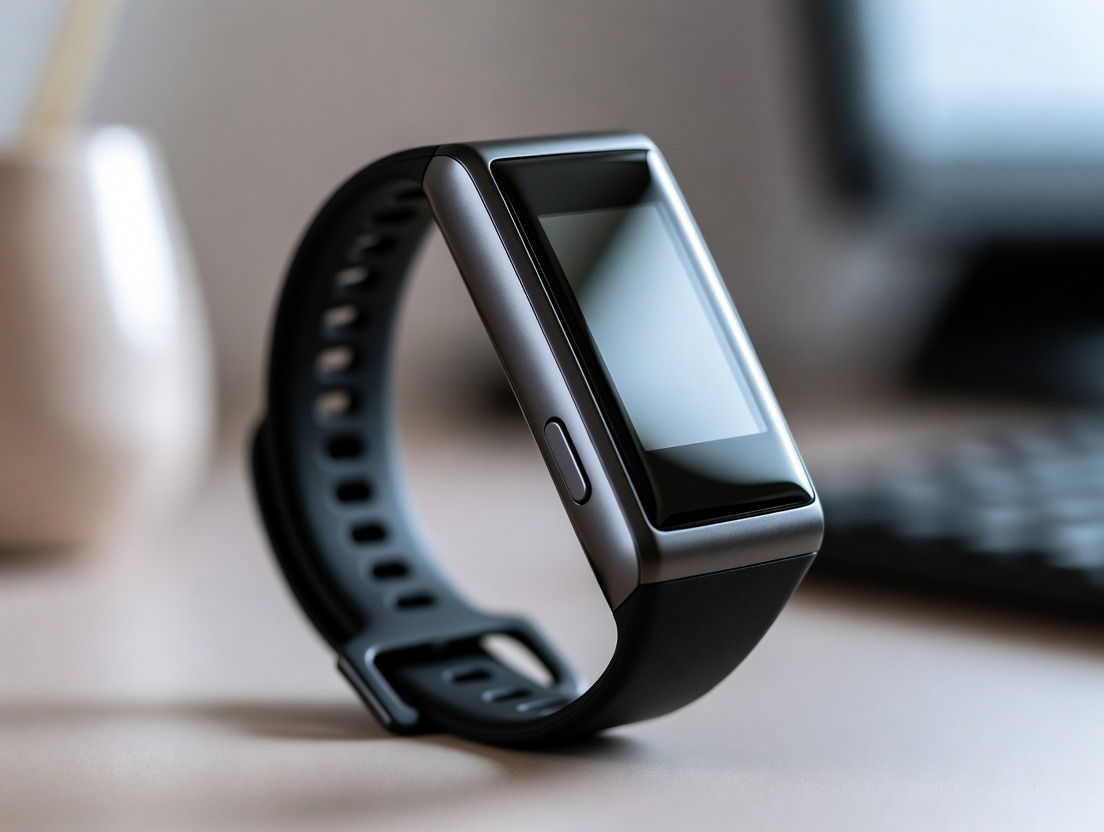
But the wrist has limitations. Watches can be bulky for sleep, prone to signal noise from wrist movements (a phenomenon known as “motion artifact”), and their form factor often prioritizes digital interaction over pure, unobtrusive sensing. This is where the modern smart ring has emerged as a dark horse contender for the ultimate health monitoring form factor.
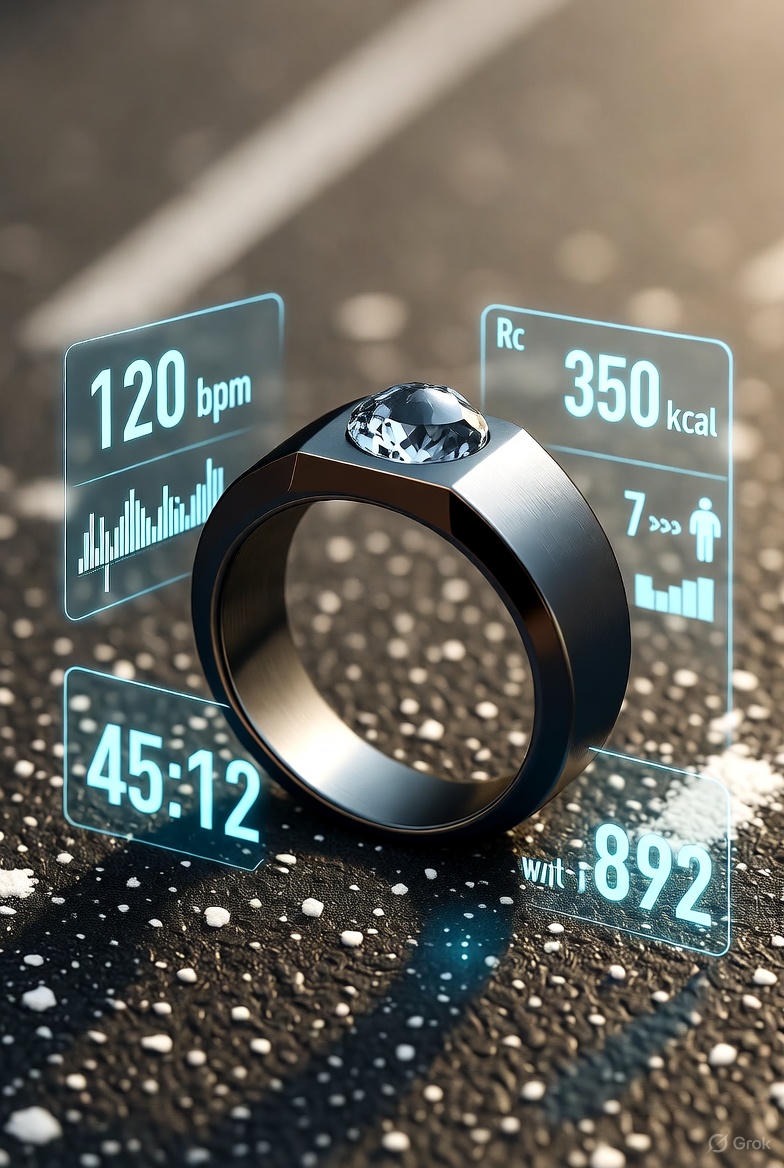
The finger, specifically the base of the finger, offers a superior vascular flow for photoplethysmography (PPG)—the optical method used to measure heart rate and blood oxygen. It’s less prone to motion artifacts during sleep and daily typing, and its smaller surface area allows for a more intimate, always-on sensor fit. Devices like the Oura Ring Generation 3 and newer entrants have turned the ring into a powerhouse for measuring core biometrics: heart rate variability (HRV), resting heart rate, respiratory rate, and temperature trends—all critical markers of recovery, stress, and impending illness.
The revolution is silent because it happens while you live your life. You’re no longer actively “tracking”; you’re being understood. The data collection is passive, continuous, and contextual. The future, as we’ll see, lies in elevating this rich data stream from mere information to genuine, clinical-grade insight and automated intervention.
Beyond the Ring: The Rise of the Multi-Modal Sensor Ecosystem
While the smart ring is a formidable standalone device, its true power in the 2025-2030 timeline will be unlocked as the central hub of a personal, multi-modal sensor ecosystem. The future of health monitoring is not a single, perfect device, but a network of specialized, interconnected sensors that paint a complete, multi-dimensional portrait of your physiology.
Think of it as your body’s own Internet of Things (IoT). Your smart ring will serve as the always-on, core vitals monitor. It will seamlessly communicate with other discreet sensors in your environment and on your body:
Smart Patches and Epidermal Electronics: Disposable or long-wear patches containing advanced sweat biomarkers (electrolytes, lactate, cortisol) or continuous glucose monitors (CGM) will provide molecular-level data. Your ring will correlate spikes in nighttime skin temperature with glucose variability detected by a patch, offering dietary insights.
Ambient Environmental Sensors: Smart home devices will feed data on air quality (VOCs, particulate matter), ambient light spectrum, noise levels, and room temperature into your health profile. Your ring will note that your restless sleep coincided with a spike in CO2 levels in your bedroom, prompting an automatic suggestion to ventilate the room. This environmental context is crucial, as explored in guides on optimizing your sleep sanctuary as part of a perfect nighttime wellness routine.
Hearing Aids & Smart Glasses: These will evolve into sophisticated health instruments. Hearing aids could monitor balance and gait for fall risk in older adults, while smart glasses with eye-tracking could detect early signs of fatigue or cognitive load by analyzing pupillary response.
Connected Fabrics: Clothing with woven-in textile sensors will provide detailed musculoskeletal and exertion data during workouts, complementing the ring’s cardiopulmonary metrics.
The ring’s role will be to synthesize this disparate data. An AI will not just see an elevated heart rate; it will see an elevated heart rate while your blood glucose is stable, in a well-oxygenated room, after a day of low stress (as indicated by HRV), and interpret it as a positive cardiovascular workout response rather than anxiety. This ecosystem moves us from data silos to a unified theory of you.
The AI Health Coach: From Data Dashboard to Proactive Partner
Today’s health apps are largely dashboards—repositories of historical data with basic trend lines. The interaction is passive: you look, you (maybe) interpret, you (hopefully) act. The leap from 2025 onward will be the maturation of true AI health coaches—proactive, conversational, and deeply personalized entities that guide daily decisions.
This AI will be built on a foundation of three layers:
Your Unique Baselines: It learns your normal ranges for dozens of biomarkers over months and seasons, accounting for your own chronobiology.
Population Health Models: It’s trained on anonymized, aggregated data from millions of users, understanding complex correlations between behaviors, biomarkers, and outcomes.
Clinical Knowledge Graph: It integrates peer-reviewed medical research, guidelines, and nutritional science, constantly updating its knowledge base.
The manifestation will be a conversational interface. Instead of you checking your sleep score, your AI coach might message you proactively: *“I noticed your deep sleep was fragmented last night and your resting heart rate is elevated by 8 bpm. Your data pattern is 72% correlated with your past instances of oncoming immune challenge. I’ve temporarily adjusted your activity goals. Prioritize hydration today and consider an earlier wind-down. Would you like me to guide you through the 10-minute evening breathing ritual we used last month that improved your sleep resilience by 15%?”*
This coach will move beyond generic advice. It will know that your optimal sleep window is between 10:15 PM and 6:30 AM based on your chronotype, that your body responds poorly to late-day caffeine but handles a post-lunch walk exceptionally well for glucose management, and that your stress manifests first in elevated respiratory rate, not heart rate. It becomes a true partner in prevention, helping you build routines that stick, as detailed in this guide on constructing a nighttime routine for lasting change.
Predictive Diagnostics: The Shift from "What's Wrong" to "What Might Go Wrong"
The holy grail of modern medicine is prediction and prevention. The sensor ecosystem and AI coach are the tools that will make this a mainstream reality. By 2030, we will see the first robust, FDA-cleared or CE-marked predictive health features in consumer wearables.
This predictive power will come from longitudinal data and pattern recognition. Subtle, sub-clinical changes in a combination of biomarkers often precede a noticeable health event by days or even weeks.
Infectious Illness Prediction: Algorithms will analyze deviations in resting heart rate, heart rate variability, skin temperature, and respiratory rate to flag a potential immune system activation. Studies with existing devices have already shown the ability to predict the onset of COVID-19 or the flu up to 48 hours before symptoms appear. Future iterations will not only predict but classify the likely type of illness (viral vs. bacterial stress pattern).
Metabolic Health Forecasting: By combining continuous glucose monitor data (from a patch) with activity, sleep, and macronutrient logging, AI will predict glycemic responses to specific meals for you personally. It will be able to forecast a potential prediabetic trend months or years before it would show up in an HbA1c test, allowing for early, precise lifestyle intervention.
Mental Health & Burnout Prevention: HRV is a well-established proxy for autonomic nervous system balance and stress resilience. Coupled with behavioral data (sleep duration, social interaction patterns inferred from location, speech patterns analyzed by your phone), wearables will identify patterns indicative of rising anxiety, depressive episodes, or professional burnout risk. The system could then prescribe and track adherence to digital therapeutic modules, such as cognitive behavioral therapy (CBT) exercises or meditation prompts. For those with anxious minds, a structured wind-down is key, as discussed in this routine designed specifically for mental calm.
Cardiovascular Monitoring: Beyond single-lead ECG for atrial fibrillation detection, advanced PPG analysis will look for more subtle signatures of vascular stiffness and other early warning signs of cardiovascular risk, providing a dynamic supplement to static annual check-ups.
This transforms the user from a patient to an empowered participant. The question at your annual physical will no longer be reactive (“Do you have any symptoms?”) but collaborative (“Your wearable indicated three mild metabolic stress events in Q3; let’s explore your nutrition data and refine your AI coach’s parameters”).
Sleep as the Sixth Vital Sign: Nocturnal Diagnostics and Optimization
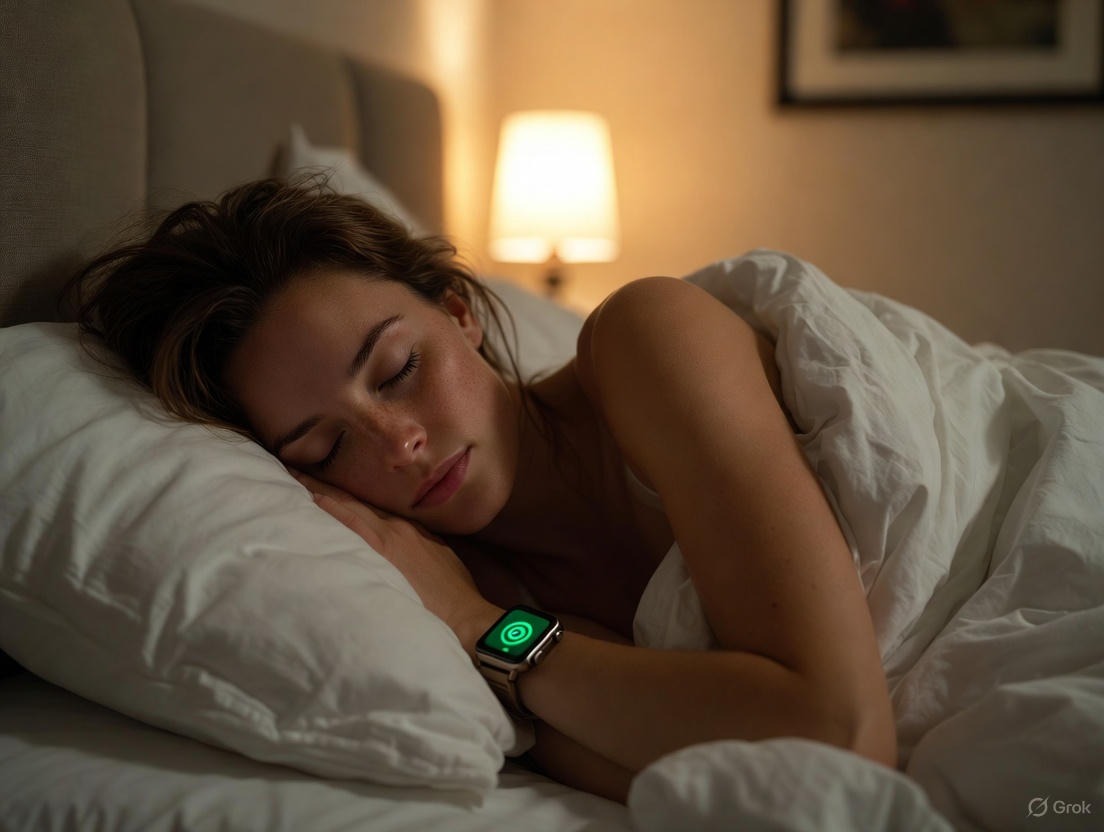
Sleep will be fully recognized as a core pillar of diagnostic medicine. The night is a unique physiological window—a prolonged, controlled state where the body repairs, consolidates memory, and regulates systems. Future smart rings and bed-based sensors will turn the bedroom into a advanced diagnostic lab.
We will move far beyond simple sleep staging (light, deep, REM). The next generation of analysis includes:
Sleep-Disordered Breathing Diagnosis: Advanced PPG and blood oxygen pulse oximetry will enable at-home, multi-night screening for sleep apnea and hypopnea with high accuracy. The ring will detect blood oxygen dips (desaturations) and pulse rate rises associated with respiratory events, providing a report shareable with a sleep specialist. This addresses one of the most common nighttime routine mistakes that unknowingly ruin sleep quality—ignoring underlying breathing issues.
Nervous System Recovery Analysis: The gold-standard measurement of sleep quality will become a detailed analysis of autonomic nervous system (ANS) activity throughout the night. How quickly does your sympathetic (“fight or flight”) activity dampen after lights out? How dominant and stable is your parasympathetic (“rest and digest”) activity during deep sleep? This ANS balance is a direct measure of recovery efficacy.
Brainwave Entrainment & Enhancement: We will see the first generation of consumer-grade wearables that not only read but also influence sleep. Using subtle, precise auditory or tactile pulses (like gentle sound waves or vibrations), devices could gently guide brainwaves into deeper, more restorative slow-wave sleep or extend REM periods, a practice that some of the most successful people incorporate into their pre-sleep rituals.
Dream Phase Detection & Lucidity Prompts: While full dream decoding is sci-fi, identifying REM phases with extreme accuracy opens the door for “lucidity prompting.” A device could recognize you’ve entered REM and deliver a subtle cue (a faint light, a specific sound) that incorporates into your dream, potentially increasing the chance of lucid dreaming for therapeutic or exploratory purposes.
Sleep optimization will be dynamic. Your AI coach won’t just give you a static “8-hour” goal. It will analyze your weekly strain, your immune system markers, and your calendar for the next day to prescribe a personalized sleep duration and quality target, and then guide you through a science-backed nighttime routine to hit it.
The Quantified Mind: Cognitive Performance and Emotional Biomarkers
Health is not merely physical. The frontier of wearables is the direct, objective measurement of cognitive state and emotional well-being—the quantified mind.
This goes far beyond logging mood in an app. It involves deriving cognitive and emotional biomarkers from physiological and behavioral signals:
Cognitive Load & Focus: By combining heart rate variability (specifically the low-frequency/high-frequency ratio), pupillary response (via smart glasses or laptop cameras), and micro-movements, an AI can estimate your real-time cognitive load and focus levels. It could suggest optimal break times, identify your most productive hours of the day, and even pause notifications when you are in a state of “deep work.”
Emotional Valence Arousal: While a device cannot know if you’re feeling “joy” or “sadness,” it can detect the physiological signature of “high arousal” (stress, excitement, anxiety) vs. “low arousal” (calm, fatigue, depression) with high accuracy. Skin conductance (electrodermal activity), a sensor soon to be miniaturized for rings, is a direct measure of sympathetic nervous system arousal. Correlated with heart rate and voice analysis, it provides a powerful picture of emotional state.
Resilience & Mental Fitness Scoring: Just as we have a fitness age or a cardiovascular score, we will have a “resilience score.” This composite metric, derived from how quickly your HRV recovers after a stressor, your sleep’s restorative quality, and your baseline emotional arousal, will be a key performance indicator (KPI) for mental health. It turns the vague concept of “stress management” into a trainable, trackable metric.
Social Biomarkers: Anonymized, aggregated location and audio data (processed on-device for privacy) could indicate healthy social interaction patterns—a key component of mental well-being. A trend of social isolation, even if self-reported mood is stable, could be an early warning sign.
This data empowers a new kind of self-awareness. You’ll receive feedback not just on what you did, but on how it affected your nervous system and cognitive capacity, allowing for more intentional living.
Personalization at the Molecular Level: Integrating Genomics and Microbiome Data
The ultimate personalization layer for your AI health coach will be your biological blueprint. By 2030, the integration of static genomic data and dynamic microbiome sequencing with continuous wearable data will create hyper-personalized health guidance.
Genomic Integration: You will be able to upload selected genetic data (from services like 23andMe or Nebula) to your health platform. Your AI will use this to contextualize your wearable data. For example, knowing you have a genetic variant associated with slower caffeine metabolism (CYP1A2 gene), your coach would more strongly advise against afternoon coffee when it sees it impacting your sleep architecture. It could tailor macronutrient suggestions based on your APOE genotype (linked to lipid metabolism) or recommend specific types of exercise based on your ACTN3 gene (associated with muscle fiber type).
Microbiome Monitoring: While continuous gut microbiome sequencing is further out, periodic at-home stool test results will be integrated. Your AI will look for correlations between your dietary logs (which it helps you maintain), your wearable data (inflammation markers like skin temperature, HRV), and changes in your microbiome diversity and key species. It could suggest specific probiotic or prebiotic foods when it detects a decline in microbial health that correlates with a dip in your energy scores.
Nutrigenomic & Pharmacogenomic Actions: This fusion will enable true nutrigenomic guidance. The system won’t just say “eat more leafy greens.” It will say, “Based on your MTHFR gene variant and your current folate-related biomarker levels, increase your intake of methyl-folate from spinach this week. Here are three recipes that fit your taste preferences and schedule.” Similarly, it could provide pharmacogenomic insights, flagging to you and your doctor that you may be a poor metabolizer of certain common medications based on your genetics.
This moves health advice from population averages (“what works for most”) to a truly individual prescription (“what works for you, based on your genes, your bugs, and your daily life”).
The New Doctor-Patient Partnership: Data-Mediated Care
This influx of personal health data will fundamentally reshape the clinical encounter. The future doctor’s visit will be a collaborative review of a curated, longitudinal dataset, transforming a 15-minute snapshot into an ongoing dialogue.
The Pre-Visit Data Packet: Before your appointment, you will share a secure “Health Data Packet” from your wearable ecosystem with your physician. This will include trended vitals, sleep reports, anomaly detections (like potential arrhythmia episodes), and a summary from your AI coach. This gives your doctor a 3-6 month view of your health in your natural environment, far more valuable than a single reading in a white-coat setting.
Remote Patient Monitoring (RPM) as Standard of Care: For chronic conditions like hypertension, diabetes, and heart failure, continuous wearable data will enable true RPM. Doctors will receive automated alerts if a patient’s trends breach personalized thresholds. A cardiologist could monitor a post-operative patient’s activity progression, sleep recovery, and heart rhythm remotely, only calling them in if the data suggests a complication. This improves outcomes and reduces hospital readmissions.
Objective Outcome Measures: Treatment efficacy will be measured objectively. For a patient starting a new antidepressant, the psychiatrist can monitor not just subjective mood logs, but objective biomarkers like sleep architecture improvements, HRV changes, and activity levels from their wearable data. For physical therapy, range of motion and gait metrics from smart clothing can be tracked at home.
The Clinician’s AI Co-Pilot: Doctors will use their own AI tools to help parse this data deluge. A “clinical co-pilot” will highlight the most salient trends and correlations in a patient’s dataset, suggest potential differential diagnoses based on the pattern, and recommend evidence-based interventions, allowing the doctor to focus on empathy, judgment, and the human connection.
This model turns the patient from a passive recipient of care into an active, data-equipped partner. It also demands new literacies from both patients and physicians to interpret and act on this continuous stream of information.
Privacy, Security, and the Ethics of the Quantified Self
With great data comes great responsibility. The vision of a fully quantified self hinges on solving the monumental challenges of data privacy, security, and ethical use. Trust will be the currency of this new health economy.
On-Device Processing & Federated Learning: The default model will shift from “send all data to the cloud” to “process everything on the device.” Your raw biometric data will never leave your ring or phone. Only anonymized, aggregated insights or encrypted anomaly reports will be shared. Federated learning—a technique where the AI model learns from data on millions of devices without the data ever being centralized—will become standard to improve algorithms without compromising individual privacy.
Patient-Controlled Data Vaults: Individuals will store their lifetime health data—genomic, wearable, medical records—in personal, secure digital vaults (like a health-specific version of a cryptocurrency wallet). You will grant time-limited, granular access keys to specific datasets for your doctor, a research study, or your AI coach. You will be able to see a full audit trail of who accessed what and when.
Legislation and Digital Health Rights: New global regulations, building on GDPR and HIPAA, will define “biometric data rights.” These will include the right to data portability (easily moving your data between platforms), the right to algorithmic explanation (understanding why your AI coach made a recommendation), and strict prohibitions against using health data for insurance underwriting, employment decisions, or targeted advertising without explicit, informed consent.
The Bias Challenge: A major ethical hurdle is ensuring AI health models are trained on diverse datasets. If training data comes predominantly from wealthy, tech-adopting demographics, the algorithms may be less accurate for other ethnicities, ages, or body types. A concerted, transparent effort by manufacturers and regulators will be required to audit for and eliminate algorithmic bias in health predictions.
The companies that win in this space will be those that build privacy and transparency into their core architecture, not just as a compliance checkbox.
The Democratization of Health: Global Access and Health Equity
The potential for advanced health monitoring to widen health disparities is real—if it remains a luxury for the affluent. However, the 2025-2030 period also holds the promise of democratization, using technology to bridge, rather than deepen, the health equity gap.
The Smartphone as a Medical Device: In emerging economies, the primary health device will be the smartphone. Its camera, microphone, and vibration motor, paired with ultra-low-cost sensor peripherals (like a $10 PPG clip for blood pressure estimation), can perform a wide array of basic diagnostics. Smart rings and other wearables will follow a cost-reduction curve similar to smartphones, becoming accessible to a global middle class.
Community Health Worker Empowerment: In regions with few doctors, community health workers equipped with tablets and simple wearable devices (like pulse oximeter rings) can monitor entire villages. They can screen for hypertension, identify mothers at risk for pre-eclampsia, and triage patients needing hospital care, all guided by AI on their device.
Telehealth Integrated with Wearable Data: For populations with geographic or mobility barriers to care, telehealth becomes radically more effective when the clinician can review the patient’s real-time wearable data during the video call. A rural patient with heart failure can have a virtual visit where the doctor assesses their weight (from a connected scale), their fluid status (from bioimpedance sensors), and their cardiac rhythm, all remotely.
Public Health & Pandemic Response: Aggregated, anonymized wearable data on resting heart rate and sleep duration at a population level can serve as an early-warning system for community-wide stress events, flu outbreaks, or the impact of environmental disasters on public health. This real-time epidemiology could guide resource allocation far faster than traditional reporting systems.
The goal is a future where a farmer in Kenya and a financier in New York both have access to a form of continuous, intelligent health monitoring suited to their context and needs, empowering everyone to be the steward of their own well-being.
Next-Generation Sensor Technology: The Hardware Powering the Prediction Revolution
The predictions outlined so far rest on a forthcoming leap in biosensor hardware. The next five years will see a quiet explosion in the capabilities of the tiny components embedded in our rings, patches, and clothing. This isn't just about incremental improvements in PPG accuracy; it's about integrating entirely new sensing modalities into a consumer-friendly form factor.
We are moving toward multi-spectral and multi-modal sensor arrays. Current smart rings primarily use green LED PPG. Future devices will layer in additional wavelengths:
Infrared (IR) & Red-Light PPG: These wavelengths penetrate deeper into tissue, providing a stronger signal for measuring blood oxygen saturation (SpO2) and enabling more robust measurements of venous blood flow. This allows for the estimation of continuous, non-invasive blood pressure through pulse wave velocity analysis—calculating the speed at which the pulse travels from the heart to the peripheral finger.
Bioimpedance Spectroscopy (BIS): By sending a tiny, imperceptible electrical current between two points on the ring, sensors can measure the body's resistance to that current. This isn't new; smart scales use it. But miniaturized into a ring, it opens doors to tracking fluid dynamics and body composition trends. A sudden, ring-detected increase in extracellular water overnight could indicate excessive sodium intake or the onset of inflammation. For an athlete, tracking daily impedance can provide insight into hydration status and muscle recovery.
Electrodermal Activity (EDA) / Galvanic Skin Response (GSR): This sensor measures the minute changes in the skin's electrical conductivity, which is directly controlled by sweat gland activity linked to the sympathetic nervous system. It is a premier, objective marker for emotional arousal and stress response. A smart ring with EDA can detect a stress event—a difficult conversation, a work deadline—even if your heart rate remains steady, providing a much richer picture of your nervous system's reactions.
Core Body Temperature: Moving beyond skin temperature, future rings will aim for a closer proxy of core temperature. This involves advanced algorithms that model the relationship between finger temperature, heart rate, and environmental readings to estimate core temperature trends. This is crucial for predicting illness, monitoring ovulation cycles with greater precision, and understanding metabolic rate.
The integration of these sensors creates a data fusion powerhouse. An AI doesn't see "EDA spike" and "heart rate rise" as separate events. It fuses them with motion data (was the user exercising?) and time of day to interpret the pattern: "Sympathetic nervous system arousal detected at 3 PM, correlated with calendar event 'Performance Review,' suggesting acute stress. HRV dropped 30% in the subsequent hour. Suggest evening recovery protocol."
Furthermore, sensor placement will innovate. The next wave may include "ring-and-cuff" systems, where a primary ring on one finger communicates with a secondary, thinner band or cuff on another finger. This dual-point measurement dramatically improves the accuracy of pulse wave velocity for blood pressure and enables more complex electrical measurements like a single-lead ECG from the fingers, turning any moment into a potential cardiac check-in.
Hyper-Personalized Environments: When Your Space Adapts to Your Physiology
The sensor ecosystem extends beyond the body. By 2028, our living and working spaces will become active participants in our health, dynamically responding to real-time biometric data from our wearables. This is the seamless integration of health tech and ambient intelligence (Ambi).
Your smart ring will communicate with your environment through low-energy, secure protocols:
The Responsive Bedroom: As your ring detects you entering the first stages of deep sleep (through a combination of heart rate dip, motionlessness, and specific HRV signature), it will signal your smart home system. The thermostat might lower the temperature by another half-degree, the white noise machine could adjust its frequency to mask a sudden outside noise, and all lights will be confirmed as off. If your ring detects a rise in skin temperature and restlessness linked to a sleep apnea event, a gentle, vibrating pad under your mattress could prompt you to change position without fully waking you. This is the ultimate expression of a science-backed nighttime routine, automated and personalized.
The Adaptive Workspace: Your office will become a partner in cognitive performance. As your wearable detects declining HRV and focus biomarkers after 90 minutes of deep work, it could trigger your smart desk to gently prompt a standing period or for your ambient lighting to subtly shift to a more alerting spectrum. If a scheduled video call is flagged as high-stress on your calendar, the room's lighting and your monitor's color temperature could automatically adjust to a calmer profile before it begins, based on your historical stress-response data.
Nutrition & Kitchen Integration: Imagine your smart refrigerator and pantry, integrated with your health AI. You scan a dinner ingredient. Your AI, knowing your recent glucose trends, genetic predispositions, and tomorrow's early morning meeting, could suggest a portion size adjustment or a complementary side dish to optimize your metabolic response. Your smart ring's post-meal blood flow and heart rate data will provide immediate feedback on how your body handled that meal, refining future suggestions in a closed-loop system.
Recovery Zones: Dedicated home spaces for recovery will become common. A "recovery pod" chair or corner could integrate with your wearable. Upon sitting, it would read your stress biomarkers and deploy a combination of curated content—perhaps a guided meditation tuned to your current arousal level, paired with a specific color of chromotherapy light and a gentle heat application—all timed to bring your nervous system back to baseline.
This environmental adaptation moves health management from conscious action to passive support. The goal is to make the healthy choice the automatic, default choice, orchestrated by an intelligent interface between your body and your world.
The End of Guesswork: Precision Nutrition and Dynamic Supplementation
Nutrition advice has long been plagued by one-size-fits-all dogma. The fusion of continuous biomarker tracking, genetic data, and soon, real-time metabolite sensing, will dismantle this model, giving rise to precision nutrition that is as dynamic as your day.
Continuous Metabolic Monitoring: While non-invasive continuous glucose monitors (cgMs) are the vanguard, research is advancing on optical sensors that can estimate other key metabolites like ketones or lactate through interstitial fluid. A smart ring with this capability would provide a live metabolic dashboard. You would see not just how a banana affects your blood sugar, but how it affects your fat-burning (ketone) state or muscle fatigue markers (lactate).
Meal-Response Fingerprinting: Your AI will build a library of your personal responses to hundreds of food combinations. It won't just use generic glycemic index data; it will know that for you, white rice with chicken and broccoli causes a moderate, prolonged glucose rise, while the same rice with avocado and salmon causes a blunted, shorter spike. It will correlate these responses with how you felt afterward—energy levels, cognitive performance from your "quantified mind" metrics, and even next-morning recovery scores.
Dynamic Micronutrient Guidance: By analyzing your food logs (simplified by image recognition) and correlating them with long-term biomarker trends, your AI could identify subtle deficiencies. For example, a pattern of slightly elevated resting heart rate and poor sleep quality might be correlated with a period of low magnesium intake in your diet. Instead of recommending a generic supplement, it would first suggest a list of magnesium-rich foods you enjoy, and only if dietary adjustments fail, suggest a specific, well-absorbed form of magnesium supplement, with a plan to monitor the biomarker response.
Gut-Brain Axis Optimization: As microbiome testing becomes more frequent and affordable, your AI will map your gut health to your mental well-being metrics. It might find that when your Faecalibacterium prausnitzii levels are high (a beneficial bacterium), your HRV scores and self-reported mood are also high. It could then recommend specific prebiotic fibers that feed that particular bacterium, creating a direct dietary path to supporting mental resilience.
This turns nutrition from a static "diet" into a fluid, responsive component of daily health optimization, deeply connected to your body's real-time signals, not just calorie counts.
Bridging the Gap: Wearables as Validated Medical Devices
The journey from "wellness gadget" to "prescribed medical device" is accelerating. Between 2025 and 2030, we will see a significant number of smart rings and other wearables transition from providing "general wellness" data to delivering clinically validated, diagnostic-grade measurements that doctors can use for diagnosis and treatment decisions.
This involves rigorous Clinical Trials and regulatory clearance (FDA in the US, CE-MDR in Europe).
Hypertension Management: A ring with validated, continuous cuffless blood pressure monitoring could revolutionize hypertension care. Patients would no longer rely on sporadic, often stress-inflated "white coat" readings. Instead, doctors would review 24/7 blood pressure trends, nocturnal dipping patterns (a critical prognostic indicator), and the impact of medication or lifestyle changes in real time. This could enable more precise medication titration and improve adherence.
Diabetes Care & Prevention: For the prediabetic and Type 2 diabetic population, a wearable providing validated metabolic feedback is transformative. An approved device that reliably estimates glucose trends (even if not as precise as a traditional CGM) would provide millions with actionable insight without the need for invasive sensors. It would empower early, lifestyle-driven intervention, potentially reversing prediabetes.
Remote Cardiac Rehabilitation: Post-heart attack or surgery patients could be sent home with a prescribed smart ring. Their cardiac rehab team would remotely monitor their activity progression, heart rate zones, heart rhythm (for arrhythmias), and sleep recovery. The ring could ensure patients stay within safe exertion limits while encouraging gradual progress, all from home, improving access and compliance.
Neurological & Sleep Disorder Monitoring: As mentioned, sleep apnea detection will become a standard feature. Beyond that, wearables with advanced movement sensors (high-fidelity accelerometers/gyroscopes) could monitor tremor frequency and severity in Parkinson's patients, or detect subtle gait changes that might indicate the progression of Multiple Sclerosis or the risk of falls in the elderly.
This medical validation is the critical bridge that turns consumer health technology into an integral part of the formal healthcare system, reimbursable by insurance and trusted by clinicians. It shifts the wearable from a "nice-to-have" for the health-conscious to a "must-have" for chronic disease management.
The Human Interface: Haptic Feedback and Ambient Notifications
As wearables become more intelligent, their method of communication must evolve. The constant buzz of a smartphone notification is counterproductive to well-being. The future interface for health insights will be subtle, ambient, and often haptic.
Contextual Haptic Language: Your smart ring will develop a rich vocabulary of vibrations. A gentle, double pulse on your finger at 10:15 PM might be your personalized "wind-down nudge," a signal far less disruptive than a phone notification. A specific, calming vibration pattern could be triggered during a moment of detected high stress, serving as an unconscious cue to take a breath. For an athlete, a distinct "zone" vibration could indicate they have entered their optimal heart rate training band.
Ambient Visual Displays: Health data will move off the small screen and into your environment. A smart mirror in your bathroom might display your previous night's recovery score and today's readiness metric as you brush your teeth, alongside the weather. A minimalist desktop orb or a picture frame might glow a soft green, amber, or red based on your current cognitive availability, signaling to family or colleagues whether you're in deep focus or open to interruption—all fed by your wearable's quantified mind data.
Audio Insights: Your AI coach's voice will be available through headphones or smart speakers, but it will be proactive and brief. While making morning coffee, you might hear, "Good morning. Sleep recovery was 92%. Your energy forecast is high until 2 PM. Your first meeting is cognitively demanding; consider tackling your creative project in the next 90-minute window." This is information delivered at the right time, in the right modality.
The "Do Not Disturb" for Your Body: A powerful feature will be a system-level "Recovery Mode." When you activate it, your wearable communicates with all your devices to silence non-critical notifications, dims smart lights, and tells your environmental system you are in a restorative state. It’s the technological equivalent of drawing a bath and turning off your phone, a crucial practice for anyone, especially busy professionals seeking realistic routines.
This shift toward ambient, haptic, and audio interfaces reduces the cognitive load and digital friction of health management, weaving it into the fabric of life rather than making it another app to check.
Longevity as a Daily Practice: Biomarkers of Aging and Intervention
The ultimate application of predictive health monitoring is the deceleration of biological aging. By 2030, the concept of "Longevity Tech" will move from Silicon Valley biohackers to the mainstream, powered by wearable-derived aging clocks and intervention tracking.
Dynamic Aging Biomarkers: Beyond chronological age, your wearable will calculate a "Biological Age" or "Phenotypic Age" score updated weekly. This won't be a gimmick. It will be based on a panel of tracked biomarkers highly correlated with aging: resting heart rate, HRV, vascular stiffness (from pulse wave velocity), sleep quality, activity levels, and eventually, blood-based markers from home test kits (like inflammatory cytokines or telomere length estimates). You will see how your biological age fluctuates with lifestyle.
Lifestyle Experimentation & ROI: This turns longevity into a series of actionable experiments. If you start a new protocol—like time-restricted eating, a new supplement, or a different training regimen—you won't have to wait decades to see if it "works." You can track its impact on your composite biological age score and its constituent biomarkers over weeks and months. You can answer: Does this new routine improve my deep sleep, lower my inflammation-related skin temperature, and improve my HRV? If not, you adjust.
Early Detection of Age-Related Decline: The gradual, sub-clinical decline in organ system function begins early. Wearables will detect these slopes. A steady, year-over-year increase in resting heart rate or a decline in nocturnal HRV could indicate early cardiovascular aging. A change in sleep architecture, like a reduction in slow-wave sleep, is a known marker of brain aging. Catching these trends in your 40s and 50s provides a massive window for intervention through exercise, nutrition, and stress management.
Personalized Longevity Pathways: Your AI, integrating your genomic data (e.g., APOE status for Alzheimer's risk, FOXO3 variants for longevity), will create a personalized longevity roadmap. It will highlight your unique vulnerabilities and strengths, recommending targeted interventions. For someone with a genetic predisposition to vascular aging, the system might prioritize blood pressure and endothelial function biomarkers, suggesting specific dietary and exercise protocols proven to support vascular health.
In this future, "anti-aging" is not about creams or magic pills; it's the daily, data-informed practice of slowing down the rate of your biological decay, with your wearable as the objective scorekeeper and guide.
The Social Fabric of Health: Shared Biomarkers, Community, and New Norms
As personal health data becomes richer and more intimate, a fascinating social dimension will emerge. The quantified self will extend into the quantified us, reshaping relationships, community support, and even our collective understanding of health. This isn't about public leaderboards for steps; it's about deeper, privacy-centric connections built on shared physiological understanding.
Consensual Data Sharing for Empathy: Imagine a couple where both partners wear smart rings. With mutual consent, they could enable a "Compassion Mode." If one partner's data shows a night of severely disrupted sleep and high stress biomarkers, the other's device might receive a gentle, private nudge: "Your partner had a tough night. Their data suggests they could use extra support today." This fosters empathy grounded in objective data, not just subjective mood reports. For families, particularly those caring for aging parents, this can provide peace of mind. A shared, privacy-filtered dashboard could show an elderly parent's safe sleep patterns and stable vitals from afar, reducing anxiety without being intrusive. Building a shared family nighttime wellness routine becomes easier when everyone understands the collective goal of restorative rest.
The Rise of Bio-Informed Social Networks: New platforms will emerge where users can opt to share anonymized, aggregated health data trends around specific goals. Think of it like a "Fitbit group" but with profound depth. A community focused on managing anxiety could share (without personal identifiers) how different interventions—like a specific meditation app, an adaptogen, or a breathing technique—impacted their group's average HRV and sleep scores. This creates evidence-based, crowdsourced wellness knowledge, moving advice from influencer anecdotes to pooled, anonymized biomarker results.
Workplace Wellness, Transformed: Corporate wellness programs will evolve from step challenges to holistic resilience support. With strict employee consent and robust anonymization, companies could offer subscriptions to advanced health monitoring systems. The insights wouldn't go to managers; instead, an AI coach would help each employee manage their energy, stress, and sleep. At an aggregate, anonymous level, the company could see: *"30% of our workforce shows signs of cumulative sleep debt this quarter, correlated with the product launch cycle. We recommend instituting 'no-meeting Fridays' and promoting these recovery resources."* This turns wellness from a perk into a strategic component of organizational health and productivity, directly addressing the burnout risks that successful people proactively manage.
Redefining "Normal" and Reducing Stigma: As people openly discuss trends from their wearables—"My HRV tanked after that business trip, so I'm in recovery mode"—it destigmatizes the need for rest and self-care. Saying "my biometrics are telling me I need a down day" could become as acceptable as saying "I have a cold." This shared language of biomarkers fosters a culture that values listening to the body's signals, making it easier for individuals to set boundaries and prioritize recovery without guilt.
The Citizen Scientist and the Future of Medical Research
The proliferation of advanced wearables creates an unprecedented opportunity for medical discovery. We are entering the era of the "Citizen Scientist," where millions of people contribute continuous, real-world data to research, accelerating breakthroughs at a pace unimaginable in traditional clinical trial settings.
Mega-Studies with Real-World Data: Research institutions and pharmaceutical companies will run "digital clinical trials." Instead of recruiting a few hundred people to visit a clinic periodically, they can enroll hundreds of thousands via an app, collecting continuous data from their own devices. To study a new migraine therapy, researchers could track participants' sleep, activity, heart rate, and self-reported triggers and symptoms in their natural environment, leading to more robust conclusions about efficacy and side effects.
Discovery of Novel Biomarkers: By applying machine learning to vast, diverse datasets, researchers will uncover novel correlations. They might find that a specific, subtle pattern in the PPG waveform, combined with a slight change in nocturnal skin temperature, is a powerful early indicator of a specific autoimmune flare-up—years before such a link could be found in small-scale studies.
Personalized Medicine Trials: The ultimate goal of research is to determine what works for whom. With integrated genomic and continuous phenotypic data, trials can stratify participants not just by age and gender, but by their unique biological profiles. A depression treatment trial could analyze whether people with a specific genetic marker and a specific sleep architecture pattern respond better to Drug A versus Cognitive Behavioral Therapy, delivered via a digital therapeutic.
The Ethical Imperative and Informed Consent: This future hinges on ethical frameworks. Participants must have crystal-clear, dynamic informed consent. They should be able to choose exactly which data streams to share, for how long, and for what purposes. They should receive something of value in return—perhaps access to the aggregated insights, a personalized health report, or compensation. Platforms that facilitate this will act as trusted intermediaries, ensuring data is used for the common good without exploiting individuals.
This turns every engaged individual with a wearable into a potential contributor to human health knowledge, democratizing the research process and creating a positive feedback loop where the technology gets smarter because of the data we collectively provide.
Navigating the Transition: A Roadmap for Individuals and Families (2025-2030)
This future is not a passive event; it's a transition we will navigate. Here is a practical roadmap for individuals and families to integrate these advancements wisely and effectively.
Phase 1: Foundation & Literacy (Now - 2026)
Action: Adopt a current-generation health wearable (a capable smart ring is ideal) and focus on understanding your baselines. Don't chase scores; observe. Learn what your normal resting heart rate, HRV, and sleep patterns are. Use this data to make small, sustainable tweaks, like establishing a minimal 5-step nighttime routine based on your own data. The goal is literacy, not optimization.
Mindset: Cultivate curiosity over anxiety. The data is a story, not a test.
Action: As AI coaches mature and multi-sensor ecosystems emerge, choose an integrated platform. You might select a primary health AI that can pull data from your ring, your smart scale, and your nutrition app. Begin to explore one area of precision deeply, whether it's personalized nutrition based on glucose response or stress management using HRV and EDA data. This is the time to build a routine that actually sticks, now informed by your unique physiology.
Mindset: Embrace experimentation. Try the small suggestions from your AI coach and see how your biomarkers respond. You are collaboratively tuning your system.
Phase 3: Partnership & Proactivity (2029 - 2030+)
Action: Engage in data-mediated healthcare. Bring curated reports from your wearable to your annual physical. Discuss trends with your doctor. If you have a chronic condition, explore FDA-cleared wearable tools for remote monitoring. For families, use shared, ambient awareness to support each other's well-being, adapting routines to seasonal needs and life changes.
Mindset: You are the CEO of your health, with a board of advisors that includes your AI, your doctor, and your own intuitive wisdom. The data is a key advisor, not the sole decider.
Critical Guardrails for the Journey:
Privacy First: Only use devices and platforms with transparent, strong privacy policies. Prefer on-device processing. Use data vault concepts when they become available.
Prevent Data Obsession: Set boundaries. Designate "data-free" times. Remember, the goal is a better life, not a perfect dashboard.
Maintain the Human Connection: Never let a device notification override a face-to-face conversation. Use data to enhance empathy, not replace it.
The Horizon and Beyond: Glimpses of 2030+
As we look to the very end of this decade and beyond, the lines between biology and technology will blur further in ways that sound like fiction today.
Closed-Loop Systems for Health: The ultimate promise is the closed loop, where detection leads to automatic, gentle correction. Early examples exist (insulin pumps with CGMs). Future systems could be non-invasive. Imagine a wearable that detects the early signs of a panic attack (via EDA, heart rate, and respiratory pattern) and automatically releases a micro-dose of a calming scent or triggers a precise haptic pattern on the wrist to stimulate the vagus nerve and interrupt the attack before it peaks.
The Digital Twin: You may have a "Digital Twin"—a sophisticated computer model of your physiology, fed by your real-time wearable data. Before you try a new medication, your doctor could simulate its effects on your digital twin, predicting efficacy and side effects specific to you. You could simulate the impact of running a marathon or changing time zones, allowing you to prepare optimally.
Neural Interfaces for Cognitive Health: While not mainstream by 2030, research into non-invasive neural wearables (like advanced EEG headbands or earbuds) will mature. These could monitor focus, mental fatigue, and early signs of cognitive decline, and potentially enhance cognitive states through neurofeedback or focused stimulation, integrating with the broader "Quantified Mind" ecosystem.
Final Thoughts: A Future of Agency, Not Automation
The modern health monitoring future from 2025 to 2030 is not a dystopia of surveillance, nor a utopia where technology solves all our problems. It is a future of augmented agency.
The smart ring, the AI coach, the predictive insight—these are not replacements for human wisdom, medical expertise, or the profound value of listening to our own bodies. They are powerful tools that amplify our ability to do just that. They translate the silent language of our physiology—the whisper of a rising stress hormone, the quiet pattern of an inflamed system, the gentle rhythm of a healthy heart at night—into a language we can understand and act upon.
This technology, at its best, will give us back time and quality of life. It will shift healthcare's focus from fighting fires to tending the garden. It will empower us to move from generic advice to personal truth, from annual check-ups to continuous care, and from treating disease to cultivating vitality.
The journey begins with a single step, or perhaps, a single ring. It begins with the decision to pay a new kind of attention. As we learn to read the stories our bodies tell us every minute of every day, we don't just predict the future of health monitoring. We actively build a healthier future for ourselves, one informed, intentional choice at a time.
Conclusion of This Portion: Standing at the Threshold
We stand at the threshold of a new era in human health. The period from 2025 to 2030 will see the convergence of technologies we’ve explored: the discreet, powerful smart ring; the interconnected sensor ecosystem; the empathetic AI coach; and the predictive, personalized insights they generate together.
This is not a future of cold, robotic surveillance of our bodies. It is a future of profound self-knowledge and empowered agency. It is about moving from wondering how you feel to understanding how you are—objectively, continuously, and prospectively. It transforms health from a destination (the absence of disease) to an ongoing, optimized journey.
The foundation of this journey will always be rooted in daily, sustainable habits. The technology will guide us, but the actions remain ours. Whether it’s heeding a prompt to begin a wind-down sequence or following a minimal 5-step nighttime routine to ensure sensor data is collected under optimal conditions, the human element remains central.
As we look ahead, the next sections of this exploration will delve deeper into the specific applications for different lifestyles—from the time-strapped professional to the elite athlete maximizing recovery—and examine the cutting-edge sensor technology on the horizon that will make this all possible. The future of health monitoring is not just about smarter devices; it’s about fostering a wiser, more proactive, and deeply personalized relationship with the one subject we all share: ourselves.



%402x.svg)