Modern Health Monitoring: What Insurance Companies Are Learning
Discusses what insurance providers are learning from aggregated wearable data about population health.
Modern Health Monitoring: What Insurance Companies Are Learning
For decades, the relationship between health insurance and the individual was largely transactional, reactive, and shrouded in actuarial mystery. Premiums were calculated based on broad demographic pools, claims were processed after illness struck, and the concept of "health" was often just the absence of a costly medical event. The insurer’s primary data sources were claim forms, diagnostic codes, and annual check-ups—a sparse, backward-looking picture of a policyholder’s life.
Today, a silent revolution is unfolding on our wrists and fingers. The advent of modern health monitoring—powered by wearable devices like smartwatches and, more subtly and continuously, smart rings—is fundamentally rewriting this script. These devices generate a torrent of real-time, physiological data: continuous heart rate, heart rate variability (HRV), detailed sleep architecture, skin temperature trends, blood oxygen saturation (SpO2), and even electrodermal activity. For the individual, this is the language of quantified self-optimization. But for the insurance industry, it represents something far more profound: a seismic shift from managing risk to understanding and influencing behavior.
This isn't about insurers snooping on your late-night snack habits. It’s about a burgeoning data-driven partnership with the potential to lower costs, improve population health outcomes, and personalize the very concept of coverage. The insights gleaned from around-the-clock biometric monitoring are helping insurers answer questions they never could before: Can subtle, continuous changes in sleep quality predict the onset of chronic stress or metabolic issues long before a doctor’s visit? Can recovery metrics from a wearable accurately gauge an individual’s resilience? Could proactive nudges based on real data prevent a costly health crisis?
This article delves deep into the nexus of wearable technology and insurance innovation. We will explore how the intimate data from devices like the Oura Ring, Whoop, and Apple Watch are being translated into actuarial insights, how they’re powering new insurance models like Usage-Based Insurance (UBI) for health, and what this means for your privacy, your premiums, and your long-term well-being. The story is no longer just about steps counted; it’s about risk decoded, prevention personalized, and an industry learning to speak the language of your body’s most subtle signals.
The Data Deluge: From Claims to Continuous Biometrics
The traditional insurance model operated on a data desert. An insurer’s view of a customer was a collection of snapshots: age, gender, smoking status, a few answers on an application, and, most consequentially, historical claims. This data was static, sparse, and fundamentally lagging. It told a story of what had already gone wrong, not what might be going wrong now or what could be prevented tomorrow.
The introduction of modern health wearables has unleashed a data deluge that turns this model on its head. We are moving from snapshots to a live-stream of human physiology.
What Insurers Can Now "See" (And Why It Matters):
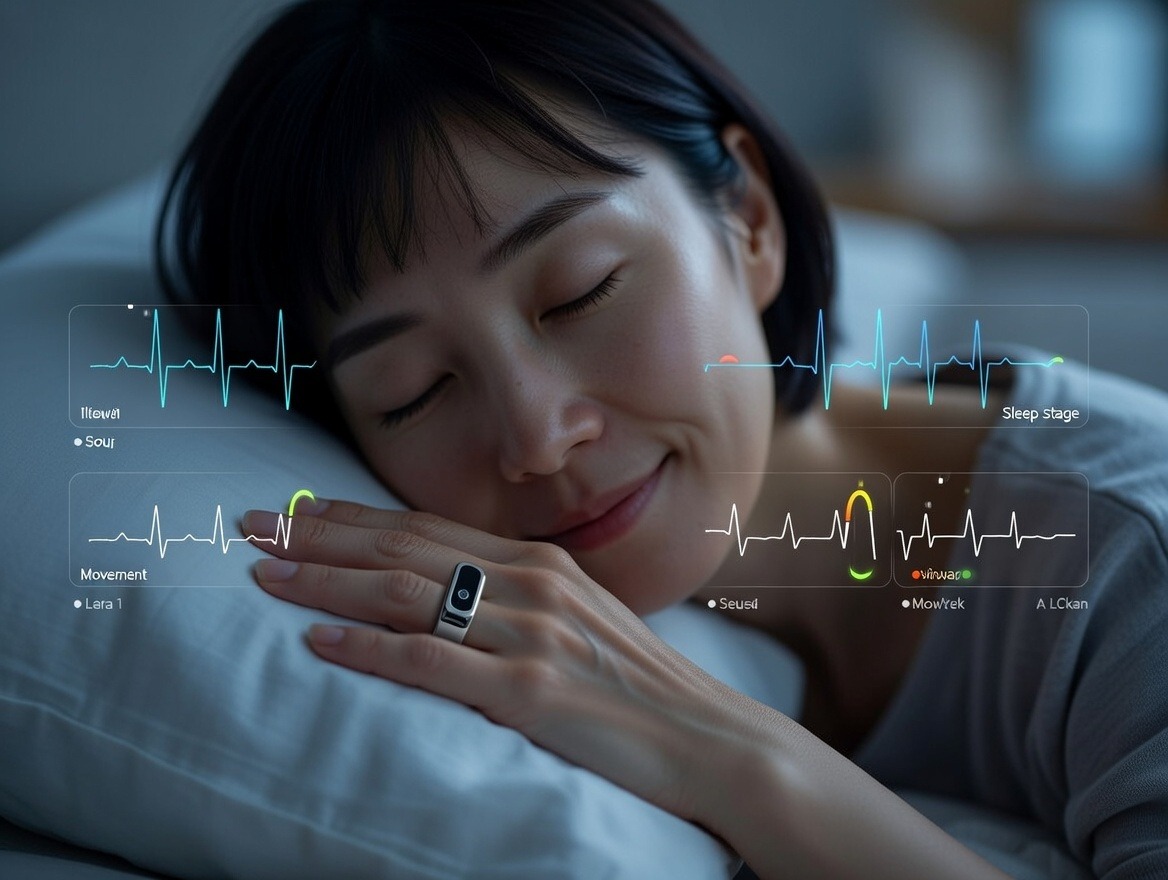
Sleep as a Vital Sign: Gone are the self-reported, often inaccurate, "I sleep fine" statements. Smart rings and watches now provide objective, nightly reports on sleep duration, sleep stages (light, deep, REM), restlessness, latency (time to fall asleep), and timing. Insurers are learning that sleep is the foundational metric for overall health. Consistently poor or disrupted sleep is a powerful predictor for a cascade of issues, from hypertension and diabetes to depression and impaired immune function. It’s no longer just about "getting 8 hours"; it’s about the quality and architecture of those hours. For a deeper dive into optimizing this critical health pillar, consider exploring the science-backed nighttime routine for better sleep.
Heart Rate Variability (HRV): The Metric of Resilience: Once confined to clinical settings, HRV—the subtle variation in time between heartbeats—has become the north star for recovery and autonomic nervous system balance. A higher, stable HRV typically indicates better fitness, resilience to stress, and good recovery. A plummeting or chronically low HRV can signal overtraining, illness onset, or chronic stress. For insurers, tracking HRV trends offers a real-time, non-invasive window into an individual’s physiological stress load and capacity to handle it.
Resting Heart Rate (RHR) Trends: While a simple metric, the long-term trend of one’s RHR is incredibly telling. A creeping upward trend can indicate declining cardiovascular fitness, the onset of an illness, or chronic inflammation. Wearables track this effortlessly, providing a baseline and alerting to meaningful deviations.
Body Temperature Dynamics: Advanced wearables, particularly those worn on the finger (where perfusion is high), can track subtle changes in skin temperature. For women, this can help map menstrual cycles with impressive accuracy. For everyone, shifts in baseline temperature can signal the onset of illness, metabolic changes, or poor recovery.
Activity & Readiness Scores: Beyond simple step counts, modern algorithms synthesize multiple data points (sleep, HRV, RHR, activity) to generate daily "Readiness" or "Recovery" scores. These scores answer the question: "Is my body prepared for strain today?" For an insurer, a population segment with consistently low readiness scores is a population at higher risk for injury, burnout, and illness.
The transition here is from diagnostic data (what disease you have) to behavioral and physiological data (how your body is functioning in its daily life). This allows insurers to build a dynamic, holistic profile of health risk that is updated every single night. The implications are vast, moving the industry from a "repair shop" model to a "predictive maintenance" paradigm. The challenge—and the opportunity—lies in translating this river of raw data into actionable, fair, and ethical insights.
Beyond the Discount: The Rise of True Behavioral Insurance Models
The most visible intersection of wearables and insurance for consumers has been the "step discount" program. Link your Fitbit or Apple Watch, hit 10,000 steps a day for a certain number of days, and receive a modest gift card or premium reduction. But this is the kindergarten version of what’s coming. The real transformation is the move towards sophisticated, data-rich Behavioral or Usage-Based Insurance (UBI) models for health, mirroring the telematics revolution in auto insurance.
These new models are not about rewarding a single, often gamifiable, metric. They are about creating a holistic, continuous engagement loop based on comprehensive wellness.
From Gamification to Genuine Engagement
The old step programs were transactional. The new models are relational. They use wearable data to:
Establish a Personal Baseline: Your health isn’t compared to a population average, but to your own established norms. The system learns your typical sleep pattern, your HRV range, and your activity levels.
Identify Meaningful Deviations: Algorithms flag significant, sustained deviations from your personal baseline—like a week of deteriorating sleep efficiency combined with a rising resting heart rate. This is a signal, not of failure, but of a need for intervention.
Deliver Hyper-Personalized Nudges: Instead of a generic "move more!" notification, the system might say: "Your recovery score is low today due to elevated nighttime heart rate and reduced deep sleep. Consider a lighter workout and explore wind-down techniques for better sleep tonight." These nudges are contextual and tied directly to the user’s own biometric story. For those struggling to implement such changes, learning how to build a nighttime routine that actually sticks can be a game-changer.
Foster Long-Term Habit Formation: The goal shifts from hitting a daily target to improving longitudinal trends. Insurance programs may reward members for maintaining or improving their "Sleep Consistency" score over a quarter, or for demonstrating a positive trend in their cardiovascular resilience (as measured by HRV and RHR).
The Pact: Data for Value
In this new model, the value exchange becomes clearer and potentially more significant. In return for sharing detailed, continuous health data (often through secure, anonymized, or aggregated pipelines), the policyholder gains:
Dynamic Premiums: Premiums could adjust more fluidly based on proactive health management, not just on annual claims.
Proactive Health Coaching: Access to digital therapeutics, personalized wellness content, and even human coaching triggered by biometric data.
Early Intervention Pathways: The insurer, spotting troubling trends, might proactively offer a telehealth consultation, a discounted subscription to a meditation app, or screening tests before a condition becomes acute and costly.
This model aligns incentives. The insurer saves money by preventing expensive claims. The member enjoys better health and potentially lower costs. It transforms the insurer from a distant payer into a invested health partner. However, this profound shift rests on a foundation of immense sensitivity: data privacy, algorithmic fairness, and informed consent. The benefits are compelling, but the risks of getting this balance wrong are equally historic.
Sleep: The New Underwriting Gold Standard
If there is one metric emerging as the cornerstone of modern health risk assessment, it is sleep. Insurers have long known that sleep apnea, for instance, is linked to massive cardiovascular costs. But consumer wearables have revealed that even in the absence of a diagnosed disorder, the subtle, nightly patterns of our sleep hold immense predictive power. For underwriters, sleep data is becoming a richer, more frequent, and more objective source of insight than an annual medical questionnaire.
What Your Sleep Data Reveals About Your Risk Profile
Sleep Duration & Mortality Risk: The data is unequivocal. Consistently short sleep (<6 hours) and, interestingly, consistently long sleep (>9 hours) are both associated with increased all-cause mortality and higher incidence of chronic conditions like heart disease and diabetes. Wearable data provides an objective measure of habitual sleep duration, moving beyond unreliable self-reporting.
Sleep Efficiency & Fragmentation: It’s not just time in bed. Sleep efficiency (the percentage of time in bed actually spent asleep) and the number of nightly awakenings are critical. Highly fragmented sleep, even with adequate total duration, prevents the body from completing essential restorative cycles. This is linked to impaired cognitive function, mood disorders, and metabolic dysregulation. For busy professionals whose sleep is often sacrificed, understanding nighttime wellness for busy professionals: realistic routines can help mitigate this risk.
Deep Sleep & Physical Restoration: Deep sleep (slow-wave sleep) is when the body repairs tissues, builds bone and muscle, and strengthens the immune system. Chronically low deep sleep is a red flag for poor physical recovery and heightened vulnerability to illness and injury.
REM Sleep & Mental Health: REM sleep is crucial for memory consolidation, emotional processing, and brain detoxification. Disruptions in REM are strongly correlated with anxiety, depression, and cognitive decline.
Sleep Timing & Circadian Health: Going to bed and waking up at wildly different times each night (social jet lag) disrupts circadian rhythms, impacting hormone regulation, metabolism, and cardiovascular health. Wearables provide a precise measure of sleep consistency, a powerful marker of lifestyle stability and biological regularity.
From Risk Identification to Risk Intervention
The breakthrough for insurers is not just identifying poor sleepers, but acting on that information to change the risk trajectory. By integrating with wellness platforms, insurers can:
Flag High-Risk Patterns: Automatically identify members showing persistent, high-risk sleep signatures.
Prescribe Digital Interventions: Offer targeted access to CBT-I (Cognitive Behavioral Therapy for Insomnia) apps, guided sleep meditations, or educational content on sleep hygiene.
Measure Intervention Efficacy: Track whether the member’s sleep metrics actually improve after engaging with the offered resources. This closes the loop, proving the return on investment for wellness initiatives.
Sleep, therefore, is transitioning from a personal wellness concern to a key actuarial variable. It provides a nightly, non-invasive biopsy of an individual’s current and future health. For those looking to master this variable, starting with the minimal nighttime wellness routine: 5 essential steps offers a practical foundation. The companies that best understand and leverage sleep data will gain a significant advantage in predicting and managing population health costs.
Predicting the Unpredictable: Wearables and Early Illness Detection
One of the most promising—and scientifically validated—applications of continuous health monitoring is the early detection of illness, often before overt symptoms appear. This moves healthcare from reactive to truly predictive, and for insurers, it represents a paradigm-shifting opportunity for cost avoidance and member care.
The Physiological Signature of Sickness
Our bodies begin to fight infection and dysregulation long before we feel a sore throat or fatigue. Wearables can detect these subclinical shifts:
Elevated Resting Heart Rate (RHR): A sustained increase in RHR above one’s personal baseline is one of the most reliable early indicators of an oncoming illness, be it the common cold, flu, or even COVID-19. The body's inflammatory response and increased metabolic demand raise the heart's workload.
Increased Skin Temperature: Similarly, a slight elevation in baseline skin temperature can precede a fever or signal the body’s inflammatory response.
Disrupted Sleep & Increased HRV: Ironically, as RHR rises, Heart Rate Variability (HRV) often plummets as the autonomic nervous system shifts towards a stressed "fight or flight" (sympathetic) state. Sleep becomes more fragmented and less restorative.
Sophisticated algorithms can now combine these signals (RHR, temperature, HRV, sleep) to generate a "sickness probability" score. Studies from institutions like Stanford and UCSF have demonstrated that wearables can predict the onset of illnesses like Lyme disease and COVID-19 with surprising accuracy, sometimes days in advance.
The Insurance Implications: From Claims to Containment
For an insurance company, this predictive capability is revolutionary.
Early Alert Systems: In a UBI-style wellness program, a member could receive an alert: "Your biometrics suggest your body may be fighting something. Consider resting, hydrating, and monitoring for symptoms." This empowers the individual to take proactive self-care steps, potentially averting a full-blown illness.
Targeted Triage: If a member reports mild symptoms, their recent wearable data could be shared (with consent) with a telehealth provider. The doctor can see that the member’s RHR has been elevated for 48 hours and their sleep has been poor, providing a more objective, longitudinal context for diagnosis and care instructions.
Chronic Condition Flare-Up Prediction: For members with known conditions like heart failure or chronic obstructive pulmonary disease (COPD), wearables can detect early signs of decompensation (e.g., gradual increases in resting heart rate, changes in breathing patterns during sleep detected by SpO2 sensors). Early intervention can prevent a costly emergency room visit or hospitalization.
Population Health Surveillance: Aggregated, anonymized data from a large pool of wearables could, in theory, provide real-time public health insights, spotting anomalous increases in "sickness signals" within specific geographic areas—a potential early-warning system for community-wide outbreaks.
This shifts the insurer’s role from financing sickness to financing health preservation. The cost of a proactive notification and a day of rest is infinitesimal compared to the cost of an ER visit, antibiotics, or a hospitalization. It represents the ultimate alignment of economic and health incentives. However, it also raises complex questions about liability, data ownership, and the psychological impact of "sickness prediction" on users. Navigating these concerns will be as important as developing the technology itself.
The Mental Health Matrix: Quantifying Stress and Resilience
For too long, mental health has been the ghost in the machine of insurance—enormously costly, critically important, yet notoriously difficult to measure and underwrite objectively. Self-reported surveys and diagnostic codes after a crisis have been the primary tools. Modern health monitoring is beginning to change this by providing objective, physiological proxies for mental and emotional states, offering a groundbreaking window into the mind-body connection.
Biometric Correlates of Mental Strain
While no wearable can diagnose depression or anxiety, they can continuously track physiological markers that are tightly correlated with stress and nervous system dysregulation:
Heart Rate Variability (HRV): The Stress Barometer: HRV is arguably the single most important objective metric for mental wellness tracking. Chronic stress, anxiety, and burnout are consistently associated with suppressed HRV. A rising, stable HRV often correlates with better emotional regulation, resilience, and recovery from mental strain. By tracking HRV trends, insurers and wellness programs can identify individuals who may be experiencing prolonged psychological stress, even if they haven’t sought help.
Sleep Architecture as a Diagnostic Canvas: Mental health disorders leave clear fingerprints on sleep. Anxiety often causes difficulty falling asleep (increased sleep latency) and reduces deep sleep. Depression is frequently linked to early morning awakenings and disrupted REM sleep. Objective sleep data can therefore serve as a continuous, passive monitor for mental well-being, flagging deteriorations that warrant check-ins or support. For those whose anxiety impacts sleep, specific strategies can be found in the nighttime wellness routine for anxious minds.
Resting Heart Rate (RHR) and Stress: A chronically elevated RHR can be a sign of persistent anxiety or a body stuck in a sympathetic (fight-or-flight) state.
Electrodermal Activity (EDA) & Skin Temperature: Some advanced wearables measure EDA, which detects tiny changes in skin sweat, a direct indicator of sympathetic nervous system arousal. This can pinpoint moments of acute stress throughout the day.
Building Proactive Mental Wellness Pathways
For insurers, this data enables a move from reimbursing therapy sessions after a breakdown to fostering daily mental resilience and early intervention.
Resilience Scoring: Algorithms can combine HRV, sleep, and activity data to create a "Resilience" or "Stress Load" score. Members with consistently low scores could be prioritized for wellness resources.
Context-Aware Interventions: If a wearable detects a pattern of poor sleep and low HRV following workday hours, the system might nudge the member towards a specific wind-down meditation or a digital cognitive behavioral therapy (CBT) module focused on work-related stress.
Measuring Intervention Efficacy: When a member engages with a mental wellness app offered by their insurer, their biometric data can objectively show if the intervention is working. Is their sleep improving? Is their HRV rising? This provides tangible evidence of a program's value, beyond subjective surveys.
Reducing Stigma: By framing support around objective "recovery" and "readiness" data, insurers can create a less stigmatized pathway to mental wellness resources. The conversation becomes about "improving your resilience scores" rather than "treating your anxiety," which may encourage broader engagement.
This approach acknowledges mental health as a continuum, reflected in our physiology every minute of every day. It allows insurers to support the mental well-being of their members in a scalable, data-informed way, potentially reducing the immense long-term costs associated with untreated mental health conditions. The key will be to use this intimate data with extraordinary care, ensuring it empowers and supports individuals rather than labels or limits them.
The Actuarial Revolution: Rewriting Risk Tables with Real-Time Data
At the heart of the insurance industry lies the actuarial table—a statistical model that predicts life expectancy, morbidity, and healthcare costs based on historical population data. These tables are built on broad categories: age, sex, smoking status, and a handful of medical conditions. The integration of continuous health monitoring data promises nothing less than a revolution in this centuries-old practice, moving from static, group-based probabilities to dynamic, individualized risk assessments.
From Cohort-Based to Personalized Actuarial Science
Traditional actuarial science asks: "What is the risk of a 45-year-old male smoker having a heart attack?" The new, data-driven model asks: "What is the risk for this specific 45-year-old male, given that his nightly HRV is in the top quartile for his age, his sleep efficiency is 94%, his activity is consistent, and his physiological recovery scores are high, despite his smoking habit?"
The differences are profound:
Dynamic vs. Static: Risk is no longer locked in at policy inception based on a questionnaire. It can be updated continuously based on living data. Positive behavioral changes can be reflected in risk assessments in near real-time, not just at policy renewal.
Multidimensional vs. Simplistic: Risk is assessed on dozens of continuously tracked variables (sleep, HRV, activity, temperature trends) instead of a few binary ones (smoker/non-smoker).
Predictive vs. Historical: The data reveals current trajectory. Two people with the same BMI and age can have wildly different physiological profiles—one showing signs of metabolic strain and poor recovery, the other showing robustness and resilience. The actuarial table of the future will distinguish between them.
New Models of Risk Pooling and Pricing
This granularity enables entirely new insurance structures:
Micro-Pools and Dynamic Risk Adjustment: Instead of massive, heterogeneous pools, insurers could create smaller, more homogenous pools of individuals with similar biometric and behavioral profiles. Premiums could be adjusted more fluidly within regulatory frameworks, rewarding those who maintain or improve their health metrics.
The "Risk-Variable" Policy: Similar to a variable annuity, a policy could have a base premium with variable discounts or add-ons tied to the ongoing sharing and performance of health data. Good biometric "scores" could unlock premium reductions, higher coverage limits for wellness services, or lower deductibles.
Longitudinal Risk Forecasting: By analyzing years of wearable data across large populations, actuaries can begin to answer new questions: What combination of sleep, activity, and HRV metrics in a 30-year-old best predicts cardiometabolic health at 50? This allows for truly long-term, preventive underwriting and product design.
This revolution is not without its perils. The specter of "perfect discrimination" looms, where every individual is priced precisely according to their immutable physiological fate. The ethical and legal challenge will be to use this data to reward positive engagement and improvement without punishing those who may have underlying conditions or genetic predispositions reflected in their data. The goal must be to create a more equitable system that incentivizes health, not one that simply taxes biological misfortune with higher premiums. Navigating this transition will be the defining actuarial challenge of the coming decade.
Privacy Paradox: The Cost of Sharing Your Most Intimate Data
The vision of a data-driven, personalized, and proactive health insurance model is compelling. But it rests on a foundation of unprecedented personal data disclosure. We are not sharing our shopping habits or social media likes; we are sharing a continuous, intimate stream of our body’s inner workings—our sleep, our stress, our potential vulnerabilities. This creates a profound privacy paradox: the very data that can empower our health can also be used to segment, exclude, or exploit us.
The Data Lifecycle: From Your Finger to the Algorithm
Understanding the risks requires tracing the data's journey:
Collection: The smart ring or watch on your body collects raw sensor data.
Processing & Storage: This data is transmitted to the device manufacturer’s cloud, where it is processed into metrics (sleep scores, HRV, etc.). Who owns this data? Typically, you do, but you grant the company a broad license to use it.
Sharing with Insurer: In a partnership program, a subset of this processed data is shared with your insurance company. This could be via a direct API, through a secure third-party wellness platform, or via user-initiated "verification" of healthy activities. The critical questions are: What exact data is shared? Is it anonymized or aggregated? Is it shared in real-time or as periodic summaries?
Analysis & Action: The insurer’s algorithms analyze the data to generate insights, scores, and potential interventions.
Key Risks and Ethical Dilemmas
The End of Risk Pooling: The fundamental principle of insurance is solidarity—the healthy subsidize the sick. If underwriters can use hyper-accurate biometric data to identify and price out every individual with elevated risk, the concept of pooling collapses. This could make insurance unaffordable for those who need it most.
Secondary Use and Re-Identification: Even if data is "anonymized," rich biometric datasets can often be re-identified when combined with other data sources. Could this data be used for non-health purposes, like employment screening, credit scoring, or targeted advertising?
Psychological Burden and Data Anxiety: The constant monitoring can lead to "obsessive quantification," where individuals become anxious about their daily scores. In an insurance context, this anxiety could be compounded by the fear that a "bad night" of sleep might affect one’s premium.
Informed Consent vs. Coercion: Is joining a biometric tracking program truly voluntary if it comes with a significant financial incentive (e.g., a 20% premium discount)? For many, this may feel coercive, creating a "panopticon of health" where opting out is a luxury they cannot afford.
Building a Framework of Trust
For this model to succeed ethically, several pillars are non-negotiable:
Transparency: Insurers and their partners must be crystal clear about what data is collected, how it is used, who it is shared with, and how long it is retained. This should be in plain language, not buried in a terms-of-service document.
User Sovereignty: The individual must retain ultimate control. This includes the right to access all their data, to correct inaccuracies, to download it, and to have it permanently deleted upon request (the "right to be forgotten").
Purpose Limitation: Data collected for wellness program incentives must not be used for underwriting or claims decisions for standard policies, unless explicitly and voluntarily agreed to by the member in a separate, clearly defined program.
Robust Security: Biometric data is among the most sensitive personal information. It requires bank-grade, end-to-end encryption and security protocols that exceed current standards.
The path forward is not to reject the technology, but to demand a new social and regulatory contract around biometric data. The value it creates must be shared equitably, and the rights of the individual must be placed at the center of the design. Without this, the privacy paradox will stifle innovation and erode trust, preventing society from reaping the immense potential health benefits.
Case Study: The Oxyzen Pilot Program – A Glimpse into the Future
To move from theory to tangible reality, let's examine a hypothetical but realistic case study: a pilot program launched by a forward-thinking health insurer in partnership with Oxyzen, a leader in smart ring technology and holistic wellness guidance.
Program Name: Oxyzen Vitality Partnership Goal: Reduce claims costs in a self-insured employer group by 5-8% over two years through proactive health engagement, using smart ring data as the core engagement and measurement tool.
The Program Structure
Onboarding: 1,000 volunteer employees were offered an Oxyzen smart ring at a heavily subsidized rate. They underwent a digital consent process explicitly detailing data flows: their raw data would stay with Oxyzen; the insurer would receive only aggregated, de-identified "cohort wellness trends" and, for each individual, a daily "Vitality Score" (0-100) and verified completion of weekly wellness "Missions."
The "Vitality Score": This proprietary algorithm synthesized four core metrics from the ring:
Sleep Quality Score (based on duration, efficiency, and restoration)
Recovery Score (primarily HRV and resting heart rate trends)
Activity Balance Score (meeting personalized movement goals without overtraining)
Circadian Consistency Score (regularity of sleep/wake times)
Maintaining a weekly average Vitality Score above 70.
Completing weekly "Missions" (e.g., "Achieve 90% sleep efficiency 4 nights this week," or "Complete three 30-minute mindfulness sessions via our partnered app").
Points translated into monthly wellness dollars deposited into an HSA or as gift cards.
Early Results and Key Learnings (After 12 Months)
Engagement: A remarkable 85% of participants were still actively syncing data after 12 months, far higher than typical corporate wellness program engagement (often below 50%).
Health Outcomes: The pilot group showed statistically significant improvements vs. a control group in:
Self-reported stress levels (-22%).
Self-reported sleep satisfaction (+31%).
Biometric Data: The group's aggregate data showed a 12% average improvement in HRV and a 15-minute increase in average sleep duration.
Claims Data (The Holy Grail): Preliminary analysis of the pilot group's medical claims showed:
A 28% reduction in self-reported incidents of sleeplessness and fatigue.
A 15% reduction in prescriptions for sleep aids and anti-anxiety medications.
Most notably: A lower rate of increase in musculoskeletal and metabolic-related claims compared to the control group, suggesting early intervention on recovery and sleep was preventing injuries and managing stress-related metabolic issues.
Critical Insights for the Insurer:
Sleep Consistency was the #1 predictor of overall Vitality Score. Employees who fixed their bedtime routines saw the most dramatic improvements across all other metrics. The insurer responded by gifting all high-engagers a guide on the perfect nighttime wellness routine: step-by-step.
The "Vitality Score" was more predictive of short-term sick leave use than traditional health risk assessments. Employees with consistently low scores (<60) used 40% more unscheduled sick days.
Data revealed hidden burnout. Several high-performing, seemingly healthy employees had chronically low Recovery Scores despite good sleep. This prompted confidential well-being check-ins from managers, addressing burnout before it led to resignations or health claims.
This pilot demonstrated that when implemented with transparency and a focus on empowerment (not surveillance), biometric data can drive meaningful engagement, improve health outcomes, and provide insurers with actionable, predictive insights that traditional data simply cannot match. The success hinged on the partnership with a trusted wearable provider (Oxyzen) that acted as a privacy-preserving intermediary and a source of credible wellness content, such as their guide on how nighttime routines reduce morning grogginess.
The Regulatory Tightrope: HIPAA, FDA, and the Future of Biometric Data
The rapid evolution of wearable health technology and its adoption by insurers is hurtling ahead of the existing regulatory framework. Navigating this landscape is a complex tightrope walk between fostering innovation and protecting consumers. Three primary regulatory bodies are central to this story: HIPAA (Health Insurance Portability and Accountability Act), the FDA (Food and Drug Administration), and emerging state-level biometric privacy laws.
HIPAA's Limited Umbrella
A common misconception is that all health data is protected by HIPAA. In reality, HIPAA primarily covers "covered entities" (healthcare providers, health plans, clearinghouses) and their "business associates."
The Gap: Data collected by a consumer wearable like a smart ring and held by its manufacturer (e.g., Oxyzen, Fitbit, Apple) is not initially protected by HIPAA. It falls under the company's own privacy policy and general consumer protection laws (like the FTC Act).
The Trigger: HIPAA protections can be triggered. If you voluntarily share your Oxyzen data with your doctor via a patient portal, and your doctor stores it in your Electronic Health Record (EHR), that copy of the data is now protected by HIPAA. Furthermore, if an insurer receives identifiable data directly from the wearable as part of a formal health intervention program, the way they handle that data likely falls under HIPAA.
The Challenge: This creates a fragmented data environment. The same sleep data point could exist in a HIPAA-protected EHR and in a less-regulated corporate wellness platform database. The regulatory burden and privacy safeguards differ dramatically between these two locations.
The FDA and "Software as a Medical Device" (SaMD)
The FDA regulates devices intended for the diagnosis, cure, mitigation, treatment, or prevention of disease.
Wellness vs. Medical: Most consumer wearables are marketed as "general wellness" devices, making vague claims about "managing stress" or "improving sleep." They do not require FDA clearance.
The Line Blurs: The moment a company (or an insurer using its data) claims the device or its algorithm can "diagnose," "treat," or "predict" a specific disease (e.g., "detect atrial fibrillation," "diagnose sleep apnea," "predict onset of clinical depression"), it may cross into the realm of a medical device requiring FDA review. Insurers must be extremely careful about the language used in their wellness programs to avoid inadvertently making medical claims about the data.
The Patchwork of Biometric Privacy Laws
At the state level, a new frontier is emerging. Laws like the Illinois Biometric Information Privacy Act (BIPA) are among the strictest in the nation. They require:
Informed, written consent before collecting biometric data (fingerprints, retina scans, and arguably, unique physiological patterns).
A publicly available data retention and destruction schedule.
A prohibition on selling or profiting from the biometric data. Other states are following suit. This creates a compliance nightmare for national insurers and wearable companies, who must adhere to the strictest law among their user base.
The Need for a New Framework
The current patchwork is unsustainable. Regulators are grappling with how to create a framework that:
Expands the Definition of Protected Health Information (PHI): There is a strong argument to extend HIPAA-like protections to all biometric data collected by commercial devices, given its sensitivity.
Clarifies the Wellness/Medical Divide: The FDA needs to provide clearer guidance on when aggregated behavioral data trends used for "health encouragement" become diagnostic claims.
Establishes a Federal Biometric Privacy Standard: A unified national law, stronger than BIPA, is needed to create clear rules of the road for collection, consent, use, and sale of biometric data, ensuring strong consumer rights regardless of geography.
Until such a framework is established, insurers and their partners will operate in a gray area of significant legal and reputational risk. Their most prudent path is to self-impose the highest possible standards of consent, transparency, and data minimization, treating biometric data not as a commodity, but as a sacred trust.
The Competitive Landscape: How Insurers Are Jockeying for Position
The integration of health monitoring data is not a distant future concept; it is a present-day competitive battleground. Insurers, from legacy giants to nimble insurtech startups, are pursuing diverse strategies to harness this data, each with its own risks and potential rewards. The race is on to define the new relationship between insurer and insured.
Strategy 1: The Partnership Model (The Current Leader)
This is the most common approach. The insurer partners with established wearable and wellness platform companies (e.g., Fitbit/Google, Apple, Oura, Whoop, Headspace, Calm).
How it works: The insurer offers discounts, subsidies, or rewards for members who purchase a device and agree to share data with a third-party wellness platform that verifies activities for the insurer.
Example: John Hancock's partnership with Vitality, which integrates with Apple Watch and Fitbit.
Pros: Faster time-to-market, leverages best-in-class technology and user experience, less internal R&D cost.
Cons: The insurer does not "own" the data or the direct customer relationship with the wearable. They are dependent on a partner's platform, which can change terms or fees. Data insights are often limited to what the partner platform provides.
Strategy 2: The Build Model (The High-Stakes Bet)
A few large, well-capitalized insurers are building their own proprietary wearable ecosystems or acquiring health tech companies.
How it works: The insurer develops its own branded smartwatch or ring, or acquires a company like Oura, to have complete control over the hardware, software, and data pipeline.
Example: While no major insurer has fully executed this yet, UnitedHealth Group's Optum arm has made numerous health tech acquisitions. This would be the logical next step.
Pros: Complete control over the data, the user experience, and the integration with other services (telehealth, pharmacy, care navigation). Creates a powerful, sticky ecosystem.
Cons: Enormously costly and risky. Insurers are not hardware or software companies; they risk creating an inferior product that fails to engage members. The capital investment is massive.
Strategy 3: The Data Aggregator & Analytics Model (The Silent Powerhouse)
This strategy focuses less on the device and more on the algorithm. The insurer becomes a master interpreter of data from any source.
How it works: The insurer develops a secure platform that can ingest and normalize data from hundreds of sources—Apple Health, Google Fit, Fitbit, Oura, electronic health records, pharmacy data, genetic data (where permitted). Advanced AI then looks for patterns across this multi-modal data ocean.
Example: Startups like Lemonade (in renters/home) have shown the power of AI-first underwriting. Health insurers like Oscar Health have tech-native DNA suited to this approach.
Pros: Device-agnostic, future-proof, and potentially the most powerful in terms of predictive insights. Focuses capital on core competency: data science and risk modeling.
Cons: Extremely complex from a data engineering and privacy compliance standpoint. Requires member trust to connect numerous data sources.
Strategy 4: The Niche & Specialist Model
Some companies are focusing on specific, high-cost conditions where wearables have proven clinical utility.
How it works: An insurer or a specialty risk partner focuses solely on, for example, musculoskeletal health, cardiac rehab, or diabetes management. They provide patients with specific medical-grade wearables (e.g., a continuous glucose monitor + a motion sensor) and integrate the data directly into disease management coaching programs.
Example: Startups partnering with employers to provide digital physical therapy (like Hinge Health or Sword Health) use motion sensors to guide exercise, a form of targeted biometric monitoring.
Pros: High impact in a focused area, easier to demonstrate ROI, can operate in a clearer regulatory (medical device) framework.
Cons: Limited total addressable market; doesn't create a holistic health platform.
The winning long-term strategy will likely be a hybrid: a strong partnership ecosystem for broad wellness engagement, complemented by proprietary analytics engines and targeted in-house solutions for specific high-value conditions. The insurer that can most seamlessly blend the quantified self with compassionate, personalized care will capture the greatest value and loyalty.
The Future Policy: A Day in the Life of a Data-Enabled Member (2028)
Let's project forward. It’s 2028. The regulatory, technological, and social hurdles have been navigated (if not perfectly resolved). What does the insurance relationship feel like for an engaged member? Meet Alex, a 38-year-old who opted into her insurer's "Vitality Plus" program five years ago.
6:30 AM: Alex wakes up. Her Oxyzen ring gently vibrated during her optimal wake window, determined by her sleep cycle. She checks her insurer's app. Her nightly report is ready: Sleep Score: 88/100. Recovery: High. The app notes: "Great sleep consistency this week! Your deep sleep has increased by 12% compared to your baseline from 2024." Because her longitudinal sleep metrics have shown sustained improvement, she receives a notification: "Your annual wellness credit of $250 has been deposited into your HSA for maintaining Gold Tier sleep status."
10:00 AM: During a stressful work meeting, Alex's ring detects a significant stress response (elevated heart rate, increased EDA). An hour later, her insurer's app pings: *"We noticed a period of elevated stress this morning. Your Vitality Plus plan includes 5 on-demand mindfulness sessions per month. Would you like to schedule one for your lunch break?"* This is not surveillance; it's a pre-paid, triggered benefit.
3:00 PM: The app’s AI coach suggests a walking meeting based on Alex's low activity score so far and her calendar. It also notes her readiness score is excellent, perfect for her planned evening workout.
10:00 PM: As Alex prepares for bed, her app, synced with her smart home, suggests lowering the thermostat to 67°F, based on her personal temperature data showing she sleeps best in a cooler room. It also serves her a 10-minute wind-down meditation from the insurer's partnered mental wellness library. She’s been following a nighttime wellness ritual that takes less than 30 minutes for years, a habit the program helped her build.
The Bigger Picture:
Premium: Alex's premium is 15% lower than the standard rate because she is in the Vitality Plus program. It is adjusted annually based on her engagement and her maintained or improved health trends, not on any single metric.
Care Navigation: Last winter, Alex's continuous data showed a creeping resting heart rate and slightly elevated skin temperature for three days. The system flagged it and offered a same-day telehealth visit. The doctor, able to see the trend data, diagnosed a mild sinus infection early. Alex was prescribed treatment and avoided a worse illness. The cost of the telehealth visit was $0, and the insurer avoided a potential ER visit or complications.
Chronic Care: Alex's father, on the same plan but with type 2 diabetes, has a connected CGM (continuous glucose monitor) and smart scale. His data is integrated into a dedicated diabetes management program run by the insurer. His coach gets alerts if his glucose patterns become dangerous, allowing for immediate intervention. His premium is higher due to his condition, but he receives a significant offsetting discount for high engagement with the management program, which has kept him out of the hospital.
In this future, insurance is no longer a bill you pay and a card in your wallet. It is an active, integrated, and value-adding partner in your daily health journey. The data flow is bidirectional: Alex shares her biometrics and receives personalized services, savings, and preventative care in return. The line between "insurance" and "healthcare service" has blurred entirely. The business model has shifted from profiting by denying claims to profiting by keeping members healthier. For Alex, the value is clear, tangible, and daily. This is the potential endpoint of the learning journey insurance companies are on today.
The Evolving Hardware: Beyond the Ring to Multi-Modal Sensing
While the smart ring has emerged as a leading form factor for clinical research due to its wearability and focus on nocturnal biomarkers, the landscape of sensing technology is rapidly expanding. The future of digital biomarkers in trials will likely involve a multi-modal sensor strategy, leveraging the unique advantages of different devices worn on different parts of the body or embedded in the environment to create a comprehensive physiological profile.
The Wrist's Domain: Smartwatches and Beyond The smartwatch remains a formidable platform, offering advantages the ring cannot:
ECG Capability: The ability to take a on-demand, medical-grade single-lead ECG (available in Apple Watch, Samsung Galaxy Watch) is a game-changer for cardiac safety monitoring in trials. It allows for the confirmation of arrhythmias like atrial fibrillation that a PPG-based heart rate sensor might only suggest.
Fall Detection and Activity Context: Advanced accelerometers and gyroscopes enable sophisticated activity classification (distinguishing between walking, running, cycling) and fall detection, crucial for trials in elderly populations or neurological conditions like Parkinson's.
Skin Temperature and Blood Oxygen: Continuous on-wrist SpO2 and temperature monitoring, while sometimes less accurate than finger-based readings, provide additional data streams for trend analysis.
The Epidermal Frontier: Patches and Smart Clothing For the highest fidelity, medical-grade continuous data, adhesive biosensor patches are becoming smaller, cheaper, and more comfortable.
Clinical-Grade ECG and EMG: Patches like those from Zoll (LifeVest) or BardyDx can provide days of continuous, multi-lead ECG data, offering unparalleled detail for cardiology trials. Similarly, EMG patches can monitor muscle activity in neurological or musculoskeletal studies.
Sweat-Based Biomarkers: Emerging "lab-on-the-skin" patches can analyze sweat for biomarkers like cortisol (stress), lactate (exertion), and even drug concentrations, offering a non-invasive window into chemistry previously accessible only via blood.
Smart Textiles: Clothing with woven-in conductive fibers can measure respiration, heart rate, and posture seamlessly. This is particularly relevant for rehabilitation trials or studies where a ring or watch might be removed (e.g., contact sports, certain surgical procedures).
The Ambient Environment: Radar and Contactless Monitoring Perhaps the most passive form of monitoring involves no wearables at all. Technologies are emerging that can measure vital signs remotely:
Radiofrequency (RF) Sensing: Devices like those from Xandar Kardian use radar to detect the micromovements of the chest wall from a bedside unit, providing continuous heart rate, respiration rate, and sleep stage information without any contact. This is ideal for hospital-based trials, elderly care studies, or situations where participant compliance with a wearable is low.
Camera-Based Photoplethysmography: Algorithms can now extract heart rate and HRV from subtle color changes in a person's face captured on a standard video call. While privacy-intensive, this could enable ultra-low-friction check-ins during decentralized trials.
The Smart Ring's Niche in this Ecosystem In this multi-modal future, the smart ring’s role is not diminished but specialized. It is the unobtrusive, night-time biobank. Its position on the finger provides superior PPG signal quality for heart rate and HRV, especially during sleep. It is the device people are most likely to keep on 24/7, providing the consistent longitudinal thread that ties together data from other, more intermittent devices. The key for trial design will be sensor fusion—intelligently combining the high-frequency, high-fidelity data from patches (worn for a week per month) with the 24/7 trend data from the ring and the contextual activity data from the watch to create a holistic, multi-layered digital phenotype.
The Analytics Revolution: From Descriptive to Prescriptive AI
Collecting the data is only step one. The true value—and the next frontier—lies in moving beyond descriptive analytics ("what happened") to predictive and prescriptive insights ("what will happen and what should we do about it"). This is where advanced artificial intelligence, particularly deep learning, will redefine clinical research analytics.
Predictive Biomarkers for Patient Stratification The first application is enrichment. AI models can analyze baseline wearable data (the first 2-4 weeks of a trial) to stratify participants into subgroups likely to respond or experience adverse events.
Example in Depression: An algorithm might identify that participants with a specific pattern of circadian rhythm disruption and sleep fragmentation at baseline are most likely to show a robust response to a novel antidepressant, while those with normal sleep architecture but low daytime activity might be less likely to benefit. This allows for a more targeted and efficient trial.
Example in Oncology: Models could predict which patients are at highest risk for severe fatigue or hospitalization during chemo based on their pre-treatment HRV resilience and activity levels, enabling proactive, personalized supportive care.
AI for Anomaly Detection and Safety Surveillance Continuous data enables real-time safety monitoring at an unprecedented scale. AI anomaly detection algorithms can be trained on normal physiological patterns and then flag unusual events in individual participants’ data streams.
Silent Safety Signals: These algorithms could detect brief, asymptomatic episodes of tachycardia, bradycardia, or oxygen desaturation that a participant doesn't report and that would be missed by intermittent clinic visits. This creates a much more sensitive safety net.
Pattern Recognition of Adverse Events: Could a specific combination of rising skin temperature, declining HRV, and increased sleep fragmentation reliably predict the onset of a common cold or a more serious infection? If so, trial physicians could be alerted to check in with the participant, potentially catching serious adverse events (SAEs) earlier.
Generative AI and Synthetic Control Arms One of the most ethically and scientifically challenging ideas is the use of synthetic control arms. In some trials, especially for rare diseases or conditions with high unmet need, it can be unethical to randomize patients to a placebo. AI offers a potential solution.
How it Works: A generative AI model is trained on a vast, deep historical dataset of wearable and clinical data from past patients with the same condition (the "external control"). It then generates a synthetic cohort that statistically matches the patients receiving the experimental drug in the current trial on hundreds of parameters, including their continuous physiological trends.
The Promise: This synthetic cohort serves as the control, against which the drug arm is compared. This could accelerate trials for deadly diseases, reduce the number of patients exposed to placebo, and lower recruitment hurdles. However, it requires immense, high-quality historical data and rigorous validation to gain regulatory acceptance.
The Human-in-the-Loop Imperative This AI-driven future does not remove the clinician or scientist; it elevates their role. The AI becomes a powerful assistant, sifting through petabytes of data to surface hypotheses, identify high-risk patients, and suggest interventions. The final judgment—the clinical interpretation, the ethical decision—must always remain with the human expert. The goal is not artificial intelligence, but augmented intelligence.
Global and Equitable Implementation: Bridging the Digital Divide
The vision of a wearable-enabled, decentralized clinical trial utopia risks exacerbating global health inequities if not intentionally designed for inclusivity. The "digital divide" is not just about internet access; it encompasses device affordability, digital literacy, cultural acceptance, and local regulatory landscapes. Implementing this technology on a global scale requires a proactive, localized strategy.
The Affordability and Access Challenge High-quality smart rings and watches are luxury consumer goods in much of the world. A trial protocol that requires participants to own a $300 device inherently excludes lower-income populations, both in high-income and low- and middle-income countries (LMICs).
Solutions: Sponsors must budget for device provisioning. This could involve a direct purchase and distribution model, or a "lending library" where devices are returned at trial end. Partnerships with manufacturers for discounted bulk rates are essential. For global trials, the cost of devices and data plans must be a core line item in the grant or budget, not an afterthought.
Cultural and Behavioral Considerations Wearable adoption is not universal. In some cultures, constant self-tracking may be viewed as narcissistic or anxiety-inducing. In others, certain jewelry (like rings) may have cultural or religious significance that affects wearability.
Solutions: Community engagement is paramount. Work with local site investigators and community leaders to understand perceptions. Offer a choice of form factors where possible (e.g., ring, wristband, patch). Translate educational materials about the purpose of the device and data privacy into local languages and idioms. Emphasize the communal benefit of the research, not just individual data.
Infrastructure and Connectivity Decentralized trials assume reliable electricity for charging and stable internet for data syncing. This is not a given in rural areas globally or in underserved urban communities.
Solutions: Deploy hybrid models strategically. In areas with poor connectivity, use devices with large onboard storage that can sync data when participants visit a local clinic or community center with Wi-Fi. Consider low-tech adjuncts, like interactive voice response (IVR) systems for check-ins, to ensure no one is excluded. The core principle should be technological pragmatism, not maximalism.
Building Local Capacity and Trust Parachuting expensive technology into a community without local support leads to failure. Training for local site staff on device management and basic troubleshooting is critical. Furthermore, ensuring that the research question is relevant to the local population's health needs builds trust. The data generated should, where possible, contribute to local health knowledge and capacity.
Regulatory Harmonization (or Lack Thereof) Data privacy laws (like GDPR in Europe, HIPAA in the US) and medical device regulations vary wildly. A device cleared as a wellness product in one country may be considered a medical device in another, complicating import and use.
Solutions: Engage regulatory experts early in the trial planning for each region. Sometimes, a simplified, data-lite version of the wearable protocol may be necessary for certain countries. Advocacy for international harmonization of digital health regulations is a longer-term necessity for the field.
Achieving equity is not a side project; it is fundamental to the scientific and ethical integrity of research. A therapy tested only on a tech-savvy, affluent, and wired population may not work—or may work differently—for the broader world. The mission must be to use technology to broaden participation, not to create a new, digital elite for clinical research. Resources like guides on family nighttime wellness routines demonstrate that effective health habits must be adaptable to different lives and contexts—a principle that directly applies to global trial design.
Case Study Deep Dive: A Full-Scale Phase III Hybrid Trial
To move from theory to concrete understanding, let's walk through a detailed, hypothetical case study of a Phase III trial that fully integrates a smart ring. This will illustrate the interplay of strategy, operations, and analytics.
Trial: "CALM-HRT" – A Novel Drug for Post-Traumatic Stress Disorder (PTSD)
Traditional Design: 500 participants, randomized 1:1 drug vs. placebo over 12 months. Primary endpoint: Change from baseline in Clinician-Administered PTSD Scale (CAPS-5) at 6 and 12 months. Key secondary endpoints: depression and anxiety scales, quality of life.
The Problem: CAPS-5 is a thorough but subjective interview conducted quarterly. It misses subtle, between-visit fluctuations. Sleep disturbance and hyperarousal are core PTSD symptoms but are poorly captured by intermittent visits.
The Wearable-Enhanced Hybrid Design:
Primary Digital Endpoint Added: "Change in Nocturnal Autonomic Arousal Index (NAAI) from baseline to Month 6." The NAAI is a pre-defined composite score derived from the smart ring data: it combines the frequency of nighttime heart rate spikes (>20 bpm above resting), low HRV during deep sleep, and reduced sleep efficiency.
Device & Protocol: All participants receive a validated smart ring at screening. They are instructed to wear it continuously for the duration of the trial. Charging docks are provided. A 2-week baseline period establishes individual physiological norms before randomization.
Hybrid Visit Schedule: In-person visits at Screening, Baseline, Month 3, 6, 9, and 12 for CAPS-5, blood draws, and safety checks. All interim periods are monitored remotely via the ring. Participants complete weekly electronic diaries about mood and stress via an app, which is time-synced with their physiological data.
Operational Execution:
Vendor Management: The CRO partners with a smart ring manufacturer for bulk devices, a customized onboarding app, and a dedicated API feed to the trial's data platform.
Participant Journey: Onboarding includes a video call with a trial nurse to ensure proper ring fit and app setup. Automated, supportive text messages are sent for the first two weeks to encourage wear. A dashboard flags participants with <90% nightly wear time for follow-up by site coordinators.
Data Pipeline: Ring data flows nightly to a secure cloud. An automated pipeline calculates the NAAI for each participant each night, along with adherence metrics. This data is visualized in site-level dashboards for monitors.
Analysis and Outcomes:
The Result: At Month 6, the drug shows a modest but significant improvement in CAPS-5 over placebo (p=0.04). However, the digital endpoint tells a more dramatic and nuanced story.
The drug group showed a 50% greater reduction in the NAAI compared to placebo (p<0.001), with improvements beginning as early as Week 4.
AI analysis of the baseline data revealed two digital phenotypes: "Hyper-Aroused" (poor sleep, high nighttime heart rate) and "Withdrawn" (excessive sleep, low activity). The drug was significantly more effective than placebo in the "Hyper-Aroused" group on both CAPS-5 and NAAI, but showed no difference in the "Withdrawn" group.
The continuous data provided objective evidence that the drug specifically calmed physiological hyperarousal during sleep, a mechanism previously only inferred.
Regulatory and Commercial Impact: The robust digital biomarker data strengthens the New Drug Application (NDA) by providing objective, mechanistic evidence. It also informs the label and marketing: the drug may be positioned as particularly effective for PTSD patients with prominent sleep and hyperarousal symptoms. It provides a biomarker for identifying likely responders.
This case study demonstrates how wearable data moves beyond supporting role to become a central pillar of evidence, enabling mechanistic insight, patient stratification, and a more compelling regulatory story.
The Long-Term Vision: Continuous Health Validation and the "Living Trial"
Looking decades ahead, the endpoint of this convergence may be the dissolution of the traditional, episodic clinical trial altogether. It may be replaced by a model of continuous health validation within a learning healthcare system.
The "Living Trial" or Platform Trial Model Imagine a long-term, disease-specific research platform—for example, for heart failure. Upon diagnosis, a patient opts into the "Heart Failure Knowledge Platform." They are provided with a suite of monitoring tools (ring, patch, BP cuff) and their data begins streaming.
Continuous Comparative Effectiveness: As new drugs or devices are approved, they are added to the platform's "formulary." Patients, in consultation with doctors, choose a therapy. Their continuous data is then compared, in near real-time, to the outcomes of thousands of other patients on different therapies, adjusted for digital phenotype.
Dynamic Treatment Recommendations: The platform's AI could recommend a switch from Drug A to Drug B if a patient's physiological data (e.g., worsening HRV trend, fluid retention inferred from bioimpedance) suggests they are becoming a non-responder, long before a hospitalization occurs.
Perpetual Safety Monitoring: The safety profile of every therapy is monitored continuously across the entire platform population, providing post-marketing surveillance of unprecedented power and speed.
Integration with Routine Care and Value-Based Contracts In this vision, the line between research and care blurs. The data generated is for both personal care and collective knowledge. This aligns perfectly with value-based healthcare models, where payers reimburse for outcomes, not procedures.
A pharmaceutical company might sell a drug with a warranty backed by digital biomarkers. "If the patient's nighttime wellness for athletes recovery metrics (HRV, deep sleep) do not improve by 20% in 3 months, we will refund a portion of the cost." The wearable data provides the auditable proof.
The Challenge of This Vision: Privacy and Autonomy This "living trial" model raises profound questions. It requires a social contract of unprecedented data sharing. Would individuals be comfortable with their intimate physiological data flowing continuously to a centralized platform for analysis? Robust governance, potentially through data cooperatives or trusts as discussed earlier, would be non-negotiable. The benefits of personalized, optimal care would need to be demonstrably worth the loss of privacy.
The journey from the fragmented, snapshot-based trial of the 20th century to this continuous, integrated future is long and complex. But each step—each validation study, each successful hybrid trial, each new digital biomarker accepted by regulators—builds the bridge. The smart ring on a participant's finger today is not just collecting data for a single study; it is a pioneering sensor on the frontier of a new, more responsive, and deeply human science of health.



%402x.svg)