


Modern Health Monitoring: Remote Patient Monitoring Applications
Explores professional medical applications where patients use devices to be monitored from home.
Explores professional medical applications where patients use devices to be monitored from home.
%402x.svg)
Imagine a world where your chronic illness is managed not by monthly clinic visits, but by a continuous, invisible stream of data—a silent guardian that alerts your doctor to the slightest anomaly before it becomes an emergency. This is not science fiction; it is the rapidly materializing reality of Remote Patient Monitoring (RPM). As healthcare strains under the weight of aging populations, provider shortages, and rising costs, a profound shift is underway. The epicenter of care is moving from the sterile, fluorescent-lit exam room to the comfort of our own homes, powered by a constellation of connected devices, artificial intelligence, and proactive data analytics.
This revolution is fundamentally redefining the patient-provider relationship. No longer is health a snapshot taken during a brief appointment, often when you’re feeling your worst. Instead, it becomes a high-definition, longitudinal movie, revealing trends, triggers, and truths that episodic visits could never capture. For the patient living with hypertension, it means continuous blood pressure trends replace a single, often anxiety-induced reading. For the individual recovering from cardiac surgery, it means EKG data is transmitted securely the moment an irregularity is detected, enabling intervention that could be lifesaving.
At the heart of this transformation lies a simple yet powerful premise: prevention is superior to intervention, and data is the key to unlocking it. The global RPM market is exploding, projected to reach well over $175 billion in the coming years, driven by technological advancements, favorable regulatory changes, and an undeniable demand for more accessible, personalized care. This seismic shift promises to alleviate hospital overcrowding, reduce readmission penalties, and, most importantly, empower individuals to take an active, informed role in their own health journey.
But how does this complex ecosystem actually function? What are the tangible technologies—from sophisticated implanted sensors to the elegant, unobtrusive smart ring on your finger—that make it possible? And what does this mean for you, whether you are a patient, a caregiver, or simply someone invested in a healthier future? In this comprehensive exploration, we will delve into the architecture of RPM, dissect its life-altering applications across major disease states, confront its significant challenges, and gaze into a horizon where healthcare is not something you go to, but something that seamlessly integrates into the fabric of your life. The era of waiting for sickness has ended. The era of continuous, connected care has begun.

Remote Patient Monitoring is often described in abstract terms—a "paradigm shift" or a "digital health revolution." But to truly understand its power, we must dismantle it and examine the cogs and gears of the system. At its core, an RPM ecosystem is a sophisticated, multi-layered data pipeline designed to capture, transmit, analyze, and act upon physiological information from a distant individual. It is a closed-loop system where information flows continuously to create actionable insight.
The journey begins with the Patient-Integrated Device. This is the point of data acquisition, the interface between human biology and digital information. The sophistication here ranges dramatically:
Once captured, data must travel. This is the role of the Connectivity Layer. Devices use Bluetooth to pair with a centralized hub—often a dedicated tablet, smartphone, or home gateway. This hub then transmits the encrypted data securely to the cloud via Wi-Fi or cellular networks. Reliability and security in this transmission are non-negotiable; a dropped connection or a data breach undermines the entire system.
In the cloud resides the Data Aggregation and Analytics Platform. This is the brain of the operation. Raw data streams from thousands of patients are normalized, stored, and processed. Simple algorithms generate alerts for out-of-range values (e.g., "Blood Pressure > 180/120 mmHg"). More advanced systems employ machine learning to identify subtle, complex patterns—for instance, a gradual increase in resting heart rate and decrease in HRV that may predict an exacerbation of heart failure days before overt symptoms appear.
Finally, the processed intelligence reaches the Clinical Action Layer. This is where data transforms into care. Alerts and summarized reports are routed to clinical dashboards monitored by doctors, nurses, or dedicated remote care teams. A nurse might receive a "yellow alert" for a borderline glucose reading and place a preventive phone call to the patient. A cardiologist might review a week's worth of trended blood pressure data before a virtual visit, making the consultation far more efficient and informed. Critically, the loop is closed with the Patient Engagement Platform—a mobile app or portal where patients can view their own data, receive educational content, and communicate with their care team. This transparency is crucial for fostering empowerment and adherence.
This architecture dismantles the traditional, reactive model. Instead of a patient calling 911 during a crisis, the RPM system provides the care team with a dashboard of early warning signs, enabling them to intervene with a phone call, a medication adjustment, or a scheduled outpatient visit—transforming emergency medicine into proactive management.
The most immediate and profound impact of Remote Patient Monitoring is in the relentless, daily battle against chronic diseases. These conditions—heart failure, diabetes, hypertension, chronic obstructive pulmonary disease (COPD)—account for the vast majority of healthcare spending and are characterized by a frustrating cycle: stability, slow deterioration, acute exacerbation, hospitalization, and recovery. RPM’s power lies in breaking this costly and debilitating cycle by providing a continuous window into the patient’s physiological state.
Take Congestive Heart Failure (CHF), a leading cause of hospitalization. The precursor to a severe exacerbation is often fluid retention, which leads to weight gain. Traditional management relies on patients self-weighing daily—a task prone to forgetfulness and inaccuracy. An RPM system provides a connected scale that automatically transmits daily weights to the care team. Algorithms track trends, and a sudden increase of 2-3 pounds over 48 hours triggers an alert. A nurse can then contact the patient, who may have noticed slight shortness of breath, and instruct them to take an extra dose of diuretic. This simple, timely intervention can prevent pulmonary edema, an ER visit, and a costly, traumatic hospital stay. Studies have consistently shown RPM for CHF can reduce readmissions by 30-50%.
For Diabetes Management, RPM, particularly with Continuous Glucose Monitors (CGMs), is nothing short of revolutionary. Instead of relying on painful finger-prick snapshots, patients and providers see a continuous, dynamic glucose curve. They can observe in real-time the impact of a specific meal, a stressful work meeting, or an exercise session. This biofeedback is immensely empowering. A patient learns that a morning bagel causes a sharp spike, while an apple with peanut butter leads to a gentle rise. The data can be shared with a clinician who can fine-tune insulin regimens with unprecedented precision. For parents of children with type 1 diabetes, the ability to receive glucose alerts on their phone overnight provides peace of mind that is priceless.
Hypertension (High Blood Pressure), known as the "silent killer," is notoriously difficult to manage with quarterly check-ups. "White coat hypertension" (elevated readings in clinic due to anxiety) can lead to over-treatment, while masked hypertension (normal readings in clinic but high elsewhere) goes untreated. RPM with a connected blood pressure cuff enables ambulatory blood pressure monitoring in the real world. Patients take scheduled, logged readings at home, at work, and during moments of stress. This provides a true picture of cardiovascular load. Clinicians can see if a medication is effective throughout the 24-hour cycle and adjust therapy accordingly, moving from guesswork to data-driven control.
The common thread across these applications is the transformation of patient self-management into shared management. The patient is no longer a passive recipient of instructions but an active partner, equipped with data about their own body. This partnership, facilitated by continuous remote monitoring, leads to better outcomes, fewer acute crises, and a significantly improved quality of life. It turns the home into a primary care venue, allowing for stability and normalcy even in the face of serious, lifelong illness.
The journey to recovery after major surgery or a significant medical event is often the most vulnerable period in a patient’s life. Traditionally, this journey involves a short hospital stay followed by discharge with a packet of often-overwhelming instructions, a prescription, and a follow-up appointment weeks later. The gap between discharge and that first check-up is a dangerous blind spot, where complications like infections, blood clots, or poor wound healing can escalate unnoticed until they become severe emergencies. Remote Patient Monitoring is proving to be an indispensable sentinel during this critical window, providing safety, reassurance, and faster recovery trajectories.
Following procedures like total joint replacements (knee or hip), spinal surgery, or cardiac surgery, RPM kits are sent home with the patient. These kits are tailored to the specific recovery pathway. A patient recovering from knee surgery might use a wearable sensor on their leg that monitors range of motion and exercise adherence, sending data to a physiotherapist. This allows the therapist to ensure the patient is progressing correctly and not over-exerting, which could impede healing. For cardiac patients, a connected blood pressure cuff, pulse oximeter, and weight scale become the recovery toolkit. Daily vital sign transmissions allow the care team to watch for signs of arrhythmia, fluid overload, or infection—common post-surgical risks.
Perhaps the most impactful application is in post-discharge wound care. Surgical site infections are a major cause of readmission. RPM can integrate smart wound sensors or even simple, secure smartphone photo uploads. Patients or home health nurses can photograph the incision site daily. These images are uploaded to a platform where AI algorithms or surgical nurses can assess for redness, swelling, heat, or drainage—early signs of infection. An alert can be triggered at the first subtle sign, prompting an intervention with antibiotics long before a fever or systemic illness develops.
The psychological benefit is equally significant. Recovery at home is fraught with anxiety. "Is this pain normal? Is my incision healing right? Am I doing my exercises correctly?" This anxiety can itself impair recovery. RPM provides a digital tether to the care team. The passive act of taking a daily reading or wearing a sensor provides tangible reassurance that someone is watching. It transforms the terrifying isolation of post-operative recovery at home into a supported, monitored process. Studies show this leads to higher patient satisfaction, significantly lower 30-day readmission rates (a key metric for hospitals), and faster return to normal function.
Furthermore, RPM enables a new model of risk-stratified care. Not every patient needs the same intensity of monitoring. By analyzing initial post-op data, the care team can identify which patients are recovering smoothly and can be stepped down to less frequent check-ins, while focusing their resources on those whose data shows early warning signs of a complicated recovery. This makes healthcare delivery not only more effective but also more efficient.

When we think of biometric monitoring, we typically envision physical metrics: heart rate, glucose, oxygen saturation. Yet, one of the most promising frontiers for RPM is in the intricate, often invisible, realm of mental and behavioral health. The mind and body are inextricably linked; psychological states manifest in physiological signals, and RPM provides the tools to decode this connection, offering objective insights into subjective experiences.
For conditions like depression, anxiety, and PTSD, traditional care relies heavily on patient self-reporting during therapy sessions. This can be flawed by memory bias, current mood, or difficulty articulating internal states. RPM introduces a layer of objective, continuous data. A smart ring or wearable can track sleep architecture—a powerful biomarker for mental health. Consistently poor sleep, characterized by low deep sleep, frequent awakenings, and late bedtimes, is both a symptom and an exacerbating factor for depression and anxiety. By monitoring sleep patterns, a therapist can correlate them with patient-reported mood logs, identifying triggers and assessing the true impact of an intervention, be it a new medication or a cognitive behavioral therapy technique.
Perhaps even more telling is Heart Rate Variability (HRV). HRV, the subtle variation in time between heartbeats, is a direct window into the autonomic nervous system. High HRV indicates a healthy, resilient system capable of flexibly responding to stress. Chronically low HRV is a strong correlate of anxiety, burnout, and depression. By tracking HRV trends, an RPM system can provide an early warning sign of escalating stress or a relapse. A patient might see their HRV plummet for three consecutive days before consciously recognizing they feel more anxious, prompting them to use a learned mindfulness exercise from therapy.
RPM also enables symptom and behavior tracking for conditions like Bipolar Disorder. Patients can use apps to log mood, energy, and sleep, which can be correlated with activity data from a wearable. A sustained increase in activity levels coupled with decreased sleep might signal the onset of a manic phase, allowing for early clinical contact and medication adjustment to prevent a full-blown episode.
The application extends to substance use recovery. Wearables can detect physiological signs of craving or withdrawal, such as increased skin conductance (sweating) and elevated heart rate. Paired with a geo-fencing app, a system could alert a recovery coach if a patient is nearing a high-risk location (e.g., a former bar). The coach can then initiate a supportive check-in call in real-time, providing a critical intervention at the moment of greatest vulnerability.
This approach moves mental healthcare from reactive to proactive and preventive. It empowers individuals with concrete data about their own bodies, helping to destigmatize mental health by framing it in the context of physiological regulation. For clinicians, it provides a richer, more nuanced picture of a patient’s lived experience between sessions, enabling truly personalized treatment plans. Integrating these insights into a nighttime wellness routine can be particularly powerful, as sleep is foundational to emotional regulation.
One of the most pressing social and economic challenges of our time is the "silver tsunami"—the rapidly aging global population. The overwhelming desire of seniors is clear: to age with dignity, independence, and comfort in their own homes, a concept known as "aging-in-place." However, this desire often clashes with the risks associated with living alone, such as falls, medication mismanagement, social isolation, and the slow, unnoticed decline of chronic conditions. Remote Patient Monitoring stands as the critical technological pillar making safe, sustainable aging-in-place a viable reality.
RPM for seniors moves beyond disease-specific monitoring to a holistic model of activity and safety monitoring. This often involves a combination of passive, ambient sensors and easy-to-use wearable devices.
For adult children caring for aging parents, RPM provides peace of mind. It transforms constant worry into informed awareness. Instead of calling multiple times a day, they can check a secure portal to see that mom took her medication, had a normal night's sleep, and is moving about her home regularly. This reduces caregiver burnout and allows for a healthier, more sustainable care relationship. For the senior, it provides the confidence to remain independent, supported by an invisible safety net that respects their autonomy while ensuring their safety. This technology, when paired with consistent habits, can be a cornerstone of a supportive home environment. For example, establishing a simple, minimal nighttime wellness routine can improve sleep and stability, further reducing risk.
The true potential of Remote Patient Monitoring is not realized in the simple transmission of data, but in its intelligent interpretation. Each patient connected to an RPM system generates thousands of data points daily—a torrent of information that no human clinician could ever manually review. This is where Artificial Intelligence (AI) and Machine Learning (ML) ascend from buzzwords to become the essential engines of proactive, predictive healthcare. They are the tools that turn the data deluge into distilled, actionable wisdom.
At its most basic level, AI automates the tedious. It sifts through mountains of vital sign readings, flagging the 0.1% that fall outside pre-set parameters for human review. But the real revolution lies in predictive analytics. ML algorithms are trained on vast, historical datasets to identify complex, multivariate patterns that precede a clinical event. These patterns are often invisible to the human eye.
Consider a patient with COPD. A traditional RPM system might alert a nurse if the patient's blood oxygen saturation (SpO2) drops below 92%. This is a reactive alert—the event is already happening. An AI-driven system, however, analyzes a suite of signals: a week-long, gradual increase in resting respiratory rate, a slight decrease in nightly SpO2 averages, a reduction in activity levels measured by a wearable, and an increase in rescue inhaler use logged in an app. Individually, each datum might be within a "normal" range. Together, they form a digital signature that predicts a severe exacerbation 5-7 days in the future. The system triggers a "Predictive Risk Alert," enabling the care team to intervene with a steroid prescription, a breathing treatment, or a scheduled visit—preventing the hospitalization altogether.
This is the shift from episodic, sick-care to continuous, health-care. AI models are being developed to predict:
Furthermore, AI enables hyper-personalization. Instead of comparing a patient's blood pressure to a population-based average of 120/80, the AI learns their personal baseline and optimal zone. It understands that for this patient, a diastolic reading of 85 is a warning sign, while for another, it's normal. This creates truly individualized care pathways.
Of course, this power comes with profound responsibility. The "black box" nature of some AI models raises questions of explainability: can a clinician trust an alert if they don't understand why the algorithm generated it? Rigorous clinical validation, transparency in model design, and a principle of "AI as assistant, not replacement" for clinical judgment are paramount. Yet, the promise is undeniable: a future where medicine anticipates and prevents, rather than simply reacts. This data-driven approach can even refine our daily habits; understanding your personal biometric trends can help you build a nighttime routine that actually sticks and supports your long-term health.
Technology, no matter how advanced, is useless if people don't—or can't—use it. The success of any Remote Patient Monitoring program hinges not on the sophistication of its sensors, but on a far more complex and human element: patient engagement and adherence. This is the "last mile" problem of digital health. Deploying a box of devices to a patient's home is just the beginning. Ensuring they are worn correctly, charged regularly, and integrated into daily life is the true challenge. Furthermore, we must confront the stark reality that this technological revolution risks exacerbating health inequities, creating a "digital divide" that leaves the most vulnerable behind.
The Engagement Challenge: RPM imposes a "burden of care" on the patient. It adds new tasks: remembering to wear a device, syncing data, charging batteries, responding to automated messages. For a patient already managing a complex illness, this can feel like a part-time job, leading to device fatigue. A study of RPM for heart failure found adherence to daily weight transmissions dropped to below 50% after just a few months. Successful programs overcome this through brilliant, human-centered design and robust support:
Confronting the Digital Divide: RPM assumes a baseline of digital literacy, broadband internet access, and financial means. An elderly patient in a rural area may lack reliable Wi-Fi. A low-income individual may prioritize food over a smartphone data plan. A patient with limited vision or dexterity may struggle with tiny buttons and screens. If these barriers are not addressed, RPM will only improve outcomes for the privileged, worsening existing health disparities.
Solutions must be systemic and intentional:
The goal is equitable adoption. The technology must adapt to the human, not the other way around. This requires empathy, inclusive design, and policy that ensures the benefits of connected care flow to all, not just the tech-savvy and affluent. For example, helping a busy professional create a realistic nighttime wellness routine that incorporates their RPM device is a practical step toward sustainable engagement.
As Remote Patient Monitoring weaves itself into the fabric of daily life, it generates an intimate, continuous, and immensely valuable digital footprint: your physiological biography. This data reveals not just if you are sick, but when you sleep, your stress levels at work, your physical activity, and potentially even your location patterns. This treasure trove of personal information sits at the precarious intersection of patient care, corporate interest, and cybersecurity threat, raising profound ethical questions about privacy, consent, and trust that must be resolved for RPM to reach its full, ethical potential.
The Privacy Paradox: Patients are often asked to trade privacy for perceived benefit. "Allow this app to access your location and sleep data to improve your care." But where does that data flow? Is it only to your doctor? Is it anonymized and sold to pharmaceutical companies for research? Is it used by the device manufacturer to train its AI? The current landscape of privacy policies is often a labyrinth of legalese, leading to widespread "consent fatigue" where users blindly click "agree." True, transparent consent should be specific, informed, and dynamic—allowing patients to opt-in or out of different data uses (e.g., "Use my data for my care? Yes. Use my anonymized data for research? Maybe. Sell my data to third-party marketers? Absolutely not.").
The Cybersecurity Imperative: Health data is a prime target for cybercriminals, often fetching a higher price on the dark web than financial information because it is immutable and can be used for fraud, blackmail, or targeted scams. An RPM ecosystem is a "cyber-physical" system; a breach isn't just about stolen data—it could allow a bad actor to falsify glucose readings sent to a diabetic patient's insulin pump, with potentially fatal consequences. Security must be "baked in" from the device level up, employing end-to-end encryption, regular security patches, and robust authentication protocols (beyond simple passwords). Regulatory bodies like the FDA now require cybersecurity management plans as part of device approval.
Data Ownership and Portability: Who owns your RPM data? Is it you, the device company, your hospital, or your insurer? The concept of patient data sovereignty is gaining traction. Ideally, you should own your data and have the right to access it in a standardized format (like via FHIR APIs) and share it with whomever you choose—a new specialist, a research institution, or a different wellness app. This breaks down data silos and puts the patient in control of their own health narrative.
Algorithmic Bias and Fairness: As discussed, AI is central to RPM. However, if the algorithms are trained on datasets that over-represent white, male, urban populations, they will be less accurate for women, people of color, or those with rare conditions. This could lead to misdiagnosis or missed alerts for underrepresented groups. Actively building diverse training datasets and auditing algorithms for bias is not just an ethical mandate but a clinical necessity.
Building trust is the ultimate currency for RPM. Trust is built through transparency about data practices, demonstrable security, clear patient benefits, and an unwavering commitment to ethical design. Without this foundation, public apprehension will stifle adoption. Patients must believe that the system designed to protect their health will not, in turn, expose them to new forms of harm or exploitation. Understanding how your data can be used to improve your own habits, like optimizing your seasonal nighttime routines based on historical sleep data, is an example of a positive, transparent use case that builds trust.

The adoption of any medical innovation ultimately hinges on a cold, hard reality: who pays, and is it worth the cost? For Remote Patient Monitoring to transition from a pilot-project novelty to a standard of care, it must demonstrate a clear and compelling Return on Investment (ROI) for the key stakeholders in the healthcare system: payers (insurers, Medicare), providers (hospitals, clinics), and patients themselves. The economics of RPM are complex but increasingly persuasive, driven by a shift from fee-for-service to value-based care models.
The Payer Perspective (Insurers/Medicare): For insurers, the primary cost drivers are expensive, acute events: emergency room visits, hospital admissions, and readmissions. RPM's core value proposition is avoiding these costs. A prevented heart failure admission can save $15,000 or more. A avoided diabetic amputation can save hundreds of thousands. Recognizing this, the U.S. Centers for Medicare & Medicaid Services (CMS) has dramatically expanded reimbursement for RPM services (under CPT codes 99453, 99454, 99457, 99458). Medicare now pays clinicians for the initial device setup, monthly data transmission, and, crucially, for the time spent interacting with the patient based on that data (a minimum of 20 minutes per month). This creates a sustainable revenue stream for providers to offer RPM. Private insurers are rapidly following suit. The ROI for payers is calculated in Medical Cost Ratio (MCR) improvement—spending less on medical claims for the same patient population.
The Provider Perspective (Hospitals & Doctors): Under value-based care arrangements and programs like Medicare's Hospital Readmissions Reduction Program (HRRP), hospitals are financially penalized for excessive readmissions within 30 days of discharge. RPM is a powerful tool to reduce these penalties. Furthermore, it allows healthcare systems to extend their reach and capacity. A single nurse care manager can proactively monitor 100-150 RPM patients, identifying and resolving issues before they require an office visit or ED trip. This frees up clinic slots for more complex cases and improves overall panel management. The revenue from RPM billing, combined with avoided penalties and more efficient resource use, creates a positive financial model.
The Patient Perspective: The economic case for patients is multifaceted. Direct costs may include copays for devices or services, though these are often covered. The more significant benefits are indirect and personal:
The economic equation is becoming unequivocally positive. Studies across multiple chronic conditions show ROI ranging from 2:1 to 5:1—for every dollar invested in RPM, $2 to $5 are saved in avoided acute care costs. As technology prices fall and reimbursement solidifies, RPM is poised to become not a cost center, but a fundamental component of a financially sustainable, high-quality healthcare system. This efficiency can even translate to personal wellness; by preventing health crises, individuals can maintain consistent, health-promoting habits like a family nighttime wellness routine that benefits everyone's well-being.
Amidst the array of RPM devices—bulky blood pressure cuffs, adhesive patches, fingertip pulse oximeters—a new form factor is emerging that elegantly addresses the core challenge of patient adherence: the smart ring. Sleek, durable, and designed for 24/7 wear, smart rings like those from Oura, Circular, and the soon-to-launch medical-grade Sens.ai, are moving from the wellness fringe into the clinical spotlight. Their unique value proposition lies in their ability to provide medical-grade insights through a device so unobtrusive it becomes a part of you.
The ring’s location on the finger is its superpower. The dense vascular bed in the finger allows for highly accurate photoplethysmography (PPG) sensor readings. Unlike a wrist-worn device, which can be affected by arm movement and loose fit, a properly sized ring provides a consistent, snug sensor-to-skin interface. This enables remarkably precise, continuous measurement of key biomarkers:
For RPM, this combination is transformative. Consider a few applications:
The smart ring represents the ultimate goal of health tech: invisible monitoring. It requires no daily charging, no conscious effort to wear, and no social stigma. It gathers data passively during life's most revealing moments—during sleep, stress, and rest. As sensor fusion improves and regulatory clearances for specific clinical uses are obtained, the smart ring is poised to become the ubiquitous, unobtrusive guardian at the center of personal RPM ecosystems, seamlessly integrating into one's science-backed nighttime routine for comprehensive health insight.
The rapid innovation in Remote Patient Monitoring technology perpetually outpaces the slower, deliberate machinery of government regulation. Yet, for RPM to be trusted and adopted at scale, a robust regulatory framework is not a hindrance but a necessity. This framework must balance the imperative for safety and efficacy with the need for agility and innovation. It involves a complex interplay of device approval, clinician licensure, data privacy laws, and reimbursement policy—a multi-layered roadmap that is still being written.
Device Regulation: The FDA's Evolving Role. In the United States, the Food and Drug Administration (FDA) governs medical devices based on their risk profile. A connected blood pressure cuff used to titrate medication is a Class II device, requiring a 510(k) clearance to demonstrate it is as safe and effective as a predicate device. An AI algorithm that diagnoses cardiac arrhythmias might be a higher-risk Class III device. The FDA has established the Digital Health Center of Excellence and issued guidance documents for Software as a Medical Device (SaMD) and AI/ML-based devices. A critical challenge is the iterative nature of software; an algorithm that "learns" after deployment may change, requiring a new regulatory paradigm of "pre-certification" for trusted developers and ongoing real-world performance monitoring.
Clinical Practice and Licensure: The State-by-State Maze. Medicine is licensed at the state level in the U.S. An RPM program where a doctor in New York monitors a patient in Florida engages in interstate telemedicine, subject to the medical board rules and licensure requirements of both states. The advent of Interstate Medical Licensure Compacts has streamlined this process for participating states, but it remains a patchwork. Similarly, scope of practice laws determine what tasks a nurse or medical assistant can perform under RPM protocols, which varies widely.
Data Privacy: HIPAA and Beyond. The Health Insurance Portability and Accountability Act (HIPAA) sets the baseline for protecting patient health information. RPM providers and their technology partners are almost always "Business Associates," bound by HIPAA rules. However, data collected by a consumer wellness wearable not prescribed by a doctor may fall outside HIPAA, governed instead by the Federal Trade Commission (FTC) and its rules against deceptive practices. This creates a confusing "grey zone" for data from devices used in blended wellness/clinical settings. New regulations, like state-level laws (CCPA in California) and proposed federal privacy bills, seek to create a more unified, consumer-centric framework.
Reimbursement Policy: The Engine of Adoption. As covered, CMS reimbursement codes are the single most powerful policy lever for RPM adoption in the U.S. These codes are constantly updated and clarified. Recent advancements include making RPM a permanent part of the Medicare physician fee schedule and clarifying that it can be used for both new and established patients, for acute and chronic conditions. Policy advocates continue to push for expanded coverage, higher reimbursement for complex AI-driven monitoring, and parity for audio-only services for populations with low digital literacy.
The path forward requires adaptive regulation. Regulators must collaborate with industry and clinicians to create "sandboxes" for testing innovations, update guidelines rapidly, and focus on performance-based outcomes rather than prescriptive design requirements. The goal is a framework that ensures patient safety without stifling the innovation that can save lives and reduce suffering. This stable foundation allows patients and providers to focus on implementation, such as learning from common nighttime routine mistakes that ruin your sleep to improve the quality of data being collected.
The most radical application of Remote Patient Monitoring is not in managing chronic illness or recovery, but in actively displacing the traditional hospital admission itself. The "Hospital-at-Home" (HaH) model is a paradigm-shattering concept where patients who would otherwise require inpatient care are treated for acute, complex conditions in their own homes, with RPM serving as the technological bedrock that makes this possible. This is not merely moving post-discharge care home; it is bringing the hospital's monitoring and treatment capabilities to the patient's doorstep, redefining the very location of acute care.
The model works by identifying patients presenting to the emergency department or referred by their physician who meet specific clinical criteria for an acute illness—such as pneumonia, cellulitis, congestive heart failure exacerbation, or even certain types of blood clot management. Instead of admission to a ward, they are sent home with a comprehensive RPM "kit" and a care plan. A nurse may establish an intravenous line for antibiotics or administer initial treatments. Then, the patient is monitored remotely by a centralized virtual care team 24/7.
The RPM technology suite for HaH is intensive and multi-modal:
The outcomes and benefits are striking. Multiple randomized controlled trials, including seminal work by Johns Hopkins, have shown that HaH patients experience:
For healthcare systems, HaH is a powerful capacity management tool. It frees up precious inpatient beds for the sickest patients, alleviates emergency department boarding, and improves overall throughput. It represents the ultimate expression of value-based care: superior outcomes at a lower cost with a better patient experience.
Of course, the model faces hurdles. It requires robust, integrated technology, 24/7 clinical command centers, and seamless coordination with emergency medical services for backup. Reimbursement models are still evolving, though CMS has now established a permanent, nationwide Acute Hospital Care at Home waiver program, paving the way for widespread adoption. The Hospital-at-Home model proves that with the right remote monitoring infrastructure, the highest acuity care can be not only safely but ideally delivered where patients feel most human: at home. This shift allows for the maintenance of crucial wellness habits, such as a personalized nighttime routine for anxious minds, which can be therapeutic in itself during acute recovery.
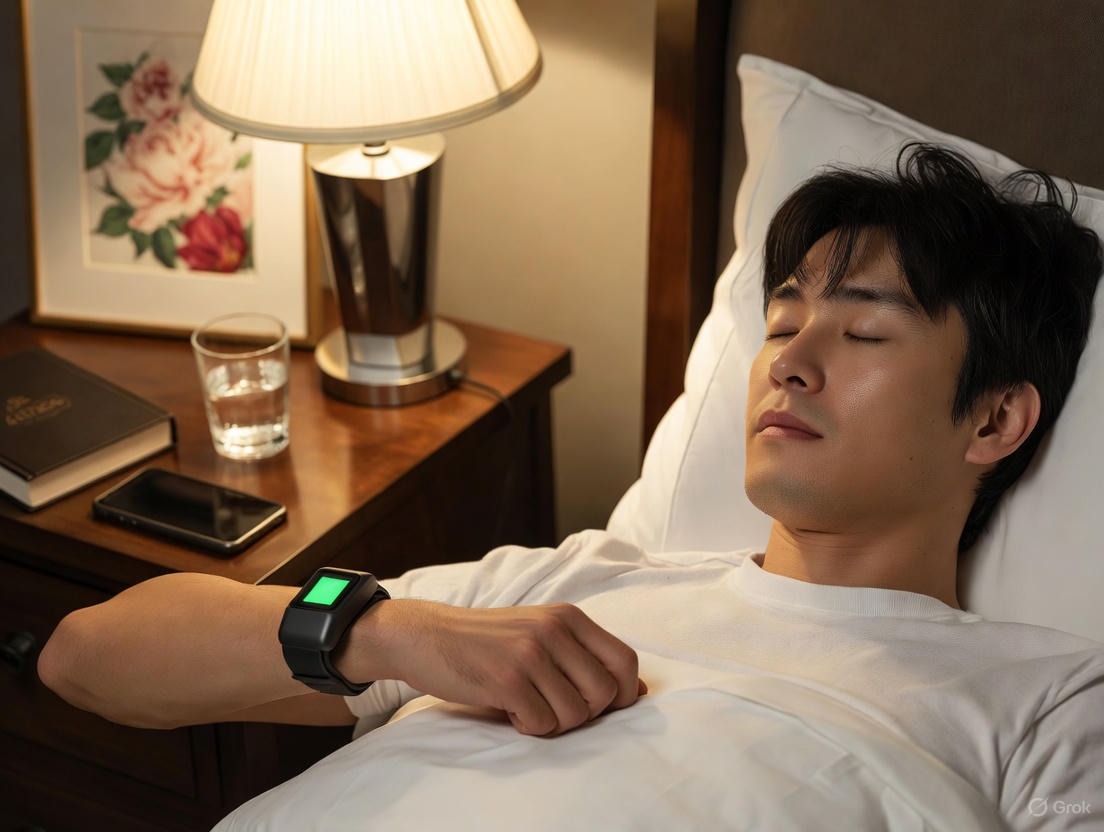
The journey from pregnancy through the first two years of a child’s life—often called the "first 1,000 days"—is a period of critical development and vulnerability. Remote Patient Monitoring is emerging as a transformative force in obstetrics and pediatrics, offering new ways to safeguard the health of both mother and baby, reduce stress, and improve outcomes during this foundational time. It shifts prenatal and postnatal care from a series of episodic check-ups to a more connected, supportive, and data-informed experience.
In High-Risk Pregnancy, RPM is a lifeline. Conditions like gestational hypertension, preeclampsia, and gestational diabetes require intense surveillance. Traditionally, this meant frequent, stressful trips to the clinic and, in severe cases, prolonged hospitalization for observation. RPM enables home-based management.
Fetal Monitoring is also going remote. While not replacing key ultrasounds, devices are now FDA-cleared that allow for remote non-stress tests (NSTs). A mother at home, perhaps on modified bed rest, places a Doppler-based monitor on her abdomen to record the fetal heart rate, particularly its accelerations with movement. This trace is transmitted to a central station where a perinatal nurse reviews it, providing reassurance that the baby is well without requiring a hospital trip.
In Postpartum and Newborn Care, RPM addresses the "fourth trimester"—a period of immense physical recovery and emotional adjustment, yet one with notoriously sparse follow-up care.
The overarching benefit of RPM in this sphere is reducing burden and increasing connection. It minimizes the logistical nightmare of traveling to appointments with a newborn or while feeling unwell. It provides tangible data that can alleviate the pervasive anxiety of new parenthood. It turns the home into a supported, clinical-grade environment for the most important beginning. This support extends to establishing healthy family rhythms, like a family nighttime wellness routine that benefits both sleep-deprived parents and the newborn's development.
Beyond traditional clinical settings, Remote Patient Monitoring is carving out a significant niche in the corporate world, driven by employers' dual incentives to improve employee health and control skyrocketing healthcare costs. Corporate wellness programs have evolved from step challenges and lunchtime seminars to sophisticated, data-driven health management platforms where RPM plays a central role. This application sits at the intersection of preventive care, chronic disease management, and occupational safety, representing a proactive investment in human capital.
Population Health Management for Employees: Large self-insured employers bear the direct financial risk of their workforce's medical claims. They have a vested interest in keeping employees healthy. RPM programs are offered as a voluntary or incentivized benefit to employees with specific risk factors (e.g., hypertension, prediabetes, obesity). By providing connected devices and access to health coaches, employers can help employees manage conditions more effectively, preventing progression to more expensive complications like heart attacks or strokes. The ROI is measured in reduced healthcare spend, lower absenteeism, and decreased "presenteeism" (working while ill and less productive).
The Rise of Advanced Biometric Screening: Annual health fairs with finger-stick cholesterol tests are giving way to continuous monitoring. Companies are partnering with vendors to provide executives or high-stress teams with devices like smart rings or clinical-grade wearables for 90-day "biometric discovery" periods. These devices provide deep insights into sleep quality, recovery (HRV), stress resilience, and activity patterns. A report might reveal that an otherwise healthy employee is chronically sleep-deprived and has a low HRV, putting them at risk for burnout or metabolic syndrome. Personalized recommendations—often tied to resources like how nighttime routines reduce morning grogginess—can then be provided, along with access to sleep coaches or mindfulness apps. This moves corporate wellness from generic advice to personalized, data-driven intervention.
Occupational Health and Safety: In certain high-risk industries, RPM is used for real-time worker safety.
The ethical considerations here are paramount. Employee privacy and data autonomy must be sacrosanct. Programs must be truly voluntary, with clear, transparent policies stating that granular health data is not shared with managers or used for employment decisions. Data should be aggregated and anonymized for population-level insights. When implemented ethically, corporate RPM fosters a culture of health, demonstrates employer investment in well-being, and creates a healthier, more resilient, and more productive workforce. It helps employees, especially busy professionals, integrate health monitoring seamlessly into demanding lives.
A patient with heart failure might use a smart scale from Company A, a blood pressure cuff from Company B, a smart ring from Company C, and an ECG patch from Company D. Their data flows into separate, walled-garden apps and portals. Their primary care doctor views data in one EHR system, their cardiologist in another, and their home health nurse uses a third platform. This fragmentation is the single greatest technical barrier to realizing the full potential of Remote Patient Monitoring. The solution is interoperability—the seamless, secure, and timely exchange and use of data across different technologies, platforms, and organizations.
Without interoperability, RPM creates data silos that lead to clinician frustration, missed insights, and patient burden. A doctor cannot get a holistic view without logging into multiple systems. A patient is forced to act as the courier of their own information, verbally recounting data trends from various apps. For AI to deliver on its predictive promise, it needs access to comprehensive, integrated datasets. Interoperability is not a feature; it is the foundational plumbing of a functional digital health ecosystem.
The path to interoperability is being paved by several key standards and initiatives:
The vision is a patient-centric data ecosystem. Imagine a secure personal health record (like Apple Health or a patient portal) that acts as a hub. With patient consent, data from all their RPM devices, their pharmacy, their lab company, and their specialists' EHRs all flow into this hub. The patient controls who can access this aggregated record. They can grant "read" access to a new specialist before a first visit, providing a complete picture instantly. Their primary care AI assistant can analyze the combined dataset to provide truly holistic insights.
Achieving this requires collaboration, regulatory pressure, and a shift in business models from data hoarding to data sharing as a value. The payoff is immense: reduced administrative waste, fewer medical errors, more efficient clinical visits, and the unleashing of innovation as developers can build applications on top of standardized, accessible data. This seamless flow of information supports every aspect of health management, making it easier to track how interventions, such as successful people structure their nighttime routines, impact objective biometric data over time.
While much of the discourse around Remote Patient Monitoring focuses on advanced economies, its potential to transform healthcare delivery in low- and middle-income countries (LMICs) and other resource-constrained settings is perhaps even more profound. Here, the challenges are magnified: a severe shortage of healthcare professionals, vast geographical distances between patients and clinics, unreliable infrastructure, and limited funding. RPM, when appropriately designed, can leapfrog traditional infrastructure limitations and bring a baseline of care to millions who currently have little or no access.
The key is appropriate technology. This does not mean inferior technology, but technology designed for the specific context: ultra-low cost, durable, easy to use with minimal training, and capable of functioning with limited or intermittent connectivity (a concept known as "store-and-forward"). Examples include:
Task-Shifting and Community Health Worker Empowerment: RPM in LMICs is less about the patient self-monitoring and more about empowering the frontline healthcare worker—the Community Health Worker or nurse—to extend the reach of the system. Equipped with a tablet and a suite of simple connected devices (pulse oximeter, thermometer, blood pressure cuff), a CHW can visit homes in a village, collect vital signs, and input symptoms into a guided checklist. The tablet's algorithm can provide immediate risk stratification (green/yellow/red) and recommend actions. For yellow cases, the data can be forwarded to a district nurse for review. For red cases, it can trigger an immediate referral and alert a central clinic.
Disease-Specific Applications are saving lives:
The challenges are significant—digital literacy, cultural adaptation, sustainable funding models—but the impact is measurable. RPM in global health is not about luxury biometrics; it is about establishing a basic, life-saving continuum of care where none existed, proving that the principles of connected health are universally applicable and desperately needed. In these contexts, even basic guidance on a perfect nighttime wellness routine delivered via mobile can have a profound impact on community health.
The ultimate success of the RPM revolution depends on a fundamental re-skilling of the patient. No longer a passive recipient of care, the individual must become an active, informed manager of their health data—a "power user" of their own biology. This requires more than just adherence to wearing a device; it demands the cultivation of health literacy and data fluency. It's the difference between simply seeing a number and understanding what that number means in the context of your life, your choices, and your goals.
Health Literacy is the capacity to obtain, process, and understand basic health information to make appropriate health decisions. RPM inundates patients with data, often without clear context. A blood glucose of 180 mg/dL means something very different if it's fasting versus post-meal. A sudden dip in HRV could be due to a hard workout (a positive stress) or an argument with a spouse (a negative stress). Clinicians and RPM platforms have a responsibility to translate data into actionable knowledge. This means:
Data Fluency goes a step further. It is the ability to critically assess data quality, understand variability, and avoid misinterpretation. RPM users must learn:
Empowering the patient in this way transforms the clinical encounter. Instead of "Doctor, I feel tired," the conversation becomes: "Doctor, my data shows my resting heart rate has been elevated by 10 bpm and my deep sleep has decreased by 30% for the past three weeks, even though I've been trying to follow these nighttime rituals that take less than 30 minutes. What could be going on?" This is a collaborative, evidence-based dialogue that leads to better, faster solutions. Cultivating this literate, fluent patient population is the final, crucial step in making RPM not just a monitoring tool, but an educational and empowerment engine for lifelong health.
Your Trusted Sleep Advocate: Sleep Foundation — https://www.sleepfoundation.org
Discover a digital archive of scholarly articles: NIH — https://www.ncbi.nlm.nih.gov/
39 million citations for biomedical literature :PubMed — https://pubmed.ncbi.nlm.nih.gov/
Experts at Harvard Health Publishing covering a variety of health topics — https://www.health.harvard.edu/blog/
Every life deserves world class care :Cleveland Clinic - https://my.clevelandclinic.org/health
Wearable technology and the future of predictive health monitoring :MIT Technology Review — https://www.technologyreview.com/
Dedicated to the well-being of all people and guided by science :World Health Organization — https://www.who.int/news-room/
Psychological science and knowledge to benefit society and improve lives. :APA — https://www.apa.org/monitor/
Cutting-edge insights on human longevity and peak performance:
Lifespan Research — https://www.lifespan.io/
Global authority on exercise physiology, sports performance, and human recovery:
American College of Sports Medicine — https://www.acsm.org/
Neuroscience-driven guidance for better focus, sleep, and mental clarity:
Stanford Human Performance Lab — https://humanperformance.stanford.edu/
Evidence-based psychology and mind–body wellness resources:
Mayo Clinic — https://www.mayoclinic.org/healthy-lifestyle/
Data-backed research on emotional wellbeing, stress biology, and resilience:
American Institute of Stress — https://www.stress.org/


