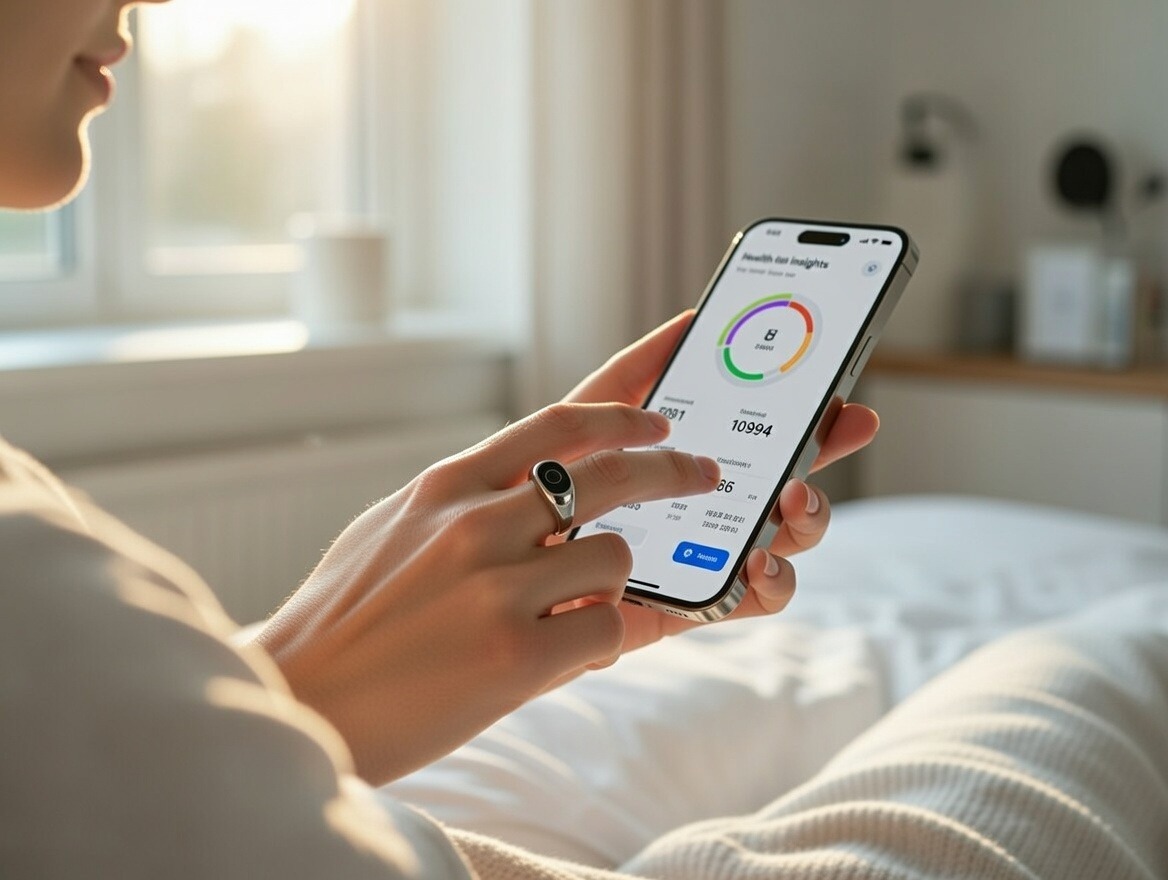
Natural Energy Boosters for Better HRV: A Smart Ring User's Guide
A guide to natural boosters that improve HRV, a key ring metric.
Natural Energy Boosters for Better HRV: A Smart Ring User's Guide
In a world that glorifies busyness, true vitality isn’t about guzzling caffeine to power through a fog of fatigue. It’s about cultivating a deep, renewable wellspring of energy that fuels not just your body, but your resilience, focus, and overall health. For the modern wellness enthusiast, the ultimate metric for this kind of sustainable vitality is Heart Rate Variability (HRV).
If you’re wearing a smart ring, you’re already holding the key. That sleek device on your finger is more than a sleep tracker; it’s a personal biometrical lab, offering a real-time, quantifiable window into your nervous system. Your HRV score isn't just a number—it’s a direct reflection of your autonomic nervous system’s balance. A higher, more consistent HRV signals a dominant, restorative parasympathetic state (“rest and digest”), linked to better recovery, stress resilience, and yes, boundless natural energy. A lower or erratic HRV often points to a taxed sympathetic state (“fight or flight”), leaving you feeling wired, tired, and running on empty.
This guide is your roadmap to bridging the gap between feeling drained and thriving. We will dive deep into the most effective, science-backed natural energy boosters, but with a crucial twist: we will leverage your smart ring’s data not just to track, but to orchestrate your strategies. Forget guesswork. You will learn how to correlate specific lifestyle interventions with tangible, objective improvements in your HRV and overall readiness scores, transforming your health optimization from a shot in the dark to a precise, data-driven practice. This is about moving beyond biohacking trends to master the foundational art of building energy from within, validated by the most personal data you own.
The HRV-Energy Connection: Why Your Smart Ring Holds the Secret
You wake up feeling groggy, reach for a cup of coffee, and stumble through your morning. By mid-afternoon, you’re in a slump, perhaps grabbing a sugary snack for a quick lift. This rollercoaster is a familiar energy crisis for many. Yet, your smart ring, quietly recording data overnight, might have predicted this exact scenario. The secret lies in its measurement of Heart Rate Variability.
At its core, HRV measures the subtle variations in time intervals between successive heartbeats, measured in milliseconds. Contrary to intuition, a healthy heart is not a metronome; it’s a dynamic, responsive symphony. When your parasympathetic nervous system is steering—the branch responsible for calm, digestion, and repair—your heart rhythm is subtly irregular in a healthy, adaptive way. This results in a higher HRV. It signifies a body that is resilient, able to respond to stress and then recover efficiently. This state is the bedrock of sustainable energy. You recover better at night, your cells repair effectively, and you wake up with a genuine, chemical-free zest.
Conversely, when the sympathetic “fight or flight” system is chronically activated by stress, poor sleep, or inflammation, the heart rhythm becomes more rigid and uniform. This leads to a lower HRV. Your body is in a constant state of low-grade alert, which is incredibly metabolically costly. This tax depletes your energy reserves, leading to that familiar feeling of exhaustion even when you haven’t moved much. It’s like driving a car with the parking brake permanently engaged.
This is where your smart ring transforms from a tracker to a guide. Unlike a fitness band that might just count steps, advanced smart rings like the Oura, Ultrahuman, or Circular provide nightly HRV readings (often an average or a peak score like “HRV Balance”) and a correlating “Readiness” or “Recovery” score. These numbers are your foundational energy audit. By establishing your personal baseline, you can begin the most important work of health optimization: observing cause and effect.
For instance, you might notice that on mornings after you had an argument, your HRV plummets and your energy is shot, regardless of sleep duration. Or, you may see that a 90-minute yoga session actually boosted your next-day HRV, correlating with steady energy. This objective feedback loop is revolutionary. It moves you from asking, “Why am I so tired?” to “How did that extra glass of wine last night impact my nervous system, and what can I do today to recover?” This data-driven awareness is the first and most critical step toward building a lifestyle that generates, rather than depletes, your core energy. It reveals the hidden patterns in your daily life, turning abstract concepts of “wellness” into concrete, actionable insights. You can begin to see exactly how your daily choices cascade into your energy reserves, as detailed in our exploration of key daily health optimization metrics that predict outcomes.
Sleep: The Non-Negotiable Foundation of Energy and HRV
If you seek one natural energy booster that outweighs all others combined, look no further than sleep. It is not passive downtime; it is an intense period of biological restoration orchestrated by your autonomic nervous system. During deep sleep (NREM), your parasympathetic system is fully engaged, your heart rate drops, and your HRV naturally rises. This is when critical repair processes occur: tissue growth and repair, hormone regulation (including those governing hunger and satiety), and the clearance of metabolic waste from the brain. Skimp on sleep, and you short-circuit this entire restorative process, guaranteeing lower HRV and drained energy the following day.
For the smart ring user, sleep tracking moves beyond simple duration. To truly harness sleep for energy, you must engage with the quality metrics:
Restorative Deep & REM Sleep: Your ring breaks down how much time you spend in these vital stages. Deep sleep is for physical recovery; REM sleep is for cognitive and emotional processing. Both are essential for HRV and next-day energy.
Sleep Latency: How long it takes you to fall asleep. Consistently high latency can indicate unresolved stress or poor sleep hygiene.
Sleep Regularity: Going to bed and waking up at consistent times, even on weekends, is one of the most powerful signals you can send to your body’s internal clock (circadian rhythm), profoundly stabilizing HRV.
Resting Heart Rate (RHR): A lower overnight RHR generally correlates with better recovery and higher HRV. A spike in your RHR can be an early sign of illness, overtraining, or stress.
Actionable Strategy: Your goal is to use your ring’s data to become a sleep scientist of your own life. Don’t just glance at your score. Investigate.
Establish a Baseline: What does your sleep architecture look like on a “good” night? Note the total sleep, deep/REM percentages, and corresponding HRV.
Run Experiments:
Experiment 1: For one week, implement a strict “digital sunset” 60 minutes before bed. Note changes in sleep latency and HRV.
Experiment 2: Keep your bedtime and wake time within a 30-minute window for 5 days straight. Observe impacts on sleep regularity and energy scores.
Experiment 3: Notice how alcohol, even just one drink, decimates your deep sleep and suppresses your HRV on your ring’s graph. This objective data can be a powerful motivator for change.
Optimize Your Environment: Use the data to justify investments in total darkness (blackout shades), cool temperature (65-68°F is ideal), and silence (white noise machines).
By treating sleep as your primary energy intervention, validated by your ring, you build an unshakable foundation. Every other energy-boosting strategy will be exponentially more effective on this base. For a deeper dive into creating the perfect nightly ritual, our guide on a daily health optimization routine for better sleep offers a comprehensive, step-by-step plan.
Strategic Nutrition: Fueling Mitochondria for High HRV
Food is cellular information. What you eat directly fuels the tiny power plants in your cells—your mitochondria—which produce the fundamental energy currency of your body: ATP. The efficiency and health of your mitochondria are intimately linked to your HRV. Chronic consumption of processed foods, sugars, and inflammatory oils creates oxidative stress, damaging mitochondria and forcing your nervous system into a stressed state, lowering HRV. Conversely, nutrient-dense, anti-inflammatory foods support mitochondrial biogenesis (the creation of new mitochondria) and efficiency, promoting a calm, resilient state and higher HRV.
Your smart ring provides the perfect feedback mechanism to move beyond diet dogmas and find what truly works for your body’s energy systems.
The Glycemic Load Lesson: A meal high in refined carbs and sugar can cause a rapid spike and subsequent crash in blood glucose. This rollercoaster is a stressor. You might physically feel the afternoon crash, and your ring may objectively show a lower HRV that night or a higher resting heart rate.
The Inflammation Connection: If you have a hidden sensitivity to a food like gluten or dairy, consuming it can trigger systemic inflammation. Inflammation is a primary driver of autonomic imbalance. You might not consciously link that bloated feeling to your poor sleep and low energy score two days later, but your HRV data can help make that connection over time.
Timing is Everything: When you eat is as crucial as what you eat. Late-night eating forces your body to digest when it should be repairing, disrupting sleep and HRV. Your ring’s sleep score will confirm this.
Actionable Strategy: Use your readiness score as a daily report card on your nutritional choices.
Practice Mindful Meal Logging: For two weeks, keep a simple log of your meals and note your next morning’s HRV and readiness scores. Look for patterns, not one-off events.
Prioritize Mitochondrial Foods: Build your plate around foods known to support mitochondrial health:
Colorful Vegetables & Leafy Greens: Rich in antioxidants that combat oxidative stress.
Healthy Fats: Avocado, olive oil, nuts, and seeds provide clean-burning fuel.
Quality Protein: Essential for repair and neurotransmitter production.
Low-Glycemic Fruits: Berries are packed with polyphenols.
Experiment with Fasting Windows: Try finishing your last meal 3-4 hours before bedtime. Observe if this improves your sleep depth and morning HRV. Some find that a consistent 12-14 hour overnight fast stabilizes energy and HRV. Your ring provides the objective data to see if this strategy benefits you, without guesswork. The intricate relationship between when you eat and how you feel is a cornerstone of daily health optimization through nutrition timing and quality.
Hydrate for Performance: Even mild dehydration thickens blood, making your heart work harder, which can lower HRV. Use your ring’s daytime heart rate data as a cue—a slightly elevated resting heart rate can sometimes signal dehydration.
Movement as Medicine: How Exercise Influences Autonomic Tone
Exercise is a paradoxical stressor: it temporarily elevates heart rate and engages the sympathetic nervous system, but when applied correctly, it builds long-term resilience in the autonomic nervous system, leading to higher baseline HRV. The key phrase is “applied correctly.” This is where most generic fitness advice fails, and where your smart ring shines. There is no one-size-fits-all “best” exercise for energy and HRV; it’s about finding the right dose, type, and timing for you on any given day.
Overtraining is a classic energy and HRV killer. Pushing through intense workouts when your body is signaling for recovery leads to a perpetual sympathetic state, chronic inflammation, and plummeting HRV. Your smart ring’s recovery score is designed explicitly to prevent this.
Readiness Score as Your Coach: A low readiness score is your body’s request for a gentler day. This is the perfect time for “energy-building” movement like restorative yoga, a nature walk, or light mobility work. These activities promote parasympathetic activation, circulation, and recovery, often boosting next-day HRV.
High-Intensity Workouts: On days with high readiness, intense training can be highly beneficial. The acute stress followed by dedicated recovery strengthens your heart and nervous system. However, ensure these days are followed by attention to sleep and nutrition to capitalize on the adaptation.
The Magic of Low-Intensity Steady State (LISS): Activities like brisk walking, easy cycling, or swimming are profoundly beneficial for autonomic balance. They improve vascular health and stress resilience without the systemic load of intense training. For many, a daily 30-45 minute walk is the single most consistent booster of HRV and stable energy.
Actionable Strategy: Let your data guide your movement schedule.
Stop Ignoring Your Morning Score: Before you decide on your workout, check your readiness. Make it a non-negotiable rule: if the score is in the red or yellow, switch to a recovery-focused session.
Track Workout Impact: Note the type and intensity of your exercise and see how it affects your next night’s sleep and HRV, not just your immediate fatigue. You may find that evening workouts too close to bed disrupt your sleep for you, while for others, it has no effect.
Prioritize Non-Exercise Activity Thermogenesis (NEAT): Your all-day movement outside the gym is crucial for energy metabolism. Use your ring’s activity goal or step count as a gentle nudge to avoid prolonged sitting. Set an alarm to move for 5 minutes every hour. This constant, low-grade movement supports metabolic flexibility and circulation without stressing recovery. This philosophy of listening to your body’s signals aligns with a daily health optimization approach focused on movement quality over quantity.
Embrace Recovery Modalities: After any workout, especially intense ones, use your ring to validate the effectiveness of recovery practices. Does 10 minutes of mindful breathing post-workout improve your heart rate recovery? Does an Epsom salt bath before bed lead to a higher deep sleep percentage?
Breathwork: The Instant ANS Remote Control for Energy
If you needed to shift your nervous system from stressed to calm in under five minutes, what tool would you use? The answer is literally under your nose. Your breath is the most direct and potent pathway to influence your autonomic nervous system (ANS) consciously. Unlike your heartbeat, which is automatically regulated, your breathing operates on a dual control system—it happens automatically, but you can also take direct, voluntary control. This gives you a “remote control” for your state of being.
Slow, deep, diaphragmatic breathing stimulates the vagus nerve, the superhighway of the parasympathetic nervous system. This immediately signals safety to your brain, slows your heart rate, and can increase HRV in real-time. This isn't just a feeling; it's a measurable physiological shift. Conversely, shallow, rapid chest breathing (typical during stress) reinforces a sympathetic state, priming you for anxiety and energy depletion.
Actionable Strategy: Integrate micro-sessions of breathwork into your day, using your smart ring’s data for motivation and proof.
The Morning Reset (1:2 Ratio Breath): Before checking your phone, sit upright and breathe in for a count of 4, then out for a count of 8. Do this for just 2-3 minutes. This sets a calm, parasympathetic tone for the day. Notice if this practice, over time, contributes to more stable daytime heart rate data.
The Afternoon Energy Lift (Box Breathing): Hit a 3 PM slump? Skip the coffee and try box breathing. Inhale for 4, hold for 4, exhale for 4, hold for 4. Repeat for 5 cycles. This technique balances the nervous system and oxygenates the brain more effectively than caffeine, providing clean energy without the crash.
The Evening Wind-Down (4-7-8 Breath): Developed by Dr. Andrew Weil, this is a powerful sleep-prep tool. Inhale quietly through your nose for 4, hold for 7, exhale forcefully through your mouth for 8. Repeat 4 times. Use your ring to track its impact on your sleep latency and HRV. You may see a direct correlation between consistent practice and improved scores.
Use Your Ring for Biofeedback: Some advanced rings can display real-time heart rate. Sit calmly and watch your heart rate as you practice slow breathing. Seeing the number drop by 5-10 beats per minute in just 60 seconds is a powerful visual confirmation of your direct influence over your physiology. This tangible feedback makes the practice stick.
Sunlight & Circadian Rhythm: Priming Your Body’s Energy Clock
Your body operates on a 24-hour internal cycle known as your circadian rhythm. This master clock regulates everything from hormone release (cortisol for morning alertness, melatonin for evening sleep) to body temperature, digestion, and—critically—your autonomic nervous system balance. A robust, well-entrained circadian rhythm is a cornerstone of high HRV and stable energy. The most powerful cue to set this clock? Natural sunlight.
Viewing bright, outdoor light within the first hour of waking triggers a cascade of beneficial effects. It suppresses lingering melatonin, sharply raises cortisol (in a healthy, alerting way), and sets a precise timer for melatonin production roughly 14 hours later. This creates a strong, predictable rhythm of energy and rest. Conversely, a disrupted circadian rhythm from inconsistent sleep, late-night blue light, or lack of morning sun leads to hormonal confusion, poor sleep, and a dysregulated ANS, all crushing your HRV and energy.
Actionable Strategy: Harness light as your primary energy tool.
Morning Light Exposure: Aim for at least 10-30 minutes of outdoor light as soon as possible after waking. Don’t look directly at the sun, but don’t wear sunglasses. Even on a cloudy day, the light intensity is sufficient. This simple, free habit is arguably more effective than any supplement for regulating energy.
Daylight Breaks: Throughout the day, especially if you work indoors, take short breaks to step outside. This reinforces the circadian signal and can combat afternoon fatigue.
Dim the Evening: As the sun sets, mimic nature by dimming indoor lights. Minimize exposure to blue-wavelength light from screens after dark by using blue light filters or, ideally, avoiding them. This supports the natural rise of melatonin.
Let Your Ring Track Consistency: Your sleep regularity score is a direct proxy for circadian health. By prioritizing morning light and evening darkness, you will see this score improve, along with more consistent HRV and energy levels. Your body thrives on predictability. Managing your energy through rhythm is a key part of learning to optimize daily health during high-stress periods, as routine becomes your anchor.
Cold Exposure: A Controlled Stressor to Build Resilience
The concept of deliberately exposing yourself to cold—whether a cold shower, ice bath, or cold plunge—might seem like a masochistic trend. However, from a physiological perspective, it is a potent form of hormesis: a beneficial, adaptive response to a mild, acute stressor. For energy and HRV, cold exposure works through several powerful mechanisms:
Vagus Nerve Stimulation: The initial shock of cold triggers a deep, involuntary gasp followed by a forced effort to control your breath. This process strongly activates the vagus nerve, enhancing parasympathetic tone after the exposure, which can boost HRV.
Reduction of Inflammation: Cold exposure constricts blood vessels and reduces metabolic rate, leading to a powerful anti-inflammatory effect once you rewarm. Since inflammation depresses HRV, this is a significant benefit.
Norepinephrine Boost: Cold exposure causes a massive, natural release of norepinephrine (noradrenaline) in the brain. This leads to a surge in alertness, focus, and mood that can last for hours, providing a clean, jitter-free energy lift far superior to caffeine.
Metabolic Enhancement: It can improve insulin sensitivity and increase brown adipose tissue (BAT), which burns calories to generate heat, improving metabolic health over time.
Actionable Strategy: Start gently and use your smart ring to gauge your response.
Start with Contrast: If a cold plunge is intimidating, end your regular shower with 30-60 seconds of cold water. Focus on controlling your breath—deep and steady—through the discomfort.
Track the Adaptation: Use your ring’s HRV and readiness scores. Do you see a notable boost on days you practice cold exposure? Many users report a significant positive impact, especially on sleep quality following evening exposure. However, for some, it can be too stimulating close to bedtime. Your data will tell you what’s right for you.
Time It Right: For most, morning cold exposure provides an unparalleled energy kick-start. It can also be used post-workout to reduce inflammation and muscle soreness. Avoid it if your readiness score is already very low, as it is an added stressor.
Listen to the Data: Cold exposure is a stress. If you’re already in a stressed state (low HRV, high resting heart rate), adding a major cold stress might not be beneficial. Let your recovery metrics guide whether today is a day for hormesis or for gentle recovery.
The Power of Downtime: Scheduled Rest for Sustained Energy
In our productivity-obsessed culture, rest is often viewed as lost time or laziness. For the smart ring user, data reveals the opposite: strategic, intentional rest is the essential counterpart to activity that creates sustainable energy and high HRV. This goes beyond sleep. It’s about incorporating periods of genuine mental and physiological calm into your waking hours. Chronic “go-go-go” mode without breaks keeps sympathetic tone chronically elevated, eroding your energy reserves and HRV.
Your smart ring can help you identify when you need rest, even before you consciously feel exhausted. A rising daytime heart rate or a lower-than-userved heart rate variability during a quiet moment can be subtle signs of accumulated stress.
Non-Sleep Deep Rest (NSDR): Protocols like guided yoga nidra, body scans, or even short 10-20 minute meditation sessions can produce profound drops in heart rate and shifts toward parasympathetic activity, effectively “resetting” your nervous system during the day. These practices are like power naps for your ANS.
Digital Detoxes: Constant notifications, emails, and social media scrolling are a form of chronic, low-grade cognitive stress. Scheduling periods of time away from screens—especially during meals and the hour before bed—reduces this cognitive load, allowing your nervous system to settle.
Mindful Transitions: Instead of rushing from one task to the next, build in 5-minute buffers. Use this time to stare out a window, take three deep breaths, or simply be still. These micro-rests prevent the sympathetic system from staying “locked on.”
Actionable Strategy: Proactively schedule rest as you would an important meeting.
Implement the 90-Minute Work Block: Align with your body’s ultradian rhythms. Work with focused intensity for 80-90 minutes, then take a genuine 15-20 minute break away from your desk. Walk, stretch, or do an NSDR session. This pattern sustains energy far better than grinding for hours.
Use Your Ring’s “Moment” Feature: If your device has a meditation or mindfulness tracking mode, use it. It’s not just about logging the activity; it’s about creating a dedicated space to lower your physiological arousal. Review the session data—did your heart rate drop significantly? This is quantitative proof of recovery.
Designate Tech-Free Zones/Times: Make your bedroom a phone-free sanctuary (use your ring for sleep tracking, not your phone). Have tech-free meals. This reduces cognitive clutter and allows for true mental digestion and connection, which are deeply restorative. Embracing this holistic need for balance touches on the daily health optimization social and emotional dimension of well-being, which is just as critical as physical metrics.
Adaptogens & Herbal Support: Natural Modulators for Stress and Energy
While lifestyle foundations are paramount, the strategic use of certain herbs and adaptogens can provide supportive, gentle nudges to your energy and stress-response systems, which can be reflected in your HRV. Adaptogens are a unique class of herbs (like Rhodiola Rosea, Ashwagandha, and Panax Ginseng) that are theorized to help the body “adapt” to stress by modulating the hypothalamic-pituitary-adrenal (HPA) axis—your central stress response system.
It’s crucial to approach this area not as a quick fix but as a potential adjunct to a solid foundation. The effects are subtle, systemic, and best observed over weeks, not hours.
Rhodiola Rosea: Often cited for reducing fatigue and improving mental performance during stressful periods, particularly for “burnout” symptoms.
Ashwagandha: Extensively studied for its ability to lower cortisol levels and perceived stress, which can, in turn, create a more favorable environment for HRV improvement over time.
L-Theanine & Lemon Balm: These are not classic adaptogens but are calming agents. L-Theanine (found in green tea) promotes alpha brain waves associated with relaxed focus, while lemon balm can ease anxiety. Both can support a calmer state conducive to higher HRV.
Actionable Strategy: Use your smart ring to conduct personalized, n-of-1 trials.
Consult a Professional: Before starting any new supplement, consult with a healthcare provider, especially if you have pre-existing conditions or take medications.
Baseline First: Before introducing anything, ensure you have a solid 2-week baseline of your HRV, readiness, and sleep scores with your current, consistent lifestyle.
Introduce One at a Time: Add only one new adaptogen or herb. Take it consistently for 3-4 weeks. During this period, maintain your other habits (sleep, nutrition) as consistently as possible.
Analyze the Trend: Look at the trend in your HRV and recovery scores over those 3-4 weeks, not day-to-day fluctuations. Did your average HRV increase? Did your readiness scores become more stable? Your ring provides the objective data to see if that specific compound is having a beneficial, neutral, or even negative effect on your system. This removes the placebo effect and marketing hype, giving you a personal answer.
Hydration & Electrolytes: The Overlooked Fundamentals of Cellular Energy
Water is the medium in which every single energy-producing biochemical reaction in your body takes place. Even mild dehydration (a loss of just 1-2% of body water) can impair cognitive function, cause fatigue, and increase heart rate as your cardiovascular system works harder to maintain blood pressure. This extra cardiac strain can directly lower HRV. Furthermore, energy production (ATP synthesis) and nerve transmission rely on a delicate balance of electrolytes—primarily sodium, potassium, magnesium, and calcium.
Many people seeking energy are chronically under-hydrated or consume diuretics like coffee and alcohol without compensating with electrolyte-rich fluids. They may also drink large quantities of plain water, which can flush out electrolytes, leading to a different kind of imbalance.
The Heart Rate Signal: Your smart ring’s daytime heart rate can be an early-warning signal. A resting heart rate that’s 5-10 beats per minute higher than usual can sometimes indicate dehydration before you even feel thirsty.
Sleep & Recovery Impact: Dehydration can disrupt sleep (leading to cramps or waking up thirsty) and impair next-day recovery, which will show in your readiness score.
Actionable Strategy: Optimize your fluid intake like a precision protocol.
Start with Water Upon Waking: Drink a large glass of water first thing to rehydrate after 7-8 hours of fasting. Add a pinch of high-quality sea salt for a mineral boost.
Monitor Urine Color: Aim for pale straw color. Dark yellow is a sign to drink more.
Consider Electrolytes with Activity: If you sweat during exercise or live in a hot climate, replenishing with an electrolyte mix (with minimal sugar) can be more effective for energy and recovery than plain water alone.
Use Your Data: If you notice a pattern of afternoon fatigue coupled with a slightly elevated RHR, try proactively increasing your water and electrolyte intake in the morning and see if the pattern shifts over a week. The interplay between hydration, temperature, and performance is a fascinating aspect of daily health optimization that many overlook.
The Mind-Gut Connection: How Digestion Impacts Your Nervous System
The gut is often called the “second brain,” and for good reason. It houses the enteric nervous system, a complex network of over 100 million neurons that communicates directly with your central nervous system via the vagus nerve. This bidirectional highway is the gut-brain axis. The state of your digestive system—its microbial inhabitants (the gut microbiome), its level of inflammation, and its integrity—profoundly influences your mental state, stress resilience, and by extension, your HRV and energy.
An imbalanced gut (dysbiosis) or a “leaky” intestinal lining can trigger systemic inflammation and activate the immune system. This creates a constant, low-grade stress signal that keeps the sympathetic nervous system engaged, draining energy and suppressing HRV. Conversely, a healthy, diverse gut microbiome produces beneficial compounds like short-chain fatty acids (SCFAs) and neurotransmitters (e.g., about 90% of your body’s serotonin is made in the gut) that promote calm and balance.
Actionable Strategy: Feed your gut to fuel your energy.
Prioritize Fiber & Prebiotics: A diverse gut microbiome thrives on diverse plant fibers. Aim for 30 different plants per week (herbs, spices, nuts, seeds, veggies, fruits, legumes). These fibers are prebiotics—food for your beneficial bacteria.
Incorporate Probiotic & Fermented Foods: Include unsweetened yogurt, kefir, sauerkraut, kimchi, and kombucha to introduce beneficial bacteria.
Notice Food Reactions: Use your HRV and energy data as a clue. If you consistently feel bloated, foggy, or fatigued after certain foods and see a correlated dip in your metrics, it might indicate an intolerance. An elimination diet, guided by this data, can be illuminating.
Manage Stress for Your Gut: Remember, the connection goes both ways. Chronic stress harms your gut lining and microbiome. Practices like mindful eating (chewing thoroughly, eating in a calm state) and the stress-reduction techniques already discussed are directly beneficial for gut health, creating a virtuous cycle of improved digestion and better nervous system regulation.
As we’ve explored these eleven foundational pillars—from sleep and sunlight to breathwork and gut health—the unifying theme is the intelligent use of your smart ring data to move from theory to personalized practice. You are no longer just following generic advice; you are conducting a continuous, compassionate experiment on the single most important subject: yourself. In the next portion of this guide, we will build on this foundation, exploring advanced integration strategies, troubleshooting low HRV, and designing a personalized, sustainable daily protocol that turns these individual levers into a symphony of sustained energy and resilience. The journey from tracked to transformed continues.
Crafting Your Personalized Daily Energy Protocol
A collection of good habits is not the same as a coherent protocol. A protocol is intentional, sequenced, and personalized—a daily operating system designed to produce a specific outcome: in this case, sustained natural energy and high HRV. Your smart ring is the diagnostic tool and feedback mechanism that allows you to build this system dynamically, not from a static template, but from what your body is telling you each day.
The core principle is Cyclical Adaptation. Your energy and recovery needs are not static; they fluctuate with training load, work stress, menstrual cycle phases, travel, and immune challenges. A rigid routine will eventually break. A smart, adaptable protocol, guided by data, bends instead. Think of it as having a “playbook” for different states of readiness.
Actionable Framework: The Daily Energy Protocol Matrix
Morning Readiness Score
Energy & HRV Focus
Protocol Adjustments
High (Green)
Build & Perform
* Capitalize on energy. Schedule demanding cognitive work or intense workouts.*
* Fuel strategically with nutrient-dense meals.*
* Use cold exposure for an alertness boost.*
* This is a day to “spend” energy wisely on growth-oriented activities.
Moderate (Yellow)
Maintain & Stabilize
* Focus on consistency. Stick to foundational habits (sleep, light, nutrition).*
* Opt for moderate movement like LISS or mobility work.*
* The priority is parasympathetic activation. Minimize stressors.*
* Emphasize gentle movement (walking, stretching), extra hydration, and early bedtime.*
* Consider an extra meditation session or a longer wind-down routine.*
* This is a day to “invest” in recovery. View it as necessary, not lazy.
Building Your Protocol:
Define Your Non-Negotiables: These are the habits you do regardless of your score. Examples: Morning sunlight, hydration upon waking, a consistent bedtime window, a digital sunset. These form the stable chassis of your protocol.
Create Your "If/Then" Rules: This is where personalization lives. Use the matrix above as a starting point. *“IF my readiness is low, THEN I will swap my gym session for a 30-minute walk and schedule a 20-minute NSDR session in the afternoon.”*
Use Technology for Cues: Set reminders for your non-negotiables. Use your smart ring’s app notifications (if available) as a cue to check in with yourself. The goal is to make the right choice the easy, automatic choice based on your current state.
Weekly Review: Once a week, review your ring’s trends. Look at your weekly average HRV and sleep scores. Did your protocol lead to improvement or stability? What was the impact of that stressful Tuesday meeting? This review is where you refine your rules and celebrate data-backed progress, a process that makes building a sustainable daily health optimization practice not just possible, but rewarding.
Advanced HRV Interpretation: Beyond the Morning Number
While your morning HRV reading is a vital summary statistic, advanced interpretation involves looking at patterns, context, and other correlated metrics to get the full story. This turns your data from a single point of interest into a rich narrative about your nervous system's journey.
Key Concepts for Advanced Analysis:
Trend Over Time: A single low score is noise; a week-long downward trend is a signal. Is your HRV trending down, up, or is it stable? The trend is far more important than any daily value. It tells you if your overall lifestyle is moving you toward or away from resilience.
HRV Balance Throughout the Night: Some rings show your HRV graphed across the night. The ideal pattern is a stable, elevated level during deep sleep. Look for dips or instability, which can indicate disturbances (e.g., sleep apnea events, alcohol metabolism, late-night eating).
The HRV-RHR Relationship: Analyze Heart Rate Variability in conjunction with Resting Heart Rate. Generally, you want a higher HRV and a lower RHR. If both are trending unfavorably (HRV down, RHR up), it’s a strong sign of systemic stress (overtraining, illness onset, burnout). If HRV is low but RHR is also low, it might indicate a state of deep fatigue or under-recovery.
Recovery/Readiness Score Deconstruction: Don’t just accept the overall score. Dive into the contributors. Did a low score come from poor sleep, elevated RHR, low HRV, or a high "body temperature" indicator? Each points to a different root cause and therefore a different corrective action.
Actionable Analysis:
Correlate with Lifestyle Logs: When you see a significant dip or peak in your weekly HRV trend, cross-reference it with your simple log. Did a peak follow a weekend of great sleep and social connection? Did a dip follow a period of work deadlines and skipped workouts? This builds powerful personal insight.
Benchmark Against Yourself, Not Others: HRV is highly individual. A score of 40 might be low for one person and excellent for another. Your entire focus should be on optimizing your range. What is your personal best? What is your baseline? Use these as reference points.
Look for "Mismatch" Days: These are fascinating days where your subjective feeling (“I feel amazing!”) doesn’t match your objective data (low HRV). Or vice versa. These mismatches are golden learning opportunities. Often, feeling “wired” energy can be a sign of sympathetic overdrive, which the ring detects as lower resilience. Trust the data in these moments—it’s often predicting a crash you haven’t felt yet.
This nuanced understanding transforms you from a passive data consumer to an active health detective. It’s the difference between knowing your car’s check engine light is on and being able to diagnose a faulty oxygen sensor. This analytical skill is a core component of using a wellness ring to reveal daily health optimization opportunities you would otherwise miss.
The Strategic Use of Caffeine & Other Stimulants
In the quest for natural energy, the role of stimulants—primarily caffeine—requires a sophisticated strategy. Caffeine is an adenosine receptor antagonist. It blocks the neurotransmitter that makes you feel tired, leading to increased alertness. However, this comes at a cost: caffeine stimulates the release of cortisol and adrenaline, activating the sympathetic nervous system. Therefore, its impact on HRV is complex and timing-dependent.
Used poorly, caffeine creates a vicious cycle of artificial energy, disrupted sleep, lower HRV, and greater next-day fatigue, leading to more caffeine. Used strategically, it can be a tool without derailing your autonomic balance.
Actionable Strategy for Intelligent Stimulant Use:
Respect the Cortisol Awakening Response (CAR): Your body naturally produces a spike of cortisol in the first 30-60 minutes after waking to promote alertness. Drinking caffeine immediately upon waking blunts this natural rhythm and can lead to an afternoon crash. Strategy: Delay your first caffeine dose by 90-120 minutes after waking. Let your body’s natural chemistry do its work first.
Observe the Half-Life: Caffeine has a half-life of 5-6 hours. Meaning, 5-6 hours after consumption, half of it is still in your system. Strategy: Establish a strict “caffeine curfew.” For most, this means no caffeine after 2 PM. Use your ring’s sleep data as the judge—if you notice poor sleep latency or restless sleep, pull your curfew earlier.
Hydrate First: Caffeine is a mild diuretic. Before your morning coffee, drink a large glass of water to rehydrate after sleep. Consider having your coffee alongside or after a protein/fat-rich breakfast to slow absorption and mitigate blood sugar spikes.
Run a Caffeine Audit: Use your smart ring to run a 2-week experiment. For one week, follow the ideal protocol (delayed morning dose, 2 PM curfew). For the next week, consume caffeine ad-hoc (e.g., late afternoon espresso). Compare your average sleep scores, HRV, and resting heart rate. The data is often startlingly clear and can motivate permanent change.
Seek "Clean" Energy Alternatives: On days when your readiness is low but you need focus, consider alternatives that support, rather than hijack, your nervous system:
L-Theanine: As mentioned, this promotes calm focus. A combination of a small amount of caffeine with L-Theanine (found in quality green tea) can provide alertness without jitters.
Adaptogens: Rhodiola or Panax Ginseng can support mental stamina without the direct sympathetic kick.
The Ultimate Stimulant: A 10-minute burst of physical activity or a blast of cold water on the face often provides a clearer energy boost than another cup of coffee.
Social Connection & Emotional Wellbeing as Energy Sources
Human beings are social organisms. Connection is not a luxury; it’s a biological imperative with direct effects on our nervous system. Positive social interactions, laughter, and a sense of belonging trigger the release of oxytocin, serotonin, and endorphins—neurochemicals that reduce cortisol, lower inflammation, and promote feelings of safety. This state is profoundly parasympathetic and HRV-friendly.
Conversely, loneliness, chronic conflict, and social isolation are potent stressors. They are associated with elevated inflammation, poorer sleep, and a dysregulated HPA axis, all of which drain energy and suppress HRV. Your smart ring can often detect this: a stressful argument with a partner or a day of intense loneliness can manifest in a poor sleep score and lower HRV, even if your diet and exercise were “perfect.”
Actionable Strategy: Quantify connection.
Schedule Positive Social Rituals: Don’t leave connection to chance. Schedule a weekly phone call with a distant friend, a standing dinner date with family, or a co-working session with a colleague. Treat these with the same importance as a workout.
Seek "Micro-Moments" of Connection: A warm smile with a barista, a brief chat with a neighbor, or thanking a coworker sincerely. These small, positive exchanges cumulatively signal safety to your nervous system.
Use Your Ring to Notice Impact: After a night out with friends where you laughed deeply, check your next morning’s data. Many people see a noticeable boost in HRV and restorative sleep after positive social engagement. Conversely, after a draining social obligation, you might see the opposite. Let this data guide you toward investing time in the relationships that truly energize you.
Practice Digital Connection Wisely: Social media “connection” is often a poor substitute and can be a source of comparison and stress. Use your screen time data alongside your ring data. Does an hour of passive scrolling before bed correlate with worse sleep? Likely yes. Replace it with a real phone call or shared activity. Nurturing this dimension is critical, as explored in our article on the daily health optimization social and emotional dimension, which completes the picture of holistic well-being.
Managing Environmental Stressors: Light, Noise, and EMF
Our autonomic nervous system is constantly processing environmental inputs. Beyond nutrition and sleep, subtle factors like artificial light at night, chronic noise pollution, and electromagnetic fields (EMF) can act as low-grade, chronic stressors that chip away at your energy and HRV over time.
Light Pollution: Exposure to blue and green light wavelengths after sunset (from LEDs, screens, and streetlights) directly suppresses melatonin production and disrupts circadian rhythms. This is one of the most pervasive yet fixable drains on restorative sleep and next-day energy.
Noise Pollution: Intermittent or constant low-level noise (traffic, a humming appliance, a snoring partner) can prevent you from reaching deep sleep stages, even if you don’t fully wake. This fragmented sleep leads to unrefreshing sleep and lower HRV.
EMF Sensitivity: While the science is evolving and individual sensitivity varies, some people report subjective symptoms (headaches, sleep disturbances) from high exposure. The prudent principle is to minimize unnecessary close-proximity exposure, especially during sleep, a time dedicated to repair.
Actionable Strategy: Create a Sanctuary.
Master Your Light Environment:
Evening: Use dim, warm-toned bulbs (under 2700K) after dark. Install blue-light blocking apps (f.lux, Night Shift) on all devices. Consider wearing blue-blocking glasses if you must use screens.
Sleep: Achieve total darkness. Use blackout curtains and cover or remove all LED indicators (chargers, smoke detectors). A sleep mask is a highly effective, portable solution.
Optimize Your Sound Environment:
Use a white noise machine, fan, or a phone app with “pink” or “brown” noise to mask disruptive environmental sounds. These consistent sounds can improve sleep depth.
For partners who snore, consider earplugs designed for sleep (like silicone putty ones) as a first step.
Adopt a Precautionary Approach to EMF:
The Bedroom Rule: Keep your phone on airplane mode and, ideally, in another room while sleeping. If you use it as an alarm, enable airplane mode.
Distance is Your Friend: Avoid sleeping with your head directly against a wall that has a smart meter, Wi-Fi router, or major electrical conduit on the other side. Move charging pads and devices away from the bedside.
Your smart ring itself is a very low-powered device designed for wear. Its benefit in guiding your health far outweighs any minimal exposure.
Travel & Routine Disruption: Maintaining Energy on the Go
Travel is one of the greatest disruptors of circadian rhythm, sleep, and routine—a perfect storm for crashing HRV and energy. Jet lag, unfamiliar environments, disrupted meals, and dehydration can leave you feeling wrecked. However, with a strategic plan, you can use your smart ring to mitigate the damage and recover faster.
Actionable Strategy: The Travel Resilience Protocol
Pre-Travel (1-2 Days Before):
Prioritize excellent sleep and hydration.
If traveling across time zones, begin slightly adjusting your sleep/wake times toward your destination.
During Travel:
Hydrate Aggressively: Air travel is extremely dehydrating. Drink water consistently, not just when thirsty. Minimize alcohol and caffeine.
Harness Light Strategically: This is the most powerful jet lag tool. Upon arrival, get bright daylight exposure at the local time that corresponds to morning. This resets your internal clock faster than anything else. If you’ve traveled east, morning light is critical; if west, seek afternoon light.
Move and Mobilize: On long flights, get up hourly to walk and stretch. Wear compression socks to aid circulation. Upon arrival, take a brisk walk outside to combine light, movement, and grounding.
Pack for Sleep: Bring a sleep kit: eye mask, earplugs/white noise machine, and perhaps your own pillowcase. Use melatonin sparingly and strategically (0.5-1 mg) at local bedtime for the first few nights to encourage sleep onset.
Post-Travel:
Let Your Ring Guide Recovery: Your scores will likely be low. Honor them. Do not schedule intense meetings or workouts for the first 1-2 days. Focus on light, hydration, meal timing, and sleep.
Be Patient: It can take about one day per time zone crossed to fully synchronize. Use your ring’s sleep regularity and readiness scores to track your progress back to baseline.
This proactive approach to managing disruption is a high-level application of daily health optimization, turning a chaotic event into a managed process. It exemplifies how to optimize daily health during high-stress periods by leaning on core principles.
Tracking Progress & Avoiding Obsession: The Healthy Data Mindset
The greatest pitfall for any quantified-self enthusiast is data obsession—becoming anxious over daily fluctuations, overly rigid with routines, or allowing a device to dictate your self-worth. This stress itself lowers HRV, defeating the entire purpose. The goal is to use data as a compassionate guide, not a harsh judge.
Cultivating a Healthy Data Relationship:
Focus on Weekly Averages and Trends: Daily numbers are weather; weekly trends are climate. Make your primary review a weekly one, looking at the 7-day average for HRV, sleep, and readiness. This smooths out noise and reveals the true direction.
Practice "Soft Tracking": There will be days—a wedding, a vacation, a spontaneous night out—where you consciously decide to deviate from the protocol for life experience. On these days, either don’t wear the ring, or wear it with zero intention of judging the data. The data from these days is not a failure; it’s a record of a lived life. The key is to return seamlessly to your protocol afterwards.
Listen to Your Body First: Before checking your score in the morning, take 60 seconds to ask yourself: “How do I feel?” Tired? Rested? Sore? Then, look at the data. Does it confirm or contradict? This keeps you connected to your innate biofeedback and prevents you from outsourcing your intuition to a device.
Celebrate the Correlation, Not Just the Number: The real win is when you notice, “When I do X, I feel Y and my data shows Z.” That moment of empowered correlation is the victory. The score itself is just a marker. The smart ring should validate your daily health optimization efforts, not become the sole source of truth.
Integrating with Other Biofeedback Devices
While a smart ring provides a fantastic 24/7 foundational dataset, it can be powerfully complemented by other biofeedback tools for deeper dives. Think of your ring as your daily general practitioner and these other devices as specialists you consult for specific issues.
Continuous Glucose Monitor (CGM): This is the ultimate partner for understanding your personal nutritional responses. Seeing your blood glucose response to different foods in real-time, and correlating that with your ring’s HRV data hours later, provides an unmatched level of insight into metabolic health and energy stability.
Heart Rate Variability Chest Straps: For the athlete, a chest strap (like Polar H10 or Garmin HRM-Pro) provides the gold-standard, beat-to-beat HRV measurement during exercise and for short-term assessments (like the Orthostatic Test). You can use this precise data to inform your training zones and see how different workouts impact your physiology, which then shows up in your ring’s overnight recovery.
WHOOP Strap or Other Wearables: While redundant for basic tracking, some users like to cross-reference data from different algorithms for consistency. The core principle remains: let the data guide behavior change, not collection for its own sake.
The Integration Principle: The ring is your constant, passive tracker. Use other devices actively and temporarily to answer specific questions: “What is my optimal pre-workout meal?” (CGM + Ring). “How recovered am I for this interval session?” (Chest Strap HRV test). Let the ring’s longitudinal data show the long-term impact of the insights gained from these focused tools.
Troubleshooting Persistent Low HRV & Fatigue
Despite best efforts, you may encounter a plateau or a persistent period of low HRV and unexplained fatigue. When this happens, it’s time to move from general optimization to systematic troubleshooting. Think like a detective and investigate potential hidden stressors.
The HRV Investigation Checklist:
Overlooked Lifestyle Factors:
Hidden Caffeine/Sugar: Are you consuming dark chocolate, certain teas, or “healthy” snacks with hidden stimulants or sugars late in the day?
Dehydration: Revisit your water and electrolyte intake meticulously.
Subclinical Digestion: Could you have a low-grade food intolerance (e.g., histamine, FODMAPs) causing constant, low-level inflammation?
Training & Movement:
Chronic Cardio: Are you doing too much moderate-intensity exercise without adequate variation or rest? This can be just as draining as overtraining with high-intensity work.
Lack of True Recovery Days: Are your “rest days” still filled with heavy chores, long walks, and mental stress?
Psychological & Emotional Factors:
Unprocessed Stress: Is there a lingering work, relationship, or financial stress that you’ve normalized but your nervous system hasn’t?
Perfectionism: Is the pursuit of “perfect” health data itself becoming a stressor?
Physiological & Medical Considerations:
Sleep Apnea: This is a major, often undiagnosed, HRV destroyer. Signs include snoring, waking gasping, and unrefreshing sleep despite long duration. Your ring might show frequent spikes in heart rate during the night.
Nutrient Deficiencies: Key players in energy production and nervous system function include Magnesium, B Vitamins (especially B12), Vitamin D, and Iron (particularly for menstruating individuals). A blood test can identify these.
Hormonal Imbalances: Thyroid dysfunction (hypo/hyperthyroidism) or HPA axis dysregulation (adrenal fatigue) directly impact energy and HRV.
Chronic Infections: Low-grade viral or bacterial infections (e.g., Lyme, Epstein-Barr virus reactivation) can create a constant immune system burden.
Actionable Steps:
Run a "Reset Week": Dedicate one week to the most conservative, restorative protocol imaginable: early bedtimes, no caffeine/alcohol, only gentle movement, whole foods, and digital minimalism. See if your HRV rebounds. If it does, you’ve identified lifestyle overload.
Seek Professional Help: If your diligent self-investigation and a reset week yield no improvement, consult a functional medicine doctor, a savvy endocrinologist, or a sports physician. Bring your trend data from your smart ring—it’s a powerful clinical record. They can help investigate the deeper physiological roots, such as hormonal issues detailed in a daily health optimization strategy for hormonal balance.
The Future of Personalized Energy Optimization
We are standing at the frontier of personalized health. The current model of a smart ring providing daily scores is just the beginning. The future lies in predictive analytics, deeper integration, and AI-driven personalization.
Predictive Health Alerts: Future algorithms won’t just tell you how you recovered; they will predict your risk of illness, burnout, or injury days in advance based on subtle deviations in HRV, RHR, and temperature trends, allowing for truly preventive action.
Closed-Loop Systems: Imagine your ring communicating with your smart lights to gradually brighten in the morning for a perfect wake-up, or with your thermostat to lower the temperature as you fall asleep. Your environment will automatically adapt to support your biology.
AI-Powered N-of-1 Experimentation: Advanced apps will analyze your unique dataset and run statistical analyses on your behalf. “Based on 90 days of your data, evening carbohydrate intake has a 73% positive correlation with your next-day HRV, while late-night screen time has a 92% negative correlation.” This moves from observation to prescriptive, hyper-personalized insight.
Multi-Omics Integration: The ultimate future combines wearables data with periodic testing of your genetics (genomics), gut microbiome (microbiomics), and blood markers (proteomics, metabolomics). This creates a complete, dynamic picture of your biology, where your ring’s HRV is the real-time output of these complex, interacting systems.
Your journey today, building a protocol and learning to interpret your data, is laying the essential groundwork for this future. You are becoming literate in the language of your own body, which is the most critical skill for lifelong vitality. This foundational work enables you to ultimately use daily health optimization to achieve any wellness goal you set, from peak performance to graceful aging.
By mastering the principles and practices laid out in this guide—from the foundational pillars to the advanced integration and troubleshooting strategies—you transform your smart ring from a novelty into the central command center for your well-being. You are no longer chasing energy; you are systematically engineering it from the cellular level up, guided by data, driven by self-knowledge, and validated by the profound feeling of waking up ready to thrive.
HRV & Energy Across the Lifespan: Adapting Your Protocol
Your autonomic nervous system is not static. It evolves through different life stages, influenced by hormonal shifts, changing responsibilities, and biological aging. A protocol that works brilliantly at 25 may need refinement at 35, 45, or 65. The smart ring becomes your essential partner in this graceful adaptation, providing the real-time feedback needed to adjust your energy strategies without guesswork.
Key Life Phase Considerations:
The Reproductive Years (20s-40s, for menstruating individuals): Here, the menstrual cycle is a dominant rhythm. The follicular phase (post-period) often correlates with higher energy, better stress resilience, and naturally higher HRV—a great time for intense training and ambitious projects. The luteal phase (post-ovulation) can see a dip in HRV and energy for many, with the body preferring gentler movement, more carbohydrates, and greater emphasis on recovery. Tracking your cycle alongside your HRV data reveals your unique pattern, allowing you to sync your energy expenditure with your biology, not fight against it. This is hormonal intelligence in action.
Perimenopause & Menopause (40s-50s+): This transition is characterized by fluctuating and declining estrogen, which can directly affect the autonomic nervous system. Common reports include more unpredictable sleep, hot flashes (visible as nighttime temperature spikes on your ring), and a feeling of being "wired but tired"—a classic sign of sympathetic dominance. Protocol Shift: This phase demands a recovery-first approach. Prioritizing sleep hygiene, managing stress through breathwork and adaptogens like Ashwagandha, and focusing on strength training and protein intake to support metabolic health become paramount. Your ring’s data is crucial for identifying what stabilizes your nervous system during this shift.
Andropause & Male Hormonal Changes (40s+): A gradual decline in testosterone can impact energy, motivation, body composition, and recovery capacity. Lower testosterone may correlate with decreased HRV. Protocol Shift: Emphasis moves to protecting sleep (testosterone is produced during deep sleep), managing life stress (high cortisol antagonizes testosterone), incorporating heavy, compound strength training, and ensuring optimal levels of Vitamin D and Zinc. The ring’s recovery score is a direct report card on the lifestyle factors that support healthy hormonal aging.
The Wisdom Years (60s+): Biological aging often involves a natural, gradual decline in HRV. However, the rate of decline is heavily influenced by lifestyle. The principle of "energy conservation and intelligent investment" becomes key. Protocol Shift: Focus intensifies on the absolute fundamentals: impeccable sleep regularity, daily movement (balance, strength, and mobility), profound stress management, and nutrient-dense nutrition to combat anabolic resistance. The goal is to maintain the highest possible HRV for your age, which is a powerful predictor of longevity and vitality. Your ring provides the gentle accountability to maintain these non-negotiable habits.
Actionable Insight: Let your data tell your life stage story. Create a note in your app or journal titled "My Decade Protocol." Based on your age and ring trends, outline your top three energy priorities. Revisit this every year. Are you still recovering well from high-intensity intervals? Or is your data gently nudging you toward more Pilates and long walks? This is the essence of a daily health optimization routine that adapts to your life.
The Psychology of Energy: Mindset, Motivation, and HRV
The brain is the ultimate regulator of the autonomic nervous system. Your thoughts, beliefs, and emotional patterns are not separate from your physiology—they are your physiology, manifesting in real-time in your HRV. A mindset of chronic worry, perfectionism, or feeling like a victim is a potent, continuous source of sympathetic activation. Conversely, cultivating a mindset of gratitude, agency, and self-compassion promotes parasympathetic tone.
This is where "soft" metrics meet "hard" data. Your smart ring can objectively show you the impact of your mental state.
The Stress of Striving: You might be doing everything "right"—eating clean, exercising, taking supplements—but if you’re doing it from a place of anxiety ("I must hit my HRV target") or self-punishment, you are undermining the very goal. This internal pressure creates stress chemistry that lowers HRV.
The Power of Play & Awe: Conversely, activities that induce joy, laughter, wonder, or a state of "flow" (where you lose track of time in a enjoyable activity) are potent parasympathetic activators. You may see a tangible boost in your next-day recovery score after a day spent hiking in nature, playing with children, or immersed in a creative hobby.
Actionable Strategy: Cognitive Biofeedback.
Practice "Gratitude Tracking": Each evening, note three specific things you are grateful for. Don’t just think them; write them down. Over a month, observe if this practice correlates with a slight upward trend in your sleep or HRV scores. You are literally training your brain to scan for safety and abundance, which calms the nervous system.
Reframe Your Self-Talk: When you see a low readiness score, practice shifting from "My body is failing" to "My body is communicating its need for extra care today." This simple reframe reduces the secondary stress of a bad score and aligns you with a collaborative, rather than adversarial, relationship with your body.
Schedule Play: Intentionally schedule non-goal-oriented activities that bring you joy. Use your ring to observe their after-effects. This data legitimizes play as a critical component of your energy protocol, not a frivolous distraction.
Community & Accountability: The Social Fuel for Consistency
While the smart ring provides personal accountability, human connection provides social fuel. Sharing the journey—the wins, the puzzling data, the experiments—with a like-minded community or an accountability partner can dramatically increase your consistency and enjoyment.
The Power of Shared Data: Joining a community (like a dedicated subreddit, Discord server, or the community features within some ring apps) allows you to ask questions: "Has anyone else seen HRV drop with this supplement?" or "What helped you most with sleep latency?" This collective intelligence accelerates learning.
Friendly Competition & Collaboration: Some platforms allow you to safely share readiness or sleep scores with friends. A little friendly competition ("Let’s see who can get the highest sleep score this week") or collaborative support ("I see your recovery is low, want to do a virtual wind-down meditation tonight?") can gamify the process in a positive way. This taps into our intrinsic social drives to stay engaged, as explored in how smart rings can gamify daily health optimization.
The Coach in Your Corner: For those seeking deeper guidance, a health coach or functional medicine practitioner who understands wearable data can be transformative. They can help you interpret complex trends, design structured experiments, and provide the external accountability to stick with changes during challenging periods.
Actionable Strategy: Seek your tribe. Identify one way to add a social layer to your optimization journey. It could be as simple as a weekly check-in with a health-minded friend or joining an online forum. Share one insight from your ring data each week. Teaching and learning from others solidifies your own understanding and builds motivation.
Beyond HRV: Integrating Temperature, Respiratory Rate & More
While HRV is the star metric for energy and resilience, a smart ring provides a symphony of other data points that create a fuller picture. Interpreting them together unlocks higher-resolution insights.
Skin Temperature: A nocturnal temperature trend is a powerful, underutilized metric. A sustained elevation (even a few tenths of a degree) above your personal baseline can be one of the earliest signs of:
Illness Onset: Your body raises its temperature to fight pathogens, often 1-2 days before symptoms appear.
Inflammation: From overtraining, poor diet, or an allergic reaction.
Hormonal Fluctuation: A core temperature rise is part of the luteal phase and can be pronounced in perimenopause.
Actionable Insight: If your readiness is low and your temperature is elevated, the prescription is unequivocal: rest, hydrate, sleep. Push nothing. This is your body’s clear signal to prioritize immune support and recovery.
Respiratory Rate (RR): The number of breaths you take per minute during sleep is remarkably stable for a healthy individual. A sustained increase in your nightly RR can indicate:
Respiratory Strain: From allergies, a cold, or sleep apnea.
Metabolic Stress: Your body may be working harder, perhaps due to digestion, alcohol metabolism, or an overactive thyroid.
Actionable Insight: A creeping rise in RR, coupled with lower HRV, is a strong sign to investigate sleep quality, environmental allergens, or late-night eating habits.
Daytime Heart Rate & Activity: Don’t ignore the daytime data. A higher-than-normal resting heart rate during a calm period can signal dehydration, caffeine intake, or acute stress. Your activity score can help you balance movement and rest, ensuring you are not chronically under- or over-moving.
The Holistic View: The most powerful insights come from cross-referencing. For example:
Scenario: Low HRV + High Temperature + Elevated Respiratory Rate = High probability of immune system activation. Protocol: Rest, anti-inflammatory foods, hydration.
Scenario: Low HRV + Normal Temperature + High Daytime Stress = Likely psychological/emotional stress load. Protocol: Breathwork, digital detox, NSDR. This multi-metric analysis turns your ring into a true diagnostic partner, guiding you to the root cause, not just the symptom. This comprehensive view is central to a daily health optimization approach to inflammation control, where temperature is a key biomarker.
The Long Game: Building Permanent Energy Resilience
The culmination of all this work is not a perfect score every day. It is the development of energy resilience: the capacity to withstand life’s inevitable stressors—a poor night’s sleep, a work crisis, a bout of travel—and bounce back faster. Your baseline HRV becomes higher, and your dips become shallower and shorter-lived.
This is the true marker of success. You are not building a fragile glass house of perfect habits that shatters at the first disruption. You are building a robust, adaptable system made of reinforced concrete and flexible steel.
Signs You Are Winning the Long Game:
Your "Bad" Days Are Better: What used to be a "red" recovery day is now a "yellow." Your floor has been raised.
You Recover Faster: After a night of poor sleep or a stressful event, your scores return to baseline in 1-2 days instead of 3-4.
Your Intuition Aligns with Data: You can often predict what your ring will show because you are deeply attuned to your body’s signals.
Your Protocol Feels Effortless: The habits are no longer chores; they are simply how you live. You do them because they make you feel good, not because an app tells you to.
You Have Energy for What Matters: The ultimate goal is realized. You are not spending all your energy thinking about energy. You have a surplus to devote to your relationships, passions, and purpose.
The Final Meta-Habit: The most important habit of all is periodic disconnection. Once a quarter, consider taking a 3-4 day "ring-cation." Put the device in a drawer. Live purely by feel. Reconnect with the innate wisdom of your body without the intermediary of data. Then, put it back on. This practice prevents dependency, resets your intuition, and reminds you that the tool serves you, not the other way around. You are the source of your energy, not the ring. The ring is merely the map; you are the traveler.
Conclusion: Your Life, Optimized
This guide began with a promise: to transform your pursuit of energy from a vague hope into a precise, data-driven science, and to evolve that science into an art—the art of living well. You have journeyed from understanding the fundamental connection between HRV and vitality, through mastering the pillars of sleep, nutrition, and movement, to integrating them into a dynamic, personalized protocol. You've learned to troubleshoot like a detective, adapt to life’s seasons, and even harness the power of your mind and community.
Your smart ring has been recast, from a simple sleep tracker to your personal biometrical lab, your accountability partner, and your compass. It validates your efforts, reveals hidden patterns, and empowers you with self-knowledge that is both profound and practical. You now possess the framework to not just chase arbitrary health trends, but to use daily health optimization to achieve any wellness goal you envision—whether it’s peak athletic performance, unshakeable mental clarity, graceful aging, or simply the profound joy of waking up each day feeling truly, sustainably alive.
The path to better energy and higher HRV is not a straight line upward. It is a spiral. You will have weeks of progress and days of regression. The data will sometimes confuse you. That’s not failure; it’s feedback. Each point of data, each high and low score, is a conversation with the most fascinating system you will ever study: your own body.
Listen to it. Experiment with compassion. Trust the process. And remember, the goal is not a number on a screen. The goal is a life filled with vibrancy, resilience, and the energy to embrace all of its possibilities. Your ring is on your finger. The data is flowing. The power to optimize is in your hands. Now, go live it.



%402x.svg)