


Ring vs Watch Comparison: Making Your Final Decision in 2025
Guidance for making your final decision between a ring and a watch in 2025.
Guidance for making your final decision between a ring and a watch in 2025.
%402x.svg)
For years, the smartwatch has reigned supreme as the default symbol of the quantified self. It’s been the familiar face on your wrist, buzzing with notifications, tracking your morning run, and counting your steps. But as we move deeper into 2025, a quiet yet profound revolution is underway. The smart ring, a sleek band of titanium or ceramic, has emerged from the fringes to become a serious, sophisticated contender in personal health technology. This isn’t about gadgets; it’s about a fundamental shift in how we approach wellness, data, and personal technology. The choice between a ring and a watch is no longer about which device has more features, but which one aligns with your lifestyle, your health goals, and your very philosophy on what technology’s role in your life should be.
This comprehensive guide is designed to be your definitive resource as you navigate this critical decision. We will move beyond marketing specs and dive into the real-world implications of wearing a screen on your wrist versus a sensor on your finger. We’ll explore the science behind the tracking, the psychology of design and wearability, and the future trajectory of both form factors. Whether you’re a data-driven athlete, a professional seeking discreet insights, or someone simply looking for a more holistic picture of your well-being, this comparison will arm you with the knowledge to choose the tool that doesn’t just track your life, but seamlessly enhances it. Let’s begin by understanding the core identity of each contender.

At their hearts, the smart ring and the smartwatch are built on divergent philosophies that inform every aspect of their design and function.
The smartwatch is, fundamentally, a Wrist-Worn Command Center. It is an extension of your smartphone, designed for interaction. Its primary purpose is convenience and connectivity. It allows you to triage notifications, respond to messages, make contactless payments, control smart home devices, and stream music—all without reaching for your phone. Health and fitness tracking are powerful, additive features to this interactive core. The watch face is a canvas for customization and glanceable information, from the time and date to your next calendar appointment. It’s a device of doing and managing.
The smart ring, in stark contrast, is a Discreet Biomarker Hub. Its philosophy is one of passive, continuous observation. It is designed not for interaction, but for collection. By occupying the vascular-rich finger, it aims to become a background source of high-fidelity physiological data—like a 24/7 lab on your hand. Its purpose is not to interrupt you with information, but to provide a deeply personal, longitudinal understanding of your body’s inner workings: sleep architecture, recovery readiness, stress load, and basal metabolic trends. The ring’s goal is insight over interruption, awareness over action. It champions a less intrusive, more embodied form of technology, a concept we explore in depth in our article on The Restful Living Philosophy: Less Hustle, More Health.
This philosophical chasm creates the first major fork in the road. Do you want a device that helps you manage your external world (the watch), or one that helps you understand your internal world (the ring)? The answer to that question will heavily influence which path is right for you.
You can have the most advanced sensor array in the world, but if you don’t wear the device consistently, its data is worthless. This is where design and wearability become critical, not as aesthetic concerns, but as foundational pillars of data accuracy.
Smartwatches have made significant strides in comfort and style. With interchangeable bands and a range of finishes from sporty aluminum to premium titanium and ceramic, they can be dressed up or down. However, inherent challenges remain. Their size and weight are perceptible. They can snag on sleeves, clack against keyboards, and for some, cause skin irritation from the band, especially during sleep or intense sweat sessions. The screen, while useful, can be a source of light pollution in dark environments, potentially disrupting your body’s natural wind-down process—a key consideration for those practicing Restful Living Evening Rituals That Prepare You for Sleep. For many, taking the watch off becomes a tempting ritual after work or before bed, creating data gaps exactly when insights into recovery and sleep are most valuable.
Smart Rings are the epitome of minimalist wearability. Weighing just a few grams and conforming to the shape of your finger, they achieve a level of forgettability that watches cannot match. Once sized correctly, they become a true “wear and forget” device. They don’t interfere with clothing, typing, or most physical activities. This allows for truly continuous wear—through sleep, showers, swimming, and even during formal events where a watch might feel out of place. The lack of a screen means zero distractions or sleep-disrupting light. The result is an unbroken data stream, which is the holy grail for accurate health trend analysis. This constant, unobtrusive presence supports the principle of Restful Living for Busy Professionals: Micro-Recovery Throughout the Day, by providing feedback on stress states without ever demanding your attention.
The victor in wearability is clear: the ring is designed for 24/7, unimpeded data collection. The watch, while versatile, often involves more conscious compromises and a higher likelihood of being removed.
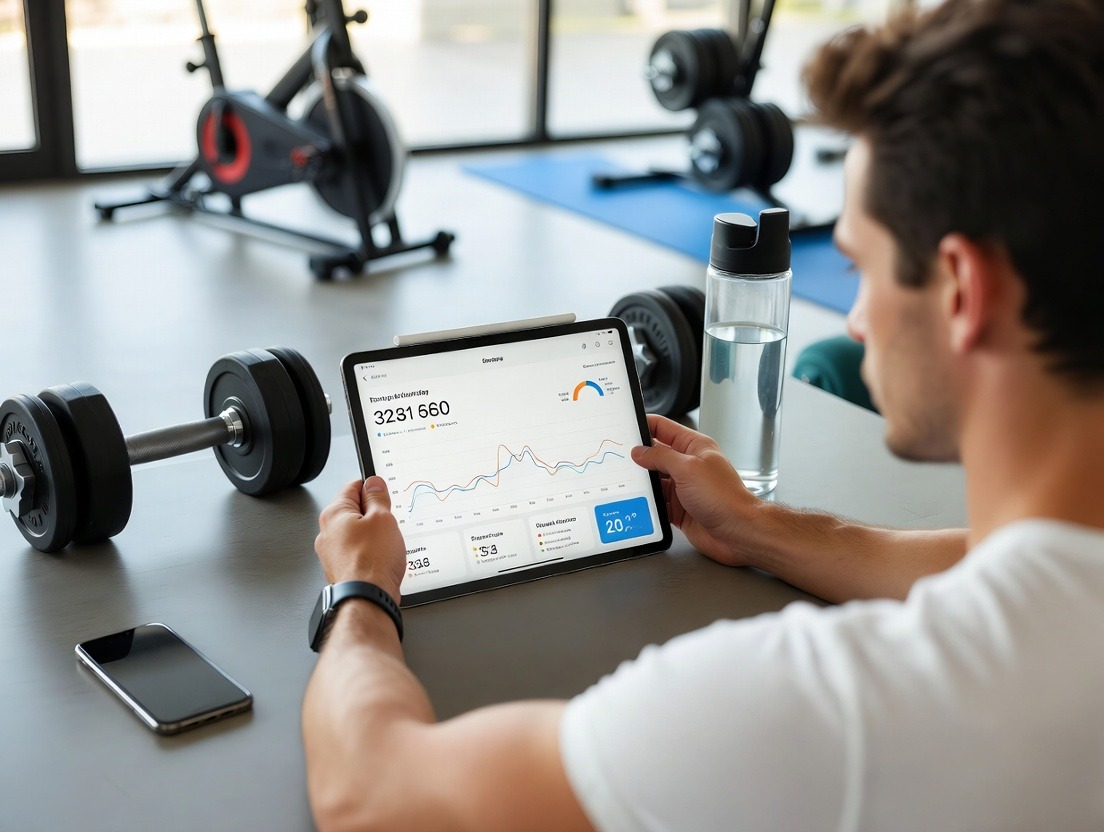
This is the battlefield where the debate gets most technical. In 2025, both categories boast impressive sensor suites, but they leverage their unique form factors to tell different parts of your health story.
Smartwatch Health Tracking: Watches excel at breadth and active monitoring. They are the undisputed champions of cardiovascular fitness tracking thanks to optical heart rate sensors and, on most premium models, ECG (electrocardiogram) apps for atrial fibrillation detection. GPS is standard for mapping outdoor workouts with precision. Newer models include skin temperature sensors, blood oxygen (SpO2) monitors, and even advanced running metrics like vertical oscillation and ground contact time. Their strength lies in capturing active metrics: workout intensity, cardio zones, pace, and distance. While they do track sleep and heart rate variability (HRV) for recovery, the form factor can sometimes limit the comfort and consistency of this data.
Smart Ring Health Tracking: Rings specialize in depth and passive biomarker monitoring. Their superpower is derived from the finger’s vasculature. The arteries in your finger are closer to the skin’s surface and are richer in capillary beds than the wrist, allowing for stronger photoplethysmography (PPG) signals. This translates to exceptionally accurate, continuous measurements of:
This sensor suite is laser-focused on sleep, recovery, and metabolic health. By being worn all night without discomfort, rings provide unparalleled insights into sleep stages, disturbances, and overall sleep quality—far beyond the basic “sleep score” of early wearables. This data allows you to embark on a detailed Sleep Score Journey: Tracking Improvement Over Months. The ring’s true value is in correlating these biomarkers—HRV, temperature, sleep—into a single, actionable metric like a “Readiness” or “Recovery” score, telling you not just how you slept, but how well your body recovered from the previous day’s stressors. You can learn more about how these metrics interweave in our analysis of How Your Sleep Score Reflects Total Body Recovery.
Verdict: For detailed workout metrics and on-demand health checks (ECG, SpO2), the watch leads. For a deep, continuous, and holistic picture of your autonomic nervous system, sleep quality, and recovery status—the foundational pillars of long-term health—the ring offers superior insights.
Your fitness philosophy will heavily dictate which device serves you better.
Smartwatches are the Workout Specialists. They are built for the engaged athlete. With built-in GPS, large touchscreens for real-time stats, and dozens of pre-loaded sport modes (from running and cycling to skiing and surfing), they are perfect for guided workouts. They can control music, display maps, and even provide post-workout coaching tips on form and pacing. They are interactive training partners. Their step and calorie burn estimates are generally good, though can be inflated by non-exercise arm movements.
Smart Rings are the Overall Activity & Exertion Coaches. Rings take a more holistic, outcome-oriented view of fitness. Most do not have GPS (relying on connected phone GPS if needed) and lack screens for live pace or split times. Instead, they focus on the impact of your activity. They excellently track overall daily movement (steps, active minutes) and, more importantly, they measure the physiological cost of your exertions. By continuously monitoring heart rate and HRV, they can tell you not just that you ran 10km, but how hard it was on your system. This allows them to advise whether your body is ready for another intense workout or needs a recovery day—a critical piece of intelligence for avoiding overtraining. They reframe fitness from “how much did I do?” to “how well did my body handle it, and is it ready for more?”
For the data-driven runner or cyclist wanting split-second feedback mid-workout, the watch is essential. For the individual focused on sustainable training, recovery balance, and understanding the full picture of their daily activity (including non-exercise movement), the ring provides more nuanced guidance.
This is a practical differentiator with a significant impact on user experience and data continuity.
Smartwatches, with their bright screens, constant connectivity, and powerful processors, typically require charging every 24 to 48 hours. For many, this means a nightly charging ritual, which directly conflicts with sleep tracking. Even models boasting “multi-day” battery life often hit 3-4 days at best, and that’s usually with always-on displays and GPS use disabled. This charging cadence inevitably creates data gaps.
Smart Rings, devoid of power-hungry screens and transmitting data less frequently via Bluetooth, achieve remarkable battery longevity. It is standard in 2025 for leading rings to last 5 to 7 days on a single charge, with some pushing into 7-10 day territory. More importantly, their charging solutions are designed for minimal disruption. A full charge often takes just 60-90 minutes. This means you can charge the ring while you shower and get ready in the morning, easily maintaining a continuous data stream. For those prioritizing uninterrupted health monitoring, the ring’s battery paradigm is a major advantage, reducing “charge anxiety” and supporting the goal of Restful Living: Finding Peace in the Chaos of daily life.
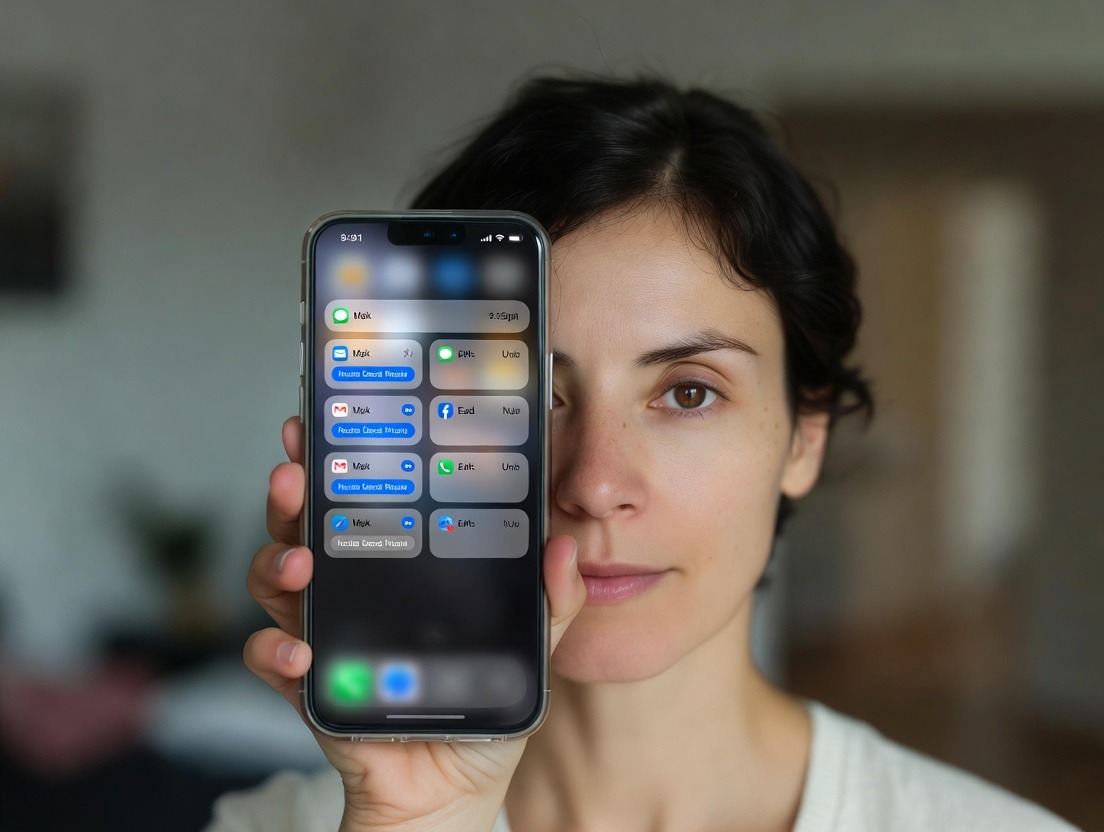
Here lies perhaps the most significant lifestyle divide between the two devices.
Smartwatches are Notification Hubs. They are designed to mirror your phone’s alerts. Every text, email, social media ping, and calendar reminder can buzz on your wrist. This can be incredibly convenient—allowing you to discreetly check a message in a meeting or dismiss a call while your hands are full. However, this constant stream of interruptions has a documented cost. It can fracture attention, increase stress levels, and pull you out of the present moment. It represents a constant, low-level drain on your cognitive resources.
Smart Rings are (Mostly) Notification-Free. By design, they have no screen and most offer zero notification support. Their “alert” system is subtler and biologically based: a vibration for an alarm you set, or a subtle nudge if an irregular heart rhythm is detected (on advanced models). This is a feature, not a limitation. It represents a conscious choice to use technology for self-awareness, not as a leash to the digital world. It helps enforce digital boundaries, allowing you to be more present. This philosophy is a cornerstone of creating a Restful Living Space: Designing for Calm and Restoration. For those seeking to reduce digital distraction and reclaim mental space, the ring’s quiet presence is a powerful statement.
If staying connected without grabbing your phone is a top priority, the watch wins. If minimizing digital interruptions to reduce stress and improve focus is your goal, the ring’s approach is transformative.
Collecting data is one thing; presenting it in a way that leads to positive behavior change is another. The app ecosystem is where raw sensor readings are transformed into personal intelligence.
Smartwatch Apps (e.g., Apple Health, Google Fit, Samsung Health, Garmin Connect): These platforms are vast and integrated. They aggregate data not just from your watch, but from a universe of third-party apps, scales, and blood pressure monitors. They present dashboards of your activity rings, sleep history, workout maps, and heart rate trends. Their intelligence is often focused on closing your daily movement goals and providing summaries of discrete events (like a workout or a sleep session). The experience can be comprehensive but sometimes overwhelming, a sea of charts requiring user interpretation.
Smart Ring Apps (e.g., Oura, Circular, Ultrahuman): Ring platforms are built with a specific focus: correlation and guidance. Their flagship feature is the integrative score—like Oura’s Readiness Score or a Sleep Score. These aren’t single metrics; they are algorithms weighing HRV, sleep quality, temperature, and activity to give you a single, clear message: “You’re ready to perform,” “Focus on recovery,” or “You may be getting sick.” The apps are designed to be glanced at in the morning to set the tone for your day. They provide targeted, contextual nudges: “Your temperature is elevated and resting heart rate is up. Consider taking it easy today.” This approach moves from information to actionable wisdom. It empowers users to make daily decisions that align with their body’s needs, a practice explored in 15 Restful Living Habits That Transform Your Energy.
For the data enthusiast who loves to dive deep into charts, both can satisfy. For the individual who wants a clear, prioritized, daily recommendation based on their physiology, the ring’s app experience is purpose-built and often more user-friendly.
In 2025, consumers are rightfully skeptical of health claims from wearables. The question of “Can I trust this data?” is paramount, especially if you’re using it to inform lifestyle or training decisions.
Smartwatch Validation: Major players like Apple, Fitbit (Google), and Garmin have invested heavily in clinical validation studies, often conducted in partnership with research institutions. Their ECG features have FDA clearances. Their optical heart rate sensors are validated against chest strap monitors for steady-state cardio, though can lag during high-intensity interval training (HIIT). Sleep staging accuracy has improved but can still struggle to differentiate between light sleep and quiet wakefulness. The key is that validation is often feature-specific.
Smart Ring Validation: The validation for rings centers on their core strengths: nocturnal biomarkers and recovery metrics. Oura, for instance, has published peer-reviewed studies on the accuracy of its temperature sensor for predicting menstrual cycles and illness onset, and its sleep staging has shown high agreement with polysomnography (the clinical gold standard) in research settings. The scientific community has shown strong interest in rings as longitudinal research tools due to their high wear-time compliance. Their accuracy in continuous HRV measurement is widely acknowledged as superior to most wrist-based wearables.
Both are “accurate enough” for consumer wellness guidance. However, for the specific metrics of sleep architecture, basal body temperature, and HRV—where the ring’s form factor provides a physical advantage—the ring currently holds an edge in scientific confidence for passive, 24/7 monitoring.
This decision isn’t about which device is objectively “better,” but which is better for you. Let’s crystallize the ideal user profiles for 2025.
The Smartwatch is Ideal For:
The Smart Ring is Ideal For:
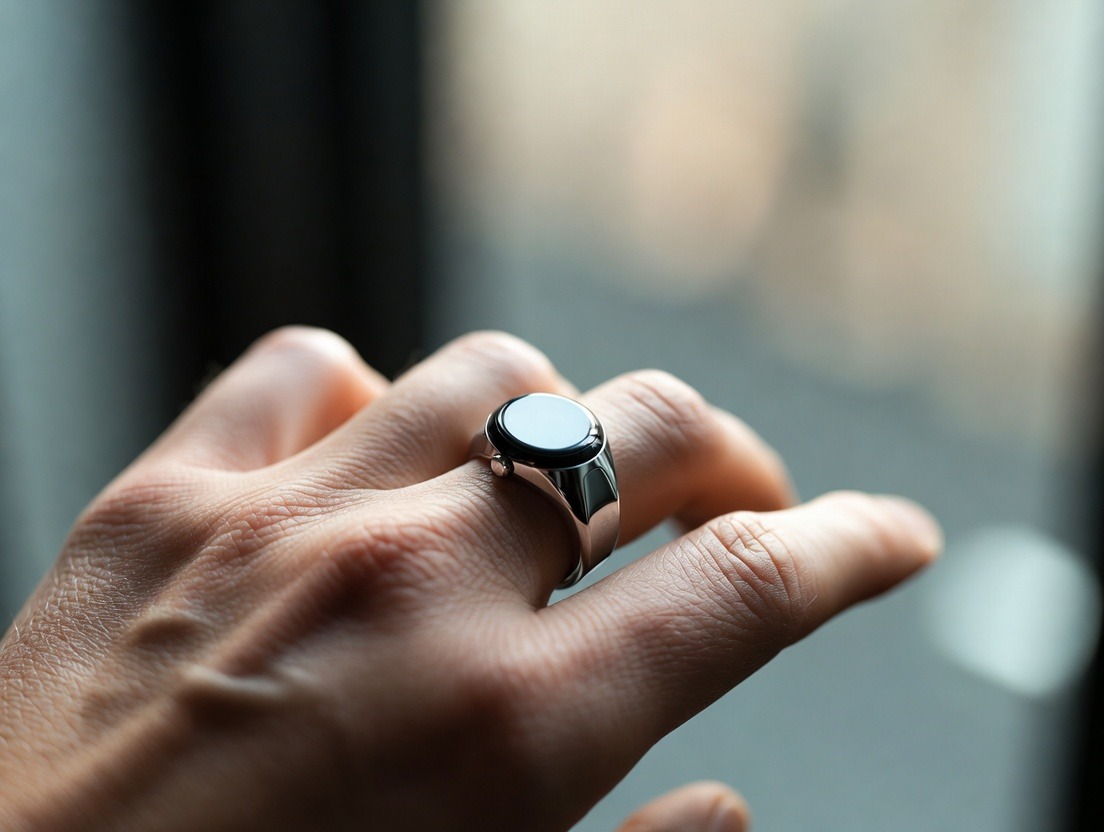
Predicting the future of wearables helps ensure your investment remains relevant.
Smartwatch Evolution (2025+): Expect further integration with AI and proactive health coaching. Watches will move from telling you what happened to what might happen and what to do about it. Deeper integration with electronic health records (EHRs) is likely. We’ll see more non-invasive sensors explored, like continuous glucose monitoring (CGM) via sweat or interstitial fluid, and advanced hydration tracking. The form factor will remain, but the intelligence within will become more anticipatory.
Smart Ring Evolution (2025+): The ring will solidify its role as the primary biomarker platform. Expect expansion of the biomarker portfolio—potentially adding more advanced cardiovascular metrics, improved stress state detection through galvanic skin response (GSR), and even rudimentary blood pressure estimation via pulse wave analysis. Multi-ring wear (one on each hand) could emerge for more advanced hemodynamic measurements. The biggest leap will be in actionable AI: hyper-personalized insights that learn your unique patterns and provide ever-more precise recommendations for sleep, nutrition, and activity timing, directly supporting a lifestyle of Restful Living on a Budget: Zero-Cost Wellness Tips.
Before making your final choice, consider a third path: the hybrid approach. This is not about buying two devices simultaneously, but about recognizing that these tools can be complementary over time.
Many users find that their needs evolve. You might start with a smartwatch for fitness and connectivity, then later add a smart ring to gain deeper insights into sleep and recovery that the watch can’t provide. Conversely, a ring user might add a simple GPS sports watch for dedicated workout tracking. The ecosystems are not mutually exclusive; data from both can often be synced to a broader health platform like Apple Health or Google Fit.
Final Pre-Decision Checklist:
The landscape of personal technology in 2025 offers a richer, more specialized choice than ever before. The smartwatch remains a powerful, versatile tool for managing an active, connected life. The smart ring has matured into a profound instrument for understanding the subtle language of your own biology, championing a more restful, intentional, and embodied approach to well-being. Your final decision hinges on which vision of technology and health resonates most deeply with the life you want to lead. In the next portion of this guide, we will delve into detailed reviews of specific 2025 market leaders, price-to-value analyses, and a step-by-step decision framework to finalize your choice.
Having established the core philosophies and functional differences, let's examine the specific devices that define the landscape in 2025. This isn't just about specs; it's about understanding which product best executes its vision and delivers on its promises to the user.
Smart Ring Elite Contenders:
Smart Watch Power Players:
The Verdict on Leaders: There is no single "best." Oura and Apple represent the pinnacle of execution in their respective philosophies—deep, passive sensing versus interactive, connected utility. Your ecosystem (iOS/Android), primary activity (sleep vs. sport), and desire for connectivity will instantly narrow this field.
The financial model of these devices is a critical, often overlooked, part of the decision. In 2025, the landscape has solidified into two distinct approaches.
Smart Ring Economics: Most premium rings operate on a hardware + subscription model. You pay a significant upfront cost for the ring itself (anywhere from $250 to $450), and then a monthly or annual fee (typically $6-$12/month) to access the full analytics, scores, and insights in the app. Without the subscription, you often get only raw, basic data (last night’s sleep time, today’s steps). The rationale is that the ongoing value is in the algorithm, the personalized insights, and the continuous software development—not just the sensor hardware. This model asks you to value the service of health interpretation.
Smartwatch Economics: The traditional one-time purchase model still dominates. You buy the watch (from $200 for entry-level to over $1000 for premium models), and you own its core functionality forever. Some brands, like Fitbit (under Google) and Whoop, also employ a subscription for their most advanced analytics (Fitbit Premium, Whoop membership). Apple, Garmin, and Samsung provide all core health and fitness features with the device, though they may offer premium training or music services as add-ons.
Long-Term Value Analysis:
Key Question: Do you prefer a higher upfront cost with “ownership,” or a lower entry point with an ongoing fee for a service? For those committed to long-term health tracking as a service, the ring’s model is justifiable. For those who dislike recurring fees, a subscription-free watch from Garmin or a basic Apple Watch may offer better perceived value.
No wearable is an island. Its true power is often unlocked by how well it shares data with the other digital tools in your life.
Smartwatch Integration: Watches are typically integration hubs. Apple Health and Google Fit are the central repositories, sucking in data from your watch, your ring, your smart scale, your meditation app, and your nutrition tracker. Watches often have direct partnerships with fitness apps like Strava, Peloton, and MyFitnessPal, allowing for seamless workout syncing. They can control smart home devices, act as car keys, and display boarding passes. Their strength is in being a central, interactive node in your digital life.
Smart Ring Integration: Rings are data exporters. Their role is to feed high-fidelity physiological data into your chosen health ecosystem. Leading rings sync effortlessly with Apple Health and Google Fit, allowing their sleep, HRV, and activity data to populate your central health profile. From there, third-party apps like TrainingPeaks, Strava, or natural cycle tracking apps can use that data to inform their own insights. For example, a ring’s temperature data can power a fertility app, and its HRV data can inform a training app’s recovery advice. The ring is a specialist sensor feeding a broader network, a concept that supports building a holistic system for How to Create a Restful Home Environment Room-by-Room—where each element contributes to a calm whole.
The Interoperability Dream: The ideal scenario for many advanced users is using both. A ring feeds sleep and recovery data into Apple Health. A Garmin watch writes workout data to the same platform. An app like Athlytic or TrainingToday can then combine both data streams—your overnight recovery from the ring and your daytime strain from the watch—to produce an even more nuanced daily readiness recommendation. This synergistic approach represents the cutting edge of personal analytics.
Beyond function, these devices are accessories that occupy prime real estate on your body. They send a social signal.
The Smartwatch Statement: A watch says, “I am connected, efficient, and engaged with the digital world.” It’s a symbol of productivity and tech-savviness. An Apple Watch is a modern status symbol; a Garmin Fenix signals serious outdoor prowess; a classic-looking hybrid smartwatch suggests a balance of tradition and technology. However, in certain social or professional settings, glancing at your watch can be perceived as checking the time impatiently, and the constant glow of a screen can be a subtle barrier to presence.
The Smart Ring Statement: A ring is subtle, private, and intentional. It says, “I value self-knowledge, discretion, and wellness.” It signals a focus on internal metrics over external notifications. It’s often seen as a tool for those “in the know” about biohacking and recovery optimization. It doesn’t interrupt a conversation with a buzz and is rarely noticed, making it appropriate for black-tie events, client meetings, or any situation where a tech-minimalist aesthetic is preferred. It aligns with a philosophy of Restful Living in a Fast-Paced World, choosing calm awareness over noisy connection.
Customization: Watches win on sheer variety—countless bands, faces, and finishes. Rings are catching up with interchangeable finishes (like Circular’s shells) and a wider range of precious metal options (titanium, gold, platinum), but they remain more monolithic in design.
Your choice here is deeply personal: Do you want your wearable to be a visible piece of tech jewelry, or an almost-secret personal lab?
How much mental energy does the device require to deliver its value?
Smartwatch Interaction: The learning curve is shallow but the daily interaction demand is high. Setting up a watch is familiar—it’s like a tiny phone on your wrist. But thereafter, it demands attention. Notifications buzz, goals need closing (those famous activity rings), and screens invite swiping and tapping. The data is often presented in a way that requires you to seek it out and interpret it. It’s a device of active engagement.
Smart Ring Interaction: The initial setup has a steeper curve—getting the right size is crucial, and understanding metrics like HRV and skin temperature deviation requires a bit of learning. However, the daily interaction is minimal. Once set, the ideal use case is: wake up, open the app, receive your single score and 2-3 bullet points of insight, and let that guide your day. It’s a “glance and go” model. The ring does the hard work in the background; your job is simply to absorb the distilled wisdom. This low-interaction model is a cornerstone of How to Balance Productivity with Restful Living, using technology to guide decisions rather than consume time.
For those who enjoy tinkering with settings and exploring data, the watch offers more to “do.” For those who want insight without the digital labor, the ring’s passive, summary-based approach is a relief.
The most profound advancements in 2025 are in areas beyond step counts. Here, the form factors show their specialized strengths.
Stress & ANS Monitoring: Both can track stress via heart rate and HRV. However, the ring’s continuous, high-quality HRV data makes it superior for tracking your allostatic load—the cumulative stress on your body’s systems throughout the day. It can identify not just moments of acute stress, but patterns of chronic nervous system activation, providing early warning signs of burnout. This data is vital for practicing effective Restful Living to Reduce Chronic Stress and Burnout. Watches are adding similar features (like Garmin’s Stress Score or Fitbit’s EDA scan), but the ring’s 24/7 finger-based data is considered the more robust input.
Women’s Health & Cycle Tracking: This is a domain where the smart ring is revolutionary. The continuous, precise basal skin temperature tracking from the finger is a game-changer for predicting ovulation and mapping menstrual cycle phases with far greater accuracy than manual logging or wrist-based temperature. Apps like Oura and Natural Cycles use this data to provide detailed cycle insights and fertility awareness. While watches now include cycle logging and retrospective predictions, the ring’s proactive, temperature-based approach is objectively more powerful for this specific use case.
Longevity & Predictive Health: Both devices are moving towards predictive analytics. Watches, with their large user bases, are using AI to spot patterns that might indicate conditions like atrial fibrillation or high cardio risk. Rings, with their rich longitudinal biomarker sets, are positioned to spot deviations from your personal baseline that may indicate illness onset, immune response, or disruptions in metabolic health days before symptoms appear. This shift from “how did I sleep?” to “is my body fighting something?” represents the frontier of consumer health wearables.
If advanced cycle tracking or nuanced stress load monitoring is a primary goal, the smart ring holds a distinct and scientifically validated advantage.
As consumers become more conscious, the sustainability and ethics of our tech choices matter.
Materials & Manufacturing: Premium rings are often made from titanium (highly durable, hypoallergenic, and recyclable) or ceramics. Their small size means less raw material use overall. Smartwatches use more complex material mixes: aluminum cases, steel, sapphire glass, and often plastic composite bands. The larger size and more complex assembly (screen, battery, multiple sensors) generally mean a larger environmental footprint in production.
Durability & Lifespan: A well-made titanium ring is incredibly durable and designed to last for years with minimal degradation. There are no screens to crack. Smartwatches, with their glass faces and more complex electronics, are more prone to damage and can feel obsolete faster due to rapid processor and software updates. A ring’s function (sensing) is less tied to computational power, so its core value can remain relevant longer.
Battery Replacement & End-of-Life: Both devices have non-user-replaceable batteries that degrade over 2-4 years. When the battery life becomes unacceptable, the entire device often needs replacement. Some ring companies (like Oura) have started offering battery replacement programs for a fee, extending the device's life. Watch repair programs exist but can be costly. Considering the subscription model of rings, a longer physical lifespan is economically and environmentally critical.
For the eco-conscious user, the ring’s minimalist design, durable materials, and potential for longer functional life (as a sensor) can be a compelling point in its favor.
You’ve absorbed the data, the philosophies, and the market realities. Now, let’s synthesize it into a concrete decision-making process. Ask yourself these questions in order:
Final Scenarios:
The ring versus watch debate in 2025 is a testament to how far wearable technology has evolved. We are no longer choosing between a "better" or "worse" device, but between two mature, sophisticated tools designed for different purposes and personal philosophies.
The smartwatch remains the unparalleled choice for the interactive, connected, and fitness-focused life. It is your coach, your secretary, and your safety net, worn proudly on your sleeve—or rather, your wrist.
The smart ring has carved out its essential niche as the expert in the unseen, internal world of biomarkers. It is your personal scientist, your recovery advisor, and your guardian of rest, operating quietly in the background to help you tune into your body’s most subtle signals. Its rise parallels a broader cultural shift towards How Nature Supports Restful Living: Get Outside More and prioritizing intrinsic well-being over external validation.
The most enlightened users may ultimately find that the perfect system employs both: using the watch as the tool for active life engagement and the ring as the compass for foundational health. But for your first step, or your only step, the decision now rests on a clear understanding of what you truly need technology to do for you.
In the next portion of this guide, we will put this framework into action with head-to-head comparisons of specific model pairings, answer the most frequently asked questions from real users, and explore the cutting-edge horizon of sensor technology that will define the wearables of 2026 and beyond. The journey to your perfect wearable companion is just beginning.
With a clear framework in hand, let's get practical. Abstract comparisons are useful, but real decisions are made between specific devices. Here, we pit leading models against each other in common user scenarios. These aren't about declaring a universal winner, but about revealing which device "wins" for that specific set of needs.
Matchup 1: The Sleep & Recovery Purist
Matchup 2: The Multisport Athlete
Matchup 3: The Discreet Biohacker & Data Synthesizer
Matchup 4: The Style-Conscious Professional
Let's address the common, nuanced questions that arise when making this choice.
Q1: "I've heard rings are inaccurate for heart rate during workouts. Is that true?"
A: This is a nuanced point. Rings can be very accurate for steady-state cardio (like jogging or cycling) because blood flow in the finger remains strong. Where they can struggle is during high-intensity interval training (HIIT) or strength training that involves gripping (like weights, kettlebells, or pull-ups). Gripping can temporarily restrict blood flow in the finger, causing optical sensors to momentarily "lose" the signal or report cadence lock (tracking your arm movement instead of heart rate). For dedicated workout HR accuracy, a chest strap is gold standard, followed by a good optical wrist sensor (which can also have issues with wrist flexion). For overall 24/7 HR and HRV trends, the ring is superior.
Q2: "Can a smart ring replace a watch for telling time?"
A: Generally, no. Very few rings have any display for time. Their design ethos is to move you away from constant time-checking and towards biological cues. You would still need to check your phone or a wall clock. Some, like the Circular Ring, have a feature where tapping the ring can make your phone emit a subtle sound to help you find it, but it won't show the time. If knowing the time at a glance is a non-negotiable need, you require a device with a display.
Q3: "I have an iPhone but love Garmin's fitness features. Can they work together?"
A: Yes, with some caveats. A Garmin watch will pair with an iPhone via Bluetooth. You can receive notifications, sync workouts, and use the Garmin Connect app. However, the integration is not as deep as with an Apple Watch. You won't have Apple Pay, reply-to-message functions, or tight integration with Apple's HealthKit for writing data (though Garmin Connect can read from and write to Apple Health for health metrics). It's a functional, but not seamless, pairing.
Q4: "How do I know my ring size? What if my finger swells?"
A: This is critical. Every reputable ring company sends a physical sizing kit with plastic sizers. You must wear the sizer for 24 hours, testing it during different times of day (fingers swell in heat, after exercise, and at night) and in different conditions (cold morning, warm afternoon). The goal is a snug fit that doesn't slip but also doesn't leave a deep indent. It should require a slight tug to remove. Most people size between a half and full size larger than their typical jewelry ring to account for swelling. A proper fit is the most important step in ensuring accurate data and comfort.
Q5: "Are there any health risks or concerns with wearing a ring 24/7?"
A: For the vast majority, no. The sensors use harmless green and red LED lights. However, consider:
Q6: "Which device is better for older adults or health monitoring for a loved one?"
A: This depends on the need.
To future-proof your decision, let's look at the horizon. The technology in both rings and watches is advancing at a breakneck pace.
The Next Biomarker Frontier:
The AI & Personalization Revolution:
The hardware is plateauing; the intelligence is exploding. In 2025 and beyond, the differentiation will be in the software.
Form Factor Evolution:
The journey through the ring vs. watch landscape of 2025 reveals a market that has beautifully bifurcated. We are not moving towards a single, do-it-all device. Instead, we are witnessing the specialization of form to function.
Choose the Smartwatch if: Your life is an orchestra of activity, connection, and external demands, and you want a conductor on your wrist to help you manage it all. You value immediacy, interaction, and a comprehensive digital toolset. Your wellness is actively pursued through tracked workouts and managed productivity.
Choose the Smart Ring if: Your priority is cultivating a deep, intuitive understanding of your body's inner rhythms. You seek not to manage the noise, but to find the signal beneath it. You value discretion, longitudinal insight, and technology that supports rather than invades your consciousness. Your wellness is built on the foundations of rest, recovery, and metabolic harmony, principles explored in resources like The Science Behind Restful Living: Why Downtime Matters.
The most profound takeaway is that this choice is a reflection of your wellness philosophy. Are you optimizing for performance, or for presence? For output, or for resilience? The device you select will not only track your life but will subtly shape it, encouraging certain behaviors and insights over others.
In the final portion of this definitive guide, we will walk you through the unboxing and setup best practices to maximize your device's potential, delve into advanced user strategies for data interpretation, and provide a final, actionable checklist to confirm your decision. The path to a more informed, healthier you, aided by the perfect wearable, is now clearly marked.
Your Trusted Sleep Advocate: Sleep Foundation — https://www.sleepfoundation.org
Discover a digital archive of scholarly articles: NIH — https://www.ncbi.nlm.nih.gov/
39 million citations for biomedical literature :PubMed — https://pubmed.ncbi.nlm.nih.gov/
Experts at Harvard Health Publishing covering a variety of health topics — https://www.health.harvard.edu/blog/
Every life deserves world class care :Cleveland Clinic - https://my.clevelandclinic.org/health
Wearable technology and the future of predictive health monitoring :MIT Technology Review — https://www.technologyreview.com/
Dedicated to the well-being of all people and guided by science :World Health Organization — https://www.who.int/news-room/
Psychological science and knowledge to benefit society and improve lives. :APA — https://www.apa.org/monitor/
Cutting-edge insights on human longevity and peak performance:
Lifespan Research — https://www.lifespan.io/
Global authority on exercise physiology, sports performance, and human recovery:
American College of Sports Medicine — https://www.acsm.org/
Neuroscience-driven guidance for better focus, sleep, and mental clarity:
Stanford Human Performance Lab — https://humanperformance.stanford.edu/
Evidence-based psychology and mind–body wellness resources:
Mayo Clinic — https://www.mayoclinic.org/healthy-lifestyle/
Data-backed research on emotional wellbeing, stress biology, and resilience:
American Institute of Stress — https://www.stress.org/


