


Smart Ring Features Explained: Temperature Monitoring Capabilities
Explains the capability to track skin temperature and its applications for health insights.
Explains the capability to track skin temperature and its applications for health insights.
%402x.svg)
For centuries, we’ve taken our temperature only in moments of crisis—a sweaty brow, a sudden chill, the suspect warmth of a child’s forehead. The thermometer emerged from the medicine cabinet, delivered its verdict, and retreated. It was a snapshot, a single data point in time that told us if we were at war with an invader. But what about the quiet, daily rhythms of our internal climate? The subtle ebbs and flows that whisper of stress, recovery, ovulation, or metabolic shifts long before any symptom shouts? We’ve been missing the entire story.
Enter the modern smart ring, a pinnacle of unobtrusive wearable technology. While steps and sleep stages captured the initial public imagination, a far more profound and biologically intimate metric has been quietly revolutionizing personal health monitoring: continuous body temperature tracking. This isn’t about spotting a fever. This is about decoding the unique, nuanced language of your body’s thermal signature—a language that speaks to everything from your fertility window and sleep quality to your stress resilience and metabolic health.
Imagine having a personal biometerologist on your finger, one that monitors the internal weather patterns of your physiology 24/7. This capability transforms the smart ring from a simple activity tracker into a true health guardian. It provides a foundational biomarker that, when interpreted correctly, offers a window into your autonomic nervous system, hormonal orchestra, and cellular engine. It’s the missing piece in the quantified self puzzle, moving us from tracking what we do to understanding how we are.
In this deep exploration, we will demystify this powerful feature. We’ll journey from the basic science of how a ring on your finger can gauge your core temperature, through the rich, actionable insights it provides for sleep, women’s health, stress, and performance. We will navigate the limitations and best practices, ensuring you can harness this data not to foster anxiety, but to cultivate profound restful living and longevity. This is more than a feature explanation; it’s a guide to listening to one of your body’s most fundamental signals.
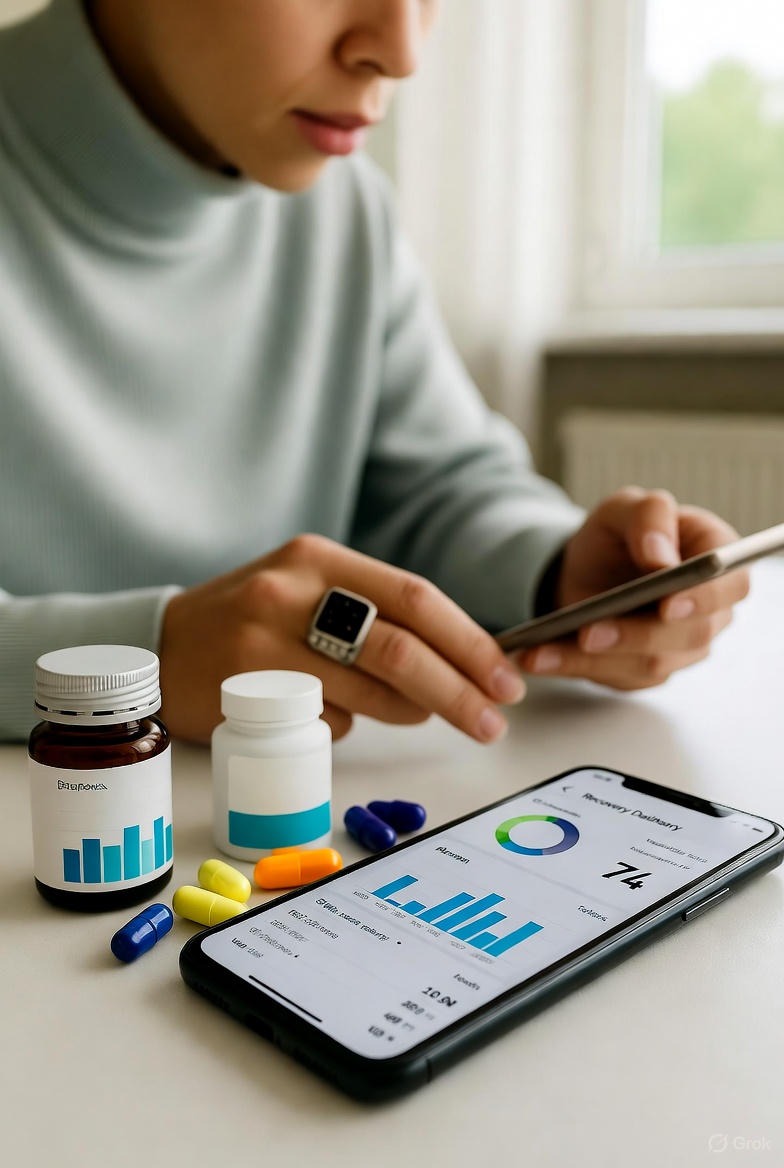
At first glance, the premise seems flawed. Medical tradition prizes core body temperature—the temperature of your blood and internal organs—measured rectally, orally, or via ingestible pills. How could a device on your finger, measuring the temperature of your skin, possibly relate to that? The answer lies in the sophisticated dance between your core and your periphery, and the advanced algorithms that interpret this relationship.
Your body is a master of thermoregulation, constantly working to maintain a vital core temperature around 37°C (98.6°F). It uses your blood vessels as heating ducts. When your core temperature needs to drop (like during exercise or in a warm environment), your body dilates the blood vessels near your skin’s surface (vasodilation), shunting warm blood to the periphery to radiate heat. When it needs to conserve heat, it constricts those vessels (vasoconstriction), keeping warm blood centralized. This process is governed by your autonomic nervous system.
The skin temperature on your fingers, toes, and ears is therefore highly dynamic and directly telegraphs the state of your internal thermoregulatory commands. It’s not a perfect 1:1 match with core temperature at any given second, but its patterns and nocturnal baselines are incredibly informative.
During the day, your hand temperature is too variable—affected by ambient air, handling objects, and posture. But at night, when you’re immobile and in a controlled environment, the story changes. This is where smart rings excel. As you fall asleep and your conscious brain quiets, your autonomic nervous system takes the stage. The drop in core temperature that facilitates sleep initiation is achieved through precisely timed vasodilation in your hands and feet, releasing heat. A smart ring with a high-precision thermal sensor detects this rapid drop and the subsequent stable, low-temperature plateau during deep sleep.
Researchers call this distal skin temperature, and its nightly curve is a robust, non-invasive proxy for your circadian rhythm and core temperature cycle. By establishing your personal baseline over multiple nights, the ring can detect significant deviations—the subtle rises that may indicate inflammation, infection, a progestogenic shift, or a poor recovery state.
The hardware typically involves a miniature, medical-grade negative temperature coefficient (NTC) thermistor or a thermopile sensor. These are not simple thermometers; they are capable of detecting minute changes—often to 0.1°C or better. The raw data stream is a noisy signal.
This is where the magic of software and machine learning comes in. Advanced algorithms:
By combining this continuous thermal data with other ring-derived metrics like heart rate variability (HRV) and sleep staging, the device builds a holistic picture of your physiological state. It’s a symphony of data where temperature provides the bassline—a fundamental rhythm from which other melodies of health emerge.
If the only story temperature told was about infection, it would be a blunt instrument. The true power of continuous monitoring lies in reading the subtitles, not just the headlines. Your daily and nightly temperature curve is a rich biosignature, revealing narratives about your body that you might otherwise ignore or misinterpret.
Your body temperature follows a predictable circadian wave. It’s typically at its lowest in the hours before you wake up (the nadir) and begins to rise in the morning, peaking in the late afternoon or early evening before declining again to prepare for sleep. This rhythm is orchestrated by your master clock, the suprachiasmatic nucleus (SCN) in your brain.
A smart ring tracks this rhythm visually. A flattened, erratic, or shifted temperature curve can be one of the first indicators of:
Observing your own rhythm can empower you to align your activities—scheduling demanding cognitive work near your peak, and winding down as your temperature falls.
Remember the vasoconstriction controlled by the sympathetic (fight-or-flight) nervous system? When you are stressed, even non-consciously, your body restricts blood flow to the periphery. This can manifest as cold hands and feet and, crucially for the ring, a suppression of the normal nighttime temperature drop.
A night where your temperature doesn’t fall adequately is a strong indicator that your nervous system is on alert, hindering recovery. It’s a quantitative confirmation of that feeling of “tired but wired.” Conversely, a deep, pronounced drop and a stable low-temperature plateau correlate with physiological rest and recovery, a cornerstone of restful living for high-achievers who need to balance output with repair.
Low-grade, systemic inflammation is a stealthy contributor to many chronic conditions. One of its classic physiological effects is a rise in core body temperature—often sub-febrile (below the official fever threshold of 38°C or 100.4°F). Continuous monitoring can detect these subtle, sustained elevations in your baseline temperature.
Maybe it’s a response to a hard training session (a normal acute inflammatory response), a hidden food sensitivity, the onset of a mild illness, or a sign of chronic stress. While a ring cannot diagnose the cause, it can raise a flag, prompting you to consider: Have I been pushing too hard? Am I fighting something off? Do I need more rest? It turns abstract feelings of “being run down” into a tangible, trackable metric.
This ability to see beyond the obvious fever transforms temperature from a crisis tool into a daily guide for sustainable wellness, helping you protect your energy before you crash, a principle central to establishing restful living boundaries.

Sleep is not a passive state but an active, thermally-driven process. Your body must lose about 1-2°F of core heat to initiate and maintain deep, restorative sleep. This heat loss is primarily managed through distal vasodilation—the very process a smart ring on your finger is exquisitely positioned to measure. Therefore, temperature data isn’t just correlated with sleep; it is a direct driver and indicator of its quality.
A sharp, pronounced drop in skin temperature at the finger is a reliable biological marker of sleep onset. By tracking this, your ring can tell you not just when you got into bed, but when your physiology actually began the sleep process. A long delay between bedtime and this thermal drop might indicate poor sleep hygiene—perhaps too much screen time, a late heavy meal, or unresolved stress keeping your nervous system activated.
Throughout the night, your temperature remains low and stable during deep (NREM) sleep phases. As you transition into lighter sleep and REM sleep, your thermoregulation is temporarily suspended, leading to more temperature variability. Advanced algorithms can use this temperature stability, in concert with heart rate and motion data, to help estimate sleep stages. A night with a stable, low-temperature profile often correlates with higher percentages of deep sleep, while a jagged, rising temperature curve might indicate fragmented, light sleep.
This is where knowledge becomes power. By understanding your thermal sleep signature, you can take concrete steps to improve it:
In essence, the ring provides biofeedback. It answers the question, “Did my body actually achieve the physiological state of rest last night?” and then guides you toward habits that make the answer “yes” more likely, fostering true restful living through the seasons by adapting your sleep environment year-round.
For decades, women seeking natural insights into their hormonal cycles relied on the basal body temperature (BBT) method—taking their temperature orally with a sensitive thermometer immediately upon waking, before any activity. While informative, this method was fragile: it required strict routine, was easily disrupted by poor sleep, alcohol, or simply forgetting, and provided only a single daily data point.
Continuous temperature monitoring via smart ring is a paradigm shift in fertility awareness and holistic women’s health tracking. It solves the core problems of BBT by being passive, continuous, and capturing the pattern, not just a point.
In a natural ovulatory cycle, the hormonal dance between estrogen and progesterone creates a clear biphasic temperature pattern:
A smart ring, by tracking temperature all night, automatically detects this sustained shift. It doesn’t just give you a number; it shows you the clear graphical shift, often confirming ovulation after it has occurred and identifying your fertile window retrospectively with high accuracy.
The applications extend far beyond fertility planning or avoidance:
This feature democratizes deep hormonal insight, giving women a continuous, private, and powerful tool to understand the fundamental rhythm of their biology.

Your metabolism is, at its essence, the sum of your body’s energy-producing chemical reactions—and nearly all of these reactions generate heat. Therefore, body temperature is a direct, albeit complex, reflection of your metabolic rate. For athletes and fitness enthusiasts, continuous temperature tracking opens a new frontier in optimizing performance and recovery.
Exercise dramatically increases metabolic rate and heat production. A smart ring will capture the rise in your temperature during a workout. But the more valuable story is told after the workout. The magnitude and duration of your post-exercise temperature elevation (known as excess post-exercise oxygen consumption or EPOC) can indicate the metabolic demand of your session. A very intense or novel workout may keep your temperature elevated for hours as your body repairs muscle and restores homeostasis.
This is a critical application. One of the hallmarks of overtraining syndrome (OTS) or non-functional overreaching is a disturbance in thermoregulation. Chronically elevated resting temperature, especially the nocturnal baseline, can be a early warning sign of systemic fatigue and excessive strain. If your ring shows a multi-night trend of elevated baseline temperature alongside other poor recovery markers (low HRV, restless sleep), it’s a powerful signal to incorporate a deload week, prioritize active recovery, and double down on restful living at work to mitigate non-training stressors.
What you eat influences thermogenesis. The thermic effect of food (TEF) is the energy required to digest, absorb, and process nutrients. Protein, for instance, has a higher TEF than fats or carbs. A curious user might notice a slight, temporary rise in their temperature after a large, protein-rich meal. More broadly, significant changes in diet (e.g., starting a ketogenic diet, changing calorie intake) can sometimes cause subtle shifts in baseline temperature as the body adapts its primary fuel source and metabolic pathways.
For the data-driven athlete, temperature becomes a key thread in the recovery tapestry. It answers: Did my body fully handle the stress I applied? Is it still working hard to repair, or has it settled back to baseline? This allows for truly personalized training programming based on physiological readiness, not just a pre-set schedule.
The link between temperature and the autonomic nervous system (ANS) is direct and immediate. As previously mentioned, the sympathetic branch (SNS) causes vasoconstriction to conserve heat and prepare for action, while the parasympathetic branch (PNS) promotes vasodilation to release heat and support “rest and digest” functions. Your finger temperature is, in real-time, a proxy for this balance.
An acute stress response—a tense work meeting, an argument, a close call in traffic—triggers SNS activation. You’ll often feel your hands go cold. The ring can capture this as a rapid dip in skin temperature. Observing these dips can build mindfulness, creating a somatic connection to stress: “My ring shows my temperature dropped for an hour during that project crisis—my body was in fight-or-flight.”
More insidious is chronic stress. When your SNS is persistently toned, even at night, it inhibits the full vasodilation needed for optimal sleep and recovery. The result is a higher, more variable nighttime temperature. A smart ring quantifies this lack of "thermal relaxation."
This makes temperature a superb companion metric to Heart Rate Variability (HRV). While HRV reflects the heart's responsiveness to ANS commands, temperature reflects the vascular system's response. Together, they provide a robust picture of your nervous system state. A night showing both low HRV and a poor temperature drop is a strong, multi-signal indicator that your recovery capacity is compromised.
This is where the feature becomes interventional, not just observational. You can use the data to validate and refine calming practices:
By making the invisible visible, temperature monitoring empowers you to identify stress sources, measure the impact of your mitigation strategies, and ultimately guide your nervous system back to a state of balance and readiness.
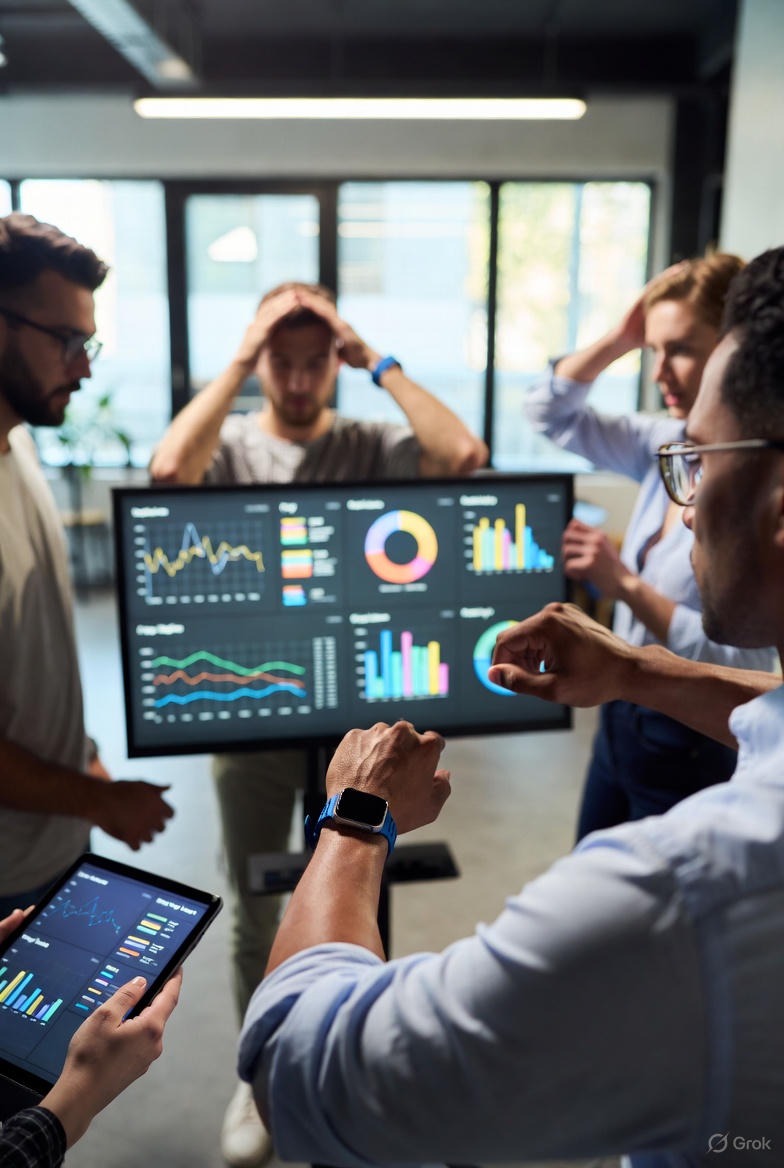
Perhaps the most compelling and clinically significant application of continuous temperature monitoring is its potential to serve as an early warning system for illness. The rise in core temperature is a primary, non-specific response to infection, inflammation, or immune activation. By catching this rise at its very inception, you gain a precious head start.
A single night of elevated temperature can be due to many factors (alcohol, a very warm room, poor sleep). What suggests an impending illness is a sustained elevation of your nocturnal baseline over 2-3 nights, especially when combined with other ring data like elevated resting heart rate and decreased HRV. This triad is a powerful algorithmic indicator that your body is mounting an immune response.
Often, this sustained rise happens 24-48 hours before you feel any overt symptoms like a sore throat, cough, or fatigue. This is the "pre-symptomatic" or "prodromal" phase. In the era of heightened health awareness, this early alert can be invaluable. It can prompt you to:
During an active illness, the ring tracks the fever curve objectively, without disturbing sleep for manual checks. More importantly, it objectively marks recovery. You might feel "mostly better," but your temperature and HRV data may show your body is still working overtime. Returning to full activity only when your physiological metrics have truly returned to baseline can help prevent relapse or complications like post-viral fatigue.
This transforms the smart ring from a wellness device into a genuine health guardian. It provides a data-driven reason to listen to—or preempt—your body’s whispers before they become shouts, allowing you to act proactively in service of your health.
With great data comes the need for great interpretation. The raw temperature graph can look like a chaotic mountain range. The key is learning to differentiate signal (meaningful physiological trends) from noise (irrelevant fluctuations). Here’s a guide to becoming literate in your thermal language.
Forget the notion of a "perfect" 98.6°F. Your normal is unique. The absolute temperature reading on your finger is influenced by ambient conditions and is not your core temperature. What matters is the change relative to your own established baseline. The software will typically calculate a moving average or a baseline range. Your job is to look for deviations from your normal.
Temperature should almost never be interpreted in isolation. Always triangulate it with at least two other data points:
This holistic view prevents you from catastrophizing a single night's weird data. For example, one night of high temperature and poor sleep after a celebratory night out is noise. Three nights of the same pattern while living your normal life is a signal.
This is the most important guidance. The goal is insight, not obsession. Check your weekly trends, not your minute-by-minute readings. Use the data to ask kinder questions of yourself: "What does my body need right now?" rather than "Why is my number 'bad'?" Let it guide you toward supportive habits like minimalism for restful living, which can reduce mental clutter and physical stressors, rather than becoming another source of performance pressure.
To trust the insights, you must understand the boundaries of the technology and how to use it correctly. Even the most advanced sensor is limited by its placement and environment.
By respecting these limitations and following best practices, you ensure the data you’re interpreting is a clear signal from your body, not a distorted reflection of your environment or habits.
The wearable market offers multiple avenues for temperature sensing. Each form factor has distinct advantages and trade-offs, largely dictated by sensor placement and design constraints.
Why the finger wins for temperature:
Most smartwatches with temperature sensors are designed for skin temperature tracking, not distal temperature.
Adhesive patches worn on the chest (like the FDA-cleared CORE sensor) or ingestible pills provide the gold standard of true continuous core temperature. They are used in elite sports and clinical settings.
For the holistic health seeker wanting a continuous, passive, and highly physiologically relevant temperature signal integrated with other biomarkers (HRV, SpO2, activity), the smart ring currently occupies a unique and advantageous niche. It offers a superior balance of accuracy, comfort, and continuity for the specific goal of monitoring circadian rhythms, recovery, and health trends.
We are just scratching the surface of what continuous body temperature data can reveal. As sensor fidelity improves, datasets grow, and artificial intelligence becomes more sophisticated, we are moving from descriptive tracking to predictive and prescriptive health insights.
Research is exploring how long-term temperature rhythm patterns might correlate with disease risk. Could a chronically dampened circadian temperature amplitude be an early biomarker for metabolic syndrome or diabetes risk? Could specific nocturnal instability patterns correlate with neurodegenerative or autoimmune disease progression? Large-scale, longitudinal studies powered by data from millions of ring wearers could uncover these relationships, creating early warning systems on a population scale.
Future algorithms could move beyond confirming ovulation to estimating absolute progesterone levels based on the magnitude of the temperature rise, or predicting cycle-related migraines or PMDD symptoms based on thermal pattern precursors. Integration with other data (cervical fluid tracking logged in an app, continuous cortisol/metabolite sensing from future sweat sensors) could create a comprehensive, real-time hormonal dashboard.
The next generation of software won’t just flag a temperature rise that’s already happened. By combining temperature, HRV, heart rate, respiratory rate, and even voice/sound analysis from a smartphone, AI models may be able to predict the likelihood of symptomatic illness 2-3 days in advance with startling accuracy. This would enable truly proactive care—rest, hydration, and perhaps even early, targeted antiviral or supplement protocols under medical guidance.
Imagine a future where your smart ring communicates with your smart home. As it detects your nighttime temperature drop beginning, it automatically dims the lights and lowers the thermostat. If it sees your temperature elevated and sleep disturbed while traveling, it could guide you through a personalized wind-down routine via your phone, drawing from principles in the restful living travel guide. The data becomes not just a report, but an active agent in crafting your environment for optimal health.
This future positions the smart ring not as a gadget, but as the central node in a personalized, preventive healthcare ecosystem—a constant guardian tuned to the most fundamental rhythm of life: your own heat.
Data in a vacuum is merely trivia. The profound value of continuous temperature monitoring is realized only when it is woven into the fabric of your daily life, informing decisions and shaping habits that elevate your overall well-being. This isn’t about chasing perfect numbers, but about using a biological signal to foster harmony between your body’s needs and your lifestyle’s demands. It’s the bridge from knowing to doing.
The core principle is creating a closed feedback loop:
This process cultivates a deep self-awareness, transforming you from a passive recipient of health information into an active participant in your own physiological narrative. For instance, if you see that your temperature consistently drops more steeply and sleeps more soundly on nights you follow a weekly restful living plan, that data reinforces the value of that structure, making it easier to maintain.
For athletes and high-performers, temperature data should be a key input for periodizing recovery. Instead of following a rigid training schedule, you can adopt a more responsive approach:
This dynamic approach, guided by your personal biomarkers, prevents digging a deeper recovery debt and can lead to better long-term progress and reduced injury risk.
Over months and years, your temperature data becomes a priceless health journal. It can:
By integrating this stream of data into your health strategy, the smart ring ceases to be a “wearable” and becomes more like a personal health consultant, offering silent, continuous guidance tuned exclusively to you.
As with any emerging technology, misconceptions abound. Clarifying these points is essential for setting realistic expectations and fostering trust in the data.
Reality: This is the most common misconception. A smart ring does not display your core body temperature. It displays the temperature of the skin on your finger, which is a dynamically changing value influenced by both core temperature and your nervous system’s commands to your blood vessels. Its power lies in the pattern of this skin temperature over time, especially during sleep, which is a highly informative proxy for core temperature trends. For a single, clinical-grade temperature reading, a traditional thermometer is still required.
Reality: A single night’s elevation is usually noise, not a signal. The human body is not a machine; it has daily variations. That elevation could be due to a warm room, alcohol, a late heavy meal, intense evening exercise, or simply statistical variation. The signal for potential illness is a sustained elevation of your personal baseline over multiple nights, typically coupled with other biomarkers like elevated resting heart rate. The algorithm is designed to look for these sustained shifts and alert you accordingly, ignoring one-off spikes.
Reality: This doesn’t mean the ring is inaccurate; it means it is measuring precisely what it should: the temperature at the sensor site. If your hand is under the covers, you have created a local microclimate. This is an important real-world factor! It’s actually valuable data—it shows that your behavioral choice (burying your hand) directly impacts your body’s ability to release heat. For the most physiologically consistent readings, the best practice is to keep the ring hand outside the covers. The device is accurately reporting the condition it’s in.
Answer: No. Smart ring temperature data is for informational and wellness purposes only. It is not a medical device (unless specifically cleared as such by a regulatory body like the FDA, which most consumer rings are not). It cannot diagnose any condition, including fever, ovulation, or infection. It can provide indicators and trends that you can discuss with your healthcare provider, who can then use clinically validated tools for diagnosis. Always seek professional medical advice for health concerns.
Answer: Be patient. It takes a minimum of 7-14 nights of consistent wear for the algorithm to establish your personal baseline and understand your unique circadian rhythm. The first week of data is essentially the ring “learning” you. Meaningful, personalized insights begin to emerge after this calibration period. For cycle tracking, it often takes 2-3 full menstrual cycles for the pattern recognition to become robust and for the predictions to solidify.
Answer: This highlights the difference between subjective feeling and objective physiology. Sometimes, feelings of fatigue or malaise are more neurological or psychological in origin (e.g., burnout, anxiety, depression) rather than driven by a systemic inflammatory or immune response that would raise core temperature. Conversely, you can have a significant physiological disturbance (like a silent infection) with minimal subjective symptoms. The ring gives you the objective physiological story, which, when combined with your subjective state, provides a more complete picture. This disconnect is itself a valuable piece of information to explore with curiosity.
We have journeyed from the microscopic sensors in a ring to the vast implications for personal health, sleep, performance, and hormonal awareness. Continuous temperature monitoring represents a quiet revolution in self-knowledge. It demystifies one of our most fundamental vital signs, moving it from the realm of acute illness into the daily practice of optimized living.
This technology empowers you to see the invisible rhythms that govern your energy, recovery, and resilience. It turns abstract concepts like “circadian health” and “metabolic load” into clear, visual graphs on your phone. It provides a biological basis for listening to your body—giving you permission to rest when your temperature says you need it, to push when your baseline is strong, and to marvel at the intricate monthly cycle that many experience.
Ultimately, the goal is not to become a slave to a graph, but to use that graph to cultivate a more attuned and compassionate relationship with yourself. By understanding the thermal language of your body, you can make choices that support its natural rhythms, leading to deeper sleep, more effective training, informed family planning, and a proactive approach to health maintenance. In a world of constant external stimulation and demand, this inward-focused tool helps you protect your most vital resource: your own physiological balance. It is a step toward a future where healthcare is not something that happens to you in a clinic once a year, but a continuous, personalized dialogue guided by the data your body generously provides every moment you wear it.
To truly trust the data flowing from your finger, it's valuable to understand the journey it takes—from a tiny electrical signal in the ring to a meaningful insight on your screen. The process is a remarkable feat of miniaturized engineering and intelligent software, working in concert to translate biology into actionable knowledge.
The temperature sensor in a high-quality smart ring is not a standalone component. It is part of a sophisticated sensor suite that typically includes:
These sensors work in tandem. For example, the motion sensor tells the algorithm when you are still (likely asleep), which is the only time the raw temperature data is valid for baseline calculations. The PPG helps correlate vascular changes with thermal changes.
The raw data stream is messy. Here’s what the ring’s firmware and software must filter out:
Advanced filtering algorithms, such as Kalman filters or low-pass filters, smooth this noisy signal. They prioritize slow, sustained changes (like the circadian drop) over rapid, transient spikes. This processed "clean" signal is what is used for trend analysis.
This is where the magic happens. The cleaned temperature data is fed into machine learning models trained on vast physiological datasets. These algorithms perform several critical tasks:
This end-to-end process—from a minuscule change in electrical resistance to a personalized notification suggesting you prioritize rest—happens autonomously, 24/7. It’s a perfect example of how modern technology can act as a gentle, intelligent intermediary, helping us interpret the complex language of our own bodies.
Theory is compelling, but lived experience is convincing. Let’s explore how different individuals might leverage continuous temperature monitoring to solve real-world health and performance puzzles.
Profile: Maya, 42, a tech VP. High stress, long hours, frequent travel. Feels constantly "wired but tired."
Challenge: Subjectively, she feels similarly stressed every day, making it hard to know when to push and when to pull back. Her sleep is light and unrefreshing.
The Temperature Story: Maya’s ring data shows a clear pattern: her nocturnal temperature drop is shallow and her baseline is highly variable, correlating perfectly with poor HRV scores. On weeks with back-to-back cross-country flights, her chart shows no clear circadian rhythm at all—the line is a jagged, elevated mess. However, during a planned vacation where she disconnected digitally and spent time in nature, her temperature graph transformed into a deep, smooth, predictable curve within three days.
Action & Outcome: Maya uses her ring data as a non-negotiable guide. When she sees her temperature baseline creeping up for three nights in a row, she blocks her calendar for a "recovery evening"—no work, a warm bath, and reading fiction. She has learned to say "no" to late-night calls to protect her wind-down window, a practical application of restful living boundaries. The data gives her the objective justification to prioritize her physiology, helping her manage stress proactively rather than crashing reactively.
Profile: David, 28, an amateur marathoner training for a personal record.
Challenge: Balancing high-volume training with recovery to avoid overtraining and injury. He struggles to know if his "tired" feeling is just training fatigue or something more serious.
The Temperature Story: David’s ring shows a predictable, healthy temperature curve during base training. As he enters intense speedwork weeks, he notices his post-workout temperature remains elevated for 4-5 hours, and his morning baseline is slightly higher. One week, after three particularly hard sessions, his baseline remains elevated for four consecutive nights, and his HRV plummets.
Action & Outcome: Recognizing this classic "under-recovery" signature, David swaps his planned Saturday tempo run for a 60-minute walk and an extra hour of sleep. By Monday, his temperature and HRV have returned to baseline. He credits the ring with helping him avoid a potential overtraining spiral that could have set his training back weeks. He now uses his morning temperature/HRV reading as a daily "readiness" score to modulate his workout intensity.
Profile: Lena, 31, recently off hormonal birth control, trying to understand her natural cycle.
Challenge: Her cycles are irregular, and she experiences severe energy dips and mood swings that feel unpredictable.
The Temperature Story: Using her smart ring, Lena sees a clear, textbook biphasic pattern emerge after two cycles. The temperature shift pinpoints ovulation definitively. More importantly, she makes a powerful correlation: her most significant energy crashes and irritable moods occur consistently on the 2-3 days before her temperature rises (just after ovulation), corresponding to the sudden hormonal shift.
Action & Outcome: Armed with this predictive insight, Lena can now plan her month. She schedules important presentations and social events during her high-energy follicular phase. She blocks her calendar for self-care, gentle exercise, and nourishing meals during her vulnerable pre-luteal phase window, leaning into foods that support a restful living diet. The data removes the mystery and anxiety from her cycle, giving her a sense of control and understanding.
Profile: The Chen family. Parents with two young children in daycare.
Challenge: Constant cycle of childhood colds, often catching the whole family by surprise and disrupting work and sleep.
The Temperature Story: Both parents wear smart rings. On a Wednesday, one parent’s app shows a "Temperature Elevated" alert, indicating a three-night baseline rise, though they feel completely fine. By Friday, they have a mild sore throat. More crucially, they were able to be more mindful about handwashing and proximity to the kids during those two pre-symptomatic days.
Action & Outcome: The family now uses the early alert system as a cue to boost their immune-support habits: earlier bedtimes, increased zinc and vitamin C intake, and hydration. While it doesn’t prevent every illness, it has helped them mitigate the severity and duration, and has occasionally allowed them to isolate a sick parent earlier, protecting the rest of the family. It’s a tool for maintaining restful living through the seasons of sniffles and bugs.
These stories illustrate the transition from data to wisdom. The ring provides the objective signal; the user, armed with context and curiosity, translates it into personalized, life-improving action.
Not all smart rings are created equal, especially regarding the implementation and utility of temperature sensing. While the core science is similar, differences in sensor precision, algorithmic focus, and user interface can lead to varied experiences. Here’s a look at how different leading products approach this feature.
Approach: The market leader and pioneer in bringing continuous temperature monitoring to the mainstream.
Approach: Aims to provide more real-time, accessible data with a colorful interface.
Approach: Positioned as a metabolic health platform, with a strong focus on actionable insights.
The best choice depends on whether you want a curated insight (a score or alert) or a raw material for your own investigation. All, however, share the common goal of making your internal thermal rhythm a central part of your health awareness.
A smart ring’s data reaches its full potential when it escapes the silo of its native app. Integration with other health, fitness, and wellness platforms creates a unified dashboard of your well-being, allowing for more nuanced insights and automated workflows.
Advanced rings offer APIs (Application Programming Interfaces) or partnerships with platforms like IFTTT (If This Then That). This opens a world of possibilities:
The end goal is a holistic view. Imagine a dashboard (in an app like Exist.io or Gyroscope) that layers:
In this view, you might discover that your temperature baseline rises not only after hard training but also on high-pollen days, suggesting an inflammatory allergy response. Or that your most restful sleep (with deep temperature drops) coincides with nights you meditate for 10 minutes, directly supporting the principles of how breathwork supports restful living.
This ecosystem integration moves wearable technology from a source of isolated facts to a connective tissue that reveals the complex, interdependent story of your health. The ring’s temperature data becomes a critical character in that story, its meaning enriched by the narrative provided by other data streams.
Your circadian rhythm is more than a sleep-wake cycle; it’s the master conductor of your biology, orchestrating hormone release, enzyme activity, cell repair, and cognitive function. Body temperature is one of its most reliable and trainable outputs. By understanding and strategically influencing your thermal rhythm, you can "hack" your circadian system for better alignment, energy, and health—a process known as chronobiology optimization.
Light exposure to your eyes is the most powerful reset button for your master clock (SCN). It directly suppresses melatonin and influences the SCN’s command for temperature regulation.
Actionable Hack: Get 10-30 minutes of outdoor light within an hour of waking. Use blue-light blocking glasses or apps after dark. Your ring will show the payoff: a steeper, earlier temperature drop at night.
While light is primary, external temperature cues can also influence your rhythm. A cool sleeping environment isn’t just comfortable; it’s a signal that supports the body’s own cooling process.
Your peripheral organs have their own clocks, influenced heavily by food intake. Eating late at night sends a "it's daytime" signal to your liver and gut, which can create circadian misalignment and disrupt the cooling process.
This is where the technology shines. You can use your smart ring to test these hacks:
This empirical approach turns popular biohacking advice into personalized, verified protocol. You’re not following a generic rule; you’re engineering a better rhythm for your unique biology. The data helps you fine-tune, showing you that maybe for you, a 9 PM digital curfew is what really moves the needle, or that a 7 PM dinner cut-off is crucial. It’s the ultimate tool for creating a structured, sustainable approach to restful living.
By hacking your circadian rhythm through strategic light, temperature, and food timing—and using your ring to measure the results—you take conscious control of the 24-hour biological symphony that dictates your health, performance, and longevity.
Wearing a device that continuously collects your body temperature, a biomarker linked to your immune state, hormonal status, and sleep, raises profound questions beyond utility. It ventures into the realm of intimate biometrics—data that reveals the most private aspects of your physiological existence. Navigating this landscape requires thoughtful consideration of ethics and privacy.
Why is temperature data particularly sensitive?
To improve algorithms, companies need vast datasets. Sharing your anonymized data contributes to better features and science for all. The ethical model is informed, voluntary, and revocable consent. You should be asked clearly if you want to contribute your data to research, with a transparent explanation of how it will be used, and be able to withdraw at any time.
The ideal future may lie in user-centric health data models. Imagine holding your raw biometric data in a personal, encrypted "health vault" (like Apple Health with enhanced security). You could then grant temporary, permissioned access to different apps or services (like a sleep coach or fertility app) to analyze your copy of the data, without the service company ever storing it centrally. This puts you in ultimate control.
Embracing this powerful technology requires a balance of enthusiasm and vigilance. The goal is to harness the profound benefits of self-knowledge while ensuring that the most intimate details of your biology remain under your sovereign control, used only in ways you explicitly authorize to support your journey toward restful living and longevity.
Your Trusted Sleep Advocate: Sleep Foundation — https://www.sleepfoundation.org
Discover a digital archive of scholarly articles: NIH — https://www.ncbi.nlm.nih.gov/
39 million citations for biomedical literature :PubMed — https://pubmed.ncbi.nlm.nih.gov/
Experts at Harvard Health Publishing covering a variety of health topics — https://www.health.harvard.edu/blog/
Every life deserves world class care :Cleveland Clinic - https://my.clevelandclinic.org/health
Wearable technology and the future of predictive health monitoring :MIT Technology Review — https://www.technologyreview.com/
Dedicated to the well-being of all people and guided by science :World Health Organization — https://www.who.int/news-room/
Psychological science and knowledge to benefit society and improve lives. :APA — https://www.apa.org/monitor/
Cutting-edge insights on human longevity and peak performance:
Lifespan Research — https://www.lifespan.io/
Global authority on exercise physiology, sports performance, and human recovery:
American College of Sports Medicine — https://www.acsm.org/
Neuroscience-driven guidance for better focus, sleep, and mental clarity:
Stanford Human Performance Lab — https://humanperformance.stanford.edu/
Evidence-based psychology and mind–body wellness resources:
Mayo Clinic — https://www.mayoclinic.org/healthy-lifestyle/
Data-backed research on emotional wellbeing, stress biology, and resilience:
American Institute of Stress — https://www.stress.org/


