


How Your Smart Ring Makes Active Living Measurable and Achievable
The ring makes active living measurable, achievable, and less abstract.
The ring makes active living measurable, achievable, and less abstract.
%402x.svg)
For decades, the pursuit of better health and fitness felt like navigating by guesswork. We set vague goals—"get in shape," "sleep better," "be less stressed"—and relied on inconsistent, often subjective, measures of progress. How did you feel after that run? Tired. How was your sleep? Okay, I guess. The feedback loop was slow, imprecise, and demotivating. The explosion of wearable technology, from clunky wristbands to sleek watches, promised data-driven clarity. Yet, for many, a critical piece was missing: seamless, continuous, and non-intrusive tracking that aligned with our bodies' natural rhythms, not our devices' charging schedules.
Enter the smart ring. This unassuming piece of wearable tech is transforming active living from an abstract concept into a meticulously measured, deeply personal, and ultimately achievable journey. By moving from the wrist to the finger, it taps into a richer vascular data stream, operates with minimal user intervention, and provides a 24/7 narrative of your body's readiness, effort, and recovery. It’s not just another gadget; it's a personal health intelligence platform, making the invisible visible and the unquantifiable, quantifiable.
This article delves deep into how this elegant technology bridges the gap between intention and action. We will explore the unique physiological advantages of finger-based tracking, deconstruct the core metrics that matter, and demonstrate how turning living data into actionable insight is the key to sustainable change. This is about moving beyond counting steps to understanding your body's unique language—and finally having the tools to answer it intelligently. Whether you're a performance-driven athlete or someone simply seeking a more balanced, energized life, the insights from your finger can light the path forward.
The fundamental promise of any wearable is accurate data. Without it, all subsequent insights, recommendations, and motivations are built on a shaky foundation. This is where the smart ring’s form factor confers a distinct and scientifically grounded advantage over its wrist-worn counterparts.
Your finger, specifically the base of your finger where a smart ring sits, is home to denser capillaries and superficial blood vessels compared to the wrist. This anatomical reality allows photoplethysmography (PPG) sensors—the technology that uses light to measure blood volume changes—to capture a stronger, cleaner signal. At the wrist, sensors must contend with thicker tissue, tendons, and bone, which can scatter light and introduce "noise." The finger's vascular accessibility means a smart ring like Oura or similar advanced models can detect your heart’s subtle rhythms with greater fidelity, leading to more precise readings of Heart Rate (HR), Heart Rate Variability (HRV), and even blood oxygen saturation (SpO2).
This positional advantage extends to temperature tracking. The finger’s peripheral arteries provide a highly responsive site for measuring skin temperature fluctuations. These nocturnal temperature shifts are a critical, and often overlooked, biomarker. A steady, gradual drop in skin temperature is a key signal from your hypothalamus that it’s time for sleep, and tracking this trend can offer profound insights into your circadian rhythm alignment. Conversely, deviations from your personal baseline can be an early indicator of physiological stress, illness onset, or inflammation—insights that are far harder to glean consistently from the wrist.
Furthermore, the ring form factor solves a persistent problem of wrist-based wearables: consistent skin contact. A watch or bracelet can shift during sleep or exercise, breaking contact and creating data gaps. A properly fitted ring maintains constant contact with minimal movement, ensuring uninterrupted data flow, especially during the critical recovery period of sleep. This is why many find that a smart ring provides a more complete and reliable picture of their sleep architecture—tracking light, deep, and REM sleep stages—than devices prone to nighttime adjustments.
Ultimately, moving from wrist to finger isn’t just about aesthetics or convenience; it’s about moving closer to the source. It’s about placing the sensor where the body’s signals are strongest and least obstructed, providing a truer, quieter readout of your internal state. This robust physiological data foundation is what makes every subsequent metric and insight not just interesting, but actionable and trustworthy. For a deeper exploration of the sensor technology powering these devices, our blog offers a comprehensive guide on how sleep trackers actually work.

For years, the pedometer’s step count reigned supreme as the universal metric of activity. While moving more is undoubtedly beneficial, this singular focus is a drastic oversimplification of what it means to live an actively engaged, healthy life. True wellness is multidimensional, encompassing not just output (activity) but also input (recovery) and capacity (readiness). The modern smart ring shifts the paradigm by providing a dashboard of interconnected biomarkers that paint a holistic picture.
1. Heart Rate Variability (HRV): The Master Metric of Resilience
HRV is not your heart rate. It measures the subtle, millisecond variations in the time intervals between each heartbeat. Contrary to intuition, a higher HRV is generally a sign of good health—it indicates a robust, adaptable autonomic nervous system. Your body is efficiently balancing between the stress-response (sympathetic) and rest-and-digest (parasympathetic) branches. A consistently low or dropping HRV can be a flag for overtraining, chronic stress, poor recovery, or impending illness. By tracking your HRV trend, especially your nightly average, you gain a direct line into your nervous system’s state, helping you decide whether to push hard or prioritize rest.
2. Resting Heart Rate (RHR): Your Metabolic Baseline
Your RHR, taken during true rest (optimally during sleep), is a fundamental indicator of cardiovascular fitness and metabolic efficiency. A lowering trend over time is a classic sign of improved aerobic capacity. Conversely, a sudden, sustained elevation from your personal baseline is one of the clearest signals your body sends that it is under stress—be it from infection, dehydration, excessive fatigue, or emotional strain.
3. Sleep Staging and Quality: The Non-Negotiable Foundation
Activity is meaningless without recovery. Smart rings provide a detailed analysis of your sleep, breaking it into light, deep, and REM stages. Each stage serves a vital purpose: physical restoration and hormone release in deep sleep, memory consolidation and emotional processing in REM sleep. Understanding your personal sleep architecture—not just duration—is revolutionary. You can see how late meals, alcohol, or evening screen time rob you of precious deep sleep, or how consistent bedtimes stabilize your cycles. The importance of deep sleep cannot be overstated; it's the cornerstone of physical repair and cognitive function. To understand your own data, refer to our guide on what your deep sleep numbers should look like.
4. Body Temperature: The Subtle Trend Spotter
By establishing your unique baseline, a smart ring can detect minute deviations in your skin temperature. A elevated nighttime temperature trend over several days is a remarkably consistent precursor to menstrual cycles for women, and can also serve as an early warning system for fever or systemic inflammation before you ever feel symptoms. This allows for proactive health management.
5. Activity and Metabolic Burn: Context Over Counts
Modern rings do track steps and active time, but they contextualize them. They estimate your total daily energy expenditure (TDEE), separating active burn from resting metabolism. More importantly, they relate your activity to your recovery metrics. The ring might celebrate a day with fewer steps if your HRV is low, recognizing that rest is the more productive choice. This integrated view—where activity data is constantly in dialogue with readiness data—is what transforms a tracker into an intelligent guide.
Together, these metrics form a symbiotic ecosystem. A great night of deep and REM sleep fuels a higher HRV the next day, which supports a more effective, resilient workout, which in turn promotes deeper sleep that night. This virtuous cycle is the essence of measurable, sustainable active living. To explore how these stages differ, our article on deep sleep vs. REM sleep breaks down their unique roles.
Raw data, no matter how accurate, is merely a collection of numbers. Its true power is unlocked only when it is transformed into context, meaning, and, ultimately, actionable insight. This is where the smart ring’s software platform performs its most vital magic, creating a continuous, personalized bio-feedback loop that educates and empowers you to become the expert on your own body.
The first step is baselining. Over an initial period (typically 1-2 weeks), the ring learns your normal. What is your average HRV? What does your typical sleep pattern look like? What’s your resting temperature? This is critical because health is not a universal number; it’s a personal range. There’s no point comparing your 45 ms HRV to someone else’s 65 ms; the only meaningful comparison is your 45 ms today versus your 30 ms last week.
Once your baseline is established, the platform begins the work of correlation and pattern recognition. This is the "Aha!" moment engine. The app might surface a notification: "On nights you finish eating within 3 hours of bedtime, your deep sleep is 12% lower." Or: "Your resting heart rate tends to be elevated on days following high-intensity workouts. Consider a lighter activity today." It connects the dots between your behaviors (inputs) and your physiological outcomes (outputs) in a way your conscious mind never could.
This leads to the third stage: personalized scoring and recommendations. Most smart ring ecosystems synthesize the core metrics into simple, daily scores—like a Readiness Score or a Sleep Score. These are not arbitrary grades but weighted algorithms based on your personal baseline. A high Readiness Score, fueled by excellent sleep, high HRV, and low RHR, is your body’s green light to tackle a challenging workout or a demanding day. A lower score, perhaps due to poor sleep or a depressed HRV, is a scientifically-backed suggestion to prioritize recovery with gentle movement, meditation, or an early night.
The feedback loop is closed when you take action. You see the low score, you choose a yoga session instead of HIIT, you get to bed 30 minutes earlier, and you hydrate consciously. The next morning, you observe the impact in your improved numbers. This tangible cause-and-effect reinforces positive behaviors. You’re no longer following generic health advice; you’re conducting personalized experiments with immediate, data-confirmed results.
This 24/7 loop transforms the ring from a passive recorder to an active coach. It provides the objective feedback necessary to break the cycle of guessing and self-recrimination. It answers the "why" behind how you feel, turning frustration ("Why am I so tired?") into strategy ("My deep sleep was low because I had wine with dinner. I’ll experiment with cutting that out this week."). For those just starting this journey, a great resource is our Sleep Tracking 101 guide for beginners.
In the relentless pursuit of fitness goals, sleep is often the first sacrifice on the altar of busyness. Yet, the data from your finger reveals an undeniable truth: sleep is not downtime; it is the most potent performance-enhancing, fat-burning, brain-boosting "activity" in your daily routine. Smart ring data elevates sleep from a passive state to a measurable, optimizable pillar of active living.
The detailed sleep staging provided by advanced rings allows you to audit the quality of your rest with surgical precision. You’re not just told you slept 7 hours; you’re shown that you achieved 1.5 hours of deep sleep and 1.8 hours of REM. These numbers have real-world implications. Deep sleep, or slow-wave sleep, is when the body releases human growth hormone (HGH), repairs muscle tissue, strengthens the immune system, and clears metabolic waste from the brain. For anyone engaged in physical training, it is the primary period of adaptation—where the work of your workout is realized. Without sufficient deep sleep, you are essentially breaking down muscle without allowing for adequate repair, a fast track to plateaus and injury.
Your ring’s data helps you identify the specific levers that impact this critical phase. You might discover that:
By tracking these relationships, you can engineer your nights for optimal recovery. This is the cornerstone of sleep hygiene 2.0—a data-informed approach that moves beyond generic tips ("avoid screens") to personalized protocols ("for me, stopping caffeine before 2 PM adds 15 minutes of REM sleep"). The goal is to maximize the efficiency of your sleep, ensuring you get the highest quality restoration possible in the time you have. For athletes looking to leverage this fully, our piece on deep sleep optimization for recovery is an essential read.
Furthermore, the ring helps you understand your chronotype—your innate biological preference for sleep and wake times. Forcing an early workout when your data shows you’re a natural night owl may be counterproductive, leading to higher perceived exertion and poorer form. The data empowers you to work with your biology, not against it, scheduling demanding tasks and workouts when your body is primed to perform. The science behind this restorative state is fascinating; learn more about what happens to your body during deep sleep.
Modern fitness culture often glorifies the "no days off" mentality, equating relentless pushing with dedication. However, true sustainable progress—whether in strength, endurance, or overall wellness—is built on a delicate balance of stress and recovery. One of the most transformative gifts of a smart ring is its ability to teach you the art of listening to your body’s readiness signals, helping you distinguish between a day to conquer and a day to recover.
This is epitomized by the Readiness Score (or similarly named metric) that most ring platforms provide. This single number is a distillation of your overnight recovery data: HRV trend, RHR, sleep quality, and sometimes body temperature. It is an objective assessment of your body’s capacity to handle stress—both physical and mental—for the day ahead.
High Readiness (The Green Light): Your HRV is at or above baseline, your RHR is low, and sleep was restorative. This is the day to schedule that high-intensity interval training (HIIT) session, that heavy leg day, or tackle a major project at work. Your nervous system is resilient, your fuel stores are topped up, and your muscles are repaired. Pushing here leads to positive adaptation.
Moderate/Low Readiness (The Yellow or Red Light): Your HRV has dipped, your RHR is elevated, sleep was fragmented, or your temperature is off. Your body is signaling that resources are depleted and it’s dealing with inflammation, stress, or incomplete recovery. This is not a day to ignore. Pushing through with intense exercise is likely to be counterproductive, increase injury risk, and prolong the recovery cycle.
The intelligent response to a low readiness score isn't inactivity, but strategic recovery. This could mean:
By honoring these signals, you break the boom-bust cycle of overtraining and burnout. You learn that sometimes the most productive fitness decision you can make is to not work out in a traditional sense. This fosters a more intuitive, respectful relationship with your body. You begin to trust the data, which in turn helps you learn to trust the subtle feelings you may have previously ignored—that sense of heaviness, a slight lack of motivation, or general fatigue. The ring validates these feelings with hard data, giving you permission to rest without guilt. This philosophy is central to the holistic approach we champion at Oxyzen, where technology is designed to foster balance, not obsession.
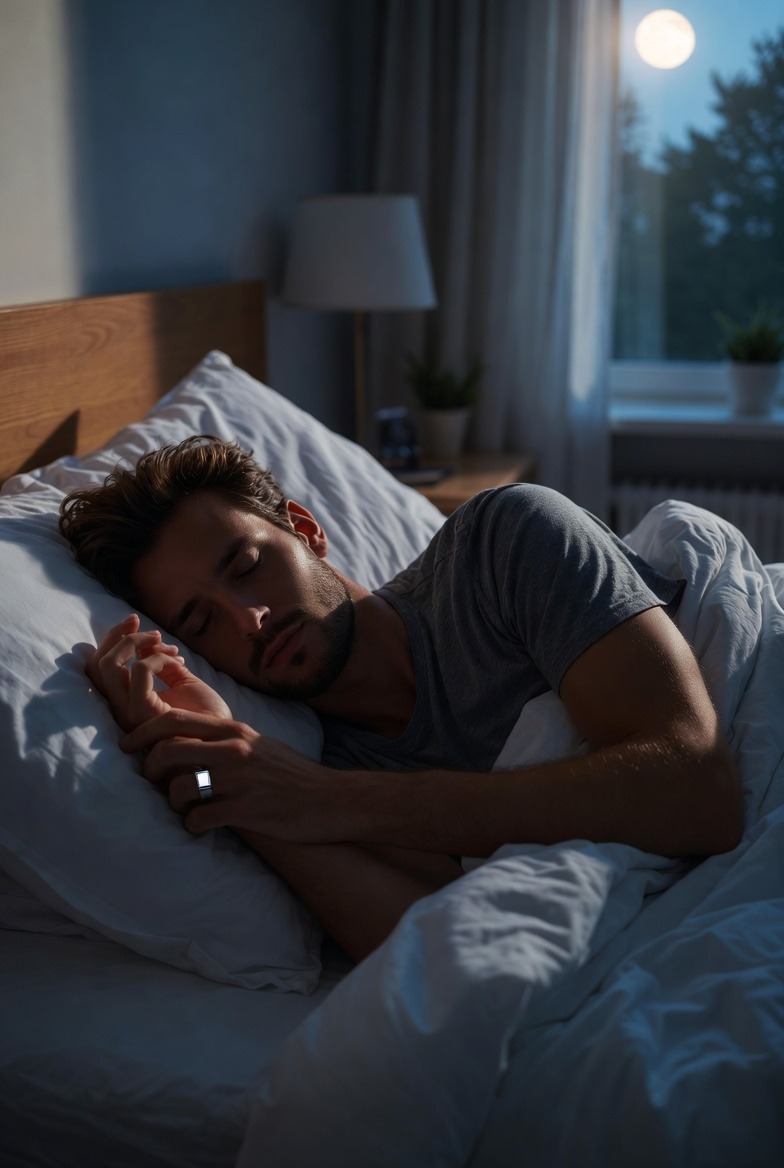
The universal prescription of 10,000 daily steps is a classic example of one-size-fits-none health advice. For a seasoned marathoner, it’s a light warm-up. For someone recovering from injury or new to exercise, it can be a daunting, potentially demotivating mountain. Smart rings dismantle this rigid model by introducing dynamic, personalized activity targets that adapt to your body, your recovery state, and your long-term goals.
Instead of a fixed step count, advanced systems use your recovery data (Readiness Score) to suggest a daily activity goal that is in harmony with your physiological capacity. On a high-readiness day, your ring’s app might encourage you to "Go For It," setting a more ambitious calorie burn or active minute target. On a lower-readiness day, it may gently suggest a "Maintain" goal—a lighter target focused on movement rather than intensity—or even explicitly recommend a "Rest Day."
This adaptive approach respects your body’s natural fluctuations. It recognizes that recovery is not linear and that true progress is built over weeks and months, not forced daily. This eliminates the guilt and frustration of missing a self-imposed, arbitrary target on a day when your body genuinely needed to dial back. The goal is no longer external validation (a badge for 10k steps) but internal alignment (moving in a way that supports your overall wellness trajectory).
Furthermore, smart rings help you understand the quality of your movement, not just the quantity. By monitoring your heart rate during activity, they can categorize your effort:
Seeing this breakdown allows you to balance your activity portfolio. Are you doing lots of steps but all at a low heart rate, missing out on cardiovascular and strength benefits? Or are you hammering high-intensity workouts daily without allowing for foundational aerobic development or recovery? The data provides the clarity to craft a balanced, periodized plan.
This personalization extends to goal setting within the app. You can set goals around sleep consistency, activity streaks that adapt to readiness, or specific health metrics like improving your HRV trend over a month. This transforms the experience from passive tracking to active, guided co-creation of your wellness journey. For a practical starting point, you can discover how Oxyzen’s approach to personalized tracking can be tailored to your unique rhythm.
Active living isn't solely defined by the hours you spend in the gym or on the trail. It’s equally defined by how well you manage the cumulative load of all life’s stresses—physical, mental, emotional, and environmental—and how effectively you recover from them. This is the "invisible work" of wellness, and it’s where metrics like Heart Rate Variability (HRV) and body temperature become indispensable, real-time bio-markers.
HRV: The Window to Your Nervous System
Think of your autonomic nervous system as the conductor of your body’s orchestra. The sympathetic branch (gas pedal) accelerates heart rate, tenses muscles, and sharpens focus for challenge. The parasympathetic branch (brake pedal) slows the heart, promotes digestion, and enables restoration. HRV is the measure of the conductor’s skill—the dynamic interplay between these two systems.
A high, stable HRV indicates a flexible, resilient system. The conductor can seamlessly switch from powerful symphonies (stress response) to gentle serenades (recovery) as needed. A low or dropping HRV suggests a system stuck in "fight-or-flight" or one that is too depleted to respond effectively. By monitoring your HRV trend—particularly your nighttime average, which is the cleanest signal—you get a daily report card on your nervous system’s health and resilience.
The practical application is profound. You can run experiments:
Skin Temperature: The Silent Sentinel
While HRV measures nervous system balance, peripheral skin temperature provides clues about inflammatory and immune responses. A sustained elevation in your nighttime temperature deviation from baseline is a remarkably sensitive indicator. For women, this is the foundation of cycle tracking, predicting ovulation and menstruation with high accuracy. For everyone, it can serve as an early warning sign.
You might notice your temperature creeping up for two nights before you feel a sore throat or fatigue. This data allows you to act proactively: hydrate aggressively, prioritize sleep, reduce training load, and load up on nutrient-dense foods. You’re not waiting to get sick; you’re supporting your immune system at the first sign of battle. This turns illness from a sudden derailment into a managed, and often shortened, event.
Together, HRV and temperature teach you to see stress as a quantifiable input, not just a feeling. They empower you to manage your total life load with the same intentionality you apply to managing your workout load. This holistic view is essential for sustainable active living, preventing the all-too-common scenario where impeccable fitness habits are undermined by unmanaged life stress. For those curious about how these insights translate into real-world benefits, our testimonials page shares stories from users who’ve transformed their approach to stress and recovery.
To understand the tangible impact of this technology, let’s follow a hypothetical—yet composite of common real-world patterns—journey of Alex, a 38-year-old professional with a goal to "have more energy and get fitter."
Phase 1: The Baseline (Weeks 1-2)
Alex gets a smart ring. For two weeks, they live normally while the ring establishes baselines. The initial data reveals:
Alex feels validated—the data mirrors their constant fatigue and lack of progress.
Phase 2: The First Insights & Experiments (Weeks 3-5)
The app surfaces patterns. Notification: "Your deep sleep is 40% lower on nights you have alcohol." Another: "Your HRV drops significantly on days with back-to-back meetings."
Alex starts experimenting:
Phase 3: Integration and Advanced Strategy (Weeks 6-12)
Encouraged, Alex goes deeper. They use the Readiness Score to guide workout intensity:
They also notice via temperature tracking that their immune system seems vulnerable every 3-4 weeks. They now proactively boost vitamin C, zinc, and sleep during those windows and have avoided two colds that "usually" would have hit.
The Transformation at 3 Months:
This journey illustrates the power of moving from generic effort to precise, data-informed self-knowledge. It’s a story echoed by many in our community, which you can explore through real user experiences on our blog.
The true potential of a smart ring is fully realized when it stops being a siloed device and becomes the central, intelligent hub of your personal health ecosystem. By connecting with other apps and services you already use, it enriches their data and provides a unified, holistic dashboard for your wellness.
Fitness Apps (Strava, Apple Health, Google Fit): This is a powerful two-way street. Your ring can send your recovery and sleep data to your fitness app, providing crucial context for your workouts. When you review a run in Strava, you can see that your slower pace coincided with a day your ring had flagged as low-recovery. Conversely, your ring can import your workout data (type, duration, intensity) to factor into its daily activity analysis and recovery algorithms, making its readiness assessments even more accurate.
Nutrition Trackers (MyFitnessPal, Cronometer): By integrating with nutrition apps, you can begin to see powerful macro- and micronutrient correlations. Does hitting a certain protein target correlate with better sleep quality or faster post-workout recovery? Does a day high in processed sugar lead to a dip in next-morning HRV? This data fusion moves nutrition beyond mere calorie counting into the realm of functional fueling for your specific goals and recovery needs.
Mindfulness & Meditation Apps (Headspace, Calm): Pairing your ring with a meditation app allows you to measure the physiological impact of mindfulness. After a meditation session, does your real-time heart rate drop? Does a consistent meditation practice over two weeks lift your baseline HRV? This provides tangible, motivating proof of the "invisible" benefits of mental training, reinforcing the habit.
Women’s Health & Cycle Tracking: For women, this integration is particularly transformative. The ring’s precise temperature and HRV data can be used to predict ovulation and map menstrual cycle phases with high accuracy within dedicated apps. This allows for cycle-synced living—aligning workout intensity, nutrition, and even work commitments with natural hormonal fluctuations. Training hard during the follicular phase when energy is higher, and focusing on recovery, mobility, and lower-intensity work during the luteal phase, can reduce injury risk and improve overall results and well-being.
Smart Home & Wearables: Imagine your bedroom lights gradually dimming as your ring detects your body temperature dropping, signaling sleep onset. Or your thermostat adjusting overnight based on your personal optimal sleeping temperature range. This is the future of seamlessly integrated, health-optimized environments.
By serving as this central hub, the smart ring synthesizes disparate data streams into a single, coherent story. It answers not just "How did I sleep?" but "How did my sleep, influenced by my workout and yesterday's stress, prepare me for today's challenges, and how should I eat and move today to set up a better tomorrow?" This ecosystem approach is at the heart of modern, tech-enabled wellness, a vision we are passionate about building at Oxyzen. To see how our device fits into this connected life, visit our main shop.
The greatest obstacle to achieving lasting wellness is rarely a lack of knowledge or a single bad day; it’s the erosion of consistency. Motivation is fleeting, willpower is finite, and life is unpredictable. This is where the true genius of a smart ring shines: it functions as an objective, non-judgmental accountability partner and a powerful habit-formation engine, transforming fleeting intentions into automatic, sustainable behaviors.
The process begins with micro-feedback. Unlike a monthly weigh-in or a yearly physical, the ring provides daily, even hourly, feedback on the consequences of your choices. You don’t have to wait weeks to feel the impact of poor sleep; you see it quantified the next morning in a low Sleep Score and a depressed HRV. This tightens the feedback loop, creating an immediate connection between action and outcome. Having a glass of wine stops being an isolated event; it becomes a choice with a measurable, likely negative, impact on your most restorative sleep phase. This concrete cause-and-effect is a far more potent behavior modifier than a vague, future-oriented warning.
This feedback fuels the second mechanism: positive reinforcement through visible progress. Humans are wired to respond to progress. Smart ring apps are masterful at visualizing this progress through trend lines, achievement badges for consistency (like a 7-day sleep streak), and weekly/monthly summaries. Seeing your HRV trendline slowly climb over eight weeks, or your deep sleep duration stabilize, provides a deep sense of accomplishment that is independent of the scale or the mirror. It rewards the process, not just the outcome. This transforms the journey itself into a source of motivation. You’re not just "trying to be healthy"; you are concretely "improving my recovery capacity by 15%."
Furthermore, the ring introduces structured flexibility. Rigid, all-or-nothing plans ("I must workout for 60 minutes every day") are brittle and shatter under the pressure of real life. The ring’s adaptive readiness model replaces rigidity with intelligent responsiveness. The plan is no longer a fixed schedule, but a dynamic protocol: If readiness is high, do X. If readiness is moderate, do Y. If readiness is low, do Z. This framework removes the guilt and decision fatigue from "missing" a workout. Instead, you are faithfully following a smarter plan—one that respects your body’s current state. This makes the overall habit of listening to your body and taking appropriate action far more sustainable than the habit of blindly following a calendar.
The ring also excels at habit stacking and routine optimization. By analyzing your data, it can help you anchor new habits to existing ones. For example, your data might show your sleep is best on nights you read a book for 20 minutes before bed. The app can then prompt you at 9:40 PM: "Time to wind down. Your sleep benefits when you read before 10 PM." This links the new habit (reading) to the existing cue (the notification) and the proven reward (better sleep score). Over time, this stack becomes automatic.
Ultimately, the smart ring moves you from a state of conscious effort to unconscious competence. In the beginning, checking your data and making adjustments requires thought. But over months, the patterns become internalized. You intuitively know that a stressful day means you should prioritize protein and sleep. You feel a slight elevation in resting heart rate and proactively hydrate and scale back. The ring’s data has educated your intuition, turning healthy living from a conscious struggle into a subconscious, self-reinforcing loop. This is the pinnacle of sustainable habit formation, where your environment and tools are engineered to make the right choice the easy, automatic choice. For those navigating the early stages of building these routines, our FAQ section addresses common questions on habit integration and data interpretation.
In fitness and performance, the most dangerous threats are often the slow-moving, invisible ones. Overtraining syndrome (OTS) and burnout don’t happen overnight; they are the result of a consistent, often well-intentioned, imbalance between stress and recovery that accumulates over weeks or months. Traditional training logs track workouts (the stress), but they glaringly omit the other half of the equation: the body’s response and capacity for recovery. This is where the longitudinal, trend-tracking power of a smart ring becomes an essential early-warning system, allowing you to play the long game with your health.
Overtraining is not simply being tired after a hard workout. It’s a state of prolonged maladaptation where the body can no longer recover adequately from training stimuli. Its hallmarks, as revealed in biomarker trends, are clear:
By monitoring these trends in a weekly or monthly view, you can spot the descent into Overtraining Syndrome long before it derails your progress for a season. You might see that after three weeks of intense training, your HRV trendline has been sloping down for seven consecutive days, and your RHR is creeping up. This is your cue for a mandatory deload week—a planned period of significantly reduced volume and intensity—to allow your body to super-compensate and rebuild.
Similarly, the ring is instrumental in identifying burnout, which extends beyond the physical to encompass mental and emotional exhaustion. Burnout often manifests in the data as a persistent, low-grade disturbance across all metrics: sleep is never great, HRV is stagnant in a low range, and temperature may be slightly erratic. There’s no single catastrophic data point, just a pervasive sense of flatlining. This pattern suggests your total life stress load—work, relationships, training, etc.—is exceeding your recovery capacity. The insight isn't to train less, but to holistically manage stress and actively seek restoration.
The smart ring shifts your perspective from acute, daily management to strategic periodization of life. Just as athletes periodize their training into mesocycles, you can begin to periodize your life energy. You can plan a demanding work project or a tough training block, but you schedule a commensurate period of intentional recovery afterward, using your ring’s metrics to guide you back to baseline. This proactive, trend-aware approach is the antithesis of boom-and-bust cycles. It enables sustained progress over years by ensuring you are consistently working with your body’s physiology, not assaulting it.
This long-view analytics is what separates a health tracker from a true wellness guardian. It answers the critical question: "Am I getting stronger and more resilient over time, or am I merely digging a deeper hole of fatigue?" The trend data doesn’t lie, providing the objective evidence needed to sometimes pull back today to leap forward tomorrow. To understand how vital deep sleep is in this recovery equation, our article on the silent signs of deep sleep deprivation details the cumulative impact.

Nutrition has long been a landscape of conflicting ideologies: keto vs. plant-based, intermittent fasting vs. grazing, high-carb vs. low-carb. The emerging truth, validated by biomarker tracking, is that optimal nutrition is deeply personal and dynamic. What fuels your body best depends on your current activity, stress level, sleep quality, and hormonal state. Your smart ring provides the real-time context to move from dogmatic eating to contextual fueling.
The connection starts with understanding how different behaviors affect core recovery metrics, which in turn inform nutritional needs.
Sleep Quality Dictates Dietary Discipline & Cravings: A night of poor sleep, particularly low deep sleep, is a direct recipe for hormonal chaos. It elevates ghrelin (the hunger hormone), suppresses leptin (the satiety hormone), and increases cortisol. Your ring’s low Sleep Score in the morning is more than a fatigue warning; it’s a predictive alert for increased cravings, especially for high-sugar, high-fat foods, and a decreased ability to make sound food choices. Armed with this knowledge, you can pre-empt the challenge. On a poor-sleep morning, you might deliberately plan a higher-protein breakfast, ensure healthy snacks are readily available, and perhaps delay a major food decision until after a midday walk (which the ring can remind you to take).
HRV as a Guide for Macronutrient Leaning: Your Heart Rate Variability can offer clues about what type of fuel your nervous system needs. A consistently high HRV suggests good metabolic flexibility—your body is efficient at using both fats and carbohydrates for fuel. A lower or dropping HRV may indicate systemic stress, where the body is relying more on glucose. Some individuals find through experimentation that on low-HRV days, reducing carbohydrate intake (especially refined carbs) and emphasizing high-quality fats, protein, and fibrous vegetables can help reduce inflammation and stabilize energy, potentially aiding recovery.
Activity & Readiness Data for Meal Timing and Composition: This is where integration is key. Your ring knows you had a high-readiness day and completed a strenuous 90-minute strength and conditioning session. Post-workout, your body’s priority is muscle repair and glycogen replenishment. The data context suggests a meal or shake with a robust combination of protein and carbohydrates would be optimally supportive. Conversely, on a low-readiness rest day where your activity is minimal, your body’s energy needs are lower, and your nutritional focus might shift toward anti-inflammatory foods, hydration, and micronutrient density without a large caloric surplus.
Temperature and Cycle-Based Nutrition (For Women): For women using ring data for cycle tracking, nutritional personalization reaches its most advanced form. During the follicular phase (post-menstruation), when energy is higher and HRV tends to be more robust, the body may utilize carbohydrates more efficiently for fuel. This can be an ideal time for more complex carbs to support training. In the luteal phase, as progesterone rises and the body’s core temperature increases slightly, metabolic rate can increase. Focusing on magnesium-rich foods (to support sleep and calm), iron (if menstrual blood loss is significant), and steady blood sugar through balanced meals and snacks can help manage energy and mood swings. The ring’s temperature and recovery data pinpoint these phases with precision, moving beyond a calendar estimate.
By using your ring’s biomarkers as a feedback mechanism, you become a nutritional scientist of one. You can run n=1 experiments: "If I eat a heavier meal within 3 hours of bed, how does it impact my deep sleep?" or *"Does increasing my omega-3 intake this week improve my HRV trend?"* The data provides the answers, allowing you to build a nutritional framework that is uniquely adapted to your physiology’s ever-changing needs. For foundational insights on foods that support crucial recovery, explore our list of 10 foods that naturally increase deep sleep.
The mind and body are not separate systems; they are a single, integrated unit. Mental stress triggers a cascade of physiological responses: cortisol release, increased heart rate, suppressed digestion, and a shift in nervous system balance. For decades, the impact of practices like meditation, breathwork, and mindfulness was considered subjective—"I feel calmer." The smart ring changes this by providing objective, quantifiable proof of their physiological power, creating a powerful feedback loop that reinforces these essential practices.
Measuring the Stress Response in Real-Time: One of the most immediate applications is using the ring’s real-time heart rate monitoring during a stress management practice. You can launch a 10-minute guided breathing session on your phone and watch your heart rate literally drop on your ring’s companion app as you engage your parasympathetic nervous system. This biofeedback is incredibly motivating. It transforms an abstract practice into a tangible skill: "When I breathe like this, I can directly control my physiology." This proves the mind's direct lever over the body.
Tracking the Longitudinal Impact of Mindfulness: The more profound insights come from tracking the effect of consistent practice on your nocturnal biomarkers. Does a daily meditation habit, sustained over a month, lift your baseline HRV? Does practicing a body scan meditation before bed increase your deep sleep percentage? The ring’s trend data can answer these questions with hard numbers. You might discover that on days you meditate, your sleep latency (time to fall asleep) decreases by an average of 10 minutes, or your sleep efficiency improves by 3%. This moves mindfulness from a "nice-to-have" wellness accessory to a non-negotiable component of your recovery protocol, with data to back its priority.
Identifying Stress Signatures: Your ring can help you identify your unique physiological signature for different types of stress. You might see that a day of intense, focused work leads to a slightly elevated RHR but a stable HRV. In contrast, a day of chaotic, multitasking, and interpersonal conflict leads to a sharp dip in HRV and a more fragmented sleep. This awareness allows you to deploy targeted interventions. The focused work stress might be best discharged with a hard workout. The chaotic stress might require a nature walk, a venting session with a friend, or a longer meditation to calm the nervous system.
The Data-Driven Case for Downtime: In a culture that glorifies busyness, the ring provides an objective argument for intentional rest. It can show you that your most creatively productive or physically energetic days are often preceded by days with high HRV and excellent sleep—which were themselves preceded by periods of genuine relaxation and disconnection. This creates a compelling, personal case for scheduling true downtime, not as laziness, but as essential preparation for high performance.
By quantifying the mind-body connection, the smart ring validates the importance of mental fitness and equips you with the tools to train it with the same precision as you train your body. It closes the false divide between mental and physical health, showing that managing your stress is not separate from managing your recovery—it is the very foundation of it. This holistic philosophy is core to our mission at Oxyzen, which you can learn more about on our About Us page.
While the journey to better health is deeply personal, humans are inherently social creatures motivated by connection, friendly competition, and shared purpose. The isolation of solo tracking can sometimes lead to disengagement. Recognizing this, modern smart ring platforms are incorporating social and community features that leverage our natural social drives to reinforce positive habits, adding a layer of accountability and support that pure data cannot provide.
Anonymous Benchmarking and Norms: One of the most basic yet powerful social features is anonymized, age-and-gender-based benchmarking. Seeing how your sleep duration, deep sleep percentage, or HRV compares to a global aggregate of similar users provides valuable context. It can be reassuring ("My HRV is in the top 20% for my age, I'm doing great!") or motivating ("I'm below average on sleep consistency; I can focus there"). This shifts comparison from the unhealthy realm of social media highlights to the anonymous, objective realm of aggregated health data.
Private Circles and Accountability Groups: The true power emerges with private sharing. You can create a "circle" with your partner, close friends, or a dedicated workout group. Within this trusted space, you can choose to share specific metrics—like sleep scores, activity goals, or readiness status. This transforms wellness from a private struggle into a shared journey.
Community Forums and Expert Insights: Many platforms host integrated community forums or provide access to expert content. Here, users can share tips, ask questions about interpreting their data, and learn from others' experiences. Seeing a post titled "How I increased my deep sleep by 20% by cooling my room" from a real user with similar data can be more impactful than a generic article. This collective intelligence helps users get more value from their device and feel part of a movement.
These social features add a crucial human layer to the data. They combat the potential for obsessive self-focus by turning personal metrics into points of connection. They provide encouragement on bad days and celebration on good ones. The ring becomes not just a tool for self-knowledge, but a conduit for shared growth, making the path to active living feel less lonely and more like a team sport. For a glimpse into how real people are using their data within communities, browse our collection of user testimonials and stories.
The smart ring on your finger today is just the beginning. It is the foundational form factor for a wave of emerging biometric and ambient sensing technologies that will further blur the line between our biological selves and the digital tools that understand them. The future of this category points toward even more seamless, predictive, and comprehensive health guardianship.
Non-Invasive Glucose and Metabolic Monitoring: This is one of the most anticipated frontiers. Several companies are developing PPG and spectroscopic sensors capable of estimating blood glucose trends non-invasively through the skin. For non-diabetics, this would provide unprecedented insight into metabolic flexibility and personal glycemic responses to different foods. You could see in real-time how a bowl of oatmeal affects your glucose curve compared to a pastry, allowing for truly personalized nutrition. For wellness enthusiasts and pre-diabetics, this could be a revolutionary preventive tool.
Advanced Stress and Emotional State Detection: Future sensors may move beyond HRV to more direct assessments of nervous system state and even emotional valence. By analyzing micro-variations in heart rate patterns, pulse wave velocity, and even subtle skin conductance (via new electrode materials), rings could distinguish between excited stress (eagerness) and distressed stress (anxiety). This could lead to contextual interventions: the ring detecting an anxious state and prompting a specific breathing exercise, or detecting focused flow state and silencing notifications to protect it.
Continuous Blood Pressure (cBP) Monitoring: While current rings can infer general cardiovascular trends, true, calibration-free, continuous blood pressure monitoring is a major goal. Achieving this in a ring form factor would provide a dynamic picture of vascular health throughout the day and night, revealing nocturnal hypertension or the impact of stressors on BP in real-time—a massive leap in proactive cardiovascular care.
Electrolyte and Hydration Status: Dehydration severely impacts performance, cognition, and recovery. Future rings may use bioimpedance or other spectroscopic methods to estimate electrolyte balance and hydration status, sending timely reminders to drink water or take electrolytes based on your activity, sweat loss (inferred from temperature and HR), and current biomarker state.
Ambient Environment Sensing: The ring of the future may incorporate tiny sensors for environmental data—room temperature, humidity, light exposure (including specific blue light levels), and even air quality particulates. This would allow it to not just report on your body’s response, but to directly correlate it with your surroundings. "Your deep sleep was lower last night. Your room temperature was 2°C above your ideal range and CO2 levels were elevated. Consider cracking a window tonight."
Truly Predictive AI and Healthcare Integration: As datasets grow and algorithms improve, the predictive power will become profound. The ring’s AI could move from describing your current state to forecasting your future state. It could say, "Based on your current recovery deficit and planned workload, you have a 70% probability of catching a cold in 4 days. Recommended action: Take a rest day tomorrow and increase Vitamin D and C intake." Furthermore, secure, anonymized data sharing with healthcare providers (with user consent) could transform routine check-ups, providing doctors with weeks of continuous data instead of a single point-in-time measurement.
These advancements will solidify the smart ring’s position as the most personal, intimate, and powerful node in the internet of you. It will evolve from a reactive tracker to a proactive health partner, offering insights so deeply personalized they feel like intuition. We are committed to being at the forefront of this responsible innovation, a journey detailed in our story of vision and values.
With a growing market of options, selecting the right smart ring can feel daunting. For individuals focused on making active living measurable and achievable, the choice should be guided by specific criteria that go beyond aesthetics and basic features. Here’s a framework to evaluate your options, ensuring your investment delivers the actionable insights you need.
1. Sensor Accuracy and Breadth (The Non-Negotiable Foundation):
2. The Algorithm & Software Intelligence (Where Data Becomes Insight):
3. Design and Durability (For an Active Life):
4. Ecosystem and Compatibility:
5. Value Proposition:
For the active individual, the ideal ring is not the one with the most sensors, but the one with the most accurate sensors paired with the most intelligent software that translates data into clear, daily guidance. It should feel like a natural extension of your body, quietly gathering data in the background, and speaking up only to offer wise counsel on how to train, recover, and live better. Begin your search for a device that meets these rigorous standards by exploring the Oxyzen shop for featured collections.
We have journeyed from the fundamental physiological advantages of the finger as a sensing site, through the core biomarkers that define true wellness, and into the sophisticated feedback loops that turn data into lasting habits and injury-preventing insights. We’ve seen how this technology personalizes nutrition, quantifies the mind-body connection, connects us to supportive communities, and stands poised on the brink of even more transformative advancements.
The overarching theme is one of empowerment through objective self-knowledge. The smart ring demystifies the human body. It takes the guesswork out of wellness and replaces it with a personalized, evolving blueprint. It teaches us that active living is not a destination defined by a weight or a race time, but a dynamic, daily practice of intelligent strain and purposeful recovery. It shows us that the most profound gains often come not from pushing harder, but from recovering smarter.
This device is a tool for cultivating a deeper, more respectful dialogue with yourself. It gives a voice to your body’s silent signals—its readiness for challenge, its need for rest, its subtle cries for help long before symptoms appear. By learning to listen to and act on this data, you step onto a path of sustainable, lifelong vitality. You move from being a passenger in your own health to becoming its skilled, informed pilot.
The journey continues. In the next portion of this comprehensive guide, we will dive even deeper into specialized applications: optimizing performance for specific sports, navigating life transitions (like aging or menopause) with data, advanced biohacking techniques, and building a fully integrated digital wellness ecosystem that places your ring’s insights at the center of a healthier, more intentional life. The goal is not to become slaves to our data, but to use it as a liberating force—freeing us to live more actively, fully, and resiliently than ever before.
To continue your research into the critical pillars of recovery, delve into our extensive blog resources, starting with a guide on finding your ideal deep sleep duration by age.
The principles of load, recovery, and adaptation are universal, but the expression of these principles varies dramatically across different athletic disciplines. A marathon runner, a powerlifter, a CrossFit athlete, and a recreational tennis player all stress their bodies in unique ways and require tailored recovery strategies. A smart ring, with its continuous biomarker tracking, becomes an indispensable sport-specific coach, providing insights that generic training plans cannot.
Endurance Athletes (Runners, Cyclists, Triathletes):
For endurance athletes, the primary metrics of concern are cardiovascular efficiency and metabolic resilience. The ring’s data is crucial for avoiding the twin pitfalls of overtraining and under-recovery, which can lead to performance plateaus, injury, and illness.
Strength and Power Athletes (Powerlifters, Weightlifters, Sprinters):
For these athletes, the focus shifts to the central nervous system (CNS) and musculoskeletal repair. Their training involves high-intensity, low-volume efforts that place tremendous strain on the nervous system and muscle fibers.
High-Intensity Interval (HIIT) and Cross-Training Athletes:
This group faces a unique blend of metabolic and neuromuscular stress. Their biomarker profile often shows the most volatility, requiring careful interpretation.
Team Sport and Racquet Sport Athletes:
For soccer, basketball, or tennis players, the demands are a complex mix of aerobic, anaerobic, power, and cognitive function.
By translating universal biomarkers into sport-specific contexts, the smart ring elevates training from artisanal guesswork to applied physiology. It provides the empirical evidence needed to support intuitive coaching decisions, making the pursuit of peak performance a more precise and sustainable science. For all athletes, understanding the science of what happens during deep sleep is foundational knowledge.

Our physiology is not static. The biomarkers that define recovery, performance, and health evolve significantly across decades. A one-size-fits-all approach to HRV, sleep, or activity is not only ineffective but can be demoralizing. A smart ring’s greatest power in the long game is its ability to re-baseline with you, providing age-appropriate context and helping you optimize for vitality at every life stage.
Your 20s & 30s: Peak Baseline and Building Resilience
This is often the era of high physical capacity and, ironically, poor lifestyle habits. The ring’s role here is foundational education and injury prevention.
Your 40s: The Pivot Point of Adaptation
This decade often brings the first noticeable shifts. Hormonal changes (perimenopause for women, gradual testosterone decline for men), increased life responsibilities, and a subtle decline in recovery speed become apparent.
Your 50s & Beyond: Mastering the Art of Consistency and Preservation
The goals shift from peak performance to sustaining function, vitality, and independence. Data becomes a tool for graceful, healthy aging.
Across all ages, the smart ring acts as a compassionate, objective companion. It doesn’t judge you for aging; it simply reflects your current state and helps you make the best possible choices within it. It redefines "fitness" at every stage, ensuring that your active living journey is always aligned with your body’s evolving reality. For a deeper understanding of the targets you should aim for, see our resource on the ideal deep sleep duration by age.
For those who view their body as a system to be understood and optimized, the smart ring is the ultimate lab instrument. It enables rigorous, personalized experimentation—often called n=1 (sample size of one) research—moving beyond generic biohacking tips to protocols validated by your own unique data. This turns wellness from a passive pursuit into an active, curiosity-driven exploration.
Structured Experimentation Framework:
The key to valuable n=1 experiments is changing only one variable at a time and measuring the effect on your core biomarkers over a sufficient period (usually 1-2 weeks).
Tracking Supplementation Efficacy:
The ring can help you determine if a supplement is working for you, beyond placebo.
Circadian and Chronotype Optimization:
Advanced biohacking involves aligning everything with your internal clock.
The Importance of the Control Period:
The most critical part of any experiment is establishing a steady baseline before you begin. Record your normal metrics for 1-2 weeks. Then, and only then, introduce your intervention. This allows you to attribute changes to the intervention, not to normal daily fluctuations.
By fostering this scientific mindset, the smart ring empowers you to become the world’s leading expert on you. It turns anecdote into evidence, allowing you to build a lifestyle and supplementation stack that is proven—by your own physiology—to work. For those interested in starting with the most fundamental recovery lever, our blog offers a deep sleep formula based on temperature, timing, and habits.
Adopting any new technology comes with a learning curve. To ensure your smart ring becomes a trusted ally rather than a source of confusion or frustration, it’s important to navigate common pitfalls and set it up for success from day one.
Pitfall 1: The "Bad Data" Blame Game
Pitfall 2: Obsessive Daily Score Checking
Pitfall 3: Ignoring the "Why" Behind the Scores
Pitfall 4: Expecting Immediate, Linear Improvement
Pitfall 5: Neglecting to Re-Baseline After Major Life Events
Pitfall 6: Treating the Ring as a Medical Device
Maximizing Value: Pro-Tips
By avoiding these common traps and engaging with the tool proactively, you transition from being a passive data subject to an active, empowered participant in your own health story. For ongoing support and answers to common questions, our comprehensive FAQ page is always available.
We have traversed a comprehensive landscape, from the capillaries in your finger to the algorithms in the cloud, from sport-specific recovery to lifelong age adaptation, and from biohacking experiments to the ethical frameworks that must contain them. This journey underscores a singular, transformative idea: the smart ring is more than a tracker; it is a catalyst for a fundamental shift in our relationship with our own health and performance.
For generations, health has been reactive and episodic. We feel bad, then we see a doctor. We want to look better, so we follow a generic diet. We aim for a race time, so we blindly follow a training plan. This paradigm is characterized by guesswork, frustration, and a disconnect between action and outcome.
The smart ring heralds a new paradigm: Proactive, Personalized, and Participatory health.
This technology doesn’t just give us answers; it teaches us to ask better questions. Instead of "Why am I tired?" we learn to ask, "How did my stress, nutrition, and sleep latency last night impact my sleep architecture and therefore my energy today?" We move from vague self-criticism to precise, solvable problems.
The ultimate goal is not to become a slave to a dashboard, but to use the data to educate our intuition. Over months and years, the insights become internalized. You begin to feel the correlation between a late meal and a restless sleep, between a mindful walk and a calmer nervous system. The ring becomes a temporary teacher, and the lessons become lifelong habits.
The bell of self-knowledge, once rung, cannot be un-rung. Once you have seen the quantifiable impact of your choices on your own biology, you cannot go back to flying blind. You are forever equipped with a deeper understanding of the one vessel you have for this journey—your body.
This marks the end of this portion of our deep exploration. In the final installment, we will look ahead to the horizon, examining the cutting-edge research in biometrics, the potential integration with telemedicine and AI-driven healthcare, and how to build a lasting philosophy of tech-enhanced, human-centric wellness that stands the test of time. The journey to measurable, achievable active living is just beginning, and it is one you are now uniquely equipped to navigate with intelligence and grace.
To continue building your knowledge on the critical pillar of restorative sleep, explore our definitive guide on how to get more deep sleep tonight with 7 proven strategies.
Your Trusted Sleep Advocate (Sleep Foundation — https://www.sleepfoundation.org/)
Discover a digital archive of scholarly articles (NIH — https://www.ncbi.nlm.nih.gov/
39 million citations for biomedical literature (PubMed — https://pubmed.ncbi.nlm.nih.gov/)
experts at Harvard Health Publishing covering a variety of health topics — https://www.health.harvard.edu/blog/)
Every life deserves world class care (Cleveland Clinic -
https://my.clevelandclinic.org/health)
Wearable technology and the future of predictive health monitoring. (MIT Technology Review — https://www.technologyreview.com/)
Dedicated to the well-being of all people and guided by science (World Health Organization — https://www.who.int/news-room/)
Psychological science and knowledge to benefit society and improve lives. (APA — https://www.apa.org/monitor/)
Cutting-edge insights on human longevity and peak performance
(Lifespan Research — https://www.lifespan.io/)
Global authority on exercise physiology, sports performance, and human recovery
(American College of Sports Medicine — https://www.acsm.org/)
Neuroscience-driven guidance for better focus, sleep, and mental clarity
(Stanford Human Performance Lab — https://humanperformance.stanford.edu/)
Evidence-based psychology and mind–body wellness resources
(Mayo Clinic — https://www.mayoclinic.org/healthy-lifestyle/)
Data-backed research on emotional wellbeing, stress biology, and resilience
(American Institute of Stress — https://www.stress.org/)


