


How Smart Ring Features Prevent Overtraining and Burnout
Shows how ring data can provide warnings when you are at risk of overtraining or burnout.
Shows how ring data can provide warnings when you are at risk of overtraining or burnout.
%402x.svg)
We live in a culture that celebrates the grind. Pushing harder, sleeping less, and doing more are often worn as badges of honor. In fitness, this manifests as a relentless pursuit of personal records, longer miles, and heavier lifts, with recovery treated as an afterthought or a sign of weakness. Yet, this “no pain, no gain” mentality has a dark underbelly: the silent, creeping specters of overtraining and burnout. These states of physical and mental exhaustion don’t just sabotage performance; they dismantle health, happiness, and motivation from the inside out.
For decades, elite athletes have had access to sophisticated labs and teams of physiologists to monitor their readiness and prevent these pitfalls. For the rest of us—the dedicated amateur, the weekend warrior, the fitness enthusiast juggling a career and family—listening to our body’s whispers before they become screams has been a game of guesswork. We’ve relied on vague feelings of fatigue, nagging aches, or the ultimate wake-up call: injury or illness.
But what if you had a personal, 24/7 physiological monitoring system? A device that could translate your body’s subtle language of stress and recovery into clear, actionable data? This is no longer the stuff of science fiction. It’s the reality delivered by the latest generation of smart rings.
Sleek, unobtrusive, and worn on the finger—a location with excellent vascular access—a smart ring is an elegant powerhouse of biometric tracking. It moves beyond the step-counting and heart rate monitoring of wrist-worn devices to provide a deeply nuanced picture of your autonomic nervous system, the master regulator of your stress (sympathetic) and recovery (parasympathetic) states. By continuously measuring metrics like heart rate variability (HRV), resting heart rate (RHR), skin temperature, and blood oxygen saturation, it creates a daily “readiness” score—a quantifiable answer to the fundamental question: “Is my body primed to perform, or does it desperately need rest?”
This article will delve deep into the precise mechanisms through which smart ring features act as your invisible recovery coach, creating an early-warning system for overtraining and a structured path away from burnout. We will explore the science behind the key metrics, demystify how they interconnect, and provide a practical framework for using this data not just to train smarter, but to live better. The goal is not to add another source of data anxiety, but to foster a profound dialogue with your own physiology, empowering you to achieve sustainable performance and a state of balanced, restful living for high-achievers.

To appreciate the solution, we must first understand the problem in full depth. Overtraining and burnout are often used interchangeably, but they exist on a spectrum of systemic dysregulation, with distinct characteristics.
Overtraining Syndrome (OTS) is a physiological condition resulting from an extreme imbalance between training load and recovery. It’s not simply being tired after a hard workout; it’s a state of prolonged maladaptation. The body, subjected to chronic excessive stress without adequate repair, begins to break down. Performance plateaus and then declines sharply. Resting heart rate elevates. Insomnia, loss of appetite, hormonal imbalances (like elevated cortisol and decreased testosterone), and a suppressed immune system (leading to frequent colds) become common. Critically, these symptoms persist despite extended rest—for weeks or even months.
Burnout, while sharing many physical symptoms, is rooted more in psychological and emotional exhaustion. It is characterized by a triad defined by psychologist Christina Maslach: overwhelming exhaustion, cynicism and detachment from one’s activities (in this case, training), and a sense of ineffectiveness and lack of accomplishment. An athlete or fitness enthusiast experiencing burnout may feel a deep resentment towards the gym, their sport, or their routine—a far cry from the passion that once drove them. Burnout is the mind’s final protest against a lifestyle of chronic, unmanaged stress.
The path to these states is rarely a sudden leap. It’s a gradual slide, often marked by a series of ignored red flags:
The consequences extend far beyond missed workouts. Chronic overtraining can lead to long-term hormonal dysfunction, cardiovascular strain, and an increased risk of serious overuse injuries. Burnout can spill over, affecting professional performance, personal relationships, and overall mental health. It represents a fundamental breakdown in one’s approach to sustainable achievement.
This is where the paradigm must shift. Instead of viewing fitness as a series of brutal assaults on the body, we must reframe it as a cycle of stress + recovery = adaptation. The training provides the stimulus, but the adaptation—the stronger muscles, the more efficient cardiovascular system—occurs during rest. Without honoring the recovery side of the equation, the entire process fails. The smart ring’s primary role is to give an objective, undeniable voice to that recovery need, helping you cultivate the boundaries essential for restful living, including the boundary between productive training and destructive overreaching.
Before we explore the specific metrics, it’s crucial to understand why a smart ring is uniquely positioned for this type of advanced physiological monitoring, often surpassing wrist-worn devices in accuracy and consistency.
The finger offers a distinct anatomical advantage: a rich, palpable pulse at the digital arteries. This provides a strong, clean photoplethysmogram (PPG) signal—the optical measurement of blood volume changes used to track heart rate and its variability. Wrist-based PPG sensors, in contrast, must contend with more connective tissue, tendon movement, and a generally weaker pulse signal, especially during sleep when the hand may be positioned in ways that degrade data quality.
This superior signal fidelity is critical for measuring Heart Rate Variability (HRV), the tiny, millisecond variations in the time intervals between consecutive heartbeats. HRV is a direct window into autonomic nervous system balance. A higher HRV (more variability) generally indicates a strong, resilient parasympathetic (“rest and digest”) tone, meaning your body is in a state ready to recover and adapt. A lower HRV suggests dominant sympathetic (“fight or flight”) activity, signaling stress and strain. Capturing these subtle interbeat intervals requires a pristine signal, which the finger’s vascular access reliably provides.
Furthermore, the ring form factor tackles the “wearability gap.” Many people remove bulky smartwatches for sleep, during certain sports, or for comfort, creating data gaps in the most critical recovery periods. A smart ring is lightweight, unobtrusive, and safe for nearly all activities (including sleep and swimming, depending on the model). This enables true 24/7 monitoring, capturing your body’s baseline rhythms during sleep—your most profound recovery phase—without interruption.
Finally, the ring’s placement allows for consistent skin temperature monitoring. Core body temperature follows a circadian rhythm, and deviations (like a persistent elevated temperature) can be an early sign of illness, inflammation, or poor recovery. While wrist temperature can be influenced by external factors (like being outside the covers), finger temperature data, aggregated over time, becomes a powerful trend indicator.
In essence, the smart ring moves biometrics from periodic spot-checks to a continuous, holistic narrative. It doesn’t just tell you your heart rate during a run; it tells you how that run impacted your nervous system overnight and how prepared you are for the next day’s challenge. This seamless, always-on data stream is the foundation for preventing overtraining, as explored in resources on creating a structured weekly plan for sustainability.
At the heart of every advanced smart ring’s ecosystem is a single, synthesized metric: the Readiness Score (sometimes called Recovery Score, Body Battery, or a similar proprietary name). This is not a raw measurement but a sophisticated algorithm’s interpretation of your biometric data. It serves as your ultimate traffic light, providing an immediate, intuitive answer to the question, “How hard can I push today?”
Think of it as your body’s daily press conference. The readiness score is the headline. The underlying metrics—HRV, RHR, sleep, temperature—are the detailed reports from which that headline is written.
How is it Calculated?
While each brand uses a slightly different algorithm, the core components are universally recognized in sports science:
How to Use It: The Action Framework
The power of the readiness score is its ability to override our often flawed perception. You might feel mentally pumped to train, but if your body is showing a red score, that feeling is likely driven by cortisol and adrenaline—a last-ditch stress response. The data provides the objectivity needed to make the hard, right choice for long-term progress.
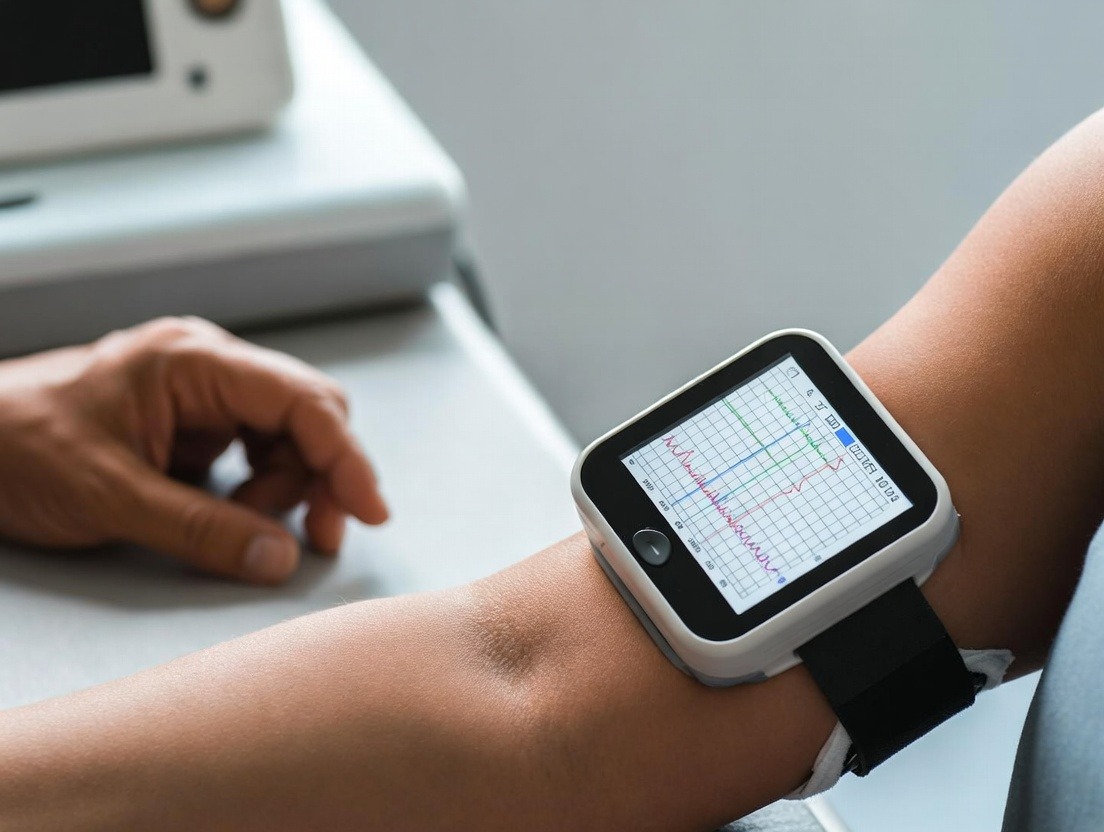
If the readiness score is the headline, Heart Rate Variability is the star reporter. HRV has emerged from sports labs into the mainstream as arguably the most important single metric for assessing autonomic nervous system (ANS) balance and recovery status. Understanding it is key to leveraging your smart ring’s full potential.
The Science of Variability: Why a "Perfect" Rhythm Isn't Ideal.
Contrary to intuition, a healthy heart does not beat with the metronomic regularity of a drum machine. There is constant, subtle variation—a few milliseconds faster on the inhale, a few milliseconds slower on the exhale. This is driven by the tug-of-war between your two ANS branches:
Thus, a higher HRV indicates strong parasympathetic tone and good resilience—your body can swiftly adapt to stress and then efficiently return to a calm state. A lower HRV suggests sympathetic dominance—your system is stuck in a state of high alert, lacking flexibility.
How Smart Rings Track and Interpret HRV
Your ring uses its PPG sensor to capture each heartbeat throughout the night. It then calculates a time-domain metric called rMSSD (the root mean square of successive differences), which is considered one of the most reliable HRV measures for fitness tracking. It provides your average overnight HRV, which is then compared to your own rolling baseline (typically a 3-6 week average).
The Critical Insight: Trend Over Absolute Number.
It is vital to remember that HRV is highly individual. Comparing your number (e.g., 45 ms) to someone else’s (e.g., 80 ms) is meaningless. A powerlifter, a marathon runner, and a yogi will have vastly different baselines. The gold is in the trend.
Actionable Insights from HRV Data:
By making the invisible visible, HRV transforms recovery from a vague concept into a measurable, manageable component of your fitness journey. It teaches you that sometimes, the most productive thing you can do for your goals is absolutely nothing.
While Heart Rate Variability speaks to the balance of your nervous system, Resting Heart Rate tells a story about its baseline level of arousal. It’s a simpler, but no less powerful, metric that has been used by athletes for generations. The smart ring’s innovation lies in how and when it measures it.
Why RHR is a Vital Health Barometer
Your resting heart rate is the number of times your heart beats per minute while you are completely at rest. It is determined by your fitness level, genetics, and the state of your autonomic nervous system. A lower RHR typically indicates a stronger, more efficient heart muscle and higher parasympathetic (resting) tone. Cardiovascular training famously lowers RHR over time. However, acute elevations in RHR are a classic sign of physiological stress.
When your body is fighting to recover from intense exercise, fend off an oncoming illness, or manage emotional anxiety, the sympathetic nervous system remains engaged. This causes your heart to beat faster, even at rest, to circulate oxygen and nutrients (or stress hormones) more vigorously. A persistently elevated RHR is a clear signal that your system is under load.
The Nightly Reveal: Why Sleep RHR is Gold Standard
Traditional RHR measurements—taken upon waking, before getting out of bed—are useful but can be influenced by immediate thoughts, movement, or anticipation of the day. The smart ring captures your sleeping RHR, which is arguably your truest resting state. Free from conscious influence, it reflects your pure physiological burden.
Your ring’s app will display your nightly average RHR and, more importantly, plot it on a trend line against your personal baseline.
Interpreting the Trends:
Using RHR in Tandem with HRV
The most potent insights come from viewing HRV and RHR together:
By tracking your nocturnal RHR, your smart ring provides a fundamental pillar of your recovery assessment, helping you distinguish between everyday fatigue and the deeper systemic stress that precedes burnout.
Sleep is not a uniform state of unconsciousness. It is a complex, cyclical architecture of distinct stages, each with a critical role in physical and psychological recovery. For the athlete or anyone seeking to prevent overtraining, sleep is the most potent performance-enhancing drug available—and the smart ring is your personal sleep lab, measuring not just quantity, but quality.
The Stages of Sleep and Their Recovery Roles:
How Smart Rings Estimate Sleep Stages
Using a combination of heart rate data, HRV, and movement (accelerometer), advanced algorithms can make highly accurate estimations of sleep stages. As you enter deep sleep, your heart rate reaches its lowest, most regular point, and your body is almost completely still. During REM sleep, your heart rate and breathing become more variable, similar to waking states, but your body is paralyzed (to prevent acting out dreams).
Key Sleep Metrics for Preventing Overtraining:
Actionable Insights from Sleep Data:
Your smart ring’s sleep report transforms guesswork into strategy.
By treating sleep as a measurable, improvable component of your fitness regimen—rather than just downtime—you build an unshakable foundation for recovery and resilience against burnout.
While heart rate and HRV capture the rhythms of your nervous system, your core body temperature tells a story about your metabolic and immune state. A persistent, subtle elevation in baseline temperature is one of the most reliable early warnings of impending illness, systemic inflammation, or hormonal imbalance—all critical factors in the overtraining puzzle.
The Circadian Rhythm of Temperature
A healthy body follows a predictable temperature curve over 24 hours. It is typically lowest in the early morning (around 4-6 AM) and highest in the late afternoon or early evening. This rhythm is governed by your circadian clock and is essential for regulating sleep cycles, hormone production, and metabolic function. Smart rings with skin temperature sensors track this nightly low point, establishing a personal baseline trend.
Why Temperature Matters for Overtraining
How to Use Temperature Data
Your ring’s app will show your temperature deviation from baseline, often as a simple “above” or “below” average indicator or a graph.
Integrating Temperature into Your Readiness Picture
A high temperature trend, especially when combined with a low HRV and/or high RHR, creates a trifecta of “stop now” signals. It provides the biological rationale for what might otherwise feel like an overly cautious decision to skip a workout. By heeding this silent sentinel, you protect not just your immediate health, but your long-term training consistency—the true key to progress. This kind of proactive health management is a cornerstone of maintaining calm and balance even while traveling or during life’s disruptions.
Two lesser-known but profoundly insightful metrics that advanced smart rings now monitor are Blood Oxygen Saturation (SpO2) and Respiratory Rate. While often associated with sleep apnea detection, their value extends far into the realm of recovery and systemic health, offering clues about your body’s metabolic efficiency and stress load.
Blood Oxygen Saturation (SpO2): The Oxygen Delivery Gauge
SpO2 measures the percentage of hemoglobin in your blood that is carrying oxygen. At sea level, a normal, healthy reading is between 95-100%. Your ring uses red and infrared LED sensors to estimate this by analyzing the color of your blood, which changes depending on how oxygenated it is.
Why SpO2 Matters for Recovery:
Respiratory Rate: The Breath of Your Nervous System
Respiratory rate is the number of breaths you take per minute. Like heart rate, it is controlled by the autonomic nervous system. A typical adult at rest breathes 12-20 times per minute.
The Recovery Insights from Breathing:
Using SpO2 and Respiratory Rate Contextually
These metrics are best used as supporting actors to the lead metrics of HRV, RHR, and sleep.
While not as directly actionable day-to-day as HRV, these metrics complete the holistic picture of your physiology, ensuring no stone is left unturned in your quest for optimal recovery and burnout prevention.
Data without context is just noise. A heart rate variability of 50 ms is meaningless in isolation. Is that high for you? Low? The transformative power of a smart ring doesn’t begin with day one’s data; it begins after several weeks of consistent wear, when you have established your personal biometric baseline. This baseline is your unique physiological fingerprint—the normal, healthy range within which your body operates when it’s not under acute strain. It is the critical reference point against which all deviations are measured and understood.
Why Averages Lie: The Importance of Dynamic Baselines
Traditional health metrics often compare you to population averages. But you are not an average. Your optimal HRV, resting heart rate, and sleep duration are specific to your genetics, age, fitness level, and lifestyle. A smart ring’s algorithm typically calculates a rolling baseline, often over a 3-to-6 week period. This is a dynamic, living average that adapts as you do. As you get fitter, your RHR baseline may drift down and your HRV baseline may drift up. This dynamic model captures your personal evolution, not a static snapshot.
The 30-Day "Listen and Learn" Phase
When you first strap on a smart ring, resist the urge to make immediate, drastic changes based on single data points. Enter a deliberate observation period.
Identifying Your Unique Patterns and Triggers
After 3-4 weeks, patterns will emerge. This is where the true self-knowledge begins.
Setting Realistic, Personal Ranges
With a baseline established, you can move from asking “Is this number good?” to asking “Is this number good for me, right now?”
This personalized framework turns the smart ring from a fancy gadget into a true dialogue with your body. It teaches you its language. Only with this foundation can you begin to proactively manipulate the variables—training, nutrition, sleep, stress—to stay within your optimal zone and steer clear of the overtraining cliff.

Armed with your personal baseline and a daily readiness score, the old paradigm of a rigid, pre-written 12-week training plan becomes obsolete. In its place emerges a dynamic, responsive, and far more intelligent approach: autoregulated training. This method uses your daily physiological feedback to modulate workout intensity and volume in real-time, ensuring you are always training at the optimal dose for adaptation, not breakdown.
The Death of the “Forced Deload”
Traditional plans often prescribe a deload (recovery) week every fourth week. But what if you’re still feeling crushed in week three? Or feeling fantastic in week four? A forced deload can be unnecessary or come too late. Smart ring data enables need-based deloading. When your readiness score trends into the yellow/red and your HRV shows a sustained drop, you initiate a deload immediately—typically 3-5 days of drastically reduced volume (40-60% less) and intensity. This nips overreaching in the bud before it becomes overtraining.
Creating a Flexible Training Framework
Instead of a daily prescription (“Monday: 5x5 squats at 85% 1RM”), you create a flexible framework for the week with built-in decision points.
The “Two-Strike Rule” for Intensity
A practical rule many athletes adopt is the “Two-Strike Rule.” If your readiness score is low (a “strike”) for two consecutive mornings, you automatically convert the next day’s training into a recovery day, no questions asked. This simple rule prevents you from rationalizing away a single bad day and then digging a deeper hole on the second.
Periodization Becomes Responsive
Even your broader training cycles (mesocycles) can be shaped by trend data. If you consistently see strong recovery metrics, you might carefully extend a building phase for an extra week to capitalize on your adaptability. Conversely, if you see signs of accumulating fatigue early, you can shorten an intense phase and extend the subsequent recovery block. This is periodization guided by your body’s actual signals, not just the calendar.
The Role of the Fitness Wearable Integration
The most powerful implementation occurs when your smart ring data talks to your fitness watch or training app. Imagine your Garmin or Whoop app receiving your Oura or Circular ring’s readiness score and automatically suggesting a workout intensity for the day, or your Peloton class recommendation being based on your overnight recovery. This integrated ecosystem is the future of personalized fitness, moving us toward a world where your devices work in concert to create a perfectly tailored, sustainable fitness journey. It’s the technological embodiment of adapting your approach through the seasons, but on a daily, micro-scale.
With great data comes great responsibility—and the potential for a new kind of stress: data anxiety. This is the obsessive checking of metrics, the frustration when a number doesn’t move as expected, and the tendency to outsource your bodily intuition to an algorithm. Paradoxically, a tool designed to reduce burnout can become a source of it if not used with the right mindset. The goal is not to become a slave to the data, but to use it to become a more attuned, wise master of your own health.
Recognizing the Pitfalls of Data Obsession
Principles for a Healthy Data Relationship
From External Validation to Internal Awareness
The ultimate goal of using a smart ring is biofeedback-informed intuition. Over months, you start to internalize the correlations. You begin to feel what a 5% drop in HRV feels like in your body. You learn to recognize the specific fatigue that follows a night of suppressed deep sleep. The ring trains your interoception—your sense of what’s happening inside you. Eventually, you may find you can often predict what your data will show, because you’ve learned to listen more carefully.
Knowing When to Take a Break
If you find yourself feeling anxious, controlled, or demoralized by the numbers, it’s a sign to step back. Consider taking the ring off for a weekend, or simply stop opening the app for a few days while still wearing it to collect data. Reconnect with how you feel without the filter of metrics. This practice of deliberate disengagement is a form of digital detox that enhances restful living and ensures the tool remains a servant to your wellness, not its master.
The smart ring is a mirror, reflecting your state with impartial clarity. How you choose to look in that mirror—with fear, obsession, or curious, compassionate wisdom—will determine whether it becomes a source of stress or a profound tool for sustainable empowerment.
Theory and data are compelling, but stories breathe life into them. Let’s examine three hypothetical but research-informed case studies that illustrate how smart ring metrics can diagnose the path to overtraining and guide the journey back. These profiles represent common archetypes in the fitness world.
Case Study 1: The Endurance Enthusiast (Marathon Trainer)
Case Study 2: The High-Intensity Addict (CrossFit Athlete)
Case Study 3: The Stressed Professional (Juggling Fitness & Career)
These cases illustrate that overtraining and burnout are not one-size-fits-all, but the smart ring provides a universal language—biomarkers—to diagnose and treat each unique manifestation, guiding every individual back to their personal point of sustainable balance.
We are familiar with the phrase "you can't out-train a bad diet." A smart ring provides the empirical evidence to make this adage viscerally personal. The connection between what you consume and how your body recovers is no longer anecdotal; it becomes quantifiable, displayed in the graphs of your heart rate variability, resting heart rate, and sleep quality. By using your ring as a biofeedback tool, you can move beyond generic nutritional advice and pinpoint the specific foods, timing, and hydration strategies that optimize—or sabotage—your physiological readiness.
The Post-Meal Biometric Dip: Understanding the Cost of Digestion
One of the first patterns new ring users notice is the impact of a large meal, especially in the evening. A significant dinner can lead to:
This isn't to say you shouldn't eat dinner. Rather, it highlights the importance of meal timing and composition. Observing this data can encourage you to finish larger meals 2-3 hours before bedtime and to be mindful of portion size, creating a more restful living diet that supports, rather than disrupts, nocturnal recovery.
Alcohol: The Recovery Saboteur Quantified
Alcohol provides one of the most dramatic and consistent data signatures. Even a single drink in the evening can:
Caffeine’s Long Half-Life: The Delayed Sleep Thief
While a morning coffee may feel essential, your ring can reveal its lingering effects. Caffeine has a half-life of 5-6 hours, meaning a 3 PM coffee can leave a quarter of its stimulant effect in your system at 9 PM. This can manifest as:
Hydration: The Foundation of Circulatory Efficiency
Dehydration reduces blood plasma volume. To maintain blood pressure and circulate oxygen, your heart must beat faster. This appears in your data as an unexplained elevation in resting heart rate. A sudden spike in RHR without other clear causes (like illness or intense prior training) is often a simple signal to drink more water. Proper hydration supports every cellular process, including muscle repair and nervous system function, making it a foundational pillar of recovery that your ring can help you monitor indirectly.
Anti-Inflammatory Nutrition and Positive Correlations
The flip side is observing the positive impact of nutrient-dense, anti-inflammatory foods. While harder to isolate than a single glass of wine, patterns emerge over time. A dietary pattern rich in omega-3 fatty acids (from fatty fish, flaxseeds), antioxidants (berries, leafy greens), and magnesium (nuts, seeds, dark chocolate) supports lower systemic inflammation, better nervous system resilience, and improved sleep. You may notice that periods of consistent, clean eating correlate with a gradual upward trend in your HRV baseline and more stable, lower RHR. This turns nutrition from a moralistic pursuit into a strategic, data-backed component of your performance protocol.
Using Your Ring for Nutritional Experimentation
Adopt a "test and learn" approach. For one week, deliberately prioritize a whole-foods, anti-inflammatory diet with early, lighter dinners. Note the trends. The following week, reintroduce certain elements (e.g., a late meal, a glass of wine) and observe the differential impact. This personal experimentation, guided by biometric feedback, is the ultimate form of personalized nutrition. It teaches you not what you should eat in theory, but what your unique physiology actually thrives on in practice.
For nearly half the population, a critical, rhythmic variable profoundly influences recovery capacity, metabolic rate, injury risk, and performance potential: the menstrual cycle. Yet, traditional sports science and training plans have largely treated the female athlete as a "small male," ignoring this fundamental biological paradigm. A smart ring, when used with cycle-tracking features, becomes a revolutionary tool for women, providing objective data on how hormonal fluctuations affect readiness and enabling truly personalized, periodized training.
Beyond the Calendar: Biomarkers of Cycle Phases
While cycle-tracking apps rely on user-inputted dates and symptoms, a smart ring adds a layer of objective, physiological confirmation through three key metrics:
By combining logged cycle days with these biometric trends, a woman can move from guessing her phase to having a data-verified understanding of where she is in her cycle—a concept known as cycle syncing.
Cycle-Synced Training: Aligning Intensity with Physiology
Armed with this knowledge, training can be adapted to work with the body's natural rhythms, not against them, reducing injury risk and preventing burnout.
Identifying Hormonal Imbalances and Overtraining
Deviations from normal patterns can be early warning signs. For example:
By honoring these cycles rather than fighting them, women can create a sustainable, injury-resistant training approach that leverages their body's natural strengths. The smart ring provides the objective data to build confidence in this method, transforming the cycle from a monthly inconvenience into a strategic blueprint for performance and recovery. This is the ultimate application of adapting your approach through the seasons, but on a monthly, internal scale.
The true value of a smart ring compounds over years, not weeks. While daily readiness scores guide immediate decisions, the long-term data archive tells a more profound story: the story of your healthspan. This longitudinal view transforms the device from a fitness tool into a lifelong health guardian, capable of revealing age-related trends, the impact of lifestyle changes, and early signs of metabolic shift long before clinical symptoms appear.
Establishing a Health Baseline for Your Decades
Your biometrics in your 20s, 30s, 40s, 50s, and beyond are not static. A smart ring allows you to establish what "normal for your age" actually means for you. This is invaluable because:
Correlating Life Events with Physiological Impact
Your multi-year data becomes a digital diary of your body's journey through life’s milestones.
This long view fosters a compassionate understanding of your body. A temporary dip in metrics during a stressful life chapter is seen in context, not as a personal failure. It reinforces that health is a dynamic, lifelong journey.
The Power of Trend Alerts for Proactive Care
Advanced algorithms are beginning to use this long-term data to provide predictive insights. By analyzing deviations from your own historical patterns—not population averages—the system can send proactive nudges. For example: "Your nighttime respiratory rate has been trending upward for two weeks, and your HRV is declining, despite consistent sleep. This pattern has preceded illness for you in the past. Consider prioritizing rest." This moves healthcare from reactive to proactive and deeply personalized.
A Legacy of Self-Knowledge
Ultimately, this long-term dataset is a legacy of self-knowledge. It teaches you how your unique organism responds to the world. It turns abstract health concepts into your personal, quantifiable reality. This empowers you to make informed choices about everything from training to retirement, ensuring that your pursuit of performance today does not come at the cost of your vitality tomorrow. It is the data-driven path to the connection between restful living and longevity, charted in your own biometrics.
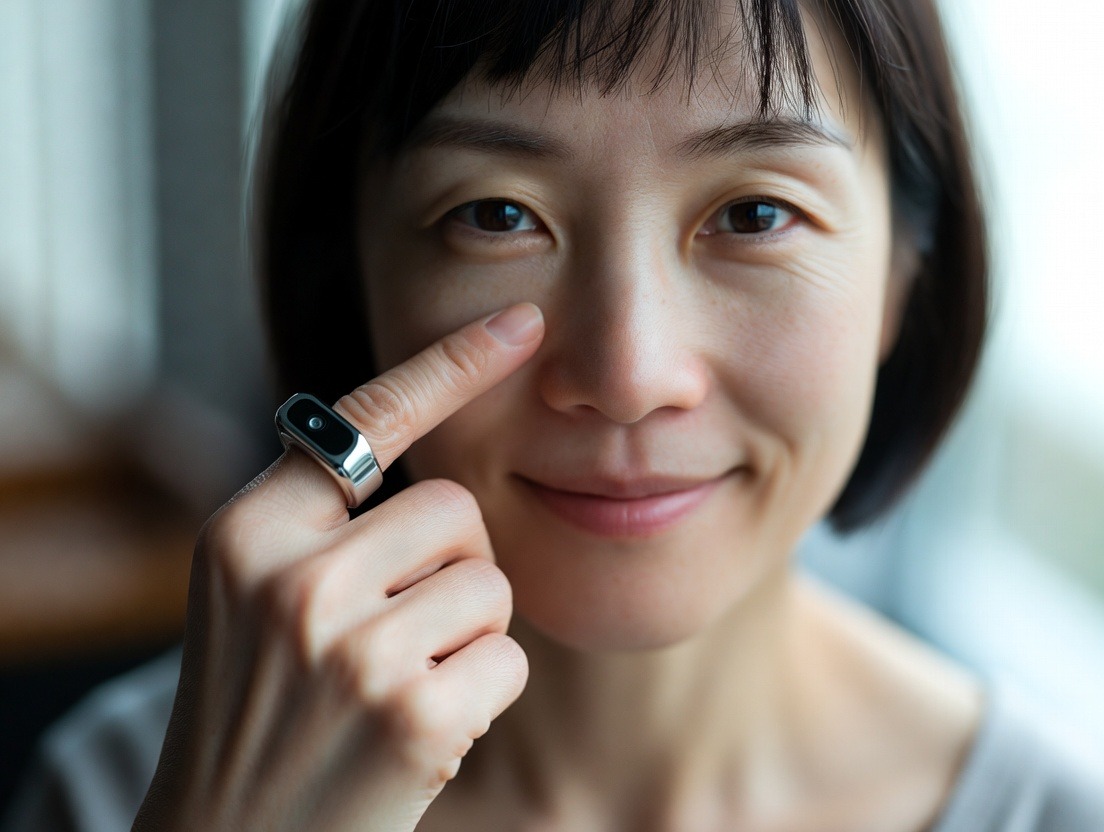
With the market for smart rings expanding rapidly, selecting the right model is crucial. The ideal ring should feel like a seamless extension of your body and your goals, not a cumbersome piece of tech. This guide focuses on the key features that matter most for preventing overtraining and optimizing recovery, helping you navigate beyond marketing buzzwords.
Core Biometric Sensors: Non-Negotiables for Recovery Tracking
Key Software & Algorithm Features
Form Factor, Comfort, and Durability
Ecosystem and Integration
Privacy and Data Security
Read the privacy policy. Your biometric data is deeply personal. Understand where it is stored (on-device vs. cloud), how it is encrypted, and whether the company sells or shares anonymized data. Opt for companies with a transparent, security-first approach.
Leading Contenders & Their Philosophies (A Snapshot)
The Final Decision: Align with Your Goal
Ask yourself: Is my primary goal to understand and optimize recovery to prevent burnout? If so, prioritize rings with proven, nuanced sleep and HRV algorithms (like Oura). If you want more real-time coaching nudges, look at Circular. If you’re a data scientist at heart wanting to correlate everything, explore Ultrahuman. Choose the tool that will best facilitate the dialogue you want to have with your body.
Having explored the individual features, metrics, and strategies, we now arrive at the synthesis: a practical, step-by-step master protocol for using your smart ring to build an ironclad defense against overtraining and a sustainable path to peak performance. This is not a rigid set of rules, but a dynamic framework for intelligent self-management.
Phase 1: The Foundation (Weeks 1-4)
Phase 2: Awareness & Correlation (Weeks 5-8)
Phase 3: Integration & Autoregulation (Week 9 Onward)
This is where your ring becomes your coach. Implement the Dynamic Decision Matrix:
Morning Readiness Score
Training Decision
Lifestyle Prescription
GREEN (High)
GO: Execute planned intense or key session. Focus on quality and progression.
Capitalize on energy. Tackle demanding cognitive work. Socialize actively.
YELLOW (Medium)
CAUTION: Modify. Reduce volume (sets/reps/mileage) by 30-50%. Lower intensity. Focus on technique, mobility, or steady-state cardio.
Prioritize stress management. Incorporate breathwork. Consider an earlier bedtime. Opt for nourishing, calming foods.
RED (Low)
STOP: Rest or Recover. Complete rest day, gentle walk (<30 min), yoga nidra, or foam rolling only. Apply the "Two-Strike Rule."
Non-negotiable recovery. Maximize sleep opportunity. Hydrate thoroughly. Practice digital detox. Strictly avoid any additional stressors.
Phase 4: Longitudinal Optimization (Ongoing)
The Golden Rules of the Protocol:
By following this protocol, you create a virtuous cycle: Intelligent training → Improved recovery → Higher readiness → Better performance → Sustainable motivation. You break the boom-and-bust cycle of overtraining and replace it with a flow of consistent, adaptable progress. This is the essence of achieving high performance through structured, restful living.
We stand at the frontier of a new relationship with our bodies. The smart ring represents a fundamental shift from training by feel—a method vulnerable to ego, societal pressure, and misperception—to training by informed awareness. It externalizes the internal, giving voice to the autonomic nervous system's silent pleas for balance.
The journey to prevent overtraining and burnout is not about doing less; it's about doing what's right at the right time. It's about recognizing that the peak of performance is built on the solid bedrock of recovery. The smart ring, with its continuous stream of HRV, RHR, sleep, and temperature data, provides the map and compass for this terrain.
We have seen how these devices decode the early warning signs of systemic stress, empower women to harmonize training with their hormonal cycles, reveal the direct cost of lifestyle choices, and, over time, chronicle the story of our long-term health. They democratize the recovery science once reserved for elites, putting an invisible coach on the finger of anyone dedicated to sustainable achievement.
The ultimate goal is not to become dependent on a device, but to use it as a teacher. Through months and years of biofeedback, it cultivates a refined intuition—a deep, embodied understanding of your personal rhythms of stress and renewal. It trains you to recognize the feeling of true readiness and the subtle ache of impending overreach.
This is the promise: a future where burnout is not a rite of passage for the dedicated, but a preventable detour. Where rest is not idleness, but an active, strategic, and respected component of greatness. By embracing this data-informed, recovery-first philosophy, we don't just become better athletes or professionals; we become more resilient, attuned, and vibrant humans, capable of sustaining our passions for the long run. The path to our highest potential, it turns out, is not through relentless force, but through intelligent balance—and now, we have the technology to guide us every step of the way.
Your Trusted Sleep Advocate: Sleep Foundation — https://www.sleepfoundation.org
Discover a digital archive of scholarly articles: NIH — https://www.ncbi.nlm.nih.gov/
39 million citations for biomedical literature :PubMed — https://pubmed.ncbi.nlm.nih.gov/
Experts at Harvard Health Publishing covering a variety of health topics — https://www.health.harvard.edu/blog/
Every life deserves world class care :Cleveland Clinic - https://my.clevelandclinic.org/health
Wearable technology and the future of predictive health monitoring :MIT Technology Review — https://www.technologyreview.com/
Dedicated to the well-being of all people and guided by science :World Health Organization — https://www.who.int/news-room/
Psychological science and knowledge to benefit society and improve lives. :APA — https://www.apa.org/monitor/
Cutting-edge insights on human longevity and peak performance:
Lifespan Research — https://www.lifespan.io/
Global authority on exercise physiology, sports performance, and human recovery:
American College of Sports Medicine — https://www.acsm.org/
Neuroscience-driven guidance for better focus, sleep, and mental clarity:
Stanford Human Performance Lab — https://humanperformance.stanford.edu/
Evidence-based psychology and mind–body wellness resources:
Mayo Clinic — https://www.mayoclinic.org/healthy-lifestyle/
Data-backed research on emotional wellbeing, stress biology, and resilience:
American Institute of Stress — https://www.stress.org/


