


Active Living Basics: Building a Movement-Rich Environment
Teaches how to build an environment that naturally encourages more movement.
Teaches how to build an environment that naturally encourages more movement.
%402x.svg)
In a world engineered for sitting, the simple act of moving has become a revolutionary act. We’ve outsourced our labor, digitized our social lives, and optimized our workspaces for maximum stillness. The result? A global physical inactivity pandemic that the World Health Organization labels a “leading risk factor for mortality.” But what if the solution isn’t another grueling 60-minute gym session squeezed into an already packed day? What if the key to vitality lies not in isolated bursts of exercise, but in weaving movement seamlessly into the very fabric of our existence?
Welcome to the philosophy of the movement-rich environment. This isn't about a new workout trend; it's a foundational redesign of daily life. It's the understanding that health is not a destination reached through weekly pilgrimages to the gym, but a natural byproduct of how we inhabit our homes, navigate our workspaces, and structure our days. It’s shifting from thinking “I need to get my activity in” to living in a way where activity is unavoidable, joyful, and integral.
This paradigm is supported by compelling science. Non-Exercise Activity Thermogenesis (NEAT)—the energy expended for everything we do that is not sleeping, eating, or sports-like exercise—can vary by up to 2,000 calories a day between two similarly sized individuals. The person with high NEAT isn’t necessarily a marathon runner; they are the one who fidgets, takes the stairs, gardens, walks to a colleague’s desk instead of emailing, and stands while on the phone. This low-intensity, high-frequency movement is the unsung hero of metabolic health, joint lubrication, circulation, creativity, and even mood regulation.
This comprehensive guide is your blueprint for this transformation. We will dismantle the barriers to movement and rebuild your surroundings to make an active life the default, effortless path. And to navigate this new landscape, data becomes your compass. This is where modern wellness technology, like the advanced sensors in a Oxyzen smart ring, transforms from a passive tracker into an active guide. It provides the objective feedback loop—showing you not just your steps, but your activity patterns, recovery state, and how your environment impacts your body—allowing you to tailor your movement-rich world for your unique physiology. Let’s begin the journey of building a life in motion.
We are living in a “movement desert.” To redesign our environment, we must first understand how it was engineered for stillness. For 99% of human history, movement was synonymous with survival—hunting, gathering, building, migrating. Our bodies evolved to expect and require this constant, varied physical stimulus. The shift to a sedentary existence is a blink in evolutionary time, yet its consequences are profound.
The 20th century orchestrated a perfect storm of stagnation. The rise of desk-bound office work, the explosion of personal automobiles, the advent of television, and the digital revolution of computers and smartphones have systematically eliminated the necessity for daily motion. We now have "ergonomic" chairs designed to keep us seated for eight hours straight, drive-thrus so we don’t have to leave our cars, and apps that deliver groceries, meals, and entertainment directly to our door. Convenience has become the enemy of activity.
The health impact is catastrophic, and it extends far beyond weight gain. Prolonged sitting is now independently linked to increased risks of cardiovascular disease, type 2 diabetes, certain cancers, and all-cause mortality. Research published in the Annals of Internal Medicine found that even after adjusting for regular exercise, high amounts of sedentary time were correlated with worse health outcomes. The body, when static, undergoes detrimental changes: enzyme activity in the muscles responsible for burning fat drops by 90%, insulin effectiveness drops within a single day, and good cholesterol levels fall.
But the damage isn’t only physical. A stagnant body often houses a stagnant mind. Reduced blood flow from sitting dampens cognitive function and creativity. Our posture collapses, compressing our diaphragm and leading to shallow “email apnea,” which increases stress hormones. We become disconnected from the physical sensations that ground us, leading to a state of disembodiment that fuels anxiety.
Perhaps the most insidious aspect is the normalization of this stillness. We celebrate “productivity” that involves uninterrupted screen time. We feel guilty for taking a walk break because it looks like we’re not working. We’ve internalized the idea that movement is a separate, scheduled task—a chore to be completed—rather than the natural state of a human being. This mental model is the first barrier we must dismantle.
To break this default, we need awareness before we can implement change. This is where objective data is invaluable. Using a device like a smart ring from Oxyzen can serve as a powerful mirror, revealing just how sedentary your day truly is. It moves the conversation from a vague feeling of "I didn't move much today" to concrete data: "I had 11 consecutive hours of inactivity, and my heart rate variability dropped." This awareness is the critical first step out of the sedentary trap and into intentional design.
The fitness industry has long sold us a narrow, often intimidating, version of activity: sweat-drenched HIIT classes, heavy weightlifting, and running for miles. While these have their place, this exclusive focus on structured, high-intensity exercise has created a damaging all-or-nothing mentality. If you can’t dedicate an hour to “working out,” the reasoning goes, you might as well do nothing. This false dichotomy is a major roadblock to building a movement-rich life.
We must expand our definition of “activity” to include the vast spectrum of human motion. Think of movement in three essential tiers:
A movement-rich environment primarily amplifies that first tier—Foundational Movement—making it effortless and woven into your day. The benefits are multifaceted. From a metabolic standpoint, frequent, low-grade movement keeps your metabolism humming, your blood sugar stable, and your joints lubricated. From a psychological perspective, it breaks the cycle of procrastination and guilt associated with “not working out.” Every small action becomes a victory.
Furthermore, varied movement builds a resilient, adaptable body. Sitting in a chair and then doing repetitive gym movements creates what biomechanists call “plastic” adaptation—your body gets good at a very narrow range of motions. In contrast, a day filled with squatting to pick things up, reaching for items on high shelves, carrying groceries, and walking on uneven surfaces creates “elastic” adaptation—a body prepared for the unpredictable nature of real life.
This holistic view aligns perfectly with how our bodies evolved. Our ancestors didn’t do bicep curls; they lifted rocks and children. They didn’t run on treadmills; they traveled across varied terrain. By re-embracing this varied, all-day model of activity, we honor our biology.
To optimize this approach, understanding your body’s recovery needs is crucial. Pushing structured exercise when your body needs restorative movement can lead to burnout and injury. This is where deeper biometrics come into play. By monitoring metrics like your resting heart rate and heart rate variability (HRV)—which you can learn more about in our detailed guide on what your sleep tracking numbers should look like—you can gauge your nervous system's readiness for activity. A device that tracks these metrics, like those discussed on the Oxyzen blog, helps you balance all three tiers of movement effectively, ensuring your activity supports rather than depletes you.
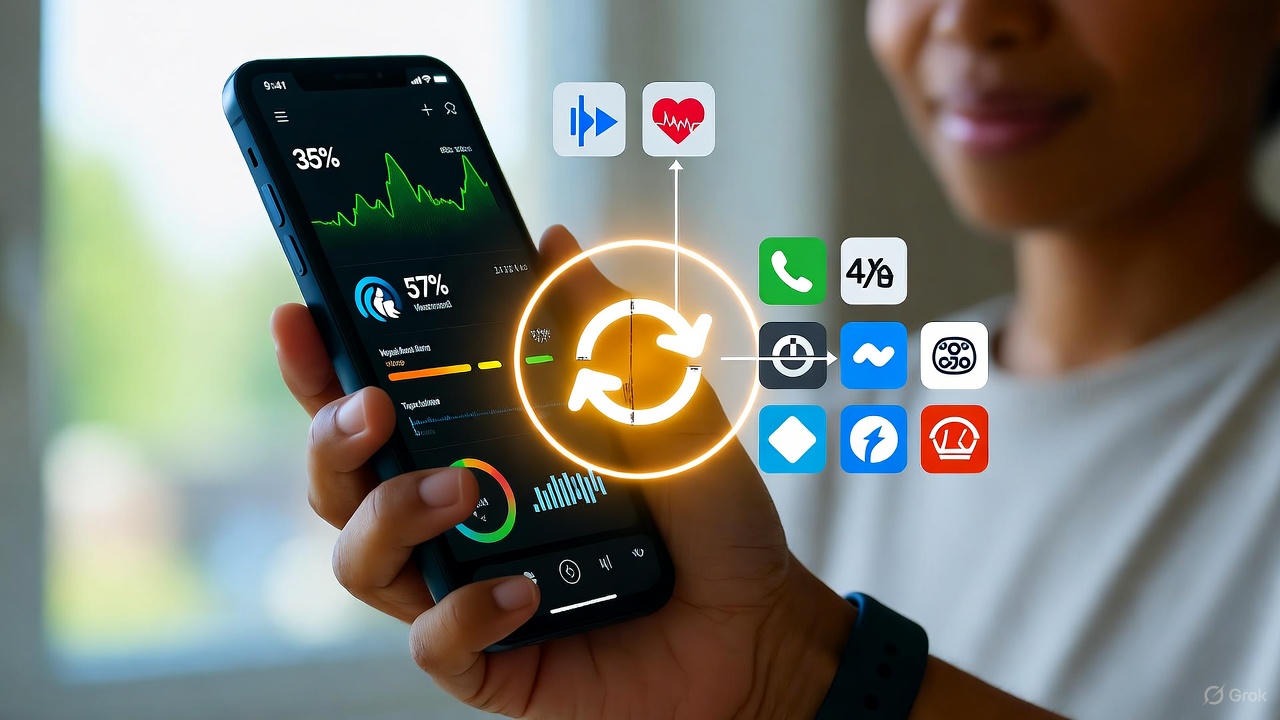
We often think of movement as a purely physical endeavor, but its most powerful effects may be neurological. Every step you take, every stretch you perform, is a direct command to your brain, altering its chemistry, structure, and function in profound ways. Building a movement-rich environment isn't just about building a healthier body; it's about cultivating a sharper, more resilient, and more creative mind.
The mechanistic links are well-established. Physical activity increases blood flow to the brain, delivering the oxygen and nutrients it needs to perform at its peak. It also triggers the release of a cascade of neurochemicals:
But the benefits go beyond basic neurochemistry. Modern research reveals that movement is a cognitive catalyst. A famous study from Stanford found that walking increased creative ideation by an average of 60%. The act of walking, especially in nature, allows the brain to enter a state of diffuse-mode thinking—a relaxed, associative state where disparate ideas can connect and novel solutions emerge. The next time you're stuck on a problem, a movement break is likely more effective than forcing yourself to stare at the screen.
Furthermore, movement is a potent regulator of the nervous system. Rhythmic, repetitive motions like walking, cycling, or rowing can activate the parasympathetic ("rest and digest") system, calming anxiety and reducing the cortisol spikes associated with chronic stress. This is why a walk is often the best advice for someone feeling overwhelmed or angry.
Building a movement-rich environment, therefore, directly builds a brain-rich environment. By integrating movement into your workday—through walking meetings, a standing desk, or even a under-desk pedal exerciser—you're not slacking off. You are engaging in a form of biological hacking, strategically using your body to optimize your brain's performance. You're shifting your brain state from one of stressed fixation to one of fluid intelligence.
This brain-body connection is a two-way street, and its quality is heavily influenced by your recovery. The cognitive fog that follows a poor night's sleep is a testament to this. To perform at your mental best, your brain needs the deep restorative processes that occur during quality sleep. Understanding this cycle is key. For a deep dive into this critical recovery phase, explore our resource on the science of deep sleep and what happens to your body. Optimizing your movement and your sleep creates a virtuous cycle for peak mental performance.
If the goal is to break the sedentary default, we need strategies that are absurdly simple and impossible to avoid. Enter the concept of "Movement Snacking." Coined by researchers, this principle involves consuming short, frequent "bites" of movement throughout the day—often just 1 to 5 minutes—to disrupt prolonged sitting and activate your physiology.
Unlike a full "meal" of exercise, a movement snack requires no special clothes, no equipment, and minimal time. Its power lies in its frequency and consistency. Studies show that breaking up sitting time with just 2 minutes of light walking every 30 minutes can significantly improve blood glucose and insulin levels compared to uninterrupted sitting. Another study found that five 1-minute walks per hour reduced post-meal blood sugar spikes by a remarkable 58% in a population at risk for type 2 diabetes.
How to Implement Movement Snacking:
The genius of movement snacking is that it makes movement non-negotiable by attaching it to triggers that already exist in your environment. It defeats procrastination by making the ask so small that resistance is pointless. Over time, these tiny snacks add up to a significant volume of activity without you ever having to "find time" to exercise.
To truly harness this principle, awareness is again key. It's easy to get absorbed in work and miss your timer. A subtle, personal reminder can be more effective than a phone notification you'll ignore. A smart ring, like those designed by Oxyzen, can be configured to provide a gentle vibration alert when you've been sedentary for a predetermined period. This bio-conscious nudge brings you back to your body, prompting you to take your movement snack and directly linking your intention to a tool that helps you follow through.
Your home is your sanctuary, but for most, it's also a palace of sedentism. We move from bed, to chair, to sofa. Redesigning this space is the most impactful step in building a personal movement-rich environment. The goal is not to turn your living room into a gym, but to subtly engineer "movement opportunities" into your domestic landscape.
Room-by-Room Strategies:
The Kitchen:
The Living Room:
The Home Office:
Bedroom & Bathroom:
The philosophy is simple: remove convenience to invite effort. By making the sedentary option slightly less convenient and the active option the default path, you harness the power of choice architecture. You’re not relying on willpower; you’re designing an environment where the healthy choice is the easy choice.
This environmental design should also support your body’s need for rest. Your bedroom, in particular, should be a temple for recovery. The activity of the day sets the stage for the quality of your sleep, and vice versa. For insights on creating the perfect environment for your most restorative rest, which is essential for muscle repair and hormonal balance, our guide on the deep sleep formula of temperature, timing, and habits offers actionable strategies that complement your active home design.

For many, the workplace is the epicenter of sedentism—a 6-10 hour block of chair confinement. Transforming this environment is critical, and while you may have less control than in your home, there are powerful, often subversive, ways to inject movement.
Individual Strategies (Within Your Control):
Cultural & Team Strategies (To Champion):
The Mindset Shift at Work:
Crucially, we must dismantle the toxic belief that movement at work signifies a lack of focus or dedication. The data shows the opposite. A body in motion supports a mind in motion. Framing your movement breaks as "cognitive resets" or "creativity boosts" can help shift perceptions—including your own. You are not "taking a break from work"; you are "taking a break for better work."
To make this transformation sustainable, you need to listen to your body's signals. Pushing through fatigue with caffeine while chained to your desk is the old model. The new model involves responsive self-care. If your focus is waning or stress is building, that’s a biological signal for a movement snack or a breathing break. Tracking physiological stress through a wearable can provide an objective measure of when you need to step away. Learning to interpret these signals, much like you would learn to interpret the silent signs of deep sleep deprivation, allows you to address energy slumps proactively, maintaining high performance without burnout.
While we can optimize our indoor environments, our most natural and powerful movement-rich setting is the outdoors. Humans are not meant to live in climate-controlled boxes. We are biophilic creatures, and our physiology responds positively to fresh air, natural light, and varied terrain. Building a movement-rich life means intentionally re-integrating the outdoors into your daily rhythm.
Assess and Maximize Your Walkability:
Walkability isn't just a urban planning term; it's a personal health metric. Audit your local environment:
The Multifaceted Benefits of Outdoor Movement:
Practical Integration:
This principle moves activity from a scheduled task to a lifestyle enhancement. It connects movement with pleasure, exploration, and connection to your community. The goal is to rediscover the joy of "going for a walk" not as exercise, but as a fundamental human pleasure.
Integrating outdoor time is also one of the most powerful levers for improving sleep, which completes the wellness cycle. Daylight exposure, especially in the morning, is critical for setting your internal clock. For a comprehensive look at how to harness timing for better rest, which directly impacts your energy for an active life, our article on the deep sleep formula of temperature, timing, and habits provides essential guidance. A walk in the morning sun is an investment in both your daytime vitality and your nighttime recovery.
In our quest to build a movement-rich environment, technology plays a paradoxical role. It is the primary architect of our sedentary world, yet it also holds the keys to our liberation. The distinction lies in intentionality: are we using technology passively, letting it dominate our attention and immobilize us? Or are we using it actively, as a tool to guide, motivate, and inform our movement journey?
The Problem: Passive Consumption.
The default mode of smartphones, streaming services, and social media is to capture our attention and hold us in a static, seated, or reclined position. The endless scroll is the enemy of the movement-rich life. This technology is designed to be addictive, exploiting our neurological reward pathways for profit.
The Solution: Active Tool Use.
We must flip the script and use technology in service of our physicality.
Choosing Your Tech Wisely:
The best wellness technology is the one you forget you're wearing, that provides insights without obsession, and that fits seamlessly into your life. It should feel like a natural extension of your intention. When evaluating a tool, ask: Does this empower me to understand my body better? Does it integrate with my life, or does it demand I change my life for it? For many seeking a minimalist, data-rich approach, exploring a device from the Oxyzen shop can be a starting point for finding that seamless guidance.
The ultimate goal is to reach a point where your internal cues—feeling stiff, restless, or foggy—are enough to prompt movement. Technology is the training wheels that help you reconnect with those innate bodily signals that a sedentary life has dulled. It provides the objective data that validates your subjective feelings, helping you build self-trust. Once that connection is re-established, the technology recedes into the background, a silent partner in your health, while you live actively in the foreground.
A movement-rich environment extends beyond the physical into the social sphere. Humans are inherently social creatures, and our behaviors are profoundly influenced by the people around us. This phenomenon, known as "social contagion," applies powerfully to health habits. Building a social environment that supports and encourages movement is perhaps the most sustainable strategy for long-term success. It transforms activity from a solitary discipline into a shared value and a source of connection.
The Power of the Social Mirror:
Research consistently shows that obesity, smoking cessation, and exercise habits spread through social networks. You are significantly more likely to be active if your friends, family, and colleagues are active. This isn't just about peer pressure; it's about norms, shared identity, and mutual reinforcement. When movement is woven into your social fabric, it stops being a "should" and starts being a "we."
Strategies for Building Movement-Rich Social Scaffolds:
1. Create or Join Movement-Based Communities:
2. Integrate Movement into Social Rituals:
3. Cultivate Accountability Partnerships:
The Deeper Benefit: Combating Loneliness
In an age of digital connection and physical isolation, integrating movement with socializing addresses two public health crises at once: sedentism and loneliness. The oxytocin released through positive social interaction combined with the endorphins from movement creates a powerful neurochemical cocktail for well-being. You're not just building a healthier body; you're building a richer, more connected life.
This social energy can also be channeled into supporting each other's holistic recovery. Just as you might share a new workout, sharing insights on recovery strategies can be invaluable. Discussing how you’ve improved your sleep by understanding your ideal deep sleep duration by age can spark meaningful conversations about holistic health within your community.
In a movement-rich environment, the goal is not to eliminate sitting—that’s neither practical nor desirable. The goal is to abolish prolonged, static postures, whether sitting OR standing. Mastering the skill of sitting and standing involves cultivating variety, awareness, and optimal alignment in both positions. It’s about making your posture dynamic.
The Problem with Static Postures:
Holding any single position for too long—even a "perfect" standing posture—leads to compression, reduced circulation, and muscular fatigue. The spine craves movement to pump fluids through discs and maintain health. Therefore, "good posture" is not a statue-like pose, but the posture you move in and out of frequently.
The Art of Dynamic Sitting:
The Science of Standing Well:
Movement Breaks as Posture Resets:
Every movement snack is a posture reset. It clears the slate of accumulated tension from either sitting or standing.
Listening to Your Body's Signals:
Pain is a late-stage signal. Learn to heed the earlier whispers: stiffness, restlessness, a dip in concentration, shallow breathing. These are your body's requests for a positional change. Developing this interoceptive awareness—the sense of the internal state of your body—is a critical skill. Technology can aid this by providing an objective correlate to your subjective feeling. For instance, a rising stress score or a drop in heart rate variability on your Oxyzen smart ring can be a data-backed prompt that your body needs a postural shift or movement break, even before you consciously feel "off."
By mastering the skill of varying your posture, you turn every hour into an opportunity for gentle, beneficial movement. You stop fighting your body's need to move and start flowing with it.
The final, and perhaps most important, principle is psychological. All the environmental design in the world will falter if your internal narrative about movement remains one of obligation, punishment for eating, or a grim pursuit of aesthetics. A movement-rich environment must be paired with a movement-rich mindset—one grounded in curiosity, play, and self-compassion.
Shifting the Internal Dialogue:
Reconnecting with Intrinsic Motivation:
Children move for the sheer joy of it—to explore, to play, to express themselves. We must rediscover those intrinsic drivers.
Self-Compassion as Fuel:
A punitive mindset—beating yourself up for being inactive—activates the stress response, making it harder to take positive action. Self-compassion—acknowledging the difficulty, treating yourself with kindness, and recognizing that everyone struggles—creates a psychologically safe space for change. It allows you to restart after a setback without the crippling weight of shame.
This mindset shift is what turns a collection of tactics into a sustainable lifestyle. It’s what makes you choose the stairs not because you "should," but because it feels good and aligns with your identity as someone who values vitality.
This joyful, curious approach naturally extends to all aspects of well-being, including sleep. Rather than viewing sleep as another box to check, you can see it as a fascinating exploration of your own biology. To cultivate that curiosity, you might explore topics like how deep sleep affects memory and brain function, turning recovery into an engaging part of your health journey. This integrated, positive mindset is the glue that holds the entire movement-rich life together.

Creating a movement-rich environment is an iterative design process. You are both the architect and the inhabitant. To refine your design, you need feedback. This is where moving from intention to data becomes transformative. By measuring key aspects of your "movement ecology," you can see what's working, identify invisible sedentary pockets, and make informed adjustments.
What to Measure (Beyond Steps):
Steps are a crude, one-dimensional metric. A richer picture comes from a combination of data points:
How to Use the Data Wisely:
Technology as Your Biometric Partner:
A well-designed wearable acts as a continuous, objective observer of your movement ecology. It sees what you cannot feel and records what you might forget. A device that offers this comprehensive view, like the kind you can explore at Oxyzen, becomes less of a tracker and more of a personal health informant. It provides the evidence that your environmental redesign is working on a physiological level, not just a behavioral one.
This feedback loop closes the system. You design your environment → you live in it → you collect data on its effects → you use that insight to refine the design. This creates a living, adapting system for health that grows more effective and personalized over time.
We have laid the comprehensive groundwork for a life in motion. From diagnosing the sedentary default to expanding our definition of activity, from the neuroscience that proves movement is cognitive fuel to the eight core principles for environmental redesign, this is a blueprint for a fundamental shift.
Remember, the goal is not perfection. The goal is a tilt—a deliberate, sustained tilt of your daily life towards more frequent, varied, and joyful movement. It starts with one change: maybe it’s setting a timer for movement snacks, maybe it’s rearranging your kitchen, or maybe it’s committing to one walk-and-talk meeting per week.
This journey is one of rediscovery. You are rediscovering the vibrant, capable, dynamic body that modern convenience has asked you to forget. You are rediscovering the pleasure of using your body for its intended purpose. And you are building an environment that supports this rediscovery at every turn.
As you embark on this path, remember that movement and recovery are two sides of the same coin. The most beautifully designed movement-rich life will falter without quality restoration. Your active days prepare you for deep, restorative sleep, and that sleep fuels your active days. To fully optimize this cycle, understanding the nuances of your recovery is essential. We invite you to continue your education by exploring our in-depth resources on how to increase your most restorative sleep, ensuring that your foundation for active living is supported by equally solid rest.
The door to a movement-rich life is open. It’s not in a gym across town; it’s in the next choice you make—to stand, to stretch, to take the long way, to play. Step through. Your environment is waiting to be transformed, and with it, your health, your mind, and your joy.
From Blueprint to Biome: Advanced Integration of Your Movement-Rich Environment
You've laid the foundation. The principles are clear: movement snacking, environmental redesign, social scaffolds, and a data-informed mindset. But a blueprint is not a living space. The true magic happens when these principles cease to be conscious actions and begin to operate as an ecosystem—a personalized "biome" of health where movement, rest, nutrition, and psychology interact seamlessly. This next phase is about advanced integration, personalization, and navigating the inevitable complexities of a dynamic life.
We move from building discrete parts of an active life to cultivating the holistic process of living actively. This involves fine-tuning your environment based on your unique biology, layering in nutritional and hormonal wisdom, and developing strategies for resilience when life disrupts your best-laid plans. Here, the feedback from a sophisticated tool like a smart ring from Oxyzen transitions from being a helpful guide to becoming an essential partner in systems management, offering insights into the interplay of your daily choices.
Your body is not a static machine; it's a symphony of rhythms. Hormones, body temperature, alertness, and even muscle strength ebb and flow in predictable daily (circadian) and monthly (infradian) cycles. Aligning your movement with these rhythms—a practice known as chrono-activity—can amplify benefits and reduce the risk of injury or burnout.
Understanding Your Daily Cycle:
Personalization is Key: The classic "morning person" vs. "night owl" (chronotype) distinction matters. A night owl may find their optimal workout window shifts 2-3 hours later. Listen to your energy. A readiness score from your biometric data can help objectify this. If your score is low in the morning, forcing a hard workout may be counterproductive; opt for a gentle walk instead.
The Infradian Rhythm (For Menstruating Individuals):
The menstrual cycle's phases create a powerful, monthly rhythm for movement.
Ignoring these rhythms is like swimming against a current. Syncing with them lets the tide carry you toward better performance, recovery, and harmony. This synchronization extends powerfully into your sleep. Evening movement should prepare you for the critical repair work of the night. To understand that connection fully, explore the science of deep sleep and what happens to your body during these restorative hours.
The Fuel Factor: Nutrition as Environmental Support for Movement
Your movement-rich environment isn't just physical and social; it's nutritional. The food you bring into your home and workplace either supports a dynamic life or undermines it. Food is the substrate for energy, repair, and hormonal balance. We're not prescribing a specific diet, but outlining principles to create a nutritional environment that fuels motion.
Create a "Movement-Supportive" Kitchen:
Leverage Nutrition for Inflammation and Recovery:
A movement-rich life requires a body that recovers well. Chronic systemic inflammation can slow recovery, increase stiffness, and sap energy.
The Mindset Shift: View food not as a reward or punishment in relation to movement, but as the high-quality fuel and building material that allows your movement-rich life to thrive. Just as you wouldn't put low-grade fuel in a high-performance vehicle, don't feed your dynamic body with low-nutrient, inflammatory foods.
Advanced Environmental Hacks: Micro-Designs for Maximum Impact
Beyond the room-by-room basics, consider these deeper environmental interventions that leverage behavioral economics and neurodesign.
1. The "Friction" and "Flow" Framework:
2. Sensory Cue Design:
Your environment can send subconscious signals to move.
3. The "Gamification" of Your Space:
Turn your environment into a playful challenge.
These hacks work because they bypass the executive function (willpower) part of your brain and tap into automatic, cue-driven behavior. They embed movement into the subconscious script of your day.
A perfect system that collapses at the first sign of real life is not a robust system. The true test of your movement-rich environment is its portability and resilience.
Travel & "Movement Minimalism":
You can't bring your standing desk or rearranged kitchen with you. The goal here is to pack a "movement mindset."
Stress and High-Demand Periods:
When deadlines loom or personal crises hit, movement is often the first thing sacrificed. This is exactly when it's most needed as a regulator.
Injury and Movement Alternatives:
An injury can feel like the ultimate betrayal of an active life. This is where a broad definition of movement is lifesaving.
In all these scenarios, the foundational philosophy holds: Movement is a nutrient, not a task. You need a daily dose, but the form can flex with circumstances. The goal is to never let the dose drop to zero.
The Long Game: Periodization for Lifelong Movement
Just as athletes periodize their training (macrocycles, mesocycles, microcycles), you can apply a loose periodization to your movement-rich life to prevent plateaus, maintain motivation, and ensure sustainability over decades.
The Annual/Seasonal Cycle (Macrocycles):
The Monthly/Quarterly Focus (Mesocycles):
Every 4-12 weeks, choose a specific movement quality or goal to emphasize. This keeps the brain engaged.
The Weekly Rhythm (Microcycles):
Build a non-negotiable weekly skeleton. For example:
This periodized approach prevents the common burnout of doing the same thing year-round. It respects the natural cycles of life, seasons, and motivation, making your movement-rich life an adaptable, lifelong practice.
By integrating these advanced layers—chronobiology, nutritional support, micro-designs, resilience strategies, and intelligent periodization—you evolve from simply having a movement-rich environment to inhabiting a movement-rich life. It becomes a dynamic, intelligent system that supports you not just in ideal conditions, but through all the beautiful complexity of being human. The journey of building is complete; the journey of living actively has truly begun.
As you integrate these principles, having a clear window into your body's responses is invaluable. To explore how technology can provide this continuous feedback and help you personalize each of these advanced layers, visit the Oxyzen blog for deeper dives and user experiences.
Your Trusted Sleep Advocate (Sleep Foundation — https://www.sleepfoundation.org/)
Discover a digital archive of scholarly articles (NIH — https://www.ncbi.nlm.nih.gov/
39 million citations for biomedical literature (PubMed — https://pubmed.ncbi.nlm.nih.gov/)
experts at Harvard Health Publishing covering a variety of health topics — https://www.health.harvard.edu/blog/)
Every life deserves world class care (Cleveland Clinic -
https://my.clevelandclinic.org/health)
Wearable technology and the future of predictive health monitoring. (MIT Technology Review — https://www.technologyreview.com/)
Dedicated to the well-being of all people and guided by science (World Health Organization — https://www.who.int/news-room/)
Psychological science and knowledge to benefit society and improve lives. (APA — https://www.apa.org/monitor/)
Cutting-edge insights on human longevity and peak performance
(Lifespan Research — https://www.lifespan.io/)
Global authority on exercise physiology, sports performance, and human recovery
(American College of Sports Medicine — https://www.acsm.org/)
Neuroscience-driven guidance for better focus, sleep, and mental clarity
(Stanford Human Performance Lab — https://humanperformance.stanford.edu/)
Evidence-based psychology and mind–body wellness resources
(Mayo Clinic — https://www.mayoclinic.org/healthy-lifestyle/)
Data-backed research on emotional wellbeing, stress biology, and resilience
(American Institute of Stress — https://www.stress.org/)


