


How Smart Rings Made Wellness Fundamentals Measurable
How smart rings have made it possible to measure basic wellness metrics.
How smart rings have made it possible to measure basic wellness metrics.
%402x.svg)
For decades, wellness felt like an abstract concept—a collection of good intentions, vague feelings, and anecdotal advice. We were told to “get better sleep,” “manage stress,” and “listen to our bodies,” but these fundamentals remained frustratingly intangible. How much sleep is “good” sleep? What does effective stress recovery look like? Our bodies whispered, but we lacked the vocabulary to understand their language. This changed with the advent of wearable technology. Fitness trackers and smartwatches brought step counts and heart rates to our wrists, creating a data-driven entry point into personal health. Yet, a significant gap remained. These devices were often obtrusive, sleep-unfriendly, and better at tracking activity than the subtle, foundational states of rest, recovery, and readiness—the true pillars of sustained wellness.
Enter the smart ring: a minimalist, continuous, and profoundly personal device that has quietly revolutionized the landscape of health technology. By moving from the wrist to the finger, smart rings solved critical problems of comfort and consistency, unlocking 24/7 biometric monitoring. More importantly, they shifted the focus from mere activity tracking to holistic physiological intelligence. They turned the soft science of wellness into hard, actionable data. For the first time, we can measure the fundamentals: the precise quality of our sleep architecture, the authentic state of our nervous system, the timing of our biological cycles, and our body’s true readiness to perform or need to rest.
This article explores how this unassuming piece of technology became the Rosetta Stone for our body’s internal signals. We will delve into the science behind the sensors, decode the key metrics that now define modern wellness, and examine how this continuous stream of data is empowering individuals to make precise, personalized interventions in their sleep, stress, and overall health. The era of guessing is over. Welcome to the era of measurable wellness.
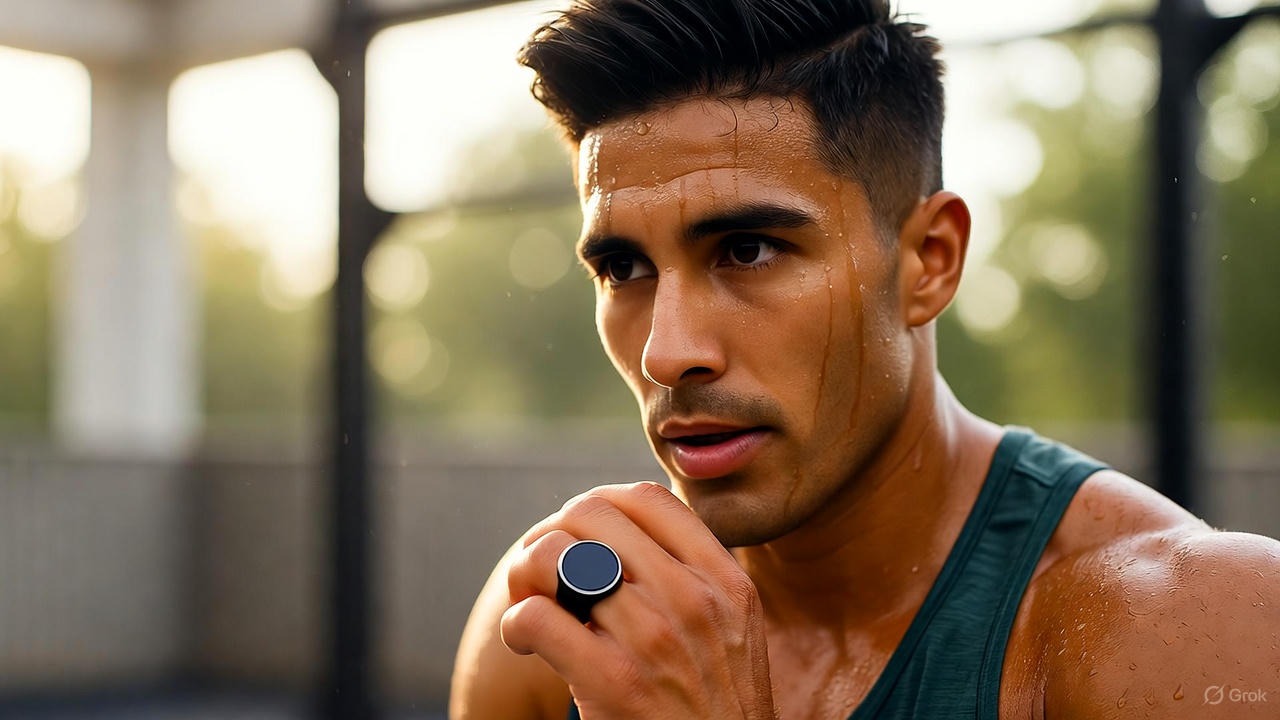
The fitness tracker boom of the 2010s undeniably brought health metrics into the mainstream. Overnight, millions were counting steps, monitoring heart rates, and celebrating closed activity rings. This was a monumental leap forward in public health awareness. However, as the initial excitement settled, a critical flaw in the wrist-worn model became apparent: its inherent incompatibility with the very fundamentals it sought to track, particularly sleep and autonomic nervous system function.
The wrist is a dynamic and problematic location for continuous, precise biometrics. First, consider sleep. A bulky device on the wrist is uncomfortable for many sleepers, prone to being banged against bedframes, and often requires charging at night—precisely when the most critical physiological data is being generated. More technically, wrist-based optical heart rate sensors (PPG) are highly susceptible to motion artifacts. During the day, arm movement can corrupt data. At night, even small movements or the simple act of lying on your arm can cause “signal noise,” leading to inaccurate heart rate variability (HRV) readings—a cornerstone metric for recovery and stress. This limitation made it difficult for wrist devices to move beyond basic sleep stage estimation (often with questionable accuracy) into the nuanced realm of sleep quality and autonomic balance.
Secondly, the design ethos of smartwatches often worked against continuous wellness monitoring. They are notification hubs, communication devices, and fashion statements. This constant engagement encourages frequent charging breaks and, psychologically, positions the device as an external source of interruption rather than a passive observer of internal state. You feel its buzz and alerts; it pulls your attention outward. For tracking deep wellness fundamentals, you need a device that fades into the background, collecting data silently and un-obstructively, without ever demanding your attention or disrupting the states it’s trying to measure.
The smart ring emerged as the elegant solution to these problems. The finger provides a more stable vascular bed for PPG sensors, with less drastic motion artifacts than the wrist, leading to cleaner, more reliable data, especially during sleep. Its small form factor makes it comfortable for 24/7 wear, including during sports and sleep. There’s no screen to interrupt you, making it a purely passive data collection tool. You put it on and forget it, allowing for truly continuous monitoring across weeks and months. This continuity is the key. Wellness fundamentals aren’t revealed in daily snapshots but in long-term trends and subtle patterns that only emerge with consistent, uninterrupted data collection. By solving for comfort, continuity, and data fidelity, the smart ring became the first device technically capable of making the elusive fundamentals of wellness truly measurable.
The magic of a smart ring lies in its ability to transform subtle physiological events from your finger into a rich digital health profile. This transformation is powered by a sophisticated, miniaturized orchestra of sensors and algorithms working in concert. At its core, the primary technology is Photoplethysmography (PPG), an optical method that uses a tiny LED light to illuminate the capillaries in your finger and a photodetector to measure the amount of light reflected back. With each heartbeat, blood volume in the capillaries pulses slightly, changing the light absorption. These minute changes allow the ring to detect your heart rate continuously.
But the real genius is in deriving Heart Rate Variability (HRV) from this PPG signal. HRV is the microscopic variation in the time interval between consecutive heartbeats. It is not an arrhythmia; it is a sign of a healthy, responsive heart and nervous system. A higher HRV (more variability) generally indicates a more resilient, relaxed state where the parasympathetic (“rest and digest”) nervous system is dominant. A lower HRV suggests stress, fatigue, or that the sympathetic (“fight or flight”) system is engaged. Extracting accurate HRV from the noisy PPG signal on a moving finger is a monumental feat of signal processing and algorithmic filtering, and it is the cornerstone of almost all advanced wellness metrics the ring provides.
Beyond the optical sensor, most advanced rings include a 3-axis accelerometer and gyroscope. These measure movement and orientation. While this helps track basic activity and steps, their primary wellness function is in sleep analysis and motion artifact correction. By correlating movement data with the PPG signal, algorithms can differentiate between a true heart rate spike from stress and a false reading caused by hand movement. During sleep, movement data helps identify periods of wakefulness and differentiates between REM sleep (where the body is paralyzed but the brain is active) and deep sleep (where movement is minimal).
Some rings also incorporate skin temperature sensors and even electrodermal activity (EDA) sensors to measure minute changes in sweat gland activity, a direct indicator of sympathetic nervous system arousal. The ring’s true power, however, isn’t in any single sensor. It’s in sensor fusion—the complex algorithmic integration of PPG, motion, and temperature data over time. This fusion creates a multidimensional picture of your physiology. For instance, a rising nocturnal skin temperature coupled with a drop in HRV and increased restlessness might signal the onset of illness or overtraining long before you feel symptoms. It is this 24/7, multi-sensor perspective that turns a simple ring into a window into your autonomic nervous system and the foundational elements of your health.
For generations, sleep was measured in a single, blunt metric: duration. “I got 8 hours” was the gold standard. Yet, we’ve all experienced the paradox of spending 9 hours in bed but waking up feeling exhausted, or surviving on 6 hours and feeling remarkably refreshed. The smart ring has shattered this one-dimensional view by making sleep architecture—the cyclical structure of sleep stages—a tangible, nightly readout. This is perhaps its most transformative contribution to personal wellness.
Smart rings use the combined data from heart rate, HRV, movement, and sometimes temperature to algorithmically estimate your time in the four key sleep stages: Wake, Light Sleep, Deep Sleep (Slow-Wave Sleep), and REM (Rapid Eye Movement) Sleep. Each stage serves a distinct, critical function. Deep sleep is physically restorative, crucial for tissue repair, immune function, and memory consolidation. REM sleep is mentally restorative, essential for emotional processing, creativity, and learning. A healthy night’s sleep involves cycling through these stages every 90-120 minutes. The ring provides a timeline, showing not just how long you slept, but how you slept.
This data moves us from guesswork to precision. You can now see if your deep sleep is truncated by late-night alcohol consumption, or if your REM sleep is fragmented by stress. You can correlate sleep quality with daytime activities. Did that late workout or screen time delay your sleep onset and suppress early deep sleep? The ring shows you. This measurable insight is the first step toward targeted improvement. For example, understanding that your deep sleep is lacking might lead you to focus on natural sleep strategies for hot sleepers and night sweats if temperature spikes are the culprit, or to practice natural sleep induction techniques that work in minutes if difficulty falling asleep is the issue.
Beyond architecture, rings calculate composite Sleep Scores. These scores (often out of 100) weigh duration, efficiency (time asleep vs. time in bed), the balance of sleep stages, and restlessness. This single, easy-to-grasp metric allows for quick nightly comparisons and long-term trend spotting. It transforms sleep from a mysterious ritual into a daily performance metric you can actively manage and optimize, using data to guide lifestyle choices that lead to truly restorative rest, such as following a natural sleep timeline for when to eat, move, and rest.
If sleep is the foundation of wellness, stress management is the pillar that keeps the structure sound. But like sleep, stress has been notoriously difficult to quantify. We’ve relied on subjective feelings of being “overwhelmed” or “burned out,” often recognizing chronic stress only after it has manifested in physical or mental symptoms. The smart ring changes this by giving us a direct, objective readout of our autonomic nervous system (ANS) activity—the stress blueprint of our body.
The primary metric here is, once again, Heart Rate Variability (HRV). While HRV is influenced by many factors, its trends are a powerful proxy for ANS balance. During the day, the ring can track your HRV throughout various activities. A meeting, a difficult conversation, or a work deadline might trigger a measurable dip in your HRV, indicating a sympathetic (stress) response. Conversely, a walk in nature, a meditation session, or a relaxing hobby might produce a measurable rise, signaling parasympathetic (recovery) activation. This turns the abstract concept of “stress” into a observable physiological event with a clear start, duration, and end.
Many rings also offer a Daytime Stress or ANS Balance score. This isn’t about labeling life events as “bad,” but about measuring your body’s physiological response to them. By observing these patterns, you can identify your unique stress triggers and, more importantly, discover what truly helps you recover. Does a 10-minute breathing exercise actually move your ANS needle? The data will show you. This empowers evidence-based stress management, moving beyond generic advice to personalized rituals that are proven to work for your nervous system.
Perhaps the most profound application is in measuring stress during sleep, known as Nighttime HRV or Recovery Stress. Your deepest sleep should be a period of profound parasympathetic dominance—your body’s prime time for repair. If your HRV remains low and your heart rate stays elevated throughout the night, it’s a clear sign your body is still in a state of high alert, fighting unseen battles. This could be due to psychological stress, physical overtraining, dietary choices, or an impending illness. By quantifying this overnight stress, the ring provides an unparalleled early warning system. It tells you not just that you’re tired, but why you might be tired, directing you to investigate lifestyle factors or even consult a healthcare professional. It makes the invisible process of recovery visible and manageable.
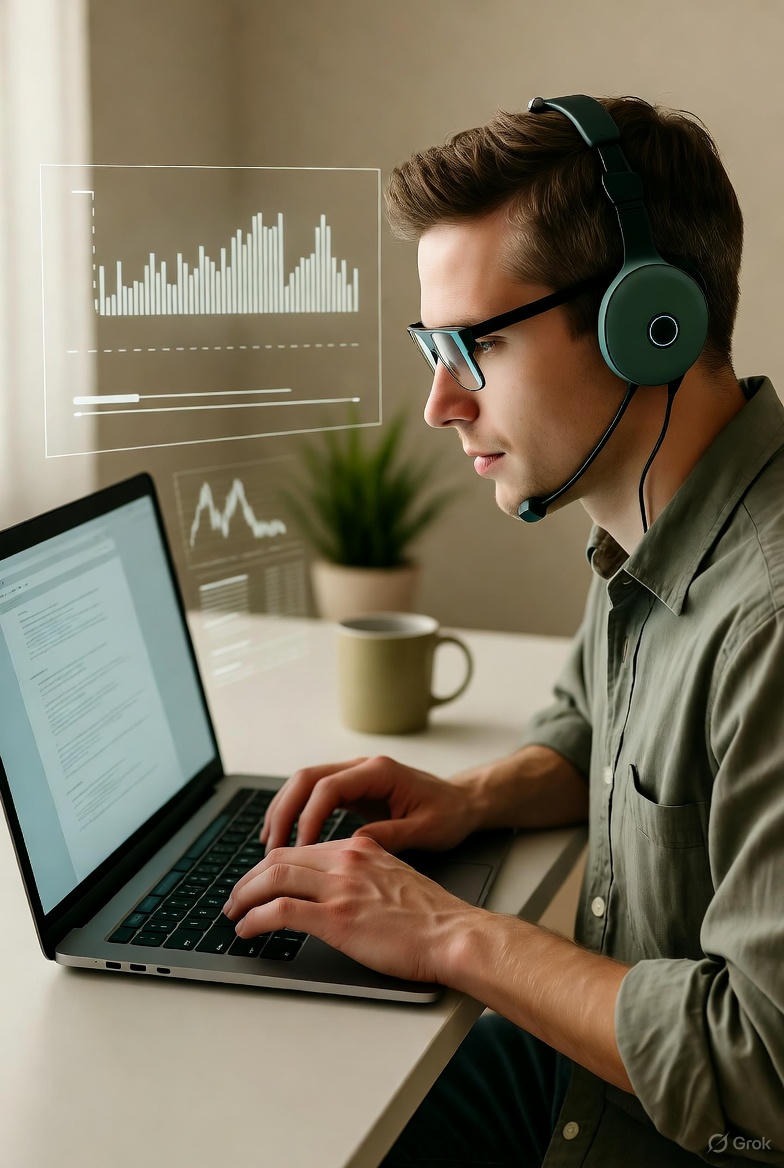
In the old paradigm of fitness, we often followed rigid schedules: workout Monday, Wednesday, Friday, regardless of how we felt. This “push through” mentality frequently leads to overtraining, injury, and burnout. The smart ring introduces a more intelligent, responsive approach through the Readiness or Recovery Score. This composite metric is your body’s daily performance forecast, synthesizing data from sleep, stress, and activity to answer a critical question: “How prepared is my body to handle physical or mental strain today?”
The Readiness Score is typically calculated each morning, drawing on the previous night’s data and recent trends. It incorporates factors like:
A high Readiness Score suggests your systems are primed—you have the physiological capacity for a challenging workout, a big presentation, or a demanding day. A low score is a red flag, indicating your body is depleted and needs rest, not additional stress. This objective data helps you replace “listening to your body” (which can be clouded by motivation or obligation) with actually understanding your body’s signals.
This transforms daily decision-making. Instead of forcing a high-intensity interval training session on a day your Readiness is low, you might opt for gentle mobility work, yoga, or a walk. You might decide to tackle your most cognitively demanding work in the morning on high-readiness days, and save administrative tasks for lower-readiness periods. For athletes, this is a game-changer, enabling true periodization and preventing the negative spiral of overtraining. For knowledge workers, it helps align mental workload with biological capacity, optimizing productivity and preventing creative burnout. The Readiness Score turns wellness from a passive state into an active resource to be strategically managed, ensuring you apply your energy where it will be most effective and sustainable.
Our bodies are not static machines; they are dynamic organisms governed by a powerful internal pacemaker: the circadian rhythm. This roughly 24-hour cycle influences everything from hormone release and metabolism to cognitive performance and sleep propensity. Disrupting this rhythm—through irregular sleep schedules, nighttime light exposure, or erratic eating—is profoundly damaging to long-term health. Smart rings, equipped with continuous skin temperature sensors, have become a personal tool for visualizing and respecting this biological clock.
Basal Body Temperature (BBT) has long been used in fertility tracking, as it dips slightly before ovulation and then rises. However, a smart ring tracks this temperature continuously and with far greater context. It identifies your personal temperature minimum (typically in the second half of the night) and your daily peak. More importantly, it charts the rhythm itself. A healthy, well-aligned circadian rhythm shows a clear, predictable wave: temperature drops as you fall asleep, reaches its nadir in the early morning, and then begins to rise before you wake, continuing to climb through the day before descending again in the evening.
Deviations from this smooth wave are highly informative. A flattened or erratic temperature rhythm is a telltale sign of circadian misalignment, often seen in shift workers or after experiencing social jet lag from weekend sleep-ins. A higher-than-normal nocturnal temperature can indicate inflammation, the onset of an infection, or a poor recovery state. For women, this data can provide unparalleled insight into menstrual cycle phases and symptoms, correlating temperature shifts with energy levels, mood, and sleep quality.
By making your circadian rhythm visible, the ring provides the rationale for foundational wellness advice. It shows you why maintaining a consistent sleep schedule is non-negotiable. It illustrates the biological impact of the role of darkness and circadian rhythm on your sleep onset. It helps you time your light exposure, meals, and exercise to support—not fight—your inner clock. For instance, seeing a delayed temperature rise might encourage you to seek bright morning light to advance your rhythm, or to avoid late coffee timing that disrupts your caffeine right. This moves circadian health from a theoretical concept to a daily, data-informed practice.
The first generation of wearables glorified the step count. While increasing daily movement is beneficial, the 10,000-step goal is an arbitrary one-size-fits-all metric that fails to account for intensity, individual fitness, or overall physiological load. Smart rings have evolved this concept into Activity Intelligence, focusing not on vanity metrics but on the body’s response to movement.
Advanced rings calculate metrics like Active Calories, MET (Metabolic Equivalent of Task) minutes, and most importantly, Strain or Exertion scores. These scores estimate the cumulative physiological stress of your day’s activities on your cardiovascular, muscular, and nervous systems. A gentle walk and an intense weightlifting session might both contribute to your step count, but their strain profiles are worlds apart. The ring knows the difference by analyzing heart rate elevation, HRV suppression, and duration of activity.
This intelligence creates a crucial feedback loop with the Readiness Score. Your morning readiness informs how much strain you can productively take on. Your daily strain then influences your overnight recovery and next morning’s readiness. This balance—between stress and recovery—is the essence of sustainable fitness and health. The ring helps you find your personal equilibrium, preventing the all-too-common cycle of overdoing it, getting injured or sick, and then falling completely off the wagon.
Furthermore, this data encourages productive movement throughout the day. Many rings will remind you to move after periods of prolonged inactivity, not just to hit a step goal, but to support circulation, metabolism, and cognitive function. By framing activity as a component of daily physiological balance rather than a separate “workout” to be checked off, smart rings integrate movement seamlessly into a holistic wellness model. They answer the question: “What is the right type and amount of movement for my body today, given its current state of recovery?” This personalized, responsive approach is far more effective and sustainable than chasing generic, static targets.
One of the most critical—and hardest—wellness lessons the smart ring teaches is the concept of the personalized baseline. In a world of social media and leaderboards, we are conditioned to compare. Yet, when it comes to physiological metrics like HRV, resting heart rate, or sleep duration, comparison is not just meaningless—it’s counterproductive. Your data is your own unique fingerprint of health.
A person with an average HRV of 45 ms might be in peak condition, while another with an average of 80 ms might be feeling rundown. Why? Because what matters is not the absolute number, but the deviation from your own personal baseline. Your baseline is established over weeks and months of continuous wear. It’s your body’s “normal” under your typical lifestyle conditions. The ring’s true power lies in detecting meaningful deviations from this normal.
For example, if your baseline HRV is 60 ms and you see a sustained drop to 40 ms for several days, that’s a significant 33% decrease and a strong signal that something is off—be it stress, poor sleep, dehydration, or illness. Conversely, if you start a new meditation practice and see your baseline HRV gradually trend upward from 60 ms to 70 ms over two months, that’s a powerful, objective validation that the practice is benefiting your nervous system, regardless of what anyone else’s HRV might be.
This focus on the individualized trend democratizes advanced health metrics. You don’t need to be an athlete to benefit. A retiree, a new parent, a student, and a CEO can all use their unique baselines to understand their bodies better. The ring helps you identify your optimal sleep duration (which may not be 8 hours), your personal indicators of high stress, and your best recovery strategies. It fosters a practice of self-awareness rather than self-comparison. This is the cornerstone of personalized wellness: using data not to judge yourself against an external standard, but to build a deeper, more responsive relationship with your own biology.
Data is fascinating, but it is worthless without action. The ultimate promise of the smart ring is to close the loop between measurement and meaningful behavior change. It transforms wellness from a set of vague recommendations into a personalized, iterative, evidence-based protocol. This process turns you into the scientist of your own life, with the ring as your primary lab instrument.
The cycle is simple: Measure → Interpret → Intervene → Re-Measure.
This evidence-based approach ends the cycle of guesswork and generic advice. Instead of “I heard magnesium helps sleep,” you can try a magnesium supplement alongside a consistent bedtime and observe, objectively, if your deep sleep percentage increases and your sleep latency decreases. You can test whether a 4 p.m. caffeine cut-off truly improves your sleep quality, or if an evening hot bath affects your nocturnal temperature curve and sleep stability.
The ring provides the feedback necessary to build rituals that actually work for you. It turns wellness into a dynamic, living practice of self-optimization. Whether you’re an athlete fine-tuning recovery, a professional managing burnout risk, or simply someone seeking more energy and resilience, this closed-loop system empowers you to make confident, data-backed decisions that compound into lasting health transformations. The journey from passive patient to active health participant begins with this actionable insight.
Wellness is often portrayed as a solitary pursuit, but human beings are inherently social creatures, and our health is deeply intertwined with our relationships. The smart ring, surprisingly, is becoming a tool for fostering social wellness and shared accountability. By making private physiological states visible (with permission), it can enhance empathy, coordination, and mutual support between partners, family members, or even close-knit teams.
For couples, mismatched sleep styles or schedules can be a significant source of tension. One partner may be a night owl with a late temperature rhythm, while the other is an early bird. One may be a light sleeper, easily disturbed by movement. Smart ring data can depersonalize these conflicts. Instead of “you’re keeping me awake,” a couple can look at the data together and see, “Our sleep efficiency drops by 15% when we go to bed at the same time because our rhythms are out of sync.” This objective viewpoint can lead to practical, less emotionally charged solutions, such as using separate blankets, adjusting schedules slightly, or exploring natural ways to sleep better as a couple with different sleep styles.
Shared data can also motivate collective action. Partners can set a joint goal to improve their Sleep Scores over a month, experimenting with a shared wind-down routine or committing to a digital curfew. Seeing a partner’s high stress score during the day can prompt a supportive text or an offer to handle evening chores. For parents, understanding each other’s recovery levels can help in fairly dividing nighttime responsibilities with a newborn to ensure both are getting some semblance of restorative sleep.
On a broader scale, anonymized, aggregated data from smart rings is beginning to contribute to population health insights. Researchers can study real-world sleep patterns, stress responses to global events, or the physiological impact of different lifestyles on a scale never before possible. This moves us from small, controlled studies to large-scale observational data, potentially uncovering new insights into public health. While privacy is paramount, the opt-in sharing of data for science represents a future where our personal devices contribute to the collective understanding of human health, closing the loop from individual measurement to global knowledge.
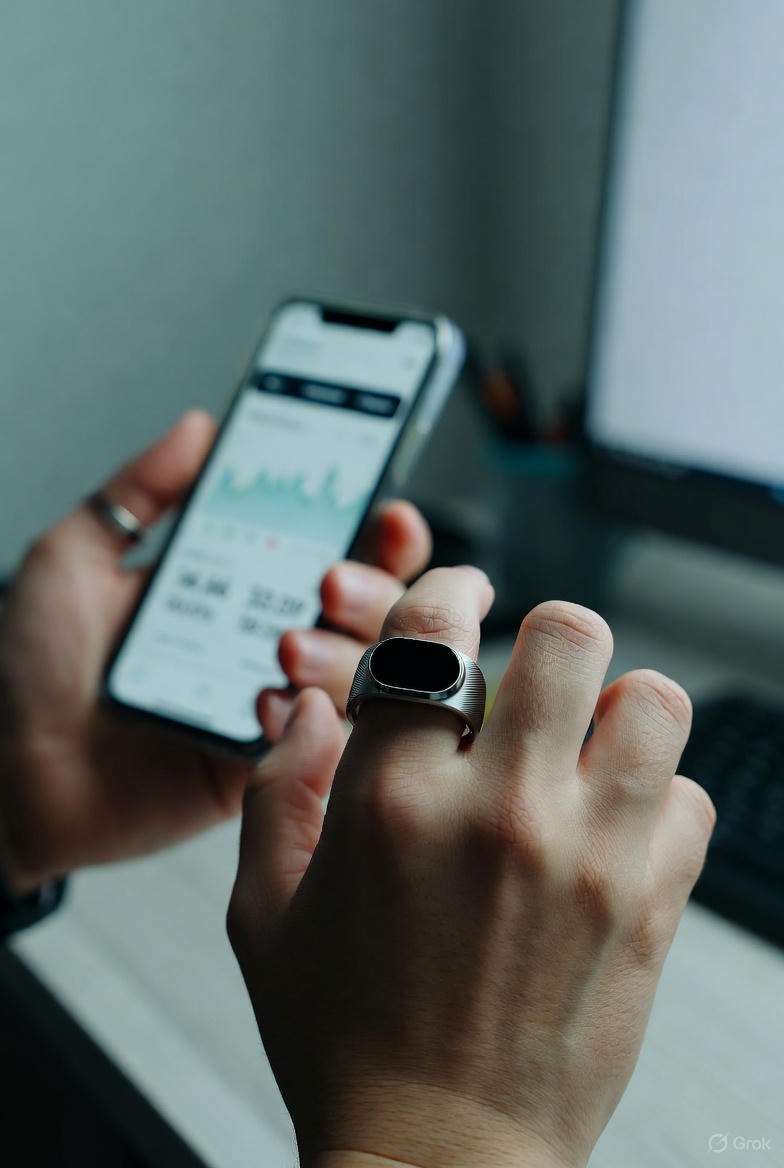
The journey from abstract wellness to measurable fundamentals doesn't end with personal insight. The true revolution of smart ring technology lies in its deepening integration with professional healthcare, corporate wellness, and the very fabric of our daily lifestyle choices. This technology is transitioning from a consumer gadget to a clinical and lifestyle tool, creating a bridge between the quantified self and qualified medical guidance. It’s fostering a new model of preventative, participatory, and precision health that is proactive rather than reactive.
This integration is happening on two parallel fronts. First, within the formal healthcare system, where continuous physiological data provides clinicians with an unprecedented longitudinal view of a patient’s health outside the sterile, stressful environment of a clinic. Second, within our daily environments—our homes, our workplaces, our fitness regimes—where real-time biofeedback is enabling micro-adjustments that compound into macro improvements in well-being. The smart ring is becoming the constant, passive monitor in a world that is increasingly attuned to the value of preventative data, shifting the healthcare paradigm from treating sickness to sustaining health. As this data becomes more robust and interpretable, it empowers not only individuals but entire systems to support human performance and resilience in a data-informed manner.
For physicians, the traditional diagnostic process often relies on a snapshot: a blood pressure reading in the office, a patient’s self-reported “I’ve been tired lately,” or a sleep diary filled with guesswork. This episodic, subjective data is fraught with limitations. White coat syndrome can skew blood pressure. Patient recall is notoriously unreliable. The smart ring introduces a paradigm shift: continuous, objective, real-world data.
Consider sleep medicine. Instead of relying solely on a costly, one-night polysomnography study in an unfamiliar lab, a sleep specialist can now review weeks of at-home sleep data from a smart ring. They can see trends in sleep latency, continuity, and architecture across different nights and lifestyle conditions. They can correlate patient-reported daytime fatigue with objectively poor deep sleep or elevated nighttime heart rate. This facilitates more accurate diagnoses of conditions like insomnia, sleep apnea (through detecting repeated oxygen desaturation events if the ring has an SpO2 sensor), or circadian rhythm disorders.
In cardiology and chronic disease management, the applications are profound. Continuous heart rate and HRV data can provide early warning signs of arrhythmias like atrial fibrillation (AFib). Trends in resting heart rate and heart rate recovery post-exercise can inform the management of hypertension and heart failure. For patients with diabetes or metabolic syndrome, correlating glucose trends (from a CGM) with sleep quality and stress metrics from a ring can reveal powerful lifestyle levers for better control.
This data doesn’t replace the physician; it empowers them. It turns the 15-minute appointment into a data-rich consultation. The patient arrives not just with symptoms, but with a detailed log of their body’s behavior. This facilitates a collaborative, evidence-based dialogue. The physician can ask targeted questions: “I see your HRV plummeted and your resting heart rate spiked for three nights last week. What was happening?” or “Your deep sleep improves dramatically on nights you finish eating before 7 PM. Can we build on that?” This model of remote patient monitoring (RPM) is at the forefront of value-based care, potentially reducing hospital readmissions, enabling earlier interventions, and creating a continuous care loop that extends far beyond the clinic walls.
In the world of elite sports, the margin between victory and injury is often razor-thin, dictated by the precise balance between training stress and physiological recovery. Smart rings have become an indispensable tool for coaches, sports scientists, and athletes, moving beyond GPS trackers and power meters to monitor the athlete rather than just the activity.
The core principle is training load management. While a workout plan prescribes a certain volume and intensity (external load), the smart ring measures the individual’s physiological response (internal load). Two athletes can complete the same interval session, but one might show a catastrophic drop in HRV and a sky-high resting heart rate the next morning, while the other recovers fully. This discrepancy is critical. The ring’s Readiness Score becomes the daily gatekeeper for training intensity. A high score green-lights a hard session; a low score mandates active recovery, mobility work, or complete rest. This individualized approach maximizes adaptive gains while systematically minimizing the risk of non-functional overreaching and overtraining syndrome, which can sideline an athlete for months.
The data also guides precision recovery. Athletes can experiment with and validate different recovery modalities. Does a 20-minute cold plunge after training improve that night’s deep sleep and next-day HRV? Does a particular magnesium supplement aid in reducing nocturnal leg movement and improving sleep efficiency? The ring provides the objective answer. Furthermore, insights into circadian rhythm help optimize performance timing. An athlete can identify their personal daily peak in body temperature and cognitive alertness, scheduling technique-focused sessions or important competitions for these windows. Understanding the profound link between sleep and physical repair, elite performers are increasingly turning to data-driven sleep protocols, such as those outlined in our guide on natural sleep for athletes and recovery-focused rest strategies.
This quantified approach is trickling down from professionals to dedicated amateurs and fitness enthusiasts. The weekend marathoner or committed gym-goer can now access the same principles of load management and recovery optimization, using their ring to prevent injury, break through plateaus, and build fitness sustainably. It democratizes high-performance principles, ensuring that effort is always directed intelligently.
Employee burnout is a global crisis with staggering costs in lost productivity, turnover, and healthcare expenses. Traditional corporate wellness programs—often built around step challenges and annual biometric screenings—have proven largely ineffective at moving the needle on chronic stress and sustainable health. They often measure activity, not the underlying capacity for performance. Smart ring technology is poised to power Corporate Wellness 2.0: a data-informed, privacy-centric approach focused on building resilient teams by safeguarding the fundamentals of employee well-being.
Imagine a program where employees are provided with a smart ring (on an opt-in, anonymized aggregate data basis) not to track their steps, but to understand and manage their energy capacity. The focus shifts from output (steps taken) to input (sleep quality, recovery status). Instead of a leaderboard that rewards the person who walks the most, the system provides personalized, private insights and company-wide educational resources on managing stress and improving sleep.
The aggregated, anonymized data can provide organizational leaders with unprecedented insight into company-wide well-being trends without infringing on individual privacy. They might discover that company-wide Readiness Scores plummet every Thursday, coinciding with a day of back-to-back cross-time-zone meetings. Or that sleep scores dip across a department in the week before a major quarterly deadline. This is organizational physiology—a diagnostic tool for systemic stress and unsustainable work practices.
Armed with this data, companies can make structural, evidence-based changes. They might implement “focus blocks” with no meetings, introduce mandatory downtime between virtual calls, or offer workshops on how to sleep better naturally during high-stress periods. They can promote resources on breaking bad sleep habits for good as part of a holistic benefits package. This approach frames wellness not as a personal responsibility to be juggled alongside work, but as a shared organizational priority that is foundational to sustained innovation, engagement, and performance. It creates a culture that values recovery as much as execution, understanding that a resilient workforce is the ultimate competitive advantage.
The most potent behavior change tool is immediate feedback. We learn quickly if a stove is hot because the pain is instantaneous. Our internal states, however, provide delayed and often confusing feedback. The mental fog from poor sleep hits hours after waking. The impact of chronic stress manifests as illness weeks later. Smart rings are evolving into silent coaches, providing real-time biofeedback and gentle, contextual nudges that help us course-correct in the moment.
This functionality moves beyond nightly summaries to in-the-moment awareness. Imagine your ring detecting a sustained elevation in your heart rate and a drop in HRV while you’re sitting at your desk, lost in a stressful train of thought. A subtle, private vibration on your finger acts as a biofeedback cue, prompting you to pause and take three deep breaths. This simple intervention, triggered by physiological data, can halt a rising stress response before it becomes entrenched.
Similarly, a ring can provide feedback on activity patterns. After 45 minutes of detected stillness, it might vibrate gently, suggesting a short movement break to aid circulation and focus—a nudge based on your physical state, not an arbitrary timer. Some advanced systems are experimenting with resonant breathing guides, where the ring uses haptic pulses to guide your breathing rate to a scientifically optimal 4.5-6 breaths per minute, a rhythm proven to maximize HRV and rapidly activate the parasympathetic nervous system.
This silent coaching extends to sleep preparation. Based on your typical circadian rhythm, the ring might send a reminder to your phone an hour before your ideal wind-down time, suggesting you start dimming lights. It could analyze your day’s strain and stress data and recommend a slightly earlier bedtime. By providing feedback loops that are minutes or hours tight, rather than days loose, the ring makes the connection between action and physiological consequence tangible. It turns abstract wellness principles into lived, moment-to-moment practices, training our awareness and building healthier habits automatically and intuitively.
For half the population, a critical layer of physiological complexity has been largely ignored by mainstream health technology: the menstrual cycle. Most wearables have treated the female body as a static entity, offering the same metrics and interpretations regardless of hormonal phase. This is a profound oversight, as estrogen and progesterone dramatically influence core biometrics like basal body temperature, resting heart rate, HRV, and sleep architecture. Smart rings, with their continuous temperature and biometric monitoring, are pioneering a new era of hormonal intelligence.
By tracking skin temperature with incredible precision, a smart ring can accurately predict ovulation and map the entire menstrual cycle. The biphasic pattern is clear: a lower-temperature follicular phase followed by a sustained temperature rise post-ovulation in the luteal phase. But the insight goes far beyond fertility. Women can now see how each phase affects their resting physiology.
It’s common for resting heart rate to rise gradually in the luteal phase and peak just before menstruation. HRV often follows an inverse pattern, dipping in the days before a period. Sleep quality can fluctuate, with many women experiencing more fragmented sleep and less deep sleep in the late luteal phase. Before smart rings, these changes were felt subjectively—as fatigue, irritability, or brain fog—but often dismissed or pathologized. Now, they are visible, measurable, and normalized.
This data is empowering. A woman can look at her app and see, “My HRV is lower today, but my cycle data shows this is a typical pattern for my luteal phase. My body isn’t ‘failing’ at recovery; it’s working differently.” This reframes symptoms, reducing anxiety and self-judgment. It enables cycle-syncing with precision. She can schedule demanding cognitive work or high-intensity workouts during the follicular phase when energy and resilience are often higher, and plan more restorative activities, creative work, or strategic planning for the luteal phase.
Furthermore, this longitudinal data can be invaluable in discussions with gynecologists and endocrinologists. It provides an objective record of cycle regularity, ovulation patterns, and symptom correlation, aiding in the diagnosis and management of conditions like Polycystic Ovary Syndrome (PCOS), endometriosis, or perimenopause. The smart ring finally gives women a detailed, continuous, and objective report card on a fundamental aspect of their biology that has been shrouded in mystery and misunderstanding for far too long.
The ultimate promise of continuous physiological monitoring is not just to improve our days, but to extend and enhance our healthspans—the number of years we live in good health. Smart rings are emerging as a powerful early warning system, capable of detecting subtle deviations that signal declining resilience or the nascent stages of illness long before clinical symptoms appear.
This predictive power lies in the analysis of long-term trends and deviations from baseline. While a single night of poor sleep is meaningless, a sustained, unexplained degradation in sleep quality, coupled with a creeping rise in resting heart rate and a fall in HRV, forms a biomarker signature of allostatic load—the cumulative wear and tear on the body from chronic stress. This is a primary risk factor for virtually every chronic age-related disease, from cardiovascular illness to cognitive decline.
More acutely, the ring can signal oncoming illness. It’s common for people to notice their resting heart rate is elevated and their HRV is suppressed for 24-48 hours before they feel the sore throat or fatigue of a cold or flu. The body mounts an immune response (inflammation) well before symptoms become conscious. For those with conditions like asthma or migraines, specific physiological patterns may precede an attack, allowing for preemptive medication or behavioral intervention.
In the context of longevity science, researchers are intensely interested in these digital biomarkers. Could the rate of decline in nocturnal HRV or the fragmentation of deep sleep patterns serve as a digital proxy for biological aging? Could interventions that improve these metrics—such as optimized sleep, targeted nutrition, and stress management—actually slow the aging process? The smart ring provides the perfect tool for conducting n-of-1 longevity experiments, allowing individuals to track the impact of lifestyle changes on these fundamental biomarkers over years and decades.
This transforms the ring from a wellness accessory into a lifelong health sentinel. It encourages a preventative mindset, where the goal is to maintain and optimize fundamental physiological rhythms. By providing an early heads-up, it empowers individuals to take restorative action—prioritizing sleep, reducing stress, supporting immunity—potentially averting a minor imbalance from snowballing into a major health event. It makes the pursuit of longevity a daily, data-informed practice.
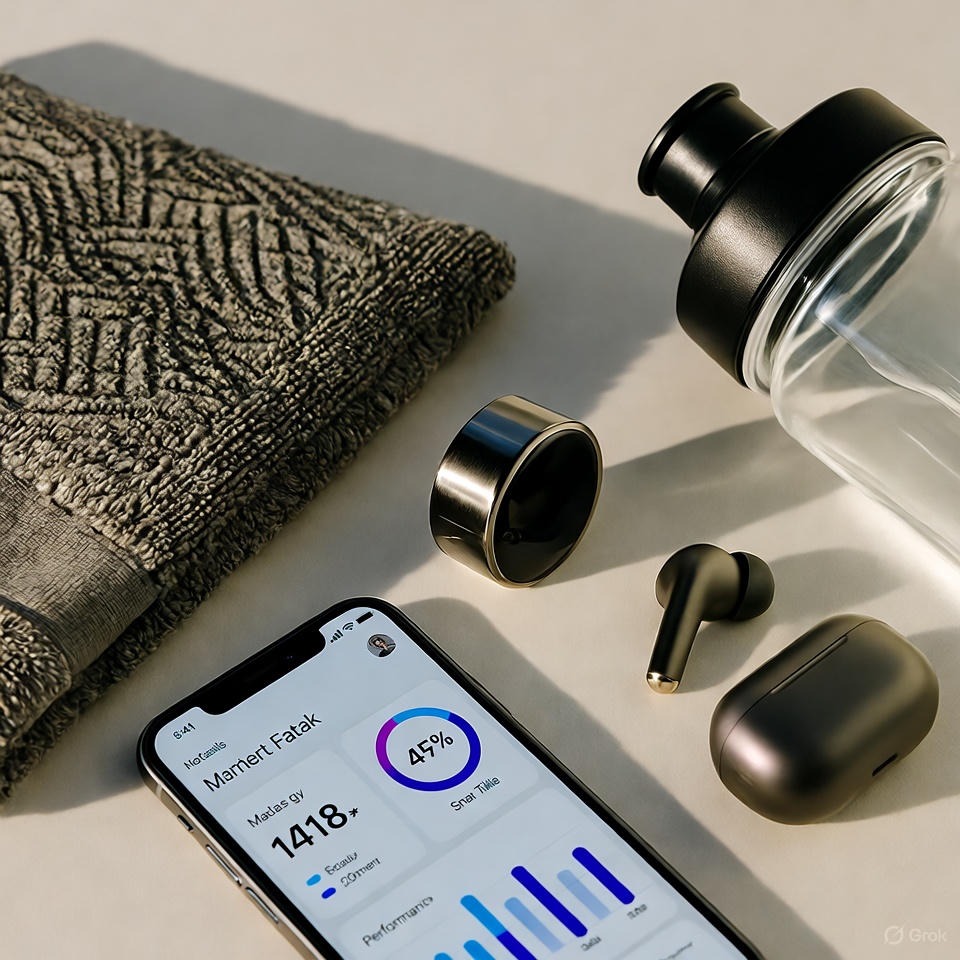
As smart rings collect our heartbeats, track our sleep, and infer our stress, they generate what is arguably the most intimate digital profile possible: a continuous stream of our unconscious biological existence. This raises critical and legitimate questions about data privacy, ownership, and security. The wellness revolution hinges on trust, and how companies handle this sensitive data will determine the technology’s long-term viability and ethical standing.
The core principle must be user sovereignty. Individuals should have clear, transparent control over where their raw physiological data is stored, how it is processed, and with whom it is shared. The gold standard is on-device processing, where advanced algorithms run directly on the ring’s chip, converting raw sensor data into summary metrics (like “Sleep Score: 82”) without ever sending the underlying heartbeat-by-heartbeat stream to the cloud. Only these high-level, aggregated metrics are then synced to the user’s private app. This architecture minimizes the privacy surface area dramatically.
For data that is cloud-processed, robust anonymization and encryption are non-negotiable. Users must have granular sharing controls: the ability to share specific data streams with a healthcare provider for a limited time, to contribute anonymized data to research, or to keep everything entirely private. Transparency reports detailing data access requests and third-party data sharing are essential for corporate accountability.
Beyond the corporate level, users must cultivate personal data literacy. It’s crucial to understand what is being collected and to regularly audit app permissions. The value of the insights must always be weighed against the sensitivity of the data shared. As this technology integrates with healthcare systems, regulations like HIPAA (in the U.S.) and GDPR (in Europe) will provide necessary frameworks, but the ultimate responsibility for championing privacy-first design lies with the manufacturers.
The future of trusted wellness technology depends on a clear, ethical contract: in exchange for our most personal data, we receive profound insight and control over our health, with the absolute guarantee that this data is protected with the highest standards of security and used solely for our benefit. This paradigm of privacy-by-design is not a feature; it is the foundation upon which the entire ecosystem must be built.
No single device tells the whole story of our health. A smart ring excels at autonomic nervous system and sleep data. A continuous glucose monitor (CGM) provides a window into metabolic health. A strength trainer’s app logs workout volume. A meditation app tracks mindfulness minutes. The true power of digital health is realized when these disparate data streams converge into a holistic health dashboard—a unified, interoperable platform that reveals the complex interactions between different systems of the body.
This is the challenge and opportunity of interoperability. Currently, most health tech exists in “walled gardens.” Your ring data lives in its app, your glucose data in another, your electronic health record in a third, inaccessible system. The future lies in secure, user-controlled data aggregation platforms that can pull in information from various sources via open APIs (Application Programming Interfaces).
Imagine a dashboard that correlates your smart ring’s sleep depth and HRV data with your CGM’s overnight glucose stability. You might discover that nights of poor sleep (low deep sleep) are consistently followed by higher fasting glucose and greater glucose variability the next day, regardless of diet. This reveals a powerful causal link between sleep hygiene and metabolic health. Or, you could see how your post-workout recovery score from your ring correlates with the specific load and volume logged in your fitness app, allowing you to pinpoint the exact training threshold that optimizes adaptation without causing excessive strain.
This interoperability is the key to true precision wellness. It moves us from observing single metrics to understanding systems biology. It allows for sophisticated “if-then” experimentation: “If I get a sleep score below 70, then I will prioritize a low-glycemic diet the next day to manage glucose spikes,” or “If my daytime stress score is high, then I will swap my evening high-intensity workout for yoga.”
For healthcare providers, this integrated dashboard would be transformative. Instead of viewing fragments, a doctor could see a unified timeline: sleep, activity, glucose, medication adherence, and subjective mood. This facilitates truly holistic, root-cause medicine. The smart ring, as the most continuous and passive monitor of fundamental physiology, is poised to be the central pillar of this interconnected health ecosystem, providing the constant context upon which other, more episodic data can be layered.
The current capabilities of smart rings—measuring HRV, sleep, temperature, and activity—are just the beginning. The finger is a uniquely rich biometric site, with access to arterial blood flow, and the technology is rapidly evolving. The next generation of smart rings will likely incorporate new sensor modalities, transforming them into even more comprehensive health monitors.
The most anticipated advancement is non-invasive, continuous blood glucose monitoring (BGM). Several companies are developing optical or spectroscopic sensors that aim to estimate glucose trends through the skin without a needle. While achieving clinical-grade accuracy is a monumental challenge, even trend data would revolutionize metabolic health awareness for millions, perfectly complementing existing sleep and stress metrics.
Blood Pressure (BP) monitoring is another frontier. Techniques like Pulse Wave Velocity (PWV) and Pulse Transit Time (PTT), which analyze the shape and speed of the pulse wave from the PPG signal, are being refined to provide cuff-less, continuous BP estimates. This would provide unparalleled insight into cardiovascular load throughout the day and night.
Electrocardiogram (ECG) capability is already appearing in some rings, allowing for on-demand spot checks of heart rhythm to screen for conditions like AFib. Future iterations may move towards more continuous, single-lead monitoring. Hydration and electrolyte balance sensors, potentially using bioimpedance, could provide critical feedback for athletes and those in hot climates.
Beyond new metrics, the future lies in advanced analytics and AI. Machine learning models will become better at predicting individual outcomes—forecasting your next-day energy levels based on tonight’s sleep data, or predicting a mood dip based on cyclical hormonal and sleep patterns. AI could act as a true personal health assistant, synthesizing all your data to provide highly contextual, proactive recommendations: “Based on your low recovery score and elevated temperature, I suggest postponing your intense workout and focusing on hydration and rest today.”
Finally, form factor and power will evolve. Longer battery life, even thinner and lighter designs, and the use of more hypoallergenic, premium materials will make the ring even more seamless. The ultimate goal is for the device to disappear completely—not in function, but in presence—becoming an unnoticeable yet omnipresent guardian of our foundational health.
The most accurate data and the most elegant device are futile if they end up in a drawer after three months. The final, and perhaps most human, challenge of the smart ring revolution is not technological, but psychological: How do we use this tool to create lasting, positive behavior change? The ring’s success hinges on avoiding data fatigue, shame, and obsession, while fostering motivation, self-compassion, and intrinsic reward.
The key is to focus on trends, not daily scores. A single night with a Sleep Score of 65 is not a failure; it’s a data point. The empowering question is, “What is my average score over the last month, and is it improving?” The ring’s interface must emphasize longitudinal graphs and gentle trend arrows over daily pass/fail judgments. This cultivates a scientific, curious mindset rather than a judgmental one.
Gamification must be used wisely. While challenges can be motivating (e.g., “5 nights in a row with 8+ hours of sleep”), they must not promote unhealthy behaviors. The goal should be to “win” by feeling better, not by hitting an arbitrary number. Rewards should be intrinsic—the energy from good sleep, the calm from managed stress—and the app should help users make that connection through reflection prompts: “You had a 85 Sleep Score last night. How do you feel today compared to when you scored 65?”
Perhaps the most important psychological tool is self-compassion. The data will show our imperfections: nights of poor sleep during stressful times, days where stress spikes. The ring should frame these not as aberrations to be eliminated, but as signals to be understood with kindness. Its nudges should be supportive, not punitive. The language should be, “Your body is showing signs of strain. Consider taking a break,” not “You failed to recover.”
Ultimately, the smart ring is a mirror, reflecting our habits and their physiological consequences. The sustainable change comes from using that reflection not for criticism, but for gentle, consistent realignment. It works best when it helps us build small, sustainable rituals—like a consistent bedtime, a daily mindfulness practice, or better work-life boundaries—that compound over time. By aligning cutting-edge technology with the timeless principles of habit formation and positive psychology, the smart ring can transcend being a mere tracker and become a true catalyst for a healthier, more conscious life.
The narrative of smart rings has thus far centered on the individual: personal data, private insights, and self-optimization. Yet, the implications of this technology ripple outward, influencing how we understand community health, bridge healthcare disparities, and even redefine human performance and potential in an increasingly demanding world. We are moving from the quantified self to the quantified society, where aggregated, anonymized physiological data from millions can illuminate public health trends, inform urban design, and create new frameworks for collective well-being. This third and final portion of our exploration examines the macroscopic impact of this microscopic technology, considering its role in epidemiology, accessibility, and the philosophical future of human health.
As these devices become more pervasive, they create a living, breathing map of a population’s physiological status. This map isn’t about surveillance, but about insight—understanding how communities sleep, how cities stress, and how societal events resonate in the collective nervous system. Furthermore, by demystifying the fundamentals of health and making them visually tangible, smart rings have the potential to democratize health literacy, making advanced physiological concepts accessible to all. Finally, we must look ahead to the frontier: the convergence of this continuous biometric data with other emerging technologies, creating a future where our environment responds to our internal state in real-time, fostering a world that is finally aligned with human biology.
Traditional public health surveillance operates with a significant lag. We rely on hospital admissions, lab reports, and surveys—data that is often weeks or months old by the time it’s analyzed. Smart rings offer the possibility of a real-time epidemiological early warning system, detecting physiological disturbances in a population long before clinical cases surge.
Consider a viral outbreak. Before people start showing up at clinics with fevers and coughs, their bodies are mounting defenses. This immune response has a clear physiological signature: elevated resting heart rate, increased skin temperature, suppressed HRV, and disrupted sleep. If a critical mass of users in a specific geographic area begins exhibiting these anomalous biometric patterns simultaneously, it could signal the early community spread of an illness. This syndromic surveillance could provide public health officials with a crucial head start in deploying resources, issuing warnings, and tracking the outbreak’s progression with granularity never before possible.
Beyond infectious disease, this data can reveal the physiological impact of environmental and social stressors. How did a community’s collective sleep score change during a week of extreme heat or wildfire smoke? What is the measurable stress load on a population enduring prolonged economic uncertainty or in the aftermath of a natural disaster? Researchers could correlate these biometric trends with environmental data (air quality, noise pollution) and social indices, creating a powerful model for understanding the true health burden of our lived environments.
This application hinges, of course, on robust privacy protections and anonymization. Data must be aggregated at a level that protects individual identity while revealing community trends. If implemented ethically, this “physiological weather map” could revolutionize public health from a reactive discipline to a predictive and preventative one, allowing interventions to be deployed where they are needed most, based on the objective stress signals of the population itself.
For centuries, understanding one’s own body required a medical degree or blind trust in expert authority. Terms like “autonomic nervous system,” “heart rate variability,” and “circadian rhythm” were confined to textbooks and clinics. One of the smart ring’s most profound, yet understated, achievements is its role as a translator of human physiology. It is democratizing advanced health concepts, making them visual, intuitive, and personally relevant.
The ring’s app does not present raw PPG signals. It presents a Sleep Score, a Readiness gauge, a Stress graph. These are user-friendly abstractions of complex biological processes. A user doesn’t need to understand the vagus nerve to see that their “Recovery” line dips after a night of poor sleep and poor choices. They don’t need a degree in endocrinology to observe the clear, cyclical pattern of their temperature chart aligning with their menstrual cycle. This visualization creates a powerful feedback loop that builds intuitive health literacy.
This demystification empowers individuals to have more informed, productive conversations with healthcare providers. Instead of saying, “I’m tired,” a patient can say, “My data shows my deep sleep is consistently below 10%, and my nighttime HRV is trending down. What could that indicate?” This elevates the dialogue, transforming the patient from a passive recipient of care to an active, data-armed participant in their own health journey.
Furthermore, this literacy fosters preventative self-care. When you can see the direct, negative impact of late-night screen time on your sleep graph, or the positive effect of a consistent bedtime on your readiness score, abstract health advice becomes concrete cause-and-effect. This motivates sustainable change more effectively than any scare tactic or generic pamphlet ever could. Resources that explain the science behind the scores, like guides on how natural temperature regulation enhances sleep or the role of darkness in circadian rhythm, become sought-after knowledge, not obscure science. The ring creates a population that is more in tune with, and more capable of stewarding, its own biological foundation.
Wearable technology has often been marketed to the young, healthy, and tech-savvy. However, the demographic that could benefit most from continuous, passive monitoring are older adults and those managing chronic conditions. Smart rings, with their simplicity, comfort, and focus on fundamentals, are uniquely positioned to bridge this accessibility gap and provide critical support for aging in place and chronic disease management.
For seniors, the ring acts as a discreet safety and health sentinel. Its fall detection capabilities (inferred from sudden, dramatic motion and impact) can automatically alert caregivers or emergency services. More subtly, long-term trends in activity levels can signal declining mobility or the onset of depression. Changes in sleep patterns, such as increased nighttime awakenings, can be early indicators of conditions like UTIs or cognitive decline. The ring provides peace of mind for both the wearer and their family, enabling independent living with a safety net.
For individuals with chronic conditions like hypertension, heart failure, or diabetes, the ring offers continuous context. A patient with heart failure can monitor trends in resting heart rate and HRV, which are strong indicators of cardiac strain and fluid status. A deviation from baseline could prompt earlier contact with a clinician, potentially preventing a costly and dangerous hospitalization. For someone with hypertension, seeing how stress spikes (via HRV dips) correlate with blood pressure readings can provide powerful motivation for stress-reduction techniques. Managing conditions becomes a more continuous, data-informed process rather than a series of episodic clinic visits.
The key to success here is simplicity and integration. App interfaces must be designed with larger fonts, intuitive navigation, and clear, actionable alerts. Data should be easily shareable with family members or caregivers through secure portals. Most importantly, this data must integrate seamlessly with telehealth platforms and electronic health records, creating a closed loop between the patient at home and the clinical care team. By focusing on the fundamental metrics that matter most for stability and resilience—sleep, stress, and activity—the smart ring can become an essential tool for proactive, dignified health management across the lifespan.
The ultimate integration of smart ring data lies not just on our screens, but in our surroundings. We are on the cusp of the bio-responsive environment: a world where your smart home, office, and car receive permission-based physiological data from your ring and adjust themselves to support your optimal state.
Imagine walking into your home after a high-stress day. Your ring detects elevated heart rate and low HRV. Before you even reach the door, your smart home system receives an anonymized “stress state” signal. The lights dim to a warm, calming hue, the thermostat adjusts to a comfortingly cool temperature, and your speaker system begins playing low-frequency, ambient music known to promote relaxation. Your environment actively works to down-regulate your nervous system.
Conversely, on a morning where your ring indicates high readiness and energy, your bedroom lights might simulate a vibrant sunrise to cement your alertness, and your coffee machine could prepare your brew as you wake. Your car could assess your fatigue level on a long drive, prompting breaks or adjusting cabin temperature to maintain alertness if needed.
In the workplace, this could transform productivity and well-being. Your office lighting could shift spectrum throughout the day to support your circadian rhythm. Meeting room systems could, with team consent, analyze aggregate stress levels during a brainstorm, suggesting a bio-break when collective focus wanes. Your workstation could remind you to stand or move when it detects prolonged physiological stillness.
This future hinges on open standards, strict privacy, and user agency. You must own the data and have granular control over what is shared and with which devices. The goal is not automation for its own sake, but ambient assistance—creating environments that subtly nudge us toward healthier states without conscious effort. It represents the final step in making wellness truly fundamental: weaving it into the very fabric of our daily lived experience, so that the healthy choice becomes the automatic, effortless, and default choice.
As the depth and influence of this data grow, we must confront complex ethical questions. The pursuit of optimal health can easily tip into pathological optimization, where every biometric dip becomes a source of anxiety, and the goal of “feeling good” is replaced by the obsession with “scoring well.” This is the shadow side of the quantified self: data-driven dysmorphia.
The risk is creating a generation of people who are hyper-aware of their imperfections, constantly trying to “hack” their biology into an unattainable state of perfect scores. Sleep can become a source of stress if one fixates on achieving a perfect 90 every night, turning rest into performance. A low Readiness Score might cause more anxiety than the fatigue it’s signaling. This can erode the very intuitive connection to our bodies that the technology aims to restore.
Furthermore, there are concerns about data determinism and bias. If insurance companies or employers gain access to this data (a scenario that must be fiercely regulated against), it could lead to discrimination based on physiological predispositions. Algorithmic bias is another danger; if recovery algorithms are trained primarily on data from young, male athletes, they may misinterpret the normal physiological patterns of women, older adults, or people with different health conditions, labeling them as “unhealthy.”
Navigating these frontiers requires a new ethics of self-quantification. Technology companies must design for well-being, not addiction, avoiding features that induce anxiety or shame. The language used in apps should be supportive, not judgmental. There must be a cultural shift that views this data as a guide, not a grade. It is a tool for building self-compassion and understanding, not for self-flagellation. Sometimes, the most wellness-affirming action is to take the ring off for a weekend, to reconnect with the subjective, unmeasured experience of being human. The data should serve life, not become it.
The application of smart rings is expanding into one of the most sensitive and impactful domains: childhood health and development. For parents, understanding a child’s well-being often relies on interpreting behavior—fussiness, lethargy, hyperactivity—which can be ambiguous. A pediatric smart ring, designed for safety and comfort, could offer unprecedented objective insight into a child’s fundamental health rhythms, revolutionizing preventive pediatrics.
Continuous monitoring could provide early, objective signals of illness. A subtle, sustained rise in resting heart rate and skin temperature, coupled with sleep disruption, could indicate an oncoming ear infection or virus days before classic symptoms appear. For children with conditions like asthma, patterns in nocturnal respiratory rate (derived from the PPG signal) could predict exacerbations. This allows for earlier, gentler interventions.
Perhaps more profoundly, the ring could illuminate the foundational pillars of childhood health: sleep and recovery. Pediatric sleep is critical for cognitive development, emotional regulation, and physical growth. A smart ring could provide parents with clear data on their child’s sleep duration, consistency, and quality, helping to establish healthy sleep hygiene from an early age. It could reveal the impact of dietary choices, screen time, or schedule changes on a child’s nervous system, moving parenting decisions from guesswork to informed strategy.
For older children and teenagers, especially athletes, the principles of readiness and recovery are vital. A ring could help young athletes and their coaches avoid the epidemic of overtraining and burnout by ensuring training loads are appropriate for their developing bodies and current recovery status. It could also provide tangible data on the physiological cost of academic stress and social pressures, opening conversations about mental health and balance.
This application demands the highest standards of safety, privacy, and design. Devices must be ultra-durable, hypoallergenic, and impossible to swallow. Data privacy for minors is paramount, with ownership and access clearly defined for parents while preparing for the child’s eventual control of their own health data. By making the invisible biology of growth and development visible, smart rings could empower parents and pediatricians to foster resilience and health from the very start.
The journey we have traced—from the abstract to the measurable, from the individual to the societal—reveals a profound transformation. The smart ring is more than a piece of technology; it is a catalyst for a new relationship with ourselves. It has given us a vocabulary for the whispers of our bodies, turning the fundamentals of wellness from philosophical concepts into daily, actionable data.
We have seen how this unassuming device solved the limitations of wrist-worn trackers, using a symphony of sensors to unlock continuous, high-fidelity insight into our sleep architecture, stress blueprint, and circadian rhythm. We’ve explored how it empowers evidence-based action, from the elite athlete fine-tuning recovery to the couple navigating shared sleep. We’ve witnessed its potential to reshape healthcare, corporate culture, and even public health epidemiology, creating bridges between subjective experience and objective reality.
Yet, the final measure of this technology’s success will not be in nanoseconds of HRV or percentages of deep sleep. It will be in the quality of our lived experience: in the energy we have for our passions, the resilience we bring to challenges, the presence we offer our loved ones, and the peace we find in our own minds. The smart ring’s greatest gift is the reconnection it facilitates—a reconnection to the biological truth that we are rhythmic, self-regulating organisms who thrive on consistency, restoration, and balance.
As we move forward, embracing the quantified society and the bio-responsive world, we must carry with us the wisdom that data is a means, not an end. It is a map, not the territory. The goal is not a perfect score, but a vibrant life. The smart ring has made the fundamentals of wellness measurable. Now, it is up to us to use that knowledge not to optimize ourselves into machines, but to live more fully, compassionately, and authentically as human beings. In making the invisible visible, it reminds us that the most important things—health, well-being, vitality—are now, finally, within our sight and within our influence. The era of measurable wellness is here. It is an invitation not to obsession, but to awareness; not to control, but to harmony.
Your Trusted Sleep Advocate: Sleep Foundation — https://www.sleepfoundation.org
Discover a digital archive of scholarly articles: NIH — https://www.ncbi.nlm.nih.gov/
39 million citations for biomedical literature :PubMed — https://pubmed.ncbi.nlm.nih.gov/
Experts at Harvard Health Publishing covering a variety of health topics — https://www.health.harvard.edu/blog/
Every life deserves world class care :Cleveland Clinic - https://my.clevelandclinic.org/health
Wearable technology and the future of predictive health monitoring :MIT Technology Review — https://www.technologyreview.com/
Dedicated to the well-being of all people and guided by science :World Health Organization — https://www.who.int/news-room/
Psychological science and knowledge to benefit society and improve lives. :APA — https://www.apa.org/monitor/
Cutting-edge insights on human longevity and peak performance:
Lifespan Research — https://www.lifespan.io/
Global authority on exercise physiology, sports performance, and human recovery:
American College of Sports Medicine — https://www.acsm.org/
Neuroscience-driven guidance for better focus, sleep, and mental clarity:
Stanford Human Performance Lab — https://humanperformance.stanford.edu/
Evidence-based psychology and mind–body wellness resources:
Mayo Clinic — https://www.mayoclinic.org/healthy-lifestyle/
Data-backed research on emotional wellbeing, stress biology, and resilience:
American Institute of Stress — https://www.stress.org/


