


The Beginner-Friendly Guide to Travel Wellness Tips: Sustainable Travel Health
Sustainable travel health.
Sustainable travel health.
%402x.svg)
The moment the wheels touch down on the runway, a familiar sensation washes over you. It is not just the excitement of a new destination or the relief of arriving safely. It is the fog. That distinct, heavy-headed, slightly nauseous feeling that seems to be the unofficial souvenir of modern travel. Your body feels sluggish, your digestion is off, your skin is dry, and the idea of being present for the amazing itinerary you planned feels like a Herculean task. We have normalized "travel fatigue" as an inevitable cost of adventure, but what if it didn't have to be that way?
Welcome to the new era of exploration. We are shifting the paradigm from merely surviving your journey to thriving through every single mile of it. This is not about restrictive diets or spending your vacation in a gym. It is about sustainable travel health—a holistic approach that ensures your wellness travels with you, allowing you to return home feeling more vibrant, energized, and fulfilled than when you left.
In this comprehensive guide, we will dismantle the myths of travel health and rebuild them with actionable, science-backed strategies. Whether you are a digital nomad hopping time zones, a weekend warrior squeezing adventure into forty-eight hours, or a luxury traveler seeking serene escapes, your body is your most important vehicle. And just like any high-performance machine, it requires specific maintenance, especially when operating in new environments.
We will explore how to biohack jet lag, maintain metabolic flexibility while indulging in local cuisines, protect your immune system in the petri dish of an airplane cabin, and structure your days to capture the "vacation glow" without the post-trip crash. Furthermore, we will delve into how modern technology, particularly the advanced sensors in wearable wellness devices, has revolutionized our ability to listen to our bodies on the road. By understanding metrics like Heart Rate Variability (HRV), readiness scores, and sleep stages, you can make real-time decisions that keep your vitality high, no matter where in the world you are. To understand the foundational metrics that dictate your travel readiness, exploring resources like The Beginner-Friendly Guide to Vitality and Wellness Through Smart Ring Tracking can provide a baseline understanding of what your body needs to feel its best, even before you pack your bags.
The goal is simple: to make your travels a source of rejuvenation, not depletion. Let us begin.

Before we can solve the problem of travel fatigue, we must respect the enemy. Travel, by its very nature, is a series of physiological stressors. It is not just in your head; your body perceives a long-haul flight, a chaotic train station, or even a drive through an unfamiliar city as a significant challenge to its homeostasis.
We often blame "airplane air" for making us sick, but the reality is more complex. Commercial airplanes are pressurized to simulate an altitude of 6,000 to 8,000 feet. At this altitude, the oxygen saturation in your blood drops slightly. For a healthy individual, this is manageable, but it places a mild, consistent stress on the cardiovascular system. Combine this with the extremely low humidity (often less than 20%, drier than most deserts), and your body begins to dehydrate rapidly. Dehydration thickens the blood, making the heart work harder, and dries out the mucous membranes in your sinuses—your first line of immune defense. This is why you often step off the plane not just tired, but physically parched and vulnerable.
The most significant disruptor is, of course, the circadian rhythm. This internal master clock, located in the suprachiasmatic nucleus of the brain, governs every hormonal cascade in your body. When you cross time zones rapidly, you are essentially forcing your body to operate at a time it believes is the middle of the night. This misalignment triggers the release of cortisol (stress hormone) at the wrong times and suppresses melatonin (sleep hormone) when you need it most. The result is not just poor sleep; it is impaired digestion, reduced cognitive function, and a weakened immune response. Learning to manage this energy deficit is crucial, and understanding how to allocate your limited energy reserves can be aided by insights from The Complete Beginner-Friendly Guide to Energy Budgeting Per Ring Insights, which helps you visualize how to spend your vitality wisely during transit days.
Humans are designed to move. When we are cramped into a seat for nine hours, venous return—the flow of blood back to the heart—slows dramatically. This leads to stiff joints, muscle tightness, and in severe cases, the risk of deep vein thrombosis (DVT). Stagnation also affects the lymphatic system, which relies on muscle contraction to move waste products out of tissues. Without movement, we become toxic from the inside out, leading to that heavy, inflamed feeling post-flight.

Sustainable travel health does not start at the airport gate; it starts in the days and weeks leading up to your departure. Think of your body as a battery. You want to leave for your trip with a 100% charge, not 60%. If you are already depleted before you step on the plane, travel stress will push you into a deficit from which it is hard to recover.
You cannot "store" sleep in the literal sense, but you can enter a state of heightened resilience. In the three nights before a long-haul trip or a high-intensity travel schedule, prioritize sleep extension. Aim for an extra 30–60 minutes per night. This builds a "sleep buffer." If you lose four hours on a red-eye, but you had an extra three hours banked in the preceding days, your net loss is significantly reduced. This practice stabilizes your HRV, keeping your nervous system in a parasympathetic (rest and digest) state, which is far better equipped to handle the sympathetic (fight or flight) spike of travel stress. To see how these pre-trip habits directly influence your recovery metrics, you might find it useful to review How Your Wellness Ring Shows Which Habits Increase Your Vitality to validate the effectiveness of your preparation.
Your gut microbiome is the command center of your immune system. Travel exposes you to novel pathogens, and a robust gut is your best defense. In the week before travel, focus on diverse, fiber-rich plant foods—the prebiotics that feed your good bacteria. Incorporate fermented foods like kimchi, sauerkraut, or kefir to boost probiotic counts. Simultaneously, begin to minimize inflammatory foods: processed sugars, industrial seed oils, and excessive alcohol. A calm, non-inflamed gut on departure day is far less likely to react negatively to the changes in water, food, and environment you will encounter.
You cannot chug a gallon of water right before boarding and expect to be hydrated for the flight. Hydration is a cumulative state. Starting three days out, increase your water intake significantly and support it with electrolytes—specifically sodium, potassium, and magnesium. Electrolytes allow water to actually enter your cells rather than just passing through you. This cellular hydration is critical for maintaining energy production and cognitive clarity during the stress of transit.
The terminal and the airplane cabin are often viewed as a nutritional and wellness wasteland. While the environment is challenging, a strategic protocol can transform the experience from a health hazard into a manageable, and even restful, part of the journey.

One of the most powerful tools for beating jet lag is strategic meal timing. Your peripheral clocks (in your liver, pancreas, and muscles) are heavily influenced by food intake. When you eat, you signal to these clocks that the "day" has begun.
The Protocol: If you are traveling west (e.g., New York to Los Angeles), where you need to stay awake longer, it is often beneficial to eat lightly during the flight and then eat a substantial meal upon arrival, timed with the local dinner. If you are traveling east (e.g., New York to London), which is the harder direction, consider a "circadian fast." For the last 12–16 hours of the journey (including flight time), consume only water and perhaps black coffee or tea. By arriving and breaking your fast with the first local meal (breakfast or lunch), you rapidly reset your internal clocks to the new time zone, signaling to your body that fuel is now available on the local schedule. This technique can dramatically reduce the number of days spent in a jet-lagged haze.
Airline food is notoriously high in sodium, preservatives, and inflammatory seed oils. While convenient, it can spike inflammation and lead to bloating and lethargy. Whenever possible, bring your own nutrient-dense food. Think healthy fats (nuts, seeds, avocado), clean protein (hard-boiled eggs, quality jerky), and complex carbs (veggies, oatcakes). This keeps your blood sugar stable, preventing the mid-flight energy crash and the subsequent desperate search for sugar.
Sitting still is the enemy. Set a timer for every 60–90 minutes. When it goes off, perform a mini mobility routine right at your seat. Ankle circles, calf raises, seated spinal twists, and neck rolls. If you are bold enough to stand in the galley or back of the plane, do some gentle standing hamstring stretches and hip flexor openers. This keeps the lymphatic system pumping and blood flowing, drastically reducing post-flight stiffness and fatigue.
How you spend your first day in a new location dictates the trajectory of your entire trip. This is the window where you either force your body to adapt or allow it to gracefully integrate into the new environment.
Light is the most potent Zeitgeber (time-giver) for your circadian rhythm. Upon arrival, your goal is to seek or avoid light based on your target wake time.
The urge to "sleep just for an hour" upon arrival is overwhelming, but it is a trap. Long, deep naps can anchor your sleep to the wrong time zone. If you must nap (and often you must), keep it to a "power nap" of 20–26 minutes. This is short enough to avoid entering deep sleep, preventing the grogginess (sleep inertia) that makes you feel worse. Set an alarm, and get up even if you don't feel rested. Use the subsequent alertness to stay awake until a reasonable local bedtime.
If you arrive in the morning and feel like a zombie, the last thing you want to do is exercise. But movement is a powerful circadian reset tool. A gentle walk, some yoga, or a light jog signals to your muscles that the active phase of the day has begun. It raises your core body temperature, promoting alertness. This is not the day for a PR in the gym; it is a day for gentle, consistent movement that tells every cell in your body, "We are here now, this is the new schedule." Monitoring your recovery during this transition is key, and resources like The Complete Beginner-Friendly Guide to Vitality Restoration After Illness offer principles that apply equally to restoring vitality after the "illness" of jet lag.
One of the greatest joys of travel is food. To advocate for a restrictive diet while exploring new cultures is to miss the point of the journey. Sustainable travel health is not about saying "no" to the local pasta or the street food taco; it is about structure and mindfulness that allows you to say "yes" without consequence.
Adopt a flexible framework. Aim for 80% of your intake to be aligned with your wellness goals—whole foods, vegetables, clean protein, and hydration. The other 20% is for the experience. That 20% is the gelato in Florence, the croissant in Paris, the currywust in Berlin. By ensuring the majority of your fuel is high-quality, you create metabolic flexibility. Your body becomes resilient enough to handle the indulgent 20% without crashing your energy or inflaming your gut. It removes the guilt and puts the focus back on the experience.
Before you check into your hotel or Airbnb, make a pact with yourself: visit a local grocery store or market first. This is the single highest-leverage habit for travel wellness.
Dehydration mimics hunger and fatigue. In a new climate, especially if you are walking more than usual, your water requirements skyrocket. Commit to a rigorous hydration schedule. A good rule of thumb is to drink half your body weight in ounces of water per day, and increase that by 20-30% if you are active or in a hot climate. Adding electrolytes to at least one liter of water per day ensures that the water you drink is actually absorbed and utilized by your cells, keeping energy levels high and headaches at bay.
The idea of "working out" on vacation can feel like a chore. However, reframing movement as exploration changes the entire dynamic. You are not exercising; you are experiencing the city on a deeper level.
The best way to see a city is on foot. Walking is a low-impact, high-reward form of cardiovascular exercise that engages the core, promotes circulation, and burns calories. Aim for 10,000 to 15,000 steps as a baseline. This isn't just about fitness; it's about serendipity. You find the hidden cafes, the quiet courtyards, and the street art that you miss from a bus or taxi.
Jet lag often wakes you up early. Instead of lying in bed frustrated, use this as an opportunity. Go for a walk at dawn. This is the "golden hour" for photographers, but it is also a "golden hour" for wellness. The streets are empty, the air is fresh, and the morning light is perfect for setting your circadian rhythm. It is a peaceful, meditative way to connect with a place before it wakes up.
Choose active modes of transport. Rent a bike to cover more ground than walking but stay engaged with the environment. Hike to a viewpoint instead of taking the cable car. Rent kayaks on a lake instead of a motorboat. These activities release endorphins, deepen your connection to the landscape, and create stronger memories than passive observation. For those interested in how these activity levels correlate with overall wellness metrics, The Beginner-Friendly Guide to Physical Vitality: Ring Performance Metrics can offer a deeper dive into how your body responds to new and varied physical challenges.
Hotel rooms and Airbnbs are rarely designed for optimal sleep. They have blackout blinds that don't quite close, strange noises, unfamiliar pillows, and often, a relentless glow from electronics. Mastering sleep in a foreign environment is a superpower.
You must take control of your environment.
Your brain relies on routine to know it is time to wind down. When you remove the routine (no commute, no dinner at home, no couch), your brain gets confused. Create a portable wind-down ritual. This could be: herbal tea from your travel stash, 10 minutes of reading a physical book (not a screen), a foam rolling session for your tired legs, and a few minutes of diaphragmatic breathing. This sequence tells your nervous system, "We are safe, we are home, we are going to sleep now," regardless of where the bed is located.
Consider using supplements strategically to aid the transition. Melatonin can be effective for jet lag, but it is a hormone and should be used with respect. Micro-doses (0.3mg to 0.5mg) taken at the target bedtime are often more effective and cause less grogginess than the high-dose (5mg-10mg) pills sold in stores. Magnesium glycinate is another excellent, safe tool to promote relaxation and deeper sleep by calming the nervous system.
Travel is not just a physical act; it is an emotional one. The stress of navigating the unknown, the pressure to have a "perfect" trip, and the disconnection from your support network can take a toll on your mental health. Sustainable travel health must include emotional resilience.
We invest so much time, money, and expectation into our vacations that we often place an immense burden on them to be perfect. When things go wrong—a missed train, bad weather, a disappointing meal—it can trigger disproportionate frustration and ruin a day. Practice the philosophy of "savoring the setback." The missed train leads to an unexpected hour in a cafe watching locals. The rain clears the tourists from the square, giving you a private view. Shift your expectation from a "perfect trip" to an "authentic trip," and you will find far more peace.
It is tempting to document every moment for social media or to keep checking in with work emails to "stay on top of things." This keeps you tethered to your old location and prevents you from being present in your new one. Set hard boundaries. Designate specific times to check in or post (e.g., 30 minutes in the morning with coffee). The rest of the time, keep your phone in your bag. Look up, not down. The memories you capture with your eyes are far more vivid than the ones you frame for a screen. The reduction in mental stress will be palpable in your physical body, often reflected in improved HRV scores, which you can learn more about in Vitality and Wellness: What Your Smart Ring's HRV Reveals About Life Force.
While solo travel is a powerful journey, humans are social creatures. If you are traveling alone for long periods, make a conscious effort to connect. Stay in social hostels, join a group tour for a day, take a cooking class, or simply strike up a conversation with a local bartender. These micro-connections combat the loneliness that can sometimes creep in during long-term travel and ground you in the human experience of the place.
Exposure to new germs is inevitable. Your immune system will be challenged by the airplane cabin, crowded tourist sites, and new microbiomes. The goal is not to live in a sterile bubble, but to ensure your immune army is well-fed, well-rested, and ready for battle.
Your nose is the air filter for your body. The mucous membranes and tiny hairs (cilia) trap pathogens before they can enter your system. In dry airplane air, this defense dries out and cracks. Use a saline nasal spray regularly during the flight to keep these membranes moist and functional. Some travelers also use a diluted iodine solution or a xylitol spray (like Xlear) which has been shown to trap and neutralize certain viruses before they can take hold.
As mentioned earlier, 70-80% of your immune cells reside in your gut. Continue the probiotic and prebiotic support you started before the trip. Consider traveling with high-quality probiotic sachets that don't require refrigeration. Fermented foods from the local culture (like kimchi in Korea, sauerkraut in Germany, or kombucha anywhere) are a delicious way to introduce local, beneficial bacteria to your gut, helping it adapt to the local environment.
While food first is always the goal, travel is a time where strategic supplementation can bridge the gap.
The trip home often undoes all the good work of the vacation. The post-vacation blues are real, compounded by the reverse jet lag and the sudden return to responsibility. A sustainable approach requires a gentle re-entry.
If at all humanly possible, do not schedule your return flight for the day before you go back to work. This is the cardinal sin of travel planning. You need a "buffer day." This is a day at home to do laundry, unpack, go to the grocery store, and simply sit on your own couch. It allows you to process the transition, catch up on sleep, and mentally prepare for the workweek without the panic of jumping off a plane and into a meeting.
Traveling east to west on the way home creates its own set of circadian problems. Use the same light and fasting protocols you used on the way out, but reversed. If you are returning from Europe to the US, you will likely arrive in the evening. Get bright light exposure the next morning. If you are returning from the US to Europe, you will arrive in the morning and need to power through the day to an early bedtime. Be equally disciplined about your return acclimatization as you were about your arrival.
One of the saddest parts of travel is that the healthy habits we adopt on the road—the long walks, the fresh markets, the present-moment awareness—often vanish the moment we step back into our "real" lives. The key to sustainable travel health is integration. Ask yourself: What did I love about my travel lifestyle? Was it the morning walks? The fresh food? The lack of screen time? Bring one or two of those habits home with you. Keep walking in the mornings before work. Cook one new recipe from the country you visited. Maintain the digital boundaries you enjoyed. Let the travel experience upgrade your daily life, rather than letting your daily life erase the travel experience. To help maintain these habits, tracking your return to baseline vitality is crucial, and understanding How to Master Fatigue Prevention Using Your Smart Ring as Early Warning System can be the key to sustaining that post-vacation glow indefinitely.
In the modern age, we have an unprecedented advantage in managing travel health: the ability to see inside our bodies in real-time. Wearable technology, specifically advanced wellness rings, has transformed from a step counter into a comprehensive health intelligence platform.
Your wellness ring provides a daily readiness or vitality score based on your HRV, resting heart rate, sleep quality, and previous day's activity. On a travel day, this score is gold. If you wake up with a low score on a day you are supposed to hike Machu Picchu, it is a signal. Perhaps you need to hydrate more aggressively, have a lighter breakfast, or adjust your pace. If your score is high, you have the green light to push yourself. It is like having a personal coach on your finger, advising you on how to allocate your energy budget for the day. This is a perfect example of what we discuss in How Your Wellness Ring Reveals Your True Vitality Level, turning subjective feelings into objective data.
When you are having fun, it is easy to ignore accumulating sleep debt. "I'll sleep when I'm dead," becomes the mantra. But your ring tells the truth. It tracks your sleep stages and calculates your sleep debt over time. If you see your deep sleep decreasing and your resting heart rate trending upward over several days, you know you are entering a deficit. This data-driven warning allows you to prioritize an early night before you crash or get sick. It moves sleep from an afterthought to a strategic priority.
Heart Rate Variability (HRV) is the measure of the variation in time between each heartbeat. A high HRV indicates a resilient, adaptable nervous system ready for challenge. A low HRV indicates stress and a body in a "fight or flight" state. Travel naturally lowers HRV. But if your ring shows a drastic, sudden drop, it might be a sign that you are pushing too hard, need to rest, or are coming down with something. By monitoring this metric, you can make micro-adjustments—take a slow afternoon, do some deep breathing—to coax your nervous system back into a state of balance.
By integrating this data with the practical strategies outlined above, you move from guessing how you feel to knowing what your body needs. This is the ultimate form of sustainable travel health, ensuring that your adventures enrich your life rather than deplete it.
As the initial excitement of departure settles into the rhythm of the road, a new set of psychological challenges emerges. The first few days of any trip are fueled by novelty and adrenaline. You are running on fumes and excitement, and your body obliges. But sustainable travel health requires a deeper psychological strategy—one that addresses the mental fatigue of constant decision-making, the loneliness of the road, and the pressure to maximize every single moment.
When you are home, your daily decisions are largely automated. You know which coffee shop you go to, which route you take to work, and what you eat for breakfast. On the road, every single decision is novel. Where should I eat? Which museum should I visit? Should I turn left or right at this intersection? Should I book this hostel or walk a few blocks to find another? This constant stream of micro-decisions creates what psychologists call "decision fatigue."
Decision fatigue depletes your mental reserves just as surely as a long hike depletes your physical ones. By the end of the day, your ability to make good choices—about food, about safety, about how late to stay out—is significantly impaired. This is why travelers often find themselves eating terrible fast food at 10 PM when they swore they would find a charming local bistro. Their decision-making muscles are simply exhausted.
The Strategy: Reduce the cognitive load of travel by automating the non-essential. Establish "default" options. Decide that you will always eat a big, healthy breakfast at your accommodation before heading out, removing the morning hunger decision. Decide that you will always carry a water bottle and snacks, removing the "I'm hungry and desperate" decision. Decide on a rough framework for your days—mornings for exploration, afternoons for rest, evenings for socializing—and stick to it. By automating these choices, you preserve your mental energy for the decisions that truly matter, like navigating a new city or immersing yourself in a cultural experience.
Travel is not a flat line of happiness. It is an emotional rollercoaster, and understanding its typical arc can help you navigate the lows without spiraling.
Days 1-3: The Honeymoon Phase. Everything is exciting, beautiful, and novel. You are running on adrenaline. Sleep is optional. Food is an adventure.
Days 4-7: The Frustration Phase. The novelty wears off. You realize that the local language is hard to understand, the transportation is confusing, and not every meal is amazing. You might miss the comfort of your own bed, your own language, your own routines. Small inconveniences feel magnified. This is the danger zone where many travelers either retreat to familiar chains (Starbucks, McDonald's) or become irritable and negative, ruining their own experience.
Days 8+: The Integration Phase. If you push through the frustration, you reach a state of flow. You have learned the rhythms of the place. You know which coffee shop has the good espresso. You can navigate the metro without looking at a map. You have established new routines. This is where true immersion begins.
The Strategy: When the frustration phase hits, do not panic. Recognize it as a normal part of the travel cycle, not a sign that you made a mistake or that the place is terrible. Give yourself permission to have a "low day." Sleep in, eat familiar comfort food, watch a movie in your native language, video call a friend. This emotional rest is just as important as physical rest. By honoring the low, you allow yourself to rise back to the high. For those tracking their emotional states alongside physiological data, understanding The Beginner-Friendly Guide to Emotional Vitality: Ring Stress Management can provide valuable insights into how your mental state influences your physical recovery.
Introverts and extroverts travel differently, but both face social challenges. Extroverts may struggle with the loneliness of solo travel, while introverts may feel overwhelmed by the constant social demands of hostels or group tours.
Understanding your social battery is crucial for sustainable travel. If you are an introvert, you need to schedule "alone time" just as rigorously as you schedule sightseeing. This might mean booking a private room for a night, taking a solo hike away from the group, or simply sitting in a cafe with a book for an afternoon. If you ignore this need, you will become irritable, anxious, and depleted.
If you are an extrovert, you need to actively seek connection. Solo travel can feel isolating if you do not create opportunities for interaction. Stay in social accommodations, join free walking tours (they are excellent for meeting people), use apps like Meetup to find local events, or simply strike up conversations with bartenders and fellow travelers. Your energy is replenished by others, so isolation is a drain.
One of the greatest challenges to travel wellness is the shock of a new climate. Your body has spent weeks, months, or years acclimatizing to your home environment. When you step off a plane into tropical humidity, high-altitude thin air, or arid desert heat, your physiology must scramble to adapt. Understanding how to support this adaptation is key to maintaining vitality.
Whether you are trekking in the Andes, skiing in the Rockies, or simply visiting a city like Mexico City or Quito, altitude places significant stress on your body. At elevations above 8,000 feet, the partial pressure of oxygen drops, meaning each breath contains fewer oxygen molecules. Your body responds by increasing your heart rate and breathing rate, and over time, by producing more red blood cells to carry oxygen.
The Challenge: Altitude sickness (Acute Mountain Sickness or AMS) can range from mild headaches and nausea to life-threatening pulmonary or cerebral edema. Even mild AMS can ruin days of your trip.
The Strategy:
Humidity above 60% impairs your body's primary cooling mechanism: sweat evaporation. Instead of evaporating and cooling you, sweat simply drips off your skin, dehydrating you without providing relief. This places immense strain on your cardiovascular system.
The Challenge: Heat exhaustion, heat stroke, and simply feeling lethargic and "sticky" can sap your desire to explore.
The Strategy:
Desert climates present the opposite problem: extreme dryness and dramatic temperature swings between day and night.
The Challenge: Dehydration happens so fast you may not notice it until you have a headache. Skin cracks, lips bleed, and nasal passages dry out, compromising your immune defense. The intense sun burns quickly, and the cold nights can shock your system if you are unprepared.
The Strategy:
In our culture of "maximizing" vacations, rest is often viewed as wasted time. If you are sitting in a cafe drinking coffee and watching people, you are not "seeing the sights." This mindset is the enemy of sustainable travel health. Rest is not the absence of productivity; it is a critical component of it.
Research on ultradian rhythms suggests that the human body works best in 90-minute cycles. After about 90 minutes of focused activity, we naturally dip into a lower energy state. Fighting this dip with caffeine and willpower leads to burnout.
Apply this to travel. Plan your exploration in 90-minute blocks. Walk the city, tour the museum, hike the trail for 90 minutes. Then, deliberately stop. Sit on a bench. Have a coffee. Take off your shoes and feel the grass. Do not look at your phone. Just be present for 15-20 minutes. Then, start your next 90-minute block.
This rhythm prevents the "zombie walk" where you are moving but not absorbing anything. It keeps your energy consistent throughout the day and prevents the 3 PM crash that sends you back to your hotel for a nap that ruins your sleep schedule.
Many cultures embrace the afternoon rest for good reason. In the heat of the day, your body naturally experiences a dip in alertness. Fighting this is fighting biology.
Instead of viewing a midday rest as "wasting time," reframe it as a strategic recharge. This does not have to mean sleeping. It can mean:
This rest period allows your nervous system to shift from sympathetic (stress/activity) to parasympathetic (rest/digest) mode, even briefly. This shift lowers cortisol, reduces inflammation, and resets your energy for the evening. To understand how these rest periods influence your overall recovery, The Complete Beginner-Friendly Guide to Energy Management Across Tasks offers a framework for viewing rest as an integral part of your daily productivity.
For trips longer than a week, schedule a full "do nothing" day. This is not a rest day; it is an integration day. You do not set an alarm. You do not have an itinerary. You wake up, see how you feel, and let the day unfold organically. Maybe you read. Maybe you wander without a destination. Maybe you strike up a conversation with a local and end up somewhere unexpected.
These are often the most memorable days of a trip. They are also the days when your body truly catches up on rest. Sleep debt is paid down. Stress hormones normalize. Inflammation drops. You emerge from a "do nothing" day feeling more vibrant and present than from any five days of frantic sightseeing.
Perhaps no aspect of travel health is as immediately noticeable as digestive distress. The combination of new foods, different water, disrupted routines, and the stress of travel can wreak havoc on your gastrointestinal system. Since the gut is central to immunity, mood, and energy, protecting it is paramount.
Water is the most fundamental variable. In many parts of the world, tap water contains bacteria and microorganisms that your gut has never encountered. Even if the water is technically "safe" by local standards, it can disrupt your microbiome simply because it is different.
The Golden Rule: If the locals do not drink the tap water, neither should you. This means:
Travel inevitably disrupts your gut flora. The stress hormone cortisol directly impacts the gut lining, and novel foods introduce new bacterial strains that your microbiome must adapt to.
Support this adaptation by:
Many cuisines use spices that are unfamiliar to your digestive tract. Capsaicin in chili peppers, for example, can irritate a gut that is not accustomed to it, leading to discomfort or urgency.
The Strategy: Do not avoid the local cuisine—that is missing the point. But introduce it gradually. On your first day, go easy on the spicy dishes. Let your gut acclimate. By day three, your digestive enzymes and gut lining will have adjusted, and you can dive deeper into the spicy offerings. This gradual exposure prevents the "shock to the system" that leads to digestive distress.
While walking is the foundation of travel movement, specific practices can address the unique physical stresses of life on the road. These are not workouts; they are maintenance.
Sitting in planes, trains, and automobiles shortens and tightens the hip flexors. Tight hips contribute to lower back pain, poor posture, and reduced circulation. A simple daily hip-opening routine can prevent days of discomfort.
The Practice: After waking up or before bed, spend five minutes in "pigeon pose" on each side. If you are not a yogi, a simpler version: lying on your back, cross one ankle over the opposite knee and gently pull the uncrossed leg toward your chest. Hold for 60-90 seconds per side. You will feel a deep release in the glute and hip area that improves circulation and reduces lower back tension.
Carrying a backpack, sleeping in unfamiliar beds, and general travel stress can compress the spine. Twisting movements hydrate the spinal discs and improve mobility.
The Practice: Sit on the floor or a chair. Lengthen your spine, then gently twist to one side, using your opposite hand on your knee or the back of the chair to deepen the twist. Hold for 30 seconds, breathing deeply, then switch. This simple movement improves digestion (by massaging the abdominal organs) and relieves tension in the back.
Your feet carry you everywhere on vacation, yet they are often ignored until they hurt. A simple self-massage can prevent blisters, reduce swelling, and improve recovery.
The Practice: At the end of the day, sit down and spend a few minutes on each foot. Use your thumbs to press into the arch, roll the ankle in circles, and gently pull each toe. If you have a tennis ball or a lacrosse ball, roll your foot over it, applying pressure to the entire sole. This stimulates acupressure points connected to every organ in the body and signals your nervous system that it is safe to rest. For athletes or those who walk extensively, The Beginner-Friendly Guide to Physical Vitality: Ring Performance Metrics can provide deeper insights into how to structure recovery around your daily activity levels.
Travel often involves social pressure. The group wants to stay out late drinking. The host insists you try a second helping of a heavy dish. The local specialty is deep-fried and served with sugar. Navigating these social obligations without sacrificing your wellness requires finesse and a clear sense of your own priorities.
You can decline food or drink without offending. The key is to offer a genuine, appreciative reason rather than a judgmental one.
These responses honor the offering while protecting your boundaries. Most hosts appreciate honesty and would rather you enjoy their offering genuinely than force it down out of obligation.
Alcohol is often central to travel socializing, but it is also a significant disruptor of sleep, hydration, and recovery. A single night of heavy drinking can lower your HRV for 2-3 days, effectively wiping out your resilience.
The Strategy: If you choose to drink, do so strategically.
Indulgent meals are part of travel. The goal is not to avoid them but to structure your day around them so they do not derail you.
The Strategy: If you know you have a heavy dinner planned, make your other meals light and nutrient-dense. A big salad for lunch, a piece of fruit for a snack. This creates a calorie and nutrient deficit that the feast can fill without exceeding your total needs. It also means you arrive at the feast genuinely hungry, which enhances the experience.
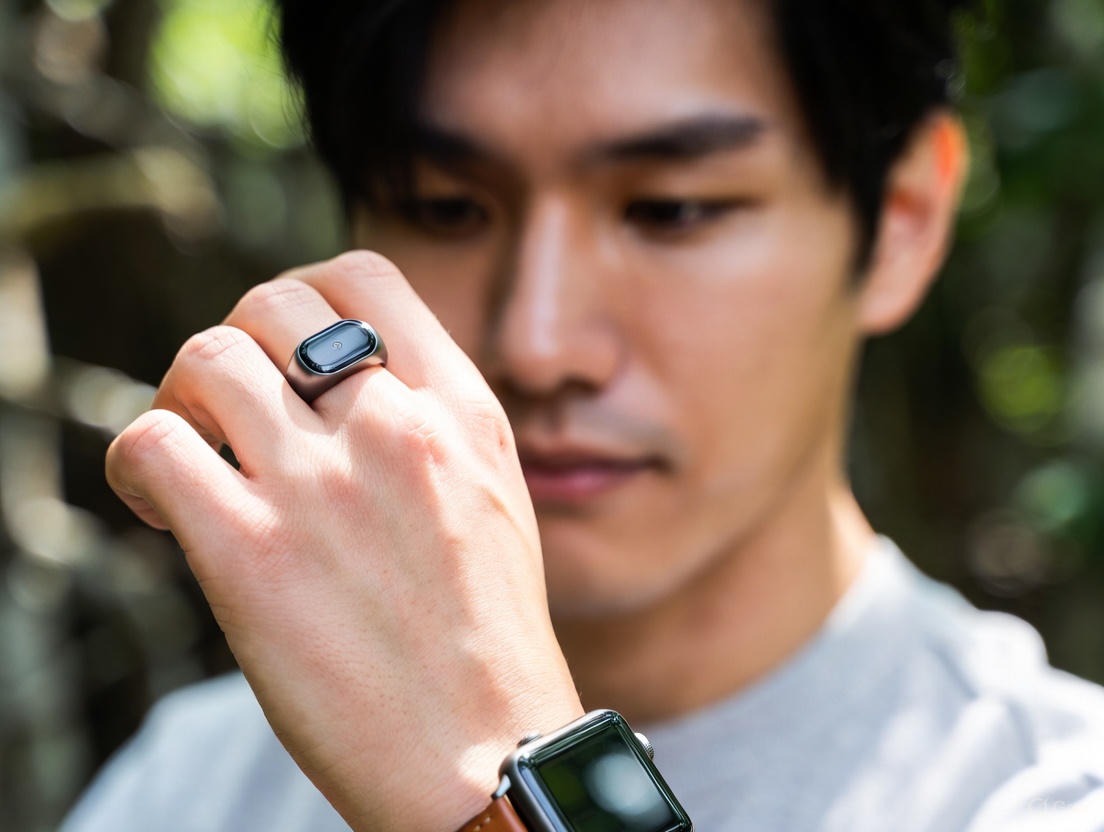
It is ironic that we travel to escape, yet we spend hours on our phones navigating, researching, photographing, and posting. Digital wellness is a critical but often overlooked component of sustainable travel health.
There is a fine line between capturing a memory and experiencing a moment through a screen. When you view a sunset through your phone, you are not seeing the sunset; you are seeing a tiny, pixelated version of it. You are missing the colors with your naked eye, the feel of the air, the sounds around you.
The Strategy: Practice "conscious photography." Take a few shots at the beginning, then put the phone away. Just be there. If you find a truly magical moment later, take one or two more. But for the bulk of the experience, trust that your memory is more vivid than your camera. This practice reduces stress, increases presence, and actually improves the quality of the photos you do take because you are taking them with intention rather than desperation.
GPS has made us dependent. We walk through cities staring at blue dots, never truly learning the layout, never getting lost, never discovering the unexpected.
The Strategy: Use navigation to get you to a neighborhood, then put the phone away. Get lost. Use the sun, the landmarks, the street signs. Ask locals for directions (a wonderful way to connect). If you truly need to find your way back, you can pull out the phone. But by navigating analog, you engage different parts of your brain and create a mental map of the city that stays with you long after you leave.
Posting updates can feel like a way to share your journey, but it can also become a performance. You start curating your experience for an audience rather than living it for yourself.
The Strategy: Designate specific times for social media—perhaps 30 minutes in the morning with coffee and 30 minutes in the evening before dinner. The rest of the time, the phone stays in your bag, on Do Not Disturb. This creates boundaries between "experiencing" and "reporting." Your followers will still see your photos, but you will have lived the moments first. The reduction in mental load will be reflected in your physiological data, as chronic social media use is correlated with increased stress and reduced HRV, topics covered in The Beginner-Friendly Guide to Social Vitality: Ring Health Connections.
Where you stay fundamentally shapes your travel experience. Beyond price and location, your accommodation is your sanctuary—the place where you recover, sleep, and recharge. Choosing wisely is a wellness decision.
For trips longer than a few days, access to a kitchen or at least a kitchenette is a game-changer. It allows you to:
Even a room with a mini-fridge and a kettle expands your options. You can have oatmeal, hard-boiled eggs from a local market, and tea without relying on restaurants.
When booking, look beyond the photos. Read reviews specifically for sleep-related comments:
If you are sensitive to sleep environments, consider booking accommodations that explicitly mention blackout curtains, quiet locations, or even "sleep rooms" designed for optimal rest. Your sleep quality is the foundation of your travel health, and compromising it for a slightly cheaper rate is a false economy.
Staying further from attractions saves money but costs time and energy. Every extra hour on public transport is an hour you are not exploring, resting, or immersing. It also adds to your cognitive load (navigating unfamiliar transit systems) and physical fatigue.
Consider the "energy budget" of your location. Is it worth saving $30 a night if it means adding two hours of commute and arriving at attractions already tired? Sometimes it is; sometimes it is not. Be honest with yourself about your energy levels and priorities. For those balancing multiple roles, Daily Energy Management for Remote Workers: Ring-Optimized Schedules offers insights into how to structure your day when your accommodation doubles as your workspace, a common scenario for digital nomads and remote workers.
In a world of "10 cities in 10 days" itineraries, the concept of slow travel is radical. It is the practice of staying in one place long enough to develop a rhythm, to become a temporary local rather than a perpetual tourist. Slow travel is inherently healthier because it reduces stress, allows for genuine rest, and deepens your connection to a place.
Instead of rushing from monument to monument, spend a day in one neighborhood. Find a cafe and read for an hour. Visit the local market and buy ingredients for a picnic. Sit in a park and watch children play. Notice the small details: the way the light hits the buildings, the sounds of the street, the rhythm of daily life.
This type of exploration is deeply restorative. It requires no decision-making, no navigation stress, no rushing. It allows your nervous system to settle into a place, to feel at home. The memories from these days often outlast those from the famous sights.
There is a magic in returning to a place you loved. The second visit lacks the anxiety of the first. You know where to go, what to order, how to navigate. This familiarity is a form of rest. It allows you to go deeper, to notice things you missed the first time, to build on previous experiences rather than starting from scratch.
If you find a city or town that resonates with you, consider building your itinerary around returning there at the end of your trip. It gives you something to look forward to and provides a familiar anchor in the chaos of travel.
We have touched on this, but it bears repeating: schedule days with absolutely nothing planned. No alarms, no reservations, no must-see lists. Wake up and let the day reveal itself. This is the ultimate practice of trust in yourself and in the journey. It is also when your body truly rests, because your mind is not holding an itinerary, not counting down hours, not worrying about missing something.
These unscheduled days are the heart of sustainable travel health. They are the days you return from feeling truly restored, not just exhausted and full of photos.
Travel is inherently depleting. Even the most blissful vacation places demands on your body—long walks, heavy luggage, unfamiliar beds, dietary changes, and constant stimulation. Without a deliberate recovery protocol, these micro-stresses accumulate, eventually tipping you from "vacation mode" into "exhaustion mode." The art of sustainable travel lies in balancing expenditure with recovery, ensuring that each day's adventures are built upon a foundation of genuine rest.
Cold therapy has exploded in popularity for good reason. Cold exposure triggers a cascade of physiological benefits: reduced inflammation, improved circulation, enhanced mood through dopamine release, and activation of the parasympathetic nervous system. On the road, access to cold water can be a game-changer for recovery.
The Strategy: Seek out opportunities for cold exposure. This might mean:
The Mechanism: Cold exposure constricts blood vessels, flushing waste products from tissues. When you warm up afterward, fresh oxygenated blood rushes back in, delivering nutrients for repair. This "pump action" is incredibly effective for recovery.
While cold reduces inflammation, heat promotes relaxation and flexibility. The combination of heat and cold—contrast therapy—is even more powerful than either alone.
The Strategy: If your accommodation has access to a sauna, steam room, or even just a hot bath, use it strategically.
This contrast training is particularly effective for travelers because it requires no equipment beyond what most hotels provide, and it delivers immediate, noticeable relief.
Compression garments—socks, sleeves, or tights—work by applying graduated pressure that assists venous return, pushing blood from the extremities back toward the heart. This reduces swelling, prevents blood pooling, and accelerates the clearance of metabolic waste.
The Strategy:
Magnesium is absorbed through the skin, and Epsom salts (magnesium sulfate) are an inexpensive, portable recovery tool. Magnesium is essential for muscle relaxation, nerve function, and stress reduction. Travel depletes magnesium through stress, sweat, and dietary changes.
The Strategy: Pack a small bag of Epsom salts in your checked luggage (or buy them at your destination). At the end of a long day, fill the tub with warm water, add 1-2 cups of Epsom salts, and soak for 20 minutes. This:
If a bath is not available, make an Epsom salt foot soak. Even just your feet soaking for 20 minutes delivers magnesium and provides profound relief after a day of exploration.
We discussed power naps earlier, but recovery naps deserve their own category. These are not about fighting sleep debt; they are about active regeneration.
The Strategy: When your body signals deep fatigue—the kind that comes after a 15-mile walking day or a multi-day trek—do not fight it with caffeine. Honor it with a "recovery nap." This nap can be longer than the power nap, up to 90 minutes, allowing you to complete a full sleep cycle. The key is timing:
Recovery naps are not a sign of weakness; they are a strategic tool that allows you to continue performing at a high level throughout your trip. For those tracking their recovery metrics, understanding how these naps influence your readiness score can be illuminated by 12 Daily Energy Management Principles Proven by Your Wellness Ring, which outlines the science behind strategic rest.
Metabolic flexibility is the body's ability to switch efficiently between burning different fuel sources—primarily glucose (carbs) and fatty acids (fats). A metabolically flexible person can go several hours without eating without crashing, can handle a high-carb meal without a sugar coma, and maintains stable energy throughout the day. Travel constantly challenges this flexibility with erratic meal times, unfamiliar foods, and disrupted routines. Building and maintaining metabolic flexibility on the road is a cornerstone of sustainable energy.
What you eat for breakfast sets the trajectory for your entire day's energy stability. A high-carb breakfast (pastries, sugary cereals, fruit juice, white bread) spikes your blood sugar, triggering an insulin surge that subsequently crashes your energy mid-morning. This crash leads to cravings, poor food choices, and the dreaded "hanger."
The Strategy: Prioritize protein and healthy fats at breakfast. This might mean:
This approach stabilizes blood sugar, provides sustained energy for morning exploration, and prevents the mid-morning energy crash that sends you searching for a sugary snack. To understand how your body responds to different macronutrient compositions, The Complete Beginner-Friendly Guide to Vitality Through Nutrition offers a deep dive into the relationship between food choices and physiological performance.
Your body operates on circadian rhythms that extend beyond sleep. Your digestive system is most active and efficient earlier in the day and slows down significantly in the evening. Large meals late at night disrupt sleep, spike overnight blood sugar, and impair recovery.
The Strategy: Practice a version of time-restricted eating that aligns with your schedule. This does not have to be rigid, but aim to:
This pattern aligns with your circadian biology, improves sleep quality, and enhances metabolic flexibility. It also frees you from the constant "what's my next meal" anxiety, allowing you to be more present during the day.
We have discussed the 80/20 rule, but let's refine it. Strategic indulgence means being intentional about when and how you deviate from your optimal nutrition.
The Strategy: When you encounter a food that is truly special—a regional specialty, a once-in-a-lifetime dish, something made by a renowned chef—indulge fully and without guilt. Savor every bite. This is what travel is for.
However, be strategic about the "filler" indulgences. The mediocre airport pastry. The convenience store chips. The hotel breakfast buffet's bland pancakes. These are not worth the metabolic disruption. Save your indulgence budget for experiences that genuinely enhance your travel experience, and let the rest be fuel.
Thirst is often misinterpreted as hunger. The brain's thirst and hunger signals are processed in similar regions, and by the time you feel thirsty, you are already dehydrated. This confusion leads to unnecessary snacking and energy crashes.
The Strategy: Before any snack or meal, drink a full glass of water and wait 10-15 minutes. Often, the "hunger" dissipates, revealing itself as thirst. This simple practice reduces unnecessary calorie intake, stabilizes energy, and keeps you hydrated—a triple win for travel wellness.
Carry a reusable water bottle everywhere and set a goal to refill it at least 3-4 times per day. Add electrolytes to at least one of those fillings to ensure cellular hydration.
Your nervous system is the conductor of your entire physiological orchestra. When it perceives safety, it operates in parasympathetic mode—rest, digest, repair, connect. When it perceives threat, it shifts to sympathetic mode—fight, flight, freeze, stress. Travel, with its constant novelty and uncertainty, can keep your nervous system stuck in sympathetic overdrive. Resetting it daily is essential for sustainable health.
The moment you arrive in a new place, your nervous system is on high alert. New sights, sounds, smells, and language all signal "unfamiliar = potential danger." This is evolutionary biology. Without intervention, you may remain in this hyper-vigilant state for days.
The Strategy: Upon arrival, before you do anything else, perform a "grounding ritual."
Your Trusted Sleep Advocate: Sleep Foundation — https://www.sleepfoundation.org
Discover a digital archive of scholarly articles: NIH — https://www.ncbi.nlm.nih.gov/
39 million citations for biomedical literature :PubMed — https://pubmed.ncbi.nlm.nih.gov/
Experts at Harvard Health Publishing covering a variety of health topics — https://www.health.harvard.edu/blog/
Every life deserves world class care :Cleveland Clinic - https://my.clevelandclinic.org/health
Wearable technology and the future of predictive health monitoring :MIT Technology Review — https://www.technologyreview.com/
Dedicated to the well-being of all people and guided by science :World Health Organization — https://www.who.int/news-room/
Psychological science and knowledge to benefit society and improve lives. :APA — https://www.apa.org/monitor/
Cutting-edge insights on human longevity and peak performance:
Lifespan Research — https://www.lifespan.io/
Global authority on exercise physiology, sports performance, and human recovery:
American College of Sports Medicine — https://www.acsm.org/
Neuroscience-driven guidance for better focus, sleep, and mental clarity:
Stanford Human Performance Lab — https://humanperformance.stanford.edu/
Evidence-based psychology and mind–body wellness resources:
Mayo Clinic — https://www.mayoclinic.org/healthy-lifestyle/
Data-backed research on emotional wellbeing, stress biology, and resilience:
American Institute of Stress — https://www.stress.org/


