The Beginner-Friendly Guide to Social Vitality: Ring Health Connections
Social vitality and its positive connection to overall health, reflected in ring data.
The Beginner-Friendly Guide to Social Vitality: Ring Health Connections
For decades, we've measured health in isolation—a heart rate on a treadmill, a blood pressure cuff in a clinic, steps counted alone. We've pursued wellness as a solo journey, a private quest for personal optimization. Yet, a profound and often overlooked truth pulses beneath the surface of every biomarker: we are wired for connection. Our hearts do not beat in a vacuum; their rhythms are influenced by laughter shared, by supportive touch, by the stress of conflict, and by the calm of belonging. This is Social Vitality—the dynamic, measurable state of wellness that emerges from our interactions with others. It is the missing metric in modern health.
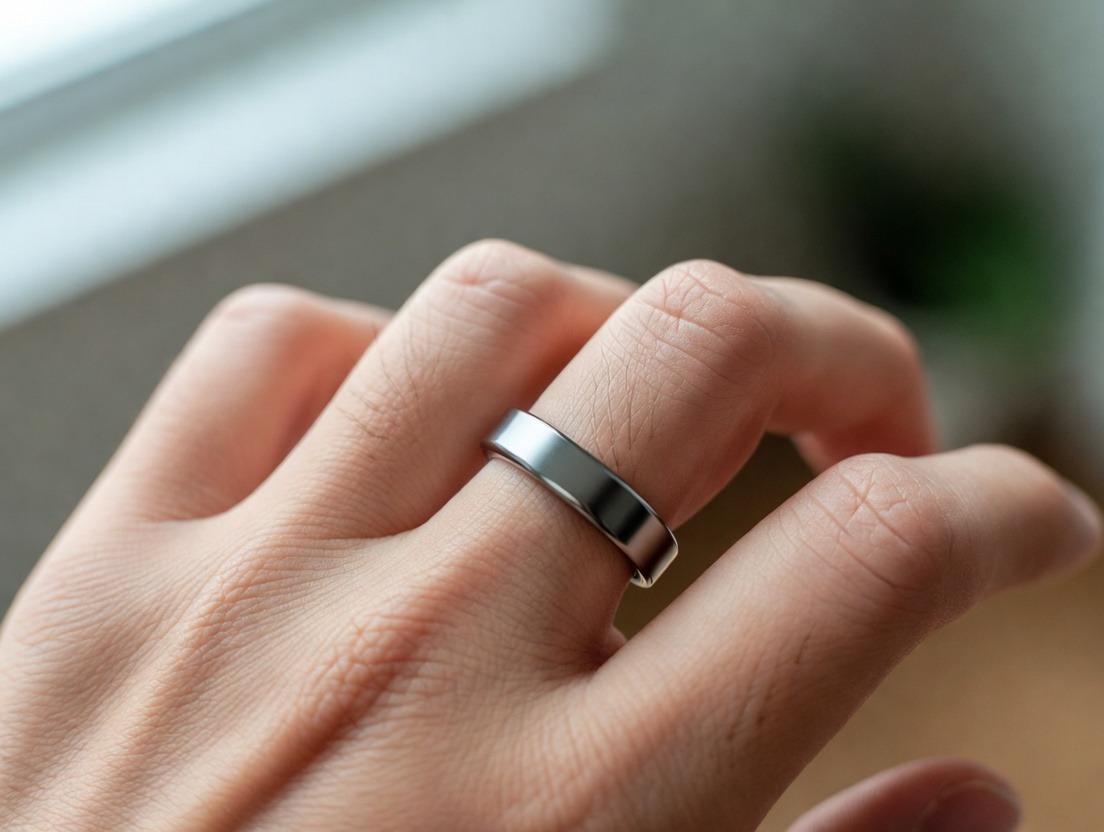
Imagine if you could see, in tangible data, how a coffee with a friend stabilizes your nervous system. Or how a difficult conversation manifests as a dip in your recovery score. What if your path to a longer, healthier life wasn't just about your sleep and workouts, but about the quality of your community? This is no longer hypothetical. The rise of sophisticated, wearable technology like the advanced smart ring is pulling back the curtain on the intimate dialogue between our social world and our physiological state. These devices, resting silently on your finger, are becoming translators for a language we've always felt but could never quantify: the language of connection as medicine.
This guide is your introduction to this new frontier. We will move beyond counting social hours to understanding social quality. We’ll explore how the continuous, nuanced health data from a wellness ring—from Heart Rate Variability (HRV) and resting heart rate to sleep architecture and body temperature—acts as a real-time biofeedback loop on your social health. This is about forging Ring Health Connections, using objective insights to build a subjectively richer, more supportive, and more resilient life. It's a beginner-friendly map to a more connected, and therefore healthier, you. The journey to lifelong wellness, as explored in depth in our resource on proactive lifelong health strategies, begins not just with looking inward, but with reaching outward.
What is Social Vitality? Beyond "Social Wellness"
The term "social wellness" often conjures images of a full calendar, a large friend group, or an active social media presence. But social vitality is something deeper, more nuanced, and far more biologically significant. It is not merely the quantity of your interactions, but the quality of the emotional and psychological nourishment you derive from them. Think of it as the difference between eating a meal and consuming nutrients. One fills time; the other sustains life.
Social Vitality is the measurable state of having your fundamental human need for secure, positive connection met, resulting in tangible benefits to your physiological and psychological resilience.
A vital social ecosystem provides three core nutrients:
Safety & Belonging: The felt sense of being accepted and secure within a group or relationship, free from chronic threat of rejection or judgment.
Reciprocity & Support: The balanced give-and-take of emotional and practical support, creating a net of mutual reliance.
Shared Joy & Meaning: The experience of positive emotions—laughter, awe, camaraderie—amplified through connection, and the alignment around shared values or purpose.
When these needs are met, your body operates from a state of "connect and grow," governed by the parasympathetic ("rest-and-digest") branch of your nervous system. When they are lacking, or when relationships are sources of chronic stress, the body slips into a defensive "fight-or-flight" mode. This isn't philosophical; it's physiological. Chronic social stress, loneliness, or conflict directly elevate cortisol, increase systemic inflammation, raise resting heart rate, and devastate sleep quality—all measurable precursors to long-term health decline.
This is where the paradigm shifts with a smart ring. Instead of guessing at your social health from your mood, you can observe its footprint in your biometrics. Did your HRV—a key marker of nervous system resilience—spike after that long walk with a confidant? Did your deep sleep percentage plummet after a day of tense, unresolved team conflicts? The ring turns abstract concepts of "draining" or "energizing" people into concrete data, helping you identify which connections truly fuel your healthspan and which may be subtly eroding it. To understand the foundational metrics that make this observation possible, our guide on what a smart ring actually measures is an essential starting point.
Ultimately, cultivating social vitality isn't about becoming an extrovert. It's about strategically investing in the connections that help your nervous system find its healthy rhythm, creating a biological foundation for a longer, more vibrant life. It's a critical component of any multi-decade health plan, ensuring your wellness journey is socially sustainable.
The Science of Connection: How Relationships Literally Shape Your Biology
We often say a bad interaction "stressed me out" or a good friend "warms my heart." These aren't just metaphors; they are literal biological reports. The science of social connection reveals that our relationships operate as a powerful environmental signal, constantly instructing our bodies on how to function. Let's break down the key physiological systems that serve as the interface between your social world and your health.
The Autonomic Nervous System (ANS): Your Social Thermostat The ANS is your body's automatic control center, comprising two main branches: the sympathetic (SNS), which mobilizes energy for "fight or flight," and the parasympathetic (PNS), which conserves energy for "rest and digest." Social threats—like criticism, exclusion, or conflict—trigger the SNS, spiking cortisol and adrenaline, raising heart rate, and preparing the body for danger. Conversely, feelings of safety, trust, and love activate the PNS, promoting relaxation, digestion, and repair. A smart ring tracks this balance through metrics like Heart Rate Variability (HRV). A higher HRV generally indicates strong PNS activity and resilience—your body can adapt fluidly to stress, including social stress. A low or depressed HRV can signal a nervous system stuck in a defensive, taxed state, often mirrored in metrics that reveal your stress levels.
The Neuroendocrine System: The Chemical Messengers of Bonding Our interactions directly influence our hormone cocktail. Positive, supportive touch (like a hug) and feelings of closeness trigger the release of oxytocin, the "bonding hormone," which dampens stress reactivity and promotes feelings of calm and trust. Meaningful social engagement also stimulates dopamine (reward) and serotonin (mood stability). On the flip side, loneliness and social pain activate the same stress pathways as physical pain, flooding the system with cortisol. Chronically high cortisol is a known culprit in weight gain, immune suppression, and memory impairment. A wellness ring can't measure oxytocin directly, but it sees the results: a calm, low resting heart rate and efficient sleep after positive social engagement are hallmarks of a healthy neuroendocrine response.
The Immune and Inflammatory Response Perhaps one of the most startling findings is the link between social health and physical immunity. Chronic loneliness and social isolation have been linked to a state of persistent, low-grade inflammation—the same kind associated with cardiovascular disease, arthritis, and type 2 diabetes. Researchers describe loneliness as triggering a "non-specific immune response," as if the body is perpetually on guard against a vague threat. This inflammatory state can be observed indirectly through biometric trends. For instance, a slight but persistent elevation in nocturnal skin temperature or disrupted sleep patterns can be indicators of this systemic stress. Understanding these circadian rhythm indicators becomes key to connecting social patterns with physical health outcomes.
The evidence is overwhelming: supportive relationships don't just make us feel good; they help regulate our core biological functions. They are a buffer against the wear and tear of life. By using a device that tracks the outputs of these systems—your HRV, sleep, heart rate, and temperature—you gain a powerful lens on how your social environment is programming your biology. This data empowers you to make intentional choices, moving from being passively shaped by your interactions to actively shaping a social life that builds your health, a principle central to maximizing your healthspan.
Your Smart Ring: The Ultimate Social Vitality Biofeedback Device
So, how does a small piece of wearable tech on your finger become a translator for your social well-being? A modern smart ring is far more than a step counter or sleep tracker; it is a continuous, passive biometric monitoring station. By collecting data 24/7 from the rich vascular bed in your finger, it provides an unprecedented window into your autonomic nervous system and its reactions to the world—including your social world.
The Biometric "Social Footprint": What Your Ring Sees Every meaningful interaction leaves a trace in your physiology. Your ring captures this footprint through a suite of interconnected metrics:
Heart Rate Variability (HRV): The North Star of social vitality tracking. A noticeable increase in your HRV trend after spending time with certain people or in certain settings is a strong signal that those interactions are physiologically nourishing. Conversely, a sustained drop may indicate a relationship or social context that is depleting your nervous system resilience. For a clear breakdown of this critical metric, see our guide on understanding HRV numbers simply.
Resting Heart Rate (RHR): Your social calmness barometer. Chronic social stress can elevate your RHR over time. A calm, secure social environment helps keep it optimally low. Watching how your RHR responds on days with significant social plans can be revealing.
Sleep Architecture: Your social life doesn't end when you close your eyes. Social stress is a prime disruptor of sleep, particularly reducing deep (Slow Wave) sleep, which is crucial for physical recovery, and REM sleep, which is vital for emotional processing. A ring that tracks sleep stages and quality scores can show you if a difficult conversation led to a night of fragmented sleep.
Body/Skin Temperature: Subtle, persistent changes in your baseline temperature, especially overnight, can signal systemic inflammation or stress responses that may be linked to prolonged social strain.
Respiratory Rate: An elevated respiratory rate, particularly during rest or sleep, can be a sign of anxiety or subconscious stress—often social or relational in origin.
Recovery/Readiness Scores: These composite scores, calculated by the ring's algorithms from the metrics above, offer a daily "social hangover" or "social boost" gauge. A poor recovery score after a day of many interactions suggests they were taxing, not tonic.
From Data to Insight: The Biofeedback Loop This is where the magic happens. The ring provides objective biofeedback. You no longer have to rely solely on subjective feelings of being "drained" or "energized," which can be clouded by obligation or guilt. You have data.
For example, you might feel obligated to attend a weekly social event, telling yourself it's "fun." But your ring data shows a consistent pattern: your sleep latency increases, your HRV drops, and your readiness score is low every Thursday morning. The data is telling a different story—your body is experiencing that event as a stressor, not a support. This objective insight gives you permission to reevaluate: Can you change the nature of your involvement? Leave earlier? Or is it time to invest that social energy elsewhere?
Conversely, you might have a quiet afternoon with an old friend. Subjectively, it was "nice." But your ring shows a significant HRV boost that evening and your deepest sleep cycle in weeks. That connection was profoundly restorative on a biological level. The data encourages you to prioritize more of that.
By observing these patterns, you enter a learning loop. You can start to experiment: *If I prepare with 10 minutes of calm before a big social gathering, how does it affect my stress metrics during the event? If I schedule a quiet, connection-focused activity after a day of draining meetings, does it improve my recovery?* Your ring becomes a coach, helping you build not just social habits, but physiologically intelligent social habits. This process of turning metrics into action is the core of precision wellness.
Key Social Vitality Metrics to Watch on Your Ring Dashboard
Navigating your smart ring's app can be overwhelming with so many data points. When your goal is to enhance social vitality, focus your attention on a core set of metrics that are most responsive to the quality of your connections. Think of these as your "Social Vitality Dashboard."
1. Heart Rate Variability (HRV): The Resonance Metric HRV is the single most important metric for gauging your nervous system's flexibility and resilience in the face of social and emotional stimuli.
What to Look For: Focus on your trend over days and weeks, not a single reading. An upward trend suggests improving resilience and positive adaptation to your life (including your social life). A downward trend signals accumulating stress or poor recovery.
Social Connection Insight: Create a simple log. Note days with significant positive social interactions (e.g., "deep talk with Sam," "team celebration"). Note days with conflicts or obligatory draining events. After a few weeks, look for correlations. Do your highest HRV readings follow certain types of socializing? Do your lowest follow others? This turns HRV from an abstract number into a personal guide to nourishing connection. For a deeper dive into its significance, explore how HRV indicates autonomic nervous system balance.
2. Resting Heart Rate (RHR): The Calmness Gauge Your RHR is a direct reflection of how hard your heart has to work at complete rest, influenced by stress, inflammation, and fitness.
What to Look For: A consistently low RHR (relative to your personal baseline) is a sign of cardiovascular efficiency and calm. Watch for sustained elevations (e.g., 3-5+ bpm above your baseline for several days).
Social Connection Insight: A creeping rise in RHR can be an early warning sign of chronic stress, which often has a social component. Ask yourself: Has there been an ongoing relationship tension, a feeling of isolation, or an overload of unsupported social demands? Bringing RHR back down often involves addressing these stressors and intentionally incorporating calming, connective activities.
3. Sleep Score & Deep/REM Sleep: The Overnight Processing Report Sleep is when your brain processes the emotional events of the day, including social interactions. Poor sleep can be both a cause and a consequence of poor social health.
What to Look For: Pay special attention to Deep Sleep (physical restoration) and REM Sleep (emotional and memory processing). Dips in these specific stages are more telling than a slight change in total sleep time.
Social Connection Insight: If you consistently get poor sleep or low deep/REM after socially busy days, it indicates your nervous system is too activated to rest deeply. This is a sign you may need more "wind-down" rituals between social activity and bed, or that you need to balance stimulating social time with more restorative, quiet connection. Understanding your sleep efficiency and latency further refines this insight.
4. Recovery/Readiness Score: Your Daily Social Capacity Forecast This composite score is your ring's algorithm synthesizing all your data (HRV, RHR, sleep, temperature) into a single, actionable number for the day.
What to Look For: This is your "social battery" indicator. A high score suggests you have strong physiological resources to engage fully and resiliently. A low score suggests you are depleted and may be more socially vulnerable—quicker to irritability, less empathetic, and more drained by interaction.
Social Connection Insight: Use this score to plan your social vitality. On a high-readiness day, schedule that important networking lunch or host friends. On a low-readiness day, protect yourself. Opt for a one-on-one catch-up over a large party, or give yourself permission to cancel and recharge. This is proactive social energy management. Learn about the metrics behind these readiness scores to better interpret them.
5. Stress Metric (if available): The Real-Time Interaction Monitor Some rings provide a live or retrospective "stress" score based on heart rate and HRV patterns.
What to Look For: Periods of high stress during times you are ostensibly relaxing or socializing.
Social Connection Insight: Check your stress graph after a family gathering or work meeting. Were there specific moments of heightened physiological stress? This can help you identify micro-interactions or topics that trigger a disproportionate response, offering clues for what to address or navigate differently in the future.
Tracking in Practice: Don't just stare at the numbers. Use the journal feature in your app. At the end of the day, jot a few keywords about your social interactions. After a month, you'll have a powerful, personalized map of what "connection" truly means for your biology. This is the first step toward building a family health legacy rooted in conscious, health-promoting relationships.
The Social Stress Signature: Identifying Draining vs. Nourishing Connections
Not all time spent with others is created equal. Some interactions leave us feeling buoyant and restored; others leave us feeling depleted, anxious, or agitated. With smart ring data, we can move beyond vague feelings and identify the distinct "biometric signatures" of different types of social engagement. This allows us to curate our social ecology with intention.
The Draining Connection Signature: These interactions trigger a defensive physiological stress response. Your biometrics may show:
A sharp dip in HRV during or immediately after the interaction.
An elevated heart rate that persists even after you've parted ways.
Increased stress metric levels for a prolonged period.
Poorer sleep quality that night, especially reduced deep sleep.
A lowered recovery score the following morning.
What types of interactions often carry this signature?
Obligation-Only Engagements: Events you attend out of duty, not desire, where you feel inauthentic.
Conflict or Criticism: Confrontations, receiving harsh feedback, or being in a highly judgmental environment.
Energy Vampire Dynamics: Interactions with people who monopolize conversation, constantly complain without seeking solutions, or leave you feeling responsible for their emotional state.
Social Anxiety Triggers: Large crowds, performance situations, or settings where you feel scrutinized.
The Nourishing Connection Signature: These interactions activate the "connect and grow" parasympathetic state. Your biometrics may show:
A boost in HRV in the hours following the interaction.
A stable, low resting heart rate during the time together.
Low or neutral stress metrics, indicating a state of calm engagement.
Improved sleep metrics, particularly healthy amounts of deep and REM sleep.
A high or improved recovery score the next day.
What types of interactions often carry this signature?
Shared Joy & Laughter: Moments of genuine, unfiltered humor and play.
Active Listening & Vulnerability: Conversations where you feel truly heard, seen, and safe to share authentically.
Collaborative Flow: Working seamlessly with others on a shared goal or creative project.
Non-Demanding Presence: Simply sharing space with someone you trust in comfortable silence (e.g., reading in the same room, a peaceful walk).
The Neutral/Mixed Signature: Most of life falls here. The interaction isn't profoundly draining or nourishing. Your biometrics will likely show minimal deviation from your daily baseline. This is normal and healthy—we can't have peak connection all the time.
Using the Data to Set Boundaries: This is the transformative power of ring data. When you see a consistent "draining signature" attached to a specific person, group, or type of event, you have objective evidence to support a change. It's not that you're "too sensitive"; it's that the interaction is provably stressful to your system.
This empowers you to:
Reframe the Engagement: Can you change the context (meet one-on-one instead of in a group, set a time limit)?
Fortify Yourself: If you cannot avoid it, use your ring's readiness score to ensure you go in well-rested, and schedule a nourishing activity afterward to rebalance.
Graciously Distance: With clear data, you can make conscious decisions to invest less time in perpetually draining connections, freeing energy for more vital ones.
Understanding these signatures is a masterclass in the balance between discipline and flexibility in your wellness journey. It provides the discipline of data to inform the flexible art of relationship management.
Cultivating Your Inner Circle: Using Data to Deepen Core Relationships
While managing draining connections is important, the true engine of social vitality is the proactive cultivation of your inner circle—the small group of people who consistently show up in your biometrics as nourishing. Your smart ring data can be a surprising ally in not just identifying these relationships, but actively making them deeper and more resilient.
The "Core Four" Test: Conduct a simple experiment over a month. Note the 4-6 people you interact with most frequently outside your household. After each meaningful interaction with them (a call, a meet-up, a shared activity), make a quick note in your ring's journal. At the month's end, review.
Whose name is consistently associated with a positive HRV trend or a calm heart rate?
After time with whom do you consistently get your best sleep?
Who appears on days with your highest readiness scores?
These people are likely the pillars of your current social vitality. The goal now is to invest in them with more intention.
Data-Informed Connection Rituals: Use your biometric insights to create connection habits that are scientifically supportive.
The Post-Stress Reconnect: If your ring shows a high-stress afternoon, instead of isolating, consider a planned, low-key connection with a core circle member. A short walk, a phone call, or even a shared cup of tea can use oxytocin and safety to down-regulate your stress response. Track if this ritual improves your evening recovery metrics.
Synchronized Activity: Physical co-regulation is powerful. Suggest a regular, gentle activity with a core relationship partner—a weekly walk, a yoga class, gardening. Moving together in rhythm can synchronize heart rates and promote calm. Check if these shared activity days lead to a boost in your overall activity and movement tracking in a positive, sustainable way.
Digital Quality over Quantity: A 45-minute video call with full attention may be more nourishing than a day of sporadic, distracted texts. Notice if focused, intentional digital communication has a better biometric signature than fragmented, multi-tasked interaction.
Vulnerability as a Metric: Psychological safety—the ability to be vulnerable without fear—is the bedrock of deep connection. You can use your ring as a gentle biofeedback tool to practice vulnerability in a measured way.
Before sharing something personal, notice your heart rate. Is it spiking with anxiety?
During the share, try to maintain soft eye contact and steady breathing. Your ring's live heart rate can be a subtle guide.
Afterward, note the physiological outcome. Even if it was initially stressful, did sharing lead to a sense of relief, a deeper conversation, and ultimately a calmer biometric state later? This data can help rewire any fear you have around vulnerability, showing your body that it leads to safety, not danger.
The Partner/Spouse Laboratory: For those in romantic partnerships, the ring offers an incredible opportunity for co-regulation and mutual understanding.
Identifying Conflict Patterns: Review data after a disagreement. How long did it take for both your heart rates to return to baseline? Did it affect one partner's sleep more? This isn't about blame, but about understanding each other's recovery needs.
Finding Your "Sync" Activities: Discover which shared activities (cooking together, listening to music, gentle touch) produce the most harmonious, calm biometrics for both of you. Make these activities rituals.
Planning Social Energy: Use your combined readiness scores to plan your social calendar as a team. If one partner is depleted, it's data, not an opinion, suggesting a quiet night in.
By using data to nurture your core circle, you build a fortified, reliable source of social nourishment. This creates a positive feedback loop: stronger connections lead to better biometrics, which give you more energy and resilience to invest back into those connections. It's the practical application of strategies designed for long-term wellness mastery.
The Art of the Social Recharge: Planning Downtime for True Connection
In our quest for social vitality, a critical paradox emerges: to be truly present and energized for meaningful connection, we often need strategic disconnection. This isn't about becoming a hermit; it's about understanding that your capacity for social nourishment is a finite resource, like a battery. Your smart ring's recovery and stress metrics are the perfect gauge for this battery, and learning to "socially recharge" is a skill that turns data into sustainable practice.
Recognizing the Signs of Social Depletion: Before you can recharge, you must recognize the drain. Your ring provides the early warning signs that your social battery is running low:
A consistently declining HRV trend over several days of social activity.
A resting heart rate that is creeping upward.
Sleep scores that are deteriorating despite adequate time in bed.
A "low battery" readiness score day after day.
A stress metric that shows fewer and fewer true dips into "rest" states.
Subjectively, this might feel like irritability, social aversion, mental fog, or a sense of being "peopled out." The data confirms it: your nervous system needs a break from external stimulation to restore its equilibrium.
Designing Your Personalized Social Recharge Protocol: Recharging is not one-size-fits-all. For an introvert, it may mean complete solitude. For an extrovert, it might mean switching from large groups to a one-on-one with a close friend. Your ring data helps you design what works for you. Experiment with different recharge activities and note their impact on your next morning's metrics.
Tier 1: The Deep Reset (For Major Depletion) When your metrics are deeply in the red, you need a full system reboot.
Digital Sabbath: A full 24 hours with no social media, news, or non-essential messaging. The constant low-grade social evaluation of digital life is a major drain.
Solo Nature Immersion: A long walk, hike, or sit in a natural setting with no goal other than to be present. Nature has a unique, evidence-based ability to lower cortisol and restore attention.
Result to Track: Look for the single biggest overnight improvement in deep sleep percentage and HRV. This is the gold standard of a successful deep reset.
Tier 2: The Maintenance Recharge (Weekly Practice) Incorporate these into your weekly rhythm to prevent depletion from building up.
Scheduled "White Space": Block 90-minute periods in your calendar with no agenda, no social obligations, and no productivity goals. This allows your brain to enter a default mode, essential for creativity and emotional integration.
Low-Stimulus Socializing: A quiet coffee with one person where you agree phones are away. The key is low pressure and high presence.
Result to Track: These should help maintain a stable or slightly positive HRV trend and prevent the weekend "crash" after a busy work week.
Tier 3: The Micro-Recharge (Daily Buffer) These are 5-15 minute practices that create buffers between social demands.
Transition Rituals: After a meeting or social call, institute a mandatory 5-minute buffer. Step away, breathe, drink water. Don't immediately jump to the next demand. This allows your physiology to settle.
Breathing Breaks: Use a simple 4-7-8 breath (inhale 4, hold 7, exhale 8) for 2 minutes. This directly stimulates the vagus nerve and the parasympathetic system.
Result to Track: Check your ring's stress graph. The goal is to see clear, deliberate dips following these micro-recharges, breaking up periods of sustained activation.
The Role of "Junk Social" vs. "Nutrient Social": Just as with food, we can consume "junk" social interaction—high in volume, low in nutritional value, and ultimately draining. Mindless scrolling, gossip-filled conversations, large parties where you know no one—these often have a "draining" biometric signature. Your recharge protocol must involve reducing this intake and increasing "nutrient-dense" connection. This conscious curation is how you prevent cumulative social fatigue and build a sustainable social life.
By planning your recharges as diligently as you plan your social engagements, you ensure that you are consistently bringing your best, most present, and most resilient self to the connections that matter most.
From Loneliness to Linked: Data-Driven Strategies for Building Community
Loneliness is not defined by being alone; it's the distressing feeling that your social connections are inadequate or lacking in quality. It's a subjective experience with objective, damaging health consequences. For those seeking to build a more robust community, the process can feel daunting and vague. Where do you start? Your smart ring transforms this from an abstract emotional goal into a tangible, data-informed project. You can measure your progress not just in new acquaintances, but in the calming of your nervous system.
Step 1: Establish Your "Connection Baseline" Before you dive into new activities, spend 2-3 weeks observing your current state. Use your ring's data to answer:
What is my average HRV and RHR on days with zero planned social interaction?
How does my sleep compare on socially empty days vs. days with even minor interaction?
What is my typical readiness score on a Tuesday morning?
This isn't about judging yourself. It's about creating a scientific baseline against which to measure the impact of your new community-building efforts. Understanding your personal baseline versus current state is the first rule of intelligent health experimentation.
Step 2: The "Low-Barrier Experimentation" Phase The goal here is not to make best friends, but to gather data on what types of social environments feel safe and potentially nourishing to your physiology. Choose activities that are structured (takes pressure off), interest-based (ensures a common topic), and have a clear end time (manageable).
Examples: A book club meeting, a beginner's class (pottery, language, fitness), a volunteer shift, a meetup for tech enthusiasts, a guided group hike.
The Data Task: Do NOT judge the success by whether you made a friend. Judge it by your ring's data. After the event, log it. The next morning, key questions are:
Did my sleep latency decrease or increase?
Is my morning HRV higher, lower, or the same?
What is my readiness score?
Analysis: You are looking for neutral-to-positive signals. If your sleep was fine and your HRV didn't tank, that's a win! It means your body didn't perceive that environment as a threat. That's a green light to try it again. If your metrics are significantly worse, it may be the wrong environment, the wrong group size, or the wrong time. That's valuable data, not failure.
Step 3: The "Signal Amplification" Phase Once you've identified 1-2 activities that are physiologically neutral or positive, repeat them. Consistency is key for community building. Familiarity breeds safety. As you see the same faces, your nervous system should begin to calm further in that setting.
Track the Trend: Over 4-6 repetitions of the same activity, look at the trend in your post-activity HRV and next-day readiness. Is the positive effect getting stronger? Is the initial mild stress signal fading? This is your body learning, "This is a safe tribe."
Initiate Micro-Connections: From this place of growing safety, initiate a low-stakes social step: "I enjoyed your comment in class," "Would anyone like to grab a coffee after this?" The biometric safety you've built gives you a cushion of resilience for this slight social risk.
Step 4: Cultivating the "Weak Tie" Network Research shows that "weak ties"—acquaintances, friendly neighbors, regular baristas—provide significant mood and belonging benefits with low emotional overhead. Your ring is perfect for optimizing this network.
The "Friendly Errand" Test: Notice how a genuine, warm 2-minute interaction with a shopkeeper or neighbor affects your mood and, potentially, your immediate heart rate stability. Intentionally sprinkle these small moments of acknowledged humanity throughout your week.
Data Insight: A day filled with brief, positive "weak tie" interactions may contribute to a more stable stress graph and a better overall sense of well-being, measurable in your daily quality of life metrics.
Step 5: The Gradual Deepening When a "weak tie" shows repeated positive biometric potential, you can cautiously invest more. Suggest a one-on-one activity. This is a bigger test. After your first one-on-one, your ring data will be very telling. A significant positive biometric response is a strong indicator of compatibility and potential for a deeper, more vital connection.
This whole process turns the anxiety of "putting yourself out there" into a curious, self-compassionate science experiment. You are not failing; you are gathering data on what works for your unique physiology. Each data point guides you toward a community that doesn't just fill your calendar, but truly fortifies your health.
Navigating Digital Socialization: The Biometric Cost of Online Life
Our social world now has a massive digital dimension. While technology can bridge distances, the way we engage with it has a direct and measurable impact on our social vitality and physiological state. Your smart ring can reveal the hidden costs—and occasional benefits—of our online interactions, allowing you to build a more intentional digital diet.
The "Doomscroll" Drain: The passive, endless consumption of social media newsfeeds, especially content that triggers comparison, outrage, or anxiety, has a distinct biometric signature.
What the Ring Shows: A sustained, low-grade elevation in heart rate and stress metrics during and after scrolling. A subsequent depression in HRV. Often, it leads to increased sleep latency as your mind races with stimulated but unfocused thoughts.
The Social Vitality Paradox: This activity feels "social" but provides zero nourishing connection. It often replaces real-world interaction, exacerbating loneliness while mimicking social engagement. It's the nutritional equivalent of eating junk food when you're hungry for a meal.
The Comparison Trap & Cortisol: Viewing the curated highlights of others' lives can trigger social threat responses—feeling "less than" or excluded. This activates the same cortisol pathways as physical social threat.
Data Insight: Check your stress or HRV graph before and after a 15-minute session on a platform where you tend to compare yourself (e.g., Instagram vs. a hobby forum). The difference can be stark. This data gives you the impetus to mute, unfollow, or set time limits.
The Video Call Conundrum: Zoom fatigue is real, and your ring can measure it. Video calls require intense, sustained focus on facial cues with delayed feedback, which is neurologically taxing.
What the Ring Shows: Back-to-back video calls often result in a steadily climbing heart rate and declining HRV throughout the session. They can leave you with a "social hangover" that impacts recovery, even if the calls were "positive."
Optimization Strategy: Use your ring's readiness score to schedule important calls when you're most resilient. Advocate for "audio-only" breaks during long meetings. Most importantly, build in a 10-minute biometric recovery buffer (stand, stretch, look into the distance) between calls.
The Digital Nourishment Exception: Not all digital interaction is draining. Purposeful, meaningful digital connection can have a neutral or even positive effect.
A Long, Asynchronous Voice Message with a close friend who lives far away.
A Collaborative Document worked on with trusted colleagues.
A Small, Video-Based Book Club with people you know well and feel safe with.
The Data Test: The key differentiator is purpose and depth. After these types of interactions, your biometrics may show a quicker return to calm (stable heart rate) or even a positive HRV response from feeling connected. They lack the overload and comparison of broad-spectrum social media.
Building a Physiologically Intelligent Digital Protocol:
Audit with Data: For one week, log your primary digital social activities. Note their duration and your subjective feeling. Then, correlate with your ring's stress graph and next-day readiness.
Implement "Tech Curfews": Use your circadian rhythm data to set a hard stop for stimulating digital social interaction 90 minutes before bed. The blue light and mental stimulation are a proven duo for disrupting sleep.
Replace Passive with Active: When you feel the urge to scroll, can you send a voice note to a friend instead? The data will likely show the latter is far more regenerative.
Schedule Digital Social Recharges: Just as you schedule downtime from in-person socializing, schedule time completely away from all digital social inputs. Your nervous system needs breaks from the global village to tend to its local, physical one.
By treating your digital habits with the same scrutiny as your in-person interactions, you reclaim a significant portion of your social energy. You learn to use technology as a tool for genuine connection, not a substitute that depletes your capacity for it. This is a crucial skill for maintaining mental health in a hyper-connected age.
The Long-Term Game: Social Vitality as a Keystone of Lifelong Health
The pursuit of social vitality is not a wellness trend or a self-help tip; it is a foundational, long-term strategy for healthspan and longevity. While the immediate feedback from your smart ring—improved sleep after a good conversation, a calmer heart rate during conflict—is motivating, the true power lies in the cumulative, compounding effect over years and decades. Social connections don't just make life worth living; they help you live longer, healthier, and more resiliently.
The Biometric Compounding Effect: Consider the daily impact of a socially vital life on your core metrics:
Consistently lower resting heart rate reduces strain on the cardiovascular system.
Higher average HRV indicates a nervous system that recovers faster from all stressors, not just social ones.
More efficient, restorative sleep supports immune function, hormonal balance, and cognitive health.
Reduced inflammatory markers (inferred from temperature and resting data) lower risk for chronic disease.
Day after day, year after year, these small advantages compound. A person with strong social vitality isn't just avoiding the health risks of loneliness (which are comparable to smoking 15 cigarettes a day); they are actively depositing "health capital" into their biological bank account. This is the essence of building a multi-decade health plan that is both proactive and sustainable.
Social Vitality as a Buffer Against Age-Related Decline: As we age, physiological resilience naturally declines. Social vitality becomes not a luxury, but a critical buffer.
Cognitive Reserve: Engaging, stimulating social interaction is one of the strongest predictors of maintained cognitive function and delayed onset of dementia. It's a workout for the brain.
Physical Resilience: A strong support network encourages healthier behaviors, provides practical help during illness, and is linked to better recovery outcomes from surgery and hospital stays. Your ring can track how this support translates to faster recovery patterns and optimization after physical setbacks.
Emotional Regulation: With age comes loss. A robust social fabric provides the emotional containment and perspective needed to navigate grief and change without being overwhelmed, which protects mental and physical health.
Your Ring as a Long-Term Social Vitality Archive: This is where the technology shines as a tool for lifelong health. Your ring's data becomes a longitudinal diary of your social-physiological relationship.
You can look back and see: What social patterns in my 40s correlated with my best health metrics?
You can notice: As I entered a new life phase, how did my social needs and their biometric signatures change?
You can proactively adjust: Seeing a gradual decline in readiness, I can audit my recent social patterns and re-invest in nourishing connections before a health issue manifests.
This long-view turns wellness from a reaction to symptoms into a graceful, informed navigation of your entire life course. It helps you build the discipline and flexibility needed to adapt your social world as your life and body evolve.
Legacy of Connection: Finally, investing in social vitality has a ripple effect that extends beyond you. By modeling and creating a community of health-conscious connection, you influence your family, friends, and wider circle. You contribute to a culture where well-being is understood as a collective endeavor, not just an individual achievement. This is how we move towards creating a true family health legacy, where supportive relationships are recognized as the bedrock of health across generations.
The data from your ring is the proof of concept. It shows, unequivocally, that the time you invest in nurturing true connection is not time taken from your health goals. It is the very heart of achieving them.
Putting It All Together: Your 30-Day Social Vitality Challenge
Theory and data are powerful, but transformation happens through consistent, applied practice. This 30-day challenge is your structured launchpad. It’s designed to systematically integrate the principles of social vitality with the feedback from your smart ring, creating lasting habits and undeniable personal proof of the connection between your relationships and your health. Think of it as a month-long experiment where you are both the scientist and the subject.
The Core Framework: Observe, Experiment, Reflect. Each week focuses on a different pillar of social vitality, moving from internal awareness to external action. You’ll need your smart ring, its app, and the journal/note feature.
Week 1: The Baseline & Awareness Phase (Days 1-7) Goal: Establish your biometric baseline and cultivate mindfulness about your current social patterns without judgment.
Daily Data Task: Each morning, note your Readiness Score, HRV, and RHR. Each evening, note your Sleep Score forecast. Do this without trying to change anything. You are collecting your “before” picture.
Daily Social Log: Each night, spend 2 minutes journaling:
What was the most nourishing social moment today? (e.g., "Laughed with coworker at lunch," "Received a supportive text.")
What was the most draining social moment today? (e.g., "Heated team meeting," "Felt ignored in group chat.")
Rate your overall "Social Satisfaction" on a scale of 1-10.
Weekend Review: At week's end, look for any correlation, however small. Did a high-satisfaction day align with a better readiness score? Did a draining moment precede a poor sleep forecast? Don't force it; just observe. This builds your foundational awareness, similar to establishing the personal baselines crucial for all health metrics.
Week 2: The Optimization Phase (Days 8-14) Goal: Start making small, intentional tweaks to protect your social energy and amplify nourishment.
Experiment 1 - The Recharge Buffer: After any interaction you log as "draining," institute a mandatory 10-minute recharge. This could be solo breathing, a walk, or a non-social task. The next day, check: Did this buffer improve your recovery metrics compared to similar draining days in Week 1?
Experiment 2 - The Intention Injection: Before one "neutral" social interaction (e.g., a routine work call, coffee with an acquaintance), set a simple intention: "I will listen fully," or "I will share one genuine thing." Afterward, log if it changed the quality of the interaction and check your subsequent stress graph.
Data Focus: Pay close attention to your stress metric and HRV trends this week. Are your experimental buffers creating visible dips in stress or preventing HRV drops? This week is about learning to use your readiness score to validate new wellness habits.
Week 3: The Connection Cultivation Phase (Days 15-21) Goal: Proactively invest in and deepen nourishing connections.
The "Vitality Boost" Outreach: Identify 2-3 people from your Week 1 log who were associated with nourishing moments. Reach out to each with a specific, low-pressure invitation: "I really enjoyed our conversation last week. Would you be up for a walk/coffee/virtual catch-up in the next few days?"
The Quality-Over-Quantity Choice: Decline one obligatory, low-value social event that you suspect is draining. Use the time for a Tier 2 or 3 recharge activity from your protocol.
Data Focus: After your intentional "Vitality Boost" interactions, look for the signature. Did you see a positive HRV response or a calm, stable heart rate during the time together? Compare the sleep after this event to the sleep after the event you declined. This teaches you to interpret your dashboard for social feedback.
Week 4: The Integration & Planning Phase (Days 22-30) Goal: Synthesize your learnings to create a personalized, sustainable social vitality plan.
Create Your "Vitality & Drain" List: Based on three weeks of data, list 3-5 activities/people/settings that consistently correlate with positive biometrics (Vitality List) and 3-5 that correlate with negative ones (Drain List).
Design Your Ideal Social Week: Sketch a template for a balanced week. How many "Vitality List" items can you reasonably incorporate? How can you buffer or limit items from the "Drain List"? Use your average readiness score to plan high-engagement days.
The "Future You" Check-in: Write a note to yourself about what you've learned. What was the most surprising data point? Which small change made the biggest difference? How will you use your ring moving forward to maintain social vitality?
Final Data Review: Look at your 30-day trends. Even if individual metrics fluctuate, is there a slight positive trajectory in HRV or sleep quality? Has your average readiness score improved? This long-view is key to tracking progress toward maximizing your healthspan.
This challenge isn’t about achieving perfection. It’s about becoming a conscious architect of your social world, using objective data as your blueprint. By the end of 30 days, checking your ring’s metrics will instinctively prompt you to think not just about your workout or diet, but about the health of your connections.
Advanced Applications: Social Vitality for Teams, Couples, and Families
The principles of social vitality extend far beyond the individual. When groups of people—whether a work team, a romantic couple, or a family unit—begin to understand the collective biometric patterns of their interactions, they can transform their group culture from one of accidental stress to one of intentional co-regulation and resilience. This is the frontier of applied social vitality.
For Teams & Workgroups: Building a Physiologically Safe Culture High-performing teams aren't just about skill sets; they're about psychological safety. Biometric data can take this from an HR buzzword to a measurable outcome.
Meeting Audits (Anonymized & Aggregate): Imagine if, with consent, a team could view aggregate, anonymized stress data during different types of meetings. A weekly brainstorming session might show collective calm (stable heart rates), while a project post-mortem might show high collective stress. This isn't for micromanagement, but for culture design. Leaders can ask: "Why does this format cause dysregulation? How can we structure feedback to maintain safety?"
The "Recovery Respect" Policy: A team educated on social vitality understands that a colleague with a low readiness score isn't "slacking," but may be genuinely depleted. Encouraging respect for recovery time—not sending late-night emails, protecting focus time—becomes a shared value that boosts collective resilience and reduces burnout. This aligns with data on how metrics can indicate overtraining and burnout in professional contexts.
Social Rituals for Co-Regulation: Starting a meeting with a brief, genuine check-in or ending with a moment of appreciation can shift the group's physiological state. The goal would be to see this reflected in a less volatile collective stress graph during the meeting itself.
For Couples: From Conflict to Co-Regulation The dyad is the fundamental social unit, and its health has profound implications for both partners' individual wellness.
Mapping the Conflict Signature: After a disagreement, both partners can (calmly) review their individual biometric timelines. "Look, my heart rate stayed elevated for two hours after we talked, and my deep sleep was poor. Your data shows something similar. This tells us our current conflict resolution pattern is costing us both physiologically. How can we find a way to repair that works better for our nervous systems?" This depersonalizes the issue and makes it a collaborative problem to solve.
Discovering "Sync" Activities: Couples can experiment to find the activities that produce the most harmonious biometrics for both. Does cooking together lower both partners' stress metrics? Does a weekly dance class create a synchronized HRV boost? Doubling down on these "sync" activities builds shared resilience. This is a practical application of using data for personalized, precision wellness within a relationship.
Planning for Social Demands: Using combined readiness scores to plan social calendars can prevent strain. "We're both low-ready today, let's reschedule that dinner party." Or, "You're high-ready, I'm medium; you take the lead at the family event tonight."
For Families: Creating a Nourishing Home Ecosystem The family home is the primary training ground for a child's nervous system and their lifelong relationship with social connection.
Modeling & Naming: Parents can model social vitality by naming their own needs based on data. "Mom's ring says she needs a quiet recharge right now, so I'm going to read alone for 20 minutes. Then I'll be ready to help with your project." This teaches emotional literacy and boundary-setting through a neutral, biological lens.
Identifying Family-Wide Stressors: Is everyone's sleep disrupted on Sunday nights? The collective data points to a shared stressor—perhaps anxiety about the upcoming week. This allows the family to proactively create a calming Sunday ritual to address it.
Celebrating Collective Calm: After a day of harmonious, low-stress family time—a hike, a game night—parents can show older kids and teens the positive data trends. "Look how calm all our bodies were today. That feels good, doesn't it?" This reinforces that positive connection has a tangible, physical reward. It's a foundational lesson in building a health-positive family legacy.
The key to these advanced applications is consent, collaboration, and a focus on patterns—not policing. The goal is never to shame or blame, but to use shared data as a tool for building empathy, designing better interactions, and creating environments where every member can thrive. It moves social vitality from a personal practice to a collective superpower.
Troubleshooting: When the Data Confuses You
As you embark on this journey, you will encounter days where the data seems to contradict your feelings, or trends that are hard to interpret. This is normal and part of the learning process. Your smart ring is a sophisticated tool, but it measures physiological states, which are influenced by a vast array of factors. Social vitality is a major one, but not the only one. Here’s how to troubleshoot common confusions.
Scenario 1: "I had a great time with friends, but my HRV crashed and my sleep was poor."
Possible Interpretations:
Overstimulation: Even positive social interaction is stimulation. If you are already depleted or an introvert, a highly engaging night out can be a stressor on your system, despite being enjoyable. The "draining" signature isn't always about emotional pain; it can be about sheer energetic expenditure.
Late-Night Logistics: Did the fun involve late hours, rich food, or alcohol? All of these can directly depress HRV and disrupt sleep independent of the social joy. The social connection might have been nourishing, but the ancillary factors overwhelmed the system.
Unprocessed Sub-Stress: Was there a tiny, unacknowledged element of social anxiety, performance, or conflict during the evening that your mind dismissed but your body registered?
Investigation Steps: Check other metrics. Was your resting heart rate also elevated? Was your nocturnal skin temperature high (possible indicator of inflammation from food/alcohol)? Next time, try a similarly positive gathering that ends earlier or is alcohol-free, and compare the data.
Scenario 2: "I felt lonely and had no social interaction, but my metrics were fantastic."
Possible Interpretations:
True Recharge: Your body may have been socially depleted, and the solitude was exactly the medicine it needed. This is a classic "nourishing disconnect" signature.
Avoidance of Drain: If your typical social interactions are subtly draining, a day without them allows your system to reset to its true baseline. The good metrics aren't about loneliness, but about relief from low-grade social stress.
Other Positive Offsets: Perhaps you slept in, ate exceptionally well, or had a great workout. These non-social positives can boost metrics, temporarily masking a social deficit.
Investigation Steps: Look at the trend. One day of great metrics in isolation is fine. But if a pattern emerges over weeks where your best scores consistently come on isolated days, it's a strong signal that your current social portfolio needs recalibration. It may be time to seek new forms of connection, as outlined in the community-building section. This is where understanding trends vs. single data points is critical.
Scenario 3: "My data is all over the place; I can't see any pattern."
Possible Interpretations:
Too Many Variables: If you are changing many things at once (new diet, new workout, new sleep schedule, new social habits), it's impossible to isolate the social impact. Your body is responding to the total load.
Acute Non-Social Stressors: A work deadline, a mild illness, family worries, or even changes in weather can dominate your biometrics, drowning out the more subtle signal of social effects.
The Ring Needs Time: It can take 2-4 weeks for your body (and the ring's algorithms) to establish a stable-enough baseline to see clear correlations.
Investigation Steps: Practice patience. Focus on consistent tracking for a full month. Use the journal feature diligently. After 30 days, look for clusters, not perfect correlations. You might see that 70% of your top-10 readiness scores occurred on days with a specific type of interaction. That's a meaningful insight, even if 30% didn't fit the pattern.
Scenario 4: "The data is making me anxious about being social."
The Core Issue: This is a risk of any biofeedback tool—turning it into a source of performance anxiety. If checking your ring before a social event causes your heart to race, the tool is working against its purpose.
The Solution: Reframe the Tool. Your ring is not a judge; it's a guide. Its purpose is not to tell you to avoid all stress (impossible and undesirable), but to help you recover from it. A dip in metrics after a hard but necessary conversation isn't a failure; it's a measurement of the cost. The goal is then to ensure you have the recharge practices to pay that cost and rebuild. Revisit the principles of balance between discipline and flexibility. The data informs your choices; it should not dictate them with fear.
When in doubt, simplify. Go back to the two fundamental questions: 1) What makes me feel safe and connected? 2) What helps my body recover? Use the data to explore those questions with curiosity, not criticism. The path to social vitality is a personal one, and your ring is simply the most honest mirror you’ve ever had for its physical manifestation.
The Future of Connected Health: Where Social Vitality Tech is Headed
The integration of biometric wearables and social well-being is just beginning. Today, we manually correlate data from our rings with our mental logs of social interactions. Tomorrow, the technology itself will become more proactive, contextual, and integrated, deepening our understanding and capacity for social vitality in remarkable ways.
1. Contextual Awareness & Automated Social Logging Future devices and apps will move beyond passive biometric collection to active context sensing.
Audio Cues (with privacy safeguards): Imagine a device that, with explicit user permission, could analyze ambient sound patterns—not recording conversations, but identifying acoustic signatures. It could distinguish between the rhythmic pattern of a collaborative work meeting, the lively chaos of a party, the quiet intimacy of a one-on-one conversation, and the silence of solitude. This context would be automatically tagged to your biometric timeline, removing the burden of manual logging and providing stunningly accurate correlation. You'd see: "From 2-3 PM, biometrics indicated high stress. Context: Large, noisy group setting."
Location & Calendar Integration: Seamless syncing with your digital calendar and location data could automatically tag events ("Weekly Team Stand-up," "Dinner at Sarah's"), creating a rich, automatic log against which to view your physiological responses.
2. Dyadic and Group Biometric Synchronization The next step beyond individual tracking is understanding the interplay between nervous systems, a field known as "interpersonal physiology."
Consensual Data Sharing for Couples/Families: Partners or family members could opt to share key trend data (not raw, moment-to-minute streams) within a private group. An app could then identify "co-regulation moments"—"Your HRV and your partner's HRV both rose significantly during your evening walk," or "During your argument, both your heart rates became dysregulated and took over an hour to return to baseline."
Team Wellbeing Dashboards: For consenting work teams, aggregate, anonymized data could provide leaders with a "team vitality score"—a measure of collective stress, recovery, and resilience. This could inform workload distribution, meeting schedules, and the need for team-wide recovery days, potentially revolutionizing workplace wellness from a perk to a core performance metric.
3. AI-Powered Social Vitality Coaching With richer contextual data, artificial intelligence could evolve from a data presenter to an insightful coach.
Predictive Insights: "Based on your data, large social gatherings on Fridays when your readiness score is below 70 consistently lead to poor weekend sleep. Would you like to schedule a pre-event calming ritual for this Friday?"
Personalized Suggestions: "Your data shows your most restorative social interactions are active and outdoors. You have a 2-hour free slot on Saturday. Would you like suggestions for a hike with a friend from your Vitality List?"
Conflict Resolution Guidance: For couples using the technology, an AI could analyze pre- and post-conflict biometrics and suggest evidence-based repair strategies tailored to their physiological patterns: "When discussions about finances become heated, both of your respiratory rates spike. Research suggests a 20-minute cooldown period before reconvening lowers physiological distress. Would you like to set a reminder for this protocol?"
4. Biomarker Expansion Future rings or complementary devices may measure biomarkers even more directly tied to social bonding.
Indirect Oxytocin/Stress Hormone Proxies: While directly measuring hormones like oxytocin or cortisol from a wearable remains a challenge, advanced algorithms may get better at inferring their release from complex combinations of heart rate, HRV, skin conductance, and temperature data.
Vocal Tone Analysis: Paired with a smartphone, your voice's tone, pitch, and speed during calls could provide another layer of social-emotional data, offering insights into your state of connection and alignment with others.
The Ethical Imperative: This exciting future comes with profound responsibility. The data involved—our deepest physiological responses to the people in our lives—is incredibly sensitive. The future of social vitality tech must be built on foundational pillars of user consent, data sovereignty, transparency, and privacy-by-design. Users must own their data, control who sees it, and understand exactly how it is used.
The trajectory is clear: we are moving towards a world where technology doesn't isolate us, but helps us understand and deepen the connections that make us human. It will provide the mirror, the map, and eventually the gentle guide to help us build lives rich in the only kind of vitality that truly lasts—the kind we share. This aligns with the ultimate goal of all health technology: to empower a proactive, lifelong approach to health that honors our fundamental nature as social beings.



%402x.svg)