


The Beginner-Friendly Guide to Youthful Vitality: Ring-Tracked Aging Markers
Tracking markers of aging and youthful vitality through your ring's data.
Tracking markers of aging and youthful vitality through your ring's data.
%402x.svg)
Do you ever feel like you're running on fumes, chasing a feeling of vibrant energy that seems just out of reach? You sleep, but don't wake up refreshed. You try to eat well, but your energy still crashes by 3 PM. You exercise, but can't tell if it's helping or harming. You're doing "all the right things," but true vitality—that spark of energy, resilience, and well-being—feels like a mystery locked behind a door you don't have the key for.
What if the key wasn't another generic piece of health advice, but a personalized, 24/7 insight into your own body's unique language?
For decades, understanding our health was like navigating a dark room with a single, fleeting flashlight beam—the annual check-up. We got a snapshot of basic numbers, often with little context for how they relate to our daily lives, energy, and long-term vitality. Today, a quiet revolution is happening on our fingers. Advanced wellness rings, equipped with medical-grade sensors, are translating the subtle, continuous signals of our physiology into a personalized roadmap for thriving.
This isn't about tracking steps for vanity. It's about unlocking a profound understanding of your body's core operational metrics: how your heart handles stress, the quality of your restorative sleep, the balance of your nervous system, and how all these elements weave together to create your daily experience of energy or fatigue. This is the world of Ring Insights—a continuous, actionable feedback loop that turns guesswork into knowledge and hope into strategy.
This comprehensive guide is your invitation to move from being a passive passenger in your health journey to an informed, proactive pilot. We will demystify the data, translate the metrics, and provide a clear, beginner-friendly framework for using these insights not just to track your life, but to fundamentally enhance it. Whether your goal is to wake up with more energy, build resilient health for decades to come, or simply understand what your body is telling you, the insights from your finger are the perfect place to start. Let's begin.
At first glance, a wellness ring is a sleek, unobtrusive piece of jewelry. But nestled within its compact form is a sophisticated array of sensors—a miniaturized bio-monitoring laboratory—working tirelessly to decode the symphony of your physiology. Unlike smartwatches, which sit on the vascularly poor wrist, a ring on your finger has direct access to a denser network of capillaries and arteries, allowing for more precise and consistent signal capture, especially during the critical recovery period of sleep.
So, how does this silent sentinel gather its insights? The primary technology is photoplethysmography (PPG). A tiny green LED light illuminates the blood vessels in your finger. As your heart beats, blood volume in these vessels changes slightly, modulating the light reflected back to a photodetector. This continuous stream of blood flow data is the raw material from which a universe of health metrics is derived.
An accelerometer tracks your movement with precision, distinguishing between a gentle walk, intense workout, and the subtle tremors of different sleep stages. A skin temperature sensor monitors the subtle fluctuations that can indicate onset of illness, hormonal changes, or sleep quality. Some advanced rings also incorporate red and infrared LEDs to measure blood oxygen saturation (SpO2), providing a window into respiratory health and sleep apnea risk.
But raw data is just noise. The true magic lies in the algorithms. These sophisticated mathematical models, often developed with input from sleep scientists, cardiologists, and sports physiologists, transform flickers of light and motion into meaningful health insights. They parse the PPG signal to extract your heart rate, and more importantly, the tiny, millisecond variations between each beat, known as Heart Rate Variability (HRV)—a premier marker of your autonomic nervous system balance and recovery status. They use movement and heart rate patterns to accurately delineate sleep stages (light, deep, REM), calculate sleep efficiency, and identify disruptions. They synthesize temperature, HRV, and sleep data to generate a Readiness or Recovery Score—a daily recommendation on how much stress your body is prepared to handle.
Think of it this way: your body is always speaking. It whispers through a higher resting heart rate when stressed, shouts with a low HRV when overworked, and signals its recovery needs through your sleep architecture. For most of human history, we haven't had the tools to listen. A wellness ring is that tool—a constant, objective translator turning your body's whispers and shouts into a clear, actionable dashboard. It moves you from subjective feelings ("I'm tired") to objective understanding ("My deep sleep was 40% lower than my baseline last night, and my nighttime HRV dropped, confirming I need a recovery day"). This foundational knowledge is the first, critical step toward boosting your vitality. To dive deeper into the specific metrics your ring captures and what they truly mean, you can explore our complete guide to understanding wellness ring health metrics.
Opening your ring's companion app for the first time can be a moment of exhilarating possibility… or paralyzing overwhelm. You're greeted by a dashboard glittering with graphs, scores, and terms like "HRV," "RMSSD," "sleep latency," and "ANS balance." The instinct for many beginners is to fixate on a single number from a single day, often comparing it to an idealized standard or a friend's score. This is the fastest path to data anxiety, not data empowerment.
The first and most vital principle for using a wellness ring effectively is this: You are not optimizing a score; you are building a relationship with your unique biology. Your data is not a report card to be graded, but a conversation to be understood.
Start by silencing the noise. Ignore the absolute numbers for the first week. Do not chase a specific HRV number or a perfect sleep score. Instead, focus on the process of consistent wear, especially at night. Your primary goal in the beginning is to establish your personal baseline. Your body is unlike anyone else's. Your "normal" resting heart rate, your "typical" HRV range, your "standard" sleep pattern—these are the most important benchmarks you will ever have. A wellness ring's supreme value is in showing you your trends relative to yourself.
Adopt the role of a curious scientist, not a frantic biohacker. Observe with detachment. "Fascinating, my resting heart rate is 5 beats higher this morning. What happened yesterday? Was it that intense workout, that difficult conversation, or the extra glass of wine?" This shift from judgment ("I failed") to inquiry ("What's the data telling me?") is transformative. It turns data into self-awareness.
Embrace the long game. Vitality is not built in a day, nor is it revealed in a single data point. It's woven through patterns that emerge over weeks and months. A wellness ring excels at revealing these patterns—how your body responds to different types of exercise, how stress at work manifests in your sleep, how certain foods affect your nighttime heart rate. This longitudinal view is what enables truly personalized, sustainable change. This journey is about more than daily tweaks; it's about crafting a multi-decade health plan informed by continuous, personal data, allowing you to build resilience not just for next week, but for the decades to come.
Now, let's translate two of the most fundamental and powerful metrics your ring provides: Resting Heart Rate (RHR) and Heart Rate Variability (HRV). Think of them as the primary dials on your body's dashboard, offering immediate insight into your engine's idling state and overall resilience.
Resting Heart Rate (RHR) is exactly what it sounds like: the number of times your heart beats per minute when you are completely at rest, typically measured during your deepest sleep or the moment you wake up. It's a beautifully simple metric with profound implications. A lower RHR generally indicates a more efficient cardiovascular system—a strong heart muscle that can pump more blood with fewer beats. For most adults, a RHR between 50-70 bpm is considered healthy, but elite athletes can have RHRs in the 40s.
More important than the absolute number is the trend. Your ring allows you to track your RHR over time. What you want to see is a stable or gently declining trend as you improve your fitness. More immediately, you'll learn to spot acute elevations. A RHR that is 5-10+ beats per minute higher than your personal baseline is a bright red flag from your body. It can be a sign of:
Heart Rate Variability (HRV), however, is the star of the show for anyone seeking vitality. Paradoxically, HRV measures the variation in time between each of your heartbeats, measured in milliseconds. If your heart beats like a monotonous metronome (low HRV), it's a sign your body is under stress, fatigued, or stuck in a sympathetic-dominant state. If there's healthy variability between beats (high HRV), it indicates a resilient, adaptable system with a strong parasympathetic ("rest-and-digest") influence. High HRV is consistently linked to better cardiovascular health, stress resilience, and even emotional regulation.
Your ring will present your HRV in a score (often the root mean square of successive differences, or RMSSD). Crucially, do not compare your HRV to others. Genetics play a huge role; some people naturally have higher or lower ranges. Your mission is to find your range and watch for changes. A rising trend in your HRV over weeks is a fantastic sign of improving fitness and recovery capacity. A sudden, significant drop is one of the clearest signals your ring can give you that you need to pull back, prioritize sleep, and manage stress.
Together, RHR and HRV form a powerful duo. Imagine waking up to see a slightly elevated RHR and a depressed HRV. This combination is your body's equivalent of flashing hazard lights, strongly suggesting you swap a planned high-intensity workout for a walk, yoga, or extra rest. Learning to listen to this dialogue is the cornerstone of using ring insights to boost vitality. For a more detailed exploration of what your HRV numbers mean and how to interpret them in simple terms, our resource on understanding HRV numbers simply is an excellent next step.
If vitality is a building, sleep is its non-negotiable foundation. You cannot hack, supplement, or out-exercise poor sleep. Yet, for most people, sleep is a black box. We know we "slept poorly" but don't know why. A wellness ring illuminates this box, providing an objective, detailed analysis of your sleep architecture—the cyclical pattern of light, deep, and REM sleep stages that your brain and body need to repair, restore, and consolidate memory.
Your ring tracks several key sleep metrics:
Armed with this data, you move from guessing to knowing. You might discover that your "8 hours in bed" is really only 6.5 hours of actual sleep with low efficiency. You might see that caffeine after 2 PM reliably shreds your deep sleep percentage. You could learn that intense evening workouts, while not preventing sleep, can reduce your REM sleep.
But ring insights go beyond just staging. By correlating sleep data with other metrics, you gain profound insights. For example, you might see that on nights when your sleep latency is high and your sleep efficiency is low, your next-day HRV is consistently poor and your resting heart rate is elevated. This concrete feedback loop makes the case for a wind-down routine more compelling than any generic article ever could. You can literally see the cost of poor sleep hygiene on your body's recovery metrics.
This data empowers you to run personalized experiments. Try implementing a consistent bedtime for two weeks and watch your sleep efficiency trend upward. Notice how reading a book instead of scrolling on your phone impacts your sleep latency. See if a magnesium supplement influences your deep sleep duration. The ring provides the objective proof, turning sleep from a passive activity into an active pillar of your vitality strategy. For a deeper dive into what your sleep stages and quality scores mean, you can read our explanation on understanding sleep stages and quality scores.
One of the most user-friendly and actionable features of modern wellness rings is the Readiness or Recovery Score. This is a synthesized metric, often on a scale of 1-100, that aggregates data from your sleep, HRV, RHR, temperature, and previous day's activity to answer one simple, critical question: How much physiological stress is your body prepared to handle today?
This score is your daily permission slip to push hard or your gentle nudge to pull back. It’s the antithesis of the rigid, calendar-based training plan that ignores your body's actual state.
How to interpret and act on your readiness score:
The profound power of this system is that it teaches you to respect your body's signals, reducing the risk of overtraining and burnout, which are the arch-enemies of long-term vitality. Many driven individuals consistently train at a 7 or 8 out of 10 effort, never allowing for full supercompensation. The readiness score provides the objective data to justify and celebrate a true recovery day, turning it from a "lazy day" into a strategic "adaptation day" that is essential for growth.
By aligning your activity with your readiness, you create a virtuous cycle. You stress your body when it can handle it, and you allow it to recover fully, leading to better performance, more consistent energy, and sustainable progress. This dynamic, responsive approach is the core of what makes ring insights so transformative for fitness and daily life. To understand the specific metrics and calculations that go into these powerful scores, our article on the metrics behind readiness scores provides a detailed breakdown.
Stress is not just a feeling; it's a measurable physiological event. When your brain perceives a threat (be it a work deadline, an argument, or a hard workout), it activates the sympathetic nervous system. This triggers a cascade of hormones like cortisol and adrenaline, which directly influence the metrics your ring tracks. Learning to see stress in your data is a superpower for modern living.
Here’s how acute and chronic stress commonly appear in your ring dashboard:
The ring's brilliance is in showing you not just that you're stressed, but the magnitude of its impact and your unique recovery profile. For instance, you might see that a presentation at work causes a modest HRV dip from which you bounce back in a day, while a family conflict causes a deeper, multi-day suppression. This objective feedback helps you identify your biggest stressors and quantify the value of your stress-management tools.
Use your ring to validate what works for you. After a 10-minute meditation session, does your real-time heart rate show a noticeable drop? Does a 30-minute walk in nature after a tough day lead to a better sleep score that night? Does your HRV trend upward during a vacation? By connecting these dots, you move from abstract stress management to precise resilience training. You learn which activities truly help your nervous system recover, turning your ring into a biofeedback device for building a calmer, more resilient you. For a focused look at how specific metrics can reveal your stress levels, explore our analysis on how health metrics reveal stress levels.
While wellness rings don't directly measure what you eat or drink, they are exceptionally good at measuring your body's response to your nutritional and hydration choices. This creates a powerful feedback loop for making smarter decisions about fueling your vitality.
Nutritional Insights: You can use your ring to run clean, n=1 experiments.
Hydration Status: Dehydration forces your cardiovascular system to work harder. Even mild dehydration can lead to a measurable increase in your resting heart rate, as your heart pumps faster to maintain blood pressure with lower blood volume. If you see an unexplained spike in your daytime or sleeping RHR, a glass of water should be your first intervention. Your ring can serve as a subtle, bio-informed reminder to drink up throughout the day.
By paying attention to these correlations, you transform nutrition from a realm of dogma ("carbs are bad," "fast for 16 hours") into a personalized exploration. The question becomes, "What does my data say about how this food or this eating pattern affects my recovery, my sleep, and my energy?" This evidence-based, personal approach is far more sustainable and effective for building lifelong vitality.
The old paradigm of exercise was "more is better" and "no pain, no gain." This often leads to a cycle of overtraining, injury, and burnout. Ring insights usher in a new paradigm: precision training. Your workout should be a targeted stressor applied at the right dose and at the right time to stimulate adaptation, not break you down.
Your ring aids this in several key ways:
1. Workout Intensity & Heart Rate Zones: During exercise, your ring tracks your heart rate in real time, allowing you to see if you're actually hitting your intended zone. Are you doing a "recovery run" but your heart rate is in Zone 4? This data helps you pace yourself appropriately to match the goal of the session.
2. Training Load & Balance: Advanced rings calculate a Training Load or Strain score, which quantifies the physiological stress of your workout based on duration and heart rate intensity. More importantly, they track your acute load (recent stress) versus your chronic load (long-term fitness). The ratio between these is key for injury prevention. A sudden spike in acute load relative to your chronic fitness base is a major risk factor. Your ring dashboard can visually alert you to this imbalance.
3. The Crucial Role of Recovery: This is where rings shine brightest. As discussed, your Readiness Score should guide your daily workout decision. Pushing for a personal record on a day with a low readiness score is likely counterproductive and increases injury risk. Conversely, skipping a planned hard day when your body is screaming for rest is a sign of intelligent training, not a lack of discipline.
4. Measuring Adaptation, Not Just Effort: The real goal of training isn't the workout itself; it's the adaptation that occurs after, during recovery. Your ring measures this adaptation through trends in your resting heart rate (declining over time) and HRV (rising over time). If you're training hard for weeks but your HRV is trending down and your RHR is trending up, it's a clear sign you're in a state of excessive fatigue and need to deload. This turns fitness into a true science, where you're responding to your body's signals of growth or strain.
By integrating ring data, your fitness journey becomes less about blindly following a plan and more about engaging in a dialogue with your body. You learn what "productive soreness" versus "concerning fatigue" looks like in your data. You celebrate rest days as essential components of progress. This approach leads to more consistent, injury-free training and, ultimately, greater gains in strength, endurance, and the vibrant energy that comes from a well-managed, resilient physiology. To understand how your ring quantifies workout stress, you can learn more about workout load and training stress metrics.
The mind and body are not separate systems; they are a deeply integrated whole. The state of your body directly influences your mental clarity, emotional stability, and mood. Your wellness ring, by tracking your physiological bedrock, provides unexpected and invaluable insights into your psychological well-being.
The HRV-Mood Connection: Research has consistently shown a link between higher Heart Rate Variability and better emotional regulation, resilience to stress, and even reduced symptoms of anxiety and depression. High HRV is associated with the brain's ability to flexibly shift perspectives and manage negative emotions. When you see your HRV in a healthy, high range, it's not just a sign of physical readiness; it's an indicator that your nervous system is in a state conducive to mental and emotional balance. Conversely, a prolonged period of low HRV can be a physiological warning sign of mental strain and a increased risk of burnout.
Sleep as Cognitive Fuel: Your ring's sleep data is a direct report on your brain's maintenance cycle. Deep sleep is critical for clearing metabolic waste from the brain, while REM sleep is essential for processing emotions and consolidating memories. A night of poor sleep, objectively quantified by your ring, explains why you might feel irritable, foggy, and emotionally fragile the next day. You can literally see the physiological reason for the mental struggle, which can help you respond with self-compassion (taking it easy) rather than self-criticism ("why can't I focus?").
Stress Biomarkers: As covered, elevated RHR and depressed HRV are biomarkers of stress. By tracking these, you can identify periods of chronic psychological stress that you may have normalized. Seeing a weeks-long downward trend in your HRV can be the objective wake-up call you need to prioritize mental health interventions, whether that's therapy, meditation, or setting better boundaries at work.
The Empowerment of Data: Perhaps the greatest mental health benefit is the shift from helplessness to agency. Feelings of fatigue, anxiety, or low mood can be vague and confusing. Ring data provides concrete, physiological correlates. Instead of thinking "I'm just always tired," you can see, "My sleep efficiency has been below 80% for two weeks, and my resting heart rate is elevated. Let me fix my sleep hygiene." This transforms a nebulous struggle into a solvable problem, reducing anxiety and fostering a sense of control—a key component of psychological well-being. For those interested in how these metrics can foreshadow shifts in mental state, our article on how health metrics predict mental health changes explores this fascinating connection.
Your first month with a wellness ring is a discovery phase. This period is not about making drastic changes or hitting targets. It is purely about observation and data collection to establish the most important reference you have: your personal baseline.
Your 30-Day Discovery Protocol:
Resist the urge to over-analyze daily fluctuations. A single data point is a snapshot; a 30-day trend is the movie. This baseline becomes your North Star. Every future high or low score, every deviation in a metric, is now understood in the context of your normal. You'll know what a "good" HRV is for you, and what a "warning sign" drop looks like. This foundational self-knowledge is what makes all subsequent optimization possible and personalized. It is the essential first step in moving from generic health advice to your own personalized 50-year wellness blueprint, built on the continuous knowledge of your unique physiology.
After 30 days of building your baseline, you're ready to transition from observer to experimenter. The goal now is to use your ring's feedback to make small, sustainable changes that nudge your metrics—and your feeling of vitality—in a positive direction. Start simple. Choose one area to focus on for the next 2-3 weeks.
Option 1: The Sleep Optimization Protocol
Option 2: The Stress Recovery Protocol
Option 3: The Activity Alignment Protocol
The key is to change one thing, measure the outcome objectively with your ring, and let the data tell you if it's working for your body. This creates a powerful, positive reinforcement loop. You take an action, you see a positive result in your data, which motivates you to continue. This is the essence of building vitality with ring insights: small, data-informed steps that compound into profound, long-term well-being. This process of validation is how you build lasting habits; you can see how health metrics validate wellness habits in real-time, providing the proof and motivation to continue.
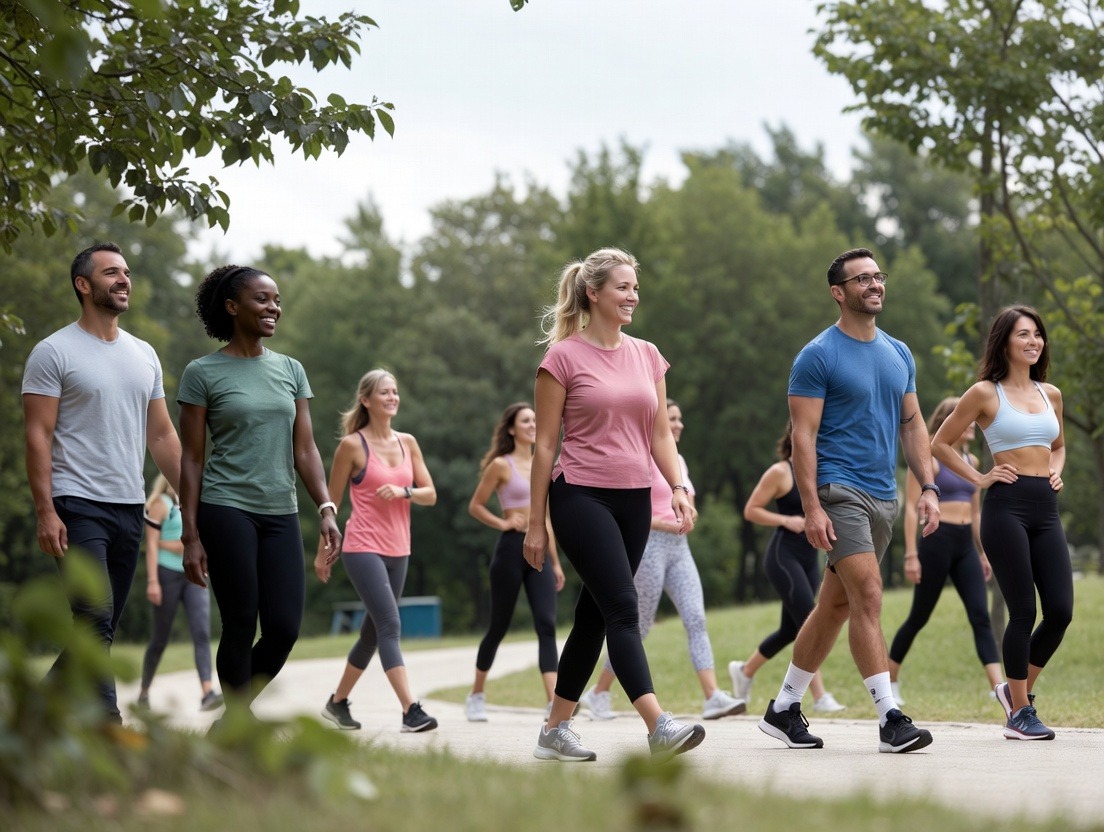
The conversation around fitness and longevity has historically been dominated by two extremes: structured, intense exercise on one end, and complete sedentary behavior on the other. But there is a vast, crucial middle ground that accounts for a significant portion of our daily energy expenditure and metabolic health: Non-Exercise Activity Thermogenesis (NEAT). This is the energy you burn through all movement that isn't sleeping, eating, or sports-like exercise: walking to your car, typing, gardening, cooking, fidgeting, and even standing.
NEAT is not a trivial factor. For many people, NEAT can account for 15-50% of their total daily energy expenditure, far surpassing the calories burned in a dedicated 30-minute workout. More importantly, frequent, low-grade movement throughout the day is a powerful regulator of metabolic health, insulin sensitivity, and circulatory function. It is the anti-sedentary signal that keeps your physiology "online" and responsive. A wellness ring, by tracking your activity and movement continuously, shines a bright light on this often-overlooked pillar of vitality.
Beyond Step Count: The Nuance of Movement Metrics
While steps are a familiar proxy, a sophisticated wellness ring analyzes movement in more meaningful dimensions:
NEAT as a Critical Aging Marker
Why is this so important for aging? Sedentary behavior is an independent risk factor for all-cause mortality, rivaling the risks of smoking and obesity. Prolonged sitting is associated with:
Therefore, your daily movement pattern—your NEAT—is a direct reflection of your metabolic and muscular engagement with life. A pattern of long sedentary bouts punctuated by a single workout is metabolically inferior to a pattern of consistent, all-day movement, even if the total "exercise" calories are the same.
Using Your Ring to Hack Your NEAT and Activity Patterns
By elevating NEAT from an afterthought to a central component of your daily plan, you build a resilient, metabolically active physiology that resists the stiffening and slowing effects of age. This consistent energy expenditure is fueled by and, in turn, influences the final frontier we’ll explore in this section: the complex, 24-hour hormonal dance that governs your entire being.
We have touched on circadian rhythms in the context of temperature and sleep, but this biological timekeeping system deserves its own spotlight as a master aging marker. Your circadian rhythm is not just about when you feel sleepy; it is a fundamental, genetically programmed 24-hour cycle that regulates nearly every physiological process: hormone release (cortisol, melatonin, growth hormone), metabolism (insulin sensitivity, glucose disposal), cell repair, immune function, and even gene expression. When this rhythm is strong and aligned with your environment (light/dark cycle, meal times, activity), your body operates with peak efficiency. When it is weak or misaligned—a state known as circadian disruption—it accelerates aging and increases the risk for virtually every chronic disease.
Your wellness ring is a powerful tool for assessing and reinforcing your circadian health, moving beyond guesswork into a precise feedback loop.
The Pillars of Circadian Rhythm (and How Your Ring Tracks Them)
A robust circadian rhythm is characterized by strong, predictable daily waves in key metrics:
The Enemies of Circadian Health (The Modern World)
Using Your Ring to Become Circadian-Aligned
By treating your circadian rhythm as a core, trackable health system, you move from fighting against your biology to working with it. This alignment reduces systemic stress, optimizes metabolism, and enhances repair—creating an internal environment that is hostile to age-related decline. As we’ve now explored the major individual markers, the final piece is learning to synthesize them all into a coherent, personalized, and evolving understanding of your unique path to vitality.
You now have a foundational understanding of the nine key aging markers your wellness ring tracks: Heart Rate Variability, Readiness, Sleep Architecture, ANS Balance, Resting Heart Rate, Body Temperature, Blood Oxygen/Respiration, Daily Movement, and Circadian Rhythm. Individually, each is a powerful lens. Together, they form a multidimensional, real-time map of your biological terrain—a map far more accurate than your chronological age.
The final step, and the true art of this practice, is learning to read this map holistically. Data in isolation can be misleading; data in context reveals the story. Your goal is not to optimize every single metric to its theoretical maximum every day—that’s impossible and counterproductive. Instead, your goal is to understand the relationships between these metrics, discern your personal patterns, and use that knowledge to make intelligent, sustainable choices that nudge your entire system toward greater resilience over time.
The Art of Synthesis: Reading the Interconnected Story
Building Your Personal Baseline & Learning Your "Normal"
This process is deeply personal. The "ideal" number for HRV or RHR is your ideal, not a population average.
From Map to Navigation: Creating Your Action Framework
Your data is useless without action. Create a simple decision matrix based on your ring’s integrated readout (like the Readiness Score) and key metric trends:
This framework turns overwhelming data into a simple, daily guide. It teaches you to listen to your body with unprecedented clarity. For a deeper exploration of how to use this data for long-term planning, our article on using a smart ring for multi-decade health planning provides a strategic perspective on turning daily feedback into a lifelong vitality blueprint.
As we conclude this first portion of our guide, remember that the journey to youthful vitality is not a sprint toward a fixed destination. It is a gradual, conscious, and data-informed process of cultivating a resilient biology. You have been equipped with the knowledge of what to track and why it matters. The power now lies in consistent observation, curious experimentation, and compassionate response to the story your body is telling you. In the next section, we will build upon this foundation, exploring advanced strategies for nutrition, targeted supplementation, environmental optimization, and community support—all through the validating lens of your ring’s ever-evolving data.
Nutrition advice is famously contradictory and universally frustrating. Keto or plant-based? Intermittent fasting or six small meals? The noise is overwhelming because the fundamental truth is often ignored: There is no single optimal diet for humanity; there is only an optimal diet for you, in your current context. Your wellness ring is the key to cutting through the noise, providing objective, physiological feedback on how different foods and eating patterns affect your body. This turns nutrition from a belief system into an evidence-based experiment.
How Food Shows Up in Your Data
Food impacts your aging markers through several direct and indirect pathways, which your ring captures:
Conducting Your Own Nutrition Experiments
Forget dogma. Become a scientist of yourself.
Building Your Personal "Vitality Plate"
Based on consistent data feedback, you can build eating principles that work for your biology:
By letting your body’s data guide your nutrition, you move from anxiety about food to curiosity. Every meal becomes an opportunity to nourish and learn. For a deeper exploration of how daily choices influence your long-term biology at the genetic level, our article on lifelong health strategies and epigenetics delves into the powerful science behind this feedback loop.
Now, let’s extend this principle of biofeedback beyond the plate to the powerful realm of movement and fitness.
The era of "no pain, no gain" and rigid, generic training plans is over. That approach often leads to burnout, injury, and stalled progress because it ignores the most important variable: your body’s daily readiness. Your wellness ring enables precision movement—a dynamic approach where the intensity, volume, and type of your physical activity are guided by real-time physiological feedback. This ensures you train with your body, not against it, maximizing adaptation while minimizing the risk of overtraining, which is a major accelerator of biological aging.
The Data Points for Smart Training
Your ring provides a dashboard for intelligent strain-and-recovery management:
Implementing a Dynamic Training Framework
Replace your static weekly plan with a fluid, responsive system:
Tracking Workout Impact & Long-Term Progress
Use your ring to close the feedback loop after your workouts:
This data-driven approach transforms fitness from a grind into an intelligent dialogue. It ensures every ounce of effort yields maximum return, safeguarding your long-term vitality. For more on how these metrics can specifically help you avoid the pitfalls of overtraining, our guide on health metrics that indicate overtraining and burnout is an essential read.
With nutrition and movement dialed in through personal data, we next address the silent, pervasive background factor that influences all of them: your environment.
Your body does not exist in a vacuum. It is in a constant, dynamic exchange with your environment. The light that hits your eyes, the temperature of your space, and the soundscape around you are not mere background details—they are potent biological signals that directly shape your aging markers. Your wellness ring allows you to become an environmental architect, tweaking your surroundings to elicit the most favorable physiological responses, turning your home and workspace into a sanctuary for rejuvenation.
1. Light: The Master Zeitgeber (Time-Giver)
Light is the most powerful cue for your circadian rhythm. Getting it right is non-negotiable.
2. Temperature: The Thermostat for Sleep & Metabolism
Your body’s core temperature needs to drop to initiate and maintain sleep. You can facilitate this.
3. Sound & Noise: The Unseen Disruptor
Unexpected noises, even if they don't fully wake you, cause micro-arousals that fragment sleep architecture and keep your nervous system on alert.
4. The Digital Environment: The Electrosmog
While more controversial, some sensitive individuals report that reducing electromagnetic field (EMF) exposure, especially in the bedroom, improves sleep quality. Simple steps:
Becoming a Biohacker of Your Space
Use your ring to validate every environmental change.
By consciously crafting your environment, you stack the deck in favor of your biology. You reduce the constant, low-grade stress of fighting against unnatural cues, freeing up energy for repair and resilience. This foundational work supports the next, often underestimated, pillar of longevity: the strength and stability of your physical structure.
When we think of aging, we often picture the obvious structural changes: stooped posture, slower gait, loss of height, and the increased risk of a debilitating fall. These are not inevitable. They are the result of decades of subtle neglect—the gradual loss of muscle mass (sarcopenia), bone density (osteoporosis), and joint integrity. While a wellness ring doesn't measure muscle size or bone density directly, it provides the behavioral and systemic data that is intimately linked to preserving your structural foundation. It tells you whether you are actively building and maintaining your body, or allowing it to quietly erode.
The Indirect Metrics of Musculoskeletal Health
Your ring’s data offers powerful proxies for structural vitality:
Using Your Ring to Build a Fall-Proof Physiology
Your data can guide a structural resilience plan:
The Long-Term View: Preventing Frailty
The data patterns that lead to frailty are clear: chronically low activity, poor sleep, and suppressed recovery metrics. By reversing these patterns—building a life with high NEAT, prioritized sleep, and intelligent strength training—you are writing a different story for your future self. For a strategic look at preventing age-related decline, our resource on lifelong health strategies to prevent frailty in old age expands on this critical mission.
Protecting your physical structure is a lifelong project. Equally profound is the project of protecting and nurturing your mental and emotional landscape, which is far more connected to your physiology than we once believed.
We have discussed stress as a physiological signature—low HRV, high RHR. But this relationship is a two-way street. Your thoughts, emotions, and mental state are not ephemeral; they have direct, measurable effects on your body. Conversely, the state of your body (fatigue, inflammation, poor sleep) profoundly influences your mind. Your wellness ring makes this mind-body dialogue visible, allowing you to break negative feedback loops and build positive ones.
From Emotion to Physiology: Tracking the Impact
When you experience anxiety, anger, or sadness, your body responds:
From Physiology to Emotion: How Bad Data Creates Bad Moods
The reverse is equally powerful:
Using Your Ring for Emotional Awareness and Regulation
This data isn't for judging yourself; it's for building self-compassion and agency.
Building Emotional Resilience Over Time
By consistently using calming practices that improve your physiological metrics, you are not just calming down for a moment; you are training your nervous system to be more resilient. Over months, you may see your HRV baseline rise, indicating a system that is less reactive to minor stressors and returns to balance more quickly—the definition of emotional equanimity.
This deep integration of mind and body is the cornerstone of holistic vitality. It naturally leads us to consider how we can extend these principles beyond ourselves, to the people who share our lives and shape our health in unseen ways.
Human beings are not meant to age in isolation. We are a social species, and the quality of our relationships is one of the most powerful, yet often ignored, determinants of healthspan and longevity. The Harvard Study of Adult Development, one of the longest-running studies on happiness and health, found that the quality of our close relationships is a stronger predictor of long, happy lives than social class, IQ, or even genetics. Your wellness ring, perhaps surprisingly, can provide objective evidence of this "social synapse," showing how your connections affect your biology and offering clues to optimize them for mutual vitality.
The Biometrics of Connection
Positive social interactions leave a distinct, positive stamp on your physiology:
Conversely, negative or lonely social experiences are profoundly stressful:
Using Your Ring to Audit and Enhance Your Social Wellness
The Longevity Dividend of Community
Investing in relationships is an investment in your biological resilience. It reduces chronic stress, provides purpose, and encourages healthier behaviors (people often eat better and move more when supported by a community). By using your ring to validate which connections are truly life-giving, you can consciously cultivate a social ecosystem that actively supports your vitality for decades to come. For a perspective on making this a multigenerational endeavor, explore our piece on creating a family health legacy through lifelong strategies.
As we strengthen our social fabric, we must also develop the internal fortitude to stay the course. This brings us to the final, and perhaps most important, pillar: the psychology of consistency and sustainable change.
Knowledge is not power; applied knowledge is power. The greatest guide, the most precise data, is useless without consistent application. The final hurdle in the quest for vitality is not biological, but psychological: adherence. Why do we fall off track? How can we use the unique features of a wellness ring to build habits that last a lifetime, not just a few weeks? This is about designing a system that makes the right choices easier, more rewarding, and intrinsically motivated.
Why Traditional Willpower Fails (And What Works Instead)
Relying on willpower and motivation is a losing strategy. Both are finite resources that drain under stress, fatigue, and decision overload. Sustainable change comes from habit formation and system design. Your ring is a perfect tool for this because it provides immediate, positive feedback that your brain craves.
Leveraging Ring Data for Habit Formation
The "Never Miss Twice" Rule, Guided by Data
Perfection is impossible. The key to long-term adherence is not never failing, but failing well.
Building Your Personal "Vitality System"
Instead of a collection of disjointed goals (lose weight, exercise more, sleep better), use your ring's dashboard to build an integrated system:
This systematic, compassionate, and data-validated approach transforms health from a stressful performance into a curious, lifelong practice of self-discovery and care. It is the ultimate application of the information your ring provides. For insights on balancing this discipline with necessary flexibility, our article on the balance between discipline and flexibility in lifelong health offers a nuanced perspective.
Your Trusted Sleep Advocate: Sleep Foundation — https://www.sleepfoundation.org
Discover a digital archive of scholarly articles: NIH — https://www.ncbi.nlm.nih.gov/
39 million citations for biomedical literature :PubMed — https://pubmed.ncbi.nlm.nih.gov/
Experts at Harvard Health Publishing covering a variety of health topics — https://www.health.harvard.edu/blog/
Every life deserves world class care :Cleveland Clinic - https://my.clevelandclinic.org/health
Wearable technology and the future of predictive health monitoring :MIT Technology Review — https://www.technologyreview.com/
Dedicated to the well-being of all people and guided by science :World Health Organization — https://www.who.int/news-room/
Psychological science and knowledge to benefit society and improve lives. :APA — https://www.apa.org/monitor/
Cutting-edge insights on human longevity and peak performance:
Lifespan Research — https://www.lifespan.io/
Global authority on exercise physiology, sports performance, and human recovery:
American College of Sports Medicine — https://www.acsm.org/
Neuroscience-driven guidance for better focus, sleep, and mental clarity:
Stanford Human Performance Lab — https://humanperformance.stanford.edu/
Evidence-based psychology and mind–body wellness resources:
Mayo Clinic — https://www.mayoclinic.org/healthy-lifestyle/
Data-backed research on emotional wellbeing, stress biology, and resilience:
American Institute of Stress — https://www.stress.org/


