


The Complete Beginner-Friendly Guide to Lifestyle Assessment Using Ring Data
Using your ring's data to assess your current lifestyle and identify areas for change.
Using your ring's data to assess your current lifestyle and identify areas for change.
%402x.svg)
Imagine having a personal biographer for your body—a silent observer that chronicles the hidden rhythms of your life with unwavering, objective precision. It notes the gentle cadence of your heart as you read a book, the subtle spike when a work email pings late at night, the deep, restorative silence of your best sleep, and the fragmented restlessness of your worst. This isn't fantasy; it’s the reality offered by the modern smart ring. Sleek, unassuming, and worn 24/7, this device gathers a continuous stream of physiological data, transforming your finger into a window to your well-being.
But data, in its raw form, is just noise—a bewildering array of graphs, numbers, and trends. The true magic, and the core of this guide, lies in lifestyle assessment: the art and science of translating that biometric noise into a coherent, actionable story about how you live, thrive, and struggle. It’s about moving from asking “What’s my heart rate?” to understanding “How does my body truly respond to my 3 p.m. coffee habit, my weekly arguments, my intense workouts, or my Netflix binges?”
For the beginner, this world can feel overwhelming. Terms like HRV (Heart Rate Variability), resting heart rate, skin temperature deviation, and sleep stages populate app screens, often without a clear map for what to do next. This guide is that map. We will demystify the data from your ring, not as isolated metrics, but as interconnected threads in the tapestry of your daily life. You will learn to see patterns, identify levers for change, and ultimately, use this objective feedback loop to craft a lifestyle that doesn’t just look good on paper, but feels profoundly better from the inside out. This is about becoming the expert on you.

Before we can assess a lifestyle, we must understand the tools of measurement. Your smart ring is a marvel of miniaturized technology, packing sensors that act as a direct line to your autonomic nervous system (ANS)—the unconscious control center regulating everything from your heartbeat to your digestion. Let’s break down the core metrics and, more importantly, what they biologically signify.
Heart Rate (HR) & Resting Heart Rate (RHR): Your baseline cardiovascular fitness indicator. A lower RHR typically suggests a more efficient heart and better aerobic fitness. Your ring tracks it continuously, but the most valuable number is your true resting rate, often measured during deep sleep or periods of calm wakefulness. Noticeable, sustained elevations in your RHR can be one of the earliest signs your body is fighting something off, whether it’s illness, excessive stress, or recovery from overtraining.
Heart Rate Variability (HRV): This is arguably the most insightful metric for lifestyle assessment. Unlike a metronome’s steady tick, a healthy heart beats with subtle, millisecond variations between each beat. Higher HRV generally indicates a resilient, adaptable nervous system—your body can easily shift from focused calm (parasympathetic state) to energized action (sympathetic state) and back again. A lower HRV suggests your system is under strain, overly taxed, or stuck in a stressed "fight-or-flight" mode. Tracking HRV trends is like having a direct readout of your body’s capacity to handle life’s demands.
Sleep Stages (Light, Deep, REM): Your ring uses movement and heart rate patterns to estimate your sleep architecture. Deep sleep is crucial for physical restoration and immune function, while REM sleep is tied to memory consolidation and emotional processing. The balance and duration of these stages are far more telling than just "8 hours in bed." Disruptions here are often the first visible symptom of lifestyle misalignment.
Skin Temperature: A sensitive, longer-term trend metric. Your body’s core temperature follows a circadian rhythm, dipping at night to facilitate sleep and rising during the day. Significant deviations from your personal baseline—especially a persistent elevation—can indicate the onset of illness, inflammation, or hormonal changes like those discussed in our guide to emotional balance during hormonal transitions.
Activity & Movement: Beyond step counts, rings measure active time, calorie expenditure, and periods of inactivity. This data contextualizes everything else. A high resting heart rate paired with zero activity tells a very different story than one paired with a strenuous workout.
Respiratory Rate: The number of breaths you take per minute, often tracked during sleep. Significant increases can signal sleep disturbances, anxiety, or respiratory issues.
Together, these metrics form a biometric signature. They don’t operate in isolation. A poor night’s sleep (low deep sleep) will likely depress your HRV and elevate your RHR the next day. A stressful day (low HRV) can then fragment your next night’s sleep, creating a negative cycle. Your first task in lifestyle assessment is to stop seeing them as separate scores and start seeing them as a dynamic, conversational system, constantly reporting back on the state of your physical being.
Opening your companion app for the first time can induce a "data shock." Daily scores, sleep graphs, weekly trends, monthly comparisons—it’s easy to get lost in the trees and miss the forest. The key for beginners is to simplify and focus. You don’t need to master every metric on day one. Here’s how to build your own personalized assessment dashboard.
Step 1: Establish Your Personal Baseline. Forget generic "good" scores. Your body is unique. Commit to a 2–4 week "observation period." During this time, wear your ring consistently and try to live your typical life. Don’t make drastic changes yet. The goal is to collect enough data to answer: What is normal for me? What’s my average RHR? My typical HRV range? How do I usually sleep? This personal baseline is your most important reference point. All future assessment will be about deviations from this norm.
Step 2: Identify Your Primary "North Star" Metric. Choose one or two metrics to focus on initially, based on your top wellness goal.
Step 3: Master the Daily Check-In. Spend just 2–3 minutes each morning reviewing last night’s data. Ask three simple questions:
This daily ritual builds awareness without obsession.
Step 4: Embrace the Weekly Review. Once a week, look at the broader trends. Most apps provide a weekly summary. This is where patterns emerge. Did your HRV dip every Wednesday? Did your sleep suffer on weekends? The weekly view moves you from "what happened last night" to "what keeps happening in my life."
Step 5: Correlate, Don’t Just Collect. This is the heart of assessment. Open a notes app or journal alongside your ring data. Manually log major lifestyle events: "Intense work deadline," "Drank alcohol," "Late dinner," "60-minute run," "Had a difficult conversation," "Started a mindfulness practice," as detailed in our resource on how mindfulness practice develops emotional balance over time. After a few weeks, look back. You’ll likely see clear connections: "Every time I have wine after 8 p.m., my deep sleep plummets," or "My HRV is consistently higher on days I meditate."
Your dashboard isn’t in the app; it’s in this integrated view of data plus context. By setting up this simple framework, you transform overwhelming data streams into a clear, personalized feedback system ready for deeper investigation.
Sleep is not an isolated event; it is the ultimate consequence of your day. Your ring’s sleep data is arguably the richest single source for lifestyle assessment because it reflects everything that came before it—your stress, your diet, your activity, your mental state. Conducting a "sleep audit" is like having a nightly report card on your lifestyle choices.
Start with the Architecture: Look beyond just duration. A 7-hour sleep with balanced deep and REM stages is often more restorative than 9 hours of fragmented, light sleep. Consistently low deep sleep can point to physical factors: excessive evening exercise, alcohol consumption, or an unsupportive sleep environment (too warm, too bright). Suppressed REM sleep, vital for emotional processing, can be linked to high daytime stress, certain medications, or erratic sleep schedules.
Decoding Toss-and-Turn Moments: The timeline of your sleep showing awakenings or restlessness is a treasure map. Note the timing. Awakenings in the first half of the night are often tied to physical discomfort (digestion, temperature, pain) or circadian misalignment. Awakenings in the early morning hours (3-5 a.m.) are frequently linked to stress, anxiety, or a blood sugar dip. Was there a late, heavy meal? Did you receive an upsetting message before bed? The data provides the "what," and your life provides the "why."
The Pre-Sleep Wind Down (or Lack Thereof): Your body doesn’t have an "off" switch. The hour before sleep is a critical ramp-down period. Elevated heart rate and low HRV going into bed virtually guarantee poorer sleep quality. Your ring can show you this. If your data shows you’re not physiologically calming down before sleep, your lifestyle audit must focus on the evening. This is where practices of strategic emotional disengagement and digital curfews become critical, data-supported interventions.
Correlating Day with Night: This is the audit’s power move. Systematically review days that led to great sleep versus terrible sleep. What were the differences?
Through the sleep audit, your ring stops being just a sleep tracker and becomes a lifestyle auditor. It provides the unbiased evidence needed to connect specific, daily behaviors with their tangible impact on your most fundamental restorative process. The path to better sleep often isn’t found in the bedroom at all, but in the choices you make hours before.
If sleep tells the story of your day’s consequences, your daytime physiology—specifically Heart Rate Variability (HRV) and heart rate patterns—narrates the story in real-time. This is your Stress & Recovery Matrix, a live map of your nervous system’s balance between exertion (sympathetic “fight-or-flight”) and restoration (parasympathetic “rest-and-digest”).
HRV as Your Recovery Score: Think of HRV as your body’s "readiness" metric. A higher HRV trend suggests good recovery, resilience, and a healthy stress-response buffer. A lower HRV trend indicates your system is fatigued, overloaded, or actively fighting something. For assessment, the trend is everything. A single low reading is noise; a 3-day downward trend is a signal. It’s your body saying, "The demands are outstripping my recovery capacity." This could be from work stress, emotional strain, poor sleep, intense training, or illness.
Daytime Heart Rate Signatures: Your resting heart rate is a baseline, but watch your heart rate during the day. A heart rate that is chronically elevated above your norm during sedentary periods (sitting at your desk, reading) is a classic sign of underlying stress or anxiety. It’s as if your body’s engine is idling too high, wasting energy. Conversely, look for “heart rate spikes” outside of exercise. A sudden jump while checking emails or during a conversation can be a powerful, objective clue to an otherwise unnoticed stress trigger.
Building Your Matrix: To assess, plot two things: 1) Your strain (intense workdays, emotional events, hard workouts), and 2) Your recovery (HRV trend, quality sleep, relaxation). The goal is balance.
Using this matrix, you move from "I feel tired" to a diagnostic hypothesis: "My HRV has been low for 5 days despite me scaling back workouts. My daytime heart rate is elevated. The data suggests I’m in a Low Recovery state, but my strain is coming from non-physical sources—likely that ongoing work conflict." This precise awareness allows for targeted action, such as employing methods for building emotional stability or establishing firmer boundaries to protect your peace.
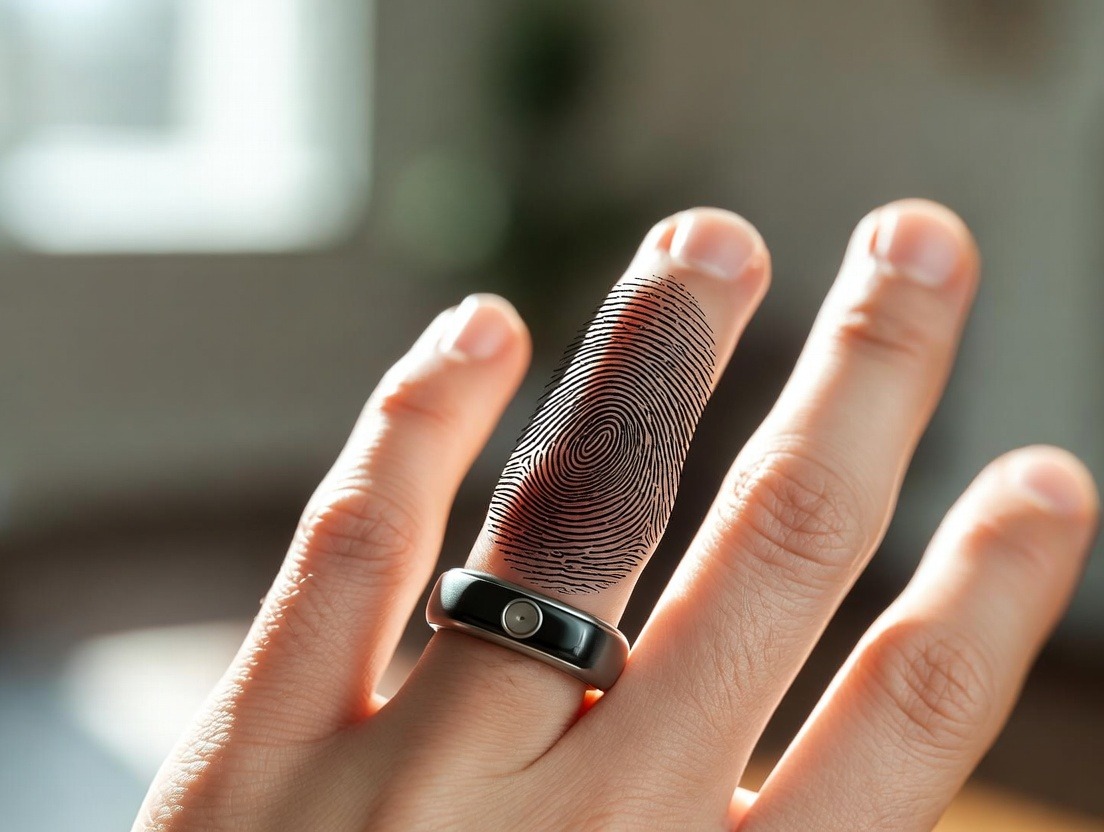
In a culture that often glorifies "more is more," your ring serves as a crucial reality check. It helps solve the Activity Paradox: why sometimes doing less leads to better results, and why feeling "fine" during a workout doesn’t mean your body has recovered from the last one. For the fitness enthusiast or the dedicated amateur, this is where ring data becomes an indispensable training partner.
Listen to Your Morning Metrics, Not Your Motivation. The most important data for activity assessment is collected before you move. Your readiness score (often a composite of HRV, RHR, and sleep) should inform your workout intensity, not the other way around.
Spotting Overtraining Syndrome (OTS) Before It’s Clinical. OTS isn’t just feeling tired; it’s a state of prolonged maladaptation. Your ring provides early-warning signs long before performance plummets or injury strikes:
The Under-Recovery of Modern Life. You don’t have to be an athlete to suffer from under-recovery. For many, the "workout" is a stressful job, emotional caregiving, or constant mental engagement. Your ring data validates this. If you’re not exercising but see a low, stagnant HRV and elevated RHR, your "activity" is likely cognitive or emotional labor. The prescription isn’t to add a hard spin class; it’s to add deliberate, physiological recovery: stretching, breathwork, nature time, or the strategic implementation of mindfulness to downregulate a taxed nervous system.
By auditing your activity through the lens of recovery metrics, you break the cycle of guesswork and fatigue. You learn to differentiate between the beneficial stress of a good workout and the harmful strain of chronic overload. This empowers you to train smarter, rest more effectively, and respect the profound intelligence of your body’s feedback system.
Your smart ring isn’t a food tracker, but it is a brilliant biochemist, reporting the downstream effects of your dietary choices on your system. While it won’t tell you about calories or macros, it provides powerful indirect signals about digestion, metabolic health, and food sensitivities, allowing for a unique form of nutritional lifestyle assessment.
The Tale of Timing: Late Meals and Sleep. One of the clearest correlations you’ll likely find is between meal timing and sleep architecture. A large, heavy, or high-fat meal within 2–3 hours of bedtime forces your digestive system to work when it should be powering down. The ring data often shows:
The Inflammation Detectives: Skin Temperature & Resting Heart Rate. Chronic, low-grade inflammation—which can be driven by dietary choices like high sugar, processed foods, or specific intolerances—often manifests in biometric trends.
Heart Rate & HRV Responses to Specific Meals (The "Food Stress Test"). You can conduct informal n=1 experiments. Note what you eat for a meal, then observe your heart rate and HRV for the 2-4 hours afterward.
Hydration’s Subtle Signature. Even mild dehydration increases the heart’s workload. You may see an unexplained, slight bump in your resting heart rate on days your fluid intake was poor. Coupled with feelings of fatigue, this data can be a helpful prompt to drink more water.
By using your ring to audit the physiological consequences of eating, you move beyond dogmatic diets and into personalized nutrition. The data helps you answer: How does my body respond to eating late? To gluten? To sugar? To a high-protein breakfast? This biofeedback turns nutrition from a theoretical pursuit into an empirically guided journey to discovering what truly fuels your unique system for optimal function.
Our emotions are not mere ephemeral feelings; they are electrochemical events with direct physiological correlates. Your smart ring, by tracking the language of your nervous system, can become an emotional barometer, offering an objective view of your subjective emotional landscape. This isn't about the ring telling you how you feel; it's about providing data that helps you see the profound mind-body connection.
Physiological Footprints of Emotional States.
Conducting an Emotional Audit. To make this practical, pair your biometric data with a simple mood log (a 1-5 scale in your notes app is sufficient). At the end of the day, note your dominant emotional tone. After a few weeks, correlate.
Data as a Detachment Tool. This is profoundly powerful. When you feel rising anger and can see your heart rate spike on your wrist (or in your app), it creates a moment of cognitive separation. You are no longer just the emotion; you are an observer of the emotion's effect. This space is where regulation becomes possible. It provides concrete evidence for why practices like those in our article on developing emotional balance through therapy and counseling or using the time-out method for strategic disengagement are so effective—they directly intervene in this physiological cascade.
Validating the Impact of Positive Practices. Conversely, this audit can validate what works. After a meditation session, a walk in nature, or a heartwarming conversation, check your data. You will often see a calming of heart rate and a positive inflection in HRV. This positive reinforcement turns healthy coping mechanisms from abstract "should-dos" into data-backed "want-tos."
By treating your biometrics as an emotional weather report, you gain an unprecedented, objective lens on your inner world. This demystifies emotions, reduces self-judgment, and provides a clear, physiological roadmap for where to focus your emotional regulation efforts for greater balance and resilience.
Beyond daily habits, your body operates on a deep, ancient rhythm—the circadian clock. This 24-hour internal cycle governs the ebb and flow of hormones, body temperature, digestion, and sleep-wake states. Modern life, with its artificial light, irregular schedules, and constant connectivity, often throws this rhythm into chaos—a state known as circadian misalignment. Your smart ring is a superb tool for assessing how well your lifestyle syncs with your innate biology.
Your Ring's Circadian Report Card: Core Temperature & Resting Heart Rate. Two metrics are key circadian markers:
Assessing Your Light Exposure Pattern. Light is the primary "zeitgeber" (time-giver) for your circadian clock. Your ring doesn't measure light, but its effects are written in your temperature and sleep data.
The Social Jetlag Audit. Do you sleep in 2-3 hours later on weekends? This common pattern creates "social jetlag," a mini version of flying across time zones every weekend. Your ring data will show it:
Aligning Activity & Nutrition. Your body is primed for different activities at different times. High-intensity exercise late at night can raise core temperature and heart rate at a time they should be falling, disrupting the wind-down process. Similarly, late eating forces your digestive circadian clock out of sync with your sleep clock. Use your ring to audit the timing of these events against your temperature and sleep efficiency data.
Aligning with your circadian rhythm is a foundational lifestyle upgrade. It’s not about rigidly living like a farmer, but about creating enough consistency and respecting light/dark cues so your biology can function optimally. When you are in sync, the benefits cascade: better sleep, more stable energy, improved mood, and more efficient metabolism. Your ring provides the hard evidence to nudge your schedule into greater harmony with your internal clock.
Your physiology does not exist in a vacuum. It is continuously reacting to and being shaped by your environment and social interactions. Your smart ring data can serve as a canary in the coal mine, revealing the hidden impact of your physical and social spaces on your well-being. This turns lifestyle assessment outward, helping you curate an external world that supports internal balance.
The Physical Environment Audit.
The Social Interaction Audit. Humans are wired for connection, but the quality of that connection matters immensely. Your ring can quantify the physiological cost or benefit of your social world.
By conducting environmental and social audits, you empower yourself to make data-informed decisions about your surroundings. You can redesign your bedroom for better sleep, reorganize your workday to minimize digital spikes, and consciously invest time in the relationships that nourish your nervous system while setting limits on those that deplete it. Your ring becomes a tool not just for personal change, but for consciously engineering a life that is, in its very structure, more conducive to health.

Up to this point, the guide has focused on assessment—gathering data, finding patterns, and forming correlations. Now, we pivot to the most empowering phase: intervention. Raw data becomes wisdom only when you use it to test changes and observe the results. This is the scientific method applied to your own life. You move from being a passive observer to an active experimenter, using your ring as the measurement tool.
The Framework: If I change X, I expect to see Y in my data.
A good lifestyle experiment is simple, specific, and measurable.
Examples of Beginner-Friendly Experiments:
Keys to Valid Experimentation:
This process of hypothesis-driven experimentation transforms you from a consumer of wellness trends into the architect of your own well-being. You stop following generic advice and start discovering your personal operating manual. Each experiment, whether it "works" or not, deepens your self-knowledge and builds confidence that you can actively shape your health outcomes.
A collection of successful experiments leads to a critical juncture: the creation of your Personal Protocol. This is not a rigid set of rules, but a flexible, evidence-based playbook—a compilation of the non-negotiable habits and adjustments that you know work for your unique biology. It’s the translation of your self-experimentation into a sustainable daily and weekly structure.
Step 1: Consolidate Your Wins. Review your experiment log. Which changes produced the most significant, positive shifts in your key metrics (sleep, HRV, RHR, energy)? These are the foundation stones of your protocol. For example:
Step 2: Establish Your Daily Anchors. These are 3-5 simple, non-negotiable actions that set the tone for your day and night, based on your strongest data correlations. A sample protocol might include:
Step 3: Create "If-Then" Rules for Common Scenarios. Your protocol should be adaptive. Use your data to pre-plan your response to predictable life events.
Step 4: Integrate Protocol Checkpoints with Your Ring Data. Your protocol lives alongside your data dashboard. The morning check-in isn’t just about reviewing scores; it’s about planning your day according to your physiology. A low readiness score triggers your "Recovery Day" protocol rules automatically, removing decision fatigue and guilt.
Step 5: Schedule Quarterly Protocol Reviews. Your body and life are not static. A protocol that works now may need adjustment in 6 months. Schedule a time to review your experiment log, baseline data, and protocol effectiveness. Has a habit become effortless? Is there a new life stressor requiring a new rule? This keeps your protocol a living document, evolving as you do.
By moving from isolated experiments to a cohesive personal protocol, you build a lifestyle with resilience designed into its architecture. You’re no longer reacting to how you feel in the moment (which can be deceptive), but proactively making choices informed by your historical data and proven personal truths. This is the essence of data-driven self-care.
Daily and weekly data is essential for tactical adjustments, but the profound insights often emerge from the macro-view—the trends over months, seasons, and years. Your smart ring becomes a longitudinal research device on your own life, capturing how you evolve, adapt, and respond to larger life chapters. This perspective is crucial for maintaining patience and contextualizing temporary setbacks.
Identifying Seasonal Patterns. Look at your data aggregated by season. You may discover innate biological rhythms:
Navigating Lifecycle Transitions. Major life events—a career change, becoming a parent, moving, menopause, entering a committed relationship—leave a clear signature in your biometric data. Your ring provides an objective record of your physiological adaptation.
The Power of the Annual Review. Once a year, take a long, reflective look at your data. Zoom out to the full year graph. Ask big-picture questions:
This macro-perspective fosters a compassionate, long-term view. You see yourself not as a collection of daily scores, but as a dynamic organism moving through time, constantly adapting. It turns lifestyle assessment from a pursuit of daily perfection into a journey of sustainable, intelligent living.
Inevitably, your journey will include periods where the data stagnates or even trends in the wrong direction, despite your best efforts. This is not failure; it is an essential phase of the assessment process. Learning to interpret and navigate these periods—what we can call the Resilience Phase—is what separates a sustainable practice from a fleeting obsession.
Understanding the "Why" Behind the Plateau. When progress halts, your ring data, paired with honest reflection, is your diagnostic tool. Common causes include:
Strategic Responses to Negative Trends.
The Lesson of the Setback: A true lifestyle assessment mindset welcomes setbacks as data-rich learning opportunities. They reveal your boundaries, your unique stress triggers, and the non-linear nature of progress. Resilience is built not by an absence of challenges, but by developing a data-informed, compassionate system for moving through them. This phase teaches you that you are not your best day’s data, nor your worst. You are the adaptive, resilient being that exists across the entire spectrum.
Thus far, we’ve championed the objective power of biometrics. But the most sophisticated lifestyle assessment weaves this quantitative data together with the qualitative wisdom of subjective, mindful awareness. The ring tells you the "what"; your mindful attention helps you understand the "why" and the "how it feels." Together, they create a complete picture.
Bridging the Subjective-Objective Gap. Your daily morning check-in should have two components:
Using Data to Deepen Mindfulness Practice. Your ring can be a powerful biofeedback device for mindfulness. For example:
Mindful Moments as Data Points. Your qualitative experiences are data too. In your journal, note moments of joy, connection, frustration, or flow. Later, see if these subjective peaks and valleys correspond with any patterns in your stress/recovery metrics. You may find that an afternoon of "flow state" at work correlates with a higher evening HRV, or that a stressful commute leaves a fingerprint on your sleep. This reinforces the value of cultivating a mindful workplace.
When Feelings and Data Conflict: A Case for Compassion. Sometimes you will feel exhausted but see a high readiness score. This could mean you’re mentally fatigued but physically recovered—a sign to prioritize a mentally light day. Conversely, you might feel energetic but see red metrics. This could be your body running on stress hormones (cortisol), a false energy that, if acted upon, could lead to a crash. In these moments, let the data be a compassionate guide, encouraging you to honor your body’s hidden needs over your mind’s momentary impulses.
By marrying mindful awareness with ring data, you avoid the pitfall of becoming a biohacking robot, obsessed with numbers but disconnected from lived experience. You become a whole-person expert, fluent in both the language of physiology and the language of conscious feeling.
Human beings are socially contagious organisms. Our nervous systems sync with those around us—a phenomenon known as physiological co-regulation. Your lifestyle assessment, therefore, can be powerfully enriched by expanding its scope to include your closest relationships. With consent and a shared sense of curiosity, comparing data with a partner, family member, or close friend can unlock profound insights into the dynamics of your shared life.
The Partner Protocol: Synchronizing for Mutual Support. For couples, especially those cohabitating, lifestyle is often a shared endeavor. How one partner sleeps, eats, and manages stress directly impacts the other.
Family and Household Rhythms. For families, understanding the collective circadian rhythm can be transformative. If a teenager’s naturally delayed rhythm is clashing with early school starts, seeing the objective data (they literally cannot fall asleep earlier) can reduce conflict and foster advocacy for later start times. Parents can use their own data to model and explain the importance of recovery, showing kids that self-care is a data-backed priority, not an indulgence.
The Accountability Partnership. With a trusted friend who also uses a tracker, you can create a supportive, non-competitive framework. Share your weekly focus (e.g., "My protocol this week is to prioritize 7.5 hours in bed"). A simple check-in provides social accountability that can significantly increase adherence. The shared language of data ("My HRV is up!") creates a unique bond and a modern form of mutual support.
Critical Boundaries for Shared Data. This practice requires explicit consent, clear boundaries, and a shared spirit of curiosity—not control or judgment. The goal is collaborative optimization, not surveillance. Data should be shared voluntarily, never used as a weapon in conflict ("Your late nights are ruining my deep sleep!"). When handled with respect, it becomes a powerful tool for building empathy, fostering teamwork in health, and deepening connections through a shared understanding of your intertwined biological lives.
As your assessment skills mature, you can begin to explore more sophisticated and personalized correlations that move beyond the foundational pillars of sleep, stress, and nutrition. Your ring data can serve as a lens to understand your performance and well-being in diverse domains of life.
Environmental Weather and Biometric Response. Many people are meteorosensitive. You can track:
The Creative & Cognitive Performance Link. Your data can help you identify your prime times for different types of mental work.
Precision in Fitness & Training. Beyond simple readiness, you can delve deeper:
The Travel and Time Zone Assessment. Travel is a massive lifestyle disruptor. Use your ring to scientifically manage jet lag.
By conducting these advanced audits, you move from general wellness to performance optimization in the areas that matter most to you—whether that’s artistic output, athletic achievement, or simply thriving in a challenging environment. Your ring becomes the central tool in your personalized life laboratory.

A master of any craft understands the limitations of their tools. Your smart ring is a powerful lens, but it is not an all-seeing eye. A mature and sustainable practice requires recognizing its blind spots to avoid misinterpreting data or developing an unhealthy over-reliance. This knowledge empowers you to use the tool wisely, supplementing it where needed.
It Measures States, Not Causes. Your ring excels at showing you that something is off (e.g., HRV is low, sleep is fragmented). It is less adept at telling you why. Is the low HRV due to an impending illness, emotional grief, dehydration, or overtraining? The data provides the "what," but you must provide the context. This is why the journaling and mindful correlation we’ve discussed are non-negotiable companions to the hardware. For deeper emotional causation, techniques like those in use journaling for emotional balance are essential.
It Tracks Physiology, Not Psychology. The ring quantifies the physical correlates of emotion and thought, but not the content. A spike in heart rate could be from anxiety, excitement, anger, or romantic attraction. It cannot distinguish between eustress (good stress, like a wedding) and distress (bad stress, like a layoff). You must interpret the signal through the lens of your lived experience. Developing emotional balance without numbing feelings is a psychological skill that works in tandem with the physiological data.
The Accuracy Ceiling: Estimates, Not Medical Diagnostics. It is vital to remember that consumer wearable technology provides estimates of biometrics. While highly correlated with clinical-grade equipment, they are not medical devices.
The Individual Variation Wild Card. There is no universally "perfect" number. A person with a naturally low RHR of 48 and an HRV of 150 is not inherently healthier than someone with a baseline RHR of 60 and an HRV of 40. The entire practice revolves around your personal baseline and trends. Comparing your absolute numbers to others is not only futile but can be demoralizing and misleading. Focus on optimizing you.
The Data Cannot Define Your Worth or Your Day. This is the most crucial limit. A "poor" readiness score does not make you a failure, nor does a "perfect" sleep score guarantee a perfect day. The data is feedback, not a verdict. The goal is to use it to make informed choices, not to let it dictate your self-esteem or pre-determine your experience. On a day with low scores, you can still find joy, connection, and productivity—it just might look different. This mindset is the bedrock of viewing health as a long-term project of patience and progress.
Acknowledging these limits doesn't diminish the ring's value; it enhances it. It places the technology in its proper role: as an incredibly sophisticated assistant, not an omniscient oracle. You remain the conscious, interpreting pilot.
The line between insightful self-awareness and unhealthy obsession can be thin. The very tool designed to reduce stress can, paradoxically, become a source of it—a phenomenon sometimes called "quantified-self anxiety" or "wearable stress." Cultivating an ethical, balanced relationship with your data is the final, master-level skill in lifestyle assessment.
Recognizing the Red Flags of Unhealthy Tracking.
Principles for Ethical Self-Tracking.
The most ethical tracking practice is one that occasionally allows you to forget the tracker entirely, to be fully immersed in a moment without wondering how it will affect your sleep graph. It understands that the richest data of all is the unmediated experience of being alive.
The ultimate, somewhat paradoxical goal of deep lifestyle assessment is to transcend the need for constant assessment. The ring is a teacher. Its purpose is to train you so well that you internalize its lessons, developing a refined, accurate, and trustworthy intuition about your own body and mind. This is the state of data-informed intuition—where the external feedback loop becomes an internalized wisdom.
The Learning Cycle: Data -> Insight -> Habit -> Intuition. This is the progression:
Cultivating Interoceptive Awareness. This is your internal sense of your physiological state—hunger, fullness, tension, calm, energy, fatigue. The ring acts as a calibration tool for this sense.
The Fade-to-Background Goal. In an ideal practice, the ring becomes like a highly skilled co-pilot who rarely needs to speak. You live your life, make generally supportive choices from ingrained habit and intuitive feeling, and only consult the data when something feels persistently "off" and you need diagnostic help, or when you’re testing a new hypothesis. It ceases to be a daily crutch and becomes a periodic audit tool. This is the essence of mindful living for beginners and beyond—moving from constant external reference to grounded internal awareness.
The Confidence of Self-Knowledge. The final gift of this journey is unshakable confidence in your own body’s signals. You no longer blindly follow generic health advice. You know what "good sleep" actually feels like for you. You can distinguish between needing to move and needing to rest. You understand your unique stress signatures and your most effective recovery levers. This self-knowledge is empowering and liberating. It allows you to navigate the noisy world of wellness trends with discernment, always asking: "Does this align with what I know to be true for me?"
The ring helped you write your personal user manual. Now, you can operate the complex, beautiful system that is you, with grace and assurance.
We began this guide by introducing the smart ring as a biometric mirror, a silent observer chronicling the rhythms of your life. We’ve journeyed through the fundamentals of data, the art of the audit, the science of experimentation, the building of protocols, and the navigation of setbacks. We’ve explored integrating mindfulness, considering social connections, and pushing into advanced correlations. Finally, we’ve anchored it all in the ethical and philosophical understanding of the tool’s place in a well-lived life.
The thread that binds every section is a simple but profound shift: from passive consumer of health to active author of well-being.
Your ring data—the heart rate variability, the sleep stages, the temperature trends—is not the point. The point is what that data reflects: a life lived with more presence, resilience, joy, and purpose. The ultimate metric of success for this entire endeavor cannot be graphed on an app.
It is found in:
Let your ring be the compass that helped you map the territory. But do not mistake the compass for the journey. The journey is your life—in all its messy, beautiful, unpredictable, and perfectly imperfect glory. Use the data to craft a lifestyle that supports that life, then step into each day ready to live it fully, intuitively, and free.
Your next step is not to collect more data, but to apply what you’ve already learned. Start small. Choose one insight from this guide—perhaps conducting a sleep audit, or running a single, clear lifestyle experiment. Let that one change ripple outward. You have the tools, the framework, and the understanding. You are now the expert on you. Go live the life your data has been whispering is possible.
Your Trusted Sleep Advocate: Sleep Foundation — https://www.sleepfoundation.org
Discover a digital archive of scholarly articles: NIH — https://www.ncbi.nlm.nih.gov/
39 million citations for biomedical literature :PubMed — https://pubmed.ncbi.nlm.nih.gov/
Experts at Harvard Health Publishing covering a variety of health topics — https://www.health.harvard.edu/blog/
Every life deserves world class care :Cleveland Clinic - https://my.clevelandclinic.org/health
Wearable technology and the future of predictive health monitoring :MIT Technology Review — https://www.technologyreview.com/
Dedicated to the well-being of all people and guided by science :World Health Organization — https://www.who.int/news-room/
Psychological science and knowledge to benefit society and improve lives. :APA — https://www.apa.org/monitor/
Cutting-edge insights on human longevity and peak performance:
Lifespan Research — https://www.lifespan.io/
Global authority on exercise physiology, sports performance, and human recovery:
American College of Sports Medicine — https://www.acsm.org/
Neuroscience-driven guidance for better focus, sleep, and mental clarity:
Stanford Human Performance Lab — https://humanperformance.stanford.edu/
Evidence-based psychology and mind–body wellness resources:
Mayo Clinic — https://www.mayoclinic.org/healthy-lifestyle/
Data-backed research on emotional wellbeing, stress biology, and resilience:
American Institute of Stress — https://www.stress.org/


