


The Complete Beginner-Friendly Guide to Travel Wellness Tips for Long Stays
Wellness for long-stay travel with a ring.
Wellness for long-stay travel with a ring.
%402x.svg)
There is a unique magic that accompanies the decision to step away from the familiar rhythms of home and immerse yourself in a new environment for an extended period. Whether you are embarking on a month-long sabbatical in Southeast Asia, a six-month work assignment in Europe, a seasonal escape to escape the winter chill, or an extended visit with family overseas, long-stay travel offers something that short vacations simply cannot: the opportunity to live, rather than just visit. You trade the frantic pace of tourist checklists for the gentle hum of daily life in a new place. You learn where the locals buy their bread, which park bench offers the best afternoon sun, and how the light changes in your temporary neighborhood as the weeks roll by.
Yet, beneath the surface of this idyllic vision lies a complex challenge that many first-time long-term travelers underestimate: the profound impact of extended travel on your physical, mental, and emotional wellness. While a weekend trip might leave you feeling tired but exhilarated, a long stay tests your resilience in ways that can quietly erode your vitality. The disruption to your circadian rhythm isn't resolved after two nights; it becomes a chronic battle against fatigue. The excitement of novel cuisine can devolve into digestive distress when your body craves the familiar fiber of your home diet. The absence of your usual support network, your gym routine, and even your consistent sleep environment can compound into a state of low-grade burnout that taints the entire experience.
This guide is designed specifically for the beginner—the person who has perhaps mastered the art of the vacation but is now standing at the precipice of something longer and deeper. We will move beyond the generic advice of "stay hydrated" and "get enough sleep." Instead, we will construct a comprehensive, actionable framework for sustaining your highest levels of vitality throughout your journey. We will explore how modern technology, particularly the data provided by a wellness ring, can serve as your personal health compass in unfamiliar territory, alerting you to imbalances before they become illnesses and guiding you toward daily habits that support sustained energy.
Think of this as your manual for not just surviving a long stay, but for thriving within it. We will dissect the eleven foundational pillars of travel wellness, providing you with the strategies, mindsets, and tools necessary to protect your most valuable asset while abroad: your health and energy. By the end of this extensive guide, you will possess a holistic blueprint that integrates nutritional wisdom, movement protocols, sleep hygiene, stress management, and technological insights to ensure that your long-term adventure is as vibrant and energetic as you dreamed it would be. Let us begin the journey of mastering your wellness, no matter where in the world you choose to lay your head.
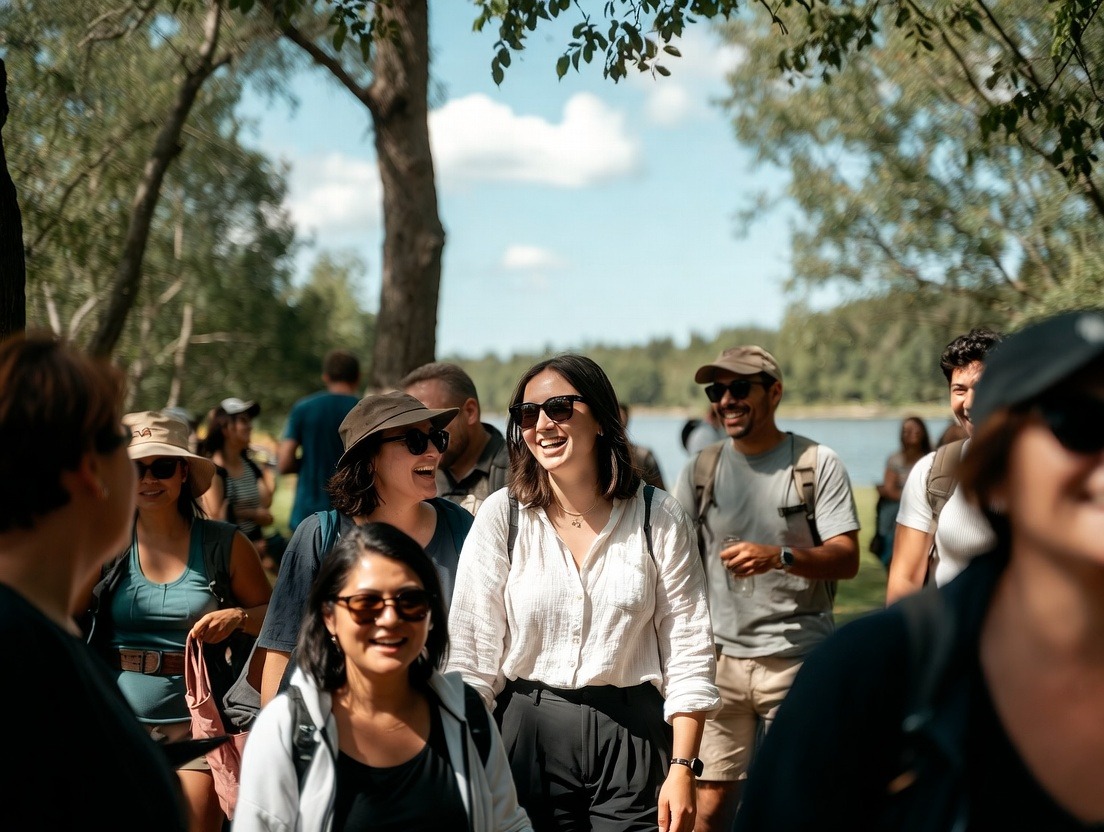
When we think about travel wellness, our minds often default to the short-term fixes of a standard vacation. We imagine surviving a long flight, avoiding Montezuma's revenge, and perhaps squeezing in a hotel gym session between sightseeing. But a long stay—typically defined as anything exceeding two or three weeks—demands a fundamental paradigm shift in how we approach health. It is no longer about temporary maintenance; it is about creating a sustainable lifestyle within a transient context.
The primary distinction lies in the cumulative effect of stressors. On a short trip, your body can run on adrenaline and excitement for a few days. You can power through jet lag, eat rich foods for every meal, and sleep poorly, knowing that you will return to your baseline soon. However, over the course of a month or more, these small insults accumulate. The chronic disruption to your sleep architecture leads to a measurable decline in Heart Rate Variability (HRV), a key marker of your nervous system's resilience. As explained in the beginner-friendly guide to vitality and wellness through smart ring tracking, HRV is essentially the window into your body's ability to handle stress. When it drops and stays low, you enter a state of parasympathetic exhaustion, making you more susceptible to illness, mood swings, and injury.
Furthermore, long-stay travel dismantles the scaffolding of your daily routine. At home, you have subconscious anchors that support your wellness: the morning sunlight you get walking to the train, the specific chair at your desk that supports your posture, the regular mealtimes synced with your work schedule, and your go-to healthy restaurants. Abroad, this scaffolding vanishes overnight. You are faced with hundreds of micro-decisions each day that drain your cognitive bandwidth—where to buy groceries, how to navigate public transport, which water is safe to drink. This phenomenon, known as decision fatigue, is a significant drain on your mental vitality. It depletes the very energy you need to make healthy choices, often leading you to default to convenient, processed foods or skipping exercise because the mental load of figuring out where to run feels too heavy.
Another critical difference is the absence of your social support network. Humans are biologically wired for connection; our nervous systems co-regulate with those we trust. When you remove yourself from friends, family, and even casual acquaintances, you lose a vital buffer against stress. While new friendships made on the road are valuable, they rarely provide the same depth of safety and regulation in the short term. This can lead to a subtle, creeping loneliness that manifests physically as tension, poor sleep, and a weakened immune system.
Finally, long stays often blur the lines between travel and reality, especially for digital nomads or remote workers. You are not in a constant state of leisure. You have deadlines, responsibilities, and the need for productivity. This creates a unique friction: the "vacation" mindset clashes with the "work" mindset. You feel you should be exploring, yet you must also deliver on projects. This internal conflict generates guilt and stress, two emotions that are profoundly detrimental to wellness. Successfully navigating a long stay requires you to build a new routine from scratch, one that honors both your need for adventure and your biological requirements for stability. It is about creating a portable lifestyle, not just packing a suitcase. This is the foundational understanding upon which all effective travel wellness strategies are built.
In the chaos of relocation and adaptation, your internal signals are the first thing to get drowned out. You might feel "off," but you cannot pinpoint why. Are you tired because of the time zone change, or are you coming down with something? Is your irritability due to a stressful day, or is your blood sugar crashing? This is where the modern wellness ring transcends being a simple step counter and becomes an indispensable tool for the long-term traveler. It acts as a portable biology lab, translating the whispers of your body into actionable data.
When you are navigating unfamiliar environments, your objective data becomes your most reliable guide. Your subjective feelings can be misleading, colored by the excitement or stress of your new surroundings. A wellness ring cuts through the noise. For instance, upon waking, you can check your Recovery/Readiness Score, which synthesizes your overnight HRV, resting heart rate, and body temperature. This score provides a clear, objective answer to the question, "How much gas do I have in the tank today?" If the score is high, you have the physiological bandwidth to tackle that strenuous hike or navigate a complex travel day. If it is low, it is a signal to prioritize recovery, perhaps opting for a leisurely walk and an early night instead of pushing through. This is the essence of daily energy management using your smart ring readiness score strategically.
The value of this data multiplies over time. During a long stay, you are not just looking at a single day's snapshot; you are observing trends. Perhaps you notice that your HRV plummets every Wednesday. After a few weeks of observation, you realize this correlates with your weekly video call with a particularly demanding client. This insight allows you to proactively manage that stressor—perhaps by scheduling a recovery walk immediately after the call or practicing breathwork beforehand. Similarly, your ring can track skin temperature, which can be an early indicator of your body fighting an infection or adjusting to a new climate. A sustained elevation might tell you to rest before you actually feel sick, preventing a full-blown illness that could derail weeks of your trip.
Sleep tracking becomes exponentially more important on the road. Your ring doesn't just tell you how long you slept; it analyzes the quality of that sleep—the time spent in deep, REM, and light stages. After crossing time zones, monitoring your sleep stages helps you understand how quickly your body is adapting. You might discover that while you are in bed for eight hours, you are getting very little deep sleep, which explains your persistent grogginess. This data can inform your jet lag recovery protocol, encouraging you to seek morning sunlight to reset your circadian rhythm or to adjust your dinner time to support better sleep architecture.
Perhaps most powerfully, your ring serves as an accountability partner and a validation tool. When you are away from your usual health cues—like your gym class or your partner asking about your day—it is easy to let healthy habits slide. Seeing your data every morning brings your wellness back to the forefront of your consciousness. Moreover, it validates the positive habits you are trying to build. When you make the effort to meditate or choose a healthy meal, and you see a positive impact on your evening HRV or your next day's readiness score, it reinforces that behavior. To understand the full spectrum of what your ring measures, exploring how your wellness ring tracks vitality across multiple health dimensions provides a deeper appreciation for this portable health compass. In the uncertain terrain of long-stay travel, this data-driven self-awareness is not just a convenience; it is a cornerstone of sustained vitality.
If your body is a ship navigating the unknown waters of a long stay, sleep is your mothership—the place you return to for repair, refueling, and restoration. Yet, it is often the first casualty of travel. Strange beds, unfamiliar sounds, different light levels, and lingering time zone shifts conspire to rob you of the deep, restorative slumber your body craves. For the long-term traveler, achieving consistent, high-quality sleep is not a luxury; it is a non-negotiable prerequisite for enjoying the journey and maintaining cognitive function, emotional stability, and physical health.
The challenge begins with the sleep environment itself. Hotels, hostels, and short-term rentals are designed for aesthetics and turnover, not for optimal sleep hygiene. The blackout curtains might have gaps, the pillows might be too flat or too fluffy, and the ambient noise of a foreign city—be it sirens, street vendors, or thin walls—can be jarring. The first step in mastering sleep on the road is to take control of your immediate environment. Pack a sleep kit that includes a high-quality silk or cotton sleep mask to block out errant light, regardless of curtain quality. A pair of comfortable, noise-reducing earplugs can transform a noisy street into a quiet sanctuary. For the truly sensitive, a small white noise machine or a smartphone app playing rain or fan sounds can mask unpredictable disruptions and create a consistent auditory backdrop.
Beyond the physical environment, you must contend with your body's internal clock, or circadian rhythm. Jet lag is the most obvious disruptor, but even when staying within the same time zone, the change in light exposure patterns can confuse your body. Your sleep-wake cycle is primarily regulated by light: sunlight tells your brain to be alert, and darkness triggers the release of melatonin. In a new location, you may be getting light at different times, or perhaps you are spending more time indoors than you realize, disrupting this natural signal. A powerful countermeasure is to seek out natural light, especially in the morning. This helps anchor your circadian rhythm to the new local time. Conversely, in the hours leading up to bedtime, you must be militant about reducing blue light exposure from phones, laptops, and tablets, as this light tricks your brain into thinking it is still daytime.
Your pre-sleep routine, or lack thereof, also plays a monumental role. At home, you likely have a wind-down ritual, even if it is subconscious. On the road, you might find yourself working late, video chatting with friends back home across different time zones, or planning the next day's itinerary right up until the moment your head hits the pillow. This keeps your mind in a state of active engagement, making it difficult to transition into sleep. You must intentionally craft a portable wind-down routine. This could be as simple as reading a physical book for 30 minutes (the blue light from an e-reader can still be disruptive), practicing a gentle yoga flow, writing in a journal to offload anxious thoughts, or performing a 10-minute meditation. The consistency of the routine signals to your nervous system that it is safe to power down, regardless of your geographical location.
Finally, leverage the data from your wellness ring to fine-tune your approach. Pay attention to your sleep stages. If you notice consistently low deep sleep, it might indicate that your room is too warm (cooler temperatures favor deep sleep) or that you are consuming alcohol too close to bedtime. If your REM sleep is suffering, it could be a sign of unmanaged stress or anxiety about your travels. As detailed in the complete beginner-friendly guide to vitality optimization through sleep, optimizing your sleep is the single most effective lever you can pull to improve your overall vitality. By treating your sleep environment and routine with the same seriousness you would at home, you create a portable sanctuary that ensures you wake up每一天 refreshed and ready to embrace your new surroundings.
Food is one of the great joys of travel. It is a gateway to culture, a source of comfort, and a memorable part of any adventure. However, when your stay extends from days into weeks or months, the romanticism of eating every meal out can quickly fade, replaced by the practical challenges of maintaining a balanced diet without a fully equipped kitchen. The lack of control over ingredients, portion sizes, and meal timing can lead to nutritional deficiencies, energy crashes, digestive issues, and unwanted weight gain. Learning to navigate this landscape is crucial for sustaining your vitality.
The first and most effective strategy is to seek out accommodations with at least a minimal kitchenette. Even a small refrigerator, a microwave, and a kettle can dramatically expand your healthy eating options. This allows you to prepare simple breakfasts and lunches, reserving restaurant meals for dinner when you might want a more social or cultural experience. With a fridge, you can stock up on local yogurt, fresh fruit, vegetables, and pre-cooked proteins like hard-boiled eggs or rotisserie chicken from a local market. This simple shift gives you back a degree of control and ensures you have healthy options on hand when hunger strikes, reducing the temptation to grab processed, high-sugar snacks.
When you are reliant on restaurants, the key is to become a strategic diner. This does not mean depriving yourself of local delicacies; it means making mindful choices the majority of the time. Scan menus for dishes that feature lean proteins and vegetables. Don't be afraid to make special requests—ask for sauces or dressings on the side, request extra vegetables instead of rice or fries, or ask if the fish can be grilled instead of fried. In many cultures, these requests are perfectly normal. Furthermore, pay attention to portion sizes. Restaurant portions in many countries, particularly the United States, are notoriously large. Practice listening to your body's satiety cues and stop eating when you are 80% full. You can always take leftovers, but food safety can be a concern if you lack proper refrigeration, so ordering appetizers or sharing main courses are viable alternatives.
Hydration is another critical nutritional component that is often overlooked. Changes in climate, activity levels, and even altitude can dramatically increase your fluid needs. Dehydration is a primary cause of fatigue and brain fog, symptoms that can easily be mistaken for jet lag or travel burnout. Carry a reusable water bottle with you at all times and make a habit of sipping throughout the day. Your wellness ring can offer clues here as well. While it may not directly measure hydration, a consistently elevated resting heart rate, especially one that doesn't correlate with other stressors like poor sleep, can be a physiological sign of dehydration. Pay attention to these signals.
Finally, consider strategic supplementation. It can be challenging to get all the necessary micronutrients from a restaurant-based diet, especially if you have dietary restrictions. A high-quality multivitamin can serve as nutritional insurance. Omega-3 fatty acids, found in fish oil, are powerful anti-inflammatories that support brain health and can help counter the pro-inflammatory effects of travel stress. Vitamin D is another crucial one, especially if you are spending a lot of time indoors working or if you have traveled to a location with less sun than you are used to. By combining accommodation choices, smart restaurant navigation, diligent hydration, and targeted supplementation, you can ensure that your body receives the fuel it needs to sustain your energy and enjoyment throughout your entire stay.

The familiar sanctuary of your gym, with its array of machines, familiar classes, and dedicated space, is often one of the first things left behind when you embark on a long stay. For many, the absence of this structure leads to a complete cessation of exercise, contributing to a decline in physical and mental vitality. However, movement is not contingent on a gym membership. In fact, long-stay travel presents a unique opportunity to rediscover the joy of functional, exploratory, and bodyweight-based fitness. The key is to reframe your perspective from "working out" to "moving with intention."
Your new environment is your gym. Instead of a treadmill, you have the streets of a new city to explore on foot. Walking is arguably the most underrated form of exercise. It is low-impact, improves cardiovascular health, aids digestion, and is a profound mood elevator. Commit to exploring your new neighborhood on foot. Walk to the market instead of taking a bus. Take a different route each day and let curiosity be your guide. If you are near nature, hiking trails become your stair climber and elliptical combined. The uneven terrain engages stabilizing muscles that machines never touch, and the mental health benefits of time in nature are well-documented.
Bodyweight training is your most versatile tool. You can perform a full-body workout anywhere—in a park, on a hotel room floor, or even on a quiet beach—with no equipment whatsoever. Exercises like squats, lunges, push-ups (which can be done against a wall, on knees, or full), planks, glute bridges, and burpees can be combined into a highly effective circuit. Aim for 15-20 minutes of high-intensity bodyweight work three to four times a week. This type of training not only maintains muscle mass and bone density but also provides a powerful metabolic boost. To understand how your body responds to these different forms of exertion, how your wellness ring shows which habits increase your vitality can help you correlate your movement choices with your physiological data.
Incorporating movement into your daily sightseeing or work routine is another effective strategy. If you are working remotely, schedule walking meetings where you take phone calls while strolling. Instead of sitting in a café for hours, adopt a "work-from- café" strategy that involves moving to a new location every hour or two, forcing you to get up and walk. When exploring tourist sites, resist the urge to take the tram or bus for short distances; walk whenever possible. This not only contributes to your step count but also immerses you more deeply in the local atmosphere.
Your wellness ring plays a crucial role in guiding your movement practice. It tracks not just steps, but also active minutes, calorie burn, and the intensity of your activities. More importantly, it provides feedback on the impact of your exercise on your recovery. You might discover that a long, intense hike has a negative impact on your HRV and sleep for two days, suggesting you need to schedule a lighter day afterward. Conversely, you might find that a 20-minute yoga session in the evening significantly improves your sleep quality. This data allows you to periodize your activity intuitively, balancing high-exertion adventure days with active recovery days, ensuring that your movement practice enhances your energy rather than depleting it. For those who want to dive deeper into performance metrics, the beginner-friendly guide to physical vitality ring performance metrics offers a comprehensive overview.
For the long-stay traveler, the initial assault of jet lag is just the beginning. While the acute symptoms—the daytime sleepiness and middle-of-the-night alertness—may fade after a few days, the underlying desynchronization of your internal clock can linger for weeks, subtly undermining your vitality. This is because your circadian rhythm doesn't just control sleep; it orchestrates a vast symphony of biological processes, including hormone release (like cortisol and melatonin), digestion, body temperature regulation, and even cognitive performance. Mastering the transition to a new time zone is therefore essential for a successful extended stay.
The core principle of resetting your circadian rhythm is light management. Your body's master clock, the suprachiasmatic nucleus in your brain, receives direct input from your eyes about the presence and intensity of light. This is your primary Zeitgeber (German for "time giver"), the cue that synchronizes your internal clock with the external world. Upon arrival in a new time zone, you must strategically use light to pull your rhythm in the right direction.
For eastward travel (e.g., New York to London), where you need to advance your clock to fall asleep earlier, the goal is to seek bright light in the early morning of the new local time. This exposure signals to your brain that the day has started and suppresses melatonin, helping you feel alert. Conversely, you must avoid bright light in the late afternoon and evening, as this will further delay your clock and make it harder to fall asleep at the new, earlier bedtime. Wear sunglasses or stay indoors as the evening approaches. For westward travel (e.g., London to New York), where you need to delay your clock, you want to avoid bright light in the early morning and seek it out in the late afternoon and evening. This tricks your brain into thinking the day is longer.
Beyond light, other factors play a supporting role. Meal timing is a potent secondary Zeitgeber. Your digestive system has its own circadian rhythms, and eating at the appropriate local times helps to reset peripheral clocks throughout your body. Upon arrival, try to align your meals with the new local schedule as quickly as possible, even if you aren't hungry. A light, protein-rich breakfast can help signal wakefulness, while a dinner that is not too heavy and finished at least three hours before bed supports better sleep.
Strategic napping is another crucial tool. While the urge to collapse upon arrival is strong, a long nap can cement the wrong sleep-wake cycle by relieving the sleep pressure your body has built up, making it harder to fall asleep at the correct local time. If you must nap, keep it short—a "power nap" of 20 minutes or less—and schedule it in the early afternoon. Avoid napping after 3 PM. Your wellness ring can be your guide here, showing you the quality of your nighttime sleep and your daytime HRV trends. If your data shows extremely fragmented sleep and very low HRV, your body is under significant stress, and you may need to be more aggressive with your light exposure and sleep scheduling. By understanding the principles of vitality and wellness through stress resilience ring hrv training, you can actively train your nervous system to be more adaptable, which is the ultimate goal when your schedule is constantly being disrupted by travel. The dance with your circadian rhythm is a delicate one, but by becoming a master of light, timing, and data, you can minimize the fatigue and step into your new time zone feeling centered and energized.
When we picture long-term travel, we often imagine a state of perpetual relaxation and freedom. The reality, however, is that extended time away from home comes with its own unique and often invisible psychological burden. This "invisible load" consists of the constant low-grade stress of navigating ambiguity, the cognitive drain of a foreign language, the emotional weight of missing loved ones, and the pressure to make the most of every moment. If left unmanaged, this load accumulates, leading to travel burnout—a state of emotional, physical, and mental exhaustion that can cast a shadow over your entire adventure.
The first step in managing this load is to recognize and validate it. It is normal to feel lonely, even in a crowded, exciting city. It is okay to have days where you feel anxious or overwhelmed by simple tasks like buying a SIM card or doing laundry. Acknowledging these feelings as a natural part of the long-stay experience, rather than a personal failing, reduces their power. This self-compassion is a foundational pillar of mental vitality.
Creating micro-structures of predictability within the chaos can provide immense relief. While spontaneity is a joy of travel, having absolutely no routine can be disorienting. Establish a few non-negotiable daily anchors. This could be a morning ritual of making tea and writing in a journal for ten minutes before starting your day. It could be an afternoon walk along a favorite route. It could be a weekly video call with family or a regular visit to a local market. These small routines create islands of familiarity and control in a sea of newness, giving your brain a rest from constant decision-making and adaptation. Your wellness ring can help you identify which of these routines are most beneficial by correlating them with your stress and recovery data. For instance, you might notice that your HRV is consistently higher on days following your morning journaling session, providing objective validation for this practice.
Social connection is an antidote to the isolation of the road. While maintaining ties with home is important, it is equally vital to build a sense of community in your new location. This takes effort and vulnerability. It might mean striking up a conversation with a barista, joining a local hobby group (like a running club or a book club), attending meet-up events for travelers or digital nomads, or simply being a regular at a local café where faces become familiar. These micro-connections, even if they don't turn into deep friendships, provide a sense of belonging and co-regulation that buffers against stress.
Finally, you must learn to give yourself permission to do nothing. The "fear of missing out" (FOMO) can be a relentless driver, pushing you to exhaust yourself by trying to see and do everything. This turns your long stay into an exhausting marathon. It is vital to schedule rest days with no agenda—days dedicated to reading, napping, watching movies, or simply sitting in a park. On these days, your only goal is to recharge. Your wellness ring data will support this need. When you see a string of low readiness scores, it is your body explicitly asking for a rest day. Honoring that data is an act of profound self-care that protects your long-term mental vitality. By managing the invisible load proactively, you ensure that your mind remains as resilient and adaptable as your body, allowing you to truly inhabit and enjoy your journey.
For a growing number of long-stay travelers, particularly digital nomads and remote workers, the line between "being on vacation" and "being at work" is not just blurred—it is entirely erased. Your office is wherever your laptop is. This fusion offers incredible freedom but also presents a unique threat to wellness: the inability to truly disconnect. The glowing screen becomes a portal to both your adventure (planning, navigating, sharing) and your professional obligations, leading to a state of perpetual partial attention that drains mental energy and prevents deep restoration.
The first and most critical boundary to establish is a physical separation between your work and living spaces, if at all possible. In a small apartment or hotel room, this can be challenging, but it is essential for mental hygiene. Designate a specific corner or table as your "office." When you sit there, you are at work. When you step away from that physical space, you are off the clock. Avoid working from your bed or the couch where you relax. If your accommodation is too small to allow for this, make it a rule to leave the house to work. Find a library, a co-working space, or a quiet café. The act of physically commuting, even if just for ten minutes, creates a psychological transition between work mode and personal time that is vital for your brain to compartmentalize.
Time blocking is your next powerful tool. Without the external cues of a traditional office (like coworkers leaving for the day), your workday can easily expand to fill all available hours, especially when you are in a different time zone from your colleagues or clients. Use your calendar ruthlessly. Block out your core work hours and stick to them as rigidly as you would if you were in a physical office. Equally important is blocking out non-negotiable personal time: time for exploring, for exercise, for meals, and for rest. When your work time is finished, close your laptop, turn off notifications for work-related apps, and physically put your devices away. This signals to your brain that the workday is truly over.
The content of your screen time matters as much as the quantity. Endless doom-scrolling through social media, reading stressful news from home, or comparing your travels to curated Instagram feeds can be a significant drain on your mental vitality. This type of passive screen time often masquerades as a break, but it actually keeps your nervous system in a state of low-grade arousal. Replace some of this passive consumption with active, restorative offline activities. Read a physical book. Listen to a podcast or music while looking out the window. Engage in a conversation with someone next to you. Your wellness ring can be an ally here, too. Many rings and associated apps track "restorative time" or allow you to log periods of mindfulness. You can begin to correlate periods of low screen time and high offline engagement with improvements in your evening HRV, providing data-driven motivation to unplug.
Furthermore, use your ring to monitor the physiological cost of your work. You might notice that your stress levels (as measured by continuous heart rate monitoring) spike during certain types of tasks, like video calls or complex problem-solving. This awareness allows you to structure your day intelligently, scheduling demanding cognitive work during your peak energy windows and protecting your recovery time afterward. For the busy professional, this integration of wellness data into workflow management is the key to sustainable productivity on the road. As discussed in vitality and wellness for busy professionals ring-guided energy management, the goal is to work in harmony with your biology, not against it. By creating digital sanctuaries—times and spaces free from the demands of the screen—you protect the mental space needed to truly experience and absorb the richness of your long-term travels.
When you are living out of a suitcase, your immune system is arguably working harder than it does at home. It is constantly being challenged by novel pathogens in new environments, disrupted by changes in diet and sleep, and taxed by the physiological stress of adaptation. A minor cold that you might shake off in a day at home can lay you low for a week on the road, derailing plans and diminishing the quality of your stay. Therefore, a proactive, rather than reactive, approach to immune health is not just advisable; it is essential for a successful long-term journey.
The foundation of a robust immune system on the road is the same as it is at home: sleep, nutrition, stress management, and movement. We have covered these in depth, and it is worth reiterating that they form an interconnected shield. Chronic poor sleep directly suppresses the production of cytokines, proteins that target infection and inflammation. A diet high in processed foods and sugar promotes systemic inflammation, which keeps your immune system in a constant state of high alert, reducing its ability to respond to genuine threats. By diligently attending to these foundational pillars, you are giving your immune system the resources it needs to function optimally.
Beyond the basics, you can employ targeted strategies. Hygiene becomes paramount. While you don't need to live in a sterile bubble, simple practices like frequent and thorough hand-washing, especially before eating and after using public transport, are incredibly effective. Carrying a small bottle of hand sanitizer is a practical backup. Be mindful of high-touch surfaces in public areas—door handles, railings, ATM keypads—and avoid touching your face until you have washed your hands.
Supporting your immune system with key nutrients is another powerful lever. Vitamin C, Vitamin D, and Zinc are the superstars of immune function. While a balanced diet is the best source, supplementation can provide insurance, especially when your diet is inconsistent. Zinc lozenges, in particular, have been shown to reduce the duration of the common cold if taken at the very first sign of symptoms. Probiotics are another valuable consideration. A significant portion of your immune system resides in your gut. Travel, with its dietary changes and potential exposure to unfamiliar bacteria, can disrupt your gut microbiome. Taking a high-quality probiotic can help maintain a healthy gut flora balance, supporting both digestion and immunity.
Perhaps the most powerful tool for immune protection is your wellness ring. It acts as an early warning system, detecting physiological changes before you feel symptomatic. As detailed in how to master fatigue prevention using your smart ring as early warning system, a sustained elevation in your resting heart rate, a drop in your HRV, and an increase in skin temperature often precede the onset of illness by 24 to 48 hours. This is your body's immune system kicking into high gear, consuming energy and creating inflammation to fight off a pathogen.
When you see this signature in your data, you have a critical window of opportunity. This is not the time to push through and go on that strenuous hike. This is the time for an "immune intervention." Immediately prioritize recovery. Cancel non-essential plans, get to bed as early as possible, double down on hydration, and consider immune-supporting supplements like elderberry or extra Vitamin C. By treating these early warning signals with respect, you can often nip a potential illness in the bud or significantly reduce its severity and duration. This proactive, data-informed approach transforms your immune health from a game of chance into a strategic practice, keeping you healthy and vibrant for the duration of your stay.

In the pursuit of seeing and doing it all, long-stay travelers can fall into the trap of treating their journey as a checklist to be completed. This goal-oriented mindset, while productive in some contexts, is the enemy of deep experience and, consequently, of profound wellness. The true richness of a long stay lies not in the quantity of sights seen, but in the quality of moments lived. Cultivating mindfulness and presence is the art of slowing down enough to actually receive the place you are in.
Mindfulness, in its simplest form, is the practice of paying attention to the present moment without judgment. On the road, this means shifting from a mindset of "doing" to a mindset of "being." It is the difference between rushing through a famous museum to see all the highlights and sitting on a bench in one room, truly observing a single painting, noticing the brushstrokes, the play of light, and the emotions it evokes in you. It is the difference between power-walking through a neighborhood to cover ground and meandering without a destination, noticing the scent of bread from a bakery, the sound of children playing in a schoolyard, and the texture of the worn cobblestones beneath your feet.
This practice has profound physiological effects. When you are present, your nervous system shifts from the sympathetic "fight or flight" mode, which is associated with stress and vigilance, to the parasympathetic "rest and digest" mode. This shift lowers your heart rate, reduces blood pressure, and improves digestion. It also has a measurable impact on your Heart Rate Variability (HRV). A state of calm, mindful awareness is associated with higher HRV, indicating a resilient and adaptable nervous system. Your wellness ring can act as a biofeedback device in this regard. You can experiment with short mindfulness practices—a five-minute breathing exercise, a mindful walk, a period of focused attention on a simple task like drinking tea—and then check your stress score or HRV trend in the accompanying app to see the immediate physiological payoff.
Integrating mindfulness into your travel day doesn't require sitting on a cushion for an hour. It can be woven into the fabric of your activities. Practice mindful eating. When you sit down for a meal, put your phone away. Before you take the first bite, look at the food, notice the colors and aromas. Chew slowly and savor the flavors. This not only enhances your enjoyment but also improves digestion by allowing your body to properly engage with the food. Practice mindful walking. Instead of walking from point A to point B with your headphones in and your mind racing, leave the audio at home. Feel your feet connecting with the ground. Notice the temperature of the air on your skin. Observe the details of your surroundings without labeling them as good or bad, just noticing.
Another powerful practice is to keep a simple travel journal, not just of what you did, but of how you felt. Writing down your observations, reflections, and emotional states anchors you in the present and creates a deeper record of your inner journey, complementing the photos of your outer journey. This practice of presence is the secret ingredient that transforms a long stay from a superficial tour into a deeply transformative experience. It is the key to the beginner-friendly guide to spiritual vitality ring-tracked physical benefits, demonstrating that inner peace and presence have tangible, positive effects on your physical health. By slowing down, you paradoxically gain so much more—deeper connections, richer memories, and a profound sense of vitality that comes from truly inhabiting your life, wherever you are in the world.
The journey does not end when your plane touches down on home soil. In many ways, the most challenging and important phase of your long-stay adventure is just beginning. Returning home after an extended period away can trigger a phenomenon known as "reverse culture shock." The place you left, the routines you abandoned, and the person you were may no longer fit quite right. The wellness practices you cultivated so diligently on the road are now put to the ultimate test: can they survive the transition back to "normal" life? The goal of a successful return is not to simply pick up where you left off, but to integrate the best of your travel wellness into your permanent lifestyle.
The first thing to anticipate is the emotional and psychological letdown. While away, your brain was constantly stimulated by novelty. Each day presented new challenges, new sights, and new learning opportunities, which kept dopamine levels high and your mind engaged. Returning to the familiar predictability of home can feel, by comparison, dull or even depressing. This is a normal and temporary reaction. Acknowledge this feeling without judgment. It is a sign that you have grown and changed, and that your environment now needs to catch up.
Use this period as an opportunity for reflection. Before you get fully swept back into your old routines, take some time—a few days, if possible—to transition consciously. Review the data from your wellness ring over the course of your trip. What patterns do you see? What were your highest-readiness days, and what were you doing? What habits correlated with your best sleep and lowest stress? This retrospective analysis is incredibly valuable. You might discover that your vitality was at its peak when you were walking 10,000 steps a day, eating a light breakfast, and getting morning sun. These are not just travel habits; they are universal wellness principles that can be applied anywhere.
Now comes the conscious integration. Pick two or three key habits from your travels that you want to bring home. Perhaps it's the daily morning walk you took to the local market, which you can replace with a walk to a local coffee shop. Perhaps it's the mindful eating practice you developed. Perhaps it's the commitment to screen-free evenings. Trying to adopt every healthy habit you had on the road at once will be overwhelming. Instead, choose a few that felt most impactful and weave them intentionally into your home environment. Your wellness ring will be your guide here as well, showing you how these integrated habits impact your HRV, sleep, and overall readiness once you are back in your familiar setting.
Finally, be gentle with yourself as you re-acclimate. Your body and mind need time to adjust to the time zone, the climate, and the old rhythms of home. Expect some sleep disruption and energy fluctuation for the first week or two. Use the readiness data from your ring to guide your re-entry, just as you did when you arrived at your destination. If your score is low, honor it with rest and light activity. Do not schedule a packed week of social engagements immediately upon return. Give yourself space to decompress, to process your experience, and to gently re-enter your life, bringing the best of your travels back with you. This integration is the final, crucial step in ensuring that your long stay was not just a temporary escape, but a catalyst for lasting, positive change in your vitality and wellness. For a deeper understanding of how to sustain these new practices, the complete beginner-friendly guide to sustainable vitality practices offers a roadmap for making these changes permanent. The adventure continues, not in a far-off land, but right in the heart of your everyday life.
When discussing wellness on the road, hydration is often relegated to a single bullet point: "drink plenty of water." While simple in theory, maintaining optimal hydration during a long stay is a complex physiological puzzle, influenced by climate, altitude, activity levels, diet, and even the air travel that brought you to your destination. Water is the medium through which virtually every metabolic process in your body occurs—from nutrient transport and temperature regulation to joint lubrication and cognitive function. Even mild dehydration, a loss of just 1-2% of body water, can impair mood, concentration, and physical performance, mimicking the very fatigue and brain fog that travelers often attribute to jet lag or burnout.
The first layer of complexity is understanding that your water needs are not static. They fluctuate dramatically based on your environment. A stay in a tropical climate with high humidity means you are losing significant fluids through sweat, even if you don't feel like you are perspiring heavily. Conversely, a dry, arid climate or a high-altitude location (like Cusco or Denver) increases insensible water loss through respiration—you simply breathe out more moisture. Indoor environments are equally deceptive. Air-conditioned spaces and airplane cabins are notoriously dry, continuously pulling moisture from your skin and respiratory tract. If you are moving between these varied microclimates throughout your day, your hydration demands are in constant flux.
Your diet plays an equally significant role. In the earlier section on nutrition, we touched on the challenges of restaurant eating, but the water content of your food is a critical piece of the hydration puzzle. Fresh fruits and vegetables are packed with water and electrolytes. A diet rich in these whole foods contributes substantially to your fluid intake. Conversely, a diet high in processed foods, salty snacks, and restaurant meals (which are often laden with sodium) can increase your body's water requirements. Sodium binds to water, and if you consume a high-sodium meal without adequate fluid intake, your body will pull water from your cells to dilute the sodium in your bloodstream, leading to cellular dehydration. This is why you often feel puffy and thirsty after a particularly salty meal.
Electrolytes are the unsung heroes of hydration. Water alone is not enough. Electrolytes—sodium, potassium, magnesium, and calcium—are minerals that conduct electrical impulses in your body, governing muscle contractions, nerve signaling, and fluid balance. When you sweat, you lose both water and electrolytes. Replacing the water without the electrolytes can dilute the remaining electrolytes in your body, a condition called hyponatremia, which can be dangerous. This is particularly relevant for long-stay travelers who are more active than usual, hiking in heat or spending long days exploring on foot. In these scenarios, plain water should be supplemented with electrolyte-rich fluids. This doesn't necessarily mean sugary sports drinks. Coconut water is a natural source of potassium. You can also buy electrolyte powders or tablets to add to your water bottle. A pinch of high-quality salt and a squeeze of citrus in your water can serve a similar purpose.
Your wellness ring can offer subtle clues about your hydration status. While it doesn't have a sensor that directly measures hydration levels, it tracks metrics that are influenced by it. A consistently elevated resting heart rate that cannot be explained by poor sleep, stress, or illness may be a sign of dehydration, as your heart has to work harder to pump blood when blood volume is reduced due to low fluid levels. Changes in heart rate variability can also reflect the physiological stress of dehydration. Furthermore, if you track your weight (another useful metric for long-stay travelers), a sudden drop of more than 1-2% overnight is almost entirely water loss, signaling that you need to prioritize fluids immediately. The most practical approach is to make hydration a constant, mindful practice. Carry that reusable water bottle everywhere and set a goal to refill it multiple times per day. Learn to read your urine color—pale straw indicates good hydration, while dark yellow is a clear sign you need to drink up. By treating hydration as a dynamic equation rather than a static rule, you ensure that every system in your body has the fluid volume it needs to perform optimally.
The gastrointestinal tract is your body's interface with the outside world, and during long-stay travel, this interface is bombarded with novel stimuli: unfamiliar bacteria in the local water and food, different culinary fats and spices, shifts in meal timing, and the ever-present influence of stress. It is no wonder that digestive issues are among the most common complaints of travelers, ranging from mild bloating and irregularity to more acute disturbances. Your gut health is not just about comfort; it is intricately linked to your immune system, your mood (via the gut-brain axis), and your ability to absorb the nutrients you need for sustained energy. Protecting and supporting your digestive system is therefore a cornerstone of travel wellness.
The concept of the "microbiome"—the vast community of bacteria, fungi, and other microbes living in your gut—is central to this discussion. A healthy, diverse microbiome is resilient and helps fend off pathogens. However, when you travel, your gut is exposed to new microbial strains that your system is not accustomed to. This can temporarily disrupt the delicate balance of your gut flora, leading to dysbiosis. The goal is not to live in a sterile bubble, which would actually weaken your microbial diversity, but to support your gut's resilience so it can adapt to these new challenges without succumbing to distress.
Probiotics are your first line of defense and support. These are live beneficial bacteria that can help reinforce your gut's defenses. Starting a course of high-quality probiotics a week or two before your departure and continuing them throughout your stay can help colonize your gut with friendly bacteria, making it more difficult for harmful pathogens to gain a foothold. They can also help mitigate the digestive upset that often accompanies dietary changes. Fermented foods are another excellent source of natural probiotics. Seek out local specialties like kimchi in Korea, sauerkraut in Germany, kefir in Eastern Europe, or yogurt in the Middle East. Incorporating these into your diet provides a dual benefit: a culinary cultural experience and a boost for your gut health.
Prebiotics are just as important as probiotics. These are types of fiber that feed your beneficial bacteria, helping them thrive and multiply. Unfortunately, a diet heavy in restaurant food and refined carbohydrates is often low in prebiotic fiber. Make a conscious effort to seek out sources of prebiotics: garlic, onions, leeks, asparagus, bananas, oats, and legumes. If you have access to a market, stocking up on these whole foods can make a significant difference, even if you are mostly eating out.
Hydration, as discussed, is also critical for digestion. Water is essential for the breakdown of food and the smooth transit of waste through your intestines. Dehydration is a primary cause of constipation, a common complaint among travelers whose routines have been disrupted. Furthermore, be mindful of food and water safety, especially in regions with different sanitation standards. While you don't need to be paranoid, basic precautions—drinking bottled or filtered water if the tap water is suspect, avoiding raw foods washed in tap water, and ensuring meats are thoroughly cooked—can prevent acute illness.
Your wellness ring can provide indirect but valuable feedback on your digestive health. While it won't tell you that you have a gut imbalance, it will reflect the systemic stress that digestive distress causes. A bout of food poisoning or even significant bloating will activate your sympathetic nervous system, leading to a measurable drop in HRV and a potential rise in resting heart rate. You might also notice disruptions in your sleep architecture, as an unhappy gut can interfere with deep, restorative sleep. By paying attention to these signals, you can correlate them with dietary choices. Perhaps you notice that your HRV plummets on nights after you've eaten a heavy, late dinner. This data becomes a powerful guide, encouraging you to eat lighter and earlier to support both your digestion and your recovery. For a deeper dive into this connection, the beginner-friendly guide to digestive vitality ring health markers explores how your physiology reflects your gut health. By treating your digestive system with the care and attention it deserves, you ensure that it remains a source of energy and resilience, not discomfort and disruption.

Humans are fundamentally social creatures. Our evolutionary success is built on our ability to form tribes, cooperate, and communicate. This hardwiring means that our nervous systems are designed to co-regulate with others; being in the presence of trusted individuals lowers our cortisol levels and increases our sense of safety. When you embark on a long stay, you voluntarily remove yourself from your established social tribe. While the freedom is exhilarating, the resulting social void can be a significant and often underestimated source of stress. Loneliness is not merely an emotional state; it is a physiological stressor that can elevate inflammation, disrupt sleep, and impair immune function, directly undermining your physical vitality.
The first step in combating loneliness is to distinguish between being alone and feeling lonely. Solitude, when chosen, can be restorative and creative. Loneliness is the distressing feeling of disconnect, of being unseen and unknown. On a long stay, you will inevitably experience both. The key is to proactively build a social scaffold in your new environment, transforming a foreign place into a community.
This requires intentional effort and a willingness to be vulnerable. Unlike at home, where social connections often form organically through work, school, or shared history, on the road you must actively create opportunities for interaction. Start by becoming a "regular" somewhere. Choose a local café, a park bench, or a community gym and visit it frequently. Over time, faces become familiar, and brief nods of recognition can evolve into brief conversations. These micro-interactions, while seemingly insignificant, provide small doses of social connection that can buffer against the feeling of invisibility.
Leverage your interests to find your people. If you are a runner, look for local running clubs via apps like Meetup or Strava. If you practice yoga, drop into the same studio multiple times. If you are passionate about photography, join a local photography walk. Shared activities provide a natural context for conversation and connection, bypassing the awkwardness of cold approaches. For the digital nomad, co-working spaces are invaluable. They are not just places with good Wi-Fi; they are social hubs designed for collaboration and networking. Many host regular events like lunches, happy hours, or skill-sharing sessions, providing structured opportunities to meet like-minded individuals.
Maintaining ties with home is equally important, but balance is crucial. Constant video calls can sometimes heighten the feeling of distance and prevent you from fully engaging with your new surroundings. Instead of frequent, brief check-ins, consider scheduling deeper, less frequent calls. Use asynchronous communication like voice notes or emails to share experiences without the pressure of real-time scheduling across time zones. This allows you to stay connected to your roots while your energy is focused on putting down new ones.
Your wellness ring can offer insights into your social wellness, even if indirectly. You might notice that your HRV and stress levels improve on days when you have had positive social interactions. Conversely, you might see a decline after a period of isolation. This data can validate the importance of your social efforts and motivate you to continue reaching out, even when it feels tiring. Exploring the beginner-friendly guide to social vitality ring health connections can further illuminate how your relationships impact your physiology. Building a new social fabric from scratch takes time and energy, but the payoff—a sense of belonging, shared laughter, and the profound physiological benefits of connection—is essential for thriving during your long stay.
While building a new social circle is one challenge, navigating the complex web of relationships you bring with you or develop on the road adds another layer of emotional complexity to long-stay travel. For those traveling with a partner, the 24/7 nature of being together in a new environment can be both a bonding experience and a pressure cooker. For those leaving a partner behind, maintaining a long-distance relationship requires intentional effort and emotional resilience. And for everyone, the friendships you forge on the road, while intense and beautiful, come with the inherent understanding that they may be temporary.
If you are traveling with a partner, the dynamics of your relationship will inevitably shift. Removed from your usual roles, routines, and support networks, you become each other's primary source of stability and, at times, your primary source of frustration. The key to thriving as a travel duo is to establish intentional space and autonomy within the togetherness. This means consciously scheduling alone time, even if it's just an hour in the afternoon to read separately or pursue individual interests. It means dividing responsibilities—navigating, booking accommodation, researching activities—so that one person doesn't become the "cruise director," leading to resentment. It also means communicating openly about stress and expectations, recognizing that irritability is often a symptom of travel fatigue rather than a relationship issue. Having a shared wellness practice, like a morning walk together or reviewing your readiness scores and planning your day accordingly, can create a collaborative team dynamic focused on mutual support.
For those in long-distance relationships, the challenge is maintaining intimacy and connection across miles and time zones. The absence of physical proximity and shared daily experiences can create a sense of drift. To counter this, move beyond mundane "check-in" calls. Schedule "date nights" where you cook the same meal over video call, watch a movie simultaneously while on the phone, or play an online game together. Share your experiences deeply, not just by reporting what you did, but by describing how you felt. Send photos, voice notes, and even physical postcards to create tangible touchpoints. It is also crucial to manage expectations and discuss boundaries regarding communication frequency and what you each need to feel secure. Jealousy and insecurity can flourish in the vacuum of distance, so transparency and reassurance become paramount.
The friendships you make on the road are a unique breed. The shared experience of being a traveler creates a powerful bond that can develop much faster than friendships at home. You might find yourself sharing deep personal stories with someone you met two days ago. These connections are gifts, but they can also be sources of grief when paths diverge. The key is to embrace them for what they are: intense, present-moment connections. Practice non-attachment. Enjoy the depth of conversation, the shared adventures, and the mutual support, without clinging or expecting the friendship to translate into your life back home. In the age of social media, it's easier than ever to stay loosely connected, but the intense, daily proximity will likely fade. Honor the connection for the role it played in your journey.
Throughout all these relational dynamics, your wellness ring can serve as a subtle emotional barometer. You might notice that difficult conversations with a long-distance partner tank your HRV for the evening, signaling a need for extra self-care and recovery afterward. You might observe that the excitement of a new friendship elevates your energy and improves your sleep. By paying attention to these physiological echoes of your emotional life, you can navigate your relationships with greater awareness and intentionality, ensuring that they remain sources of vitality rather than drains on your well-being.
Discussions of travel wellness almost exclusively focus on physical and mental health, but there is a third, equally critical pillar that can silently undermine both: financial wellness. The stress of managing money in an unfamiliar context, dealing with fluctuating exchange rates, unexpected expenses, and the anxiety of watching your savings dwindle without a clear endpoint, can be a profound and persistent drain on your vitality. Financial worry activates the same stress pathways as any other threat, elevating cortisol, disrupting sleep, and impairing cognitive function. For the long-stay traveler, mastering the financial side of the journey is not just about practicality; it is an essential act of self-care.
The first step is radical transparency and planning. Before you even depart, you should have a realistic budget that accounts not just for accommodation and food, but for the myriad hidden costs of long-term travel: travel insurance, visas, transportation between locations, laundry, data plans, and a contingency fund for emergencies. The more accurate your budget, the less anxiety you will carry about the unknown. During your stay, tracking your expenses becomes a non-negotiable habit. Use an app like YNAB (You Need A Budget), Trail Wallet, or even a simple spreadsheet to log every single purchase. This practice serves two purposes: it prevents you from overspending unknowingly, and it provides a sense of control and visibility that is the antidote to financial anxiety. When you can see exactly where your money is going, it loses some of its power to cause fear.
The logistics of accessing and managing money abroad add another layer of complexity. Notify your bank and credit card companies of your travel plans to avoid having your cards frozen. Carry at least two different payment methods (e.g., two credit cards from different providers) and a backup source of emergency cash in case of theft or technical issues. Be aware of foreign transaction fees and ATM withdrawal limits, which can eat into your budget and create inconvenient situations. Consider opening a fee-free checking account designed for travelers, or a credit card with no foreign transaction fees. These logistical preparations, while mundane, remove friction and prevent the spike of stress that comes from a declined card or an unexpected fee.
Perhaps the most insidious financial stressor is the psychological weight of "burning through" savings. For many, long-term travel represents a break from earning, and watching your bank account balance decline can trigger deep-seated anxieties about security and the future. This is where mindset work becomes essential. Reframe your spending not as a loss, but as an investment in experiences, personal growth, and your long-term well-being. Acknowledge that this is a chosen period of your life with a defined financial boundary. If you are a digital nomad or remote worker, the pressure to earn while traveling can blur the lines between work and life, creating the "always on" mentality we discussed earlier. Setting clear income goals and boundaries around work time can help contain this anxiety.
Your wellness ring will reflect the physiological cost of financial stress. You may notice periods of low HRV and elevated resting heart rate that correlate with days you were balancing your budget or worrying about an upcoming expense. This data is a powerful reminder that money worries are not just "in your head"—they have real, physical consequences. Using this awareness, you can implement stress-reduction techniques—a walk, breathwork, a mindfulness practice—specifically on days when financial anxiety is high. By treating your financial health with the same rigor and attention as your physical health, you remove a major obstacle to true relaxation and presence, allowing you to fully inhabit the experience you worked so hard to create.
Your Trusted Sleep Advocate: Sleep Foundation — https://www.sleepfoundation.org
Discover a digital archive of scholarly articles: NIH — https://www.ncbi.nlm.nih.gov/
39 million citations for biomedical literature :PubMed — https://pubmed.ncbi.nlm.nih.gov/
Experts at Harvard Health Publishing covering a variety of health topics — https://www.health.harvard.edu/blog/
Every life deserves world class care :Cleveland Clinic - https://my.clevelandclinic.org/health
Wearable technology and the future of predictive health monitoring :MIT Technology Review — https://www.technologyreview.com/
Dedicated to the well-being of all people and guided by science :World Health Organization — https://www.who.int/news-room/
Psychological science and knowledge to benefit society and improve lives. :APA — https://www.apa.org/monitor/
Cutting-edge insights on human longevity and peak performance:
Lifespan Research — https://www.lifespan.io/
Global authority on exercise physiology, sports performance, and human recovery:
American College of Sports Medicine — https://www.acsm.org/
Neuroscience-driven guidance for better focus, sleep, and mental clarity:
Stanford Human Performance Lab — https://humanperformance.stanford.edu/
Evidence-based psychology and mind–body wellness resources:
Mayo Clinic — https://www.mayoclinic.org/healthy-lifestyle/
Data-backed research on emotional wellbeing, stress biology, and resilience:
American Institute of Stress — https://www.stress.org/


