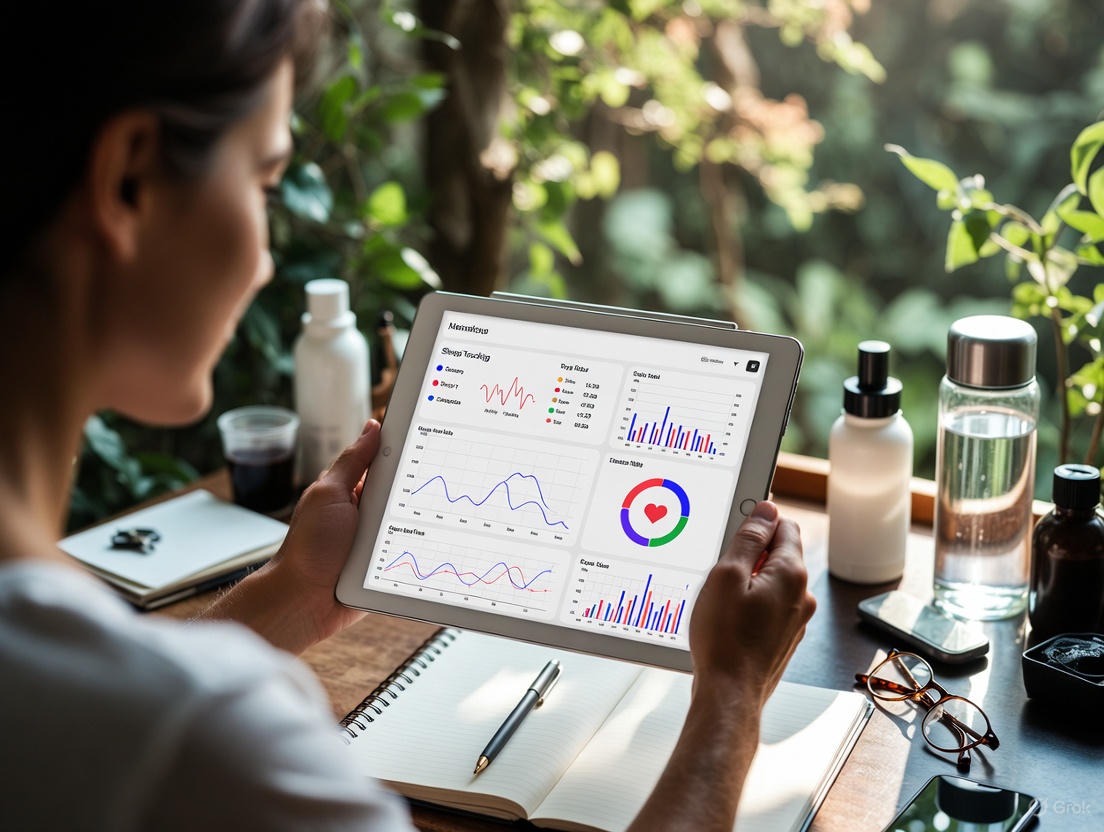
The Complete Beginner-Friendly Guide to Sustainable Vitality Practices
A guide to sustainable practices for long-term vitality.
The Complete Beginner-Friendly Guide to Sustainable Vitality Practices
We are living in an age of unprecedented wellness information, yet a time of profound vitality deficit. We have more data, more hacks, and more bio-optimization protocols at our fingertips than any generation before us. So why do so many of us still feel perpetually drained, mentally foggy, and disconnected from our own energy? The answer lies not in the quantity of information, but in its application. We’ve become collectors of tips and tricks, often treating our bodies like machines to be tuned, rather than the intelligent, dynamic ecosystems they are.
Sustainable vitality is not a peak performance hack. It is not about grinding through 20-hour days on bulletproof coffee or forcing your body into a rigid template of “optimal” biomarkers. True, lasting vitality is a gentle, resonant state of being where your physical energy, mental clarity, and emotional equilibrium flow from a foundation of deep self-awareness and aligned practices. It’s the difference between a flash flood and a perennial spring. One is destructive and fleeting; the other is renewing, consistent, and life-giving.
This guide is your map to becoming that spring. We’re moving beyond the noise of toxic productivity culture and superficial wellness trends. Instead, we will build from the ground up, starting with the most critical—and most overlooked—skill for modern wellness: learning the language of your own body. In a world that teaches us to ignore our bodily signals in favor of external demands, reclaiming this awareness is the first and most revolutionary step toward sustainable vitality.
Forget what you think you know about health optimization. We are beginning a journey back to basics, armed not with restrictive rules, but with curiosity, supported by modern tools that can illuminate the subtle whispers of your physiology. This is where your vitality story truly begins.
What is Sustainable Vitality? Redefining Energy for the Modern World
For decades, “energy” in the wellness lexicon has been synonymous with stimulants. It’s the afternoon caffeine spike, the pre-workout powder that makes your skin tingle, the sugar rush that promises focus. This is borrowed energy, and it always comes with interest. The crash, the burnout, the adrenal fatigue—these are the bills coming due.
Sustainable vitality flips this model on its head. Think of it as your personal energy sovereignty. It’s the capacity to generate, maintain, and renew energy from within, using resources and rhythms that are inherently replenishing rather than depleting. It’s energy that is resilient to stress, adaptable to change, and available to you consistently, not in unpredictable surges and crashes.
A person operating from sustainable vitality doesn’t just get through the day; they move through it with a sense of agency and presence. Their work is focused, their rest is deep, their recovery is efficient, and their mood is stable. They have a reservoir of resilience to handle life’s inevitable stressors without collapsing into illness or exhaustion.
The Three Pillars of Sustainable Vitality:
Consistent Physical Energy: This isn't about being "amped up." It’s the reliable feeling that your body has the fuel and functional capacity to do what you ask of it, from mental tasks to physical movement, without a pervasive sense of fatigue or heaviness.
Dynamic Mental & Emotional Equilibrium: Your mind is clear, focused, and creative, but not frantic. Your emotional state is responsive to life—you feel joy, sadness, frustration—but these feelings don’t hijack your system for days. You can return to a baseline of calm.
Resilient Physiological Foundation: This is the unseen infrastructure: a nervous system that can flex between activity (sympathetic) and restoration (parasympathetic), a robust immune response, balanced hormones, healthy cellular function, and efficient digestion. This foundation is what makes the first two pillars possible.
The path to this state is not found in a single supplement or life-changing app. It is built through practices—small, repeatable, intentional actions that, over time, reshape your baseline. And the most fundamental practice of all, the one that informs every other choice you make, is learning to listen. Before you can optimize, you must observe. Before you can change, you must understand. This brings us to the non-negotiable core skill for the modern seeker of vitality: body awareness.
The Non-Negotiable Foundation: Why Body Awareness is Your First Vitality Skill
If sustainable vitality is a house, body awareness is the bedrock upon which it is built. You cannot build something lasting on sand. Yet, our modern lifestyle is a masterclass in teaching us to ignore our internal landscape. We work through hunger pangs, numb discomfort with entertainment, push past exhaustion with caffeine, and interpret the knot in our stomach as a mere inconvenience rather than a critical message.
Body awareness, or interoception, is your brain’s ability to sense, interpret, and integrate the signals originating from inside your body. It’s the conscious perception of your heartbeat, breath, hunger, fullness, temperature, muscle tension, and gut feelings. This is your body’s native language—a constant, real-time data stream about your state of being.
Why is this the #1 skill for vitality?
It Turns Off Autopilot: Most of our health-undermining habits are unconscious. The mindless snacking when stressed, the late-night scrolling that steals sleep, the skipped meals because we’re “too busy.” Body awareness interrupts this autopilot. It creates a moment of choice between stimulus and reaction. You feel the stress arise as a tight chest before you reach for the cookie, allowing you to choose a breath exercise instead.
It Provides Personalization at its Purest: No generic diet, sleep schedule, or workout plan can match the precision of your own body’s guidance. Your body tells you exactly what it needs, when it needs it. Do you need vigorous movement or gentle stretching today? Is that afternoon slump a call for caffeine or a five-minute walk in the sun? Body awareness is the ultimate personalization tool. As explored in our discussion on understanding your body's daily signals, learning this language is the first step to truly customized care.
It Prevents Burnout and Injury: Your body sends "whispers" long before it starts "screaming." Subtle fatigue is a whisper; burnout is a scream. A slight stiffness is a whisper; a torn muscle is a scream. By honing your awareness, you learn to recognize the whispers—the early signs of stress, overtraining, or illness—and respond proactively. This is a cornerstone of sustainable practice, helping you recognize stress signals early to maintain balance.
It Deepens the Mind-Body Connection: We often treat our minds and bodies as separate entities. Body awareness erases this false division. You begin to see how anxiety feels in your body (clammy hands, quickened breath). You notice how a nourishing meal feels (warm satisfaction, stable energy). This connection is the gateway to managing your mental and emotional state through physical practices and vice versa. For a deeper dive into this powerful link, our guide on the mind-body connection explores its profound role in overall wellness.
Developing this skill in our distraction-rich world is a practice in itself. It requires intention. But what if you had a guide? A tool that could translate your body’s subtle, internal language into clear, objective data you can see and understand? This is where the modern seeker of vitality finds a powerful ally: the smart wellness ring.
Your Silent Partner in Awareness: How a Wellness Ring Bridges Intuition and Data
For the beginner, the journey into body awareness can feel abstract. “Am I imagining this tightness?” “Is my energy low, or am I just bored?” “How do I know if I’m recovering well?” This is where technology, when used wisely, can serve as a profound teacher.
A smart wellness ring, worn continuously, acts as a bridge between your subjective feeling and objective physiological data. It’s like having a compassionate, non-judgmental translator for your body’s language.
Think of it this way: Your body whispers a signal ("I feel off today"). Your conscious mind might misinterpret or ignore it. But your smart ring is listening to the same whisper at a physiological level—tracking your heart rate, its variability, your skin temperature, your blood oxygen, and your movement. It then shows you the data: "Your resting heart rate is 8 BPM higher than your baseline, and your heart rate variability is low. Your body is indicating elevated stress or that it may be fighting something."
This feedback loop is transformative. It validates your intuition. That vague feeling of being "run down" is now connected to tangible data. This validation builds trust in your own internal signals. Over time, you rely less on the ring to tell you what you’re feeling and more as a confirmation of your growing self-awareness. This process of using smart ring feedback to build body awareness habits is a game-changer for developing sustainable self-knowledge.
Key Ways a Wellness Ring Amplifies Your Vitality Practice:
Makes the Invisible, Visible: You cannot feel your Heart Rate Variability (HRV)—a key biomarker of nervous system resilience and recovery status. The ring shows it to you, helping you understand your body’s readiness and energy fluctuations on a deeper level.
Reveals 24/7 Patterns: Our memory of how we slept or how stressed we felt is often flawed. The ring provides an accurate, night-long picture of your sleep stages, disturbances, and overall quality, illuminating the critical sleep-body connection. It shows your stress and recovery patterns throughout the entire day, not just during a workout.
Provides a Personal Baseline: Instead of comparing yourself to population averages, you learn what is normal for you. Your own data becomes your most important benchmark. Is your temperature trending slightly upward? Is your respiratory rate changing? These subtle shifts, which you’d never feel, can be early indicators worth noting. Our complete ring data dictionary is an excellent resource for understanding what each metric means for your personal baseline.
Teaches Cause and Effect: Did that late dinner actually disrupt your sleep? Did the 20-minute meditation lower your daytime stress? Did a hard workout two days ago impact your recovery score today? The ring helps you connect your lifestyle choices to their direct physiological consequences, accelerating your learning curve.
The goal is not to become enslaved to the data, but to use it as a mirror and a teacher. It’s about bridging data and body awareness to create a holistic picture of your health. With this foundation of awareness, supported by gentle technology, we can now begin to build the specific practices that constitute a life of sustainable vitality. We start with the master regulator of it all: your nervous system.
Mastering Your Inner Rhythm: The Nervous System as Your Vitality Dashboard
Imagine trying to charge your phone while simultaneously streaming a movie, downloading files, and running a graphics-heavy game. The battery would drain rapidly, the device would get hot, and performance would suffer. This is a perfect metaphor for what happens when our nervous system is stuck in a constant state of "doing" without adequate "recharging."
Your autonomic nervous system (ANS) is the control center for your vitality. It has two primary branches that should work in a dynamic, fluid rhythm:
The Sympathetic Nervous System (SNS): Your "accelerator." It’s essential for focus, action, meeting deadlines, exercising, and responding to challenges. It raises heart rate, blood pressure, and mobilizes energy. In our modern world, this system is often chronically engaged.
The Parasympathetic Nervous System (PNS): Your "brake" and "charger." This is the state of "rest and digest," of recovery, repair, immune function, and calm. This is where sustainable vitality is replenished.
Sustainable vitality is not about living in the parasympathetic state all the time. That would be lethargy. It’s about nervous system flexibility—the ability to press the accelerator when needed for purposeful action, and then efficiently engage the brake to recover, repair, and restore. The problem for most people is a sticky accelerator and a brake that barely works.
This dysregulation is the root of countless vitality issues: poor sleep despite exhaustion, inability to relax, slow recovery from exercise or illness, digestive troubles, anxiety, and a constant low-grade feeling of being "on edge."
How to Gauge Your Nervous System State:
This is where body awareness and your wellness ring converge. You can’t directly feel your ANS, but you can observe its outputs.
Body Awareness Cues: A racing mind, shallow chest breathing, clenched jaw, tight shoulders, butterflies in the stomach, feeling rushed or irritable.
Ring Data Indicators: A low Heart Rate Variability (HRV) is one of the clearest signs your nervous system is under stress and your recovery capacity is low. An elevated resting heart rate (RHR), especially upon waking, can also indicate SNS dominance. Your ring’s "stress" or "readiness" score is a direct interpretation of these signals.
Practices to Cultivate Nervous System Flexibility:
The path to a resilient ANS is through consistent, gentle practices that strengthen your parasympathetic "brake."
Diaphragmatic Breathing: This is not just "deep breathing." It’s slow, deliberate breathing that engages the diaphragm, stimulating the vagus nerve—the main highway of the PNS. Practice: Inhale for 4 seconds, gently expanding your belly. Exhale for 6 seconds, letting your belly fall. Aim for 5-10 minutes daily.
Strategic Rest Breaks: Schedule 2-3 minute "reset" breaks throughout your day. Step away from screens. Look out a window at something distant. Stretch. These micro-breaks prevent SNS activation from becoming a chronic state.
Nature Immersion (Even Micro-Doses): A 10-20 minute walk in a park, without headphones, focusing on the sights and sounds of nature, has a profoundly calming effect on the ANS. This is a powerful body-awareness approach to stress management.
Progressive Muscle Relaxation: Systematically tense and then relax different muscle groups, from your toes to your forehead. This teaches your body the direct sensation of releasing tension, a key body-awareness skill for improving sleep quality and overall calm.
By starting your day with a check-in—both through how you feel and what your ring’s readiness score suggests—you can intentionally choose practices that support your nervous system’s needs for that day. This master skill of self-regulation flows directly into the next pillar of vitality: the energy that fuels every single cell in your body.
Metabolic Vitality: Moving Beyond Food as Fuel to Food as Information
We’ve been taught to think of food in terms of calories—energy in, energy out. This simplistic model ignores the profound complexity of metabolism. Food is not just fuel; it is information. Every bite sends instructions to your genes, your hormones, your immune system, and your gut microbiome. Sustainable metabolic vitality is about choosing foods that send the right messages: messages of stability, repair, and steady energy release, rather than messages of inflammation, hormonal chaos, and energy crashes.
The goal is metabolic flexibility: your body’s ability to efficiently switch between using different fuel sources (primarily carbohydrates and fats) based on availability and demand. A metabolically flexible person has stable energy, doesn’t get "hangry," maintains a healthy body composition more easily, and is more resilient to metabolic disease.
How Body Awareness Guides Your Metabolism:
This is where moving beyond rigid diet rules becomes essential. Your body’s signals are your most precise dietary guide.
Hunger vs. Appetite: True, physiological hunger comes on gradually, often with a hollow sensation in the stomach, and is open to many food options. Emotional or habitual appetite is sudden, often craves a specific food, and is tied to a feeling (stress, boredom, sadness). Learning this distinction is a fundamental body-awareness basics skill for understanding hunger and fullness.
Energy & Mood After Eating: How do you feel 30-60 minutes after a meal? Energized, focused, and satisfied? Or sleepy, bloated, and foggy? This post-meal feedback is critical data. It tells you which foods are truly nourishing your unique system.
Cravings as Communication: A craving for salty food could indicate electrolyte imbalance or adrenal stress. A craving for quick sugar often follows a blood sugar crash from a previous high-carb meal. Instead of judging a craving, get curious about what it might signal.
How Your Wellness Ring Provides Metabolic Insights:
Your ring can’t see what you eat, but it measures the downstream effects of your dietary choices on your physiology.
Resting Heart Rate & HRV: A meal that causes significant inflammation or a blood sugar rollercoaster can lead to a higher RHR and lower HRV during the night, as your body works harder to process it. Over time, you can see which eating patterns support your best recovery scores.
Sleep Quality: Heavy, late, or inflammatory meals can disrupt sleep architecture, leading to more awakenings, less deep sleep, and a higher sleep disturbance score. The ring makes this gut-brain awareness connection visibly clear.
Temperature Trends: Some women can track subtle temperature shifts related to their cycle and see how diet impacts these patterns. For everyone, a consistently elevated temperature trend can sometimes indicate systemic inflammation.
Foundational Practices for Metabolic Vitality:
Prioritize Protein & Healthy Fats at Every Meal: This duo provides satiety, steady energy, and essential building blocks for hormones and cells, without spiking blood sugar.
Embrace Fiber-Rich, Colorful Plants: These provide prebiotics for your gut microbiome, antioxidants to combat oxidative stress, and a myriad of phytonutrients that act as beneficial information for your cells.
Mind Your Meal Timing: Experiment with a consistent eating window (e.g., 10-12 hours) to give your digestive system a daily rest period, which can support metabolic health. Listen to your true hunger signals to define this window, rather than an arbitrary clock.
Hydrate with Intention: Often, thirst is mistaken for hunger. Start your day with a glass of water and sip consistently. Your ring’s temperature health connection data can also remind you that proper hydration is key to thermoregulation.
By marrying the internal wisdom of your hunger and energy cues with the external data on your recovery and sleep, you create a personalized, dynamic, and sustainable approach to eating for vitality. This stable energy platform is what allows you to engage with the next element: purposeful movement.
Movement as Nourishment: Building a Sustainable, Body-Led Movement Practice
The fitness industry often sells movement as punishment—a way to "burn off" calories or sculpt an idealized body. This mindset turns movement into a stressful chore, another demand on an already taxed nervous system. For sustainable vitality, we must reframe movement as nourishment and pleasure. It is a way to celebrate your body’s capability, to release tension, to stimulate lymphatic flow, to boost mood, and to build resilient tissue—not to break yourself down.
A sustainable movement practice is intuitive, varied, and responsive to your body’s daily needs. Some days, that’s a vigorous sweat. Other days, it’s a gentle walk or restorative yoga. The key is listening.
How Body Awareness Transforms Movement:
This is the antidote to "no pain, no gain." By tuning in, you move from forcing to flowing.
The Warm-Up is a Conversation: Instead of going through generic motions, use your warm-up to check in. How do your joints feel? Is there stiffness or asymmetry? Where is there tension? Let this internal scan guide your movements.
Intensity is a Dial, Not a Switch: During activity, your perceived exertion and breath are your best guides. Can you hold a conversation? Are you breathing heavily but rhythmically? Or are you gasping, and has your form broken? This is your body saying "this is my current limit." Honoring this builds safety and longevity. This is the core of a body-awareness approach to exercise and movement.
Pain vs. Discomfort: Learning this distinction is crucial. Discomfort from muscular fatigue is a sensation of "burn" and is diffuse. Pain is sharp, shooting, or localized in a joint. Discomfort can often be breathed through with good form; pain is a command to STOP. This skill is vital to prevent injury and illness.
The Post-Movement Check-In: How do you feel 2 hours after moving? Energized and loose, or drained and achy? This feedback tells you if the type, duration, and intensity of movement were appropriate for you that day.
How Your Wellness Ring Informs Your Movement Strategy:
Your ring provides the objective recovery data to complement your subjective feelings, helping you balance stress and adaptation.
Recovery/Readiness Score: This is your single best guide for daily movement intensity. A low score suggests your body is dealing with other stressors (poor sleep, illness, emotional stress) and would benefit from gentle movement or complete rest. A high score suggests you have capacity for more challenging training. Following this guidance prevents overtraining.
Resting Heart Rate & HRV Trends: Consistently pushing hard when these metrics are trending negatively is a recipe for burnout and injury. The ring helps you see the cumulative load. It can reveals patterns you can't feel, like a slowly climbing RHR that indicates you need a deload week.
Sleep Data: Intense exercise too late in the day can raise core body temperature and stimulate the nervous system, impairing sleep for some people. Your sleep data will show you if your movement timing is working for you.
Building a Vitality-Focused Movement Practice:
Embrace Daily Non-Exercise Movement (N.E.A.T.): This is the foundation. Walking, taking the stairs, gardening, stretching while watching TV—this low-grade movement supports circulation, joint health, and metabolic rate without systemic stress.
Follow a Cycle of Stress & Soothe: Plan your week with variety. A strength day, a cardio day, a mobility/yoga day, and complete rest days. Let your ring’s recovery score guide which activity goes on which day.
Incorporate Play: Dance, hike a beautiful trail, play a recreational sport. Movement that brings joy is inherently sustainable and nourishing to your nervous system.
Prioritize Recovery as Part of the Practice: The adaptation and strength-building happen during recovery. Foam rolling, gentle stretching, contrast showers, and especially sleep are not optional extras; they are integral parts of your movement practice.
When movement becomes a dialogue—a way to explore and care for your body—it ceases to be a drain and becomes a profound source of vitality. And the single most important partner to movement in the recovery process is the one we systematically neglect in the modern world: sleep.
The Unsung Hero of Vitality: Mastering the Art of Restorative Sleep
You cannot hack your way to sustainable vitality with poor sleep. Full stop. Sleep is the non-negotiable, foundational practice during which 90% of your body’s repair, detoxification, memory consolidation, and hormonal regulation occurs. It is the ultimate vitality reset button. Yet, we treat it as a flexible commodity, often sacrificing it for productivity or entertainment.
Restorative sleep isn’t just about quantity (though 7-9 hours is the general sweet spot). It’s about quality and consistency. It’s about progressing smoothly through the essential cycles of light, deep, and REM sleep, with minimal disruptions.
Body Awareness and the Sleep-Wake Cycle:
Your body sends clear signals about its sleep needs, but we’ve learned to override them with artificial light and stimulation.
Evening Wind-Down Cues: Heavy eyelids, yawning, a drop in body temperature, and a natural decrease in mental alertness are your body’s melatonin-release signals, preparing you for sleep. Ignoring these to scroll or watch another episode pushes your circadian rhythm out of sync.
Recognizing Sleep Debt: That feeling of being "tired but wired," of relying on caffeine to function, of irritability and poor focus—these are the classic signs of accumulated sleep debt. This is your body screaming for a priority reset.
The Wake-Up Signal: Waking naturally, without an alarm, feeling refreshed, is the gold standard of aligned sleep. If you constantly need an alarm and hit snooze, your sleep duration or quality is insufficient.
How Your Wellness Ring Becomes Your Sleep Coach:
A ring provides an unparalleled, objective view of your sleep architecture, moving beyond guesswork.
Sleep Stages Breakdown: Seeing how much deep (physical restoration) and REM (mental/emotional processing) sleep you get is invaluable. You can see if stress is robbing you of deep sleep or if alcohol is suppressing your REM.
Sleep Latency & Efficiency: How long does it take you to fall asleep? How much of your time in bed are you actually asleep? High efficiency and short latency are markers of good "sleep hygiene" and a calm nervous system.
Nighttime Vital Signs: Your ring tracks your HR, HRV, and breathing rate throughout the night. A spike in heart rate or a drop in HRV can indicate a nighttime disturbance (like a noise, a bad dream, or sleep apnea) that you don’t even remember. This data is key to understanding your body's recovery signals.
Consistency Score: Going to bed and waking up at consistent times is arguably as important as total hours for circadian health. Your ring tracks this and shows you the impact of late nights on your overall score.
Practices for Profoundly Restorative Sleep (Sleep Hygiene 2.0):
Anchor Your Day with Light: Get bright, natural light exposure within 30-60 minutes of waking. This is the most powerful signal to set your central circadian clock, making it easier to feel sleepy 16 hours later.
Create a True "Power-Down" Hour: The last hour before bed should be screen-free. The blue light from devices directly suppresses melatonin. Opt for reading (a physical book or e-ink reader), light stretching, listening to calming music or a podcast, or having a quiet conversation.
Cool Down: A drop in core temperature is necessary for sleep onset. A cool bedroom (around 65-68°F or 18-20°C) is ideal. Taking a warm bath 1-2 hours before bed can also help, as the subsequent cooldown mimics the natural temperature drop.
Mind Your Evening Fuel: Avoid large, heavy, or spicy meals within 3 hours of bedtime. Limit alcohol—while it may help you fall asleep, it dramatically fragments sleep quality later in the night. Notice how these choices show up in your ring’s sleep data.
By prioritizing sleep not as downtime, but as active, essential restoration, you invest directly in your next day’s energy, focus, and emotional resilience. This restorative foundation is what allows us to engage with the more subtle aspects of vitality: our emotional and mental landscape.
Emotional Equilibrium: Cultivating Resilience from the Inside Out
Sustainable vitality is not the absence of negative emotion; it is the capacity to experience the full spectrum of human feelings without being capsized by them. Emotional equilibrium means your feelings are like weather—they pass through you—rather than becoming the permanent climate of your internal world. Stress, sadness, frustration, and anxiety are inevitable. Vitality is determined by how quickly and efficiently your system can process these states and return to a baseline of calm.
The critical link here is, once again, the body. Every emotion has a somatic signature—a physical expression. Anxiety might be a tight chest and quickened breath. Anger might be heat in the face and clenched fists. Sadness might be a heaviness in the limbs and a lump in the throat. By learning to recognize these somatic signatures, you can address emotions through the body, which is often more accessible than trying to "think" your way out of them.
Body Awareness as an Emotional Barometer:
This practice, often called emotional-somatic awareness, is a game-changer for mental fitness.
Name It to Tame It: When you feel emotionally stirred, pause. Scan your body. Where do you feel it? What are the sensations (tight, hot, fluttery, heavy)? Simply labeling the physical experience—"There’s tension in my jaw and my stomach is clenched"—creates a tiny bit of space between you and the emotion. This is the practice of emotional and somatic awareness.
Track the Heart-Emotion Link: Strong emotions directly affect your heart. Excitement, anxiety, and anger can all cause your heart rate to spike. By noticing this heart rate and emotion connection in real-time, you can use your breath (a physical tool) to calm your heart, which in turn can dial down the intensity of the emotion.
How Your Wellness Ring Supports Emotional Resilience:
Your ring provides the after-action report, showing you the physiological cost of emotional stress and the benefit of your management practices.
Daytime Stress Tracking: Many rings estimate stress levels through HRV and heart rate data. You can see exactly when your physiological stress spiked during the day. Look back: What was happening at that time? A difficult meeting? A tense conversation? This builds powerful awareness of your unique stressors.
Sleep Impact: Emotional turmoil doesn’t end when your head hits the pillow. It often shows up as disrupted sleep, less deep sleep, or more awakenings. Your ring quantifies the impact of a tough day on your restoration, highlighting why emotional regulation is a core vitality practice.
Validating Calm Practices: Did that 10-minute meditation or walk outside actually lower your physiological stress? Your ring’s stress graph will show you, providing positive reinforcement for the habits that build resilience. This objective feedback is how a wellness ring validates your body awareness intuition.
Foundational Practices for Emotional Equilibrium:
The Pause & Breathe Protocol: When you notice a strong emotional-somatic signature, stop. Take three slow diaphragmatic breaths, focusing on the out-breath to stimulate the vagus nerve. This simple act can prevent an emotional reaction from escalating.
Move the Energy: Stagnant emotional energy often gets stuck in the body. Shake out your limbs, go for a brisk walk, or do some vigorous exercise. Physical movement is one of the most effective ways to metabolize stress hormones like cortisol and adrenaline.
Scheduled Worry Time: If ruminative thoughts are a source of stress, contain them. Set a 15-minute timer later in the day as your official "worry time." When anxious thoughts arise earlier, gently note "I'll think about this during my worry time," and return to the present. This contains the mental spiral.
Cultivate Micro-Moments of Joy: Vitality is fueled by positive emotion as much as it is drained by negative. Intentionally notice small pleasures: the taste of your coffee, the sun on your skin, a laugh with a colleague. These moments build a reservoir of positive affect that buffers against stress.
By tending to your emotional landscape with the same care you give your physical body, you build an inner stability that makes you resilient to life’s storms. This internal steadiness is the final piece that allows you to integrate all these practices into a coherent, personalized, and sustainable lifestyle—the art of vitality ritual and rhythm.
The Art of Vitality Rituals: Creating Sustainable Daily Rhythms
We have now laid the essential groundwork: awakening to the language of your body, understanding your nervous system's rhythms, and learning to nourish, move, rest, and regulate with intention. But knowledge alone is not vitality. The magic—and the challenge—lies in the integration. How do these disparate practices become the effortless fabric of your daily life, rather than just another checklist that eventually falls by the wayside?
The answer lies not in rigid discipline, but in ritual. A ritual is not a chore; it is a meaningful, repeatable practice infused with personal significance. It’s the difference between "I have to meditate" and "this is my morning time of quiet connection." Rituals transform actions from external "shoulds" into internal "wants." They create a supportive architecture for your days, reducing decision fatigue and ensuring your vitality practices happen consistently, even on busy or low-energy days.
This is where the true art of sustainable vitality is mastered: in the graceful weaving of awareness and action into the rhythm of your unique life.
Designing Your Personal Vitality Blueprint: The Power of Keystone Habits
Attempting to overhaul your entire life at once is a recipe for failure and frustration. The sustainable approach is to identify and install keystone habits—small, foundational practices that naturally trigger positive cascades into other areas of your life.
A keystone habit creates a structure that makes other good habits easier. For example:
The Keystone Habit of a Morning Ritual: Waking at a consistent time, getting sunlight, and hydrating sets a tone of self-care that makes choosing a nourishing breakfast and managing stress easier.
The Keystone Habit of a Movement Snack: Committing to a 10-minute walk after lunch can improve digestion, boost afternoon energy, clear your mind, and reinforce the identity of someone who prioritizes their body.
The Keystone Habit of an Evening Wind-Down: A consistent screen-free bedtime routine improves sleep, which enhances every other facet of vitality—from metabolic health to emotional resilience.
How to Identify Your Keystone Habits:
Look for Areas of "Ripple Effect": What is one small change that would make several other things easier or better? For many, it’s sleep. For others, it’s managing their first hour awake.
Start with Your Biggest Vitality Leak: Where are you losing the most energy? Is it afternoon brain fog? Nighttime anxiety? Use your body awareness and ring data to pinpoint the leak. If your ring shows consistently poor sleep scores, your keystone habit must be sleep hygiene.
Make it Insanely Easy: The habit must be so simple you can’t say no. "Meditate for 20 minutes" might fail. "Sit quietly and take three deep breaths upon waking" will succeed. You can build from there.
Your Wellness Ring as a Blueprint Architect:
Your ring’s longitudinal data is the ultimate tool for designing and iterating your blueprint.
Track Habit Impact: Link a new keystone habit to a specific metric. Started a 5-minute breathing practice before bed? Watch your sleep latency and HRV data over the next two weeks. This creates a powerful feedback loop of positive reinforcement. This process of developing body awareness through smart ring tracking turns abstract goals into tangible results.
Find Your Natural Rhythms: Your data will show you your personal energy peaks and dips, your optimal sleep window, and your recovery cycles. Design your keystone habits to work with these rhythms, not against them. Schedule demanding cognitive work during your energy peak, not during your post-lunch dip. This is about understanding your body's unique energy patterns.
Celebrate Consistency, Not Perfection: Your ring’s trend lines are more important than any single day’s score. The goal is a gently upward-sloping line for HRV and a downward-sloping one for resting heart rate over months. This celebrates the ritual itself, not just the outcomes.
By building your days around one or two non-negotiable keystone rituals, you create a stable core. From this core, you can then expand into the more nuanced practices of managing your energy in the modern world’s most demanding environment: the digital space.
Digital Hygiene: Reclaiming Your Attention and Energy in a Connected World
Our digital devices are not neutral tools. They are engineered to be addictive, capitalizing on our brain’s dopamine-driven reward loops. Every notification, like, and endless scroll is a micro-stressor that fragments our attention, elevates cortisol, and pulls us out of the present moment—the only place where vitality can be experienced. Digital hygiene is therefore not a luxury; it is a critical vitality practice for the 21st century. It’s about consciously managing your technology use to protect your most valuable resources: focused attention and uninterrupted nervous system recovery.
The Body Awareness Check-In: Your Digital Detox Guide
Your body will tell you when you’ve crossed the line from use into abuse. The key is to listen to the signals of digital fatigue:
Mental/Emotional Signs: Feeling mentally fragmented, anxious FOMO (Fear Of Missing Out), irritability after social media use, inability to concentrate on a single task, a low-grade sense of overwhelm.
Behavioral Signs: Reaching for your phone first thing in the morning or last thing at night, compulsive checking even during conversations or meaningful activities, losing track of time online.
How Your Wellness Ring Quantifies Digital Stress:
While it can’t see your screen time, it measures the physiological consequences of a scattered, hyper-stimulated mind.
Elevated Daytime Stress: Periods of prolonged, screen-based work or social media browsing without breaks will often register as elevated stress on your ring’s graph. This is your nervous system in a state of low-grade, chronic sympathetic activation.
Impact on Sleep: The blue light from screens suppresses melatonin, but the cognitive and emotional stimulation is just as damaging. Scrolling through stressful news or engaging in intense conversations before bed will almost certainly show up as worse sleep latency, less deep sleep, and more disturbances. This disrupts the very circadian signals your body relies on.
Reduced HRV: Chronic digital overload contributes to cognitive and emotional load, which keeps your nervous system on alert, lowering your Heart Rate Variability—a key marker of resilience and recovery capacity.
Practical Rituals for Digital Hygiene:
Create Tech-Free Zones & Times: The bedroom is a sanctuary for sleep and intimacy, not for emails and Netflix. Make it a phone-free zone. Establish the first and last 60 minutes of your day as screen-free. This protects your morning intention and your evening wind-down.
Batch & Schedule: Instead of checking email and messages constantly, schedule 2-3 specific times per day to process communications. Turn off all non-essential notifications. This prevents the constant context-switching that drains mental energy.
Practice the "20-20-20" Rule: Every 20 minutes of screen time, look at something 20 feet away for 20 seconds. This reduces eye strain and forces a micro-break.
Curate Your Inputs: Unfollow, mute, or unsubscribe from accounts, news sources, and feeds that leave you feeling anxious, inadequate, or angry. Your attention is your life energy. Be ruthless about what you allow to consume it.
Replace the Void: The hardest part of reducing screen time is figuring out what to do with the newfound space. Have a list of "vitality-rich" alternatives ready: read a physical book, go for a walk, call a friend, stretch, journal, or simply sit and observe your surroundings.
By reclaiming your attention from the digital vortex, you reclaim massive amounts of mental and emotional energy that can be redirected toward your vitality practices. This creates the space and clarity necessary for the deepest work of all: connecting to a sense of purpose and meaning.
The Purpose-Energy Loop: How Meaning Fuels Sustainable Effort
You can have perfect sleep, nutrition, and exercise rituals, but if your daily life feels devoid of meaning or alignment with your values, a core component of vitality will be missing. This manifests as existential fatigue—a deep weariness that no amount of sleep can cure. Conversely, being engaged in purposeful, meaningful activity provides a unique and renewable form of energy. It’s the difference between feeling "drained" after a day of busywork and feeling "healthily tired" after a day of fulfilling effort.
Purpose, in this context, doesn’t have to be a grand, world-changing mission. It can be found in the quality of your relationships, in creative expression, in contributing to your community, in learning and growing, or in simply being fully present with whatever you are doing. Purpose is about connection and contribution.
How Body Awareness Connects to Purpose:
When you are out of alignment with your values or engaged in work that feels meaningless, your body often sends the first warning signals.
The Dreaded Sunday Scaries: That sinking feeling of anxiety and low energy on Sunday evening is a somatic response to the impending misalignment of the workweek.
Loss of "Flow": When you’re engaged in purposeful activity, you often enter a state of "flow"—time disappears, you’re fully immersed, and you feel energized by the challenge. The absence of this feeling, replaced by constant clock-watching and distraction, is a sign of misalignment.
Chronic Low-Grade Apathy or Resentment: These are emotional-somatic states that signal a disconnect between your actions and your inner compass.
Cultivating the Purpose-Energy Loop:
Identify Your "Energy Givers" vs. "Energy Takers": Make a simple list. What activities, people, and types of work leave you feeling energized and expanded? Which ones leave you feeling drained and contracted? Your goal is to gradually increase the ratio of givers to takers in your life.
Find Purpose in the Process, Not Just the Outcome: You can infuse meaning into any task by bringing full presence to it. Whether it’s washing dishes, writing a report, or having a conversation, do it with intention and care. This transforms mundane activity into a practice of mindfulness.
Connect Your Daily Work to a Larger "Why": How does your work, however small it may seem, contribute to someone else’s life or well-being? A barista creates a moment of connection and comfort. An accountant provides clarity and security. Reframing your role in terms of service can generate profound energy.
Schedule "Passion Projects": Carve out non-negotiable time, even if it’s just 30 minutes a week, for an activity that is purely for joy, curiosity, or growth—learning an instrument, gardening, writing, building something. This is a direct investment in your sense of aliveness.
Your Wellness Ring and Meaningful Engagement:
While purpose is qualitative, its impact is physiological. Living with a sense of meaning directly lowers systemic inflammation and improves stress resilience.
Stress Resilience: When you are engaged in challenging but meaningful work, your physiological stress response is different. It’s more like the focused stress of an athlete in a game (eustress) rather than the chaotic stress of feeling trapped (distress). This may show up in your ring data as quicker recovery from stress spikes.
Improved Sleep Quality: A day spent feeling engaged and useful often leads to more satisfying, restorative sleep. You’re not lying awake with the angst of wasted time.
Overall Vitality Baseline: A deep sense of purpose and connection is one of the most powerful levers for improving your overall HRV and recovery scores over the long term. It signals to your nervous system that you are safe, engaged, and thriving.
When your daily actions are infused with a sense of purpose, the energy for your vitality practices comes more easily. You are no longer forcing yourself to take care of a body you feel disconnected from; you are nourishing the vehicle that allows you to live a meaningful life. This holistic integration prepares you for the final, and most rewarding, stage: turning your personal practice into a source of connection and contributing to the world around you.
From Practice to Integration: Living a Life of Connected Vitality
We have journeyed from the foundational skill of listening to our bodies, through the core pillars of metabolic, movement, and sleep hygiene, into the modern challenges of digital wellness and the profound fuel of purpose. Now, we arrive at the stage where sustainable vitality ceases to be a "practice" you do and becomes the "way" you are. This is integration—the seamless weaving of awareness and action into the fabric of your identity and your interactions with the world.
This stage is characterized by fluidity, not rigidity. It’s about having a deep toolbox of practices and the wisdom to know which tool to use in each moment. It’s about resilience that bends but doesn’t break. And crucially, it’s about recognizing that our vitality is not an isolated pursuit; it is interconnected with our communities and our environment. True vitality flourishes in connection.
The Fluidity Principle: Adapting Your Practices to Life’s Seasons
A rigid wellness regimen is fragile. It shatters the moment life deviates from the plan—a travel week, a family crisis, an illness, a busy project at work. Sustainable vitality, however, is antifragile. It adapts and finds new equilibrium because its core is awareness, not a set of rules.
This is the Fluidity Principle: Your practices should serve your life, not the other way around. A fluid practice adjusts to your energy, your schedule, your environment, and your current life season (e.g., training for a marathon vs. caring for a newborn vs. launching a business).
How Body Awareness Enables Fluidity:
Your internal compass is your only reliable guide through changing circumstances. Rigid plans are based on external "shoulds." Fluid adaptation is based on internal "is."
Daily Energy Assessment: Instead of following a pre-set workout schedule, you check in. Does your body crave intensity or restoration today? Your energy fluctuations are your guide. A fluid practice might be a brisk hike one day and gentle yoga the next.
Nutritional Intuition: On a vacation or during a celebratory meal, fluidity allows you to enjoy food mindfully and socially without guilt, then naturally return to your more nourishing baseline because you know how each choice feels. It’s about recognizing your body's true needs in the moment, not adhering to dogma.
Rest as a Response, Not a Schedule: You learn to take a nap or sit quietly when your system signals overwhelm, not just when your calendar says "rest day."
How Your Wellness Ring Supports Adaptive Intelligence:
Your ring provides the data to make smart adaptations, preventing you from blindly pushing or pulling back.
The Readiness Score as a Daily Compass: This metric is the ultimate fluidity tool. It answers the question: "What does my body have the capacity for today?" A low score is a clear message to prioritize gentle movement, extra sleep, and stress-mitigating practices. Ignoring it to stick to a rigid plan is a violation of the fluidity principle.
Tracking Trends Through Disruption: Travel across time zones, a period of intense work, or a mild illness will disrupt your baseline. Your ring shows you the magnitude of the disruption (through HRV, RHR, and sleep data) and, crucially, tracks your rate of recovery. This teaches you how your body responds to different stressors, making you a better steward of your own resilience. You learn, for example, that it takes you three full nights of sleep to re-synchronize after crossing three time zones.
Cultivating a Fluid Mindset:
Have a "Minimum Viable Vitality" (MVV) Routine: Identify the absolute bare-bones practices that keep you feeling functional and sane. This might be: 7 hours of sleep, a 10-minute walk, and two vegetable-rich meals. When life gets chaotic, you default to your MVV. This prevents the "all-or-nothing" collapse.
Practice "Substitution," Not "Elimination": Can’t make it to the gym? Your movement practice becomes a bodyweight routine in your hotel room or a walking meeting. Don’t have time to cook? Your nutrition practice becomes choosing the most whole-food option available. The core intention remains; the form adapts.
Embrace the 80/20 Rule: Aim for alignment 80% of the time. The 20% is for life, spontaneity, social connection, and imperfection. This balance is what makes vitality sustainable in the long term.
By mastering fluidity, you build a resilience that travels with you anywhere life leads. This self-contained resilience then becomes the foundation for the next level of growth: building vitality-supporting environments and communities.
Environmental Design: Crafting Your World for Effortless Vitality
Willpower is a finite resource. The most sustainable path to any behavior is to design your environment so that the healthy choice is the easy choice, and the depleting choice requires effort. This is the principle of environmental design. It’s about proactively shaping your physical and digital spaces to nudge you toward vitality-promoting behaviors and away from vitality-draining ones.
Your environment includes your home, your workspace, your social media feeds, and even your social circles. A well-designed environment acts as a constant, silent ally to your vitality goals.
Body Awareness Informs Your Design:
Your awareness tells you where your environmental friction points are. Where do you consistently get "stuck"?
The Evening Scroll: If you consistently feel mentally wired and struggle to sleep after nighttime phone use, that’s a signal to redesign your bedroom environment (e.g., charging phone outside the room).
The Mindless Snack: If you find yourself eating snacks you didn’t truly want just because they were on the counter, that’s a signal to redesign your kitchen (e.g., place fruit on the counter, store treats out of sight).
The Energy Slump: If your home office chair promotes poor posture and you feel drained by 3 PM, that’s a signal to redesign your workspace (e.g., standing desk, better chair, positioning near natural light).
Practical Environmental Tweaks for Vitality:
For Sleep: Make your bedroom a cave—cool, dark, and quiet. Use blackout curtains, a white noise machine, and ensure your mattress and pillows support you. This design makes good sleep the default.
For Nutrition: Pre-wash and chop vegetables as soon as you buy them. Keep a pitcher of filtered water with lemon or cucumber in your fridge. Place healthy snacks at eye level in the pantry. This makes nourishing choices convenient.
For Movement: Keep resistance bands or a yoga mat visible in your living room. Place your walking shoes by the door. Set up your home office for periodic movement (e.g., a standing desk converter, a reminder to stretch every hour). This makes movement an integrated part of your space.
For Digital Hygiene: Use app blockers or timers on distracting websites during work hours. Set your phone to grayscale mode to reduce visual appeal. Create a physical "phone parking lot" for meals and family time. This designs friction into your digital consumption.
Your Wellness Ring as an Environmental Audit Tool:
Your ring data provides an objective audit of how well your current environment supports you.
Sleep Environment Quality: Consistently poor sleep scores despite "good" habits point directly to an environmental issue—light pollution, noise, temperature, or an uncomfortable mattress. The data guides your redesign efforts.
Workday Stress Patterns: If your stress graph consistently spikes during long, uninterrupted work blocks, it’s a signal to redesign your work environment with scheduled breaks, better ergonomics, or boundary-setting with colleagues.
Recovery in Different Spaces: Notice how you recover when on vacation in nature versus in your daily urban environment. The contrast in your data (likely higher HRV, lower RHR in nature) powerfully illustrates the impact of your broader environment on your physiology. This can inspire you to bring more elements of that restorative environment (plants, natural sounds, outdoor time) into your daily life.
By thoughtfully designing your surroundings, you conserve your precious willpower and cognitive energy for the things that truly require choice and effort. A supportive environment naturally fosters the final, and most enriching, aspect of integrated vitality: social connection.
The Social Dimension: How Connection Fuels and Sustains Vitality
Human beings are wired for connection. Loneliness and social isolation are not just emotional pains; they are potent physiological stressors, linked to inflammation, impaired immune function, poor sleep, and decreased lifespan. Conversely, strong, positive social connections are a powerhouse for vitality. They provide emotional support, encourage healthy behaviors, reduce stress, and infuse life with joy and meaning.
Sustainable vitality is rarely a solo endeavor. It is nurtured in community—whether that’s a workout partner, a cooking club, a meditation group, or simply friends who value deep, present conversation over frantic activity.
Body Awareness in Relationships:
Your awareness can extend to how interactions affect your energy.
Energy Exchange Awareness: Notice how you feel after spending time with different people. Do you feel uplifted, seen, and energized? Or drained, diminished, and anxious? This is valuable data. It’s not about judgment, but about recognizing which connections are regenerative and which are draining.
Communicating Needs: With heightened interoceptive connection, you can better communicate your needs in relationships. "I'm feeling a bit overwhelmed and need some quiet time to recharge" is a clear, body-based communication that fosters understanding.
Building a Vitality-Supporting Social Fabric:
Find Your "Vitality Tribe": Seek out communities aligned with your values. This could be a running group, a book club focused on wellness, a volunteer organization, or an online community dedicated to a shared interest. Shared activity builds bonds.
Prioritize Quality Time: Replace passive, screen-based co-existence with active connection. Cook a meal together, go for a walk, play a game, or simply have a device-free conversation. The face-to-face, present-moment interaction is neurologically nourishing.
Be a Vitality Role Model (Without Preaching): The most powerful way to influence others is through lived example. When people see you energized, calm, and joyful because of your practices, they may become curious. Invite, don’t instruct. "I'm going for a walk in the park to clear my head, want to join?" is an open invitation.
Set Boundaries to Protect Your Energy: Part of social vitality is knowing when to say no. Protecting your sleep, your quiet time, and your need for recovery is not selfish; it’s essential. It allows you to show up more fully and generously when you are with others.
Your Wellness Ring and Social Health:
The impact of your social world is written in your physiology.
Positive Social Interaction & Recovery: A day filled with laughter, supportive conversation, and physical touch (like a hug) can lead to a marked improvement in that night’s HRV and deep sleep. Your ring can validate that feeling of "good tired" after a day of positive connection.
Conflict and Stress: Conversely, a day of social conflict or loneliness will often show up as elevated stress scores and disrupted sleep. This data isn’t meant to make you avoid conflict, but to highlight the need for repair and recovery afterwards. It underscores why body awareness practices support mental health through social attunement.
Shared Activities: Using ring data with a partner or friend (e.g., comparing sleep scores during a shared camping trip, or working towards movement goals together) can turn vitality into a collaborative, connected game. This is how a wellness ring can teach body awareness skills in a shared, social context.
When your vitality practices are supported by a fluid mindset, a consciously designed environment, and nourishing social connections, they cease to feel like a personal optimization project. They become the natural expression of a life lived in alignment—with yourself, with others, and with the world. This holistic integration is the ultimate destination of our guide. It’s the point where you are no longer seeking sustainable vitality; you are living it, day by fluid, connected, and aware day.



%402x.svg)