


Vitality and Wellness Through Stress Resilience: Ring HRV Training
Building stress resilience for greater vitality, connected to HRV training on your ring.
Building stress resilience for greater vitality, connected to HRV training on your ring.
%402x.svg)
In the quiet hum of modern life, a silent epidemic is eroding our vitality: chronic, mismanaged stress. We chase performance at work, perfection at home, and presence on social media, all while our body’s most fundamental system—the autonomic nervous system—sends distress flares we’ve learned to ignore. The cost isn’t just a bad day; it’s a gradual decline in immune function, cognitive sharpness, emotional balance, and ultimately, our healthspan. But what if you could listen to those signals? Not as vague feelings of burnout, but as precise, physiological data guiding you toward resilience? This is the promise of Heart Rate Variability (HRV) training, and the revolutionary tool making it accessible: the intelligent wellness ring.
Gone are the days of wellness as guesswork. We stand at the confluence of ancient wisdom and cutting-edge technology. Practices like meditation and breathwork, long praised for their calming effects, now have a quantifiable dialogue with our biology through HRV. Simultaneously, wearable technology has evolved from counting steps to decoding the nuanced language of our nervous system. The smart ring, worn continuously and unobtrusively, acts as a personal biofeedback lab, transforming your finger into a window to your autonomic balance.
This isn't about obsessive tracking. It’s about cultivating a profound partnership with your own body. It’s the shift from reacting to stress after it has already taken a toll, to training your resilience proactively, building a buffer against life’s inevitable pressures. By understanding and optimizing your HRV, you are not merely managing stress—you are architecting a foundation for sustained vitality, robust health, and a life lived with more energy and less anxiety. This journey begins with a simple ring and a fundamental question: Is your nervous system a master of resilience, or is it stuck in a state of silent alarm? The data, as you will learn, holds the answer and the path forward.
To master stress resilience, you must first understand the hidden physiological battlefield: your autonomic nervous system (ANS). Operating largely below the level of conscious thought, the ANS is the command center for every automatic process keeping you alive—your heartbeat, digestion, respiration, and hormonal secretions. It’s divided into two primary branches that work in a dynamic, push-pull balance, much like the accelerator and brake of a car.
The sympathetic nervous system (SNS) is your body’s accelerator. It’s the "fight-or-flight" response, brilliantly designed for acute survival. When triggered—whether by a looming deadline, a sudden noise, or an intense workout—the SNS releases catecholamines like adrenaline. Your heart rate and blood pressure increase, blood flows to your muscles, digestion halts, and your senses sharpen. This is an essential, life-preserving response.
The parasympathetic nervous system (PNS), often called the "rest-and-digest" or "tend-and-befriend" system, is your biological brake. Spearheaded by the vagus nerve, the longest cranial nerve in the body, the PNS promotes relaxation, recovery, and restoration. When activated, it slows the heart rate, stimulates digestion, supports immune function, and fosters a state of calm and social connection.
The problem in our modern world is not the existence of the SNS, but its chronic, low-grade activation. We are constantly "tapped on the shoulder" by digital notifications, traffic, financial worries, and social pressures. This leads to a state of sympathetic dominance, where the accelerator is perpetually lightly pressed. Over time, this imbalance wears down the body’s systems, contributing to inflammation, hypertension, anxiety, poor sleep, and digestive issues. It’s like revving a car engine 24/7 without ever turning it off.
True wellness, therefore, is not the absence of stress, but the dynamic balance between these two systems—the ability to mount a robust sympathetic response when truly needed, and then swiftly, efficiently return to a restorative parasympathetic state. This balance is the cornerstone of resilience. It’s what allows you to perform under pressure and then recover deeply, to engage fully with life without being perpetually drained by it. The ultimate metric for gauging this delicate, moment-to-moment balance is not how you feel subjectively, but what your heart rhythm reveals objectively: your Heart Rate Variability.
If someone asked how your nervous system was doing, you’d likely be at a loss for an answer. Heart Rate Variability (HRV) provides that answer with scientific clarity. Contrary to common belief, a healthy heart is not a metronome. The time interval between successive heartbeats, measured in milliseconds, is constantly changing. If your heart rate is 60 beats per minute, it does not beat exactly once per second. The gaps might be 0.95 seconds, then 1.05 seconds, then 0.98 seconds. This subtle, natural variation is your HRV, and it is a direct, non-invasive window into the tug-of-war between your sympathetic and parasympathetic nervous systems.
A higher HRV generally indicates a healthier, more resilient system. It means your PNS (the brake) is strong and active, allowing for flexible, adaptive changes in heart rate. Your body is in "ready state"—well-recovered, capable of handling stress effectively, and primed for performance. It’s a sign of cardiovascular fitness, good emotional regulation, and strong recovery capacity.
A lower HRV suggests sympathetic dominance (a stuck accelerator). The heart is being driven in a more rigid, monotonous pattern, indicating that your body is under stress, fatigued, or potentially unwell. Chronically low HRV is associated with burnout, anxiety, depression, and an increased risk of cardiovascular events.
Think of HRV as your body’s capacity to adapt. Just as a nimble athlete can change direction quickly, a high HRV signifies a nervous system that can fluidly shift states to meet environmental demands. A low HRV indicates a system that’s stiff, overloaded, and struggling to adapt.
Crucially, HRV is profoundly personal. There is no universal "good" number. A value of 50 might be excellent for one person and low for another. Factors like age, genetics, fitness level, and even gender influence your baseline. This is why the power of HRV lies not in a single daily score, but in trends over time. Is your baseline gradually improving with your new meditation practice? Did it plummet after a night of poor sleep or during a week of intense work stress? This is the actionable intelligence. By observing what elevates or suppresses your HRV, you move from guessing what’s good for you to knowing based on your unique biology. As explored in our detailed guide on understanding HRV numbers simply, learning to interpret this data is the first step to wielding it for transformative change. It moves the concept of "listening to your body" from a vague intuition to a precise science.
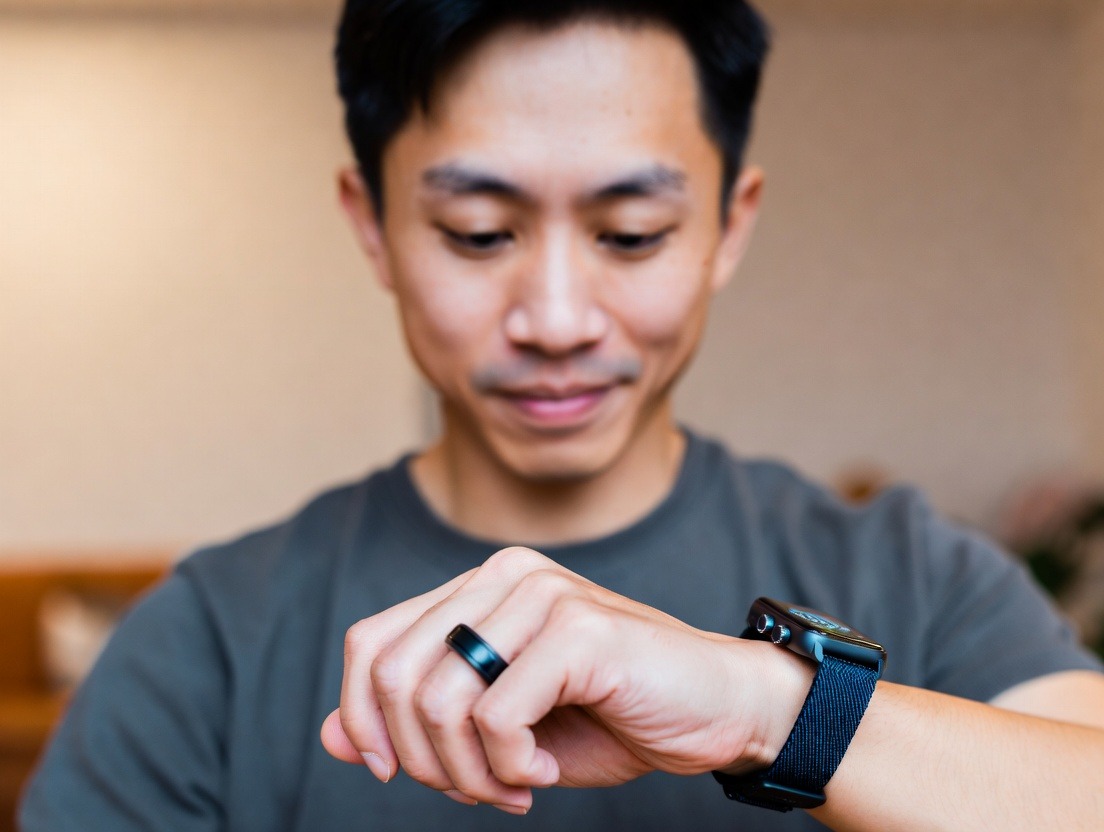
The quest for accurate, actionable physiological data has fueled the wearable revolution. While wrist-based fitness trackers and smartwatches brought health metrics to the masses, they have significant limitations for the serious pursuit of HRV and autonomic balance. This is where the form factor of the smart ring shines, offering distinct advantages that make it the premier tool for resilience training.
First, and foremost, is accuracy and signal integrity. The finger, specifically the base of the finger, is home to dense vascular beds (the palmar digital arteries). This provides a stronger, less noisy photoplethysmogram (PPG) signal—the optical measurement of blood volume changes—than the wrist. Wrist-based devices are plagued by motion artifact; every hand movement can disrupt the signal. A ring on your finger experiences less incidental movement during daily activities and, critically, during sleep, when the most valuable HRV data (nightly averages) is collected. For consistent, clinical-grade data, placement matters immensely.
Second, the smart ring enables continuous, unobtrusive monitoring. A watch is often removed for charging, during showers, or for comfort while typing or sleeping. A well-designed ring is worn 24/7. It charges quickly (often in under an hour) and lasts multiple days, creating a seamless data stream without gaps. This continuity is vital for tracking circadian rhythms, full sleep cycles, and true recovery states without user intervention.
Third, it provides a holistic, multi-metric view. A resilience-focused smart ring doesn’t just measure HRV in isolation. It contextualizes it with a symphony of other autonomic metrics: resting heart rate, respiratory rate, skin temperature, and blood oxygen saturation. It tracks sleep architecture with precision—measuring time in deep, light, and REM sleep, as well as sleep latency and efficiency. This integrated dashboard, as detailed in our article on how the wellness ring turns metrics into health action, allows you to see connections. Was your low HRV last night preceded by a late meal (visible in elevated nighttime skin temp) and poor deep sleep? The ring connects the dots.
Finally, the form factor promotes psychological neutrality. A smartwatch is a screen, a source of notifications and distractions. A ring is jewelry—passive, quiet, and personal. It collects data without constantly asking for your attention, fostering a healthier relationship with biofeedback. You check in with your data intentionally during a morning review, rather than being pinged by stress alerts throughout the day. This aligns with the core philosophy of resilience training: it’s about cultivating awareness, not anxiety.
By leveraging the unique advantages of the finger, the smart ring becomes more than a tracker; it becomes a reliable coach on your finger, providing the clear, consistent signal needed to trust the data and act upon it. For a deeper dive into how these devices capture and calculate complex health information, you can explore our resource on how wellness ring algorithms calculate health metrics.
Understanding HRV is one thing; actively improving it is another. This is where the practice of HRV biofeedback, often termed "coherence training," comes in. The groundbreaking discovery is that we can consciously influence our autonomic nervous system through specific breathing and emotional regulation techniques, and HRV provides the real-time feedback to prove it.
The core mechanism hinges on a physiological phenomenon called respiratory sinus arrhythmia (RSA). This is the natural, healthy variation in heart rate that occurs during the breathing cycle: your heart rate increases slightly as you inhale (sympathetic slight activation) and decreases as you exhale (parasympathetic activation via the vagus nerve). HRV biofeedback aims to maximize this wave-like pattern, creating a state of "psychophysiological coherence."
When you breathe at your resonant frequency—typically around 5-6 breaths per minute (0.1 Hz) for most adults—you synchronize your heart rhythm, blood pressure, and respiratory cycles. This synchronization amplifies the RSA wave, leading to a smooth, sine-wave-like pattern in your heart rate, maximal HRV, and a powerful shift into a parasympathetic-dominant state. It’s like tuning an instrument to its perfect pitch; the entire system hums with efficiency.
Here’s how a typical HRV training session works with a smart ring:
The cumulative effect of this practice is neuroplasticity for your autonomic nervous system. Just as lifting weights strengthens muscles, consistent coherence training strengthens vagal tone (the activity of your parasympathetic brake) and improves the flexibility of your entire system. Over time, this trained resilience begins to manifest automatically. You become less reactive to minor stressors, recover faster from challenging events, and maintain a higher baseline of calm and focus.
The smart ring is the perfect platform for this training. It provides the clinical-grade PPG signal needed for accurate HRV calculation during the session. Furthermore, its 24/7 monitoring allows you to see the downstream effects of your training: Does a 10-minute session in the morning lead to a higher sleep HRV that night? Does consistent practice over weeks raise your overall baseline? This closed-loop feedback system is what turns an interesting wellness experiment into a potent, lifelong skill for vitality. To understand how these metrics interlock to create a complete picture of recovery, our guide on the metrics behind readiness scores offers valuable insight.
Before you can effectively train or respond to your HRV data, you must establish what is normal for you. Your personal HRV baseline is not a static number but a dynamic range that serves as your physiological "home base." Jumping into daily scores without this context can lead to misinterpretation and unnecessary stress—the very opposite of your goal.
Establishing a true baseline requires a minimum of two to four weeks of consistent, preferably nighttime, monitoring with your smart ring. During this period, aim for your typical lifestyle—your regular sleep patterns, exercise routine, and diet. The goal is not to be perfect, but to capture an honest snapshot of your nervous system's current operating range under your normal conditions.
What Your Ring is Calculating: Most advanced devices don't just give you a raw HRV number like RMSSD or SDNN from a single moment. They use proprietary algorithms to synthesize data from your entire sleep period—when external influences are minimized—into a single, more stable Nightly Average HRV or a composite Recovery Score. This sleep-based metric is far more reliable for tracking trends than spot-check readings taken during the day. As you collect this data, you'll start to see your range. For example, you may find your nightly HRV typically fluctuates between 45 and 65 milliseconds.
Key Influencers of Your Baseline: As you collect data, you'll begin to notice patterns. Your baseline is shaped by a constellation of factors:
The power of knowing your baseline is twofold. First, it allows you to interpret your daily score meaningfully. A score of 50 means something very different if your baseline is 40 versus 70. Second, it becomes the benchmark against which you measure the impact of your lifestyle interventions and HRV training. The ultimate goal of resilience training is not just to have "good days," but to gradually elevate your baseline range over months and years. This upward trend is one of the most concrete indicators that you are building a more resilient constitution. For a broader perspective on how this fits into a long-term health strategy, consider reading about proactive lifelong health enabled by a wellness ring.
Your morning ritual is about to gain a powerful new element: the daily HRV check-in. Upon waking, your smart ring app will present you with key metrics—your Nightly HRV, Resting Heart Rate, Sleep Score, and often a composite Readiness or Recovery Score. This isn't just data; it's a personalized report card from your body on how well it recovered from the previous day's stresses and how prepared it is for the day ahead.
Interpreting the Numbers:
Actionable Responses to a Low HRV Reading:
The intelligent response to a low score is not disappointment, but curiosity. Your ring’s correlated data provides clues. Ask yourself:
Based on this detective work, you can adjust your day intelligently. This is the essence of data-informed flexibility. A low HRV might mean:
By responding to these signals, you prevent the accumulation of stress and avoid overtraining, burnout, or illness. This practice transforms wellness from a rigid, prescriptive plan into a dynamic, responsive dialogue with your body. To master the art of interpreting your entire dashboard, our guide on how to read smart ring health metrics like a doctor provides an excellent framework.
HRV training is not confined to the 10 minutes you spend doing paced breathing. Your entire lifestyle either supports or undermines your autonomic balance. The smart ring illuminates the cause-and-effect relationship between your daily choices and your nervous system’s state, turning abstract wellness advice into personal, verified truth. Let’s explore the primary pillars.
Sleep: The Non-Negotiable Foundation
Sleep is the primary restoration period for your autonomic nervous system. Deep sleep (N3) and REM sleep are particularly crucial for parasympathetic activity and neural recovery. The ring tracks not just duration, but sleep quality metrics like efficiency, latency, and time in each stage. You will see a direct, almost unerring correlation: a night of fragmented, shallow sleep leads to a depressed morning HRV. Conversely, prioritizing sleep consistency, a cool dark environment, and a digital sunset can produce dramatic, positive shifts in your HRV baseline over time. For a deep dive into what your ring is measuring at night, see our explanation of sleep stages and quality scores.
Nutrition: Fueling the Vagus Nerve
Food is information that directly affects autonomic function. Large, heavy meals—especially close to bedtime—divert blood to digestion (a parasympathetic process) but can create metabolic stress that disrupts sleep and HRV. Alcohol is a potent HRV suppressor; it may help you fall asleep but devastates sleep architecture and heart rate coherence. Inflammatory foods (high in processed sugars and unhealthy fats) can promote systemic inflammation, which the nervous system interprets as a stressor. The ring helps you experiment: notice how a day of whole foods, balanced meals, and no alcohol impacts your score versus a day of indulgence.
Physical Activity: The Double-Edged Sword
Exercise is a classic hormetic stressor—a positive challenge that, with adequate recovery, makes you stronger. Aerobic fitness is strongly correlated with higher HRV. However, the relationship is dose-dependent. A moderate workout can elevate HRV the next day, signaling positive adaptation. An excessive training load without recovery leads to sympathetic overdrive and a plummeting HRV—a key indicator of overtraining syndrome. Your ring’s readiness score, which factors in HRV, resting heart rate, and sleep, is designed to help you navigate this balance, telling you when to push and when to pull back. Learn more about how metrics can indicate overtraining and burnout.
Conscious Stress Management: The Active Practice
This pillar encompasses your intentional resilience work: meditation, mindfulness, HRV biofeedback sessions, time in nature, and nurturing social connections. These practices are direct workouts for your vagus nerve and parasympathetic system. The ring provides the ultimate validation: you can see your HRV rise during a coherence session and track a rising baseline after weeks of consistent practice. It turns intangible mental exercises into tangible physiological gains.
By using your ring to observe the impact of each pillar, you move from following generic advice to becoming the architect of your own resilient biology. You learn which levers are most powerful for you and how to pull them in harmony.

Of all the conscious interventions to improve HRV, resonant frequency breathing is the most direct, immediate, and scientifically validated. It’s the core skill of HRV biofeedback, and mastering it turns your breath into a remote control for your nervous system. Let’s break down how to find and practice this powerful technique.
Finding Your Resonant Frequency:
While 5-6 breaths per minute (a 5-second inhale, 5-second exhale) is a common starting point, your individual resonant frequency can vary slightly. Many smart ring apps with biofeedback features will guide you to find it. The process involves pacing your breath at different rates while the app displays your HRV or "coherence" score. The rate at which your heart rhythm wave becomes smoothest and your score is highest is your personal resonant frequency. It’s often between 4.5 and 6.5 breaths per minute.
A Step-by-Step Practice Guide:
Advanced Integration: Heart-Focused Breathing
To deepen the effect, integrate an emotional component once the rhythmic breathing is stable. On the inhale, imagine drawing in a feeling of calm or appreciation. On the exhale, imagine releasing tension or sending out a feeling of care or compassion from your heart area. This "heart-focused breathing" has been shown in HeartMath® Institute research to create deeper states of psychophysiological coherence, further enhancing HRV and emotional regulation.
The beauty of this practice is its cumulative and spillover effect. A daily 10-minute session trains your nervous system to default to a more coherent state more often throughout the day. You’ll find yourself automatically taking a deeper, slower breath in a tense meeting or before a difficult conversation. The ring’s long-term tracking will show you the proof: a gradual lifting of your HRV baseline, lower resting heart rate, and improved sleep scores. It is the ultimate tool for understanding the connection between autonomic nervous system balance and daily metrics.
Collecting data is the first step; synthesizing it into a personalized, evolving action plan is where true transformation occurs. Your smart ring provides the raw material—trends, correlations, and cause-effect insights. Your role is to become the insightful interpreter and compassionate experimenter, building a resilience protocol unique to your body and life.
The Process of Personal Experimentation:
Adopt the mindset of a scientist of your own well-being. Your protocol is built through a series of "n=1" experiments.
Creating Your Daily and Weekly Rhythm:
Based on your experiments, design a default routine that supports a high HRV baseline:
The Adaptive Protocol:
Your protocol is not a rigid contract. It’s a flexible guide that adapts to the feedback from your ring. The core principle is dynamic adjustment:
This intelligent, responsive approach prevents the boom-bust cycles common in rigid fitness and wellness plans. It builds resilience sustainably. For those looking to scale this personalized approach into a decades-long strategy, the principles outlined in our blog on a 50-year wellness blueprint are directly applicable.
The ultimate goal of HRV training is not a temporary state of calm, but the long-term cultivation of a robust system that supports a longer, healthier, more vibrant life—your healthspan. HRV is not just a fitness metric; it is a powerful biomarker of systemic aging and physiological integrity. The trajectory of your HRV over years and decades tells a profound story about how you are navigating the aging process.
HRV and Biological Age:
Research consistently shows that HRV declines with chronological age. However, this decline is not inevitable at a fixed rate. Individuals with higher lifestyle-based vagal tone exhibit a slower age-related decline in HRV. In many ways, your HRV trend is a reflection of your biological age—the age of your physiological systems, as opposed to your calendar age. A consistently high or improving HRV for your age group suggests you are aging more slowly and maintaining greater functional capacity. This makes HRV one of the most important metrics for anyone focused on longevity. We delve deeper into which health metrics matter most for longevity in a dedicated article.
Early Warning System for Chronic Disease:
Chronically low HRV is a known risk factor and early indicator for a host of chronic conditions, including cardiovascular disease, diabetes, metabolic syndrome, and depression. By monitoring your HRV trend, you gain a pre-symptomatic warning system. A sustained, unexplained downward trend in your baseline can be a prompt to seek deeper medical evaluation or to seriously overhaul lifestyle factors. It empowers you to take corrective action before a disease state manifests clinically.
The Cumulative Impact of Micro-Resilience:
The daily practice of checking your score, adjusting your activity, and doing your breathing sessions might seem small. But this is the work of micro-resilience. Each positive choice, guided by data, deposits a small investment into your "healthspan account." Over months and years, these deposits compound. The result is a nervous system that is less reactive to stress, recovers faster from illness, maintains better cognitive function, and supports overall vitality deep into later life.
Your smart ring becomes the ledger for this account. It allows you to see the compounding interest in the form of a rising HRV baseline, better sleep architecture, and lower resting heart rate. It transforms the abstract concept of "aging well" into a measurable, manageable process. This aligns perfectly with a proactive approach to maximizing healthspan through daily strategy. The ring is the tool that makes a multi-decade, data-informed health plan not just possible, but practical and personalized.
The ancient divide between mind and body is a fallacy that modern physiology has completely dismantled. Every thought, emotion, and psychological stressor leaves an immediate, quantifiable imprint on your autonomic nervous system. The smart ring, by capturing this physiological signature, makes the invisible visible, allowing you to manage mental stress not as an abstract concept, but as a tangible, trainable physiological response.
Psychological stress—whether from work pressure, financial anxiety, or relational conflict—activates the same sympathetic nervous system pathways as a physical threat. The brain's amygdala sounds the alarm, the hypothalamic-pituitary-adrenal (HPA) axis engages, and cortisol floods the bloodstream. For your smart ring, this looks like: a spike in resting heart rate, a suppression of HRV, an increase in respiratory rate, and often, a rise in skin temperature due to changes in peripheral blood flow. Even when you believe you are "handling the stress fine," your physiology may tell a different story.
The revolutionary aspect of HRV monitoring is its ability to reveal subconscious stress—the kind you've learned to ignore or suppress. You might power through a relentless workweek feeling "productive," only to see your nightly HRV trend plummeting and your sleep score deteriorating. This data provides an objective check on your subjective perception, preventing you from normalizing a state of chronic dysregulation. It answers the critical question: Is my current coping strategy truly effective, or is it merely masking the cost?
This feedback creates a powerful psychophysiological awareness. By correlating stressful events with their data signatures, you begin to recognize your personal stress patterns. You might discover that back-to-back video meetings cause a measurable dip in your afternoon HRV, or that a difficult conversation elevates your resting heart rate for hours. This awareness is the first and most crucial step toward interception.
With this awareness, you can deploy targeted, data-validated interventions:
This process fosters a profound sense of agency. Emotional and mental well-being are no longer vague goals but skills honed through physiological feedback. By learning to calm your body, you inevitably calm your mind, creating a virtuous, self-reinforcing cycle of resilience. This holistic approach is central to building a sustainable balance between discipline and flexibility in your long-term health journey.
Sleep is not a passive state of unconsciousness; it is an active, architecturally complex process of repair, consolidation, and autonomic reset. Each stage—light, deep, and REM—plays a distinct role in preparing your nervous system for the coming day. Your smart ring acts as a sleep architect’s blueprint, detailing the quality and structure of this critical restoration period and its direct link to your HRV and daytime resilience.
Decoding the Stages and Their Autonomic Role:
How Sleep Disruption Erodes Resilience:
The problem isn't just short sleep duration, but fragmented or architecturally poor sleep. Waking up multiple times (cortical arousals) or failing to cycle properly through stages prevents the extended periods of parasympathetic-dominant deep sleep your nervous system needs to recover.
Actionable Insights from Your Sleep Data:
Your ring’s detailed breakdown allows for precise interventions:
By treating sleep as a non-negotiable, data-optimized pillar, you ensure your nightly biological rehearsal perfectly sets the stage for daily resilience. Your morning HRV score is, in essence, the final grade on that night’s restorative work. For a comprehensive look at all the metrics behind a good night's rest, explore our guide on sleep efficiency, latency, and other key metrics.
The adage "you are what you eat" takes on a new, physiological dimension when viewed through the lens of autonomic balance. Every meal is a communication event with your vagus nerve and your enteric nervous system—the "second brain" in your gut. The composition, timing, and size of your meals can either promote coherence and recovery or trigger inflammation and stress, with your HRV serving as the direct report card.
The Gut-Brain-Vagus Axis:
The vagus nerve is the primary information superhighway between your gut and your brain. Approximately 80-90% of its fibers are afferent, meaning they send signals from the gut to the brain. When you eat, gut hormones, immune signals, and information from gut microbiota are constantly relayed via the vagus nerve to influence mood, stress response, and overall homeostasis. Supporting gut health directly supports vagal tone.
Dietary Choices That Suppress HRV (The "Red Flags"):
Your ring will likely reveal clear depressant effects from:
Dietary Strategies That Support HRV (The "Green Lights"):
Conducting Your Own N=1 Nutrition Experiments:
Use your ring to become a nutritional detective. For two weeks, minimize processed foods and alcohol while emphasizing plants, lean proteins, and healthy fats. Note the trend in your weekly average HRV and sleep score. Then, reintroduce a specific food or drink (e.g., two glasses of wine with dinner) and observe the effect over the next 48 hours. This personal evidence is far more motivating than any generic diet advice. It turns nutrition into a direct, feedback-driven dialogue with your nervous system. This kind of precision is a cornerstone of precision wellness enabled by smart ring data.
Physical activity is the most potent hormetic stressor we can voluntarily apply to our bodies. When dosed correctly, it builds a stronger, more adaptable system—a concept known as hormesis. When misapplied, it becomes a source of chronic strain. Your HRV and readiness data from your smart ring provide the essential feedback to navigate this fine line, transforming exercise from a guessing game into a precise prescription for autonomic fitness.
The Hormetic Principle: Stress to Strengthen
Hormesis describes the beneficial effect of a low-to-moderate dose of a stressor that would be harmful at a high dose. Exercise is the classic example. A workout temporarily increases sympathetic activity, oxidative stress, and muscle breakdown. In response, during the recovery period, your body overcompensates: it repairs muscle fibers to be stronger, upregulates antioxidant defenses, and, critically, enhances parasympathetic reactivation and vagal tone. This adaptation is reflected in a higher resting HRV over time. The key is providing the correct dose and adequate recovery to allow this positive adaptation to occur.
Using Your Ring to Periodize Training:
This is where the daily readiness or recovery score becomes an invaluable coach.
Identifying Overtraining and Avoiding Burnout:
Overtraining syndrome (OTS) is a state of prolonged fatigue and performance decline caused by an imbalance between training stress and recovery. It is preceded by sympathetic overtraining, marked by key physiological signs your ring will detect:
Seeing this pattern is a crucial early warning to drastically deload—reduce training volume and intensity by 50-70% for a week or more—and prioritize sleep and nutrition. Ignoring it leads to full-blown Overtraining Syndrome, which can take months to recover from.
The Vital Role of Low-Intensity Movement:
Not all beneficial movement is stressful. Non-exercise activity thermogenesis (NEAT) and dedicated low-intensity steady-state (LISS) cardio, like walking, have a profoundly positive effect on autonomic balance without the significant recovery cost. They promote circulation, lymphatic flow, and gentle stimulation of the vagus nerve. Your ring’s activity tracking encourages this by showing how daily movement contributes to your overall metabolic health and supports recovery on your "yellow" and "red" light days. Understanding your personal movement intensity zones helps you categorize your activity for optimal benefit.
By letting your autonomic data guide your movement practice, you shift from training for arbitrary outputs (miles run, weight lifted) to training for systemic resilience. The ultimate goal is not to be perpetually exhausted from exercise, but to use exercise as a tool to build a more robust, flexible, and vibrant nervous system.
Your autonomic nervous system does not operate on a flat, 24-hour line. It follows a powerful, innate rhythm known as the circadian cycle, driven by a master clock in your brain's suprachiasmatic nucleus (SCN) and peripheral clocks in every organ. This rhythm dictates the natural ebb and flow of hormones, body temperature, alertness, and—critically—the balance between your sympathetic and parasympathetic systems. Disrupting this rhythm is a profound source of stress; aligning with it is a foundational strategy for resilience. Your smart ring, through continuous skin temperature and heart rate monitoring, acts as your personal circadian compass.
Core Body Temperature Rhythm: The Primary Driver
Your core body temperature follows a predictable daily waveform, typically reaching its nadir (lowest point) in the early morning hours (around 4-5 AM) and its peak in the late afternoon or early evening. This temperature curve is the orchestra conductor for your circadian biology:
When this rhythm is stable and robust, your sleep-wake cycles are strong, hormone release (like cortisol and melatonin) is optimally timed, and your nervous system transitions smoothly between active and restorative states. A flattened or erratic temperature rhythm, visible in your ring’s data, is a sign of circadian disruption, often leading to poor sleep, daytime fatigue, and autonomic imbalance.
Light: The Supreme Zeitgeber
Light exposure, especially natural sunlight, is the most powerful reset button for your circadian clock. Morning light (within an hour of waking) signals the SCN to suppress melatonin and elevate cortisol, promoting alertness and setting the timer for melatonin release roughly 14-16 hours later. Conversely, exposure to bright, blue-rich artificial light at night delays melatonin release, suppresses the evening temperature drop, and confuses your biological timing.
Actionable Steps for Circadian Alignment:
Your ring’s data helps you audit and optimize your daily rhythm:
Living in sync with your circadian biology reduces the internal friction your body experiences daily. It allows your nervous system to predictably engage the sympathetic system for daytime activity and the parasympathetic system for nightly recovery. This alignment is a form of low-grade, constant resilience. It’s the biological equivalent of sailing with the wind, not against it. For a deeper understanding of the indicators your ring is tracking, see our explanation of circadian rhythm indicators in health metrics.
Your autonomic nervous system is an open loop, constantly receiving and responding to inputs from your environment and social world. These external factors—from the air you breathe to the company you keep—act as powerful, often overlooked levers on your HRV and overall resilience. The smart ring helps you quantify their impact, turning your life into a living laboratory for environmental and social optimization.
The Physical Environment:
The Social Environment:
Humans are wired for connection. Our social interactions have direct neurophysiological consequences mediated by the vagus nerve.
Leveraging Data for Environmental and Social Hygiene:
Armed with this awareness, you can practice what we might call "environmental and social hygiene."
By expanding your resilience strategy to include these external dimensions, you move beyond simply managing your reaction to stress and begin to proactively engineer your ecosystem for autonomic support. This holistic view is essential for creating a sustainable family health legacy, where the home environment itself promotes well-being for all.
Once you have mastered the foundational pillars of sleep, nutrition, movement, and rhythm, you can explore advanced practices that deliberately stress the body in controlled, acute ways to provoke powerful adaptive responses. Modalities like deliberate cold exposure and heat therapy (sauna) are potent tools for "training" your autonomic nervous system to become more robust and flexible. When used intelligently and monitored with your smart ring, they can significantly boost your HRV and resilience over time.
The Principle of Hormetic Stress, Revisited:
Cold and heat are classic hormetic stressors. The acute challenge of a cold plunge or a hot sauna session creates a strong, temporary sympathetic response (the "fight-or-flight" alarm). However, when the stressor is removed, the body rebounds with a powerful parasympathetic overshoot and activates long-term adaptive pathways. This is the training effect: your system learns to handle extreme stimuli and return to balance more efficiently, which builds vagal tone and metabolic health.
Cold Exposure and the Vagus Nerve:
Immersing in cold water (<60°F/15°C) triggers an immediate gasp reflex and surge in sympathetic activity and norepinephrine. But the practice of calmly enduring the cold, focusing on controlled breathing, is a direct workout for your vagus nerve. The rebound effect after exiting the cold is a profound parasympathetic shift.
Heat Therapy (Sauna) and Cardiovascular Adaptation:
Regular sauna use (typically 15-20 minutes at 174–212°F / 80–100°C) mimics the cardiovascular effects of moderate exercise: heart rate increases, cardiac output rises, and blood vessels dilate. This "passive cardio" induces a stress response followed by a strong recovery.
Implementing an Advanced Protocol Safely:
By using your ring to monitor your individual response to these advanced practices, you move beyond generic biohacking advice. You can answer: What is the optimal dose and frequency for me? Does a morning cold plunge or an evening sauna suit my physiology better? This level of personalization represents the cutting edge of using technology for autonomous health optimization. It exemplifies how health metrics can validate wellness habits with concrete data.
As you journey deeper into resilience training, a critical realization dawns: no single metric tells the whole story. Your Heart Rate Variability (HRV) is not an island; it is the central hub in a vast, interconnected network of physiological signals. The true genius of the smart ring lies in its ability to synthesize these disparate data streams—Resting Heart Rate (RHR), Respiratory Rate (RR), Skin Temperature (ST), Blood Oxygen (SpO2), and Sleep Architecture—into a coherent narrative about your autonomic state and overall health. Understanding these connections transforms raw data into profound wisdom.
The Interdependent Web of Metrics:
The Symphony, Not the Solo:
Think of your body as an orchestra. HRV is the conductor, reflecting the overall harmony. RHR, RR, ST, and SpO2 are the sections—strings, brass, woodwinds, percussion. A beautiful performance (high resilience) requires all sections to be in tune and on time. The ring is your audio engineer, providing a readout on each section so you can identify which one might be out of sync.
For example, you might have a morning with unexpectedly low HRV. By checking the other metrics, you diagnose the cause:
This integrated analysis prevents you from misattuting causes and applying the wrong intervention. It is the foundation of true precision wellness. By understanding the connection between all your health metrics, you stop chasing isolated numbers and start managing the integrated system of your health.
Your Trusted Sleep Advocate: Sleep Foundation — https://www.sleepfoundation.org
Discover a digital archive of scholarly articles: NIH — https://www.ncbi.nlm.nih.gov/
39 million citations for biomedical literature :PubMed — https://pubmed.ncbi.nlm.nih.gov/
Experts at Harvard Health Publishing covering a variety of health topics — https://www.health.harvard.edu/blog/
Every life deserves world class care :Cleveland Clinic - https://my.clevelandclinic.org/health
Wearable technology and the future of predictive health monitoring :MIT Technology Review — https://www.technologyreview.com/
Dedicated to the well-being of all people and guided by science :World Health Organization — https://www.who.int/news-room/
Psychological science and knowledge to benefit society and improve lives. :APA — https://www.apa.org/monitor/
Cutting-edge insights on human longevity and peak performance:
Lifespan Research — https://www.lifespan.io/
Global authority on exercise physiology, sports performance, and human recovery:
American College of Sports Medicine — https://www.acsm.org/
Neuroscience-driven guidance for better focus, sleep, and mental clarity:
Stanford Human Performance Lab — https://humanperformance.stanford.edu/
Evidence-based psychology and mind–body wellness resources:
Mayo Clinic — https://www.mayoclinic.org/healthy-lifestyle/
Data-backed research on emotional wellbeing, stress biology, and resilience:
American Institute of Stress — https://www.stress.org/


