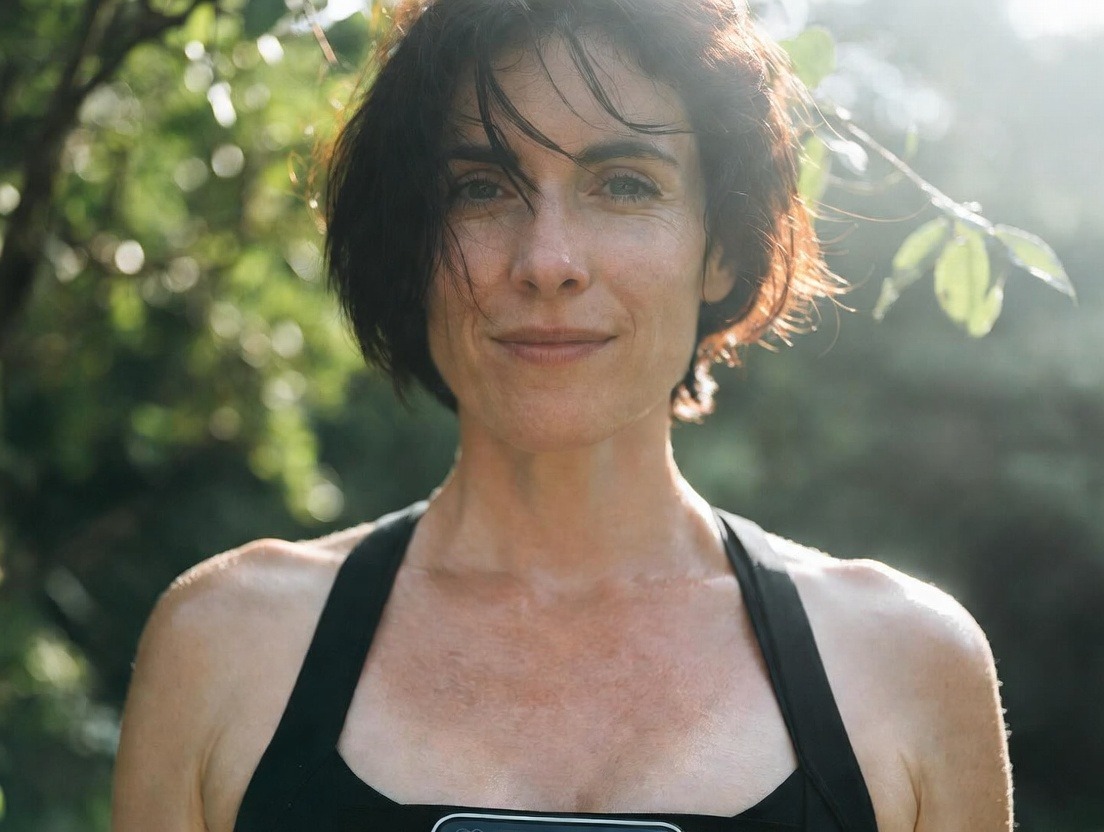
How Your Smart Ring Shows the Impact of Daily Activity on Stress
The ring clearly shows how daily physical activity can help lower and manage stress levels.
The Silent Conversation: How Your Daily Movement Speaks Volumes to Your Stress Levels
You wake up, check your phone, and a barrage of notifications awaits. Emails, messages, news—all before your feet even hit the floor. It’s the modern reality, a low-grade hum of stress that has become the background noise of our lives. We intuitively know that a good walk can clear our head, and that a day spent stagnant at a desk leaves us feeling more anxious and drained. But what if you could see that conversation? What if you could have a precise, data-driven dialogue between your daily activity and your nervous system, revealing not just that you’re stressed, but why, and more importantly, what to do about it?
This is no longer the realm of intuition. A revolution is happening on our fingers, as discreet as a piece of modern jewelry. Smart rings, like those developed by Oxyzen, are transforming our understanding of wellness by capturing the most intimate physiological signals 24/7. They go far beyond counting steps. By continuously monitoring your heart rate, heart rate variability (HRV), skin temperature, and sleep architecture, these devices are decoding the complex language of your autonomic nervous system.
The revelation is profound: your daily physical activity is not just burning calories; it’s writing a continuous script for your stress resilience. Every sedentary hour, every brisk walk, every intense workout, and every period of recovery sends direct signals that either amplify or dampen your body’s stress response. This article will dive deep into the science and the data, showing you exactly how your smart ring illuminates this critical connection. We’ll move from foundational physiology to actionable insights, empowering you to not just track your life, but to actively craft a more resilient, balanced, and less stressed version of yourself. For a deeper dive into the core technology that makes this possible, you can learn more about smart ring technology and how Oxyzen works.
The Physiology Bridge: Understanding How Movement Talks to Your Nervous System
To grasp how a smart ring can connect activity and stress, we must first understand the two primary players in this dialogue: your musculoskeletal system and your autonomic nervous system (ANS). Think of the ANS as your body’s autopilot, controlling functions you don’t consciously think about—heartbeat, digestion, and, crucially, the stress response. It has two main branches: the sympathetic (“fight-or-flight”) and the parasympathetic (“rest-and-digest”).
When you move, you’re not just working your muscles. You’re sending a barrage of signals to this autopilot.
The Acute Stress of Exercise: Intentional physical activity, like a run or a strength session, is a form of acute, positive stress (eustress). It deliberately activates the sympathetic nervous system. Your heart rate climbs, blood is shunted to your muscles, and stress hormones like cortisol and adrenaline rise. This is a healthy, controlled fire.
The Calm After the Storm: The magic happens after you stop. A well-regulated body responds to this acute stress by triggering a powerful parasympathetic rebound. Your heart rate drops, and critically, your Heart Rate Variability (HRV)—the subtle variation in time between each heartbeat, a key marker of ANS balance and resilience—often increases as your body recovers. This is your body learning to handle stress efficiently and then return to a state of calm.
The Toxicity of Inactivity: Conversely, prolonged sedentarism sends a different signal. It’s not neutral. It can lead to a state of low-grade, chronic sympathetic dominance—a constant, smoldering stress response. Without the rhythmic stimulus of movement to train the ANS, the system can become dysregulated, less adaptable, and stuck in a subtle “fight-or-flight” mode. This manifests in a resting heart rate that creeps up and an HRV that trends down.
Your smart ring acts as a universal translator for this conversation. By measuring HRV and resting heart rate around the clock, it quantifies the state of your ANS. It can show you the direct impact of your 30-minute jog (a sympathetic spike followed by a deeper parasympathetic dip later that night) and the subtle toll of a 10-hour desk day (a gradually climbing resting heart rate and suppressed HRV). This data creates the foundational bridge, proving that your activity choices are not isolated events but powerful modulators of your entire stress physiology. For a comprehensive look at how one key metric, deep sleep, is intricately connected to this recovery process, our blog details the science of deep sleep and what happens to your body.
Heart Rate Variability (HRV): Your Body’s Ultimate Stress Scorekeeper
If there is one metric that sits at the epicenter of the activity-stress conversation, it is Heart Rate Variability. Forget the common misconception that a healthy heart beats like a metronome. A healthy, resilient heart beats with subtle, millisecond variations between beats. This variability is a direct output of the tug-of-war between your sympathetic and parasympathetic nervous systems.
A higher HRV generally indicates a stronger parasympathetic influence and better stress resilience—your body is flexible and adaptable. A lower HRV suggests sympathetic dominance and a system under strain—your body is rigid and taxed.
Your smart ring, by using photoplethysmography (PPG) sensors to detect blood volume changes in your finger, captures this metric passively and continuously. It’s your 24/7 stress resilience score. Here’s how it directly ties to daily activity:
The Recovery Signal: After a challenging but appropriate workout, you may see your HRV dip temporarily (more stress), then often rebound to a higher baseline over the following 24-48 hours as your body supercompensates. This is a sign of positive adaptation.
The Overtraining Alarm: If you see a persistent, unexplained drop in your HRV trendline despite continued training, it’s a glaring red flag. Your smart ring is telling you that your activity is becoming a chronic stressor, that you’re not recovering, and that you need more rest. Ignoring this can lead to burnout, injury, and illness.
The Inactivity Indicator: Consistently low HRV can also be a signal of insufficient movement. Without the positive stress of exercise to train it, your ANS loses its flexibility. A smart ring can help you identify the minimum effective dose of activity needed to nudge your HRV upward.
The Lifestyle Link: It’s not just exercise. A late-night work session (mental stress), a poor night’s sleep, or even a heavy meal can depress your HRV. The ring shows you the integrated load of all stressors—physical and mental—and how your activity fits into that total picture.
By tracking your HRV trend, you move from guessing about recovery to knowing. It transforms activity from a simple pursuit of calories burned to a strategic tool for building a more resilient nervous system. It answers the critical question: “Is what I’m doing today helping or harming my capacity to handle stress tomorrow?”
Resting Heart Rate (RHR): The Steady Drumbeat of Your Stress Load
While HRV measures the nuance between the beats, your Resting Heart Rate—the number of times your heart beats per minute while you are fully at rest, typically during sleep—is the steady drumbeat of your baseline physiology. It’s a beautifully simple yet profoundly informative metric.
A lower RHR generally indicates higher cardiovascular fitness and stronger parasympathetic tone. Like HRV, it is exquisitely sensitive to both your activity levels and your stress load.
The Fitness Effect: Consistent aerobic exercise strengthens the heart muscle, allowing it to pump more blood with each beat. Over time, this efficiency leads to a lower RHR. Your smart ring will show this gradual downtrend as you build fitness—a clear, long-term reward for consistent activity.
The Acute Stress Barometer: However, RHR is not a one-way street. Your smart ring will show you daily fluctuations. A RHR that is 5-10+ bpm higher than your personal baseline on a given morning is a powerful signal. It’s your body saying, “I am dealing with a load.” This could be from:
An intense workout the day before (expected).
The onset of an illness (your body ramping up immune activity).
Chronic stress or poor sleep (a constant sympathetic nervous system drain).
Dehydration or excessive alcohol consumption.
The Sedentary Snare: A creeping, gradual increase in your baseline RHR over weeks or months can be a sign of declining fitness and increased chronic stress, often linked to a more sedentary lifestyle. It’s the canary in the coal mine for metabolic and cardiovascular health.
By monitoring your RHR each morning via your smart ring, you get a direct readout of your body’s recovery status and total stress load. It helps you decide: is today a day for another hard workout, or is it a day for active recovery, a walk in nature, and prioritising sleep? This daily feedback loop is crucial for managing stress through intelligent activity.
Activity Types Decoded: How Your Ring Sees Cardio, Strength, and Steps Differently
Not all movement is created equal in the eyes of your nervous system. A 5k run, a heavy weightlifting session, and 10,000 steps of general activity create distinctly different physiological signatures. Your smart ring, by synthesising heart rate, movement accelerometry, and temperature data, helps you decode these differences.
Steady-State Cardio (e.g., Running, Cycling): This creates a clear, sustained elevation in heart rate. The stress response is prolonged and primarily cardiovascular. The smart ring story? A significant sympathetic surge during the activity, followed by a pronounced post-exercise dip in heart rate and, if the dose was right, a potential HRV boost in the following days. It’s a classic, readable signal of cardiovascular stress and adaptation.
High-Intensity Interval Training (HIIT): This is stress in sharp, intense bursts. Your ring’s heart rate graph will look like a series of dramatic peaks and valleys. The nervous system impact is potent and complex—a massive sympathetic jolt with each interval. The recovery demand is high. Your ring’s recovery metrics (HRV, RHR) the next day will be crucial in determining if you absorbed the stimulus effectively or were overwhelmed by it.
Strength & Resistance Training: The heart rate response is more spiky and less sustained than cardio, but the primary stress is musculoskeletal and neurological. The real story here is often told later, during sleep. This type of activity creates micro-tears in muscle that require significant energy and parasympathetic resources to repair. Your smart ring may show a slightly elevated nighttime skin temperature (a sign of increased metabolic repair) and a greater demand for deep sleep, which is critical for physical recovery and growth hormone release. You can explore the vital role of this sleep stage in our guide to deep sleep optimization for athletes and recovery.
Non-Exercise Activity Thermogenesis (NEAT): This is the holy grail of daily stress modulation—the steps, standing, fidgeting, and general movement outside of formal exercise. While it doesn’t create the dramatic heart rate spikes of a workout, its impact is foundational. Consistent, low-grade movement throughout the day prevents the sympathetic stagnation of sitting. Your ring can correlate days with high step counts and frequent movement breaks with better sleep scores, lower resting heart rates, and more stable mood indicators. It proves that the “snacks” of activity are just as important as the “meals” of exercise for managing daily stress.
Understanding these signatures allows you to curate an activity portfolio that supports, rather than sabotages, your stress goals.
The Recovery Imperative: Why Your Ring’s Sleep Data is the Final Word
You cannot discuss the impact of activity on stress without giving the final word to recovery. Activity applies the stress; recovery is where adaptation and resilience are built. The single most important pillar of recovery is sleep, and this is where the smart ring shines with unparalleled insight.
Your ring tracks sleep not by your movement alone, but by layering heart rate, HRV, and movement data to determine sleep stages: light, REM, and deep sleep. Each stage plays a role in processing the stresses of the day.
Deep Sleep: The Physical Restorer: This is the most restorative stage for the body. During deep sleep, growth hormone is released, tissue repair accelerates, and the immune system is strengthened. After a day of significant physical activity, especially strength training, your body will crave and often obtain more deep sleep. A smart ring can show you this direct correlation: a tough workout leading to a higher percentage of deep sleep that night. If your activity is not paired with sufficient deep sleep, the stress compounds. For a benchmark on what to aim for, see our analysis on deep sleep tracking and what your numbers should look like.
REM Sleep: The Mental Processor: REM sleep is crucial for emotional regulation, memory consolidation, and processing psychological stress. A day of high mental anxiety or a late-evening intense workout that elevates core temperature too close to bedtime can encroach on REM sleep. Your ring can highlight this trade-off.
Sleep Balance as the Ultimate Feedback: The overarching metric of “Sleep Score” or “Recovery Score” provided by your smart ring is the ultimate integrative grade on yesterday’s stress. A high score means you absorbed and adapted to the stressors (activity included). A low score is a clear directive: today needs to be lighter. It powerfully closes the feedback loop: Activity → Physiological Stress → Sleep/Recovery Data → Informed Action for Tomorrow.
Ignoring this recovery data is like driving with the gas pedal floored and never checking the engine temperature. The smart ring provides the essential dashboard to keep your system from overheating.
The Sedentary Trap: How Inactivity Masquerades as a Stress Multiplier
In our pursuit of understanding activity, we must confront its opposite: inactivity. Modern life is engineered for sedentarism, and your smart ring reveals this not as a passive state, but as an active stressor on the nervous system.
Prolonged sitting creates a physiological environment ripe for stress dysregulation:
Metabolic Stagnation: Muscle metabolism slows, and blood sugar regulation becomes less efficient, creating inflammatory markers that can signal stress to the body.
Poor Circulation & Brain Fog: Reduced blood flow can impact cognitive function, often perceived as mental fatigue or anxiety.
ANS Imbalance: As mentioned, the lack of physical stimulus can contribute to a default sympathetic lean.
Your smart ring uncovers this trap in several ways:
The Heart Rate Story: You may notice your resting heart rate is consistently higher on days you work from the couch versus days you move periodically.
The Sleep Connection: Surprisingly sedentary days often do not lead to better sleep. In fact, they can result in more restless sleep and less deep sleep, as the body hasn’t accumulated the healthy physical fatigue that drives sleep pressure.
The HRV Dip: A day of almost zero movement can result in a lower HRV reading the following morning, indicating reduced autonomic flexibility.
The ring makes the cost of inactivity visible. It transforms the vague feeling of being “sluggish” into concrete data, proving that moving your body isn’t just about fitness aesthetics—it’s a non-negotiable daily pill for nervous system regulation. For those struggling to break this cycle, discovering the right tools can be a game-changer; you can explore the Oxyzen shop for devices designed to motivate and track your way out of the sedentary trap.
Finding Your Sweet Spot: Using Data to Avoid Under- and Over-Stressing
One of the most powerful paradigm shifts a smart ring enables is moving from generic workout plans to a personalised stress-activity fit. The goal is to apply the “Goldilocks” principle: not too little stress (inactivity), not too much stress (overtraining), but just the right amount to provoke positive adaptation.
This is called hormesis—the biological phenomenon where a low-to-moderate dose of a stressor triggers a beneficial adaptive response. Your smart ring is the tool that helps you find your personal hormetic dose of activity.
Identifying Under-Stressing: If your data shows a flatlining HRV trend, a stagnant or creeping RHR, and consistently high sleep scores even with no activity, it might indicate your system is under-loaded. Your body is ready for a challenge. The ring gives you the confidence to safely increase intensity or volume.
Flagging Over-Stressing: This is the critical warning system. The signs are a sustained drop in HRV, a persistent elevation in RHR, a decline in sleep quality (especially deep sleep), and a rise in nighttime skin temperature (chronic inflammation). Your ring is shouting that you are in a strain state. Continuing to push activity in this zone leads to diminishing returns, injury, and burnout. The data mandates a shift to rest, nutrition, and gentle movement like walking or yoga.
The Perfect Adaptation Zone: The sweet spot is visible when you see a dynamic HRV—it may dip after a hard day but recovers to baseline or higher within 1-2 days. Your RHR stays in its normal range or trends down over weeks. Your sleep remains robust, and you feel energised. Activity in this zone makes you more resilient to all forms of stress, not just physical.
By reading these signals daily, you learn to collaborate with your body. You stop working against it with arbitrary, unsustainable routines and start working with its innate rhythms, using activity as a precise tool to build stress resilience.
Beyond the Workout: How NEAT and Micro-Movements Quiet the Anxious Mind
The focus on formal exercise, while important, can obscure the most accessible tool we have for modulating daily stress: the micro-movements and non-exercise activity that fill the spaces between workouts. This is where the constant, 24/7 nature of smart ring tracking offers its most gentle yet revolutionary wisdom.
Your ring validates the profound power of:
The 5-Minute Walk After a Meal: Notice how it smooths your blood glucose curve, which in turn prevents energy crashes and associated anxiety.
The 2-Minute Desk Stretch Every Hour: See how it correlates with lower average heart rate during a stressful work period.
Choosing the Stairs: A brief sympathetic jolt followed by a small win, often reflected in a more positive daily “readiness” score.
Evening Gentle Movement: A slow walk after dinner, instead of crashing on the sofa, can significantly improve sleep latency (the time it takes to fall asleep) and increase parasympathetic activity before bed, as shown by a calming heart rate trend in your ring’s app.
These actions don’t look impressive on a gym leaderboard, but they send constant, gentle signals of safety and control to your autonomic nervous system. They break the cycle of mental ruminative stress (which often lives in a sedentary body) by giving the body a simple, physical task. The smart ring collects the proof, showing you that a day rich in these “activity snacks” often leads to better sleep, a calmer mind, and a more resilient physiological baseline than a day with one intense workout but 23 hours of stillness. For more ideas on weaving these habits into your life, our blog features numerous articles on holistic wellness strategies.
Case Study: A Week in the Data – From Stressed to Strategic
Let’s synthesize everything with a hypothetical, data-driven story. Meet Alex, a knowledge worker with a smart ring.
Monday: Rest day. HRV is high, RHR is low. Sleep score: 88. The ring suggests high readiness. Alex uses this energy for focused mental work.
Tuesday: Intense HIIT session after work. Ring shows dramatic heart rate peaks. That night, deep sleep percentage is elevated (physical repair). Morning HRV dips slightly—expected acute stress.
Wednesday: HRV hasn’t fully recovered. RHR is up 3 bpm. Ring suggests “Pay Attention” recovery. Alex swaps planned heavy training for a 30-minute walk and an early night.
Thursday: HRV rebounds to baseline. Sleep score is excellent. Body has adapted. Alex has a strong, energetic strength session.
Friday: High-stress workday, but Alex takes three 10-minute walking breaks (tracked as NEAT by the ring). Despite mental fatigue, evening heart rate data is calm. Sleep is decent.
Saturday: Long hike. Sustained heart rate elevation. That night, sleep is deep and long.
Sunday: Active recovery—gentle yoga, gardening. Ring shows fantastic HRV and a very low RHR. System is super-compensated, resilient, and ready for the week.
Without the ring, Alex might have pushed through Wednesday’s fatigue, leading to a downward spiral. The ring provided the objective feedback to turn a potential overstress into a strategic recovery day, optimizing the entire week’s adaptation. This is the power of making the invisible conversation between activity and stress visible, a journey you can begin by discovering the Oxyzen story and our mission to provide this clarity.
Real-World Correlations: The Unexpected Links Between Your Daily Habits and Stress Biomarkers
The true power of continuous physiological monitoring lies in its ability to reveal correlations you’d never consciously notice. It connects the dots between seemingly mundane daily choices and their profound downstream effects on your nervous system. Your smart ring becomes a personal science lab, running 24/7 experiments that show you exactly how your lifestyle modulates your stress.
For instance, let’s look beyond formal exercise. Your data may illuminate patterns like:
The Caffeine Timeline: You might see that a 3 PM coffee, while feeling necessary, correlates with a 5-10% reduction in deep sleep that night and a suppressed morning HRV. The ring quantifies the long tail of that afternoon pick-me-up as a physiological debt paid overnight.
The Hydration-Heart Rate Link: On days your water intake is low, your resting heart rate might trend 3-7 bpm higher, and your heart rate during a standard walk may be elevated. Your heart is working harder to maintain circulation with lower blood volume—a subtle but measurable stressor.
The Social Stress/Recovery Spectrum: Compare data from a quiet evening reading versus a late, socially stimulating dinner. The latter, while enjoyable, often shows a higher nighttime heart rate, less time in deep sleep, and a higher next-morning RHR. Conversely, data from a day spent hiking with friends might show an excellent sleep score despite high activity—proof of positive social connection’s buffering effect on physical stress.
Screen Time’s Physiological Signature: Scrolling late into the night doesn’t just feel draining; the ring captures it. The blue light and cognitive stimulation can delay the natural drop in core body temperature needed for sleep onset, shorten REM sleep, and fragment sleep architecture. The result is a lower recovery score, regardless of time in bed.
These correlations move wellness from guesswork to causality. You’re no longer wondering why you’re tired; you can see that Wednesday’s poor recovery was preceded by Tuesday’s late client dinner and wine. This empowers you to make informed trade-offs. Maybe that late dinner is worth the recovery dip for a special occasion, but now you know to protect your sleep rigorously the night before and after. Your ring provides the cost-benefit analysis for your lifestyle, turning abstract health advice into personal, actionable truth. For those navigating the complexities of sleep hygiene, our blog offers a foundational resource on sleep tracking accuracy and what your device can and can't measure.
The Mood-Activity Loop: How Emotional States and Physical Movement Fuel Each Other
The dialogue between body and mind is a two-way street. While we’ve focused on how activity affects stress physiology, the reverse is equally powerful: your emotional state dictates your movement patterns, creating a feedback loop that your smart ring can illuminate.
Consider a day of high anxiety or low mood. Subjectively, you feel “stuck.” Objectively, your ring data often shows it:
A Suppressed Heart Rate Rhythm: Your heart rate graph may appear flatter, with less of the natural variability and peaks that come with spontaneous movement.
Low NEAT: Your step count and calorie burn from non-exercise activity plummet. You are physiologically hibernating.
Tense Sleep: Even if you sleep long hours, your sleep staging may show more light sleep, less restorative deep sleep, and higher resting heart rate throughout the night.
This state of emotional stress creates physical inertia. The critical insight is that physical movement is the most direct way to break this loop. You don’t need to "feel like" moving to get the benefit. A forced, gentle action—a 10-minute walk—initiates a positive feedback cycle:
Mechanical Shift: Movement increases blood flow to the brain.
Biochemical Change: It triggers the release of neurochemicals like endorphins and endocannabinoids.
Physiological Signal: The act of rhythmic walking begins to stimulate the parasympathetic nervous system.
Data Feedback: Your ring captures the shift: your heart rate pattern shows a healthy spike and recovery, your step count ticks up, and you may see a slightly better sleep score that night.
This creates a virtuous cycle: Movement begets slightly better mood and physiology, which lowers the barrier to movement the next day. Your smart ring serves as both a motivator and a validator in this loop. On a low-mood day, you can look at the data, see the inertia, and know that a small, achievable movement goal isn’t just about fitness—it’s a direct intervention for your nervous system and mood. The data proves that action can precede motivation.
Chronobiology and Movement: Why When You Move Matters as Much as How
Our bodies operate on a precise 24-hour internal clock known as the circadian rhythm. This rhythm governs everything from hormone secretion (like cortisol and melatonin) to body temperature and, crucially, how we respond to stress and exercise. Your smart ring, by tracking the circadian markers of heart rate, HRV, and skin temperature, reveals why timing is a secret weapon in using activity to manage stress.
Morning Movement: The Cortisol Cooperator: Cortisol, your primary stress hormone, naturally peaks in the early morning (the Cortisol Awakening Response) to help you get alert and up. Morning light exposure and moderate exercise (like a brisk walk, yoga, or light cardio) can harmonize with this natural peak, reinforcing a strong circadian signal. Your ring data may show that consistent morning movers have a more robust and predictable daily heart rate rhythm and fall asleep faster at night.
The Afternoon Advantage: For more intense training, the body often hits its sweet spot in the late afternoon to early evening (around 4-7 PM). Core body temperature is at its peak, muscle function and reaction time are optimal, and the risk of injury may be lower. A hard workout here aligns with your body’s natural capacity for stress. The ring will capture the strong sympathetic response, but the subsequent cooling of body temperature as night falls can actually aid sleep onset, provided the workout ends 2-3 hours before bed.
The Evening Hazard: Intense exercise too close to bedtime (within 1-2 hours) is a common stress misstep. It elevates core temperature, heart rate, and sympathetic nervous system activity precisely when your body needs to be cooling down and calming for sleep. Your ring will likely tell this story through a higher resting heart rate throughout the first half of the night, delayed sleep onset, and reduced deep sleep. The activity becomes a net stressor because it clashes with your chronobiology.
Nighttime Calm: Gentle, parasympathetic-activating movement after dinner—a leisurely stroll, gentle stretching, or restorative yoga—can be incredibly beneficial. It aids digestion, helps lower evening cortisol, and promotes the drop in core temperature. Your ring can validate this with a visible calming of your heart rate trend in the hour before bed and a higher sleep score.
By observing how different activity timings affect your personal sleep and recovery metrics, you can schedule movement to work with your biology, not against it. This turns exercise from a potential source of circadian stress into a powerful tool for reinforcing daily rhythm and stability. For a deeper exploration of how timing impacts your most restorative sleep, our article on the deep sleep formula of temperature, timing, and habits offers extensive insights.
Environmental Stressors: How Your Ring Sees the Impact of Heat, Cold, and Altitude
Our environment is a constant, passive form of stress that interacts dynamically with our activity. Thermoregulation—maintaining a stable internal temperature—is one of the body’s most energy-intensive processes. Your smart ring’s continuous skin temperature sensor, coupled with heart rate data, provides a fascinating window into this hidden workload.
Exercise in the Heat: On a hot day, a run of the same pace and distance becomes significantly more stressful. Your heart must pump blood not only to working muscles but also to the skin’s surface for cooling. Your ring will show a much higher heart rate for the same effort, a longer time for your heart rate to return to baseline post-exercise, and potentially a more pronounced dip in next-day HRV. It quantifies the extra metabolic cost of cooling.
The Sauna or Hot Yoga Effect: Intentional heat exposure is a hormetic stressor, similar to exercise. A sauna session will show a dramatic rise in heart rate and skin temperature. The adaptation and benefit come in the recovery: the powerful parasympathetic rebound and, over time, improved cardiovascular efficiency. Your ring helps you dose this stress appropriately, ensuring you’re recovered from other stressors before adding a heat session.
Cold Exposure & Metabolic Stress: A cold shower or outdoor workout in chilly weather also provokes a stress response. Heart rate may spike initially (the “cold shock”), and the body works to generate heat. This can boost metabolic rate and, with adaptation, improve brown fat activation. Your ring’s heart rate and HRV data post-exposure will tell you if this is an invigorating or draining stress for your system.
Altitude’s Silent Demand: At higher altitudes, even resting requires more work due to lower oxygen saturation. Your resting heart rate will be chronically elevated, and your heart rate during any activity will be higher. Sleep is often fragmented, with less deep sleep, as the body deals with this hypoxic stress. A smart ring vividly illustrates this acclimatization process, showing how RHR and sleep scores gradually improve over days as your body adapts.
Understanding these environmental interactions allows you to contextualize your data. A poor recovery score after a workout isn’t necessarily a sign of overtraining; it could be that you exercised in 95-degree heat. This knowledge encourages you to adjust intensity, duration, and expectations, using your ring’s feedback to navigate different environments intelligently.
The Gender and Age Lens: How Activity-Stress Dynamics Shift Across a Lifespan
Physiological stress and recovery are not one-size-fits-all. Biological sex and age create fundamental differences in hormone profiles, metabolic rates, and nervous system behavior, which your smart ring’s aggregated data can—and should—account for in its insights.
The Menstrual Cycle & Training Stress: For those who menstruate, the cycle is a powerful monthly hormonal rhythm that dramatically influences stress physiology and exercise response. In the follicular phase (post-period), with estrogen rising, the body is often more resilient to intense stress, recovers better, and may utilize carbohydrates more efficiently for fuel. Data may show higher HRV and better workout performance. In the luteal phase (post-ovulation), with rising progesterone, core temperature is elevated, the body relies more on fat for fuel, and the system is more stress-sensitive. The ring may show a naturally higher resting heart rate, lower HRV, and poorer sleep quality in this phase, making intense exercise feel harder and recovery more demanding. A smart ring that tracks these phases allows you to periodize your activity—planning intense sessions in the follicular phase and emphasizing recovery, strength maintenance, and gentle movement in the luteal phase. This is the ultimate in personalized, stress-smart training.
Age-Related Shifts in Recovery: As we age, several changes occur that the smart ring clearly documents:
Declining Deep Sleep: The proportion of deep sleep naturally decreases. This means the primary physical restoration window shrinks, making recovery from activity more challenging. Your ring’s sleep staging will show this trend, underscoring the increased importance of sleep hygiene and the potential need for longer recovery between intense sessions.
Slower ANS Reflexes: The autonomic nervous system can become less reactive. HRV has a natural, age-related decline. This doesn’t mean less capacity for resilience, but it means the signals (like a post-workout HRV dip) may be subtler, and the need for consistent, moderate movement to maintain ANS flexibility becomes even more critical.
Changing Priorities: The data can guide a shift in focus from peak performance (e.g., maximum heart rate) to consistency and recovery metrics (HRV, RHR, sleep). The goal becomes using activity to preserve autonomic function, muscle mass, and sleep quality—key pillars for longevity and stress resilience.
A sophisticated smart ring platform doesn’t just show raw data; it contextualizes it within these frameworks. It might flag that a low HRV reading is expected for your luteal phase or age bracket, preventing unnecessary alarm, or it might highlight that a recovery metric is outside your personal norm, warranting attention. This transforms the device from a generic tracker into a truly intelligent health companion. You can read more about the specific interplay between aging and restorative sleep in our article on how age affects deep sleep and how to compensate.
Data Overload to Wisdom: How to Interpret Trends Without Becoming Obsessive
A common pitfall of any biometric tracking is the potential for anxiety or compulsive checking—turning a tool for reducing stress into a source of it. The key is to shift from micromanaging daily numbers to understanding long-term trends and listening to the story they tell.
Your smart ring provides a torrent of data points: second-by-second heart rate, nightly sleep scores, daily HRV readings. The wisdom lies in knowing what to ignore day-to-day and what to pay attention to over weeks and months.
Ignore the Single Data Point: A single day of low HRV or poor sleep is noise. It could be due to a hundred minor factors. Do not change your entire routine based on one bad reading.
Trust the Trend Line: This is everything. Look at your HRV, RHR, and sleep score over a 30-90 day rolling period. Is the HRV trend line flat or slowly rising? That’s excellent stability. Is it on a clear, multi-week downward slide? That’s a meaningful signal of accumulating stress, regardless of how any single day looks.
Use the Averages: Focus on your weekly averages for key metrics. Did your average RHR this week go down compared to last month? That’s a fantastic sign of improved fitness and lower baseline stress. Did your average deep sleep duration increase? That’s a win for recovery capacity.
Correlate, Don’t Isolate: Never look at one metric in a vacuum. A lower HRV is more meaningful if it’s paired with a higher RHR, poorer sleep, and a subjective feeling of fatigue. That’s a coherent picture of strain. A lower HRV after a great night’s sleep and with low RHR might just be a random fluctuation.
Let the Alerts Work For You: Use the ring’s notification system intelligently. Set it to alert you only for significant, sustained deviations—like a resting heart rate that’s elevated for three consecutive mornings, or a sleep score that’s below your personal threshold for multiple nights. This prevents constant checking and lets the technology surface only the most important information.
The ultimate goal is to use the data to build self-awareness, not self-criticism. The ring should help you develop an internal sense of what balance feels like in your body. Over time, you’ll start to feel when your HRV is likely low or your recovery is poor, and you’ll use the data to confirm and guide your choices, not define your self-worth. For many users, this journey from confusion to clarity is transformative; you can read real customer reviews and experiences on our testimonials page.
Integrating Ring Data with Other Health Metrics for a Holistic Picture
While a smart ring is incredibly powerful, it provides one crucial piece of the health puzzle: the continuous, physiological output of your autonomic nervous system and sleep. To build a complete picture of how activity affects your total stress and health, this data can be meaningfully integrated with other metrics.
Nutrition & Blood Glucose: How you fuel your activity dramatically affects the stress response. Pairing your ring’s recovery data with a continuous glucose monitor (CGM) or even manual blood glucose logging reveals powerful patterns. You might see that a high-glycemic meal before bed, while not affecting sleep subjectively, correlates with a higher nighttime heart rate and less deep sleep. Or, that stable glucose levels throughout the day correlate with more stable energy and a higher afternoon HRV. This integration helps you fuel for recovery, not just performance.
Subjective Mood & Energy Logging: The objective data needs the context of your subjective experience. Use a simple 1-10 scale in your notes or a companion app to rate daily energy, mood, and stress. You’ll often find that a day with a “low” recovery score but a self-reported “high” mood and energy (perhaps after a fun but strenuous day) is less concerning than a day with a “medium” recovery score but a “low” mood and high anxiety. The combination tells you when to push and when to rest.
Performance Metrics: For athletes, this is key. Link your ring’s readiness score (based on HRV, RHR, sleep) with your workout performance. Did a “High Readiness” score predict a personal best in your time trial? Did a “Recover” score, when ignored, lead to a poor, grinding session? This validates the ring’s predictions and builds trust in the system, turning it into a genuine coach.
Long-Term Blood Markers: Annual or biannual blood tests provide a slow-moving, internal snapshot. Trends in inflammatory markers (like CRP), metabolic markers (like HbA1c), and hormones (like cortisol) can be viewed in the context of your long-term activity and recovery data from your ring. For example, a downward trend in HRV over six months might coincide with a creeping rise in fasting glucose, prompting earlier lifestyle interventions.
This integrated approach moves you from simply “tracking” to actively “managing” your health ecosystem. Your smart ring becomes the central, real-time hub, providing immediate feedback on how all other inputs—food, work, relationships, training—are affecting your foundational stress physiology. To start building this holistic understanding, our blog is a resource filled with articles connecting these various wellness dots.
Conclusion of This Section: From Passive Tracking to Active Stress Management
We have journeyed from the fundamental biology of the autonomic nervous system, across the detailed signatures of different activities, through the modulating factors of timing, environment, and biology, and arrived at a philosophy of integrated, intelligent health management. The central thesis is clear and data-backed: Your daily activity is the most powerful dial you can turn to tune your stress response, and a smart ring provides the real-time, precise feedback needed to turn that dial effectively.
This technology bridges the gap between knowing you “should move more” and knowing exactly how, when, and why to move for your unique system. It transforms:
Exercise from a chore into a strategic tool for building nervous system resilience.
Recovery from an afterthought into the primary objective, with sleep as its measurable currency.
Lifestyle choices from shots in the dark into informed experiments with clear outcomes.
Self-awareness from a vague concept into a daily dashboard of your inner state.
The goal is not to become a slave to the data, but to use it to cultivate a deeper, more intuitive connection with your body. The ring educates your intuition. Over time, you will begin to feel the high HRV day—the sense of calm, ready energy. You’ll recognize the signs of needing recovery before the fatigue sets in deeply. The device becomes a teacher, and eventually, its feedback becomes internalized.
You are now equipped to view every step, every workout, and every rest period not as isolated events, but as words in an ongoing conversation with your stress levels. This is the promise of modern wearable technology: to make the invisible visible, to quantify the qualitative, and to empower you with the knowledge to not just manage stress, but to build a physiology that is fundamentally resistant to it. The journey to a more resilient you is no longer a guessing game; it’s a data-informed path, and it starts with listening to the silent conversation on your finger. To take the next step in this journey, you can discover the Oxyzen smart ring and begin your own path to actionable insights.
Advanced Protocols: Using Your Ring to Implement Data-Driven Stress Resilience Training
We’ve established the “what” and the “why.” Now, let’s dive into the “how.” This is where your smart ring transitions from a passive observatory to an active command center for your nervous system. By leveraging its continuous data, you can implement specific, targeted protocols—often referred to as “stress resilience” or “autonomic training”—that directly improve your body’s ability to handle stress, both physical and psychological.
Protocol 1: The HRV-Biofeedback Loop While your ring tracks HRV passively, you can actively train it. This protocol involves using a brief, daily breathing exercise while observing a real-time heart rate coherence score (a derivative of HRV) in your ring’s companion app.
The Method: Sit quietly for 5-10 minutes. Engage in resonant or coherent breathing (typically 5-6 breaths per minute: inhale for 5 seconds, exhale for 5 seconds). Your ring’s optical sensor picks up the heart rate pattern in real-time.
The Data Link: As you sync your breath, you should see your heart rate rhythm become smooth and wave-like—a state of high coherence. This indicates synchronized activity between your heart, respiratory, and blood pressure rhythms, a marker of peak parasympathetic activation.
The Long-Term Impact: Practicing this daily, especially during low-stress moments, trains your autonomic nervous system to access this calm state more easily. Over weeks, you may see your resting HRV trend upward, and you’ll have a tangible tool to deploy during moments of acute anxiety. Your ring provides the immediate feedback that makes the abstract practice of “deep breathing” concretely effective.
Protocol 2: The Recovery-Paced Training Cycle This flips the traditional training model on its head. Instead of following a pre-set weekly schedule (e.g., hard days on Monday, Wednesday, Friday), you let your daily recovery metrics dictate your workout intensity.
The Method: Each morning, check your ring’s recovery or readiness score (a composite of HRV, RHR, and sleep).
Green/High Readiness: This is a day for your planned intense or challenging session. Your body is signaling it can handle the load and adapt positively.
Yellow/Medium Readiness: This is a day for moderate, maintenance work. Think steady-state cardio, technique-focused strength work at lower weights, or a vigorous walk. The goal is to move without adding significant strain.
Red/Low Readiness: This is a mandatory recovery day. The protocol is not to skip activity, but to engage in deliberate, parasympathetic-boosting movement: gentle yoga, a slow walk in nature, or light mobility work. The focus is on promoting circulation and relaxation, not fitness adaptation.
The Data Link: This protocol directly prevents overtraining and under-recovery. It ensures you’re applying stress when your body is most resilient and pulling back when it’s vulnerable. Over time, this leads to fewer injuries, better performance breakthroughs when you are ready, and a more sustainable relationship with exercise. The ring becomes your personal coach, giving the green or red light.
Protocol 3: The NEAT Optimization Challenge Instead of a vague “move more” goal, use your ring’s step count and heart rate data to run a week-long self-experiment.
The Method: For one week, deliberately add three 10-minute blocks of walking (or simple movement like bodyweight squats, stretching) to your day—one mid-morning, one mid-afternoon, one after dinner. Do not change your formal exercise or diet.
The Data Link: At the week’s end, analyze the trends. Did your average resting heart rate drop? Did your sleep scores, particularly deep sleep duration, improve? Did your end-of-day stress feel lower? The ring quantifies the ROI of this minimal investment. Seeing a direct correlation between consistent NEAT and better recovery metrics is a powerful motivator to make micro-movements a non-negotiable habit, akin to brushing your teeth. For foundational strategies that complement this, explore our guide on how to get more deep sleep tonight with 7 proven strategies.
Protocol 4: The Sleep Extension Experiment Since sleep is the ultimate recovery modulator, use your ring to test the impact of extending your sleep window.
The Method: Choose a one-week period where you can prioritize sleep. Go to bed 30-60 minutes earlier than usual, with no change to your wake time. Maintain excellent sleep hygiene (dark, cool room, no screens before bed).
The Data Link: Your ring will show you the objective results. Did your deep sleep duration increase (not just percentage)? Did your HRV show a sustained lift? Did your resting heart rate trend down? Most people find that even a small extension significantly improves their recovery metrics, which in turn raises their capacity for stress all day. This experiment proves the value of sleep in a way that feeling “less tired” never could. It provides the data-driven justification for making sleep a sacred pillar of your stress management plan.
By implementing these protocols, you move from being a passenger to a pilot. The smart ring is your instrument panel, and these routines are your flight plans for navigating toward greater resilience.
The Executive Blueprint: Managing High-Pressure Demands with Physiological Intelligence
For leaders, entrepreneurs, and knowledge workers operating under constant cognitive load and decision fatigue, the classic signs of stress are often ignored until they manifest as burnout or health crisis. A smart ring offers an “executive blueprint” for managing this high-stakes environment with physiological intelligence, turning bio-data into a strategic business advantage.
1. Decision Fatigue and Cognitive Bandwidth Your prefrontal cortex—the seat of executive function and decision-making—is a energy-hungry region that is highly sensitive to stress and poor recovery.
The Ring’s Insight: On days following poor sleep (low deep/REM sleep on your ring) or high-stress days (marked by elevated daytime heart rate and low HRV), your cognitive bandwidth is objectively diminished.
The Strategic Application: Use your morning recovery score to “schedule your brain.” On high-recovery days, schedule your most critical, creative, or complex decision-making tasks. On low-recovery days, protect your prefrontal cortex. Schedule administrative work, meetings where you listen more than decide, and routine tasks. Never make a pivotal business decision or have a crucial confrontation when your ring shows a “Recover” status. This is managing your mental capital with the same rigor as your financial capital.
2. The Meeting Recovery Paradox Back-to-back meetings, especially virtual ones, are a potent yet overlooked stressor. They create cognitive whiplash and constant low-grade sympathetic arousal.
The Ring’s Insight: You can literally see the stress of a packed calendar. Your heart rate may remain elevated throughout the day with no parasympathetic dips, and your heart rate variability will be suppressed.
The Strategic Application: Implement the “Bio-Break” rule. After any meeting lasting longer than 30 minutes, mandate a 5-10 minute break for physiological recovery, not checking email. Use this time for a protocol: 2 minutes of coherent breathing (using your ring’s breath pacer), a walk to get water, or simply looking out a window. The goal is to see your heart rate drop on your ring’s display before entering the next engagement. This resets your nervous system, preventing the cumulative stress avalanche.
3. Travel and Circadian Disruption Business travel is a perfect storm of stress: disrupted sleep, poor food, dehydration, and circadian misalignment.
The Ring as a Travel Dashboard: It becomes indispensable for managing jet lag and performance. Use it to:
Time Light Exposure: Based on your destination, use the data on your body’s circadian phase (seen in your awake-time heart rate rhythm) to know when to seek or avoid light.
Hydrate Strategically: Use elevated resting heart rate as an early warning sign of dehydration.
Prioritize Recovery Sleep: After travel, don’t just crash. Use your ring’s sleep data to actively work on sleep quality—perhaps using the deep sleep formula of temperature, timing, and habits—to accelerate re-synchronization. A leader who recovers from travel in 24 hours versus 72 hours has a significant operational advantage.
4. The Art of Strategic Decompression High performers often fail at shutting down. The constant drive leaks into evenings and weekends, preventing true recovery.
The Ring’s Insight: It will show if your “off” time is truly off. Is your resting heart rate on Saturday the same as it is on Tuesday? Are you getting genuine deep sleep on weekends?
The Strategic Application: Create a hard “physiological shutdown” ritual. An hour before your intended end-of-work decompression, your ring can remind you to start winding down. Use the data to find what truly works for you—maybe a 20-minute walk signals to your body that work is over (seen as a heart rate pattern shift), while 30 minutes of reading fiction lowers your HR. The ring validates the effectiveness of your shutdown routine, making it a non-negotiable business process for sustainability.
For the modern executive, this isn’t just self-care; it’s performance optimization. It’s about leveraging every possible edge, and the most important system to optimize is the one running the show: your own physiology. As one user shared in their experience, this data-driven approach was transformative; you can read more real-world applications in our customer testimonials.
The Athlete’s Edge: Fine-Tuning Periodization and Preventing Overtraining
For the committed athlete—from the weekend warrior to the elite competitor—the line between peak performance and overtraining is perilously thin. Traditional training plans are based on averages, but adaptation is personal. The smart ring delivers the personalization needed to walk that line with precision, transforming recovery from a passive hope into an active, measurable part of the training program.
1. Quantifying the Training Load – Beyond “Rate of Perceived Exertion” While training apps track duration and estimated calorie burn, they miss the internal cost. Two athletes can run the same 10k at the same pace with vastly different physiological stress based on their recovery status, heat, or life stress.
The Ring’s Integration: By layering your session data (pace, power, etc.) with the ring’s real-time heart rate and post-session HRV response, you calculate a true “physiological cost.” A run that normally puts your heart rate at 150 bpm might sit at 165 bpm on a day you’re dehydrated or stressed. The ring captures this elevated cost instantly.
The Application: This allows for dynamic adjustment. If your heart rate is 10 bpm higher than expected for a given effort in a steady-state run, your smart ring data suggests you cut the session short or lower the intensity. You’re not failing the plan; you’re adhering to the higher principle of managing total stress load.
2. The Holy Grail: Predicting Overtraining Syndrome (OTS) Before It Happens OTS is a cascade of performance decline, mood disturbance, and immune dysfunction caused by an imbalance between training stress and recovery. It can take months to recover from. The smart ring’s longitudinal tracking is the ultimate early-warning system.
The Tell-Tale Trends: OTS doesn’t start with a bad workout. It starts with subtle, persistent shifts in your baseline data over 7-14 days:
A gradual, consistent decline in HRV trend, despite rest days.
An elevated resting heart rate that doesn’t return to normal.
Disturbed sleep, particularly a reduction in deep sleep, even as you feel more fatigued.
A rise in baseline skin temperature overnight, indicating persistent systemic inflammation.
The Intervention: Seeing 2-3 of these trends converge is a five-alarm fire. It mandates an immediate and significant reduction in training load—not just a day off, but a period of “functional rest” with only very gentle movement. The ring provides the objective evidence to override the athlete’s often misguided desire to “push through.”
3. Precision Periodization for Peaking Whether training for a marathon or a powerlifting meet, the goal is to peak at the right time. The ring helps tailor the taper—the reduction in training volume before competition—perfectly.
The Method: During your taper week(s), the primary goal is not fitness gain but supercompensation. You should see clear, positive shifts in your biomarkers:
HRV should climb to its highest levels.
Resting heart rate should drop to its lowest.
Deep sleep should be abundant and consistent.
The Data-Driven Taper: If these metrics aren’t improving by mid-taper, your taper might be too short or too intense. Conversely, if they peak and then start to decline before race day, your taper might be too long, leading to detraining. The ring lets you adjust in real-time, ensuring you step to the start line not just rested, but physiologically supercharged. This process is deeply supported by quality rest, as detailed in our resource on deep sleep optimization for athletes.
4. Nutrient Timing and Recovery Validation Post-workout nutrition aims to replenish glycogen and aid muscle repair. Does your current strategy work?
The Ring’s Validation: After a heavy strength session, monitor your nighttime skin temperature and deep sleep. Effective recovery nutrition and hydration should support repair without causing a significant inflammatory spike (high temp) and should facilitate deep sleep. If you see poor sleep and high temp after implementing a new post-workout shake, the data suggests it may not be ideal for your system.
For the athlete, the ring closes the feedback loop between effort and effect with scientific rigor. It replaces guesswork with governance, ensuring that every ounce of effort is spent on building a stronger, more resilient body, not breaking it down.
The Parent & Caregiver’s Guide: Managing External Demands and Internal Resources
Parenting and caregiving are acts of constant giving, often at the direct expense of one’s own physiological resources. Sleep is fragmented, schedules are unpredictable, and personal time vanishes. In this context, a smart ring isn’t a tool for optimization; it’s a tool for survival and sustainability. It provides objective validation of your strain and guides you toward micro-restorations.
1. The Reality of Fragmented Sleep and Cumulative Debt New parents know sleepless nights, but the long-term impact of years of disturbed sleep is insidious. It’s not just about total hours; it’s about the loss of restorative sleep cycles.
The Ring’s Honest Picture: It will show the stark reality: frequent awakenings (visible as spikes in heart rate and movement), minimal deep sleep, and a resting heart rate that may be chronically elevated. This isn’t to cause alarm, but to provide validation. That feeling of being “wired but tired” has a physiological signature.
The Strategy – “Sleep Capital” Management: View deep sleep as precious capital. Use the ring to identify what, if anything, helps you get slightly more. Does one 20-minute nap when the baby naps actually show up as a positive recovery event on your HRV? Does going to bed with your toddler at 8:30 PM, even if you read for a bit, result in a significantly better score than staying up until 11? The data helps you make ruthless prioritizations with your limited sleep opportunities.
2. Recognizing the Physiologic Cost of Emotional Labor The stress of caregiving is often emotional and mental—soothing, planning, worrying. This “invisible labor” creates real physiological strain, often manifesting as “touched out” or “overstimulated” feelings.
The Ring’s Insight: You may see a elevated daytime heart rate even during “quiet” periods, simply from the cognitive load and sensory stimulation. HRV will likely be low.
The Strategy – The Sensory Reset Break: When you see your data trending this way or feel overwhelmed, enact a 5-minute sensory reset. Step outside alone, focus on your breathing (using your ring’s breath pacer), and let your nervous system down-regulate. The goal is to see your real-time heart rate drop a few BPMs before re-engaging. These micro-resets, validated by the ring, prevent the accumulation of stress that leads to burnout or snapping.
3. Using NEAT as a Non-Negotiable Foundation Formal exercise is often impossible. The solution is to reframe “activity” as “movement for regulation.”
The Method: Tie movement to caregiving tasks. Do calf raises while brushing teeth, have a dance party with the kids, walk to the park instead of drive. The goal isn’t fitness; it’s breaking the sedentary stress cycle.
The Data Link: Your ring will show that days with more of these embedded movements correlate with better mood, slightly lower resting heart rate, and perhaps more sound sleep. This turns “playing with the kids” from an energy expenditure into a documented, mutual stress-regulation activity.
4. The Importance of “Measured” Self-Compassion Caregivers are notoriously hard on themselves. Seeing “poor” scores can trigger guilt.
The Reframe: The ring’s data is not a report card; it’s a weather report. A “stormy” recovery score isn’t a failure; it’s a factual statement that your resources are low today. This objective data can be the permission slip you need to lower expectations, order takeout, or ask for help. It externalizes the need, making it easier to justify self-care. As one parent shared, understanding their own sleep needs was crucial; learning about the deep sleep sweet spot and ideal duration by age helped them set realistic goals for themselves amidst family chaos.
For parents and caregivers, the smart ring serves as a compassionate witness and a pragmatic guide. It says, “I see how hard this is, and here is one tiny thing you can control.” In a life of external demands, it returns a measure of agency over your internal state. For more support and community insights, our FAQ page addresses common questions on balancing tracking with real life.
The Future Is Predictive: From Tracking to Anticipating Stress and Illness
We are on the cusp of a seismic shift in wearable technology: the move from descriptive analytics (telling you what happened) to predictive and prescriptive analytics (forecasting what will happen and suggesting what to do). Your smart ring’s continuous data stream is the foundation for this future, which is closer than you think.
1. Predicting Subclinical Illness (The “Silent Alarm”) Your immune system begins fighting an infection long before you feel symptoms. This battle creates measurable physiological changes.
The Predictive Signs: Algorithms analyzing smart ring data have been shown to detect the onset of illnesses like the common cold, flu, and even COVID-19 up to 24-48 hours before symptom onset. The tell-tale signs include:
An unexplained elevation in resting heart rate while sleeping.
A significant deviation in your personal baseline skin temperature overnight.
A sharp drop in HRV.
Subtle changes in respiratory rate (measured by the ring’s PPG sensor).
The Actionable Insight: Imagine getting a notification: “Your physiological data suggests your body is fighting something. Prioritize rest, hydration, and sleep tonight.” This allows you to proactively support your immune system, potentially shortening the illness or even aborting it. It turns your ring into an early-warning sentinel for your health.
2. Forecasting Mental Health Trends Stress, anxiety, and mood disorders have clear physiological correlates: sustained high resting heart rate, low and flat HRV, and disturbed sleep architecture.
The Longitudinal Pattern: By tracking these metrics over months, machine learning can identify patterns that precede a subjective downturn in mood for an individual. For example, you might see that three days of declining HRV and increasingly fragmented sleep reliably predicts a day of high anxiety for you.
The Prescriptive Aid: The app could then intervene: “You’re entering a high-risk pattern for stress. Consider scheduling a light day, your 10-minute breathing exercise, and an early bedtime.” This moves mental health management from reactive to preventive, giving you tools to act before you’re in crisis.
The Scenario: The system learns that on days you have a late business dinner, if you do not take a 15-minute evening walk, your sleep score drops by 40% 90% of the time. It will then proactively suggest that walk.
The Learning Loop: It will identify what “recovery behaviors” are most effective for you. Does yoga boost your HRV more than meditation? Does a morning protein shake improve your post-workout recovery metrics better than a carb-heavy one? The ring will learn and nudge you toward your personal highest-impact habits.
4. The Integration with Digital Therapeutics The future smart ring won’t just be a sensor; it will be part of a closed-loop system. Data could feed into clinically validated digital therapeutic programs for insomnia, anxiety, or hypertension. The ring would both monitor the condition and track adherence and response to the therapy, providing real-world evidence to your healthcare provider.
This predictive future transforms the smart ring from a historian into a strategist. Its value shifts from telling you you’re tired (which you already know) to telling you why you’re likely to be tired tomorrow and what precisely you can do today to change that outcome. This is the frontier of truly personalized, preventive health. To stay at the forefront of these insights, our blog consistently covers the evolving landscape of health technology.
Creating Your Personalized Action Plan: A Step-by-Step Framework
Knowledge is powerless without action. This final section provides a concrete, step-by-step framework to synthesize all the insights from your smart ring into a living, breathing action plan for sustainable stress management and vitality.
Step 1: The 30-Day Observation Phase (Become a Student) Do not change anything. For 30 days, simply wear your ring and live your normal life. Your only jobs are to:
Consistently wear the ring (especially at night).
Note major daily events: intense workouts, stressful workdays, social events, poor sleep, travel, etc.
At the end of 30 days, analyze the trends. Use the ring’s app to see your average resting heart rate, HRV, and sleep scores. Look for clear correlations: “My HRV is always lowest on Mondays after weekend socializing.” or “My best sleep follows days I get over 8,000 steps.” This establishes your personal baseline and reveals your biggest leverage points.
Step 2: Target One Keystone Metric (Start Small, Win Big) Based on your observation, choose ONE metric to focus on improving for the next 60 days. Don’t choose “stress.” Choose a driver.
Example Targets: “Increase my average nightly deep sleep duration by 10%.” or “Lower my average weekly resting heart rate by 3 BPM.” or “Raise my HRV baseline by 5%.”
Why One? This creates focus. All your experiments and efforts tie back to moving this one number, which will have cascading benefits.
Step 3: Design Three Data-Driven Experiments (Test and Learn) For your chosen metric, design three small, 2-week lifestyle experiments.
If your target is Deep Sleep:
Experiment A: Implement a 60-minute no-screen buffer before bed.
Experiment B: Take a warm bath 90 minutes before bed.
Experiment C: Consume a magnesium-rich food or supplement with dinner.
The Method: Implement one experiment at a time for two weeks while keeping other factors stable. Use your ring to measure the effect on your target metric and your overall recovery score.
The Outcome: You will get clear, personal data on what works for you. Maybe the bath is a game-changer, but magnesium does nothing. You now have an evidence-based tool for your kit.
Step 4: Build Your Personal “Green, Yellow, Red” Protocol (Create Your Rules) Based on your learnings and your ring’s daily readiness score, create a simple if-then rule set.
Green (High Readiness): If my score is >80, then I will do my planned intense workout and tackle my most demanding cognitive work.
Yellow (Medium Readiness): If my score is 60-80, then I will swap my workout for moderate cardio or strength maintenance and avoid scheduling critical meetings.
Red (Low Readiness): If my score is <60, then my only goals are a 30-minute walk, early bedtime (by 9:30 PM), and hydration. All extra commitments are cancelled.
This system removes decision fatigue and ensures you are always acting in alignment with your physiology.
Step 5: Quarterly Review and Iteration (The Growth Mindset) Every 90 days, conduct a formal review.
Assess: Did my target metric improve? How do my 90-day trend lines look?
Celebrate: Acknowledge wins. Did you sleep better? Is your RHR lower?
Pivot: If something didn’t work, drop it without guilt. Based on new life circumstances (a new job, a training goal), choose a new target metric or experiment for the next quarter.
Integrate: What successful experiment has now become an effortless habit? That’s a permanent win. Move on to optimizing the next thing.
This framework turns the overwhelming stream of data into a calm, structured process of self-discovery and improvement. It makes you the CEO of your own health, with the smart ring as your Chief Data Officer. To begin building your plan with the right tool, you can discover the Oxyzen smart ring at our main shop.
Conclusion: Redefining Your Relationship with Stress
We began this exploration with a simple premise: that the silent conversation between your daily activity and your stress levels could be made audible, visible, and ultimately, manageable. Through the lens of a smart ring’s continuous physiological monitoring, we’ve seen that this is not just possible; it’s a revolution in personal wellness.
The journey takes us from passive endurance of stress to active engagement with our resilience. We learn that:
Stress is not the enemy; a lack of recovery and adaptability is.
Activity is not just for the body; it is the primary language we use to train our nervous system for toughness and calm.
Data is not cold numbers; it is the compassionate, objective truth that cuts through our denial, our “pushing through,” and our misconceptions.
Your smart ring is more than a gadget. It is a mirror reflecting your inner state, a translator for your body’s signals, and a guide for your journey toward balance. It empowers you to make the invisible, visible; the subjective, objective; and the overwhelming, manageable.
The ultimate goal is not to achieve a perfect score every day—that is an illusion and a new source of stress. The goal is to cultivate a deep, intuitive, and data-informed partnership with your own physiology. It is to recognize that every choice, from the grand workout to the micro-movement, from the late-night decision to the early bedtime, is a vote for the kind of stress resilience you are building.
In a world that constantly demands more, your greatest act of defiance may be to listen closely to the quiet data on your finger and give your body what it truly needs: not another stressor, but the intelligent rhythm of strain and recovery that forges unshakeable resilience. This is the new science of thriving, and it is now at your fingertips. For the complete picture of how sleep, activity, and stress intertwine, we invite you to explore our full collection of research and insights on the Oxyzen blog.



%402x.svg)