


The Role of Fascia in Understanding Body Recovery
The role of fascia (connective tissue) in movement, pain, and recovery.
The role of fascia (connective tissue) in movement, pain, and recovery.
%402x.svg)
For decades, the narrative of physical recovery was remarkably straightforward. You trained, you broke down muscle, you fueled with protein, and you rested. Progress was charted through the familiar lenses of cardiovascular fitness, muscle strength, and flexibility. We chased metrics like VO2 max, one-rep max, and static stretch depth. Yet, a profound and persistent mystery lingered for many athletes, biohackers, and anyone on a wellness journey: Why did some aches, pains, and feelings of "tightness" defy conventional treatment? Why could two people with identical workouts and nutrition have radically different recovery experiences?
The answer, it turns out, was hiding in plain sight, woven through every inch of our being. It's a system that connects your big toe to your skull, influences your nervous system, stores emotional stress, and dictates how force, tension, and information flow through your body. This system is your fascia.
Once dismissed as mere "packing material" by anatomists, fascia is now at the forefront of a revolution in how we understand human movement, pain, and recovery. It is the biological fabric that holds us together—the very organizer of our structure. To ignore fascia is to ignore the fundamental network that governs our physical existence. This article will dismantle the outdated, muscle-centric recovery model and guide you into the holistic, interconnected world of fascial science. We will explore how this living matrix influences everything from post-workout soreness to chronic injury, and crucially, how modern technology, like advanced wellness wearables from brands like Oxyzen, can provide the data-driven insights needed to care for this vital system.
Your journey to mastering recovery is about to get a lot deeper. Literally.
If you’ve heard of fascia at all, it’s likely been described as the body’s "biological wrapping paper." This analogy is a starting point, but it’s woefully inadequate. It suggests a passive, inert material, when in reality, fascia is a dynamic, perceptive, and central player in your physiology.
Anatomically, fascia is a continuous, three-dimensional web of connective tissue that extends from head to toe without interruption. It is composed primarily of collagen (for strength), elastin (for elasticity), and a gel-like ground substance. This web exists in layers and forms:
This is not a collection of separate pieces but one single, interconnected organ system. Imagine a spider’s web where touching one silken thread sends vibrations across the entire structure. That is your fascial system. A restriction in your plantar fascia (foot) can theoretically influence tension in your cervical fascia (neck) through these continuous lines of pull, often called "anatomy trains" or "myofascial meridians."
Physiologically, fascia is alive. It contains ten times more sensory nerve endings than muscle tissue, making it a primary organ of proprioception—your sense of body position and movement. It is richly supplied with fibroblasts, cells that constantly remodel the matrix based on the demands you place on your body. It is also a critical fluid transport system; the ground substance’s hydration level determines whether the fascia is supple and slippery (allowing easy movement) or dehydrated, sticky, and restricted.
"Fascia is the body's richest sensory organ for proprioception and interoception, far exceeding the muscle spindles in density. It is our organ of form, of architecture, and of holistic communication." — Paraphrased from contemporary fascial research.
Understanding fascia as this active, sensory network is the first step. It’s not something you have; it’s something you are. And its health is the foundational determinant of how you recover, move, and feel.
To appreciate the fascial revolution, we must understand why it was missed for so long. The story is one of scientific limitation and a paradigm biased toward discrete parts.
For centuries, the study of anatomy relied on dissection. To examine muscles, bones, and organs, anatomists had to cut away the fascia. It was literally the material discarded to get to the "important stuff." The scalpel, the primary tool of discovery, destroyed the very continuity it sought to understand. This reductionist approach gave us an exquisite map of individual parts but completely obscured the interconnected whole.
The 20th century solidified this muscle-centric model. Exercise science and rehabilitation became dominated by the idea of isolated muscle function—the biceps curls, the quad extensions. Rehabilitation protocols targeted specific "injured muscles." This model was clear, testable, and commercially easy to package, but it failed to explain complex, non-local pain patterns and stubborn injuries.
The shift began with the work of pioneers like Ida Rolf (Structural Integration, aka Rolfing), Moshe Feldenkrais, and later, researchers like Dr. Robert Schleip and Thomas Myers (author of Anatomy Trains). They, along with advances in medical imaging like ultrasound and elastography, began to visualize fascia in vivo—in the living body. They discovered its innervation, its contractile properties (thanks to fibroblast cells acting like smooth muscle), and its central role in force transmission.
We now know that muscles do not act like independent cables pulling on bones. Instead, they are enveloped and intertwined with fascia, and a significant portion of the force they generate is transmitted laterally and longitudinally through this fascial network. This means your power in a golf swing or a deadlift isn't just about your rotator cuff or glutes; it's about the integrated tension and recoil of your entire fascial system. Consequently, a dysfunction in this system doesn't just cause a local "muscle strain"; it can create global patterns of compensation, pain, and inefficient recovery. Recognizing this history is key to letting go of outdated recovery models and embracing a truly systemic approach.
Now that we’ve defined fascia and understood its historical neglect, let’s delve into its core functions. Think of your fascial matrix as your body’s ultimate multi-tasking system, governing four critical areas essential for recovery:
1. Structural Integrity and Tensegrity:
Your body is not a stack of bricks (a compression-dominated structure). It operates more like a tensegrity structure—a term borrowed from architecture that describes a system where discontinuous compression elements (bones) are held aloft and integrated by a continuous network of tension (fascia and muscles). Imagine a sailboat’s mast (compression) held upright by the continuous rigging (tension). This design is incredibly strong, lightweight, and resilient. When you sprain an ankle, the tension distribution across your entire tensegrity structure shifts, which can lead to issues in your knee, hip, or even opposite shoulder as your body seeks a new equilibrium. Recovery, therefore, isn't just about healing the ankle ligament; it's about re-tuning the entire tensegrity network.
2. Force Transmission and Elastic Recoil:
Fascia is your body’s spring. Research shows that deep fascial tissues, like the thoracolumbar fascia or the iliotibial band, store and release elastic energy like a rubber band. This is crucial for efficient movement. When you run, your spring-like fascia in your legs stores energy as you land and releases it to propel you forward, reducing the metabolic cost on your muscles. An unhealthy, dehydrated, or scarred fascia loses this elasticity. It becomes more like a damp rag than a spring, forcing your muscles to work harder, leading to quicker fatigue, poorer performance, and a longer recovery window. As explored in our article on how exercise and recovery balance affects long-term fitness gains, inefficient movement patterns directly undermine your progress.
3. Neurological Communication Hub:
Fascia is your largest sensory organ. Its dense network of mechanoreceptors (sensing pressure, stretch, vibration) and nociceptors (pain receptors) sends a constant stream of information to your central nervous system (CNS). This fascial "feeling" directly influences muscle tone, coordination, and your sense of effort. When fascia becomes irritated or inflamed (a state called fasciitis), it bombards the CNS with noise, heightening pain sensitivity (central sensitization) and creating a guarded, stiff movement pattern. True recovery must calm this neurological alarm, not just "stretch out" a tight area.
4. Fluid Dynamics and Metabolic Waste Removal:
Healthy fascia is hydrated fascia. The ground substance, when fluid, allows for easy gliding between layers and facilitates the diffusion of nutrients and oxygen from capillaries to cells. It also provides the pathway for removing metabolic waste products like lactic acid and inflammatory cytokines generated during exercise. When fascia is dehydrated or gelled up due to inactivity, stress, or trauma, this transport system slows to a crawl. Waste products stagnate, creating a toxic local environment that perpetuates inflammation, delays tissue repair, and contributes to that feeling of heavy, sluggish soreness. This is a key component of what your recovery quality score from your smart ring is indirectly reflecting—your body's systemic ability to complete these housekeeping processes overnight.
By viewing fascia as this integrated matrix of structure, movement, communication, and fluid flow, we can start to see why a foam roller on a single "tight" muscle often provides only fleeting relief. We are dealing with a system-wide phenomenon.
Your fascial system is plastic—it adapts to the demands you place on it. This is the principle of "specific adaptation to imposed demand" (SAID), but applied to your connective tissue. The adaptations can be positive (resilience, spring) or negative (restriction, pain). Let's examine the primary stressors that shape your fascial health.
1. Mechanical Load: The Double-Edged Sword
Exercise is a primary sculptor of fascia. Dynamic, varied, and elastic-loading activities (like running, jumping, swimming, yoga) encourage the fibroblasts to lay down strong, flexible, and well-organized collagen in alignment with the lines of stress. This builds a resilient, springy matrix.
However, repetitive strain—the exact same movement pattern performed thousands of times with poor form or inadequate recovery—leads to dysfunctional adaptation. The fascia thickens in a haphazard, cross-linked pattern, losing its glide and elasticity. Think of a carpenter’s overused leather apron becoming stiff and cracked. This is common in overuse injuries like plantar fasciitis, tennis elbow (lateral epicondylitis), or IT band syndrome. It’s not simply an inflamed muscle tendon; it’s a failure of the fascial system to adapt healthily to load.
2. The Scarring Cascade: Trauma and Surgery
Any trauma—a cut, a burn, a surgical incision, or a muscle tear—triggers the body’s repair cascade. Fibroblasts rush in and deposit collagen to patch the area quickly. Initially, this collagen is a chaotic, weak "weld" (a scar). Over time, with appropriate movement and tension, it can remodel along functional lines. Without appropriate movement, however, this scar tissue can create major fascial restrictions, binding down layers that should slide freely. A scar from an appendectomy can, over years, contribute to shoulder mobility issues or low back pain via the fascial web. Recovery from any physical trauma must include conscious fascial remodeling.
3. The Sedentary Crisis: Dehydration and Gelation
Perhaps the most insidious fascial stressor is non-movement. Fascia requires regular, varied motion to maintain its hydration and slippery consistency. In prolonged static postures (sitting at a desk, standing still), the ground substance loses water and begins to gel, turning from a lubricant into a glue. Fascial layers that should glide start to stick together, a process called adhesion. This leads to the classic feeling of stiffness when you stand up after a long sit, and it drastically impairs fluid flow and neurological communication. In our modern world, combating this is a daily recovery imperative.
4. Psychological Stress: The Mind-Body Fascia Link
Emerging research powerfully links chronic psychological stress to fascial dysfunction. Stress hormones like cortisol can increase systemic inflammation and alter fibroblast activity, leading to a denser, more tense fascial network. Furthermore, the fascia is intimately connected to our autonomic nervous system. States of anxiety and "fight-or-flight" (sympathetic dominance) can create a global, unconscious holding pattern in the fascial system—clenched jaw, tightened shoulders, restricted diaphragm. This is embodied stress. As we discuss in our resource on the hormone optimization approach to exercise and recovery balance, managing stress is not a luxury for recovery; it’s a biological necessity for maintaining a healthy fascial environment.
Understanding these stressors frames our recovery not as mere rest, but as active participation in guiding our fascial system toward positive adaptation and away from the negative patterns imposed by life and training.

Your body is always communicating the state of its fascial system. The signals are often misinterpreted as simple "muscle tightness" or "being out of shape." Learning this language is your first step toward proactive, intelligent recovery. Here are the common dialects of fascial distress:
1. Morning Stiffness vs. Workout Soreness:
2. The Elusive "Knot" or Trigger Point:
What you perceive as a muscle knot is often a fascial focal adhesion. It’s a small, localized area where fascial layers have become stuck together or where the collagen fibers have become densely matted. This nodule creates tension on surrounding tissues and nerve endings, causing local tenderness and often referred pain. Pressing on it can recreate a distant pain pattern, vividly demonstrating the fascial web. These aren't just "tight muscles"; they are micro-scars in your connective tissue matrix.
3. A Feeling of "Heaviness" or Sluggishness:
After a brutal training session or a period of high life stress, you might feel not just sore, but systemically heavy and drained. This goes beyond muscle fatigue. It can be a sign of a congested fascial system where waste products are not being efficiently cleared, fluid dynamics are sluggish, and the entire matrix is operating in a state of low-grade inflammation. Your movement feels inefficient, like you're wading through water. This systemic feeling is what advanced wellness wearables aim to capture through aggregate metrics like Heart Rate Variability (HRV), resting heart rate, and sleep quality—offering a window into this internal environment.
4. Non-Local and Referred Pain:
This is perhaps the most fascial signature of all. Pain that appears in one area but originates from a restriction elsewhere. Classic examples include:
The pain is real, but its source is a remote "kink" in the fascial web. This explains why purely local treatment often fails. You must address the network. This holistic view aligns perfectly with the philosophy behind using a device like the Oxyzen ring; it doesn't just track your heart, it seeks to provide a personalized exercise and recovery balance that considers your whole-system state.
By reframing these common sensations as fascial communication, you empower yourself to choose more targeted and effective recovery strategies, moving beyond generic foam rolling into true system stewardship.
Armed with the knowledge that fascia is a dynamic, sensory, and systemic network, we can now evaluate common recovery tools through a new lens. Which ones effectively address the fascial matrix, and which are merely scratching the surface?
1. Self-Myofascial Release (SMR): Foam Rollers, Lacrosse Balls, and Theraguns.
2. Movement Practices: Yoga, Tai Chi, and Animal Flow.
3. Hydration and Nutrition: The Internal Environment.
4. Heat and Cold Therapies:
5. Professional Modalities: Rolfing, Myofascial Release, and Fascial Manipulation.
These are hands-on therapies performed by trained practitioners. Modalities like Rolfing Structural Integration work systematically over a series of sessions to re-align the body within gravity by manipulating the fascial network. Fascial Manipulation® (Stecco Method) targets specific, identified fascial densifications that are causing pain and movement restriction. These are powerful tools for addressing chronic, deep-seated fascial dysfunction that self-care cannot resolve.
Integrating these tools into your routine creates a multi-pronged attack on fascial dysfunction. But to apply them intelligently, you need feedback. This is where data bridges the gap between theory and practice. Understanding your body's readiness each day, as detailed in our article on how your wellness ring validates your recovery strategies, allows you to choose the right tool for the right day. Is today a day for aggressive SMR or gentle, hydrating movement? Your data can guide that choice.
We live in the age of bio-data. We can track steps, heart rate zones, sleep stages, and blood glucose. Yet, despite this wealth of information, a critical gap remains: we lack a direct, non-invasive metric for fascial health. Why is this a problem, and what can we measure that gives us clues?
The Limitations of Current Tracking:
No consumer wearable can yet say, "Your thoracolumbar fascia has a 30% reduction in elasticity today." Fascial assessment still largely relies on skilled manual palpation and functional movement screens. Traditional fitness metrics are poor proxies:
This gap explains why an athlete can have "green" scores across traditional metrics but still feel fundamentally off, stiff, or prone to niggling injuries. Their fascial system is whispering a warning that the data isn't hearing.
Proxy Metrics: The Fascial System's Echoes
While we can't measure fascia directly with a ring or watch, we can track the systemic outcomes of fascial health—the echoes in the cave. These are the metrics that become profoundly important in a fascia-informed recovery model:
1. Heart Rate Variability (HRV): This is the gold-standard non-invasive metric for autonomic nervous system (ANS) balance. Since the fascia is densely innervated and highly influenced by the ANS (stress = fascial tightening), HRV is a powerful indirect readout. A chronically low or dropping HRV indicates a dominant sympathetic ("fight-or-flight") state, which promotes systemic inflammation and a tense, guarded fascial holding pattern. Improving HRV through recovery, breathwork, and stress management is, by extension, creating a better internal environment for fascial health. The Oxyzen ring, for instance, uses HRV as a cornerstone of its recovery quality score, providing a daily snapshot of your systemic readiness.
2. Resting Heart Rate (RHR): While simpler than HRV, a elevated RHR, especially upon waking, is another sign of sympathetic dominance and systemic stress, indicating your body (and your fascial matrix) is under recovery pressure.
3. Sleep Quality and Architecture: Deep sleep (N3) and REM sleep are when the body performs its most intensive repair, clearing metabolic waste and producing growth hormone. Fascial repair and remodeling are part of this nocturnal maintenance. Poor sleep, especially reduced deep sleep, directly impairs the body's ability to rehydrate and reorganize the fascial web. Waking with stiffness is often a direct result of this failed overnight process.
4. Readiness and Recovery Scores: Composite scores generated by advanced wearables (like the Oxyzen ring) that synthesize HRV, RHR, sleep, and sometimes body temperature and activity data. These scores are the best consumer-available approximation of your systemic recovery status. A low readiness score is a red flag that your entire system—including your vulnerable fascial matrix—is not prepared for high load. It’s the signal to choose a deload week strategy or a gentle movement day instead of a PR attempt.
By shifting your focus from external performance metrics to these internal state metrics, you begin to listen to the system that underlies all performance: your nervous system and, by intimate connection, your fascial system.
Theory is essential, but practice is power. Let’s synthesize everything into a practical, dawn-to-dusk protocol for nurturing your fascial system. This is not a rigid prescription, but a framework of principles you can adapt.
Morning (6:00 AM - 7:00 AM): The Diagnostic Window
Pre-Training (Variable): The Preparation Phase
Post-Training (Within 60 minutes): The Strategic Intervention Window
Evening (8:00 PM - Sleep): The Recovery Optimization Phase
This integrated day ensures you are not just recovering your muscles, but actively hydrating, mobilizing, signaling, and nourishing the connective tissue network that makes all movement possible. It turns recovery from a passive state into an active, intelligent practice. For a deeper dive into structuring this balance over a week, our guide on how to use your wellness ring to plan your training week offers a data-backed framework.

You now possess the map—the science of fascia, its stressors, its language, and the tools to care for it. The final step is to draw your own route. A one-size-fits-all plan is antithetical to fascial health, which is about responding to your unique structure and the unique demands of your life. Here is how to build your personalized fascial recovery protocol.
Step 1: Conduct a Self-Assessment (The Baseline)
Step 2: Identify Your Primary Stressors
Are you:
Step 3: Assemble Your Toolkit (Choose 2-3 to Start)
Don’t try to do everything. Based on your assessment, select:
Step 4: Implement, Observe, and Iterate
Put your simple plan into action for 3-4 weeks. This is crucial—fascial change is slower than muscular change. Then, re-assess.
Based on this feedback, iterate. Add a new tool, adjust frequency, or swap one modality for another. Your protocol is a living document that evolves with your body and your life.
This self-directed, data-informed approach is the pinnacle of modern recovery. It moves you from being a passive recipient of pain and fatigue to an active architect of your own resilience. You are no longer just recovering from your training; you are recovering through a deeper understanding of the very fabric of your being.
As we continue to explore the frontiers of human performance, the fascial system stands as the great integrator. It connects mind to body, muscle to bone, and movement to recovery. By honoring this network, we don't just heal faster or perform better—we move with a greater sense of ease, connection, and vitality. The journey to mastery in any field, whether athletic or personal, ultimately requires this level of integration. For those seeking to master this balance in all aspects of life, the path of exercise and recovery balance mastery begins with listening to these subtle, essential signals.
We've touched on hydration throughout, but its role is so central to fascial function that it demands its own deep dive. Water is not just something you drink; within the fascial system, it is the medium of life—the solvent for all metabolic processes, the lubricant for movement, and the determinant of tissue mechanics. To care for your fascia is, first and foremost, to hydrate it intelligently.
The Ground Substance: From Gel to Sol and Back
The ground substance of the fascial matrix is a colloidal substance, meaning its physical state can change. Its key property is thixotropy: the ability to become more fluid (sol) when agitated or stressed and to return to a more gel-like state when at rest. This is crucial:
Hydration is the foundational variable that modulates this process. A well-hydrated ground substance requires less agitation to become fluid and resists gelling. A dehydrated matrix is like old, cold honey—thick, sticky, and resistant to flow, requiring much more effort to mobilize.
How Much and When? Beyond the 8-Glass Rule
The generic advice to drink "8 glasses a day" is a poor guide for fascial health. Needs vary dramatically based on body size, activity level, climate, and diet. A better approach is to ensure consistent, adequate hydration throughout the day to maintain the fluidity of the matrix, not just to quench acute thirst.
Hydration from the Outside-In: Baths, Saunas, and Steam
Hydration isn't only an internal process. Immersion in water, especially warm water with dissolved minerals (Epsom salt baths, mineral springs), can support fascial health. The warmth promotes vasodilation and thixotropy, while the minerals (like magnesium sulfate in Epsom salts) can be absorbed transdermally, aiding muscle and nerve relaxation. Regular sauna use has a similar effect, promoting deep sweating (a detox pathway) and followed by rehydration, which can improve the quality of the fluids in your matrix. Think of it as changing the oil in your car; you're promoting the exchange of old, metabolic waste-laden fluid for new, nutrient-rich fluid.
The Symptom of Thirst: A Late-Stage Signal
By the time you feel thirsty, you are already significantly dehydrated. For optimal fascial function, you must hydrate proactively. A practical tip is to link drinking water to daily habits: a glass after every bathroom break, before every meal, or at the top of every hour while working.
When you are chronically under-hydrated, your fascial system is the first to suffer. It manifests as that persistent stiffness, a feeling of being "bound down," and a slower recovery from activity. Monitoring your recovery data can be revealing; poor hydration often correlates with higher resting heart rates and lower HRV, as the heart works harder to pump thicker blood and the nervous system stays in a slightly stressed state. By making sophisticated hydration a non-negotiable pillar, you create the fundamental fluid environment in which all other recovery strategies can work effectively. This aligns with the goal of using data to achieve proper exercise recovery balance for improved performance metrics.
Fascia is not static. It evolves from the womb into old age, reflecting our genetics, our life experiences, and most importantly, our habits. Understanding this lifecycle empowers us to make choices that support a resilient, supple fascial system at every age, turning back the clock on biological rigidity.
Youth: The Blueprint of Potential
In infancy and childhood, fascia is exceptionally hydrated, pliable, and rich in elastin. This allows for the incredible flexibility and rapid motor learning of young children. The fascial web is being "programmed" by early movement patterns—crawling, climbing, falling, rolling. These varied, multi-planar movements lay down a healthy, organized, and adaptable fascial architecture. This period is critical for establishing a wide movement vocabulary that will serve as a protective reservoir later in life.
Adulthood: The Crossroads of Adaptation
As we move into our 20s, 30s, and 40s, our fascial health becomes a direct reflection of our lifestyle choices. Collagen production remains high, but its organization is dictated by use.
This is the decade where data from a wellness wearable becomes incredibly valuable. It provides an objective measure of your systemic recovery capacity, a proxy for your internal "age." Are your recovery metrics declining despite consistent training? This could be a sign of accumulating fascial stress and a need to change your approach, a strategy outlined in our guide on how to balance high-intensity exercise with adequate recovery.
Middle Age and Beyond: The Power of Remodeling
A common myth is that after a certain age, we become brittle and inflexible. Fascial science refutes this. While it's true that elastin content naturally decreases with age and collagen becomes more cross-linked (a process accelerated by glycation from high blood sugar), the fascial system retains its plasticity. The ability to remodel never disappears; it just requires more consistent and patient input.
The challenges in later adulthood (50s+):
The good news? The response is powerful. Regular, gentle loading (like resistance training), dedicated mobility work, and fascial self-release can dramatically improve function, reduce pain, and enhance vitality. Studies show that even in elderly populations, targeted fascial and movement training can improve balance, flexibility, and independence. The key is to respect the tissue's need for hydration, warmth, and gradual progression.
Gender Considerations: Hormones and Fascia
Hormones significantly influence fascial health. Estrogen promotes collagen synthesis and skin/fascial hydration. The fluctuations and eventual decline of estrogen during perimenopause and menopause can lead to a noticeable change in fascial tissue—increased dryness, decreased elasticity, and a feeling of widespread stiffness. This underscores the need for women in this life stage to prioritize hydration, collagen-supporting nutrition (with adequate protein and vitamin C), and regular, joint-friendly movement like swimming, yoga, or pilates to support their changing matrix.
Understanding fascia through the lifespan reframes aging from an inevitable decline into a narrative of maintenance and intelligent adaptation. It tells us that the feeling of youth is, in large part, the feeling of a hydrated, gliding, and responsive fascial system—a state that can be cultivated at any age with the right practices.

The field of fascial science is rapidly evolving, moving from a niche interest into the mainstream of sports medicine, rehabilitation, and performance optimization. What was once the domain of bodyworkers and manual therapists is now being quantified, visualized, and integrated with technology in exciting ways. This convergence points toward a future where our understanding of recovery is profoundly personalized and systems-based.
Imaging the Invisible: Seeing the Fascial Web
For centuries, fascia was the "ghost" of anatomy, destroyed by dissection. Today, advanced imaging is bringing it to life:
This visual evidence is transforming fascial science from a theoretical model into an evidence-based discipline, forcing a rewrite of anatomy textbooks and rehabilitation protocols.
The Quantified Fascia: Wearables and Biomarkers
While no consumer ring can directly image your thoracolumbar fascia, the next generation of wearables and testing is getting closer to providing fascial-relevant metrics.
These technologies will allow us to move from guessing about our fascial health to measuring and monitoring it, integrating it into our daily readiness scores. Imagine a future where your wellness dashboard includes not just Sleep Score and HRV, but a "Fascial Resilience Index" that advises you on your training load for the day. This is the logical evolution of the smart ring approach to training load management.
The Future of Treatment: Robotics, Frequencies, and Personalized Protocols
Treatment modalities are also advancing:
The frontier is one of integration. The future of recovery lies in synthesizing subjective feeling (the stiffness, the ease of movement), objective biomarker data (HRV, sleep, potential new fascial metrics), and targeted, intelligent interventions (from manual therapy to hydration protocols). It’s about creating a closed feedback loop where your actions are informed by data, and the results of those actions are captured by the data, leading to continuous optimization.
This is not science fiction; it's the trajectory of personalized health. By understanding fascia today, you are preparing for the recovery technology of tomorrow, ensuring you can leverage these advances to build a body that is not just strong, but integrated, resilient, and capable of moving with grace and power for a lifetime. For those ready to embark on this integrated journey now, exploring the resources and technology available at Oxyzen can be your first step into this data-informed future.
We have journeyed from understanding fascia as a biological fabric to recognizing how modern life degrades it. Now, we pivot from defense to offense—from repair to training. Just as we train muscles for strength and endurance, we can train the fascial system for resilience, elasticity, and power. This is not about recovery from training; it is about making fascial health a primary goal of training. The integration of fascial-focused principles can unlock new levels of performance, efficiency, and injury resistance, fundamentally changing how you approach your fitness.
Traditional training often treats the body as a machine of isolated levers. Fascial training treats it as a tensegrity organism—an integrated web where energy storage, recoil, and global communication are paramount. The goal shifts from simply building bigger muscles to cultivating a body-wide spring.
The Pillars of Fascial Fitness: Rebound, Recoil, and Refinement
Dr. Robert Schleip and other researchers have identified key principles for fascial training, which we can adapt into practical protocols:
Implementing these pillars doesn't require a complete overhaul of your routine. It requires intelligent modifications and the addition of specific "fascial primers."
Practical Protocol 1: Dynamic Elasticity Drills (The Rebound)
These movements train the elastic recoil of fascia. They are dynamic, bouncy, and should feel light and springy, not heavy and grinding.
When to Integrate: These are not warm-ups for heavy lifting, as they can slightly fatigue the elastic system. They are best done on dynamic speed or technique days, as a standalone movement session, or after a thorough warm-up but before sport-specific skill work. The goal is to prime the system for elastic efficiency. This approach to varied, intelligent loading is a cornerstone of optimizing your training life for exercise and recovery balance mastery.
Practical Protocol 2: Multi-Directional, Loaded Stretching (The Recoil & Refinement)
This is where we train the fascia's ability to bear tension in lengthened positions and across multiple planes. It's the antidote to the repetitive, sagittal-plane (forward/back) dominance of most training.
When to Integrate: These can be excellent warm-up components to prepare the fascial web for loaded movement, or as finishers at the end of a workout to promote adaptability. They are also perfect for dedicated "movement practice" or mobility days. The heightened proprioception they develop is critical for avoiding the kind of poor movement patterns that lead to injury and recovery debt.
Practical Protocol 3: Fascial Flossing and Sliding Techniques (The Glide)
These techniques use specific tools or movements to create shear forces between fascial layers, breaking micro-adhesions and stimulating hydration.
When to Integrate: These are recovery and preparation tools. Use flossing techniques as part of a warm-up for a stiff or previously injured area. Use voodoo floss sparingly (1-2x per week max) for a problematic joint. Shearing self-massage is best done on rest days or after training, when the goal is tissue remodeling, not immediate performance.
Integrating Fascial Training with Strength & Conditioning
You don't need a separate "fascial workout." You can weave these principles into your existing routine:
By dedicating even 10-15 minutes, 2-3 times per week, to focused fascial training, you invest in the long-term health of your movement system. This proactive care reduces your risk of the overuse injuries and plateaus that come from imbalanced training, a topic we explore in our resource on smart ring data that prevents burnout and plateau. Your body becomes not just stronger, but smarter and more resilient.
While the principles of fascial health are universal, their application must be tailored. A professional athlete, a software developer, and someone managing chronic fibromyalgia have vastly different fascial histories, stressors, and needs. Let’s explore these bespoke approaches.
For the Performance Athlete: The Edge of Efficiency
For an athlete, fascia is a performance engine. The goal is to maximize its elastic recoil for power while ensuring its resilience to handle immense, repetitive loads.
For the Desk-Bound Professional: Reversing the Damage
The primary goal here is not performance, but reversal and prevention. The battle is against the cumulative effects of sedentarism: dehydration, adhesion, and postural collapse.
For Those with Chronic Pain or Hypermobility: Calming the Sensitive System
For individuals with conditions like fibromyalgia, chronic fatigue, or hypermobility spectrum disorders (HSD/Ehlers-Danlos Syndrome), the fascial system is often in a state of neurological hypersensitivity and/or collagen weakness. The goal is calm and support, not aggressive loading.
Tailoring the fascial approach transforms it from a generic wellness trend into a precise tool for transformation, whether your goal is a podium finish, a pain-free workday, or simply regaining a sense of comfort in your own body.
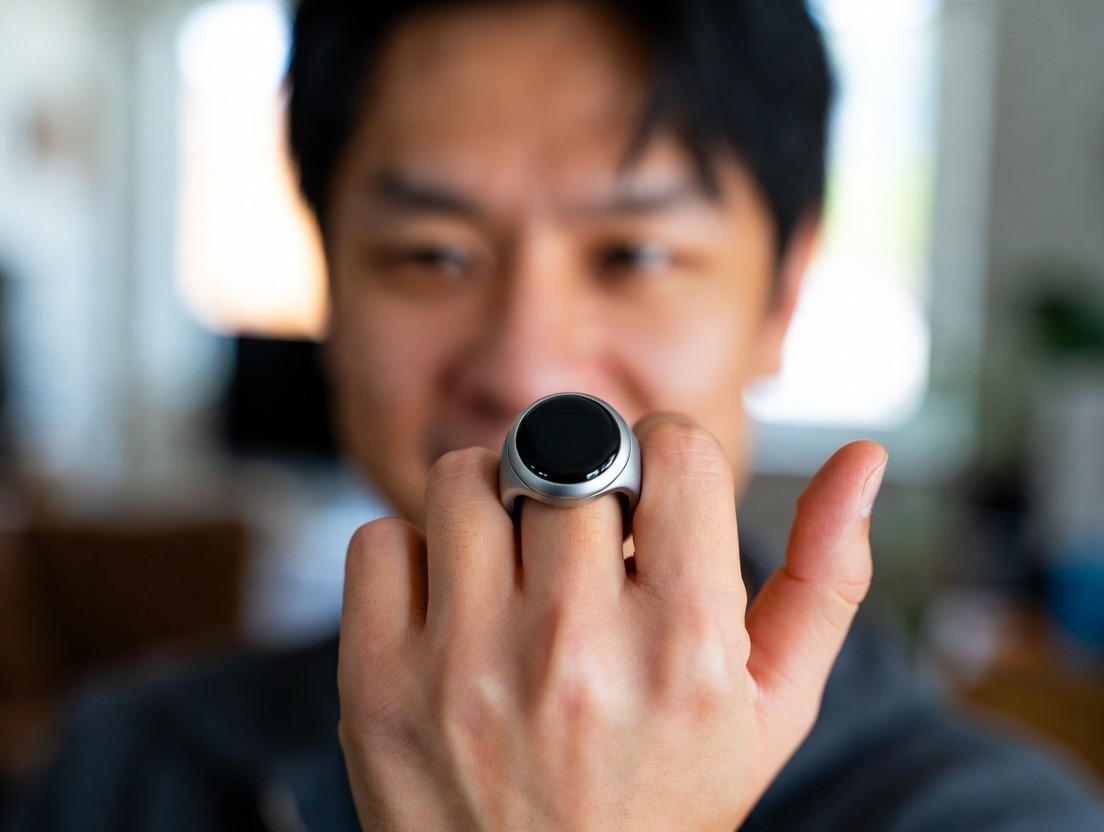
We have explored fascia as a physical structure, but to truly grasp its role in recovery and well-being, we must venture into the psychological and emotional realm. Fascia is increasingly understood as the physical substrate of the mind-body connection. It is where emotions and trauma become lodged, and conversely, where therapeutic touch and movement can facilitate profound release and healing.
Fascia as the Organ of Embodiment
Your sense of self—of inhabiting your body—is mediated in large part by the sensory feedback from your fascial network. Its dense concentration of interoceptors provides the brain with a constant stream of data about your internal state: tension, relaxation, ease, restriction. When this system is healthy and fluid, you feel "in tune" with your body. When it is restricted and congested, you can feel disconnected, numb, or perpetually uncomfortable.
Emotional Storage: The Tissue Memory Hypothesis
The idea that the body "holds" emotions is not just poetic metaphor; it has a plausible biological basis in the fascial system. Here’s how it may work:
This explains why deep tissue massage or myofascial release can sometimes elicit strong, unexpected emotions—tears, laughter, or memories. The practitioner is physically interacting with a structure that is intertwined with the nervous system that recorded the experience.
Trauma and the Freeze Response: Fascial Immobilization
In severe trauma, the nervous system can invoke the "freeze" response (a dorsal vagal state), a last-ditch survival mechanism involving dissociation and immobilization. This state is characterized by a profound, global fascial and muscular rigidity—a literal "frozen" state. Recovery from trauma, therefore, must involve gentle, somatic approaches that slowly and safely restore a sense of movement and flow to the fascial system, signaling to the nervous system that the threat has passed and mobility is safe again. Practices like somatic experiencing or trauma-informed yoga focus on this very process.
Practical Implications for Recovery and Therapy
This connection has profound implications for how we approach both physical and emotional healing:
Acknowledging the mind-fascia connection elevates our understanding of recovery from a purely mechanical process to a holistic integration. True healing involves not just the repair of torn collagen, but the resolution of the patterns—both physical and emotional—that led to the dysfunction in the first place.
We stand on the precipice of a new era in understanding the human body. As fascial science matures and converges with exponential technologies, the potential for hyper-personalized recovery and performance optimization is staggering. This is the frontier beyond today's wearables and foam rollers.
The "Fascione": Mapping Your Unique Fascial Blueprint
Just as we have the genome, the microbiome, and the proteome, we may one day conceptualize the "fascione"—the complete map of an individual's unique fascial architecture, including its inherent tension patterns, areas of congenital density or laxity, and its specific collagen profile (influenced by genetics). Imagine a non-invasive scan (perhaps an advanced form of elastography combined with AI-powered imaging) performed in your 20s, providing a baseline map of your healthy fascial web. This map would then serve as a reference for tracking changes due to injury, training, aging, or surgery, guiding rehabilitation back to your unique optimal state, not a generic textbook norm.
Smart Bio-Interfaces and Responsive Clothing
The next generation of wearables won't just sit on your wrist or finger. They will be integrated into your clothing and directly interact with your fascial system.
Nutrigenomics for Fascial Health
Your genetic profile influences your collagen synthesis, inflammatory response, and connective tissue resilience. Future platforms could integrate DNA data with continuous biomarker tracking (from blood, saliva, or interstitial fluid) to create dynamic nutrition and supplementation plans.
Regenerative Medicine and Fascial Remodeling
The field of biologics holds promise for directly influencing fascial health.
The Integration: Your Digital Fascial Twin
The ultimate destination is the creation of a digital twin—a high-fidelity computational model of your body, fed by continuous data streams from wearables, scans, and genetic information. This model could simulate how a planned training load would stress your fascial system, predict your recovery timeline, and recommend the optimal combination of modalities (specific mobility drills, bodywork, nutrition) to prepare for or recover from it. It would be the ultimate expression of the smart ring approach to training load management, evolved into a comprehensive life-system management tool.
This future is not about technology for its own sake. It is about using technology to deepen our conversation with the body, to move from treating symptoms to understanding and optimizing the foundational system that governs our structure and function. It promises a world where recovery is not a guesswork chore, but a precise, personalized science—and where the wisdom of the fascial web is finally fully integrated into our pursuit of health and performance.
Your Trusted Sleep Advocate (Sleep Foundation — https://www.sleepfoundation.org/)
Discover a digital archive of scholarly articles (NIH — https://www.ncbi.nlm.nih.gov/
39 million citations for biomedical literature (PubMed — https://pubmed.ncbi.nlm.nih.gov/)
experts at Harvard Health Publishing covering a variety of health topics — https://www.health.harvard.edu/blog/)
Every life deserves world class care (Cleveland Clinic -
https://my.clevelandclinic.org/health)
Wearable technology and the future of predictive health monitoring. (MIT Technology Review — https://www.technologyreview.com/)
Dedicated to the well-being of all people and guided by science (World Health Organization — https://www.who.int/news-room/)
Psychological science and knowledge to benefit society and improve lives. (APA — https://www.apa.org/monitor/)
Cutting-edge insights on human longevity and peak performance
(Lifespan Research — https://www.lifespan.io/)
Global authority on exercise physiology, sports performance, and human recovery
(American College of Sports Medicine — https://www.acsm.org/)
Neuroscience-driven guidance for better focus, sleep, and mental clarity
(Stanford Human Performance Lab — https://humanperformance.stanford.edu/)
Evidence-based psychology and mind–body wellness resources
(Mayo Clinic — https://www.mayoclinic.org/healthy-lifestyle/)
Data-backed research on emotional wellbeing, stress biology, and resilience
(American Institute of Stress — https://www.stress.org/)


