


Understanding Body Recovery: The Gut-Brain Axis
The two-way communication pathway between your gut and brain during recovery.
The two-way communication pathway between your gut and brain during recovery.
%402x.svg)
For decades, we’ve viewed the human body through a fragmented lens. Fitness was about muscles and cardio. Mental health was about the brain. Digestion was… well, an afterthought. We pushed through fatigue, ignored gut discomfort as a dietary blip, and wondered why we’d hit performance plateaus or feel mentally foggy despite our best efforts. Recovery was simply what happened between workouts—passive, ill-defined, and often measured only by the absence of soreness.
But what if true recovery—the deep, systemic renewal that fuels peak performance, razor-sharp cognition, and resilient well-being—is orchestrated by a constant, sophisticated dialogue between two seemingly separate systems? Imagine a bi-directional superhighway where your intestinal tract and your brain are in non-stop communication, exchanging chemical messages, hormonal signals, and neural whispers that dictate your energy, mood, immune response, and ultimately, your body’s ability to rebuild itself.
This is the gut-brain axis. It’s not a metaphor; it’s a foundational physiological reality. Your gut, home to trillions of microbes collectively known as the microbiome, acts as a second brain, producing a vast array of neurotransmitters and inflammatory compounds that directly influence your central nervous system. Conversely, your brain’s state—stressed, calm, focused—sends signals that alter gut permeability, motility, and microbial behavior. This axis is the command center for homeostasis, and understanding it is the single greatest leap you can make in optimizing recovery from stress, exercise, and life itself.
Modern technology, like the advanced sensors in a Oxyzen smart ring, now allows us to listen in on this conversation indirectly. By tracking heart rate variability (HRV), sleep architecture, resting heart rate, and body temperature—all key outputs influenced by the gut-brain axis—we get a real-time dashboard of our systemic recovery status. It moves us from guessing to knowing, from ignoring subtle signals to interpreting our body’s true language.
This deep dive will demystify this critical connection. We’ll explore the anatomy of the conversation, decode the role of your microbial citizens, and uncover how inflammation becomes the universal language of poor recovery. We’ll then connect this biology to the tangible data you can track and the daily protocols that can transform your gut-brain axis from a source of unexplained fatigue into your most powerful engine for sustained vitality. This is where outdated wellness siloes collapse, and a new, integrated picture of human optimization emerges.

To understand the gut-brain axis, you must first map the communication lines. It’s a network built on two primary infrastructures: a hardwired neural superhighway and a fluid, chemical postal system circulating in your bloodstream.
The most direct line is the vagus nerve, the longest cranial nerve in your body. It’s a two-way street of immense bandwidth, connecting your brainstem to your heart, lungs, and virtually every major organ in your digestive tract, from your esophagus to your colon. An estimated 80-90% of the fibers in the vagus nerve are afferent, meaning they carry signals from the gut to the brain. Your gut is doing most of the talking.
When you eat, when your gut microbes ferment fiber, or when inflammation flares in your intestinal lining, sensory information shoots up the vagus nerve to your brain. This information influences the brainstem and hypothalamus, areas critical for regulating stress (via the HPA axis), appetite, mood, and overall homeostasis. For instance, the sensation of fullness after a meal isn’t just your stomach stretching; it’s a cascade of hormonal and neural signals, many relayed via the vagus, telling your brain you’re satisfied. A toned, responsive vagus nerve is associated with a high heart rate variability (HRV)—a key metric of recovery and resilience that devices like a wellness ring track each morning.
Parallel to this neural chatter is the chemical messaging system. Your gut lining houses specialized enteroendocrine cells that produce over 30 different hormones and a staggering 90% of your body’s serotonin—not the “happy” brain serotonin, but a crucial regulator of gut motility, mood, and sleep precursor. Other key compounds include:
This dual-channel communication means your gut doesn’t just send simple “hungry” or “full” signals. It provides a constant stream of data on immune status, microbial activity, and nutrient availability, which your brain integrates to decide: Is this a time for growth, action, and performance? Or is it a time for rest, repair, and conservation? When this dialogue is clear and balanced, recovery is efficient. When it’s muddled by poor signals—like those from a dysfunctional gut—the entire system’s recovery capacity is compromised.
If the vagus nerve and bloodstream are the communication networks, then your gut microbiome is the populous nation generating the messages. This diverse community of bacteria, viruses, fungi, and archaea is not a passive passenger; it’s an active metabolic organ, intimately involved in digesting food, synthesizing vitamins, training your immune system, and—most critically for recovery—producing the very chemical messengers that talk to your brain.
Think of your gut microbiome as a diverse garden. A healthy, resilient garden (a symbiotic microbiome) is teeming with a variety of species that work beneficially for you, their host. They ferment indigestible fibers into those valuable SCFAs, crowd out pathogens, and contribute to a robust gut lining. A damaged, low-diversity garden (a dysbiotic state) is overrun with weeds (pathogenic bacteria) and lacks variety, leading to a leaky, inflamed environment.
The composition of this microbiome directly dictates the quality of signals on the gut-brain axis:
Nurturing a symbiotic microbiome is therefore not about digestion alone; it’s about programming your internal signal-generating organ to send recovery-promoting, anti-inflammatory, and resilience-building messages to your brain 24/7.
Inflammation: The Universal Language of Poor Recovery
If the microbiome generates signals, then inflammation is the most powerful—and most damaging—dialect it can speak on the gut-brain axis. Acute, short-term inflammation is a necessary healing response. But chronic, low-grade systemic inflammation is the core biological process that links a distressed gut to impaired brain function, stalled physical recovery, and overall depleted vitality.
The pathway often begins with intestinal hyperpermeability, commonly called “leaky gut.” When the tight junctions between the cells of your intestinal lining become compromised due to chronic stress, poor diet, dysbiosis, or toxins, they allow undigested food particles, bacterial debris, and endotoxins like LPS (Lipopolysaccharide) to seep into the bloodstream. Your immune system identifies these as foreign invaders and mounts an attack, triggering a persistent, body-wide inflammatory state.
Therefore, managing recovery is, in large part, managing inflammation. And the most potent lever for controlling systemic inflammation is often the gut. By nurturing a healthy microbiome and a strong gut barrier, you reduce the flood of inflammatory signals at their source, allowing your body’s natural repair mechanisms to function optimally. This systemic calm is what allows for true supercompensation—the process where you recover to a level higher than your baseline.
You can’t directly measure your vagal tone or microbiome diversity at home (yet). But you can track their profound downstream effects through key biomarkers that serve as a proxy for the state of your gut-brain axis and overall recovery. This is where modern wearable technology transforms an abstract concept into an actionable daily dashboard.
By monitoring the following metrics, you move from having a vague “gut feeling” of being run down to possessing concrete data on your systemic state:
A device like the Oxyzen smart ring provides a seamless, night-long measurement of these parameters, synthesizing them into an easy-to-understand Recovery Quality Score. This score isn’t a verdict on your gut health in isolation, but a holistic snapshot of your body’s recovery readiness, which is deeply influenced by the gut-brain conversation. When you see a low score, instead of just blaming a hard workout, you’re prompted to consider: Was my diet inflammatory yesterday? Was I unusually stressed? Is an underlying gut issue flaring up? This data empowers you to adjust your exercise based on your smart ring recovery score, turning daily decisions into strategic recovery investments.
With the gut-brain axis established as the command center and biometrics as our feedback system, we arrive at the most direct intervention point: what you feed the system. Nutrition isn’t just fuel for muscles; it’s the primary language you use to communicate with your microbiome, shape the gut environment, and thereby influence the entire axis. An anti-inflammatory, microbiome-supportive diet is the software update that optimizes recovery signaling.
The foundational principles are:
Consider the timing as well. Nutrient timing can support the axis: a protein and complex carb-rich meal after training can aid muscle repair without spiking inflammation, while a lighter, easily digestible evening meal can prevent gut activity from interfering with sleep onset. The goal is to eat in a way that minimizes digestive stress and maximizes the production of beneficial, recovery-promoting metabolites like SCFAs. Your diet should leave your gut—and by extension, your brain—in a state of calm, ready to direct resources toward repair.
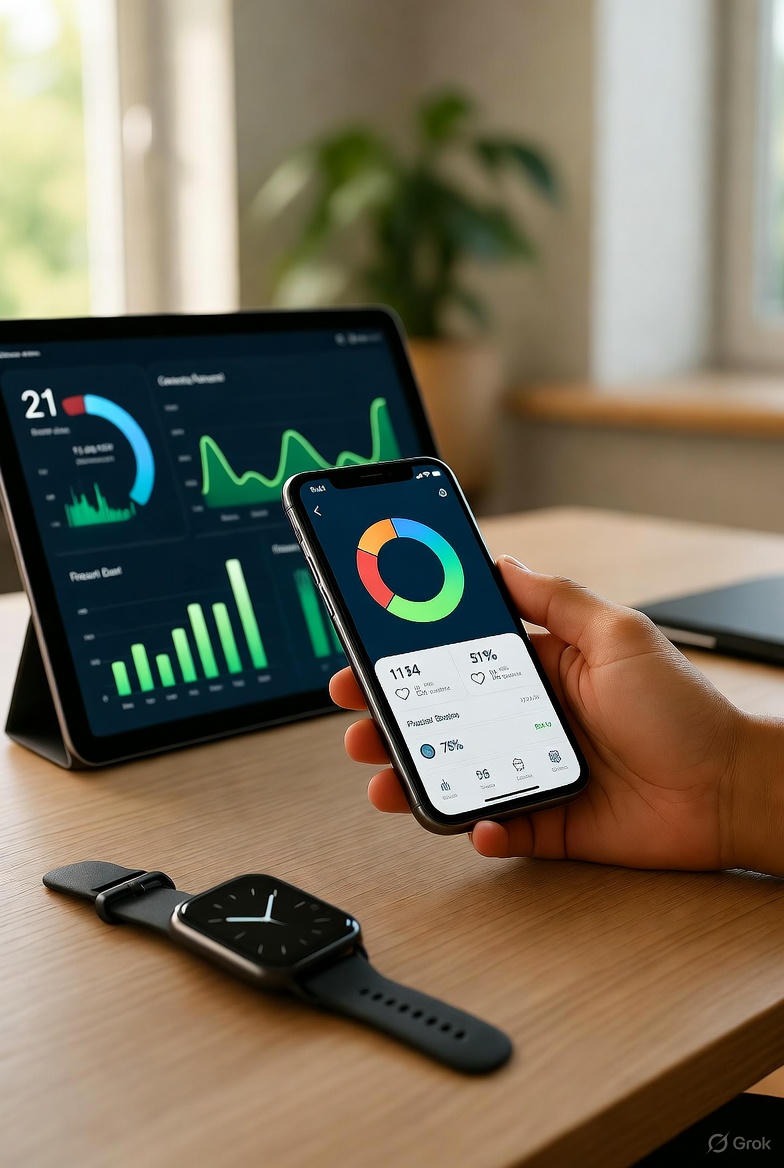
You can eat the perfect diet, but if your mind is perpetually in fight-or-flight mode, you are effectively pouring water into a bucket with a giant hole. Psychological stress is not a separate domain; it is a powerful physiological event that directly disrupts the gut-brain axis and hijacks recovery resources. The Hypothalamic-Pituitary-Adrenal (HPA) axis, your central stress response system, is in constant dialogue with your gut.
Here’s how chronic mental or emotional stress creates physical recovery debt:
This explains why you can’t “out-exercise” or “out-supplement” a high-stress life. The recovery block is upstream. Techniques to manage stress are therefore not just for “mental wellness”—they are concrete, non-negotiable recovery protocols. Practices like deliberate breathwork (which directly stimulates the vagus nerve), mindfulness meditation, time in nature, and true digital detachment are not luxuries; they are essential maintenance for the gut-brain communication hardware. They create the internal quiet necessary for the body to hear its own repair signals. For athletes and high-performers, this mental component is a critical part of the exercise and recovery balance for competition seasons.
Exercise is a paradoxical stressor: a controlled, acute dose that, when balanced with recovery, makes the entire system more resilient. Its impact on the gut-brain axis is profound and mostly beneficial, but it follows a clear dose-response curve. Getting the dose right is the art of balancing high-intensity exercise with adequate recovery.
The benefits of regular, moderate exercise for the axis are clear:
However, the key is in the dose. Excessive, prolonged, or poorly recovered exercise flips these benefits on their head:
Therefore, exercise must be periodized and personalized. Listening to your biometrics is crucial to staying on the right side of the curve. A planned deload week strategy, guided by a downward trend in HRV and rising RHR, isn’t just for muscle recovery; it’s a vital respite for your gut lining and microbiome to repair and rebalance, ensuring the axis remains a source of strength, not breakdown.
Sleep is the non-negotiable pinnacle of the recovery pyramid. It is during deep, slow-wave sleep that human growth hormone is released, tissues are repaired, and memories are consolidated. But sleep is not merely a brain state; it is a whole-body process deeply entangled with gut health. The gut-brain axis is a primary regulator of sleep quality, and in turn, sleep profoundly affects the gut.
This creates another powerful bidirectional loop:
Optimizing sleep, therefore, is a dual-front war: creating the external conditions for sleep (dark, cool, quiet environment; consistent schedule) and nurturing the internal gut environment to promote stable, restorative sleep architecture. This is the core of the sleep-performance-recovery triangle. Your sleep data—tracked objectively by a wearable—becomes a critical report card on the state of your internal environment. Poor sleep isn’t just about a late night; it’s a signal to investigate dietary choices, stress levels, and gut health.
Understanding the science is one thing; applying it is another. This is not about perfection, but about introducing strategic, high-impact practices that positively influence the dialogue. Here is a foundational 7-day protocol designed to calm inflammation, support your microbiome, and enhance vagal tone, thereby setting the stage for superior recovery. Consider this a system reboot.
Daily Pillars (Days 1-7):
Weekly Structure:
Throughout this week, observe your biometrics. Use your Oxyzen ring to track trends in your HRV, RHR, and sleep score. The goal is to connect these tangible actions to tangible improvements in your recovery data, validating your recovery strategies with hard evidence. This creates a powerful feedback loop that turns theory into lasting habit.
We live in a world brilliantly engineered for convenience, speed, and stimulation, yet one that is often physiologically hostile to the ancient, delicate communication system of the gut-brain axis. Our daily routines are filled with silent saboteurs—habits so normalized we scarcely consider their biological impact. To master recovery, we must first identify and understand these pervasive disruptors that muddy the signaling between our gut and brain, leading to a chronic state of low-grade alarm that stifles repair.
The Ubiquity of Chronic, Low-Grade Stress: Unlike our ancestors who faced acute, life-threatening stressors followed by long periods of recovery, we are besieged by a drumbeat of psychological and logistical stressors. Commutes, inboxes, social comparisons, financial pressures, and the 24/7 news cycle keep our sympathetic nervous system subtly engaged. This constant "on" state means cortisol and adrenaline are rarely allowed to return to a true baseline. As established, this HPA axis activation directly weakens the gut lining, alters microbial communities, and suppresses vagal tone. It’s not the occasional crisis but the unrelenting "grind" that does the most profound damage to the axis, preventing the parasympathetic "rest-and-digest" state where deep recovery occurs. This is why a deload week strategy isn't just for physical training; it's a necessary psychological and physiological reset for the entire system.
The Standard American Diet (SAD) as an Inflammatory Onslaught: The typical modern diet is a perfect storm for axis disruption. It is often:
The Sleep-Disruption Epidemic: We've traded darkness for blue light, silence for notification pings, and cool bedrooms for constant climate control. Artificial light after sundown, especially from screens, suppresses melatonin production, disrupting the circadian rhythm that governs not only sleep but also gut motility, enzyme secretion, and microbial activity. Your gut microbiome has its own daily rhythms, and shift work or inconsistent sleep schedules can desynchronize it, impairing its function. Poor sleep is both a cause and a consequence of a disrupted gut-brain axis, creating another vicious cycle.
Over-Reliance on Pharmaceuticals: While often life-saving, certain common medications have unintended consequences for the axis. Broad-spectrum antibiotics are arguably the most disruptive, acting like a scorched-earth policy on the microbiome, wiping out beneficial species alongside pathogens. Proton pump inhibitors (PPIs for acid reflux), NSAIDs (like ibuprofen), and oral corticosteroids can all compromise the gut lining and alter microbial balance. This isn't a call to avoid necessary medication, but rather a mandate to use them judiciously and to actively support gut health during and after their course.
Environmental Toxins and Endocrine Disruptors: Our environment is saturated with low levels of toxins that can influence the axis. Pesticides on non-organic produce (like glyphosate) may have antimicrobial properties that affect gut bacteria. Plastics containing BPA and phthalates can leach endocrine-disrupting chemicals that influence hormonal balance, which is tightly linked to both gut and brain function. These chronic, low-dose exposures contribute to the total "toxic load" the body must manage, diverting energy and resources away from recovery.
The Antiseptic Lifestyle: The "hygiene hypothesis" suggests that our overly sanitized environments—antibacterial soaps, lack of exposure to soil and animals—may limit the diversity of microbes we encounter, potentially leading to an under-trained immune system and a less resilient microbiome. While we don't want pathogenic exposure, some interaction with diverse environmental microbes seems crucial for developing a robust internal ecosystem.
The first step to healing the axis is to conduct an audit of your own life through this lens. Where are these disruptors showing up? The goal isn't to retreat to a cave, but to make strategic swaps and mitigations—prioritizing whole foods, managing digital exposure, and protecting sleep—to reduce the cumulative burden on your gut-brain communication lines. By clearing this noise, you create the internal quiet necessary for the signals of true recovery to be heard loud and clear.
If inflammation is the universal language of poor recovery, then a "leaky gut," or increased intestinal permeability, is often the loudspeaker. Healing the gut lining is therefore a non-negotiable foundational step in optimizing the gut-brain axis for recovery. It's about repairing the physical barrier so that inflammatory signals are contained, and nutrient absorption is optimized. This isn't about quick fixes; it's about providing the right building blocks and environment for the gut to heal itself.
The intestinal lining is one of the most rapidly renewing tissues in the body, completely replacing itself every 3-5 days. This offers a tremendous opportunity for rapid improvement with the right support. The protocol revolves around Remove, Replace, Restore, and Repair.
1. Remove Aggravators: This is the elimination phase, aimed at reducing the inflammatory and mechanical insult on the lining.
2. Replace & Support Digestion: Optimal digestion reduces the burden of poorly broken-down food particles that can irritate the lining.
3. Restore Beneficial Bacteria: Reinoculating the gut with beneficial microbes helps crowd out pathogens and produces healing compounds like butyrate.
4. Repair with Specific Nutrients: Provide the raw materials the gut needs to rebuild its tight junctions and villi.
Tracking Progress: This is where biometrics become essential. You are not just going on feel. As you implement these protocols, you should aim to see objective improvements in your biomarkers. A rising trend in your Recovery Quality Score, an increase in HRV, a decrease in resting heart rate, and more stable, deeper sleep are all signs that the gut lining is healing and the inflammatory chatter on the gut-brain axis is quieting down. This feedback loop allows you to validate your recovery strategies with hard data, fine-tuning your approach for your unique biology.

We've established that psychological stress is a primary disruptor of the gut-brain axis. Therefore, active stress management transcends "self-care" and becomes a core, non-negotiable component of any serious recovery protocol. It is the practice of manually switching your nervous system from the sympathetic "fight-or-flight" state to the parasympathetic "rest-and-digest" state, where healing occurs. This toolkit contains practical, evidence-based techniques to strengthen your vagus nerve and calm the HPA axis, directly improving gut health and recovery capacity.
1. Breathwork: The Direct Vagus Nerve Stimulator: Your breath is the remote control for your autonomic nervous system. Slow, diaphragmatic breathing is the most accessible and powerful tool you have.
2. Cold Exposure: The Adaptive Stressor: Brief, controlled cold exposure (cold showers, ice baths) is a hormetic stressor—a small dose of adversity that makes the system stronger. It powerfully activates the vagus nerve and increases vagal tone over time.
3. Meditation & Mindfulness: These practices reduce activity in the amygdala (the brain's fear center) and strengthen connections to the prefrontal cortex (the rational, planning center). This down-regulates the HPA axis.
4. Nature Immersion ("Forest Bathing"): Time in nature, away from digital devices, lowers cortisol, reduces rumination, and can positively modulate the immune system. The combination of fresh air, phytoncides (aromatic compounds from trees), and natural sounds is a multi-sensory reset for the overstimulated nervous system.
5. Social Connection and Laughter: Positive social interaction and genuine laughter are potent vagus nerve stimulators. Loneliness and social isolation, conversely, are major chronic stressors with documented negative effects on inflammation and gut health. Prioritize meaningful connection; it's physiological medicine.
Integrating the Toolkit: The key is consistency, not duration. A daily 5-minute breathing practice is far more impactful than an hour once a month. These practices build "stress resilience," raising your threshold before the HPA axis kicks into overdrive. For the athlete or high-performer, this mental fortitude is critical. It’s what allows for the exercise and recovery balance during competition seasons, where psychological pressure is at its peak. By managing mental load, you protect your gut, and by protecting your gut, you safeguard your mental clarity and physical recovery—a virtuous cycle of resilience.
The conversation around gut health has moved far beyond simply taking a probiotic pill. While introducing beneficial bacteria is important, it's only one piece of the puzzle. To strategically engineer a recovery-optimized microbiome, we must understand and utilize the full spectrum of microbial support: prebiotics, probiotics, and postbiotics. This trio works in concert to cultivate a resilient inner garden that consistently sends beneficial signals up the gut-brain axis.
Prebiotics: The Fertilizer. Prebiotics are non-digestible fibers that serve as food for your beneficial gut bacteria. You can't have a healthy microbiome without them. Think of taking a probiotic without eating prebiotics as planting seeds in barren soil.
Probiotics: The Seeds. These are the live beneficial bacteria themselves. They can help colonize the gut, outcompete pathogens, and modulate the immune system.
Postbiotics: The Harvest. This is the newest and perhaps most exciting frontier. Postbiotics are the bioactive compounds produced by your gut bacteria when they ferment prebiotics. These are the direct messengers on the gut-brain axis.
The Synbiotic Approach: The future of microbial support is synbiotics—combinations of prebiotics and probiotics designed to work synergistically. The prebiotic fiber ensures the probiotic bacteria have the fuel they need to survive, thrive, and produce beneficial postbiotics once they arrive.
Personalization is Paramount: There is no one-size-fits-all microbiome supplement. Your unique ecosystem will respond differently. This is, again, where biometric tracking shines. When you introduce a new prebiotic food or a probiotic supplement, monitor your body's response. Does your sleep improve and HRV rise over the following week? Or do you experience bloating and a dip in recovery scores? Your body's data provides the answer, guiding you toward a personalized exercise and recovery balance that includes your microbial management strategy.
Often, the connection between gut distress and stalled recovery isn't obvious. You might not have classic IBS symptoms like cramping or urgent diarrhea. Instead, the gut-brain axis dysfunction manifests in more systemic, subtle ways that are easy to misattribute. Learning to interpret these signals is crucial for connecting the dots and addressing the root cause.
1. The "Unexplained" Fatigue & Energy Crashes: This isn't just post-workout tiredness. It's a deep, pervasive fatigue that isn't resolved by sleep. It often hits in the mid-afternoon. The cause? Systemic inflammation from a distressed gut disrupts mitochondrial function (your cellular power plants) and creates insulin resistance, making it hard for your cells to use glucose efficiently. Your body is expending massive energy on a silent immune battle, leaving little for you. If you're constantly in recovery debt despite adequate sleep, look to your gut.
2. Brain Fog, Anxiety, and Low Motivation: A foggy, sluggish mind and feelings of unease or low-grade anxiety that seem disconnected from your life circumstances can be direct outputs of the gut-brain axis. Inflammatory cytokines and altered neurotransmitter production (serotonin, GABA) directly affect brain regions responsible for focus, mood, and executive function. This isn't "all in your head"; it's a biochemical reality originating, in part, from your gut.
3. Stubborn Weight Gain or Difficulty Building Muscle: When inflammation is high and the gut lining is compromised, nutrient absorption can be impaired. You might be eating enough protein and calories, but your body isn't effectively utilizing them for repair and growth. Furthermore, the dysregulated metabolism and hormonal imbalances (like elevated cortisol) that accompany gut issues promote fat storage, particularly around the abdomen.
4. Joint Pain and Generalized Aches: Systemic inflammation doesn't discriminate. The same cytokines that affect your brain can settle in joint spaces, causing stiffness, pain, and prolonged muscle soreness. This is often misdiagnosed as simply "overuse" or early arthritis when the source is a chronically irritated gut.
5. Skin Issues (Eczema, Acne, Rosacea): The gut-skin axis is a well-established sub-pathway. Inflammation and dysbiosis in the gut can manifest on the skin, as the body tries to expel toxins and microbes through another surface. Persistent skin conditions that don't respond to topical treatments often have a gut component.
6. Poor Sleep Despite Exhaustion: You crawl into bed exhausted but can't fall asleep, or you wake up frequently. As covered, this is a hallmark of HPA axis dysregulation and altered neurotransmitter production driven by gut issues. You're too wired (from cortisol and inflammatory signals) to rest deeply.
The Data Connection: This is where wearing a device like the Oxyzen ring transforms symptom interpretation from guesswork to science. You may feel vaguely fatigued and foggy, but your data tells the deeper story:
When you see this cluster of poor biometrics, it's a powerful signal to investigate gut health as a potential root cause, rather than just pushing harder or sleeping more. It provides the objective impetus to implement the dietary, stress, and supplemental protocols discussed, and then to track their efficacy as your numbers improve. This is the essence of using technology to listen to your body's smart ring data for true systemic insight.
For athletes and highly active individuals, the gut is not just a health organ; it's a performance organ. The physical demands of training place unique stresses on the digestive system, and the integrity of the gut-brain axis can be the difference between a personal record and a plateau, or between consistent progress and a descent into overtraining. Here, we move from general principles to sport-specific applications.
The Dual Stress of Training: An athlete's gut must contend with:
Common Athletic Gut Issues:
Nutritional Strategies for the Athletic Gut:
Recovery-Focused Supplementation for Athletes:
The Overtraining-Gut Connection: Overtraining syndrome is the ultimate breakdown of the gut-brain axis. It is characterized by HPA axis dysfunction (often with paradoxically low cortisol), extreme fatigue, performance decline, and almost always, severe gastrointestinal issues. This is the body's systemic meltdown. Preventing it requires meticulous attention to the balance between stress and recovery. This is the ultimate application of smart ring data to prevent burnout and plateau. A sustained downward trend in HRV, coupled with rising RHR and poor sleep, is an early warning system to pull back, prioritize gut-healing protocols, and implement a mandatory deload week strategy before damage is done.
For the athlete, optimizing the gut-brain axis isn't about chasing a marginal gain; it's about protecting the foundation that allows all other gains to be possible. It's what enables the long-term fitness gains that come from consistent, recovered training.

The principles of the gut-brain axis can feel abstract until they are applied to real human challenges. By examining specific, data-informed scenarios, we can see how manipulating this axis transforms recovery from a vague concept into a tangible, measurable outcome. These case studies illustrate the profound interplay between diet, stress, biometrics, and lifestyle, showcasing how targeted interventions can reset the dialogue between gut and brain.
These cases demonstrate that regardless of the starting point—psychological stress, physical overtraining, or environmental disruption—the gut-brain axis is the common pathway. By measuring its outputs (HRV, sleep, RHR) and intervening with precise nutritional, behavioral, and supplemental strategies, we can guide the system back to a state of balance, where true recovery is not just possible, but predictable.
Optimizing the gut-brain axis for recovery isn't a 30-day cleanse or a quick fix. It's the cultivation of a lifelong, resilient physiology. The goal shifts from repairing acute damage to maintaining a state of positive balance—a condition where the axis acts as a buffer against life's inevitable stresses, allowing you to bounce back faster and adapt more effectively. This is the foundation of not just peak performance, but of sustained healthspan and vitality.
The Pillars of Sustained Axis Health:
The Ultimate Goal: Resilience. A healthy gut-brain axis doesn't mean you never get stressed, sick, or tired. It means that when you encounter these challenges, your system has the resources and flexibility to respond appropriately and return to baseline efficiently. You recover from a hard workout faster. You shake off a virus more quickly. You process an emotional setback without it derailing your physical health for weeks. This is resilience—the capacity to withstand, adapt, and grow from stress. It is the most valuable asset for long-term fitness gains and a high-quality life.
By committing to the long game of axis health, you are investing in a future where your biology works for you, not against you. You are building a body that communicates clearly with itself, turning the daily challenges of life into opportunities for strengthening, not breakdown. This is the promise of understanding and nurturing the gut-brain connection: a life of sustained energy, clarity, and vitality, powered by the most fundamental conversation happening inside you.
Your Trusted Sleep Advocate (Sleep Foundation — https://www.sleepfoundation.org/)
Discover a digital archive of scholarly articles (NIH — https://www.ncbi.nlm.nih.gov/
39 million citations for biomedical literature (PubMed — https://pubmed.ncbi.nlm.nih.gov/)
experts at Harvard Health Publishing covering a variety of health topics — https://www.health.harvard.edu/blog/)
Every life deserves world class care (Cleveland Clinic -
https://my.clevelandclinic.org/health)
Wearable technology and the future of predictive health monitoring. (MIT Technology Review — https://www.technologyreview.com/)
Dedicated to the well-being of all people and guided by science (World Health Organization — https://www.who.int/news-room/)
Psychological science and knowledge to benefit society and improve lives. (APA — https://www.apa.org/monitor/)
Cutting-edge insights on human longevity and peak performance
(Lifespan Research — https://www.lifespan.io/)
Global authority on exercise physiology, sports performance, and human recovery
(American College of Sports Medicine — https://www.acsm.org/)
Neuroscience-driven guidance for better focus, sleep, and mental clarity
(Stanford Human Performance Lab — https://humanperformance.stanford.edu/)
Evidence-based psychology and mind–body wellness resources
(Mayo Clinic — https://www.mayoclinic.org/healthy-lifestyle/)
Data-backed research on emotional wellbeing, stress biology, and resilience
(American Institute of Stress — https://www.stress.org/)


