


How Wearable Wellness 101 Changes With Life Stages
Advice on how to adjust your use of wearable technology as you move through different phases of life.
Advice on how to adjust your use of wearable technology as you move through different phases of life.
%402x.svg)
For decades, the pursuit of wellness felt like a static destination—a singular peak we were all trying to climb. We followed one-size-fits-all advice: 10,000 steps, eight glasses of water, eight hours of sleep. But life isn’t static. It’s a dynamic, unfolding journey with distinct seasons, each presenting unique physical, mental, and emotional landscapes. What fuels a 25-year-old launching a career can deplete a 45-year-old managing a family, and what calms a 65-year-old in transition may not challenge a teenager enough. The old wellness paradigm is crumbling, and in its place rises a new, intelligent, and deeply personal approach: contextual, life-stage-aware health.
Enter the era of wearable wellness technology, specifically exemplified by the rise of the smart ring. Discreet, powerful, and worn 24/7, these devices move beyond simple step counting. They are continuous biometrical listeners, decoding the subtle language of our bodies—heart rate variability (HRV), skin temperature, sleep architecture, and resting pulse. This isn't just data; it’s a real-time narrative of our wellbeing. However, data alone is just noise. The revolutionary shift lies in contextual interpretation. The same elevated nighttime heart rate can signal exam stress for a college student, overtraining for an athlete, the onset of illness for a parent, or a metabolic shift during menopause. Understanding the "why" behind the "what" is everything.
This article explores a fundamental new truth: Your Wearable Wellness 101—the core principles of how you use, interpret, and act on your biometric data—must evolve as you do. The metrics that matter most, the goals you set, and the actionable insights you prioritize will and should change dramatically from your turbulent twenties to your replenishing seventies and beyond. We will journey through each major life stage, mapping how a sophisticated tool like a smart ring transitions from a fitness coach to a stress auditor, a sleep guardian, a hormonal balance tracker, and ultimately, a longevity companion. This is not just about tracking life; it’s about allowing your technology to adapt and respond to your life’s story, empowering you to make the right decision for the season you’re in. Welcome to the future of personalized health—a future that grows with you.
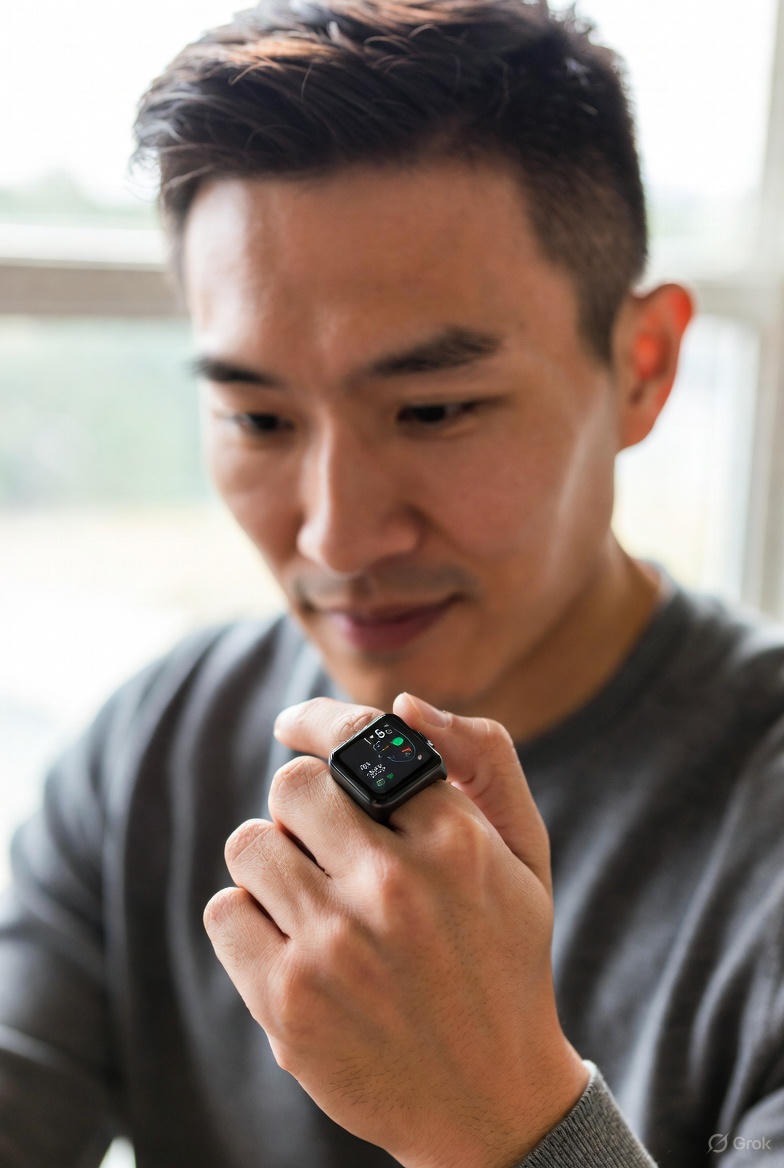
Before we chart the evolution of wellness across a lifetime, we must first understand the language our devices speak. A modern smart ring is a master of stealthy, continuous biometric monitoring. Unlike a smartwatch that can be bulky and distracting, a ring’s form factor allows for unparalleled consistency in data collection, especially during sleep—the most critical period for recovery diagnostics. But what are these key metrics, and why are they the foundational pillars of modern wearable wellness?
Heart Rate Variability (HRV): The North Star of Nervous System Balance
HRV is not your heart rate. While your pulse counts the beats per minute, HRV measures the subtle, millisecond variations in the time intervals between each heartbeat. It is the single most powerful non-invasive window into your autonomic nervous system (ANS). A higher, more resilient HRV generally indicates a strong "rest-and-digest" (parasympathetic) dominance, meaning your body is adept at recovering, adapting to stress, and maintaining internal balance. A lower or trending-downward HRV often signals that your "fight-or-flight" (sympathetic) system is overworked, potentially due to emotional stress, physical overtraining, poor sleep, or illness. It’s your body’s truest, most honest stress score.
Resting Heart Rate (RHR): Your Metabolic Baseline
Your RHR, measured optimally during deep sleep or upon first waking, is a fundamental indicator of cardiovascular fitness and metabolic efficiency. A lower RHR typically suggests a stronger, more efficient heart. More importantly, trends in your RHR are incredibly telling. A sustained elevation of 5-10 beats per minute above your personal baseline can be an early warning sign of dehydration, impending sickness, insufficient recovery, or chronic stress.
Sleep Architecture: Beyond Just Hours in Bed
Modern wearables have moved far beyond simply tracking "time asleep." They now analyze sleep stages: light, deep, and REM (rapid eye movement). Each stage serves a distinct purpose. Deep sleep is physically restorative, crucial for tissue repair and immune function. REM sleep is mentally restorative, essential for memory consolidation and emotional processing. Your smart ring tracks the duration and proportion of these stages, providing a quality score far more valuable than duration alone. Disruptions in this architecture are often the first sign of imbalance.
Skin Temperature & Blood Oxygen (SpO2): The Subtle Shift Detectors
Continuous peripheral temperature monitoring can reveal trends related to circadian rhythm, ovulation (with a clear thermal shift), and the onset of infection (a fever spike). Similarly, nighttime blood oxygen saturation levels can point to issues like sleep apnea or respiratory disturbances that fragment sleep and strain the cardiovascular system.
Activity & Readiness Scores: The Integration of Data
The most advanced platforms don’t just show you raw data; they synthesize it. A "Readiness" or "Recovery" score (like the one you might track on a dedicated platform) amalgamates your HRV, RHR, sleep quality, and temperature data into a single, actionable number. It answers the crucial question: "Based on my body’s current state, am I primed to perform and take on stress, or do I need to prioritize recovery today?"
Understanding this biometric alphabet is Wearable Wellness 101. It’s the prerequisite for all that follows. As you’ll see, the weight you give to each of these metrics—whether you’re obsessing over deep sleep or monitoring thermal shifts—will transform as you navigate different life stages. For a deeper dive into interpreting these personal metrics as a measure of your systemic calm, you can explore The Restful Living Measurement: Tracking Your Calm.
This life stage is a whirlwind of biological, social, and neurological development. It’s a period of establishing independence, navigating academic pressures, forming identity, and often, experimenting with irregular habits. For the first time, individuals are solely responsible for their sleep schedules, diet, and stress management. A wearable here acts less as a medical device and more as a biofeedback coach for building foundational lifetime habits.
Key Metric Focus: Sleep Consistency & Stress Resilience.
The adolescent and young adult brain is still developing, particularly the prefrontal cortex responsible for decision-making and impulse control. This development is heavily sleep-dependent. Yet, this group is notoriously sleep-deprived, battling social jet lag from weekend disruptions, late-night screen use, and academic deadlines. A smart ring provides objective, non-judgmental data on how all-nighters truly impact next-day HRV and cognitive function (or lack thereof). The goal is to move from chaotic sleep to consistent circadian rhythms.
Furthermore, this age group encounters novel social and performance stressors. A wearable can help them draw a direct line between a stressful exam week (visible in plummeting HRV and elevated RHR) and its physical cost. It teaches the cause-and-effect of lifestyle choices, like how alcohol consumption severely fragments sleep architecture or how regular movement improves mood and resilience.
Actionable Insights for This Stage:
This stage is about education and establishing a positive, data-informed relationship with one’s own body. It lays the neural and behavioral groundwork for everything to come. For students specifically looking to harness this balance for success, the principles outlined in Restful Living for Students: Academic Success Through Balance are directly applicable.
This decade is often defined by professional ascent, financial establishment, and for many, the deepening of partnerships. The "hustle culture" is often glorified here, making it a prime window for the insidious creep of chronic stress and burnout. Wearable wellness shifts from a habit-builder to an essential stress auditor and burnout early-warning system. The goal is to sustain performance without sacrificing long-term health on the altar of short-term gain.
Key Metric Focus: HRV Trends & Sleep Quality Under Pressure.
In this stage, the demands on cognitive resources and time are immense. Work deadlines, networking, side hustles, and personal life logistics can create a constant state of low-grade sympathetic arousal. A smart ring’s primary job is to make the invisible visible. A gradually declining HRV trend over weeks or months is the canonical sign of accumulating, unaddressed stress. Similarly, watching deep sleep percentages drop during high-intensity projects provides irrefutable evidence that the body is not recovering adequately.
This is also the stage where many experience the "weekend crash"—exhaustion that hits the moment the pressure lifts. A wearable can quantify this, showing poor sleep and low readiness scores even on rest days, signaling a dysfunctional stress-recovery cycle.
Actionable Insights for This Stage:
For the entrepreneur or remote worker in this phase, designing a sustainable life is paramount. Insights on creating a calm, productive foundation can be found in Restful Living for Entrepreneurs: Sustainable Business Building and Restful Living for Remote Workers: Home as Sanctuary.
This life stage introduces a seismic shift: parenthood for many, coupled with peak career responsibilities and often, caring for aging parents—the "sandwich generation." Time becomes the scarcest commodity, and sleep is chronically fragmented, especially for new parents. Personal wellness often falls to the absolute bottom of the priority list. Here, the smart ring transforms from a luxury to a non-negotiable health maintenance tool, acting as a guardian of minimal recovery and a detector of systemic overload.
Key Metric Focus: Sleep Debt Management & Resting Heart Rate Stability.
For new parents, the classic "8-hour sleep" metric is irrelevant and even demoralizing. The focus must pivot to sleep quality and cardiac recovery during whatever sleep is available. Can you achieve a solid block of deep sleep in a 4-hour stretch? What small habit (like a white noise machine or cooler room temperature) might increase sleep efficiency by 5%? This is micro-optimization for survival.
For all individuals in this stage, the constant context-switching and emotional labor can keep RHR chronically elevated. Monitoring RHR trends becomes critical; a baseline creep upward is a red flag for sustained allostatic load. The ring’s value is in identifying even small windows for strategic recovery—a 10-minute nap when readiness is low, or recognizing that a calm Saturday morning is more restorative than a packed, "fun" weekend.
Actionable Insights for This Stage:
For women, this decade is dominated by the profound hormonal transition of perimenopause and menopause. For men, a gradual andropause (decline in testosterone) often occurs. For all, it’s a time of metabolic recalibration—muscle mass becomes harder to maintain, weight may shift more easily, and the cost of poor recovery becomes more immediate and severe. The wearable evolves into a hormonal change decoder and metabolic health monitor.
Key Metric Focus: Skin Temperature Trends & Sleep Architecture Shifts.
For women, the smart ring becomes an indispensable tool for navigating the menopausal transition. Nocturnal skin temperature tracking is exceptionally accurate at detecting the onset of the vasomotor disturbances that cause night sweats and hot flashes, which are primary drivers of sleep fragmentation. Seeing the objective data—a temperature spike correlating with a waking event—can validate the experience and help track the efficacy of interventions (like dietary changes, HRT, or cooling technology).
For everyone in this stage, monitoring changes in sleep architecture is key. A decline in deep sleep can impact growth hormone release, crucial for tissue repair. Increased nighttime wakefulness damages next-day cognitive function and emotional regulation.
Actionable Insights for This Stage:
This stage often brings a major life structure change: children leaving home, career culmination or transition into retirement, and a renewed focus on personal legacy and relationships. While some external pressures may ease, new psychological and physical challenges emerge, including identity shifts and a heightened focus on long-term health risks. The wearable becomes a partner in healthy aging and energy optimization for a new chapter.
Key Metric Focus: Cardiovascular Health Markers & Consistent Rhythm.
With cardiovascular disease risk increasing with age, the smart ring’s continuous monitoring becomes a powerful preventative tool. Resting Heart Rate (RHR) and Heart Rate Variability (HRV) are direct indicators of cardiovascular autonomic function. A stable, low RHR and a resilient HRV are positive signs. Conversely, new-onset irregularities or negative trends can be discussed with a physician.
This stage is also about finding a new, sustainable daily rhythm without the scaffolding of a 9-to-5 job or active parenting. The ring helps answer: What daily structure—balancing social activity, physical movement, cognitive engagement, and true rest—produces the highest and most consistent readiness scores?
Actionable Insights for This Stage:
This life stage is centered on vitality, independence, and quality of life. The focus of wellness shifts decisively from performance to preservation, safety, and holistic wellbeing. The smart ring transitions into a discreet longevity companion and safety monitor, offering peace of mind to both the wearer and their loved ones.
Key Metric Focus: Fall Detection, Temperature for Illness, & Sleep Stability.
While advanced rings may offer fall detection alerts, the core biometrics take on new significance. Skin temperature becomes a critical early-warning system for infections like UTIs or pneumonia, which can present subtly in older adults but are serious. A sustained elevation, even without feeling feverish, is a key data point.
Sleep stability (minimizing interruptions) is crucial for cognitive health and immune function. Monitoring for significant increases in nighttime wakefulness can prompt interventions to improve sleep hygiene or environment. Furthermore, consistent tracking creates a valuable baseline of normal function; any acute, significant deviation from this baseline is a clear flag that something may be wrong.
Actionable Insights for This Stage:
Athletes and dedicated fitness enthusiasts experience a parallel, intensity-driven life cycle that intersects with the age-based stages above. Their relationship with wearable data is uniquely focused on the fine line between peak performance and overtraining, and this relationship must mature over time.
In Early Training (Teens-20s): The ring is a overtraining guardrail. Young athletes, driven by passion, often ignore their body’s signals. A plummeting HRV and spiking RHR are objective commands to incorporate a deload week, preventing injury and burnout. Sleep data teaches them that recovery is not passive but an active part of training.
At Competitive Peak (20s-30s): It becomes a precision optimization tool. Every percentage point matters. Athletes can correlate specific training loads, travel schedules, and nutritional strategies with recovery scores to find the perfect formula for competition day. They learn to "peak" their biometrics for major events.
In Master’s Athletics & Beyond (40s+): The ring transitions to a longevity and joint health advisor. The focus shifts from crushing personal records to sustaining movement for life. Recovery takes longer. The data will likely advocate for more rest days, a greater emphasis on mobility and sleep over intense volume, and listening acutely to signals of inflammation (often seen in elevated nighttime HR and poor HRV). This entire athletic journey is a masterclass in listening to the body, a skill covered in our guide on How Restful Living Enhances Physical Health Markers.
Across every life stage, one thread remains constant: the inseparable link between physical biometrics and mental state. Your smart ring is, perhaps unintentionally, one of the most objective mental health sentinels you can own. It quantifies the physical footprint of anxiety, depression, and chronic stress long before you may consciously acknowledge their severity.
Anxiety’s Signature: Chronic anxiety often presents as a elevated resting heart rate and a suppressed, low-variability HRV, even during sleep. The sympathetic nervous system is stuck in a "idle high" state. You may see sleep characterized by frequent, brief awakenings and light, unrefreshing sleep.
Depression’s Footprint: Depression can manifest in severe circadian disruption—highly irregular sleep/wake times, excessive sleep duration but with poor quality (low deep and REM sleep), and a flattened HRV pattern that shows minimal reactivity to positive or negative events, indicating a system that is numb or overwhelmed.
The Power of Objective Correlation: This is where the device breaks through denial. Seeing a month-long HRV graph that looks like a flatline can be the catalyst someone needs to seek therapy, start meditation, or address a toxic stressor. It removes the subjective "I feel bad" and replaces it with "My nervous system is showing signs of significant distress."
By tracking the efficacy of mental health interventions—whether therapy, SSRIs, mindfulness, or lifestyle change—through the lens of improved sleep architecture and HRV resilience, the ring provides hope and tangible evidence of healing. This objective tracking of your internal state is a cornerstone of building a sustainable calm life, a concept you can assess further with The Restful Living Assessment: How Calm is Your Life?
With the life-stage context in mind, selecting a smart ring becomes a more intentional process. It’s not about the most features, but the right features for your current and upcoming season.
For the Baseline Builder (16-24): Prioritize user-friendly apps with strong educational content, good sleep stage tracking, and basic activity monitoring. Durability and a lower price point may be key.
For the Stress Auditor & Juggler (25-44): Advanced HRV analysis with trend graphs, detailed sleep breakdowns (including awake times), and a useful Readiness/Recovery score algorithm are non-negotiable. Long battery life (to avoid charging anxiety) is a major plus.
For the Metabolic Navigator (45-55): Continuous skin temperature sensing is critical for women. For all, SpO2 monitoring becomes more important. Look for platforms that allow for easy data export to share with healthcare providers.
For the Longevity Companion (65+): Reliability, comfort, and safety features are paramount. Consider models with fall detection, medical-grade heart rate monitoring, and simple, clear alert systems for caregivers. A long battery life and easy charging are essential.
Universal Must-Haves: Regardless of stage, seek medical-grade sensor accuracy, a comfortable fit for 24/7 wear, water resistance, and a platform that focuses on insights over raw data.
The ultimate goal of life-stage-aware wearable wellness is not to become a slave to your daily score. It is to use the data to internalize wisdom, cultivate self-compassion, and build a Restful Living Philosophy—a framework where intentional rest and recovery are not rewards for exhaustion, but the foundational practices that make a vibrant, resilient life possible at any age.
This philosophy uses the ring not as a judge, but as a guide. It understands that a low recovery day isn't a failure; it's an instruction to pivot. It recognizes that the most productive thing you can do for your career, your family, and your future self might be to take a nap, say no to an event, or go for a mindful walk. This philosophy gives you permission to rest without guilt, a transformative concept explored in Restful Living Without Guilt: Permission to Rest.
By aligning your wearable wellness practice with your life stage, you move from reactive health management to proactive life stewardship. You learn the unique language of your body in each season, allowing you to meet its changing needs with grace and intelligence. The data on your finger becomes more than numbers; it becomes the story of your life, told in the rhythm of your heart, and a guide to writing the chapters to come with greater awareness, balance, and vitality.
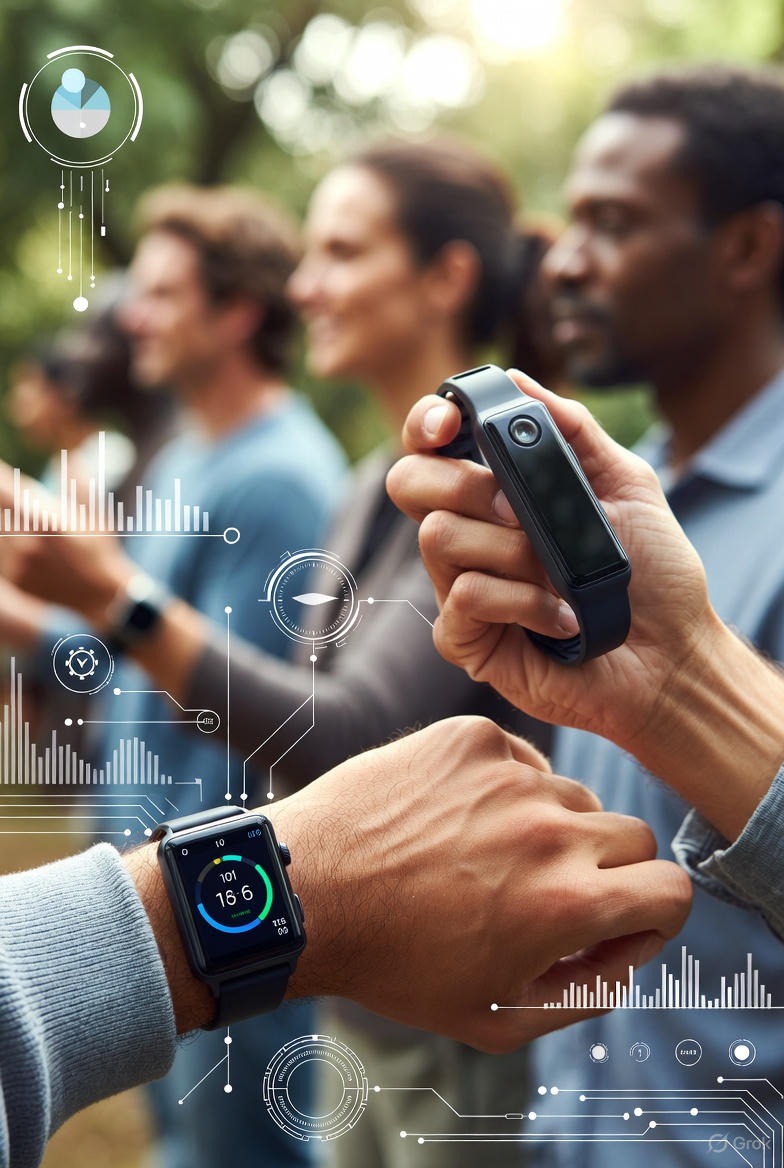
Collecting biometric data is only the first step. The profound value of wearable technology is unlocked when these insights are seamlessly woven into the fabric of our daily lives, transforming abstract numbers into concrete, life-enhancing rituals. This integration is the bridge between knowing and doing, between awareness and transformation. It requires moving beyond merely checking a morning score to designing an environment and routine that proactively supports what your body needs.
The key is to create a feedback loop of awareness and action. Your ring provides the awareness—"Your HRV dropped 20% last night." The ritual is the action you take in response—"Therefore, I will prioritize a light walk instead of a HIIT class and schedule 10 minutes of breathwork before my big meeting." Over time, these intentional responses become automatic, culturally embedded habits that sustain you. For many, the starting point is establishing foundational daily non-negotiables, a concept detailed in The Restful Living Checklist: Daily Non-Negotiables.
Let’s explore how to build these rituals around the core pillars of wellbeing, informed by your wearable’s unique intelligence.
Sleep Rituals Informed by Data: Instead of a rigid bedtime, create a wind-down protocol triggered by your body’s signals. If your ring shows your skin temperature beginning its natural descent (a signal of circadian rhythm), that’s your cue to start dimming lights. If your daytime data shows high stress, you might extend your pre-sleep reading time or incorporate a guided sleep meditation. The ritual isn't just "go to bed at 10"; it's a responsive sequence that honors your physiological state each evening.
Nutritional Timing Based on Recovery: Your readiness score can powerfully guide your nutritional choices. A low score might prompt a ritual of prioritizing anti-inflammatory foods (leafy greens, fatty fish, berries) and ensuring optimal hydration, while a high score could signal it’s a good day to incorporate more complex carbs for energy. Some use their stable morning HRV as a green light for intermittent fasting, while a low HRV might trigger a ritual of a protein-rich breakfast to stabilize blood sugar and stress hormones.
Movement as Medicine, Not Punishment: This is perhaps the most significant shift. Your wearable ritualizes checking your recovery score before deciding on your workout. A high readiness score ritual might be your scheduled strength training. A moderate score could trigger a ritual of yoga or brisk walking. A low score ritualizes active recovery—gentle stretching, restorative yoga, or even a complete rest day without guilt. This transforms exercise from a rigid schedule to a dynamic, respectful dialogue with your body.
Stress-Intervention Micro-Rituals: Use acute stress signals to deploy targeted countermeasures. Notice your heart rate spiking during a work call? That’s the cue for a 60-second box-breathing micro-ritual. Feeling overwhelmed at midday? A 5-minute walking ritual outside can reset your nervous system. These tiny, data-cued actions prevent stress from accumulating into a biometric downturn by the end of the week.
The ultimate goal is for these rituals to become so ingrained that the data simply affirms what you already intuitively feel, creating a harmonious cycle of internal and external awareness. This is the essence of a calibrated, responsive life.
Our wellbeing is not an island; it is a peninsula, deeply connected to the people around us. Wearable technology, often seen as a personal tool, holds surprising power to enhance our social connections and even foster a sense of community wellness. By sharing insights (appropriately) and synchronizing rhythms, we can create healthier relational dynamics and support systems.
Couples & Close Partnerships: Synchronizing for Harmony. When both partners wear smart rings, it moves health from a solitary pursuit to a collaborative project. You can observe the biometric crossover effect: one partner’s night of poor sleep due to stress often precedes the other’s irritable day. This isn't about blame, but about empathy through data. Seeing a tangible dip in your partner’s HRV can prompt a supportive question—“Your data looks like you had a rough night; what can I take off your plate today?”—rather than a reactive argument.
Couples can also create shared rituals. A joint “wind-down” ritual an hour before bed, informed by both partners’ stress levels, benefits the entire household’s sleep environment. Planning a vigorous hike for a weekend when both readiness scores are high ensures a fun, mutually supportive experience. This shared language of recovery fosters teamwork in building a restful home life.
Family Dynamics: Modeling and Monitoring. For families with teenagers, wearable data can be a neutral, non-judgmental tool for discussing healthy habits. Instead of nagging about screen time, a parent can point to the objective correlation between late-night phone use and the teen’s own poor sleep score the next day. It teaches cause and effect in a way words often cannot. For aging parents, discreet monitoring (with their full consent) of trends like sleep stability or resting heart rate can provide adult children with peace of mind and objective information to share with healthcare providers if concerns arise.
Building a Restful Living Community: Beyond the family, wearables can connect us to like-minded individuals pursuing balanced wellbeing. Some apps offer anonymous community benchmarking or small, private groups. Sharing struggles and triumphs—"My HRV finally climbed back after that stressful month!"—within a supportive community reduces the isolation that often accompanies health journeys. Finding your tribe in this pursuit is powerfully explored in The Restful Living Community: Finding Your Support System.
This social dimension transforms wearable wellness from a self-optimization grind into a connective, compassionate practice that strengthens our most important bonds.
The journey of health is non-linear. There will be weeks, months, or even seasons where the data trends in the wrong direction despite your best efforts. A prolonged illness, a period of grief, a demanding caregiving chapter, or a mental health struggle will all paint a clear and sometimes discouraging picture on your biometric charts. Learning to navigate these setbacks without self-recrimination is a critical skill in lifelong wearable wellness.
First, Practice Data Detachment. It is crucial to remember: You are not your score. The data is information, not an indictment of your character or effort. A period of low HRV during burnout is not a sign of failure; it is a diagnostic readout of a system under extreme load. The first step is to view the data with clinical curiosity rather than emotional panic.
Shift from Performance to Maintenance Mode. During a setback, your wearable’s purpose changes. The goal is no longer to “optimize” or “improve” scores. The goal becomes “Prevent further degradation and protect the baseline.” This is a profound mindset shift. It means:
The Setback as a Diagnostic Tool. Often, a sustained biometric downturn reveals a hidden stressor or an unsustainable life structure you’ve been ignoring. The data forces you to ask hard questions: Is this job role permanently incompatible with my health? Is a relationship dynamic causing constant low-grade anxiety? Do I need to address a previously undiagnosed health issue? In this way, the setback data becomes a catalyst for necessary, albeit difficult, life changes.
The Recovery Curve is Informative. As you emerge from the setback, your recovery trajectory is its own valuable data. How quickly does your HRV rebound once the stressor is removed? What practices seem to accelerate the healing? This teaches you about your personal resilience and creates a playbook for future challenges.
Navigating setbacks with grace is the ultimate test of a mature wellness philosophy. It’s about using technology not as a whip, but as a compass, guiding you back to equilibrium with patience and kindness.
We are on the cusp of a seismic shift in wearable technology, moving from descriptive analytics (what happened) to predictive and even prescriptive intelligence. The next generation of devices and platforms, powered by advanced artificial intelligence (AI) and machine learning, will not just report on your health—it will forecast it and offer personalized guidance to navigate the future.
From Insights to Forecasts: Imagine your wellness app sending you a notification: “Based on your declining sleep stability and elevated resting heart rate trend over the past 5 days, combined with your calendar stress events, there is an 85% probability you will feel rundown or catch a cold within the next 72 hours. Recommended action: Prioritize 8 hours in bed tonight, consider a zinc supplement, and reschedule your intense workout for Friday.” This is predictive health. By analyzing millions of data points across thousands of users, AI can identify subtle, pre-symptomatic patterns that precede common health events, from migraines and infections to mood dips and overtraining injuries.
Hyper-Personalized “Nudges”: Generic health advice will become obsolete. AI will learn your unique patterns—how your body specifically responds to lactose, late caffeine, a stressful commute, or a disagreement with your partner. It will then deliver hyper-contextual “nudges” throughout your day: *“You have a presentation in 2 hours. Your stress biomarkers are elevated. A 7-minute breathing exercise now will improve your HRV and cognitive performance.”* Or, “Your data suggests your period is starting tomorrow. Based on your historical patterns, a magnesium-rich dinner tonight will improve your sleep quality during this phase.”
Integration with the Broader Health Ecosystem: The future smart ring will be a seamless node in your digital health ecosystem. It will automatically share relevant, anonymized trend data with your physician’s electronic health record before your annual physical. It could integrate with your smart kitchen scales to provide feedback on how meal compositions affect your postprandial glucose trends (inferred from heart rate changes). It might sync with your calendar to automatically create “focus blocks” or “recovery buffers” based on your cognitive load predictions.
The Ethical Landscape: This future brings profound questions about data privacy, algorithmic bias, and psychological dependence. Who owns your predictive health data? Can we ensure the AI’s recommendations don’t exacerbate health anxieties? The wellness journey will increasingly require digital literacy and intentional boundaries alongside the technology itself.
This horizon promises a move from reactive healthcare to truly proactive, personalized stewardship of our wellbeing, making the life-stage adaptation we’ve discussed not just manual, but automatic and intelligently assisted.
While life stages provide a chronological framework, our daily realities are also defined by our professions and chosen lifestyles. These contexts place unique biometric demands on our bodies, requiring a tailored interpretation of wearable data. Let’s examine how key groups can leverage their devices for sustainable performance.
First Responders & Night Shift Workers (The Circadian Warriors): This group operates in direct opposition to natural biological rhythms. For them, sleep quality is the paramount metric, but it must be measured against a shifted schedule. The focus is on sleep consistency (same sleep/wake times even on days off) and optimizing the sleep environment for daytime sleeping (blackout curtains, sound machines). Monitoring HRV becomes critical to gauge total allostatic load from the combination of psychological stress and circadian disruption. A useful ritual might be using the ring’s data to fiercely protect a post-shift wind-down routine, even when adrenaline is high.
Creative Professionals & Knowledge Workers (The Cognitive Athletes): For those whose primary currency is ideas and focus, the key metric is cognitive readiness, which is deeply tied to HRV and sleep, particularly REM sleep for memory and creativity. They can use their wearable to identify their personal “peak focus” windows based on daily biometric rhythms and guard that time fiercely. A low recovery score might trigger a ritual of administrative tasks instead of deep creative work. The link between systemic calm and creative output is powerful, as discussed in Restful Living and Creativity: The Inspiration-Rest Connection.
Frequent Travelers (The Jet-Lagged Nomads): For this group, the wearable is a jet-lag mitigation coach. It provides objective proof of how travel disrupts their systems. They can use temperature and sleep data to guide light exposure strategies in new time zones. The ritual becomes using the device’s “day-wise” view to not judge the first two days in a new zone, but to actively work (using light, meal timing, mild exercise) to bring their biometrics into local rhythm as quickly as possible.
Endurance Athletes & Marathon Trainers: Beyond the general athlete’s journey, this subgroup deals with extreme physical load. Their wearable focus is on preventing overtraining syndrome (OTS). They must watch for the ominous triad: a rising resting heart rate, a declining HRV, and a decrease in heart rate during exercise (an indication of a fatigued cardiovascular system). Their ritual involves making any sustained negative trend in this triad an absolute mandate for a reduction in training volume, regardless of the planned schedule.
By contextualizing data within professional demands, wearables transition from general health devices to specialized tools for occupational sustainability.
Pursuing health can feel expensive and time-consuming—organic food, gym memberships, therapy, supplements. One of the unsung benefits of sophisticated wearable technology is its ability to create efficiency in wellness spending and time investment. By providing targeted feedback, it helps you invest resources where they will have the highest return for your unique biology, preventing waste and decision fatigue.
Financial Optimization: Without data, we often throw money at generic solutions. A smart ring acts as a personalized bioassay, testing what actually works for you.
Temporal Optimization (The Ultimate Luxury): In our busy lives, time is the scarcest resource. Wearables help you spend your time on recovery and health activities that yield the biggest impact.
In this way, a smart ring becomes not just a health device, but a life efficiency tool, ensuring your finite resources of money, time, and energy are deployed with maximum intelligence and effect.
Our physiology is in constant conversation with our environment. Light, sound, temperature, and even the layout of our spaces directly influence stress hormones, sleep quality, and circadian rhythms. Wearable data provides the objective feedback needed to become an architect of your own biometric habitat, allowing you to design homes and workspaces that actively support your wellbeing.
The Sleep Sanctuary (Data-Driven Bedroom Design): Use your sleep score and deep sleep percentage as a report card for your bedroom.
The Focus-Enabled Workspace: Use daytime HRV and stress alerts to design a work environment that minimizes nervous system agitation.
The Recovery Zone: Designate a small area in your home—a chair, a corner, a balcony—as your dedicated recovery space. This is where you go when your readiness score is low. Stock it with items that your data tells you help: a weighted blanket (if it improves your HRV), a meditation app, a paper book, or simply a plant to look at. The physical cue of going to this space triggers a psychological and physiological shift towards restoration.
By iteratively designing your spaces and observing the biometric results, you move from living in passive environments to creating active sanctuaries that work for you.
The ultimate application of life-stage-aware wearable wellness is playing the long game: optimizing for healthspan and longevity. Beyond managing daily stress or weekly sleep, the long-term trends in your biometrics may offer clues about your biological aging process and provide levers to potentially influence it. This is where wearables intersect with the science of epigenetics—how lifestyle and environment influence gene expression.
Biomarkers of Aging: While no consumer wearable can measure telomere length directly, the metrics they track are strong proxy indicators of systemic aging and resilience.
Tracking the Rate of Change: The power lies not in a single data point, but in the slope of the trend over years. Is your HRV declining 2% per year or 5% per year? Is your deep sleep holding steady into your 50s, or falling off a cliff? This longitudinal view, unique to persistent wearable use, provides a personalized aging dashboard. It allows you to see the impact of multi-year lifestyle changes: does adopting a regular meditation practice at age 40 flatten the decline of your HRV curve by age 50?
Informing Longevity Strategies: This data can guide investments in proven longevity levers. If your sleep architecture is poor, you might prioritize sleep therapy over a new supplement. If your HRV is low, you might invest more in stress-mitigation practices and zone-2 cardio. It moves longevity from an abstract concept to a monitored, manageable process.
While wearables won’t make us immortal, they offer something perhaps more valuable: a personalized, real-time feedback loop on the lifestyle choices that directly influence our healthspan, empowering us to add more vibrant, healthy years to our lives. This long-term measurement is the culmination of a restful living philosophy, ultimately Changing Your Relationship with Time itself.
We have journeyed from the foundational metrics to the distant horizon of predictive health, always through the lens of life’s evolving stages. The central thesis remains: static wellness is obsolete. The human body is a dynamic system that grows, peaks, adapts, and transitions. Our approach to caring for it must be equally dynamic, intelligent, and compassionate.
A sophisticated wearable like a smart ring is the ideal companion for this lifelong journey. Its value morphs in lockstep with your needs:
Throughout, it serves as an unbiased mirror for your mental state, a guide for efficient resource allocation, and a tool for designing a life that feels as good on the inside as it looks on the outside.
The final third of this comprehensive guide will delve into the practical implementation of this philosophy. We will build a personalized, life-stage-specific action plan, complete with sample routines, troubleshooting guides for common biometric patterns, and an in-depth discussion on avoiding data obsession to cultivate a balanced, intuitive relationship with technology. We will explore how to synthesize all this information into a cohesive, sustainable practice—a true Wearable Wellness 101 for the rest of your life.
The goal is not to be ruled by a device, but to be empowered by it. To use its quiet intelligence to hear the whispers of your body more clearly, so you can respond with wisdom at every turn in the path. The journey continues.

Understanding the theory is one thing; implementing it is another. This section provides a practical, stage-by-stage blueprint to translate the insights from your wearable into a concrete, personalized action plan. Think of this as your customizable Wearable Wellness 101 playbook. We will define clear goals, key metrics to watch, and specific, actionable rituals for each decade, creating a scaffold you can adapt to your unique life.
Core Wellness Goal: Establish robust daily habits and understand your body’s fundamental signals. Prevent the accumulation of "lifestyle debt."
Key Metric to Prioritize: Sleep Consistency Score & Resting Heart Rate (RHR) Baseline.
Core Wellness Goal: Manage energy to sustain high performance across multiple domains (career, relationships, potentially parenting) without burnout.
Key Metric to Prioritize: HRV Trend (Weekly View) & Deep Sleep Percentage.
Core Wellness Goal: Adapt to shifting hormones and metabolism. Prioritize strength, stability, and metabolic health.
Key Metric to Prioritize: Skin Temperature Trends (for women) & Sleep Stability (for all).
Core Wellness Goal: Optimize for healthspan, cognitive function, and cardiovascular health. Maintain independence and vitality.
Key Metric to Prioritize: Resting Heart Rate Stability & Blood Oxygen (SpO2) Dips.
Regardless of stage, use this framework to build your plan:
This blueprint turns overwhelming data into a clear, staged journey of self-care.
You’re wearing your ring, you’re following your plan, but you’re seeing patterns you don’t understand. Here is a diagnostic guide to common, concerning biometric signatures and their potential root causes. Think of this as translating your body’s SOS signals.
Pattern 1: The "High Stress" Signature – Elevated RHR, Low/Plummeting HRV.
Pattern 2: The "Poor Recovery" Signature – Adequate Sleep Time, Low Quality Scores.
Pattern 3: The "Flatline" Signature – Unchanging, Low HRV.
Pattern 4: The "Circadian Disruption" Signature – Erratic Temperature & Sleep.
By learning to diagnose these patterns, you move from being confused by your data to being in an active, problem-solving partnership with your own body.
This is the most critical, and often overlooked, chapter in Wearable Wellness 101. Without the right mindset, a tool meant to empower can become a source of anxiety, fueling orthosomnia (an unhealthy preoccupation with perfect sleep data) or performance anxiety. The goal is informed intuition, not robotic obedience. Here’s how to keep your relationship with your wearable healthy.
1. Embrace the 80/10/10 Rule.
2. Practice Qualitative Cross-Checking.
Before you look at your morning score, ask yourself: "How do I feel?" Rate your energy, mood, and muscle soreness on a simple 1-5 scale. Then look at the data. Does it match? Often it will. But when it doesn't—you feel great despite a low score, or terrible despite a high score—trust the qualitative feeling. The data is one input; your lived experience is the ultimate truth. This builds confidence in your own intuition.
3. Redefine "A Good Day."
A "good day" is not a day with a readiness score of 90+. A good day is a day where you listened to and responded respectfully to what your body communicated. If you had a score of 65 and you honored it by taking a walk instead of going to a spin class, that is a resounding wellness success. This mindset shift is liberating and is the heart of Restful Living Without Guilt: Permission to Rest.
4. Curate Your Notifications.
Turn off all non-essential alerts. Do you need a buzz every hour you haven’t moved? Or a judgmental "You didn’t reach your sleep goal" notification? Likely not. Configure notifications only for positive reinforcement (e.g., "You hit your recovery target!") or critical, actionable alerts (e.g., "Exceptionally high resting heart rate detected").
5. Remember the Big Picture.
Your biometric data exists within the rich, messy, beautiful context of your life. A period of low HRV during the joyful, sleepless first months with a newborn has a completely different meaning than the same low HRV during a period of toxic job stress. The number is the same; the story is not. Always interpret your data through the lens of your life narrative.
By setting these boundaries, you ensure the technology serves you, not the other way around. The ring becomes a trusted advisor, not a micromanaging boss.
Having journeyed through the stages, the plans, the troubleshooting, and the mindset, we arrive at the synthesis: creating your Personal Wellness Constitution. This is a living document, a one-page manifesto that encapsulates your wearable-informed philosophy for your current life stage. It is the ultimate output of Wearable Wellness 101.
Your Constitution has three core articles:
Article 1: My Core Non-Negotiables (The Pillars)
List 3-5 foundational practices that your data has proven are essential for your baseline function. These are non-negotiable, regardless of circumstance.
Article 2: My Adaptive Guidelines (The Flexible Framework)
Define how you will adapt your behavior based on your primary biometric signal (e.g., your readiness score or HRV status).
Article 3: My Values & Boundaries (The "Why")
Articulate the higher purpose behind all of this. This connects the data to your deepest values.
How to Use Your Constitution:
This document transforms scattered data points and reactive habits into a coherent, intentional personal policy. It is the culmination of self-knowledge, turning the science of biometrics into the art of living well.
As we conclude this portion of our comprehensive guide, we see that the true end goal of wearable wellness is not a perfect score, but an integrated, holistic life. It’s a life where technology fades into the background, and its lessons rise to the foreground as embodied wisdom. Your wearable has taught you to listen—to the whisper of a rising heart rate, the story of a sleep graph, the plea of a low HRV.
This journey through life stages reveals a beautiful paradox: by paying closer attention to the microscopic details of our physiology, we are better equipped to engage with the macroscopic beauty of our lives. We have the energy for meaningful work, the patience for deep relationships, the resilience for life’s inevitable challenges, and the vitality to pursue our curiosities.
The future of wellness is not in more aggressive optimization, but in more intelligent adaptation. It’s in recognizing that the needs of a 25-year-old’s brain are not the needs of a 50-year-old’s metabolism, and that both are worthy of respect and specific care. Your smart ring is the key that unlocks this personalized, evolving understanding.
In the final portion of this guide, we will explore the outer edges of this philosophy: how this practice influences your legacy, its role in community and global health, and a visionary look at the ultimate integration of human intuition and artificial intelligence. The path from data to wisdom is now clear. The next step is to walk it, stage by graceful stage, for the rest of your life.
Your Trusted Sleep Advocate: Sleep Foundation — https://www.sleepfoundation.org
Discover a digital archive of scholarly articles: NIH — https://www.ncbi.nlm.nih.gov/
39 million citations for biomedical literature :PubMed — https://pubmed.ncbi.nlm.nih.gov/
Experts at Harvard Health Publishing covering a variety of health topics — https://www.health.harvard.edu/blog/
Every life deserves world class care :Cleveland Clinic - https://my.clevelandclinic.org/health
Wearable technology and the future of predictive health monitoring :MIT Technology Review — https://www.technologyreview.com/
Dedicated to the well-being of all people and guided by science :World Health Organization — https://www.who.int/news-room/
Psychological science and knowledge to benefit society and improve lives. :APA — https://www.apa.org/monitor/
Cutting-edge insights on human longevity and peak performance:
Lifespan Research — https://www.lifespan.io/
Global authority on exercise physiology, sports performance, and human recovery:
American College of Sports Medicine — https://www.acsm.org/
Neuroscience-driven guidance for better focus, sleep, and mental clarity:
Stanford Human Performance Lab — https://humanperformance.stanford.edu/
Evidence-based psychology and mind–body wellness resources:
Mayo Clinic — https://www.mayoclinic.org/healthy-lifestyle/
Data-backed research on emotional wellbeing, stress biology, and resilience:
American Institute of Stress — https://www.stress.org/


