


Wearable Wellness 101: Your Complete Introduction to Health Tech
A complete introductory course to wearable health technology for absolute beginners.
A complete introductory course to wearable health technology for absolute beginners.
%402x.svg)
Forget everything you think you know about getting healthy. The journey is no longer confined to sterile clinics, intimidating gyms, or fleeting New Year’s resolutions scribbled on forgotten notepads. The most profound revolution in personal well-being is happening silently on our wrists, fingers, and even woven into our clothing. It’s personalized, continuous, and powered by data so intimate it knows you better than you know yourself. Welcome to the era of wearable wellness.
This isn't science fiction; it's your new reality. Imagine a world where your ring doesn't just signify commitment but acts as a guardian of your vitality, whispering insights about your heart's rhythms as you sleep. Envision a watch that doesn't just tell time but tells you when your body is primed for peak performance or desperately in need of rest. This is the promise of health technology—a seamless merger of human biology and digital intelligence designed to empower you with knowledge and inspire sustainable action.
Gone are the days of annual check-ups that offer a single, static snapshot of your health. Wearable wellness provides a dynamic, high-definition movie of your physiology, capturing the subtle ebbs and flows of your body's systems 24/7. It translates the cryptic language of your nervous system into actionable advice. It demystifies sleep, quantifies stress, and illuminates the direct connection between your daily habits and your long-term healthspan.
But with great data comes great responsibility—and great confusion. The market is flooded with devices, each promising to be the key to a healthier you. How do you navigate this new landscape? What metrics truly matter? And how do you move from being passively tracked to actively transformed?
This definitive guide is your compass. We will journey from the foundational science behind the sensors to the advanced biometrics that predict your health future. We’ll decode the jargon, separate the hype from the life-changing reality, and provide you with the framework to build a truly personalized wellness ecosystem. Whether you're a biohacker looking to optimize every variable or someone simply seeking a better night's sleep and more energy, understanding wearable wellness is the first, most critical step.
Let's begin.

The term “wearable” once conjured images of clunky pedometers clipped to a belt, dutifully counting steps with a satisfying mechanical click. Today, it represents an entire philosophy of health—a proactive, participatory, and preventative approach made possible by devices that live on our bodies. Wearable wellness is the continuous acquisition, analysis, and application of personal physiological and behavioral data to improve one’s physical, mental, and emotional well-being.
At its core, wearable wellness shatters the traditional reactive model of healthcare. Instead of visiting a doctor only when something is wrong, these devices provide a constant stream of data that helps you understand your unique baseline and subtle deviations from it. This shift from episodic to continuous care is monumental. It allows for early intervention, often before a symptom even manifests as a conscious feeling. You might notice your resting heart rate is trending upward or your heart rate variability is dipping days before you feel overtaxed, giving you the chance to prioritize recovery and prevent a cycle of burnout.
Modern devices have evolved far beyond simple accelerometers. They are now sophisticated biotrackers equipped with an array of sensors:
The true power, however, lies not in the raw data but in the sophisticated algorithms and artificial intelligence that interpret it. These systems learn your personal patterns—what a good night’s sleep looks like for you, what a stressful day does to your physiology, and how your body responds to different foods or workouts. This creates a feedback loop of self-knowledge that is deeply personal and profoundly empowering. It moves wellness from generic, one-size-fits-all advice (“get 8 hours of sleep”) to personalized, context-rich guidance (“your deep sleep was lower than usual last night; consider a lighter workout today”).
To appreciate where we are, it’s essential to understand how we got here. The story of wearable wellness is a tale of miniaturization, sensor fusion, and a fundamental shift in consumer mindset.
The genesis can be traced back to the 18th-century pedometer, but the modern chapter began in the late 20th century with the rise of consumer heart rate monitors for athletes. These chest straps provided a glimpse into real-time exertion but were niche and uncomfortable for all-day wear. The first true step into the mainstream was the Fitbit Classic in 2009. It was simple—a clip-on device that tracked steps, distance, and calories—but it ignited a cultural phenomenon. It gamified movement, introduced the concept of daily goals, and made data-tracking a social activity.
The release of the first Apple Watch in 2015 marked a pivotal evolution. It wasn’t just a fitness tracker; it was a powerful wrist-worn computer that made health tracking seamless and stylish. It brought ECG capability to the masses, turning millions of consumers into potential first-line detectors of atrial fibrillation. This period also saw the rise of Whoop and the Oura Ring, which shifted the focus from mere activity tracking to recovery and readiness. These devices championed the idea that what you do outside the gym—how you sleep, manage stress, and recover—is just as important as the workout itself.
Today, we are in the fourth wave: the era of predictive and proactive wellness. Devices are no longer just reporting on the past 24 hours; they are using longitudinal data to forecast future states. Advanced algorithms can now identify patterns suggesting you might be getting sick, are overreaching in training, or are experiencing heightened stress. This transforms the device from a historian into a coach, suggesting concrete actions like prioritizing a digital detox or adapting your nutrition with foods that calm your nervous system to bring your system back into balance.
The trajectory is clear: from counting steps to understanding systemic health, from isolated data points to a holistic health narrative, and from passive tracking to active, AI-powered life guidance.
Your body is constantly communicating through a symphony of physiological signals. Wearable wellness devices are the translators. To move from confusion to clarity, you need to understand the core vocabulary. These are not just numbers; they are stories about your resilience, recovery, and overall vitality.
1. Heart Rate Variability (HRV): The Gold Standard of Nervous System Health
HRV is arguably the most important—and most misunderstood—metric in wearable wellness. Contrary to intuition, a healthy heart does not beat with the metronomic regularity of a drum machine. The tiny, millisecond variations in time between each heartbeat are a sign of a robust, adaptable nervous system. A higher HRV generally indicates strong parasympathetic (“rest-and-digest”) tone and resilience to stress. A lower or dipping HRV suggests your sympathetic (“fight-or-flight”) system is dominant, often due to physical training strain, emotional stress, illness, or poor recovery. Tracking HRV trends is like having a direct line to your autonomic nervous system, guiding daily decisions on training intensity, workload, and the need for structured rest.
2. Resting Heart Rate (RHR): Your Metabolic and Fitness Barometer
Your RHR, taken first thing in the morning, is a fundamental indicator of cardiovascular fitness and metabolic health. A lower RHR typically signifies a stronger, more efficient heart. Trends are key: a sustained elevation in your RHR can be an early warning sign of overtraining, impending illness, dehydration, or chronic stress.
3. Sleep Architecture: Beyond Just "Hours in Bed"
Modern wearables analyze sleep in layers. They move beyond simple duration to measure:
4. Respiratory Rate: The Silent Signal
The number of breaths you take per minute, especially during sleep, is a remarkably stable and insightful metric. Significant deviations from your personal baseline can be one of the earliest indicators of respiratory issues, cardiovascular stress, or metabolic disturbance.
5. Skin Temperature & Electrodermal Activity (EDA)
Together, these biometrics form a multidimensional picture of your health. They interact and influence one another, telling a cohesive story. For instance, a night of poor sleep (low deep sleep, high restlessness) will likely result in a higher morning RHR and a lower HRV, signaling your body is not ready for high strain. This integrated view is the true superpower of advanced wearables.
The wearable ecosystem is diverse, with each form factor offering unique advantages and trade-offs. Choosing the right device depends on your lifestyle, priorities, and which biometrics you value most.
Smart Rings (e.g., Oura, Ultrahuman)
The sleek, minimalist powerhouse. Worn on the finger, smart rings excel in sleep and recovery tracking due to their exceptional comfort and consistent wear location (fingers have excellent blood flow for PPG sensors). They are unobtrusive, sleep-friendly, and often focus on holistic health metrics like HRV, temperature, and EDA. They are ideal for those who prioritize recovery data, dislike wristwear, or want a jewelry-like device. Their small size means battery life is measured in days, not weeks, and they typically lack a screen, pushing all interaction to a companion app—a design choice that encourages less screen-time obsession with data.
Smartwatches (e.g., Apple Watch, Garmin, Fitbit, Samsung Galaxy Watch)
The versatile all-rounders. Smartwatches combine health tracking with smartphone notifications, GPS, music control, and often, cellular connectivity. They are exceptionally strong at activity and workout tracking, offering real-time metrics and GPS mapping. Their screens provide immediate feedback. However, wrist-based sleep tracking can be less comfortable for some, and the constant buzz of notifications can be a source of the very stress you're trying to manage—making intentional digital detox practices essential.
Fitness Trackers (e.g., basic Fitbit, Xiaomi Band)
The focused essentials. These are typically more affordable, screen-light or screen-less devices dedicated primarily to activity tracking (steps, distance, active minutes), basic sleep staging, and heart rate. They offer a streamlined, low-friction entry point into wearable wellness without the smartwatch frills.
Specialized Devices (e.g., Whoop Strap, Biostrap)
The dedicated biohackers. These devices, often worn on the wrist or ankle, forgo traditional watch features entirely to double down on advanced physiological metrics. They provide exceptionally detailed recovery, strain, and sleep analysis, appealing to athletes and data enthusiasts who want deep, actionable insights without distraction.
Smart Clothing & Patches
The invisible frontier. This category embeds sensors directly into fabrics (shirts, bras, socks) or uses disposable/reusable skin patches. They offer medical-grade continuous monitoring (like ECG) in a truly seamless form factor, ideal for post-operative care, specific athletic training, or long-term clinical observation. While not yet mainstream for daily consumer use, they represent the future of truly passive, invisible health monitoring.
Your choice should hinge on a simple question: What problem am I trying to solve? If sleep and recovery are your north stars, a smart ring is unparalleled. If you need an all-in-one device for communication, fitness, and health, a smartwatch is your pick. For the data-obsessed athlete, a specialized strap provides the deepest dive.
A critical and valid question hangs over this entire field: Is this data accurate enough to act upon? The answer is nuanced but encouraging. It’s essential to differentiate between clinical-grade accuracy and trend-based actionable insight.
For diagnostic purposes, you must rely on medically validated equipment in a clinical setting. The PPG sensor in your ring or watch is not a substitute for a 12-lead hospital ECG or a polysomnogram (PSG) sleep study in a lab. Environmental factors like skin tone, tattoo ink, device fit, and motion can introduce artifacts and errors in absolute readings at any given second.
However, the revolutionary value of consumer wearables lies not in diagnostic precision but in relative, longitudinal tracking. These devices are exceptionally good at tracking trends and changes in your personal biometrics over time. Even if your device’s absolute HRV reading is off by a few milliseconds, the direction of its movement—upwards or downwards over days and weeks—is highly reliable and incredibly meaningful for you.
This trend data creates your personal biomarker baseline. Knowing that your HRV typically sits between 50-70 ms is less important than observing that it has dropped to 35 ms for three consecutive mornings. That trend is a robust signal that your system is under strain, regardless of the precise number. It’s this personalized feedback loop that empowers change.
Furthermore, the industry is rapidly evolving. Many devices now carry specific regulatory clearances (like FDA 510(k) clearance or CE marking as a Class IIa medical device in Europe) for certain features, such as atrial fibrillation detection via ECG or blood oxygen monitoring. This signifies a level of validation that brings them closer to medical-grade reliability for those specific functions.
The best practice is to trust the trend, not the instantaneous number. Use your wearable as a compass, not a GPS pin. Its power is in showing you which way your health is heading and how your lifestyle choices affect its course, enabling you to make proactive adjustments, such as establishing better boundaries to protect your energy.
Unboxing your new wearable is just the beginning. The real magic happens when you configure it to serve your life and your ambitions. A one-size-fits-all approach leads to disengagement. Personalization leads to transformation.
Step 1: Establish Your Baseline (The Observation Phase)
Resist the urge to immediately change your behavior. For the first 7-14 days, wear your device consistently (especially during sleep) and live your normal life. This period allows the algorithms to learn your unique patterns: what your normal sleep looks like, what your resting heart rate range is, and how your body responds to a typical Tuesday. This creates the essential personal baseline against which all future changes will be measured.
Step 2: Define Your "Why" and Set Intentional Goals
Vague goals yield vague results. “Get healthier” is not actionable. Use your baseline data to set specific, intentional goals:
Step 3: Customize Metrics and Notifications
Tailor your device’s interface. If sleep is your priority, make your sleep score the first thing you see in the morning app. If HRV is your key metric, track it on a weekly graph. Crucially, manage your notifications. Turn off non-essential alerts to prevent the device from becoming a stressor. The goal is mindful awareness, not constant interruption.
Step 4: Integrate with Your Lifestyle
By thoughtfully setting up your device, you transform it from a passive tracker into an active partner in your wellness journey.
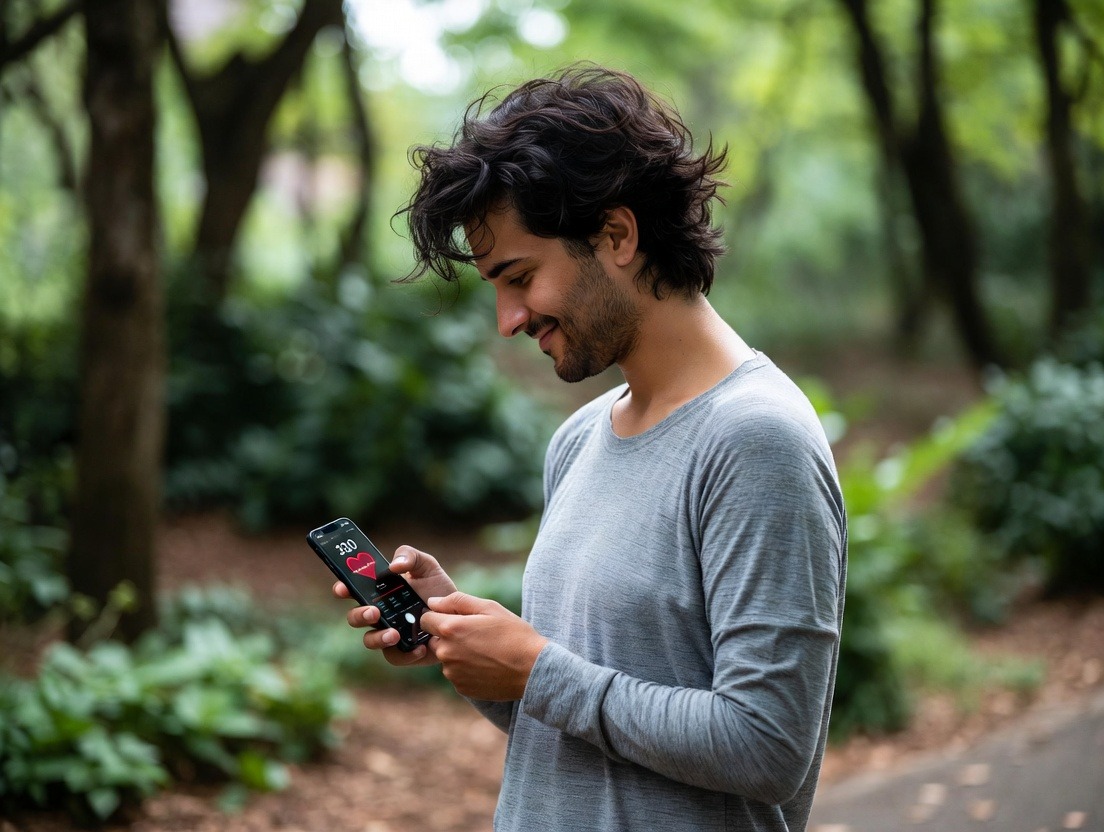
The pinnacle of modern wearable tech is the synthesis of multiple data streams into a single, actionable metric: the Daily Readiness, Readiness, or Body Battery score. This is where the raw data becomes wisdom. This score (often on a color-coded or 0-100 scale) is an algorithmically derived recommendation on how much physiological strain your body can handle today.
What Goes Into This Score?
While each brand’s algorithm is proprietary, they generally synthesize three core pillars:
A high “green” or “recharged” score indicates your body has recovered well and is primed for physical or mental challenge. A low “red” or “depleted” score is a clear signal from your body that it needs rest, gentle movement, and recovery-prioritizing behaviors.
How to Act on Your Score: A Practical Framework
The profound psychological shift here is learning to let an objective measure of your physiology guide your plans, rather than forcing your will upon your body. It teaches body literacy and respectful partnership. This approach is especially valuable for high-achievers who equate constant activity with worth, demonstrating that strategic rest is the foundation of sustained performance.
Sleep is the single most potent performance-enhancing, health-building, and resilience-fostering activity we do. Your wearable is the ultimate tool to demystify it. Moving from knowing you slept “okay” to understanding the architecture of your night is life-changing.
Step 1: Benchmark Your Current Sleep
Use your baseline period to understand your starting point without judgment. Note your average:
Step 2: Identify Your Personal Sleep Disruptors
Your device’s trend analysis can help you pinpoint what helps or harms your sleep.
Step 3: Implement Targeted Interventions
Armed with knowledge, you can experiment systematically.
Step 4: Leverage Smart Features
Use technology to your advantage:
By treating your wearable as a sleep coach, you move from guessing to knowing, transforming sleep from a passive state into an actively optimized pillar of health.
Stress is not a feeling; it’s a measurable physiological event. Chronic, unmanaged stress is the silent underminer of health, but until now, it has been a subjective, elusive foe. Wearables with EDA and HRV tracking bring this invisible load into the light, allowing you to manage it with precision.
How Wearables Measure Stress:
Building Your Recovery Toolkit:
Seeing your stress quantified is the first step. The next is deploying targeted recovery techniques and measuring their direct impact.
The goal is not to eliminate stress—that’s impossible and undesirable (eustress is motivating). The goal is to balance stress with deliberate recovery. Your wearable provides the accountability and feedback to ensure your recovery activities are not just another item on a checklist, but effective, physiological resets. This balance is crucial for maintaining healthy relationships and a stable mood, as a stressed physiology directly impacts our interactions with others.
The “no pain, no gain” era of fitness is obsolete. Today’s smart approach uses data to train with your body, not against it. Wearables prevent both under-training and the far more common (and damaging) overtraining by providing real-time feedback and post-exertional recovery analysis.
The New Training Paradigm: Readiness-Based Exercise
Instead of blindly following a pre-written weekly plan, let your daily readiness score guide your session’s intensity.
This approach respects your body’s nonlinear recovery process and dramatically reduces injury and burnout risk.
Key Fitness Metrics to Watch:
Avoiding Overtraining Syndrome (OTS):
OTS is a state of prolonged fatigue and performance decline caused by excessive training with inadequate recovery. Your wearable provides the earliest warnings:
For decades, diet advice has been a cacophony of conflicting rules and generic prescriptions. Wearable wellness is cutting through the noise, offering a personalized lens to see how food truly fuels your body. This isn't about counting calories in a vacuum; it's about understanding how your dietary choices influence your energy, recovery, sleep, and metabolic markers in real time. The connection between what you eat and how you feel is no longer subjective—it's quantifiable.
The Glucose Revolution and Continuous Monitoring
The most significant frontier in nutritional wearables is continuous glucose monitoring (CGM). Once solely the domain of diabetics, consumer-friendly CGM systems (like Levels, Nutrisense, and Supersapiens) are revealing how individuals experience wildly different glucose responses to the same foods. A "healthy" banana might cause a sharp spike and crash in one person, while barely budging the needle in another. These spikes matter because they drive inflammation, fat storage, energy instability, and cravings.
By wearing a tiny sensor on the back of your arm, you can see:
This biofeedback creates a powerful learning loop. You eat a meal, see the glucose response on your phone 20 minutes later, and note how you feel two hours after that. This direct cause-and-effect learning is more effective than any diet book.
Using Your Core Wearable as a Dietary Compass
Even without a dedicated CGM, your standard smart ring or watch provides profound dietary insights through indirect metrics:
Building a Data-Informed Nutrition Protocol
The ultimate goal is to move away from external dietary dogma and toward an internally-informed eating pattern. Your biometric data provides the feedback to build a diet that uniquely supports your metabolism, energy, and long-term health—a cornerstone of a holistic approach to restful living through the seasons of life.
The most profound evolution of wearable wellness is its shift from optimizing today's workout to protecting your future self. We are moving from fitness tracking to healthspan forecasting. Healthspan—the number of years we live in good health, free from chronic disease—is the new holy grail, and wearables are becoming its most powerful predictive tool.
Identifying Trends, Preventing Disease
The true power of longitudinal data is pattern recognition at a population and individual level. By tracking biomarkers over years, wearables can identify subtle, negative trends long before they manifest as a diagnosable condition.
This early-warning system empowers proactive intervention. You don't have to wait for a high cholesterol result at your annual physical; you can see the lifestyle-driven physiological trends leading there and change course.
The Rise of Biological Age Clocks
Perhaps the most fascinating application is the algorithmic calculation of biological age. Unlike your chronological age (the number of birthdays you've had), your biological age reflects the functional state of your body's systems. Companies like Oura (with its "Chronotype Age") and Whoop ("Strain & Recovery Age") use your personalized biomarker data—sleep, HRV, RHR, activity, and more—to estimate how old your body behaves.
If your biological age is lower than your chronological age, it suggests your lifestyle is protective and regenerative. If it's higher, it's a powerful wake-up call. This metric serves as a compelling, overarching "score" for your lifestyle's impact on your long-term vitality, directly tying daily habits to the grand goal of restful living and longevity.
Building a Decade-Long Health Narrative
Imagine walking into your doctor's office not with a vague description of symptoms, but with a 5-year graph showing the precise trend of your sleep HRV, its correlation with major life events, and your body's response to various interventions. This transforms healthcare into a collaborative, data-rich partnership.
To leverage your wearable for healthspan:
This long-view turns your wearable from a gadget into a lifelong health guardian, ensuring the practices you cultivate today, from setting boundaries to structured weekly planning, compound into decades of wellness.

As we invite these devices deeper into our lives, recording our most intimate biological functions, a critical question arises: What happens to this data? The story of wearable wellness has a shadow side—one of corporate data vaults, opaque privacy policies, and the potential for exploitation. Being an informed consumer requires understanding the data economy you're participating in.
The Value of Your Biometric Data
Your aggregated, anonymized health data is extraordinarily valuable. For device companies, it serves two primary purposes:
The privacy policy you hastily clicked "agree" on likely grants the company broad rights to use your de-identified data. The risk is not that someone will see your specific heart rate graph, but that your data will be used in ways you didn't anticipate to influence broader systems—like insurance premiums or health scoring—that could impact you indirectly.
Key Questions to Ask Your Wearable Company:
Protecting Your Digital Health Identity
Your biometric data is a part of your identity. Managing it with intention is as crucial as managing your physical health. This mindful approach to technology is a form of modern self-care, parallel to engaging in a digital detox to protect your mental space. Owning your data means owning your health narrative.
Human beings are social creatures motivated by connection, recognition, and friendly competition. Wearable tech companies have masterfully tapped into this psychology, transforming the solitary act of health tracking into a communal experience. This social layer can be a powerful force for good, providing motivation and support, but it also carries pitfalls that must be navigated wisely.
The Positive Power of Connection
The Dark Side of Gamification and Comparison
However, the social aspect can easily veer into unhealthy territory:
Creating a Healthy Social Strategy
Used wisely, the community aspect transforms a tech tool into a support system, reinforcing healthy habits through positive reinforcement and shared purpose, which can profoundly improve your relationships and overall mood.
While heart rate and sleep are now table stakes, the frontier of wearable wellness is being pushed by more nuanced biometrics and the sophisticated integration of all data streams. These advanced metrics offer a window into previously inaccessible corners of our physiology, providing earlier warnings and more precise insights.
Electrodermal Activity (EDA): The Direct Stress Signal
As mentioned, EDA measures sympathetic nervous system arousal via skin conductance. But its advanced application is in controlled recovery sessions. Devices like the Oura Ring and Fitbit Sense offer guided "Moment" or "EDA Scan" sessions where you sit still for a few minutes while the sensor records your body's tiny stress responses. The goal isn't to have zero responses—that's impossible—but to observe them without judgment and practice letting them settle. This biofeedback is a potent training tool for your nervous system, teaching you what true physiological calm feels like and directly supporting daily breathwork and mindfulness practices.
Continuous Skin Temperature: The Subtle Trend Detector
Nightly wrist or finger temperature is not useful for telling you if you have a fever. Its power is in tracking relative change from your personal baseline over the menstrual cycle or across months.
Blood Pressure Monitoring & ECG
While not yet ubiquitous, wearables with medically-validated blood pressure monitoring (using PPG and other sensors) are emerging. The ability to take casual, frequent readings throughout the day provides a far richer picture of cardiovascular health than a single doctor's office reading, which can be skewed by "white coat syndrome." Similarly, on-demand ECG (electrocardiogram) capabilities in smartwatches can detect signs of atrial fibrillation (Afib), a common and often asymptomatic heart rhythm disorder that significantly increases stroke risk.
The Future: Multi-Modal Sensing and AI Synthesis
The next leap will come from sensor fusion—where data from multiple sensors is combined to create new, more accurate insights. For example, combining PPG data with EDA and temperature can better distinguish between physical stress (a hard workout) and psychological stress (a work deadline). The future also holds non-invasive biomarkers like blood glucose inference (estimating trends from PPG alone), hydration and electrolyte balance, and even cortisol trend detection.
The cutting edge is about moving from separate metrics to a unified physiological narrative. Your device won't just say "stress is high"; it will say, "sympathetic nervous system arousal is elevated, skin temperature suggests metabolic activation, and heart rhythm patterns indicate this is likely cognitive-emotional stress. Consider a 10-minute breathing session." This level of contextual intelligence will make wearable coaches truly indispensable partners in health.
Travel—whether for work or pleasure—is a massive disruptor to our carefully cultivated wellness routines. It throws our circadian rhythms, nutrition, and activity patterns into chaos, often resulting in jet lag, poor sleep, and compromised immunity. Your wearable is the perfect travel companion, not just to document the disruption, but to actively guide you through it and accelerate your adaptation.
Using Your Device to Beat Jet Lag
Jet lag is fundamentally a misalignment between your internal body clock (circadian rhythm) and the external light-dark cycle of your destination. Your wearable's data provides the clues and the feedback to resynchronize faster.
Monitoring the Stress of Travel
Travel is a multimodal stressor: physical (cramped seats, dehydration), mental (navigation, schedules), and biological (circadian disruption). Your wearable quantifies this total load.
Maintaining Core Habits in a New Environment
Your wearable provides the consistency your environment lacks.
By making your wearable your travel co-pilot, you transition from being a victim of disruption to an active manager of your well-being abroad, ensuring you return home refreshed, not depleted.
Your smart ring or watch is a powerful hub, but it reaches its full potential when integrated into a broader, personalized wellness ecosystem. No single device can do everything perfectly. The modern approach is synergy—connecting complementary tools to create a holistic, automated, and deeply insightful health management system.
The Connected Health Dashboard
The first step is breaking down data silos. Use platforms that allow your wearable data to talk to other apps and services.
Complementary Hardware for a 360-Degree View
Automating Your Wellness Routine
The ultimate goal is to have your ecosystem work for you automatically.
Building Your System
Start simple. Connect your wearable to one central hub (Apple Health). Add one complementary device, like a smart scale. Observe the connections for a month. Then, consider one automation to support a weak spot—perhaps automating a wind-down routine when sleep scores dip. This iterative, integrated approach moves you from passive tracking to active, intelligent lifestyle design, embodying the principle of using structure to create sustainability in your wellness journey.
In the relentless pursuit of optimization, a silent shadow can emerge: data obsession. This is the point where the tool meant to liberate you becomes a source of anxiety, where the numbers on the screen hold more weight than the felt sense of your own body. You might find yourself checking your sleep score before you’ve even gotten out of bed, feeling a pang of failure over a “red” recovery day, or pushing through a workout you don’t enjoy just to “close a ring.” This is wearable burnout, and it’s a sign that the balance between awareness and attachment has been lost.
Recognizing the Signs of Unhealthy Tracking
How do you know if you’ve crossed the line from empowered to obsessed? The signs are both behavioral and emotional:
This state is counterproductive. It activates the very sympathetic nervous system (“fight-or-flight”) that wearables are designed to help you manage, creating a cycle of stress about stress. It severs the connection to your innate interoception—your ability to sense what’s happening inside your body.
Strategies for a Healthier Relationship with Your Data
The goal is to transition from being a slave to the data to being a curious student of your body, using the data as a guide, not a gospel.
Ultimately, the wearable’s greatest lesson may be learning when to ignore it. It is a reflection of your life, not the source of it. Cultivating this balanced relationship is a profound practice in setting boundaries to protect your mental energy, ensuring technology serves your well-being without consuming it.
As staggering as today’s technology seems, we are merely at the foothills of a revolutionary mountain range. The next decade will see wearable wellness become less about what we wear and more about what is seamlessly integrated into our lives and even our bodies. The trajectory points toward devices that are invisible, predictive, and profoundly personalized.
The Implantable Revolution: Biohacking from the Inside
The logical extreme of miniaturization and convenience is the implantable sensor. Already, thousands of “biohackers” have elective implants like the NorthSense (a magnet that vibrates when pointed north) or NFC/RFID chips for storing digital keys and medical data. The next wave will be implantables for continuous health monitoring.
Predictive and Prescriptive AI: From Insight to Foresight
Today’s devices are largely descriptive (telling you what happened) and diagnostic (helping you understand why). The future is predictive and prescriptive.
The Invisible Interface: Smart Fabrics and Ambient Sensing
Wearables will dissolve into our environment.
The Ethical Frontier
This future brings profound questions. Who has access to our implantable data streams? Could predictive health data be used by insurers or employers? How do we prevent a “biological underclass” where only the wealthy can afford these life-extending technologies? The conversation must evolve in tandem with the tech, ensuring that the future of wellness is equitable and ethical, not just advanced.

The gleaming promise of personalized health technology casts a long shadow of ethical dilemmas and societal risks. As we charge toward a data-driven health future, we must consciously navigate issues of access, bias, and autonomy to ensure this revolution benefits humanity broadly, not just a privileged few.
The Problem of the Digital Divide
Wearable wellness devices, especially advanced ones, are expensive luxury items. This creates a health data gap. Wealthy, tech-savvy individuals generate vast amounts of preventative health data, allowing for early interventions and personalized care. Those who cannot afford these devices are left with the traditional, reactive healthcare system. This has the potential to exacerbate existing health disparities along socioeconomic lines, creating a future where your health outcomes are increasingly determined by your ability to purchase and interpret biometric data.
Algorithmic Bias and the "Normative" Body
AI and algorithms are only as good as the data they’re trained on. Historically, medical research and tech development have centered on specific demographics (often male, of European descent). If wearables and their algorithms are primarily trained on data from affluent, younger, able-bodied populations, they may be less accurate or entirely ineffective for people of color, the elderly, or those with non-typical physiologies. For example, optical heart rate sensors have documented issues with accuracy on darker skin tones. An algorithm defining "good sleep" based on a narrow dataset may pathologize the normal sleep patterns of other cultures or age groups.
Data Sovereignty and Informed Consent
The murky world of data ownership becomes even more critical with health data. As discussed, your de-identified data is valuable. But true "informed consent" for its use is nearly impossible when the potential future uses are unknown. Could your aggregated sleep data be sold to a pharmaceutical company developing a sleep aid? Could your activity data be used by a health insurer to subtly adjust premiums? Users must have transparent, granular control over their data and a clear share in the value it generates.
Psychological and Societal Pressure
The quantified self can morph into the optimized self, creating a culture of relentless biohacking where not tracking is seen as negligent. This can foster anxiety and a dysfunctional relationship with one’s body, as covered earlier. On a societal level, it could lead to new forms of discrimination or social pressure—imagine a job interview where not wearing a corporate wellness tracker is frowned upon.
Navigating the Path Forward
The goal is a future where technology uplifts all of society’s health, not just the health of its most affluent members. This requires conscious consumerism, ethical corporate practices, and thoughtful policy.
You’ve journeyed through the science, the devices, the data, and the future. Now, we arrive at the most important question: How do you integrate wearable wellness into your life not as a fleeting experiment, but as a sustainable, supportive, and lifelong practice? The goal is to weave the technology into the fabric of your well-being so seamlessly that it empowers you without defining you.
The Three Pillars of Sustainable Wearable Practice
Think of your relationship with health tech as resting on three pillars. If one weakens, the whole structure becomes unstable.
The Ultimate Goal: From Tracking to Transformation
The arc of a mature practice moves through distinct phases:
This is transformation. The wearable catalyzes the process, but you are the agent of change. It helps you build the habits of a structured, yet flexible weekly plan for well-being, until those habits become second nature.
You now hold the map to the vast and evolving landscape of wearable wellness. You understand the sensors translating your body’s whispers, the algorithms finding meaning in the noise, and the profound potential—and pitfalls—of this intimate technology.
Remember, the most sophisticated algorithm in this entire system is not in the cloud; it’s you. It’s your capacity for self-reflection, your willingness to experiment, and your courage to sometimes put the device away and simply live. The data is a conversation with yourself, not a report card.
Use this knowledge to choose tools that align with your life, not disrupt it. Seek insights that foster curiosity, not anxiety. Build habits that compound into a lifetime of vitality. Let wearable wellness be the lens that brings your health into sharper focus, but never forget that the beautiful, complex, and ultimately mysterious picture it reveals is you.
Start where you are. Use what you have. Listen, learn, and iterate. Your path to a more informed, empowered, and vibrant healthspan begins not with a perfect device, but with your very next mindful breath.
Your Trusted Sleep Advocate: Sleep Foundation — https://www.sleepfoundation.org
Discover a digital archive of scholarly articles: NIH — https://www.ncbi.nlm.nih.gov/
39 million citations for biomedical literature :PubMed — https://pubmed.ncbi.nlm.nih.gov/
Experts at Harvard Health Publishing covering a variety of health topics — https://www.health.harvard.edu/blog/
Every life deserves world class care :Cleveland Clinic - https://my.clevelandclinic.org/health
Wearable technology and the future of predictive health monitoring :MIT Technology Review — https://www.technologyreview.com/
Dedicated to the well-being of all people and guided by science :World Health Organization — https://www.who.int/news-room/
Psychological science and knowledge to benefit society and improve lives. :APA — https://www.apa.org/monitor/
Cutting-edge insights on human longevity and peak performance:
Lifespan Research — https://www.lifespan.io/
Global authority on exercise physiology, sports performance, and human recovery:
American College of Sports Medicine — https://www.acsm.org/
Neuroscience-driven guidance for better focus, sleep, and mental clarity:
Stanford Human Performance Lab — https://humanperformance.stanford.edu/
Evidence-based psychology and mind–body wellness resources:
Mayo Clinic — https://www.mayoclinic.org/healthy-lifestyle/
Data-backed research on emotional wellbeing, stress biology, and resilience:
American Institute of Stress — https://www.stress.org/


