


How Smart Rings Simplified Fitness Tracking for Everyone
Smart rings have simplified the process of tracking fitness for the general public.
Smart rings have simplified the process of tracking fitness for the general public.
%402x.svg)
For years, the quest for better health and fitness has been intertwined with technology. We’ve strapped bulky watches to our wrists, clipped awkward monitors to our clothing, and even reluctantly tucked phones into armbands during runs. The data was promising, but the experience was often intrusive, forgetting to wear a device was a common failure point, and for many, the aesthetic simply didn’t fit their daily life. Fitness tracking felt like a chore reserved for the already dedicated athlete or tech enthusiast, leaving everyday wellness seekers on the sidelines.
Then, a quiet revolution began, not on the wrist, but on the finger. The advent of the smart ring—a small, unassuming band packed with powerful sensors—has fundamentally democratized health monitoring. By moving technology to a place we already habitually wear jewelry, these devices have removed the single biggest barrier to consistent tracking: the act of remembering to wear a device. They work silently in the background, gathering a wealth of physiological data while you live your life, sleep, and move. This seamless integration marks a paradigm shift from active, obtrusive tracking to passive, insightful observation.
This article explores how smart rings, like those pioneered by innovators at Oxyzen, have simplified fitness and wellness tracking for everyone. We’ll delve into the technology that makes it possible, the specific health insights now accessible to the average person, and the profound impact this simplicity is having on our collective approach to well-being. No longer a complex science project, understanding your body’s signals has become as easy as slipping on a ring.
The journey to the smart ring is a story of miniaturization, user-centric design, and a growing understanding of what truly matters for long-term health engagement. To appreciate the elegance of the ring, we must first look at the path that led us here.
The first generation of consumer wearables were primarily pedometers—basic devices focused on a single metric: step count. They were clip-ons, often lost in pockets or on belts. The fitness tracker boom, led by wristbands, introduced a wider array of data: heart rate, calories burned, and sleep duration. While a massive leap forward, these devices came with new compromises. Their screens demanded attention, creating digital distraction. Their size and sporty design often clashed with professional attire or formal wear, leading to the “tracker in the drawer” phenomenon. Furthermore, wrist-based optical heart rate monitoring during sleep could be uncomfortable for many, and accuracy during high-motion activities was sometimes questionable.
The smartwatch era merged tracking with connectivity, turning the wrist into a command center. This amplified both the utility and the intrusion. Notifications, apps, and the constant glow of a screen turned a wellness tool into a source of potential stress. For the vast majority of people whose primary goal is to understand and improve their health, the complexity was overkill. The focus shifted from holistic wellness to apps and alerts.
The smart ring emerged as a reaction to this complexity. Its foundational principle is passive, priority-driven monitoring. By design, it has no screen. It does not buzz with notifications. It exists solely to gather the most fundamental biomarkers of health—heart rate, heart rate variability (HRV), blood oxygen saturation, skin temperature, and movement—with as little friction as possible. This design philosophy recognizes a critical truth: the most valuable health data is longitudinal data. Consistent, night-and-day wear provides a baseline unique to you, against which meaningful deviations (like the onset of illness, overtraining, or poor recovery) become strikingly clear.
The shift to the finger is also a biomechanical win. The finger, particularly the base, offers a stable location with good vascular flow, allowing for reliable pulse oximetry and heart rate readings, especially during sleep. A well-fitted ring experiences less motion artifact than a loose wristband during many activities. This technical advantage, combined with the form factor we’re culturally accustomed to wearing 24/7, is what finally unlocked truly continuous health monitoring.
Brands like Oxyzen have refined this concept, focusing not just on the hardware but on the interpretation of data. You can discover how Oxyzen works to see how this philosophy is put into practice, transforming raw sensor data into actionable wellness insights without overwhelming the user. This evolution from bulky tool to discreet companion represents the most significant step yet in making advanced health tracking universally accessible, simple, and sustainable.
Demystifying the Technology: What’s Inside a Smart Ring?
The magic of a smart ring lies in its ability to condense a clinical-grade suite of sensors into a package the size and weight of a standard piece of jewelry. This feat of engineering is what powers its simplicity. Understanding the core components demystifies the process and builds trust in the data on your accompanying app.
1. Photoplethysmography (PPG) Sensors: This is the workhorse technology. Tiny LEDs (usually green and red/infrared) shine light into the capillary-rich tissue of your finger. A photodetector then measures the amount of light reflected back. With each heartbeat, blood volume in the capillaries changes slightly, modulating the light reflection. By analyzing these subtle fluctuations, the ring can determine:
2. A 3-Axis Accelerometer: This micro-electromechanical system (MEMS) detects movement and orientation. It’s responsible for tracking:
3. Skin Temperature Sensor: A precise thermistor measures the subtle changes in your peripheral body temperature each night. Tracking your nightly temperature trend can provide early indications of physiological changes, such as the onset of illness, menstrual cycle phases, or metabolic shifts.
All this raw data is processed by a low-power microcontroller within the ring. Through sophisticated algorithms, it transforms electrical signals into meaningful metrics. The ring then transmits this compiled data via low-energy Bluetooth to your smartphone app, where it is presented in clear, actionable dashboards.
The true technological marvel is not any single sensor, but their sensor fusion. It is the correlation of movement, heart rate, HRV, and temperature that allows the ring to paint a holistic picture of your state. For instance, a high nighttime heart rate coupled with low HRV and elevated skin temperature is a strong signature of your body fighting an infection or being severely under-recovered.
This compact, powerful package requires meticulous power management to achieve a battery life of several days on a single charge. The removal of a screen is a deliberate design choice that enables this efficiency, ensuring the device serves you without becoming a daily task. To see how this technology integrates into a user-focused product, you can explore the Oxyzen smart ring collections. The complexity is entirely contained within the ring, leaving you with only the simplicity of insight.
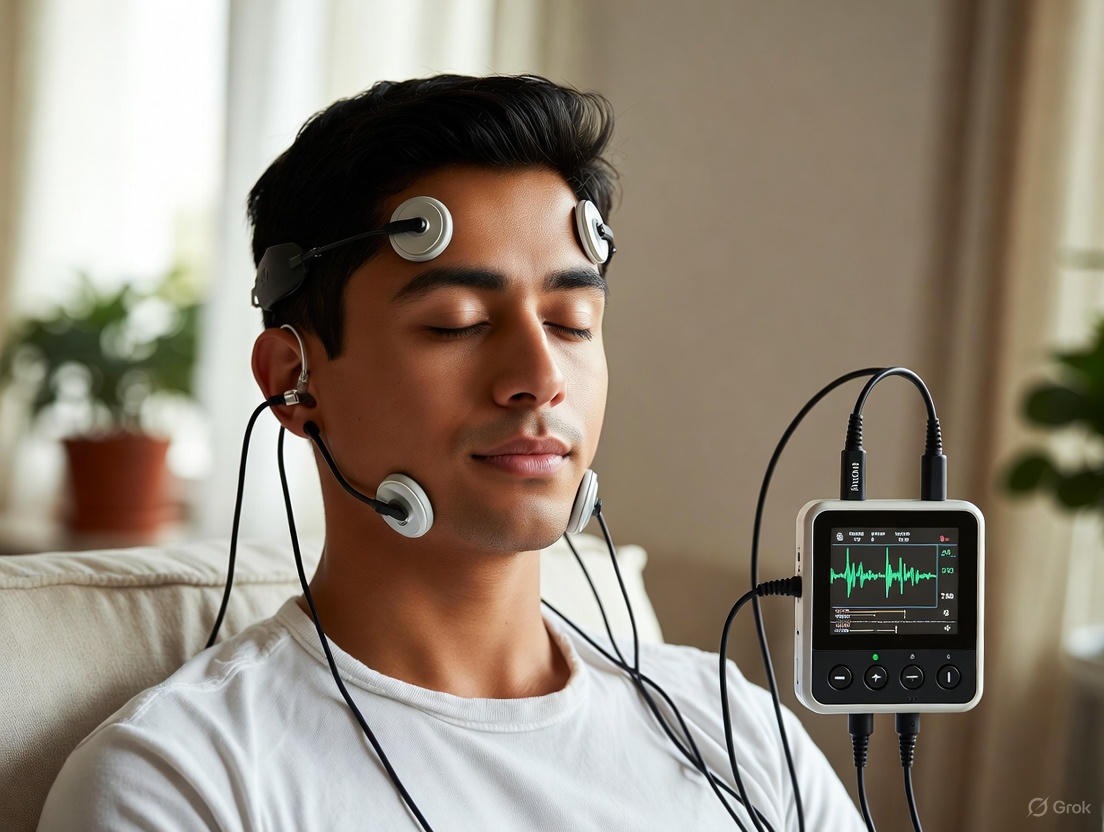
If the technology inside the smart ring is its brain, its form factor is its soul. The decision to build a health tracker as a ring is not an aesthetic whim; it is the foundational feature that solves the historic problem of wearability. This constant, comfortable presence is what unlocks the most valuable data and, ultimately, drives sustained user engagement.
Consider the mental and physical friction of traditional wearables. A smartwatch must be removed to shower, charge daily, and can clash with professional or formal attire. A fitness band can cause skin irritation under the band or feel cumbersome during sleep. Each moment of removal is a data gap. A smart ring, by contrast, leverages a near-universal human behavior: we wear rings continuously. We shower, sleep, work, and exercise with them on. The habit is already ingrained.
This leads to the first critical advantage: True 24/7 Data Collection. Health is not a snapshot; it’s a continuous film. Your body’s response to stress, your sleep architecture, your recovery state—these are narratives that unfold over hours and days. A device worn only during workouts captures the climax but misses the exposition and resolution. A smart ring captures the entire story, providing context that transforms isolated data points into understanding. For example, knowing your HRV was low all night and your resting heart rate was elevated explains why your afternoon workout felt harder than usual, preventing you from misinterpreting a lack of effort for a need for recovery.
Secondly, the Unobtrusive, Screenless Design removes digital friction. In a world saturated with notifications and screens, the smart ring is a refuge. It doesn’t ping, buzz, or light up. It doesn’t tempt you to check emails or scroll through social media. It is a tool for input only, gathering data without demanding your attention. This makes it ideal for sleep tracking, as there is no disruptive light or notification anxiety. It simply observes, allowing you to be fully present in your life and rest. This philosophy aligns with a mindful approach to wellness, where the goal is to tune into your body, not to another screen.
Finally, the Aesthetic Versatility cannot be overstated. A well-designed smart ring is indistinguishable from premium jewelry. It fits seamlessly into any wardrobe, from gym wear to a business suit to evening attire. This eliminates the social and professional hesitation many feel about wearing a conspicuous tech gadget. It becomes a personal accessory first and a tech device second. This normalization is key to mass adoption. When people are proud to wear something, they wear it consistently. You can see this design principle in action on the Oxyzen shop, where technology meets minimalist craftsmanship.
The core advantage, therefore, is holistic. By being always-on, unintrusive, and universally wearable, the smart ring bridges the gap between intention and action. It makes the process of tracking so simple that it disappears into your life, leaving only the benefit of profound self-knowledge.
Collecting terabytes of physiological data is one thing; presenting it in a way that is understandable, meaningful, and actionable for a non-scientist is the true challenge. This is where smart rings truly shine in their mission to simplify fitness tracking. They act as intelligent translators, converting complex biometrics into clear narratives about your well-being.
Gone are the days of staring at a spreadsheet of numbers. Modern smart ring apps use intuitive dashboards, visual graphs, and plain-language summaries. Let’s break down how they demystify key metrics:
1. Readiness & Recovery Scores: Instead of asking you to interpret raw HRV, resting heart rate (RHR), and sleep data independently, algorithms synthesize these into a single, easy-to-grasp score—often called a “Readiness” or “Recovery” score (e.g., on a scale of 1-100). This score answers the fundamental question: Is my body prepared for stress today? A high score suggests you’re well-recovered and can tackle a tough workout. A low score is a clear signal from your body to prioritize rest, gentle movement, or stress management. This simplification empowers users to make informed daily decisions about training intensity.
2. Sleep Staging Made Clear: Rather than just reporting “7 hours of sleep,” the ring breaks down your night into Light, Deep, and REM sleep. The app will visually show you the cycles throughout the night and highlight the duration of each. More importantly, it provides context. It might note, “Your Deep Sleep was 15% below your personal average,” and then offer a link to resources like our article on how to get more deep sleep tonight. This moves from mere reporting to guided improvement.
3. Activity and Rest Balance: The app doesn’t just glorify activity; it highlights the balance between exertion and recovery. It tracks active calories, steps, and workout duration, but it equally validates periods of rest. It might suggest, “You’ve had three intense days in a row. Consider a restorative walk today.” This holistic view counters the “more is always better” fitness myth.
4. Trend Analysis and Personal Baselines: The most powerful feature is the establishment of your personal baseline. The ring learns what is normal for you. Your app will show trends over weeks and months, making it easy to see progress or concerning shifts. For instance, a gradual upward trend in your nightly SpO2 average is positive, while a sustained dip in your HRV trend might indicate chronic stress. This longitudinal view is impossible with sporadic tracking.
5. Proactive Nudges, Not Overwhelming Alerts: Based on your data, the app might offer gentle, educational nudges. “Your data suggests you were restless last night. Did you consume caffeine after 4 PM?” or “Your recovery score is high today—a great day for that planned run!” These are insights, not alarms, fostering a collaborative relationship between you and your data.
By transforming opaque numbers into clear stories and scores, smart rings turn anyone into an expert on their own body. They provide the “what” and the “so what,” leaving you to decide the “now what.” For those seeking to deepen their understanding of specific metrics, resources like the Oxyzen blog offer extensive guides, such as understanding the critical difference between deep sleep and REM sleep. The technology handles the complexity, and you reap the simplified insight.
The fitness industry has long been skewed towards a specific archetype: the motivated, performance-driven athlete. Wearables followed suit, packed with features for tracking sprint intervals, vertical oscillation, and ground contact time. For the average person whose goals are simply “feel better,” “have more energy,” “sleep soundly,” or “manage stress,” these devices felt alienating and overly complex. The smart ring, by design and function, has become the great democratizer of health data.
This democratization operates on several levels:
1. Goal Alignment: The primary insights from a smart ring—sleep quality, recovery readiness, stress trends, and overall activity balance—are universally relevant. Whether you’re a CEO, a student, a parent, or a retiree, understanding how well your body is recovering from life’s demands is invaluable. The ring provides feedback on the fundamental pillars of health that affect everyone, not just gym performance.
2. Reduced Intimidation Factor: A device with no buttons and no screen presents a low barrier to entry. There’s no complicated setup for sports modes or connectivity issues. You wear it, and it works. The app presents information in scores and simple narratives, not in jargon-filled charts. This approachable design invites people who would never consider themselves “techy” or “into fitness data” to participate.
3. Focus on Prevention and Holistic Wellness: While an athlete uses data to optimize performance, the non-athlete uses it for prevention and daily well-being. Noticing a trend of rising RHR and poor sleep might prompt someone to visit a doctor before a minor issue becomes major. Seeing the direct link between late-night screen time and reduced deep sleep motivates tangible behavioral change. The ring empowers proactive health management, shifting the focus from fixing problems to preventing them. This aligns perfectly with the mission of wellness-focused companies; you can read more about this philosophy in Oxyzen’s story.
4. Inclusivity in Design and Application: The discreet form factor makes it appealing across ages, professions, and styles. It doesn’t shout “fitness tracker.” Furthermore, the insights are valuable for specific life stages—monitoring temperature trends for menstrual cycle or perimenopausal symptoms, observing sleep architecture changes with age (a topic explored in our article on how age affects deep sleep), or simply ensuring an elderly relative is maintaining regular activity and stable vitals.
5. Affordable Entry to Advanced Biometrics: The technology packed into a ring, while sophisticated, often comes at a price point comparable to or lower than high-end smartwatches, making advanced health monitoring more accessible. For those with questions before making a decision, checking the Oxyzen FAQ can provide clarity on functionality and value.
By centering on the core, universal biomarkers of health and presenting them with elegant simplicity, smart rings have successfully broadened the audience for personal health data. They have translated the language of physiology into a dialect everyone can understand and use, truly making advanced health tracking a tool for the people, not just the performers.
The true test of any technology is not in its specifications, but in its impact on daily life. For smart rings, this impact is best illustrated through the stories of diverse users who have integrated this simple device into their routines and experienced tangible, often unexpected, benefits. These stories highlight how simplification leads to sustainable change.
The Corporate Professional: Sarah, 42, Marketing Director. “I bought a fitness watch years ago but stopped wearing it because the constant notifications added to my stress. The Oxyzen ring was different. I wore it and forgot about it. After a week, the app showed my ‘readiness’ was chronically low, especially on Monday mornings. It correlated perfectly with my poor Sunday night sleep. Seeing the data, I finally committed to a digital sunset and a consistent bedtime. Within a month, my Monday readiness scores improved by 40%, and I walked into weeks feeling prepared, not depleted. It gave me permission to prioritize rest without guilt.”
The Everyday Fitness Enthusiast: David, 35, Teacher. “I’ve always been active but prone to pushing too hard and getting hurt or burnt out. My ring’s recovery score became my daily coach. On days it was high, I’d hit my strength training hard. On days it was low, I’d swap the run for a walk or some mobility work. I stopped getting those nagging overuse injuries. It also showed me that my ‘reward beer’ after a tough week was destroying my deep sleep. I made a small change—herbal tea instead—and my sleep quality skyrocketed. The testimonials from other users echoed my experience—it’s about smarter, not just harder, training.”
The Health-Conscious Parent: Maria, 38, Freelancer and Mother of Two. “Between work and kids, my own health was always last. I got a ring out of curiosity. The first insight was shocking: I was averaging 5.5 hours of fragmented sleep. The data was a wake-up call. I used the ring’s trends to experiment. I found that when I meal-prepped on Sundays (reducing evening stress), my deep sleep increased. I started using the inactivity nudges to remind me to play actively with my kids instead of just watching them. It didn’t add to my to-do list; it helped me optimize the life I was already living.”
The Individual Managing a Chronic Condition: James, 60, Retired. “After a mild cardiac event, my doctor told me to monitor my activity and rest. A watch was too complicated. My son got me a smart ring. It tracks my resting heart rate and sleep SpO2 effortlessly. I can show my doctor clear weekly trends instead of trying to remember how I felt. Seeing my positive recovery scores after gentle daily walks is incredibly motivating. It’s a simple tool that gives me confidence and control over my health journey.”
These stories share a common thread: the smart ring integrated seamlessly, provided a moment of clear insight, and empowered a small, sustainable change. The impact isn’t about logging more miles; it’s about better sleep, managed stress, prevented burnout, and a deeper, data-informed connection to one’s own body. It proves that when tracking is made simple enough to fade into the background, the foreground of your life—your energy, mood, and health—gets noticeably brighter. For more inspiration and detailed user experiences, exploring the Oxyzen blog can provide a wealth of real-world applications and tips.
We stand at a pivotal moment in personal wellness. The era of reactive tracking—looking at yesterday's steps or last week's sleep average—is giving way to something far more powerful: predictive, personalized, and proactive health guidance. Smart rings, with their continuous, multisensory data streams, are the ideal platform to lead this charge. They are evolving from descriptive dashboards into anticipatory companions, powered by artificial intelligence that learns the unique language of your body.
This shift is transformative. Instead of asking, "How did I sleep?" you will increasingly hear, "Based on your current stress load and circadian rhythm, here’s how to optimize your sleep tonight." Instead of seeing a low recovery score post-factum, you might receive a pre-emptive suggestion: "Your HRV trend is dipping. Consider a mindfulness session this afternoon to mitigate stress before it impacts your sleep."
The engine of this future is longitudinal data aggregation. A smart ring worn for months or years amasses a profoundly personal dataset—your sleep architecture across seasons, your HRV response to different stressors (work, travel, exercise), your temperature fluctuations, and your activity patterns. Advanced machine learning algorithms can analyze this data to:
This is not science fiction; it’s the logical next step. Companies at the forefront, like Oxyzen, are investing in these AI-driven insights to move users from awareness to actionable foresight. The goal is a closed-loop system: The ring observes, the AI interprets, the app gently guides, and your improved habits create positive feedback in the data. It’s a partnership where technology handles the pattern recognition, freeing you to focus on living well.
For years, our health data has lived in fragmented silos: fitness data on a watch, sleep data in another app, nutrition logged separately, menstrual cycle tracked elsewhere, and clinical records sitting in a doctor's office. This fragmentation creates a frustrating and incomplete picture. You might know you're tired, but connecting the dots between poor sleep, a stressful project at work, dietary changes, and a slight thyroid imbalance is nearly impossible manually.
The smart ring is poised to become the unifying hub for this holistic health dashboard. Its strength lies in its passive, foundational data layer (HRV, RHR, temperature, activity). This layer can act as the "connective tissue" to which other data points can be anchored and given context.
Imagine a future where, with your permission, your smart ring ecosystem:
This isn't about creating a single, monolithic app that does everything poorly. It's about creating secure, user-controlled data interoperability. The smart ring's API becomes a portal, allowing other specialized wellness applications to ask relevant questions of your continuous physiological data. "What was the user's average sleep HRV in the week after starting this new supplement?" or "How does their body respond to morning workouts versus evening workouts?"
The result is a truly holistic view. You stop seeing yourself as a collection of disconnected metrics and start understanding the complex, beautiful interplay between your lifestyle choices, your environment, and your body's responses. This comprehensive understanding is the cornerstone of precision wellness, a topic we explore in depth on the Oxyzen blog with resources like our guide on the brain-boosting connection between deep sleep and memory. By breaking down silos, the smart ring empowers you to become the CEO of your own health, with all the necessary reports at your fingertips.

A critical, often overlooked, factor in the widespread adoption of any wearable is its ability to integrate into personal identity and style. A device you wear 24/7 must resonate with you on an aesthetic level. This is where smart rings have a distinct advantage over wrist-worn devices: they occupy the domain of jewelry, a deeply personal form of self-expression. The future of smart rings hinges on embracing and expanding this dimension of design and customization.
The first generation proved the technology could be miniaturized. The next generation is perfecting the materials, finishes, and fit to meet diverse tastes and needs.
This focus on design transforms the smart ring from a gadget into a keystone personal accessory. It allows the user to make a statement: "I value technology and design," or "I prioritize wellness discreetly." It removes the last vestige of hesitation for those who rejected clunky wearables on aesthetic grounds. When you are excited to wear something because it looks and feels good, adherence becomes effortless.
Exploring the featured collections at Oxyzen.shop showcases this principle in action—where engineering meets elegance. This commitment to design ensures that the path to better health is not only simple and insightful but also stylish and personally fulfilling. The ring becomes a part of you, in every sense of the word.
For all their promise, smart rings are not without their technical and ethical challenges. Widespread, trusted adoption depends on transparently addressing these concerns: the accuracy of the data, the practicality of battery life, and the paramount importance of data privacy and security. The industry's approach to these hurdles will define its long-term credibility.
1. The Accuracy Imperative: "Is this data clinically accurate?" is a fair question. The answer is nuanced. Smart rings are consumer wellness devices, not medical-grade diagnostic tools. However, their accuracy for the metrics they track is remarkably high, especially given the form factor.
2. The Battery Life Balance: The absence of a screen is the ring's superpower for battery longevity. Most current models last 5-7 days on a single charge. The challenge is making charging as seamless as wearing. Solutions include:
3. Privacy and Security: The Non-Negotiable Foundation: This is the most critical challenge. A device collecting your intimate physiological data 24/7 creates a profound responsibility.
Trust is the currency of the wellness tech industry. Companies that build their reputation on robust privacy, like Oxyzen, which outlines its commitments in its company information, will be the ones that users adopt for the long term. By proactively addressing accuracy, battery, and privacy concerns with technological rigor and ethical clarity, the smart ring industry can solidify its role as a trusted partner in personal health.
The landscape of wearables is not a zero-sum game. Both smart rings and smartwatches are powerful tools, but they are designed for fundamentally different primary users and use cases. Understanding this distinction is key to choosing the right device to simplify your health journey. It’s not about which is objectively better, but about which is better for you.
The Smartwatch: The Connected Command Center
The Smart Ring: The Dedicated Wellness Sentinel
The Synergy Potential: For the comprehensive data enthusiast, the two devices can be complementary. A smartwatch can track the granular details of your workouts (pace, route, reps), while the smart ring provides the overarching context of how those workouts fit into your body’s readiness and recovery cycle. The ring tells you if you should train hard today; the watch helps you execute that training.
The Verdict on Simplification: If your goal is to simplify fitness tracking by removing friction, distraction, and complexity to focus purely on holistic wellness insights, the smart ring is the superior choice. It reduces the cognitive load of health monitoring to near zero. If your goal is to consolidate multiple digital tasks (communication, navigation, payment) with health as a secondary feature, a smartwatch may suffice.
For those still weighing the options, exploring real user experiences and testimonials can provide valuable perspective on how the ring-focused approach has simplified lives. Choose the tool that aligns with your desired outcome: a connected digital hub or a silent wellness guide.
The most significant frontier for smart ring technology is its potential integration into the formal healthcare ecosystem. While currently a consumer wellness device, its ability to provide continuous, longitudinal data in a real-world setting (as opposed to a single snapshot in a clinic) holds immense promise for preventative care, chronic condition management, and remote patient monitoring. This transition from "gadget" to "clinical tool" is already beginning.
Remote Patient Monitoring (RPM): For patients with conditions like hypertension, heart failure, or COPD, continuous monitoring of vital signs is crucial. A smart ring can track resting heart rate trends, nocturnal heart rate, and blood oxygen saturation (SpO2), transmitting this data securely to a healthcare provider's dashboard. A concerning trend—like a gradual rise in nighttime heart rate or frequent SpO2 dips—can trigger an early intervention, potentially preventing hospitalization. This empowers patients to be active participants in their care from home.
Pre- and Post-Operative Care: Before surgery, a ring could establish a patient's baseline recovery capacity (via HRV). After surgery, it can monitor vital signs and activity levels as a proxy for recovery progress, ensuring patients are mobilizing appropriately and alerting clinicians to signs of potential complications like infection (via elevated skin temperature and heart rate).
Mental Health and Neurological Support: Research is exploring the link between HRV, sleep patterns, and conditions like anxiety, depression, and PTSD. A ring could help individuals and their therapists identify physiological triggers and monitor the impact of therapeutic interventions (like medication or cognitive behavioral therapy) on the body's stress response systems over time.
Challenges and the Path Forward: For this integration to succeed, several hurdles must be cleared:
The opportunity is transformative. It shifts healthcare from a reactive, episodic model to a continuous, preventative partnership. The smart ring could become the "stethoscope for daily life," providing a constant stream of objective data to complement a patient's subjective report. For those interested in the science behind the metrics that could power this future, resources like our article on the science of deep sleep explain the foundational physiology. As validation grows, the simple act of wearing a ring could become a powerful link in your personal healthcare chain.
As consumers become more conscious of their environmental and ethical footprint, the wellness technology industry must evolve beyond just creating beneficial products for individuals to considering their impact on the planet and people. The sustainability and ethical manufacturing of smart rings are becoming critical factors for the discerning buyer. This encompasses the entire product lifecycle: sourcing, production, usage, and end-of-life.
Material Sourcing and Circular Design:
Production and Carbon Footprint:
End-of-Life and Recycling Programs:
Ethical Labor Practices: Transparency about the manufacturing supply chain is essential. Consumers want assurance that the people assembling their devices work in safe conditions, receive fair wages, and are treated with dignity. Certifications and independent audits can help verify these claims.
Choosing a smart ring is, for many, an investment in personal well-being. That investment feels more aligned when it also supports planetary and social well-being. Brands that lead with these values, like Oxyzen, which often share their foundational vision and values, are building loyalty with a generation that votes with its wallet. The future of fitness tracking is not only simple and smart but also sustainable and ethically sound.
You’re convinced of the potential. The simplicity, the insights, the design—it all aligns. Now, how do you begin? Transitioning to a smart ring is a straightforward process, but a few key steps will ensure you have the best possible experience from day one. This guide will walk you through selection, setup, and how to build a meaningful relationship with your data.
Step 1: Define Your Primary "Why"
Before browsing, ask yourself: What is the single biggest question I want this device to answer? Is it "Why am I always tired?" (focus on sleep/recovery). Is it "Am I overtraining?" (focus on HRV/readiness). Is it "I want a complete picture of my health without a screen" (focus on holistic data)? Your answer will guide which device features you prioritize.
Step 2: Research and Select Your Ring
Step 3: The Unboxing and Setup
Step 4: The First Two Weeks: Observe, Don’t Judge
This is the most important phase. Wear the ring consistently. Do not try to change your behavior yet. The goal is to establish your personal baseline. Go about your normal life—your usual sleep schedule, workouts, coffee intake, and stress. Let the ring learn what normal looks like for you. Review the data with curiosity, not criticism. Notice patterns: Does your HRV drop on workdays? Is your deep sleep lower after late dinners?
Step 5: Start with One Tiny Change
After your baseline is set, use one clear insight to make one small, sustainable change. For example:
Step 6: Integrate and Refine
Incorporate the ring’s daily readiness score into your decision-making. On low-score days, honor rest. On high-score days, embrace challenge. Use the trend views to see your progress over months. Revisit your goals quarterly. For any operational questions, a good resource is always the company’s FAQ page.
Remember, the ring is a mirror, not a taskmaster. Its power is in showing you the cause and effect of your lifestyle. By starting with observation and proceeding with small, data-informed experiments, you build a sustainable practice of self-awareness that simplifies the complex journey to better health.

The beauty of a simplified, universal health tool is its adaptability to specific populations with unique needs. Smart rings, by providing core physiological data without friction, are finding powerful applications beyond the general consumer in three key areas: optimizing elite performance, supporting healthy aging, and enhancing workplace well-being. Let's explore how this one device serves such different masters.
For the Athlete: The Ultimate Recovery Coach
For competitive and serious amateur athletes, the margin between peak performance and overtraining is razor-thin. Smart rings have become an indispensable tool for navigating this line.
For Seniors: A Discreet Health Sentinel
For the aging population, continuous, passive monitoring offers peace of mind for both the individual and their loved ones, promoting independence.
For Corporate Wellness: Data-Driven Organizational Health
Forward-thinking companies are investing in employee well-being not just as a perk, but as a strategic imperative to reduce burnout, improve focus, and boost retention. Smart rings offer a privacy-respecting, high-adoption tool for these programs.
In each case, the smart ring's value is in its objectivity and continuity. It provides a common language—heart rate variability, sleep stages, recovery—that is relevant whether you're chasing a podium, maintaining independence, or building a thriving company culture. It simplifies complex physiological monitoring into a single, wearable solution that scales across diverse human needs.
The graveyard of unused fitness trackers and wellness apps is vast. The greatest challenge in health tech isn't sensor accuracy; it's user adherence. A device with perfect clinical precision is worthless if it sits in a drawer. Smart rings, however, are demonstrating remarkably high adherence rates. The reason is rooted in behavioral psychology and design that intentionally aligns with how habits are formed and sustained.
1. Minimizing Friction: The Cardinal Rule of Habits
James Clear, in Atomic Habits, states, "The most effective way to change your habits is to make them easy." Every step required to perform a behavior is a point of potential failure. Traditional wearables have multiple friction points: remembering to put it on, charging it daily, dealing with a bulky feel during sleep, and navigating a distracting interface. The smart ring systematically removes this friction.
2. Intrinsic vs. Extrinsic Motivation
Many fitness devices gamify activity with badges, leaderboards, and virtual rewards (extrinsic motivation). These can work short-term but often fizzle out. Smart rings, by focusing on foundational biomarkers, tap into intrinsic motivation—the desire to understand and care for oneself.
3. The Power of Immediate, Actionable Feedback
For a habit to stick, the reward must be satisfying and reasonably immediate. While the ring's physical feedback is silent, its app provides clear, satisfying feedback that closes the habit loop.
4. Identity Reinforcement: "I Am Someone Who Prioritizes Wellness"
Ultimately, the most profound habit change occurs when a behavior becomes part of your identity. The discreet, jewelry-like design of a smart ring allows it to serve as a keystone habit cue that reinforces this identity. Seeing it on your finger is a subtle, constant reminder of your commitment to understanding your health. It’s not a loud, sporty badge announcing "I'm working out!"; it's a quiet statement to yourself: "I am paying attention."
By understanding and designing for these psychological principles, smart rings have cracked the code on long-term adherence. They make the process of health tracking so effortless and inherently rewarding that the habit of not wearing it becomes the harder choice. For those building these mindful habits, additional support and ideas can often be found in a brand's dedicated resource hub, like the Oxyzen blog.
The generic advice to "manage stress," "sleep better," or "don't overtrain" is well-intentioned but often ineffective because it lacks personalization. Smart rings move the needle by providing objective, personalized data that turns these vague challenges into specific, manageable puzzles. Let’s examine how they provide clarity and actionable pathways for three common modern ailments.
1. Chronic Stress: Making the Invisible, Visible
Stress is a physiological reality, not just a feeling. The ring quantifies it through your Heart Rate Variability (HRV) trend and resting heart rate (RHR).
2. Insomnia and Sleep Disruption: Diagnosing the "Why"
Telling someone with insomnia to "sleep more" is futile. The ring helps diagnose the type of disruption, which points to different solutions.
3. Overtraining Syndrome (OTS): Preventing the Crash
For the fitness enthusiast, OTS is a stealthy predator. It's not just a bad week; it's a systemic breakdown. The ring provides the early warning signs long before performance plummets or injury strikes.
In each case, the smart ring transforms a nebulous health challenge into a data-informed feedback loop. It provides the "what," which empowers you to explore the "why," and ultimately leads to a personalized "how" for improvement. It’s the difference between wandering in the dark and having a detailed map of the terrain.
The smart ring itself is only half of the experience. Its value is fully realized through the software ecosystem—the companion app, the data platform, and its ability to connect with the broader digital health world. This ecosystem is where raw biometrics are transformed into wisdom, and where the device transitions from a standalone tracker to a central node in your personal health network.
The Companion App: The Dashboard of You
A well-designed app is intuitive, educational, and actionable. Key features of a best-in-class app include:
The Platform: Where Your Health History Lives
The cloud platform backing the app must be secure, private, and powerful. It’s responsible for:
Third-Party Integrations: Breaking Down the Walls
This is the future-facing aspect of the ecosystem. Through secure APIs (Application Programming Interfaces), your anonymized or aggregated ring data can be shared with other apps you use, creating a unified health picture. Potential integrations include:
Choosing a smart ring is also choosing an ecosystem. A closed system with no export options is a red flag. Look for a company that views your data as yours, provides tools to understand it, and is building—or is open to—a connected future. A vibrant ecosystem amplifies the ring's simplicity, making it the effortless hub of a comprehensive, personalized health strategy.

As the market matures, several key players have emerged, each with distinct philosophies, strengths, and trade-offs. This comparative analysis is not to declare a single winner, but to highlight how different approaches serve different user priorities. We'll focus on the core differentiators that matter most when simplifying your fitness tracking.
1. Oura Ring: The Pioneering Benchmark
2. Whoop Strap 4.0 (Bonus: The "Non-Ring" Contender)
3. Ultrahuman Ring Air / Circular Ring
4. Oxyzen Ring: The Integrated Wellness Approach
The Verdict for Simplification: All these devices simplify tracking compared to a smartwatch. Your choice hinges on secondary priorities. Want the gold-standard recovery algorithm? Oura. Need athlete-grade strain analysis? Whoop. Prioritize affordability and live cues? Ultrahuman/Circular. Desire a discreet, elegant design backed by educational content and a clear wellness philosophy? Oxyzen is a compelling choice. The best device is the one whose ecosystem and design will keep you engaged and informed for the long term.
A high-quality smart ring represents a significant investment, often ranging from $300 to $600 or more, with some models adding a subscription fee. This naturally begs the question: Is it worth it? The answer lies in a value assessment that goes far beyond the price tag, considering tangible health benefits, behavioral change, and potential cost savings.
The Investment (The Costs):
The Returns (The Benefits):
Making the Calculation:
Consider the ring not as an expense, but as an investment in your health capital. Ask yourself:
If the ring provides actionable insights that help you sleep better, manage stress, avoid one significant illness, or simply feel more in control of your well-being, the investment is often justified many times over. For those still evaluating, reading honest pros and cons and real user testimonials can provide a grounded perspective on the tangible value users experience.
For the individual committed to taking a proactive, data-informed role in their long-term health, the smart ring is not a luxury gadget, but a rational and powerful tool for modern living.
As we invite these devices deeper into our lives, collecting our most intimate biometric data, we must confront the ethical landscape with clear eyes. The convenience and insight of a smart ring come with a profound responsibility—for both the user and the manufacturer. Navigating this landscape is crucial for maintaining trust and ensuring this technology remains a force for good.
1. The Central Ethical Question: Who Owns Your Biology?
The data from your smart ring—your sleep patterns, stress responses, temperature cycles—is a digital transcript of your biology. The fundamental ethical principle must be: You own your data. This means:
2. The Security Imperative: Guarding the Vault
This data is a high-value target for hackers. Breaches are not just a nuisance; they could reveal deeply personal health information.
3. The Algorithmic Bias and Accessibility Challenge:
4. Psychological and Social Impacts:
Choosing an Ethical Partner: As a consumer, your most powerful tool is choice. Support companies that are transparent about their practices. Look for those who publish their privacy principles prominently, like Oxyzen's commitment outlined on its about us page, and who design with user sovereignty as a core tenet. The future of wearables must be built on a foundation of ethical data stewardship, ensuring that the path to personal wellness doesn't come at the cost of personal privacy.
The smart ring we see today is just the opening chapter. The next decade will witness an explosion in sensor miniaturization, new biomarker detection, and even more seamless integration with our biology and environment. The future of fitness tracking will be less about "tracking" and more about continuous, ambient health intelligence. Here’s a glimpse of what’s on the horizon.
1. New Sensor Frontiers:
2. Advanced AI and Predictive Health:
3. Seamless Integration and Invisibility:
4. The Democratization of Advanced Diagnostics:
Ultimately, this trajectory points to a future where powerful diagnostic tools move from the clinic to the consumer. While not replacing doctors, these devices will provide a continuous stream of high-fidelity data that makes healthcare more proactive, personalized, and participatory.
The smart ring's simple form factor is the perfect vessel for this complex future. It’s a platform on your finger, ready to host the next generation of sensors and intelligence. The journey from counting steps to forecasting health is well underway, and it promises to make understanding and optimizing our well-being simpler and more powerful than we can currently imagine. For those eager to follow this evolution, staying informed through expert resources like the Oxyzen blog will be key.
Your Trusted Sleep Advocate (Sleep Foundation — https://www.sleepfoundation.org/)
Discover a digital archive of scholarly articles (NIH — https://www.ncbi.nlm.nih.gov/
39 million citations for biomedical literature (PubMed — https://pubmed.ncbi.nlm.nih.gov/)
experts at Harvard Health Publishing covering a variety of health topics — https://www.health.harvard.edu/blog/)
Every life deserves world class care (Cleveland Clinic -
https://my.clevelandclinic.org/health)
Wearable technology and the future of predictive health monitoring. (MIT Technology Review — https://www.technologyreview.com/)
Dedicated to the well-being of all people and guided by science (World Health Organization — https://www.who.int/news-room/)
Psychological science and knowledge to benefit society and improve lives. (APA — https://www.apa.org/monitor/)
Cutting-edge insights on human longevity and peak performance
(Lifespan Research — https://www.lifespan.io/)
Global authority on exercise physiology, sports performance, and human recovery
(American College of Sports Medicine — https://www.acsm.org/)
Neuroscience-driven guidance for better focus, sleep, and mental clarity
(Stanford Human Performance Lab — https://humanperformance.stanford.edu/)
Evidence-based psychology and mind–body wellness resources
(Mayo Clinic — https://www.mayoclinic.org/healthy-lifestyle/)
Data-backed research on emotional wellbeing, stress biology, and resilience
(American Institute of Stress — https://www.stress.org/)


