


The Wearable Wellness 101 Guide for Different Age Groups
Tailored advice for how different age groups can best utilize wearable wellness technology.
Tailored advice for how different age groups can best utilize wearable wellness technology.
%402x.svg)
Imagine a world where your jewelry doesn’t just accessorize your outfit but actively guards your health, whispering insights about your body’s deepest needs. This is no longer science fiction. We’ve moved beyond the basic step counters of yesteryear into an era of hyper-intelligent, wearable technology designed to decode the complex language of our well-being. At the forefront of this revolution is a new class of devices—smart rings, advanced watches, and sleek sensors—that promise to turn the ephemeral concept of “wellness” into a concrete, data-driven reality. But with a deluge of numbers, graphs, and notifications, a critical question emerges: what should you actually pay attention to?
Welcome to Wearable Wellness 101. This is your foundational guide to cutting through the noise and focusing on the metrics that truly matter for a holistic understanding of your health. In our modern, high-speed lives, where stress is a constant companion and rest is often an afterthought, these devices offer more than novelty; they provide a quantifiable pathway to a more balanced, resilient, and vibrant you. We’re not just tracking activity; we’re learning to listen to our bodies' whispers before they become screams. This article is the first step in that journey—a deep, comprehensive exploration of the vital signs of 21st-century wellness, starting with the very foundation of our physical and mental existence: sleep and recovery.
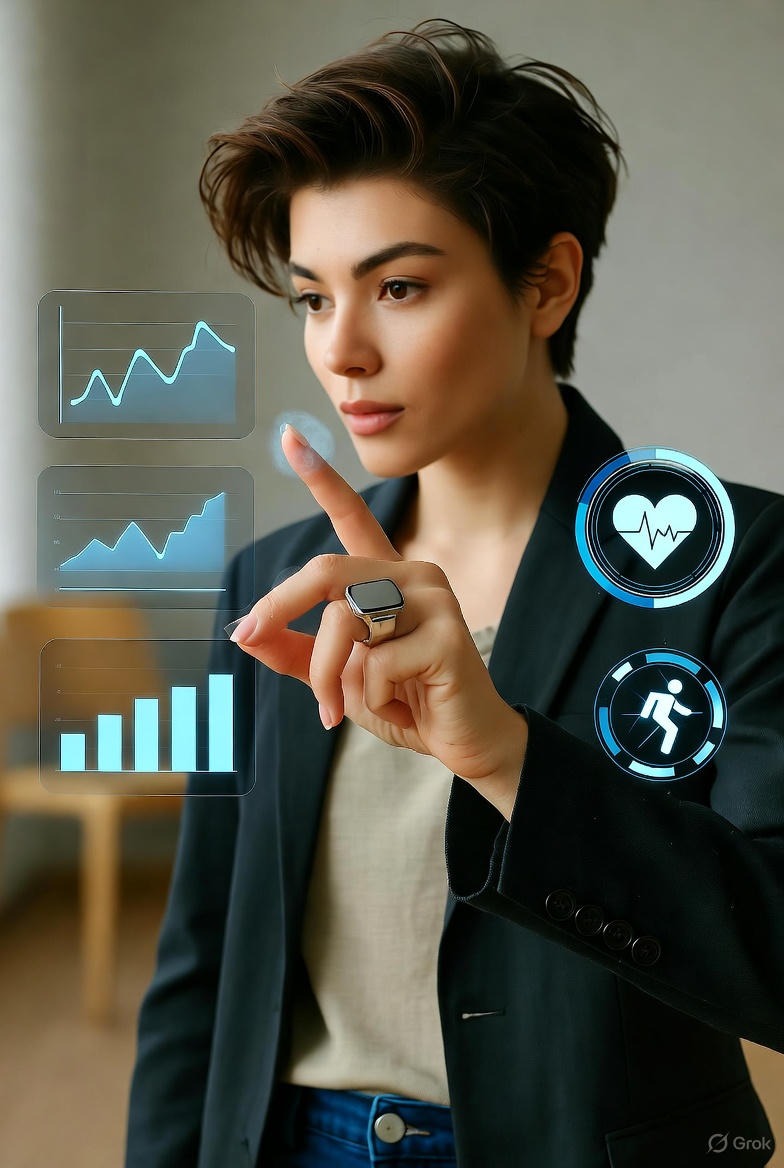
For decades, the primary signs of life were clear: pulse, temperature, respiration rate, and blood pressure. In a doctor’s office, these metrics still reign supreme. But these "snapshot" measurements tell only part of the story—the story of a single moment, often under the artificial stress of a clinical visit. They reveal little about the dynamic, flowing narrative of your health as you live your life: how you recover from a hard workout, manage a stressful workweek, or why you feel inexplicably drained despite eight hours in bed.
This is where modern wearable technology creates a paradigm shift. It introduces what we can call the New Vital Signs—continuous, contextual, and deeply personal metrics that reflect our body’s complex systems at work. Unlike their clinical counterparts, these new signs are measured in the wild of your daily routine, offering a 24/7 biography of your biology. They shift the focus from merely diagnosing illness to proactively building resilience and optimizing performance, whether your “performance” is running a marathon, leading a team, or simply being present with your family.
The cornerstone of this new approach is physiological stress, measured through metrics like Heart Rate Variability (HRV), and its counterpart, recovery. Your wearable isn’t just a reporter; it’s an interpreter, translating signals from your autonomic nervous system—the automatic control center that regulates your heartbeat, digestion, and stress response. By understanding the balance between stress (sympathetic nervous system activity) and recovery (parasympathetic nervous system activity), you gain an unprecedented window into your body’s readiness. This foundational knowledge is critical for anyone seeking not just to track, but to truly transform their well-being. As you’ll discover in our exploration of the Restful Living Measurement: Tracking Your Calm, this data is the key to moving from being busy to being balanced.
If wellness were a building, sleep would be its non-negotiable foundation. You can have the best nutrition and exercise regimen in the world, but without quality sleep, it’s like constructing a mansion on sand. Modern wearables, especially those worn on the finger or wrist where they can capture pulse signals throughout the night, have transformed our understanding of sleep from a mysterious black box into a rich dataset. But with terms like "sleep stages," "resting heart rate," and "HRV" flashing on our screens, what do they actually mean for your morning energy and long-term health?
Let’s decode the core pillars of sleep and recovery tracking.
Sleep Stages & Architecture: Gone are the days of simply counting hours. Your device uses accelerometers and advanced photoplethysmography (PPG) sensors to estimate your time in Light, Deep, and REM (Rapid Eye Movement) sleep. Each stage has a distinct purpose:
A healthy night’s sleep cycles through these stages multiple times. Your wearable provides a map of this architecture, helping you see if you’re getting sufficient deep and REM sleep. Consistently low deep sleep can indicate poor physical recovery, while insufficient REM may link to brain fog and emotional volatility.
Resting Heart Rate (RHR): This is your heart’s baseline—the number of beats per minute when you are completely at rest, typically measured during your deepest sleep. A well-conditioned cardiovascular system doesn’t have to work as hard, resulting in a lower RHR. For most adults, a RHR between 60-100 bpm is considered normal, but athletes often see rates in the 40s. More importantly than the absolute number is the trend. A sudden, sustained increase in your RHR (by 5-10 bpm) is one of the clearest early warnings your body gives. It can signal impending illness, overtraining, dehydration, or high stress. Tracking your RHR trend is like having a daily check-in with your cardiovascular system.
Heart Rate Variability (HRV): This is arguably the most important and misunderstood metric in wearable wellness. HRV is not your heart rate. Instead, it measures the tiny, millisecond variations in the time intervals between each heartbeat. Counterintuitively, a higher HRV is generally better. It indicates a resilient, adaptable heart and a nervous system that can smoothly switch between exertion (stress) and recovery (rest). A low or declining HRV suggests your body is under sustained stress—be it physical, mental, or emotional—and is struggling to find a parasympathetic, restorative state. It’s your body’s objective “readiness” score. For a profound look at how managing stress directly impacts these physiological markers, explore How Restful Living Enhances Physical Health Markers.
Recovery Scores & Readiness: Most advanced wearables synthesize your sleep data, RHR, HRV, and sometimes body temperature into a single, easy-to-understand Recovery or Readiness Score. This score, often presented as a number out of 100 or a simple “Ready,” “Maintain,” or “Recover” indicator, is your wearable’s prescription for the day. A high score after a great night’s sleep suggests your body is primed for a tough workout or a demanding day. A low score is a clear signal to prioritize rest, gentle movement, and stress management. Learning to honor this data, rather than pushing through it, is the essence of intelligent training and sustainable living.
We’ve introduced HRV as a critical recovery metric, but it deserves its own spotlight because it is the single best proxy we have for measuring the activity and balance of your Autonomic Nervous System (ANS). Think of your ANS as your body’s automatic pilot. It has two main branches engaged in a constant, delicate dance:
HRV is the window into this dance. When your PNS is dominant (during deep relaxation, meditation, or sleep), it sends subtle, varying signals to your heart, causing a higher variability between beats—a higher HRV. When your SNS is ramped up (during a stressful meeting, a hard run, or when you’re anxious), it sends more consistent, "hammer-down" signals, resulting in less variability—a lower HRV.
Therefore, tracking your HRV isn’t just about a number. It’s about tracking the state of your nervous system. A chronically low or dropping HRV trend is a billboard-sized sign that your SNS is overworked and your body is lacking the restorative PNS time it desperately needs to repair and rebalance. This state of sustained sympathetic arousal is linked to burnout, inflammation, impaired immunity, and poor decision-making. In fact, managing this balance is so crucial that it forms the basis for How Restful Living Prevents Decision Fatigue, allowing you to preserve your cognitive resources for what truly matters.
How to Use Your HRV Data:
By learning to read your body’s stress dashboard, you move from being a passive passenger to an active pilot of your health.
While recovery provides the foundation, purposeful movement builds upon it. The goal of activity tracking has evolved dramatically from a simple step goal. Modern wearables provide a sophisticated analysis of how you move throughout the entire day, emphasizing that exercise is just one component of a healthy, active lifestyle. This holistic view is often called Non-Exercise Activity Thermogenesis (NEAT)—the calories you burn from everything that isn’t sleeping, eating, or sports-like exercise.
Steps: The Foundational Baseline. Though basic, steps remain a powerful, universal metric. The often-cited "10,000 steps" target originated from a Japanese marketing campaign, but research supports significant health benefits from increasing daily movement, with a sweet spot for many adults between 7,000-9,000 steps. The key is consistency and using steps as a minimum daily movement benchmark, not a maximum achievement.
Active Minutes & Zone Minutes. This metric has largely replaced simple step counting for fitness-focused individuals. It measures the time you spend in moderate-to-vigorous activity. Many devices use heart rate zones to quantify this:
Accumulating at least 150 minutes of moderate activity or 75 minutes of vigorous activity per week is a standard guideline for cardiovascular health. Your wearable automates this tracking, showing you how your daily efforts contribute to your weekly goals.
Calorie Burn: A (Flawed) Estimate. Wearables calculate your total daily energy expenditure (TDEE) by combining your Basal Metabolic Rate (BMR—calories burned at rest) with calories burned from movement (steps, exercise, NEAT). It’s crucial to understand this is an estimate, often with a margin of error of 10-20%. Use it as a general trend indicator, not an absolute scientific measurement for precise calorie-controlled diets.
The Silent Metric: Sedentary Alerts. Perhaps one of the most underrated features is the reminder to move. Prolonged sitting is now widely recognized as an independent health risk. Devices that prompt you to stand or take a short walk every hour are combatting the dangers of a sedentary lifestyle, promoting circulation, and breaking up periods of intense mental focus. This aligns perfectly with the principles of designing an environment that supports sustained wellness, as detailed in The Restful Living Workspace: Designing for Focus and Calm.
If there is one fitness metric with the most robust scientific backing for predicting long-term health and longevity, it’s VO2 Max. Often called your maximal oxygen uptake, it is the maximum amount of oxygen your body can utilize during intense exercise. In simpler terms, it’s the best indicator of your cardiovascular fitness and aerobic endurance. A higher VO2 max means your heart can pump more blood, your lungs can take in more oxygen, and your muscles can use that oxygen more efficiently.
While a laboratory test with a mask is the gold standard, modern wearables can provide a surprisingly accurate estimate by analyzing how your heart rate responds to pace and incline during outdoor walks or runs. They look at the relationship between your speed (or power output) and your heart rate.
Why VO2 Max Matters for Everyone (Not Just Athletes):
Your wearable will categorize your score by age and gender (e.g., "Good for a male aged 40-45"). The true power lies in tracking the trend over months and years. Are your workouts improving your engine, or is it slowly idling down? By focusing on this metric, you’re investing in the long-term health of your most vital system.
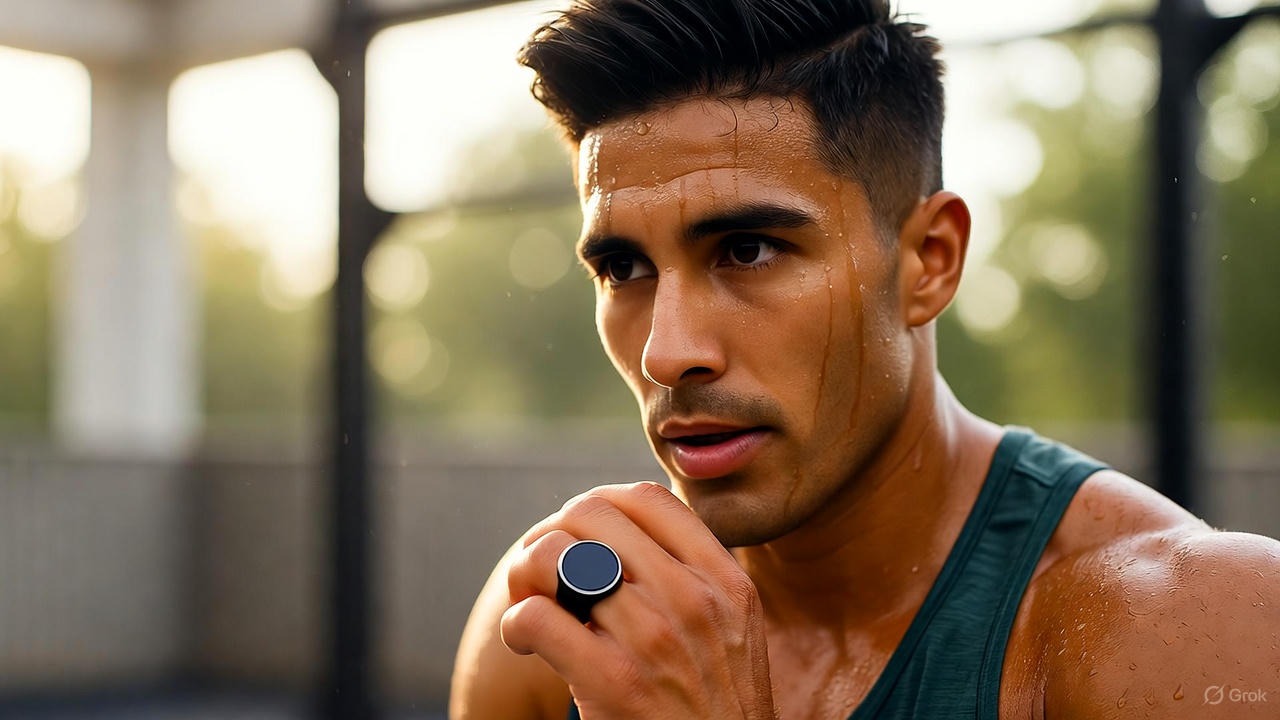
Your body is a marvel of thermal regulation, maintaining a core temperature within a narrow range critical for optimal function. While we think of a fever as a sign of illness, subtle shifts in your basal body temperature can provide rich insights into your metabolism, sleep quality, and for those who menstruate, hormonal cycles.
Advanced wearables, particularly those worn on the finger (where core temperature is more easily estimated than at the wrist), can track your temperature continuously throughout the night. This provides a stable, resting baseline free from the influences of food, drink, and activity.
Key Insights from Temperature Tracking:
Nutrition has long been the "black box" of wellness tracking. We log food in apps with questionable accuracy and guess at portion sizes. The next frontier for wearables is moving nutrition from manual self-reporting to objective, physiological data. While we’re not yet at the stage of a device telling you you’ve eaten 23 grams of carbohydrates, current and emerging technologies provide powerful, indirect insights.
Continuous Glucose Monitoring (CGM) Integration: The biggest breakthrough is the integration of wearables with CGMs—small sensors that measure glucose levels in interstitial fluid. While dedicated CGM systems are used medically by people with diabetes, they are increasingly used by biohackers and health enthusiasts to understand their unique metabolic responses. By seeing how your blood sugar rises and falls in real-time after different meals, you can identify which foods cause sharp, destabilizing spikes and crashes (leading to energy slumps and cravings) and which provide stable, sustained energy.
Heart Rate & HRV as Digestive Clues: How your body handles a meal is a form of metabolic stress. A large, heavy, or inflammatory meal can trigger a spike in heart rate and a dip in HRV as your body diverts energy to digestion. Observing these responses can help you understand food intolerances and optimize meal timing (e.g., avoiding large meals close to bedtime, as digestion can raise body temperature and impair sleep).
Activity-Based Calorie Adjustments: As mentioned, while calorie estimates are imperfect, the trend data can be useful. If you’re in a dedicated fat-loss phase, seeing your active and total calorie burn can help inform your nutritional intake, creating a more dynamic picture than a static calorie target.
The future points to wearables that can estimate macronutrient oxidation (whether you’re burning more fat or carbs) through respiratory rate and other metrics, bringing us closer to a fully integrated picture of how we move, recover, and fuel.
Stress is not a villain; it’s an essential part of life. The problem is chronic, unmanaged stress. Modern wearables are now focusing on quantifying this subjective feeling, offering objective data on your stress load and resilience throughout the day. This goes beyond simply tracking what causes stress (which is personal) to measuring how your body responds to it (which is physiological).
How Do Wearables Measure "Stress"? Most devices use a combination of three key inputs:
By synthesizing this data, the device can present a Stress Score or display periods of "heightened stress" on a timeline. You might see spikes during your commute, a big meeting, or after a difficult conversation.
The Power of the Timeline: This is where awareness turns into agency. By seeing your stress response painted across your day, you can:
Building resilience isn’t about avoiding stress, but about improving your recovery rate—how quickly you can return to baseline after a stressor. Wearables allow you to train this like a muscle.
Of all our bodily functions, breathing is unique: it is both automatic and under our direct voluntary control. This makes it the most powerful real-time bridge between our conscious mind and our unconscious stress response. Your breathing pattern is intimately tied to your nervous system state, and now, wearables are starting to track it, offering a direct lever for influencing your well-being.
How Wearables Track Respiration:
Most devices derive your respiration rate (breaths per minute) from the rhythmic oscillations in your heart rate data—a phenomenon known as respiratory sinus arrhythmia. Some advanced sensors may also use accelerometers to detect chest or abdominal movement.
Why Tracking Breath Matters:
From Tracking to Training: The most progressive wearables don’t just track your breath; they guide you to better it. Guided breathing sessions use haptic vibrations to pace your inhales and exhales, helping you quickly down-regulate stress in real-time. This practice of intentional breathing is a cornerstone of creating sanctuary in daily life, a technique especially valuable for those who work from home, as discussed in Restful Living for Remote Workers: Home as Sanctuary.
Data in isolation is just noise. The transformative power of a wearable comes from weaving these individual metrics into a coherent, personal wellness narrative. This is the shift from being a data collector to a data storyteller. Your device provides the chapters—the sleep scores, the stress spikes, the workout efforts—but you are the author who gives them meaning.
The Art of Correlation: The magic happens in the connections.
Your wearable’s app is your journal for these correlations. Use the note-taking feature to log subjective feelings: "Felt anxious today," "Amazing energy for workout," "Fighting off a cold." Over time, you’ll see your subjective experience validated (or challenged) by objective data, leading to profound self-awareness.
Avoiding the Pitfalls: Data Anxiety & Obsession. It is crucial to approach this data with a mindset of curiosity, not control; of guidance, not gospel. The goal is to use the information to make better choices, not to foster anxiety over every blip in your graph. If checking your sleep score causes more stress than the poor sleep itself, it’s time for a digital detox. Remember, the device works for you, not the other way around. Establish healthy boundaries, perhaps only checking your recovery score in the morning and your activity summary at night. This balanced approach is the heart of true Restful Living Without Guilt: Permission to Rest.
The journey we’ve outlined—from tracking basic sleep to interpreting nervous system balance—is just the beginning. The wearable wellness industry is accelerating at a breathtaking pace, with research labs and tech companies developing sensors that sound like they belong in a Starfleet sickbay. The smart ring, in particular, with its proximity to major blood vessels in the finger and its unobtrusive, 24/7 wearability, is poised to be a primary platform for these innovations.
Here’s a glimpse at the horizon:
The future of wearable wellness is not just more data, but smarter, more actionable, and more integrated insights that seamlessly blend into our lives, empowering us to make choices that lead to longer, healthier, and more balanced lives. It is a future where technology doesn’t distract us from our humanity but helps us reconnect with the fundamental rhythms of our own bodies.
You now have a dashboard filled with data—a symphony of numbers, graphs, and scores. The critical next step is moving from observation to interpretation, and from interpretation to action. Data without context is meaningless; it's like having a weather report without knowing if you need a coat or sunscreen. Your wearable provides the forecast, but you must decide how to dress for the day. This section is about building your personalized blueprint for health, teaching you how to interpret the interplay of metrics to create a truly actionable plan.
The Principle of Interconnectedness: The first rule of data interpretation is that no metric exists in a vacuum. Your body is a complex, interconnected system. A low recovery score isn't just a "sleep problem"; it could be the result of:
The art lies in cross-referencing. When you see a poor recovery score, immediately check your sleep stages (was deep sleep lacking?), your nighttime heart rate (was it elevated?), your HRV trend (has it been declining for days?), and your body temperature (any subtle elevation?). Then, layer on your life context. This holistic view prevents you from misdiagnosing the cause and applying the wrong solution.
Establishing Your Personal Baselines: Before you can spot what's "off," you must know what's "normal" for you. The most common mistake is comparing your numbers to generic population averages or, worse, to a friend's data. Your HRV of 40 might be fantastically high for your physiology, while someone else's 80 might be a concerning low. Spend the first 30 days with a new wearable in "observation mode." Wear it consistently, live your typical life, and let it learn your unique rhythms. Your personal baseline is your most valuable reference point; all future deviations will be measured against it.
The Action Hierarchy: Responding to Your Data Intelligently. Once you've interpreted the signals, follow a logical hierarchy of response:
By learning to interpret your data as a cohesive story, you transition from being a passive consumer of information to an active architect of your well-being.

Beyond the metrics of sleep quality lies the master regulator of all human physiology: your circadian rhythm. This roughly 24-hour internal clock, governed by a master "pacemaker" in your brain called the suprachiasmatic nucleus (SCN), influences everything from hormone release and metabolism to cognitive performance and mood. Your wearable is not just a sleep tracker; it's a circadian compass, providing the data you need to synchronize your life with this powerful biological rhythm.
How Wearables Reveal Your Circadian Health:
The High Cost of Circadian Disruption: Living against your internal clock—through irregular sleep schedules, nighttime light exposure, or eating late—has profound consequences. It's linked to weight gain, impaired glucose metabolism, increased inflammation, reduced immune function, and heightened risk for chronic diseases. Your wearable makes this invisible problem visible.
Using Your Data for Circadian Alignment:
Your wearable's recovery metrics are an output—a report card on how well your body has repaired itself. The inputs that create those outputs are largely environmental. You cannot achieve a high recovery score in a chaotic, stress-inducing environment any more than you can grow an orchid in a desert. Therefore, the smartest application of your data is to reverse-engineer your scores and design an ecosystem of rest. This means curating your physical and digital spaces to passively support your nervous system's shift into the parasympathetic state.
The Pillars of a Restful Ecosystem:
1. The Sleep Sanctuary: Your sleep data is the direct feedback loop for your bedroom environment.
2. The Digital Atmosphere: Your stress and focus metrics are intimately tied to your digital habits.
3. The Ritual Infrastructure: Recovery doesn't start at bedtime. It's a all-day process of downshifting.
By intentionally crafting this ecosystem, you make recovery the default, not a struggle. Your wearable data becomes the tool that helps you design a life that naturally cultivates calm and resilience.
Human beings are not isolated bio-tracking units; we are inherently social creatures. Our nervous systems are designed to co-regulate—to calm in the presence of safety and connection, and to activate in the face of social threat. While your wearable tracks your individual physiology, its deepest insights may come when you consider your data in the context of your social rhythms and relationships. The emerging field of "social physiology" suggests that our connections have a measurable impact on our health metrics.
The Data of Connection:
Using Wearables to Foster Healthier Connections:
By viewing your wellness data through a social lens, you acknowledge that health is not a solitary pursuit. It is woven into the fabric of your relationships and the quality of your connections.
For entrepreneurs, founders, and high-performing professionals, the line between passion and burnout is notoriously thin. The "hustle culture" mentality glorifies chronic stress and sleep deprivation as badges of honor. This is not only misguided but counterproductive from a performance and biological standpoint. A modern wearable is the ultimate biohacking tool for sustainable success, providing the hard data needed to replace destructive myths with a science-backed strategy for peak, long-term performance.
From Burnout Insurance to Performance Optimization:
1. Decision-Making Fuel: Your HRV and recovery score are direct indicators of your prefrontal cortex's capacity—the brain region responsible for executive function, complex decision-making, and emotional regulation. A low score means you are biologically impaired for high-stakes choices. The smart entrepreneur schedules critical decisions and creative brainstorming sessions for times when their data shows high readiness. This practice is the antidote to the depleted state known as decision fatigue, a critical concept for leaders explored in How Restful Living Prevents Decision Fatigue.
2. Strategic Recovery Scheduling: An entrepreneur's calendar is their most sacred resource. The most impactful meeting you can schedule is with your recovery. Use your wearable data to block out non-negotiable recovery periods:
3. The ROI of Sleep: For a data-driven mind, framing sleep as a non-negotiable business investment is powerful. Show yourself the correlation: a week of high sleep scores and stable HRV followed by a week of high productivity and clear thinking. Conversely, a week of poor recovery likely correlates with mistakes, irritability, and poor client interactions. This turns rest from a luxury into a core business strategy. The unique challenges of building a business while maintaining well-being are addressed specifically in Restful Living for Entrepreneurs: Sustainable Business Building.
4. Stress Inoculation Training: Rather than avoiding stress, use your wearable to practice controlled exposure and recovery. Deliberately engage in a challenging task, observe the stress response on your device, and then use a proven technique (e.g., box breathing, a short walk) to bring your metrics back to baseline quickly. This trains your resilience "muscle," making you more robust in the face of inevitable business pressures.
For the modern leader, a wearable isn't about tracking steps; it's about managing the most important asset the business has: your cognitive, emotional, and physiological capital.
Wellness is a family affair. The habits, rhythms, and stress levels of one member inevitably ripple through the entire household. Introducing wearable technology and data-literacy into a family context isn't about surveillance; it's about creating a shared language of health, modeling positive habits, and fostering an environment where everyone's well-being is valued. From the sleep-deprived parent to the over-scheduled teenager, wearables can offer insights tailored to every life stage.
Tailored Tracking Across Generations:
Creating a Family Wellness Culture:
It may seem like a leap from heart rate variability to your bank account, but the connection between physical well-being and financial wellness is robust, bidirectional, and deeply rooted in neuroscience and psychology. Chronic stress and poor health are not just personal burdens; they are significant financial liabilities. Conversely, financial stress is a major contributor to poor physiological health. Your wearable, by tracking the physical manifestations of stress, can become an unexpected tool for improving your financial decision-making and stability.
The Physiology of Poor Financial Choices:
How Wearable Data Can Break the Cycle:
By linking your physical dashboard to your financial health, you create a holistic strategy for security and prosperity that acknowledges the profound mind-body connection.
Creativity is often romanticized as a bolt from the blue, a moment of inspired madness. Neuroscience tells a different story: insight and innovation are the products of a well-rested, optimally functioning brain. The "eureka!" moment is not the result of frantic, sleep-deprived effort, but often emerges during a walk, a shower, or upon waking—when the brain is in a more diffuse, relaxed state. Your wearable, by quantifying recovery and nervous system states, can help you engineer the ideal conditions for creativity to flourish.
The Neuroscience of the "Aha! Moment":
Creative thinking requires two distinct brain modes:
The breakthrough happens when the brain toggles between these modes. The focused mode defines the problem, and the diffuse mode, often activated during rest, provides the novel solution.
How Your Wearable Metrics Map to Creative States:
Crafting a Creative Routine with Data:
For the artist, writer, entrepreneur, or anyone seeking original thought, a wearable becomes a tool not just for managing health, but for managing the very conditions from which inspiration is born.
For many, the weekend has become a paradoxical time—a frantic rush to cram in chores, social obligations, and "fun," often returning to Monday more exhausted than when they left. The modern concept of "weekend recovery" is fundamentally broken. Your wearable data provides the evidence and the blueprint for reclaiming these two days for true physiological and psychological rejuvenation. It teaches the art of the weekend as a strategic recovery period, not just a pause from work.
What Your Data Reveals About Fake vs. True Recovery:
Designing a Data-Informed Weekend Protocol:
1. The Friday Wind-Down Transition: Use your wearable's end-of-week summary as a ritual. Acknowledge the week's strain. Then, actively create a transition. A short guided breathing session, a walk without your phone, or a relaxing activity can signal to your nervous system that "work mode" is over. This helps you actually arrive at the weekend, rather than carrying work stress into it.
2. Prioritize Circadian Rhythm Repair:
3. Embrace "Strategic Laziness": This is not inactivity, but intentional, guilt-free rest. It could be reading a novel, napping, sitting in a park, or engaging in a "flow state" hobby that absorbs you completely. The goal is to let your brain fully disengage from productive output. Watch your stress score drop during these periods. For a complete blueprint on maximizing these two days, see The Restful Living Weekend: True Recovery in Two Days.
4. The Sunday Sanctuary Evening: Protect Sunday evening fiercely. This is your launchpad for the week. A calming routine—perhaps involving gentle stretching, planning for the week ahead (to reduce Monday anxiety), and a digital sunset—will set you up for superior sleep and a high Monday readiness score.
By treating your weekend as the essential recovery phase it is, you transform it from a time that drains you further into the engine that powers your effectiveness and well-being for the week to come.
As we invite these intimate devices deeper into our lives, recording our heartbeats, sleep, and locations, a crucial conversation must accompany the excitement: the ethics of biometric data. Wearing a wellness tracker is an act of profound trust. You are trusting a company with the most personal data stream possible—the real-time story of your body. Navigating this landscape requires an ethical compass, both from the companies that make the devices and from us, the users.
Key Ethical Considerations for the Wearable User:
1. Data Ownership & Portability: Who truly owns your sleep data, your HRV history, your location tracks? Read the privacy policy. Does the company claim broad rights to anonymize and aggregate your data for research or sell it to third parties? Prefer companies that are transparent about data use and provide easy ways for you to export and download your raw data.
2. The Psychological Pitfalls: We've touched on data anxiety, but it bears repeating in an ethical light. When does self-quantification become self-objectification? When does optimization become obsession? It is ethically necessary to regularly check in with yourself: Is this data serving my well-being, or is it becoming a source of stress and negative self-judgment? The right to disconnect from your own metrics is a form of self-care. This is the foundation of a healthy relationship with tracking, as framed in Restful Living Without Guilt: Permission to Rest—a permission that extends to taking a break from the tracker itself.
3. Social Comparison & Data Shame: In the era of social sharing, there's pressure to post achievements. A leaderboard of friends' step counts or sleep scores can quickly turn healthy motivation into toxic competition and shame. Use community features mindfully. Focus on your own trends, not others' numbers. Foster a community culture that celebrates consistency and self-care, not just high scores.
4. The Diagnostic Dilemma: Wearables are becoming incredibly sophisticated at detecting potential health issues like atrial fibrillation (AFib) or sleep apnea. This is a tremendous benefit, but it also creates a new responsibility. These devices are wellness tools, not medical devices. Their findings are screening prompts, not diagnoses. The ethical use of this data means taking concerning trends to a qualified healthcare professional for proper evaluation, not self-diagnosing and treating based on wearable alerts.
Choosing a Device with Ethical Integrity: As a consumer, support companies that demonstrate:
By engaging with wearable technology mindfully and ethically, we ensure that the pursuit of quantified self does not come at the cost of our privacy, our peace of mind, or our humanity. It becomes a tool for empowerment, used with intention and awareness.

The true power of a wearable isn't revealed in a single day's perfect sleep score or a week of hitting step goals. Its transformative potential unfolds over months, seasons, and years, as the daily stream of data coalesces into a profound understanding of your personal health narrative. This long-view perspective is what turns fleeting motivation into embedded, lifelong habits. The device becomes less of a coach and more of a historian, showing you the undeniable cause-and-effect patterns of your life, and in doing so, solidifying the behaviors that lead to lasting vitality.
From Micro-Adjustments to Macro-Transformations: In the beginning, you make small changes based on data: going to bed 20 minutes earlier, taking walking breaks, practicing morning breathwork. The immediate feedback—a slightly higher HRV, a better sleep score—reinforces these actions. But the magic happens when you zoom out. The Year in Review feature offered by many platforms is a pivotal moment. Here, you don't see daily blips; you see seasons of your life painted in physiological data.
This macro view provides the most powerful motivation of all: evidence-based hope. It proves that your choices matter, that positive change is cumulative, and that your body responds with remarkable fidelity to consistent care. This long-term tracking moves you from a mindset of "I should sleep more" to the ingrained identity of "I am someone who prioritizes recovery because I've seen the year-long benefits."
Habit Stacking with Data Validation: James Clear's concept of "habit stacking"—attaching a new habit to an existing one—becomes supercharged with wearable feedback. The stack isn't just logical; it's data-validated.
The Principle of Compound Rest: We understand compound interest in finance—small, consistent investments growing exponentially over time. Wearable data reveals the principle of Compound Rest. A single early night might not transform you. But committing to a 30-minute earlier bedtime on average over a year results in over 180 extra hours of recovery. This compounds into better hormonal balance, sharper cognitive function, and a more resilient stress response. Your data over the long term allows you to see this compounding, turning the abstract concept of "rest is important" into a tangible graph of accumulating wellness capital.
In the pursuit of optimized health, a dangerous irony can emerge: the very tool meant to reduce stress becomes a primary source of it. Data anxiety—the obsessive checking, the disappointment over a "red" recovery score, the guilt over a missed activity goal—is a real and counterproductive phenomenon. It represents a fundamental misunderstanding of the tool's purpose. A wearable is a guide, not a judge; a source of information, not a report card on your worth. Navigating away from perfectionism and toward a healthy, sustainable relationship with your data is a critical skill.
Recognizing the Signs of Data-Driven Distress:
Strategies for a Balanced Data Relationship:
1. Embrace the "Range of Healthy Variation": Your body is not a machine. It is a dynamic, living system influenced by countless variables. A healthy life shows a range in your data, not a flat line at "perfect." A slight dip in HRV during a period of intense creative work or training is normal and expected. The goal is not to eliminate all valleys, but to prevent them from becoming canyons and to ensure you have peaks of recovery. Learning to accept and work within your natural biological rhythms is key to avoiding the guilt that can derail wellness efforts, a principle affirmed in Restful Living Without Guilt: Permission to Rest.
2. Practice "Data Sabbaticals": Schedule regular breaks from your device. This could be one day a week (e.g., Sunday) where you don't wear it, or a weekend getaway where you leave it at home. The purpose is to reconnect with your subjective, felt sense of well-being—your energy, mood, and intuition—without the mediation of a number. This practice prevents you from outsourcing your bodily awareness to a device and reaffirms that you are the expert on your own experience.
3. Focus on Trends, Not Dots: Train yourself to look at weekly and monthly averages. Draw a mental line through the daily noise. Is the overall direction positive? Are you recovering from dips more quickly? This zoomed-out perspective reduces the emotional impact of any single day's "poor" data and provides a more accurate picture of your progress.
4. Use Data as a Question, Not an Answer: When you see a negative trend, frame it with curiosity, not criticism. Instead of "My sleep is terrible, I'm failing," ask, "What has been different this week? How has my stress been? Did my eating times change?" This shifts your mindset from self-judgment to investigative problem-solving, which is inherently more empowering and less stressful.
The most well-tracked life is not necessarily the healthiest. The goal is to use data to support a life rich in connection, joy, and meaning—not to become a slave to a dashboard.
Our ancestors lived in direct sync with the natural world—its light, temperature, and seasonal rhythms. Modern life, with its artificial environments and constant connectivity, has severed this link, often to our detriment. Your wearable, perhaps unexpectedly, can be the tool that helps you re-synchronize with these primordial cycles. By tracking your physiology across seasons, you can learn to adapt your habits for optimal well-being all year round, moving with nature rather than against it.
The Seasonal Signatures in Your Data:
Tracking Your Environmental Sensitivity: Your wearable can also make you aware of how specific environmental factors affect you. Do you see a correlation between high pollen counts and disrupted sleep or elevated resting heart rate? Does a drop in barometric pressure precede a headache and a dip in HRV? This biofeedback allows you to proactively manage your environment—using air filters, adjusting hydration, or planning rest days during high-allergy seasons—turning you from a passive victim of the elements into an adaptive participant in your ecosystem.
The wearable on your finger today represents just the beginning. Research labs and forward-thinking companies are probing the next frontier of non-invasive sensing, aiming to unlock a deeper, more comprehensive dashboard of human health. Understanding these nascent technologies helps us appreciate the trajectory of wearable wellness and the profound potential it holds for personalized medicine.
On the Horizon: The Next Generation of Biomarkers
The Integration of Multi-Omics: The ultimate future lies in correlating this continuous physiological data stream with other "omics" data—like genomics, metabolomics (from sweat or breath), and gut microbiome analysis. Imagine a system where your ring detects a subtle physiological shift, prompts you to take a simple at-home saliva or sweat test, and an AI cross-references this with your genetic predispositions to provide a hyper-personalized recommendation: "Your data suggests a drop in metabolic flexibility. Given your genotype, a 16-hour fast followed by a high-fat meal may help reset it."
This future is not about more distracting notifications; it's about creating a seamless, ambient layer of health intelligence that empowers profound personal agency and early intervention.
Nutrition remains one of the most personalized and contentious aspects of health. What fuels one person perfectly may leave another sluggish. Wearables are beginning to close the loop between the food we eat and our physiological response, moving us away from generic diet plans and toward data-informed, personalized nutrition.
Beyond Calories: The Metabolic Response Tracking
The integration of Continuous Glucose Monitors (CGMs) with wearable ecosystems is the most significant current advancement. Seeing your glucose response in real-time provides unparalleled insights:
HRV as a Digestive Health Indicator: Your nervous system state directly impacts digestion (the "rest and digest" parasympathetic mode). If you eat a meal while in a stressed, sympathetic state (low HRV), you are likely to digest it poorly, potentially leading to bloating and inflammation. Conversely, a large, inflammatory meal can trigger a stress response, lowering your HRV. By observing these correlations, you learn to create calm before meals (a few deep breaths) and to notice which foods may be taxing your system.
Future-State: The Real-Time Nutrient Sensor: Research is ongoing into optical sensors that could, via spectroscopy, estimate certain biomarkers in the blood non-invasively. While full macronutrient breakdown from a wearable is still sci-fi, the ability to track key metabolites or vitamins (like glucose, ketones, or possibly cortisol) continuously would create a truly closed-loop system for diet and supplementation.
For now, the actionable strategy is to use your existing recovery, sleep, and stress metrics as a gross feedback mechanism for your dietary choices. Keep a simple food log alongside your wellness data for a few weeks. The correlations you discover will be more valuable than any bestseller diet plan.
This is the philosophical core of sustainable wearable use. There is a fundamental tension between the quantified self—the data-driven, analytical view—and the qualitative self—the lived, felt experience of being alive. The greatest pitfall is allowing the device to pull you out of the present moment, making you more connected to a graph of your heart than to the beat itself. The art of mindful tracking is to use data to enhance your presence, not detract from it.
Principles of Mindful Tracking:
The goal is a symbiotic relationship. Your lived experience gives meaning to the data, and the data, in turn, helps you create more of the experiences that lead to a fulfilling life. The wearable becomes a lens that brings the blurry picture of your well-being into focus, so you can then step back and enjoy the clear view.
The proliferation of consumer wearables is creating a quiet revolution in the doctor's office and the therapist's chair. Forward-thinking healthcare practitioners are no longer dismissing patient-presented data from smart rings and watches; they are beginning to integrate it as a valuable piece of the diagnostic and monitoring puzzle. This shift marks a move toward collaborative, data-informed, and preventative care.
How Wearable Data is Enhancing Clinical Encounters:
The Challenge and Opportunity of Data Overload: The main barrier for practitioners is time and data standardization. A PDF export of 12 months of raw data is overwhelming. The opportunity lies in smart aggregation. The future will see platforms that synthesize wearable data into clinician-friendly dashboards, highlighting key trends, anomalies, and summary statistics relevant to the patient's specific condition. Patients will become true partners, bringing curated, actionable health data to the visit.
For the individual, this means starting to think of your wearable data as part of your personal health record. Curate it. Before an appointment, prepare a simple summary: "Over the last three months, my average resting heart rate has increased by 8 bpm, and my sleep efficiency has dropped below 80%. Here are the graphs." This turns you from a passive patient into an empowered, engaged participant in your own care.
Our wearables track the stress caused by our lives, but they are often worn alongside the primary source of modern stress: our smartphones. The next level of insight comes from using your wearable to quantify the physiological cost of your digital habits. This isn't about demonizing technology, but about creating an evidence-based relationship with it, where you control your devices instead of them controlling your nervous system.
Tracking the Physiological Signature of Digital Stress:
Using Data to Design Digital Boundaries:
By using your wearable to make the invisible stress of digital life visible, you gain the motivation and the blueprint to reclaim your attention and your calm.
Travel—whether for work or pleasure—is a brutal stress test for our physiology. It disrupts circadian rhythms, sleep, nutrition, and movement patterns. A wearable becomes an indispensable travel companion, not by adding to the burden of planning, but by providing a stable, data-informed anchor amidst the chaos. It helps you mitigate jet lag, make smarter choices on the road, and recover faster when you return home.
A Data-Driven Protocol for Travel:
Pre-Flight Preparation (3-4 Days Out):
In-Transit Strategy:
At Destination: The Circadian Reset:
The Return Home & Recovery: The post-trip recovery is often neglected. Your data will show the lingering effects. Proactively schedule a recovery buffer—a lighter first day back at work, an early bedtime, and gentle movement. Use your wearable to confirm when your metrics have truly returned to baseline. This integrated approach ensures travel enriches your life without depleting your health reserves, a balance essential for the modern professional, as noted in Restful Living for Remote Workers: Home as Sanctuary—a sanctuary you can learn to create anywhere.
After 20,000 words exploring the depths of wearable metrics, we arrive at the ultimate question: to what end? Data, optimization, and biohacking are not ends in themselves. They are means to a more profound goal: a life of vitality, presence, and purpose. The final stage of mastery with a wearable is the integration of its insights so seamlessly into your life that the technology fades into the background, leaving only the enhanced quality of living.
This integration looks like:
Your wearable metrics are the individual threads—heart rate, HRV, sleep, temperature, movement. The art is in weaving these threads into the rich, complex, and beautiful tapestry of your one wild and precious life. It helps you design days that are not just productive, but peaceful; weeks that are not just busy, but balanced; and a healthspan that allows you to contribute, create, and connect for as long as possible.
This journey from data point to wisdom, from tracking to living, is the true promise of wearable wellness. It begins with a device on your finger, but it culminates in a deeper connection to the wisdom that has always resided within you.
Your Trusted Sleep Advocate: Sleep Foundation — https://www.sleepfoundation.org
Discover a digital archive of scholarly articles: NIH — https://www.ncbi.nlm.nih.gov/
39 million citations for biomedical literature :PubMed — https://pubmed.ncbi.nlm.nih.gov/
Experts at Harvard Health Publishing covering a variety of health topics — https://www.health.harvard.edu/blog/
Every life deserves world class care :Cleveland Clinic - https://my.clevelandclinic.org/health
Wearable technology and the future of predictive health monitoring :MIT Technology Review — https://www.technologyreview.com/
Dedicated to the well-being of all people and guided by science :World Health Organization — https://www.who.int/news-room/
Psychological science and knowledge to benefit society and improve lives. :APA — https://www.apa.org/monitor/
Cutting-edge insights on human longevity and peak performance:
Lifespan Research — https://www.lifespan.io/
Global authority on exercise physiology, sports performance, and human recovery:
American College of Sports Medicine — https://www.acsm.org/
Neuroscience-driven guidance for better focus, sleep, and mental clarity:
Stanford Human Performance Lab — https://humanperformance.stanford.edu/
Evidence-based psychology and mind–body wellness resources:
Mayo Clinic — https://www.mayoclinic.org/healthy-lifestyle/
Data-backed research on emotional wellbeing, stress biology, and resilience:
American Institute of Stress — https://www.stress.org/


