12 Natural Energy Boosters Backed by Your Smart Ring Recovery Data
Twelve natural energy boosters backed by recovery data from your smart ring.
12 Natural Energy Boosters Backed by Your Smart Ring Recovery Data
We’ve all been there: that mid-afternoon crash that feels like hitting a wall, the morning fog that coffee can’t seem to penetrate, the overwhelming fatigue that makes even simple tasks feel Herculean. In a culture obsessed with burning the candle at both ends, chronic low energy has become a silent epidemic. We reach for another espresso, a sugary snack, or promise ourselves we’ll “sleep when we’re dead.” But what if the secret to boundless, sustainable energy wasn’t in a chemical stimulant, but in the natural rhythms of your own biology? What if you had a personal energy auditor on your finger, giving you a real-time report on what truly fuels your body and what drains it?
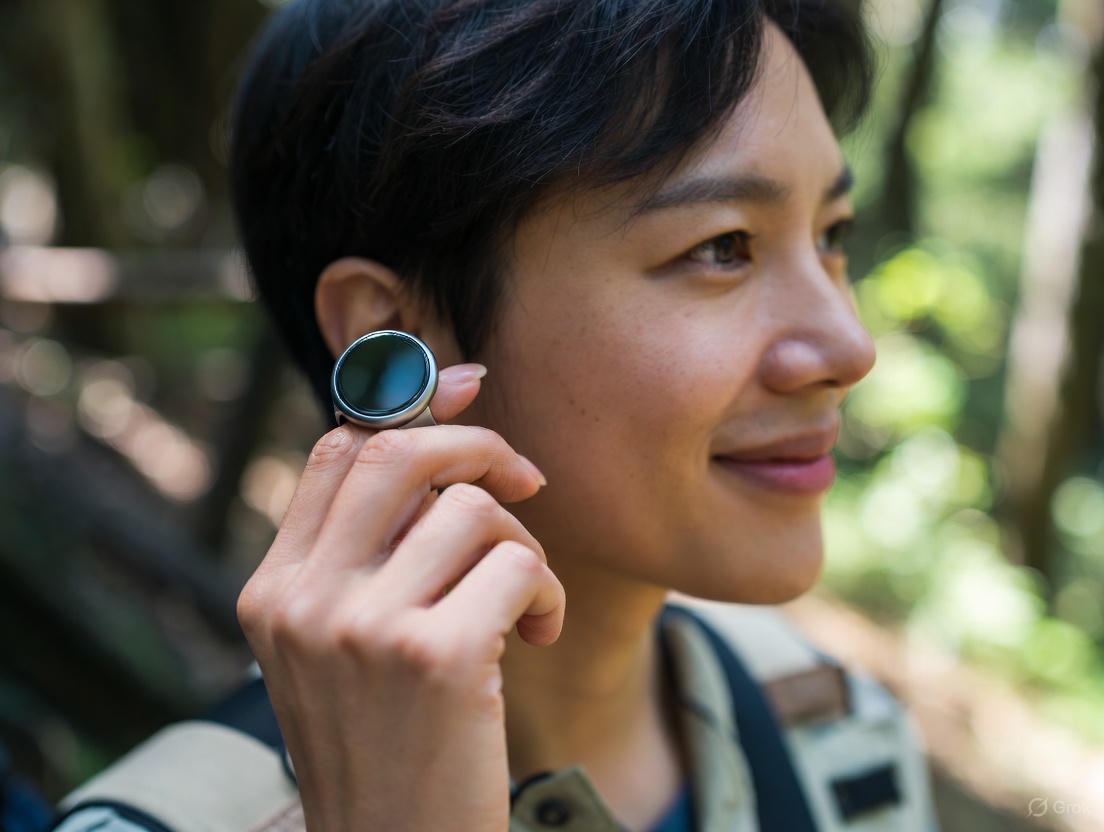
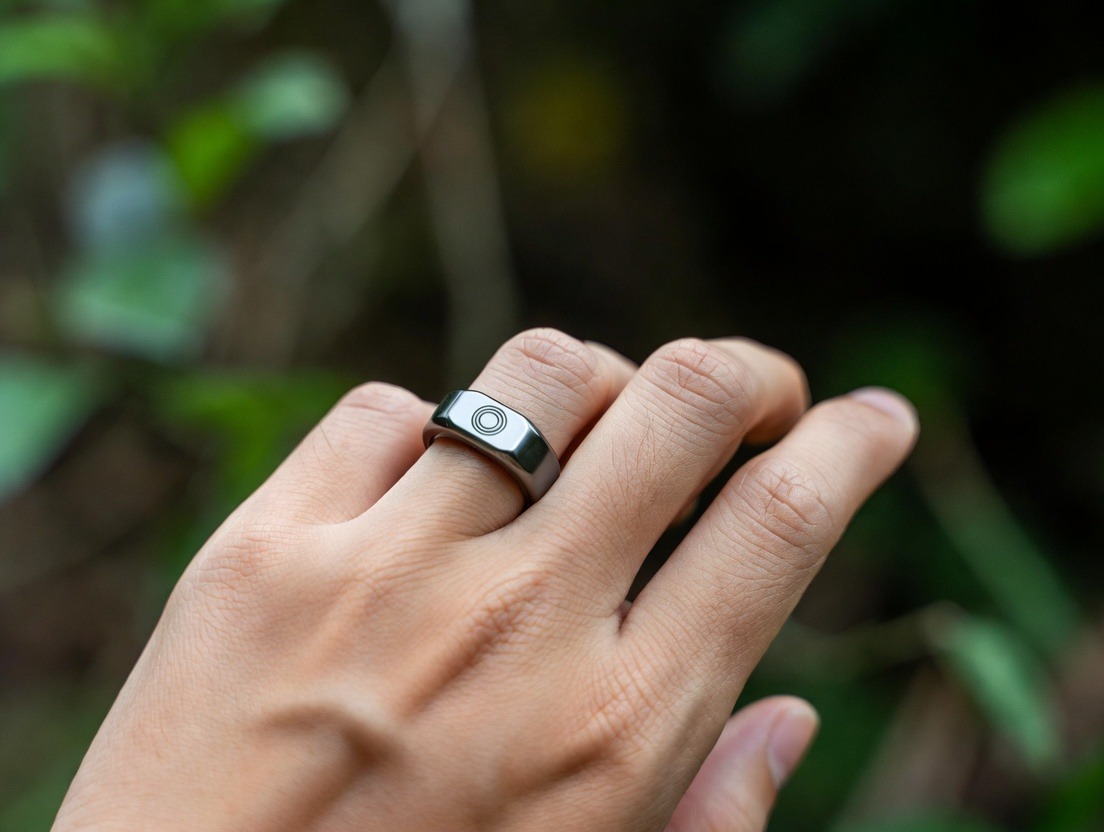
Enter the modern smart ring. This unassuming piece of wearable technology is revolutionizing personal wellness by moving beyond step counting and into the profound realm of physiological recovery data. By continuously tracking metrics like Heart Rate Variability (HRV), resting heart rate, skin temperature, and sleep architecture, a smart ring doesn’t just tell you what you did; it tells you how your body is responding. It quantifies your recovery, your stress load, and your readiness—the very foundation of your daily energy potential.
This article bridges the ancient wisdom of natural healing with cutting-edge biometric feedback. We will explore 12 powerful, natural energy boosters. But this isn’t just a list of generic advice. For each booster, we’ll delve into exactly how its efficacy is reflected and validated by the recovery data from your smart ring. This creates a powerful feedback loop: you implement a natural intervention, and your ring shows you—in hard data—how your nervous system, cardiovascular system, and cellular repair mechanisms are responding. You move from guessing to knowing.
Forget generic life hacks. This is about personalized, data-driven energy optimization. Whether your goal is to crush your workday, elevate your workouts, or simply enjoy life with more vitality, your smart ring is the key to unlocking a naturally energized you. Let’s begin by understanding the cornerstone metric that makes all this possible: your recovery score.
The Foundation: Understanding Your Smart Ring’s Recovery Score (Your Energy Blueprint)
Before we dive into the specific boosters, we must first learn to speak the language of your biometric data. The central dashboard for your energy potential on most advanced smart rings is the Recovery Score (sometimes called Readiness or Body Battery). This single number is a sophisticated algorithm’s interpretation of your body’s current capacity to perform, adapt, and withstand stress. It’s your daily energy blueprint.
But what goes into this score? It’s a synthesis of several key physiological signals:
Heart Rate Variability (HRV): This is arguably the most important metric for energy and recovery. HRV measures the subtle variations in time between each heartbeat. Contrary to intuition, a higher HRV is better. It indicates a robust, resilient autonomic nervous system—specifically, strong parasympathetic (“rest-and-digest”) tone. When your HRV is high, your body is in a state conducive to recovery, repair, and energy storage. A low HRV signals a dominance of the sympathetic (“fight-or-flight”) nervous system, meaning your body is under stress and running on empty. Your smart ring tracks your nightly average HRV, and significant deviations are a direct window into your recovery status.
Resting Heart Rate (RHR): Your heart rate when you are fully at rest is a fundamental indicator of cardiovascular fitness and systemic stress. A lower RHR typically suggests an efficient heart and good recovery. A spike in your RHR, especially overnight, can be one of the earliest signs your ring will detect of impending illness, overtraining, dehydration, or high stress—all major energy drainers.
Sleep Quality & Architecture: It’s not just about duration. Your ring analyzes how much time you spend in Light, Deep, and REM sleep stages. Deep sleep is crucial for physical restoration and hormone regulation (like human growth hormone), while REM is essential for cognitive repair and memory. Disruptions in these stages directly correlate with next-day fatigue, poor focus, and low energy.
Skin Temperature & Respiratory Rate: Minor fluctuations in your nocturnal skin temperature and breathing rate can signal that your body is fighting an infection, is overly inflamed, or is struggling to regulate itself—diverting energy away from your daily vitality.
The Energy-Recovery Connection: Think of your energy like a bank account. Stress, poor sleep, and intense exertion are withdrawals. Deep sleep, relaxation, and proper nutrition are deposits. Your Recovery Score is your daily balance statement. A high score (e.g., 80-100) means you have a hefty balance to spend—you can tackle tough workouts, demanding cognitive tasks, and social engagements with vigor. A low score (e.g., <50) is an overdraft warning; pushing harder will lead to deeper fatigue, burnout, or injury. You need to make deposits, immediately.
The beauty of this system is its objectivity. You might feel “okay” on 5 hours of sleep, but if your Recovery Score is 40 and your HRV has plummeted, your body is telling a different, more accurate story. This data empowers you to make proactive, not reactive, choices for your energy.
By leveraging insights from your daily health optimization metrics, you can learn to predict how different lifestyle factors will impact your energy reserves. Now, let’s apply this understanding to our first and most potent natural energy booster.
For billions, caffeine is the non-negotiable energy kickstarter. But used haphazardly, it can become a source of anxiety, sleep disruption, and energy crashes. Used strategically—with guidance from your smart ring—it can be a powerful performance enhancer without the drawbacks.
The Natural Booster Mechanism: Caffeine works by blocking adenosine, a neurotransmitter that promotes sleepiness, from binding to its receptors in the brain. This leads to increased alertness, focus, and perceived energy. However, adenosine continues to build up in the background. When caffeine wears off, you can experience a "adenosine rush," leading to a severe crash. Furthermore, caffeine too late in the day can interfere with deep sleep architecture, sabotaging next-day energy at its source.
How Your Smart Ring Validates & Guides It:
This is where your recovery data transforms caffeine from a blunt instrument into a precision tool.
Timing via Sleep Impact: The most direct feedback loop is your sleep data. Let’s say you typically have a coffee at 3 PM. You notice over several nights that your Deep Sleep duration is consistently lower and your sleep latency (time to fall asleep) is higher on those days. Your ring might also show increased nighttime restlessness. This is clear, personal evidence that your 3 PM caffeine is disrupting your recovery. The data-driven action? Experiment with a “caffeine curfew.” Move your last cup to 1 PM, or even noon. Observe your sleep data over the next week. The goal is to find the latest cut-off time that preserves your deep sleep metrics.
Dosage via HRV & RHR: Caffeine is a stimulant that activates the sympathetic nervous system. If you consume too much, or are particularly sensitive, you will see it reflected in your nighttime HRV (lowered) and potentially an elevated Resting Heart Rate. If you have a day with multiple coffees and an energy drink, don’t be surprised if your next morning’s Recovery Score takes a nosedive, even if you slept 8 hours. Your body was stressed, not recovered.
Strategic Use on Low-Recovery Days: Your morning Recovery Score can guide if and how much caffeine to use. On a high-recovery day (Score >75), you may not need a strong boost—your natural energy is high. On a low-recovery day (Score <50), a moderate amount of caffeine in the morning can help you navigate the day, but it’s a clear signal that your body needs support, not overstimulation. The key is to avoid using caffeine to mask chronic fatigue, which your ring will expose through a trend of declining recovery scores.
Actionable Data Protocol:
For two weeks, keep a simple log: time and amount of caffeine.
Each morning, note your Recovery Score, HRV, and Deep Sleep duration.
Look for correlations. Does afternoon caffeine correlate with less deep sleep? Does a second cup correlate with a lower HRV?
Adjust one variable at a time (e.g., move your last cup earlier by 30 minutes) and observe the data shift.
This process turns guesswork into a personalized caffeine protocol. As you refine habits like this, you’ll begin to see how a recovery-first approach to daily health optimization creates a sustainable foundation for energy. Next, we’ll look at an energy source far more fundamental than caffeine.
Booster 2: Hydration Synced to Physiological Demand (Not Just Thirst)
Water is the medium of every metabolic process in your body. Even mild dehydration (a loss of just 1-2% of body water) can lead to significant reductions in concentration, alertness, short-term memory, and physical endurance. Simply put, dehydrated cells are sluggish cells. Yet, most people drink reactively (when thirsty) or habitually (a glass with meals), missing the opportunity to use hydration as a proactive energy tool.
The Natural Booster Mechanism: Proper hydration maintains blood volume, ensuring efficient delivery of oxygen and nutrients to your brain and muscles. It regulates body temperature, preventing the energy drain of overheating. It facilitates the electrical impulses of your nervous system and the enzymatic reactions that produce cellular energy (ATP). When you’re optimally hydrated, every system operates with less friction and more efficiency.
How Your Smart Ring Validates & Guides It:
Your ring provides two powerful, real-time proxies for your hydration status:
Resting Heart Rate (RHR) as a Hydration Gauge: When you are dehydrated, your blood plasma volume decreases. Your heart has to work harder—beating more frequently—to maintain blood pressure and circulate oxygen. One of the earliest signs your ring will detect is an unexplained elevation in your overnight or morning Resting Heart Rate. If you see a 5-10 bpm spike in your RHR without a corresponding increase in workout intensity or alcohol consumption, dehydration is a prime suspect.
Heart Rate Variability (HRV) and Fluid Balance: Dehydration is a physiological stressor. When stressed, your sympathetic nervous system dominates, which typically lowers your HRV. A sudden dip in your nightly HRV, especially combined with a higher RHR, can be a clear biometric nudge to assess your fluid intake.
Skin Temperature & Recovery: During sleep, your body goes through thermoregulation cycles. Dehydration can impair your body’s ability to dissipate heat. You might see subtle irregularities in your nocturnal skin temperature graph, indicating your body is working harder to maintain its baseline, diverting energy from recovery processes.
Beyond “8 Glasses a Day” – The Smart Hydration Strategy: The old adage is a poor standard. Your needs change daily based on activity, climate, stress, and even sleep quality (you lose water through breath all night).
Pre-Hydrate for Sleep Recovery: Drink a glass of water 60-90 minutes before bed. This helps offset nocturnal fluid loss. Observe if this simple habit improves your sleep stability metrics and morning RHR.
The Morning Electrolyte Boost: After 7-8 hours of fasting and fluid loss, you wake up mildly dehydrated. Starting your day with 16oz of water with a pinch of high-quality salt (sodium) and a squeeze of lemon (potassium) can rapidly restore fluid balance and support adrenal function, priming your nervous system for the day. Track if this morning routine correlates with more stable energy and better cognitive scores in your ring’s companion app.
Activity-Driven Intake: Your ring’s activity data tells you how much you’ve moved. Use it as a cue: a high-activity day demands higher, more deliberate hydration, ideally with electrolytes to aid absorption.
By syncing your hydration to your body’s actual signals—as interpreted by your ring—you move from a generic habit to a precise energy-supporting practice. This level of physiological awareness is a core principle of making daily health optimization effortless. Now, let’s fuel those well-hydrated cells with the right nutrients.
Booster 3: Nutrient Timing for Sustained Energy (Not Just What You Eat, But When)
Nutrition for energy often focuses solely on what to eat: complex carbs, lean protein, healthy fats. But when you consume these nutrients can dramatically influence your energy levels, metabolic health, and crucially, your sleep and recovery. Your smart ring provides the feedback to crack your personal nutrient timing code.
The Natural Booster Mechanism: Your body’s energy metabolism and circadian rhythm are deeply intertwined. Eating aligns your peripheral clocks (in organs like your liver and gut) with your central brain clock. Strategic timing can:
Provide steady glucose for brain and muscle function.
Support the natural cortisol awakening response for morning alertness.
Facilitate muscle repair during sleep.
Prevent blood sugar swings that cause energy crashes.
How Your Smart Ring Validates & Guides It:
Your sleep and recovery metrics are exquisitely sensitive to your eating patterns.
The Late-Night Meal Experiment (And Its Data Outcome): Consuming a large, heavy, or high-sugar meal within 2-3 hours of bedtime forces your digestive system to work overtime when it should be powering down. Your ring will likely show:
Elevated nighttime Resting Heart Rate: Your body is in “work” mode digesting, not in “rest” mode recovering.
Suppressed Deep Sleep: Energy diverted to digestion can rob you of this crucial restorative stage.
Disrupted Skin Temperature: Digestion generates heat, which can interfere with the natural cooling process required for sleep onset.
If you see these patterns, the intervention is clear: experiment with an earlier dinner or a lighter evening snack.
Morning Fuel and Cognitive Readiness: Skipping breakfast or having only coffee can lead to a mid-morning energy crash as blood sugar plummets. While your ring tracks sleep, not daytime glucose, the downstream effect of unstable energy is often higher perceived stress and physical tension, which can be reflected in a higher daytime heart rate and poorer stress score in your app. Consistent morning fuel supports stable energy, which supports lower stress, which in turn leads to better overnight recovery scores.
Post-Exercise Nutrition for Recovery: After a strenuous workout (which your ring tracks via elevated heart rate and activity), your muscles are primed to replenish glycogen and repair tissue. Consuming a mix of protein and carbohydrates within 45-60 minutes can significantly enhance this process. How do you know it’s working? Your overnight HRV may recover more quickly, and your Resting Heart Rate may return to baseline faster after hard training days when you fuel properly vs. when you don’t.
Creating Your Timing Protocol: Use your ring to run two weekly experiments:
Week A: Eat your last meal 3+ hours before bed. Keep it balanced (protein, fat, fiber).
Week B: Eat a similar-sized meal 90 minutes before bed.
Compare the average Deep Sleep, HRV, and Recovery Score for each week. The data will guide you. This personalized approach to nutrition timing and quality is what separates hopeful eating from strategic fueling. For a deep dive on synchronizing food with your biology, our guide on daily health optimization through nutrition timing offers a comprehensive framework.
Booster 4: The 20-Minute Nature Immersion "Green Reset"
“Forest bathing” or simply spending time in green spaces isn’t just poetic; it’s neurophysiology. Studies consistently show that exposure to nature reduces cortisol (the primary stress hormone), lowers blood pressure, and improves mood and focus. It’s a direct reset for a frazzled nervous system—and a fatigued brain.
The Natural Booster Mechanism: Nature immersion works through a few pathways: the visual patterns in nature (fractals) are inherently low-stress for the brain to process, natural sounds (like water, wind) reduce sympathetic arousal, and phytoncides (airborne chemicals from plants) may boost immune function. This combination shifts the body from a stressed, energy-depleting state to a calmer, restorative one.
How Your Smart Ring Validates & Guides It:
The acute stress-reducing effects of nature can be seen in real-time and have lasting impacts on your recovery data.
Real-Time Stress Metric Dip: Many smart rings and their companion apps now include a continuous stress score or ANS (Autonomic Nervous System) balance metric, often derived from HRV and heart rate data. Go for a 20-minute walk in a park without your phone. Sit by a tree. Observe your stress graph during and immediately after. You will often see a dramatic, visible dip into the “restored” or “calm” zone. This is a direct, quantifiable energy deposit.
Improved Sleep After Green Days: The downstream effect of lowered daytime stress is better sleep. On days where you incorporate a nature break, look for improvements in that night’s sleep efficiency (less tossing/turning) and potentially an increase in Deep or REM sleep. Your nervous system entered the night from a state of lower arousal, allowing it to dive into restorative stages more easily.
Long-Term HRV Trend: Making daily or near-daily nature immersion a habit can contribute to a positive trend in your baseline HRV over weeks and months. A higher baseline HRV indicates a more resilient, energy-efficient nervous system.
The Data-Driven Nature Prescription: Don’t just “go outside.” Be intentional. Schedule a 20-minute “Green Reset” in your calendar, ideally during your typical afternoon slump. Leave your phone behind, or put it in airplane mode. Afterward, check your ring’s stress graph. Note the effect. Then, check your sleep data the next morning. By correlating the activity with the biometric outcome, you transform a nice-to-have into a non-negotiable energy protocol. This practice of using your environment to manage stress is a key tactic for how to optimize daily health during high-stress periods.
Booster 5: Strategic Daytime Napping (The 10-20 Minute Power-Down)
The siesta culture was onto something. A short, strategic nap can enhance alertness, improve learning and memory consolidation, boost creativity, and elevate mood—essentially rebooting your brain without the sleep inertia of a long nap. For those with poor nighttime sleep, it can be a lifeline for afternoon function.
The Natural Booster Mechanism: A brief nap (10-20 minutes) primarily boosts energy by clearing adenosine, the sleep-pressure neurotransmitter, from key areas of the brain. It provides the benefits of sleep—specifically Stage 2 NREM sleep—without entering deep sleep (Slow-Wave Sleep), which is harder to wake from and can disrupt nighttime sleep if done too late or for too long.
How Your Smart Ring Validates & Guides It:
Your ring is the perfect tool to perfect your nap strategy, ensuring it boosts energy without stealing from your nightly recovery.
The Ideal Timing Window: Your ring’s daily energy or recovery timeline is key. Nap when your score dips into a low-energy zone, but never after 3 PM for most people. A nap taken too late will show up as elevated sleep latency (taking longer to fall asleep) or reduced deep sleep that night. Use your data to find your personal cut-off time.
Validating Effectiveness with Post-Nap HRV: After a successful power nap, you can often see a quick, positive shift in your real-time HRV or stress score. A short meditation or quiet rest can have a similar effect, but a nap that includes brief sleep is usually more potent. This immediate biometric improvement confirms the physiological reset.
Avoiding the “Nap Hangover”: If you nap for too long (30-60 minutes), you risk waking from deep sleep, which causes grogginess (sleep inertia). Your ring can help you avoid this. Set a 25-minute alarm. If you see that on days you napped longer, your afternoon/evening heart rate variability remains low (you’re groggy), or your activity levels plummet post-nap, you know you’ve overshot. The goal is a spike in post-nap readiness.
Compensatory Napping & Sleep Debt: If your ring shows a consistently low Recovery Score due to poor sleep, a daytime nap can be a strategic tool to mitigate the cognitive deficits. Think of it as an emergency energy deposit. However, the data will make it clear that this is a patch, not a solution. The long-term fix is improving your daily health optimization routine for better sleep.
Protocol for the Perfect Power Nap:
Find Your Slump: Check your ring’s energy graph. Is there a consistent dip between 1-3 PM?
Set the Scene: Dark, quiet, cool. Use an eye mask.
Time It: Set a firm 25-minute alarm (giving you ~5 mins to fall asleep for a 20-min nap).
Review: Note how you feel upon waking. Check your ring’s stress/HRV graph for the 60 minutes after the nap. Did it spike? Then, check your sleep data that night. Was it unaffected or worse? Adjust timing and duration accordingly.
Booster 6: Breathwork for Instant Autonomic Nervous System Resetting
Breathing is the remote control for your nervous system. Unlike your heartbeat, which is automatic, you can consciously control your breath to directly influence your autonomic state. Specific breathing patterns can rapidly downshift you from stressed and drained to calm and centered, creating a profound sense of alert calmness—a clean energy.
The Natural Booster Mechanism: Slow, deep, diaphragmatic breathing (especially with an extended exhale) stimulates the vagus nerve, the main conduit of the parasympathetic nervous system. This triggers a “relaxation response”: heart rate slows, blood pressure decreases, and digestion is promoted. It reduces the energy drain of chronic stress and clears mental fog. Conversely, short, sharp breaths (common during stress) sustain a state of high alert and energy expenditure.
How Your Smart Ring Validates & Guides It:
The impact of breathwork is one of the most immediate and dramatic changes you can see in your biometric data.
Real-Time Heart Rate & HRV Dashboard: This is the superstar feature for breathwork validation. Engage in a 5-minute session of 4-7-8 breathing (inhale 4, hold 7, exhale 8) or box breathing (inhale 4, hold 4, exhale 4, hold 4). Keep your phone app open to the live heart rate/HRV graph. You will likely see your heart rate drop in real-time and your HRV value increase within minutes. This is a direct visual of your nervous system shifting gears from energy consumption to restoration.
Lowering Your Daily Stress Score: Consistent breathwork practice doesn’t just create acute effects. Over time, it can lower your average daily stress score as measured by your ring. This indicates less cumulative strain on your system, preserving energy for productive use.
Pre-Sleep Ritual for Better Recovery: Performing 5-10 minutes of slow breathing before bed is a powerful signal to your body that it’s time to recover. This can manifest in your data as improved sleep latency (falling asleep faster) and a higher, more stable HRV throughout the night. It’s like gently guiding your body into its recovery zone.
Data-Backed Breathing Protocols:
The Emergency Reset (1-3 mins): When you feel overwhelmed or hit an energy wall, use coherent breathing (5.5 seconds inhale, 5.5 seconds exhale). Check your ring’s stress graph before and after. Note the dip.
The Morning Energizer (5 mins): Try the Wim Hof Method (30 deep breaths, exhale and hold, then a big inhale and hold). This can create a sympathetic burst followed by a strong parasympathetic rebound, leading to heightened alertness. See if this correlates with a more stable energy graph in your ring’s app for the following hours.
The Evening Wind-Down (10 mins): Stick with 4-7-8 or extended exhale breathing. Track its impact on your sleep data over a week.
This mastery of your inner state through breath is a fundamental pillar of a holistic daily health optimization strategy. It puts energy regulation literally at your fingertips.
Booster 7: Cold Exposure Therapy (The Adrenal & Mitochondrial Spark)
From ice baths to cold showers, deliberate cold exposure has surged in popularity for good reason. Beyond mental toughness, it provides a potent, natural jolt to your system that enhances energy, mood, and resilience through several verified physiological pathways.
The Natural Booster Mechanism: Acute cold stress triggers a cascade of responses:
Noradrenaline Surge: The primary effect. Immersion in cold water causes a massive release of noradrenaline (norepinephrine) in the brain and body. This increases alertness, focus, and mood—a feeling of crisp, clear energy.
Brown Fat Activation: Cold exposure activates brown adipose tissue (BAT), a type of fat that burns calories to generate heat. This process, called thermogenesis, can boost metabolism and mitochondrial efficiency.
Reduced Inflammation & Enhanced Recovery: Cold therapy can lower systemic inflammation and reduce muscle soreness, aiding overall recovery and freeing up energy otherwise spent on inflammatory processes.
Vagal Tone Enhancement: Consistent practice may improve vagus nerve function, increasing HRV over time and improving stress resilience.
How Your Smart Ring Validates & Guides It:
Cold exposure is a strong stimulus, and your ring will clearly show how your body is handling it, allowing you to dose it correctly.
The Immediate Heart Rate Response: During a cold shower or plunge, your heart rate will spike—a direct sympathetic response. Your ring’s live heart rate graph will show this acute stress. The key is what happens after.
Post-Cold HRV Rebound & Recovery: After the initial shock, a well-tolerated cold session should be followed by a significant rebound increase in Heart Rate Variability and a lowering of heart rate below your pre-session baseline. This parasympathetic rebound is where the restorative, energy-stabilizing benefits lie. If your HRV remains suppressed for hours, you may have overdone the duration or temperature.
Impact on Sleep Architecture: Timing is critical. For most, morning or early afternoon cold exposure is ideal. If you do it too close to bedtime, the noradrenaline surge and core temperature change can disrupt sleep onset and reduce Deep Sleep. Your ring’s sleep stage data will tell you if your timing is off. A morning cold shower that leads to a night of fragmented sleep is counterproductive.
Long-Term Baselines: With consistent, mindful practice, you may see a positive trend in your baseline HRV and a lower resting heart rate, indicating improved autonomic resilience. You may also notice your body adapts: the initial heart rate spike becomes less dramatic, and the parasympathetic rebound becomes stronger and faster.
Creating Your Smart Cold Protocol:
Start Small: 30-60 seconds at the end of a warm shower.
Mind the Timing: Do it before 4 PM initially. Observe your sleep data.
Use the Rebound Metric: The goal is not to suffer through 10 minutes, but to trigger a strong parasympathetic rebound. Even 90 seconds can be effective. Check your HRV/stress graph 30-60 minutes post-shower. Are you in a calmer state than before?
Listen to Recovery Data: On a day with a very low Recovery Score (<40), consider skipping intense cold exposure. It’s a stressor, and your body is asking for rest, not more stress. This is a perfect example of letting your recovery data guide your interventions, a concept central to a personalized daily health optimization approach for inflammation control.
Booster 8: The Posture-Energy Link (How Alignment Fuels Your Brain)
We often think of posture as an aesthetic or musculoskeletal issue. However, the way you hold your body has a direct and profound impact on your energy levels, breathing, mood, and even hormone production. Slumping compresses your diaphragm, reduces lung capacity, and can trigger stress physiology. An aligned, open posture promotes optimal physiological function.
The Natural Booster Mechanism:
Oxygenation: Good posture allows for full diaphragmatic breathing, maximizing oxygen intake. More oxygen means more efficient cellular energy (ATP) production.
Hormonal Influence: Studies show that adopting “power poses” (open, expansive postures) for as little as two minutes can increase testosterone (linked to dominance and energy) and decrease cortisol. While controversial in scale, the principle that body language affects mindset and physiology is sound.
Reduced Pain & Fatigue: Chronic poor posture leads to muscle imbalances, tension, and pain, which are constant, low-grade drains on your nervous system and energy reserves.
How Your Smart Ring Validates & Guides It:
While your ring doesn’t track spinal alignment, it captures the downstream effects of poor posture and the benefits of correction.
Breathing & Stress Connection: Slouched posture, especially while sitting at a desk, restricts the diaphragm. This leads to shallow, chest-based breathing—a pattern associated with stress. This type of breathing can lower your HRV and elevate your resting heart rate in real-time. Your ring’s stress score may creep up during long periods of seated, slouched work.
Activity & Non-Movement: Many smart rings now track “inactivity” or remind you to move. Prolonged sitting is often coupled with poor posture. These inactivity alerts are indirect cues to not only get blood flowing but also to reset your posture.
Sleep Position & Recovery: Your nighttime posture matters. If you sleep in a twisted position or without proper cervical support, you may wake with tension that affects your daytime posture and breathing. This can manifest as a higher morning resting heart rate or increased nocturnal wake-ups (due to discomfort). Improving sleep posture (e.g., with a supportive pillow) can improve sleep continuity metrics.
The Data-Informed Posture Protocol:
The Hourly Reset: Set an hourly chime. When it goes off, stand up, roll your shoulders back and down, lift your chest, and take 5 deep diaphragmatic breaths. Check your ring’s stress graph before and after this 60-second reset. Does the line dip?
Workstation Audit: If your daytime stress score is consistently high during work hours, assess your ergonomics. Is your screen at eye level? Are your feet flat? Are your shoulders relaxed? Small changes can reduce physical strain, which reduces systemic stress, as reflected in your data.
The “Power Pose” Morning Experiment: For one week, start your day with two minutes in a confident, open posture (hands on hips, chest open). Monitor your average daily stress score and activity engagement for that week vs. a baseline week. Does a physiological “priming” affect your overall daily resilience?
By viewing posture as a component of your energy system, you can use your body’s position to literally open the pathways to vitality. This focus on the quality of your movement and positioning aligns with the principle of prioritizing movement quality over quantity in daily health optimization.
Booster 9: Adaptogenic Herbs & Their Biometric Signature
Adaptogens are a unique class of herbal remedies (like Ashwagandha, Rhodiola Rosea, Panax Ginseng) that are famed for helping the body “adapt” to stress. They are thought to modulate the release of stress hormones and support the function of the adrenal glands and the HPA (Hypothalamic-Pituitary-Adrenal) axis. For energy, they don’t provide a stimulant-like jolt but rather work to reduce the drain caused by stress, leading to more balanced, sustainable energy.
The Natural Booster Mechanism: Different adaptogens have different primary actions:
Ashwagandha: Often considered “calming.” It may lower cortisol levels, improve resistance to stress, and support sleep, indirectly boosting daytime energy.
Rhodiola Rosea: Considered more “energizing.” It’s known to combat mental and physical fatigue, enhance cognitive performance, and may support ATP production in cells.
Panax Ginseng: A broad-spectrum adaptogen believed to improve physical and mental performance, reduce fatigue, and support immune function.
How Your Smart Ring Validates & Guides It:
Because adaptogens work on stress physiology, their effects should be visible in your HRV, RHR, and sleep data. Crucial Note: Always consult a healthcare professional before starting any new supplement regimen.
The Gold Standard Metric: HRV Trend. If an adaptogen is effectively supporting your resilience, the most likely signature over 4-8 weeks of consistent use is a gradual increase in your baseline Heart Rate Variability. This indicates your nervous system is handling daily stressors more efficiently, preserving energy.
Resting Heart Rate & Sleep Improvements: You may also see a slight downward trend in your resting heart rate and improvements in sleep metrics—particularly if you are taking a calming adaptogen like Ashwagandha. Better sleep, of course, is a direct energy booster.
Personalized Response Tracking: The response is highly individual. This is where your ring becomes an invaluable personal lab. Start one adaptogen at a time. Establish a 2-week baseline of your average HRV, RHR, and Recovery Score before starting. Then, take the supplement consistently for 3-4 weeks. Compare the averages. Did your numbers improve, stay the same, or worsen? The data tells you if it’s working for you.
Timing and Type Matters: Rhodiola is often taken in the morning due to its energizing properties. Ashwagandha is often taken at night. Your ring can help validate this timing. If you take Rhodiola at night and see disrupted sleep, the data suggests a morning switch. If you take Ashwagandha in the morning and feel sluggish (potentially reflected in lower activity scores), an evening switch may be better.
The Scientific Self-Experiment Protocol:
Choose one adaptogen based on your primary goal (calming vs. energizing).
Measure a 2-week baseline of key metrics.
Introduce the supplement at the recommended dose and time.
Continue for 4 weeks, maintaining consistent lifestyle habits as much as possible.
Compare the average metrics of the final 2 weeks of the trial to your 2-week baseline.
Decide to continue, stop, or try a different adaptogen based on the data.
This evidence-based approach ensures you’re not taking supplements based on hype, but on your body’s verifiable response. This aligns with a sophisticated strategy for hormonal balance through daily health optimization, of which stress hormone regulation is a key part.
Booster 10: Digital Sunset & Red Light Routines
In our modern world, one of the greatest thieves of natural energy is artificial light—specifically, blue light emitted by screens and LEDs after sunset. This light tricks your brain into thinking it’s still daytime, suppressing the release of melatonin, the hormone that regulates your sleep-wake cycle. The result? Difficulty falling asleep, reduced sleep quality, and compromised next-day energy.
The Natural Booster Mechanism: Implementing a “digital sunset” (avoiding screens 60-90 minutes before bed) allows your natural melatonin production to rise, signaling to your body that it’s time to wind down. Supplementing this with exposure to red or amber light in the evening is even more powerful. These longer wavelengths do not suppress melatonin and may even support its production, while also promoting relaxation and supporting mitochondrial function (your cellular energy factories).
How Your Smart Ring Validates & Guides It:
The impact of light hygiene is one of the most dramatic and consistent effects you will see in your sleep and recovery data.
Sleep Latency & Sleep Score: The most immediate change when you institute a digital sunset is often a reduction in sleep latency—the time it takes you to fall asleep. You may also see a direct increase in your overall Sleep Score from one night to the next.
Deep Sleep & REM Enhancement: By protecting your melatonin curve and calming your nervous system pre-bed, you create the ideal conditions for restorative sleep stages. Over a week of good light hygiene, look for increases in both Deep Sleep and REM sleep durations. This is your body doing its most intensive repair and cognitive consolidation, directly translating to next-day mental and physical energy.
Heart Rate & HRV During Sleep: Poor light hygiene can keep your nervous system in a state of low-level arousal. When you fix it, you may see a lower, more stable nighttime heart rate and a higher, smoother HRV throughout the night. This indicates a deeper, less disturbed recovery state.
The Red Light Experiment: Try using a red light bulb in your bedside lamp or bathroom for the last hour before bed. Compare a week of this routine to a week of your normal routine. Does your deep sleep percentage increase? Does your HRV improve? The data will provide a clear answer.
Actionable Light Hygiene Protocol:
90-Minute Digital Sunset: Set an alarm for 90 minutes before your target bedtime. At that time, turn off all TVs, computers, and tablets. Put your phone on Do Not Disturb and place it face down or in another room.
Embrace Amber: Use blue-light blocking glasses if you must use screens, or install software like f.lux. Switch bedroom lights to warm, amber, or red bulbs.
Morning Light Contrast: To solidify your circadian rhythm, seek bright, natural light (especially sunlight) within 30-60 minutes of waking. This sets your internal clock for the day, promoting daytime alertness and nighttime sleepiness. Your ring may reflect this with a more stable daily activity rhythm and better sleep scores.
By meticulously managing your light environment, you are aligning with your most fundamental energy rhythm—your circadian clock. This is a non-negotiable habit for anyone serious about using their daily health optimization routine to adapt to life's demands, as it ensures your foundation (sleep) is solid.
Booster 11: The Power of Purposeful Micro-Breaks (The Pomodoro Principle, Quantified)
The modern work ethic glorifies the “deep focus” marathon session. However, our brains are not designed for 90 minutes of uninterrupted, high-cognitive load. Research shows that taking short, deliberate breaks significantly improves sustained concentration, creativity, and prevents decision fatigue. A micro-break is a strategic energy deposit, not a distraction.
The Natural Booster Mechanism: Constant focus depletes neurotransmitters like dopamine and increases the build-up of metabolic waste in the prefrontal cortex. A brief break (even 30-60 seconds) allows for a mental reset. It can reduce the cumulative stress of task fixation, lower muscle tension from static postures, and give your brain’s default mode network a moment to engage—which is crucial for insight and problem-solving.
How Your Smart Ring Validates & Guides It:
Your ring can detect the physiological buildup of stress and stagnation, and the release provided by a break.
The Rising Stress Graph: During a long, focused work session, glance at your ring’s companion app stress graph. You will often see a gradually climbing stress line or a slowly decreasing HRV. This isn’t emotional stress, but the physiological cost of sustained cognitive effort and physical stillness.
The Break-Induced Dip: When you take a true micro-break—standing up, looking out a window, stretching, walking to get water—observe the graph. You will frequently see a distinct dip in the stress line or a small spike in HRV within 2-3 minutes. This is quantifiable proof that the break is working to downshift your nervous system.
Activity & Heart Rate: A micro-break that involves movement (a short walk, some stretches) will, of course, cause a tiny heart rate increase. But the key is the recovery after—the post-movement lowering of heart rate and stabilization of HRV should bring you to a better baseline than where you started.
Cumulative Effect on Daily Recovery: A day punctuated by intelligent breaks should, in theory, result in a lower average daily stress score compared to a day of non-stop grinding. This lower cumulative load makes it easier for your body to recover at night, potentially leading to a higher next-morning Recovery Score.
Implementing the Data-Driven Pomodoro:
Set Your Interval: Use a timer for 25 minutes of work, then a mandatory 5-minute break. After four cycles, take a 15-30 minute break.
Define Your Break Activity: The break must be non-work. Don’t check email or social media. Instead: stare out a window, do 10 squats, make tea, practice 1 minute of deep breathing.
Review the Data: At the end of a day using this technique, check your daily stress graph. Does it show a “sawtooth” pattern of gentle peaks (focus) and clear valleys (breaks)? Compare your evening resting heart rate and sense of fatigue to a day without structured breaks.
Find Your Rhythm: Your ring data can help you find your ideal interval. Perhaps you can sustain 45 minutes before your stress graph climbs steeply. Or maybe you need a break every 20. Let your physiology guide your schedule.
This practice embodies the concept that micro-habits matter most in daily health optimization. A 5-minute break seems insignificant, but its repeated, quantifiable impact on your nervous system across a week or month is enormous for preserving your most valuable resource: your mental and physical energy. For more on the power of tiny changes, explore our thoughts on how daily health optimization micro-habits matter most.
Booster 12: Social Connection & Positive Emotional States as Energy Currency
We often underestimate the sheer physiological cost of loneliness, negativity, and conflict—and the profound energizing power of genuine connection, laughter, and gratitude. Engaging in meaningful social interaction and cultivating positive emotions aren't just "feel-good" activities; they are metabolic events that directly influence your nervous system, hormone profile, and inflammatory response. Your smart ring can measure the tangible, energy-giving footprint of a good conversation or a moment of joy.
The Natural Booster Mechanism: Positive social and emotional experiences work through powerful biological pathways:
Oxytocin Release: Meaningful connection triggers the release of oxytocin, the "bonding hormone," which counters stress hormones, lowers blood pressure, and reduces cortisol.
Vagus Nerve Stimulation: Laughter and warm social engagement stimulate the vagus nerve, enhancing parasympathetic (rest-and-digest) tone, which improves Heart Rate Variability (HRV) and promotes recovery.
Dopamine & Serotonin: Positive interactions and feelings of gratitude boost neurotransmitters associated with motivation, pleasure, and mood stability—direct antagonists to the lethargy of depression and anxiety.
Inflammation Reduction: Chronic loneliness and negative emotional states are linked to higher levels of pro-inflammatory cytokines. Social support and positivity have been shown to have an anti-inflammatory effect, reducing a significant hidden energy drain.
How Your Smart Ring Validates & Guides It:
Your recovery metrics are exquisitely sensitive to your emotional and social world.
The "Friend Effect" on HRV: Spend an evening with close friends where you laugh, share openly, and feel connected. Check your overnight HRV that night and your morning Recovery Score. You will frequently see a notable spike compared to nights spent alone or in stressful social situations. This is your body registering the interaction as restorative, not depleting.
Conflict & Stress Metrics: Conversely, a heated argument or a period of intense anxiety has a clear signature. You'll likely see a suppressed HRV and an elevated resting heart rate not just during the event, but for hours afterward, often bleeding into your sleep. Your ring's stress graph will show a sustained high-stress plateau. This is measurable energy expenditure.
Gratitude Practice as a Physiological Intervention: Try this experiment: For one week, spend 5 minutes before bed writing down three specific things you're grateful for. Compare your average sleep latency (time to fall asleep) and deep sleep percentage to a baseline week. For many, this practice of savoring positive emotions lowers cognitive arousal before bed, leading to faster sleep onset and more restorative sleep—a direct energy investment.
Laughter as a Heart Rate Variability Booster: Even forced laughter can initiate a positive physiological response. Watch a genuinely funny show or call a funny friend. Monitor your real-time stress score or HRV during and after. The act of laughter often creates an immediate, visible shift toward "calm" or "restored" on your biometric dashboard.
Creating Your Social-Energy Protocol:
Schedule Connection Intentionally: Don't leave socializing to chance. Schedule a weekly video call with a far-away friend or a walking date with a local one. Treat it with the same importance as a workout—it is a workout for your emotional resilience.
Quality Over Quantity: Your ring data will likely show that one deep, meaningful conversation is more restorative than three hours at a loud, draining party. Seek out interactions that leave you feeling uplifted, not depleted.
Digital vs. In-Person: Notice the difference. A thoughtful text exchange might give a small mood boost, but an in-person conversation with eye contact and physical presence (a hug, a hand on the shoulder) will typically generate a stronger, more positive biometric signal. Use your data to balance your social portfolio.
Mind the Emotional Load: If you are in a caregiving role or have a relationship that is consistently fraught, your ring's recovery data can be an objective indicator of the toll. A pattern of low recovery after certain interactions is a signal to establish better boundaries or seek support.
This dimension moves beyond food and sleep into the core of human experience. It highlights the critical social and emotional dimension of daily health optimization. You cannot hack your way to sustained energy through supplements alone if your social world is an energy vacuum. Your smart ring makes that invisible drain—and the subsequent boost of connection—unmistakably visible.
Synthesizing Your Data: Creating a Personalized, Dynamic Energy Protocol
You now have twelve powerful, natural energy boosters, each with a clear pathway to validation through your smart ring data. But the true magic—and the source of lifelong vitality—lies not in applying them all at once, but in weaving them into a personalized, dynamic protocol that adapts to your body’s daily needs. This is where you move from following general advice to becoming the expert on your own energy.
Step 1: Establish Your Baselines & Identify Primary Leaks Before randomly adding boosters, spend two weeks in “observation mode.” Live your normal life while your ring gathers data. At the end, ask:
What is my average Recovery Score? What is my range (high vs. low)?
What is my baseline HRV and Resting Heart Rate?
What does my sleep architecture typically look like (avg. deep/REM sleep)?
On my lowest recovery days, what common factors are present? (Late work nights? Alcohol? Poor sleep? High stress meetings?)
This audit reveals your biggest "energy leaks." If your deep sleep is consistently low, Boosters 10 (Light Hygiene) and 6 (Breathwork) become your top priority. If your HRV is chronically low and stress high, Boosters 4 (Nature), 6 (Breathwork), and 12 (Social Connection) are your first line of defense.
Step 2: Implement, Isolate, and Validate (The One-Change Principle) The most common mistake is overhauling everything on Monday. This makes it impossible to know what’s working. Instead, use the scientific method:
Choose One Booster: Based on your baseline audit, pick the one most likely to plug your biggest leak.
Implement for 7-10 Days: Be consistent. (e.g., "I will do a 20-minute nature walk every weekday at 3 PM" or "I will stop all caffeine after 1 PM").
Measure the Effect: At the end of the period, look at the average of your key metrics compared to your baseline. Did your average Recovery Score improve by 5 points? Did your deep sleep increase by 10%? Did your afternoon stress graph show lower peaks?
Decide: Did the data validate the booster for you? If yes, lock it in as a habit. If no, consider adjusting the approach (e.g., change the timing) or pause it and try a different booster.
This methodical approach, guided by your ring, validates your daily health optimization efforts with concrete data, preventing you from wasting time on interventions that don't work for your unique biology.
Step 3: Layer for Synergy and Create Daily Rituals Once you have 2-3 validated core boosters, layer them into synergistic daily rituals.
Morning Ritual for Launch: Hydration with electrolytes (Booster 2) → Morning light exposure (Booster 10) → Strategic caffeine if Recovery Score warrants it (Booster 1).
Afternoon Ritual for Sustenance: Purposeful micro-break (Booster 11) → Nature immersion walk (Booster 4) → perhaps a power nap if data supports (Booster 5).
Evening Ritual for Recovery: Digital sunset (Booster 10) → Gratitude practice (Booster 12) → Pre-sleep breathwork (Booster 6).
These rituals create predictable, energy-supporting anchors throughout your day.
Step 4: Let Your Daily Recovery Score Be Your Guide (Dynamic Adaptation) This is the master skill. Your protocol should not be rigid. It should flex daily based on your morning Recovery Score.
High Score (75-100): "Green Light" day. You have energy to spend. It’s a great day for intense workouts, demanding cognitive work, and social activities. You can be more liberal, but maintain your foundational habits.
Moderate Score (50-75): "Yellow Light" day. Proceed with caution. Prioritize your core boosters. Maybe opt for a gentle walk instead of heavy training. Consider an adaptogen like Rhodiola (Booster 9) if you have a big mental demand. Be extra vigilant about hydration and posture.
Low Score (<50): "Red Light" day. This is a recovery day, not a performance day. Your sole focus is on energy deposition. Double down on sleep hygiene, breathwork, and gentle movement. Avoid intense cold exposure (Booster 7) and heavy stimulants. This is when you truly need to adopt a recovery-first approach to daily health optimization.
By letting your data dictate the day’s intensity, you work with your body, not against it. This prevents the boom-bust cycle and builds sustainable energy resilience.
Advanced Concepts: The Long Game of Energy Resilience
Mastering the daily protocol is how you win the battle against fatigue. To win the war for lifelong vitality, you need to think in terms of energy resilience—your body's ability to withstand larger stressors (a big project, travel, illness) and bounce back quickly. Your smart ring is your telescope into this long-term landscape.
1. Tracking Trends, Not Daily Numbers: Stop fixating on yesterday’s score. Look at the weekly and monthly trends in your app.
Is your baseline HRV slowly trending upward over 6 months? This is the ultimate sign of improved autonomic resilience.
Is your average Recovery Score for this quarter higher than last quarter? This indicates your lifestyle adjustments are working at a systemic level.
Are you spending more nights in the "good recovery" zone and fewer in the "poor" zone? This is a shift in your fundamental health probability.
These long-term trends are the real measure of success. They show you’re not just patching leaks, but building a more robust vessel.
2. The Concept of "Overtoning" vs. Overtraining: Overtraining is well-known. "Overtoning" is a subtler concept your ring can reveal. It’s when you are doing all the "right" healthy things—meditating, cold plunges, intense workouts, perfect diet—but you’re doing them with a rigid, stressful intensity that itself becomes a stressor. Your body perceives this constant "optimization pressure" as a demand.
The Signature: You might see a stagnant or declining HRV despite impeccable habits, or a low Resting Heart Rate but also a low HRV (a state of "high efficiency but low resilience"). You feel wired but tired.
The Antidote: Introduce flexibility and joy. Skip a workout to meet a friend. Have a meal off-plan without guilt. Let your data guide you back to balance, reminding you that the goal is vitality, not a perfect biometric graph.
3. Predictive Avoidance: Using Data to Head Off Energy Crashes Your ring’s data is predictive. A couple of nights of declining HRV and rising RHR is a almost certain predictor of a coming crash or illness.
The Protocol: When you see this early-warning system activate, immediately switch to "Red Light" recovery protocols. Cancel optional intense activities, prioritize sleep, hydrate, and nourish simply. You can often avoid a full-blown crash or sickness altogether. This proactive use of data is the pinnacle of using daily health optimization to achieve any wellness goal—in this case, the goal of consistent, uninterrupted vitality.
Conclusion of This Portion: From Data to Lived Vitality
We have journeyed from understanding the core biometrics of recovery to exploring twelve specific, natural interventions validated by those very metrics. You’ve learned how to transform this knowledge into a personalized, dynamic protocol and peeked into the advanced strategies for long-term energy resilience.
The fundamental shift here is one of agency and partnership. You are no longer a passive recipient of fatigue or a blind follower of wellness trends. You are an active investigator and architect of your own energy, equipped with a powerful tool—your smart ring—that provides a continuous feedback loop between your actions and your inner physiology.
This process inherently gamifies daily health optimization, turning the pursuit of energy into a engaging process of discovery and reward. Each high Recovery Score is a win. Each correlation you discover between a habit and a metric is a level unlocked.
Remember, the data is not a judge; it is a guide. It doesn’t tell you you’re failing; it reveals opportunities for refinement. Some days will be red, and that’s vital information, not a failure. The goal is not to have a perfect score every day—that’s an impossible and stressful target. The goal is to understand the why behind the scores, to build a lifestyle that makes high energy your default state, and to have the wisdom to rest deeply when needed.
In the next and final portion of this guide, we will tackle real-world scenarios—travel, shift work, high-stress periods—and provide specific playbooks for maintaining energy. We’ll also explore how to avoid common pitfalls in data interpretation and answer frequently asked questions about marrying ancient wellness wisdom with modern biometric technology. The path to sustainable, vibrant energy is now clearly marked, and your smart ring is the compass.
Part 3: Real-World Application & The Future of Data-Driven Energy
Mastering the theory and personal protocol is essential, but life is not a controlled lab environment. The true test of this system is its ability to maintain—or even enhance—your energy when life throws its inevitable curveballs: transatlantic travel, a newborn baby, a high-stress project deadline, or shift work. Furthermore, as this technology evolves, so too will our understanding of energy optimization.
In this final portion, we move from the ideal to the practical and the aspirational, providing playbooks for navigating disruption and peering into the future of personalized vitality.
The Disruption Playbooks: Maintaining Energy When Life Gets in the Way
Your data-driven energy protocol must be fluid, not fragile. Here’s how to apply your knowledge and your smart ring’s guidance to common real-world challenges.
Playbook 1: Jet Lag & Travel Fatigue Travel is a perfect storm for energy depletion: circadian disruption, dehydration, poor sleep, and physical immobility. Use your ring to navigate it strategically.
Pre-Flight Preparation (3 Days Out): Begin subtly shifting your sleep/wake and meal times toward your destination's time zone. Even a 60-minute adjustment can lessen the shock. Your ring’s sleep data will show you how well you’re adapting.
In-Flight Protocol:
Hydration Supremacy (Booster 2): This is non-negotiable. Cabin air is brutally dehydrating. Your ring will show a spiking RHR if you slack. Aim for 8oz of water per hour in the air. Avoid alcohol and excessive caffeine.
Movement & Posture (Booster 8 & 11): Set an hourly timer to stand, stretch, and walk the aisle. This combats stiffness, supports circulation, and mitigates stress. Your stress graph will be calmer for it.
Light Management (Booster 10): Upon boarding, immediately set your watch to destination time. Use a sleep mask to simulate darkness when it’s “night” at your destination, and seek bright light (or use a light therapy device) when it’s “morning.”
Post-Arrival Recovery: Let your Recovery Score be your dictator. The first 1-2 days will likely be low. Do not force intense activity. Prioritize:
Morning Sunlight: Get outside immediately upon waking at your new local time to reset your clock.
Strategic Napping (Booster 5): If you must nap, use your ring’s energy graph. Keep it to a 20-minute power nap before 3 PM local time to avoid deepening the lag.
Gentle Movement: A walk in nature (Booster 4) is ideal to combat fatigue without adding stress.
Your ring will show a faster normalization of your nighttime HRV and RHR as your body adapts, giving you a clear signal when you’re ready to perform.
Playbook 2: The New Parent (or Caregiver) Survival Mode Sleep fragmentation and chronic stress are the defining features. The goal here shifts from “optimal energy” to “sustainable functioning.”
Reframe Recovery: A solid 8-hour block is off the table. Recovery now happens in fragments. Your ring’s 24/7 HRV tracking becomes critical. A 20-minute nap where your HRV rises is genuine recovery. An hour of restless “sleep” while worrying is not.
Master the Micro-Recovery: Every booster that works quickly is your best friend.
5-Minute Breathwork (Booster 6) while the baby naps.
Hydration Stations (Booster 2) placed around the house.
Sunlight on Your Face (Booster 10) during the first morning feeding.
Power Posing (Booster 8) for two minutes to combat the slumped-shoulder fatigue of holding an infant.
Leverage Your Partner with Data: Your ring provides objective proof of strain. If your data shows you’ve had three consecutive nights of <30 Recovery Scores, it’s not a complaint; it’s a biometric fact that requires a shift in the support plan. Trade off nights based on who has higher recovery reserves.
Embrace "Good Enough": This is a season for the most foundational boosters only. Do not stress over perfect nutrition or cold plunges. Focus on hydration, micro-sleep, and breath. Your ring’s data during this time establishes a new baseline of resilience you can track as sleep eventually returns.
Playbook 3: The High-Stress Project or "Crunch Time" When work demands spike for a defined period, you can strategically “spend” your energy savings, but you must do so intelligently to avoid burnout.
The Pre-Crunch Energy Bank: In the week before the intense period, be militant about your recovery protocols. Sleep, nutrition, and stress management are your energy deposits. Aim for consecutive high Recovery Scores to build a reserve.
Crunch-Time Monitoring: During the high-stress period:
Watch Your RHR & HRV Like a Hawk: A sustained elevation in RHR and suppression of HRV are your canaries in the coal mine. They indicate you are depleting capital, not just spending income.
Schedule Your Boosters as Non-Negotiable Meetings: Block time for a 20-minute nature walk (Booster 4), a power nap (Booster 5), and breathwork sessions (Booster 6). These are not luxuries; they are maintenance to keep the machine running.
Double Down on Sleep Hygiene (Booster 10): You will be tempted to work until you drop. This is counterproductive. Protect your sleep window fiercely. Even 6 hours of high-quality, protected sleep is better than 8 fragmented hours with screen light.
The Mandatory Recovery Phase: When the project ends, do not immediately jump back into normal life. Your ring will show a deep recovery deficit. Plan for a 3-4 day "recovery mini-break" where you prioritize all the restorative boosters. This is how you pay back the energy debt and avoid a long-term crash. This phased approach is the essence of learning to optimize daily health during high-stress periods.
Playbook 4: Shift Work & Non-24-Hour Schedules This is one of the most challenging scenarios for human biology. The goal is to create the most stable internal environment possible despite external chaos.
Create Circadian Anchors: Your body craves routine. Choose 2-3 daily actions that always happen at the same clock time, regardless of your shift. This could be your main meal, a 10-minute meditation, or a block of time with family. These anchors reduce systemic confusion.
Mastered Light Manipulation (Booster 10):
After a night shift: Wear blue-blocking glasses for the journey home. Use blackout curtains and a sleep mask to create absolute darkness for sleep. Your ring’s sleep data will validate the improved sleep quality.
Before a night shift: Seek bright light exposure in the later afternoon/evening to help shift your alertness cycle.
Strategic Caffeine & Napping: Use caffeine (Booster 1) only at the start of your shift to promote alertness. Use a power nap (Booster 5) during your break midpoint if possible. Your ring’s energy graph will help you time both.
Track Your Personal Adaptation: Use your ring to discover which shift rotation is least damaging for you. Does your HRV recover better after two night shifts in a row vs. a rotating pattern? Your personal data can be powerful evidence for discussing schedule preferences with employers.
Navigating Pitfalls: Common Mistakes in Interpreting Your Ring Data
As powerful as this tool is, misinterpreting the data can lead to anxiety or misguided actions. Be aware of these common traps.
1. Obsessing Over Single Data Points: A single low HRV reading or a one-night dip in deep sleep is noise, not a trend. Always look for patterns over at least 3-7 days. A low score after a hard workout is expected (stress + repair). A low score after a lazy Sunday might indicate an illness coming on.
2. Mistaking Correlation for Causation: You see your HRV was high after you ate a specific food. It could be the food, or it could be that you also went to bed early, had a great conversation, and it was raining—all of which promote relaxation. Use the One-Change Principle to isolate variables before drawing firm conclusions.
3. The "Perfect Score" Chase: This is a fast track to "overtoning." The purpose of the data is to guide you toward a vibrant life, not to become the sole focus of your life. If you skip a social event to protect a sleep score, you might be missing a massive oxytocin boost (Booster 12) that would have served your long-term resilience better. Use the data as a guide, not a god.
4. Ignoring How You Feel: The data is objective, but it’s not infallible. If your Recovery Score is 85 but you feel drained, listen to your body. You might be fighting off a pathogen. Conversely, if your score is 55 but you feel great, you might be in a positive psychological state that’s buffering the physiological strain. The most powerful insights come from the intersection of subjective feeling and objective data.
5. Neglecting the Big Picture: Don’t get lost in the daily graphs. Regularly zoom out. Is your 3-month HRV trend positive? Are you spending more time in the recovery zone this year than last? These macro-trends are the true measure of success, not whether you hit 90 every day.
The Future Frontier: Where Biometric Data and Energy Optimization Are Headed
The technology in your smart ring is just the beginning. The future of personalized energy is poised to become even more precise, predictive, and integrated.
1. Continuous Glucose Monitoring (CGM) Integration: The next logical step is combining HRV recovery data with real-time glucose metabolism. Imagine your ring not only telling you your body is stressed but identifying that a specific food causes a glucose spike and crash that tanks your HRV 3 hours later. This would create a hyper-personalized nutrition protocol for sustained energy, taking the concepts of nutrition timing and quality to a molecular level.
2. AI-Powered Predictive Nudging: Future apps won’t just show data; they will act as a proactive coach. “Based on your declining HRV trend and elevated skin temperature, there’s an 82% probability you’re fighting a virus. Suggested action: Cancel tomorrow’s workout, increase zinc and vitamin C intake, and prioritize 8.5 hours in bed.” This moves from tracking to true predictive health optimization.
3. Emotional State Inference & Coherence Training: Advanced algorithms may soon be able to infer emotional states from heart rate patterns (e.g., detecting frustration, anxiety, or flow). The app could then prompt you with a specific, guided breathwork session (Booster 6) designed to bring your nervous system back into "coherence"—a state where heart rhythm, breath, and brainwaves are synchronized, representing peak energy efficiency.
4. Decentralized, Privacy-First Health Data: You may own a comprehensive, encrypted data vault of your biometric history, which you can choose to share with researchers (to advance population health), functional medicine doctors (for deep analysis), or AI models (to get personalized insights) on your own terms. This puts you in complete control of your energy blueprint.
5. The "Energy Budget" Dashboard: A unified interface that integrates data from your ring, CGM, fitness equipment, and calendar. It would give you a real-time "energy budget" for the day: "You have 85 energy units. Your scheduled workout will cost 25. The 3 PM presentation will cost 30. Recommendation: A 20-minute nap now will deposit 15 units to ensure you have enough for your evening family time." This turns the abstract into the actionable.
Conclusion: Your Journey to Sovereign Energy
We began by confronting the universal experience of fatigue and the flawed coping mechanisms we employ. We introduced the smart ring not as another gadget, but as a translator—a device that deciphers the silent language of your autonomic nervous system, your sleep, and your stress.
Through twelve natural boosters, we’ve demonstrated that the most effective solutions for energy are often the most ancient: light, water, breath, movement, connection, and plants. The revolutionary twist is that you no longer have to rely on faith or vague feelings to know if they’re working. Your smart ring provides the proof—a clear, quantifiable link between cause and physiological effect.
You’ve learned to create a dynamic, personal protocol, to adapt it to life’s disruptions, and to avoid the pitfalls of data obsession. You are now equipped not just with knowledge, but with a methodology for lifelong experimentation and refinement.
This journey leads to what we might call Sovereign Energy—the confident, data-informed stewardship of your own vitality. It’s the state where you are no longer at the mercy of afternoon slumps or chronic tiredness. You have the tools to diagnose the cause, apply the right natural remedy, and verify the result.
Your energy is your most precious resource. It is the currency of your career, your creativity, your relationships, and your joy. By marrying the timeless wisdom of natural wellness with the precise feedback of modern biometrics, you claim authority over that resource. You move from being a passive consumer of energy drinks and burnout culture to an active architect of a vibrant, resilient life.
Start where you are. Use what you have. Let your smart ring illuminate the path. The data is waiting, and a more energized you is the destination.



%402x.svg)