


12 Work-Life Balance Indicators Hidden in Your Wellness Ring Dashboard
Twelve indicators of work-life balance that can be found in the data on your ring's dashboard.
Twelve indicators of work-life balance that can be found in the data on your ring's dashboard.
%402x.svg)
You slip on your smart ring every morning, a silent guardian on your finger. You check your sleep score, maybe glance at your readiness metrics, and carry on with your day. But what if this unassuming piece of technology is holding a secret—a detailed, data-driven narrative about your work-life balance that you’ve been overlooking?
In our relentless pursuit of productivity, the line between professional ambition and personal well-being has blurred into obscurity. We talk about balance as an abstract concept, a feeling of being overwhelmed or a vague sense that something is "off." But true balance isn't just a feeling; it's a physiological state, a series of biological rhythms that can be measured, tracked, and—most importantly—optimized.
Your wellness ring is more than a sleep tracker. It is a continuous, wearable biofeedback system, gathering thousands of data points on your stress, recovery, activity, and rest. Buried within the graphs and numbers of its dashboard are subtle, interconnected signals that reveal the true state of your equilibrium. These aren't just metrics about your body; they are profound indicators of how your work, your lifestyle, and your mind are interacting.
This article will decode the 12 most critical, yet often hidden, work-life balance indicators within your wellness ring data. We will move beyond the surface-level scores and dive into the relationships between metrics, the trends that tell a story, and the subtle warnings your body is broadcasting long before burnout knocks on your door. By learning to read this dashboard with a strategic eye, you transform raw data into actionable wisdom, empowering you to build a sustainable, high-performing life where success doesn’t come at the cost of your health.
Before we dive into the specific indicators, it's crucial to understand the sophisticated biofeedback loop your wellness ring creates. Unlike a smartphone that you check intermittently, the ring lives on your body, typically on a finger rich in capillary blood flow. This prime location allows it to use photoplethysmography (PPG) to detect minute changes in blood volume with each heartbeat. From this fundamental signal, a cascade of insights is derived: heart rate, heart rate variability (HRV), respiratory rate, and even peripheral body temperature.
These aren't just isolated health stats. They are your autonomic nervous system's (ANS) real-time broadcast. The ANS, which controls the involuntary functions of your body, has two primary branches: the sympathetic ("fight or flight") and the parasympathetic ("rest and digest"). Your work-life balance is, in many ways, a reflection of the dance between these two systems.
A demanding project deadline triggers a sympathetic response: HRV often dips, resting heart rate may creep up, and your body prepares for action. This is normal and healthy—in the short term. The problem for the modern professional is the chronic, low-grade sympathetic dominance fostered by constant connectivity, back-to-back meetings, and the "always-on" culture. This state stifles the parasympathetic recovery necessary for creativity, emotional regulation, and long-term health.
Your wellness ring dashboard is the translator for this biological conversation. It quantifies the stress (sympathetic load) and charts the recovery (parasympathetic activity). The magic—and the insight into your work-life balance—lies not in any single, static number from last night, but in the patterns, correlations, and trends that emerge over days, weeks, and months. It connects the dots between a stressful Tuesday afternoon and a restless Tuesday night, between a weekend of disconnection and a Monday morning of high readiness. By viewing your dashboard as an interconnected ecosystem of biomarkers, you begin to see the story of your life written in data.
Most users focus intently on their Sleep Score—a composite number of duration, depth, and restoration. But hovering nearby, often with less fanfare, is a metric of profound importance for balance: Sleep Consistency. This measures the regularity of your bedtime and wake time. In the context of work-life balance, your Sleep Consistency score is arguably more telling than how long you slept on any single night.
Why? Because consistency is the bedrock of circadian rhythm health. Your circadian rhythm is your body's master 24-hour clock, regulating everything from hormone release (like cortisol and melatonin) to digestion, cognitive function, and mood. When you have a consistent sleep schedule, you reinforce this rhythm, allowing your body to predictably and efficiently cycle through phases of energy expenditure and recovery.
Now, examine your Sleep Consistency graph. Does it look like a calm, flat line, or a jagged mountain range? The professional whose work relentlessly encroaches on personal time will show a telltale pattern: a stable schedule Sunday through Thursday, followed by a dramatic "rebound" delay in bedtime and wake time on Friday and Saturday nights. This is often referred to as social jet lag, a condition where your weekend schedule is so out of sync with your weekday schedule that it's akin to traveling across time zones. By Sunday night, attempting to snap back to an early schedule for Monday morning becomes a struggle, leading to poor sleep quality and the infamous "Monday fog."
This weekend rebound is a direct data signal that your weekday life is out of balance. You are essentially using your weekend to recover from the circadian strain of your workweek, sacrificing social and personal time for compensatory rest. A high work-life balance manifests as a Sleep Consistency graph with minimal deviation—even on weekends. Your bedtime might shift by an hour, not three or four. This indicates that your work demands are contained within reasonable hours, leaving you with enough energy to maintain a stable biological rhythm and truly enjoy your time off.
For a deeper understanding of this phenomenon and its impacts, our analysis on the weekend sleep pattern problem of social jet lag explores how this disconnect harms long-term health and productivity.
Your ring’s Daytime Stress or Stress Monitor feature is a live feed to your nervous system. It doesn’t measure psychological stress directly, but rather the physiological arousal (increased heart rate, decreased HRV) that typically accompanies it. The graph doesn’t just show you if you were stressed, but when and for how long.
For the work-life balance detective, the timing and persistence of these stress peaks are critical. Look at your daily graph.
The aftermath of this chronic stress is visible in your overnight data. A body that hasn’t downregulated its stress response by bedtime will struggle to achieve deep, restorative sleep. You may see elevated resting heart rate throughout the night, lower sleep scores, and fewer periods of deep and REM sleep. The work stress has literally followed you into bed.
Therefore, a key indicator of poor work-life balance is not just high stress during work hours, but stress that lacks clear boundaries and bleeds relentlessly into your recovery time. The goal is to see distinct, high-intensity peaks (the "sprint") followed by expansive valleys of rest (the "recovery"), not a relentless, grinding plateau.
Resting Heart Rate (RHR) is one of the simplest and most powerful biomarkers your ring tracks. It’s the number of times your heart beats per minute while you are completely at rest, typically measured during your deepest sleep. While fitness improvements can lower your baseline RHR over time, short- and medium-term trends are exceptional indicators of your overall load.
Think of your RHR as your body’s internal barometer. When the pressure of allostatic load (the cumulative burden of chronic stress and life demands) rises, your RHR often rises with it. A sympathetic nervous system on constant, low-grade alert keeps your heart ready for action, even in sleep.
To assess balance, don't look at yesterday's RHR in isolation. Pull up the weekly or monthly trend view.
Furthermore, observe the daily fluctuation. A healthy, resilient system shows a natural dip in RHR during the deepest part of the night. A flatter, less variable overnight RHR pattern can signal that your body is stuck in a higher state of arousal, unable to fully power down. This trend line is a silent, non-negotiable report card on how well you are balancing exertion with recovery.
If Resting Heart Rate is the barometer, Heart Rate Variability (HRV) is the sophisticated weather satellite system. HRV measures the subtle variations in time between each heartbeat. Contrary to intuition, a higher HRV is generally better—it indicates a flexible, resilient autonomic nervous system that can swiftly switch between stress response and relaxed recovery. A low or dropping HRV suggests a nervous system that is fatigued, overloaded, and stuck in a stressed state.
For the high-performing professional, HRV is the ultimate gauge of recovery capacity and readiness to perform. It answers the question: "Do I have the physiological resources to handle today's challenges effectively?"
Analyze your HRV data through the lens of work-life rhythm:
Your wellness ring’s "Readiness" or "Recovery" score is often heavily influenced by your HRV. By understanding the raw HRV trend, you move beyond a simple daily score and understand the trend of your resilience itself. When your HRV is high and stable, you have the biological capital to be productive, creative, and emotionally regulated. When it is low and falling, you are operating on a deficit, where work becomes inefficient and personal life suffers.
To explore how to use this kind of data to structure your life for peak performance, consider reading our guide on using sleep pattern data to optimize your life.
Advanced wellness rings now include peripheral body temperature sensing. While this is famously used for fertility and menstrual cycle tracking, its application for work-life balance is profound and often overlooked. Your body’s core temperature follows a circadian rhythm, cooling down as you approach bedtime to initiate sleep and reaching its nadir in the early morning hours before gradually rising to wake you up.
This nocturnal temperature curve is exquisitely sensitive to disruption from metabolic and psychological stress.
If you see a pattern of spiky or elevated nighttime temperatures correlating with periods of high work pressure, it’s a tangible sign that your work stress is not just a mental experience; it has escalated into a measurable metabolic event that is disrupting one of your most fundamental recovery processes. Your body is working overtime to deal with the fallout, even as you try to rest.
Your ring tracks your daily movement and calorie expenditure, often breaking it down into active minutes, steps, and estimated burn. The balance insight here isn't in the total number, but in the distribution and intent behind the activity.
Scrutinize your weekly activity graph alongside your sleep and stress data.
A key work-life balance indicator is whether your activity data reflects choice and variety, or whether it mirrors the same relentless, monochromatic drive of your work schedule. True balance includes intentional, low-stress movement that serves recovery, not just calorie incineration.
This indicator requires you to play data detective across different dashboard sections. Look for a direct cause-and-effect relationship between your evening behavior and your next morning's "Readiness" or "Recovery" score.
Specifically, examine nights where you:
Now, cross-reference those evenings with the following morning's data:
When you consistently see a strong negative correlation—late work intrusion leads to poor recovery metrics—you have uncovered a concrete, data-proven work-life boundary violation. It's no longer a feeling that "maybe I shouldn't work late"; it's a quantified fact that doing so directly degrades your biological readiness for the next day, creating a vicious cycle of under-recovery and declining performance.
This data empowers you to set non-negotiable boundaries. You can say with authority, "My biofeedback shows that work after 7 PM reduces my next-day effectiveness by X%. Therefore, to perform at my best for this team, I need to protect that time for shutdown and recovery." This transforms balance from a personal luxury into a professional performance strategy.
For those struggling with the clash between their biological needs and work demands, our article on sleep pattern mismatch when work and biology clash offers strategies for negotiation and alignment.
Respiratory Rate (breaths per minute) is an often-ignored but highly stable vital sign. While it increases with activity and acute stress, its resting value, particularly during sleep, is remarkably consistent for a healthy individual. Significant deviations in your sleeping respiratory rate can be very informative.
A gradual, sustained increase in your average nighttime respiratory rate over several days or weeks can be a subtle early warning sign. It may indicate:
A stable, low respiratory rate during sleep suggests your cardiorespiratory system is at ease. An upward creep, especially when correlated with other markers like elevated RHR or decreased HRV, reinforces the narrative of a system under accumulating strain. It’s the quiet, rhythmic signal that your baseline state of calm is being eroded.
This is a macro-pattern analysis. Export or visually compare your average daily metrics for the five workweek days (Monday-Friday) versus the two weekend days (Saturday-Sunday). Calculate or eyeball the averages for:
In a life of seamless balance, these averages would be relatively similar. Your weekday includes sufficient recovery, and your weekend includes meaningful engagement, so the biological footprint is comparable.
In a state of imbalance, you will see a dramatic chasm between the two data sets.
The size of this chasm is a direct measure of the "cost" of your workweek. If your weekend data looks like you're a different, healthier person, it means your weekday mode is unsustainable. You are essentially in a five-day biological deficit, using the weekend for emergency repair. The goal of true integration is to narrow this chasm—to bring elements of weekend recovery into the week, and elements of weekday structure and purpose into the weekend, creating a smoother, more sustainable biological waveform.
Some advanced dashboards provide separate scores or insights for Physical Readiness (based on activity load and muscle recovery) and Cognitive Readiness (based on sleep quality, HRV, and stress). A fascinating balance indicator emerges in the divergence between these two scores.
Consider these scenarios:
Monitoring this mismatch guides you to allocate the right type of task to the right type of energy you have available, moving you toward a more integrated state of well-being.
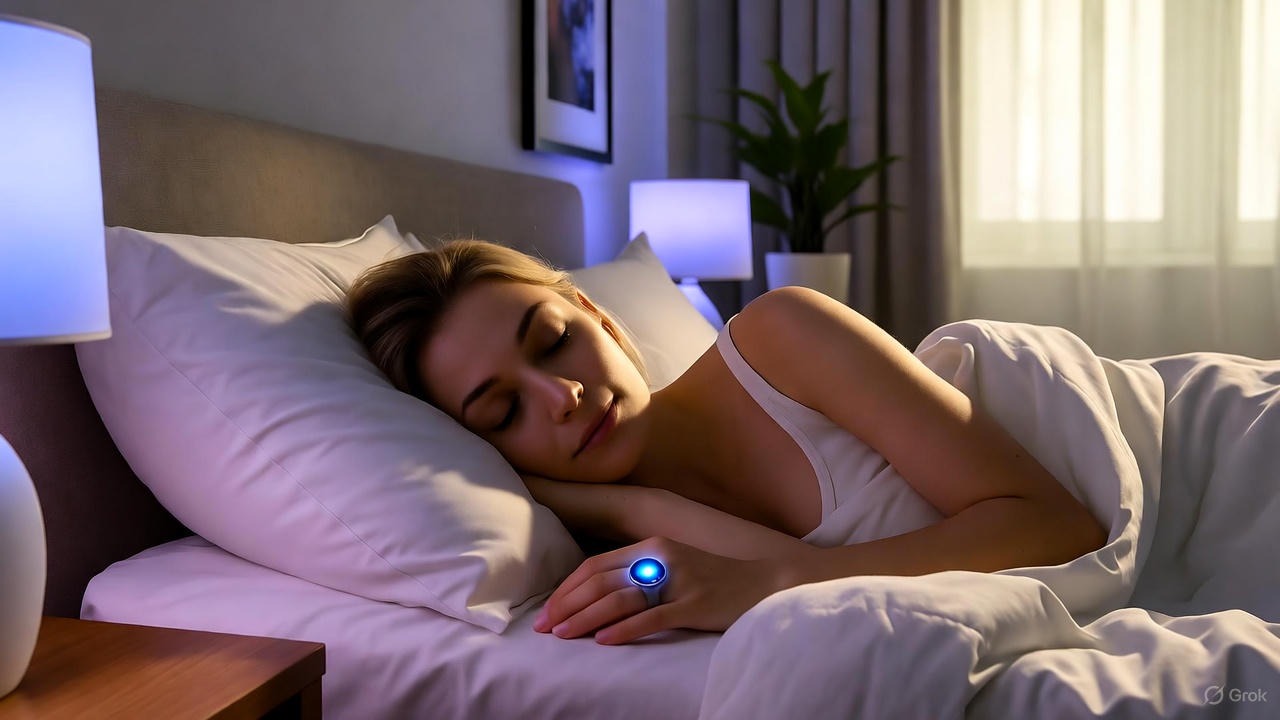
One of the most straightforward yet revealing metrics is Sleep Latency—the number of minutes it takes you to fall asleep after going to bed. While occasionally taking 20-30 minutes is normal, a consistently long latency (e.g., over 30 minutes) is a bright red warning light about your evening wind-down process and mental state.
A short, consistent latency suggests you are successfully transitioning from the alertness of the day into a state of relaxation suitable for sleep. Your work-life boundaries are likely clear, and you have an effective pre-sleep routine.
A long or highly variable latency, however, is often the data manifestation of:
Track your latency. If you see it spike on nights following high-stress workdays or after late work sessions, you have a clear indicator that your work is directly interfering with one of the most fundamental pillars of health: the ability to fall asleep peacefully. Improving work-life balance, in this case, could be as simple as instituting a firm "digital curfew" and a 60-minute buffer of non-work activity before bed.
To understand how common stimulants affect this crucial window, our research on how caffeine timing affects your sleep pattern provides science-backed guidance for optimal consumption.
Finally, the most holistic indicator requires a long view. Over 3, 6, or 12 months, what is the general direction of your key biomarker baselines?
Your "Best Self" baseline is the set of metrics you achieve when you are well-rested, properly fueled, physically active, and mentally at peace—typically seen during a truly restorative vacation or a period of aligned, manageable work.
The ultimate question of work-life balance is this: Is your everyday life allowing you to operate near your "Best Self" baseline, or are you perpetually operating in a deficit state, far below your biological potential?
A sustainable, balanced life is one where your weekday and weekend data fluctuate modestly around a high, healthy personal baseline. An imbalanced life shows you constantly struggling to climb out of a deep well of recovery debt, only briefly touching your true baseline on rare, well-guarded weekends.
By regularly reviewing these long-term trends, you move from managing daily crises to steering your long-term health and performance trajectory. You can identify when a demanding quarter is pulling your baselines down and consciously plan a recovery period afterward. This is strategic life management, powered by your own biological data.
Identifying the 12 hidden indicators is only the first step—the diagnostic phase. The true power of your wellness ring dashboard lies in its capacity to guide targeted, personalized interventions. Seeing a low HRV trend or a chasm between your workweek and weekend data can be unsettling, but it is ultimately empowering. This data provides an objective starting point for change, moving you from guessing about self-care to strategically engineering your recovery.
The key principle is gradual, sustainable modulation. Do not look at a month of poor sleep consistency and attempt to overhaul your entire schedule overnight. This often leads to frustration and abandonment. Instead, use the data to make micro-adjustments and observe how your biomarkers respond. This creates a positive feedback loop: a small change leads to a slight improvement in a metric, which motivates further refinement. It’s a process of biohacking your own equilibrium.
For example, if Indicator 1 (Sleep Consistency) reveals severe social jet lag, the goal isn't to force a 10:00 PM bedtime immediately on a Friday night after a month of 1:00 AM weekends. The first intervention could be: "On Friday, I will aim to be in bed just 30 minutes earlier than my recent Friday average, and I will avoid screens for the final 20 minutes of that time." Monitor the impact on your Sleep Latency (Indicator 11) and your Saturday morning Resting Heart Rate (Indicator 3). Small wins build the foundation for lasting habit change. Your ring becomes your coach, providing objective feedback on what’s working.
Similarly, if Indicator 2 (Chronic Daytime Stress) shows a smoldering baseline that never drops, the intervention starts with strategic, scheduled disengagement. This could mean blocking three 15-minute "green zone" appointments in your calendar each day—times where you step away from all devices, take slow breaths, or go for a brief walk without a podcast. The goal is to see if you can create visible dips in your real-time stress graph. Over time, these intentional valleys can widen, teaching your nervous system that it is safe to disengage.
This process of action and observation transforms your relationship with your own well-being. You are no longer a passive recipient of stress and fatigue; you become an active scientist of your own life, experimenting with boundaries, routines, and activities to see what moves your biomarkers toward balance. The dashboard is your lab notebook.
To effectively manage your work-life balance, you must move from a passive, retrospective view of your data (“Wow, last week was rough”) to a proactive, daily monitoring system. This requires a deliberate setup of your ring’s companion app and the cultivation of a brief but insightful morning ritual.
First, curate your dashboard homepage. Most apps allow you to customize which metrics are front and center. For balance monitoring, prioritize the indicators that serve as your leading signals. We recommend having these readily visible:
Second, establish a 5-Minute Morning Data Review. This isn't about judgment, but observation and intention-setting.
Third, leverage weekly and monthly recap features. Every Sunday evening or Monday morning, spend 10 minutes reviewing the past week. Look for the correlations and chasms discussed earlier. Did a late work dinner on Wednesday spike your nighttime temperature (Indicator 5) and hurt Thursday’s readiness? Did your activity pattern (Indicator 6) show a “boom and bust” cycle? This weekly audit allows you to adjust your upcoming week’s schedule proactively, not reactively.
By systematizing your interaction with the data, you ensure the insights don’t get lost in the noise of daily life. The dashboard becomes a strategic control panel for your well-being, not just a historical archive.
For the true data-driven optimizer, the next level of work-life balance management involves integrating your biomarker data with your digital calendar and habit-tracking apps. This is where you move from observation to automated insight and accountability.
The concept is contextual tagging. After a day with an unusually high stress load or a night with poor sleep, you go into your calendar and tag the events of the previous day. You don’t need complex software to start; a simple color-coding system works.
After a month of this practice, patterns emerge that are richer than ring data alone. You might discover that “weekly cross-department syncs” are consistently Red Tag days, or that “yoga class nights” are almost always followed by Green Tag mornings. This qualitative-quantitative mashup tells you not just that you’re stressed, but which specific commitments are the primary drivers.
You can take this further by integrating with habit trackers like Habitica or Streaks. Create habits such as “No screens after 9:30 PM,” “15-minute afternoon walk,” or “Weekly work boundary review.” Then, correlate your success streaks in these habit apps with positive movements in your ring’s HRV trend or sleep consistency score. This creates powerful positive reinforcement: “Every week I maintain my digital curfew, my average sleep score increases by 5 points.” The abstract goal of “better balance” becomes a concrete, measurable game.
Some advanced users even create simple dashboards in tools like Google Sheets or Notion, manually entering their daily readiness score and key habit checks to visualize the relationships over time. This level of integration ensures your pursuit of balance is a conscious, connected part of your entire life ecosystem, not a siloed activity.
A crucial aspect of intelligent data interpretation is understanding that your biomarkers are not meant to be static. Life has seasons—periods of intense focus (a product launch, a family event), travel (disrupting all routines), and personal challenge. Your work-life balance dashboard is not a tool to judge you during these times, but to guide you through them with minimal collateral damage and to signal when it’s time for a deliberate recovery phase.
During High-Intensity Work Sprints: It is reasonable and sometimes necessary for your indicators to show strain. Your Sleep Consistency might slip as you work later. Your Daytime Stress graph may show sustained peaks. Your RHR may creep up. The critical factor is duration and intent. A planned, 2-week sprint with a clear endpoint, followed by a scheduled period of deliberate rest, is a sustainable strategy. The dashboard helps you monitor the depth of the deficit you’re creating to ensure it’s repayable. The danger is when the “sprint” has no finish line and becomes the new normal. Your long-term trend lines will scream this reality long before your mind admits it.
During Travel: Travel is a perfect storm for imbalance, combining circadian disruption, dehydration, poor sleep, and unfamiliar food. Use your ring proactively here. Before a trip, you can research how to manage sleep patterns during travel and time zones. During travel, pay special attention to:
During Personal Stress or Life Transitions: Personal stress—grief, relationship strain, moving house—affects your biomarkers just as profoundly as work stress. During these times, the concept of “work-life” balance may temporarily shift to “survival-recovery” balance. Be kind in your interpretation. The goal is not to maintain perfect scores, but to use the data to ensure you are embedding non-negotiable recovery anchors into each day, however small. A 10-minute meditation that lowers your stress graph from orange to yellow is a victory. Protecting a 7-hour sleep window, even if the quality is poor, is a victory. The data helps you hold onto these anchors.
In all these seasons, the dashboard provides objectivity. It can tell you, “You are more run down than you feel,” preventing a heroic overextension that leads to collapse. Or it can reassure you, “You are recovering well from that intense period,” giving you confidence to re-engage fully.

An unexpected yet profound benefit of consistently reviewing your wellness ring data is the development of interoceptive awareness—the ability to perceive the internal sensations of your body. Over time, you begin to connect the subjective feelings of anxiety, fatigue, or calm with their objective biometric signatures.
You start to notice: “This tightness in my chest and racing thoughts feel like my ‘high-stress alert’ state—I bet my HRV is dipping right now.” Or, “I feel a deep sense of calm and focus today; my readiness score is likely high.” This is the closing of the mind-body feedback loop. The external data from the ring trains your internal sense of self-awareness.
This cultivated mindfulness becomes your most portable balance tool. In a tense meeting, you can notice the early signs of physiological arousal (shortness of breath, increased heart rate) and consciously employ a breathing technique to down-regulate before the stress becomes chronic and spills into your daily graph. You learn to recognize the feeling of diminishing returns after working too long and can choose to stop based on bodily cues, not just a completed to-do list.
Furthermore, seeing the direct impact of a meditation session or a walk in nature on your stress graph is powerfully reinforcing. It transforms these practices from vague “good for you” activities into tangible, measurable biohacks for performance and peace. You are not just being told mindfulness works; you are seeing your own nervous system calm down in real time. This evidence-based approach can motivate consistent practice more effectively than any abstract recommendation.
While powerful, biometric data is not infallible. To be a savvy interpreter of your work-life balance dashboard, you must be aware of its limitations and common pitfalls to avoid misdiagnosing your own state.
The “Chasing Scores” Trap: It is possible to become overly attached to a high Sleep Score or Readiness number, turning wellness into another source of performance anxiety. If you have a poor sleep night due to a sick child or an emergency, a low score is not a failure; it’s an accurate reflection of a life event. The data is a compassionate observer, not a critic. The goal is long-term trends and understanding, not daily perfection.
The Missing Context Variable: Your ring tracks physiology, not psychology or environment. A spike in resting heart rate could be due to work stress, a passionate argument with a loved one, the start of an illness, or even a very intense movie before bed. A low HRV could signal overtraining, an infection, or emotional exhaustion. Always cross-reference the data with your lived experience. Keep brief notes in the app if the feature exists, or maintain a simple journal. “High stress today—big presentation” is different from “High stress today—family argument.” The corrective actions will differ.
Sensor Limitations: No wearable is clinical-grade. Factors like a loose fit, cold hands, or temporary poor circulation can affect PPG sensor accuracy, leading to gaps in data or anomalous readings. If you see a single, wildly out-of-context data point (e.g., a sky-high RHR one random night), view it with skepticism unless it correlates with a known event. Look for patterns, not outliers.
The Baseline Fallacy: Do not compare your absolute numbers (e.g., an HRV of 40) to someone else’s (e.g., an HRV of 80). These metrics are highly individual. What matters is your own trend and your own responses to interventions. Your baseline is your unique fingerprint.
Ignoring Subjective Feeling: If your ring says you are “Ready” with a score of 85, but you feel terrible, trust your feeling. The data is one input. Your conscious experience is another. The most intelligent approach is a dialogue between the two. Use the data to investigate the feeling: “I feel exhausted, but my ring says I slept well. Did I sleep hot? Was my respiratory rate elevated? Am I mentally drained but physically recovered?” This nuanced investigation is where the deepest insights lie.
By acknowledging these blind spots, you become a wiser, more balanced user of the technology. The ring is an exceptional guide, but you remain the expert on your own life.
Armed with an understanding of the 12 indicators and the skills to interpret them, the final step is synthesis: creating a personalized, living protocol. This is not a rigid set of rules, but a flexible playbook of actions you can deploy based on the signals your dashboard is sending.
Think of it as having three primary gears, each with a set of supporting habits:
Gear 1: Maintenance (All indicators in green/stable trends)
Gear 2: Correction (1-3 indicators showing yellow/declining trends)
Gear 3: Recovery (Multiple red indicators, steep declines, post-sprint or crisis)
Your protocol should also include quarterly reviews. Every three months, do a deep dive into your long-term trends. Have your baselines improved? What was the most effective intervention you discovered? What life change had the biggest negative impact? Update your protocol based on these learnings.
This dynamic, responsive approach ensures your pursuit of balance evolves with you. Your wellness ring dashboard is the ongoing source of truth that informs which gear you should be in, moving you from a state of constant reaction to one of graceful, data-informed self-management.
The technology embedded in your wellness ring is rapidly evolving. The future of work-life balance management lies not just in retrospective analysis, but in predictive insights and proactive, AI-driven coaching.
Imagine your app sending you a notification on Tuesday afternoon: “Based on your elevated stress load this week and declining sleep efficiency, your predicted Readiness for Friday is 65%. To protect your weekend recovery, consider scheduling a lighter day tomorrow.” This shifts the paradigm from curing imbalance to preventing it.
We are moving towards systems that will:
This is not science fiction; it is the logical next step for biometric wearables. The foundation for benefiting from these advances is being built now—by users like you who are diligently collecting data, learning their patterns, and understanding the language of their biomarkers. The more consistently you engage with your dashboard today, the more accurately these future systems will be able to serve you tomorrow.
Ultimately, the goal is a seamless integration of technology and intuition. Your ring handles the complex monitoring and pattern recognition, freeing your mind to focus on living, creating, and connecting. It becomes a true partner in crafting a life where professional fulfillment and personal vitality are not competing priorities, but mutually reinforcing forces.
To illustrate the power of these 12 indicators in action, let’s examine three composite case studies based on common professional archetypes. These scenarios show how raw data transforms into insight, and insight into sustainable change.
Profile: Maya, 42, a senior director in tech. Her performance reviews are stellar, but she feels a constant, humming anxiety and has trouble "switching off."
Initial Dashboard Snapshot (Alarm Bells):
The Intervention (Targeting the Chronic Stress Pattern): Maya’s goal wasn’t to eliminate stress, but to reintroduce a rhythm. Her first micro-adjustment was to institute a "Buffer Block." She scheduled a mandatory, non-negotiable 25-minute calendar event at 5:30 PM every day, labeled "Shutdown Protocol." During this time, she would close her laptop, review her next day’s priorities (on paper), and take a slow walk around the block—phone left on her desk.
The Data Shift: Within two weeks, her Daytime Stress graph began to show a definitive dip starting at 5:30 PM. The orange block began to recede. After a month, her RHR trend halted its climb and began a very gradual descent. Her evening Sleep Latency (Indicator 11) improved on nights she successfully protected the buffer. The key insight for Maya was seeing that the anticipatory stress of the never-ending workday was as damaging as the work itself. Creating a ceremonial end-point gave her nervous system permission to begin recovery earlier.
Profile: Leo, 35, a graphic designer and freelance consultant. His work comes in intense waves, leading to periods of all-nighters followed by days of lethargy and guilt.
Initial Dashboard Snapshot (Alarm Bells):
The Intervention (Creating a Sustainable Rhythm): Leo needed to decouple his activity and sleep from his project panic cycle. His first step was to establish a non-negotiable sleep-wake anchor. Regardless of project state, he committed to being out of bed by 8:30 AM and in bed with lights out by 1:00 AM (a realistic starting point for his chronotype). Second, he introduced deliberate, low-intensity movement on project days—a 15-minute midday yoga YouTube video—to counteract the anxious, frenetic energy. On off-days, he scheduled a morning gym session or long walk to provide structure and positive energy expenditure.
The Data Shift: His Sleep Consistency score improved dramatically, which had a cascade effect. His nighttime temperature curves smoothed out. While his activity graph still showed variation, the "bust" days became less sedentary, and the "boom" days included intentional calm. He discovered that the rigid sleep anchor reduced his perceived panic; knowing he would sleep created a psychological container for his work, making his project days more focused and efficient. He was no longer sacrificing his biology on the altar of a deadline.
Profile: Sarah, 50, a compassionate and dedicated non-profit manager. She felt steadily more drained and cynical but attributed it to "just getting older."
Initial Dashboard Snapshot (Alarm Bells):
The Intervention (A Focus on Parasympathetic Recovery): Sarah’s data revealed a deep depletion of her nervous system's resilience, not just fatigue. Her protocol focused solely on parasympathetic nervous system stimulation. She started with two 10-minute sessions of a guided breathing app (focusing on extended exhalations) – one at lunch, one before bed. She also began a "worry download" journaling practice 2 hours before bed to empty ruminative thoughts from her mind.
The Data Shift: The change was not immediate in her sleep scores, but within three weeks, her HRV trend line bottomed out and began its first upward turn in half a year. This was the pivotal moment. Seeing her "resilience metric" actually improve was profoundly motivating. It proved that her feelings were biological and reversible. Her evening "wired" feeling diminished, and her Cognitive Readiness scores began a slow, steady climb. For Sarah, the HRV data was the objective validation she needed to prioritize her recovery without guilt, understanding it was essential for sustaining her ability to serve her mission.
These cases demonstrate that imbalance manifests uniquely, but the dashboard provides a common language for diagnosis and a measurable path to correction.
As we deepen our reliance on data for personal well-being, we must navigate the ethical and psychological tightrope of the quantified self. When does helpful self-awareness become harmful self-surveillance? When does a tool for balance become a source of new anxiety? Cultivating a healthy relationship with your wellness data is paramount.
Guard Against Metric Fixation: The goal is balance, not a perfect Sleep Score of 90 every night. A healthy mindset views the data as a compass, not a report card. It is there to guide direction, not to punish you for a "bad" night. If checking your app induces feelings of dread or failure, it’s time to step back. Consider a “data Sabbath”—one day a week where you wear the ring for collection but do not check the app at all. Reconnect with how you feel.
Context is King (Revisited): A low readiness score the day after a beloved friend’s wedding is a success of a different kind. It represents a life well-lived, not a wellness failure. The data must always be interpreted through the rich lens of your human experience. You are not a machine optimizing for efficiency; you are a person optimizing for a meaningful life, which sometimes involves biologically suboptimal choices that are emotionally or spiritually vital.
The Privacy Paradox: This data is incredibly intimate—a continuous readout of your internal state. It’s crucial to understand your device manufacturer’s privacy policy. Who owns this data? How is it aggregated and used? Opt out of any data-sharing initiatives that make you uncomfortable. Your stress patterns are not a commodity.
Preserving Spontaneity and Intuition: The greatest risk of over-reliance on data is the erosion of intrinsic bodily intuition and the joy of spontaneous living. If you refuse a last-minute dinner with friends because it might hurt your sleep consistency, you have perhaps let the tool master you. Use the data to build a resilient foundation so that you can occasionally deviate from it without catastrophic consequences, enjoying life’s unplanned moments fully.
The ethical use of this technology is to make it serve your humanity, not redefine it. It should expand your awareness and freedom, not contract your life into a set of rigid, self-imposed rules. The ring is a lens to see yourself more clearly, but you are the one who decides what to do with the view.

One of the most powerful applications of long-term ring data is the empirical discovery of your chronotype—your genetically influenced predisposition for being a morning person, night owl, or something in between. Your dashboard holds the evidence. Do you consistently get your highest Readiness Scores on days you wake at 9 AM? Does your daytime stress manageability improve after 10 PM? Your sleep and performance data over time will reveal your natural rhythm.
This isn’t just academic. Mismatch between chronotype and work schedule is a primary, chronic source of work-life imbalance, known as social jet lag at a daily level. A night owl forced onto an 8-to-5 schedule is perpetually fighting their biology, leading to poorer sleep, higher stress, and suboptimal cognitive performance during standard work hours.
Using Your Data to Advocate and Architect:
By aligning your work demands with your biological prime time, you reduce the friction and effort required to perform. Work feels less draining, leaving more energy for your personal life. You are working with your nature, not against it. For a deep dive into the science of performance timing, explore our article on sleep patterns and productivity: finding your peak hours.
While your wellness ring doesn’t directly track what you eat or drink, its sensors are acutely responsive to the metabolic consequences of your nutritional choices. You can use your biomarkers to make powerful inferences about your diet’s impact on your balance.
Late-Night Digestion & Temperature: As noted in Indicator 5, a large, heavy, or spicy meal within 3 hours of bedtime often leads to an elevated or disrupted nighttime temperature curve and poorer sleep quality scores. If you see this pattern, experiment with an earlier, lighter dinner.
Alcohol’s Double-Edged Sword: Alcohol is a sedative but not a sleep aid. It reliably:
Caffeine’s Long Shadow: Caffeine has a half-life of 5-6 hours. Your ring can reveal your personal sensitivity. If you notice long Sleep Latency (Indicator 11) or restless light sleep on days you had a 4 PM coffee, the correlation is clear. The data supports moving your cutoff time earlier.
Hydration and Circulation: Dehydration thickens the blood, making the heart work harder, which can elevate resting heart rate. A sudden, unexplained spike in your daytime RHR could be a simple signal to drink a glass of water. Furthermore, good peripheral circulation is essential for the ring’s PPG sensor. Cold hands can lead to poor data quality. If you see frequent data gaps or anomalous readings, check your hydration and core temperature.
Use your ring to run n=1 experiments. Try a week of mindful eating (emphasis on whole foods, consistent meal times, early dinner) and a week of your usual pattern. Compare the aggregate data—not just weight, but HRV, RHR, and sleep quality. The results often provide more motivation for change than any generic diet advice.
Despite its sophistication, there will be moments when the most balanced choice is to take off the ring and tune in. Quantification has limits.
During Deep Vacation or True Disconnection: The purpose of a vacation is to escape the metrics of performance. Consider leaving the ring at home, or wearing it only to ensure you’re getting ample sleep, but vowing not to check the app. Let your body set the rhythm based on sunlight, hunger, and curiosity.
In Periods of Grief or Profound Emotional Transition: In these deeply human seasons, the goal is not "optimal biomarkers." The goal is to feel, process, and heal. Monitoring your HRV as it plummets during grief might only add a layer of anxiety about not recovering "fast enough." Grant yourself permission to be a messy, unoptimized human. The data can wait.
When Intuition and Data Conflict Sharply: If you feel vibrant, joyful, and energetic but your ring shows a low readiness score, trust the feeling today. Investigate the data tomorrow. The opposite is also true: if you feel terrible but your scores are high, honor your subjective experience. The ring may be missing a viral load or an emotional state that hasn’t yet manifested in heart rate patterns.
The Risk of External Validation: Relying solely on a device to tell you you’re "recovered" or "well" can undermine your internal sense of knowing. Use the data to recalibrate your intuition, not replace it. Ask yourself: "Before I check my score, how do I feel today?" Over time, your self-assessment and the data should converge, making you less dependent on the device.
The ring is a brilliant tool for navigating the structured world of work and modern demands. But the richest parts of life—love, connection, awe, creativity—exist beyond its measurement. True balance means knowing when to use the map and when to wander off the path.
We’ve journeyed from decoding individual metrics to synthesizing a holistic protocol. The underlying message is this: Work-life balance is not a destination you reach, but a dynamic equilibrium you continuously navigate. Your wellness ring is the most advanced navigation instrument ever available for this personal journey.
It empowers you to replace myths with metrics. The myth of "I can sleep when I'm dead" is shattered by the reality of a plummeting HRV trend. The myth of "I work well under pressure" is questioned by a daytime stress graph that never resets. The myth of "I'm fine" is examined against the hard evidence of a growing chasm between your workweek and weekend selves.
This journey requires reframing balance not as a soft skill, but as a hard science of personal sustainability. It is the foundation upon which lasting performance, creativity, and health are built. Investing in recovery is not time lost from productivity; it is the essential maintenance required for the complex system that is you to function at its peak.
The world will always be unbalanced—demanding, intrusive, and asynchronous. You cannot control the world, but you can now understand and steward your own biological response to it. You can build non-negotiable boundaries not out of rigidity, but out of evidenced-based self-respect. You can negotiate for flexibility not as a perk, but as a performance strategy. You can make lifestyle choices not based on trends, but on what genuinely moves your personal biomarkers toward vitality.
Start small. Pick one of the 12 indicators that resonates most. Observe it for a week without judgment. Then, make one tiny, sustainable change aimed at improving it. Watch how that single change might positively affect other indicators. This is the compound interest of self-care.
You have the data. You have the insights. You hold the key to a more balanced, resilient, and vibrant life—and it’s been on your finger all along.
Your Trusted Sleep Advocate: Sleep Foundation — https://www.sleepfoundation.org
Discover a digital archive of scholarly articles: NIH — https://www.ncbi.nlm.nih.gov/
39 million citations for biomedical literature :PubMed — https://pubmed.ncbi.nlm.nih.gov/
Experts at Harvard Health Publishing covering a variety of health topics — https://www.health.harvard.edu/blog/
Every life deserves world class care :Cleveland Clinic - https://my.clevelandclinic.org/health
Wearable technology and the future of predictive health monitoring :MIT Technology Review — https://www.technologyreview.com/
Dedicated to the well-being of all people and guided by science :World Health Organization — https://www.who.int/news-room/
Psychological science and knowledge to benefit society and improve lives. :APA — https://www.apa.org/monitor/
Cutting-edge insights on human longevity and peak performance:
Lifespan Research — https://www.lifespan.io/
Global authority on exercise physiology, sports performance, and human recovery:
American College of Sports Medicine — https://www.acsm.org/
Neuroscience-driven guidance for better focus, sleep, and mental clarity:
Stanford Human Performance Lab — https://humanperformance.stanford.edu/
Evidence-based psychology and mind–body wellness resources:
Mayo Clinic — https://www.mayoclinic.org/healthy-lifestyle/
Data-backed research on emotional wellbeing, stress biology, and resilience:
American Institute of Stress — https://www.stress.org/


