


8 Morning Routine Elements Your Smart Ring Proves Are Essential
Eight essential elements of a morning routine that are consistently validated by smart ring data.
Eight essential elements of a morning routine that are consistently validated by smart ring data.
%402x.svg)
For generations, the morning routine has been a realm of folklore and fuzzy advice. Drink lemon water. Journal for five pages. Take a cold shower. Meditate for twenty minutes. We’ve clung to these prescriptions with hopeful discipline, often with little more than a vague sense of “feeling better” to gauge their efficacy. But what if you could move beyond anecdote and into evidence? What if, instead of guessing what your body and mind need each morning, you had a personal biometrical analyst on your finger, delivering a precise, quantified report?
Enter the smart ring—the unassuming, always-on wearable that is quietly revolutionizing our approach to personal wellness. Unlike bulky smartwatches or forgettable fitness bands, the smart ring’s elegant, continuous wear provides an unprecedented, 24/7 stream of clinical-grade data. It measures your heart rate variability (HRV), resting heart rate (RHR), skin temperature, sleep stages, and blood oxygen saturation with clinical-grade precision as you go about your life. This isn’t just activity tracking; it’s a continuous audit of your nervous system, recovery status, and physiological readiness.
This article isn’t about prescribing a one-size-fits-all routine. It’s about empowerment through data. We will explore eight fundamental morning routine elements—from waking to movement to nourishment—and reveal exactly how your smart ring proves their non-negotiable importance. It provides the ultimate feedback loop, showing you in hard numbers how last night’s sleep affects today’s stress resilience, how that morning walk calibrates your focus, and how your hydration levels directly influence your cognitive performance. We’re moving from wellness as an abstract concept to wellness as a measurable, optimizable system. Let’s begin by understanding the single most important metric that sets the stage for your entire day: your Sleep Score.
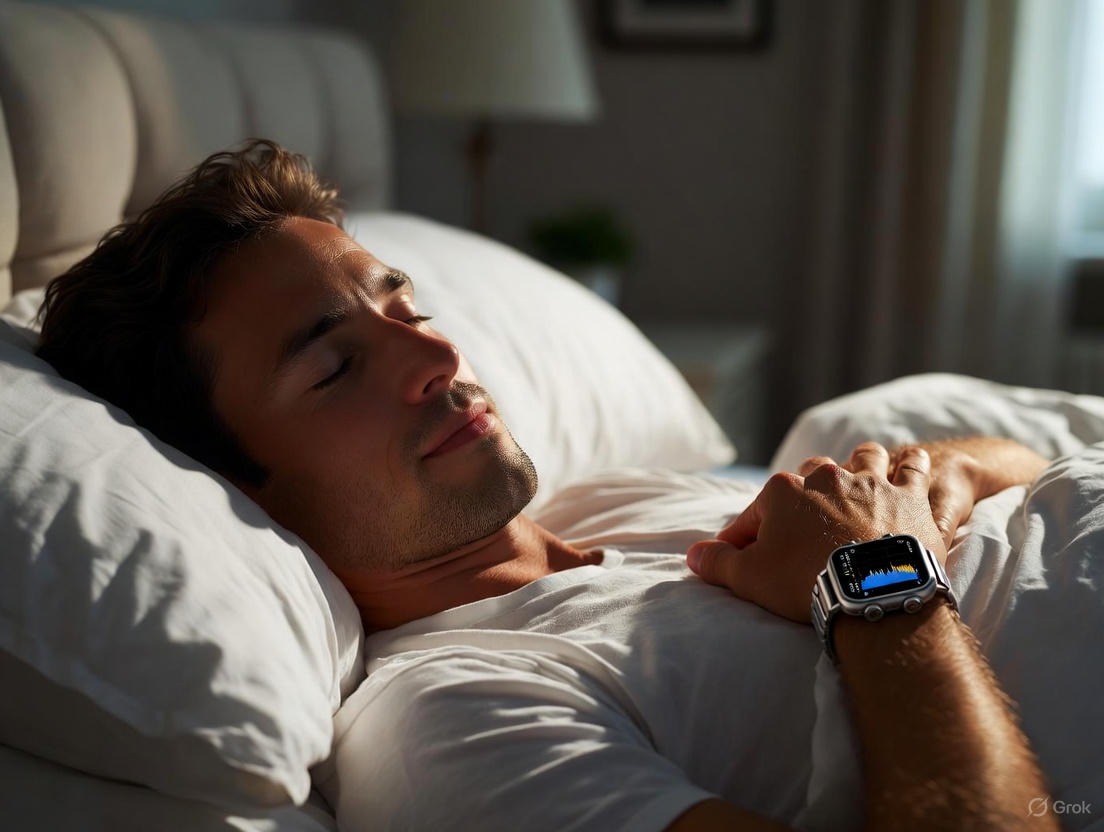
You open your eyes. Before your mind even forms its first coherent thought, you reach for your phone to silence the alarm. But instead of checking social media, you open your companion wellness app, and there it is: your Sleep Score. This single, composite number—typically out of 100—is your smart ring’s distilled verdict on your night’s restorative power. It’s not a random digit; it’s a data-driven synthesis of duration, efficiency, restfulness (based on HRV and movement), and sleep stages. A score of 85+ might feel like a green light for a high-productivity day. A score of 65 whispers a cautionary tale, suggesting your body is running on a deficit before you even swing your feet out of bed.
This score is the cornerstone of your morning because it objectively answers the question, “What am I working with today?” Your smart ring proves its essential nature in several critical ways:
It Moves You Beyond "Hours in Bed." You could spend 8.5 hours in bed, but if your ring shows a sleep efficiency of 72% (meaning you were awake or restless for over two of those hours), your effective sleep is far less. This data shatters the illusion of “enough” sleep based on time alone and focuses you on quality—the true foundation of mental and physical recovery. As we know, sleep forms the foundation of mental wellness, impacting everything from emotional regulation to memory consolidation. Your ring quantifies that foundation.
It Decodes Your Sleep Architecture. The ring’s analysis of your light, deep, and REM sleep stages is revelatory. You might see a night with ample deep sleep (critical for physical repair) but scant REM (essential for emotional processing and creativity). This explains why you might wake physically rested but emotionally foggy. The ring proves that a good night’s sleep isn’t monolithic; it’s a balanced architectural feat.
It Reveals Your Nocturnal HRV Trend. Perhaps the most profound insight is seeing your Heart Rate Variability (HRV) graph throughout the night. A rising HRV trend line indicates increasing parasympathetic (“rest-and-digest”) dominance, meaning you achieved deep recovery. A flat or falling line suggests your sympathetic (“fight-or-flight”) nervous system was still subtly engaged, impairing restoration. This direct window into your autonomic nervous system state is a game-changer for understanding true recovery.
Your morning routine must honor this data. A low Sleep Score doesn’t mean canceling the day; it means intelligently adapting it. It’s the ultimate permission slip to prioritize gentle movement over intense intervals, to choose calming teas over aggressive caffeine, and to schedule demanding cognitive tasks for when your biometrics suggest you’ll be most resilient. The Sleep Score transforms your first conscious decision from a guess into a strategic response.
The jarring scream of a traditional alarm clock is a form of physiological violence. It often rips you from a deep or REM sleep stage, a phenomenon known as sleep inertia, which can lead to grogginess, impaired cognition, and irritability that lasts for hours. The rigid, clock-centric wake-up is a relic of the industrial age, antithetical to our biology. Your smart ring introduces a paradigm of gentle, intelligent awakening by helping you identify and sync with your personal chronotype and sleep cycles.
Your ring proves the essential nature of rhythmic waking through its detailed sleep stage tracking. Over time, it doesn’t just tell you how you slept; it reveals when you naturally tend to cycle. Most people experience sleep cycles (from light to deep to REM) that last about 90 minutes. Waking at the end of a cycle, during a period of light sleep, results in a significantly more natural and refreshed feeling.
How Data Informs Practice:
This element moves you from being a slave to the clock to becoming a conductor of your circadian rhythm. By waking in harmony with your body’s natural completion of a sleep cycle, you start the day with your nervous system in a state of equilibrium, not shock. This sets a calm, controlled tone, making every subsequent routine element—from mindfulness to movement—more effective and integrated. A harmonious start is the first step in creating a mental wellness plan that fits your life, one rooted in your unique biological data, not generic advice.

The siren call of the coffee machine is a powerful morning force. But your smart ring provides compelling data to advocate for a crucial pre-caffeine ritual: drinking 16-24 ounces of water. This isn’t just wellness dogma; it’s a physiological necessity with measurable effects on the very metrics your ring tracks.
During 7-9 hours of sleep, you lose significant water through respiration and minimal sweating. This leads to mild dehydration upon waking, which has direct, negative consequences on your body’s systems. Your smart ring proves hydration’s first-move status in two key ways:
1. Its Direct Impact on Blood Plasma Volume and Heart Metrics: Mild dehydration reduces blood plasma volume. Your heart has to work harder to pump thicker, more viscous blood and maintain blood pressure. This manifests as an elevated Resting Heart Rate (RHR). If you notice your morning RHR is 5-10 BPM higher than your typical baseline, dehydration is a prime suspect (after ruling out illness or intense prior-day training). Drinking water first thing helps normalize plasma volume, allowing your RHR to settle into its true, recovered baseline. A lower morning RHR, as validated by your ring, is a clear indicator of better cardiovascular efficiency and lower systemic stress.
2. Its Influence on Heart Rate Variability (HRV): Dehydration is a physiological stressor. When stressed, your sympathetic nervous system becomes more dominant, which typically suppresses your HRV. A higher HRV indicates a robust, adaptable nervous system. By rehydrating before introducing a stimulant like caffeine, you remove a baseline stressor. This allows your body to maintain a higher, more resilient HRV throughout the morning. Your ring’s morning HRV reading, and its trend throughout the early hours, can serve as direct feedback on this practice.
The Caffeine Interaction: Drinking caffeine on a dehydrated foundation can exacerbate its diuretic effect and may lead to a more pronounced spike in heart rate and a jittery, anxious feeling—all signs of an overactive sympathetic response. Hydrating first dilutes the caffeine’s acute impact, promotes smoother absorption, and supports the liver in metabolizing it effectively.
Your smart ring turns “drink water first” from a vague tip into a data-validated protocol. By monitoring your morning RHR and HRV trends as you consistently practice this, you’ll see the biometric proof: a more stable, recovered cardiovascular system ready to handle the day’s demands, starting with that well-deserved, and now better-tolerated, cup of coffee. This simple act of prioritizing hydration is a foundational habit that supports the inseparable connection between mental wellness and physical health, demonstrated in real-time on your finger.

The fitness industry often glorifies the “5 AM crush session”—the idea that a brutal, high-intensity workout before dawn is the ultimate badge of discipline. But what if this mantra is not only unsustainable but sometimes counterproductive? Your smart ring, through its Recovery or Readiness Score, offers a radical alternative: the principle of autoregulation. This means letting your body’s daily physiological state dictate the type and intensity of your movement, not a rigid calendar.
Your morning Readiness Score is a composite metric derived from your sleep data, nightly HRV, RHR, skin temperature, and sometimes previous day’s strain. It’s a 1-100 scale or a simple “Ready,” “Recovering,” or “Strained” indicator. This score is your personal truth-teller.
The Data-Driven Decision Tree:
This approach shatters the guilt associated with “skipping a workout.” You’re not skipping; you’re intelligently responding. Your morning movement becomes a dialogue, not a monologue. By honoring your Readiness Score, you build a sustainable, adaptive fitness practice that enhances longevity and prevents burnout. It teaches you that discipline is not just about pushing harder; it’s about listening smarter. This mindful approach to physical activity is a cornerstone of understanding how exercise supports mental wellness through its biochemical pathways, which are only optimally activated when the exercise is appropriate for your current state.
“Get morning sunlight” is common advice, but until you see its effect quantified, it can feel like a soft, optional wellness add-on. Your smart ring provides hard evidence of its non-negotiable role as the primary cue for your circadian rhythm, the internal 24-hour clock governing sleep, hormone release, and metabolism.
The mechanism is profound: Bright light, especially in the blue-green spectrum abundant in morning sun, hits specialized cells in your retina, sending a direct signal to your brain’s suprachiasmatic nucleus (SCN)—the master circadian clock. This signal halts the production of melatonin (the sleep hormone) and triggers a cascade of cortisol (the awake-and-alert hormone) in a healthy, gentle spike. This cortisol pulse is not the bad guy of chronic stress; it’s the essential, time-of-day-specific signal that energizes you and sets your biological clock for the next 24 hours.
How Your Smart Ring Proves Its Power:
Your smart ring turns this practice from folklore into a measurable protocol. It answers the questions: “Did 15 minutes of sunlight at 7 AM make a difference compared to a day I stayed inside until noon?” The longitudinal data will say yes. It proves that this zero-cost, minutes-long practice is one of the most powerful levers you have to regulate the complex system of hormones and neurotransmitters that dictate your energy, mood, and sleep. For a deeper understanding of how these biological systems interact, you can explore the brain chemistry of mental wellness, where light’s role as a key regulator becomes even clearer.
For many, coffee is the first and most sacred morning ritual. Yet, drinking it immediately upon waking might be suboptimal, according to both endocrinology and the data from your smart ring. The key lies in understanding your natural cortisol awakening response (CAR).
As mentioned, a healthy circadian rhythm includes a natural, sharp rise in cortisol within 30-60 minutes of waking. This endogenous (internally produced) cortisol provides energy, alertness, and focus. If you introduce caffeine—an adenosine receptor antagonist that also stimulates cortisol release—during this peak, you are essentially adding a stimulant on top of a stimulant. This can lead to a jittery over-amplification, a sharper mid-morning crash, and potentially a blunting of your natural cortisol rhythm over time.
Letting Your Data Guide the Perfect Cup:
Your smart ring helps you navigate this timing with precision.
Your smart ring proves that caffeine is not just a morning ritual, but a timed intervention. It transforms your coffee break from a reflexive habit into a strategic biohack. By aligning it with your body’s innate chemistry, you maximize its cognitive benefits—sharpened focus and sustained energy—while minimizing its disruptive side effects on your stress response and, ultimately, your sleep. Managing these subtle daily rhythms is a perfect example of the preventive approach to mental wellness, optimizing small inputs to avoid larger deficits in energy and resilience.
The classic productivity advice of “do your hardest work first thing in the morning” is another blanket statement that fails the personalization test. While many people are sharpest in the hours after fully waking, your specific biological prime time is influenced by your chronotype, sleep quality, and morning routine. Your smart ring helps you identify and ruthlessly exploit it.
Your body doesn’t perform at a constant level all day. It operates in ultradian rhythms—cycles of roughly 90-120 minutes where we naturally oscillate between higher and lower alertness. Your ring’s continuous data, particularly HRV and heart rate, can serve as a proxy for these cycles. A higher, stable HRV often correlates with a window of physiological readiness for focused work.
Identifying Your Personal Prime Time:
By using your ring’s data as a guide, you can schedule your most demanding, creative, or strategic work during your personal biological peaks. Conversely, you can schedule administrative tasks, meetings, and less-demanding work during your natural troughs. This practice proves essential because it moves you from “time management” to “energy management.” You achieve more with less effort and stress because you are working with your physiology, not against it. This alignment is a powerful tool for achieving sustainable work-life integration, preventing burnout by aligning your most demanding tasks with your body’s natural capacity.
“Breakfast is the most important meal of the day” is a contested slogan. Your smart ring cuts through the noise by showing you, in near-real-time, how different breakfast choices directly impact your physiological state for the hours that follow. It turns your morning meal into an experiment in metabolic and cognitive fueling.
The connection between food and your ring’s metrics is direct, especially through two primary pathways: blood glucose response and the autonomic nervous system.
The Data-Driven Breakfast Lab:
Validating Personal Sensitivities: Beyond macronutrients, your ring can help identify food sensitivities. If you notice a pattern of elevated resting heart rate, lower HRV, or even a slight elevation in nighttime skin temperature (a sign of inflammation) on mornings after eating dairy or gluten, you have objective data to explore an elimination diet.
Your smart ring proves that breakfast is not about “eating something.” It’s about strategic fueling. The right composition of nutrients provides stable energy, supports cognitive function, and keeps your nervous system in a calm, focused state. The wrong composition triggers a stress response that can derail your morning’s potential. This tangible feedback makes you an active participant in your metabolic health, directly linking your plate to your performance and mood. Understanding this gut-brain axis is fundamental to making choices that support both physical and mental wellness from your first meal.
For countless people, the first conscious action of the day is reaching for their phone to check email, social media, or news. This habit, often called the “doomscroll,” is arguably one of the most destructive elements of the modern morning. Your smart ring provides irrefutable, physiological evidence of its toll.
The moment you engage with your phone, you are subjecting your just-awakened, impressionable brain to a firehose of information: work demands, social comparisons, global crises, and algorithmic outrage. This triggers an immediate, low-grade fight-or-flight response. Your smart ring measures the consequences in real-time:
The Smart Ring-Prescribed Alternative:
The data proves that protecting the first 60-90 minutes of your day from digital intrusion is not a luxury; it’s a necessity for neurological hygiene. This period is when your brain’s prefrontal cortex—responsible for executive function, focus, and emotional regulation—is most malleable and setting its tone for the day.
Your ring validates the benefits of a digital buffer. On mornings where you replace scrolling with any of the previous elements—hydration, mindful movement, sunlight, or focused work—you will see a markedly different physiological profile: a lower, more stable heart rate, a higher or stable HRV, and a calm stress graph. This creates a foundation of inner calm from which you can later engage with the digital world intentionally, rather than reactively.
By quantifying the cost of digital intrusion, your smart ring gives you the ultimate motivation to break the cycle. It proves that a mindful morning isn’t just about what you add, but critically, about what you protect yourself from. This practice is a core component of navigating mental wellness in the digital age, using data to create conscious boundaries with the technology that surrounds us.
Practices like journaling gratitude or setting a daily intention are often dismissed as “soft” or purely psychological. However, emerging research in psychophysiology—and the data from your smart ring—shows they elicit a concrete, measurable state shift in your autonomic nervous system. They are not just feel-good exercises; they are direct levers on your biological state.
When you engage in genuine gratitude or focused intention setting, you are consciously directing your attention away from threats, lacks, and anxieties (which drive sympathetic “fight-or-flight” dominance) and toward safety, abundance, and purpose. This cognitive reframe has a rapid bottom-up effect.
How Your Smart Ring Captures the Shift:
Your smart ring proves that this practice is a potent, fast-acting tool for self-regulation. It’s not magical thinking; it’s a deliberate neurological intervention with biometric feedback. On days you skip it, your morning data may appear more erratic. On days you practice, you gift yourself a measurable baseline of calm and resilience. This makes a powerful case for including even a brief moment of positive reflection in your routine, as it actively builds the mindset that forms the foundation of mental wellness. You are quite literally training your nervous system to default to a state of resourcefulness and calm.
As your morning routine transitions into the flow of your day, the role of your smart ring shifts from setting a foundation to providing continuous, real-time feedback. The first few hours have been guided by intention and data—optimized sleep, rhythmic waking, strategic fueling, and mindful movement. Now, the challenge becomes carrying that cultivated state of balance and readiness into the unpredictable currents of work, relationships, and daily demands.
This is where the smart ring proves its value as more than a morning diagnostician; it becomes a continuous companion, offering a silent, objective perspective on your physiological reactions to the world. The mid-morning period, roughly between 10:00 AM and 12:00 PM, is a critical checkpoint. The initial boost from your routine has been metabolized, and the day’s first genuine stressors often emerge. How you navigate this transition determines whether you sustain your morning’s potential or succumb to reactive fatigue.
Your ring’s data during this period—specifically the trend lines of your heart rate, HRV, and stress scores—serves as an invaluable audit. It answers pivotal questions: Did my breakfast truly sustain me? Was that difficult conversation more physiologically taxing than I realized? Is my focus waning due to a natural dip or poor habits? By learning to read and respond to this feedback, you move from having a great morning to engineering a resilient, high-performance day. The following sections delve into the essential, data-validated practices for this crucial phase, starting with the most fundamental: learning to interpret your body’s signals before they become screams.
By mid-morning, the abstract concept of “stress” becomes a concrete, visualized narrative on your wellness app. You’ll see blocks of color—blue for rest, green for neutral, yellow for moderate stress, red for high stress—painting a timeline of your physiological experience. Learning to interpret these “whispers” before they escalate is the master skill of data-informed wellness.
Decoding the Stress Graph:
A healthy day is not a stress-free day; it’s a day with a balanced stress profile. Positive stress (eustress), like a focused work session or a brisk walk, shows as short, manageable blocks. Distress, like anxiety or frustration, often manifests as longer, more intense blocks. Your mid-morning checkpoint involves asking:
The Recovery Metric: Your Real-Time Fuel Gauge
Beyond stress, many rings provide a live “Recovery” or “Energy” score throughout the day. This is your fuel gauge. A declining trend by 10:30 AM, despite a good morning, is a critical whisper. It prompts investigation:
The Power of the Spot Check:
Instead of waiting for a weekly review, develop the habit of a 60-second “spot check” mid-morning. Open your app. Observe your current HRV (if available in real-time) and your heart rate trend over the last hour. Are you in a state of coherence or dysregulation? This simple act of awareness—this moment of checking in with your biometrics—can be enough to initiate a course correction: a few deliberate deep breaths, a stretch, a sip of water, or a mental reframe.
This practice of interpreting whispers transforms you from a passive recipient of stress to an active investigator of your own state. It builds interoceptive awareness—the sense of your internal condition—bridging the gap between what your ring says and what you feel. This heightened self-awareness is the bedrock of emotional intelligence and a core practice in any effort to build mental wellness habits that last a lifetime. You’re not just tracking data; you’re cultivating a dialogue with your body.
The traditional work model champions long, unbroken stretches of focus until burnout signals a break. Your smart ring’s data champions a different, more sustainable model: the strategic, proactive micro-recovery. The science of ultradian rhythms suggests our brains can only maintain high focus for 90-120 minutes before needing a short reset. Your ring’s stress and recovery metrics provide personal, precise validation of this cycle.
A micro-recovery is a 5-10 minute intentional pause designed to down-regulate your nervous system. Its purpose isn’t to switch tasks (from work email to personal social media), but to genuinely disconnect and recharge. When you take a strategic break before your metrics crash, you preserve a high baseline of performance throughout the day.
Data-Validated Micro-Recovery Techniques:
The smart ring proves that these breaks are not “time off” from productivity; they are the essential maintenance required for sustained cognitive output. By scheduling and honoring these brief resets, especially in the mid-morning when energy first begins to flag, you prevent the deep afternoon slump. You train your system to recover quickly, building resilience. This approach is a practical application of the preventive approach to mental wellness—addressing depletion in small, manageable increments rather than waiting for a full-system crash that requires days to repair.
Your morning hydration ritual is crucial, but the need doesn’t stop there. Dehydration is a cumulative stressor, and its cognitive effects—brain fog, irritability, difficulty concentrating—became pronounced as the morning progresses. Your smart ring provides a powerful, indirect correlation between your fluid intake and your physiological stability.
While rings do not directly measure hydration (yet), they measure its profound effects:
Creating a Data-Informed Hydration Protocol:
Your smart ring turns hydration from a vague health goal into a performance-enhancing strategy with clear, observable feedback. It proves that maintaining fluid balance is critical not just for physical health, but for maintaining the calm, focused nervous system state necessary for high-level mental work. This is a perfect example of the inseparable connection between mental wellness and physical health, where a simple physical intervention (drinking water) has immediate and measurable effects on your mental state and cognitive output.
The modern workday is a minefield of multitasking and rapid context switching: jumping from a spreadsheet to a Slack message to a meeting to an email. We wear this constant switching as a badge of busyness, but cognitive science is clear: it is devastatingly inefficient and fatiguing. Your smart ring provides the physiological receipt for this mental taxation.
Each context switch incurs a “cognitive penalty” as your brain must unload the rules and information of one task and load those of another. This penalty isn’t just psychological; it’s metabolic and stress-inducing.
The Biometric Signature of Multitasking:
Using Your Ring to Defend Your Focus:
Your ring’s data gives you the evidence to advocate for and design a more cognitively sane workflow.
By quantifying the cost of fragmentation, your smart ring empowers you to reclaim control of your attention. It proves that the path to true productivity and reduced anxiety lies not in doing more things at once, but in doing one thing well, with full physiological support. This mindful management of cognitive resources is a key strategy for navigating mental wellness in the digital age and achieving sustainable performance.
Human connection is a double-edged sword for our nervous systems. Positive, supportive interactions can be deeply regulating, while conflictual or draining interactions can be profoundly dysregulating. Your morning likely contains several social exchanges—with family, colleagues, or even a barista. Your smart ring acts as an objective auditor of these interactions, revealing their true physiological impact, which often differs from your conscious perception.
You might leave a meeting thinking, “That was fine,” but your biometrics tell a different story. Conversely, a quick, encouraging chat with a coworker might provide a subtle but measurable boost.
What to Look For in Your Data:
Applying the Audit for a Better Day:
This data isn’t for judging others, but for managing your own energy ecology.
Your smart ring proves that social wellness is not a soft concept. It is a series of measurable exchanges that either deposit into or withdraw from your physiological bank account. By auditing these interactions, you can make more intentional choices about who you engage with and how, building a social environment that actively supports your nervous system’s stability.
Your morning environment extends beyond your home into your workspace. The subtle, often ignored environmental factors of light, noise, and temperature have a dramatic and measurable impact on your physiology. Your smart ring is the canary in the coal mine, revealing how your surroundings are affecting you beneath the level of conscious awareness.
1. Artificial Light vs. Natural Light:
We’ve covered the benefit of morning sunlight. The inverse is also true: prolonged exposure to dim, flickering, or overly cool-toned artificial light in the late morning can disrupt circadian signaling and cause eye strain and fatigue.
2. The Insidious Impact of Noise Pollution:
Intermittent, uncontrollable noise—construction, loud conversations, office clatter—is one of the most potent environmental stressors. It triggers an orienting response, forcing your brain to constantly assess for threat, which keeps the sympathetic nervous system on low-grade alert.
3. Thermal Discomfort:
Being too hot or too cold is a direct physical stressor. Your body expends energy to thermoregulate, drawing resources away from cognitive function.
Becoming a Data-Informed Environmental Designer:
Your ring’s feedback empowers you to take control:
By optimizing these three environmental pillars, you remove invisible drains on your physiological resources. Your smart ring proves that crafting your “outer environment” is a direct and powerful method for supporting your “inner environment,” freeing up energy and focus for the work that matters. This holistic awareness of how your surroundings shape your state is a critical part of a complete, evidence-based foundation for wellness.
The approach of lunchtime presents a critical decision point. Do you power through on momentum? Do you grab something quick and convenient? Or do you pause and make a choice informed by your body’s current state? Relying solely on habit or convenience at lunch can undo the careful work of your morning. Your smart ring provides the essential pre-meal assessment to guide an optimal choice.
Your “decision metrics” before lunch should include:
Data-Driven Lunch Scenarios:
By checking your biometrics before you eat, you turn lunch from a reflexive break into a strategic intervention. You are “feeding the data.” Did your morning deplete you? Nourish accordingly. Did it energize you? Sustain it. This practice deeply honors the gut-brain axis, using real-time physiological feedback to determine what your brain and body need to thrive in the afternoon. It’s the ultimate rejection of one-size-fits-all nutrition.
The pinnacle of a successful morning routine is not just avoiding stress or checking boxes; it’s the potential to access a state of “flow”—that timeless, effortless concentration where you are fully immersed, highly productive, and intrinsically rewarded by an activity. Psychologist Mihaly Csikszentmihalyi identified this state, and your smart ring can now help you identify its unique physiological fingerprint and, more importantly, the conditions that foster it.
Contrary to what one might assume, the flow state is not one of high arousal or frantic effort. Neurobiologically, it involves a calm, focused, and efficient use of brain resources.
The Probable Biometric Signature of Flow:
Using Your Ring to Engineer More Flow:
Your ring helps you reverse-engineer this coveted state.
Your smart ring proves that flow is not a mystical or random occurrence. It is a physiological state that can be cultivated through deliberate preparation and protected focus. By aiming for this biometric signature, you elevate your morning routine from a series of health tasks to an engineered system for achieving peak mental performance and satisfaction. This deep engagement is closely linked to the psychological link between mental wellness and creativity, where optimal states of mind foster our highest expressions of innovation and problem-solving.
A truly effective morning routine doesn’t end at noon; it sets a trajectory. The final, essential element your smart ring proves is the need for a conscious transition ritual—a bridge built with data that carries your morning’s cultivated state into the afternoon. This involves a brief review and intentional planning based on the biometric story of your last 4-5 hours.
This 5-minute transition, ideally done before lunch, involves asking three data-informed questions:
Translating the Audit into an Afternoon Plan:
Based on this review, make three intentional adjustments:
By performing this data-informed handoff, you break the cycle of reactive, compartmentalized days. You create continuity. Your morning becomes the research and development phase for your life, and your afternoon becomes the optimized implementation. This practice of reflective adaptation is the essence of building a mental wellness plan that fits your life—one that is dynamic, responsive, and rooted in the objective truth of your own body’s signals. The smart ring provides the critical feedback loop that makes this level of personalization not just possible, but profoundly practical.
We have journeyed through a data-rich exploration of the modern morning, guided by the unblinking eye of smart ring technology. What began as a collection of well-intentioned habits—sleep, water, movement, sunlight—has been transformed into a precise, personalized science. The smart ring proves these elements are essential not through anecdote, but through an unassailable language of numbers: heart rate variability, sleep stage percentages, stress graph morphology, and recovery scores.
This first portion of our exploration has laid the groundwork for a monumental shift: moving from wellness as a guess to wellness as a guided experiment. Your body is no longer a black box. You receive a daily briefing on its operational status. You have evidence that gratitude changes your heart rhythm, that hydration stabilizes your focus, and that one minute of deep breathing can reset your entire nervous system. This is empowerment.
The morning is the launchpad, but the principles of measurement, interpretation, and adaptive response extend to every facet of life. In the next portion of this article, we will take these principles beyond the morning. We will explore how this continuous data stream revolutionizes your approach to afternoon productivity, evening wind-down, exercise programming, long-term goal setting, and even your understanding of your own emotional and mental patterns. We will delve into how this technology can help you recognize mental wellness red flags early, navigate yearly seasonal cycles, and understand the role of purpose and meaning in your physiological data.
The promise of the smart ring is not a life of perfect scores, but a life of profound self-knowledge. It’s about replacing frustration with curiosity, and guilt with strategy. As you close this first chapter, glance at your finger. That sleek piece of technology is more than a ring; it’s your personal biometrical coach, your objective narrator, and the key to building a life not based on what you should do, but on what the data proves works for you. The dawn of quantified, personalized wellness is here. And it fits perfectly on your finger.
The morning’s structured ritual has concluded. You’ve launched your day on a foundation of biometric awareness, optimizing sleep, movement, fuel, and focus. But as the clock moves past noon, a new challenge emerges: the long, often unstructured arc of the afternoon. This is where the true test of your data-informed lifestyle unfolds. Without the scaffolding of a morning routine, the afternoon can easily become a slow slide into cognitive fatigue, reactive decisions, and energy depletion—a phenomenon so common it has its own name: the post-lunch dip.
However, armed with your smart ring and the principles of physiological awareness, the afternoon transforms from a danger zone into a dynamic field for experimentation and management. This period is not about rigid control, but about intelligent navigation. It’s about using the continuous data stream from your ring to solve the afternoon equation: how to balance necessary energy expenditure with strategic recovery, sustaining performance without courting burnout.
Your smart ring becomes your essential navigational instrument here. It provides real-time feedback on the success (or failure) of your morning choices and offers immediate course-correction data for the hours ahead. It shifts from being a diagnostic tool to being a tactical one. In this portion of our exploration, we move beyond the launch sequence and into the sustained flight of your day, examining the critical, data-proven practices for mastering the afternoon, starting with the most pivotal biological event of the midday: navigating the inevitable circadian dip.
The feeling is universal: between 1:00 PM and 3:00 PM, a wave of drowsiness, diminished focus, and low energy washes over you. This isn’t a personal failing or solely the result of a heavy meal; it’s a hardwired feature of human circadian biology. A natural dip in core body temperature and alertness occurs during this window, part of a biphasic sleep rhythm observable even in cultures without siesta traditions. Your smart ring doesn’t just confirm this dip; it quantifies its depth and provides the strategies to traverse it with minimal disruption.
How Your Ring Sees the Dip:
Smart Ring Strategies for the Trough:
Your smart ring proves that the post-lunch dip is not an enemy to defeat, but a rhythm to respect and navigate. By planning for it and responding with gentle, supportive interventions, you turn a period of vulnerability into a structured part of your resilient day. This respectful management of your natural cycles is a core practice for maintaining mental wellness across the lifespan, as tuning into these rhythms becomes increasingly important.
Your morning coffee was strategically timed. But what about the afternoon pick-me-up? The desire for a 3 PM latte or diet soda is powerful, yet it carries a significant risk: sabotaging the very sleep that your entire next day depends on. Generic advice like “no caffeine after 2 PM” is a blunt instrument. Your smart ring provides a personalized, precise method for determining your own caffeine cutoff time: by showing you exactly how evening caffeine impacts your sleep architecture.
Caffeine’s primary mechanism is blocking adenosine receptors. Its half-life is about 5-6 hours, but its effects on sleep can be subtler and longer-lasting than just preventing you from falling asleep. It can reduce deep sleep (N3) and REM sleep, even if you don’t perceive waking up.
Conducting Your Personal Caffeine Experiment:
The Personalized Cutoff Emerges:
Your smart ring removes the guesswork and the denial (“It doesn’t affect me!”). It provides objective, personal evidence. This allows you to make an informed choice: is the afternoon energy boost worth the cost to your recovery, as quantified by your ring? Often, seeing a 15% reduction in deep sleep is a more powerful motivator than any abstract warning. Protecting your sleep is the ultimate act of preventive mental wellness, and your ring gives you the specific tools to do it.
By mid-afternoon, the cumulative effect of the day’s choices—and non-choices—becomes clear. Why are you crashing at 4:00 PM? Your smart ring’s timeline holds the forensic evidence. Conducting a brief afternoon energy audit (around 3:30 PM) is a practice of connecting cause and effect, moving from feeling drained to understanding why.
Forensic Analysis of Your Day’s Timeline:
Open your app and scan the story from waking until now.
Turning Audit Insights Into Action:
The audit isn’t about regret; it’s about real-time adjustment and tomorrow’s planning.
This practice builds phenomenal self-awareness. You stop seeing energy as a mysterious resource that depletes and start seeing it as a managed budget, with clear deposits (hydration, quality food, breaks, positive socializing) and withdrawals (poor nutrition, toxic interactions, environmental stress, fragmentation). Your smart ring is the accountant, providing the balance sheet. Learning to manage this budget is crucial for achieving sustainable work-life integration and avoiding burnout.
The afternoon snack is a crossroads. It can be a reactive grab for a sugar hit that leads to a subsequent crash, or it can be a strategic intervention to stabilize energy and cognition for the final hours of your day. Your smart ring provides immediate feedback on which category your snack falls into.
As with meals, snacks impact your biomarkers through blood glucose response and autonomic nervous system reaction.
The Biometric Signature of Common Snacks:
Using Your Ring to Discover Personal Triggers:
Beyond macronutrients, you can discover personal sensitivities. Does a dairy-based snack correlate with a slight elevation in resting heart rate or a feeling of sluggishness an hour later? Does a gluten-free option lead to calmer metrics? Your ring’s data, viewed over time, can reveal these subtle patterns.
The Pre-Emptive Snack Strategy:
The most powerful use of snacking data is to eat before you are desperate. If you know your energy typically dips around 3:30 PM, schedule a strategic snack at 3:00 PM. Choose a balanced option and observe how it modifies your usual afternoon trajectory. The goal is to flatten the crash curve, using food as a tool for physiological stability.
Your smart ring proves that snacking is not a guilty pleasure or a mere hunger fix; it’s a lever for metabolic and cognitive regulation. By choosing snacks that your biometrics validate as stabilizing, you support a calm, focused nervous system, providing clean energy to finish your day strong. This is a direct application of understanding the gut-brain axis—every food choice is a message sent directly to your brain’s operating system.
The afternoon often presents a choice: “Should I work out?” The answer, once again, lies in your data. Your smart ring helps you differentiate between the need for a movement snack—a brief neural reset—and the capacity for an exercise session—a dedicated physical training stimulus. Confusing the two is a common source of overtraining, injury, and poor recovery.
Movement Snacks (2-10 minutes):
Exercise Sessions (30-90 minutes):
Your smart ring empowers you to match the movement to the moment. It prevents you from using a grueling workout to bash through afternoon fatigue (which worsens recovery) and encourages you to use gentle movement to skillfully manage it. This intelligent movement patterning is fundamental to how exercise supports mental wellness in a sustainable way—using the right type of movement for the right physiological goal.
Just as the morning “doomscroll” sets a poor tone, endless digital engagement in the evening erodes your body’s ability to prepare for sleep. The concept of a “digital sunset”—turning off non-essential screens 60-90 minutes before bed—is well-known. Yet, without tangible proof of its benefit, it’s a hard habit to adopt. Your smart ring provides that proof, showing the direct line between evening screen time and degraded sleep quality.
How Late-Night Tech Shows Up in Your Sleep Data:
Conducting a Digital Sunset Experiment:
Your smart ring provides the objective, personal motivation to create this critical boundary. It proves that protecting your evening from digital intrusion is not a Luddite preference; it’s a non-negotiable for sleep hygiene. This is a paramount strategy for navigating mental wellness in the digital age, using data to reclaim your attention and your calm before sleep.
The final hour before sleep is the decompression chamber between the day’s pressures and the night’s restoration. A intentional wind-down ritual is essential, and your smart ring is the perfect tool to experiment with and refine its components. What truly calms your nervous system? The data will tell you.
Your goal is to shift your autonomic nervous system from sympathetic (fight-or-flight) or even just neutral, to parasympathetic (rest-and-digest) dominance. This state is characterized by a lower heart rate and a higher, more variable HRV.
Testing Components of Your Wind-Down:
Treat your pre-bed routine like a lab. Introduce one practice at a time and observe its effect on your live biometrics in the app and your next-morning Sleep Score.
Building Your Personalized Protocol:
After a few weeks of testing, you’ll see patterns. Maybe a 5-minute breathing exercise + 10 minutes of reading yields your best sleep latency and deep sleep scores. Perhaps a warm shower is your magic bullet. Your ring validates what works for you, moving you beyond generic lists.
This ritual is the closing loop of the day. It’s the conscious application of the day’s learning, using data to craft an environment and a practice that guarantees you’ll be giving your body the best possible chance to recover. It is the ultimate act of self-care, directly informed by self-knowledge. A consistent wind-down ritual is a foundational pillar for building mental wellness habits that last a lifetime.
You can have a perfect wind-down ritual, but if your sleep environment is working against you, your ring will show the struggle. The three kings of sleep environment are darkness, temperature, and sound. Your ring’s nighttime data—specifically your sleep graph, heart rate, and HRV—is the report card on how well you’ve optimized them.
1. Darkness (The Non-Negotiable): Even small amounts of light exposure during sleep can suppress melatonin and fragment sleep.
2. Temperature (The Goldilocks Zone): The body needs to drop its core temperature to initiate and maintain sleep. A room that’s too warm prevents this drop.
3. Sound (The Consistency Factor): Intermittent noise is far more disruptive than constant noise. A sudden car alarm or a partner’s snoring can trigger a micro-arousal, pulling you into lighter sleep without full awakening.
Your smart ring empowers you to become a sleep environment scientist. Make one change at a time—colder temperature one week, a white noise machine the next—and observe the impact on your data. The improvements in Sleep Score, deep sleep, and HRV are the ultimate justification for creating a truly cave-like sleeping chamber. This meticulous optimization is how you ensure sleep forms the foundation of mental wellness in the most literal, physical sense.
The daily spot-checks and mid-day audits are tactical. The Weekly Review is strategic. This is where you step back from the trees to see the forest of your health. Your smart ring’s app aggregates data into powerful weekly and monthly trend views, revealing patterns that are invisible day-to-day. This practice is where true lifestyle insight and long-term change are born.
Key Trend Analyses in Your Weekly Review:
Turning Trends Into Action:
The weekly review is your planning session. If your HRV trend is down, you commit to a “recovery week”: dialing back intense exercise, prioritizing sleep, and doubling down on wind-down rituals. If you see social jetlag, you work on a more consistent bedtime. This review transforms data from a curiosity into a command center for your well-being.
This macro-view is essential for assessing your current mental wellness level in an objective way. It moves beyond how you feel to how you are physiologically trending, providing a powerful, unbiased foundation for making meaningful life adjustments.
We have now extended the principles of data-informed living from the focused launch of the morning through the dynamic navigation of the afternoon and into the intentional recovery of the evening. Your smart ring has proven its value not as a dictator, but as a dialogue partner—a source of objective truth that refines your choices in real-time.
You’ve learned to see the afternoon not as a slump to endure, but as a biological rhythm to manage with strategic walks and intelligent snacking. You’ve discovered how to use sleep data to set personal boundaries for caffeine and technology. You’ve transformed your pre-sleep hours from default scrolling into a laboratory for optimizing recovery. And you’ve begun to look at the weekly trends that tell the true story of your lifestyle’s impact.
This mastery of the daily rhythm—listening, adjusting, and recovering—creates a sustainable cycle of performance and well-being. But the journey doesn’t end with daily management. In our final and comprehensive section, we will scale these principles to a higher level. We will explore how this continuous biometric feedback revolutionizes long-term fitness programming, illuminates the deep connections between physical and mental health, helps you navigate life’s larger stressors and transitions, and ultimately contributes to a cohesive, purpose-driven sense of well-being. We will see how the data on your finger can guide you in building mental wellness on a tight budget, understanding the economic impact of mental wellness, and recognizing how trauma affects mental wellness on a physiological level.
The promise of this technology is a life lived in alignment—where your daily actions are continuously informed by the subtle, intelligent language of your own body. You are no longer flying blind. You have the instrument panel. The final portion of this guide will show you how to use it to chart your course for the long haul.
Your Trusted Sleep Advocate: Sleep Foundation — https://www.sleepfoundation.org
Discover a digital archive of scholarly articles: NIH — https://www.ncbi.nlm.nih.gov/
39 million citations for biomedical literature :PubMed — https://pubmed.ncbi.nlm.nih.gov/
Experts at Harvard Health Publishing covering a variety of health topics — https://www.health.harvard.edu/blog/
Every life deserves world class care :Cleveland Clinic - https://my.clevelandclinic.org/health
Wearable technology and the future of predictive health monitoring :MIT Technology Review — https://www.technologyreview.com/
Dedicated to the well-being of all people and guided by science :World Health Organization — https://www.who.int/news-room/
Psychological science and knowledge to benefit society and improve lives. :APA — https://www.apa.org/monitor/
Cutting-edge insights on human longevity and peak performance:
Lifespan Research — https://www.lifespan.io/
Global authority on exercise physiology, sports performance, and human recovery:
American College of Sports Medicine — https://www.acsm.org/
Neuroscience-driven guidance for better focus, sleep, and mental clarity:
Stanford Human Performance Lab — https://humanperformance.stanford.edu/
Evidence-based psychology and mind–body wellness resources:
Mayo Clinic — https://www.mayoclinic.org/healthy-lifestyle/
Data-backed research on emotional wellbeing, stress biology, and resilience:
American Institute of Stress — https://www.stress.org/


