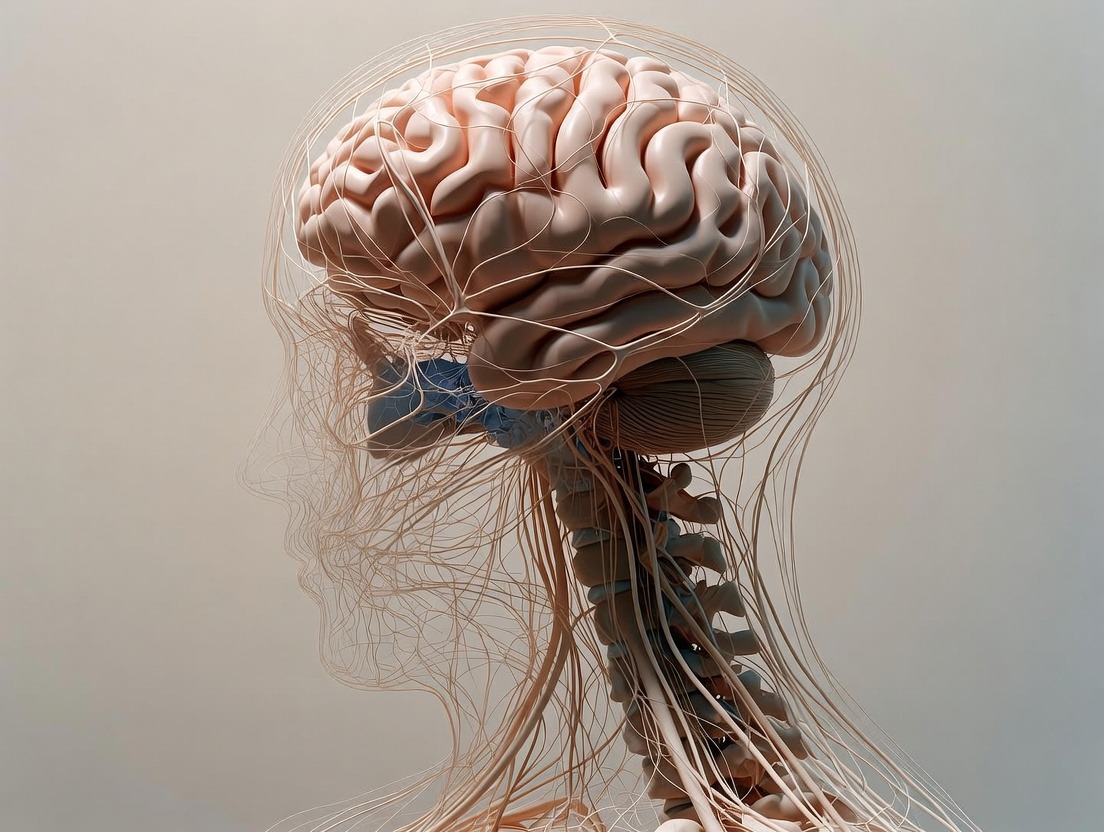
Body Awareness Basics: The Foundation of Self-Care
Body awareness as the essential foundation of self-care.
Body Awareness Basics: The Foundation of Self-Care
You’ve tried the meditation apps. You’ve journaled, you’ve exercised, you’ve decluttered your space. Yet, a fundamental disconnect persists—a low-grade static between what you think you should feel and what you actually do feel. You push through fatigue until you crash. You ignore a tense jaw for weeks until a headache forces you to notice. You eat when you’re stressed, not hungry. This isn't a failure of willpower; it’s a crisis of attention.
Welcome to the most overlooked, underrated, yet utterly transformative pillar of modern wellness: Body Awareness. This isn't just "listening to your body"—a phrase so overused it’s lost all meaning. It is the disciplined, compassionate practice of learning your body’s unique language: its rhythms, its whispers, its alarms, and its stories. It is the real-time data stream of your existence, and until you learn to decode it, all other self-care is just a shot in the dark.
In a world obsessed with optimizing external metrics—steps, calories, hours slept—we’ve forgotten the internal dashboard. Body awareness is that dashboard. It’s the foundational skill that tells you why you’re exhausted despite eight hours in bed (hint: it’s likely about sleep quality, not just quantity). It’s the early warning system that detects rising stress before it becomes burnout. It’s the quiet intelligence that guides you to move, rest, eat, and breathe in alignment with your genuine needs, not a generic wellness blueprint.
This is the beginning of a master guide to rebuilding that connection from the ground up. We’re moving beyond theory into actionable, measurable practice. And in this data-driven age, we have powerful allies. The emergence of discrete, wearable technology like smart rings is giving us an unprecedented objective mirror to our subjective experience, closing the feedback loop between what we feel and what is physiologically true. This is where ancient wisdom meets modern science to create a sustainable practice of self-care that actually works.
Let’s begin.
What is Body Awareness? (And Why You’ve Probably Lost It)
Body awareness, scientifically known as interoception, is your nervous system's ability to sense, interpret, and integrate the signals originating from within your own body. It’s the felt sense of your heartbeat, the subtle tension in your shoulders, the gnawing sensation of true hunger versus emotional emptiness, the rising heat of anger, or the gentle dip in energy signaling an approaching need for rest.
Think of it as your internal GPS. Without it, you’re navigating the complex terrain of your health, emotions, and daily performance without a map. You get lost in cycles of reaction instead of responding with choice.
The Modern Disconnect: How We Lost the Signal
We are evolutionarily wired for body awareness—it was essential for survival. But modern life is a masterclass in overriding these signals.
The Cognitive Overload: We live in our heads, tethered to screens, processing abstract information for hours. This pulls our attention away from the physical self and into a disembodied state.
The Hustle Culture Poison: “Pushing through” is celebrated. Ignoring fatigue, hunger, pain, and stress is framed as resilience, when in reality it is a fast track to dysregulation and illness.
The Digital Buffer: We mediate almost every experience through a device, dulling our direct sensory engagement with the world and our internal reactions to it.
The “Quick Fix” Mentality: When a signal arises (discomfort, anxiety, low energy), we’ve been trained to silence it immediately (with a pill, a snack, a scroll) rather than listen to its message.
This disconnect has tangible costs. Poor interoception is linked to anxiety, depression, eating disorders, chronic pain, and a generalized feeling of being “out of touch” with oneself. You cannot care for something you do not notice.
The First Step Back: Cultivating Neutral Curiosity
The journey back begins not with judgment, but with curiosity. The goal isn’t to immediately “fix” every sensation, but to simply acknowledge it. “Ah, my stomach is in knots.” “Notice how my breath is shallow right now.” “My jaw feels tight.” This non-judgmental noticing is the bedrock of all body awareness practice. It’s the moment you switch from being on autopilot to becoming the conscious observer of your own experience. From this place of awareness, intelligent self-care can finally begin.
The Mind-Body Feedback Loop: You Can’t Manage What You Can’t Measure
Body awareness is the cornerstone of the most critical feedback loop in your wellbeing: the Mind-Body Connection. This isn’t mystical; it’s physiological. Every thought and emotion has a bodily correlate—a clench, a flush, a shift in breath or heart rate. Conversely, every bodily state—fatigue, inflammation, poor recovery—directly influences your mood, focus, and mental resilience.
Ignoring this loop is like trying to drive a car while covering the dashboard. You might be fine for a while, but you’ll miss the warning lights until the engine seizes.
The Subjective-Objective Gap: Bridging the "Feel" with the "Real"
A major hurdle in developing body awareness is what psychologists call the subjective-objective gap. You might feel like you slept poorly, but was it anxiety, or did you indeed get minimal deep sleep? You might feel stressed, but is your heart rate variability (HRV) actually showing a depressed state, or is it just a passing mood?
This is where the art of awareness meets the science of data. Quantified self-awareness—using technology to gain objective insight into your physiology—is a revolutionary tool for closing this gap. A device like a smart ring, which tracks metrics like sleep stages, resting heart rate, HRV, and body temperature, provides an unbiased report card of your nervous system's state.
For instance, you might subjectively rate your sleep as a "6 out of 10." But the objective data might reveal you had excellent sleep architecture with ample REM and deep sleep—suggesting your morning grogginess is more about hydration or a slow cortisol wake-up. Or conversely, you might think you slept "okay," but the data shows severely fragmented sleep and a high resting heart rate, confirming a poor recovery night and explaining your day-long irritability. Understanding this objective truth is key, which is why learning how to measure sleep quality without a sleep lab is a game-changer for modern self-care.
This data doesn't replace your feelings; it informs them. It validates your intuition (“I knew I wasn’t recovering well”) or provides a compassionate counter-narrative (“My body is more stressed than I realized, I need to ease up”). It turns vague unease into actionable insight.
Building a Feedback Loop That Works
Notice Subjectively: Check in. “How do I feel right now? What sensations are present?”
Consult Objectively: Review relevant, trusted data from a consistent source (e.g., your previous night’s sleep score and HRV).
Interpret Integratively: Cross-reference the two. “I feel anxious, and my data shows my HRV was low last night. The connection makes sense. My body is in a stressed state.”
Act Wisely: Make a choice based on this integrated picture. Instead of just pushing coffee, you might choose a 10-minute breathing exercise to regulate your nervous system, knowing your body needs recovery, not stimulation.
This闭环 (closed loop) of awareness and action is where true, personalized self-care is born.
The Foundational Practices: Tuning Into Your Body’s Language
Developing body awareness is a skill, and like any skill, it requires practice. Start small, be consistent, and approach with kindness. The goal is not to achieve a perfectly silent body, but to become a fluent interpreter of its ever-changing dialogue.
Practice 1: The 3-Point Body Scan (Your 60-Second Reset)
This is your most accessible tool. You can do it anywhere—at your desk, in line, before a meeting.
Feet & Legs: Bring your attention to the soles of your feet. Feel their contact with the floor or inside your shoes. Notice any sensations—warmth, pressure, tingling. Gently move your awareness up through your ankles, calves, and thighs. Just notice.
Core & Back: Shift attention to your abdomen and lower back. Is there holding, tightness, softness? Notice the natural rhythm of your breath here. Don’t change it, just follow it.
Shoulders, Neck & Head: Move to your shoulders. Are they creeping toward your ears? Feel the weight of your arms. Travel up your neck to your jaw, your face, your forehead. Notice expression, tension, or temperature.
This isn’t about relaxation (though that may happen). It’s about registration. You are taking a census of the current state of your kingdom. Do this 3-5 times a day to dramatically increase your somatic attention.
Practice 2: Breath as an Anchor
Your breath is the most direct dial you have to your nervous system. It’s both an indicator of your state (shallow = stressed) and a tool to change it (deep = calm).
The Noticing Breath: For one minute, simply observe your breath. Where do you feel it most? In your nostrils? The rise of your chest? The expansion of your belly? Is it smooth or jagged? Again, no judgment, just curiosity.
The Regulating Breath: If you wish to shift state, try 4-7-8 breathing: Inhale softly through your nose for a count of 4, hold for 7, exhale slowly through your mouth for 8. Repeat 4 times. This actively stimulates your parasympathetic (rest-and-digest) nervous system.
Practice 3: Sensation Labeling
When a strong sensation arises—a pang of anxiety, a flare of anger, a wave of fatigue—instead of getting swept away by the story (“I’m so stressed about this project!”), drop into the body. Ask: “Where do I feel this in my body? What is the actual sensation?”
Story: “I’m overwhelmed.”
Sensation: “There’s a tight, hot ball in my stomach, and my shoulders are rigid.” This simple act of labeling the physical sensation creates critical space between you and the emotion. You are not the tight ball; you are the awareness observing it. This reduces its intensity and gives you back choice.
These practices build the neural pathways for interoception. They are the daily drills that prepare you to use body awareness in the high-stakes areas of your life, starting with the most foundational: sleep.
Sleep: The Ultimate Body Awareness Litmus Test
If you want a brutally honest, non-negotiable report on your body’s true state, look no further than your sleep. Sleep is not a passive shutdown; it is an active, essential physiological process where recovery, repair, memory consolidation, and metabolic regulation occur. The quality of this process is everything.
You can be in bed for nine hours and wake up feeling wrecked. Or you can sleep for six and feel refreshed. The difference is sleep quality. This is why understanding what sleep quality is and why it matters more than hours is a pivotal piece of body awareness literacy.
Listening to Your Sleep: Subjective vs. Objective Quality
Your subjective morning feeling is a vital data point. Do you wake up feeling restored, or with brain fog and physical heaviness? This "felt sense" is your first clue.
But body awareness seeks to deepen this clue with understanding. Objective sleep quality is measured by architecture:
Deep Sleep (N3): The physical restorative phase. Crucial for tissue repair, immune function, and growth hormone release.
REM Sleep: The mental and emotional restorative phase. Essential for memory processing, learning, and emotional regulation.
Sleep Continuity: How fragmented or consolidated your sleep is. Frequent awakenings (even if you don’t remember them) destroy restorative quality.
Timing & Regularity: Going to bed and waking at consistent times stabilizes your circadian rhythm, the master clock governing all bodily systems.
When your subjective feeling (“I’m exhausted”) aligns with objective data (“You had 10% deep sleep and 22 awakenings”), you have a powerful, validated insight. You’re not “just tired”; your body is showing a clear deficit in physical restoration. This awareness directs your action: you might prioritize stress reduction, evening routines, or evaluating the factors that destroy sleep quality that you’ve been ignoring.
The Pre-Sleep Scan: A Practice for Better Sleep Awareness
Turn your body awareness inward before you expect to sleep. 30-60 minutes before bed:
Turn off screens. Dim the lights.
Perform a slow, thorough body scan (as described above).
As you notice areas of tension, consciously soften them. Breathe into them.
Notice your mental state without engaging. Let thoughts pass like clouds.
Ask: “What does my body need to feel safe and ready for rest?” It might be a cooler room, a glass of water, or simply five more minutes of quiet breathing.
This practice signals to your nervous system that it’s time to shift from doing (sympathetic) to being (parasympathetic). It moves you from thinking about sleep to embodying rest. The result is often not just falling asleep faster, but sleeping more soundly, making you more likely to see those morning signs of good sleep quality—like feeling alert and emotionally stable.
Stress & Recovery: Decoding Your Nervous System’s Dialect
Stress is not the enemy. It is a fundamental, life-saving physiological response. The problem in modern life is not stress itself, but a lack of recovery. We live in a state of chronic, low-grade “fight-or-flight” (sympathetic arousal) without sufficient counterbalancing doses of “rest-and-digest” (parasympathetic activity). Body awareness is your tool for detecting both sides of this equation.
Feeling Stress: Beyond "I'm Stressed"
When you say “I’m stressed,” what do you actually mean in your body? Body awareness asks you to get specific. Common somatic signatures of stress include:
Cardiovascular: Heart palpitations, a feeling of pressure in the chest.
Respiratory: Shallow, rapid breath held high in the chest.
Digestive: Stomach “knotting,” loss of appetite, or nervous hunger.
Thermal: Flushed face, cold hands and feet.
Simply naming these sensations—“My jaw is tight and my hands are cold”—already begins to discharge some of the tension. It brings the vague, overwhelming feeling of “stress” into the manageable realm of physical sensation.
The Golden Metric: Heart Rate Variability (HRV) as Your Recovery Compass
While you can subjectively feel stress, recovery is often silent and harder to detect. This is where a metric like Heart Rate Variability (HRV) becomes an indispensable awareness amplifier.
HRV is not your heart rate. It is the subtle variation in time between each heartbeat. A higher HRV (more variability) generally indicates a healthy, resilient, and recovered nervous system with strong parasympathetic tone. It means your body can adapt fluidly to challenges. A lower, less variable HRV suggests your system is under strain, fatigued, or stuck in a sympathetic-dominant state.
Think of HRV as your body’s “readiness to perform” score. It’s an objective whisper from your autonomic nervous system saying, “I’m strong and resilient today,” or “Proceed with caution; I’m still repairing.”
Integrating the Signals for Intelligent Action
Let’s apply the feedback loop:
Scenario: You wake up after 7 hours of sleep. Subjectively, you feel “fine, a bit dull.” You check your wellness data and see your HRV has dropped 15% below your baseline, and your resting heart rate is elevated.
Awareness Integration: Your body is objectively in a state of lower recovery. The subjective feeling of “dullness” is now contextualized. It’s not a character flaw; it’s a physiological state.
Intelligent Action: Instead of forcing a high-intensity workout (which would add strain), you might choose a gentle yoga flow, a walk in nature, or ensure you have a truly restful evening. You are using awareness to meet your body where it is, not where your schedule wishes it were.
This is the essence of body-aware self-care: using internal and external data to guide your choices toward true support and sustainable performance, preventing the burnout cycle before it takes hold.
Movement & Posture: Reclaiming Your Physical Presence
Movement is the language of the body. Every walk, stretch, slump, and sprint is a sentence spoken by your musculoskeletal system. Body awareness in movement is about consciously engaging in this dialogue—moving with intention rather than habit, and understanding what your posture is communicating to your brain (and the world).
From Autopilot to Agency: The Sensation of Movement
Most daily movement is unconscious. You walk to the kitchen, sit at your desk, pick up a bag. Body awareness invites you to bring a sliver of consciousness to these micro-movements.
Walking: Instead of being lost in thought, feel the heel strike, roll through the foot, push off with the toes. Notice the swing of your arms, the rotation in your torso. Is it fluid or stiff?
Sitting: Perform a quick posture scan. Are your feet flat? Is your spine stacked, or are you collapsed into your lower back? Are your shoulders rounded forward? Notice the physical sensations associated with “good” posture (often a sense of lightness, openness) versus “poor” posture (compression, strain).
This practice turns mundane activity into a rich source of sensory information and subtle realignment.
Listening to Pain & Discomfort: Navigation, Not Noise
Pain is the body’s most urgent signal. Body awareness teaches you to interrogate pain, not just silence it. The next time you feel an ache or twinge, ask:
Location & Quality: Where exactly is it? Is it sharp, dull, throbbing, burning?
Context: What was I doing before this started? What movement makes it better or worse?
The Message: What might this be protecting? (e.g., a tight hamstring may be protecting an unstable lower back).
This doesn’t mean ignoring medical advice. It means becoming a better reporter for your healthcare provider and developing the intuition to know when to modify activity, when to rest, and when to seek help. It helps you distinguish between the “good hurt” of muscular fatigue and the “bad hurt” of potential injury.
The Power of Micro-Breaks: Resetting Your Kinetic Chain
The most practical application of movement awareness for modern life is the micro-break. Set a timer for every 30-45 minutes while sitting.
Stand up.
Take three deep, full breaths.
Perform three conscious movements: a gentle neck roll, a shoulder squeeze, and a standing forward fold (bending at the hips, knees soft).
Notice how your body feels before and after.
These breaks are not a distraction from productivity; they are an investment in sustained physical and mental function. They prevent the cumulative strain of static postures and literally reset your nervous system through breath and movement. This practice of frequent, mindful resets is a cornerstone of maintaining energy and preventing the chronic tension that leads to pain.
Nutrition & Digestion: The Gut as Your Second Brain
The phrase “gut feeling” is more than a metaphor. Your digestive system is lined with millions of neurons—the enteric nervous system—often called the “second brain.” It is in constant, bidirectional communication with your actual brain via the vagus nerve. Body awareness extends powerfully into this realm, helping you distinguish between true physiological hunger, emotional cravings, and the subtle signals of digestive harmony or distress.
Hunger vs. Craving: Learning the Dialect
A core skill of nutritional body awareness is differentiating these two states:
Physiological Hunger: Comes on gradually. Can be satisfied with a variety of foods. Accompanied by physical sensations like stomach gurgling, a slight dip in energy, or light-headedness. You feel it in your abdomen.
Emotional Craving: Comes on suddenly and urgently. Is often specific (e.g., “I need chips right now”). Is tied to an emotion (boredom, stress, sadness) or a situation (watching TV). You feel it more in your head and mouth than your stomach.
The Practice: When you feel the impulse to eat, pause. Place a hand on your belly. Ask: “Am I physically hungry?” Rate the physical sensations on a scale of 1-10. If it’s below a 3-4, it’s likely a craving. Simply by creating this pause, you reclaim choice.
Listening to Your Digestive Symphony
How you feel after eating is as important as your choice before eating. This is about becoming a mindful observer of your body’s responses.
Energy: Does this meal give you sustained energy, or does it lead to a crash 60 minutes later?
Digestive Comfort: Do you feel light and comfortable, or bloated, gassy, or overly full?
Mood & Focus: Does your mind feel clear, or foggy and irritable?
Start a simple mental (or physical) log. Notice patterns. “Every time I eat a heavy pasta lunch, I fight sleep at 3 PM.” Or, “When I have a protein-rich breakfast, my morning focus is rock solid.” This isn’t about restrictive diets; it’s about empirical eating—using your own body’s feedback to discover what truly fuels you best. You might discover, for example, that late-night eating significantly disrupts your sleep quality, as explained in the science of the sleep quality formula.
The Mindful Meal: A Practice in Embodied Eating
Try this once a day:
Before Eating: Take two breaths. Look at your food. Acknowledge it.
First Bites: Eat the first three bites with complete attention. Notice the taste, texture, temperature, and smell.
Check Mid-Meal: Halfway through, put your utensil down. Check in with your stomach. How full are you becoming?
Finish with Awareness: Stop when you are satisfied, not stuffed. Notice the feeling of contentment versus discomfort.
This practice slows you down, improves digestion (which starts in the brain with the cephalic phase), and strengthens the brain-gut connection, making you more attuned to your true nutritional needs. It transforms eating from a task into a nourishing, body-aware ritual.
Emotional Fluency: How Emotions Manifest in the Body
Emotions are not just abstract experiences in the mind; they are full-body events. Every emotion you feel has a distinct physiological fingerprint—a pattern of sensation, muscle activation, breath, and heart rhythm. Body awareness is the key to mapping this fingerprint, allowing you to process emotions somatically rather than being overwhelmed by them cognitively.
The Somatic Signature: Mapping Your Emotions
Begin to create your own catalog of emotional sensations. Here are common examples:
Anxiety: Often feels like a fluttering or tightness in the chest/abdomen, shallow breath, tension in the neck/shoulders, restlessness in the limbs.
Anger: Can manifest as heat in the face/chest, clenched jaw/fists, a sensation of pressure or “boiling,” a rigid posture.
Sadness: May feel like a heaviness in the chest or limbs, a hollow feeling in the gut, drooping posture, a tightness in the throat, fatigue.
Joy/Excitement: Often presents as lightness in the chest, a feeling of expansion, easy, full breath, energy in the limbs, a smile that comes naturally.
The next time a strong emotion arises, drop the story (“Why is this happening to me?”) and go straight to sensation (“What is happening in me?”). This shift is profoundly grounding.
The Practice of “Sitting With” Sensations
The goal is not to immediately resolve or chase away uncomfortable emotional sensations. The practice is to build tolerance for them by feeling them fully as pure physical phenomena.
Locate: Where in your body is the core sensation? Put your gentle attention there.
Describe: What are its qualities? Size, shape, temperature, texture, movement? (e.g., “It’s a hot, tight ball the size of a grapefruit in my stomach.”)
Breathe: Soften your breath and imagine breathing into and around the sensation. You are not trying to dissolve it, just be with it.
Allow: Let it be there without needing it to change. This is an act of self-compassion. It says, “This sensation is allowed to exist.”
Paradoxically, this mindful acceptance often allows the sensation to shift, move, and dissipate on its own, more effectively than mental analysis or suppression ever could. It is through the body that we release emotion.
De-escalating Through the Body
When emotions run high, you can use body awareness to down-regulate your nervous system:
For Anxiety (Over-activation): Use grounding. Feel your feet firmly on the floor. Press your palms together. Name 5 things you can see. This brings you into the present physical reality.
For Sadness/Heaviness (Under-activation): Use gentle activation. Take three slightly more vigorous breaths. Gently tap your collarbones or the sides of your arms. Stand up and stretch toward the sky. This adds gentle energy to a low-energy state.
By working directly with the body’s expression of emotion, you become the skilled navigator of your inner world, not its overwhelmed passenger. This fluency is critical, as unresolved emotional stress is a primary driver of poor physical recovery, often showing up tangibly in the hidden link between sleep quality and mental health.
Energy & Focus: Tapping Into Your Natural Rhythms
You are not a machine with a constant power supply. You are a biological organism governed by natural rhythms—most importantly, your circadian rhythm. This 24-hour internal clock regulates your energy, hormones, body temperature, and alertness. Body awareness is the practice of syncing your life with these rhythms, not fighting against them.
Recognizing Your Personal Energy Signature
For one week, practice checking in with your energy and focus levels at different times of day. Use a simple 1-10 scale.
Morning (7-9 AM): Do you feel alert and focused, or slow and foggy?
Mid-Morning (10-12 PM): Is this a peak productivity window?
Afternoon (1-4 PM): Do you experience the classic “post-lunch dip”? How severe is it?
Evening (6-9 PM): Are you winding down, or do you get a “second wind”?
Plotting this creates your ultradian rhythm map (the 90-120 minute cycles of alertness and fatigue within the day). You’ll likely discover your own unique pattern of peaks and troughs.
Aligning Tasks with Your Biology
Once you know your pattern, you can work with it, radically improving efficiency and reducing effort.
Peak Energy & Focus (High Physiology): Schedule your most demanding cognitive work—writing, strategizing, complex problem-solving.
Moderate Energy (Medium Physiology): Use for meetings, communication, administrative tasks, and creative brainstorming.
Low Energy Troughs (Low Physiology): This is recovery time, not failure. Use these periods for rest, walking, routine tasks, or a proper break. Pushing through a trough guarantees burnout and poor-quality work.
This is the opposite of time management; it’s energy management. It respects that your cognitive capacity is a finite resource that fluctuates, and it allocates that resource intelligently based on internal awareness.
The Strategic Recharge: Beyond Caffeine
When you hit a trough, the cultural reflex is caffeine. But body awareness offers more sustainable tools that actually address the physiological need.
The 5-Minute Movement Recharge: Stand, stretch, walk stairs. This increases blood flow and oxygen to the brain.
The Breath Recharge: 2 minutes of deep, diaphragmatic breathing. This oxygenates and shifts nervous system state.
The Sensory Recharge: Look out a window at distance, listen to a piece of music, step outside. This provides a cognitive reset.
The Micro-Nap Recharge: A 10-20 minute nap (or even lying down with eyes closed) can dramatically restore alertness, as discussed in strategies for improving sleep quality quickly.
Using these awareness-based resets prevents the cycle of caffeine and cortisol spikes that ultimately degrade sleep quality and create dependency. You are managing energy from the source—your body’s own rhythms—not just treating the symptom of fatigue.
The Role of Technology: Smart Rings as Awareness Amplifiers
In the quest for body awareness, we face a paradox: our disembodied technology is often the cause of our disconnection, yet new forms of technology can also be the bridge back. The key is intentionality. Enter the smart ring: a discreet, continuous, and powerful tool designed not to distract you, but to reflect you.
From External Tracking to Internal Connection
Fitness trackers of the past often promoted an external, gamified relationship with health (hit the steps, close the rings). The next generation, led by advanced smart rings, is designed for internal awareness. Worn on the finger—a location rich in capillaries, providing strong, consistent physiological signals—these devices act as a 24/7 biofeedback sensor.
Core Metrics of Awareness:
Heart Rate Variability (HRV): Your daily readiness and recovery score, as discussed.
Resting Heart Rate (RHR): A baseline indicator of cardiovascular fitness and stress load.
Sleep Staging & Score: An objective breakdown of your sleep architecture and quality.
Skin Temperature Trends: Can indicate onset of illness, menstrual cycle phases, or poor sleep due to overheating.
Activity & Calorie Expenditure: Context for your energy balance.
This data, presented in a clean dashboard, becomes your externalized interoceptive cortex. It gives you a visual, tangible readout of internal states you are learning to feel.
Closing the Loop: How Data Informs Practice
This is where technology transcends “tracking” and becomes a true awareness amplifier. Let’s walk through a scenario:
You Notice: You feel irritable and scattered all morning. You do a body scan and notice shallow breath and shoulder tension. Subjectively, you’re “stressed.”
You Check Data: You open your companion app and see your Sleep Score is a 72/100 (usually it's in the high 80s). Drilling down, you see your deep sleep was 30% below your average, and your HRV dipped sharply last night.
You Integrate: The data validates and clarifies your feeling. It wasn’t “just a bad mood.” Your body had a poor recovery night. The irritability is a symptom of a dysregulated nervous system.
You Act with Precision: Instead of just “trying to relax,” you make targeted choices. You prioritize a light lunch, take a 15-minute walk in daylight (to regulate cortisol), and schedule an early bedtime with a strict wind-down routine, avoiding the common factors that destroy sleep quality. You might even use the ring’s vibration to cue a bedtime reminder.
The ring provides the “why” behind the “what.” It moves you from guessing to knowing, from generic advice to personalized protocol. It demystifies your own body. For those curious about the mechanics, we delve deeper into how smart rings measure sleep quality more accurately than other consumer wearables.
The Ethical Use of Tech for Awareness
The goal is informed intuition, not data obsession. Use the technology as a teacher:
Look for Trends, Not Daily Obsession: Weekly and monthly trends are far more meaningful than day-to-day fluctuations.
Let Data Confirm or Challenge Feelings: It’s a conversation starter between your conscious mind and your autonomic nervous system.
Use it to Design Experiments: “If I stop caffeine after 2 PM this week, how does it affect my sleep depth and morning HRV?” This turns self-care into a personal science.
Used wisely, a smart ring is the ultimate tool for the modern practitioner of body awareness, providing the objective feedback necessary to master the subjective art of self-care.
The Sustainable Practice: Weaving Body Awareness into the Fabric of Your Day
Mastering body awareness isn't about adding another major "practice" to your already full to-do list. It's about the subtle art of integration—weaving threads of conscious attention into the existing fabric of your daily life. The goal is to make it so seamless that it becomes less of a practice and more of a presence, the default mode from which you operate.
The Principle of Micro-Moments
The belief that you need 30-minute meditation blocks to cultivate awareness is a major barrier. The truth is far more accessible: awareness is built in seconds. It's the cumulative power of micro-moments of attention.
The Pause Before a Meeting: Instead of rushing in, take three breaths at the door. Feel your feet. Notice your internal state.
At the Red Light: Release your grip on the steering wheel. Drop your shoulders. Check your jaw.
Waiting for the Kettle: Stand in stillness. Listen to the sound of the water heating. Feel the anticipation.
Before Sending an Email: Take one full breath. Scan for any reactive tension. Send from a more centered place.
These are not breaks from your life; they are the very moments of your life, reclaimed. They are the repetitions that build the muscle of interoception, turning sporadic effort into embodied habit.
Environmental Cues and "Awareness Anchors"
Link your awareness practice to existing environmental cues—a concept known as "habit stacking." This builds a reliable, automatic trigger.
"Every time I sit down at my desk, I first adjust my posture and take one conscious breath."
"When my phone rings, I feel the sensation of my breath before I answer."
"As I walk through a specific doorway (e.g., to my home), I drop the day's accumulated tension and arrive fully."
You can also use technology wisely. Set gentle, non-disruptive chimes on your phone or smartwatch not as a demand, but as an invitation to check in. The vibration from a smart ring can serve as a perfect, private nudge to assess your breathing or posture, transforming a notification from a source of stress into a tool for centering.
The Weekly Awareness Audit
Once a week, spend 10 minutes in reflection. This isn't about judgment; it's about pattern recognition. You can do this in a journal or mentally.
Energy & Recovery: Review your wellness data trends. What did your average HRV and sleep scores tell you about your overall recovery this week?
Emotional Weather: What were the dominant emotional sensations? Did any particular event trigger a strong somatic response (e.g., tight chest, headache)?
Alignment: Where did your actions feel most in sync with your body's signals? Where was there the biggest disconnect?
One Small Experiment: Based on this, choose one tiny, non-negotiable adjustment for the coming week. For example: "My data shows my sleep is lightest after 10 PM. This week, I will be in bed by 9:45 PM to read, no screens." Or, "I noticed tension headaches every afternoon. I will set a timer to do three neck stretches at 3 PM daily."
This audit closes the feedback loop, ensuring your growing awareness continuously informs and refines your self-care, making it a living, adaptive process.
The Awareness Spectrum: From Dullness to Hypervigilance (Finding Your Center)
Body awareness is not a destination of perfect, constant sensitivity. It is a spectrum. On one end is numbness or dissociation—the chronic disconnection we've discussed. On the far other end lies hypervigilance—an anxious, obsessive fixation on every twinge, heartbeat, and sensation, often leading to health anxiety. The sweet spot—the aim of all this practice—is the balanced middle: calm, curious attunement.
Recognizing Hypervigilance: When Awareness Becomes Anxiety
For some, especially those with a history of anxiety, trauma, or chronic health issues, the initial steps into body awareness can tip into over-monitoring. Signs include:
Catastrophizing Sensations: Interpreting a normal stomach gurgle as a serious illness, or a missed heartbeat as an impending heart attack.
Compulsive Checking: Constantly taking your pulse, examining yourself, or checking device data with fear.
Life Constriction: Avoiding activities or foods out of disproportionate fear they will cause a bodily reaction.
Increased, Not Decreased, Distress: The practice of noticing makes you feel more anxious and out of control, not more grounded.
If this resonates, it's crucial to approach awareness with extra gentleness and, ideally, with the support of a therapist. The goal here is not to amplify fear, but to build tolerance for sensation.
Guidance for Finding Balance
Start Externally, Move Inward: If internal focus is triggering, begin with external awareness. Practice the "5-4-3-2-1" grounding technique: Name 5 things you see, 4 things you can touch, 3 things you hear, 2 things you smell, and 1 thing you taste. This safely anchors you in the present.
Use Broad Strokes, Not Fine Detail: Instead of zooming in on a specific, scary sensation, widen your focus. Feel the whole outline of your body against the chair. Sense the overall "weather" inside you—is it "stormy," "calm," "chilly"? This broad-field awareness is less likely to trigger panic.
Partner Sensation with Safety: When you notice a concerning sensation, pair it with a deliberate action of safety. Place a hand on your heart and say, "This sensation is uncomfortable, but I am safe right now." Feel your feet on the ground. This begins to re-associate bodily sensation with security, not threat.
Limit Data, Not Insight: If constantly checking your smart ring data causes anxiety, set specific, limited times to review it (e.g., once in the morning). Focus on trends over weeks, not minute-by-minute fluctuations. Remember, the data is a servant to your wellbeing, not its master.
True, balanced body awareness should feel like coming home to yourself—a sense of compassionate curiosity and empowered understanding. It should reduce anxiety about your health by giving you a framework to understand it, not amplify fear. This balanced center is where you can discern the real signals that need attention—like noticing that chronic hypervigilance and anxiety themselves are powerful disruptors of rest, deeply entangled in the hidden link between sleep quality and mental health.
The Social Body: Awareness in Connection and Communication
You do not exist in a vacuum. Your nervous system is constantly interacting with the nervous systems of those around you—a phenomenon known as co-regulation or dysregulation. Body awareness expands to include this social dimension, allowing you to navigate relationships with more grace, set healthier boundaries, and communicate with authenticity.
Sensing Your Boundaries: The Energetic Field
Boundaries aren't just verbal statements; they are first and foremost felt experiences in the body. Your body will tell you when a boundary is being crossed long before your mind articulates it.
Physical Cues of Boundary Softening/Invasion: A feeling of shrinking, nausea, tension in the gut, holding your breath, a desire to pull away physically.
Physical Cues of Healthy Boundaries: A sense of upright, relaxed presence, easy breath, a feeling of "enough space" around you.
Practice noticing how you feel in different social interactions. Do you feel energized or drained after talking to a certain person? Does your chest tighten when a particular topic is raised? These are somatic boundary markers. Honoring them might mean needing to take a break, change the subject, or end a conversation—all actions rooted in self-care, not rudeness.
The Body Language of Listening and Speaking
Body awareness transforms communication from a purely cognitive exchange to an embodied, connected process.
Aware Listening: When someone is speaking to you, notice your own body's impulse to interrupt. Feel it, and choose to stay quiet. Notice if you're holding tension trying to formulate your response instead of truly hearing them. Soften your gaze and your belly to receive their words.
Aware Speaking: Before you speak, do a micro-check-in. What is the intention behind your words? Are they coming from a clenched jaw (anger) or a sunken chest (insecurity)? Take a breath to center, then speak from a more integrated place. Notice how speaking your truth with alignment feels in your body—often like a release or an opening.
This level of awareness prevents reactive communication and fosters deeper, more authentic connection. It allows you to sense the unspoken subtext in a room, making you more empathetic and effective in both personal and professional settings.
Co-Regulation: Sharing Calm
When you are in a regulated, body-aware state (calm nervous system, grounded presence), you naturally help regulate those around you. This is the biological basis of comfort. A crying child settles against a calm parent's chest. An anxious friend feels soothed in your presence.
Practice: In a tense situation, consciously relax your own shoulders and deepen your breath. Your state can, subtly and non-verbally, begin to shift the dynamic of the entire interaction. You cannot control others, but by mastering your own internal state, you become a stabilizing force.
This social body awareness completes the circle. It moves self-care from a solitary act to a relational skill, improving not just your own wellbeing, but the quality of your entire ecosystem.
Beyond the Basics: Awareness as a Path to Intuition and Flow
As you deepen your body awareness practice, something subtle begins to shift. The constant chatter of the analytical mind starts to quiet, and a different kind of intelligence—older, wiser, and more somatic—begins to guide you. This is the cultivation of embodied intuition and the gateway to states of flow.
Intuition: The Wisdom of the Body
Intuition is not magical thinking. It is your brain processing vast amounts of subliminal data—micro-expressions, environmental patterns, past experiences—and delivering a conclusion not as a logical argument, but as a felt sense in the body. It's the "gut feeling."
The Somatic Signature of Intuition: Often described as a sense of "knowing," expansion, lightness, or a "rightness" that resonates in the chest or gut. It's a "yes" that feels open and clear.
The Somatic Signature of Fear/Anxiety: Often feels constrictive, heavy, tight, or accompanied by frantic mental noise. It's a "no" that feels like a wall.
With refined body awareness, you learn to distinguish between the two. A business decision might look good on paper (logical mind), but create a knot in your stomach (intuitive body). A creative risk might seem scary (fear mind), but create a buzz of excitement in your chest (intuitive pull). Learning to trust the somatic signal, especially when it contradicts logic, is a superpower honed through consistent interoceptive practice.
The Body in Flow State
Flow state—that zone of effortless concentration, timelessness, and peak performance—is also a profoundly physical experience. You cannot think your way into flow; you must embody it.
Physical Precursors to Flow: A balance of relaxed alertness. The breath is full and easy. Posture is upright but not rigid. There is a sense of energized calm.
Body Awareness as the Gateway: To enter flow, you must first quiet the self-critical, judging mind. Focusing on the physical sensations of the task itself—the feeling of fingers on keys, the brush on canvas, the feet on the trail—is the most direct path to do this. You drop out of your head and into the sensory reality of the action.
Athletes and artists have known this for centuries. A musician doesn't think about each finger placement; they feel the music move through them. A rock climber doesn't overanalyze each hold; they become a seamless extension of the rock face. This is body awareness at its highest expression: the complete unity of awareness and action.
Practical Steps to Cultivate Flow Through Awareness
Choose a Challenging Skill: Something that stretches your abilities just beyond your comfort zone.
Set a Clear Goal: Immediate, achievable feedback is key (e.g., complete this paragraph, solve this problem, climb this route).
Eliminate Distractions: Create an environment that allows for deep immersion.
Drop into the Senses: At the first sign of mental chatter or frustration, redirect your attention to the most salient physical sensation of the task. The sound, the feel, the rhythm.
Trust and Let Go: Allow the embodied intelligence to take over. Your practiced skills, guided by somatic feedback, will carry you.
In this state, self-care transcends maintenance and becomes self-actualization. You are not just fixing deficits; you are expressing your fullest potential, guided by the deep, quiet wisdom of the aware body.
Troubleshooting Common Roadblocks: When Awareness Feels Elusive
Even with the best intentions, you will hit plateaus and obstacles. This is not failure; it's feedback. Here’s how to navigate some of the most common roadblocks on the path to embodied awareness.
Roadblock 1: "I Don't Feel Anything."
This is incredibly common when starting. Decades of disconnection can make the initial inner landscape seem silent or blank.
Solution: Go Gross, Not Subtle. Start with obvious, unambiguous sensations. Press your palms together firmly. Feel the pressure and warmth. Jump up and down a few times. Feel the impact in your feet and legs. Take a cold sip of water. Feel the temperature trail down your throat. You are feeling; you just need to start with bold, undeniable signals to wake up the sensory pathways.
Roadblock 2: "I Keep Forgetting to Practice."
You’re not failing at awareness; you’re succeeding at noticing how often you forget! This is the practice.
Solution: Reduce Friction and Use Triggers. Don't rely on memory. Tie your practice to an existing habit (habit stacking) as outlined earlier. Set one gentle, compassionate daily alarm labeled "Check In." Place a sticky note on your monitor with a simple reminder: "Belly. Breath." The goal is to make the cue impossible to miss and the action too simple to skip.
Roadblock 3: "It Feels Like a Chore / I'm Not Seeing Benefits."
If it feels like a burden, you're likely approaching it with a goal-oriented, striving mindset, which is the opposite of receptive awareness.
Solution: Redefine "Benefit." The benefit is the noticing itself, not an outcome. The moment you notice you're stressed is a win, even if you're still stressed. The moment you catch your poor posture is a success, even if you slouch again in two minutes. Celebrate the awakening of attention, not the resolution of the thing you noticed. Look for micro-shifts: a slightly quicker recognition of hunger, a one-second pause before a reactive comment. These are the real victories.
Roadblock 4: "Pain/Sensations Are Overwhelming."
For those with chronic pain or a history of trauma, turning inward can feel like opening a floodgate.
Solution: Titrate and Pendulate. This is clinical language for gentle, controlled exposure.
Titration: "Drip" in the awareness. Instead of focusing on the epicenter of pain, feel the area just outside it. Or only focus on it for 10 seconds, then deliberately shift your attention to a neutral or pleasant part of the body (the hands, the feet).
Pendulation: Move your attention rhythmically between a resource (a safe, comfortable sensation) and the area of difficulty. 20 seconds on the resource, 5 seconds on the discomfort, back to the resource. This teaches your nervous system that it can touch the difficult sensation without being consumed by it, building resilience and safety.
Roadblock 5: "My Data is Confusing or Contradictory."
You feel great, but your HRV is low. You slept poorly, but your sleep score is high. This dissonance is a golden opportunity for deeper learning.
Solution: Context is King. Data never lies, but it never tells the whole story. Investigate context.
Lagging Indicators: HRV and some recovery metrics can reflect stress from 48 hours prior. Yesterday's great feeling might be the result of stress from two days ago that's only now showing up in your physiology.
External Factors: Are you getting sick? Did you drink alcohol (a known depressant of HRV and sleep quality, even if it induces unconsciousness)? Are you dehydrated?
Device Limitations: No consumer device is 100% perfect. Look for trends over isolated data points. If a contradiction persists, use it as a prompt to explore other metrics or even traditional methods. You can cross-reference your device's sleep score with your own subjective assessment using a sleep quality checklist to see where they align and diverge.
Navigating these roadblocks with patience is what solidifies the practice. It transforms body awareness from a fair-weather friend into a steadfast companion through all of life's complexities.
The Lifelong Journey: Awareness Through Life’s Seasons
Body awareness is not a project with an end date. It is a lifelong conversation that evolves as you do. Your body's language, needs, and capacities will change through different life stages, and your awareness must adapt with compassionate curiosity.
Awareness in Times of Stress and Illness
These are not failures of your practice; they are its most critical applications.
During Acute Stress: Awareness helps you name it to tame it. Identifying the somatic signature ("my chest is tight") allows you to deploy a targeted regulator (diaphragmatic breathing to release the chest). It prevents stress from becoming a vague, all-consuming monster and turns it into a manageable set of physical sensations to be addressed.
During Illness: The body speaks loudly. Awareness shifts from optimization to pure listening and compassion. Your job is not to "fix" but to "be with." Notice the sensations of fever, ache, or fatigue without resistance. This acceptance can reduce the secondary suffering of frustration and fear. Let data tracking go, or use it only to monitor basic recovery trends (like resting heart rate returning to baseline).
Awareness Through Aging and Changing Physiology
As hormones shift, metabolism changes, and recovery takes longer, the old rules may no longer apply. Body awareness is your guide to writing the new ones.
Listening to New Limits: What felt like a mild workout at 30 may require two days of recovery at 50. Awareness of soreness, energy lag, and HRV data becomes essential to avoid injury and burnout. It teaches you to honor rest not as laziness, but as a biological imperative.
Navigating Menopause/Andropause: The body undergoes profound changes—hot flashes, sleep disturbances, weight redistribution. Fighting these changes is exhausting. Awareness allows you to observe them with less judgment and adapt your routines, perhaps focusing even more intently on the sleep quality formula of temperature, light, and timing to manage symptoms.
The Changing Face of Sleep: Sleep architecture naturally changes with age, often becoming lighter and more fragmented. Panicking about this normal change creates more stress. Instead, use awareness and data to optimize within your new normal, exploring strategies discussed in our guide to sleep quality and aging.
The Ultimate Goal: From Practice to Embodied Way of Being
The final stage is when conscious practice fades into the background, and awareness becomes your default state of being. You don't "do" a body scan; you simply inhabit your body. Decisions are made from an integrated place of thought and feeling. You detect imbalances early and correct them almost automatically. Your relationship with your body is one of partnership and trust.
In this state, technology like a smart ring ceases to be a teacher and becomes more of a silent partner—a periodic check-in to confirm your embodied knowing. You’ve internalized the feedback loop. You have become the expert on you.
This journey of body awareness is the ultimate act of self-respect. It is the commitment to show up for yourself, in real-time, with curiosity and care. It turns self-care from a marketable concept into a lived, felt reality—the unshakable foundation upon which a resilient, vibrant, and authentic life is built.
The Science of Embodiment: Neuroplasticity and Rewiring Your Brain for Awareness
What we’ve described as a "practice" is, at its core, a process of neuroplasticity—the brain's remarkable ability to reorganize itself by forming new neural connections throughout life. When you consciously focus on internal sensations, you are not just having a momentary experience; you are literally strengthening the neural pathways responsible for interoception, building a faster, clearer communication highway between your body and your brain.
The Insula: Your Brain's Interoception Hub
Deep within the cerebral cortex lies a small but crucial region called the anterior insula. Neuroscientists refer to it as the brain's "interoceptive cortex." It is the primary receiver and processor of all the signals coming from your internal organs, muscles, and skin—your heartbeat, gut sensations, temperature, itch, and muscular tension.
In the Disconnected State: For someone with low body awareness, the neural pathways to the insula are like overgrown, seldom-used trails. The signals are faint, garbled, or ignored. The prefrontal cortex (the thinking, planning brain) operates with minimal input from the body, leading to decisions detached from physiological reality.
Through Consistent Practice: Every time you consciously tune into a bodily sensation, you fire and wire these neural pathways. You are sending a powerful signal: "This information is important!" The brain responds by thickening the neural connections, adding more myelin (the insulating sheath that makes signals travel faster), and making the insula more active and accessible.
This is why body awareness gets easier over time. You're not just "getting better at it" in an abstract sense; you are physically rewiring your brain to be more exquisitely attuned to the body's language.
The Vagus Nerve: The Information Superhighway
The vagus nerve is the longest cranial nerve, a meandering two-way street connecting your brain to your heart, lungs, digestive tract, and most major organs. It is the primary conduit for the mind-body conversation.
Afferent (Upward) Signals: 80-90% of the vagus nerve's fibers carry signals from the body to the brain. This is your body's constant reporting system.
Efferent (Downward) Signals: The remaining fibers carry signals from the brain to the body, helping to regulate heart rate, digestion, and the "rest-and-digest" response.
Body awareness practices, especially deep, diaphragmatic breathing, directly stimulate the vagus nerve. This stimulation sends a powerful "all is well" signal back to the brain, triggering a cascade of relaxation responses: lowering heart rate, reducing stress hormones, and enhancing digestion. This is the physiological mechanism behind the calm you feel after a few conscious breaths. You are not just "calming down"; you are actively engaging the most sophisticated peacekeeping system in your biology.
Data as a Neuroplasticity Accelerator
This is where quantified self-awareness technology acts as a powerful accelerant for neuroplastic change. The subjective-objective feedback loop we described is a potent learning system for the brain.
Sensation: You feel vaguely fatigued (subjective signal).
Data: Your smart ring shows a low sleep score and depressed HRV (objective validation).
Association: Your brain makes a stronger connection: "Ah, this specific internal feeling of heaviness and mental fog correlates with these objective metrics of poor recovery."
Reinforcement: Over time, as you see this pattern repeat, the neural link between the internal sensation and its physiological meaning becomes automatic and robust. Your interoceptive "resolution" increases. Instead of a vague "I'm tired," you learn to distinguish between the fatigue of poor sleep, the fatigue of dehydration, and the fatigue of emotional depletion.
This process transforms you from a passive recipient of confusing symptoms into an active interpreter of your body's nuanced dialect. It turns awareness into actionable intelligence.
Advanced Interoceptive Techniques: Deepening the Dialogue
With a foundational practice established, you can explore more nuanced methods to deepen your somatic literacy and access deeper states of regulation and insight.
Technique 1: Noticing the Space Around Sensations
Often, we focus intently on the epicenter of a sensation—the knot of anxiety, the throb of a headache. An advanced practice is to shift your awareness to the space surrounding the sensation.
How: If you feel a tight ball of stress in your stomach, don't laser in on the ball. Instead, feel the entire landscape of your abdomen. Feel the parts that are not tight. Feel the space above, below, and around the knot. Often, by softening your attention in this way, the intense core of the sensation itself begins to soften and dissolve, as if given more room to breathe. This practice builds tolerance and reduces the tendency to contract around pain or discomfort.
Technique 2: Tracking Sensation Movement
Sensations are rarely static. They ebb, flow, change shape, temperature, and intensity. This practice involves becoming a curious observer of this movement.
How: When an emotion arises, locate its primary sensation. Instead of labeling it ("anger") and stopping there, watch it as you would watch a cloud in the sky. Does the heat in your chest move upward? Does the tension in your shoulders seem to pulse or vibrate? Does it shift from a sharp pain to a dull ache? This detached observation reinforces that you are not the sensation; you are the awareness witnessing a temporary, changing phenomenon. It cultivates immense emotional agility.
Technique 3: Differentiating Sensation from Story
This is perhaps the most liberating advanced skill. The mind instantly creates a narrative around a sensation. A skipped heartbeat becomes "I'm having a heart attack." A tight deadline creates stomach tension, which the mind interprets as "I'm going to fail."
How: When you notice a strong sensation, immediately practice bracketing. Name the sensation in pure physical terms: "tingling in left arm," "heat in face," "pressure behind eyes." Then, consciously acknowledge the story separately: "The story my mind is telling about this is that it's dangerous." Separate the two. You can then choose to investigate if the story is true, or simply return to the raw physical data of the sensation itself. This breaks the cycle of catastrophic thinking that amplifies suffering.
Technique 4: Biofeedback Integration
Take your technology from a passive tracker to an active biofeedback tool.
The HRV Coherence Practice: Use your device's real-time HRV or heart rate tracking (if it has a breath pacer). Sit quietly, initiate the pacer, and follow its rhythm. Watch as your physiological data responds in real-time to your conscious breathing. See your heart rate slow and coherence increase as you breathe deeply. This provides instantaneous visual proof of your mind's power to regulate your body, deeply reinforcing the mind-body connection and making the abstract concept of "control" viscerally real.
Building Your Personal Body Awareness Protocol
A protocol is more structured than a general practice. It’s a personalized, time-based plan that ensures you are covering all the bases of self-awareness throughout your day and week. Think of it as your somatic hygiene routine.
The Daily Protocol (The Awareness Rhythm)
This weaves micro-practices into the natural arc of your day.
1. Morning Anchor (5-10 minutes upon waking)
Purpose: Set the tone of awareness for the day, check recovery status.
Practice:
Before you move: Lie in bed and take three breaths, feeling your body against the sheets.
Subjective Check: How do I feel? Rested? Heavy? Anxious? Energetic? (No judgment, just inventory).
Objective Check: Review last night's sleep score and HRV data from your device. Integrate: "I feel ___, and my data shows ___. This suggests my body needs ___ today."
Intention: Set one somatic intention for the day. "Today, I will notice when my jaw is tight and soften it."
2. Transitional Check-Ins (30 seconds, multiple times a day)
Purpose: To break autopilot and re-anchor in the present body during key transitions.
Practice: Use habit stacking. Before you:
Start your car/commute.
Eat a meal.
Begin a meeting.
Start a work session.
Step into your home.
Action: Pause. Feel your feet on the ground. Take one full, conscious breath. Scan for the dominant sensation. Then proceed.
3. The Strategic Recharge (2-5 minutes, during energy troughs)
Purpose: To manage energy proactively, not reactively with caffeine/sugar.
Practice: When you feel the mid-afternoon dip or a lull in focus, choose ONE somatic reset:
Movement: 2 minutes of stretching or walking.
Breath: 2 minutes of 4-7-8 breathing or coherent breathing.
Sensory: Step outside for 60 seconds of fresh air and natural light.
Hydration: Drink a full glass of water mindfully, feeling its temperature and path.
4. Evening Unwind (20-30 minutes before bed)
Purpose: Facilitate the transition from sympathetic to parasympathetic dominance for high-quality sleep.
Practice:
Digital Sunset: Turn off all screens.
Gentle Body Scan: A slow, forgiving scan from toes to head, simply noting sensations.
Gratitude in Sensation: Recall one pleasant physical sensation from the day (sun on your skin, a satisfying stretch, the warmth of a drink). Re-live it for a moment.
Environment Check: Adjust for optimal sleep—temperature, light, sound. This direct action on your environment is a key part of the sleep quality formula.
The Weekly Protocol (The Somatic Audit)
Somatic Sunday (or your chosen weekly review time):
Data Review (10 min): Look at your weekly trends in sleep, HRV, activity, and any other relevant metrics. Don't judge; look for patterns. "My HRV dips every Thursday." "My deepest sleep correlates with early dinners."
Subjective Review (10 min): Journal on prompts: What was the strongest emotion I felt this week? Where did I feel it? Where did I feel most in flow? Where did I feel most disconnected?
Integration & Experiment (5 min): Based on the above, design one tiny experiment for the coming week. "Since my data shows poor recovery on high-intensity days, I will replace one HIIT session with yoga this week." Or, "Because I noticed jaw tension while working, I will place a sticky note on my monitor that says 'Jaw?'"
This protocol ensures your awareness is proactive, structured, and directly linked to continuous refinement of your lifestyle.
Body Awareness for Specific Goals: Performance, Creativity, and Healing
With your foundational and advanced skills in place, you can now direct your body awareness like a laser toward specific life domains.
For Peak Performance (Athletic, Professional, Academic)
Performance is not about ignoring the body's limits, but about intelligently pushing against them with exquisite feedback. Awareness prevents injury and burnout and unlocks flow.
Pre-Performance Tuning: Instead of psyching yourself up with anxiety, use a somatic routine. 5 minutes of dynamic stretching with full attention on the muscles engaging. Breathwork to achieve a state of calm alertness (high power, low stress). A quick body scan to release unnecessary tension (face, hands, jaw).
In-Performance Feedback: During a run, race, presentation, or exam, periodically drop into sensory feedback. For an athlete: "What is my form? Is my breath efficient?" For a presenter: "Are my feet grounded? Is my voice coming from my diaphragm?" This keeps you in the present moment and in your body, away from the distracting noise of outcome-based thinking.
Post-Performance Recovery Analysis: This is critical. Use both subjective feeling (DOMS, energy) and objective data (HRV recovery, resting heart rate). Did that new training regimen improve or hinder recovery? How many days did it take for your HRV to bounce back after a major project deadline? This data-driven awareness allows for perfect personalization of your performance-recovery cycle.
For Creative Breakthroughs
Creativity doesn't live in the rational, linear mind. It emerges from the subconscious, often through the body.
Sensing Creative Blocks: A creative block often feels like a physical constriction—tightness in the head, a feeling of being "stuck," heaviness. Recognize it somatically.
Using the Body to Unblock: When stuck, stop thinking. Move. Go for a walk without a phone. Dance. Garden. Take a shower. Shift your physical state. Pay attention to any "inklings"—a slight pull of curiosity, a relaxing in the chest when you consider a new direction. These are somatic yeses. Follow them.
The Somatic "Yes" for Ideas: When you have a creative idea, check it in your body. Does it create a feeling of expansion, excitement, or resonance in your gut or heart? Or does it create contraction and dread? The body's response is often a more reliable guide to authentic, aligned creative work than the mind's over-analysis.
For Healing and Managing Chronic Conditions
For those with chronic pain, fatigue, anxiety, or digestive issues, body awareness is not a cure but a masterful management system. It shifts you from victim of symptoms to skilled navigator of your inner landscape.
Pain Mapping: Instead of a global "I hurt," use awareness to map the pain precisely. This alone can reduce suffering by making it specific and knowable.
Pacing and Energy Budgeting: Conditions like CFS or long COVID require radical listening. Use your energy as a literal bank account. Check your "balance" (subjective energy + HRV data) constantly. An activity that costs 10 "energy points" for a healthy person might cost you 50. Awareness helps you spend wisely to avoid the devastating "crash."
Reducing Symptom Amplification: A huge component of suffering is the fear of the sensation. By practicing sitting with a sensation (like pain or nausea) with curiosity instead of terror, you remove the layer of panic that amplifies it. This is a core principle of mindfulness-based pain management.
Identifying Triggers: Use your daily log to find correlations. "Two hours after eating gluten, I experience brain fog and joint pain." "On days my sleep score is below 70, my anxiety is 80% higher." This turns mysterious flare-ups into predictable, manageable patterns. For many chronic issues, poor sleep is a major exacerbating factor, making the pursuit of understanding how poor sleep quality affects your health a critical component of the healing journey.
The Limits of Awareness: When to Seek External Guidance
A crucial, often overlooked aspect of body awareness is knowing its boundaries. While powerful, it is not a substitute for professional medical or psychological care. Discerning the line between self-knowledge and a need for expert intervention is a final, advanced skill.
Red Flags: Sensations That Demand a Professional Opinion
Body awareness should empower you to be a better advocate for your health, not a self-diagnostician. Certain sensations are clear signals to seek external evaluation:
Sharp, Sudden, or Severe Pain: Especially in the chest, abdomen, or head.
Unexplained, Rapid Changes: Significant weight loss, a new lump, persistent fever, or bleeding.
Psychological Overwhelm: Suicidal thoughts, inability to function, or overwhelming panic that doesn't subside with grounding techniques.
Persistent Dissonance: A strong, persistent gut feeling that something is wrong, even if initial tests are clear. Your interoception may be picking up a subtle signal. Advocate for further investigation.
In these cases, use your awareness to give a precise report to your healthcare provider: *"The pain is a stabbing sensation, 8/10 intensity, located precisely two inches below my right rib cage, and it radiates to my back."* This is invaluable clinical information.
The Role of Therapists, Coaches, and Practitioners
Experts can help you interpret and navigate your growing awareness.
Somatic Therapists: Professionals in modalities like Somatic Experiencing, Hakomi, or Sensorimotor Psychotherapy are trained to guide you through body-based processing of trauma and emotion in a safe container.
Physical Therapists & Movement Coaches: They can correct your interoceptive "map" of your body, teaching you what healthy, efficient movement should feel like, correcting years of compensatory patterns.
Nutritionists/Dietitians: They can help you interpret the digestive signals you're now noticing and design experiments to improve gut health.
Health Coaches: A good coach can help you integrate your subjective awareness and objective data into a coherent, sustainable lifestyle plan.
Think of these professionals as expert translators and guides for the language you are learning to speak. They help you move from awareness to effective action within their domain of expertise.
Maintaining Humility: The Ever-Evolving Map
Finally, cultivate humility. Your body is not a static machine to be mastered, but a complex, dynamic ecosystem. What it needs today may be different tomorrow. Hormonal cycles, seasons, life stress, and aging will continuously change the terrain.
Your body awareness practice is the process of continuously updating your map of this living terrain. There is no final destination of perfect, complete knowledge. There is only the committed, compassionate, and curious journey of showing up, listening, and responding—again and again.
This lifelong dialogue is the essence of true self-care. It is the recognition that you are not a mind piloting a body, but an integrated, intelligent whole. By honoring the wisdom of your physical being, you build a life not of forced optimization, but of resilient, responsive, and deeply authentic vitality.



%402x.svg)