


The Complete Beginner-Friendly Guide to Inflammation Control Using Ring Insights
A beginner's guide to using ring insights to manage lifestyle factors that affect inflammation.
A beginner's guide to using ring insights to manage lifestyle factors that affect inflammation.
%402x.svg)
For years, you’ve heard inflammation is the enemy. It’s blamed for your aching joints, your stubborn brain fog, and that persistent fatigue that coffee just can’t fix. You’ve tried anti-inflammatory diets, expensive supplements, and vague advice to “reduce stress,” all while playing a frustrating guessing game. Was it yesterday’s lunch? A poor night’s sleep? That stressful meeting? You’re left with more questions than answers, chasing wellness in the dark.
But what if you could see the invisible? What if you had a personal guide, quietly working 24/7, translating your body’s hidden signals into a clear, actionable language? This is the new frontier of health optimization, moving beyond generic advice into the realm of personalized, data-driven insight. Welcome to the era of the smart ring—a sleek, unobtrusive piece of technology that is revolutionizing how we understand and manage our most foundational health metric: systemic inflammation.
Unlike sporadic blood tests or how you feel “in the moment,” a smart ring provides a continuous, holistic stream of biometric data. It doesn’t just track steps; it deciphers your body’s inner workings—your heart’s subtle rhythms, your nervous system’s balance, your sleep’s architecture, and your body’s thermal patterns. These are not just numbers; they are the real-time signatures of your inflammatory status. This guide is your map to this new world. We will demystify the complex science of inflammation, illuminate the precise biomarkers your ring tracks, and equip you with a beginner-friendly, step-by-step framework to finally take control. No more guessing. Just knowing, and ultimately, healing.
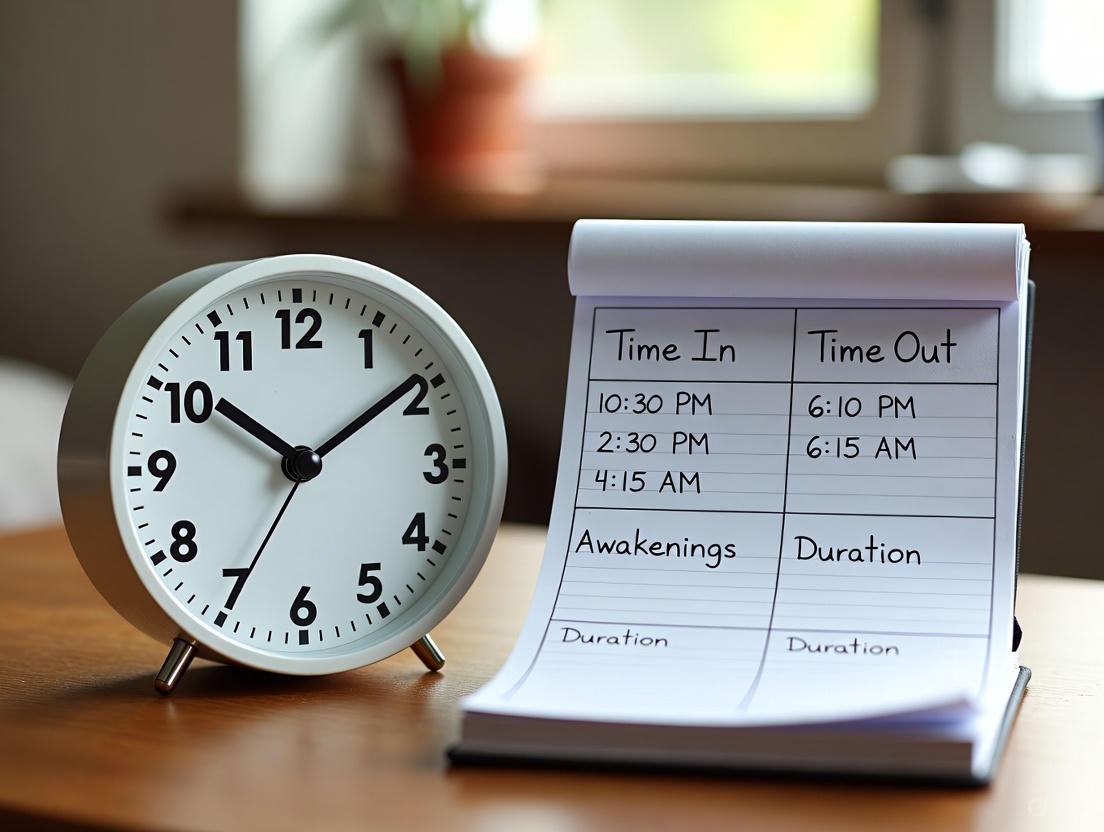
To control inflammation, we must first understand its dual nature. Imagine a small cut on your finger. Almost immediately, the area becomes red, warm, swollen, and tender. This is acute inflammation in action—your body’s heroic, life-saving emergency response. It’s a precisely coordinated cascade where immune cells rush to the site, destroy invaders, clear debris, and initiate repair. This process is vital, localized, and temporary. Without it, a simple scratch could be fatal.
The problem arises when this fiery, protective response doesn’t shut off. This is chronic, systemic inflammation—a slow-burning, body-wide fire with no single flame to extinguish. Unlike the acute alarm, it’s a silent, persistent siren that damages healthy tissues over years and decades. It’s the common soil in which modern chronic diseases take root. Think of it as a miscommunication within your immune system, where the “all-clear” signal never comes, and defense troops linger long after the battle is won, mistakenly attacking the very city they swore to protect.
This systemic simmer is notoriously difficult to detect without advanced testing. You won’t necessarily feel “inflamed” in the classic sense. Instead, it manifests through a constellation of vague, often dismissed symptoms: persistent fatigue unrelieved by sleep, stubborn weight gain (especially around the abdomen), brain fog and memory lapses, frequent minor aches and pains, skin issues like eczema, digestive discomfort, and a general feeling of being “unwell” without a clear cause. For too long, managing these symptoms meant reacting to them after they appeared. By the time you feel them, the inflammatory process has been underway for some time.
This is where passive, continuous biometric monitoring changes the game. A smart ring acts as an early-warning system, picking up on the subtle physiological shifts that precede overt symptoms. It allows you to shift from a reactive to a proactive health model. Instead of waiting to feel bad, you learn to read the data that tells you your body is under stress, empowering you to intervene with precision before that stress solidifies into chronic inflammation. It turns invisible processes into visible, manageable metrics.
A smart ring is more than a sleep tracker; it’s a clinical-grade biosensor worn in the most ideal location—your finger. The finger’s rich vascular bed provides exceptionally strong and consistent signals for key biomarkers that serve as powerful proxies for inflammation and overall physiological stress. Let’s break down what it measures and why each metric is a critical piece of the inflammation puzzle.
Heart Rate Variability (HRV): Your Nervous System's Dashboard
If you only learn one metric, let it be HRV. Contrary to what the name implies, HRV is not about your heart rate being irregular; it’s a measure of the subtle, millisecond variations in the time intervals between each heartbeat. A higher HRV generally indicates a healthy, resilient, and adaptable autonomic nervous system (ANS). Your ANS has two main branches: the sympathetic (“fight-or-flight”) and the parasympathetic (“rest-and-digest”). Chronic inflammation constantly nudges the ANS toward sympathetic dominance—a state of high alert. This suppresses HRV. Therefore, a trend of declining HRV, especially your nighttime average, is one of the clearest early signs of rising systemic stress and inflammation. Your ring tracks this around the clock, giving you an unparalleled view of your nervous system balance.
Resting Heart Rate (RHR): Your Metabolic Baseline
Your resting heart rate is exactly what it sounds like—your heart’s beats per minute when you are truly at rest, typically during deep sleep. While fitness improvements can lower it, a sudden or sustained increase in your nighttime RHR is a major red flag. It signals that your body is working harder than it should be at rest. This can be due to immune system activation (fighting an infection or dealing with inflammation), dehydration, psychological stress, or poor recovery. Tracking RHR trends helps you distinguish a good day from a day where your body is quietly struggling.
Body Temperature: The Subtle Fever
Core body temperature fluctuates in a delicate circadian rhythm, typically dipping at night to facilitate sleep and repair. Chronic inflammation can disrupt this rhythm and create a low-grade, persistent elevation in baseline temperature—a subtle, chronic “fever.” Advanced smart rings track your peripheral temperature continuously. A trend of elevated nighttime temperature, particularly when coupled with poor sleep, can be a direct indicator of inflammatory activity. It’s a sign your metabolic furnace is burning too hot, even at rest.
Respiratory Rate: The Breath of Recovery
The number of breaths you take per minute at rest is a fundamental vital sign. Like RHR, a lower respiratory rate often indicates better fitness and efficient gas exchange. During sleep, your rate should be steady and low. An elevated or highly variable nighttime respiratory rate can signal that your respiratory system is under strain, potentially from systemic inflammation affecting lung function, from sleep disturbances like apnea, or simply from your body working harder to meet metabolic demands.
Sleep Architecture: The Foundation of Repair
Sleep is not a uniform state. It’s a cyclical journey through light, deep, and REM (dream) sleep. Deep sleep (Slow-Wave Sleep) is your body’s prime time for physical repair and immune system regulation, while REM is crucial for cognitive and emotional processing. Chronic inflammation actively disrupts this architecture, often reducing the quantity and quality of deep sleep. Your smart ring doesn’t just tell you how long you slept; it shows you the quality of that sleep. Seeing a pattern of fragmented sleep or diminished deep sleep provides direct evidence that your body’s repair cycle is compromised, a both a cause and consequence of inflammation.
By synthesizing these five data streams—HRV, RHR, Temperature, Respiratory Rate, and Sleep—your smart ring creates a multidimensional picture of your internal state. You’re no longer relying on a single number, but interpreting a symphony of biomarkers. A night where your HRV is low, your RHR is high, your temperature is elevated, and your deep sleep is poor is a strong, data-driven signal that your inflammatory load is high and your recovery is insufficient. This objective insight is the foundation upon which you can build an effective, personalized control plan.
Now that you know what your ring is tracking, the next crucial step is learning how to interpret the story it’s telling. Raw data is overwhelming; insight is empowering. This section will teach you to move from staring at graphs to understanding their meaning in the context of inflammation control.
First, embrace trends over snapshots. Do not panic over a single bad night. Life happens—a late meal, an intense workout, a stressful day. These will cause temporary dips. The true power of ring data lies in observing patterns over days, weeks, and months. Your goal is to identify your personal, healthy baselines and then notice meaningful deviations. Most ring apps provide multi-day and weekly averages. Focus here. Is your 7-day average HRV steadily drifting downward? Is your weekly deep sleep percentage on a decline? These are the trends that matter.
Second, practice correlation, not just observation. Your ring’s data is the effect; your job is to investigate the cause. This is where journaling becomes your most powerful ally. When you see a significant deviation (e.g., a terrible recovery score), pause and investigate. The night before, did you:
The single most effective practice you can adopt is a brief nightly note. It doesn’t need to be a novel. Simply jot down three things: 1) Stress level (1-10), 2) Diet notes (any alcohol, heavy meal, or potential food triggers), 3) Exercise (type, intensity, and timing). After a few weeks, you will start to see undeniable patterns. You’ll learn that for you, two glasses of wine tanks your HRV by 30%. Or that a 7 PM workout boosts your deep sleep, but a 9 PM workout destroys it. This is personalized biohacking at its finest. For a deeper dive into connecting your daily actions to your nightly data, our guide on nighttime wellness routine optimization using your sleep data is an essential resource.
Third, understand the hierarchy of recovery signals. Not all metrics are created equal when assessing inflammatory stress. A good framework is:
Finally, learn to listen to your body’s whispers. The goal of this technology is not to become a slave to data, but to use data to become more attuned to your body’s subtle language. Over time, you’ll begin to feel when your data will be poor. You’ll sense the low-grade fatigue that correlates with a high nighttime temperature. You’ll notice the edginess that comes with a low HRV. The ring validates these feelings, transforming them from vague anxiety into actionable information. It bridges the gap between subjective experience and objective truth, empowering you to take confident, targeted action to cool the internal fires.
If controlling inflammation is a castle, sleep is its most fortified foundation. There is no more potent, freely available anti-inflammatory therapy than consistent, high-quality sleep. During deep sleep, your body enters a state of intensive repair: growth hormone is released, facilitating tissue regeneration; your brain’s glymphatic system activates, flushing out inflammatory waste products like beta-amyloid; and your immune system releases cytokines—proteins that regulate inflammation—both to promote healing and to fight infection. Skimp on sleep, and you directly fuel the inflammatory fire. Your smart ring provides the ultimate feedback loop to master this pillar.
Your first objective is protecting your sleep duration and consistency. Aim for 7-9 hours of time-in-bed, going to sleep and waking up at roughly the same time every day, even on weekends. This regularity strengthens your circadian rhythm, the master clock that governs your inflammation cycles. Your ring will show you the direct payoff: more consistent sleep leads to higher, more stable HRV and lower RHR. For those with unpredictable schedules, all is not lost. You can learn to adapt effectively with strategies from the nighttime routine for people who work late.
The second, more nuanced objective is optimizing your sleep environment for physiological calm. Your ring’s temperature sensor is a brilliant guide here. The core body temperature must drop to initiate and maintain sleep. You can facilitate this by ensuring your bedroom is cool, typically between 60-67°F (15-19°C). A hot room disrupts this natural drop, leading to fragmented sleep and elevated inflammatory markers. This is a perfect example of using data to optimize your surroundings. For a comprehensive look at crafting the ideal sleep sanctuary, our guide on nighttime wellness routine setting up your bedroom is invaluable.
Finally, focus on the 90 minutes before bed as your "inflammatory buffer zone." This is where your evening routine directly impacts your inflammatory load overnight. The goal is to signal safety to your nervous system, shifting it from sympathetic (fight-or-flight) to parasympathetic (rest-and-digest) dominance. Light exposure is enemy number one here. Blue light from screens suppresses melatonin, the sleep hormone, and disrupts circadian rhythms. A simple habit of turning off screens 60-90 minutes before bed can dramatically improve your deep sleep scores. If that feels impossible, use blue light blockers and switch devices to night mode. The impact of light on your recovery is profound, as detailed in how light exposure affects your nighttime routine.
By using your ring’s sleep score, deep sleep percentage, and HRV as your report card, you can experiment with these variables. Try a week with a strict digital curfew. Note the change in your data. Adjust your thermostat down a degree. Observe your resting heart rate. This iterative process of action, measurement, and adjustment turns the abstract goal of “better sleep” into a precise, data-driven science, with reduced inflammation as the ultimate reward.

You are not just what you eat; you are what your body does with what you eat. Every meal is a powerful inflammatory modulator, sending direct instructions to your immune system. While diet advice is often overwhelming and contradictory, your smart ring cuts through the noise, providing personalized, real-time feedback on how specific foods and eating patterns affect your internal state.
The most glaring pattern your ring will reveal is the impact of meal timing, specifically late-night eating. Consuming a large meal within 3 hours of bedtime forces your digestive system to work overnight, elevating core body temperature, spiking insulin, and diverting energy from repair to digestion. The ring data is unequivocal: a late meal typically results in a higher nighttime temperature, a lower HRV, and disrupted sleep architecture. Your body spends the night processing food instead of repairing tissues. Making your last meal of the day earlier and lighter is one of the fastest ways to see an improvement in your recovery metrics and, by extension, reduce nocturnal inflammation.
Beyond timing, your ring can help you identify personal food sensitivities in a way that elimination diets alone cannot. You may not have a full-blown allergy, but you might have subtle, inflammatory reactions to certain foods like gluten, dairy, industrial seed oils, or excess sugar. The challenge is that these reactions can be delayed and systemic, not just gastrointestinal. This is where your data shines. Perhaps you notice that on days you eat a certain type of bread or a rich dairy-based dessert, your nighttime heart rate is consistently 5-10 BPM higher and your HRV dips by 20%, even if you feel fine. This is objective evidence of a physiological stress response. By tracking your food intake (simply noting potential triggers is enough) and correlating it with the next morning’s readiness score, you move from guesswork to certainty.
From a dietary framework perspective, focusing on whole, anti-inflammatory foods is key. Emphasize:
Conversely, be mindful of common inflammatory triggers: refined sugars and carbohydrates, processed meats, fried foods, and excessive alcohol. Your ring’s recovery score will often give you immediate, brutal feedback on alcohol consumption, showing how it devastates HRV and sleep quality, creating a pro-inflammatory state.
Remember, the goal is not perfection but pattern recognition. Use your ring to run experiments. Have a “clean” eating week and note your baseline. Then, reintroduce one potential trigger and watch your data. This biofeedback loop turns nutrition from a dogma into a personalized discovery process, where you become the expert on what truly fuels or douses your unique inflammatory fire.
The relationship between exercise and inflammation is a powerful, hormetic curve—a “sweet spot” where the right dose is therapeutic, but too little or too much is harmful. On one end, sedentary behavior promotes a pro-inflammatory state. On the other, chronic, excessive high-intensity training without adequate recovery creates systemic stress and tissue breakdown, leading to—you guessed it—chronic inflammation. Your smart ring is the ultimate tool for navigating this curve, ensuring your movement fuels resilience, not fatigue.
The first insight your ring provides is the critical importance of recovery. Every bout of exercise creates acute, controlled inflammation—micro-tears in muscle fibers, metabolic byproducts, and oxidative stress. This is the beneficial stimulus. The anti-inflammatory magic happens during the recovery phase, as your body repairs and adapts to become stronger. If you don’t allow for this repair, the acute inflammation becomes chronic. Your ring’s readiness or recovery score, derived from HRV, RHR, and sleep, is your daily guide. A low score isn’t a command to skip movement; it’s a suggestion to choose restorative, low-inflammatory activities. On a low-recovery day, prioritize a gentle walk, yoga, stretching, or mobility work. These activities promote blood flow and parasympathetic activation without adding significant systemic stress, actively aiding the repair process.
For your dedicated training days, your ring helps you optimize timing. Intense exercise (heavy resistance training, HIIT, long endurance sessions) is a significant stressor that elevates cortisol, body temperature, and heart rate. Performing this too close to bedtime can interfere with the body’s natural wind-down process, leading to poor sleep and impaired recovery—a double blow for inflammation. By reviewing your sleep data after evening workouts, you can find your personal cutoff time. You may find that finishing intense exercise at least 3 hours before bed preserves your deep sleep, while working out later fragments it.
Furthermore, your ring data validates the profound anti-inflammatory effects of consistent, moderate movement. Regular activity, like daily walking or cycling, improves insulin sensitivity, promotes the release of anti-inflammatory myokines from muscles, and helps regulate body weight. You’ll likely see this reflected in improved baseline metrics over time: a gradually lower resting heart rate, a higher HRV trend, and more stable sleep. The key is consistency, not heroics.
Finally, use your ring to periodize your training intuitively. Instead of blindly following a rigid plan, let your body’s signals guide your intensity. Plan your hardest workouts for days when your readiness score is high (indicating low background inflammation and good recovery). When your score is low or trending down, honor that signal with lighter activity. This practice of “listening to your body,” backed by hard data, prevents the accumulation of chronic stress and keeps exercise as the powerful anti-inflammatory tool it is meant to be. It transforms training from a task to be completed into a dialogue with your physiology.
Psychological stress is not just a feeling; it is a potent physiological event with direct inflammatory consequences. When your brain perceives a threat—be it a work deadline, a financial worry, or a social conflict—it triggers the hypothalamic-pituitary-adrenal (HPA) axis. This leads to a cascade of hormones, most notably cortisol. In acute bursts, cortisol is anti-inflammatory. But in the chronic, low-grade drip of modern life, the system becomes dysregulated. Cells become resistant to cortisol’s “off-switch” signal, allowing inflammation to persist unchecked. This is the stress-inflammation axis, and it’s where your smart ring’s HRV metric becomes your most powerful ally for intervention.
HRV is the window into your autonomic nervous system (ANS) balance. Chronic stress promotes sympathetic (“fight-or-flight”) dominance, which suppresses HRV. Therefore, a declining HRV trend is a quantifiable signature of accumulated stress and its inflammatory downstream effects. The inverse is also true: practices that improve HRV are, by definition, calming your nervous system and reducing a key driver of systemic inflammation.
This turns abstract “stress management” into a data-driven practice. You can test and validate specific techniques by observing their impact on your nightly HRV and sleep data. Here are highly effective practices to integrate:
1. Diaphragmatic Breathing: This is not casual breathing. It’s a deliberate practice of slow, deep breaths that engage the diaphragm, stimulating the vagus nerve—the main conduit of your parasympathetic nervous system. Just 5-10 minutes of slow breathing (e.g., 4 seconds in, 6 seconds out) before bed can have a dramatic impact. Try it and watch how it improves your sleep-onset time and deep sleep percentage. For a targeted routine, explore the nighttime routine that lowers cortisol naturally, which builds on these principles.
2. Mindfulness & Meditation: Regular practice reduces activity in the amygdala (the brain’s fear center) and strengthens prefrontal cortex regulation. This biological shift translates directly to a less reactive stress response. You don’t need hours; even a short, 10-minute guided meditation in the evening can help separate you from the day’s stressors. The data benefit is often seen as a higher HRV and a lower resting heart rate during the first half of sleep, indicating a quicker transition into restorative states.
3. Purposeful Evening Wind-Down: Creating a buffer zone between the demands of the day and sleep is non-negotiable. This is where you actively disengage from stressors. Beyond screen curfews, consider integrating calming rituals. The practice of how journaling fits into the perfect nighttime routine is particularly powerful. A “brain dump” journaling session can offload anxieties from your mind onto paper, preventing them from spiraling as you try to sleep, which directly supports nervous system recovery.
Your ring provides the proof. When you commit to a week of consistent breath work or meditation, observe the trend line on your HRV graph. It will likely begin to climb. This isn’t just “feeling” calmer; it’s objective evidence that you are down-regulating the stress-inflammation axis at a systemic level. You are teaching your body to return to balance more quickly, building resilience against the inflammatory triggers of daily life. In this way, managing stress becomes the most precise form of preventative medicine, with your ring as the validating lab result.
Your body is not a static machine; it’s a symphony of rhythms. The most powerful of these is your circadian rhythm—the roughly 24-hour internal clock that governs virtually every physiological process, from hormone release and cell repair to immune function and metabolism. This rhythm is orchestrated by a master clock in your brain, but there are peripheral clocks in every organ, including your immune cells. When these clocks are synchronized—aligned with natural light-dark cycles—your body operates efficiently, and inflammation is kept in check. When they are desynchronized (a state known as circadian disruption), it creates systemic chaos and is a direct driver of chronic inflammation. Your smart ring, by tracking sleep-wake patterns, temperature rhythms, and HRV, is a brilliant tool for assessing and resyncing your circadian health.
The most potent zeitgeber (time-giver) for your master clock is light exposure. Bright, blue-rich light in the morning signals “daytime,” suppressing melatonin and promoting cortisol release for alertness. Dim, warm light in the evening signals “nighttime,” triggering melatonin for sleep. The modern problem is inverse light exposure: we get too little bright light in the morning (stuck indoors) and too much blue light at night (from screens). This mismatch weakens your circadian signal, leading to poor sleep, dysregulated hormones like cortisol and melatonin, and increased inflammatory markers like IL-6. Use your ring’s sleep consistency score as a proxy for circadian strength. Erratic sleep times will correlate with poorer overall metrics.
To strengthen your rhythm, start with morning light anchoring. Within 30-60 minutes of waking, get 10-30 minutes of bright, outdoor light (without sunglasses if safe). This is far more effective than any cup of coffee at setting your clock. The complementary, non-negotiable habit is evening light hygiene. As discussed, dim lights and eliminate screens before bed. This powerful one-two punch is detailed in how light exposure affects your nighttime routine.
The second key zeitgeber is consistent timing of meals. Eating at erratic times, especially late at night, confuses your peripheral organ clocks, particularly in the liver and gut. This metabolic mis-timing promotes glucose intolerance and inflammation. Try to consume your calories within a consistent, 10-12 hour “window” each day (e.g., eating between 8 am and 6 pm), with your last meal at least 3 hours before bed. Your ring will likely show that on days you eat earlier, your nighttime temperature is lower and your sleep is deeper.
Finally, respect the circadian rhythm of exercise. Morning or afternoon exercise tends to align better with your natural cortisol curve and body temperature rise. Late-night intense exercise can be overly stimulating and delay your temperature drop. Your ring’s sleep data will confirm your personal tolerance. By aligning your light, food, and movement with nature’s rhythms, you are not just “having good habits”—you are programming your genes and immune cells for optimal function and minimal inflammatory conflict. Your ring’s consistent, high readiness scores will be the evidence that your internal orchestra is playing in harmony.
Once you’ve mastered sleep, nutrition, movement, and stress, you can fine-tune your inflammatory control by examining the subtle yet powerful environmental and lifestyle factors that your smart ring can also help you optimize. These are the advanced levers that can take your recovery from good to exceptional.
Temperature Regulation: We’ve discussed bedroom temperature, but personal temperature management is equally important. Your ring’s temperature graph is a direct readout of your thermoregulatory efficiency. An unusually high or fluctuating nighttime temperature suggests your body is working hard to cool itself. Beyond a cool room, consider using breathable, moisture-wicking bedding (like bamboo or Tencel), wearing light sleepwear, and even taking a warm bath 90 minutes before bed. The warm bath causes vasodilation; when you get out, your body rapidly sheds heat, mimicking the natural pre-sleep temperature drop. This can lead to faster sleep onset and more deep sleep. The science of this is beautifully explained in how temperature control completes your nighttime routine.
Hydration Status: Dehydration is a silent stressor. Even mild dehydration increases cortisol, thickens the blood, and forces the cardiovascular system to work harder, elevating resting heart rate. Your overnight RHR is a great hydration indicator. A sudden spike in RHR without an obvious cause (like illness or alcohol) can often be traced to insufficient fluid intake the day prior. Aim for consistent hydration throughout the day, tapering off slightly before bed to avoid sleep interruptions.
Travel & Routine Disruption: Travel, especially across time zones, is a monumental assault on circadian rhythms and a guaranteed inflammatory trigger. Jet lag is, at its core, a state of severe internal desynchronization. Your ring is invaluable here. Use it to guide a proactive travel recovery protocol. Before you go, gradually shift your sleep schedule toward your destination. During travel, prioritize hydration and use light exposure strategically at your destination to reset your clock faster. Upon return, your ring’s data will show you exactly how disrupted you are and track your recovery. For a tailored approach, see our strategies for nighttime wellness routine for solo travelers.
The Power of Ritual & Consistency: The brain craves predictability. A consistent pre-sleep ritual signals safety, reducing anticipatory anxiety and lowering cortisol. This ritual can be simple: 5 minutes of breathing, followed by skincare, followed by 5 minutes of reading a physical book. The consistency itself is therapeutic. As your life changes, so too should your rituals. Learn how to adjust your nighttime routine as you age to ensure it always serves your evolving physiology.
By paying attention to these nuanced factors and using your ring’s biomarkers—temperature, RHR, HRV—as feedback, you become an expert environmental engineer for your own body. You learn to craft days and nights that are not just free from major stressors, but proactively optimized for physiological peace, creating an internal terrain where inflammation struggles to take hold.
Knowledge is only power when applied. This protocol is your actionable blueprint to integrate everything you’ve learned, using your smart ring as your guide, compass, and report card. We will focus on a 14-day cycle—long enough to establish habits and see meaningful trends in your data, but short enough to feel manageable.
The Preparation Phase (Days -2 to 0): Establish Your Baseline
The Action Phase: The 14-Day Protocol
Week 1 Focus: Foundation & Observation
Week 2 Focus: Refinement & Personalization
The Review & Iterate Phase (Day 14+)
This protocol is not a rigid diet or exhausting regime. It’s a structured process of self-discovery, using technology to listen to your body. The ring provides the objective truth, freeing you from the tyranny of how you “think” you should feel. You are building a lifelong practice of informed self-care, where inflammation control becomes a natural byproduct of living in sync with your data-illuminated biology.

As you embark on this journey, you will encounter puzzling data patterns and frustrating plateaus. This is a normal part of the process. Your ring isn’t just for celebrating wins; it’s a diagnostic tool for when things aren’t working. Here’s how to troubleshoot common scenarios.
Scenario 1: "My HRV is Consistently Low, No Matter What I Do."
Scenario 2: "My Data is All Over the Place – No Consistency."
Scenario 3: "I Had a Great Routine, Then My Scores Suddenly Crashed."
Scenario 4: "I'm Doing Everything 'Right,' But I'm Not Seeing Improvement."
Remember, plateaus are information. Your ring gives you the courage to ask better questions and the evidence to find better answers. The journey to controlling inflammation is not a straight line upward, but a spiral of learning, where even setbacks provide the data needed for your next, more informed leap forward.
Mastering the initial protocol is a tremendous victory, but the true transformation lies in the long-term integration of these principles. Inflammation control is not a 14-day challenge; it is a foundational component of a resilient, healthspan-extending lifestyle. The goal shifts from "fixing" a problem to cultivating an internal environment where inflammation is a rare, brief visitor, not a permanent resident. Your smart ring transitions from a daily coach to a long-term wellness guardian, providing the subtle feedback needed to maintain and deepen your progress over months and years.
The first pillar of sustainability is embracing cyclicality, not linear perfection. Your body is not a machine that can be tuned to a static "optimal" setting. It is a dynamic, living system influenced by menstrual cycles, seasonal changes, aging, and life phases. There will be weeks where your HRV is naturally lower, your sleep needs are greater, or your body craves different foods. A woman will see predictable fluctuations in resting heart rate and temperature across her cycle. The key is to work with your rhythms, not against them. Use your ring’s historical data to learn your personal patterns. You may find you need more restorative movement in the week before your period, or that your sleep is lighter during seasonal transitions. Adapting your routine to these cycles—like adjusting your nighttime wind-down for hormonal shifts—is a sign of advanced self-care, not failure. For guidance on this lifelong adaptation, our resource on how to adjust your nighttime routine as you age provides a framework that applies to all of life’s transitions.
The second pillar is preventing burnout through strategic variety. Doing the same breathing exercise, eating the same foods, and following the same evening ritual can become monotonous, turning empowerment into a chore. To keep your practice fresh, schedule quarterly "exploration weeks." Dedicate one week to trying a new recovery modality: perhaps introducing aromatherapy with a calming lavender diffuser (explore how aromatherapy enhances your nighttime wellness routine), experimenting with a new form of gentle movement like Tai Chi, or testing a different supplementation timing protocol (detailed in nighttime wellness routine and supplements timing matters). Use your ring to measure the impact. This turns maintenance into an ongoing experiment in self-optimization, driven by curiosity rather than obligation.
Finally, build resilience through stress inoculation. The aim is not to create a stress-free bubble, but to train your nervous system to handle stressors more elegantly and return to baseline faster—a concept known as allostasis. You can gently practice this by occasionally and intentionally stepping slightly outside your perfect routine in a controlled way, then using your ring to monitor your rebound. For example, if you normally avoid evening social events, occasionally attend one and note how quickly your HRV recovers the next night. This data shows you your true resilience buffer. Over time, as you see your body bounce back faster from deviations, you’ll gain confidence in your systemic strength, freeing you to live fully without fear of disrupting your health. This balance between discipline and flexibility is the hallmark of a sustainable, lifelong practice in inflammation control.
We’ve explored sleep, nutrition, movement, and stress as individual pillars. Yet, they converge in one supremely influential system: your gut. Often called the "second brain," your gastrointestinal tract is home to trillions of microbes (the microbiome) that are in constant communication with your immune system and your actual brain via the vagus nerve. This gut-brain-immune axis is a primary regulator of systemic inflammation. An imbalanced gut (dysbiosis) can increase intestinal permeability ("leaky gut"), allowing inflammatory compounds into the bloodstream, triggering immune responses that affect the entire body, including the brain. Your smart ring, while not directly measuring gut bacteria, captures the systemic effects of gut health with remarkable clarity.
How Gut Dysfunction Manifests in Your Biometrics:
Using Your Ring to Support Gut Health:
Your data provides the feedback loop to nourish your microbiome effectively. The dietary principles already discussed—high fiber, phytonutrients, omega-3s, and avoiding processed foods—are fundamentally gut-friendly. Your ring helps you personalize this further:
Supporting this axis also means managing stress for your gut’s sake. Practices that stimulate the vagus nerve—like diaphragmatic breathing, humming, and singing—can enhance the "rest-and-digest" tone, improving gut motility and reducing inflammation. By using your ring to validate the systemic benefits of a gut-friendly lifestyle, you empower yourself to make choices that heal from the inside out, addressing a root cause of inflammation that is often overlooked.
In our productivity-obsessed culture, rest is often viewed as passive, lazy, or unproductive. Your smart ring data reframes rest as the most active, generative, and non-negotiable phase of the inflammation control cycle. Recovery is when the body performs the cellular repair, metabolic cleanup, and immune regulation that directly combat chronic inflammation. Let’s delve deeper into what "good recovery" actually looks like in your data and why each component matters.
The Nightly Repair Shift: A Data Breakdown
Imagine your body’s night crew clocking in. Your ring data shows how efficiently they work.
Active Recovery Days: Beyond the Night
Recovery isn’t just for sleep. Your ring’s daily readiness score should guide your activity choices. A low score is a prescription for active recovery: very low-intensity movement that promotes circulation without adding stress. A 30-minute walk in nature, gentle yoga, or mobility flows can actually enhance recovery by stimulating lymph flow and parasympathetic activity, leading to a better score the following morning. Conversely, ignoring a low score and pushing through a hard workout is akin to refusing a mechanic access to your car while continuing to drive it—it guarantees a breakdown (injury, illness, or a major inflammatory spike).
This scientific understanding transforms how you view your data. A "green" recovery score is not a pat on the back; it’s a report that your inflammatory repair processes are operating at peak efficiency. A "red" score is not a failure; it’s a diagnostic alert that repair is incomplete and that your next 24 hours should be dedicated to restoration. By honoring these signals, you make recovery an active, strategic pillar of health, ensuring your body has the daily resources it needs to keep inflammation at bay.
Even the most meticulous routine meets the reality of life: business trips, winter colds, family emergencies, and holiday seasons. These events are potent inflammatory triggers, but they don’t have to derail your progress. With your smart ring as a trusted guide, you can navigate these circumstances strategically, minimizing damage and accelerating your return to balance.
Mastering Travel & Jet Lag:
Travel is a triple threat: circadian disruption, dehydration, and physical stress. Proactively use your ring.
Managing Sickness:
When you’re ill, your body’s inflammatory response is doing its job. Your role is to support it, not fight it. Your ring provides critical early warnings and guides your convalescence.
Handling High-Stress Life Events:
A family crisis, a major work deadline, or a personal loss creates unavoidable psychological stress. During these times, the goal is not optimal data; it’s damage control and nervous system support.
By planning for these disruptions, you remove their power to derail you. You move from being a fair-weather practitioner of wellness to a resilient navigator, capable of maintaining your inflammatory balance through all of life’s seasons.
The ultimate goal of using a smart ring for inflammation control is not to become a biohacker obsessed with graphs, but to cultivate a mindset of curious awareness. This is the state where technology and intuition merge. The data informs your feelings, and your feelings give context to the data. You move from being a passive passenger in your body to an engaged, compassionate collaborator.
Cultivating Data-Informed Intuition:
Start by practicing a morning check-in before you look at your phone or ring app. Ask yourself: "How do I feel? Rested? Heavy? Energetic? Foggy?" Then, open your app. Compare your subjective feeling to the objective score. Over time, you will train your intuition. You’ll begin to accurately predict a low HRV because you feel "wired but tired." You’ll sense a good recovery because you wake up before your alarm feeling refreshed. The ring validates and refines this inner sense, creating a powerful feedback loop. This is the essence of the nighttime routine that prepares your mind for sleep—it’s about creating the internal conditions for this awareness to flourish.
Releasing the Grip of Perfectionism:
The data can become a source of anxiety if you chase perfect scores every day. This is counterproductive, as anxiety itself is inflammatory. Remember: The trend is your friend. View your weekly and monthly overviews more than your daily score. A healthy pattern isn’t a flat line of perfection; it’s a resilient wave that dips with life’s stresses and recovers quickly. Allow for imperfection. A spontaneous late night with friends might lower tomorrow’s score, but the joy and connection are also anti-inflammatory in the long run. Balance is key, as explored in the weekend nighttime routine should it be different.
Focusing on the Feeling, Not Just the Number:
What is the purpose of a high HRV? It’s not to win a biometric game. It’s to feel resilient, calm, and adaptable. It’s to have steady energy, clear thinking, and a body free from chronic pain. Regularly connect the dots between improved data and improved lived experience. Journal about it: "My average HRV is 10% higher this month than last, and I notice I don’t get as frazzled in traffic, and my afternoon energy slump is gone." This connection fuels lasting motivation far more powerfully than any abstract number.
This mindful approach ensures your smart ring remains a tool for empowerment, not a source of obsession. It helps you build a sustainable, kind, and intelligent relationship with your own body, using technology not as a crutch, but as a catalyst for deeper self-knowledge and enduring vitality.
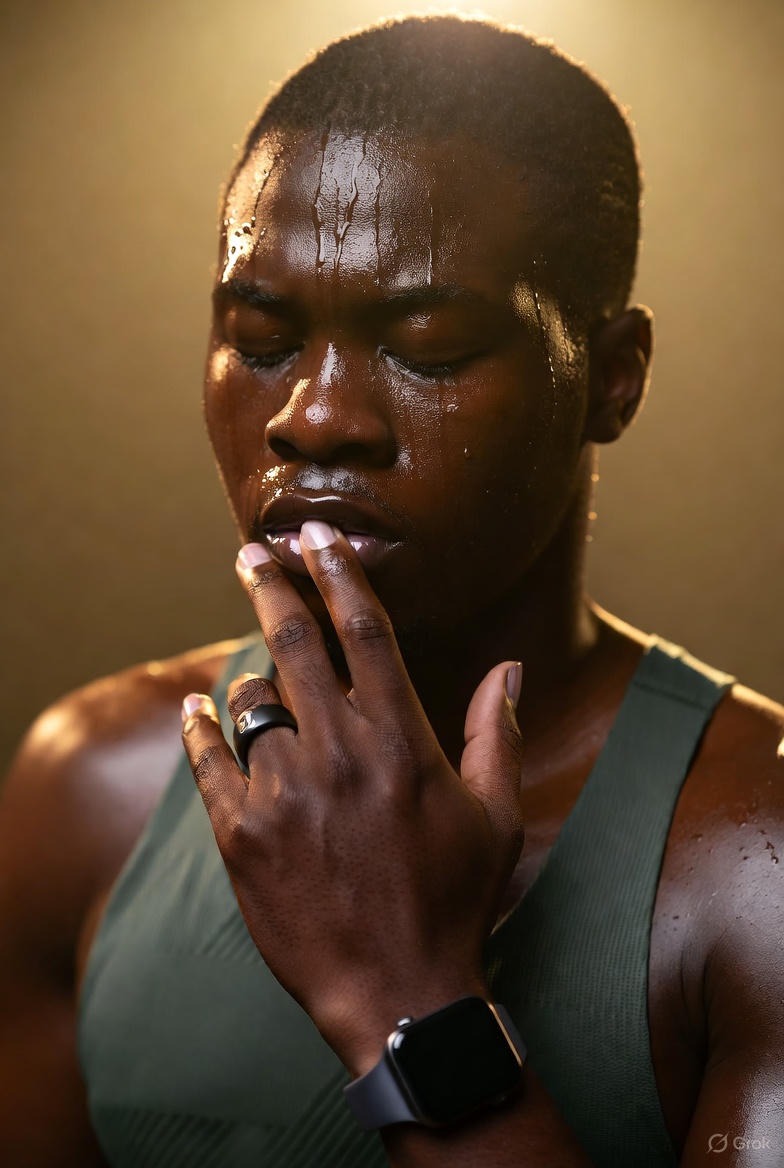
The journey you’ve begun is at the forefront of a healthcare revolution. The convergence of continuous biometric monitoring, artificial intelligence, and advanced biomarker science is rapidly moving us from reactive, one-size-fits-all medicine to proactive, hyper-personalized wellness. The smart ring on your finger is a portal into this future. Let’s explore where this technology is headed and how it will deepen our understanding and control of inflammation.
Beyond HRV: The Next Generation of Biomarkers
Current rings excel at measuring physiological states (stress, recovery, exertion). The next frontier is measuring specific inflammatory markers and other blood-borne compounds non-invasively.
AI-Powered Personalization and Predictive Insights
The true power of your data stream will be unlocked by artificial intelligence.
Integration with the Broader Healthcare Ecosystem
The future smart ring will not be a siloed app. It will be a secure node in your personal health record.
By embracing the smart ring today, you are not just managing inflammation; you are participating in the dawn of a new era of health self-efficacy. You are building a rich dataset of your normal, which is the most valuable asset for preserving your healthspan. The journey from data to insight to personalized action is the most profound form of modern self-care, and it is just beginning.
You are now equipped with a deep understanding of inflammation and a powerful technological ally. This final section is your practical launchpad, consolidating key tools and outlining clear next steps to cement your practice and continue your education.
Your Ongoing Practice Checklist:
Deep-Dive Resources for Continued Learning:
Your wellness journey is evergreen. The following internal guides offer specialized knowledge to enhance specific areas of your practice:
When to Seek Professional Guidance:
Your smart ring is a phenomenal guide, but it is not a doctor. Partner with healthcare professionals when:
Bring your historical ring data to appointments. It provides objective evidence that can lead to more productive conversations and targeted investigations.
The First Step Starts Now:
Don’t wait for a Monday or the first of the month. Your very next action is the most important one. Tonight, choose one single change from this guide. It could be:
Implement that one change. Observe its effect on your data tomorrow. That small action, observed and reinforced, is the seed from which lifelong inflammation control and vibrant health will grow. You have the knowledge. You have the technology. You have the power to become the expert on your own body. Welcome to a future of visible health, empowered choices, and profound vitality. Your journey is just beginning.
Your Trusted Sleep Advocate: Sleep Foundation — https://www.sleepfoundation.org
Discover a digital archive of scholarly articles: NIH — https://www.ncbi.nlm.nih.gov/
39 million citations for biomedical literature :PubMed — https://pubmed.ncbi.nlm.nih.gov/
Experts at Harvard Health Publishing covering a variety of health topics — https://www.health.harvard.edu/blog/
Every life deserves world class care :Cleveland Clinic - https://my.clevelandclinic.org/health
Wearable technology and the future of predictive health monitoring :MIT Technology Review — https://www.technologyreview.com/
Dedicated to the well-being of all people and guided by science :World Health Organization — https://www.who.int/news-room/
Psychological science and knowledge to benefit society and improve lives. :APA — https://www.apa.org/monitor/
Cutting-edge insights on human longevity and peak performance:
Lifespan Research — https://www.lifespan.io/
Global authority on exercise physiology, sports performance, and human recovery:
American College of Sports Medicine — https://www.acsm.org/
Neuroscience-driven guidance for better focus, sleep, and mental clarity:
Stanford Human Performance Lab — https://humanperformance.stanford.edu/
Evidence-based psychology and mind–body wellness resources:
Mayo Clinic — https://www.mayoclinic.org/healthy-lifestyle/
Data-backed research on emotional wellbeing, stress biology, and resilience:
American Institute of Stress — https://www.stress.org/


