


Activity Level Optimization for Women: Hormonal Cycle Considerations
How women should adjust activity across their hormonal cycle.
How women should adjust activity across their hormonal cycle.
%402x.svg)
For decades, the fitness and wellness playbook for women has been, in essence, a photocopy of the one written for men. The same linear, one-size-fits-all prescriptions: push harder, go longer, eat less, repeat. It’s a model that glorifies consistency at all costs and often leaves women feeling exhausted, injured, frustrated, and like their own bodies are working against them. But what if the key to unlocking peak performance, sustainable energy, and holistic health wasn't about fighting your biology, but finally listening to it?
Emerging from the frontiers of female physiology is a paradigm-shifting approach: syncing your activity level and wellness practices with the natural rhythms of your hormonal cycle. This isn't about limiting yourself; it's about leveraging the distinct physiological and neurological superpowers of each phase of your cycle to optimize how you move, recover, and fuel your body. Imagine a month where your workouts feel effortless and powerful, followed by a week where gentler movement brings profound recovery and mental clarity. This is the promise of cycle-aware fitness.
This comprehensive guide is your roadmap to a new relationship with your body and your activity. We will dismantle the myth of the static "ideal" fitness routine and replace it with a dynamic, intelligent, and deeply personalized strategy. By understanding the intricate dance of estrogen, progesterone, testosterone, and other key hormones, you can transform your 28-day cycle from a source of unpredictability into your greatest strategic asset for building strength, resilience, and lifelong vitality.
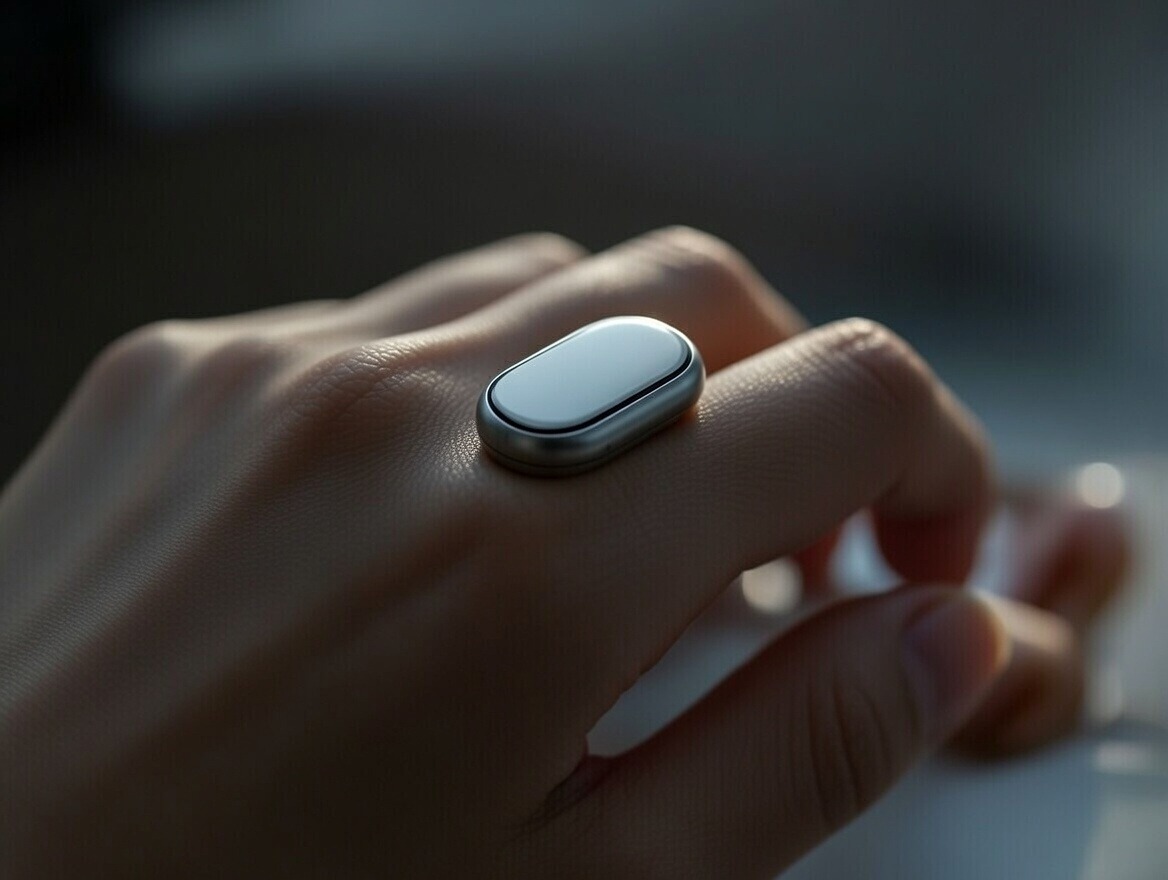
And in this modern age, we are no longer left to guess. Technology like the advanced Oxyzen smart ring provides the continuous, nuanced biometric data needed to move from theory to practice. By tracking subtle changes in heart rate variability (HRV), resting heart rate, skin temperature, and sleep quality, a wellness ring becomes your personal cycle syncing coach, validating your body's signals and helping you fine-tune your approach in real-time. It’s the missing link between understanding the science and living it every day. Discover how this technology supports personalized health at the Oxyzen Shop, your entry point to data-driven wellness.
Welcome to a smarter, more sustainable, and profoundly more effective way to train. Welcome to Activity Level Optimization for Women.
To master the art of cycle syncing, we must first meet the key players. Your menstrual cycle is not just a reproductive event; it is a complex, orchestrated symphony of hormones that influences everything from brain chemistry and metabolism to ligament laxity and pain tolerance. Thinking of it in simple "on" or "off" terms—bleeding versus not bleeding—is like describing a symphony as merely "loud" or "quiet." Let's learn the instruments.
The cycle is typically divided into four main phases, though it's more accurately a continuous, fluid transition. For clarity, we'll define them as: Menstruation, the Follicular Phase, Ovulation, and the Luteal Phase. A typical cycle lasts 28 days, but a healthy range is anywhere from 21 to 35 days.
The Headliners: Estrogen and Progesterone
These two steroid hormones are the primary conductors, with their levels rising and falling in a dynamic, opposing partnership.
The Supporting Players:
The Phases in Brief:
Understanding this ebb and flow is the foundation. As we progress, we'll translate this hormonal landscape into actionable strategies for movement, nutrition, and recovery. For a deeper exploration of how hormonal changes impact women's health across the lifespan, our resource on navigating hormonal changes for healthy aging offers valuable insights.
Phase 1: Menstruation – The Art of Strategic Rest and Renewal
Your period marks Day 1 of your cycle. Hormonally, it's the great equalizer: estrogen and progesterone have plummeted to their lowest points. While often framed as a time of deficit or weakness, this phase is better understood as a biological mandate for restoration and reflection. Ignoring this signal and pushing for high-intensity performance is not only counterproductive but can increase injury risk and amplify fatigue.
Physiology & Sensation: With low hormone levels, energy reserves are naturally lower. The process of shedding the uterine lining requires energy and can involve inflammation and cramping due to prostaglandins. Many women experience a natural dip in pain tolerance and may feel more introspective, quiet, or in need of solitude. This is a neurological shift as much as a physical one.
The Optimal Activity Blueprint:
This is the time for gentle, intuitive movement that supports circulation and eases discomfort without demanding strenuous output.
Why This Works: Gentle movement increases blood flow, which can help relieve cramping. It supports the lymphatic system in clearing inflammation. Respecting your lower energy preserves vital resources, allowing your body to complete the menstrual process efficiently, setting you up for a powerful follicular surge. Forcing high-intensity work here can spike cortisol, which disrupts hormonal signaling and can worsen next month's PMS.
Smart Ring Insights: Your Oxyzen ring is a powerful ally here. You may notice:
Transition Tip: As bleeding ends, you'll feel a subtle shift. Energy begins to return. Let this be your cue to gradually increase activity, seamlessly flowing into the next, more dynamic phase.
Phase 2: The Follicular Phase – Unleashing Building Power
Following menstruation, you enter the follicular phase proper (approx. Days 5-13). This is your physiological springtime. Estrogen is on a relentless, upward climb, preparing an egg for release and rebuilding the uterine lining. This rising tide of estrogen bathes your body and brain in vitality.
Physiology & Sensation: Insulin sensitivity is high, making carbohydrates an efficient fuel source. Muscle protein synthesis is enhanced, meaning your body is primed to build and repair muscle tissue more effectively. Neurologically, estrogen boosts the activity of neurotransmitters like serotonin and dopamine. You'll likely experience surging energy, improved mood, sharper cognitive function, greater motivation, and enhanced social confidence. The world feels full of possibility.
The Optimal Activity Blueprint:
This is your window for challenging your body, learning new skills, and making significant fitness gains. Harness this natural anabolic state.
Why This Works: By aligning your most demanding workouts with your body's natural capacity for stress and adaptation, you maximize results while minimizing burnout and injury risk. You are working with your hormonal advantage, not against it. The estrogen-fueled resilience means you can handle heavier loads and more volume.
Smart Ring Insights: Your data will likely reflect this phase of expansion:
Transition Tip: As you approach the end of this phase, energy may feel electric. This is the lead-up to ovulation—your physiological peak.
Phase 3: Ovulation – Your Physiological Peak Performance Window
Ovulation is not just a reproductive event; it is a brief, powerful hormonal summit (lasting roughly 24-48 hours around Day 14). Estrogen and testosterone reach their zenith, triggered by the LH surge. This is your body's moment of maximum potential for performance, expression, and connection.
Physiology & Sensation: This is the absolute peak of the estrogen-testosterone effect. Strength, power, and reaction time can be optimal. Pain tolerance is often at its highest. You may feel exceptionally confident, charismatic, and socially engaged—a biological nudge to connect. Some women even report a "glow" and increased attractiveness. However, due to hormonal shifts, there can be a slight increase in ligament laxity, a crucial point for injury awareness.
The Optimal Activity Blueprint:
Aim to schedule your most demanding, performance-focused activities here. It's time to go for personal records (PRs), compete, or engage in high-skill, high-power output work.
Why This Works: You are harnessing your body's natural steroid hormone peak to achieve peak outputs. The mental clarity and confidence boost can be just as valuable as the physical edge. It’s a powerful way to build self-efficacy and celebrate your body's capabilities.
Smart Ring Insights: Watch for subtle markers of your peak:
Transition Tip: Once ovulation passes, estrogen and testosterone fall rapidly. You may feel a distinct, sometimes abrupt, shift in energy and mood as you descend into the luteal phase.
Phase 4: The Luteal Phase – Embracing the Shift to Endurance & Efficiency
The final two weeks of your cycle, the luteal phase (Days 15-28), are governed by rising and then falling progesterone, with a secondary rise in estrogen. This is a profound metabolic and neurological shift. Your body, thinking it might need to support a pregnancy, becomes focused on conservation, building reserves, and careful resource management.
Physiology & Sensation: Progesterone increases your core body temperature by 0.3-0.5°C. Your metabolic rate rises slightly (burning roughly 100-300 more calories per day). Insulin sensitivity decreases, and the body becomes more adept at using fat for fuel. Neurologically, progesterone has a calming, even sedative effect. You may feel more inward-focused, detail-oriented, and in need of routine. In the latter part (often called the premenstrual phase), as hormones fall, symptoms like fluid retention, breast tenderness, and mood changes can occur for some.
The Optimal Activity Blueprint:
Shift your focus from peak power to sustained endurance, skill refinement, and mindful movement. Fighting the sedative pull of progesterone is a recipe for fatigue and frustration.
Why This Works: By focusing on endurance and fat-utilization, you are training your metabolic flexibility. The calming nature of the phase is ideal for repetitive, mindful movement that builds muscular endurance without overtaxing the central nervous system. It’s also a time when the body is particularly responsive to stress-reducing practices, which is critical as rising progesterone can make you more sensitive to cortisol spikes. For strategies on managing this interaction, see our guide to stress management and healthy aging.
Smart Ring Insights: Your data will clearly signal the shift:
Transition Tip: As hormones fall sharply just before your period, you may experience premenstrual symptoms. This is the signal to begin winding down activity, preparing to return to the restorative reset of menstruation, and completing the beautiful, intelligent loop.
While the four-phase model is an essential framework, the real world is wonderfully complex. Your cycle is as unique as your fingerprint. Successfully implementing cycle syncing requires moving from a rigid calendar to a fluid, intuitive practice informed by your personal biomarkers.
Tracking Your Unique Cycle: The first step is observation. Ditch the assumption of a "textbook" 28-day cycle.
Navigating Irregular Cycles & Conditions: For women with PCOS, endometriosis, perimenopause, or highly irregular cycles, the model still applies, but the phases may be elongated, shortened, or less distinct.
The Role of Stress & Lifestyle: Chronic stress is the arch-nemesis of a healthy cycle. Elevated cortisol can block ovulation, shorten the luteal phase, and amplify PMS.
A Note on Hormonal Contraceptives: If you use birth control that suppresses ovulation (like the pill, patch, ring, or hormonal IUD), you do not experience a true hormonal cycle. Instead, you have a synthetic hormone schedule. You may not see the same dramatic phase shifts, but paying attention to your energy, recovery metrics, and subjective feelings remains valuable. You can still practice undulating your training intensity based on your biometric feedback rather than hormonal cues.

Your hormonal phase doesn't just dictate how to move; it significantly influences what to eat to fuel and recover from that movement optimally. Syncing your nutrition amplifies the benefits of your activity strategy.
Menstrual Phase:
Follicular Phase:
Ovulation:
Luteal Phase:
The Universal Pillars: Regardless of phase, prioritize whole foods, adequate protein (aiming for 1.6-2.2g per kg of body weight for active women), a rainbow of vegetables, and sufficient calories to support your activity level. Undereating is a major disruptor of the hormonal cycle and recovery.
The Mind-Body Connection: Training Your Nervous System
Cycle syncing is as much about training your nervous system as it is about training your muscles. Each phase offers a unique opportunity to develop different aspects of mental fitness and resilience.
Menstrual Phase: Cultivating Introspection & Acceptance
The inward pull is a gift. Use it for:
Follicular & Ovulatory Phases: Harnessing Confidence & Social Connection
Channel the rising energy outward.
Luteal Phase: Developing Patience & Precision
The calming, detail-oriented energy is ideal for:
By aligning your mental practices with your cycle, you create a holistic rhythm that nurtures psychological well-being alongside physical health. This integrated approach is key to sustainable motivation and preventing burnout. Explore the critical role of social connection in healthy aging to see how these practices benefit long-term wellness.
While body literacy is the goal, in our modern, often disconnected lives, we can benefit from a translator. This is where advanced wearable technology, specifically the Oxyzen smart ring, transitions cycle syncing from an intriguing concept to a precise, personalized daily practice.
The Data Triad for Cycle Awareness:
A smart ring provides three continuous, passive data streams that are directly influenced by your hormonal cycle:
From Reactive to Predictive:
Over time (typically 2-3 cycles), advanced algorithms can begin to predict your phase transitions based on your unique historical data. The app might notify you: "Your temperature and HRV trends suggest you're entering your high-energy window. Consider scheduling a strength-focused workout." This transforms the practice from looking backward to planning forward with confidence.
Beyond the Cycle: Holistic Context
A smart ring doesn't work in a silo. It shows how lifestyle factors intersect with your cycle. Did that late-night dinner and alcohol during your luteal phase crater your HRV and sleep? Did a stressful work week during your follicular phase blunt your expected energy surge? This holistic view empowers you to make smarter, connected decisions about training, nutrition, and stress management in every phase. Read real user testimonials to see how this data-driven insight has transformed others' approaches to their health.
By marrying the ancient wisdom of listening to your body with the modern precision of biometrics, you create a feedback loop of unparalleled self-knowledge. The ring doesn't tell you what to do; it gives you the evidence to make the best decision for yourself, in the moment, every day of your cycle. To understand the technology behind this personalized insight, learn more about Oxyzen and its mission.
Viewing your cycle as a tool for optimization isn't just about nailing this week's workout. It's a proactive, powerful strategy for safeguarding your health, preserving function, and promoting vitality across your entire lifespan. This cyclical approach to wellness builds resilience in a way that linear, push-through-it models cannot. By respecting your body's innate rhythms, you invest in your future self.
Building Hormonal Resilience & Metabolic Health:
Chronic, unmanaged stress and the constant cortisol spikes from ignoring your body's need for rest (especially in the luteal and menstrual phases) can lead to hypothalamic-pituitary-adrenal (HPA) axis dysregulation. This disrupts the very hormonal symphony we aim to harmonize with. Cycle syncing, by its nature, mandates periods of lower-intensity stress and prioritized recovery. This regular "down-regulation" of the nervous system helps maintain HPA axis sensitivity, promoting balanced cortisol levels and protecting reproductive hormone signaling. Furthermore, training in a cycle-aware manner—emphasizing fat utilization in the luteal phase and capitalizing on insulin sensitivity in the follicular phase—enhances metabolic flexibility. This is your body's ability to efficiently switch between fuel sources, a cornerstone of metabolic health that becomes increasingly important with age. For a deeper dive into protecting long-term metabolic function, our article on movement strategies for every decade offers complementary insights.
Injury Prevention & Musculoskeletal Integrity:
The female body experiences natural fluctuations in ligament laxity and connective tissue hydration due to hormonal shifts, particularly the rise in relaxin around ovulation. Ignoring these nuances by performing high-impact, high-skill, or max-load training at inopportune times increases the risk of ACL tears, shoulder instability, and other soft-tissue injuries. A cycle-synced approach strategically places the most demanding, coordination-heavy work during the more stable follicular phase, while using the luteal phase for lower-impact endurance and hypertrophy work that strengthens tissues without overstressing joints. This intelligent periodization isn't just for elite athletes; it's a fundamental practice for any active woman who wants to stay active, pain-free, and independent for life. The importance of maintaining a strong musculoskeletal system cannot be overstated; learn why in our focus on preserving muscle mass after 60.
Cognitive Protection & Emotional Well-Being:
The brain is a highly hormone-sensitive organ. The practice of cycle syncing supports neurological health in two key ways. First, it encourages activities that match your neurochemical state: social, learning-intensive tasks in the high-estrogen phases, and reflective, detail-oriented tasks in the higher-progesterone phase. This "right work, right time" approach can reduce mental fatigue and boost productivity and satisfaction. Second, and perhaps more importantly, the mandatory rest and introspection of the menstrual phase provide a regular, built-in anti-burnout mechanism. This rhythmic down-regulation is a form of cognitive and emotional hygiene, helping to prevent the chronic stress that is a known risk factor for cognitive decline. By fostering a compassionate, responsive relationship with your body, you also combat the negative internal dialogue that plagues so many women's fitness journeys, building a foundation of positive mental health. Explore more on protecting cognitive function through lifestyle strategies.
The Foundation of Sustainable Fitness:
The most common reason women abandon fitness programs is burnout, injury, or lack of results. The linear model sets you up for this failure. Cycle syncing offers a dynamic, adaptable, and forgiving framework. Some weeks you're a powerhouse; other weeks you're a restorative yogi. Both are valued, both are "productive," and both are essential. This variability keeps both body and mind engaged, prevents overuse injuries, and creates a sustainable practice that can evolve with you through perimenopause, menopause, and beyond. It transforms fitness from a choreographic battle against your body into a collaborative dance with it. This shift in perspective is one of the most powerful healthy aging tools you can cultivate. For a collection of practical, daily strategies that support this philosophy, browse our comprehensive list of 50 healthy aging tips a smart ring helps implement.
A perfect, predictable 28-day cycle aligned with a perfectly executed training plan is an ideal, not a reality. Life intervenes. The true test of this framework is its adaptability. How do you practice cycle syncing when your cycle—or your life—gets thrown off course?
Algorithm Over Calendar: Letting Data Guide You
This is the core principle. Your biometric data from your Oxyzen ring is your North Star when life clouds your subjective feelings.
Managing High-Stress Periods:
Acute stress (a big work project, family crisis, poor sleep) acts like an override button on your cycle phases.
Travel and Disrupted Rhythms:
Jet lag and schedule disruption impact your circadian rhythm, which is intimately tied to your hormonal cycle.
When You Just Don't Feel Like It:
Sometimes, the disconnect is internal. You're in a high-energy phase but feel unmotivated.
The goal is fluid intelligence, not rigid adherence. The framework is there to serve you, not to become another source of stress or guilt. For support on common questions about adapting these principles, visit our comprehensive FAQ page.
Now, let's move from theory to practice. Building your first cycle-synced activity plan doesn't require a complete overhaul. Start simple, observe, and iterate. Here is a step-by-step guide.
Step 1: The Observation Cycle (Cycle 1)
Do NOT try to change your workouts yet. Your only job for one full cycle is to collect data.
Step 2: The Gentle Integration (Cycle 2)
Based on your observations from Cycle 1, make small, phase-aware adjustments.
Step 3: The Themed Blueprint (Cycle 3 & Beyond)
Now, create a flexible, phase-themed template. Don't assign specific exercises; assign intentions.
This template is a guide. Adjust the length of each "week" based on your actual cycle length. The Oxyzen app, synced with your biometrics, will help you identify these transitions more accurately over time, moving you from a calendar-based guess to a biomarker-based plan. See how others have used this approach in their wellness journeys documented in our blog.
Sample Activity Mix for a Balanced Month:
Beyond Movement: Syncing Sleep, Stress, and Social Life
True optimization extends beyond the gym. Your cycle influences your ideal sleep schedule, your stress resilience, and even your social preferences. Aligning these aspects creates a powerful synergy.
Sleep Syncing:
Stress Management Syncing:
Social & Creative Syncing:
By aligning your entire lifestyle with this rhythm, you reduce friction and live with greater ease and authenticity. You stop forcing yourself to be "on" all the time and start flowing with the natural tides of your energy.

Perhaps the most profound outcome of cycle syncing is not a faster mile time or a heavier lift, but a fundamental shift in your relationship with your own body. For many women, this journey begins as a fitness strategy but evolves into a practice of deep self-respect and embodied wisdom.
From Criticism to Curiosity: Instead of labeling a low-energy day as "lazy," you learn to ask: "What is my body communicating? What phase am I in? What do my biometrics say?" This shifts your internal dialogue from judgmental to investigative.
From Ignoring to Honoring: You move from overriding cramps and fatigue with caffeine and willpower to honoring the need for rest with a warm bath and an early night. This builds self-trust.
From Static to Dynamic Self-Worth: Your value is no longer tied to a single, static metric of performance (e.g., always being able to run a 9-minute mile). Your worth is rooted in your intelligent adaptation, your self-awareness, and your commitment to working in harmony with your biology. Some days your victory is a deadlift PR; other days, it's the wisdom to take a nap.
Building a Supportive Community: Sharing this approach with friends, partners, or coaches can be transformative. It helps them understand your fluctuating needs and creates an environment where you can say, "I'm in my luteal phase, so I need to skip the intense spin class and go for a walk instead," without explanation or apology. To hear how embracing personalized health has impacted others, read through our collection of real user testimonials.
This new relationship is the ultimate goal. It’s what makes the practice sustainable, joyful, and deeply empowering. It's about becoming the expert on the one body you have to live in for life. To understand the philosophy behind creating tools that foster this very relationship, you can learn about our story and mission.
Beyond the Individual: How Coaches and Teams Use Biomarker Data for Group Optimization
Activity Level Optimization isn't confined to solo athletes. It's revolutionizing team sports and coaching, moving from a "survival of the fittest" model to a "development of all" model. For coaches, access to team-wide biomarker data is like having an X-ray into the collective fatigue, readiness, and injury risk of their roster. This allows for personalized adjustments within a team framework, maximizing both performance and player health.
A coach’s dashboard might show the readiness scores (a composite of HRV, RHR, sleep) for all 25 players on a soccer team the morning after a tough match.
This approach, known as "micro-dosing" training load, ensures each athlete gets the right stimulus at the right time. It prevents coaches from overtraining the already-fatigued or under-training the fully recovered.
Practical Applications in Team Settings:
For the amateur adult team—the recreational soccer league or masters swim team—the principles are the same on a smaller scale. A team captain with access to this kind of insight (with player permission) could suggest who might need to sub out more frequently or recommend a team rest day before a big match.
This collective, data-informed approach represents a more humane and effective future for sports. It values the long-term health of the athlete as much as the short-term result of the game. To understand the philosophy behind creating technology that empowers both individuals and communities in their health journey, you can read more about our company mission and values.
We have meticulously explored how physical strain manifests in biomarkers like HRV and RHR. But the body's stress response does not distinguish between a hard bike climb and a hard day at the office. Psychological stress—anxiety, mental fatigue, emotional turmoil—imposes a very real "load” on your physiological system, draining the same recovery account as a gym session. Activity Level Optimization is incomplete without acknowledging and measuring this cognitive-emotional dimension.
Your smart ring, by tracking your autonomic nervous system, is inherently a mind-body translator. It provides physical evidence of mental states.
How Psychological Stress Shows Up in the Data:
Optimizing Activity with the Mind in Mind:
This data empowers you to make intelligent adjustments, treating mental load with the same respect as physical load.
By honoring the mind-body connection revealed in your data, you stop fighting yourself. You learn that the optimal path to physical performance sometimes requires addressing a psychological barrier first. This holistic view turns your wearable from a simple fitness tracker into a true wellness companion, guiding you toward balance in all aspects of life. For a comprehensive look at how tracking these interconnected factors supports lifelong wellness, our guide on what a wellness ring tracks for healthy aging offers deeper insight.
The Future is Personalized: Embracing Bio-Hacking for Women
The era of generic health advice is ending. We stand at the beginning of a revolution in personalized, female-centric wellness. Cycle syncing is a foundational pillar of this new paradigm, but it is just the start.
The Data-Driven, Whole-Life View: The integration of continuous biometric monitoring (like that from a smart ring) with cycle tracking apps and other health data (nutrition, glucose, etc.) will create holistic digital twins—a dynamic model of your unique physiology. This will allow for hyper-personalized recommendations that evolve daily, not just monthly.
Menopause and Beyond: The principles of listening to your body's signals and adapting your activity to your physiological state do not end with menstruation. Perimenopause and menopause are other profound hormonal transitions that demand a responsive, non-linear approach. The same tools and mindset—tracking HRV, sleep, and temperature to guide intensity—become critical for navigating symptoms, preserving bone density, and maintaining metabolic health. The cycle-syncing mindset prepares you for this next chapter with resilience and self-knowledge.
Advocating for Change: As more women adopt and demand this nuanced approach, we will see shifts in everything from corporate wellness programs and gym class design to athletic coaching and clinical research. The default will become dynamic and personalized, not static and standardized.
By adopting cycle-syncing today, you are not just optimizing your current fitness; you are participating in a larger movement to redefine women's health on our own terms. You are using the best available science and technology to write a new, more intelligent playbook—one that celebrates female biology as a source of strength and strategic advantage.
Feeling inspired but overwhelmed? Begin here. Choose one of these actions to take in the next 24 hours.
Remember, this is a journey, not a destination. There will be cycles that feel perfectly aligned and others that feel completely off due to life's interruptions. That's okay. The practice is in returning to the principles: listen to your body, support it with data, and respond with respect.
You now possess the knowledge to break free from the outdated, linear model of fitness and step into a dynamic partnership with your body's innate wisdom. You have the framework to optimize your energy, prevent injury, and build sustainable health. The path forward is cyclical, intelligent, and uniquely yours.

Once you’ve integrated the basic four-phase model and established a consistent tracking practice, you can begin to refine your approach. This stage moves beyond broad-stroke recommendations into the realm of high-resolution personalization, where you tailor not just what you do, but how you do it, based on your unique responses.
Intra-Phase Nuancing: Listening to Your Inner Weather
Think of each phase not as a monolithic block, but as having its own micro-climate. Your Oxyzen ring data is key to navigating this.
Leveraging Your Biometric Feedback Loop:
Your daily readiness score (a composite of HRV, RHR, sleep, and temperature) becomes your daily workout prescription.
Syncing Supplementation & Nutrition Timing:
While whole foods are paramount, timing certain supplements can support phase-specific goals.
The Art of Deloading: In traditional athletic periodization, a deload week—a planned reduction in volume and intensity—is used to promote supercompensation and prevent overtraining. For women, the late luteal and menstrual phases naturally form a perfect, recurring deload period. By design, you are reducing output every 3-4 weeks. This built-in periodization is a massive advantage for long-term progress and injury prevention that most male-focused plans have to artificially create.
Even with the best framework, you’ll encounter hurdles. Here’s how to navigate common sticking points.
"My Cycle is Irregular – I Can't Sync to a Calendar!"
This is the most common concern and the strongest argument for biometric tracking.
"I Feel Exhausted During My Follicular Phase – What Am I Doing Wrong?"
If you're not experiencing the famed follicular energy surge, look for these potential blockers:
"I Get Intense Cravings and Bloat in My Luteal Phase – How Do I Manage This?"
This is a sign to double down on luteal-phase principles, not fight them.
"I Use Hormonal Birth Control – Does This Apply to Me?"
As noted, if your method suppresses ovulation, you do not have a true endogenous cycle. However, you still have fluctuations in energy, recovery, and mood.
"This Feels Overwhelming – Do I Have to Track Everything?"
Absolutely not. Start with one thing.
For more support on personalizing health technology, visit our FAQ page.
While the philosophy of cycle syncing can be applied manually, the Oxyzen smart ring is engineered to be the seamless, intelligent system that removes the guesswork and elevates your practice from reactive to predictive. It’s more than a tracker; it’s a personal health interpreter.
By providing objective, continuous data, Oxyzen acts as a trusted third party, validating your subjective experience and giving you the confidence to make decisions that honor your biology. It turns the concept of cycle syncing into a living, breathing, daily dialogue with your body. Read about the science and validation behind effective health tracking in our dedicated article.
We began this journey by challenging a fundamental flaw in modern wellness: the application of a linear, male-default model to the inherently cyclical female body. We have dismantled that paradigm piece by piece and rebuilt a new one—a model of intelligence, respect, and profound synergy.
You now understand that your menstrual cycle is not a handicap or an inconvenience to be managed. It is a sophisticated biological feedback system, a 28-day blueprint for optimizing everything from physical performance and metabolic health to cognitive function and emotional resilience. The hormones you may have once cursed are, in fact, your greatest allies—if you know how to listen to them.
You have learned the language of your phases:
You have discovered that this practice is not a restrictive set of rules, but a liberating framework for self-trust. It equips you to navigate life’s interruptions with flexibility, using biomarkers as your guide instead of a rigid calendar. You see how this approach is your proactive defense against injury, burnout, and the long-term decline of function—it is, in essence, a foundational strategy for healthy aging that begins today.
Most importantly, you have been invited to change the conversation with yourself. To move from criticism to curiosity, from ignoring to honoring, from battling your body to partnering with it. This is the ultimate optimization: the alignment of your actions with your essence.
The path forward is clear. Start small. Observe one cycle. Make one adjustment. Perhaps you begin by simply wearing the Oxyzen ring to learn your baseline rhythms. Each piece of data, each conscious choice to rest when needed, each empowered decision to push when primed, weaves a stronger tapestry of lifelong health.
You are no longer following a generic playbook. You are writing your own, guided by the ancient wisdom of your cycle and the modern precision of your data. This is the future of women’s health: personalized, empowered, and brilliantly cyclical.
Your Trusted Sleep Advocate (Sleep Foundation — https://www.sleepfoundation.org/)
Discover a digital archive of scholarly articles (NIH — https://www.ncbi.nlm.nih.gov/
39 million citations for biomedical literature (PubMed — https://pubmed.ncbi.nlm.nih.gov/)
experts at Harvard Health Publishing covering a variety of health topics — https://www.health.harvard.edu/blog/)
Every life deserves world class care (Cleveland Clinic -
https://my.clevelandclinic.org/health)
Wearable technology and the future of predictive health monitoring. (MIT Technology Review — https://www.technologyreview.com/)
Dedicated to the well-being of all people and guided by science (World Health Organization — https://www.who.int/news-room/)
Psychological science and knowledge to benefit society and improve lives. (APA — https://www.apa.org/monitor/)
Cutting-edge insights on human longevity and peak performance
(Lifespan Research — https://www.lifespan.io/)
Global authority on exercise physiology, sports performance, and human recovery
(American College of Sports Medicine — https://www.acsm.org/)
Neuroscience-driven guidance for better focus, sleep, and mental clarity
(Stanford Human Performance Lab — https://humanperformance.stanford.edu/)
Evidence-based psychology and mind–body wellness resources
(Mayo Clinic — https://www.mayoclinic.org/healthy-lifestyle/)
Data-backed research on emotional wellbeing, stress biology, and resilience
(American Institute of Stress — https://www.stress.org/)


