
The Complete Beginner-Friendly Guide to Sleep Hygiene Habits and Ring Scores

You know that feeling. The groggy, 3 PM slump that feels like wading through mental molasses. The endless scroll through your phone at 1 AM, knowing you’ll regret it in the morning. The vague promise to yourself that tonight will be different—you’ll sleep well. Yet, when the alarm blares, you’re still wrestling with the same fatigue, the same fog.

What if you could turn that promise into a plan, and that plan into tangible, trackable progress? What if you could move from guessing about your sleep to truly understanding it? This is where the ancient wisdom of sleep hygiene meets the modern precision of wearable technology. Welcome to your complete beginner’s guide—not to another fleeting sleep hack, but to building a sustainable foundation of sleep health, empowered by the actionable insights from a smart ring.

This guide is designed for anyone who feels their sleep could be better but isn’t sure where to start. We’ll demystify the core principles of sleep hygiene, breaking them down into practical, non-intimidating habits. More importantly, we’ll explore how a smart ring, like the Oura Ring or similar devices, translates your nightly rest into clear, personalized scores and data. This isn’t about chasing perfection; it’s about fostering awareness and making incremental changes that compound into life-altering rest. Consider this your roadmap from restless nights to rejuvenating sleep, with your wearable device as a trusted, objective companion on the journey. For a foundational look at why this journey matters, why sleep health matters more than you think.

What is Sleep Hygiene (And Why Does It Need a Tech Upgrade)?

The term “sleep hygiene” might conjure images of crisp, clean sheets—and while that’s part of it, the concept is far broader. Coined in the late 1970s by sleep researcher Dr. Peter Hauri, sleep hygiene refers to the collection of behaviors, environmental conditions, and daily routines that promote consistent, uninterrupted, and high-quality sleep.

Think of it as the operational manual for your brain’s nightly reboot. Just as you wouldn’t pour sugar into a car’s gas tank, you can’t fuel your sleep with late-night caffeine, bright screens, and a chaotic schedule and expect optimal performance. Traditional sleep hygiene covers the essentials: a dark, cool, and quiet bedroom; a consistent sleep-wake time; limiting stimulants; and winding down before bed.

So, why the need for a 21st-century upgrade? Because for decades, practicing good sleep hygiene has been a game of guesswork and subjective feelings. “I think I slept better.” “I feel a bit more rested.” This lack of concrete feedback is why so many well-intentioned efforts fizzle out. You change one habit but have no clear way to measure its impact.

Enter the smart ring. This discreet piece of wearable tech acts as a personal sleep lab, offering the missing link in the sleep hygiene equation: objective, personalized feedback. It transforms abstract principles into a data-driven feedback loop. You’re no longer just practicing hygiene; you’re tracking its effectiveness. Did that new bedtime ritual actually increase your deep sleep? Did skipping that evening glass of wine improve your sleep latency (the time it takes to fall asleep)? Your ring score will tell you.

This powerful combination—time-tested behavioral principles paired with modern biometric tracking—creates a uniquely effective framework for improvement. It turns sleep from a mysterious, passive state into an active, optimizable pillar of your health. To build your understanding from the ground up, exploring the foundation of good sleep health core principles is an excellent next step.

Demystifying Your Smart Ring: From Raw Data to Your Sleep Score

You slip on a sleek ring before bed and wake up to a number—a Sleep Score. But what magic happens in between? Understanding the journey from biometric signals to a simple, digestible score is key to trusting and using your device effectively.

First, let’s look under the hood. Modern smart rings use a combination of sensors:

  • Photoplethysmography (PPG) Sensors: These tiny LED lights measure blood volume changes in the capillaries of your finger, tracking your heart rate and heart rate variability (HRV)—a key marker of your nervous system’s recovery state.
  • Accelerometer: This detects movement, helping to distinguish between wakefulness and different sleep stages, and tracks overall physical activity.
  • Temperature Sensor: It monitors subtle changes in your skin temperature, which follow a circadian rhythm and can indicate physiological readiness for sleep and recovery.

Throughout the night, these sensors collect millions of data points. Advanced algorithms then process this raw data through a multi-step analysis:

  1. Sleep Staging: The algorithm analyzes movement and heart rate patterns to determine when you are in Light Sleep, Deep Sleep, REM (Rapid Eye Movement) sleep, or awake. Each stage plays a crucial role in physical restoration, memory consolidation, and emotional processing.
  2. Biometric Analysis: It calculates your average resting heart rate, HRV, respiratory rate, and body temperature deviation. These metrics are powerful indicators of your body’s stress and recovery status.
  3. Composite Scoring: Finally, these various components are weighted and compiled into your overall Sleep Score. This isn’t a simple average. Different manufacturers have proprietary models, but they generally assess factors like:
    • Total Sleep & Efficiency: Did you get enough time in bed actually sleeping?
    • Sleep Balance: Was your night weighted appropriately with Deep, REM, and Light sleep?
    • Restfulness: How fragmented was your sleep with awakenings?
    • Latency: How quickly did you fall asleep?
    • Timing: Did you sleep during your body’s ideal circadian window?
    • Regulation: What do your heart rate and HRV say about your physiological recovery?

Your final score—often on a scale of 0-100—is a holistic report card. An 85+ might indicate excellent, restorative sleep, while a score in the 70s suggests there’s room for improvement in one or more areas. The true power lies not in the score itself, but in the trends it reveals over time and the detailed breakdown that tells you why your score is what it is. This objective assessment is a cornerstone of any modern sleep health assessment for rating your current sleep.

The Pre-Sleep Protocol: Building Your Wind-Down Ritual

Your sleep quality is largely determined before your head hits the pillow. The hour or two leading up to bed, known as the “wind-down” period, is your runway for a smooth takeoff into sleep. A chaotic, stimulating pre-bed routine is like trying to land a plane in a thunderstorm. Here’s how to build a protocol that signals to your brain and body that it’s time to shift into rest mode.

The Digital Sunset: Conquering Blue Light
The single most disruptive modern habit to sleep is evening screen time. The blue light emitted by phones, tablets, and TVs suppresses melatonin production, the hormone that makes you sleepy. It also keeps your mind in an engaged, alert state.

  • Action Step: Institute a “digital sunset” 60-90 minutes before your target bedtime. This means turning off all non-essential screens.
  • If You Must Use Devices: Enable “Night Shift” or “Blue Light Filter” settings at maximum strength several hours before bed. Consider wearing blue-light-blocking glasses in the evening.

The Power of the Dim Switch: Harnessing Light & Darkness
Light is your brain’s primary cue for its circadian rhythm. As the sun sets, your environment should mimic that natural progression.

  • Action Step: Dim the overhead lights in your home 1-2 hours before bed. Use lamps with warm, low-wattage bulbs. This gradual dimming encourages your body’s natural melatonin release.

Mindful Unwinding: From Doing to Being
You can’t sprint your way to sleep. Transition your nervous system from the sympathetic (fight-or-flight) state to the parasympathetic (rest-and-digest) state.

  • Gentle Movement: Try 10-15 minutes of restorative yoga, light stretching, or a leisurely stroll. Avoid vigorous exercise.
  • The Practice of “Brain Dumping”: Keep a notepad by your bed. Spend 5 minutes writing down tomorrow’s to-dos, lingering worries, or creative ideas. This gets them out of your cyclical thoughts and onto paper.
  • Calming Activities: Read a physical book (non-thrilling!), listen to calming music or a sleep story, practice gentle breathwork (like 4-7-8 breathing), or engage in a quiet hobby like knitting or puzzle-building.

The Thermoregulation Secret
Your core body temperature needs to drop slightly to initiate sleep. A hot bath or shower 1-2 hours before bed is a powerful tool. As you get out, the rapid cooling of your skin mimics this natural temperature drop, sending a strong signal to your brain that it’s sleep time.

Tracking this protocol’s impact is where your smart ring shines. Implement a consistent wind-down for a week and watch your “Sleep Latency” metric (time to fall asleep) and “Restfulness” score (sleep fragmentation) for improvements. It provides the concrete feedback that motivates consistency. To understand how these daily choices add up, consider the sleep health pyramid building from the bottom up.

Crafting Your Sleep Sanctuary: The Environment Audit

You’ve prepared your body and mind for sleep; now, you must prepare the stage. Your bedroom environment should be a temple dedicated to one purpose: supreme rest. Even the most perfect wind-down ritual can be sabotaged by a poorly optimized sleep space. Let’s conduct a full environmental audit.

Priority #1: Pitch Black Darkness
Even small amounts of light—from a streetlamp, a charging LED, or a crack in the door—can interfere with melatonin production and sleep cycle regulation.

  • Audit & Action: Lie in your bed at night. What light sources can you see? Invest in blackout curtains or a high-quality sleep mask. Cover or remove all electronic LED indicators with black tape or specialized covers. The goal is total, cave-like darkness.

Priority #2: The Cool Zone
The ideal temperature for sleep is significantly cooler than most people keep their homes, typically between 60-67°F (15.5-19.5°C). A cool room facilitates the necessary drop in core body temperature.

  • Audit & Action: Use a thermostat or a standalone thermometer. If adjusting the whole house isn’t feasible, use a fan (which also provides white noise) or consider a bed cooling system. Choose breathable, natural fiber bedding like cotton or linen.

Priority #3: Sonic Silence (or Perfect Sound)
Unexpected noises—a barking dog, traffic, a partner’s snoring—can trigger micro-arousals, pulling you out of deep sleep stages without you even waking fully.

  • Audit & Action: Identify noise sources. The best solution is often consistent, masking sound. A white noise machine, a fan, or a smartphone app playing brown or pink noise can effectively drown out disruptive, erratic sounds. For a partner’s snoring, consider earplugs designed for sleep.

Priority #4: The Bed & Bedding Foundation
Your mattress and pillow are not just furniture; they are essential ergonomic tools. An unsupportive setup can cause pain, pressure points, and constant tossing and turning.

  • Audit & Action: How old is your mattress? Most last 7-10 years. Do you wake up with stiffness or pain? Your pillow should keep your neck aligned with your spine, whether you sleep on your back or side. Allocate budget here—it’s an investment in one-third of your life.

Priority #5: The Psychology of the Space
Your brain creates associations. If your bed is also your office, dining table, and entertainment center, it becomes associated with stress, work, and alertness—not sleep.

  • Audit & Action: Banish all non-sleep activities from the bed (and ideally, the bedroom). No work laptops, no eating, no stressful phone calls. Strengthen the mental association: Bed = Sleep (& Intimacy Only).

After optimizing your sanctuary, use your smart ring to track the “Restfulness” metric. Fewer environmental disruptions should lead to a less fragmented sleep graph and a higher score in this category. This practical approach is a key part of the beginner's sleep health toolkit what you actually need.

The Day-Before Toolkit: How Daylight, Diet, and Movement Set Your Sleep Stage

Sleep isn’t an isolated event. It’s the final act of a play that started when you woke up. Your choices throughout the day—from your first morning glance to your last afternoon snack—write the script for your night. Let’s build a day-before toolkit that primes you for success.

Morning Light: Resetting Your Master Clock
The most powerful signal for your circadian rhythm is bright light exposure in the morning. It suppresses melatonin, boosts cortisol (in a healthy, alerting way), and sets a precise 24-hour timer for when you’ll feel sleepy again.

  • Toolkit Habit: Within 30-60 minutes of waking, get 10-30 minutes of natural sunlight. Go for a walk, have coffee by a window, or simply sit outside. On overcast days or during winter, a high-quality light therapy lamp can be an effective substitute.

Strategic Movement: Timing Your Exercise
Physical activity is fantastic for sleep—it deepens sleep depth and reduces anxiety. However, timing is crucial. Intense exercise too close to bedtime can raise core temperature and stimulate the nervous system, making it harder to wind down.

  • Toolkit Habit: Schedule vigorous workouts (running, HIIT, cycling) for the morning or afternoon. If you must exercise in the evening, finish at least 2-3 hours before bed and focus on lower-intensity activities.

The Caffeine & Alcohol Trap
These two common substances are among the biggest sleep saboteurs.

  • Caffeine: It has a half-life of 5-6 hours. That 3 PM coffee means half of it is still in your system at 8 PM.
    • Toolkit Habit: Establish a “caffeine curfew.” For most, this should be at least 8-10 hours before bedtime. For a 10 PM bed, no caffeine after 12-2 PM.
  • Alcohol: While it may induce sleepiness initially, it’s a sedative, not a sleep aid. It severely fragments the second half of your night, suppressing crucial REM sleep and leading to non-restorative sleep.
    • Toolkit Habit: Avoid alcohol within 3-4 hours of bedtime. Notice the impact on your ring data—you’ll often see elevated resting heart rates and poor REM scores.

Evening Nutrition: The Last Meal
A large, heavy, or spicy meal right before bed forces your digestive system to work overtime, which can cause discomfort, acid reflux, and elevated core temperature.

  • Toolkit Habit: Aim to finish your last substantial meal 2-3 hours before bed. If you need a small snack closer to bedtime, opt for a combination of complex carbs and a little protein or healthy fat, like a small bowl of oatmeal or a few almonds.

Your smart ring is the ultimate auditor for these daily habits. Notice how a day with a morning walk and an early caffeine cut-off leads to a higher “Sleep Score” versus a day with a late workout and a glass of wine. This data-driven insight helps you connect daytime dots to nighttime results, moving you beyond guesswork. For a structured approach to implementing these changes, see sleep health for beginners your first 30 days.
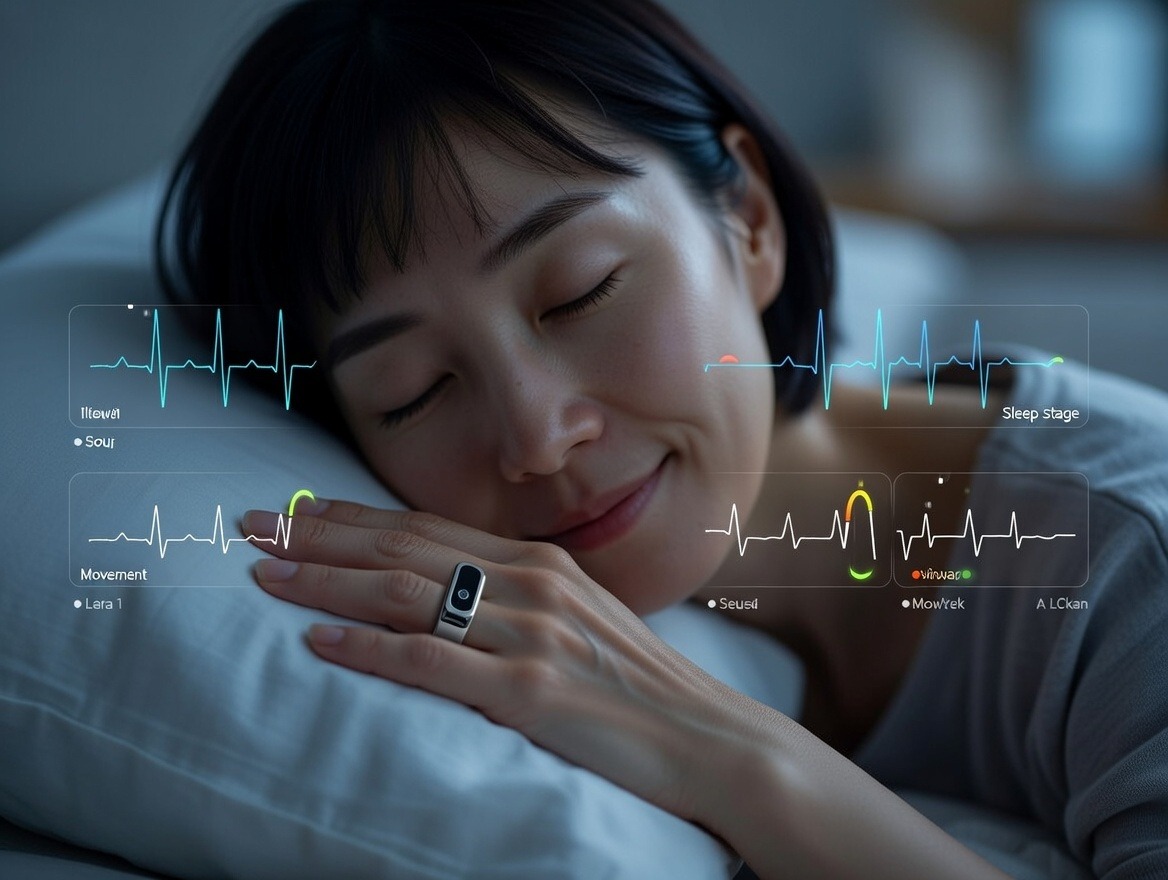
Decoding the Numbers: A Beginner’s Guide to Key Sleep Metrics

Your smart ring’s dashboard can feel overwhelming at first—a sea of graphs, percentages, and unfamiliar terms. Let’s demystify the most important metrics, translating them from jargon into actionable insights about your sleep health.

Sleep Stages: The Architecture of Your Night

  • Light Sleep (N1 & N2): This is the gateway to sleep and makes up about 50-60% of your night. It’s lightly restorative and easily disrupted. Your ring tracks if you’re getting enough total sleep time.
  • Deep Sleep (N3 or Slow-Wave Sleep): This is the most physically restorative phase. It’s crucial for tissue repair, immune function, and growth hormone release. It’s predominant in the first half of the night. What your ring tells you: A consistently low deep sleep percentage can indicate insufficient total sleep, poor sleep environment, alcohol consumption, or high stress.
  • REM Sleep: The phase for dreaming, memory consolidation, and emotional processing. It’s more prevalent in the second half of the night. What your ring tells you: Low REM can be linked to alcohol, certain medications, or sleep deprivation. It’s a sensitive marker of sleep quality.

Heart Rate Variability (HRV): Your Body’s Stress & Recovery Gauge
This is not your heart rate, but the variation in time between each heartbeat. A higher HRV generally indicates a more resilient, recovered nervous system that can adapt to stress. A lower HRV suggests your body is under strain (from exercise, illness, or psychological stress).

  • Key Insight: Don’t chase a high number daily. Instead, look at your baseline trend over weeks and months. A rising trend means your lifestyle habits are improving your resilience. A sudden, sharp drop can be an early warning sign of illness or overtraining.

Resting Heart Rate (RHR): Your Engine at Idle
This is your heart rate while you are fully at rest, typically during deep sleep. A lower RHR is generally a sign of good cardiovascular fitness and recovery.

  • Key Insight: Like HRV, track the trend. Your RHR may be slightly elevated after a hard workout or during an illness. Chronically elevated RHR can be a sign of prolonged stress, poor recovery, or other health issues.

Sleep Latency & Efficiency: The Mechanics of Sleep

  • Latency: How long it takes you to fall asleep. Ideal is between 10-20 minutes. Consistently under 5 minutes may indicate severe sleep deprivation. Over 30 minutes may point to anxiety, poor wind-down, or timing issues.
  • Efficiency: The percentage of time in bed you are actually asleep. Aim for 85% or higher. Low efficiency means you’re spending too much time tossing, turning, or awake.

Body Temperature & Respiratory Rate: The Subtle Vital Signs

  • Temperature: Your ring tracks deviation from your personal baseline. A higher nighttime temperature can indicate your body is fighting an infection, you’re in a too-warm room, or you’ve exercised too late.
  • Respiratory Rate: The number of breaths per minute during sleep. It’s a very stable metric. Significant increases can sometimes signal the onset of a respiratory infection or other stress.

By learning this language, you move from being a passive recipient of a score to an active interpreter of your health. You can start to ask smarter questions: “My score is low because my efficiency is down—what disrupted my sleep last night?” This analytical skill is the bridge between data and meaningful behavior change. To further sharpen this skill, our guide on how to assess your current sleep health with a simple self-test offers complementary strategies.

The Consistency Imperative: Why Your Sleep Schedule is Non-Negotiable

You can have the perfect wind-down, the ideal bedroom, and impeccable daily habits, but if your sleep schedule is chaotic, you are building on sand. Consistency in your sleep and wake times is the single most effective habit for robust sleep hygiene. It’s the bedrock upon which everything else rests.

Circadian Rhythm: Your Internal Symphony
Your body doesn’t run on a simple 24-hour clock; it operates a complex, 24-hour circadian rhythm—a symphony of hormonal releases, temperature fluctuations, and alertness cycles. This rhythm is governed by a master clock in your brain (the suprachiasmatic nucleus), which takes its primary cue from light. When you keep a consistent schedule, you allow this internal symphony to play in perfect harmony. When you vary your sleep times, it’s like changing the conductor’s tempo every night—the result is cacophony and poor performance.

The Social Jetlag Phenomenon
This is the technical term for the common pattern of sleeping late and waking late on weekends, then forcing an early wake-up on Monday. A 2-hour shift in your schedule is physiologically equivalent to flying across two time zones every weekend. Come Monday, you experience genuine jetlag: brain fog, fatigue, and irritability. Your smart ring will clearly show this: lower scores, less REM sleep, and a disrupted HRV pattern on Sunday and Monday nights.

Building the Habit: Start with Wake Time
If changing both bedtime and wake time feels daunting, start with the wake time. Waking at the same time every single day (yes, weekends included) is the most powerful anchor for your circadian rhythm.

  • The 7-Day Challenge: Commit to setting your alarm for the same time for one week, regardless of when you fell asleep. Get up when it goes off and get bright light exposure. Your body will naturally begin to feel sleepy at a more consistent time in the evening, making your bedtime self-regulate.

Managing Variability: The 1-Hour Rule
Perfect consistency is an ideal. Life happens. The goal is to minimize deviation. A good rule of thumb is to keep your wake time within a 1-hour window 95% of the time. If you usually wake at 6:30 AM, don’t sleep past 7:30 AM on your days off. This minor adjustment prevents most of the damaging effects of social jetlag.

Your smart ring’s “Sleep Timing” metric is the judge of this habit. It will show you when you fell asleep and woke up, and a good score in this category rewards consistency. Over weeks of a steady schedule, you’ll likely see improvements in almost every other metric—latency, efficiency, and sleep stage balance—as your body learns to predict and prepare for sleep with Swiss-watch precision. This level of consistency is what transforms a collection of habits into a true lifestyle, a concept explored in depth in our article on the sleep health journey what to expect in year one.

Navigating the Data: How to React (and Not Overreact) to Your Scores

The gift of data can also be a curse if it leads to “orthosomnia”—an unhealthy preoccupation with achieving perfect sleep scores. The goal is to use the ring as a guide, not a gospel; a coach, not a critic. Here’s how to navigate your data with a balanced, productive mindset.

Adopt a Trend-Based Mindset
A single night’s score is almost meaningless. Life is variable. A poor score due to a sick child, a late flight, or a celebratory dinner is normal and should be expected. The true value lies in observing trends over weeks and months.

  • Healthy Practice: Look at your weekly and monthly averages. Is your Sleep Score trending gently upward? Is your HRV baseline gradually improving? These long-term trends tell you if your overall lifestyle is supportive of good sleep.

Identify Patterns, Not Isolated Events
Instead of asking “Why was my score low last night?” start asking “What patterns emerge on my low-score nights?”

  • Healthy Practice: Use your ring’s tagging or note feature. Tag nights with “Alcohol,” “Late Workout,” “Stressful Day,” or “Ate Late.” After a few weeks, you can review and see clear correlations. This turns anecdotal guesswork into empirical understanding.

Don’t Chase Perfection; Chase Understanding
A score of 75 is not a failure. It’s information. Click into the breakdown. Was it low efficiency? Low deep sleep? The breakdown tells you where to focus your efforts, preventing overwhelm.

  • Healthy Practice: Choose one metric to gently improve for a two-week period. For example, if your latency is consistently high, double down on your wind-down ritual and caffeine curfew. Ignore the other scores for that period. Targeted, incremental improvement is sustainable.

When to Ignore the Ring (Temporarily)
There will be nights when you feel great despite a mediocre score, or feel tired after a great score. Your subjective feeling is valid data too.

  • Healthy Practice: Practice “ring-free” checks. Upon waking, ask yourself: “How do I feel on a scale of 1-10?” Before you check your score. Over time, you’ll align your subjective feeling with the objective data, building powerful body awareness.

Using the “Readiness” or “Recovery” Score
Many rings combine sleep data, activity, and HRV into a daily “Readiness” score. This is your guide for how to approach the day.

  • High Readiness: A green light for intensity—hard workouts, important meetings, social events.
  • Lower Readiness: A yellow or red light for recovery. This is the day for gentle movement, stress management, an early bedtime, and saying no to extra obligations. Honoring this score prevents burnout and injury.

By approaching your data with curiosity instead of anxiety, you transform the ring from a source of stress into a tool for empowered self-experimentation. This balanced perspective is essential for long-term success and helps you avoid the common sleep health mistakes beginners make and how to avoid them.

The Mind-Sleep Connection: Managing Stress and Anxiety for Better Rest

You can have the darkest, coolest room and the most consistent schedule, but if your mind is a whirlwind of anxiety and stress, sleep will remain elusive. The mind-sleep connection is a two-way street: poor sleep exacerbates stress, and high stress ruins sleep. Breaking this cycle is essential for true sleep hygiene.

Understanding the Nighttime Anxiety Spiral
As you lie in bed in the quiet dark, thoughts that were drowned out by the day’s noise suddenly become deafening. Worries about work, finances, or relationships can trigger a cascade of physiological stress responses: increased heart rate, rapid breathing, and the release of cortisol and adrenaline—the exact opposite of the state needed for sleep.

Pre-Bed Cognitive Strategies

  • Scheduled Worry Time: Earlier in the evening (not in bed!), schedule 15 minutes as your official “worry time.” Write down everything causing anxiety. The act of containment tells your brain it doesn’t need to process these thoughts at 2 AM.
  • Cognitive Reframing: Challenge catastrophic thoughts. Instead of “I’ll be a wreck tomorrow if I don’t sleep,” try “My body is resting even if my mind is active, and I can handle tomorrow.”
  • Gratitude Journaling: Shift your mental focus from lack to abundance. Writing down 3-5 things you are grateful for before bed activates positive neural pathways and reduces stress hormone activity.

Physiological Tools to Calm the Nervous System
When anxiety hits, it’s in the body. You must use the body to calm the mind.

  • Diaphragmatic Breathing (4-7-8): Inhale quietly through your nose for 4 seconds. Hold your breath for 7 seconds. Exhale completely through your mouth for 8 seconds. Repeat 4-6 times. This directly stimulates the parasympathetic (rest-and-digest) nervous system.
  • Body Scan Meditation: Starting at your toes and moving slowly up to your head, mentally focus on each body part, consciously releasing any tension you find. This practice brings awareness into the body and away from racing thoughts.
  • Progressive Muscle Relaxation (PMR): Systematically tense and then completely relax each muscle group. The contrast teaches your body the difference between tension and deep relaxation.

Daytime Stress Management: The Preventative Dose
The best time to manage sleep anxiety is during the day.

  • Movement: Regular aerobic exercise is a potent anti-anxiety treatment.
  • Mindfulness: A daily 10-minute mindfulness meditation practice builds the mental muscle to observe thoughts without being carried away by them, a skill invaluable at night.
  • Digital Boundaries: Constant connectivity is a chronic low-grade stressor. Implement tech-free periods during your day to let your nervous system down-regulate.

Your smart ring provides powerful validation for these practices. On nights after a high-stress day where you didn’t use these tools, you’ll likely see an elevated resting heart rate and lower HRV. On nights where you practiced gratitude and breathwork, you may see improved “Sleep Balance” scores. It quantifies the peace of mind you’ve cultivated, showing you that managing your mental landscape is as critical as managing your bedroom environment. The profound link between these two worlds is detailed in how sleep health affects every aspect of your life.

Troubleshooting Common Sleep Disruptors (With Ring Data Insights)

Even with the best habits, you’ll encounter obstacles. Here’s how to diagnose and address common sleep disruptors, using your ring data as a detective’s toolkit to understand what’s happening and measure your solutions.

Disruptor #1: “I Can’t Fall Asleep” (High Sleep Latency)

  • Ring Data Check: Consistently high latency scores (>30 minutes).
  • Potential Causes & Fixes:
    1. Circadian Mistiming: You’re going to bed before your natural sleep window. Fix: Gradually shift bedtime 15 minutes later, or focus on a later, consistent wake time to push your rhythm.
    2. Overstimulation: Your wind-down is insufficient. Fix: Enforce a stricter digital sunset and incorporate 20 minutes of a non-screen relaxation practice.
    3. Anxiety/Rumination: Your mind won’t shut off. Fix: Implement the “brain dump” and 4-7-8 breathing techniques covered in the previous section.

Disruptor #2: “I Wake Up in the Middle of the Night” (Sleep Fragmentation)

  • Ring Data Check: High number of awakenings, long “Awake” duration, low “Restfulness” score.
  • Potential Causes & Fixes:
    1. Environmental Triggers: Noise, light, or temperature fluctuations. Fix: Re-audit your sleep sanctuary. Use white noise and ensure blackout conditions.
    2. Physiological Triggers: Hunger, thirst, full bladder, or pain. Fix: Adjust evening meal timing and hydration. Address pain with mattress/pillow upgrades or medical advice.
    3. Stress/Cortisol Spikes: A surge of cortisol can wake you, often around 2-4 AM. Fix: Focus intensely on daytime stress management. Avoid any stimulating activity if you wake up (no phone!). Practice a brief body scan or focused breathing to fall back asleep.

Disruptor #3: “I Wake Up Exhausted” (Poor Sleep Quality)

  • Ring Data Check: Low scores despite adequate time in bed. Check Deep Sleep and REM Sleep percentages, and HRV trend.
  • Potential Causes & Fixes:
    1. Alcohol Consumption: The most common culprit for poor quality. Fix: Eliminate alcohol within 4 hours of bed for two weeks. Watch your Deep and REM scores dramatically improve.
    2. Sleep Apnea/Disordered Breathing: Characterized by loud snoring, gasping, and high resting heart rate/ low HRV despite long sleep duration. Fix: This requires medical diagnosis. Your ring’s consistent low scores and elevated respiratory rate can be valuable data to share with a doctor.
    3. Overtraining/ Poor Recovery: Your body can’t repair itself. Fix: Honor low “Readiness” scores. Incorporate more rest days, prioritize nutrition, and consider deload weeks in your training.

Disruptor #4: “My Data is All Over the Place” (Inconsistent Scores)

  • Ring Data Check: High variability from night to night with no clear pattern.
  • Potential Cause & Fix:
    • Lack of Routine: Inconsistent bedtimes, wake times, and daily habits prevent your body from establishing a rhythm. Fix: Return to the “Consistency Imperative” (Section 7). Choose one anchor habit (consistent wake time) and stick to it religiously for two weeks to stabilize your data.

By methodically pairing a symptom (“I feel X”) with your ring’s diagnostic data (“My Y metric is low”) and running targeted experiments (“I will try Z fix”), you become the expert on your own sleep. This process turns frustration into empowered problem-solving. For a comprehensive list of what to look for, you can refer to the sleep health checklist are you getting it right.

Building Your Personal Sleep Hygiene Plan: The 30-Day Integration Challenge

Knowledge is only potential power. The power is realized when that knowledge is translated into a personalized, sustainable plan. This final section is your blueprint for integration. We’ll synthesize everything into a step-by-step 30-day challenge designed to build lasting habits, using your smart ring as your accountability partner and progress tracker.

Phase 1: The Baseline Week (Days 1-7) – Observe, Don’t Judge
Do not change anything. Your only job is to wear your ring consistently and observe your current, unaltered sleep patterns.

  • Daily Task: Log your subjective feeling upon waking (1-10 scale) before looking at your score.
  • Weekly Review: At the end of the week, look at your averages: Total Sleep, Sleep Score, HRV, RHR. This is your honest baseline. Note one or two areas that seem most problematic (e.g., “Latency is high,” “REM sleep is low”).

Phase 2: The Foundation Fortnight (Days 8-21) – Introduce Keystone Habits
Choose only 2-3 foundational habits to implement with extreme consistency. Do not try to do everything at once. We recommend:

  1. Consistent Wake Time: Wake within the same 30-minute window every single day. Get bright light within 30 minutes.
  2. Digital Sunset: Implement a 60-minute screen-free buffer before your target bedtime.
  3. Caffeine Curfew: Stop all caffeine intake at least 8 hours before bed.
  • Daily Task: Faithfully execute your 2-3 chosen habits. Tag your nights in the app.
  • Weekly Review: After weeks 2 and 3, compare your averages to your Baseline Week. Are your scores trending up? Is your chosen problem metric improving? The data will show you the direct payoff of your consistency.

Phase 3: The Optimization Week (Days 22-30) – Refine and Add
Based on your data, choose one refinement.

  • If Latency is Still High: Deepen your wind-down ritual with 10 minutes of reading or breathwork.
  • If Restfulness is Low: Conduct a full environmental audit, focusing on darkness and sound.
  • If HRV is Stagnant: Introduce a 10-minute daily mindfulness practice or slightly increase your daily movement.
  • Daily Task: Maintain your Phase 2 habits and add your one refinement.
  • Final Review: At day 30, conduct a full analysis. Compare all metrics to your Baseline Week. How have your averages improved? How do you feel? Celebrate the wins, no matter how small.

The Post-Challenge Mindset: Lifelong Iteration
After 30 days, you are no longer a beginner. You are a practitioner. You have a personalized framework. Your plan going forward is simple:

  1. Maintain your keystone habits (they should feel automatic by now).
  2. Use your ring’s trends to identify when you’re slipping or when a new stressor appears.
  3. Experiment with one new variable at a time for 1-2 weeks to continue optimizing.

Your sleep hygiene is now a living, breathing part of your lifestyle, informed by data and refined by experience. You have moved from confusion to clarity, from guesswork to guidance. The journey to better sleep is never truly finished, but now you have the map, the compass, and the skills to navigate it for life. For a quick-reference summary of all these principles, bookmark the quick start guide to better sleep health.
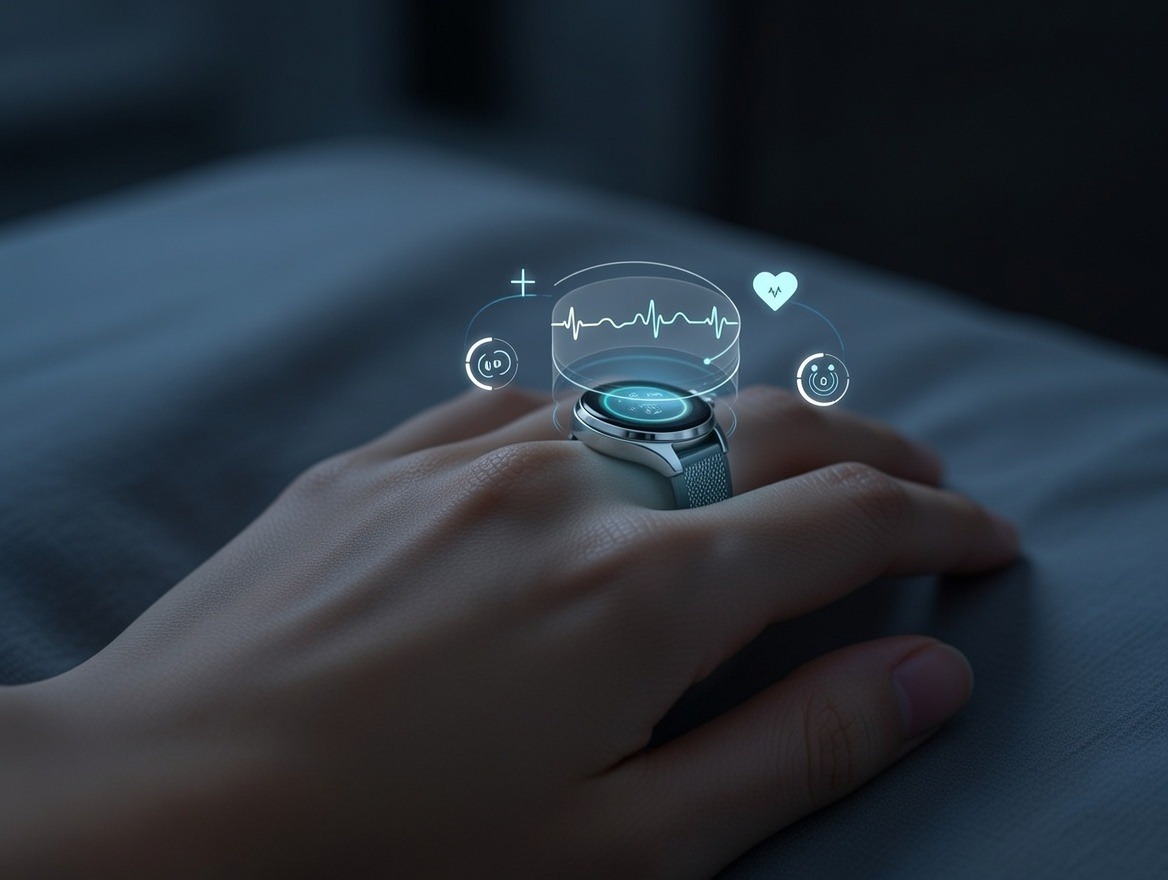
Beyond the Sleep Score: Leveraging Daytime Data (HRV, RHR, Activity) for Holistic Health

While your Sleep Score is a fantastic nightly summary, the most profound insights from your smart ring often come from its 24/7 biometric monitoring. Metrics like Heart Rate Variability (HRV), Resting Heart Rate (RHR), and activity data paint a continuous picture of your body’s stress, recovery, and readiness. Learning to read this daytime story is the key to truly holistic sleep health, because how you live your day directly dictates how you sleep your night.

HRV: The Ultimate Biofeedback Tool for Lifestyle Management
As we discussed, HRV is a measure of your autonomic nervous system’s flexibility. Think of it as your body’s “readiness to perform and recover” score in real-time.

  • The Daily Practice: Check your HRV graph not just for the nightly average, but for its diurnal pattern. A healthy pattern shows a jagged, variable line during the day (responding to activity and stress) and a smooth, elevated plateau during deep sleep. A flat, low line all day and night suggests chronic stress and a lack of resilience.
  • Actionable Insight: Use acute HRV dips to guide immediate choices. If you see a sharp drop after a stressful work meeting, that’s your cue for a 5-minute breathing break instead of another coffee. If your HRV is low upon waking (per your readiness score), it’s a signal to prioritize recovery—choose a gentle walk over an intense gym session. This is proactive health management.

Resting Heart Rate (RHR): The Barometer of Overall Load
Your RHR is elegantly simple: the lower it is at rest, the less hard your heart has to work. Tracking its trends reveals your body’s response to your total life load—exercise, diet, stress, and illness.

  • The Daily Practice: Watch for deviations from your personal baseline. A sustained elevation of 5-10 beats per minute above your normal can be an early, silent warning sign. It often precedes feelings of overtiredness or illness by 1-3 days.
  • Actionable Insight: An elevated RHR trend, paired with low HRV, is a strong “recovery alarm.” When you see this pattern in your data, it’s time to audit your lifestyle: Are you pushing too hard in workouts? Is work stress bleeding into your evenings? Are you fighting off a bug? This data empowers you to pull back before you crash, protecting your sleep quality from inevitable disruption.

Activity & Temperature: Closing the Loop

  • Activity Balance: Your ring tracks non-exercise movement and formal workouts. The goal isn’t just high activity; it’s balanced activity. A day of high activity should ideally be followed by a night of strong recovery (high HRV, good deep sleep). If it’s not, your activity is exceeding your current recovery capacity.
  • Body Temperature: A sustained elevation in your nightly temperature deviation is one of the most sensitive indicators your ring can provide. It’s often the first sign of:
    1. Oncoming Illness: Your body raises its temperature to fight pathogens.
    2. Inflammatory Response: From intense exercise, poor diet, or an autoimmune issue.
    3. Hormonal Fluctuation: For women, it can closely track the menstrual cycle.
    4. Sleep Environment: A room that’s simply too warm.

By synthesizing Sleep Score with these daytime biomarkers, you stop seeing sleep as an isolated performance. You start to see it as the vital recovery phase in a continuous cycle: Live → Recover → Repeat. Optimizing this cycle is the essence of sustainable wellness, a concept explored in our resource on how poor sleep health shows up in your daily life.

The Art of the Nap: Strategic Daytime Rest Without Compromising Nighttime Sleep

For many beginners, napping feels like cheating—or a surefire way to ruin the coming night’s sleep. When done correctly, however, napping is a powerful performance-enhancing tool that can complement your sleep hygiene, not sabotage it. Your smart ring can help you master this art by providing data on how naps affect your unique physiology.

The Science of the Power Nap
A short nap (10-20 minutes) primarily boosts alertness, concentration, and motor performance without entering deep sleep, thus avoiding “sleep inertia”—that groggy, disoriented feeling. It’s a quick reset for your brain. Longer naps (60-90 minutes) allow you to complete a full sleep cycle, including deep and REM sleep, which can enhance creativity, emotional processing, and procedural memory, but carry a higher risk of inertia and potential nighttime disruption.

The Golden Rules of Strategic Napping

  1. Timing is Everything: The post-lunch dip between 1 PM and 3 PM is the ideal biological window for a nap. Napping too late in the day (after 4 PM for most) can significantly interfere with your drive to sleep at night.
  2. Keep it Short or Commit to a Cycle: Stick to the 20-minute “power nap” or allocate a full 90 minutes. The danger zone is 30-60 minutes, where you’re likely to wake from deep sleep, causing severe inertia.
  3. Create a Nap-Conducive Environment: If possible, mimic your sleep sanctuary: a dark, cool, quiet place. Use an eye mask and earplugs if needed. The goal is to fall asleep quickly to maximize benefits.

Using Your Smart Ring to Personalize Your Nap Strategy
This is where your device transitions from a sleep tracker to a rest optimizer.

  • The Readiness Score Check: Before deciding to nap, check your daily readiness/recovery score. A very low score may indicate that a nap could be beneficial for systemic recovery.
  • Post-Nap Impact Analysis: Tag a “Nap” in your app on days you take one. The next morning, analyze the impact:
    • Did your Sleep Latency increase (trouble falling asleep)?
    • Was your Total Sleep Time or Sleep Efficiency lower?
    • Did your nighttime Deep Sleep percentage change?
  • Tracking Sleep Debt Payback: If you have a night of poor sleep, a strategic nap the next day can help pay back that “debt” without creating a new problem. Your ring can help you verify this by showing a more balanced sleep architecture the following night, rather than a fragmented one.

When to Avoid Napping
Your ring data might suggest napping isn’t for you if you see a consistent pattern of nighttime disruption following days with naps. This is particularly crucial for those with insomnia or difficulty maintaining sleep. For this group, consolidating all sleep into the night is often the primary therapeutic goal. Your data provides the objective evidence to make that call, helping you move beyond blanket advice to what works for your body.

Mastering the nap turns rest from a passive state into an active tool you can deploy with precision. It embodies the shift from rigid sleep rules to intelligent sleep flexibility, guided by your personal data. For more on adapting your sleep strategies as needed, see our guide on how to prioritize sleep health when life gets busy.

Travel, Shift Work, and Life Interruptions: Maintaining Sleep Hygiene Against the Odds

Life is not a controlled laboratory. Travel across time zones, demanding shift work, caring for a newborn, or periods of high stress will disrupt even the most impeccable routine. The goal here isn’t perfection; it’s resilience. It’s about having a toolkit to minimize the damage and recover quickly, using your smart ring as a guide through the chaos.

Conquering Jet Lag with Data
Jet lag is a direct conflict between your internal circadian clock and the external time zone. Your ring’s data on sleep timing, HRV, and RHR becomes invaluable.

  • Pre-Travel Preparation: 2-3 days before an eastward trip, gradually shift your bedtime and wake time 30-60 minutes earlier. For westward travel, shift them later. Your ring will show you how this small prep stabilizes your scores upon arrival.
  • The Prime Directive: Follow the Light. Upon arrival, use light exposure strategically to reset your clock. If you’ve flown east, seek bright morning light and avoid afternoon/evening light. If you’ve flown west, seek afternoon and early evening light. Your ring’s “Sleep Timing” metric will show you how quickly your sleep window aligns with local time.
  • The Recovery Metric: Post-travel, watch your HRV. It will often be suppressed. A return to your baseline HRV is the true signal that you’ve recovered from jet lag, even if your sleep times have adjusted. Let this guide your return to intense exercise.

Navigating Shift Work
For shift workers, sleep hygiene is an absolute lifeline. The principles are the same, but their application must be fierce and consistent.

  • Absolute Darkness & Sound: After a night shift, your bedroom must be an impenetrable fortress against daylight. Use blackout curtains, aluminum foil on windows, or a high-quality sleep mask. White noise is essential to block daytime sounds.
  • Consistency on Your Schedule: Even on days off, try to maintain a similar sleep-wake schedule. This prevents the brutal “weekly jetlag” shift workers often experience.
  • Ring as Your Anchor: Your ring doesn’t care if “night” is at 10 PM or 10 AM. It will track the quality of your sleep period, regardless. Use it to find the precise wind-down routine, meal timing, and light exposure strategy that yields the best scores for your unique schedule. It provides objective proof of what’s working in an objectively challenging situation.

Managing Unavoidable Disruptions (New Parents, Caregivers, etc.)
During seasons of life where uninterrupted sleep is simply not possible, the focus must shift from sleep quality to sleep opportunity and recovery.

  • Sleep When You Can: Abandon the ideal of a 7-hour block. Embrace naps (using the strategies above) and any opportunity for rest.
  • Protect Your “Anchor Sleep”: If possible, identify one core sleep period (e.g., 12 AM - 5 AM) that you defend with your life. Consistency in even one anchor segment helps regulate your rhythm.
  • Watch Your Trends for Burnout: In these phases, your ring’s primary role is as an early warning system. A steadily declining HRV baseline and rising RHR are critical signs that your recovery debt is becoming unsustainable. This data isn’t a critique; it’s a call to seek support, delegate, and implement micro-recovery practices wherever possible.

In all these scenarios, your smart ring shifts from a performance optimizer to a resilience monitor. It helps you navigate the storm, not by giving you perfect scores, but by showing you the path back to calmer waters. This pragmatic approach is central to understanding how sleep health changes throughout your life.

Advanced Sleep Tracking: Understanding Sleep Stages (Deep, REM, Light) and Their Impact

We’ve touched on sleep stages, but a deeper understanding empowers you to interpret your data with greater nuance. Your sleep isn’t monolithic; it’s a dynamic, cyclical process where each stage serves a distinct, non-negotiable purpose. Your smart ring’s staging, while not medical-grade polysomnography, provides a highly accurate estimate that is perfect for tracking trends.

The Symphony of a Sleep Cycle
A full sleep cycle lasts about 90 minutes and repeats 4-6 times per night. The composition of these cycles changes as the night progresses:

  • Cycle 1 (Early Night): Heavy on Deep Sleep (N3). This is when physical restoration is prioritized—tissue repair, immune system strengthening, growth hormone release.
  • Cycles 2 & 3: A balance of Light Sleep (N2) and Deep Sleep, with REM sleep beginning to make an appearance.
  • Final Cycles (Late Morning): Dominated by REM Sleep and Light Sleep. This is the prime time for dreaming, memory consolidation, and emotional regulation.

Deep Sleep: The Physical Restorer

  • What It Is: The hardest stage to be awakened from. Brain waves are slow (delta waves). Blood flow is directed to muscles.
  • Impact of Deprivation: You wake up physically unrefreshed. Muscle recovery is poor, immune function is compromised, and you may crave sugary foods for energy.
  • Ring Data Insight: Low deep sleep is often linked to: 1) Alcohol (it suppresses deep sleep in the second half of the night), 2) Sleeping in a hot environment, 3) Pain or discomfort, 4) High nighttime cortisol from stress.

REM Sleep: The Mental and Emotional Integrator

  • What It Is: The stage of vivid dreams. Your brain is almost as active as when awake, but your body is paralyzed (to prevent acting out dreams). It’s crucial for learning, memory, and mood.
  • Impact of Deprivation: Brain fog, difficulty learning new information, emotional volatility, and poor creativity.
  • Ring Data Insight: Low REM sleep is a classic signature of: 1) Alcohol (it severely suppresses REM), 2) Certain antidepressants (SSRIs), 3) Sleep deprivation (the body prioritizes deep sleep first, robbing REM), 4) Sleep apnea (arousals prevent entry into REM).

Light Sleep: The Essential Gateway

  • What It Is: Makes up 50-60% of the night. It’s lightly restorative and acts as the transition zone between wakefulness, deep sleep, and REM.
  • Impact: While less glamorous, it’s essential. An increase in light sleep percentage can sometimes indicate your sleep is more fragmented (you’re dipping into light sleep from brief awakenings rather than progressing into deeper stages).

Using Stage Data for Targeted Optimization
Instead of just looking at “Total Sleep,” you can now perform a quality audit:

  • Scenario: “My Sleep Score was low, but I slept 8 hours!”
  • Investigation: Check the breakdown. You might see: Deep Sleep: 5% (Very Low), REM Sleep: 10% (Low), Light Sleep: 85% (Very High).
  • Diagnosis: This pattern suggests highly fragmented, non-restorative sleep. You’re getting the time, but not the architecture. The culprit is likely environmental disruptions (noise, light, a snoring partner) or a substance like alcohol.
  • Action: Double down on your sleep sanctuary and experiment with eliminating evening alcohol. Watch how your stage percentages rebalance over the following nights.

This level of analysis transforms you from a data consumer to a sleep scientist conducting personal experiments. It provides the “why” behind the score, which is essential for making the right corrective adjustments. For a foundational refresher on these concepts, our guide on sleep health 101 everything beginners need to know is always available.

The Role of Diet and Hydration: How What You Consume Affects Your Ring Scores

Your nutrition is not just fuel for your day; it’s the raw material for your night’s repair. The timing, composition, and quantity of your food and drink have direct and measurable effects on your sleep architecture and biometrics. Your smart ring can reveal these connections with striking clarity.

The Macronutrient Balance and Sleep Architecture

  • Carbohydrates: Can promote sleep onset due to the role of insulin in facilitating tryptophan (a sleep-promoting amino acid) entry into the brain. However, large, high-glycemic meals close to bedtime can cause blood sugar spikes and crashes, leading to nighttime awakenings.
    • Ring Insight: You might see good latency but poor restfulness (fragmentation) after a heavy late pasta dinner.
  • Protein: Provides the amino acids necessary for repairing tissues during deep sleep. It also helps stabilize blood sugar through the night.
    • Ring Insight: A moderate amount of protein at dinner may support higher deep sleep percentages.
  • Fats: Healthy fats support hormone production and cell repair. Heavy, greasy foods can cause indigestion and discomfort, disrupting sleep.
    • Ring Insight: A very high-fat meal too close to bed may elevate your nighttime temperature deviation and lower restfulness.

The Practical Nutrition Protocol for Sleep

  1. The 3-Hour Rule: Aim to finish your last large meal 2-3 hours before bedtime. This allows digestion to move out of its active phase before you lie down.
  2. The Strategic Bedtime Snack: If you need a snack closer to bed (within 60-90 minutes), opt for a combination that promotes satiety and sleep:
    • Complex Carb + Tryptophan Source: A small bowl of oatmeal with a few almonds, or a banana with a tablespoon of nut butter.
    • Tart Cherry Juice: Contains natural melatonin and may improve sleep efficiency.
    • Herbal Tea: Chamomile or passionflower tea can be a soothing, hydrating part of a wind-down ritual.
  3. Hydration: A Delicate Balance
    • Dehydration can elevate your heart rate and lower blood volume, which your ring may pick up as a slightly elevated RHR.
    • Overhydration right before bed guarantees disruptive nighttime trips to the bathroom, destroying your sleep efficiency score.
    • Strategy: Front-load your hydration during the day. Taper fluid intake 1-2 hours before bed, ensuring you’re hydrated but not full.

The Major Offenders: Caffeine and Alcohol (Revisited with Data)
Your ring provides irrefutable proof of their impact.

  • Caffeine Experiment: Have a coffee at 4 PM. The next morning, note your Sleep Latency and Restfulness scores. They will likely be worse than on a caffeine-free day. The half-life is biochemical fact, not opinion.
  • Alcohol Experiment: This is the most dramatic. After even 1-2 drinks, you will likely see:
    • Elevated Resting Heart Rate: Your heart works harder all night.
    • Suppressed Deep & REM Sleep: The graph will show clear deficits.
    • A "Rebound" Arousal: Often around 2-3 AM, as the sedative effects wear off, leading to fragmentation.
    • Low HRV: Indicating poor nervous system recovery.

By tagging nights where you consume these substances, you create a personal library of cause and effect. The data moves the knowledge from your head (“I probably shouldn’t”) to your lived experience (“My score drops by 15 points—I see and feel the difference”). This is the most powerful motivator for sustainable change. For more on debunking common misconceptions around habits like these, see our article on sleep health myths every beginner needs to unlearn.

When to Seek Help: Using Ring Data in Conversations with Healthcare Providers

Your smart ring is a phenomenal personal wellness tool, but it is not a medical device. Its true clinical power is unleashed when you use its longitudinal data as a detailed diary of your symptoms to share with a healthcare professional. It can transform a vague complaint (“I’m tired”) into a structured, evidence-based conversation.

Identifying Red Flags in Your Data
Certain persistent patterns in your data should prompt a discussion with a doctor or sleep specialist:

  1. Consistently High Resting Heart Rate & Low HRV: Despite good sleep hygiene, if your RHR remains elevated and HRV suppressed for weeks, it could indicate an underlying issue like thyroid dysfunction, anemia, or chronic stress requiring medical management.
  2. Severe Sleep Fragmentation with No Clear Cause: You’ve optimized your environment, cut out alcohol and caffeine, yet your “Restfulness” score remains very low, showing frequent, long awakenings. This could point to conditions like sleep apnea, restless legs syndrome, or nocturia (frequent urination).
  3. Extremely Low Deep or REM Sleep Percentages: Consistently <10% deep sleep or <15% REM sleep, despite adequate time in bed, warrants investigation.
  4. Significant Snoring + Poor Scores + Daytime Fatigue: This triad is a classic indicator of potential Obstructive Sleep Apnea (OSA). Your ring may show characteristic patterns: a very elevated RHR, frequent movement/arousals, and low oxygen saturation (if your ring has a SpO2 sensor).

Preparing for Your Appointment: The Data-Driven Patient
Walking into an appointment with organized data makes you an active partner in your care.

  • Step 1: Gather Evidence. Use your ring’s app to export or screenshot weekly and monthly trends. Don’t just show one bad night; show the persistent pattern.
  • Step 2: Create a Symptom & Data Journal. For 1-2 weeks, pair your daily ring scores with brief notes:
    • “Monday: Sleep Score 72. Felt exhausted. Tag: Snoring (per partner). Graph shows high RHR and 12 awakenings.”
    • “Thursday: Sleep Score 89. Felt great. Went to bed 30 min earlier, no alcohol.”
  • Step 3: Frame Your Concern. Instead of “I’m tired,” you can say: “I’ve been tracking my sleep for three months. Despite 8 hours in bed, my data shows my resting heart rate is 15 bpm higher than average, my deep sleep is consistently under 10%, and I have over 20 awakenings per night. My partner reports loud snoring. This pattern suggests to me that my sleep is not restorative. I’m concerned about sleep apnea.”

What a Professional Can Do With Your Data

  • Sleep Specialist: They can use your trends to prioritize testing. Your data might be the key to justifying an at-home or in-lab sleep study.
  • Therapist/Counselor: Data showing high latency and low HRV after stressful days can concretely demonstrate the physical impact of anxiety, guiding therapy approaches like CBT-I (Cognitive Behavioral Therapy for Insomnia).
  • General Practitioner: Long-term trends in RHR and HRV can be valuable for managing conditions like hypertension, metabolic syndrome, or monitoring recovery from illness.

Your ring data empowers you to advocate for your health with precision. It bridges the gap between subjective feeling and objective measurement, leading to faster, more accurate diagnoses and treatments. For guidance on starting this important conversation, review our resource on how to talk to your doctor about sleep health.

Integrating with Other Wellness Tech: Creating a Cohesive Health Ecosystem

Your smart ring is a powerhouse, but it doesn’t exist in a vacuum. Most people interact with multiple streams of health data: fitness apps, nutrition trackers, mindfulness platforms, and smart scales. The true magic happens when you connect these dots to see the interconnected story of your wellbeing. This is about moving from siloed data points to a holistic health ecosystem.

The Synergy of Data Streams

  • Fitness Trackers & Apps (Strava, Apple Fitness+, Peloton): Your ring provides the readiness score; your fitness app provides the exertion data. By comparing them, you can directly answer: “Was my workout appropriate for my recovery state today?” Did a hard workout on a low-readiness day lead to a crash in HRV and poor sleep? This prevents overtraining.
  • Nutrition Trackers (MyFitnessPal, Cronometer): Correlate your macronutrient intake and meal timing with your sleep scores. You can run clean experiments: “Does a high-protein dinner improve my deep sleep?” “Does logging 100g of carbs within 3 hours of bed lower my efficiency?” The ring provides the outcome data for your nutritional inputs.
  • Mindfulness & Stress Apps (Calm, Headspace, Whoop): Many of these apps provide a daily “mindfulness minutes” or “stress score.” Pair this with your ring’s HRV. Do days with 10+ minutes of meditation show a measurable uplift in your nighttime HRV or a lower sleeping RHR? This creates powerful positive reinforcement for your mental practice.
  • Smart Scales (Withings, Garmin): Trends in body composition (muscle mass, body fat percentage, water weight) can provide context for changes in your RHR and HRV. For example, a period of unintentional weight loss might correlate with a higher RHR and lower HRV, indicating potential overstress.

Practical Steps for Integration

  1. Utilize a Central Hub: Apps like Apple Health or Google Fit are designed to be central repositories. Enable permissions for your smart ring, fitness apps, and nutrition tracker to write data to this hub. Suddenly, you can view your sleep score, morning weight, and yesterday’s calorie burn on one screen.
  2. Look for Direct Integrations: Many smart rings and wellness apps have built-in partnerships. For instance, your ring might automatically import workout data from Strava to factor into your daily readiness score.
  3. Manual Correlation & Journaling: For metrics that don’t auto-sync, a simple weekly review works. On Sunday, look at your weekly averages from your ring, your total workout minutes, and your nutrition log. Look for stories: “High activity week with poor nutrition led to lower HRV.” “Consistent meditation correlated with best Sleep Scores.”

The Goal: Informed Intuition
The end goal of this integration isn’t to become a data analyst. It’s to develop informed intuition. Over time, by repeatedly seeing how sleep, nutrition, movement, and stress interact in your personal data, you begin to feel the connections. You start to crave the salad after a poor night’s sleep because you know it helps. You intuitively choose a walk over a hard run when your body feels off. The data trains your inner sense, leading to sustainable, self-directed wellness. Building this ecosystem is a natural progression in the beginner's guide to understanding sleep health.
The Long Game: How to Avoid Burnout and Make Sleep Hygiene a Sustainable Lifestyle

The initial excitement of tracking and optimizing can, for some, turn into an obsessive chase for perfect scores. This “orthosomnia” is counterproductive and unsustainable. The ultimate mastery of sleep hygiene is not rigid control, but flexible, resilient integration. It’s about making these principles a background rhythm to your life, not the main melody.

Shifting from Performance to Partnership
Reframe your relationship with your ring and your sleep. It is not a judge handing down a grade. It is a partner providing feedback. The goal is not a score of 90 every night; the goal is to understand what your body needs and to respond with kindness.

  • Practice: On a morning after a poor score, instead of frustration, cultivate curiosity. “Fascinating. My body had a hard time recovering last night. I wonder what it needs today?” This shifts you from a performance mindset to a caregiving one.

Embracing the 80/20 Rule
Aim for consistency 80% of the time. This leaves 20% of your life—the weekends, vacations, social events, and celebrations—for flexibility without guilt.

  • The Rule in Action: You maintain your consistent wake time and wind-down ritual during the workweek (80%). On Saturday, you stay out late with friends, have a drink, and sleep in. Your score will dip. That’s expected, and it’s okay. You enjoy the social connection fully, knowing your 80% foundation will let you bounce back quickly by Monday. Your ring data will show you this resilience.

Seasonal Adjustments
Your sleep needs and patterns are not static. They change with seasons (less light in winter, more heat in summer), life phases (new job, new relationship, training for a marathon), and age.

  • Action: Every 3-6 months, do a “sleep hygiene audit.” Revisit your habits. Has your natural bedtime shifted? Do you need to adjust your workout timing? Use your ring’s long-term trends to guide these seasonal tweaks, not just rigidly adhere to a plan made months ago.

Knowing When to Take a Break
If you find yourself feeling anxious about your score or compulsively checking your app, it’s time for a data detox.

  • The Practice: Put your ring in a drawer for a week. Sleep based on feel. Go to bed when you’re tired, wake without an alarm if you can. Reconnect with your body’s innate signals. When you put the ring back on, you’ll return with a healthier, more balanced perspective.

True sleep hygiene is a practice of self-awareness and self-care that lasts a lifetime. It’s not about the data on the screen; it’s about the quality of life that data helps you create. By avoiding burnout and embracing flexibility, you ensure that the pursuit of better sleep remains a joyful, empowering part of your life’s journey, not another source of stress. This balanced perspective is the culmination of the journey outlined in the sleep health journey what to expect in year one.

Conclusion of This Section: Your Path Forward as an Informed Sleeper

You began this guide as a beginner, perhaps curious, frustrated, or hopeful about improving your sleep. You are now equipped with something far more valuable than a list of tips: you have a framework for understanding and a toolkit for action.

You understand that sleep hygiene is the foundational behavior, and the smart ring is the feedback mechanism that turns behavior into insight. You’ve learned to interpret the language of your body through scores and metrics. You’ve built protocols for your wind-down and your sleep sanctuary. You’ve explored how to navigate real-world disruptions, optimize your day for your night, and use your data as a powerful health advocacy tool.

The path forward is one of confident, curious self-experimentation. Use your 30-day plan as a launchpad. Observe trends, not just nightly scores. Run small, focused experiments. Correlate your lifestyle choices with your biometric results. Most importantly, be kind to yourself. Progress is rarely linear. A down week in your data is not a failure; it’s information.

Your sleep is a mirror of your life. By caring for it with this level of intention and intelligence, you are not just chasing better rest—you are building a more resilient, vibrant, and aware version of yourself. The journey continues, but now you walk it with eyes wide open, guided by the gentle light of your own data. For any lingering questions as you move forward, our comprehensive resource on sleep health for beginners common questions answered is here to support you.

Citations:

Your Trusted Sleep Advocate: Sleep Foundation — https://www.sleepfoundation.org

Discover a digital archive of scholarly articles: NIH — https://www.ncbi.nlm.nih.gov/

39 million citations for biomedical literature :PubMed — https://pubmed.ncbi.nlm.nih.gov/

Experts at Harvard Health Publishing covering a variety of health topics — https://www.health.harvard.edu/blog/  

Every life deserves world class care :Cleveland Clinic - https://my.clevelandclinic.org/health

Wearable technology and the future of predictive health monitoring :MIT Technology Review — https://www.technologyreview.com/

Dedicated to the well-being of all people and guided by science :World Health Organization — https://www.who.int/news-room/

Psychological science and knowledge to benefit society and improve lives. :APA — https://www.apa.org/monitor/

Cutting-edge insights on human longevity and peak performance:

 Lifespan Research — https://www.lifespan.io/

Global authority on exercise physiology, sports performance, and human recovery:

 American College of Sports Medicine — https://www.acsm.org/

Neuroscience-driven guidance for better focus, sleep, and mental clarity:

 Stanford Human Performance Lab — https://humanperformance.stanford.edu/

Evidence-based psychology and mind–body wellness resources:

 Mayo Clinic — https://www.mayoclinic.org/healthy-lifestyle/

Data-backed research on emotional wellbeing, stress biology, and resilience:

 American Institute of Stress — https://www.stress.org/
