


Daily Wellness Habits That Improve Your Smart Ring Sleep Quality by 30%
Daily habits that can improve your ring's sleep quality score by a substantial margin.
Daily habits that can improve your ring's sleep quality score by a substantial margin.
%402x.svg)
You wake up feeling refreshed, glance at your smartphone, and see your sleep score: 92. Your smart ring recorded deep, restorative sleep, minimal disturbances, and perfect heart rate variability. For a moment, you wonder if the device is mistaken—this isn't your usual reality. But then you remember: this didn't happen by accident. Over the past weeks, you've systematically implemented subtle yet powerful daily habits that transformed your nights from fragmented to fantastic.
In the world of quantified self and sleep optimization, your smart ring is more than just a piece of technology—it's a biofeedback device, a personal sleep scientist on your finger, translating your body's nocturnal language into actionable data. But here's the secret most users miss: the numbers on your morning report aren't created while you're asleep. They're forged throughout your entire day.
This article reveals how to leverage your daily rhythms, choices, and routines to engineer nights of 30% better sleep quality as measured by your smart ring. We're not talking about generic sleep tips you've heard before. This is a precision protocol that aligns your biology with technology, turning your ring from a passive recorder into an active guide for achieving what sleep researchers call "consistently optimal sleep architecture."
Why 30%? In clinical studies, a 30% improvement in sleep efficiency (the gold standard metric combining sleep latency, duration, and fragmentation) represents the difference between subclinical insomnia and robust health. It's the threshold where benefits compound: cognitive function sharpens, emotional resilience solidifies, metabolic health optimizes, and your smart ring's graphs transform from jagged anxiety-inducing lines into smooth, satisfying curves.
We'll begin by establishing exactly what your smart ring measures and why these metrics matter more than simple hours in bed. Then, we'll embark on a comprehensive journey through your day—from morning light to evening wind-down—detailing the scientifically-backed habits that directly manipulate the physiological levers controlling your sleep. Each section builds upon the last, creating a synergistic system where your daily choices become the architects of your nightly restoration.
Ready to stop chasing sleep and start building it? Let's decode your data and design your days for nights that truly regenerate.
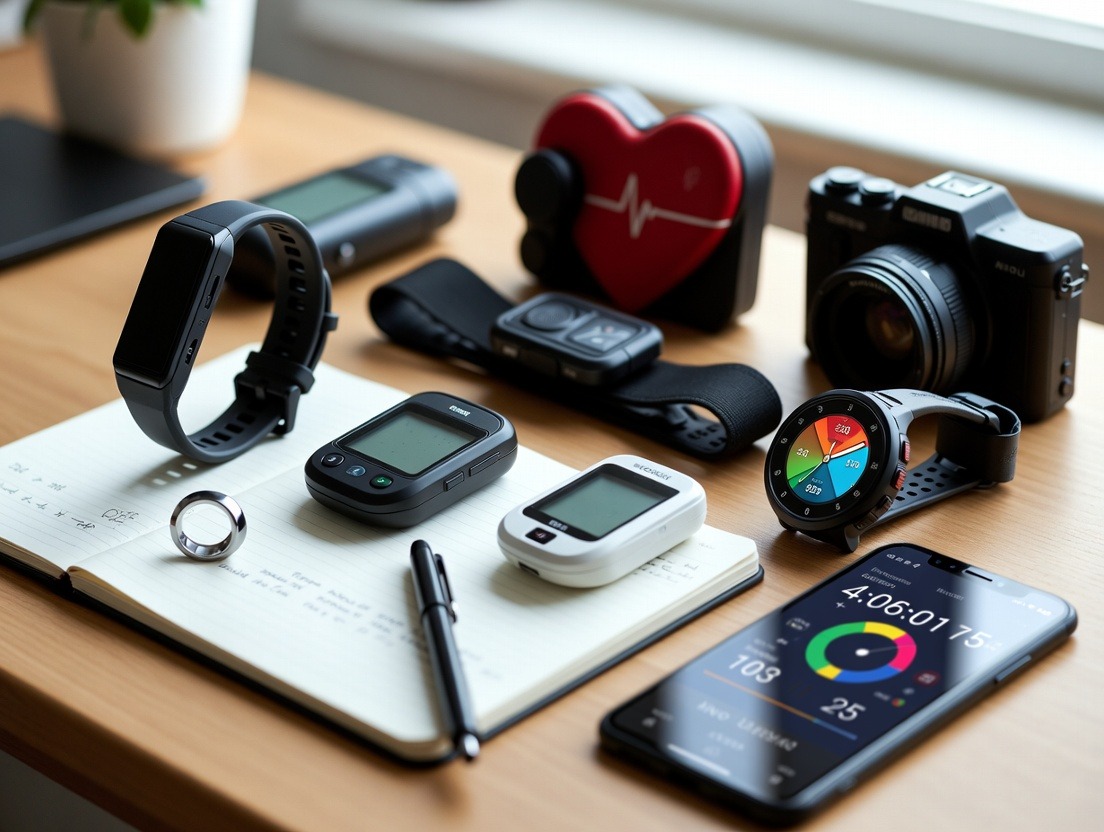
Before we can engineer a 30% improvement, we must first become fluent in the language our smart rings speak. That morning sleep score isn't a simple opinion; it's a sophisticated algorithmic synthesis of multiple biometric data streams. Understanding this is crucial because you can't optimize what you don't comprehend.
Your ring uses a combination of sensors—typically photoplethysmography (PPG) for heart rate and blood oxygen, a 3-axis accelerometer for movement, and often a temperature sensor. From this raw data, it extrapolates a detailed picture of your sleep architecture. This includes Sleep Stages: estimating time spent in light, deep, and REM sleep. While not as precise as a clinical polysomnogram, advanced algorithms using heart rate variability (HRV) and movement create a reliable proxy. Deep sleep (slow-wave sleep) is physically restorative, while REM sleep is crucial for memory and emotion processing. Your ring tracks their duration and timing.
Another critical metric is Sleep Latency: how long it takes you to fall asleep. Optimally, this should be between 10-20 minutes. Consistently shorter may indicate exhaustion; longer can signal poor sleep hygiene or stress. Sleep Efficiency is perhaps the most telling number: the percentage of time in bed actually spent sleeping. An efficiency of 90% or higher is excellent. If you're in bed for 8 hours but only sleep 6.5, your efficiency is 81%—a prime target for improvement.
Then there's Resting Heart Rate (RHR) and Heart Rate Variability (HRV). Your nocturnal RHR is a profound indicator of recovery; a lower trendline suggests better cardiovascular fitness and autonomic nervous system balance. HRV—the variation in time between heartbeats—is your body's "readiness" score. Higher HRV during sleep indicates a resilient, adaptable nervous system primed for recovery, while a suppressed HRV often flags excessive stress or illness.
Finally, many rings track Skin Temperature and Respiratory Rate. Nocturnal body temperature is intrinsically linked to sleep initiation and maintenance. A natural dip in core temperature facilitates sleep onset. Your ring might show you how stable your peripheral temperature remains throughout the night. Respiratory rate, often overlooked, is a subtle marker of autonomic state and sleep depth.
Why does this matter for daily habits? Because every metric is a physiological endpoint influenced by your daytime behaviors. A stressful work meeting can depress your HRV hours later. An afternoon workout can optimize your deep sleep. An ill-timed meal can raise your nocturnal resting heart rate. Your smart ring provides the feedback loop. As you implement the habits in this guide, you'll learn to see direct correlations: "On days I did X, my sleep efficiency consistently improved by Y." This turns abstract advice into personal, proven science.
For a deeper dive into how these metrics interconnect to define your overall sleep health, our comprehensive guide, The Foundation of Good Sleep Health: Core Principles, breaks down each component in detail.
Your sleep quality tonight is being determined the moment you open your eyes. The single most potent habit for synchronizing your internal clock—your circadian rhythm—is strategic light exposure within the first hour of waking. This isn't about checking your phone in bed; this is about deliberately using natural daylight to anchor your biology.
Your eyes contain intrinsically photosensitive retinal ganglion cells (ipRGCs). These cells don't help you see; they act as a dedicated light meter for your brain's master clock, the suprachiasmatic nucleus (SCN). When morning light hits these cells, it sends a powerful signal that suppresses melatonin (the sleep hormone) and starts a roughly 14-16 hour timer until melatonin production begins again in the evening. A strong, clear signal in the morning leads to a strong, well-timed melatonin surge at night.
The goal: Get at least 10-30 minutes of outdoor light as soon as possible after waking. Even on a cloudy day, outdoor light intensity (measured in lux) is exponentially higher than indoor lighting. Your living room might be 200 lux; a cloudy day is 10,000 lux, and a sunny day can be 100,000 lux. This intensity difference is critical for a robust circadian reset.
The Smart Ring Connection: When your circadian rhythm is precisely aligned, your ring will show:
The Practical Protocol:
The Mistake to Avoid: "Sleeping in" in a dark room or stumbling from your dark bedroom to a dimly lit kitchen confuses your clock. The signal is weak and delayed, which can lead to a delayed melatonin release and later, more fragmented sleep. This is one of the most common circadian disruptors, as outlined in our article on Sleep Health Mistakes Beginners Make and How to Avoid Them.
Consistency is key. By anchoring your clock with morning light 7 days a week, you build a rock-solid rhythm that makes falling asleep effortless and your sleep architecture robust. This one habit alone can account for a significant portion of our targeted 30% improvement by reducing the time you spend tossing and turning and increasing your overall sleep efficiency.
Physical activity is a well-known sleep promoter, but the type, timing, and intensity are what separate a sleep-enhancing workout from one that might sabotage your recovery. Your smart ring's readiness or recovery score often reflects this delicate balance.
The overarching principle is stimulate, don't annihilate. Exercise is a controlled stressor (hormetic stress) that, when applied correctly, strengthens your body's systems, including its ability to descend into and maintain deep, restorative sleep. Applied incorrectly, it becomes a source of systemic exhaustion that elevates cortisol and inflammatory markers, keeping your nervous system "on" all night.
The Golden Window: For most people, finishing moderate to vigorous exercise at least 3 hours before bedtime is ideal. This allows core body temperature, heart rate, and sympathetic nervous system activity (the "fight or flight" system) to return to baseline. Morning or afternoon exercise leverages the natural rise in core temperature and cortisol, aligning with your circadian biology. However, don't fear evening movement entirely—gentle, restorative exercise like yoga, stretching, or a leisurely walk in the early evening can actually aid the wind-down process.
Exercise Type & Sleep Stage Benefits:
Listen to Your Data: This is where your smart ring becomes an invaluable coach. Track your sleep scores after different workout types and timings.
The goal is to build a sustainable movement practice that your sleep data validates. It's not about burning the most calories; it's about providing the right stimulus for your body to crave and achieve profound recovery. For those just starting their sleep optimization journey, establishing this balanced approach to movement is a key part of The Sleep Health Journey: What to Expect in Year One.
What you eat, and critically when you eat, sends powerful signals to your circadian system and directly influences the neurochemical landscape of your night. Think of your meals as setting the stage for the sleep performance to come.
The Circadian Feeding Window: Your digestive system has its own circadian rhythm. It's most efficient earlier in the day. A powerful habit for sleep quality is to consolidate your eating into a 10-12 hour window, ideally with your last meal finishing 2-3 hours before bedtime. This gives your body time to complete the complex, energy-intensive process of digestion (which can raise core temperature and stimulate metabolism) before it needs to shift into repair and sleep mode. A late, heavy meal can force your body to prioritize digestion over sleep initiation and maintenance, leading to fragmented sleep and a higher resting heart rate, clearly visible on your smart ring.
Macronutrients & Sleep Architecture:
Hydration & Sleep: Dehydration can lead to nocturnal leg cramps and dry mouth, disrupting sleep. However, drinking large volumes of fluid right before bed guarantees disruptive bathroom trips. The strategy is front-load hydration—drink the majority of your water earlier in the day and taper off in the evening, taking only small sips if needed after dinner.
Your Smart Ring as a Dietary Detective: Pay attention to correlations. Does a late dinner correlate with a higher sleep latency or more "awake" time logged by your ring? Does a night of drinking show a characteristically "flat" or restless sleep graph with very little deep sleep? Use this feedback. Your body is telling you what fuel schedule allows it to rest best. Understanding how these daily choices manifest in your sleep data is a core part of learning to Assess Your Current Sleep Health with a Simple Self-Test.
Caffeine and water are not just substances; they are powerful chronobiological tools with distinct half-lives and physiological effects that ripple through your entire sleep-wake cycle. Managing them strategically is a non-negotiable habit for achieving a 30% sleep upgrade.
Caffeine: The Delayed Saboteur
Caffeine works primarily by antagonizing adenosine receptors in your brain. Adenosine is a neurotransmitter that builds up throughout the day, creating "sleep pressure." Caffeine blocks this signal, making you feel alert. The problem is its persistence. With an average half-life of 5-6 hours, a 200mg coffee at 2 PM leaves about 100mg active in your system at 7 PM, and 50mg at midnight. This residual caffeine can significantly reduce total sleep time, sleep efficiency, and—most notably—deep sleep quality.
The Caffeine Protocol for Peak Sleep:
Hydration: The All-Day Foundation
Hydration status influences everything from blood viscosity and joint health to cognitive function and, crucially, thermoregulation. Your body's core temperature drop is a key signal for sleep onset. Proper hydration supports efficient vasodilation (blood vessel expansion) at the skin's surface, which releases heat and facilitates this critical cooling process.
The Hydration Protocol for Undisturbed Sleep:
The Data Connection: A night of poor hydration might show up as subtle restlessness or a slightly elevated heart rate as your body works harder. A day with misplaced caffeine will almost certainly show increased sleep latency and a reduction in the depth and stability of your sleep stages. By aligning your fluid intake with your body's natural rhythms, you remove two major, preventable obstacles to high-scoring sleep. This precise alignment is a fundamental concept in the Sleep Health Pyramid: Building from the Bottom Up.
In our hyper-connected world, the single greatest theft of sleep quality is the blue-light glow that extends our artificial day deep into the biological night. The habit of a mandatory digital sunset is not about discipline; it's about defending your endocrine system from a physiological assault.
The mechanism is straightforward yet profound. The ipRGC cells in your eyes that welcomed morning light are equally sensitive to the blue light spectrum (roughly 460-480nm) emitted by LEDs, smartphones, tablets, computers, and TVs. When this light hits your retina after sunset, it sends a catastrophic signal to your SCN: "It's still daytime!" This immediately suppresses melatonin production, delays your circadian phase, and reduces melatonin's overall amplitude—meaning even when it does come, the sleepiness signal is weaker.
Why 90 Minutes? Melatonin naturally begins its rise about 2 hours before your habitual sleep time. Initiating your digital sunset 90 minutes before bed provides a buffer. It allows the suppressing effects of any recent light exposure to dissipate and gives your brain the darkness it needs to commence its natural chemical preparation for sleep. This isn't merely "screen time"; it's about total ambient light environment.
The Practical Implementation of Darkness:
Your Smart Ring Will Show You: Consistently practicing a digital sunset leads to measurable improvements. You'll likely see:
This habit directly addresses the modern-world mismatch between our biology and our technology. By reclaiming these 90 minutes, you give your body the signal it has evolved over millennia to expect: darkness means rest. For beginners overwhelmed by changing everything at once, this single habit is a powerful starting point, as recommended in The Quick Start Guide to Better Sleep Health.
Your nervous system does not have an "off" switch; it has a gradual descent sequence from sympathetic (alert) to parasympathetic (restorative) dominance. The wind-down ritual is the deliberate, habitual process of initiating this descent. It's the bridge between the stimulation of the day and the stillness of sleep, and it's perhaps the most underrated habit for boosting sleep quality by a significant margin.
A ritual is more than a to-do list; it's a sequence of consistent, sensory-based actions performed in the same order each night. This consistency creates powerful Pavlovian conditioning. Over time, simply beginning the first step sends a subconscious signal to your brain and body: "It is now time to prepare for sleep."
Constructing Your Personalized Ritual (The 60-30 Framework):
Aim for a 60-minute ritual, with the final 30 minutes being screen-free (aligned with your digital sunset). Your ritual should engage each of your senses in a calming way.
The Cognitive Component:
Your mind needs to wind down as much as your body.
The Smart Ring Validation: A consistent wind-down ritual pays dividends in your data. You will observe a calmer pre-sleep heart rate, a smoother transition into your first sleep cycle, and over time, a higher overall HRV as your nervous system learns to down-regulate more efficiently. This disciplined approach to evening preparation helps avoid the common pitfalls that sabotage rest, many of which are detailed in How Poor Sleep Health Shows Up in Your Daily Life.
You can execute every daytime habit flawlessly, but if your sleep environment is working against you, your smart ring scores will hit a frustrating ceiling. Your bedroom should function as a tailored cocoon for sleep—a sanctuary designed for one primary purpose. This goes far beyond a comfortable mattress.
The Non-Negotiable Triad: Darkness, Temperature, and Quiet.
Secondary Sanctuary Optimizations:
Your Smart Ring as an Environmental Auditor: Your device will help you troubleshoot. Is your sleep fragmented despite good habits? Check temperature logs—was the room too warm? Do you see frequent awakenings at a consistent time? Could it be a light or noise intrusion (e.g., a neighbor's schedule)? Use the data to iterate on your environment. This process of environmental assessment and refinement is a key step in the Beginner's Sleep Health Toolkit: What You Actually Need.
The body cannot sleep if the mind is alert. Chronic stress, anxiety, and rumination are the arch-nemeses of sleep quality, activating the sympathetic nervous system and flooding the body with cortisol and adrenaline—chemicals designed for vigilance, not rest. The day's unresolved stress doesn't disappear at bedtime; it often emerges more loudly in the quiet. Therefore, a daily habit of stress decoupling is essential to prevent the psychological day from polluting the biological night.
This isn't about eliminating stress (an impossible goal), but about creating a deliberate buffer between your daytime stressors and your sleep system. It's the practice of teaching your mind to disengage from the "doing" and "worrying" modes and transition into a state of "being" that is receptive to sleep.
The Daily Anchors: Short, Consistent Practices
You cannot expect a mind that has raced unchecked for 16 hours to suddenly become calm because you turned off the light. Stress management must be a distributed practice throughout the day.
The Evening Mental Ritual:
This builds upon your wind-down ritual, focusing specifically on cognitive patterns.
The Data Doesn't Lie: On days with high stress but no decoupling practice, your smart ring will likely show elevated resting heart rate, lower HRV, increased sleep latency, and more "light sleep" at the expense of deep and REM. On days where you implement these mental resets, you'll see the opposite: a quicker descent into sleep and more stable, restorative sleep stages. This direct link between daytime mental management and nighttime biometrics is a core reason Why Sleep Health Matters More Than You Think.
Your circadian rhythm thrives on predictability. It's a deeply ingrained biological program that expects consistent cues for when to be alert and when to rest. The single most destructive habit for long-term sleep quality—and one that instantly negates the benefits of your weekday discipline—is the "social jet lag" induced by wildly different sleep schedules on weekends.
Social jet lag is the mismatch between your biological clock and your social clock. Sleeping in until 11 AM on Saturday and Sunday when you wake at 6 AM during the week creates a jet lag equivalent to flying across multiple time zones every weekend. Come Sunday night, your body is physiologically unprepared for sleep at your "school night" bedtime, leading to insomnia-like symptoms, poor sleep quality, and a dreadful Monday morning feeling that sets a negative tone for the week.
The 90-Minute Rule:
The golden rule for maintaining circadian integrity is to keep your wake-up time consistent within a 90-minute window, 7 days a week. This is more important than a consistent bedtime. If you wake at 6:30 AM during the week, aim to wake no later than 8:00 AM on weekends. This minor allowance lets you feel you've "slept in" without completely derailing your clock.
Why Wake Time is King:
Recall that morning light is your primary zeitgeber (time-giver). By waking at roughly the same time daily, you expose your SCN to light at the same chronological point in its cycle, reinforcing a stable rhythm. A consistent wake time, even after a late night, helps regulate your sleep drive for the following night. You might be tired that day, but you'll be ready for sleep at the appropriate time that evening.
The Practical Protocol for Weekends:
The Smart Ring Reveals the Cost:
If you indulge in massive weekend sleep-ins, watch your data. Sunday night will show long sleep latency, restless sleep, and often a terrible readiness score on Monday morning. The entire first half of your week may be spent trying to re-synchronize, wasting the recovery you gained over the weekend. By maintaining consistency, your sleep scores become high and stable every day of the week, leading to a massive leap in average sleep quality. This principle of consistency is a fundamental lesson for anyone on Your First 30 Days of a Sleep Health Journey.
Napping is a double-edged sword. Done correctly, it can boost afternoon alertness, improve mood, and even enhance memory consolidation without harming nighttime sleep. Done incorrectly, it can reduce your homeostatic sleep drive (your "sleep pressure"), leading to difficulty falling asleep and fragmented night sleep. The key is to nap strategically, using it as a tool that complements, not compromises, your primary sleep.
The 20-Minute "Power Nap":
This is the safest and most effective nap for most people. Limited to 20 minutes maximum, you primarily dip into Stage 1 and Stage 2 (light) sleep. This provides restorative benefits without entering deep sleep (Stage 3). The advantage? You avoid "sleep inertia"—that groggy, disoriented feeling that comes from being woken from deep sleep. You wake up feeling refreshed and alert within a few minutes.
The Timing Window: Early Afternoon
Align your nap with the natural post-laden dip in alertness that occurs for most people between 1 PM and 3 PM. This coincides with a slight circadian dip in core temperature and alertness. Napping during this window is most synergistic with your biology and least likely to interfere with nighttime sleep. The rule: Never nap after 4 PM if you have a typical 10 PM-12 AM bedtime. A late nap acts like a caffeine injection, reducing sleep pressure at bedtime.
The 90-Minute "Full Cycle" Nap (Use with Caution):
If you have the time and are significantly sleep-deprived, a 90-minute nap allows you to complete a full sleep cycle (through light, deep, and REM sleep). Waking at the end of a cycle minimizes inertia. However, this nap is more likely to impact nighttime sleep if done too late. Reserve it for weekends or days when you know you'll be up very late and need a preemptive boost.
How to Nap for Sleep System Benefit:
The Smart Ring & Nap Dynamics:
Your smart ring may have a "nap detection" feature. Use it to learn about your own body.
The goal is to make napping a deliberate, data-informed strategy, not a default response to poor nightly sleep. It should support your system, not sabotage it. Understanding the role of naps is part of developing a nuanced view of your overall sleep health, moving beyond simplistic rules as explored in Sleep Health vs. Sleep Hygiene: Understanding the Difference.
Collecting data is one thing; interpreting it to drive meaningful change is another. Your smart ring is a goldmine of personal biometrics, but its true power is unlocked when you move beyond glancing at a single sleep score and begin analyzing trends, correlations, and subtle patterns. This habit transforms you from a passive observer into an active sleep scientist, conducting n=1 experiments on the most important subject: yourself.
The Shift from Daily Score to Weekly/Monthly Trends:
A single night's poor score is often noise—a result of an unusual meal, a stressful event, or even the ring's placement. The signal, the truth about your sleep health, lies in the trendlines. Instead of reacting to each morning's number, set a weekly review time (Sunday evenings work well). Look at your app's weekly or monthly overview. Key trendlines to analyze:
Conducting Correlation Experiments:
This is the heart of data-driven mastery. Form a hypothesis based on the habits we've discussed, then test it.
Context is King: Tag Your Days.
Most advanced ring apps allow you to add "tags" or notes to your daily log. Use them religiously.
Understanding Your Unique Chronotype Through Data:
Your ring can help you discover if you're naturally a wolf, bear, lion, or dolphin (to use common chronotype metaphors). Do you see your best sleep efficiency and highest HRV on days you slept from 12 AM to 8 AM, compared to 10 PM to 6 AM? Does your body temperature minimum consistently occur at 4 AM? This data can guide you to advocate for a later work start time or structure your most important cognitive tasks when your biology is primed. For a foundational understanding of how to begin this assessment, our guide on How to Assess Your Current Sleep Health: A Simple Self-Test offers a great starting point.
The Pitfall to Avoid: Orthosomnia.
A critical warning: Do not become obsessed with perfect data to the point of creating anxiety that harms your sleep—a phenomenon sleep doctors call "orthosomnia." The goal is insight, not perfection. If you find yourself losing sleep over a low sleep score, it's time to put the app away for a few days and just practice the habits. The ring is a tool for empowerment, not a judge. Balancing data-awareness with mental peace is a nuanced skill discussed in Sleep Health for Beginners: Common Questions Answered.
The world of sleep supplements is a billion-dollar landscape of hope and hyperbole. When combined with your smart ring's objective feedback, you can cut through the marketing and identify which, if any, supplements provide a measurable return on investment for your sleep architecture. The key principle: Supplements are adjuncts, not foundations. They should be used to fine-tune a system already built on solid daily habits, never to replace them.
Ring-Verified Supplements (The Short List):
The Test Protocol:
If you choose to experiment, follow a strict protocol:
What Your Ring Often Reveals as Ineffective:
Your smart ring demystifies supplementation. It turns "This makes me feel like I slept better" into "This increased my deep sleep by an average of 12% over a 14-day period." This evidence-based approach ensures you only put time and money into what your unique physiology verifies. Understanding how to navigate these choices is part of building your personal Beginner's Sleep Health Toolkit: What You Actually Need.
Travel is the ultimate sleep disruptor—a perfect storm of circadian misalignment, poor sleep environments, dehydration, and stress. Yet, with a strategic plan, you can use your smart ring to minimize the damage and recover with astonishing speed. This isn't about perfection; it's about intelligent mitigation.
The Pre-Flight Protocol (72-Hours Out):
The In-Transit Strategy:
The Destination Recovery Routine:
The Smart Ring as Your Travel Coach:
Your data provides real-time feedback on your adaptation.
The Homecoming Reset:
The return trip is often harder. Apply the same principles in reverse. If you return on a Friday, resist the urge to sleep in massively on Saturday. Use the 90-minute rule to limit social jet lag and consult your ring's readiness score to guide your re-entry into normal training and work intensity. Mastering sleep while traveling is a hallmark of advanced sleep health, a topic explored in How to Prioritize Sleep Health When Life Gets Busy.

After weeks or months of diligent habit implementation, you'll hit a plateau—a frustrating stage where your sleep score stagnates in the "good but not great" zone, and the 30% improvement seems to stall. This is not a failure; it's a signal. Your body has adapted to the new baseline, and to unlock further gains, you need more nuanced interventions. Your smart ring is the key to diagnosing which type of plateau you're facing.
Diagnosing the Plateau with Data:
The "Habit Creep" Audit:
Often, plateaus occur not because we need something new, but because we've slowly abandoned the fundamentals. Use your ring's tag feature to audit a "perfect day" from two months ago versus now. Have you:
Your sleep is not an island. It exists in an ecosystem—partners, children, pets, neighbors. Their habits, schedules, and noises directly impact your smart ring data. Achieving a 30% improvement often requires diplomatically engineering your immediate environment and aligning the people in it with your sleep-positive mission.
The Partner Sync (The Most Critical Factor):
Managing Family Rhythms with Children:
Children, especially young ones, are wildcards. The goal is to create a household rhythm that supports everyone's sleep.
The External Environment (Neighbors, Noise, Light):
You cannot control the world, but you can build a fortress.
The Smart Ring as an Objective Mediator: When discussing changes with household members, your ring's data provides an impartial, scientific basis for your requests. It's not "my weird preference"; it's "the data shows this change improves my physiological recovery by X%." This can make negotiations much more productive. Navigating these social dynamics is a real-world challenge that extends beyond basic hygiene, illustrating the broader scope of How Sleep Health Affects Every Aspect of Your Life.
The final, and most important, habit is not about a specific action but about a mindset: the commitment to the infinite game of sleep health. A 30% improvement is not a finish line; it's a new baseline. The goal shifts from achieving a score to embodying an identity: "I am a person who prioritizes and optimizes recovery." This is sustained through the 1% Mindset—the relentless pursuit of tiny, sustainable improvements that compound over years.
From Discipline to Identity:
Early on, going to bed at 10 PM requires discipline and willpower. After six months of consistent practice, it's simply "what you do." It's who you are. Your wind-down ritual isn't a chore; it's a cherished part of your day. This identity shift is the psychological magic that makes habits stick forever. Your smart ring data reinforces this identity by providing constant positive feedback: "See? This is who you are—someone with an HRV in the top percentile for your age."
The Quarterly Review:
Set a calendar reminder every three months for a "Sleep System Review."
Embracing Seasonality and Life Stages:
Your sleep needs are not static. They change with the seasons (less deep sleep in summer, more in winter), with age (less deep sleep, more fragmented sleep as you get older), and with life circumstances (new parents, career changes, menopause).
The Ultimate Metric: Life Performance
Over time, you will care less about the sleep score itself and more about what it enables. The final validation of your habits won't just be on your phone screen; it will be in your sustained energy, emotional resilience, cognitive sharpness, and physical health. Your smart ring becomes a silent partner, a maintenance monitor for the complex system that is you. You check in not out of anxiety, but out of curiosity and care.
This journey from fragmented sleep to engineered recovery is one of the most profound investments you can make in yourself. It ripples outward, improving every dimension of your life. By starting with the daily habits that manipulate your nightly biology, and progressing to this level of sophisticated, long-term self-knowledge, you haven't just improved your sleep by 30%. You've upgraded your operating system for life. For a panoramic view of what this lifelong journey entails, explore How Sleep Health Changes Throughout Your Life.
Your Trusted Sleep Advocate: Sleep Foundation — https://www.sleepfoundation.org
Discover a digital archive of scholarly articles: NIH — https://www.ncbi.nlm.nih.gov/
39 million citations for biomedical literature :PubMed — https://pubmed.ncbi.nlm.nih.gov/
Experts at Harvard Health Publishing covering a variety of health topics — https://www.health.harvard.edu/blog/
Every life deserves world class care :Cleveland Clinic - https://my.clevelandclinic.org/health
Wearable technology and the future of predictive health monitoring :MIT Technology Review — https://www.technologyreview.com/
Dedicated to the well-being of all people and guided by science :World Health Organization — https://www.who.int/news-room/
Psychological science and knowledge to benefit society and improve lives. :APA — https://www.apa.org/monitor/
Cutting-edge insights on human longevity and peak performance:
Lifespan Research — https://www.lifespan.io/
Global authority on exercise physiology, sports performance, and human recovery:
American College of Sports Medicine — https://www.acsm.org/
Neuroscience-driven guidance for better focus, sleep, and mental clarity:
Stanford Human Performance Lab — https://humanperformance.stanford.edu/
Evidence-based psychology and mind–body wellness resources:
Mayo Clinic — https://www.mayoclinic.org/healthy-lifestyle/
Data-backed research on emotional wellbeing, stress biology, and resilience:
American Institute of Stress — https://www.stress.org/


