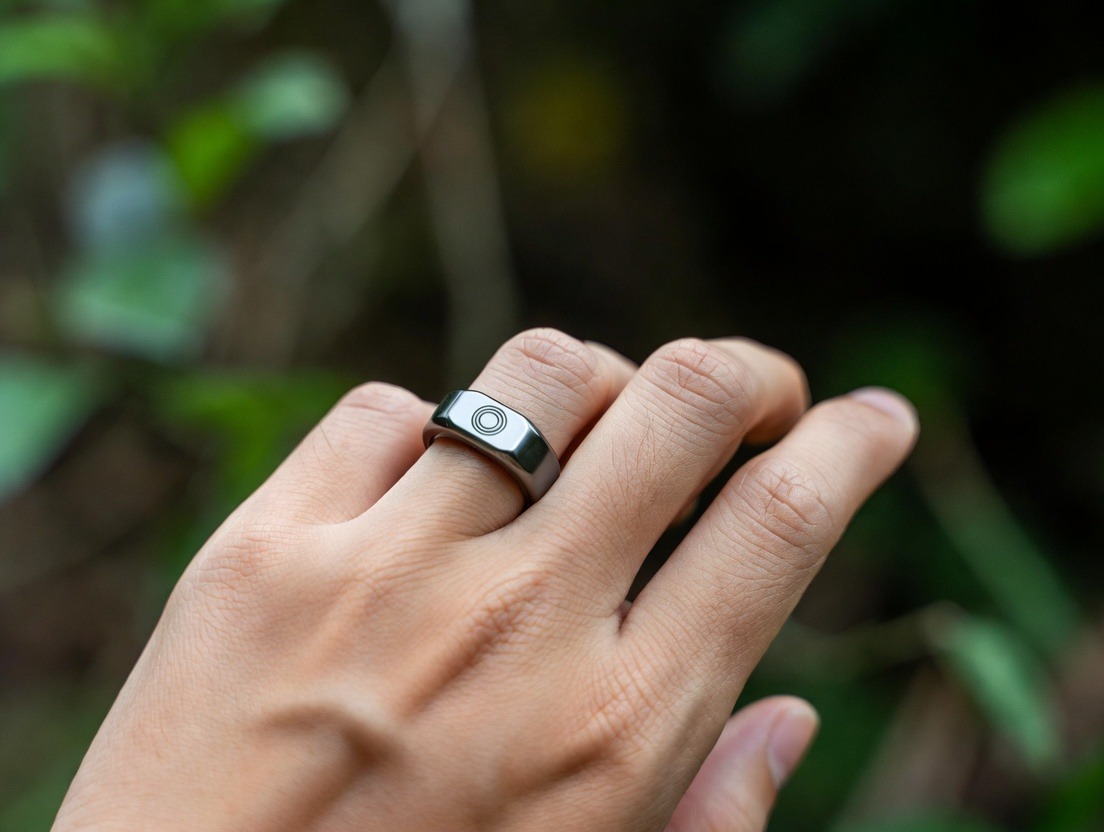
Fatigue Prevention Tips: What Your Smart Ring's Recovery Score Tells You
Your ring's recovery score provides direct feedback for fatigue prevention.
The Silent Epidemic of Modern Exhaustion and Your Body's Hidden Data Stream
Have you ever woken up after eight hours of sleep feeling like you barely closed your eyes? Have you powered through your third cup of coffee by 10 AM, your mind in a fog, your motivation buried under an invisible weight of tiredness? You’re not lazy, you’re not weak—you are likely experiencing a profound, data-rich state of unrecovered fatigue. In our always-on, high-demand world, fatigue has become the silent tax on our potential, the thief of our joy, and the most common, yet most misunderstood, barrier to a thriving life.
For decades, we’ve guessed at our fatigue. We’ve blamed poor sleep, stressful weeks, or just “getting older.” We’ve pushed through on willpower alone, treating our bodies like machines that ignore their own warning lights. But what if you could understand that fatigue not as a vague feeling, but as a precise, quantifiable metric? What if your body was broadcasting a detailed “recovery report” 24/7, and you finally had the tool to decode it?
Enter the smart ring. This unassuming piece of wearable technology is revolutionizing personal wellness by moving us from guesswork to genuine insight. Sitting snugly on your finger, it acts as a continuous, passive monitor of your body’s most fundamental signals: heart rate, heart rate variability (HRV), skin temperature, respiratory rate, and blood oxygen saturation. From this symphony of biometric data, it calculates one of the most powerful numbers you will ever use to guide your day: your Recovery Score.
This isn't just another sleep score or step count. Your Recovery Score is a holistic, multidimensional assessment of your body’s readiness to perform, adapt, and thrive. It tells you if your nervous system is balanced or on edge. It reveals whether last night’s sleep was truly restorative or merely a pause. It indicates if that intense workout built you up or broke you down, and whether yesterday’s stress has been processed or is still weighing you down. It is, in essence, a direct line to your body’s current state of resilience.
This article is your comprehensive guide to transforming fatigue from a frustrating mystery into a manageable metric. We will dive deep into the science of recovery, demystify every component of your smart ring’s Recovery Score, and provide you with a actionable, data-driven toolkit for fatigue prevention. This knowledge transcends simple biohacking; it is about mastering the wellness fundamentals that form the non-negotiable foundation of lifelong vitality. By learning to listen to and act on your recovery data, you stop fighting your body and start partnering with it, building a sustainable path to energy, clarity, and peak performance that lasts for decades.
Decoding Fatigue: It’s Not Just About Sleep, It’s About Systemic Recovery
We often use the word "fatigue" as a catch-all for feeling tired. But to prevent it effectively, we must first understand its complex layers. True fatigue is not a single condition; it is the final output of multiple systems in your body running on empty. Think of it not as a lack of sleep, but as a lack of recovery across four critical domains: physical, mental, emotional, and cellular.
Physical Fatigue is the most recognizable—the muscle soreness, the heaviness in your limbs after exertion. It results from micro-tears in muscle fibers, depletion of glycogen stores, and the accumulation of metabolic byproducts like lactate. While necessary for growth, without adequate recovery, this fatigue accumulates, leading to decreased performance, increased injury risk, and a perpetual state of weariness.
Mental Fatigue manifests as brain fog, lack of focus, diminished creativity, and poor decision-making. Your brain, though only 2% of your body weight, consumes about 20% of your energy. Constant cognitive load, multitasking, and digital stimulation deplete neurotransmitters and increase the brain's metabolic waste, literally slowing down your neural processing speed.
Emotional Fatigue, often tied to chronic stress, is the feeling of being drained, irritable, or emotionally numb. It’s driven by a prolonged activation of the sympathetic nervous system (your "fight-or-flight" response) and the hormonal cascade that follows, particularly elevated cortisol. This state diverts resources from repair and restoration to survival, making deep recovery impossible.
Cellular Fatigue is the invisible layer where the real magic of recovery happens—or doesn't. This is where your mitochondria (your cellular power plants) become inefficient, where inflammation runs unchecked, and where oxidative stress damages tissues. It's the foundational layer that fuels all the others.
This is where the old model of "I slept 8 hours, I should be fine" completely falls apart. You can be physically rested but mentally exhausted. You can be emotionally steady but cellularly inflamed. Modern fatigue is a multi-system recovery debt. Your smart ring’s genius is that it doesn’t just measure one of these domains; through its biometric sensors, it integrates signals that reflect all of them, giving you that single, powerful Recovery Score. It moves you from a vague sense of being "tired" to a clear understanding of why and where in your system the recovery deficit lies, forming a core part of a complete guide to lifelong health strategies that actually work.
Your Body's Dashboard: What is a Recovery Score and How is it Calculated?
Imagine getting into a modern car with a blank dashboard. You have no fuel gauge, no engine temperature light, no speedometer. You’d be driving blind, unable to prevent a breakdown. For too long, we’ve driven our bodies exactly this way. The Recovery Score is your personalized, real-time health dashboard.
At its core, the Recovery Score is a composite index, typically on a 0-100 scale, that quantifies your body’s physiological readiness to take on stress—be it physical, mental, or emotional. A high score (e.g., 85-100) indicates a resilient, well-recovered state: your nervous system is balanced, resources are plentiful, and you are primed for performance. A low score (e.g., under 70) is a flashing warning light: your body is under strain, resources are depleted, and your priority should be restoration, not added stress.
But how does a ring on your finger arrive at this number? It’s a sophisticated analysis of several key biometrics captured while you sleep—a time when your body is in its most honest state of repair. The algorithm synthesizes:
Heart Rate Variability (HRV): The North Star of recovery metrics. HRV measures the subtle variations in time between each heartbeat. Contrary to intuition, a higher HRV is better—it indicates a robust, adaptable autonomic nervous system that can smoothly shift between activity (sympathetic) and recovery (parasympathetic) states. A low HRV suggests your body is stuck in "fight-or-flight," struggling to recover.
Resting Heart Rate (RHR): Your heart rate at complete rest. A lower RHR generally indicates better cardiovascular fitness and efficient heart function. An elevated RHR, especially relative to your personal baseline, is a classic sign of physiological stress, illness, or insufficient recovery from training.
Sleep Quality & Architecture: It’s not just about duration. The score evaluates how much time you spent in each sleep stage—particularly deep sleep (physical restoration, hormone release) and REM sleep (mental recovery, memory consolidation). Disrupted or shallow sleep drastically impairs recovery.
Body Temperature (Skin Temperature): Nocturnal temperature is a sensitive marker of inflammation, illness onset, and hormonal changes. A significant deviation from your personal norm can indicate your body is fighting something, diverting energy from recovery.
Respiratory Rate: The number of breaths you take per minute during sleep. Like RHR, an elevated respiratory rate can signal systemic stress or physical strain.
Blood Oxygen (SpO2): Dips in blood oxygen saturation during sleep (often related to sleep apnea or breathing disturbances) fragment sleep and place immense stress on the cardiovascular system, destroying recovery potential.
Your Recovery Score is a weighted synthesis of these data points, compared against your own historical baselines. This personalization is crucial. A score of 75 might be excellent for one person and a sign of trouble for another. The score’s true power isn't in the absolute number, but in the trend and the story it tells about your wellness fundamentals—sleep, movement, recovery, and stress. It validates or challenges your assumptions, transforming self-awareness from an art into a science.
The Five Recovery Archetypes: What Your Score Range is Secretly Telling You
Your Recovery Score is more than a digit; it’s a narrative about your body’s current chapter. By categorizing your score into ranges, you can instantly understand the core message and required action. Think of these as your body’s five operational modes.
The Green Zone (85-100): Peak Readiness.
The Message: "Systems optimal. I am resilient, adapted, and fully charged." This is your body reporting from a state of surplus. Your autonomic nervous system is balanced, inflammation is low, and you have ample physiological capacity to handle stress, learn, perform, and grow.
Action Imperative: Capitalize. This is the day to tackle your hardest workout, your most important creative work, or a demanding social schedule. Your body can handle the load and will likely respond positively. It’s the ideal state for peak performance, where effort leads to adaptation, not breakdown.
The Blue Zone (70-84): Steady State.
The Message: "Adequately recovered. Systems are stable but with limited reserve." You’ve met your basic recovery needs. There’s no major alarm sounding, but your resilience buffer isn’t full. This is a "maintenance" mode, common after a typical day of work and moderate activity.
Action Imperative: Proceed with Awareness. Stick to your planned routine, but be mindful of piling on extra, unexpected stress. It’s a good day for moderate exercise, focused work, and maintaining healthy habits. Listen closely to your body’s cues throughout the day.
The Yellow Zone (50-69): Recovery Debt.
The Message: "Warning. Resources are depleted, and strain is detected." This is the most critical zone to understand for fatigue prevention. Your body is signaling that the stressors of the previous 24-48 hours (poor sleep, intense training, emotional drama, illness onset) have outpaced your recovery capacity. You are running a deficit.
Action Imperative: Dial It Back & Prioritize Restoration. This is not a day to "push through." It’s a day to consciously choose recovery: light movement like walking or yoga, prioritize nutrient-dense foods, hydrate thoroughly, manage cognitive load, and aim for an early bedtime. Ignoring a Yellow Zone score is the fastest way to slide into chronic fatigue.
The Red Zone (Below 50): High Stress & Breakdown.
The Message: "Distress Signal. Major system strain or illness detected." Your body is actively fighting a significant battle. This could be due to a brutal workout, severe sleep deprivation, a raging head cold, or a massive emotional shock. Your nervous system is in sympathetic overdrive, and repair processes are on hold.
Action Imperative: Full Stop & Repair. Treat this as a mandatory rest day. Genuine rest is the only prescription. Cancel intense plans, focus on hydration and gentle nutrition, and allow yourself to sleep or rest without guilt. Forcing activity in the Red Zone dramatically increases injury and burnout risk.
The Grey Zone (No Score/Insufficient Data): The Silent Query.
The Message: "I cannot generate a report." This often means your sleep was too short or disrupted for the ring to capture a reliable data set.
Action Imperative: Investigate. The lack of a score is data in itself. Ask why. Was it late-night screen time, alcohol, anxiety, or an irregular schedule? Use it as a prompt to audit your evening routine, which is part of building wellness fundamentals into your daily routine.
Understanding your archetype each morning allows you to align your expectations and actions with your biological reality, moving from a rigid, calendar-based schedule to a fluid, responsive, and sustainable way of living.
The HRV Deep Dive: Why This Is Your Single Most Important Recovery Metric
If the Recovery Score is your dashboard, Heart Rate Variability is the master warning light for your nervous system. To master fatigue prevention, you must become fluent in the language of HRV.
The Science of HRV: The Beat of Balance. Your heart does not beat with the monotonous regularity of a metronome. The time interval between successive heartbeats fluctuates by milliseconds. This variability is controlled by your autonomic nervous system (ANS). When you inhale, your heart rate slightly accelerates (sympathetic influence). When you exhale, it slightly decelerates (parasympathetic, or "rest-and-digest" influence). This tug-of-war creates the variability. A high HRV indicates a strong, responsive ANS. Your body can swiftly activate to meet a challenge and then powerfully de-escalate to recover. It’s a sign of fitness, resilience, and good health. A low HRV indicates a dominant sympathetic state. Your ANS is "stuck on," like an engine constantly revving. This is associated with stress, fatigue, overtraining, inflammation, and poor recovery.
How Your Smart Ring Uses HRV. Your ring tracks HRV throughout the night, often reporting a nightly average (like rMSSD or SDNN). It compares this to your personal rolling baseline. A sudden dip in HRV is a more sensitive and earlier indicator of stress or incomplete recovery than how you "feel" subjectively. You might wake up thinking you're fine, but a 15% drop in your HRV tells the true story: your body is under strain.
Actionable HRV Insights for Fatigue Prevention:
The Trend is Your Friend: Don’t fixate on a single day’s number. Look at the 7-day rolling average. A consistently rising trend means your recovery strategies are working. A consistently falling trend is a red flag to immediately reduce stress and increase recovery activities.
Identify Personal Stressors: Use HRV as a biofeedback tool. Note what causes a dip. Was it that late-night work email session? The two glasses of wine? The intense argument? The 90-minute high-intensity interval training (HIIT) session? You’ll quickly discover your unique recovery saboteurs.
Guide Training Intensity: If your HRV is significantly below baseline, swap the planned high-intensity workout for light cardio, mobility work, or complete rest. This practice, known as autoregulation, prevents digging a deeper fatigue hole and is a cornerstone of using a smart ring to master wellness fundamentals.
Validate Lifestyle Changes: When you start meditating, improving sleep hygiene, or eating better, your HRV trend provides objective, motivating proof that it’s working on a physiological level, reinforcing those positive habits.
By honoring the messages from your HRV, you stop overriding your system with brute force and start training it with intelligent nuance. You build resilience from the inside out, making you far more resistant to the cumulative fatigue of modern life.
Sleep: The Non-Negotiable Foundation Your Ring Quantifies
Sleep is the bedrock of recovery. It’s when 90% of the repair, detoxification, and consolidation happens. Your smart ring transforms sleep from a black box of unknown quality into a detailed performance report, highlighting why you might still be fatigued after a full night in bed.
Beyond Duration: The Four Pillars of Restorative Sleep Your Ring Tracks:
Sleep Stages & Cycling: Your ring estimates time spent in Light, Deep, and REM sleep. Each has a critical role. Deep Sleep is for physical restoration, tissue repair, and growth hormone release. REM Sleep is for cognitive recovery, emotional processing, and memory consolidation. Waking up fatigued often points to insufficient deep or REM sleep, even with adequate total time.
Sleep Latency & Efficiency: How long it takes you to fall asleep (latency) and what percentage of your time in bed you’re actually asleep (efficiency). Tossing and turning for an hour or frequent wake-ups destroy sleep architecture and recovery.
Resting Heart Rate During Sleep: A well-recovered body shows a pronounced "nocturnal dip" in heart rate—a significant drop from your daytime average. A blunted dip (your heart rate staying high all night) is a classic sign of sympathetic nervous system activation and poor recovery.
Sleep Consistency: Perhaps the most overlooked factor. Going to bed and waking up at wildly different times each night (a.k.a. "social jetlag") confuses your circadian rhythm, degrading sleep quality. Your ring’s sleep timeline makes this inconsistency painfully clear.
Fatigue Prevention Tactics from Your Sleep Data:
Target Your Weakest Pillar: If your data shows consistently low deep sleep, focus on evening relaxation, cooler room temperature, and avoiding alcohol (which suppresses deep sleep). If REM is low, work on stress management and allow for longer sleep opportunities.
Respect Your Chronotype: Your data may reveal you naturally fall asleep later and wake later (an owl) or the opposite (a lark). Fighting this biology creates chronic sleep debt. Align your schedule as much as possible with your innate rhythm.
Create a "Data-Driven Wind-Down": Notice what behaviors lead to better sleep scores. Was it the 60-minute no-screen buffer? The light stretching? The cup of herbal tea? Double down on those. Your ring validates these fundamental health practices with hard numbers.
Use the "Time in Bed" Metric: If your ring shows you’re only actually asleep for 6 hours of an 8-hour "time in bed," adjust. Either get into bed earlier to hit your sleep target, or work on improving efficiency.
Sleep is not a passive state. It’s an active, vital process that your smart ring helps you optimize with surgical precision, ensuring this fundamental truly delivers the recovery it promises.
The Stress Connection: How Your Ring Sees the Invisible Load
Mental and emotional stress is the phantom weight that crushes recovery. Unlike a hard workout, its physiological cost is often hidden—until your ring’s Recovery Score reveals it. Stress activates the hypothalamic-pituitary-adrenal (HPA) axis, flooding your system with cortisol and adrenaline. In acute doses, this is adaptive. Chronically, it’s catastrophic for recovery, keeping HRV low, RHR high, and sleep fragmented.
Biomarkers of a Stressed-Out System:
Elevated Nighttime RHR & Low HRV: The clearest signatures of lingering psychological stress.
Increased Skin Temperature: Stress-induced inflammation can raise your nocturnal temperature.
Shallow, Disrupted Sleep: Stress prevents the descent into deep, restorative sleep stages.
Elevated Respiratory Rate: Anxiety and stress often lead to faster, shallower breathing, even during sleep.
From Data to De-Stressing: Fatigue Prevention Strategies:
Correlate & Confirm: Use your low Recovery Score as objective proof that "yes, that difficult conversation yesterday did impact my body." This removes guilt and provides clarity.
Schedule Recovery After Known Stressors: If you have a big presentation or a difficult meeting, proactively schedule a light walk, a meditation session, or an early bedtime for that evening. Don’t just "hope" to recover.
Practice Physiological Sighs: When you feel stressed, use the double-inhale through the nose followed by a long exhale through the mouth. This is a rapid, proven way to increase HRV and calm the nervous system in real-time.
Establish Digital Boundaries: The blue light and cognitive barrage from evening screen use are major stress inputs. Your ring’s sleep data will likely show the cost. Implement a strict digital sunset. This is a key habit for creating sustainable health in a digital world.
By treating mental stress with the same physiological seriousness as physical stress, you close a major leak in your recovery bucket. Your ring makes this invisible load visible, allowing you to address it with targeted action.
Nutrition & Hydration: The Fuel for Recovery That Your Ring Reflects
You cannot out-recover a poor diet. Nutrition provides the raw materials for every repair process, and hydration is the medium in which all those processes occur. Your Recovery Score is a direct reflection of how well you’ve fueled your repair crews.
How Dietary Choices Appear in Your Biometrics:
Heavy, Late-Night Meals: Diverts energy to digestion, raising body temperature and RHR, disrupting sleep architecture.
High Sugar & Processed Foods: Cause blood sugar spikes and crashes, promoting inflammation, which can elevate skin temperature and lower HRV.
Alcohol: Perhaps the most dramatic recovery suppressor. It decimates deep sleep, dehydrates you, increases heart rate, and elevates body temperature—a perfect storm for a terrible Recovery Score.
Dehydration: Thickens blood, forcing your heart to work harder (elevated RHR) and impairing cellular repair and toxin clearance.
Inadequate Protein & Micronutrients: Leaves your body without the amino acids and cofactors needed to repair tissues and manage inflammation, slowing overall recovery.
Data-Driven Eating for Optimal Recovery:
The "Recovery Dinner" Experiment: For one week, eat a dinner focused on lean protein, healthy fats, fibrous vegetables, and complex carbs 3 hours before bed. Note your sleep scores and morning Recovery Score. Compare it to a week of less optimal dinners. The data will speak for itself.
Hydrate for HRV: Aim for consistent hydration throughout the day, not just during workouts. Observe how days of optimal hydration correlate with higher HRV and better scores.
Use Fasting Wisely: While intermittent fasting has benefits, a steep caloric deficit or prolonged fast is a metabolic stressor. If you’re experimenting with fasting, watch your Recovery Score and HRV. A significant drop may indicate you need to adjust your fasting window or nutrient timing, especially around training.
Identify Food Sensitivities: Subtle food intolerances can cause low-grade inflammation. If you notice a pattern of poor recovery after meals containing certain foods (e.g., gluten, dairy), consider an elimination diet while monitoring your biometrics. Your ring offers an objective way to track the physical response, supporting a wellness fundamentals approach to understanding your body's basic needs.
Think of your food as recovery software. Your smart ring provides the performance report on whether that software is running smoothly or causing system crashes.
Intelligent Movement: Using Recovery Data to Optimize, Not Overwhelm, Your Training
This is where the rubber meets the road for athletes and active individuals. The old "no pain, no gain" mentality is a direct path to overtraining and chronic fatigue. Your Recovery Score provides the intelligence to train with your body, not against it.
The Spectrum of Training Stress:
Green Zone (High Readiness): Ideal for high-intensity interval training (HIIT), heavy strength sessions, speed work, or competition. Your body can handle the load and will supercompensate (get stronger).
Blue Zone (Steady State): Perfect for moderate, skill-based work, tempo runs, or hypertrophy-focused weight training. Maintain volume, avoid chasing personal records.
Yellow Zone (Recovery Debt): Switch to active recovery: light cardio (Zone 2), mobility flows, yoga, or a leisurely walk. The goal is to promote circulation without adding systemic stress.
Red Zone (High Stress): Mandatory rest. Complete inactivity or very gentle movement like stretching or walking is all that’s permitted.
Creating Your Autoregulated Training Plan:
Check Your Score First: Make this a non-negotiable morning habit. Let the score, not your ego or a rigid calendar, dictate the day’s exertion.
Have a "Flex Day" Plan: For each day on your training calendar, have a Green, Blue, and Yellow zone workout option prepared. A Green day might be 5x5 heavy squats. A Blue day might be 3x10 goblet squats. A Yellow day might be a 30-minute bike ride.
Track the Long-Term Trend: If you’re consistently in the Yellow or Red despite scaling back, you may have a larger recovery deficit requiring a true "deload" week—a structured reduction in volume and intensity to allow for supercompensation.
Separate Fatigue from Laziness: This is the psychological superpower. A low score gives you permission to rest without guilt. It’s not laziness; it’s strategic recovery. Conversely, a high score can motivate you to push appropriately on days you might otherwise skip.
This autoregulated approach prevents the boom-bust cycle, reduces injury risk, and leads to consistent, long-term progress. It’s the essence of training smart, proving that in fitness and health, wellness fundamentals and consistency beat intensity every time.
Lifestyle Synergy: How Alcohol, Travel, and Socializing Impact Your Score (The Unvarnished Truth)
Your body doesn't distinguish between "good stress" and "bad stress." It only registers "stress." Some of life’s greatest pleasures are physiological stressors that show up plainly in your recovery data. Understanding this allows you to make informed choices, not restrictive ones.
The Real Cost of Common Pleasures:
Alcohol: It’s a sedative, not a sleep aid. It suppresses REM sleep, dehydrates you, increases inflammation, and forces your liver into detox mode overnight. Expect a dose-dependent drop in your Recovery Score, often with a low HRV and elevated RHR. The data allows you to make a conscious choice: "Is this drink tonight worth a potentially worse tomorrow?"
Late Nights & Socializing: Even without alcohol, staying up past your biological bedtime (especially under bright lights) disrupts circadian rhythm and cuts into sleep duration and quality. A 2 AM bedtime might still yield 7 hours of sleep, but the quality and timing will often result in a lower score than a 10 PM-to-5 AM sleep.
Travel & Time Zone Changes: Jet lag is the ultimate circadian disruptor. Your ring will show fragmented sleep, elevated RHR, and low HRV as your body struggles to resynchronize. The data can guide you to be extra gentle with yourself, prioritize sunlight exposure at the destination, and avoid scheduling critical work or intense training upon arrival.
Strategies for Balanced Living:
Plan Your Recovery Alongside Your Fun: If you have a big social event or trip planned, proactively schedule lighter days before and after. Think of it as "recovery budgeting."
The "Two Drink Maximum for Data" Rule: Experiment to find your personal threshold. For many, one drink has a minimal impact; three guarantees a poor score. Let your data guide your limits.
Prioritize Sleep After Disruption: After a night out or travel, your #1 priority should be getting back into a consistent sleep schedule. Use your ring’s data to see how long it takes your body to truly recover from the disruption.
This isn’t about living in a bubble. It’s about living with awareness. Your ring shows you the true physiological bill for life’s indulgences, empowering you to enjoy them strategically and pay the bill proactively with targeted recovery. This honest feedback is invaluable for building habits that last 50 years, where balance, not deprivation, is the goal.
Building Your Personal Fatigue Prevention Protocol: A 7-Day Action Plan
Knowledge is power, but action is change. Here is how to synthesize everything we’ve covered into a practical, one-week protocol to reset your recovery and establish a fatigue-resistant lifestyle.
Days 1-2: The Baseline Audit.
Action: Live normally, but obsessively track. Wear your ring, log your food, activity, stress, and sleep without judgment.
Goal: Establish an honest baseline. Note your starting Recovery Score average, sleep data, and HRV. This is your "before" picture.
Day 3: The Sleep Intervention.
Action: Implement perfect sleep hygiene. Digital sunset 90 mins before bed. Cool, dark room. Consistent bedtime/waketime (even on a weekday!). Perhaps add a magnesium supplement or meditation.
Goal: Maximize sleep quality. Observe the impact on your Day 4 Recovery Score.
Day 4: The Stress & Hydration Focus.
Action: Based on your still-auditing mindset, consciously manage stress. Take breaks, practice breathing, say no to extra tasks. Simultaneously, aim to drink 0.5-1 oz of water per pound of body weight.
Goal: Lower sympathetic load and optimize cellular environment. See the effect on Day 5 data.
Day 5: The Nutrition Tune-Up.
Action: Eat three whole-food meals. Prioritize protein and vegetables. Eliminate processed sugar and alcohol. Finish eating 3 hours before bed.
Goal: Reduce inflammation and provide clean recovery fuel. Check the Day 6 score.
Day 6: Active Recovery & Autoregulation.
Action: Let your Day 6 morning score dictate your movement. If score is high, do a moderate workout. If medium, go for a long walk. If low, do gentle yoga or stretching.
Goal: Practice aligning activity with readiness. Feel the difference of not forcing it.
Day 7: Synthesis & Pattern Recognition.
Action: Review your week of data. What was the biggest lever for your score? Was it sleep? Was it the alcohol you cut out? Was it the stressful meeting that caused a dip?
Goal: Identify your #1 Personal Recovery Lever. Commit to making that a non-negotiable habit going forward.
This protocol isn’t about perfection. It’s a focused experiment to create a direct line of cause-and-effect in your mind between your daily choices and your physiological recovery state. It builds the foundational awareness for daily health optimization mastery.
The Long Game: Integrating Recovery Intelligence into Your Life for Decades
Your one-week protocol has served its purpose: it has shattered the illusion that fatigue is random and replaced it with a concrete understanding of levers and outcomes. But preventing fatigue isn't about a sprint; it’s about a marathon—a lifelong marathon where energy and resilience are your most valuable currencies. The final, and most important, step is to transition from a reactive "score-checking" mode to a proactive lifestyle where recovery intelligence is seamlessly woven into the fabric of your decisions. This is how you build a fatigue-resistant physiology that supports you through every life stage, from career climbs to family-raising to active aging.
This integration happens on three levels: Habitual, Philosophical, and Strategic.
Habitual Integration: Making Data Review Ritualistic, Not Obsessive. The goal is not to become a slave to your ring’s score, anxiously checking it ten times a day. The goal is to make a mindful morning review as routine as brushing your teeth. This 60-second ritual sets the tone for your entire day:
Glance at the Score & Zone: Green, Blue, Yellow, Red. Accept it without judgment. It’s information, not an evaluation of your worth.
Check the Primary Contributors: Did low HRV drive it down? Was it poor sleep efficiency? An elevated RHR? Identify the likely cause from the previous day.
Set Your Daily Intent: Based on the zone, mentally calibrate your planned exertion. This simple act of alignment prevents the most common source of cumulative fatigue: pushing hard when your body is begging for rest. This daily practice roots you in your personal baseline, turning a novelty into a fundamental tool for self-regulation.
Philosophical Integration: Shifting from "Pushing Through" to "Training Smart." Our culture often glorifies "the grind" and "burning the midnight oil." Recovery intelligence requires a paradigm shift: viewing your body as the ultimate high-performance partner, not a machine to be abused. A low Recovery Score isn’t failure; it’s crucial feedback. It’s your partner saying, "Hey, I’m still working on the last project you gave me. Give me a minute before you assign another." This philosophy champions sustainability over short-term intensity. It recognizes that true performance—whether in the boardroom, the gym, or in creative pursuits—is a function of consistent, fully-recovered effort over time, not sporadic, exhausted bursts. It’s the core of an approach where wellness fundamentals matter more than advanced tactics.
Strategic Integration: Life Planning with Recovery in Mind. This is where you wield your data for long-term planning. You start to see patterns over weeks and months.
Seasonal Rhythms: You may notice your scores dip in mid-winter or peak in the summer. This allows you to plan heavy training blocks or major projects during your naturally resilient seasons, and schedule more recovery-focused periods during your lower seasons.
Project & Travel Planning: Before committing to a period of intense work travel or a demanding project deadline, you can proactively "bank" recovery by prioritizing sleep and nutrition in the preceding weeks. You can also schedule a deliberate recovery week afterward.
Navigating Life Transitions: A new job, a new baby, a move—these major life events are visible as sustained downward trends in your recovery data. Seeing this objectively allows you to give yourself grace, lower non-essential expectations, and double down on foundational recovery habits without self-criticism. It becomes a system for navigating wellness fundamentals at different life stages.
By integrating recovery intelligence on these three levels, you stop "managing fatigue" and start engineering resilience. Your smart ring transitions from a tracking device to a coaching tool, providing the objective feedback loop necessary for a lifetime of informed, sustainable health choices. This is the essence of using technology not to complicate life, but to simplify it—to return to the basic, intuitive wisdom of listening to your body, now amplified by data.
Case Studies: Real-World Scenarios of Fatigue Prevention in Action
Theory is powerful, but real-world stories cement understanding. Let’s walk through three detailed scenarios where individuals used their Recovery Score to diagnose and solve persistent fatigue, transforming their energy and performance. These are composite cases based on common patterns seen in data.
Case Study 1: Maria – The "Tired Despite 8 Hours" Professional.
Profile: 38-year-old marketing director, mother of two. Exercises 4x/week (HIIT and running). Gets 7-8 hours of sleep per night but wakes up exhausted, relies on caffeine until 2 PM crash.
Investigation & Insight: Maria’s time in bed was 8 hours, but her ring showed she was only asleep for 6 hours and 15 minutes. Frequent wake-ups (likely from kids or stress). Her intense evening workouts, often finishing at 8 PM, were raising her core temperature and sympathetic nervous system activity too close to bedtime, preventing the plunge into deep sleep. The 3 PM crash correlated with a high-sugar lunch.
Action Plan:
Moved workouts to morning or early afternoon. If evening was the only option, she switched to yoga or walking.
Implemented a 45-minute "screenless buffer" before bed with a book instead of email.
Added a magnesium glycinate supplement 1 hour before bed.
Swapped her lunch salad for one with grilled chicken, avocado, and olive oil for sustained energy.
Results (After 3 Weeks): Sleep efficiency climbed to 89%. Deep sleep increased by 35%. Average Recovery Score rose to 76 (Blue Zone). Reported feeling "clear-headed by 10 AM" and eliminated afternoon caffeine. Her data proved that her issue wasn't sleep quantity, but sleep quality and timing, a key lesson in the role of a consistent sleep schedule.
Case Study 2: David – The Overtrained, Stalled Athlete.
Profile: 29-year-old amateur cyclist training for a century ride. Adheres rigidly to a high-volume training plan. Performance has plateaued, mood is irritable, constantly has low-grade aches, and is getting sick frequently.
Initial Recovery Data: Average score: 58 (Yellow dipping to Red). Key markers: Very low HRV (well below his known baseline), consistently elevated resting heart rate, poor sleep scores despite high sleep need.
Investigation & Insight: David was in a state of non-functional overreaching, bordering on overtraining syndrome. His "more is better" mentality had him stacking hard training days without adequate recovery. His body was in a perpetual catabolic and inflammatory state. His ring showed that his "recovery days" of light spinning were still too stressful for his depleted system.
Action Plan:
Prescribed a 10-day "recovery reset": No structured training. Only walking, gentle mobility, and foam rolling.
Introduced mandatory "Green Zone Only" training rule. He would only perform a hard session if his morning score was above 80.
Increased daily calorie intake by 300, focusing on carbohydrates and protein post-activity to fuel repair.
Added two 20-minute contrast shower (hot/cold) sessions per week to support nervous system regulation.
Results (After 6 Weeks): HRV gradually returned to and then exceeded his original baseline. Recovery Scores stabilized in the mid-70s. After the reset, he returned to training with autoregulation. His power outputs on the bike increased by 8% with less perceived effort. He learned that recovery is not the absence of training, but the most important part of the training process, a principle that is fundamental for anyone looking to optimize energy levels.
Case Study 3: Liam – The Chronically Stressed Entrepreneur.
Profile: 45-year-old startup founder. Sedentary, long hours, mentally demanding work. Feels "wired but tired"—anxious at night, groggy in the morning. Uses alcohol 3-4 nights a week to "unwind."
Initial Recovery Data: Average score: 49 (Red Zone). Key markers: Extremely low HRV, high and erratic resting heart rate with no nocturnal dip, frequent early morning awakenings (3-4 AM), elevated skin temperature.
Investigation & Insight: Liam’s biometrics were a textbook picture of HPA-axis dysfunction (adrenal fatigue pattern). His nervous system didn’t know how to shut off. Alcohol was catastrophically disrupting his sleep architecture, creating a vicious cycle: stress -> poor sleep -> need alcohol to relax -> worse sleep -> more stress.
Action Plan:
Implemented a strict "alcohol-free for 30 days" challenge to break the cycle and see true baseline data.
Scheduled two 10-minute "breathing breaks" into his calendar using a guided HRV-biofeedback app.
Committed to a 20-minute daily walk outside, no phone, first thing in the morning for sunlight and movement.
Hired a virtual assistant to offload 5 hours of low-value work per week.
Results (After 30 Days): The most dramatic change was the cessation of alcohol. His Recovery Scores jumped into the 60s within a week. His HRV began a slow, steady climb. The 3 AM wake-ups stopped. He reported feeling "a sense of calm I haven’t had in years." The data provided the undeniable proof he needed to see his habits as a central business problem—his performance as CEO was directly tied to his physiological state. This experience underscored stress management as the foundation of all other health goals.
These cases illustrate that fatigue, while a common symptom, has wildly different root causes. The smart ring’s power lies in its ability to differentiate between them, moving you from generic advice ("sleep more, stress less") to a personalized, precise prescription for recovery.
Advanced Biomarkers: Going Deeper Than the Score (Respiratory Rate, Temperature, HRV Trends)
While the Recovery Score is an excellent summary metric, true mastery comes from understanding its components. Two of the most insightful, yet under-discussed, biomarkers are Respiratory Rate and Skin Temperature. Learning their language gives you an earlier warning system and deeper diagnostic power.
Respiratory Rate (RR): The Silent Signal of Systemic Load. Your breathing rate at rest, especially during sleep, is a remarkably stable and sensitive metric. The average adult breathes 12-18 times per minute. Your ring establishes your personal baseline (e.g., 13.2 breaths/min).
What an Elevation Means: A sustained increase of just 1-2 breaths per minute above your baseline is a significant red flag. It can indicate:
Physical Overtraining: The respiratory system is working harder to meet metabolic demands.
Oncoming Illness: Often one of the very first signs, before a sore throat or fever.
Heightened Anxiety/Stress: The breath is directly linked to the nervous system. Chronic stress leads to chronic, subtle hyperventilation.
Sleep Apnea or Breathing Disruption: Erratic or elevated RR can point to undiagnosed sleep-disordered breathing.
Fatigue Prevention Action: If you see a 2+ day trend of elevated RR, treat it as a Yellow Zone signal regardless of your overall score. Prioritize rest, hydration, and stress reduction. It’s an early cue to "shore up the defenses."
Skin Temperature: The Inflammation and Rhythm Gauge. Your distal skin temperature (at your finger) follows a circadian rhythm, typically dropping at night to facilitate sleep onset and core cooling. Your ring tracks deviations from your personal norm.
What a Deviation Means:
Elevated Temperature: Often a sign of local or systemic inflammation. This could be from an intense workout (muscle damage), an impending illness (immune activation), a poor diet (inflammatory foods), or even high psychological stress (which has inflammatory consequences). For women, it’s also a key tracker of the menstrual cycle and ovulation.
Lowered Temperature: Can indicate poor circulation, metabolic slowdown, or an underactive thyroid in extreme cases.
Fatigue Prevention Action: A spike in temperature, paired with a low HRV, is a strong indicator to avoid intense training and focus on anti-inflammatory practices (omega-3s, turmeric, good sleep). Tracking temperature trends can also help women understand their energy cycles throughout the month, allowing them to plan demanding tasks during higher-energy phases.
HRV Trends: The 7-Day and 30-Day View. Looking at HRV as a single number is like looking at a single stock price. The trend tells the real story.
7-Day Rolling Average: This is your operational view. Is your resilience improving, stable, or declining this week? A steadily rising 7-day average is the ultimate sign of positive adaptation.
30-Day Rolling Average/Baseline: This is your strategic view. This is your "new normal." After a period of lifestyle changes, a raised 30-day baseline is concrete proof of improved physiological resilience. It shows you are fundamentally less susceptible to fatigue.
By monitoring these advanced biomarkers, you become a sophisticated interpreter of your body’s signals. You can often intervene before fatigue fully sets in, catching a problem when it's a small cloud on the horizon, not a storm overhead. This deep, nuanced understanding is what it means to truly have your wellness fundamentals measured.
The Mind-Body Feedback Loop: Using Data to Build Unshakable Confidence and Calm
One of the most profound, yet unexpected, benefits of recovery tracking is psychological. It builds what we call "Bio-Confidence"—the unshakable trust in your ability to understand and manage your own body. This confidence dismantles health anxiety and replaces it with empowered calm.
How It Works: The Data-Driven Assurance Cycle.
You feel tired. The old response: Anxiety. "Why am I so tired? Is something wrong? Do I have a disease?"
You check your data. You see a Low Recovery Score, low HRV, and poor sleep from the night before.
You have a cause. The anxiety immediately dissipates. "Oh, it’s because I only got 5 hours of broken sleep due to that late flight. That makes perfect sense."
You take an action. You decide to work from home, cancel your evening plans, and prioritize an early bedtime.
You see the result. The next morning, your score has improved. This completes the loop: Sensation -> Understanding -> Action -> Resolution.
This cycle breaks the catastrophic thinking that often accompanies unexplained fatigue. The data acts as an objective, neutral third party, saying, "This is not a catastrophe; this is the predictable result of X. Do Y to fix it." This is incredibly liberating. It turns you from a passive victim of your body’s whims into an active, capable steward of your health. This psychological benefit—reducing the stress about stress—is itself a powerful recovery tool, supporting the deep connection between mind and body systems.
The "Permission to Rest" Phenomenon. For high-achievers, rest can feel like laziness. A low Recovery Score transforms rest from a guilty indulgence into a strategic, data-prescribed necessity. You are not "skipping" your workout; you are "executing your recovery protocol." This reframe is crucial for long-term adherence to a balanced life. It reinforces that listening to your body is not weakness, but the highest form of intelligence.
Environmental & Circadian Optimization: Aligning Your Life with Your Biology
Your recovery doesn’t happen in a vacuum. It is deeply influenced by your environment and its alignment with your innate circadian biology. Your smart ring’s data provides the feedback to optimize these external factors.
Light: Your Master Zeitgeber. Light exposure is the most powerful cue for your circadian rhythm. Getting bright, ideally morning, sunlight in your eyes sets your internal clock for the day, boosting daytime alertness and solidifying nighttime sleep.
Data Connection: Inconsistent light exposure leads to poor sleep scores and lower HRV. If you work in a dim office all day and then stare at bright screens at night, your ring will show the cost in fragmented sleep.
Actionable Optimization:
Morning: Aim for 10-30 minutes of outdoor light within 60 minutes of waking. No sunglasses.
Daytime: Maximize exposure to natural light. Use bright indoor lights.
Evening: After sunset, minimize blue light. Use blue-light blocking glasses or device night modes. Dim overhead lights.
Temperature: The Sleep Catalyst. Your body needs to drop its core temperature by about 1-2°F to initiate and maintain sleep.
Data Connection: A hot, stuffy bedroom will show up as restlessness, reduced deep sleep, and more awakenings on your sleep timeline.
Actionable Optimization: Cool your bedroom to 65-68°F (18-20°C). Consider a cooling mattress pad or breathable sheets. A warm bath 90 minutes before bed actually helps by drawing heat out of your core as you cool down.
Noise & Chaos: The Fragmentation Agents. Unexpected noises, even if they don’t fully wake you, cause micro-arousals that fragment sleep architecture.
Data Connection: These appear as small, frequent spikes in heart rate and movement during the night on your detailed sleep graph.
Actionable Optimization: Use white noise, brown noise, or earplugs to create a consistent, masking sound environment.
By systematically optimizing light, temperature, and sound based on the feedback from your recovery data, you create an external environment that is fundamentally pro-recovery. You are designing a world that works with your biology, not against it. This environmental hygiene is a non-negotiable pillar of a lifelong health strategy that actually works.
Beyond the Individual: How Shared Recovery Data Can Transform Teams and Families
The power of recovery intelligence multiplies when it moves beyond the individual. Imagine a workplace or a household where this level of physiological awareness is shared and respected. It creates a culture of sustainable performance and mutual support.
Application in High-Performance Teams (Athletic or Corporate):
Shared Readiness Metrics: A sports team or a project team could have an anonymized, aggregated "Team Recovery Index" each morning. If the index is low, the coach or manager could pivot the day’s plan from a brutal practice or all-day crunch session to a strategic review, skill development, or recovery-focused activity.
Reducing Presenteeism: In an office, a culture that understands a low Recovery Score could normalize "recharge days" or flexible work-from-home options when someone is in the Red Zone, preventing burnout and the spread of illness.
Objective Communication: Instead of "I'm just tired," an employee could communicate, "My recovery data shows I'm in a significant deficit from the project push; I need to protect my deep work time today to be effective." This is a more professional, data-driven way to set boundaries.
Application in Family Health:
Preventing Household Burnout: Parents can track their recovery and see the cumulative effect of young children’s sleep disruptions. This data can help them schedule respite more fairly and without resentment.
Teaching Children Body Awareness: For older children and teenagers, introducing simple metrics (like sleep consistency) can start a conversation about the impact of late-night gaming on energy and mood, teaching them cause-and-effect for lifelong habits.
Navigating Shared Stress: During a family crisis or move, seeing everyone’s scores dip can foster a "we’re in this together, let’s all be gentle" mentality, reducing interpersonal friction.
This shared, data-informed empathy moves groups from a mindset of relentless output to one of collective resilience. It recognizes that the health of the system depends on the recovered state of its individual parts. It’s a practical application of wellness fundamentals for families and children, creating a healthier home environment for everyone.
The Future of Fatigue Prevention: Predictive Analytics and Personalized AI Coaching
We are on the cusp of a revolution in personal health. The current model is descriptive (your ring tells you what has happened) and diagnostic (it helps you understand why). The near future is predictive and prescriptive.
Predictive Recovery Modeling: Soon, algorithms will not just tell you your score from last night, but predict your recovery capacity for the next 24-48 hours based on your current data trends, your calendar (e.g., a late flight scheduled), and even local weather/pollen data. You could get an alert: "Based on your current HRV trend and your 6 AM flight tomorrow, your predicted Recovery Score for tomorrow is 52. Consider moving your Wednesday meeting to Thursday."
Hyper-Personalized AI Coaching: Beyond prediction, AI will generate truly personalized prescriptions.
Scenario: Your score is 60. The AI knows from your historical data that for you, a score of 60 paired with elevated respiratory rate responds best to 30 minutes of nasal-paced breathing and an extra hour of sleep, whereas a score of 60 from low deep sleep responds best to a hot bath and magnesium.
It would prescribe: "Your recovery deficit today is primarily stress-related. For optimal recovery, complete this 15-minute breathing session by 4 PM and aim for lights out by 10:15 PM." This turns the smart ring from a dashboard into a proactive co-pilot, offering personalized fundamental recommendations that evolve with you.
Integration with Other Data Streams: Future systems will seamlessly integrate ring data with continuous glucose monitors (CGM), blood pressure cuffs, and even genetic/epigenetic profiles. This will create a holistic "Digital Twin" – a dynamic model of your physiology that can simulate how different choices (a new supplement, a different training program) will likely impact your recovery and fatigue levels.
Navigating Setbacks and Plateaus: The Realistic Path to Lifelong Resilience
The journey of fatigue prevention is not a linear ascent to perpetual perfect scores. It is a dynamic path with peaks, valleys, and plateaus. A critical part of mastering recovery is learning to navigate the inevitable setbacks—the weeks where life throws a curveball, the periods where despite doing "everything right," your scores stagnate. Interpreting these phases correctly prevents discouragement and relapse into old, fatiguing habits.
Understanding the Three Types of Setbacks:
The Acute Disruption: This is a clear, single-event setback. A bout of illness, a necessary all-nighter for a work deadline, a family emergency, or a vaccination. Your biometrics will look dramatic: Red Zone scores, elevated RHR and temperature, plummeting HRV.
The Right Mindset: This is not failure; it is biology. Your body is appropriately allocating resources to handle a legitimate stressor. The goal is not to avoid these entirely (impossible), but to manage your response.
The Action: Execute your Red Zone protocol without guilt. Rest aggressively. Hydrate. Nourish your body simply. Trust that your baseline is still there, and your metrics will recover as the stressor passes. Use the data to see exactly how long it takes you to bounce back from different types of acute stressors.
The Creeping Debt: This is more insidious. It’s the result of slowly letting foundational habits slide—consistently cutting sleep by 30 minutes, letting nightly wine become a habit, skipping weekly meal prep for takeout. The decline in your Recovery Score and HRV trend is gradual over weeks.
The Right Mindset: This is a drift, not a crash. It’s a signal to audit your fundamentals without self-criticism. The data is your neutral accountability partner.
The Action: Go back to your one-week audit protocol. Compare your current daily habits to those during your best recovery periods. Re-institute one dropped fundamental at a time. Watch the data for the positive response, which will reinforce the re-adopted habit. This process proves that wellness fundamental consistency beats intensity.
The Adaptation Plateau: This is the most interesting and often misinterpreted scenario. You’ve been consistent with sleep, nutrition, and training. Your scores improved dramatically and then… they just stopped. You’re stuck in a narrow Blue/Yellow band for weeks.
The Right Mindset: This is likely a sign of adaptation, not failure. Your body has adapted to your current routine. The stress of your workout is no longer sufficient to trigger a supercompensation response; it’s just maintenance. Alternatively, you may have a hidden, unresolved issue (like a subclinical nutrient deficiency or a chronic low-grade infection).
The Action: First, rule out hidden factors with a blood test (checking iron, Vitamin D, B12, thyroid). If health is optimal, introduce a strategic stimulus change. If your training has been stable, introduce a new movement pattern or slightly increase intensity for one week. If your life has been very routine, try a new cognitive challenge or social activity. Sometimes, a planned "overreach" week (slightly increasing training load) followed by a deliberate deload week can shock the system into a new level of adaptation and raise your baseline.
By categorizing your setbacks, you respond with intelligence, not emotion. You understand that a low score isn’t "bad data"—it’s the most important data you can get. It keeps you honest, responsive, and engaged in a lifelong conversation with your body, which is key for building sustainable health.
The Synergy of Fundamentals: Why Sleep, Nutrition, Movement, and Stress Management Are Non-Negotiable and Interdependent
By now, it’s clear that your Recovery Score is a composite of inputs. But these inputs don’t operate in silos; they exist in a powerful, dynamic synergy. Ignoring one fundamental forces the others to compensate, creating a fragile system prone to fatigue. Mastering their interdependence is the master key to resilience.
The Interconnected Web:
Poor Sleep → Increases cortisol and ghrelin (hunger hormone), decreases leptin (satiety hormone) → Leads to poor nutrition choices (cravings for sugar, carbs) → Blood sugar dysregulation increases stress on the body → Elevated stress hormones further disrupt sleep. It’s a vicious cycle.
Chronic Stress → Suppresses digestive function and diverts blood flow from the gut → Leads to poor nutrient absorption even with a good diet → Cellular repair falters, lowering energy → No energy for movement → Lack of movement worsens sleep quality and stress resilience.
Inadequate Movement → Reduces insulin sensitivity, impairs circulation, and fails to provide the healthy fatigue that promotes deep sleep → Contributes to poor metabolic health and sleep → Which increases systemic inflammation and stress.
The Virtuous Cycle of Synergy: Conversely, improving one fundamental lifts the others.
Prioritizing Sleep → Improves hormonal balance and willpower → Makes choosing nutritious food easier and improves glucose metabolism → Stable energy supports enjoyable movement → Which, in turn, reduces stress and deepens subsequent sleep.
Managing Stress (e.g., through breathing) → Lowers cortisol, improves digestion → Enhances nutrient absorption and reduces inflammation → Better cellular energy improves sleep quality and provides motivation for movement.
Your Smart Ring as the Synergy Monitor: Your ring doesn’t just measure sleep or stress or recovery. It measures the output of their interaction. A night of poor sleep will manifest as a low HRV and high RHR (stress markers) the next day, even if you meditate for an hour. A stressful day will show up as fragmented sleep, even if you’re in bed for 9 hours. This holistic view forces you to think systemically.
The Actionable Takeaway: Don’t try to perfect one fundamental while ignoring the others. Work on gentle, simultaneous improvements across the board. For example, commit to a consistent bedtime (sleep) which will help you make a better breakfast choice (nutrition), giving you energy for a lunchtime walk (movement), which will help clear your afternoon mental fog (stress). This integrated approach is the core of a wellness fundamentals approach to understanding your body's basic needs. The goal is not a perfect score every day, but a resilient, self-reinforcing system where your fundamentals support each other, creating a buffer against life’s inevitable stresses.
Recovery for Special Populations: Tailoring the Data for Women, Aging Adults, and Desk-Bound Professionals
While the principles of recovery are universal, their application and interpretation must be personalized. Your biology, lifestyle, and life stage create unique patterns in your data. Recognizing these patterns prevents misdiagnosis and frustration.
For Women: Honoring the Cycle. The female menstrual cycle is a powerful biological rhythm that profoundly impacts recovery metrics. A one-size-fits-all approach will fail.
Follicular Phase (Post-period to Ovulation): Estrogen rises. Many women experience higher energy, better stamina, and higher pain tolerance. Data Pattern: This is often when Recovery Scores are naturally highest and HRV trends upward. It’s an ideal time for high-intensity training and tackling demanding projects.
Luteal Phase (Post-Ovulation to Period): Progesterone rises, then falls. Metabolic rate increases, core temperature is elevated, and the body is more catabolic. PMS symptoms (irritability, fatigue, bloat) are common. Data Pattern: Recovery Scores may dip, resting heart rate may elevate slightly, and sleep may be more disturbed in the late luteal phase. Skin temperature will show a clear biphasic pattern.
Fatigue Prevention Strategy: Cycle-sync your life. Plan hard training and important deadlines for your follicular phase. In the luteal phase, transition to strength-maintenance workouts, yoga, and walking. Increase magnesium-rich foods and complex carbs. View the natural dip in scores not as a failure, but as a biological mandate for more restorative practices. Your ring provides the objective data to validate this rhythm, turning a source of frustration into a map for empowered living.
For Aging Adults (50+): Prioritizing Recovery and Adaptation. As we age, our recovery capacity—the speed and efficiency of repair processes—naturally slows. The margin for error shrinks, making fundamentals non-negotiable.
Key Data Shifts: Baseline HRV generally declines with age. Deep sleep percentage often decreases. The physiological cost of stress and alcohol becomes more pronounced and longer-lasting.
Fatigue Prevention Strategy:
Emphasis on Recovery Duration: You may need more time between intense training sessions. Two full recovery days instead of one might be necessary.
Protein & Sleep are Paramount: Maximizing muscle protein synthesis (through adequate protein intake, especially leucine) and protecting deep sleep become critical to prevent sarcopenia (muscle loss) and maintain function.
Stress Management as Medicine: Chronic stress’s inflammatory effects are more damaging. Daily practices like walking in nature, meditation, and social connection are not luxuries; they are essential fundamentals for healthy aging.
Focus on Trend, Not Absolute Numbers: Don’t compare your HRV to a 25-year-old’s. Compare it to your baseline. A rising trend for you is a sign of excellent health, regardless of the absolute number.
For Desk-Bound Professionals: Combating Sedentary Fatigue. For those who sit for 8-12 hours a day, fatigue often comes not from physical depletion, but from mental exhaustion, poor circulation, and metabolic stagnation.
Key Data Patterns: Low daily heart rate variability (not just nightly), blunted circadian rhythms due to lack of light/movement, and potential for poor sleep due to mental clutter.
Fatigue Prevention Strategy:
Non-Exercise Activity Thermogenesis (NEAT): This is your secret weapon. Set a reminder to stand and move for 2-5 minutes every 30 minutes. Walk during calls. Take the stairs. This constant low-grade movement improves circulation, clears metabolic waste from the brain, and can significantly impact daily HRV.
The "Workday Heart Rate" Check: Use your ring’s daytime HRV or stress score features. When you see a dip, take it as a cue for a breathing break or a 5-minute walk, not another coffee.
The Commute Transition Ritual: Use your journey home (even if it’s to another room) to actively shift your nervous system. Listen to an audiobook, practice diaphragmatic breathing, or walk a longer route. This helps prevent work stress from contaminating your evening and destroying sleep.
Posture as a Recovery Factor: Chronic poor posture (forward head, rounded shoulders) impairs breathing and increases muscular stress. Incorporate daily mobility work for the thoracic spine and hips. Better breathing means better HRV and better recovery.
By tailoring the principles of recovery intelligence to your specific context, you move from generic advice to a truly personalized operating system. Your smart ring shows your fundamental progress within your life, providing the validation and guidance needed to thrive in your unique circumstances.
Debunking Common Myths: What Your Recovery Data Says That Conventional Wisdom Gets Wrong
The world of health and wellness is full of persistent myths. Your recovery data acts as a personal myth-buster, providing objective truth that overrides catchy but misleading advice.
Myth 1: "You need 10,000 steps a day to be healthy."
The Data-Driven Truth: While movement is crucial, the quality and context of movement matter more than this arbitrary step count. Your ring may show excellent recovery with 7,000 steps of mostly walking, but terrible recovery with 12,000 steps achieved through frantic, stressed-out activity. Furthermore, if you achieve 10,000 steps but sit motionless for the other 23 hours, your HRV and metabolic health will still suffer. The data supports a focus on consistent, all-day movement and effective exercise over a step-count obsession. It reinforces that movement is non-negotiable medicine, but the prescription is personal.
Myth 2: "More training always leads to better results."
The Data-Driven Truth: This is the fast track to overtraining and chronically low Recovery Scores. Your data will show that after a certain point of volume or intensity, your HRV plummets, RHR stays elevated, and sleep suffers. Progress halts. The data clearly demonstrates the principle of diminishing returns and the necessity of recovery. The most effective training plan is one that your body can actually recover from, as shown by stable or improving HRV trends.
Myth 3: "A nightcap helps you sleep."
The Data-Driven Truth: Alcohol is one of the most reliable destroyers of deep sleep and recovery. Your sleep timeline will show frequent wake-ups in the second half of the night, your heart rate will be elevated, and your HRV will be crushed. You may fall asleep faster (sedation), but the architecture of restorative sleep is demolished. The next day’s low Recovery Score is the undeniable receipt. Data proves that for quality sleep, alcohol is a liability, not an aid.
Myth 4: "You can ‘catch up’ on sleep on the weekends."
The Data-Driven Truth: While extra sleep on weekends can pay back a small acute debt, it cannot reverse the metabolic and circadian disruption of inconsistent weekday sleep. Your ring will show poor sleep efficiency and low HRV on Sunday night after a late weekend, a phenomenon known as "social jetlag." The data supports consistency as far more powerful for recovery than binge-sleeping. A regular schedule is a fundamental role for consistent sleep.
Myth 5: "If you're not sore, you didn't work out hard enough."
The Data-Driven Truth: Muscle soreness (DOMS) is a sign of novel trauma, not an indicator of workout quality or effectiveness. Your ring’s recovery metrics are a better guide. A brutally hard workout that leaves you crippled may show a Red Zone score for two days, indicating excessive systemic damage. A strategically hard but well-managed workout should result in a quick bounce-back to Green/Blue within 24-36 hours, showing effective training stimulus without destructive breakdown. The goal is adaptation, not annihilation.
By allowing your personal biometric data to override popular myths, you cultivate a truly evidence-based approach to your own health. You become resistant to fads and focused on what actually works for your system, which is the ultimate promise of a wellness fundamentals approach that actually works.
The Hardware of Recovery: How Smart Ring Technology Captures Your Body's Whisper
To fully trust and utilize your Recovery Score, it helps to understand the remarkable engineering inside your smart ring. This isn't a simple step tracker; it's a clinical-grade biometric laboratory miniaturized into a piece of jewelry. Knowing how it works deepens your appreciation for the data.
The Core Sensors and Their Secret Missions:
Photoplethysmography (PPG) Sensors: These are the tiny green LEDs on the inner surface of the ring. They emit light into the capillaries in your finger. Hemoglobin in your blood absorbs this light. By measuring the slight changes in light absorption with each pulse of blood, the ring can calculate:
Heart Rate (HR): The number of heartbeats per minute.
Heart Rate Variability (HRV): The millisecond variations between beats, derived from the precise timing of each pulse wave.
Blood Oxygen Saturation (SpO2): The percentage of oxygen-carrying hemoglobin in your blood.
Respiratory Rate: Derived from a phenomenon called Respiratory Sinus Arrhythmia—the natural speeding up and slowing of your heart rate with each breath. The PPG signal captures this rhythmic pattern.
Skin Temperature Sensor: A tiny, high-precision thermistor measures the temperature at your finger 24/7. The finger is an ideal site because it reflects core temperature changes (vasodilation/constriction) and is less insulated than the torso.
3-Axis Accelerometer & Gyroscope: This detects movement and orientation. It’s crucial for:
Sleep Tracking: Differentiating wake, light, deep, and REM sleep based on movement patterns and heart rate signatures.
Activity Recognition: Classifying periods of walking, running, cycling, etc.
Identifying Rest Periods: Ensuring recovery metrics are calculated during true rest, not motion.
The Magic is in the Fusion and the Algorithm. Raw sensor data is noisy. The ring’s true power lies in its sensor fusion—combining data streams to cancel out errors and extract clearer signals—and its proprietary algorithms.
Example: The accelerometer knows you’re motionless (sleeping). The PPG confirms a low, stable heart rate with high variability. The temperature shows a steady drop. The algorithm synthesizes this into a high-confidence assessment of "Deep Sleep."
Nightly Processing: While you sleep, the ring collects millions of data points. When you sync in the morning, this data is processed through machine learning models trained on vast physiological datasets. The algorithm compares your night to your own history and to population norms, weighing each biomarker to generate your unique Recovery Score.
Why the Finger is the Ideal Location: The finger’s rich capillary network provides a strong PPG signal. It’s a peripheral site that is highly responsive to autonomic nervous system changes (hence great for HRV). It also experiences less motion artifact during sleep compared to a wrist-worn device, which can be mis-triggered by arm movements. This makes it uniquely suited for capturing the subtle signals of recovery.
This technological prowess is what makes wellness fundamentals measurable in a way that was previously only possible in a sleep lab. It demystifies the process, allowing you to trust that the insights you’re receiving are grounded in robust physiological measurement.
Creating Your Personalized Recovery Playbook: A Template for Lasting Energy
Now we synthesize everything into a single, living document: Your Personalized Recovery Playbook. This is not a rigid set of rules, but a dynamic guide filled with your data, your triggers, and your most effective strategies. It turns knowledge into actionable protocol.
Section 1: My Baselines & Zones.
*My 30-Day Average Recovery Score:* ______
*My 30-Day Average HRV (rMSSD/SDNN):* ______
My Typical Resting Heart Rate Range: ______
My Zone-Based Definitions:
Green Zone (>______): I feel ______. My go-to activities are ______.
Blue Zone (______ - ______): I feel ______. My plan is to ______.
Yellow Zone (______ - ______): I feel ______. My mandatory actions are ______.
Red Zone (<______): I feel ______. My non-negotiable rest protocol is ______.
Section 2: My Unique Triggers (What Lowers My Score).
Sleep: Less than ______ hours. Bedtime after ______ PM. Screen use within ______ minutes of bed.
Nutrition: Alcohol (______ drinks is my limit). Sugar in excess of ______. Eating within ______ hours of bed.
Stress: Specific work situations like ______. Conflict with ______. Lack of alone time/quiet.
Training: Workouts longer than ______ minutes. HIIT sessions more than ______ times per week.
Other: Travel across ______ time zones. ______ hours of sitting without a break.
Section 3: My Most Effective Recovery Levers (What Raises My Score).
For Sleep: (e.g., 60-minute no-screen buffer, room temp at 66°F, magnesium glycinate).
For Stress: (e.g., 10-minute afternoon breathing app session, 20-minute walk in nature, saying "no" to non-essential requests).
For Physical Recovery: (e.g., 20-minute contrast shower, 30-minute foam rolling session, compression boots).
For Nutrition/Hydration: (e.g., Drinking ______ oz of water by noon, eating ______g of protein at breakfast, avoiding gluten).
Section 4: My Autoregulated Training Matrix. A simple grid to guide exercise choice:
Morning Score
Planned Workout
Acceptable Alternatives
Green (85+)
Hard/Heavy: e.g., Strength, HIIT
Moderate: Tempo, Hypertrophy
Blue (70-84)
Moderate: Hypertrophy, Skill
Light: Zone 2 Cardio, Mobility
Yellow (50-69)
Active Recovery: Walk, Yoga, Swim
Rest
Red (<50)
REST
Gentle Strolling Only
Section 5: My Quarterly Check-In Questions. Every 3 months, review your Playbook and data to ask:
Has my baseline Recovery Score or HRV trended up, down, or stayed the same?
What new trigger have I identified?
What new recovery lever have I discovered?
Does my Training Matrix need updating based on my current fitness level?
What one fundamental can I focus on improving next quarter?
This Playbook is a living document. You will update it as you learn more about yourself. It is the ultimate tool for taking the guesswork out of fatigue prevention and embodying the principle of mastering wellness fundamentals using a smart ring. It puts you firmly in the driver’s seat of your own energy and health.
The Ethical and Mindful Use of Biometric Data: Avoiding Obsession and Maintaining Balance
With great data comes great responsibility. It is possible to tip from insightful self-awareness into anxious obsession, where the score itself becomes a new source of stress. Cultivating a mindful relationship with your data is the final, critical skill for sustainable fatigue prevention.
Recognizing the Signs of Data Anxiety:
Checking your app compulsively throughout the day, not just in the morning.
Feeling genuine distress, guilt, or self-criticism over a low score.
Becoming rigid and inflexible, refusing social engagements or life experiences for fear of impacting your score.
Ignoring how you feel in favor of what the data says, creating a disconnect from your own intuition.
Principles for Mindful Data Use:
The Data is a Advisor, Not a Judge: Your Recovery Score is information, not a verdict on your worth or discipline. It is a suggestion from your body, not a command from a dictator.
Practice "Informed Intuition": Always cross-reference the data with your subjective feeling. If your score is 75 but you feel wrecked, honor the feeling. If your score is 65 but you feel energetic and great, proceed with cautious optimism. The data is one input; your lived experience is another.
Embrace Planned Deviations: Life is for living. Sometimes, you choose the late night with friends, the extra glass of wine, or the epic hike that you know will crush your score. The key is to make it a conscious choice. Go in with eyes open, enjoy it fully, and then use your Playbook to recover proactively afterward. This is balance.
Schedule Data "Fast" Days: Consider taking one day a week (e.g., Sunday) where you don’t check your score at all. Just live by feel. This breaks the compulsive cycle and reconnects you with your internal senses.
Focus on Macro-Trends, Not Micro-Fluctuations: A single low score is noise. A two-week downward trend is a signal. Train yourself to care about the direction of the line on the graph, not the daily dots.
The goal of all this technology is not to create a perfectly optimized, frictionless life lived in a biometric bubble. The goal is to use data to create more freedom. Freedom from unexplained fatigue. Freedom to engage deeply in life without constant worry about your energy. Freedom to make choices with clarity about their likely consequences. When used mindfully, your smart ring doesn’t become another taskmaster; it becomes a tool that creates health momentum and gives you back the energy to live the life you want.
Conclusion of Part One: From Fatigue to Foresight—The Empowered Path Forward
We began this exploration facing the silent epidemic of modern exhaustion, armed with little more than guesswork and caffeine. We end this portion with a powerful new paradigm: Fatigue Prevention through Recovery Intelligence.
You are no longer a passive passenger in your body. You are now the informed pilot, with a detailed dashboard (your Recovery Score) and a deep understanding of the systems it monitors. You know that fatigue is not a monolithic enemy, but a multi-system recovery debt with identifiable causes—be it shredded deep sleep, a suppressed HRV from chronic stress, or the inflammatory toll of poor nutrition.
You have learned to speak the language of your biomarkers: the balance told by HRV, the strain signaled by an elevated RHR, the inflammation hinted at by skin temperature, and the systemic load whispered by respiratory rate. You can now categorize your days into actionable archetypes—from capitalizing on Peak Readiness to heeding the mandatory rest of a Red Zone.
Most importantly, you have moved beyond theory into practice. You understand how to tailor this intelligence to your life—whether you’re navigating hormonal cycles, adapting to the wisdom of aging, or breaking free from sedentary chains. You have a framework to debunk myths with your own data, appreciate the technology that makes it possible, and compile your personal wisdom into a living Recovery Playbook. And you’ve been cautioned to wield this power with mindfulness, ensuring it serves your life, doesn’t become it.
This is more than just "biohacking." This is about returning to fundamentals with superhuman clarity. It’s about using cutting-edge technology to honor the timeless truth that the body thrives on balance, restoration, and respect. By aligning your daily choices with the objective feedback of your recovery data, you build a foundation of resilience that prevents fatigue from accumulating. You shift from putting out fires to designing a fire-resistant life.
The journey continues. In the next portion, we will delve even deeper into advanced applications: fine-tuning nutrition based on metabolic feedback, designing periodized recovery plans for ambitious goals, exploring the cutting edge of wearable integration, and answering the most frequently asked questions from those who have embarked on this path. You have mastered the language of your body’s recovery. Now, we learn to write a masterpiece with it.



%402x.svg)