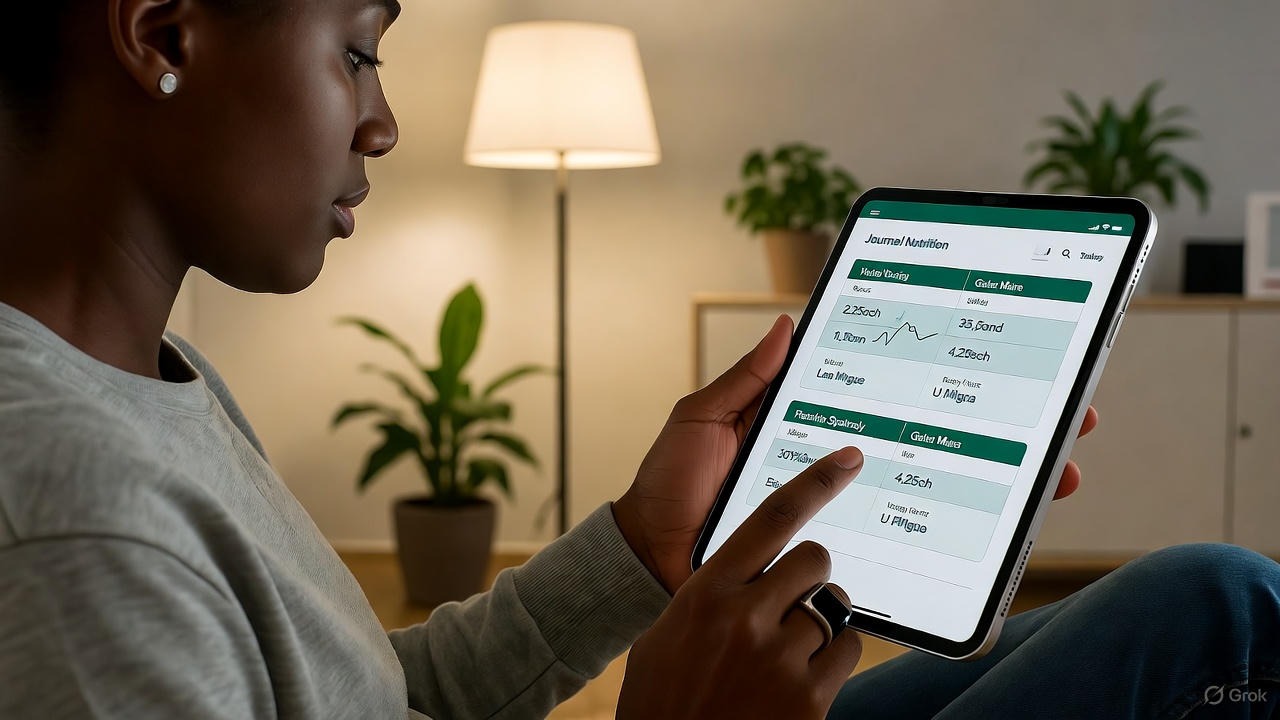
Healthy Lifestyle Tips That Improve Your Smart Ring Readiness Score
Lifestyle changes that will positively impact your ring's composite "readiness" score.
The Unspoken Symphony: How Your Daily Habits Fine-Tune Your Body's Data Signal
For the modern wellness enthusiast, the smart ring has become more than just a piece of tech jewelry. It’s a personal biometrical oracle, sitting silently on your finger, translating the subtle whispers of your body into a stream of actionable data. Your heart rate variability (HRV), sleep stages, resting pulse, body temperature, and activity levels are no longer mysteries. They are scores, graphs, and insights that promise a path to optimized living.
But here’s the secret that every long-term user knows, and every new user must learn: A smart ring is not a magic eight-ball. You cannot ask it, “How do I get healthier?” and expect a clear answer from a single night’s data. Its true power is revealed only when you engage with it in a symbiotic dance. The ring measures your body’s output; your lifestyle dictates the input.
Think of it this way: your body is a sophisticated instrument, and your smart ring is the world’s most sensitive microphone, pressed against it. If you are chaotic, inconsistent, and reactive in your daily habits, what the microphone picks up is noise—a cacophony of stress signals, erratic rhythms, and confusing feedback. The data becomes hard to interpret, and the coveted “Readiness” or “Recovery” score feels random, a source of frustration rather than empowerment.
Conversely, when you cultivate intentional, healthy routines, you begin to play a beautiful, coherent symphony. Your body’s signals become clear, predictable, and rich with meaning. The smart ring, in turn, becomes a brilliant conductor, highlighting the nuances of your performance and precisely showing you how a good night’s sleep improves your HRV, or how that extra glass of wine disrupts your deep sleep.
This is your guide to tuning that instrument. This is about mastering the lifestyle inputs that create a pristine, high-fidelity data output. By focusing on the foundational pillars of wellness that directly influence your biometrics, you won’t just live better—you’ll track better. You’ll transform your smart ring from a passive reporter into an active partner, and you’ll see your Readiness Score not as a grade, but as a direct reflection of your conscious choices. Let’s begin the journey to becoming data-ready.
The Foundation of Readiness: Mastering Consistent, High-Quality Sleep
If your smart ring had a single, most-valued metric, sleep would be its currency. Every single biomarker it tracks—from recovery and body temperature to heart rate and HRV—is profoundly shaped by what happens during those nightly hours of repair. You cannot out-supplement, out-exercise, or out-tech bad sleep. It is the non-negotiable bedrock of your readiness. Therefore, the first and most significant lifestyle upgrade you can make for your ring’s accuracy and your own vitality is to sanctify your sleep.
The goal is not just duration, but quality and consistency. A smart ring detects the phases of your sleep—light, deep, and REM—each crucial for physical repair, memory consolidation, and emotional regulation. Erratic sleep patterns confuse your body’s internal clock (the circadian rhythm), leading to muddy, hard-to-interpret data. When you go to bed and wake up at wildly different times, your ring struggles to establish a reliable baseline, making day-to-day comparisons less meaningful.
Crafting a sleep sanctuary is step one. This means optimizing your bedroom environment for darkness, coolness, and quiet. But the ritual you perform before entering that sanctuary is equally critical. A predictable, wind-down routine signals to your nervous system that it’s time to shift from sympathetic (fight-or-flight) to parasympathetic (rest-and-digest) dominance. This deliberate transition is what your ring’s sensors are waiting to observe: a gradual decline in heart rate, a settling of body temperature, and a rise in HRV indicating relaxation.
Your nighttime routine doesn’t need to be complex or long, but it must be intentional. It could involve reading a physical book under soft light, practicing gentle stretches, journaling to download the day’s worries, or a skincare regimen. The key is consistency. For those wondering where to start, exploring the principles of how nighttime routines signal your body it's time to sleep can provide a science-backed foundation. This predictable sequence becomes a powerful cue, telling your biology—and by extension, your smart ring—that recovery time is imminent.
Furthermore, what you avoid is as important as what you do. The blue light from phones, tablets, and laptops is a potent signal to your brain that it’s still daytime, suppressing melatonin production and delaying sleep onset. This creates a visible disconnect in your data: you might be in bed for 8 hours, but your ring will show a long period of restless “awake” or light sleep before true restoration begins. For a deeper dive into managing this digital dilemma, consider the guidelines in nighttime routine and technology: what to use and avoid.
By mastering your sleep through environmental control and a consistent pre-sleep ritual, you provide your smart ring with the cleanest, most stable dataset possible. You’re not just sleeping for yourself; you’re creating the ideal conditions for accurate measurement. This foundational work makes every other piece of data—your stress, your recovery, your readiness—infinitely more meaningful.
Hydration: The Clear Fluid of Optimal Biometric Function
Water is the most fundamental nutrient in your body, the medium in which every single metabolic process occurs. From a data perspective, chronic under-hydration is like putting low-grade fuel in a high-performance engine and then wondering why the diagnostics are throwing off strange codes. Your smart ring’s sensors are acutely sensitive to the effects of dehydration, which can masquerade as poor recovery, elevated stress, and even fake an elevated resting heart rate.
Let’s break down the physiology. When you’re dehydrated, your blood volume decreases. Your heart has to work harder—pumping faster and with more force—to deliver oxygen and nutrients to your cells and brain. This will manifest on your smart ring as an elevated resting heart rate (RHR) and a lowered Heart Rate Variability (HRV), two flagship metrics for recovery and readiness. You might wake up with a disappointing score, blaming stress or poor sleep, when the true culprit is simply not drinking enough water the day before.
Furthermore, hydration status directly impacts your body temperature regulation. One of the advanced features of modern smart rings is nocturnal body temperature tracking, a key indicator of illness, ovulation, and metabolic health. Dehydration impairs your body’s ability to sweat and cool itself efficiently, potentially leading to subtle shifts in your baseline temperature data that could be misinterpreted. Proper hydration ensures this signal remains clear and attributable to actual physiological states, not just a lack of water.
So, how do you optimize hydration for peak ring performance? It’s not about chugging a gallon of water right before bed (which will only fragment your sleep with bathroom trips). It’s about consistent, mindful intake throughout the day.
Start Early: Drink a large glass of water within 30 minutes of waking. This rehydrates you after 7-8 hours of fasting and kicks off your metabolism.
Listen to Your Body (and Your Ring): Thirst is a late-stage signal. Use your smart ring’s data as an earlier warning system. If you see a persistent, unexplained dip in your HRV or a climb in your RHR, your first intervention should be to assess your hydration over the previous 24 hours.
Quality Matters: While plain water is ideal, electrolytes are essential for proper absorption, especially if you sweat through exercise or live in a hot climate. Incorporate mineral-rich foods (like leafy greens, bananas, and avocados) or a pinch of high-quality sea salt in your water.
The Smart Ring Feedback Loop: Make hydration an experiment. For one week, diligently track your water intake (aim for at least 2-3 liters, adjusting for activity level) and note its correlation with your morning readiness score. You will likely see a direct, positive relationship.
By elevating hydration from an afterthought to a tracked pillar of your health, you remove a major source of “noise” from your biometric data. You ensure that the stories your smart ring tells you about stress, recovery, and readiness are true narratives of your health, not distorted by the simple absence of water.
Nutrition as Data Fuel: Eating for Stable Biomarkers
If sleep is the foundation and hydration is the medium, then nutrition is the fuel that powers the entire system. What you eat, and perhaps more importantly when you eat, sends powerful signals that resonate through every biomarker your smart ring tracks. The goal of nutrition for “smart ring readiness” is not a specific diet, but rather the cultivation of metabolic flexibility and stability—avoiding the glucose spikes, inflammatory responses, and digestive burdens that create biometric chaos.
Your body’s response to food is a major stressor—a healthy, necessary one called “postprandial stress.” However, the size, composition, and timing of your meals dictate the magnitude of that stress. A large, high-sugar, or highly processed meal late at night forces your body into a state of digestive overdrive when it should be winding down. Your smart ring will capture this: elevated nighttime heart rate, poor HRV, reduced deep sleep, and even a rise in skin temperature as your metabolism fires up. You’ll wake with a low readiness score, feeling sluggish, because your body spent the night digesting instead of repairing.
To eat for optimal data (and vitality), focus on these principles:
Prioritize Whole Foods: A diet rich in vegetables, fruits, lean proteins, healthy fats, and complex carbohydrates provides steady energy, minimizes inflammatory responses, and supports stable blood sugar. This stability translates to a calmer autonomic nervous system, reflected in better HRV and lower resting heart rate.
Master Meal Timing: This is critical for ring data. Aim to finish your last substantial meal at least 2-3 hours before bedtime. This allows for significant digestion to occur before you sleep, ensuring your body’s overnight resources are directed toward cellular repair and brain detoxification, not breaking down a heavy dinner. The difference in your sleep architecture and morning readiness score can be dramatic.
Be Mindful of Alcohol and Caffeine: Both are powerful data disruptors. Alcohol may help you fall asleep faster, but it notoriously suppresses REM sleep and leads to fragmented sleep later in the night, which your ring will meticulously document. Caffeine has a half-life of 5-6 hours; an afternoon coffee can still be impacting your nervous system at bedtime, delaying sleep onset and reducing sleep quality. Limiting caffeine to the morning and being intentional with alcohol consumption are direct levers you can pull to improve your scores.
Use Your Ring to Identify Sensitivities: Do you consistently wake with a low score after eating dairy or gluten? Does a seemingly “healthy” high-histamine meal like spinach and avocado salad at dinner disrupt your sleep? Your smart ring’s recovery metrics can serve as a powerful, objective biofeedback tool to identify individual food sensitivities that cause inflammation or digestive distress, which manifest as poor recovery.
Nutrition for readiness is about becoming a conscious fuel engineer. You’re not just eating for taste or momentary energy; you’re curating the biochemical environment that your smart ring will measure for the next 8-16 hours. By providing stable, high-quality fuel at the right times, you create the internal conditions for pristine recovery data and true physiological readiness.
The Dual Pillars of Movement: Strategic Exercise and Non-Exercise Activity
Movement is a paradoxical signal for your body and your smart ring. The right kind, at the right time, builds resilience and improves every biomarker. The wrong kind—or a glaring lack of movement—signals stagnation and stress. To optimize your readiness, you must master both structured exercise and the vast world of non-exercise activity thermogenesis (NEAT).
Let’s start with strategic exercise. Your smart ring is exceptional at measuring the stress of a workout (via elevated heart rate, calories burned) and, more importantly, your body’s response to that stress during recovery. The principle of adaptation is key: you break down muscle with exercise, and you grow stronger during rest. Your ring’s readiness score is designed to tell you if you are adequately recovered for another bout of intense stress.
Listen to Your Data: A high readiness score suggests your body is primed for a challenging workout. A low score, indicating poor recovery, is a cue to opt for gentle movement (like walking or yoga) or complete rest. Ignoring this data and pushing through with high-intensity training can lead to overtraining, which your ring will detect as a persistent elevation in resting heart rate and a suppression of HRV.
Timing Matters: Vigorous exercise too close to bedtime can raise your core body temperature and stimulate your sympathetic nervous system, making it harder to fall asleep and potentially degrading sleep quality. Finishing intense workouts at least 3 hours before bed gives your body time to physiologically wind down, leading to cleaner sleep data.
Embrace Variety: A mix of cardiovascular training, strength training, and flexibility work creates a resilient, adaptable physiology. This variety is often reflected in balanced, improving biomarkers over time.
Perhaps even more critical for modern, sedentary lifestyles is NEAT—the energy expended for everything that is not sleeping, eating, or sports-like exercise. This includes walking, typing, gardening, and even fidgeting. For many, a day spent at a desk can lead to a “sedentary paradox”: you may have a hard gym session, but your total daily movement is low. This negatively impacts circulation, metabolism, and insulin sensitivity.
The NEAT-Readiness Link: High NEAT throughout the day promotes better blood flow, stabilizes blood sugar, and reduces musculoskeletal stiffness. This creates a body that is physically prepared for both exercise and rest. Low NEAT contributes to metabolic rigidity and can exacerbate stress, which your ring may interpret as a higher “stress” score during waking hours.
Practical Integration: Use your smart ring’s general activity or step goal as a guide, but go beyond it. Set hourly reminders to stand and stretch, take walking meetings, park farther away, or do a 5-minute mobility flow every few hours. This constant, low-grade activity keeps your metabolic engine idling efficiently, which supports better recovery overnight.
By harmonizing intentional exercise with abundant daily movement, you send a consistent signal of vitality to your body. This balance prevents the negative stress of stagnation and the burnout of overtraining, allowing your smart ring to capture the beautiful rhythm of stress and recovery that leads to genuine fitness and readiness gains.
The Invisible Architect: Stress Management and Nervous System Regulation
You can sleep 8 hours, drink 3 liters of water, eat clean, and exercise perfectly, but if your mind is perpetually in a state of frantic anxiety or chronic worry, your smart ring will tell the true story. Stress is the invisible architect of your biometric data, and its most profound impact is on your Heart Rate Variability (HRV)—a metric that has become the north star for most readiness algorithms.
HRV measures the subtle variations in time between each heartbeat. Contrary to intuition, a higher HRV is better; it indicates a flexible, resilient autonomic nervous system that can swiftly adapt to challenges. A low HRV suggests a nervous system stuck in a dominant “fight-or-flight” (sympathetic) state, with less capacity for “rest-and-digest” (parasympathetic) recovery. Chronic mental and emotional stress is a primary driver of low HRV.
Therefore, managing stress isn’t just a wellness cliché; it is a direct, non-negotiable intervention for improving your core readiness metric. It’s about actively training your nervous system to downshift from high alert.
Direct Biomarker Training with Breathwork: This is the most potent, immediate tool you have. Slow, diaphragmatic breathing (e.g., 4-7-8 breathing: inhale for 4, hold for 7, exhale for 8) directly stimulates the vagus nerve, the command center of your parasympathetic system. You can literally watch the effect in real-time on many smart ring apps—your heart rate drops and your HRV can increase within minutes. Making this a daily practice, especially during moments of tension, trains resilience.
Meditation and Mindfulness: Regular practice changes your brain’s relationship to stress, reducing the reactivity of the amygdala (the fear center). This creates a buffer between a stressful event and your physiological response. Over time, this lower baseline of psychological stress translates to a higher baseline HRV and a lower resting heart rate.
Nature and Digital Detox: Immersion in nature (“forest bathing”) and intentional breaks from the constant pings of technology are not luxuries; they are nervous system resets. The cognitive load of multitasking and digital consumption is a significant, chronic stressor. Your smart ring’s “stress” score during a quiet walk in the park versus a frenetic hour of email and social media scrolling will vividly demonstrate this difference.
The Data Doesn’t Lie: Use your ring to connect cause and effect. Did a difficult conversation at work lead to a noticeable dip in your afternoon HRV? Did a 10-minute meditation session bring your stress score down? This objective feedback makes the abstract concept of “stress” tangible and manageable.
By proactively managing your psychological state, you are doing the most important work for your smart ring’s readiness score. You are calming the internal noise so that the ring can measure the true signals of your physical health, undistorted by mental turbulence. You become the calm center of the storm, and your biometrics will reflect that profound stability.
The Rhythm of Life: Consistency and Circadian Alignment
Your body is not designed for randomness. It thrives on rhythm. At the core of this is your circadian rhythm, the roughly 24-hour internal clock that governs not just sleep and wakefulness, but also hormone release, body temperature, digestion, and cellular repair. Your smart ring is a circadian rhythm detective, tracking its outputs like temperature and heart rate cycles. The more aligned your lifestyle is with this innate rhythm, the clearer, stronger, and more meaningful your biometric data becomes.
Inconsistency is the enemy of readiness. When you eat, sleep, exercise, and expose yourself to light at wildly different times each day, you send conflicting signals to your master clock. This state, known as circadian misalignment or “social jet lag,” forces your body’s various systems to work at cross-purposes. The result? Poor sleep, dysregulated hunger hormones, compromised metabolism, and systemic inflammation. To your smart ring, this looks like erratic data: one day of great recovery followed by two days of poor recovery, with no obvious cause.
To harness the power of rhythm for your readiness score:
Anchor Your Day with Light: The most powerful circadian cue is light. Get bright, natural light exposure (especially sunlight) within 30-60 minutes of waking. This signals to your brain that the day has begun, cortisol is appropriately released for energy, and the timer for melatonin production later that night is started. Conversely, minimize bright and blue light exposure after sunset.
Standardize Sleep and Wake Times: This is the single most effective practice for circadian health. Aim to go to bed and wake up within the same 30-minute window every single day, even on weekends. The consistency itself strengthens your circadian rhythm, leading to more predictable and higher-quality sleep—which your ring will reward with better scores.
Create Time-Restrained Eating Patterns: Align your eating with your circadian rhythm by condensing your food intake into a consistent daily window (e.g., 10-12 hours). Try to eat earlier in the day when your metabolism and insulin sensitivity are naturally higher, and avoid late-night meals that disrupt core body temperature cooling necessary for sleep. This practice, often called time-restricted feeding, promotes metabolic health and gives your digestive system a predictable daily fast, which improves cellular cleanup (autophagy).
Be Consistent with Exercise Timing: While any exercise is good, doing it at a similar time each day helps regulate your body’s rhythms. Morning or afternoon workouts tend to align best with natural cortisol fluctuations, while evening workouts should be gentler to avoid interfering with the wind-down process.
By living in sync with your circadian rhythm, you are effectively “defragging” your body’s hard drive every day. You reduce internal biological conflict, allowing all systems to function at peak efficiency. For your smart ring, this creates a stable, high-resolution baseline. Deviations from this baseline—like a true illness, an exceptional workout, or a rare late night—then become glaringly obvious and diagnostically useful, rather than getting lost in the noise of daily chaos.
The Environment You Inhabit: Optimizing Your Spaces for Recovery
Your wellness is not created in a vacuum. It is constantly interacting with the environment you build for yourself—your home, your office, your bedroom. These spaces can either be sanctuaries that promote recovery or stress-filled zones that sabotage it. Since your smart ring measures your body’s response to all stimuli, optimizing your physical environment is a direct way to improve your biometric readings. Think of it as calibrating the lab in which the experiment (your life) is conducted.
The Sleep Sanctuary Revisited: We touched on this, but it’s worth reiterating in an environmental context. Your bedroom should be a temple for recovery. Temperature is paramount; most experts recommend a cool 65-68°F (18-20°C) for optimal sleep, as your core body temperature needs to drop to initiate and maintain deep sleep. Your smart ring’s temperature sensor will validate this. Darkness is non-negotiable; even small amounts of light can disrupt melatonin production and sleep architecture. Consider blackout curtains and removing all LED indicators. Noise control, through white noise machines or earplugs, prevents sleep fragmentation.
Daytime Light Exposure: Beyond the morning sun, the quality of light you’re exposed to all day matters. Working in a dimly lit space can cause circadian confusion and drowsiness. Aim for bright, ideally natural, light during your active hours. This reinforces the day-night signal and supports healthy cortisol and melatonin rhythms.
Clutter and Visual Stress: A chronically cluttered, chaotic environment can be a subtle but persistent source of low-grade psychological stress. Your visual cortex is processing the disorder, which can keep your nervous system in a slightly elevated state. Creating orderly, peaceful spaces, especially where you relax, can help lower that background stress level, potentially reflected in a slightly improved daytime HRV or lower resting heart rate.
Air Quality: The air you breathe is a direct physiological input. Poor indoor air quality, high in VOCs (from cleaning products, paints, furnishings) or allergens, can trigger low-grade inflammation and stress on your respiratory system. Using air purifiers, opening windows for ventilation, and incorporating air-purifying plants are investments not just in long-term health, but in the clarity of your current biometric data. You may find fewer unexplained spikes in resting heart rate during sleep when the air is clean.
Your environment is the stage, and your habits are the performance. By consciously designing your spaces to be cool, dark, quiet, clean, and orderly, you remove external aggravators that force your body to work harder. You create a backdrop against which your body’s true, intrinsic signals can shine through clearly, giving your smart ring the purest possible data to analyze.
Mindful Technology Use: Partnering with Your Device, Not Being Slave to It
This is the meta-layer of smart ring readiness: managing the very technology that is providing your data. A smart ring is a tool for self-awareness, but it can paradoxically become a source of anxiety and obsession—a phenomenon often called “orthosomnia” (the unhealthy preoccupation with perfect sleep data). This anxiety itself becomes a stressor that degrades your scores. The goal is to create a healthy, mindful relationship with your device.
See Trends, Not Daily Judgments: Your daily readiness or sleep score is a single data point in a much larger story. A bad score is not a failure; it’s feedback. It’s far more valuable to look at weekly and monthly trends. Is your HRV gradually climbing over 90 days? That’s a huge win, regardless of a single low day. Focus on the direction, not the daily fluctuation.
Schedule Data Check-Ins: Don’t let the app become a compulsive reflex. Instead of checking your score every hour, set specific times for review—perhaps once in the morning to guide your day, and once in the evening to reflect. This prevents you from living in a state of constant biometric surveillance, which is counterproductive to the relaxation you’re trying to achieve.
Use It for Experiments, Not Validation: The ring’s power is in n=1 experimentation. Ask a question: “If I stop caffeine after 12 PM for two weeks, what happens to my deep sleep?” or “Does a 20-minute evening walk improve my sleep latency?” Use the data to discover what works for your unique biology, not to chase an arbitrary, perfect score.
Know When to Take a Break: If you find yourself feeling anxious, disappointed, or controlled by your scores, it’s time for a biometric holiday. Take the ring off for a weekend. Reconnect with how you feel subjectively. Often, this mental reset improves your relationship with the device and, by reducing stress, actually improves your scores when you put it back on.
Remember, the smart ring is a lens, not the entire picture. It quantifies the physiological, but it cannot measure joy, connection, creativity, or purpose. By using it mindfully—as a curious guide rather than a judging authority—you harness its power without letting it undermine the very wellness it’s meant to track. This balanced approach is the final, crucial habit for ensuring your smart ring journey is empowering, not stressful.
The Social and Emotional Dimension: Connection as a Recovery Metric
Human beings are inherently social creatures. Our relationships and emotional states are not separate from our physiology; they are deeply woven into it. Loneliness, conflict, and emotional suppression are potent chronic stressors, while connection, laughter, and emotional intimacy are powerful healers. While your smart ring can’t measure your heart’s feelings directly, the physiological echoes of your social and emotional world are absolutely reflected in your biomarkers.
Chronic loneliness and social isolation have been linked by research to elevated inflammation, poorer sleep, higher blood pressure, and lower HRV—all states that would depress a readiness score. Conversely, positive social interactions and feelings of belonging release oxytocin and endorphins, reduce cortisol, and promote a sense of safety that is foundational for parasympathetic (rest-and-digest) activation.
Quality Over Quantity: It’s not about the number of contacts in your phone, but the presence of a few deep, supportive relationships. A meaningful conversation with a close friend, a hug from a partner, or even a warm interaction with a neighbor can down-regulate your stress response.
Shared Routines: Integrating wellness with connection can be doubly powerful. For couples, creating a shared nighttime wellness routine can synchronize rhythms, reduce pre-sleep stress, and improve sleep quality for both partners—a synergy your rings will likely capture.
Emotional Expression: Unexpressed emotions don’t just vanish; they often manifest somatically. Journaling, talking with a therapist, or creative expression are ways to “process” emotional energy so it doesn’t become lodged as physiological tension, which can elevate resting heart rate and impair recovery.
The Data Connection: Pay attention to your biometrics after social events. Do you see a boost in HRV the day after a relaxing dinner with friends? Does a stressful family conflict lead to a noticeable dip in your sleep score? This feedback can help you prioritize the relationships and activities that truly nourish your nervous system.
In the quest for readiness, don’t neglect the heart. Cultivating authentic connection and emotional health is not a soft, secondary concern; it is a direct intervention on your autonomic nervous system. By investing in positive relationships, you build a social safety net that supports your physiological resilience, making your body—and your smart ring data—more robust in the face of life’s inevitable stresses.
Periodization and Listening: The Art of Strategic Recovery
Peak performance—and a high readiness score—is not a plateau you reach and maintain indefinitely. It is a wave, with natural peaks and troughs. The principle of periodization, borrowed from elite athletics, is crucial for the wellness enthusiast: you must plan periods of stress (physical, mental) and strategically plan periods of dedicated recovery. Ignoring this rhythm leads to plateaus, burnout, and chronically middling scores.
Your smart ring is the perfect tool to implement personal periodization. It provides the objective feedback needed to know when to push and when to pull back.
Align Training with Data: Structure your workout weeks with hard days, moderate days, and easy days based on your morning readiness score. A “green” score means you’re likely good for a high-intensity session. A “yellow” or “red” score is a clear mandate for a restorative yoga class, a walk, or complete rest. This prevents digging yourself into a recovery deficit.
Plan Deload Weeks: Every 4-8 weeks, depending on your activity level, schedule a “deload” week. Reduce your training volume and intensity by 40-60%. This is not laziness; it’s when your body supercompensates and makes its biggest adaptations. You will often see your HRV climb to new highs and your resting heart reach new lows during a proper deload, setting a higher baseline for the next cycle.
Life Stress Periodization: Apply the same principle to work and personal projects. After a period of intense deadlines or travel (a “stress block”), consciously schedule a lighter period to focus on recovery habits. Use your ring’s data to confirm you are actually recovering. You might need more sleep, more gentle movement, and more downtime than you think to bounce back fully.
The Readiness Score as Your Coach: Reframe your relationship with a low score. It is not a punishment; it is your personal coach pulling you aside and saying, “Hey, you’ve given a lot recently. Let’s focus on refueling today so we can go hard again tomorrow.” This shift from frustration to gratitude for the feedback is transformative.
By embracing periodization, you work with your body’s natural cycles, not against them. You use stress as a tool for growth and honor recovery as the essential phase where growth actually happens. This intelligent, responsive approach, guided by your ring’s data, is what leads to sustainable progress and consistently higher peaks of readiness over the long term.
Advanced Data Literacy: Interpreting the Nuances Beyond the Score
You’ve mastered the foundational habits. Your sleep is consistent, your nutrition is clean, and your stress is managed. You’re seeing improvements, but now you’re ready to move beyond the single, composite “Readiness Score” and into the rich, nuanced world of the individual biomarkers themselves. This is where you transition from a passive consumer of a summary to an active interpreter of your body’s unique language. True smart ring readiness isn't just about improving the score; it's about understanding the symphony of data that creates it.
Each primary metric—HRV, Resting Heart Rate (RHR), Sleep Stages, and Body Temperature—tells a different part of your story. They don’t always move in perfect unison, and their discord can be the most valuable insight of all. For instance, your HRV might be high (suggesting good recovery), but your RHR might also be slightly elevated (suggesting residual stress). This could indicate your body is successfully managing a training load or a mild immune response. Learning to read these subtleties allows for precision adjustments that a single score could never guide.
Start by establishing your personal baselines, not population averages. A "good" HRV for you is unique. Track these metrics over a month of relatively stable, healthy living to find your normal ranges. Once you know your baseline, you can better interpret deviations.
HRV as a Window to Your Nervous System: We've discussed HRV's role in stress, but look at its trend directionality. A steadily rising trend over weeks is one of the strongest signs of improving fitness and resilience. A sharp, single-day dip is a clear signal to prioritize recovery. But also note its daily fluctuation—a healthy system is dynamic. No movement at all can be a sign of stagnation or overreaching.
Resting Heart Rate (RHR) – The Engine’s Idle: While a lower RHR generally indicates better cardiovascular fitness, acute changes are more telling. A sustained elevation of 5-7 beats per minute above your baseline can be an early sign of overtraining, impending illness, dehydration, or significant life stress. It’s a sensitive, non-specific alarm bell worth heeding.
Sleep Architecture – The Quality of the Repair: Don’t just look at total sleep time. Dive into the proportions. Is your deep sleep (physical repair) consistently low? This could point to excessive endurance training without adequate fuel, or late-night alcohol. Is your REM sleep (mental and emotional processing) truncated? This is often linked to high daytime stress, late-night screen time, or certain medications. Noticing these patterns allows for targeted fixes, like adjusting workout timing or creating a more rigorous wind-down ritual, such as those suggested for light sleepers and insomniacs.
Body Temperature – The Silent Rhythm: Nocturnal temperature deviation is a goldmine of insight. For women, it’s a core component of fertility and cycle tracking. For everyone, a sustained elevation can be the very first sign of an oncoming infection, often appearing 24-48 hours before symptoms. A chronically low temperature trend, on the other hand, might suggest metabolic or hormonal issues.
By developing this granular data literacy, you empower yourself to ask better questions and run smarter experiments. You stop chasing a generic “good score” and start cultivating the specific physiological states that matter most to your personal goals, whether that’s athletic performance, immune resilience, or hormonal balance.
Hormonal Harmony: Aligning Your Habits with Your Endocrine System
Your hormones are the master conductors of your body’s symphony. Cortisol, melatonin, insulin, growth hormone, sex hormones—they dictate your energy, mood, metabolism, and recovery. A significant portion of your smart ring’s data is, in fact, a readout of your hormonal ebb and flow. To achieve true readiness, your lifestyle must support hormonal harmony, not provoke constant dysregulation.
The circadian rhythm is fundamentally a hormonal rhythm. Cortisol should peak in the early morning to wake you up, gradually decline throughout the day, and reach its lowest point at night to allow melatonin to rise and induce sleep. When this curve is disrupted—by chronic stress, poor sleep, or mistimed meals—your smart ring sees the consequences: a flattened HRV, elevated nighttime heart rate, and poor sleep scores.
Master Your Cortisol Curve: The habits you’ve already built are cortisol-management tools. Morning light exposure anchors the peak. Consistent sleep protects the nadir. Strategic exercise (ideally in the morning or afternoon) provides a healthy, acute cortisol spike that improves the rhythm, while late-night intense exercise can blunt the evening decline. Mindfulness practices directly lower excessive cortisol output. Your ring’s daily “stress” graph is essentially a proxy for your sympathetic nervous system and cortisol activity.
Fuel for Insulin Sensitivity: Insulin is a storage hormone. When cells become resistant to it (often through a diet high in processed sugars and a sedentary lifestyle), it leads to inflammation, energy crashes, and weight gain. This metabolic stress is visible in your data. Prioritizing whole foods, fiber, protein, and healthy fats, while timing carbohydrates around activity, keeps insulin spikes minimal and cells sensitive. This stable internal energy environment supports better recovery and lower inflammation, contributing to higher readiness.
The Critical Role of Sleep for Growth & Repair: During deep sleep, your pituitary gland releases pulses of growth hormone (GH), essential for tissue repair, muscle growth, and metabolism. Fragmented or insufficient sleep severely blunts GH secretion. This is why your smart ring prioritizes deep sleep—it’s a direct indicator of this crucial anabolic, repair-focused hormonal phase. Protecting your deep sleep by avoiding alcohol and late-night eating is a direct investment in your hormonal health.
Cycle Syncing for Women: For those who menstruate, hormonal readiness takes on another layer. Estrogen and progesterone fluctuations across the cycle naturally affect basal body temperature (clearly tracked by your ring), resting heart rate (often lowest in the follicular phase, rising post-ovulation), and sleep architecture. Understanding your unique patterns allows for cycle-aware periodization: scheduling intense workouts when energy is high (follicular phase) and prioritizing recovery, flexibility, and stress management during the luteal phase. Your ring becomes an indispensable tool for visualizing and honoring these innate biological phases, rather than fighting against them.
By viewing your habits through a hormonal lens, you connect the dots between your actions and their profound systemic effects. You’re not just “sleeping well”; you’re facilitating the optimal release of melatonin and growth hormone. You’re not just “eating clean”; you’re maintaining insulin sensitivity and reducing inflammatory cortisol triggers. This deeper understanding makes every healthy choice more meaningful and turns your smart ring into a hormonal harmony dashboard.
The Gut-Brain-Axis and Readiness: How Digestion Influences Your Data
The conversation about readiness has historically lived “above the neck” (brain) and “in the muscles” (performance). But a revolution in science has placed a third, critical player at the table: your gut. The gut-brain-axis is a bidirectional communication superhighway linking your enteric nervous system (the “second brain” in your gut) with your central nervous system. The state of your digestion, and particularly your gut microbiome, sends powerful signals that directly impact the biomarkers your ring measures.
An unhappy gut can be a primary source of invisible noise in your data. Bloating, gas, and indigestion are not just local discomforts; they activate immune responses and nervous system irritation that can elevate systemic inflammation and stress markers.
Inflammation and Biomarkers: A gut lining that is overly permeable (“leaky gut”) or populated by an imbalanced microbiome can lead to chronic, low-grade inflammation. Inflammation is a stressor. It can raise your resting heart rate, lower your HRV, and disrupt sleep—all of which your ring will detect as poor recovery, even if you can’t pinpoint a specific cause.
Sleep and Digestion: The connection is intimate. Much of your body’s serotonin (a precursor to melatonin) is produced in the gut. An unhealthy gut can impair this production. Furthermore, digesting a large, late, or problematic meal demands significant energy and can raise core body temperature, directly interfering with the cooling process necessary for deep sleep. This is why your sleep score may suffer after certain meals, even if they “fit your macros.”
The Stress-Digestion Loop: This is a vicious cycle. Psychological stress (low HRV) can alter gut motility, increase permeability, and change microbiome composition. In turn, the distressed gut sends “alarm” signals back to the brain via the vagus nerve, perpetuating the stress state. Breaking this cycle is key. Your ring’s stress score can be a prompt to consider not just your mental state, but your digestive comfort.
Optimizing for a Quiet Gut: Support your gut to support your scores. Prioritize fermented foods (kimchi, sauerkraut, yogurt) for probiotics and high-fiber, prebiotic foods (garlic, onions, asparagus, oats) to feed beneficial bacteria. Stay hydrated to aid digestion. Be a detective with your ring’s data: if you notice a pattern of poor sleep or low HRV after eating certain foods (like dairy, gluten, or high-FODMAP items), you may have identified a personal trigger. A consistent, calm eating environment and chewing thoroughly are simple habits that reduce digestive stress.
By nourishing your gut, you are quieting a major source of internal chatter. You create a more stable internal environment, which allows the signals your smart ring picks up—related to workout recovery, psychological stress, and sleep quality—to be clearer and more attributable. A happy gut is a cornerstone of a high-fidelity biometric signal.
Personalization and Experimentation: Becoming the Scientist of Your Own Biology
Armed with foundational habits and advanced literacy, you now enter the most exciting phase: the laboratory of you. General wellness principles provide the framework, but the magic is in the personalization. Your biology is as unique as your fingerprint, and your smart ring is the instrument that allows you to run precise, n=1 experiments to discover what truly works for your body.
This process moves you from following rules to developing intuition, backed by data. The goal is to identify your unique levers—the specific habits that cause the most dramatic positive shifts in your readiness metrics.
The Structured Experiment Framework:
Ask a Question: Formulate it based on your data curiosities. “Does a 10-minute meditation before bed improve my sleep latency (time to fall asleep)?” “Will replacing my afternoon coffee with green tea improve my afternoon HRV?” “Does a 15-minute post-dinner walk stabilize my nighttime heart rate?”
Isolate the Variable: Change only one thing at a time for a meaningful period (at least 5-7 days, preferably two weeks). If you change your diet, sleep time, and workout routine all at once, you won’t know which change drove the result.
Establish a Baseline: Note your relevant metrics (e.g., average sleep latency, afternoon HRV) for the week before the experiment.
Implement & Observe: Make the change and use your ring to track the relevant data points daily. Note subjective feelings as well.
Analyze the Results: At the end of the trial period, look at the averages. Did your target metric improve? Did other metrics change unexpectedly? Use the trend views in your app.
Example Experiment - The Caffeine Cutoff: Your general health reading says “avoid caffeine after 2 PM.” But is that right for you? Run an experiment. For two weeks, maintain your normal morning coffee but have zero caffeine after 12 PM. Track your sleep score, deep sleep percentage, and resting heart rate. For the next two weeks, push your last coffee to 3 PM. Compare the data. You may discover you are highly sensitive, or you may find a later cutoff has no negative effect. This is empowered, personalized knowledge.
Leveraging Tech for Tracking: While your ring tracks the outputs, you may need to manually log the inputs for your experiments. Use a simple notes app or a dedicated habit tracker to log your variable (e.g., “Meditated 10 min,” “Alcohol: 1 glass wine,” “Meal finished by 7 PM”). This creates a clear correlation log you can review alongside your ring’s data graphs.
Embracing “Failures” as Data: An experiment that shows no change or a negative result is not a failure. It’s a critical discovery. It tells you that variable is not a major lever for you, allowing you to stop focusing energy there and move on to test something else.
By adopting this scientist mindset, you reclaim agency. You stop outsourcing your health to generic advice and start building a body of evidence about your own physiology. Your smart ring becomes your most trusted lab partner, providing the objective feedback that turns anecdotes into actionable, personal truth.
Seasonal Adjustments: Adapting Your Readiness Strategy Throughout the Year
Your body is not static, and neither is the world it inhabits. The changing seasons bring variations in daylight, temperature, social rhythms, and even food availability. A readiness strategy that works perfectly in the energizing days of spring may need subtle recalibration for the dark, cold depths of winter. The truly resilient individual—and the one who maintains strong biometrics year-round—learns to flow with these natural cycles, not resist them.
Your smart ring can help you identify your own personal seasonal patterns and guide your adjustments.
Winter: The Season of Deep Recovery and Preservation.
The Challenge: Shorter days with less sunlight can disrupt circadian rhythms, lower Vitamin D levels, and contribute to Seasonal Affective Disorder (SAD). Cold weather can discourage outdoor activity and tighten muscles. Holiday stress and dietary indulgences are common.
The Data: You may see a natural, slight elevation in resting heart rate (as your body works to keep warm) and a tendency for lower HRV if mood is affected. Sleep may be harder to initiate without the strong daytime light cue.
Adaptive Strategies:
Light Therapy: Use a SAD light box for 20-30 minutes in the morning to mimic sunrise and anchor your circadian rhythm. This is a direct intervention to support the hormonal health discussed earlier.
Embrace Hygge & Recovery: Reframe winter as a built-in “deload” season. Prioritize sleep, perhaps even needing slightly more. Focus on restorative movement like yoga, Pilates, and sauna sessions. This is an ideal time for the low-cost nighttime wellness routine focused on warmth and comfort.
Mindful Nutrition: Craving heavier, warming foods is natural. Opt for nutrient-dense, warming soups, stews, and roasted vegetables rather than processed comfort foods. Maintain hydration, as indoor heating is dehydrating.
Summer: The Season of Peak Activity and Social Energy.
The Challenge: Long days and social events can lead to later bedtimes, increased alcohol consumption, and potential overtraining. Heat and humidity add physiological stress.
The Data: With more activity, your resting heart rate might be slightly lower (if you’re aerobically fit), but you might see more HRV variability due to inconsistent sleep and hydration challenges. Nighttime temperatures can disrupt sleep.
Adaptive Strategies:
Protect Your Sleep Schedule: Enjoy the long evenings, but guard your bedtime. Use blackout curtains to create darkness for sleep despite late sunsets. For those who struggle with heat, implementing a nighttime routine for hot sleepers with cooling strategies is essential.
Hydration is Paramount: Your ring will be especially sensitive to dehydration now. Increase water and electrolyte intake significantly, especially around exercise.
Balance Social & Recovery: It’s okay for your scores to dip slightly after a big social weekend—that’s life! The key is to consciously follow it with a “recovery reset” day: early bed, perfect hydration, and gentle movement.
Spring & Fall: The Transitional Seasons of Renewal and Rebalancing.
The Opportunity: These are ideal times for a “biometric spring cleaning.” Use the natural energy of spring to ramp up activity and launch new experiments. Use the cooling, reflective energy of fall to establish strong routines before the holidays.
The Data: These seasons often provide the most stable baselines, with moderate temperatures and stable daylight.
By anticipating and adapting to seasonal shifts, you prevent frustration when your scores naturally fluctuate. You work in harmony with nature’s macro-cycles, using your smart ring as a guide to tweak your micro-habits. This leads to sustainable, year-round readiness without burnout.
Integrative Tracking: Weaving Your Smart Ring Data into a Holistic Health Tapestry
Your smart ring provides a powerful, continuous stream of physiological data, but it is not the entirety of your health story. True readiness emerges when you intelligently integrate its insights with other key metrics and subjective experiences. This creates a multi-dimensional picture, filling in the gaps that any single device might miss. Think of your ring data as the central thread in a larger tapestry, woven together with threads of nutrition, strength, mindfulness, and personal feeling.
This integrative approach prevents "data tunnel vision," where you become so focused on HRV and sleep scores that you ignore other critical aspects of well-being, such as functional strength, nutritional satiety, or sheer joy.
Syncing with Strength and Performance Metrics: Your ring excels at measuring the stress of a workout and your recovery from it, but it doesn't measure the output of strength or specific fitness gains. Pair your ring data with a simple training log. Note your weights, reps, running pace, or workout completion times. Now, you can analyze powerful correlations: Does a high readiness score consistently predict a personal best in your workout? Does a week of low HRV precede a plateau or a feeling of heavy fatigue in the gym? This combination tells you not just if you're recovered, but how effectively that recovery translates to performance.
Nutritional Logging for Cause-and-Effect Clarity: While you shouldn't need to count calories forever, periodic mindful logging can be a revelatory experiment. For a two-week period, use a simple app to track your food intake alongside your ring data. Look beyond calories; note your protein intake, vegetable servings, and timing of your last meal. You may discover that hitting a certain protein threshold stabilizes your energy and improves sleep, or that eating within a specific window, as mentioned earlier, has a more dramatic effect on your morning resting heart rate than the food itself. This turns nutrition from a guessing game into a strategic tool for readiness.
Subjective Check-Ins: The "Feel" Factor: No device can measure your sense of purpose, connection, or inner peace. Establish a daily or weekly subjective rating. On a scale of 1-10, how is your energy? Your mood? Your motivation? Your sense of connection? Keep a brief journal note. Often, your subjective scores will dip before your biometrics do, giving you an early warning to slow down. Conversely, you may have a "biometrically perfect" day where you feel flat, reminding you that metrics are a guide, not the ultimate goal. This practice keeps you connected to the human experience behind the data.
The Unified Dashboard Approach: The goal is synthesis, not fragmentation. Dedicate a few minutes each week—perhaps on a Sunday evening—to review all your sources together: your ring's weekly readiness report, your training log highlights, and your subjective notes. Look for the story they tell collectively. This holistic review is where true self-awareness and intelligent personal strategy are born.
By weaving together quantitative biometrics with quantitative performance logs and qualitative feelings, you graduate from being a data collector to a health strategist. You can see the full impact of your choices and make adjustments with a confidence that no single data point could ever provide.
The Long Game: Cultivating Sustainable Habits Beyond the Novelty Phase
The first few months with a smart ring are often marked by rapid discovery and improvement—the "low-hanging fruit" effect. Sleep improves with a consistent routine, hydration boosts scores, and you see direct feedback from your experiments. But what happens after the novelty wears off? The true test of readiness isn't a 90-day transformation; it's the integration of these principles into a sustainable, lifelong practice that withstands travel, stress, illness, and changing life circumstances.
The risk is "tracker fatigue" or a reversion to old habits when initial motivation wanes. The solution is to architect your habits and mindset for the marathon, not the sprint.
Focus on Identity, Not Just Outcomes: Instead of thinking "I need to get a 90% sleep score tonight," shift to "I am a person who prioritizes and protects my sleep." This identity-based approach, powered by the consistent feedback from your ring, makes habits more resilient. The action (going to bed on time) becomes an expression of who you are, not just a chore to get a green checkmark.
Embrace the 80/20 Principle (The Readiness Pareto Principle): You do not need to be perfect 100% of the time to have excellent biomarkers and vibrant health. Aim for consistency in the vital few habits that drive 80% of your results: sleep timing, daily movement, and stress management. If you nail these 80% of the time, your readiness scores will remain strong. This allows for 20% of life—spontaneous social nights, travel, holidays—to happen without guilt or derailing your entire system. Your ring will show you the temporary dip and your swift recovery, reinforcing your resilience.
Build Habit Stacking and Environmental Design: Make your readiness-promoting habits inevitable by stacking them onto existing routines and designing your environment for success.
Habit Stacking: "After I pour my morning coffee (existing habit), I will step outside for 5 minutes of morning light (new habit)." "After I brush my teeth at night (existing habit), I will put my phone on its charger outside the bedroom (new habit)." The ring's data provides the positive reinforcement for these tiny stacks.
Environmental Design: Keep a water bottle on your desk. Have healthy snacks pre-portioned. Use app blockers to limit evening screen time. For students, creating a supportive environment is crucial during high-stress periods, as outlined in strategies for a nighttime wellness routine for students during exam season. These designs reduce the need for willpower, making the right choice the easy choice.
Practice Compassionate Observation: When life happens and your scores plummet—due to sickness, a work crisis, or family stress—practice observing the data without judgment. See it as information: "My body is under significant load. My priority now is kindness and recovery, not hitting targets." This prevents a negative spiral where stress about poor data creates more stress. Use the ring as a tool to give yourself permission to rest, not as a whip to chastise yourself.
Playing the long game means recognizing that readiness is a dynamic state, not a final destination. There will be peaks, valleys, and plateaus. By focusing on sustainable systems, identity, and self-compassion, you ensure that your smart ring remains a supportive companion for years, not just weeks, guiding you toward a lifetime of resilient health.
Beyond the Individual: Social Readiness and the Shared Journey
While readiness is deeply personal, humans are not islands. Our habits, rhythms, and stress levels are profoundly influenced by those we live with and connect to. Furthermore, sharing the journey of optimization can provide motivation, accountability, and deeper insight. Moving "beyond the individual" to consider social readiness can be the final piece in creating an ecosystem that supports your high-fidelity data and your well-being.
Household Rhythm Alignment: If you live with a partner or family, conflicting schedules and habits can create a form of "social jet lag" within your own home. A partner who stays up late with bright lights, or children with early wake-up times, can fragment your sleep and disrupt your wind-down routine. Open communication is key. Discuss the importance of a sleep-supportive environment. Find compromises, such as using red-light reading lamps after a certain hour or establishing quiet hours. For couples, this can even become a bonding opportunity, as explored in the guide on how couples can share a nighttime wellness routine.
The Accountability and Insight of Sharing Data (Selectively): Sharing your readiness journey with a trusted friend, training partner, or coach can be transformative. It’s not about competition, but about shared understanding. You can normalize the experience: "My HRV tanked this week too, I think it's that stress at work." A training partner can see your low score and suggest a bike ride instead of the planned high-intensity interval training. This external perspective can help you see patterns you might miss and provide support when motivation dips.
Social Contagion of Healthy Habits: Your commitment to readiness can have a positive ripple effect. When you consistently choose water over soda, prioritize sleep, or manage stress visibly, you model these behaviors for those around you. Your improved mood and energy become a testament to the value of these habits, potentially inspiring your social circle to make their own positive changes. This creates a reinforcing loop where your social environment becomes more supportive of your goals.
Navigating Social Pressure with Data-Backed Grace: Social events are a common disruptor of routines. Use your ring's data not as an excuse to avoid life, but as a tool to navigate it intelligently. Before a big event, ensure you have several days of solid sleep and recovery in the bank. After a late night, have a plan for a "recovery reset" day, and use your ring to track how quickly you bounce back. You can even use the data to explain your choices gracefully: "I'm tracking my sleep, and I've found I need to wind down early to function my best, so I'm going to head out." The objective data can make these boundaries feel more legitimate, even to yourself.
By considering the social dimension, you stop fighting against your environment and start shaping it to support your goals. You turn potential obstacles (social schedules) into opportunities for connection and shared growth, building a life where your pursuit of readiness is integrated and sustainable within the context of your relationships.
The Future of Readiness: Predictive Analytics and Proactive Wellness
We have focused on using your smart ring data to understand the present and recent past—how you slept, how you recovered, how stressed you were. But the cutting edge of this technology lies in its predictive potential. The true zenith of "smart ring readiness" is moving from a reactive model ("My score is low, I should rest today") to a proactive or even predictive model ("My data trends suggest I'm at risk of burnout or illness in 3-4 days if I don't adjust now").
This is where long-term, consistent data collection becomes invaluable. With months and years of data, machine learning algorithms can identify your personal, ultra-subtle precursors to sickness, overtraining, or mental health dips.
Predicting Immune Response: For many users, a noticeable, sustained elevation in resting heart rate and a dip in HRV, coupled with a rise in nocturnal body temperature, are the earliest signs of the body fighting an infection—often appearing 24-48 hours before a sore throat or fatigue sets in. By recognizing this pattern in your own data, you can proactively prioritize rest, hydration, and nutrition, potentially mitigating the severity or duration of the illness.
Forecasting Overtraining Syndrome: Overtraining isn't a one-day event; it's a creeping state. Predictive analytics would look for a constellation of trends: a gradually rising RHR that won't come down, a steadily suppressing HRV despite adequate sleep, a decline in heart rate recovery after workouts, and increased feelings of fatigue (logged subjectively). Seeing these trends over a week could trigger an automated suggestion for a deload week before performance actually plummets or injury occurs.
Mental Health and Stress Forecasting: Patterns in sleep disruption (especially early morning awakenings), reduced deep sleep, and a flattened HRV rhythm can correlate with periods of elevated anxiety or depressive symptoms. By correlating this data with mood logs, a system could one day provide gentle, early nudges toward proven interventions like sunlight, social connection, or therapy sessions before a full-blown episode takes hold.
Personalized Habit Nudges: The future app won't just show you a score; it will offer hyper-personalized suggestions. "Based on your data, your body responds best to exercise before 4 PM. Try shifting your workout today." Or, "Your recovery is optimal when your last meal is before 8 PM. You dined at 9:30 PM last night. Consider an earlier dinner tonight."
The Ethical and Personal Imperative: This predictive power comes with a responsibility. It requires a robust, private data framework and a user-centric approach. The goal must be empowerment, not anxiety. The human must always be in the loop, interpreting suggestions in the context of their full life.
While we are on the cusp of this future, you can start building the foundation now. By collecting clean data through the healthy habits outlined in this guide, you are creating the rich, high-quality dataset that will make these future insights accurate and powerful for you. You are not just preparing your body for readiness today; you are preparing your data for the insightful, proactive wellness partner of tomorrow.
Conclusion of This Portion: Your Readiness, Your Mastery
The journey to optimizing your Smart Ring Readiness Score is, in truth, a journey back to yourself. It is a process of relearning the language of your own body, a language spoken in heartbeats, breaths, and temperature shifts. The ring is merely a translator, making the subtle audible.
We have traversed the foundational landscape—sleep, hydration, nutrition, movement, and stress—understanding that these are not isolated chores but interwoven threads in the fabric of your daily biology. We have delved into the advanced literacy of biomarkers, learning to hear the distinct voices of HRV, RHR, and sleep stages in the choir of your data. We've explored the systemic influences of hormones, gut health, and seasonal rhythms, recognizing that readiness exists within a complex, living ecosystem.
We have equipped you with the tools of a personal scientist, capable of running precise experiments to discover what fuels your unique physiology. We have strategized for sustainability, focusing on identity and systems that last a lifetime, not just a motivation cycle. We have expanded the view to include the social fabric of your life and glimpsed the predictive future of truly proactive wellness.
This knowledge empowers you to move beyond being a passive recipient of a score. You are now the active architect of the data. A low score is no longer a mystery or a failure; it is a specific, interpretable report on recent inputs. A high score is not luck; it is the direct result of conscious, aligned choices.
Remember, the ultimate goal is not a perfect 100 every day—that is neither possible nor desirable in a rich, human life. The goal is mastery: the deep understanding of how your lifestyle choices manifest in your physiology, and the skillful ability to adjust those choices to support your energy, resilience, and long-term health goals. Your smart ring is the mirror, but you are the one living, breathing, and thriving in the reflection.
Now, with this foundation, you are truly ready. Ready to engage with your data with confidence. Ready to make informed choices that compound into lasting vitality. Ready to not just wear a smart ring, but to partner with it in the most important project you’ll ever undertake: the art and science of your own well-being.



%402x.svg)