


Healthy Movement Habits During Busy Life Phases: Adaptability
Discusses how to adapt habits during busy or stressful life phases.
Discusses how to adapt habits during busy or stressful life phases.
%402x.svg)
We live in an era of unprecedented motion and yet profound stillness. Our calendars are packed, our notifications endless, and our minds race across continents in an instant—yet our bodies often remain anchored for hours on end, caged within the confines of an office chair, a car seat, or the subtle gravity of a sofa. This is the modern mobility paradox: a life phase defined by constant busyness but punctuated by chronic physical stagnation. During these intense periods—the startup launch, the new parent chapter, the career-defining project, the academic gauntlet—our movement habits are often the first thing we sacrifice on the altar of productivity. We tell ourselves it’s temporary, that we’ll get back to the gym “when things calm down.” But “calm” is a mirage, and the cost of that deferred movement compounds silently.
The consequence isn’t just missed workouts. It’s a creeping sense of physical disconnection, stiffness that becomes your new baseline, energy that evaporates by midday, and a stress that embeds itself deep into your muscle tissue. We mistakenly frame movement as a separate, time-consuming task to be scheduled, rather than as the very medium through which a resilient, adaptable life is built. This all-or-nothing approach is why resolutions shatter against the rocks of a busy schedule.
But what if the solution isn’t about finding more time, but about radically redefining what “movement” means within the time you already have? What if health during life’s busiest phases isn’t about rigid, hour-long routines, but about cultivating a fluid, intelligent adaptability—in both your mindset and your movements?
This article is your blueprint for that shift. We will move beyond prescriptive, one-size-fits-all workout plans and dive into the principles of building a movement practice that bends and flows with your life’s demands. We’ll explore how to listen to your body’s signals, integrate micro-movements into digital workflows, leverage technology for intelligent feedback, and design a personal movement ecology that sustains you, no matter how packed your calendar gets. This is about building not just a stronger body, but a more agile relationship with your own physicality. It begins with understanding why our current approach is broken and embracing a new, more adaptable philosophy for thriving in motion.
The most common, most seductive excuse for letting movement slide is also the most flawed: “I don’t have time.” We say it with a sigh, absolving ourselves of guilt. But this statement rests on a 20th-century industrial model of time management that is fundamentally incompatible with 21st-century life. It assumes time is a series of empty, homogenous blocks waiting to be filled, and that effective movement requires claiming one large, contiguous block. In a world of context-switching, fragmented attention, and overlapping responsibilities, that model is a recipe for failure.
The truth is, you don’t lack time; you lack a framework for seeing the movement opportunities woven throughout the fabric of your existing day. We’ve been conditioned to see exercise as an event—a destination you travel to (the gym), requiring special clothes and equipment, lasting 45-60 minutes, with a clear start and finish. When the window for that “event” doesn’t appear, we write off the entire day. This binary thinking—either I get my “workout” in or I do nothing—is the core fallacy.
From Event to Ecology
The adaptable approach requires a paradigm shift: from viewing movement as a scheduled event to cultivating it as a personal ecology. An ecology is a system of interconnected elements that sustain life. Your movement ecology includes everything from your posture at your desk and how you breathe under stress, to how you carry groceries and climb stairs, to dedicated strength and cardio sessions. It’s the totality of how you inhabit and use your body throughout the 16+ hours you are awake.
Research in the field of nonexercise activity thermogenesis (NEAT) has long shown that the cumulative energy expenditure from all these non-exercise, non-sleeping activities—fidgeting, standing, walking to the printer, household chores—can vary by up to 2,000 calories per day between individuals and is a major factor in metabolic health. Ignoring this vast landscape of movement potential is like a farmer ignoring the soil quality and only focusing on the annual harvest.
Another pillar of the “no time” fear is the belief that fitness evaporates rapidly during busy periods. This creates an anxiety that leads to either overtraining in short bursts or complete paralysis. While detraining is real, the timeline is more forgiving than gym culture suggests. Significant strength loss typically begins after 2-3 weeks of complete inactivity for trained individuals, and cardiovascular declines can start in as little as 10-14 days. However, maintaining fitness requires a far lower dose than building it. This is the key.
Your goal during a high-demand life phase is not to hit personal records. It is maintenance and connectivity. One 20-minute bodyweight session, a few brisk 10-minute walks, and consistent attention to posture can be enough to preserve the vast majority of your strength and cardiovascular base, while protecting your joints and mental health. It keeps you in the conversation with your body, so when capacity returns, you are not starting from scratch. You are simply turning the volume back up.
This reframe is liberating. It moves you from a scarcity mindset (“I’ve lost it all”) to a stewardship mindset (“How can I maintain my foundation today?”). It allows you to see a 5-minute mobility break between meetings not as insignificant, but as a vital deposit in your physical resilience bank. It turns the entire day into a field of possibility. To make the most of this field, however, you must become a master observer of your body’s own language—which is where the next evolution in personal technology becomes not just helpful, but transformative.
For decades, the pedometer and its digital descendant, the step count, reigned supreme as the proxy for daily movement. We became obsessed with hitting 10,000 steps—a target with surprisingly arbitrary origins in 1960s Japanese marketing. While increasing step count is undoubtedly better than a sedentary life, it represents a painfully limited, one-dimensional view of health. Ten thousand steps of shuffling with poor posture, while chronically stressed and sleep-deprived, is not the same as 5,000 steps of vigorous, mindful walking after a restful night. The context of the movement matters just as much, if not more, than the crude volume.
This is where the evolution from basic fitness trackers to advanced, sensor-rich wearables like smart rings marks a fundamental leap. Devices like the Oxyzen Smart Ring move us from simple metric tracking to what can be called Contextual Health Intelligence. It’s no longer just “what did I do?” but “how did my body respond, and what was the environment in which it happened?”
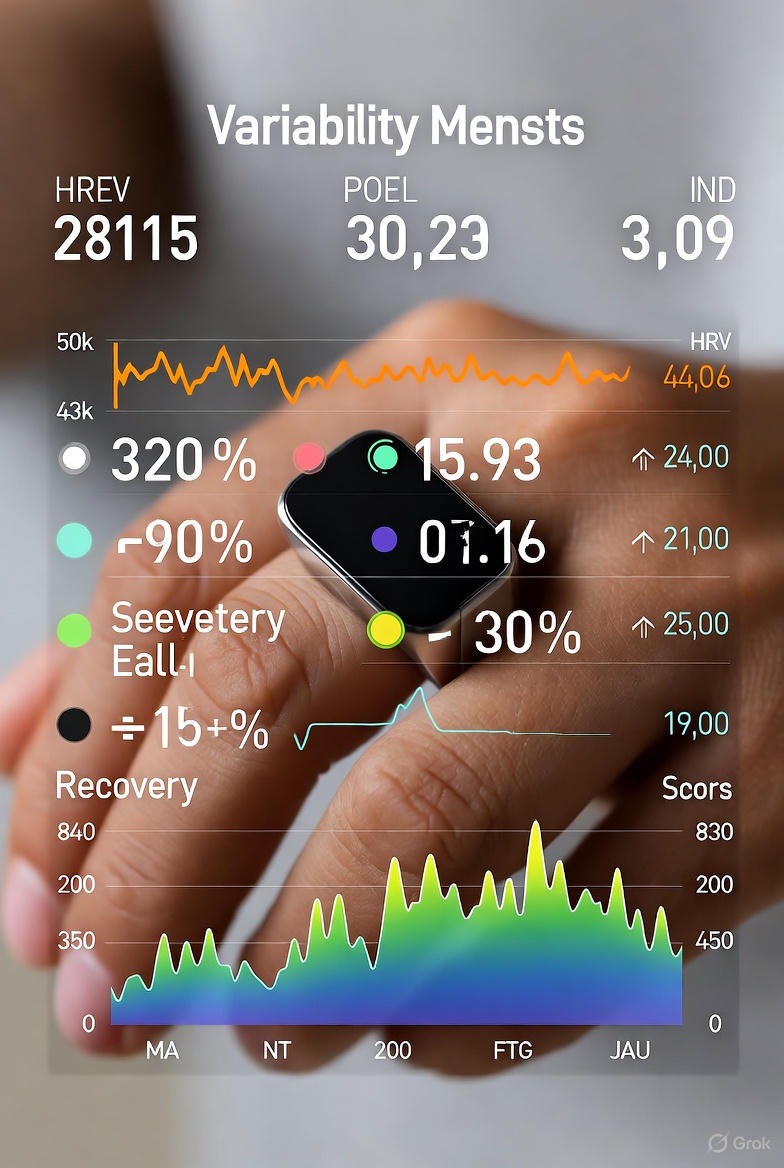
A modern smart ring, worn continuously, builds a rich, multidimensional picture of your physiology. It doesn’t just count steps; it measures heart rate variability (HRV)—a key indicator of your nervous system’s resilience and recovery status. It tracks skin temperature variation, a subtle sign of circadian rhythm health and impending illness. It analyzes sleep architecture with impressive depth, distinguishing between light, deep, and REM sleep. As we’ve explored in detail on our blog, understanding what your sleep tracker can and can’t measure is crucial to interpreting this data wisely.
This interconnected data creates context. For instance:

The true power of this intelligence is personalization. Algorithms can learn your baselines. They can notice that for you, a slight elevation in nighttime skin temperature coupled with a dip in HRV reliably precedes a head cold, giving you a 24-hour warning to prioritize rest. They can see that on days you take a 10-minute walk after lunch, your sleep scores consistently improve. This turns the device from a passive reporter into an active guide for adaptable living.
For the busy professional, this is revolutionary. You no longer need to guess if you’re recovering well enough for another intense day. The data provides a “readiness” or “recovery” score—a synthesized metric that advises whether to push hard, focus on steady movement, or prioritize genuine rest. This allows you to adapt your movement plan daily based on objective biofeedback, not just a pre-written calendar schedule. It helps you align your actions with your actual capacity, preventing burnout and injury.
This intelligence also validates the micro-habit approach. Seeing a tangible improvement in your stress score after three minutes of diaphragmatic breathing, or a positive impact on heart rate after taking the stairs, reinforces that these “small” actions are neurologically and physiologically significant. They are not compromises; they are intelligent, targeted interventions. To begin building these interventions, we must start with the very foundation of how we rest and restore.
You cannot talk about sustainable movement during stressful times without first laying the foundation of recovery. And there is no recovery modality more powerful, more non-negotiable, or more routinely sacrificed than sleep. Framing sleep as merely “downtime” is a catastrophic misunderstanding. Sleep, particularly deep sleep, is an intensely active physiological state where the essential repair, memory consolidation, and metabolic reset for all your waking activities—including movement—occur.
Think of your body as a high-performance construction site. Your waking hours, especially when you are physically active, are the time of demolition and building—breaking down muscle tissue, expending energy, stressing systems. Sleep is when the architects review the blueprints, the crews repair the equipment, clear the debris, and pour the new foundations for tomorrow’s work. Skimp on sleep, and you are asking your body to build on a cracked foundation with broken tools.
Within the sleep architecture, deep sleep (or slow-wave sleep) is the foreman of this restoration crew. During deep sleep, growth hormone secretion peaks, facilitating muscle repair and tissue growth. The brain’s glymphatic system kicks into high gear, clearing out metabolic waste products like beta-amyloid, a protein associated with cognitive decline. Energy is restored to cells, and the immune system is fortified. As covered in our exploration of the science of deep sleep, this phase is fundamental to physical recovery.
When you are in a busy life phase, your need for this restorative sleep increases, not decreases. You are placing greater demands on your body and mind. Yet, stress, erratic schedules, and digital overstimulation are the very things that directly sabotage deep sleep. It creates a vicious cycle: busyness harms sleep, poor sleep reduces your capacity to handle busyness, leading to more perceived stress, which further erodes sleep.
Adaptable movement habits must be built on adaptable sleep protection habits. This isn’t about getting a perfect 8 hours every night during a newborn’s first month or a product launch crunch. It’s about intelligent defense and strategic recovery.
By fiercely protecting sleep, you ensure that whatever movement you do manage to integrate is effective, safe, and supportive. You give your body the raw materials it needs to adapt. From this foundation of recovery, we can now explore the practical strategies for weaving movement into the most crowded of days.
If sleep is the essential foundation, then “micro-moments” are the building blocks of an adaptable movement practice. These are brief, intentional bouts of physical activity, often 30 seconds to 5 minutes in duration, scattered throughout your day. They are the antithesis of the monolithic “workout.” They are the practical application of the movement ecology model, designed explicitly for the reality of a schedule in flux.
The genius of the micro-moment lies in its psychological and physiological accessibility. A 45-minute gym session can feel like a Himalayan expedition when you’re mentally exhausted. A 90-second set of calf raises while brushing your teeth, or 5 push-ups every time you boil the kettle, feels almost trivial. Yet, the cumulative effect is profound. This approach bypasses the amygdala’s resistance to large, daunting tasks (a phenomenon psychologists call “aversive activation”) and leverages the dopamine hit of completing a small, concrete win.
Categories of Micro-Moments
To build a rich practice, think in categories:
The Principle of “Stacking”
The most effective way to implement micro-moments is through “habit stacking,” a concept popularized by James Clear. You attach a new micro-habit to an existing, well-established daily cue.
By linking movement to these automatic cues, you gradually rewire your environment and routines to be prompts for activity, not just sedentary transitions. To ensure these moments are serving you and not adding to your stress, you need a compass—a way to check in with your body’s true needs.
In a rigid fitness plan, the schedule is the boss. On Tuesday, you must do legs, regardless of whether you slept 4 hours, are emotionally drained, or feel a twinge in your knee. This dogmatic approach is a primary cause of burnout, injury, and resentment during busy times. The adaptable model requires a different boss: your body’s own biofeedback.
Autoregulation is the practice of adjusting your training (or movement) intensity, volume, and modality based on daily fluctuations in readiness, rather than a pre-planned script. It turns movement from a prescribed obligation into a responsive dialogue. But to have this dialogue, you must learn to listen—and modern tools can give you a translator for your body’s subtle language.
Your body sends signals constantly. The art is in paying attention and interpreting them accurately.
1. The Subjective Check-In (The “How Do I Feel?” Scan):
Before you decide on your movement for the day, pause for a 60-second body-mind scan. Ask yourself:
Based on this scan, you can triage:
2. The Objective Biofeedback (The Data Translator):
This is where devices providing Contextual Health Intelligence become invaluable. Your subjective feeling of “tired” could be mental lethargy or deep physiological fatigue. Objective metrics help differentiate.
The Adaptive Decision Matrix
Combine your subjective scan with your objective data to make an intelligent, adaptive decision for the day.
This practice of listening and responding cultivates body literacy and trust. It teaches you that sometimes the most powerful “training” is rest, and that a “light” day is not a failure, but a strategic investment in long-term sustainability. This mindset is especially critical when navigating one of the most common and stressful modern environments: the workplace.
You can be a master of micro-moments and autoregulation, but if your primary environment is engineered for stasis, you are fighting an uphill battle. The average knowledge worker spends 6-10 hours a day at a workstation. This environment is not neutral; it’s a powerful force shaping your health. The adaptable individual doesn’t just exist in their workspace; they actively hack and redesign it to encourage movement, improve posture, and break the spell of sedentariness.
This isn’t about buying expensive, flashy equipment. It’s about intentional, low-friction modifications that make the healthy choice the easy, default choice.
The Tiered Approach to an Active Workspace
Think in tiers, from simple, no-cost changes to more involved investments.
Tier 1: The No-Cost, Behavior-First Hack
Tier 2: The Low-Cost, Equipment-Enabled Layer
Tier 3: The Integrated Movement System
The Mindset of Environmental Design
The principle behind all this is choice architecture. You are designing your immediate surroundings to make the desired behavior—moving more, sitting less—require fewer decisions and less willpower. Every time you have to think, “Should I get up and stretch?” you expend mental energy. But if your timer goes off and you have a simple, predetermined micro-circuit, the decision is already made. If your default meeting style is a walk, you don’t debate it.
This proactive design extends beyond the physical. It includes digital environments: using calendar blocks to protect movement time, setting phone reminders for hydration and breathing, or using apps that lock you out of social media until you complete a mobility drill. You become the architect of a life that moves by default. Of course, for these environmental and behavioral changes to stick, they must be fueled by a mindset that can withstand the chaos.
You can have the perfect micro-moment plan, a sleep-tracking smart ring, and a beautifully designed active workstation, but if your mindset is brittle, it will all crumble under the first real pressure of a busy phase. The final, and perhaps most critical, piece of the adaptable movement puzzle is psychological. It’s about cultivating a mindset that embraces flexibility, practices self-compassion, and finds motivation from internal sources rather than external validation.
A rigid mindset sees a missed workout as a failure, a “cheat day” as a moral transgression, and a busy period as an insurmountable obstacle to health. A resilient, adaptable mindset sees the same situations as data points, natural fluctuations, and a chance to practice a different, equally valuable form of fitness: mental flexibility.
1. From “All-or-Nothing” to “Something-is-Something”:
This is the core mantra. Eradicate the idea that if you can’t do the full, perfect version, it’s not worth doing. Did you plan for a 45-minute run but only have 15 minutes? A 15-minute run, or even a brisk 15-minute walk, is a victory. It maintains the habit, provides physiological benefit, and reinforces your identity as someone who moves. Something is always, always better than nothing. It keeps the pilot light burning.
2. Self-Compassion Over Self-Criticism:
Research by Dr. Kristin Neff and others shows that self-compassion is a far more powerful motivator for sustained behavior change than self-flagellation. When you skip movement for three days because of a family emergency, the rigid mindset berates you: “You’re lazy. You’ve failed.” The self-compassionate mindset responds: “This is a really tough time. It’s understandable that my routine slipped. What is one tiny, kind thing I can do for my body right now?” This kind voice reduces the shame that often leads to complete abandonment of healthy habits.
3. Process Goals vs. Outcome Goals:
During stable times, outcome goals are fine (“lose 5 pounds,” “run a 5K”). During turbulent times, they become anchors of frustration. Shift your focus to process goals—the daily behaviors you can control.
4. Finding Intrinsic Motivation:
Why do you want to move? If the answer is “to look a certain way” or “because I should,” that motivation will evaporate under stress. Dig deeper. Connect movement to your core values.
5. Embracing “Seasons”:
Nature doesn’t produce fruit year-round. It has seasons of growth, harvest, decay, and dormancy. Your life has similar seasons. A startup launch is a “high-output, low-self-care” winter. A period between projects is a “recovery and growth” spring. An adaptable mindset doesn’t panic in winter; it conserves energy and does the minimum viable maintenance. It doesn’t get lazy in spring; it capitalizes on the energy to build. It recognizes that a “movement summer” of high volume and intensity cannot be sustained forever, and that’s okay. This cyclical view prevents burnout and fosters a sustainable, lifelong practice. As you integrate this mindset, you begin to see movement not as separate from your life’s other domains, but as the very thread that weaves them together into a stronger whole.
The ultimate expression of an adaptable movement practice is when it ceases to be a distinct “practice” and simply becomes the way you operate within your other life domains. This is the principle of integration over isolation. You stop trying to carve out a separate “fitness” time and start looking for ways to fold physicality into your roles as a professional, a parent, a partner, a friend, and a community member. Movement becomes a medium for connection, productivity, and joy, rather than a competing priority.
This shift dissolves the dreaded “work-life balance” conflict, where exercise is seen as stealing time from family or career. Instead, it creates a “work-life blend” where movement enhances every facet.
1. Movement Integrated with Family & Social Life:
2. Movement Integrated with Professional Development & Networking:
3. Movement Integrated with Chores & Errands (The “Productive Movement” Layer):
The Ripple Effect of Integration
When movement is integrated, it creates positive feedback loops across domains. The walk with your partner improves your relationship, which lowers your stress, which improves your sleep and recovery scores. The active commute gives you mental clarity that makes you more effective in your first hour of work. Playing with your kids leaves you feeling energized, not drained.
This approach also leverages the concept of temptation bundling, coined by behavioral economist Katy Milkman. You bundle an activity you should do (movement) with an activity you want to do (listening to a favorite podcast, spending time with a friend). This makes the “should” activity far more appealing and likely to happen.
The result is a life where movement is not an extractive hobby, but a restorative thread in the tapestry of your daily existence. It ceases to be about “finding time” and becomes about imbuing time with quality of motion. As we look ahead, the tools and technologies we choose to accompany us on this journey will play a pivotal role in making this integrated, adaptable lifestyle not just possible, but effortless and insightful.
We stand at the frontier of a new era in personal wellness, where the convergence of sophisticated biometric sensors, intuitive software, and behavioral science is creating tools that don’t just track, but coach and contextualize. For the individual navigating the unpredictable waves of a busy life, these tools are evolving from novelties into essential partners in cultivating adaptable movement habits. The future lies in Personal Movement Intelligence (PMI)—systems that provide hyper-personalized, real-time guidance to help you move better, recover smarter, and thrive amidst chaos.
The first generation of wearables gave us dashboards—passive screens of historical data we had to interpret ourselves. The next generation, exemplified by advanced devices like the Oxyzen Smart Ring, provides Contextual Health Intelligence, correlating data from sleep, activity, and physiological stress. The future is the Ambient, Proactive AI Coach.
Imagine a system that learns your unique patterns and responds with gentle, intelligent nudges:
Seamless Integration and Predictive Health
Future PMI will be virtually seamless. Smart rings are a leap in this direction due to their continuous, unobtrusive wearability. This data stream will feed predictive algorithms that can identify patterns invisible to the human eye. For example, it might notice that a specific combination of poor sleep, a slight temperature rise, and a decline in movement variability predicts a tension headache for you 12 hours later, prompting pre-emptive hydration, neck mobility exercises, and light management of your schedule.
This predictive capacity turns healthcare from reactive to proactive and deeply personal. It empowers you with a “digital twin”—a data profile of your physiology that you can experiment on safely. You can see the simulated impact of adding a late workout, cutting caffeine, or trying a new sleep supplement before you do it in real life.
For the consumer today, choosing a tool means looking beyond marketing buzzwords to the core principles of a good PMI system:
By aligning with a tool built on these principles, like those explored in-depth on the Oxyzen blog, you equip yourself with more than a tracker. You gain a confidential advisor, a biofeedback mirror, and a motivator that understands your life isn’t linear. It supports the very philosophy we’ve outlined: that health during busy phases is not about rigid perfection, but about intelligent, responsive adaptation.
Just as the body requires macronutrients—protein, carbohydrates, and fats—to function, our musculoskeletal and nervous systems require different "movement macros" to thrive, especially under stress. A diet of only one movement type (e.g., only walking, only heavy lifting) is like eating only carbohydrates: it provides fuel but leaves you deficient in critical building blocks for resilience. During busy phases, we instinctively gravitate toward the easiest "macro" (often light cardio or nothing at all), creating a silent movement deficiency that manifests as stiffness, pain, low energy, and poor stress tolerance.
1. Strength (The Structural Macro):
This is the protein of movement—the tissue-rebuilding, metabolism-stoking, bone-density-preserving element. It’s not just about lifting heavy weights; it’s about providing a stimulus that tells your body, "We need to maintain muscle and connective tissue integrity." Without this signal, the body will catabolize muscle during stressful periods, viewing it as metabolically expensive tissue. In as little as three weeks of complete inactivity, measurable muscle loss begins.
2. Mobility (The Lubrication Macro):
Think of this as the essential fats and oils—the elements that allow for smooth, fluid, pain-free operation. Mobility is the active, usable range of motion around a joint. It’s distinct from passive stretching; it involves strength at end ranges. In a sedentary, stress-heavy life, mobility is the first macro to vanish. Hips become locked from sitting, shoulders round forward from typing, and the spine loses its ability to articulate.
3. Cardiovascular/Respiratory (The Oxygenation Macro):
This is the carbohydrate—the quick energy system that powers everything from brain function to systemic recovery. It improves heart and lung capacity, enhances circulation (delivering nutrients to tissues and clearing waste), and is a potent regulator of mood and stress hormones. Chronic busyness often elevates resting heart rate and blood pressure while reducing heart rate variability—a sign your cardiovascular system is under strain.
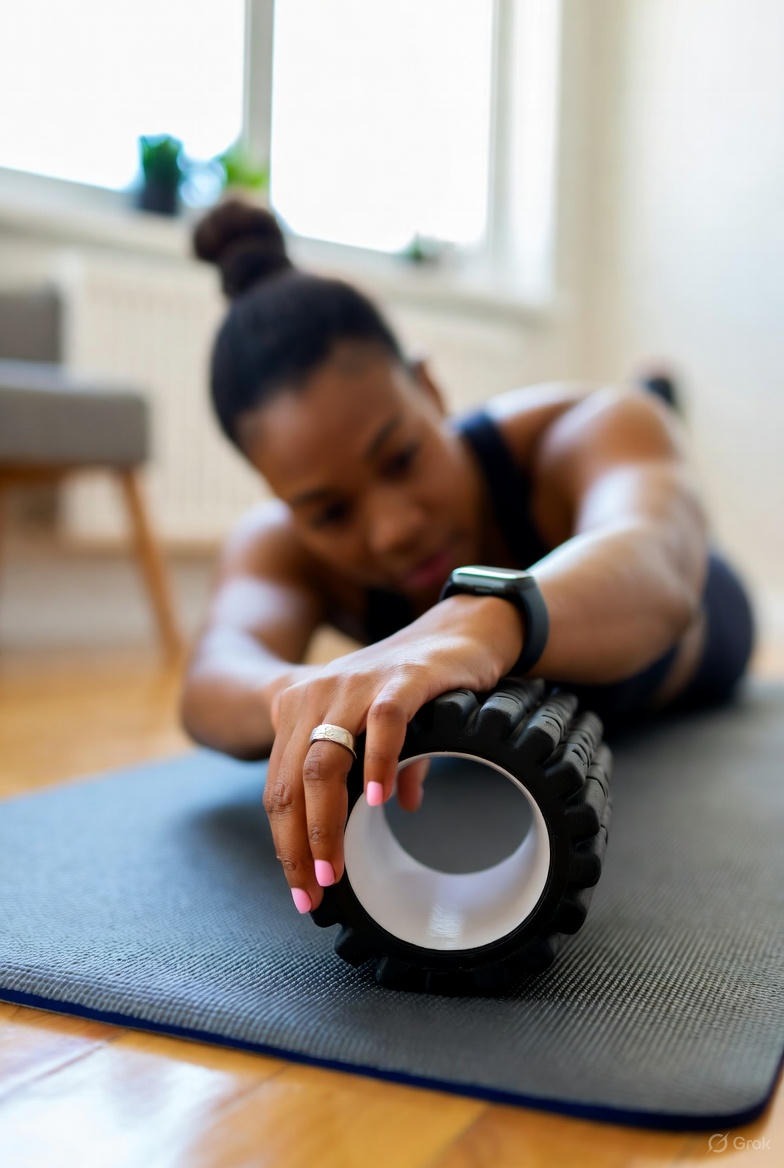
A balanced "movement plate" each day includes servings of all three macros. Some days it might be 70% mobility, 20% strength, 10% cardio. Other days it might flip. The intelligent feedback from a device like the Oxyzen ring can guide this balance—low HRV might suggest prioritizing mobility and Zone 2 over strength and HIIT. By thinking in these macro terms, you ensure your movement practice is nutritious and prevents the hidden deficiencies that lead to breakdown.
When cognitive overload hits—the inbox is a nightmare, deadlines loom, and your mind feels like a browser with 100 tabs open—the instinct is often to try to think harder, to power through. Yet, the most potent tool for mental reset may not be in your brain, but in the rhythmic, repetitive motion of your body. Rhythmic movement—walking, running, rowing, cycling, swimming—acts as a "soft reset" for the overloaded nervous system, a form of moving meditation that pharmaceuticals can’t replicate.
The mechanism is both neurological and biochemical. Rhythmic, repetitive motion creates a stable, predictable sensory input (the sound of footsteps, the swing of arms, the rhythm of breath). This stable input provides a "grounding" effect for the brain, giving the prefrontal cortex (the seat of executive function and worry) a chance to disengage from its chaotic loops. It’s why solutions often appear during a walk, not while staring at a screen. This state is closely related to the Default Mode Network (DMN), the brain network active during mind-wandering and introspection, which is crucial for creativity and emotional processing.
The Biochemical Cascade
This isn’t just metaphorical. Rhythmic movement, especially in nature, triggers a beneficial biochemical cascade:
Creating Your Reset Rituals
The key is intentionality. Don’t just move; use movement as an active tool for mental hygiene.
For the time-crunched individual, this reframe is transformative. That 15-minute walk isn’t "time away from work"; it’s a non-negotiable cognitive enhancement session, making the subsequent hour of work far more focused and effective. It’s a direct application of the principle that caring for the body is the most efficient way to optimize the mind. To ensure these rhythms are truly restorative, we must pay special attention to the most neglected movement system: the connective tissue.
Beneath the skin, enveloping every muscle fiber, organ, nerve, and bone, is a continuous, three-dimensional web of connective tissue called fascia. For decades, it was seen as mere packing material. We now understand it is a proprioceptive organ, rich with sensory nerves, that communicates force, tension, and movement throughout the entire body. It is the biological embodiment of the saying, "Everything is connected." During periods of stress and repetitive postures, fascia loses its supple, hydrated, "gel-like" state and can become sticky, dehydrated, and restricted—a phenomenon sometimes called "fuzz" by anatomists. This can lead to unexplained aches, a feeling of being "tight" everywhere, reduced range of motion, and a sense of being trapped in a body that doesn’t move fluidly.
The Stress-Fascia Connection
The fascial system is highly sensitive to psychological stress. Stress hormones like cortisol can increase fascial inflammation and contribute to its thickening and binding. Furthermore, chronic stress postures (rounded shoulders, clenched jaw, tightened pelvis) literally reshape the fascia over time, creating neural "highways" of tension that become your new default. This is why you can’t simply stretch a "tight" hamstring away if the tension is originating from restricted fascia in your lower back or even your feet.
An adaptable movement practice must include specific strategies to nourish and hydrate this living web.
Integrating these practices counters the fascial "gluing" effect of a stressful, sedentary busy phase. When your fascia is hydrated and responsive, movement feels effortless, pain diminishes, and your body feels like a unified system rather than a collection of stiff parts. This systemic health is further enhanced by another critical, yet invisible system: your internal circadian timing.
Your body is not a simple machine that performs the same at all hours. It runs on a finely tuned 24-hour cycle called the circadian rhythm, governed by a master clock in the brain (the suprachiasmatic nucleus) and peripheral clocks in every organ and muscle cell. These clocks regulate everything from hormone release and metabolism to cognitive performance and muscle function. Ignoring this rhythm and moving at random times is like trying to run a sophisticated piece of software on the wrong operating system—it works, but inefficiently and with more wear and tear.
An adaptable movement practice respects and leverages chronobiology to maximize benefits and minimize stress on the body.
The Daily Performance Wave
Adapting to Your Chronotype
Not everyone fits the "morning lark" pattern. Your chronotype (your natural inclination for sleep/wake times) influences your ideal movement schedule.
The key is consistency. Try to perform similar types of movement at similar times each day. This trains your peripheral clocks in your muscles, making your body more efficient and prepared for the activity. A smart ring that tracks body temperature dynamics and sleep-wake consistency, like Oxyzen, can provide invaluable feedback on how well you are aligning your habits with your innate rhythm.
By syncing your movement with your biology, you work with your body, not against it. This reduces the perceived effort, enhances results, and turns exercise from a stressor into a harmonious ritual that reinforces your natural energy flow. The next step is to ensure this flow is protected by the body’s most fundamental patterns: how you breathe and how you rest.
Breathing is our most fundamental movement pattern, occurring over 20,000 times a day. Yet, under stress, this pattern becomes dysfunctional: shallow, rapid, and confined to the chest. This "thoracic breathing" keeps the nervous system in a low-grade state of alarm, exacerbates musculoskeletal tension (particularly in the neck and shoulders), and reduces oxygenation. Every movement you perform is either amplified or diminished by the quality of your breath. Mastering the breath-movement bridge is therefore not an advanced technique; it is a foundational skill for adaptable, resilient living.
Conscious breathing directly influences two critical systems:
Integrating Breathwork into Your Movement Practice
1. For Stress Reset (Any Time, Anywhere):
2. For Movement Preparation (Pre-Workout or Desk Reset):
3. For Enhancing Strength & Stability (During Exercise):
4. For Recovery and Mobility (Post-Workout or Before Bed):
The All-Day Breathing Audit
Set random alarms throughout the day. When they go off, ask: "Where is my breath?" Is it in your chest? Is it held? Simply noticing and shifting it to your belly for three cycles is a potent micro-intervention. This constant "breath-movement" practice ensures you are not accumulating respiratory and neurological stress throughout the day. When your breathing is efficient, your body is better oxygenated, your mind is calmer, and your movement is more powerful and protected. This holistic integration is the hallmark of a truly adaptable practice, which must now be put to the ultimate test: navigating travel and complete routine disruption.
The ultimate test of an adaptable movement practice isn’t a busy week at home; it’s a business trip, a family vacation, or a holiday period that completely upends your environment, schedule, and access to your usual tools. This is where rigid routines shatter, and all-or-nothing thinkers fall off the wagon. The adaptable practitioner, however, sees this not as a disaster, but as a planned detour—a chance to practice movement creativity, enjoy novel stimuli, and prove the resilience of their foundational habits.
The goal during a detour is Maintenance Plus Exploration. You aim to maintain your baseline movement macros while optionally exploring new activities unique to the location or situation.
The Detour Playbook
1. The Pre-Trip Mindset (Packing & Planning):
2. The "Hotel Room Gym" Protocol (The 20-Minute Total Body):
You can get a potent maintenance workout in a tiny space with zero equipment.
3. The Sightseeing Synergy Strategy:
Turn tourism into training.
4. Managing Jet Lag and Circadian Disruption:
5. The Return Transition Ritual:
The first day back is critical. Don’t try to "make up for lost time" with a punishing workout. Instead, perform a "Re-Sync" Session:
This approach ensures you return from your detour feeling refreshed, not detrained or guilty. You prove to yourself that your movement practice is location-independent and identity-based, not gym-dependent. With this level of adaptability solidified, we can look at the long-term vision: how these principles compound over a lifetime to create not just a fit season, but a fit life.
In finance, compounding refers to the process where an asset generates earnings, which are then reinvested to generate their own earnings. Over time, this creates exponential growth. The same powerful principle applies to adaptable movement habits. A single 5-minute mobility break seems insignificant. A daily 10-minute walk is hardly worth logging in a fitness app. But these "micro-deposits" into your physical resilience account, made consistently across weeks, months, and years, compound into a result that no single, intense, short-term fitness program can ever match: durable, lifelong health and function.
This is the ultimate answer to the "no time" dilemma. You are not trading intensity for longevity; you are leveraging consistency and integration to achieve something far greater.
The Compound Interest of Movement
The individual chasing short-term, intense transformations misses this compounding effect. Their journey is a series of peaks and valleys—dramatic progress followed by complete burnout and regression. The net progress over a decade is often minimal, and the wear-and-tear on joints and motivation is high.
The adaptable practitioner, focused on minimum viable dose and daily integration, follows a slow, steady, upward trajectory. There are no dramatic peaks, but there are also no devastating valleys. The graph of their health is a "jagged ascent"—overall trend strongly upward, with the flexibility to dip during life's busy phases and recover quickly because the foundation never crumbled.
This is the core philosophy behind using a tool for Contextual Health Intelligence, like the Oxyzen Smart Ring. It helps you stay on that compounding path by providing the feedback needed to make those small, daily, high-value deposits—guiding you to recover when needed, move when beneficial, and sleep when essential. It turns the long game into a visible, manageable daily practice.
Your movement practice is not a project with a finish line. It is the ongoing cultivation of a capable, responsive, and joyful physical self. It is the ultimate adaptation: building a life where movement is not an extra task, but the very quality of your being. This completes our foundational exploration. The journey continues with advanced protocols, community dynamics, and personalizing your system for peak lifelong performance.
You now possess the principles, the micro-tactics, and the macro-perspective. The final step in mastering adaptability is to systematize it—to move from a collection of good ideas to a personalized, self-correcting operating system for your health. This is Your Personal Movement Algorithm (PMA). It's not a fixed plan, but a dynamic decision-tree you build and refine, powered by intention, informed by data, and executed with consistency.
Think of it as the "if-then" protocol for your physical well-being, designed to automatically navigate the complexities of a busy life. It takes the guesswork out of "what should I do today?" and replaces it with intelligent, pre-programmed responses based on clear inputs.
Your algorithm is built on three layers of input, which flow into a decision engine, resulting in an output (your daily movement practice).
Layer 1: Foundational Inputs (The Non-Negotiables)
These are the slow-moving variables you assess weekly or monthly.
Layer 2: Dynamic Inputs (The Daily Variables)
These are the fast-changing signals you assess each morning or in the moment.
Layer 3: The Decision Engine (Your "If-Then" Rules)
This is where you create your personalized logic. Here are examples:
Output: The Adaptive Daily Blueprint
The output is never a rigid workout. It's a flexible blueprint with prioritized elements and "escape clauses." Example: "Today's priority is rhythmic movement for stress. Primary method: 30-minute lunch walk. Backup if it rains: 20-minute bodyweight flow in living room. Non-negotiable: 3x daily desk mobility breaks."
This process turns you into both the scientist and the subject of your own ongoing wellness study. The algorithm isn't static; it evolves with your life, your age, and your goals. For a powerful example of data in action, see how athletes use this approach in our article on deep sleep optimization for recovery.
Our journey has focused intensely on the individual—your mindset, your body, your data. But humans are not designed for sustained solitary effort. We are a social species, and our health behaviors are profoundly influenced by the people around us. An adaptable practice, therefore, is not a solo pilgrimage; it is a path best walked with a social scaffold—a network of relationships that provides accountability, modeling, shared joy, and practical support.
During busy phases, when intrinsic motivation wanes, this external scaffold often becomes the critical factor that keeps you from falling off the path entirely.
Think of building a scaffold with four types of support beams:
1. The Accountability Partner (The Mirror):
This is a 1:1 relationship built on a mutual commitment to check in. It’s not about being at the same fitness level; it’s about honesty.
2. The Movement Community (The Tribe):
This is a group that shares a common movement identity or practice. It provides belonging, shared knowledge, and positive peer pressure.
3. The Coach or Mentor (The Guide):
This is someone with expertise who can provide personalized perspective, especially when you're stuck. In the adaptable model, a coach helps you build and refine your Personal Movement Algorithm.
4. The Inspirational Models (The Beacons):
These are people you may not know personally, but whose approach to integrated health you admire. They demonstrate what's possible.
Health behaviors, from obesity to smoking cessation, have been shown to spread through social networks. This "social contagion" works for positive habits, too. When you see a colleague take a walking meeting, you're more likely to do the same. When your friend shares a new mobility drill that helped their back pain, you're likely to try it. Your scaffold creates a culture of movement around you, making the healthy choice the normal, expected choice.
Pro-Tip: Become the Scaffold for Others. One of the most powerful ways to reinforce your own habits is to gently, positively model them for others. Invite a coworker on a "brain dump" walk. Share a time-efficient recipe with a stressed parent. Your adaptable practice becomes a quiet inspiration, strengthening your own commitment in the process. This principle of mutual uplift extends seamlessly into our final, all-encompassing pillar: creating an environment that doesn't just allow movement, but invites it at every turn.
We've touched on workstation hacks, but true environmental design goes far beyond your desk. It is the conscious, proactive shaping of your physical, digital, and social environments to make adaptable movement the easiest, most automatic, and most rewarding choice. You are not relying on willpower to climb a mountain of friction; you are using design to flatten the mountain into a gently sloping path.
Willpower is a finite resource, especially depleted during busy phases. Environmental design, however, is a one-time investment that pays infinite dividends by creating friction for bad habits and frictionless flow for good ones.
1. Physical Environment: Architecting for Activity
2. Digital Environment: Programming Your Tech to Serve You
3. Social Environment: Crafting Your Interpersonal Landscape
This builds directly on your social scaffold.
Every environment presents a series of choices. Good design architects those choices in your favor.
By designing these three spheres—physical, digital, social—you create a world where moving well isn't something you do; it's something that naturally happens as you live your life. Your environment becomes a co-conspirator in your health, not an obstacle to overcome. This holistic foundation is what allows for the final, masterful level of practice: navigating and growing from setbacks without derailment.
Antifragility: Growing Stronger Through Disruption, Injury, and Plateaus
A resilient system can withstand stress and return to its original state. An antifragile system, a concept pioneered by Nassim Taleb, actually gets stronger when exposed to volatility, randomness, disorder, and stressors. This is the ultimate goal of an adaptable movement practice: to build a body and mind that don't just survive life's inevitable disruptions—illness, injury, travel, work chaos—but use them as information and opportunities to evolve.
The all-or-nothing athlete is fragile. A missed week due to flu leads to self-loathing and abandonment of routine. A minor injury is a catastrophic derailment. The adaptable practitioner, operating with an antifragile mindset, sees these not as failures, but as essential feedback and a chance to develop new strengths.
1. Reframing the Setback: The "Detour as Discovery" Model
When injury or illness strikes, the immediate question shifts from "How do I get back to my old routine?" to "What can I learn and what can I train now?"
2. Strategic De-Loading and the Power of "Less"
A plateau isn't a sign to push harder; it's often a sign you need a different kind of stress. An antifragile practice deliberately programs periods of lower volume and intensity (de-loads) not as rest weeks, but as consolidation and sensitization weeks.
3. Embracing "Stressors" as Information
Your body's feedback—soreness, fatigue, low HRV—isn't a sign you're failing. It's data flowing into your Personal Movement Algorithm.
4. Building a Wide "Movement Portfolio" (The Barbell Strategy)
Taleb's investment analogy applies perfectly. Don't put all your "fitness capital" into one risky asset (e.g., only long-distance running, which has high injury risk). Use a barbell strategy:
By adopting this mindset, you stop fearing life's interruptions. You start to see them as essential parts of the training curriculum itself—lessons in patience, creativity, and listening. This philosophical shift is what separates a lifelong practitioner from a temporary enthusiast. It prepares you for the most important long-term adaptation of all: moving well as you age.
An adaptable practice is not a temporary hack for a busy year; it is the blueprint for a lifetime of vitality. The movement macros, the micro-habits, the focus on recovery—these principles don't expire. They simply shift in their expression and emphasis as you move through life's decades. The goal ceases to be about performance metrics and becomes about autonomy, joy, and function: the ability to do the things you love with the people you love, for as long as possible.
Here’s how the adaptable framework evolves:
In Your 20s & 30s (The Foundation & Exploration Phase):
In Your 40s & 50s (The Optimization & Maintenance Phase):
In Your 60s+ (The Vitality & Autonomy Phase):
The Unchanging Core
Through all decades, these principles remain constant:
By embracing adaptability as a core philosophy, you let go of the culturally ingrained "peak and decline" narrative. Your graph of health and capability doesn't have to be a steep mountain you climb in your 30s only to tumble down the other side. It can be a long, rolling plateau of vibrant function, with rich landscapes of different activities and focuses, extending far into your later years. This is the ultimate promise of the practice you are building.
We have journeyed from the micro to the macro, from the neurological to the environmental, from managing a single stressful week to designing a life of sustained vitality. You now have more than a list of tips; you have a coherent framework.
You understand that adaptability is not about doing less, but about being smarter. It's about:
This is not a finish line. It is an invitation to begin a new kind of conversation with your body and your life. Start small. Draft your first, simple Personal Movement Algorithm today. Place your yoga mat in the middle of the floor. Take one walking meeting this week. Look at your sleep data not as a score, but as a guide for tomorrow's movement.
The goal is not to add another stressful "self-optimization" project to your life. It is to slowly, surely, remove the friction between you and the vibrant, moving, resilient human being you are designed to be—no matter how busy life gets.
Your Trusted Sleep Advocate (Sleep Foundation — https://www.sleepfoundation.org/)
Discover a digital archive of scholarly articles (NIH — https://www.ncbi.nlm.nih.gov/
39 million citations for biomedical literature (PubMed — https://pubmed.ncbi.nlm.nih.gov/)
experts at Harvard Health Publishing covering a variety of health topics — https://www.health.harvard.edu/blog/)
Every life deserves world class care (Cleveland Clinic -
https://my.clevelandclinic.org/health)
Wearable technology and the future of predictive health monitoring. (MIT Technology Review — https://www.technologyreview.com/)
Dedicated to the well-being of all people and guided by science (World Health Organization — https://www.who.int/news-room/)
Psychological science and knowledge to benefit society and improve lives. (APA — https://www.apa.org/monitor/)
Cutting-edge insights on human longevity and peak performance
(Lifespan Research — https://www.lifespan.io/)
Global authority on exercise physiology, sports performance, and human recovery
(American College of Sports Medicine — https://www.acsm.org/)
Neuroscience-driven guidance for better focus, sleep, and mental clarity
(Stanford Human Performance Lab — https://humanperformance.stanford.edu/)
Evidence-based psychology and mind–body wellness resources
(Mayo Clinic — https://www.mayoclinic.org/healthy-lifestyle/)
Data-backed research on emotional wellbeing, stress biology, and resilience
(American Institute of Stress — https://www.stress.org/)


