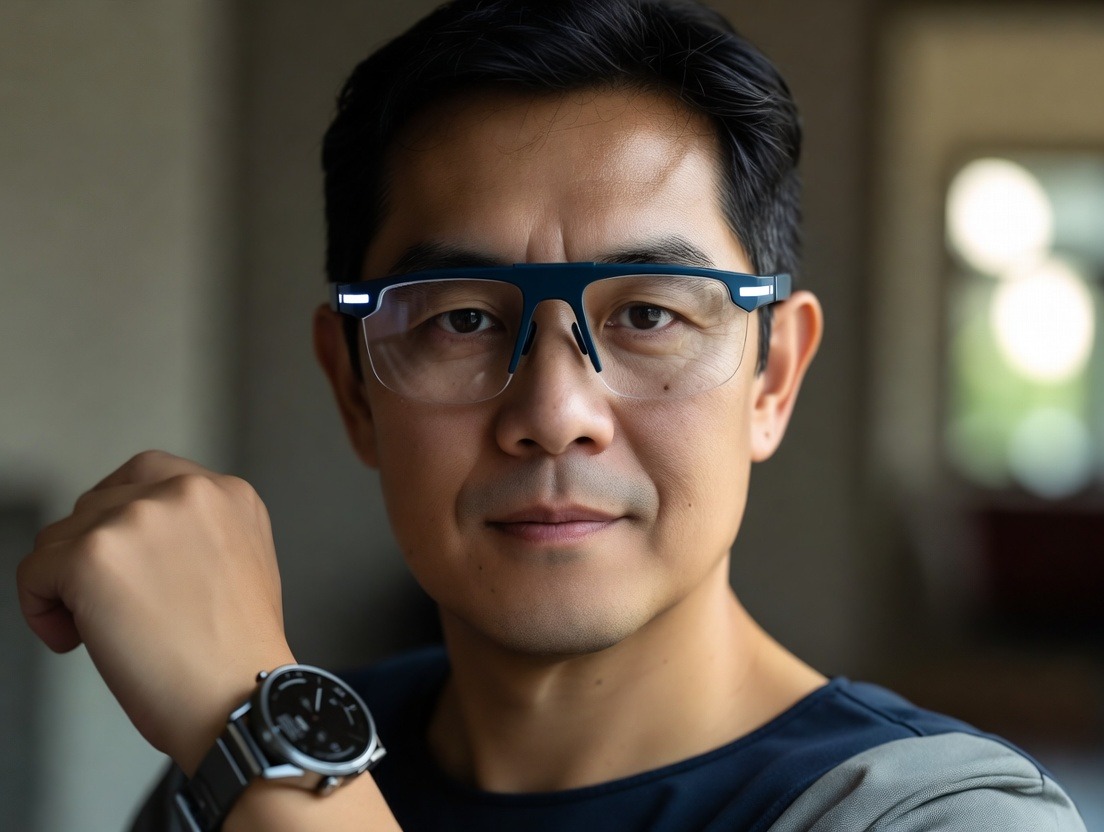
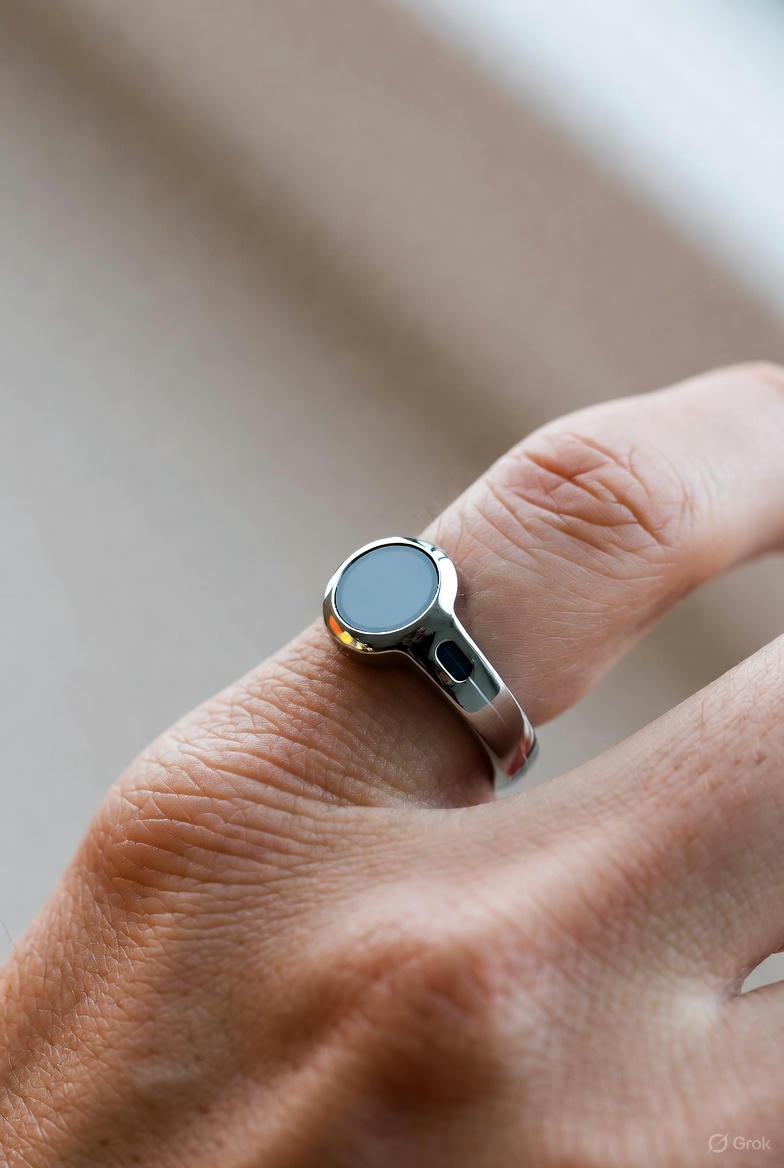
The Real-Time Activity Feedback Your Smart Ring Provides
It provides real-time feedback on your activity, helping you make immediate, healthier choices.
The Real-Time Activity Feedback Your Smart Ring Provides: From Data to Daily Wisdom
We live in an age of quantified everything. Steps, heartbeats, calories burned—our lives are digitized into endless streams of data. For years, this information was retrospective, a quiet post-mortem on yesterday’s choices delivered over morning coffee. But what if your wellness data could talk to you now? Not as a historical record, but as a guiding voice in the present moment, offering counsel as you navigate your day? This is the paradigm shift promised by real-time activity feedback from your smart ring.
Gone are the days of clunky wristbands and phone-dependent tracking. The smart ring, an unassuming band of titanium or ceramic, represents the pinnacle of ambient, always-on biometric sensing. It sits at the source of your body’s most telling signals—the pulse of blood vessels in your finger—and is now sophisticated enough to not just collect, but to interpret and communicate instant insights. This isn't about tracking for tracking’s sake. It's about creating a dynamic, responsive dialogue between you and your physiology, transforming raw data into actionable wisdom that can elevate your energy, optimize your performance, and prevent burnout before it starts.
Imagine finishing a tense work call and feeling your stress spike. Instead of simply powering through, your ring gives a gentle, silent vibration—a nudge to pause and take three deliberate breaths. Envision wrapping up a workout and seeing not just your calorie count, but an immediate assessment of your recovery need, suggesting an ideal cooldown. Consider being reminded to hydrate not on a generic schedule, but precisely when your body’s markers indicate a need. This is the future of personal wellness, and it’s being worn on a finger near you.
This article is your deep dive into this real-time revolution. We'll move beyond the basics of what a smart ring tracks, and into the transformative how and why of immediate feedback. We'll explore the sophisticated technology that makes it possible, dissect the major categories of live insights you can access, and provide a practical guide to weaving this feedback into the fabric of your daily life for tangible, lasting benefits. Welcome to the era of living in sync with your body, in real time.
The Evolution of Feedback: From Yesterday’s Log to Today’s Live Coach
The journey to real-time wellness feedback is a story of technological miniaturization, sensor fusion, and a fundamental rethinking of user experience. To appreciate the power of what your smart ring can tell you right now, it’s essential to understand where we’ve come from.
The first generation of consumer wearables were, in essence, digital logbooks. A pedometer clipped to your belt counted steps, storing a number you’d check at night. Early heart rate monitors required chest straps and delivered data to a watch, primarily for athletic pacing. The feedback loop was long, often spanning 24 hours. You’d see you slept poorly after a groggy day, or notice a high resting heart rate after a period of intense stress. The data was isolated, historical, and required significant personal interpretation to be useful.
The advent of the smartwatch and fitness tracker brought data to the wrist and connected it to smartphones. This introduced near-real-time elements: you could glance at your step count midday or see your heart rate during a run. Yet, these devices often created more noise than clarity. The constant barrage of notifications—from emails to social media—turned the wrist into a battlefield for attention, with wellness data being just one more competing ping. Furthermore, the form factor had limitations. Wrist-based optical sensors are prone to motion artifacts (the "wrist flip" problem), and many users experience "wearable fatigue," removing the device due to discomfort or for charging, creating data gaps.
The smart ring emerges as the solution to these legacy challenges. By moving to the finger, it taps into a richer, more consistent vascular signal. The form is unobtrusive, comfortable for 24/7 wear, and socially discreet. But the true breakthrough is in proactive intelligence. Modern rings like the Oxyzen aren't just passive collectors; they are miniaturized biocomputers. Using advanced algorithms and machine learning, they process multiple data streams—heart rate, heart rate variability (HRV), skin temperature, blood oxygen saturation, and movement—continuously and in concert.
This sensor fusion allows the device to move from reporting metrics to interpreting states. It doesn’t just see an elevated heart rate; it contextualizes it with movement data to know if you’re exercising or stressed. It doesn’t just log movement; it uses pulse and temperature to qualify the intensity and metabolic cost. This holistic, contextual understanding is the engine of meaningful real-time feedback. It’s the difference between a weather station that reports temperature and a forecaster who tells you to take an umbrella in an hour. For a deeper look at the sensor technology powering this, our blog offers a detailed explanation in how sleep trackers actually work.
The philosophy has shifted from "Here's what you did" to "Here's what you might consider doing now." This transforms the device from a tracker into a companion—a silent, always-available source of biofeedback that empowers you to make micro-adjustments with macro impacts on your health. To see how this technology translates into real-world benefits, you can explore genuine user experiences on our testimonials page.
Heart Rate & HRV: Your Body’s Instant Messenger System
At the core of real-time feedback lies your cardiovascular system, and specifically, the dynamic interplay between your heart rate (HR) and heart rate variability (HRV). Think of your heart rate as the volume of your body’s conversation—a basic measure of how hard it’s working. Heart Rate Variability, however, is the nuance, the subtle timing between beats that reveals your nervous system’s flexibility and your body’s readiness to respond to challenge.
Real-Time Heart Rate: The Pulse of the Present Your smart ring’s ability to provide a live, accurate heart rate reading is more than a digital curiosity. It’s a window into immediate physiological cost.
During Activity: While exercising, real-time HR helps you stay in your intended zone. Whether your goal is fat-burning, cardio improvement, or peak performance, a glance at your finger (or a tap on your phone) tells you if you need to push harder or ease up. This removes guesswork and maximizes the efficiency of every workout session.
Stress & Recovery Detection: A sudden, unexplained spike in heart rate while you’re sitting at your desk is a direct signal from your autonomic nervous system. It could indicate acute stress, anxiety, dehydration, or the onset of illness. Real-time feedback makes you aware of these invisible shifts. You might notice your HR climb during a difficult conversation, prompting you to employ a breathing technique to calm your system. This biofeedback loop—see the rise, act to lower it—is a powerful tool for emotional regulation.
Post-Exercise Recovery Tracking: After a workout, how quickly your heart rate returns to baseline (Heart Rate Recovery or HRR) is a key indicator of cardiovascular fitness and recovery status. Watching this number normalize in real time provides immediate satisfaction and tangible data on your fitness progress.
Heart Rate Variability: The Readiness Radar If HR is the news headline, HRV is the in-depth analysis. It measures the millisecond variations between successive heartbeats, controlled by the tug-of-war between your sympathetic ("fight-or-flight") and parasympathetic ("rest-and-digest") nervous systems. A higher HRV generally indicates better resilience, recovery, and adaptability. Real-time HRV feedback is less about a single moment-in-time number and more about tracking its trends throughout the day in response to your actions.
Morning Readiness Scores: Many advanced systems use your nocturnal HRV to generate a daily "readiness" or "recovery" score. While this is a longer-term metric, seeing a low score upon waking is a real-time instruction to prioritize gentle movement, hydration, and stress management that day.
In-the-Moment Stress Signaling: A sharp, sustained dip in HRV during a challenging task is a clear, quantifiable sign of mental or physical strain. Your ring can alert you to this dip, serving as a cue to take a break, change your environment, or practice a quick mindfulness exercise to re-engage your parasympathetic system.
Feedback on Intervention Efficacy: Drink a large glass of water. Practice five minutes of box breathing. Take a brisk walk outside. With live HRV tracking, you can actually see the impact of these positive interventions on your nervous system in a matter of minutes. This transforms healthy habits from abstract "should-dos" into reinforced, rewarding actions with visible outcomes.
Understanding these numbers is key. For a comprehensive guide on what your biometric data means, particularly in relation to sleep and recovery, our FAQ section is an excellent resource.
Live Activity Recognition & Metabolic Fuel Gauge
Step counting is passé. The next frontier of real-time feedback is automatic activity recognition coupled with an intelligent estimate of your body’s energy expenditure. Your smart ring learns your movement patterns and can now tell you not just that you’re moving, but what you’re doing and what it’s costing you.
Beyond Steps: The Context of Movement Modern algorithms analyze the unique accelerometer and gyroscope signatures of different activities. Sitting, walking, running, cycling, elliptical training, and even specific strength training motions can be identified. The real-time value here is multifaceted:
Automatic Logging: The ring seamlessly transitions your activity sessions without you needing to press a "start" button. This removes friction and ensures your entire active day is captured, not just formal workouts.
Form & Pacing Cues: For runners or cyclists, real-time recognition of your activity type allows the ring to provide more accurate pace and cadence estimations, offering subtle feedback on your consistency.
Nudging Toward Inactivity Break: Perhaps more importantly, the ring excels at recognizing non-activity. After a period of prolonged sitting, it can deliver a gentle haptic nudge, encouraging you to stand up and move for a minute or two. These micro-breaks, prompted in real time, combat the detrimental effects of sedentary behavior on metabolism and circulation.
The Metabolic Fuel Gauge: Understanding Energy in the Moment This is where real-time feedback becomes powerfully intuitive. By combining heart rate data (which scales with intensity) with movement profiles and personalized metrics like age, weight, and gender, advanced rings can estimate your caloric burn as it happens. Think of it as a fuel gauge for your body.
Workout Intensity Management: During a workout, watching your active calorie count climb provides motivational feedback. But more strategically, it helps you balance energy expenditure across the week. If you see you’ve had a highly active morning, you might choose a more restorative activity in the afternoon.
NEAT Awareness: Non-Exercise Activity Thermogenesis (NEAT)—the calories burned through fidgeting, walking to the printer, household chores—is a massive component of daily metabolism. Real-time tracking illuminates this often-invisible calorie burn, empowering you to make conscious choices to increase it throughout the day (e.g., taking the stairs, pacing during calls).
Nutritional Timing Insight: Seeing a live tally of calories expended can inform smarter nutritional choices. It provides context, helping you understand if that afternoon slump is truly hunger or simply dehydration or boredom, and guiding you on how to properly fuel before or after significant exertion.
This level of insight transforms the ring from an activity recorder into an energy management system. To discover how different activities impact your core biometrics like sleep, you can read more in our article on deep sleep optimization for athletes.
Stress & Recovery Alerts: Your Preemptive Burnout Shield
In our always-on culture, stress is often a slow burn, accumulating beneath our awareness until it manifests as exhaustion, irritability, or illness. Real-time feedback from your smart ring acts as an early-warning radar for your nervous system, helping you intercept stress and prioritize recovery before you crash.
The Physiology of a Stress Signal Your ring detects stress not through questionnaires, but through physiology. It looks for a specific constellation of signs:
An elevated heart rate without corresponding movement.
A decreased heart rate variability (reduced parasympathetic activity).
Sometimes, a slight increase in skin temperature or electrodermal activity. When these markers align for a sustained period (e.g., 10-20 minutes), the algorithm interprets it as a state of sympathetic nervous system activation—stress.
Real-Time Intervention Through Awareness The power of a real-time stress alert is profound. It’s not labeling your experience; it’s holding up a mirror to your body’s reaction.
The Interrupt: A discreet vibration or notification breaks the automatic, unconscious cycle of stress. It says, "Pause. Notice what is happening inside."
The Attribution: You instantly connect the physiological signal to your current context. Is it that looming deadline? A tense interaction? Information overload?
The Agency: Armed with this awareness, you can choose a targeted intervention. The ring’s accompanying app often suggests evidence-based actions: a one-minute breathing exercise, a short walk, or a moment of guided mindfulness.
This process cultivates interoceptive awareness—the skill of perceiving internal bodily sensations. Over time, you may begin to sense these stress signatures before the alert, becoming your own first responder.
Recovery Alerts: The Invitation to Rest Just as the ring can signal unproductive strain, it can also highlight opportunities for and states of recovery.
Recovery Detection: After a period of physical or mental exertion, if you sit down quietly and your heart rate drops and HRV begins to climb, the system can recognize this positive shift. A "Recovery Moment" notification reinforces the value of the break you’ve taken.
Readiness-Guided Activity: If your morning readiness score is low, your ring’s activity goals for the day might be automatically adjusted, and it may suggest lighter activities like yoga or walking instead of high-intensity training. This is real-time, personalized periodization, preventing overtraining.
Sleep Opportunity Windows: Some systems analyze your daily strain and circadian rhythms to suggest an ideal bedtime to optimize recovery, sending a proactive notification in the evening.
This constant, gentle guidance helps you balance the "gas" and "brakes" of your nervous system, turning the abstract concept of "work-life balance" into a tangible, daily practice. For those curious about how this technology assesses sleep quality—a critical component of recovery—our guide on sleep tracking accuracy provides valuable context.
Temperature & Blood Oxygen: The Silent Health Sentinels
While heart rate and movement are dynamic, other biomarkers provide a slower, steadier stream of insight that is crucial for holistic health monitoring. Skin temperature and peripheral blood oxygen saturation (SpO2) are two such sentinels, and their real-time value lies in trend detection and proactive health awareness.
Continuous Temperature Trend Monitoring Your smart ring measures the temperature at your finger, which, while not equivalent to core body temperature, is an excellent proxy for tracking changes and trends. Real-time monitoring here isn’t about a single reading, but about observing deviations from your personal baseline.
Illness Onset Prediction: A sustained elevation in your nocturnal skin temperature trend is one of the earliest and most reliable signs of your body mounting an immune response. Seeing this trend develop over 24-48 hours, perhaps before you feel any symptoms, can be a powerful prompt to prioritize rest, hydration, and perhaps even socially distance. It turns the ring into a personal pre-symptomatic health alert system.
Metabolic & Circadian Insights: Your body temperature follows a circadian rhythm, naturally dipping at night to initiate sleep and rising in the morning to promote wakefulness. A disrupted temperature rhythm, visible in your daily graph, can provide real-time feedback on circadian misalignment caused by late-night screen use, irregular sleep schedules, or jet lag.
Women’s Health Tracking: For women, the subtle biphasic pattern of temperature shift across the menstrual cycle is clearly visible. Real-time tracking of this trend offers natural, hormone-free insight into cycle phases, supporting fertility awareness and providing context for changes in mood, energy, and recovery.
Peripheral Blood Oxygen (SpO2) in Context Blood oxygen saturation is a measure of how effectively your lungs are oxygenating your blood and how well your circulatory system is delivering it. While medical-grade measurement requires specific conditions, the continuous SpO2 tracking in smart rings is invaluable for spotting trends and anomalies.
Sleep Apnea & Breathing Disruption Screening: The most critical real-time application is during sleep. The ring can detect repeated, significant dips in SpO2 (desaturations) that may indicate sleep-disordered breathing like apnea. Waking up to a report showing multiple events is a powerful prompt to consult a healthcare professional.
Altitude Acclimation: If you travel to or exercise at high altitude, watching your SpO2 levels in real time provides direct feedback on how well your body is acclimating. It can guide you to moderate exertion until your saturation stabilizes.
Overall Respiratory Health Context: While a single reading isn’t diagnostic, a sudden, sustained drop in daily SpO2 readings, especially when coupled with other symptoms, can provide valuable contextual data for your doctor.
The magic of these metrics is in their combination. A rising temperature trend plus a dip in nocturnal SpO2 paints a clearer picture than either alone. This multi-parameter sensing is what allows the smart ring to move from simple tracking to intelligent health observation. For a deeper exploration of how these nighttime metrics define sleep quality, our article on deep sleep vs. REM sleep delves into the crucial distinctions.
Sleep Stage Alerts & Wake-Up Optimization
Sleep is not a monolithic state of unconsciousness. It’s a dynamic journey through light, deep, and REM stages, each with distinct physiological signatures. Your smart ring tracks this architecture in real time throughout the night. While you can’t act on this feedback while asleep, the applications upon waking and for future nights are transformative.
Understanding Your Nightly Architecture in the Morning The most immediate feedback comes in your morning sleep report. This isn’t just a sleep score; it’s a detailed timeline showing when you were in light, deep, and REM sleep, along with periods of wakefulness.
Deep Sleep & Physical Recovery: Seeing your deep sleep (slow-wave sleep) duration and timing provides instant feedback on your physical restoration. Did that evening workout help or hinder it? Did alcohol consumption truncate it? This report answers those questions, allowing you to experiment and optimize. Learn what your targets should be in our guide to deep sleep tracking numbers.
REM Sleep & Cognitive/Mental Health: Your REM sleep graph is a window into your emotional and cognitive processing. Noticing a night with low REM can be a prompt to examine stress or anxiety levels, or to assess medication impacts.
Sleep Latency & Fragmentation: How long it took you to fall asleep (latency) and how many times you woke up (fragmentation) are clear, quantifiable metrics. A high number here, seen in real-time each morning, is direct feedback to adjust your wind-down routine, bedroom environment, or caffeine timing.
The Smart Wake-Up: Aligning with Biology Perhaps the most beloved real-time sleep feature is the smart wake-up alarm. Traditional alarms jolt you from sleep at a fixed, arbitrary time, often interrupting a deep or REM cycle, leading to sleep inertia (grogginess).
How It Works: You set a wake-up window (e.g., 6:30-7:00 AM). Using accelerometer and heart rate data, the ring detects when you are in a period of light sleep near the end of your sleep cycle, within that window.
The Real-Time Feedback Loop: It then triggers a gentle vibration to wake you. Waking from light sleep feels more natural and results in significantly less grogginess. The immediate, tangible benefit you feel upon waking—clearer-headed, more alert—is the ultimate positive reinforcement for trusting the technology. Over time, this feature alone can dramatically improve morning mood and cognitive sharpness.
Sleep Opportunity & Consistency Coaching Some systems take this a step further, providing proactive feedback in the evening. Based on your recent sleep debt, daily strain, and circadian rhythm, your ring’s app might send a notification: "Based on your activity today, aiming for 8 hours of sleep tonight will optimize recovery. Your ideal bedtime is 10:45 PM." This is real-time, actionable guidance that helps you align your behavior with your body’s needs.
For those beginning their sleep tracking journey, a great starting point is our comprehensive sleep tracking 101 guide.
The generic advice to "drink eight glasses of water a day" or "eat balanced meals" is well-intentioned but imprecise. Your body’s needs fluctuate daily based on activity, stress, temperature, and diet. Real-time feedback from a smart ring brings a new level of personalization to these fundamental habits by using your physiology as the guide.
Hydration Cues from Your Cardiovascular System Dehydration has a direct and measurable impact on the metrics your ring is already tracking.
Heart Rate & HRV: Even mild dehydration increases heart rate and decreases HRV, as your heart works harder to maintain blood pressure and circulation with reduced blood volume.
Skin Perfusion: Dehydration can affect the quality of the optical signal at your finger. Advanced algorithms can detect these subtle patterns and issue a contextual hydration nudge. It’s not on a timer; it’s in response to a physiological signature. The real-time value is immense:
Preemptive Action: You’re alerted before you feel parched or get a headache.
Performance Support: A prompt before or during a workout ensures you’re optimally hydrated for performance and recovery.
Correlation Discovery: You may notice you get hydration alerts more often on high-stress days or after salty meals, deepening your understanding of your body’s unique needs.
Nutritional Timing & Recovery Feedback While no ring can directly measure macronutrients, it provides powerful indirect feedback on your nutritional choices through their impact on your biomarkers.
Postprandial Response: After a large meal, especially one high in refined carbs, you might see a noticeable dip in HRV and a rise in resting heart rate as your body directs energy to digestion. Observing this in real time helps you connect specific foods to how they make you feel physiologically, beyond just taste or satiety.
Recovery Refueling: After an intense workout, your ring’s recovery metrics (HRV, resting HR) will show how quickly you bounce back. If recovery is slower than usual, it can be a prompt to assess whether you’ve properly refueled with a balance of protein and carbohydrates.
Caffeine & Alcohol Impact: The effects of stimulants and depressants are vividly displayed. You can track how a late-afternoon coffee delays your nighttime dip in heart rate, or how an evening drink fragments your sleep and suppresses REM. This biofeedback makes the cost of these choices explicit, supporting more intentional consumption.
This turns the ring into a constant experiment in self-optimization. You try drinking a liter of water upon waking and see your morning HRV trend upward. You have a light, protein-rich lunch and avoid the post-lunch energy and HRV crash. This is the essence of data-driven self-care. For insights into how specific foods can influence critical recovery processes, explore our article on foods that increase deep sleep naturally.
Focus & Mental Performance Windows
Cognitive performance isn’t a flat line; it ebbs and flows in rhythm with our circadian biology, energy levels, and nervous system state. Real-time feedback can help you identify your personal peaks and troughs, allowing you to schedule tasks strategically and harness your mental energy when it’s most abundant.
Identifying Your Biological Prime Time Your body provides clear signals of cognitive readiness, reflected in biometrics:
Optimal HRV & Moderate Arousal: Periods of relatively high HRV (good resilience) coupled with a stable, moderate heart rate often correlate with a state of calm focus—ideal for deep, analytical work.
Post-Exercise Clarity: Many people experience a surge in creativity and cognitive flexibility following moderate aerobic exercise, likely due to increased blood flow and neurotransmitter release. Your ring can confirm this state through a stabilized, low post-exercise heart rate.
Circadian Rhythms: Your core body temperature and hormone cycles create natural peaks (often late morning) and dips (post-lunch) in alertness. Your sleep and temperature data help you map these daily.
Real-Time Feedback for Focus Sessions Imagine using your ring in tandem with a focus timer (like the Pomodoro Technique).
Pre-Session Check: Before starting a 90-minute focused work block, you check your app. Your HRV is stable and your stress level is "calm." The data gives you permission to dive in, confident in your capacity.
In-Session Monitoring: Midway through, you feel stuck. A glance at your ring’s live stress graph shows a creeping elevation. This is the cue, not to push harder, but to take the scheduled five-minute break. You step away, do some light stretching, and watch the stress marker decline.
Post-Session Recovery: After the session, you note a higher cognitive strain score. The ring might then suggest a true mental recovery period—a walk without podcasts, a few minutes of meditation—to reset your nervous system before the next task.
Avoiding Cognitive Overload Just as the ring can alert to physical stress, it can signal cognitive overload. A sustained period of high heart rate and low HRV while sitting still is a classic sign of mental strain and frustration. A timely alert to disengage, even for two minutes, can prevent a downward spiral of declining productivity and rising anxiety.
By aligning demanding mental work with your biological prime time and respecting the signals of cognitive fatigue, you transform from being a passive participant in your workday to an active conductor of your mental resources. The ultimate goal is to use this feedback to work smarter, not just harder. For more on the brand philosophy behind creating technology that supports this kind of intentional living, you can read our story.
Integration & Notifications: Crafting Your Personal Feedback Loop
The sheer volume of data a smart ring generates can be overwhelming. The final, critical layer of real-time feedback is the user-configurable notification system. This is where you move from passive observer to active director, deciding what insights are important enough to interrupt your day and how you want to receive them. A well-tuned notification strategy is what turns data into daily habit change.
The Hierarchy of Haptics: Vibration as Language The gentle vibration motor in your ring is a powerful, private communication channel. You can assign different vibration patterns or intensities to different types of alerts, creating a non-visual language.
Priority Alerts: A distinct double-pulse for a prolonged stress episode, inviting a breathing break.
Guidance Nudges: A single, soft pulse for an inactivity reminder after 50 minutes of sitting.
Goal Celebrations: A cheerful sequence of pulses when you hit your daily movement target. This allows you to understand the message without even looking at your phone, integrating feedback seamlessly into your flow.
Configuring Your Digital Sixth Sense The key is intentional customization. A default "all on" setting leads to alert fatigue and numbness. Consider a strategic setup:
Turn ON for Foundational Habits: Alerts for stress, inactivity, and hydration address universal, high-impact levers for health.
Turn ON for Current Goals: Training for a race? Enable heart zone alerts during workouts. Optimizing sleep? Enable smart wake-up and bedtime reminders.
Turn OFF for Passive Metrics: You likely don’t need a buzz for every finished sleep cycle or a minor HRV fluctuation. Reserve those for your morning review.
The Smartphone App: Your Mission Control The companion app is where the real-time data stream is visualized and made sense of. A well-designed app provides:
Live Dashboard: A single glance showing current HR, HRV, stress state, and activity minutes.
Contextual Insights: Not just a stress alert, but a suggestion: *"Your stress has been elevated for 15 minutes. Try a 60-second breathing exercise?"*
Longer-Term Trend Context: That real-time high heart rate is more meaningful when you can see it’s above your 7-day resting average.
Creating Closed Feedback Loops This is where behavior change solidifies. The loop is simple:
Signal: You receive a hydration nudge.
Action: You drink a glass of water.
Feedback: Within 15-20 minutes, you see your heart rate dip slightly and your stress marker shift from "medium" to "calm." This immediate, positive reinforcement wire the new habit into your brain. You’re not drinking water because an app told you to; you’re drinking because you directly experience its calming effect, as verified by your own body’s data.
Mastering this integration is the final step in harnessing the full power of real-time feedback. It’s about creating a personalized system that speaks to you in the right way, at the right time, turning biometric intelligence into embodied wisdom. For further exploration of wellness technology and tips, a wealth of additional resources awaits on the Oxyzen blog.
From Tracking to Training: Real-Time Feedback for Athletic Performance
For the athlete, whether amateur or elite, real-time feedback transcends wellness and becomes a critical performance tool. It shifts the paradigm from post-workout analysis to in-the-moment coaching, allowing for dynamic adjustments that can optimize every rep, stride, and recovery period. Your smart ring, worn 24/7, becomes the central hub of this biofeedback-driven training ecosystem.
Precision Zone Training Without a Chest Strap While dedicated heart rate chest straps offer high precision, they are cumbersome for daily life. The smart ring, with its advanced PPG sensors, provides a viable and convenient alternative for continuous monitoring. Its real-time value for training is multifaceted:
Adherence to Training Plans: Many plans are based on heart rate zones (Zones 1-5). With live HR displayed on your wristwatch or phone (connected via the ring), you can instantly see if you’re in the prescribed zone for a steady-state run, a tempo session, or interval repeats. This removes the guesswork of perceived exertion, especially on days when you feel fatigued or overly energetic.
Preventing Overtraining in Real-Time: A key sign of overreaching is an elevated heart rate for a given pace or power output. If you’re on a standard 5-mile loop and notice your heart rate is 10-15 bpm higher than usual at your standard pace, it’s a live signal from your body to pull back. This immediate feedback can prevent a bad session from turning into a week of forced recovery.
Optimizing Fat-Burning & Aerobic Base: For endurance athletes, spending time in Zone 2 is crucial for building aerobic efficiency. Real-time feedback ensures you stay disciplined in this "conversational pace," preventing you from drifting into a harder, glycolytic zone that would change the physiological adaptation of the workout.
Real-Time Recovery Metrics Between Efforts During interval training—whether on the track, in the pool, or on a bike—recovery between intervals is as important as the work itself. The ring provides live insight into this crucial phase.
Heart Rate Recovery (HRR) as a Fitness Gauge: After a hard interval, you can watch your heart rate drop in real-time. A faster drop indicates better cardiovascular fitness and readiness for the next effort. If your HR isn’t coming down sufficiently, it’s direct feedback to extend your rest period or reduce the intensity of the next interval.
Automatic Interval Detection: Advanced algorithms can recognize the start and stop of intense efforts based on accelerometer and heart rate data, automatically logging your intervals and rest periods without manual lap pressing. This streamlines data capture, allowing you to focus purely on the effort.
Training Load & Readiness: The 24/7 Coach The ring’s true athletic superpower is its continuous wear. It doesn’t just know your 60-minute workout; it knows your sleep, your daily stress, and your overall activity.
Acute vs. Chronic Load (Fitness-Fatigue Balance): Sophisticated platforms use your ring’s data to calculate a rolling training load. Your daily "strain" or "exertion" is the acute load. Your average over the last several weeks is the chronic load. The ratio between them is a powerful indicator of injury risk and adaptation. Seeing this ratio trend into a "high risk" zone in your app is a real-time mandate to incorporate a deload or rest day.
Daily Readiness Scores Dictating the Plan: Waking up to a low "Readiness" or "Recovery" score—calculated from HRV, resting HR, and sleep quality—is actionable feedback. It tells you today is not the day for a max-effort session. Instead, you can pivot to active recovery, technique work, or complete rest. This dynamic adjustment prevents digging a deeper recovery hole and promotes positive adaptation. For a deep dive on how sleep quality underpins this readiness, see deep sleep optimization for athletes.
Sleep & Performance Direct Correlation: Post-workout, you can directly observe how different types and intensities of exercise affect your sleep architecture that night. Did that late-evening HIIT session crush your deep sleep? Did a long, zone-2 bike ride promote greater sleep efficiency? This feedback loop is invaluable for long-term periodization and scheduling.
This transforms the smart ring from a fitness tracker into a personal athletic advisor, providing the contextual, whole-life data needed to train smarter, recover better, and peak at the right time.
The Science of Sensor Fusion: How Multiple Data Streams Create One Clear Insight
The real-time magic of a smart ring doesn't come from a single, perfect sensor. It emerges from the sophisticated integration of multiple, sometimes noisy, data streams—a process known as sensor fusion. This is the computational alchemy that turns raw photoplethysmography (PPG) signals, accelerometer readings, and temperature data into coherent, actionable insights like "stress," "recovery," or "optimal wake-up time."
The Orchestra of Biometrics Think of each sensor as a musician in an orchestra. Alone, a violin or a trumpet can play a tune, but together, under a conductor, they create a symphony. Your smart ring’s "orchestra" includes:
PPG Sensor: The lead violinist. It shines light into your skin and measures the reflected signal to determine blood volume changes, primarily used for heart rate and HRV. But on its own, it's easily confused by motion (a false high heart rate) or a poor fit (a false low reading).
3-Axis Accelerometer/Gyroscope: The percussion section. It provides the context of movement. Is the PPG signal showing a high heart rate because you’re running, or because you’re anxious while sitting? The accelerometer answers this.
Skin Temperature Sensor: The woodwinds, providing color and tone. A gradual trend change adds context to heart rate—is it rising due to exercise, or due to the onset of fever?
Blood Oxygen (SpO2) Sensor: A specialized brass instrument. Its data, particularly at night, adds crucial harmony to the sleep quality score and cardiorespiratory picture.
The Conductor: The Algorithm & Machine Learning The fusion happens in the algorithm, the conductor of this biometric orchestra. Using techniques like Kalman filtering and machine learning models, it continuously weighs and correlates the data.
Noise Cancellation for HR: The algorithm uses the accelerometer data to identify and subtract motion artifacts from the PPG signal, yielding a far more accurate real-time heart rate than a PPG sensor alone could provide.
State Identification: A spike in heart rate + no movement + a slight dip in HRV + increased galvanic skin response (if measured) = a high probability of a "stress" state. No single metric is definitive, but together, they create a confident classification.
Personal Baselines: Machine learning allows the system to learn your normal. Your resting heart rate of 55 might be someone else’s elevated rate. The algorithm establishes your personal baselines for temperature, HRV, and nocturnal SpO2, making deviations from your norm more meaningful than comparisons to population averages.
From Correlation to Causation (And Useful Prediction) This is where the science moves from descriptive to prescriptive. By fusing long-term trend data with immediate signals, the system can move beyond telling you what is happening to suggesting what might happen.
Predicting Sleep Onset: By tracking the evening drop in your heart rate and the rise in your skin temperature (as blood vessels dilate to shed heat), the algorithm can predict your natural sleep window and provide a "time to wind down" alert.
Illness Prediction: As discussed, a sustained elevation in nocturnal temperature combined with an elevated resting heart rate and lower HRV creates a multi-parameter model that is highly predictive of immune system activation, often before conscious symptoms arise.
Performance Readiness: The fusion of last night’s deep sleep percentage, your current HRV trend, and your recent training load creates a more robust readiness score than any one metric could.
Understanding this symphony of data demystifies the ring’s insights. It’s not magic; it’s advanced data science working continuously on your finger, transforming disparate biological signals into a coherent narrative of your health and performance. For a more detailed breakdown of the specific technology in sleep tracking, our article how sleep trackers actually work provides an excellent primer.
Contextual Awareness: Why Your Environment & Behavior Are the Final Data Points
The most advanced sensor fusion is still incomplete without one final, crucial element: you. Your smart ring generates objective biometric data, but the subjective context of your life—your environment, your choices, your emotions—provides the framework for true understanding. The most powerful real-time feedback systems are beginning to incorporate this contextual layer, either through manual logging or passive smartphone integration.
The Power of the "Tag" or "Moment" A simple feature in most companion apps—the ability to "tag" your current state—creates a profound feedback loop.
Logging Behaviors: Before a meditation session, tap "Meditate." After drinking a cup of coffee, tap "Caffeine." Before a big presentation, tap "Stressful event."
Correlating Cause and Effect: Hours or days later, you review your biometric timeline. You can see exactly how your heart rate and HRV responded during that meditation. You can observe the precise impact of that 3 PM coffee on your evening resting heart rate and sleep latency. You can witness the physiological footprint of that presentation stress and, importantly, how long it took your body to return to baseline.
Personalized Discovery: This turns your life into a series of personal experiments. Does alcohol really ruin your sleep? Does a 20-minute afternoon walk boost your HRV? The tagged data gives you objective, personal answers, moving you beyond generic health advice.
Passive Context from Your Digital Life Future-forward integration takes this further by passively gathering context.
Calendar Integration: Knowing you have back-to-back meetings from 10 AM to 2 PM allows the system to understand that an elevated stress score during that period is likely work-related, and perhaps preemptively suggest a breathing exercise before the next meeting starts.
Location Services: Recognizing you’re at the gym can auto-start a workout mode. Noticing you’ve been at your desk for 90 minutes can trigger a more assertive "move" alert.
Audio & Light Sensing (Future Potential): Future devices may assess environmental noise levels or ambient light, explaining why your sleep was fragmented (a noisy street) or why you’re feeling sluggish (poor light exposure in the morning).
Creating Your Personal Health Narrative This combination of biometrics and context weaves your personal health narrative. The data is no longer a foreign language of numbers. It becomes a story:
"The high-stress alert at 11 AM coincided with my project deadline. I took the suggested breathing break, and I can see my HRV started recovering by 11:20."
"I tagged ‘Social Dinner’ last night. Even though I got 8 hours in bed, my deep sleep was low and my resting HR was high. It was the wine and late eating."
"I wore the ring on my hiking trip. I could see my resting HR decrease and my deep sleep increase by the third day—my body was truly unwinding."
This narrative power is what leads to lasting behavior change. You’re not following rules; you’re understanding your own patterns and making empowered choices. The ring and its app provide the mirror, but you provide the story that gives the reflection meaning. For many users, seeing this story unfold is a revelation; you can read about their experiences in real customer reviews.
Beyond the Individual: Social & Comparative Insights (Used Responsibly)
Humans are inherently social and comparative creatures. While health is a personal journey, there is motivational and informative value in responsible, anonymized benchmarking and sharing. Real-time feedback systems are beginning to tap into this carefully, moving from a purely solitary experience to one that can include positive social reinforcement.
Anonymous Population Benchmarking One of the safest and most valuable forms of comparison is against large, anonymized datasets.
Age & Gender Norms: Seeing how your sleep duration, resting heart rate, or HRV compares to healthy averages for your age and gender provides helpful context. Is your low HRV typical for a 50-year-old male, or is it an outlier suggesting room for improvement? This isn't about competition, but about calibration.
Trending vs. Comparing: The real-time feedback often focuses on your personal trends ("Your HRV is 15% higher than your 7-day average, great job!"), which is more meaningful than comparing to others. However, knowing you’re in the "top 20%" for sleep consistency in your demographic can be a validating piece of positive reinforcement.
Opt-In Sharing & Micro-Communities The real power for motivation lies in small, trusted groups.
Fitness Challenges with Friends: Sharing only specific, opt-in metrics like daily activity minutes or weekly sleep consistency with a group of friends can foster friendly accountability and motivation. A real-time notification that "Sarah just finished her workout!" can be the nudge you need to get out the door.
Training Groups & Teams: For athletic teams or training groups, aggregated, anonymized readiness data can help coaches manage overall group fatigue and adjust training plans proactively. Seeing that the team’s average HRV has dipped might lead to a scheduled active recovery day.
Partner Synchronization: Some apps allow partners to share key wellness metrics. This can foster mutual support—noticing your partner has had a high-stress day might prompt you to take on dinner duties. Seeing your sleep cycles align can be a point of connection.
The Critical Caveats: Avoiding Anxiety and Unhealthy Competition This feature must be handled with care. Real-time feedback is meant to empower, not to create anxiety or foster unhealthy comparison.
Focus on Your Own Baseline: All responsible platforms emphasize that your personal trend is the only metric that truly matters. Beating a friend’s step count is meaningless if you’re overtraining and ignoring your own recovery alerts.
Curated Sharing: You should have absolute control over what you share, with whom, and for how long. The default must always be total privacy.
Data as Conversation, Not Judgment: The goal of social features should be to start supportive conversations ("I see you had amazing deep sleep last night, what did you do differently?") rather than to create leaderboards of health.
When used intentionally, these community and comparative aspects can add a layer of positive psychology to the biometric data, transforming a personal journey into a supported one, all while maintaining the primacy of individual health and privacy. To understand how a company should approach building technology with these values, learn more about our mission and vision.
Real-Time Feedback for Specific Populations & Life Stages
The one-size-fits-all approach to health is obsolete. Real-time feedback from a smart ring can be uniquely tailored to address the distinct physiological challenges and goals of different populations. Its value shifts and deepens depending on your stage of life and specific circumstances.
For the Aging Population: Proactive Health Monitoring For older adults, the ring acts as a discreet health sentinel and a motivator for maintaining vitality.
Fall Detection & Inactivity Alerts: While not a medical alert system, a sharp, specific motion signature coupled with a sustained lack of movement could prompt the ring to send an alert to a designated contact—a potential next-generation safety feature. More routinely, inactivity alerts encourage regular movement, crucial for maintaining muscle mass and joint health.
Circulatory & Sleep Health: Continuous SpO2 monitoring can provide peace of mind or early indication of breathing irregularities during sleep. Tracking the natural, age-related changes in deep sleep (explored in our article how age affects deep sleep) with real data can motivate sleep hygiene practices to maximize restorative rest.
Medication & Vital Sign Correlation: For those managing conditions, observing how medication timing affects resting heart rate, HRV, or sleep can provide valuable subjective feedback to discuss with a doctor.
For Women’s Health Through Life Phases The female body undergoes predictable yet complex hormonal cycles that affect everything from metabolism to recovery. Real-time feedback provides objective data to navigate these changes.
Cycle Syncing & Biofeedback: By tracking basal body temperature trends and resting heart rate (which often rises after ovulation), the ring can help predict menstrual phases with high accuracy. Real-time feedback comes in the form of context: a notification that "Your resting HR is elevated, which is typical for this phase of your cycle. Consider prioritizing recovery." This reframes a low-energy day as a biological imperative, not a personal failing.
Training & Nutrition Adjustments: Athletes can use this data to periodize their training—scheduling intensity during the follicular phase when recovery is faster, and focusing on technique or maintenance during the luteal phase. Noticing a stronger craving for carbohydrates? The data can validate that need as physiologically driven during certain phases.
Pregnancy & Postpartum: While not a medical device, trends in resting heart rate (which increases significantly during pregnancy), HRV, and sleep can provide expectant mothers with insights into their adaptation. Postpartum, it can be a crucial tool for monitoring recovery and detecting the extreme fatigue that may warrant professional support.
For Corporate Wellness & High-Pressure Professionals Burnout is a physiological state before it’s a diagnosis. For professionals, the ring is a burnout shield.
Quantifying Stress Load: Real-time stress alerts move burnout from an abstract concept to a measurable event. Professionals can see the cumulative "stress minutes" accrued during a workday, providing concrete data to advocate for workload management or to justify dedicated recovery time.
Optimizing Cognitive Work: Using focus period feedback and identifying personal prime time (as in Section 9 of the first part) allows for ruthless scheduling of deep work, making high-value output more efficient and contained.
Recovery Accountability: For those who pride themselves on relentless work, a low "Readiness" score is an objective, non-negotiable signal to prioritize rest. It provides permission to disconnect, framed not as laziness, but as necessary system maintenance for sustained performance.
For Chronic Condition Management (Supportive Role) While never a replacement for medical care, the ring can serve as a supportive observational tool.
Inflammation & Autoimmune Flares: Many conditions involve systemic inflammation, which can elevate resting heart rate and skin temperature, and lower HRV. Tracking these biomarkers can help individuals identify early signs of a flare, sometimes before major symptoms hit.
Sleep Disorder Screening: As mentioned, repeated SpO2 dips are a strong prompt to seek a sleep study for apnea. Tracking sleep fragmentation can also be useful for those with chronic pain or insomnia to assess treatment efficacy.
Medication & Intervention Tracking: The objective data provides a diary of how the body responds to new medications, dietary changes, or physical therapy, creating a richer picture to share with healthcare providers.
In each case, the real-time feedback becomes a language for understanding a unique body in a unique situation, providing context, prompting proactive care, and empowering individuals to be the foremost experts on their own well-being.
The Future of Real-Time Feedback: Predictive AI, Haptic Interfaces, and True Health Forecasting
The current state of real-time feedback is impressive, but it is merely the foundation. The near future promises a shift from reactive and descriptive insights to truly predictive and prescriptive guidance, powered by advances in artificial intelligence, sensor technology, and human-computer interaction.
From Real-Time to "Pre-Time": Predictive Analytics The next leap is moving from "you are stressed now" to "you are likely to become stressed in the next hour." By analyzing longer-term patterns, environmental data (via phone), and calendar context, AI models will forecast physiological states.
Predictive Energy Slumps: The system could learn that you consistently experience a dip in HRV and a rise in resting heart rate every day at 3:30 PM. At 3:00 PM, it could proactively suggest: *"Based on your patterns, an energy dip is likely soon. A 10-minute walk now may prevent it."*
Illness Forecasting with Higher Fidelity: Beyond a simple temperature rise, algorithms analyzing a broader panel of biomarkers (including potential new ones like cortisol from sweat) could predict the likelihood of catching a common cold or experiencing a migraine with greater lead time and accuracy.
Personalized Habit Nudges: Instead of generic hydration reminders, AI could learn that you are most receptive to drinking water after your morning coffee and just before your afternoon meeting block, and time nudges to match those behavioral patterns for maximum compliance.
Advanced Haptic Communication: The Language of Vibration The ring’s vibration motor will evolve from a simple on/off alert to a nuanced language.
Directional & Pattern-Based Haptics: Different vibration patterns could communicate urgency, quality, or type of feedback. A slow, pulsing rhythm might indicate rising stress, while a quick, sharp burst could signal an achieved goal. Imagine feeling a "calm, wave-like" vibration during a guided breathing exercise.
Biofeedback Through Haptics: The ring could use real-time haptics to guide you into a physiological state. For example, it could vibrate in sync with a target heart rate during meditation, and you would adjust your breathing to match the vibration rhythm, effectively using touch to regulate your nervous system.
New Sensor Frontiers: A Fuller Picture of Health Future rings will incorporate additional non-invasive sensors, expanding the real-time data palette.
Electrodermal Activity (EDA): Already in some devices, EDA measures minute changes in skin sweat, a direct indicator of sympathetic nervous system arousal. This adds another layer to stress and emotional response detection.
Non-Invasive Blood Glucose Trends: While not providing exact mmol/L readings, optical sensors may soon be able to detect trends in blood glucose through advanced spectroscopy, offering real-time feedback on metabolic responses to food for diabetics and the health-conscious alike.
Blood Pressure Estimation: Through pulse wave analysis and pulse arrival time calculations, future rings may provide continuous, cuff-less blood pressure trend monitoring, a revolutionary tool for cardiovascular health management.
Integration with the Ambient Environment The ring will cease to be a standalone device and become the command center for a health-optimized environment.
Smart Home Synchronization: Your ring detects you are in deep sleep. It signals your smart thermostat to slightly lower the temperature, as cooling promotes deep sleep. It detects you are in a light sleep phase in the morning and triggers your smart lights to begin a gradual sunrise simulation.
Direct Healthcare Provider Data Streams (with consent): In managed care scenarios, anonymized, aggregated trend data—not raw streams—could be shared with healthcare providers or wellness coaches, enabling them to see a patient’s real-world response to treatment between appointments.
The future of real-time feedback is not just about more data; it’s about smarter synthesis, anticipatory guidance, and seamless integration into life. The goal is a technology that feels less like a tool you use and more like an intuitive extension of your own body’s wisdom. To stay at the forefront of these developments and learn about the products pioneering this space, the main hub for discovery is the Oxyzen shop.
Implementing Your Feedback: A 30-Day Protocol for Integrating Real-Time Data
Knowledge is only power when applied. The final, most critical section of our exploration is a practical, step-by-step guide to integrating real-time feedback into your life without becoming overwhelmed. This 30-day protocol is designed to build your "biofeedback literacy" gradually, turning insights into instinctual, healthy responses.
Days 1-7: The Observation Phase (Passive Wear)
Goal: Establish baselines and build trust in the device.
Action: Wear the ring continuously. Do not change any behaviors. Avoid checking data constantly. Simply go about your normal life, sleeping, working, and exercising as usual.
Focus: At the end of each day, spend 5 minutes reviewing your app. Don’t judge, just observe. Notice your natural sleep pattern, your average resting heart rate, when your stress markers appear. This is your biometric fingerprint. For help interpreting this initial data, our FAQ page is a great starting point.
Days 8-14: Activating Foundational Awareness
Goal: Connect internal sensations with external data.
Action: Enable ONE real-time notification. We recommend starting with Stress Alerts or Inactivity Alerts.
Practice: When you feel the vibration, pause. Don’t just dismiss it. Take 10 seconds to scan your body and your environment. What were you just thinking about? How do your shoulders feel? Are you holding your breath? Then, follow the simple suggestion (e.g., take three deep breaths, stand and stretch for 60 seconds). Notice how you feel after. This builds the critical mind-body-data connection.
Days 15-21: Strategic Experimentation
Goal: Use feedback to test micro-interventions.
Action: Enable a second notification, like Hydration Nudges. Begin a simple experiment.
Experiment 1: For three days, respond immediately to every hydration nudge. On the next three days, ignore them. Compare your average HRV and stress levels in your app between the two periods.
Experiment 2: Tag your caffeine intake. Have your morning coffee as usual, but on one day, have an afternoon coffee. Compare your sleep latency and resting heart rate that night.
Focus: You are learning to see the cause-and-effect of daily choices in your biometrics. Document your observations in the app’s journaling feature if available.
Days 22-28: Habit Stacking & Routine Integration
Goal: Embed feedback-driven habits into existing routines.
Action: Create "if-then" plans using your alerts.
"IF I get a stress alert during work, THEN I will close my eyes and count my breaths to 10."
"IF I get an inactivity alert, THEN I will walk to the kitchen and drink some water."
"IF my readiness score is low in the morning, THEN I will swap my run for a yoga session."
Focus: This moves you from reactive to proactive. You are pre-programming your response to the feedback, making healthy actions automatic.
Day 29-30: Synthesis & Personal Protocol
Goal: Define your personal rules of engagement.
Action: Based on your month of learning, finalize your notification settings. What alerts are truly valuable? Which ones create noise? Craft your personal "Owner's Manual."
Example Manual: "I keep Stress and Inactivity alerts on. I check my Readiness score each morning to guide workout intensity. I review my sleep data weekly to assess my wind-down routine. I ignore daily score fluctuations and focus on weekly trends."
Final Step: Schedule a recurring 15-minute "Biometric Review" each Sunday evening. Look at your weekly trends, not daily noise. Celebrate positive trends and identify one small area for focus in the coming week.
This protocol ensures you master the technology, rather than letting it master you. The ring becomes a calibrated instrument for self-discovery, not a source of anxiety. You transition from a data consumer to a skilled practitioner of your own well-being. For continued learning and new strategies as you progress, a wealth of supporting information can be found on the Oxyzen blog.
Navigating Data Anxiety: From Obsession to Empowerment
A critical, often unspoken, challenge accompanies the flood of real-time biometric data: the risk of data anxiety or "orthosomnia" – an unhealthy preoccupation with perfecting sleep or wellness metrics. The very feedback designed to empower can become a source of stress if not approached with the right mindset. The final stage of mastery is learning to wield this tool without letting it wield you.
Recognizing the Signs of Unhealthy Data Engagement It’s important to audit your relationship with the data. Warning signs include:
Compulsive Checking: Feeling the need to glance at your live heart rate or stress score dozens of times a day, especially in a state of worry.
Emotional Hijacking: Your mood for the day is dictated by your morning "Readiness" score. A low score creates feelings of failure or anxiety, rather than curiosity.
Rigid Adherence: Becoming a slave to the notifications, following every nudge without mindful consideration, or allowing suggested bedtimes to create social friction.
Chasing Perfection: Believing there is an ideal, universal score for HRV or deep sleep percentage, and engaging in unsustainable behaviors to try and hit it.
Cultivating a Healthy Data Mindset: The Principles The goal is to transition from a state of control (trying to force numbers) to a state of curiosity (using numbers to learn).
Trends Over Snapshots: A single data point is noise. A trend over weeks or months is signal. Focus on the direction of your HRV line, not today’s dip. Did your average resting heart rate decline this quarter? That’s meaningful progress.
Context is King: Always interpret numbers through the lens of your life. A low HRV score during a demanding work project or while caring for a sick child is not a failure; it’s a valid, expected physiological response. The data validates your experience, it doesn’t judge it.
The Body is Not a Machine: Human biology is variable, messy, and resilient. Daily fluctuations are normal and healthy. They are signs of a system adapting, not breaking. Embrace the natural rhythm of peaks and troughs.
You Are the Expert on You: The ring provides objective metrics, but you hold the subjective truth. If you feel fantastic but your "Sleep Score" is mediocre, trust your feeling. The data is a consultant, not the CEO of your body.
Practical Strategies for Balanced Use
Scheduled Reviews: Instead of constant checking, designate 2-3 specific times daily to check in: morning (for readiness/sleep review), post-workout, and evening. This contains the data stream.
The "So What?" Test: When you see a concerning number, ask yourself: "So what? What is this connected to, and what is one gentle, supportive thing I can do about it?" This moves you from worry to agency.
Periodic Detox: Consider taking the ring off for a weekend every month or quarter. Reconnect with your innate bodily sensations—feeling tired, energized, or hungry—without digital validation. This maintains your intrinsic biofeedback skills.
Focus on Behaviors, Not Outcomes: Set goals based on inputs you control, not biometric outputs you can only influence. Instead of "raise my HRV by 10%," aim for "do 10 minutes of guided breathing on 5 days this week" or "be in bed with lights out by 10:30 PM for 6 nights." Let the metrics follow the behaviors.
The most profound real-time feedback may ultimately be the ring’s ability to tell you when to ignore it. Learning to put it down, to step away from the dashboard and into the direct experience of your life, is the final piece of wisdom it can help you cultivate. For those struggling to balance tracking with well-being, our article is sleep tracking worth it? offers a honest reflection on this very tension.
The Ethics of Intimate Data: Privacy, Ownership, and Informed Use
As we invite devices to collect our most intimate physiological data—our stress states, our sleep patterns, the rhythm of our heart—we must engage in a conscious dialogue about ethics. The convenience and insight of real-time feedback come with a responsibility to understand where our data flows, who controls it, and how it is protected. An informed user is an empowered one.
Data Ownership and Transparency: What Are You Agreeing To? The first ethical pillar is clarity. Before using any device, you should understand:
Data Storage & Location: Is your raw biometric data stored on your phone, on the company’s servers, or in a hybrid model? Where are those servers geographically, and what jurisdiction's laws apply?
Data Usage Policies: How does the company use your aggregated, anonymized data? Is it used to improve algorithms (generally acceptable)? Could it be sold to third parties for advertising or research? A reputable company will have a clear, accessible privacy policy that forbids selling individual user data.
Anonymization vs. Aggregation: True anonymization is difficult. More ethical frameworks rely on aggregation—your data is combined with thousands of others to identify trends, but it cannot be traced back to you as an individual. You should know which model is being used.
The Security of Your Biological Fingerprint Your biometric data is uniquely yours—a biological fingerprint. Its security is paramount.
Encryption: Data should be encrypted both "in transit" (while syncing from ring to phone to cloud) and "at rest" (while stored on servers). Look for companies that state they use industry-standard encryption (like AES-256).
Minimal Data Retention: Companies should not retain your raw, identifiable data indefinitely. Ethical policies include data retention limits, after which data is purged or fully anonymized.
User Control and Portability: You should have the right to download all your raw data (via GDPR/CCPA-style rights) and the "right to be forgotten"—to have your account and associated data permanently deleted upon request.
The Psychological and Social Contract Beyond the legal, there’s a psychological contract.
Avoiding Medical Claims: A responsible wellness company is careful not to position its device as a medical diagnostic tool. Real-time feedback like "elevated stress" or "low recovery" is for lifestyle insight, not for diagnosing conditions. Users must understand this boundary to avoid false reassurance or undue alarm.
Algorithmic Bias: Machine learning models are trained on datasets. If those datasets lack diversity, the algorithms may be less accurate for underrepresented groups (e.g., different skin tones affecting PPG accuracy, or different age/body types). Ethical companies actively work to diversify their training data and are transparent about the limitations of their technology.
The Pressure to Quantify Everything: The company has an implicit responsibility not to design features that gamify health in unhealthy ways or create social pressures that fuel data anxiety. The design should nudge towards balance, not obsession.
As a user, your power lies in choice. Support companies that are transparent about their practices, design with ethical intention, and treat your data as the sacred trust it is. Your biometrics are not a commodity; they are a digital extension of your self. To understand how one company approaches this responsibility, you can read about the values and mission at the core of Oxyzen's story.
Long-Term Case Studies: The Transformative Power of Sustained Feedback
Theoretical benefits are one thing; lived experience is another. To illustrate the profound, cumulative impact of real-time feedback, let’s examine three anonymized, composite case studies based on common user journeys. These stories showcase how consistent engagement with live biometric data can catalyze lasting transformation across different life domains.
Case Study 1: The Corporate Executive – From Burnout to Sustainable Performance
Profile: David, 48, senior finance director. Chronic high-performer, but plagued by insomnia, afternoon energy crashes, and irritability. Felt "always on" but never at his best.
Initial Data Snapshot: Resting HR: 72 bpm (elevated). HRV: Very low (consistent sympathetic dominance). Sleep: Highly fragmented, <1 hour deep sleep, late bedtime. Stress Alerts: Frequent, especially between 2-5 PM.
Real-Time Feedback Intervention:
Awareness: The first shock was seeing his "Stress State" graph light up red during back-to-back Zoom calls. The data gave him permission to acknowledge a problem he’d been ignoring.
Micro-Habit Formation: He enabled stress alerts and committed to a 90-second breathing exercise each time one fired. He used inactivity alerts to take a 3-minute walk every hour.
Sleep Schedule Enforcement: His sleep data showed he consistently fell asleep faster and had more deep sleep on nights he was in bed before 11:15 PM. He used the app’s bedtime reminder as a non-negotiable cue to start his wind-down.
Meeting Scheduling: He noticed his HRV and focus were highest between 9-11 AM. He blocked this time for deep, analytical work and moved reactive meetings to the afternoon.
12-Month Outcome: Resting HR decreased to 58 bpm. HRV increased by 40%. Deep sleep regularly reaches 1.5+ hours. He reports feeling "in control" of his energy, has delegated more effectively, and his team feedback notes his improved patience and clarity. The real-time nudges have become ingrained habits; he now senses his stress rising before the alert.
Case Study 2: The Amateur Marathoner – From Overtraining to Smart Training
Profile: Maria, 35, marketing manager training for her first marathon. Zealous, following a rigid online plan, but constantly fighting niggling injuries and fatigue.
Initial Data Snapshot: High daily strain scores. Poor HRV recovery post-workouts. Readiness scores frequently "Low." Sleep suffered on high-mileage days.
Real-Time Feedback Intervention:
Respecting Readiness: She began letting her morning readiness score dictate her workout. On "Low" days, she swapped a tempo run for a walk or yoga, learning that rest days were productive.
In-Workout Pacing: She used live heart rate to stay in Zone 2 for her long runs, preventing them from becoming unnecessarily taxing glycogen-depleters.
Recovery Tracking: Post-run, she watched her Heart Rate Recovery time. As her fitness improved, she saw it drop from 3 minutes to 90 seconds to return to baseline.
Sleep as a Pillar: She used her deep sleep data to see which behaviors helped (evening magnesium, cool room) and which hurt (late-day caffeine, big post-run meals). She targeted the deep sleep sweet spot for her age.
12-Month Outcome: She completed her marathon injury-free and 15 minutes faster than her goal. More importantly, she developed a sustainable, intuitive approach to training. She now runs 4 days a week instead of 6, with higher quality sessions and no burnout. Her relationship with fitness shifted from punishing to nurturing.
Case Study 3: The Peri-Menopausal Professional – From Confusion to Clarity
Profile: Anita, 52, teacher experiencing irregular cycles, sleep disruption, hot flashes, and unexplained anxiety.
Initial Data Snapshot: Erratic temperature charts. Resting HR and sleep latency highly variable night-to-night. Periods of inexplicably low HRV.
Real-Time Feedback Intervention:
Cycle and Symptom Tagging: She diligently tagged symptoms (hot flash, night sweat, headache) and logged her cycle.
Pattern Recognition: The data revealed clear patterns. Her worst sleep and highest nighttime heart rate consistently occurred in the 5-7 days before her period. Her "hot flash" tags aligned with sharp, brief spikes in her skin temperature graph.
Proactive Adaptation: With this predictive insight, she could be kind to herself. She scheduled demanding tasks for her follicular phase (days after her period) when her HRV was higher. She pre-emptively used cooling strategies and stress-management techniques during her predicted difficult week.
Doctor Collaboration: She brought her temperature and sleep graphs to her gynecologist, providing objective data that helped guide their conversation about treatment options.
12-Month Outcome: Anita moved from feeling at the mercy of her hormones to feeling in dialogue with them. The data reduced her anxiety ("This is my biology, not my breakdown") and gave her a sense of agency. She optimized her schedule, communicated her needs to her family based on her cycles, and felt validated in her experience.
These cases demonstrate that the true value of real-time feedback accrues over time, as data becomes self-knowledge, and self-knowledge becomes empowered action. It’s a journey of becoming the world’s leading expert on the one body and mind you will inhabit for life. For more stories of personal transformation, visit our collection of user testimonials.
Conclusion: The Dawn of Symbiotic Wellbeing
We stand at the confluence of two powerful rivers: ancient human intuition and modern biometric intelligence. The real-time activity feedback provided by your smart ring is not about replacing the former with the latter; it is about weaving them together into a stronger, more resilient fabric of self-awareness. This is the dawn of symbiotic wellbeing—a partnership where technology amplifies our innate bodily wisdom, and our lived experience gives meaning to the data.
We have journeyed from the evolution of feedback—from yesterday’s log to today’s live coach—through the intricate science of sensor fusion, and into the practical realms of athletic performance, life stage adjustments, and ethical navigation. We’ve seen how this continuous stream of insight can shield us from burnout, guide our training, demystify our health, and ultimately, teach us to listen to the subtle language of our own physiology.
The ring on your finger is more than a piece of technology. It is a translator. It takes the silent, electrochemical poetry of your nervous system—the sigh of your heart under stress, the deep, slow rhythm of recovery sleep, the vibrant pulse of exertion—and renders it into a language you can understand and act upon. It closes the loop between action and consequence, choice and outcome, in a timeframe that matters: now.
But let us return, in closing, to the foundational principle. This tool’s highest purpose is not to create a perfectly optimized, data-driven human, free from variability or struggle. Its purpose is to foster agency, compassion, and resilience. Agency to make informed choices. Compassion for yourself when your body speaks of fatigue or stress. Resilience built by understanding your patterns and learning how to navigate back to your center.
The future beckons with predictive AI and deeper integration, but the core truth will remain. The most important real-time feedback system is the one you were born with—your ability to feel, to sense, and to intuit. Wear your smart ring not as a crutch, but as a tuning fork. Let its vibrations remind you to check in, not to check out. Let its data inform you, not define you.
Your health is not a destination marked by perfect scores; it is a dynamic, personal, and ongoing conversation. You have now been equipped with a powerful new dialect for that conversation. Listen to the feedback, interpret it with wisdom, and continue the beautiful, lifelong project of living in deeper harmony with yourself.
To begin your own journey with this technology, explore the curated selection at the Oxyzen shop. And for ongoing guidance, insights, and support as you learn this new language of self, remember that a wealth of knowledge awaits on the Oxyzen blog.
The conversation continues. You are now both the subject and the author.



%402x.svg)