


Daily Activity Insights That Predict Your Energy Levels Tomorrow
Today's activity data can predict your energy levels for tomorrow, helping you plan your day better.
Today's activity data can predict your energy levels for tomorrow, helping you plan your day better.
%402x.svg)
You know the feeling. You wake up after a solid eight hours, but instead of springing out of bed, you’re dragging. The coffee doesn’t hit. Your focus is a distant memory by 10 AM. Then, on other days, you’re inexplicably unstoppable on just six hours of sleep. What gives?
For decades, we’ve treated our daily energy like a mystery—a random roll of the dice dictated by how well we slept the night before. But what if the seeds of tomorrow’s exhaustion or vitality are sown today? What if your afternoon walk, your 3 PM stress spike, your evening screen time, and even your hydration are not just isolated events, but data points in a complex algorithm predicting your future self?
Welcome to the frontier of personal energy forecasting. This isn't about vague wellness advice; it's about precise, actionable insight. By understanding the hidden connections between today's activities and tomorrow's readiness, you move from being a passive passenger in your own body to an empowered pilot. Modern technology, like the advanced sensors in a smart ring from Oxyzen, is now decoding these biological signals in real-time, offering a crystal ball into your personal energy future.
This comprehensive guide will unveil the specific, measurable actions you take today that directly dictate how energized, focused, and resilient you will be tomorrow. We’ll move beyond sleep tracking into the rich tapestry of your waking life, exploring how movement, stress, recovery, and routine orchestrate your next-day potential.
We’ve been sold a simplified story: sleep well, have energy. While sleep is the cornerstone, it’s only one variable in a much larger equation. Your energy capacity—your physical and mental fuel tank for the day—is the result of a continuous balancing act between expenditure (stress, activity, cognitive load) and restoration (sleep, relaxation, recovery).
Think of it as your personal energy bank. Every stressful meeting, every intense workout, every late-night scroll is a withdrawal. Every moment of deep rest, every nutritious meal, every mindful breath is a deposit. Tomorrow’s starting balance is determined by today’s net transactions. A poor night’s sleep is like a major withdrawal, but it’s possible to offset it with strategic deposits throughout the day. Conversely, you can sabotage a great night’s sleep with a day of relentless withdrawals.
This is where continuous biometric tracking becomes revolutionary. A device that measures your heart rate variability (HRV), skin temperature, and activity 24/7, like the Oxyzen ring, provides the ledger for your energy bank. It quantifies the withdrawals and deposits you often miss. It shows you that the afternoon coffee which felt like a deposit was actually a loan with high-interest, paid from tomorrow’s energy reserves. It reveals that the gentle walk after dinner was a massive deposit, compounding overnight.
The goal is no longer to just “get more sleep.” It’s to optimize your entire 24-hour cycle for sustained energy. By the end of this exploration, you’ll understand how to read your body’s signals and make today’s choices with a clear vision of tomorrow’s payoff.
Before we dive into the activities of your day, we must first establish the bedrock: your sleep. Not just its duration, but its architecture—the cyclical journey through light, deep, and REM sleep stages. Each stage plays a unique role in restoration, and their proportions are a powerful predictor of morning alertness.
Deep Sleep: The Physical Restoration Phase
This is your body’s nightly repair shop. During deep sleep (also known as slow-wave sleep), growth hormone is released, tissues are repaired, the immune system is strengthened, and energy stores are replenished. A deficit in deep sleep leaves you feeling physically wiped out, sore, and more susceptible to illness. Factors from your day—like intense physical exertion or high core temperature—can directly influence how much deep sleep you get. For a deep dive into this critical stage, our article on the science of deep sleep and what happens to your body is an essential read.
REM Sleep: The Mental and Emotional Reset
REM (Rapid Eye Movement) sleep is when your brain is almost as active as when you’re awake. It’s crucial for memory consolidation, learning, emotional processing, and creativity. Skimp on REM, and you may wake up with brain fog, emotional volatility, and poor problem-solving skills. The balance between deep and REM is delicate and changes throughout the night. Understanding this is key, which is why we explore the difference between deep sleep and REM sleep and why it matters.
Your smart ring doesn’t just track sleep duration; it estimates your time in each of these stages. Waking up exhausted despite 8 hours in bed often points to a disrupted architecture—perhaps too little deep sleep due to a late, heavy meal or alcohol, or fragmented REM due to stress. By tracking this architecture nightly, you begin to see patterns: on days you mediate, does your deep sleep increase? On days you have wine with dinner, does your REM drop?
Optimizing sleep is the first and most significant lever for tomorrow’s energy. For a foundational guide on how this technology works, our explanation of how sleep trackers actually work breaks down the biometric magic behind the insights.
How you spend the first 90 minutes after waking sets a physiological tone for your entire day—and influences your sleep quality the following night. It’s a domino effect.
Light Exposure: Resetting Your Circadian Clock
Your eyes absorbing bright, ideally natural, light within 30 minutes of waking is the single most powerful signal to your suprachiasmatic nucleus (your brain’s master clock). It suppresses melatonin, boosts cortisol (in a healthy, alerting way), and aligns your internal rhythms. This simple act reinforces a strong sleep-wake cycle, making it easier to fall asleep tonight and wake up energized tomorrow. A dark, screen-focused morning confuses this system, leading to daytime grogginess and potential night-time insomnia.
Movement and Body Temperature
Gentle morning movement—a walk, stretching, yoga—raises your core body temperature slightly and promotes healthy blood flow. This warming trend is part of your natural circadian rhythm (body temperature rises throughout the day before dropping at night to initiate sleep). By jump-starting this rise, you enhance daytime alertness. Furthermore, this movement is a low-stress withdrawal from your energy bank that pays dividends in metabolic health and mood, setting a stable platform for the day.
The Fuel Factor: Breakfast’s Delayed Impact
What you break your fast with influences your energy for hours. A meal high in refined carbs and sugar may cause a sharp spike and subsequent crash in blood glucose, leading to mid-morning fatigue and cravings. This rollercoaster stresses your system. A balanced meal with protein, healthy fats, and fiber provides a steady release of energy. The stability you create in your morning glucose levels reduces inflammatory stress on your body, a burden that, if chronic, can erode your next-day recovery capacity. Think of your breakfast as programming your energy curve for the day.
By establishing a consistent, biology-friendly morning routine, you create a predictable rhythm that your body can trust. This predictability reduces hidden stress and makes your energy levels more resilient to daily disruptions.
Stress is not a feeling; it’s a measurable physiological state. And its impact on tomorrow’s energy is profound and often underestimated. It’s not the acute stress of a deadline that’s the primary culprit (though that matters), but the low-grade, chronic stress that lingers in the background—worry, overthinking, relational tension, digital overload.
Heart Rate Variability (HRV): The Ultimate Stress Barometer
HRV is the subtle variation in time between each heartbeat. It’s governed by your autonomic nervous system. A higher HRV generally indicates a more resilient, adaptable system where the “rest-and-digest” (parasympathetic) branch is strong. A lower HRV suggests your “fight-or-flight” (sympathetic) branch is dominant—you’re in a state of chronic stress readiness. Your HRV today is one of the single best predictors of your recovery quality tonight and, thus, your energy tomorrow.
A smart ring that tracks HRV 24/7, like the one you can discover at Oxyzen, shows you your personal baseline and your daily deviations. You can see the direct impact of a stressful commute, a difficult conversation, or even an intense workout. The key insight is recovery: does your HRV rebound after the stressor passes, or does it stay suppressed? A suppressed HRV throughout the day is a glaring red flag that you are making withdrawals from your energy bank faster than you can deposit, guaranteeing an energy deficit tomorrow.
Cortisol Patterns: The Stolen Rhythm
Chronic stress flattens your natural cortisol curve. Instead of a sharp peak in the morning that tapers off gradually, you might have a low, dysregulated cortisol profile that leaves you foggy in the morning yet wired at night. While a ring doesn’t measure cortisol directly, biomarkers like resting heart rate and HRV are excellent proxies. Activities that dysregulate this rhythm—like caffeine too late in the day, skipping meals, or emotional turmoil—don’t just affect you now; they compromise your body’s ability to power down effectively tonight, stealing from tomorrow’s focus.
Learning to spot your stress signatures in your biometric data allows for micro-interventions: 90 seconds of deep breathing when you see your HRV dip, a five-minute walk instead of scrolling through news. These interventions are strategic deposits that protect tomorrow’s energy.
Physical activity is non-negotiable for health, but its type, timing, and intensity relative to your current state determine whether it’s an investment in tomorrow’s energy or a costly loan.
The Recovery-Based Approach
The old “no pain, no gain” model is energetically bankrupt. Training based on how you feel is flawed (“I feel tired, but I should push through”). Training based on objective biometrics is revolutionary. If your morning HRV is significantly lower than your baseline and your resting heart rate is elevated, it’s a clear sign your body is still recovering. A high-intensity workout on that day becomes a massive withdrawal, potentially leading to excessive fatigue, poor sleep, and low energy for the next 48 hours. On such days, a restorative activity like walking, light yoga, or even complete rest is the wise investment.
The Timing Factor: Evening Exercise and Sleep
For most people, vigorous exercise too close to bedtime can be disruptive. It raises core body temperature, stimulates the sympathetic nervous system, and increases alertness—the opposite of what you need for sleep onset. However, this is highly individual. Some people sleep better after an evening workout. The only way to know your personal response is to track it. Did the 8 PM spin class correlate with a longer sleep latency (time to fall asleep) and less deep sleep? Your data will tell you. Conversely, gentle movement like an evening stroll can aid the natural cooling process and promote relaxation, acting as a powerful deposit. For athletes fine-tuning this balance, our guide on deep sleep optimization for recovery offers targeted strategies.
Non-Exercise Activity Thermogenesis (NEAT)
This is the energy you burn from everything that isn’t sleeping, eating, or sports—fidgeting, walking to your car, taking the stairs, standing. High NEAT throughout the day is consistently linked to better metabolic health and, crucially, more stable energy levels. It keeps blood flowing and prevents the postural and metabolic stagnation that leads to afternoon slumps. A sedentary day, even with a morning workout, often leads to poorer next-day readiness than an active day with consistent low-grade movement.
You are not just what you eat; you are when you eat and how your body responds to it. Food is information that either creates cellular energy efficiently or sparks inflammatory processes that drain your systemic reserves.
The Last Meal: Your Nightly Fast
The timing of your last meal or snack is a major predictor of sleep quality and next-day energy. Digestion is an active process. Eating a large, heavy, or high-fat meal within 2-3 hours of bedtime forces your body to focus on digestion when it should be cooling down and repairing. This can lead to fragmented sleep, reduced deep sleep, and even elevated nighttime heart rate. Finishing eating earlier allows your body to enter its fasting, repair mode more cleanly. This simple shift is one of the most effective “deposits” you can make for restorative sleep.
Glycemic Variability: The Silent Energy Killer
As mentioned with breakfast, the peaks and troughs of your blood sugar are a form of internal stress. Each spike and crash triggers the release of cortisol and inflammatory cytokines. A day of unstable blood sugar is a day of constant, low-grade physiological alarms. This inflammatory burden requires energy to resolve, energy that is then not available for your brain and body the next day. Foods that promote stability—high in fiber, protein, and healthy fats—are energy-sustaining investments. Monitoring how you feel and perform after different meals, and correlating that with next-day biometrics, turns nutrition into a precise science.
Hydration: The Overlooked Electrolyte
Even mild dehydration—as little as 1-2% of body weight—can impair cognitive function, mood, and physical performance. But it’s not just about water volume; it’s about electrolyte balance. Sodium, potassium, and magnesium are essential for cellular hydration and nerve function. A day of inadequate hydration and electrolytes forces your cardiovascular system to work harder (elevated resting heart rate), reduces blood volume, and impairs cellular repair processes overnight. Waking up with a headache or muscle cramps can often be traced to yesterday’s hydration failings. Your overnight skin temperature data can sometimes even reflect these imbalances.
The artificial blue light emitted by our devices is now a well-known sleep disruptor, suppressing melatonin production. But the impact of our digital habits goes far deeper than light alone, affecting tomorrow’s energy through cognitive and emotional channels.
Cognitive Arousal vs. Relaxation
Scrolling through work emails, engaging in intense social media debates, or even watching a thrilling show right before bed leaves your mind in a state of cognitive and emotional arousal. Your brain is processing information, forming opinions, and experiencing simulated stress. This “cognitive load” keeps your sympathetic nervous system engaged, making the transition into the parasympathetic “rest-and-digest” state difficult. You might fall asleep, but the quality—particularly the crucial deep sleep—is compromised. This means you wake up having not completed your mental restoration cycle, leading to residual fatigue and poor focus.
The 60-90 Minute Wind-Down
The most predictive factor for sleep quality is what you do in the last hour before bed. A deliberate wind-down protocol is not a luxury; it’s an energy investment strategy. This period should be a gradual dimming of lights, a slowing of activities, and a shift from external stimulation to internal reflection. This could include:
By creating a buffer zone between the stimulation of the day and the rest of the night, you signal clearly to your nervous system that it’s safe to power down. The result is faster sleep onset, more robust sleep architecture, and a significantly higher probability of waking up refreshed. For more on crafting this critical ritual, our blog offers a wealth of related articles on sleep hygiene and optimization.
Your body’s internal systems thrive on predictability. The most powerful insight that emerges from long-term biometric tracking is the staggering impact of consistency on energy resilience.
Social Jet Lag
This is the phenomenon of having vastly different sleep/wake schedules on weekdays versus weekends. If you wake at 6:00 AM during the week and 9:00 AM on Saturday, you’ve effectively given yourself a three-hour time-zone shift. This confuses your circadian rhythms, leading to a form of internal desynchronization. Come Sunday night, falling asleep is harder, and Monday morning feels like a brutal jet lag. This inconsistency makes your energy levels fragile and unpredictable. Even small consistenties—waking within a 60-minute window every day, even on weekends—can dramatically improve overall sleep quality and next-day alertness.
The Compound Interest of Routine
When your meal times, exercise windows, and bedtimes become relatively consistent, your body learns the pattern. It begins to pre-emptively prepare digestive enzymes, modulate hormones, and initiate cooling processes at the right times. This predictive efficiency reduces systemic stress. Your body isn’t constantly reacting; it’s flowing with a rhythm. This conserved energy translates into a higher baseline of next-day readiness. You become more resistant to the occasional late night or stressful event because your system is fundamentally stable. It’s the ultimate long-term energy investment strategy, and seeing the data from a device like the Oxyzen ring prove this stability is incredibly motivating. To understand the story behind a brand built on these principles of rhythm and recovery, you can read about our mission and journey here.

By now, you see that tomorrow’s energy is not a mystery. It’s a forecast generated by today’s data. Each of the factors we’ve explored—sleep architecture, morning light, stress markers, exercise load, nutritional timing, digital wind-down, and consistency—is a variable in your personal energy algorithm.
The transformative moment comes when you stop guessing and start knowing. This is the promise of integrated biometric wearables like a smart ring. It synthesizes these disparate data streams into a coherent narrative. It can show you a direct correlation: “On days your afternoon HRV dropped below X, you averaged Y minutes less deep sleep, and your next-day resting heart rate was Z BPM higher.” Or: “On evenings you finished eating before 7 PM, your sleep score consistently improved by 15%.”
This is actionable intelligence. It allows you to run personal experiments:
It turns wellness from a set of generic rules into a personalized, dynamic practice. You learn your unique triggers and levers. You can see when you are accumulating an energy debt that will come due tomorrow and make a corrective deposit. For those ready to start this journey of discovery, the Oxyzen smart ring is designed to be your constant companion, providing the clarity needed to make these life-changing adjustments.
The remaining sections of this guide will dive even deeper into interpreting specific data patterns, building your personal energy protocol, and troubleshooting common energy leaks. We’ll explore advanced recovery techniques, the role of environmental factors, and how to integrate this knowledge seamlessly into a busy, modern life. The path to predictable, abundant energy begins with understanding that your choices today are the blueprint for your vitality tomorrow.
Understanding that your daily activities predict tomorrow's energy is the first step. The next, more powerful step is learning to interpret the specific biometric signals your body broadcasts 24/7. This is the language of your autonomic nervous system, your metabolism, and your cellular engines—and becoming fluent in it transforms you from a passive observer to an active director of your wellbeing.
Think of your smart ring as a real-time translator. It takes subtle physiological whispers—changes in heart rhythm, skin temperature fluctuations, tiny movements—and amplifies them into a clear narrative about your energy balance. Let's decode this narrative, parameter by parameter.
We introduced HRV as a stress barometer, but its story is richer. It's not just "high is good, low is bad." It's about trends, context, and resilience.
The Trend is Your Friend (or Enemy)
A single low HRV reading means little. It could be from a great workout (a positive stressor, or eustress) or a brutal argument (distress). The predictive power lies in the trend. Is your HRV trending upward over weeks and months? This is a golden signal of improving fitness and autonomic resilience—you're building a bigger energy bank. Is it on a downward trend despite regular exercise? This is a critical red flag for overtraining, chronic stress, or impending illness. You're consistently making more withdrawals than deposits, and an energy crash is statistically imminent.
The Dip and Recovery Pattern
Look at your daily HRV chart. A healthy pattern shows dips during the active day (especially during and after stressors) and a significant rise during sleep, peaking in the early morning. This is the classic "sawtooth" pattern of stress and recovery. The depth of the daytime dip and the height of the nighttime recovery peak are what matter. A shallow dip suggests you handled the day's stressors with ease. A strong, high peak suggests deep, effective restoration. If your nighttime HRV doesn't rise much above your daytime average, your body is not entering a deep restorative state. Tomorrow's energy will be compromised. This pattern is often the clearest link between a stressful day and a sluggish tomorrow.
Personal Baselines and the "Compared to You" Rule
Forget comparing your 45 ms HRV to someone else's 80 ms. Your baseline is unique. The key metric is deviation from your own rolling average. A ring like Oxyzen calculates this for you. When your HRV is 20%+ above your baseline, your body is signaling super-compensation—it's recovered strongly and is ready for a challenge. When it's 20%+ below, it's waving a yellow flag, asking for rest. Making decisions based on this personalized signal—pushing hard on high HRV days, taking it easy on low HRV days—is the essence of sustainable energy management. It’s the antidote to boom-and-bust cycles.
Your Resting Heart Rate, best measured during deep sleep, is like your body's idle speed. A lower RHR generally indicates better cardiovascular fitness and higher parasympathetic (rest-and-digest) tone. But its predictive power for tomorrow's energy is in its variability.
The Elevation Signal
If your sleeping RHR is 5-10 beats per minute higher than your personal baseline, pay attention. This is a robust, scientifically validated sign that your body is under unusual stress. The cause could be:
An elevated RHR means your cardiovascular system is working harder just to maintain basic functions. This extra work steals energy from repair and restoration processes. Therefore, a night with an elevated RHR almost guarantees you'll wake up feeling less restored, even if you slept for a long duration. It's a direct quantitative link: higher nighttime work = lower next-day energy yield.
The Trend Toward Resilience
Over months of consistent healthy habits, you may see your baseline RHR gently drift downward. This is a fantastic long-term indicator of improved energetic efficiency. Your heart doesn't have to work as hard to fuel your body, leaving more resources for mental and physical performance. Observing this long-term trend is incredibly motivating, providing concrete proof that your daily deposits are compounding.
While you sleep, your core temperature drops to its lowest point, a signal critical for initiating and maintaining deep sleep. A smart ring, measuring from the finger (a superb site for tracking peripheral changes), captures this nocturnal cooling curve.
The Ideal Curve
A healthy sleep temperature profile shows a gradual drop as you fall asleep, reaching a nadir in the middle of the night (often during your longest deep sleep phase), and then a gradual rise toward morning as cortisol begins to rise. This curve is a masterpiece of circadian regulation.
Disruptions and Their Meaning
A disrupted temperature curve is a direct pipeline to next-day fatigue. Your body spent the night thermoregulating instead of repairing. By optimizing your sleep environment and habits to support a smooth cooling curve, you invest directly in next-morning clarity. For a detailed exploration of this connection, our article on the deep sleep formula involving temperature, timing, and habits is a must-read.
Modern fitness philosophy is shifting from "train harder" to "train smarter." This is powered by the feedback loop between your daily activity and your body's readiness biomarkers, primarily HRV and RHR.
Many advanced wearables synthesize your nightly recovery data (HRV, RHR, sleep quality, temperature) into a single "Readiness" or "Recovery" score. This isn't a gimmick; it's a decision-making tool. Think of it as your body's executive summary for the day ahead.
Adhering to these signals is the ultimate form of self-respect and long-term energy planning. It prevents the all-too-common cycle of ignoring low-grade fatigue until it becomes full-blown exhaustion. For athletes and active individuals, this approach is foundational, as detailed in our resource on optimizing deep sleep for athletic recovery.
The loop works both ways. Your choices during the day write the script for your night. Let's trace specific cause-and-effect chains:
By reviewing this data daily, you strengthen the neural connection between action and consequence. That late-afternoon coffee? You'll see its echo in your sleep graph. That mindful breathing session? You'll witness its calming effect on your HRV. This feedback is the engine of sustainable behavior change.
Our energy models have historically been physical. But in the information age, our most exhausting workouts are often cognitive and emotional. These invisible exertions are just as real to your nervous system as lifting weights and are spectacular predictors of next-day energy depletion.
Your brain consumes about 20% of your body's energy. Constantly switching tasks, processing dense information, making decisions, and maintaining "attention residue" (thinking about a previous task while starting a new one) is neurologically expensive.
The Biometric Signature of Mental Fatigue:
After a day of intense cognitive work, you may see a higher-than-normal resting heart rate in the evening, as if you'd done light physical activity. Your HRV may stay suppressed, struggling to rebound. This is because problem-solving and sustained focus activate the sympathetic nervous system. If you don't actively downshift, you carry this arousal into the night, leading to the poor sleep architecture we've discussed. The result is a double depletion: you spent mental energy today and you borrowed from tomorrow's physical restoration to pay for it.
The Prescription: Cognitive Closing Rituals.
Just as you need a physical cool-down, you need a cognitive cool-down. This is more specific than a general wind-down. It involves deliberately "closing" open loops:
Humans are emotional conductors. A tense conversation, absorbing someone else's anxiety, or even consuming distressing news media creates "emotional load." This triggers the same stress response—cortisol, elevated heart rate—as a physical threat.
The Data Doesn't Lie:
You can have a physically easy day but an emotionally draining one. Your biometrics will reflect the latter. A difficult family phone call might show as a sharp, sustained dip in your HRV chart. This emotional withdrawal from your energy bank is real and must be accounted for. Ignoring it and trying to "power through" your usual evening routine is a recipe for poor sleep and next-day resentment or exhaustion.
The Strategy: Emotional Awareness and Boundaries.
Tracking your biometrics builds emotional awareness. You start to connect feelings with physiological states. This allows you to:
Understanding that your thoughts and feelings have a direct, measurable impact on your physical energy tomorrow is a profound empowerment. It makes the case for protecting your mental peace not as a spiritual luxury, but as a non-negotiable component of your energy portfolio. For more on managing the stressors that impact sleep, our FAQ on common issues and solutions can be a helpful resource.

Your body doesn't exist in a vacuum. It is in constant dialogue with its environment. Subtle factors in your daily surroundings act as potent modulators, either enhancing or sabotaging your energy restoration process. Tracking helps you identify these hidden influencers.
We covered morning light, but light exposure throughout the day is a continuous tune-up for your circadian rhythm.
The Problem of Indoor Life:
Modern indoor lighting is dim (compared to the sun) and often constant. This weak, unchanging signal fails to provide the strong contrast your circadian clock needs to maintain a robust rhythm. A weak rhythm leads to shallower sleep-wake drives, making you prone to afternoon slumps and less restorative sleep.
The Predictive Practice:
Your body's core temperature cycle is inextricably linked to sleep. But daytime temperature matters too.
The Exercise of Daily Thermoregulation:
If you spend your day shivering in an over-air-conditioned office or overheating in a stuffy room, your body expends energy constantly trying to regulate its temperature. This is a silent energy tax. This background stress can elevate resting heart rate and suppress HRV, leaving you subtly fatigued by day's end and with fewer resources for overnight repair.
The Sleep Sanctuary:
The optimal sleep environment is cool—around 65-68°F (18-20°C). A cool room facilitates the core temperature drop necessary for sleep initiation and deep sleep. A ring measuring skin temperature provides direct evidence of this. You can experiment: sleep one night at your usual temperature, then another in a cooler room. Compare the smoothness of your temperature curve and your deep sleep scores. The cooler room will almost certainly show a more ideal curve and better restoration metrics, predicting superior morning energy.
Sudden noises, even those that don't fully wake you, cause micro-arousals—brief activations of the sympathetic nervous system. Each one fragments your sleep architecture, pulling you out of deep or REM stages.
The Data Evidence:
You might see spikes in your nighttime heart rate or movements coinciding with external noises (a partner snoring, traffic, a pet). While you may not remember them, they leave a signature in your sleep graph: more "awake/restless" periods and less time in the valuable restorative stages. The consequence is waking up feeling unrefreshed, as if your sleep was "light" all night.
The Proactive Solution:
Using white noise, pink noise, or earplugs creates an acoustic blanket. The consistent sound masks disruptive spikes. The result in your data? A smoother heart rate line during sleep, longer periods of stable deep and REM sleep, and a higher sleep quality score. This simple environmental hack is a direct deposit into next-day cognitive function.
By auditing and optimizing these environmental factors—light, temperature, and noise—you create a daily habitat that supports, rather than fights, your natural energy rhythms. This turns your surroundings from a passive backdrop into an active tool for energy cultivation. To see how others have successfully integrated these environmental tweaks, browsing real user testimonials can provide practical inspiration.
The universal principles of energy—sleep, stress, movement, nutrition—are a starting point. But the magic, and the true predictive power, lies in personalization. Your body’s response to a cup of coffee, a 6 AM workout, or a late-night meal is uniquely yours. Discovering your personal algorithm—the specific combination of inputs that yields your optimal energy output—is the final frontier of wellness technology. This is where data transforms from interesting information into a life-changing operating manual.
Population studies tell us what works on average. But you are not an average. You are a population of one. "N-of-1" experimentation is the practice of using your own life as a laboratory, changing one variable at a time while holding others constant, and measuring the outcome on your own biomarkers and subjective feelings.
A smart ring provides the objective measurement tool to make this rigorous. It removes guesswork and confirmation bias. You might feel like wine helps you sleep, but does your data agree? You might dread morning workouts, but do they actually set your HRV on a positive trajectory for the day?
How to Run a Personal Energy Experiment:
For instance, you could test the impact of a digital sunset. For one week, implement a strict no-screens policy 60 minutes before bed, replacing it with reading. Compare your sleep latency and deep sleep scores to the previous week. The data will give you an undeniable, personalized answer about its value for you. This process turns wellness from a dogma into a dynamic, self-directed science. For ideas on what to test, our blog is filled with research-backed concepts to experiment with.
Through consistent tracking and experimentation, you will begin to identify clear patterns—your personal “derailers” (activities that consistently drain next-day energy) and “catalysts” (activities that consistently boost it).
Common Personalized Derailers:
Common Personalized Catalysts:
Your ring’s long-term trends and journaling features are designed to help you spot these correlations. Over time, you build a list of “non-negotiables” and “never-agains” that are empirically proven to protect your tomorrow.
Your optimal energy algorithm is not static. It changes with life phases, training cycles, stress loads, and even the seasons. The predictive power of your data is in its ability to help you adapt in real-time.
The High-Stress Project at Work:
During a demanding period, your baseline metrics may shift. Your resting HRV might dip and stay lower. This is not failure; it’s information. It tells you that your system is under load. During this phase, your energy-preserving strategy must adapt:
Seasonal Shifts:
Less daylight in winter can disrupt circadian rhythms and mood, often reflected in lower HRV and disrupted sleep. Seeing this data can prompt you to proactively use a light therapy lamp in the morning, a proven intervention to counteract these effects. Your personal data confirms the need and measures the efficacy of your response.
Aging and Metabolic Changes:
As we age, deep sleep naturally decreases, and recovery from stress can take longer. Your biometrics provide an honest dashboard of these changes. Instead of lamenting them, you can use the data to adjust. You might find that spreading your protein intake throughout the day, prioritizing strength training over long cardio, and being even more diligent about sleep consistency become your new, data-supported non-negotiables. For a nuanced look at this, our article on how age affects deep sleep and how to compensate offers valuable insights.
By embracing personalization, you move from following generic rules to writing your own. Your energy becomes a predictable, renewable resource because you understand its unique source code.
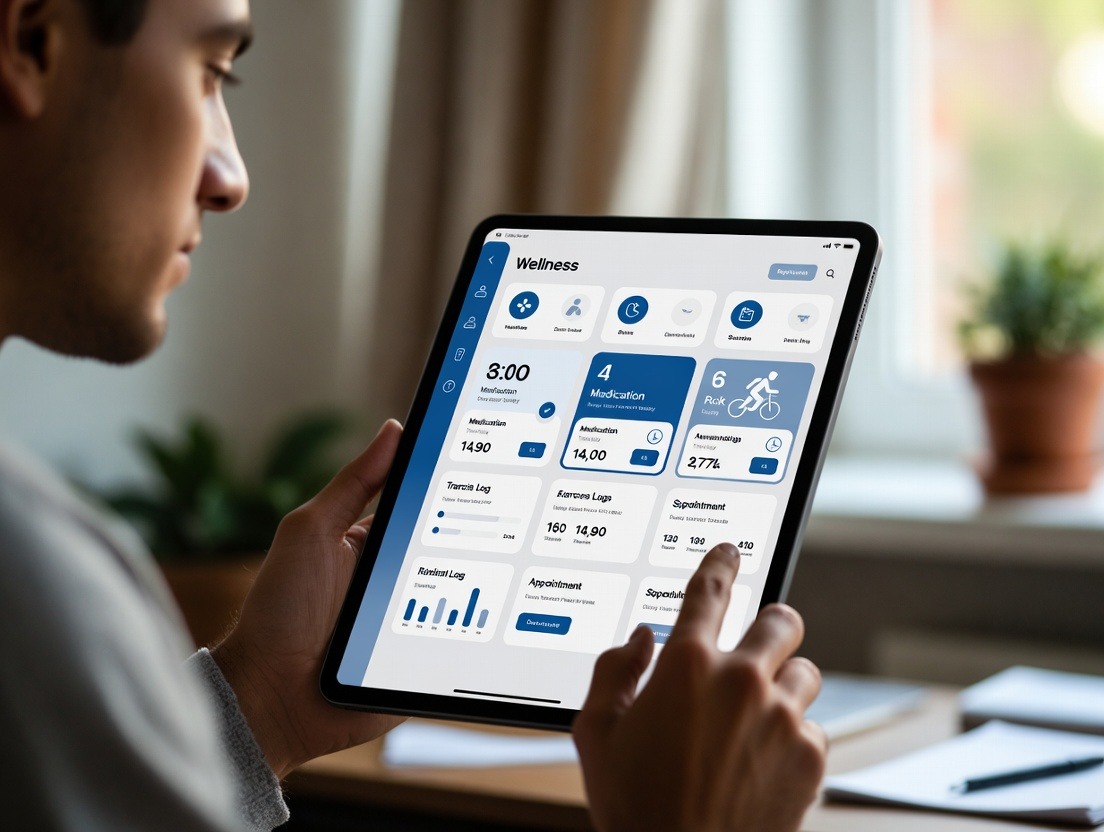
A fascinating and critical aspect of using biometrics is the interplay between how you feel and what your data says. Sometimes they align perfectly; sometimes they tell conflicting stories. Learning to interpret this dissonance is a masterclass in self-awareness.
This is a common and enlightening scenario. You wake up feeling groggy and sluggish, but your ring reports a high Sleep Score, great HRV, and a "Green" Readiness.
Possible Interpretations and Actions:
In this case, trusting the objective data can be empowering. It prevents you from writing off the day as a loss and encourages you to seek the non-sleep-related cause of your lethargy.
The opposite can be even more valuable. You spring out of bed feeling phenomenal, ready to conquer the world. But your data shows a low HRV, elevated RHR, and a poor sleep score—clear signs of physiological strain.
Possible Interpretations and Actions:
Here, the data serves as a crucial warning system. It advises caution. It suggests today is a day for active recovery, not peak performance—to make deposits, not withdrawals. Ignoring this warning is how people burn out. Heeding it is the hallmark of a sustainable, intelligent approach to energy management. This kind of insight is what users frequently share in their experiences and testimonials.
The ultimate goal is to refine your interoception—your ability to perceive the internal state of your body. By regularly checking your data and comparing it to how you feel, you begin to calibrate your internal sensors.
This cultivated awareness means you rely less on the device over time. The data trains your intuition. You become your own best predictor.
Once you can predict low energy, the next logical step is to deploy targeted, proactive recovery strategies. Your biometric data can guide you to the most effective tools for your current state.
HRV isn't just a metric to read; it's a system you can train. HRV-biofeedback involves using paced breathing techniques to consciously increase the amplitude of your heart rate oscillations, thereby strengthening your parasympathetic response.
How it Works with Your Data:
The Predictive Benefit: Regular biofeedback practice doesn't just feel calming in the moment; it has a training effect. Over weeks, you may see your baseline HRV increase. This indicates a more resilient nervous system that recovers faster from stressors, directly translating to more stable daily energy and less energy debt carried into tomorrow. It is the ultimate proactive deposit.
Understanding your temperature curve allows for strategic interventions.
Evening Warm Baths for Sleep Onset: Paradoxically, warming your body before bed (via a warm bath or shower 60-90 minutes before sleep) can enhance the subsequent cooling curve. The body’s effort to dissipate that heat mimics and strengthens the natural temperature drop, often leading to faster sleep onset and deeper initial sleep. You can test this and see if your sleep latency metric improves.
Daytime Cooling for Alertness: A splash of cold water on the face, a cold shower, or even a few minutes in a cool environment can provide a sharp, sympathetic-alerting boost. This is useful for overcoming an afternoon slump, but timing is key. Using this too close to bedtime can be counterproductive. Your data will help you find the right timing for your physiology.
Beyond "what" you eat, "when" you eat specific nutrients can be optimized for next-day energy.
For a deeper exploration of the food-sleep connection, our guide to foods that increase deep sleep naturally provides a great starting point for experimentation.
By moving from passive tracking to active, data-informed intervention, you close the loop. You’re not just a forecaster of energy; you are its architect.
Data without action is just trivia. The culmination of this journey is the synthesis of all these insights into a personalized, living protocol—a flexible set of guidelines that you know, with high confidence, will predict and produce sustained energy.
Based on your N-of-1 experiments, create a shortlist of daily actions that are your highest-impact energy deposits. This is your protocol's core. For example:
These are not aspirations; they are the maintenance schedule for your human machinery, proven by your data to keep your energy bank in the black.
Your protocol must have flexibility. Create a simple decision matrix based on your Readiness Score or key biomarkers:
This matrix turns daily decision-making from a source of stress into an automatic, optimal process.
We stand at the frontier of a new era in personal health. The current generation of wearables is diagnostic—they tell us what has happened (how we slept, how we moved, how our heart behaved). The next leap, already beginning, is into the predictive and prescriptive. This involves using continuous data streams, powered by artificial intelligence and machine learning, to not only describe our current state but to forecast future health risks and provide hyper-personalized, real-time coaching for optimal movement. This future turns the smart ring from a historian into a guide.
From Descriptive to Predictive Analytics
Today, we see a trend: "Your resting heart rate has been elevated for 3 days." Tomorrow's systems will predict: "Based on the combination of elevated RHR, slight temperature rise, decreased HRV, and increased sleep disturbances, there is an 82% probability you are incubating a viral illness. Recommended action: Prioritize sleep, reduce exercise intensity by 50%, increase hydration, and consider zinc supplementation."
This predictive capacity will extend to musculoskeletal health: "Your walking gait asymmetry has increased by 15% over the past week, and load is shifting off your right ankle. This pattern preceded your previous bout of plantar fasciitis. Suggested: Increase calf mobility work, and avoid high-impact exercise for 48 hours while the issue is addressed."
AI-Powered, Personalized Movement Coaching
Generic workout plans will become obsolete. Your device will know your fitness level, recovery status, personal goals, calendar, and even real-time biometrics to generate dynamic, adaptive coaching.
Integration with the "Digital Twin" and Broader Health Ecosystem
The ultimate destination is the creation of a "digital twin"—a sophisticated, personalized computer model of your physiology that is constantly updated with data from your wearable, genetic information, blood tests, and even microbiome analysis.
Ethical Considerations and the Human Element
This powerful future comes with important questions:
The future of activity intelligence is not about more data for data's sake. It's about creating a seamless, intuitive, and profoundly personal support system that helps us navigate the complex daily choices between movement and exercise, effort and recovery. It’s about having a guide that knows us better than we know ourselves, empowering us to make decisions that consistently nudge us toward greater vitality and longevity. This future is being built today by companies focused on holistic understanding, and you can learn more about our approach to this future at Oxyzen.

Once a week, spend 15 minutes reviewing your data in the app. Don't just look at daily scores; look for trends.
This weekly audit ensures your protocol evolves with you and keeps you connected to the cause-and-effect relationship between your lifestyle and your vitality.
The ultimate goal of all this tracking and protocol-building is not to become obsessed with data, but to achieve a state of effortless energy abundance. It’s to build such resilient systems—circadian, nervous, metabolic—that you can occasionally deviate from your protocol for life’s pleasures (a late night with friends, a decadent meal, an intense training cycle) without catastrophic consequences, because your foundation is so strong.
Your biometrics become a compass, not a cage. They provide the confidence to live fully, knowing you have the tools to understand your body's responses and guide it back to balance. You shift from predicting energy to cultivating it as a default state.
This deep, personalized understanding is the promise of modern wellness technology. It’s about moving from wellness as a trend to wellness as a true, data-empowered science of the self. To begin building this understanding for yourself, exploring a tool like the Oxyzen smart ring can be your first step toward becoming the architect of your days. And for any questions on starting this journey, our comprehensive FAQ page is a great resource.
Your Trusted Sleep Advocate (Sleep Foundation — https://www.sleepfoundation.org/)
Discover a digital archive of scholarly articles (NIH — https://www.ncbi.nlm.nih.gov/
39 million citations for biomedical literature (PubMed — https://pubmed.ncbi.nlm.nih.gov/)
experts at Harvard Health Publishing covering a variety of health topics — https://www.health.harvard.edu/blog/)
Every life deserves world class care (Cleveland Clinic -
https://my.clevelandclinic.org/health)
Wearable technology and the future of predictive health monitoring. (MIT Technology Review — https://www.technologyreview.com/)
Dedicated to the well-being of all people and guided by science (World Health Organization — https://www.who.int/news-room/)
Psychological science and knowledge to benefit society and improve lives. (APA — https://www.apa.org/monitor/)
Cutting-edge insights on human longevity and peak performance
(Lifespan Research — https://www.lifespan.io/)
Global authority on exercise physiology, sports performance, and human recovery
(American College of Sports Medicine — https://www.acsm.org/)
Neuroscience-driven guidance for better focus, sleep, and mental clarity
(Stanford Human Performance Lab — https://humanperformance.stanford.edu/)
Evidence-based psychology and mind–body wellness resources
(Mayo Clinic — https://www.mayoclinic.org/healthy-lifestyle/)
Data-backed research on emotional wellbeing, stress biology, and resilience
(American Institute of Stress — https://www.stress.org/)


