


How to Use Sound Healing for Restoration Wellness
How to use sound, like singing bowls or music, for healing restoration.
How to use sound, like singing bowls or music, for healing restoration.
%402x.svg)
In the relentless hum of modern life—the pings of notifications, the rush of traffic, the low-grade anxiety of an always-on world—our nervous systems are under constant siege. We crave restoration, a true reset that goes beyond a good night's sleep or a week's vacation. We seek a return to a state of wholeness, where stress dissolves, clarity emerges, and the body's innate healing intelligence is reawakened.
Enter sound healing, an ancient practice experiencing a profound renaissance, now backed by modern neuroscience. It is not merely about "relaxing" music; it is the intentional use of specific sound frequencies, vibrations, and rhythms as a therapeutic tool to bring the mind, body, and spirit back into harmonious alignment. From Tibetan singing bowls and crystal quartz instruments to guided sound baths and binaural beats, this modality offers a direct pathway to the parasympathetic nervous system—our body's "rest and digest" state.
For the modern wellness enthusiast, the synergy between this ancient art and cutting-edge technology is where true transformation happens. Imagine being guided into a deep, resonant sound meditation and having a sophisticated device like a smart ring from Oxyzen quietly measure your journey—tracking the tangible drop in your heart rate variability (HRV), the stabilization of your respiratory rate, and the descent into restorative sleep stages post-session. This fusion of esoteric wisdom and empirical data creates a powerful feedback loop, allowing you to personalize and optimize your sound healing practice for measurable restoration.
This comprehensive guide is your first step into the resonant world of sound healing. We will explore its scientific foundations, demystify its core instruments and techniques, and provide you with a practical, integrated framework to build your own sonic sanctuary for restoration wellness.
We live in an age of unprecedented connectivity, yet a profound disconnection from our own biological rhythms is the silent epidemic of our time. Chronic stress is no longer an occasional occurrence; it's a persistent background state for millions, linked to a staggering 80% of all doctor's visits. This state of dysregulation—where our stress-response system is stuck in the "on" position—manifests as anxiety, brain fog, insomnia, digestive issues, and a weakened immune response.
The core issue lies in our autonomic nervous system (ANS). The ANS has two primary branches: the sympathetic (fight-or-flight) and the parasympathetic (rest-and-digest). Modern life, with its constant demands and digital distractions, chronically activates the sympathetic branch. We are, in essence, tuning our nervous systems to a frequency of panic and scarcity. Sound healing operates on a fundamental principle: entrainment.
Entrainment is a physics phenomenon where two oscillating systems fall into sync. A classic example is metronomes placed on a movable surface eventually swinging in unison. Our brainwaves, which operate at different frequencies (Beta for alertness, Alpha for relaxation, Theta for meditation, Delta for deep sleep), are highly susceptible to entrainment. When exposed to consistent, rhythmic sound frequencies—like the steady 432 Hz of a tuning fork or the slow, resonant hum of a gong—our brainwaves begin to synchronize with that external rhythm.
This is the "resonant solution." By deliberately exposing our dysregulated systems to coherent, healing frequencies, we can guide them from a state of chaotic stress (Beta/High Beta) into states of calm, creativity, and deep restoration (Alpha, Theta, Delta). It's a biological recalibration. As noted by Dr. Mitchell Gaynor, author of The Healing Power of Sound, "Sound can redress imbalances on every level of physiologic functioning and can play a positive role in the treatment of virtually any medical disorder."
The integration of wearable technology makes this abstract concept tangible. While you immerse yourself in a sound bath, a device like the Oxyzen smart ring provides objective biometric feedback. You're not just feeling more relaxed; you can see the physiological shift in your body's data, validating the practice and empowering you to refine it—a perfect example of how modern health tracking technology enables personalized wellness.
To move beyond the mystical and into the practical, we must ground our understanding in science. Sound is not just something we hear; it is a physical, vibrational energy that interacts with our bodies on a cellular level.
Physics and Physiology: Sound waves are pressure vibrations that travel through a medium (like air or water). When these waves reach us, they don't just enter our ears; they resonate through our entire body, which is over 70% water—an excellent conductor of vibration. Different frequencies penetrate to different depths. Lower frequencies (like those from large drums or didgeridoos) are felt more in the body, massaging tissues and organs, while higher frequencies (like crystal singing bowls) are more easily processed by the brain and affect mental states.
The Brainwave Connection: As introduced, brainwave entrainment is a key mechanism. Techniques like binaural beats are a direct technological application of this. When you listen to a 300 Hz tone in one ear and a 310 Hz tone in the other, your brain perceives a third, "phantom" beat of 10 Hz—a frequency in the Alpha range, conducive to relaxation. This process encourages your brain to match that frequency.
The Nervous System and the Vagus Nerve: The vagus nerve, the longest cranial nerve, is the superhighway of the parasympathetic nervous system. It connects the brain to major organs, regulating heart rate, digestion, and immune response. Low-frequency vibrations, particularly those in the range of 40-100 Hz, have been shown in studies to stimulate the vagus nerve. This "vagal tone" activation slows the heart rate, promotes deeper breathing, and initiates the release of relaxation neurotransmitters, creating a cascade of restorative effects throughout the body.
Biochemical Shifts: Research, including studies published in journals like Evidence-Based Complementary and Alternative Medicine, has demonstrated that sound meditation can significantly reduce levels of cortisol (the primary stress hormone) while increasing levels of endorphins (the body's natural painkillers) and oxytocin (the "bonding" hormone). This creates a potent internal environment for healing and repair.
Understanding this science transforms sound healing from a passive experience into an active, intentional wellness protocol. It allows you to choose tools and practices based on the specific physiological outcome you desire, much like you would select a supplement or a workout. For those tracking their holistic health, observing how different sound sessions affect metrics like HRV or sleep quality—data easily captured by a comprehensive device from the Oxyzen shop—becomes a fascinating personal science experiment in restoration.
The world of sound healing instruments is rich and diverse, each tool offering a unique "voice" and therapeutic effect. Building your personal toolkit begins with understanding these core instruments.
1. Metal Singing Bowls (Tibetan & Himalayan):
Crafted from a seven-metal alloy (often including gold, silver, mercury, copper, iron, tin, and lead), these bowls produce rich, complex overtones and a fundamental vibration that is deeply grounding. The sound is often described as "centering." They are excellent for stress relief, meditation, and chakra work, with different sizes corresponding to different energy centers. The vibration is felt strongly in the body, providing a tangible massage.
2. Crystal Singing Bowls:
Made from 99.992% crushed quartz crystal and fired at high temperatures, these bowls produce a pure, clear tone with very long sustain. Each bowl is tuned to a specific musical note, often aligned with the chakra system (C Root, D Sacral, E Solar Plexus, etc.). Their high-frequency vibration is exceptionally effective for clearing mental fog, enhancing clarity, and working with emotional blockages. A full set of crystal bowls played in sequence is a transcendent experience.
3. Tuning Forks:
Precision-calibrated metal forks that, when struck, produce a pure sine wave tone at a specific frequency. They are the surgical tools of sound healing. Weighted forks (often Otto 128Hz) are applied to the body or acupoints, sending strong vibrations through bone and tissue for pain relief and myofascial release. Unweighted forks (like Solfeggio or Planetary frequencies) are used around the body and ears for energetic and psychoacoustic effects.
4. Gongs:
The most powerful and transformative instrument in the arsenal. A gong produces a complex, ever-evolving wash of sound containing all frequencies and overtones—a "sound mass." This sonic immersion can facilitate profound emotional release, deep meditation, and journeys into non-ordinary states of consciousness. It is not an instrument for casual use but for deep, guided therapeutic work.
5. The Human Voice:
Our most personal and accessible instrument. Techniques include:
6. Digital & App-Based Sound:
The modern democratization of sound healing. High-quality apps and platforms offer curated binaural beats, isochronic tones, and digital soundscapes designed for sleep, focus, or anxiety relief. While different from the tactile experience of live instruments, they are incredibly effective, portable, and a perfect entry point. You can use them while wearing your smart ring to track how these digital frequencies impact your sleep stages and recovery.
Selecting your starting tools depends on your goals and preferences. Do you seek deep physical release (weighted tuning forks), mental clarity (crystal bowls), or emotional catharsis (gong)? Start simply—a single bowl or a tuning fork set is enough to begin your journey.
Your environment is a crucial amplifier of your sound healing practice. You don't need a dedicated meditation room, but intentionally shaping your space can deepen the effects exponentially. This is about creating a container where restoration is not just an activity, but an inevitable experience.
The Physical Space:
The Energetic Space:
Integrating Technology Mindfully:
This is where ancient practice meets modern self-quantification. Wear your wellness tracker, like an Oxyzen ring, but set it to "Do Not Disturb" or theater mode to silence notifications. Its role here is passive observation, not active engagement. Place your phone in another room or use it solely as your sound source in airplane mode. The goal is to eliminate digital interruptions, allowing the device to capture your body's uninterrupted response. Later, you can review the data on the Oxyzen.ai blog or app to see the correlation between your 30-minute crystal bowl session and a 15% increase in your overnight HRV—powerful feedback that reinforces the practice.
Your sanctuary is a declaration to yourself: in this space, restoration is the priority.

With your toolkit and sanctuary ready, let's explore practical techniques you can implement immediately. Start with short sessions (5-15 minutes) and gradually increase as you become more comfortable.
1. Resonant Breathing with Toning:
This combines breathwork, a core pillar of nervous system regulation, with vocal vibration.
2. The "One-Bowl" Meditation:
Your first instrument-based practice.
3. Body Scan with a Weighted Tuning Fork:
For physical tension and localized pain.
4. Binaural Beats for Focus and Sleep:
A purely digital, headphone-required technique.
Consistency with these simple practices is far more powerful than an occasional hour-long session. They are like brushing your teeth for your nervous system.
One of the most common challenges with subtle energy practices is the question of efficacy. "Is this really working?" or "Am I doing it right?" can plague the beginner's mind. This is where the objective data from a modern wellness wearable becomes an invaluable companion, transforming subjective feeling into observable science.
Key Metrics to Observe:
Creating a Personal Feedback Loop:
This data-driven approach removes doubt and provides powerful motivation. It shows you that the peace you feel is not "just in your head"—it's in your heart rate, your breath, and your sleep architecture.
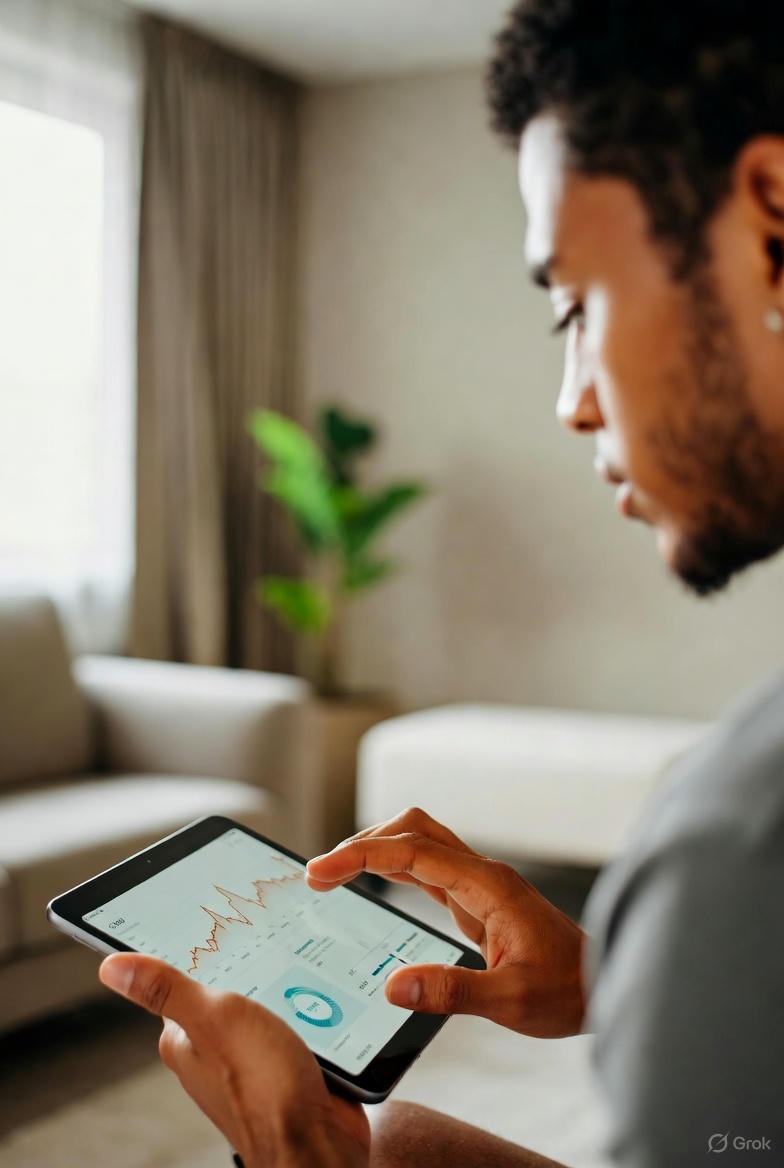
Sound healing is not one-size-fits-all. With an understanding of instruments and your own biometric feedback, you can design targeted "sonic prescriptions." Here are protocols for common modern wellness goals:
Protocol 4: For Emotional Release & Heart Coherence
By tailoring your practice, you move from dabbling to strategic, restorative self-care.
Integrating Sound into Your Daily Rhythms: Beyond the Dedicated Session
While dedicated sessions are powerful, the true magic of sound for restoration wellness lies in weaving it into the fabric of your daily life. These micro-interventions act as constant tuning forks for your nervous system.
Morning Attunement (5 mins):
Instead of reaching for your phone, reach for a single singing bowl. Strike it three times as you set your intention for the day. Listen fully. This simple act places you in a state of mindful presence before the day's demands begin. Follow this with a few minutes of resonant breathing to oxygenate your body and steady your mind.
The Sonic Commute:
Transform travel time into restoration time. Create playlists of instrumental, drone-based, or frequency-specific music (avoid lyrical or aggressive music). Use quality headphones to create a buffer from environmental chaos. This practice entrains your brain to a calmer state before you arrive at work or home, preventing the carryover of stress.
The Midday Frequency Reset (3 mins):
The 3 p.m. slump is real. Instead of caffeine or sugar, try a "frequency snack." Use an app to listen to a short, focusing binaural beat track (14-16 Hz Beta for focus, or 10 Hz Alpha for calm focus) for 3-5 minutes. Close your eyes if possible. This is more rejuvenating than a cookie and has no crash. Check your wearable's stress score before and after to see the instant effect.
Evening Unwind Ritual (10 mins):
Begin your wind-down 60-90 minutes before bed. Incorporate sound as the signal to your body that work is done. This could be playing a low, resonant Tibetan bowl, listening to a Delta wave sleep track at very low volume, or doing a gentle body scan with a tuning fork. This ritual, especially when paired with tracking from a device designed for preventive health monitoring, powerfully cues your circadian rhythm for sleep.
Sleep Environment Enhancement:
Use sound to mask disruptive noises and maintain a delta-state environment. A simple white noise machine, a fan, or a dedicated app playing brown noise (deeper than white noise) or very low-frequency drones can improve sleep continuity. Your sleep tracker will show fewer "awake" moments throughout the night.
These integrations make sound healing a living practice, not just another item on your wellness checklist. It becomes the ambient conditioner for your life's atmosphere.
As with any new wellness discipline, you will encounter obstacles. Anticipating them allows you to navigate with grace and maintain a sustainable practice.
Challenge 1: "I can't quiet my mind during a session."
Challenge 2: "I don't have 30 minutes a day."
Challenge 3: "I'm not sure if it's working."
Challenge 4: "The sounds are irritating or overwhelming."
Challenge 5: Maintaining Consistency.
Remember, this is a journey of exploration, not perfection. Some days your practice will feel transcendent; other days it will feel rote. Both are valid. The simple act of showing up and dedicating time to your restoration is, in itself, the healing.
The Alchemy of Silence: Why the Space Between Sounds is Where Healing Deepens
In our pursuit of resonance, we often overlook the most potent component of sound healing: silence. It is not merely the absence of sound, but a fertile, dynamic field where the body integrates the vibrational information it has just received. Think of it this way: the sound wave is the medicine, and the silence that follows is the time your cells have to metabolize it.
Neurologically, when a sustained sound stops, the brain doesn't simply shut off. It continues to oscillate at the entrained frequency for a period, a phenomenon akin to "coasting." This is the moment of integration. In the silence, the nervous system self-regulates, the mind settles without an external anchor, and subtle shifts in awareness can surface. It is in this quietude that the whispers of intuition are often heard and the deepest somatic releases occur.
Practicing Active Silence:
Modern life is a war on silence. By consciously cultivating it within your sound practice, you are not just receiving healing frequencies; you are reclaiming your inner quiet—the very ground from which all restoration grows. A well-designed smart ring can even help you notice the value of these pauses; observing how your heart rate stabilizes and your stress score plummets during a scheduled "silent minute" in your day provides compelling data on its power.
While the calming effects of sound are profound, its capacity to facilitate emotional catharsis and move stagnant energy is where it becomes truly transformative. We store unprocessed emotions and trauma not just in our minds, but in the very tissue and bioenergetic field of our bodies—what some traditions call the "subtle body." Sound can act as a non-invasive scalpel for this stored material.
How Sound Facilitates Release:
Navigating a Release Session:
This work is powerful. If you have a history of significant trauma, it is advisable to explore this dimension of sound healing with a qualified practitioner or therapist. For most, however, allowing gentle emotional movement within a personal practice is a profound path to wholeness.

While personal practice is the cornerstone, participating in group sound healing—a sound bath or sonic ceremony—offers a unique and potent dimension of experience. The combined intention and collective resonance of a group create a synergistic field that can amplify individual effects and foster a profound sense of connection, combating the modern ailment of isolation.
The Science of Collective Entrainment:
Just as your brainwaves can entrain to a singing bowl, groups of people in close proximity can biologically synchronize. Studies on group meditation and chanting show that heart rates and even brainwave patterns can align. In a sound bath, you are not just entraining to the instruments; you are subtly entraining to the calm, coherent field of the group's collective physiology. This is why a live group session often feels more potent than a recording.
What to Expect in a Sound Bath:
You will typically lie down (often with props provided) in a room with others. The practitioner will play a suite of instruments for 45-90 minutes, guiding the group on an auditory journey. The experience is passive; your only job is to receive.
Maximizing the Group Experience:
The sense of peace and unity fostered in these gatherings is a powerful reminder of our interconnectedness. It’s a wellness practice that simultaneously addresses individual nervous system regulation and our deep-seated need for community. After such an event, you might notice your wearable shows exceptionally deep sleep and recovery—a testament to the power of the collective field. For those curious about the variety of wellness technologies that support such holistic living, exploring a brand's complete story and vision can provide deeper context for this integrated approach.
From Ancient Scales to Healing Frequencies: Understanding Solfeggio, 432 Hz, and Planetary Tones
The world of specific healing frequencies can seem esoteric. Let's demystify the most commonly cited scales and their proposed benefits, grounding them in both historical context and practical application.
The Solfeggio Frequencies:
These are a set of six tones (traditionally 396, 417, 528, 639, 741, 852 Hz) with roots in ancient Gregorian chants. They were rediscovered in the 20th century and popularized in the New Age wellness movement. Each is ascribed specific properties:
The 432 Hz vs. 440 Hz Debate:
Since 1953, most Western music has been tuned to A=440 Hz. A growing movement advocates for A=432 Hz, calling it the "natural" tuning of the universe, more aligned with the harmonics of nature and the human body. Proponents claim it feels more peaceful and resonant. While rigorous scientific proof is limited, many listeners report a distinctly calmer, more grounded quality to music tuned to 432 Hz.
Planetary Frequencies (or "Solar Harmonics"):
Based on the orbital periods of planets converted into audible sound frequencies (a concept from "cosmic harmonics"). For example:
A Pragmatic Approach:
Should you only listen to 528 Hz or 432 Hz? The key is subjective resonance. The placebo effect is a powerful and real neurological phenomenon. If you believe 528 Hz is healing your cells, that belief alone creates a positive neurochemical shift. Try them:
Let your own somatic experience—and perhaps the biometric feedback from your wearable—be your guide. If listening to a 639 Hz track consistently results in a higher post-session HRV score for you, then it is objectively beneficial for you. This personal data-driven discovery is at the heart of the personalized wellness revolution.
Sleep is the ultimate restoration wellness practice, and sound is one of its most powerful architects. Beyond simple white noise, we can use frequency and rhythm to deliberately guide the brain through its sleep architecture.
The Sonic Sleep Timeline:
1. Pre-Bed Wind-Down (60-90 mins before bed):
2. Sleep Onset (In Bed):
3. Sustaining Sleep (Throughout the Night):
4. Morning Wake-Up (Optional):
Measuring Sonic Sleep Success:
This is where your smart ring becomes an essential sleep lab on your finger. After implementing a sonic sleep protocol, look for these data shifts over 2-3 weeks:
By engineering your sonic sleep environment, you take active, intelligent control over your restoration. It's a far cry from hoping for a good night's sleep; it's about creating the precise conditions to guarantee one. For anyone struggling with sleep, this data-informed approach, perhaps starting with a device from the Oxyzen shop, can be life-changing.
The frontier of sound healing is being radically reshaped by technology, moving from generic playlists to truly adaptive, personalized sonic environments. This is the cutting edge where biometrics, artificial intelligence, and resonant therapy converge.
Biofeedback-Driven Soundscapes:
Imagine a system where your smart ring's real-time data (HRV, heart rate, skin temperature) feeds into a sound-generating app. When the algorithm detects stress (rising heart rate, dipping HRV), it automatically initiates a calming, low-frequency drone to help you re-regulate. As you calm down, the sound subtly shifts. This is closed-loop biofeedback, and it turns sound into an interactive, responsive therapy.
AI-Composed Healing Music:
AI is already being used to generate music. The next step is AI trained on physiological response data. It could compose unique pieces in real-time that are mathematically optimized to entrain your brainwaves based on your immediate state and long-term biometric trends. Your "Focus" soundtrack would be different from mine, crafted from your own data patterns.
Personalized Frequency Identification:
Beyond standard Solfeggio scales, future technology might help identify your personal "dissonant" and "coherent" frequencies. Using subtle biofeedback, a system could determine which specific Hz tones cause stress responses (muscle tension, decreased HRV) and which cause coherence (synchronized heart-brain rhythms, increased HRV). Your personal "healing playlist" would then be built from your unique coherence frequencies.
Haptic Sound Integration:
Sound healing will move beyond the ears. Wearable haptic devices (like vests or mats) will deliver specific frequencies as vibrations directly to the body, combining the auditory experience with a full-body tactile massage. This is especially promising for the deaf and hard-of-hearing community, making the benefits of vibration therapy universally accessible.
This future is not distant; its foundations are being laid today by companies at the intersection of wellness and technology. The core principle is hyper-personalization: moving from "sound healing is good for people" to "this specific sound sequence, delivered at this time, is good for you." It represents the ultimate maturation of the practice, guided by the deep self-knowledge that tools like advanced health trackers provide. To understand the sensor technology that makes this possible, one can delve into the science behind modern health tracking.
Your journey with sound is just that—a journey, not a destination. It will evolve as you do. Here is a roadmap for deepening your practice over a lifetime, ensuring it remains a vibrant source of restoration.
Year 1: The Foundation (Exploration & Consistency)
Years 2-3: The Deepening (Skill & Specialization)
Years 4-5: The Integration (Wisdom & Teaching)
The Connoisseur Phase:
This is where practice becomes art. You might collect rare instruments, collaborate with other modalities (sound + yoga, sound + breathwork), or use sound for creative inspiration. The line between healing and joyful expression blurs. Your relationship with sound is intimate, intuitive, and endlessly rewarding.
Throughout all phases, let curiosity be your guide and compassion be your attitude. Some days your practice will be profound, other days it will feel routine. Both are essential. This is not about adding another performance metric to your life, but about cultivating a sanctuary in time—a daily return to the resonant, peaceful core of your being.
By merging the ancient vibratory wisdom of sound with the precise, personal insights of modern wearable technology, you are equipped with one of the most powerful and accessible restoration wellness systems available. You hold the tuning fork to your own life. Now, go and create your symphony of well-being.
For those who wish to move beyond personal practice into more advanced application, or simply understand the depth a trained practitioner can offer, this section explores therapeutic protocols and clinical contexts. This is the realm where sound healing intersects with complementary medicine, offering non-pharmacological support for a range of conditions.
Therapeutic Sound Session Structure (A Practitioner's Blueprint):
A professional one-on-one or group session is far from random. It follows a deliberate arc designed to guide the nervous system through a complete cycle.
Clinical and Supportive Applications:
While not a replacement for medical treatment, sound therapy is increasingly used as a supportive modality in various settings:
For the advanced home practitioner, understanding this structure allows you to design more nuanced personal sessions. You might create a "pain relief" sequence (grounding drum track -> localized tuning fork work -> integrative bowl meditation) or an "anxiety release" journey. Pairing these intentional sessions with biometric tracking from a device like an Oxyzen ring can provide powerful, objective feedback on their efficacy, creating a personal portfolio of what works. This aligns with a broader trend of individuals using health tracking technology for preventive medicine.

At its core, sound healing is an education in listening—not just with your ears, but with your entire body and being. Most of us listen in a utilitarian way: to understand words, to identify a threat, to follow a melody. Therapeutic listening is receptive, immersive, and non-judgmental. Cultivating this skill exponentially increases the benefits you receive from any sound practice.
Levels of Therapeutic Listening:
Exercises to Hone Your Listening:
As your listening deepens, your entire relationship with the soundscape of your life transforms. The buzz of city traffic can become a drone, the hum of your refrigerator a grounding tone. You move from being at the mercy of noise to being in relationship with a world alive with vibration. This refined awareness can also make you more attuned to the subtle feedback from your own body, enhancing the insights you gain from your personal health tracking data.
Sound healing rarely exists in a vacuum in advanced practice. Its power is magnified when synergistically combined with other potent wellness modalities. These combinations create multi-sensory, whole-brain experiences that can accelerate restoration.
1. Sound + Breathwork (Pranayama):
The breath is the bridge between the conscious and autonomic nervous systems. Pairing specific breathing patterns with sound creates a powerful feedback loop.
2. Sound + Movement (Yoga, Tai Chi, Dance):
Movement expresses what sound inspires. Integrating them breaks emotional and energetic blockages held in the body.
3. Sound + Thermal Therapy (Cold Exposure, Sauna):
Extreme temperatures are profound stressors that, when used briefly and intentionally, build systemic resilience. Sound can modulate the experience and enhance the benefits.
4. Sound + Aromatherapy:
Scents directly access the limbic system, the brain's emotion and memory center. Pairing a specific essential oil (e.g., lavender for calm, frankincense for grounding) with a complementary sound frequency (e.g., Delta waves, Earth frequency bowls) creates a multi-sensory anchor for a desired state, making it more potent and memorable.
By thoughtfully combining modalities, you create a holistic "restoration cocktail" tailored to your needs. The guiding principle is intention: what is the desired outcome, and which combination of tools most elegantly guides the mind-body system there?
To move from theory into the lived reality of this work, we turn to the wisdom of those who practice it professionally. Here are synthesized insights from conversations with leading sound therapists.
Elena Maros, Clinical Sound Therapist:
On the Biometric Connection: "I encourage all my clients to wear their trackers to sessions. The data is a translation. When a client sees that during a gong bath their heart rate dropped to near-sleeping levels, it validates the subjective feeling of 'deep peace.' It turns an ephemeral experience into a physiological fact, which for many modern minds is the permission slip they need to fully trust the process."
On Frequency Personalization: "I don't believe in a universal 'healing' frequency. In my practice, I use muscle testing or pendulum dowsing over a chart of frequencies to determine what the client's system needs that day. One day it might be 396 Hz to release fear, another 639 Hz to mend a relational strain. The body's intelligence knows."
Kai Tanaka, Gong Master & Ceremonialist:
On the Power of the Gong: "The gong doesn't give you what you want; it gives you what you need. Its complexity contains all frequencies, so it resonates with every cell, every chakra, every stuck emotion simultaneously. My role isn't to play for people, but to play the gong and get out of the way, allowing it to have a dialogue directly with their soul."
On Silence: "The most important note I play is the last one. The silence that follows a gong bath is where the alchemy happens. That's when people integrate, receive downloads, and truly heal. Rushing out of that silence is like pulling a cake out of the oven too soon."
Dr. Aris Thorne, Neuroscientist & Binaural Beats Researcher:
On the Science of Entrainment: "Our research shows that sustained exposure to Theta-range binaural beats doesn't just change brainwaves temporarily; it can increase Theta wave amplitude over time with consistent practice. This suggests a neuroplastic effect—we can train our brains to more easily access states of deep meditation and creativity."
On the Future: "The next breakthrough is closed-loop systems. Imagine EEG headphones that read your brainwaves and adjust the binaural beat in real-time to pull you into a desired state faster. We're moving from broadcasting to having a conversation with the nervous system."
These practitioner insights underscore that sound healing is both an art and a science, honoring ancient traditions while embracing modern tools for validation and personalization. For those inspired to explore this path more deeply, a wealth of resources and community can be found through platforms dedicated to holistic wellness education, such as the Oxyzen.ai blog.
As sound healing enters the mainstream, it's crucial to engage with it ethically and responsibly. This involves respecting its cultural origins, considering the environmental impact of instruments, and ensuring psychological safety in practice.
Cultural Respect & Acknowledgment:
Many instruments are deeply rooted in specific spiritual and cultural traditions. Tibetan singing bowls, for instance, are sacramental objects in Tibetan Buddhism. Aboriginal didgeridoos are sacred men's instruments in certain Australian Indigenous cultures.
Sustainability & Instrument Sourcing:
Psychological Safety & Contraindications:
Sound is powerful and can bring up intense material. It's not always a gentle lullaby.
Engaging ethically ensures the practice remains respectful, sustainable, and safe for all. It transforms it from a trendy wellness consumption item into a conscious practice of interconnected healing.
To evolve from a casual user to an informed connoisseur of your own well-being, treat your practice as a personal science experiment. Systematic documentation bridges the gap between felt experience and actionable insight, especially when combined with quantitative data from a wearable.
Create a "Sonic Journal":
Use a dedicated notebook or digital doc. After each session, note:
Look for Patterns:
After a month, review your journal.
This analysis turns anecdotes into evidence. You are no longer guessing what works; you are building a personalized, data-informed manual for your own restoration. This methodical approach is the hallmark of modern, proactive health management, perfectly complementing the insights provided by advanced wearables. For those starting this journey, guidance on making the perfect wellness ring choice for beginners can be invaluable.
By now, you possess not only a rich understanding of sound healing's history, science, and techniques but also a robust framework for integrating it into a modern, data-aware lifestyle. The final portion of this guide will look at the horizon—exploring the most cutting-edge research, the future of personalized sound, and how to build a lifelong, evolving relationship with the healing power of vibration.
Your Trusted Sleep Advocate (Sleep Foundation — https://www.sleepfoundation.org/)
Discover a digital archive of scholarly articles (NIH — https://www.ncbi.nlm.nih.gov/
39 million citations for biomedical literature (PubMed — https://pubmed.ncbi.nlm.nih.gov/)
experts at Harvard Health Publishing covering a variety of health topics — https://www.health.harvard.edu/blog/)
Every life deserves world class care (Cleveland Clinic -
https://my.clevelandclinic.org/health)
Wearable technology and the future of predictive health monitoring. (MIT Technology Review — https://www.technologyreview.com/)
Dedicated to the well-being of all people and guided by science (World Health Organization — https://www.who.int/news-room/)
Psychological science and knowledge to benefit society and improve lives. (APA — https://www.apa.org/monitor/)
Cutting-edge insights on human longevity and peak performance
(Lifespan Research — https://www.lifespan.io/)
Global authority on exercise physiology, sports performance, and human recovery
(American College of Sports Medicine — https://www.acsm.org/)
Neuroscience-driven guidance for better focus, sleep, and mental clarity
(Stanford Human Performance Lab — https://humanperformance.stanford.edu/)
Evidence-based psychology and mind–body wellness resources
(Mayo Clinic — https://www.mayoclinic.org/healthy-lifestyle/)
Data-backed research on emotional wellbeing, stress biology, and resilience
(American Institute of Stress — https://www.stress.org/)


