The Modern Health Monitoring Approach to Chronic Disease Management
Explores how continuous monitoring helps in managing long-term health conditions.
The Modern Health Monitoring Approach to Chronic Disease Management
Imagine a future where your chronic condition whispers its secrets to you before it ever has a chance to shout. Where subtle changes in your body—a slight uptick in resting heart rate, a dip in deep sleep, a gradual shift in your body’s stress response—are gently flagged, not in a stark doctor’s office months later, but in the quiet flow of your daily life. This is no longer the realm of science fiction; it is the promise of modern health monitoring. We are transitioning from a reactive, episodic model of healthcare, where we seek help only when illness strikes, to a proactive, continuous, and deeply personalized paradigm. At the heart of this revolution is a simple, yet profound, shift: from managing disease to managing health, using data as our guide and daily life as our laboratory.
For the millions navigating chronic diseases like hypertension, diabetes, heart conditions, and autoimmune disorders, management has traditionally been a disjointed dance. It involves infrequent check-ups, often months apart, relying on fleeting snapshots of health metrics taken in stressful clinical environments. Patients are left to fill in the vast gaps with memory, guesswork, and intuition about their diet, activity, sleep, and stress. This approach is inherently flawed. It’s like trying to understand the plot of a complex film by seeing only three random frames.
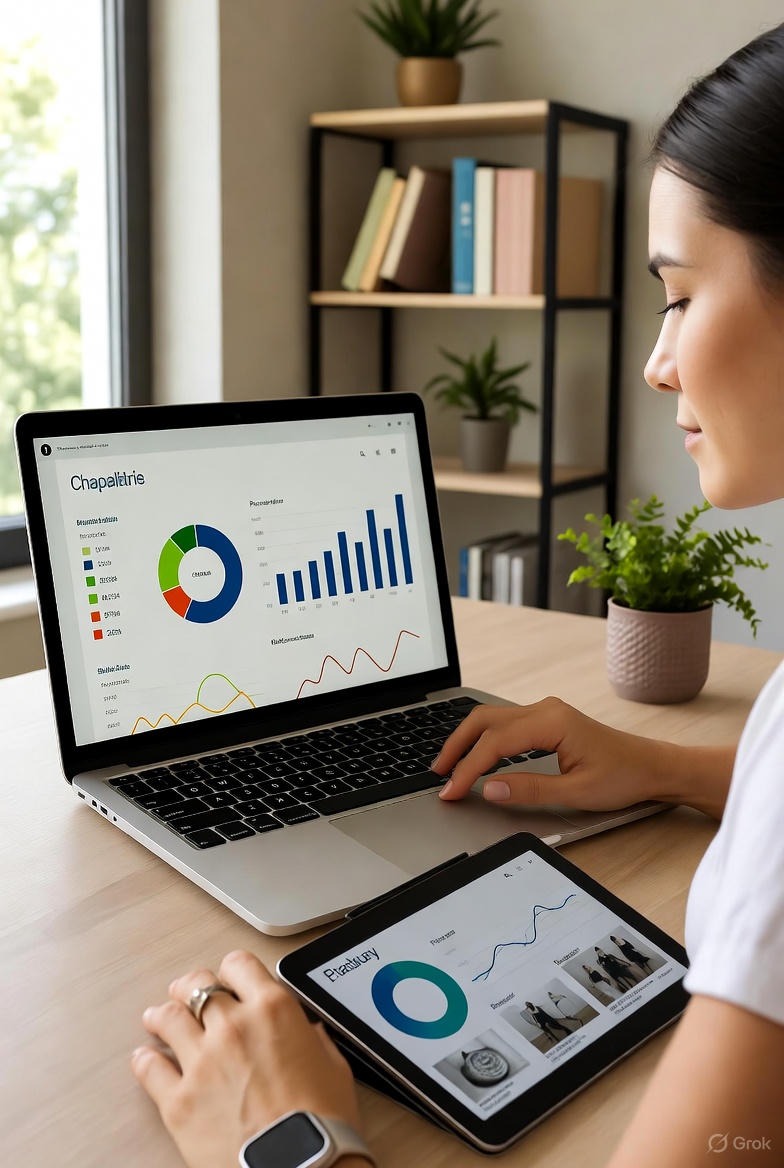
Modern health monitoring dismantles this paradigm. It leverages a constellation of connected technologies—from sleek smart rings and continuous glucose monitors to advanced home blood pressure cuffs and AI-driven apps—to create a rich, real-time tapestry of your physiological story. This continuous stream of data transforms you from a passive patient into an engaged, informed partner in your own health journey. It enables early intervention, reveals hidden patterns, and personalizes lifestyle medicine with unprecedented precision. This article will explore this transformative approach, diving deep into the science, the technology, and the practical strategies that are empowering individuals to take control of chronic disease management, not with fear, but with confidence and clarity.
The Paradigm Shift: From Episodic Care to Continuous Health Intelligence
For decades, the cornerstone of chronic disease management has been the periodic doctor’s visit. You’d fast for a blood test, have your blood pressure taken (often once, while anxious—a phenomenon known as “white coat hypertension”), and answer questions about how you’ve been feeling since your last appointment. This model, while foundational, is riddled with blind spots. It captures health data at a single point in time, under atypical conditions, leaving the vast narrative of your daily life—where your condition actually lives and breathes—completely unread.
The modern approach is built on the principle of continuous health intelligence. This is the uninterrupted, passive, and contextual collection of physiological and behavioral data. The goal is not to replace your doctor, but to empower both you and your healthcare team with a comprehensive dataset that is infinitely more valuable than isolated data points.
Why Continuous Data is Revolutionary:
It Reveals Trends, Not Just Moments: A single high blood pressure reading is a data point. A week’s worth of readings taken at home, morning and evening, reveals a trend. It can show if your pressure spikes after meals, dips过低 during sleep, or is persistently elevated, guiding far more targeted treatment.
It Captures the Context of Daily Life: Your chronic condition doesn’t exist in a vacuum. It is influenced by your sleep last night, the stress of your morning commute, the composition of your lunch, and your afternoon workout. Continuous monitoring links physiological changes (like a rising heart rate variability) directly to these life events, uncovering personalized triggers and mitigators.
It Enables True Personal Baselines: Everyone is unique. What’s a “normal” resting heart rate for you might be a sign of illness for someone else. By establishing your own multi-week baseline across dozens of metrics, modern tools can detect subtle deviations that may signal an oncoming flare-up, infection, or need for medication adjustment long before you feel overt symptoms.
It Democratizes Health Agency: This technology shifts power and knowledge. When you can see, in real-time, how a 30-minute walk improves your glucose stability or how a poor night’s sleep disrupts your heart rate patterns, you are equipped with immediate, actionable feedback. This turns abstract medical advice into tangible cause-and-effect understanding.
This shift is moving us from generic, population-based guidelines (“reduce sodium intake”) to highly individualized prescriptions (“your data shows your blood pressure is most sensitive to sodium between 4 PM and 8 PM; consider a lower-sodium dinner”). It’s the difference between navigating with an old, static map and using a live GPS that reroutes you based on real-time traffic. The foundational habit that often unlocks the full potential of this continuous data? A stable, recovery-focused nighttime routine. Quality sleep is the bedrock of physiological regulation for nearly every chronic condition, and establishing it is a critical first step. You can learn how to build this cornerstone habit in our guide on how to build a nighttime routine that actually sticks.
The Core Vital Signs 2.0: Beyond the Basic Checkup
The traditional vital signs—heart rate, blood pressure, temperature, and respiratory rate—have served medicine well for over a century. But in the age of continuous monitoring, we have access to a new suite of “Vital Signs 2.0.” These are dynamic, nuanced metrics that offer a deeper window into autonomic nervous system function, metabolic health, and systemic stress. For chronic disease management, they are game-changers.
Heart Rate Variability (HRV): The Ultimate Stress & Recovery Gauge HRV measures the subtle variations in time between each heartbeat. Contrary to intuition, a higher HRV is generally better—it indicates a robust, adaptable autonomic nervous system that can effortlessly switch between stress (sympathetic) and rest (digest-and-repair (parasympathetic) modes. For those with chronic conditions, HRV is a potent biomarker.
Inflammatory Conditions: Consistently low HRV is strongly correlated with systemic inflammation and can often dip before a flare-up of conditions like rheumatoid arthritis or lupus, serving as an early warning.
Cardiovascular Health: HRV is a powerful predictor of cardiac events and overall cardiovascular resilience.
Mental Health & Diabetes: Low HRV is linked to anxiety, depression, and poor glycemic control.
A smart ring that tracks HRV overnight provides an objective, daily score of your body’s recovery and resilience, far more insightful than just tracking hours slept.
Resting Heart Rate (RHR) & Its Dynamic Nature While a simple metric, the trend of your RHR, especially your sleeping RHR, is profoundly informative. A creeping elevation in your nighttime RHR over several days can be an early sign of:
Overtraining or insufficient recovery
An oncoming infection or illness
Heightened stress or anxiety
Dehydration or inflammation For someone with a heart condition, this trend is a critical piece of self-management data to share with a cardiologist.
Blood Glucose Trends (Even for Non-Diabetics) The advent of affordable continuous glucose monitors (CGMs) has opened a metabolic window for everyone. While essential for diabetics, CGMs reveal how individuals without diabetes respond to different foods, meals, sleep, and stress.
The Power of Personalization: Two people can eat the same “healthy” meal and have wildly different glucose responses. Seeing this data allows for a truly personalized nutrition plan that minimizes inflammatory glucose spikes, a key factor in managing conditions from PCOS to Alzheimer’s risk.
The Sleep-Connection: Poor sleep dramatically impairs insulin sensitivity, leading to higher glucose spikes the next day. Monitoring this connection reinforces why a science-backed nighttime routine for better sleep is non-negotiable metabolic medicine.
Body Temperature & Its Circadian Rhythm Your body temperature follows a circadian wave, dipping at night to facilitate sleep and rising in the morning to promote wakefulness. Continuous temperature tracking (via a smart ring or wearable) can:
Predict Ovulation & Manage Hormonal Conditions: A sustained basal body temperature shift is a key sign of ovulation, invaluable for those managing fertility or conditions like endometriosis.
Flag Early Infection: A subtle, persistent elevation in nighttime temperature can be one of the earliest signs of a brewing infection or inflammatory event.
Assess Circadian Health: A blunted temperature rhythm can indicate circadian misalignment, which is tied to poor metabolic health, mood disorders, and worsened chronic disease outcomes.
Respiratory Rate During Sleep Your breathing rate at rest, particularly during sleep, is a stable and sensitive vital sign. An elevated sleeping respiratory rate can be an early indicator of cardiac stress, respiratory issues, or even uncontrolled pain or anxiety. Monitoring it continuously provides a silent, nightly check on cardiopulmonary stability.
Together, these Vital Signs 2.0 create a multi-dimensional picture of systemic health, moving far beyond the snapshot of a clinic visit and into the realm of true physiological storytelling.
The Technology Ecosystem: Wearables, Implantables, and In-Home Devices
The modern health monitoring ecosystem is diverse, with each device playing a specific role in painting a complete picture. Understanding the strengths of each category is key to building an effective personal monitoring strategy.
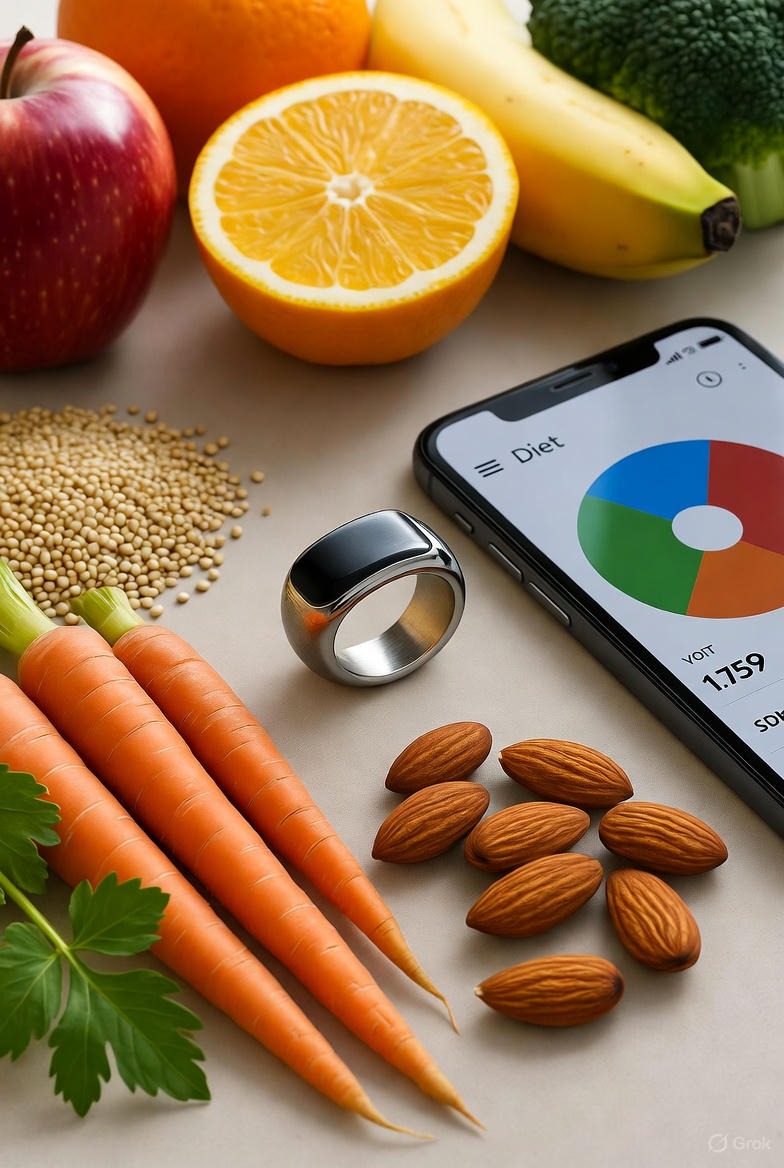
Smart Rings: The Unobtrusive Nighttime Biographer Devices like the Oura Ring have popularized the smart ring category. Worn on the finger, they excel due to their excellent form factor for sleep.
Primary Strengths: Superior sleep stage tracking (light, deep, REM), continuous nighttime HRV, RHR, and body temperature. Their comfort and long battery life make them ideal for capturing the critical recovery phase.
Chronic Disease Application: Ideal for conditions where sleep quality and autonomic nervous system balance are paramount: anxiety/depression, autoimmune diseases (which are tightly linked to sleep and stress), hypertension, and general recovery monitoring. The data they provide is foundational for assessing the impact of your nighttime wellness rituals that take less than 30 minutes.
Smartwatches & Fitness Bands: The Daytime Activity Guardians Watches from Apple, Garmin, Fitbit, and others are ubiquitous. They are powerful for daytime tracking.
Primary Strengths: Continuous heart rate, ECG on-demand, blood oxygen sensing, activity and workout tracking (steps, GPS, intensity), and daytime stress scoring. They are excellent for monitoring activity levels, heart rate zones, and providing alerts for high/low heart rate or irregular rhythm.
Chronic Disease Application: Crucial for cardiovascular condition management, encouraging physical activity in metabolic diseases, and for on-the-go stress monitoring. They fill in the daytime narrative that smart rings may miss.
Continuous Glucose Monitors (CGMs): The Metabolic Microscope Devices like those from Dexcom and Abbott (Freestyle Libre) use a tiny subcutaneous filament to measure interstitial glucose every few minutes.
Primary Strengths: Real-time glucose trends and alerts, revealing the impact of food, exercise, and stress on blood sugar. They provide metrics like Time in Range (TIR), which is becoming a gold standard for metabolic health.
Chronic Disease Application: Non-negotiable for Type 1 and Type 2 diabetes. Increasingly used by those with prediabetes, PCOS, and anyone seeking to optimize metabolic health and reduce inflammation.
Smart Scales & Body Composition Analyzers These go beyond weight, measuring metrics like body fat percentage, muscle mass, visceral fat, and water percentage through bioelectrical impedance analysis (BIA).
Primary Strengths: Tracking body composition changes over time. For many chronic conditions, losing visceral fat or gaining lean muscle mass is more important than weight loss alone.
Chronic Disease Application: Essential for managing obesity-related conditions (diabetes, hypertension, NAFLD), sarcopenia in aging, and monitoring fluid retention in heart or kidney disease.
Connected Blood Pressure Monitors & Pulse Oximeters These Bluetooth-enabled versions of classic medical devices allow for easy data logging and trend analysis.
Primary Strengths: Accurate, clinically-validated readings that can be tracked over time and easily shared with a doctor. Home blood pressure monitoring is often more reliable than in-office readings.
Chronic Disease Application: Core management tools for hypertension and heart failure. Pulse oximeters are key for respiratory conditions like COPD or sleep apnea.
The Power of Integration: The true magic happens when data from these devices is synthesized in a single platform or app. Seeing how a poor sleep score (from your ring) correlates with higher glucose volatility (from your CGM) and elevated daytime stress (from your watch) provides a holistic insight no single device can offer. This integrated view is the cornerstone of modern, data-informed self-care.
Data Interpretation: From Overwhelming Numbers to Actionable Insights
A common pitfall in modern health monitoring is “data paralysis”—the feeling of being overwhelmed by a torrent of graphs, numbers, and alerts. The goal is not to obsess over every single data point, but to learn the language of trends and context. Here’s how to move from noise to knowledge.
1. Focus on Trends, Not Absolute Numbers. Do not fixate on a single day’s low HRV or high resting heart rate. Instead, look at the weekly or monthly trend. Is your HRV generally sloping upward, indicating improving resilience? Is your sleeping heart rate consistently lower than it was a month ago? Use the tools’ trend lines and weekly averages. A single bad night is a story; a two-week decline is a chapter that needs your attention.
2. Establish Your Personal Baselines. Before you can identify what’s “wrong,” you need to know what’s “right” for you. Spend the first month with a new device observing, not judging. What’s your average deep sleep? Your typical HRV range? Your normal post-meal glucose rise? These personal baselines are your most valuable reference points. Any significant, sustained deviation from them is a signal worth investigating.
3. Seek Correlations, Not Just Causations (Yet). Play detective with your own data. Use journaling features in apps or a simple notebook. When you see a spike in your stress metric or a drop in your recovery score, look back at your day.
“My HRV dropped 20% today. Yesterday, I had two glasses of wine, worked late, and slept 5 hours.”
“My glucose spiked unusually high after lunch. That was the meal with the ‘healthy’ agave-sweetened granola bar.”
“My resting heart rate is 5 bpm lower this week. This is also my first week meditating for 10 minutes before bed.” These correlations form the hypotheses you can test. For instance, to test the impact of evening habits, you could experiment with different nighttime routine mistakes that ruin your sleep and observe the data changes.
4. Utilize the “Three S’s” Framework: Sleep, Stress, Sustenance. When any metric goes off-track, use this simple mental checklist to investigate:
Sleep: Was my sleep duration, quality, or timing different? (This is often the primary culprit).
Stress: Was my physical, emotional, or work stress elevated?
Sustenance: What did I eat and drink? Was I hydrated? 90% of deviations can be traced to one of these three pillars. This framework turns confusion into a structured inquiry.
5. Work With Your Healthcare Provider. Modern monitoring data is most powerful when used as a communication tool with your doctor. Instead of saying, “I feel tired,” you can say, “My data shows my resting heart rate has been elevated and my HRV suppressed for 10 days, despite getting 7 hours of sleep. Could we check my iron or thyroid?” This objective data can lead to more productive conversations and targeted investigations. Bring charts and trends to your appointments.
The art of interpretation turns raw data into a personalized health compass. It shifts the question from “What does this number mean?” to “What is my body trying to tell me, and what can I do to support it today?”
Sleep as Foundational Medicine: The Non-Negotiable Pillar of Management
If modern health monitoring had a king, sleep would be its crown. For chronic disease management, high-quality, restorative sleep is not a luxury; it is a potent, non-pharmacological therapy. Continuous monitoring has irrefutably shown us that when sleep suffers, every other metric—glucose control, inflammation, blood pressure, pain sensitivity, mood, immune function—follows suit.
The Physiological Power of Sleep for Chronic Conditions:
Metabolic Health (Diabetes, PCOS): Deep sleep (slow-wave sleep) is when the body becomes more sensitive to insulin. Poor sleep creates insulin resistance, leading directly to higher fasting blood sugar and exaggerated glucose spikes. A single night of short sleep can induce a pre-diabetic state in an otherwise healthy person.
Cardiovascular Health (Hypertension, Heart Disease): During deep sleep, heart rate and blood pressure naturally dip—a phenomenon called “nocturnal dipping.” The absence of this dip is a strong risk factor for cardiovascular events. Sleep also allows for repair of the endothelial lining of blood vessels.
Inflammatory & Autoimmune Conditions (RA, Lupus, IBD): Sleep, particularly deep sleep, is when the body produces cytokines that regulate inflammation. Chronic sleep disruption leads to a pro-inflammatory state, directly exacerbating autoimmune flare-ups and pain.
Mental Health (Anxiety, Depression): Sleep is essential for emotional regulation and cognitive function. Poor sleep disrupts the amygdala (fear center) and prefrontal cortex (rational brain) connection, lowering stress resilience and worsening mood disorder symptoms.
How Monitoring Transforms Sleep from Mystery to Science: Before wearables, sleep was a black box. You knew you slept “poorly” but not why. Modern devices illuminate the architecture of your night:
Sleep Stages: Seeing your balance of light, deep, and REM sleep shows if you’re getting the restorative deep sleep you need for physical repair and the REM sleep crucial for mental and emotional processing.
Sleep Latency & Restlessness: How long it takes to fall asleep and how many times you wake up or toss and turn are objective measures of sleep quality, not just duration.
The Sleep-Readiness Connection: Advanced algorithms use last night’s sleep data (alongside HRV, RHR, and temperature) to provide a daily “readiness” or “recovery” score. This tells someone with a chronic condition whether today is a day to push gently in a workout or to prioritize gentle recovery—a critical insight for managing energy and preventing flare-ups.
Actionable Steps from Data: When your sleep data shows a problem, you can move beyond guesswork.
If sleep latency is high, you can implement a strict digital sunset and a calming pre-sleep ritual.
If deep sleep is low, you might examine evening alcohol consumption (which suppresses deep sleep), optimize bedroom temperature, or consider timing of exercise.
If restlessness is high, you can look at caffeine timing, stress management, or even get screened for sleep apnea.
Stress & The Autonomic Nervous System: Finding Your Balance Point
Chronic disease and chronic stress are locked in a vicious, self-reinforcing cycle. The disease is a stressor on the body, and psychological/physiological stress, in turn, worsens the disease. Modern health monitoring gives us a direct line into this cycle by quantifying stress through the lens of the autonomic nervous system (ANS).
Understanding the ANS Dashboard: Your ANS has two main branches:
Sympathetic Nervous System (SNS): "Fight-or-Flight." Activated by stress, activity, and excitement. Increases heart rate, blood pressure, and glucose availability.
Parasympathetic Nervous System (PNS): "Rest-and-Digest." Promotes recovery, digestion, and calm. Lowers heart rate and supports immune function.
Health is not the absence of the stress response (SNS), but the ability to flexibly move between SNS and PNS dominance as needed—a quality known as autonomic flexibility. Chronic stress flattens this flexibility, leaving you stuck in a sympathetic-dominant, high-alert state.
How Metrics Reveal Your Stress State:
Heart Rate Variability (HRV): The premier metric for ANS balance. High HRV = good flexibility and strong PNS tone. Low HRV = low flexibility, often indicating sympathetic overdrive or poor recovery.
Resting Heart Rate (RHR): A chronically elevated RHR, especially during sleep, is a classic sign of sustained sympathetic activation.
Stress Scores (on watches): These algorithms typically combine heart rate, HRV, and activity data to estimate your level of sympathetic arousal throughout the day.
Using Data to Break the Stress-Disease Cycle: Monitoring turns the invisible visible. You can see in real-time how a stressful meeting spikes your heart rate and crushes your HRV. More importantly, you can see how interventions work:
Identify Personalized Stressors: Your data may show that your biggest stress response comes not from work, but from chaotic mornings or late-night screen time. This allows for targeted change.
Measure the Impact of Interventions: When you practice a 10-minute breathing exercise or a short meditation, does your HRV improve? Does your watch’s stress score come down? This positive feedback loop is incredibly motivating. It proves that your efforts are biologically meaningful.
Prevent Stress Accumulation: By checking your daily readiness/recovery score (heavily influenced by HRV), you can proactively manage your load. A chronically low score is a signal to schedule more PNS-activating activities: gentle yoga, nature walks, diaphragmatic breathing, or even an early night. For those whose stress manifests as nighttime anxiety, a tailored wind-down is essential, as explored in the nighttime wellness routine for anxious minds.
Improve Communication: Telling your doctor “I’m stressed” is subjective. Showing them a 30-day trend of declining HRV and elevated sleeping RHR provides objective evidence of allostatic load (the cumulative burden of chronic stress), which can be a direct contributor to disease progression.
By using these tools, you move from feeling perpetually “wired and tired” to strategically managing your nervous system as a core component of your chronic disease protocol.
Nutrition & Metabolic Monitoring: Eating for Your Unique Biology
“Eat a balanced diet.” For decades, this has been the vague, one-size-fits-all nutritional advice given for nearly every chronic condition. Modern metabolic monitoring, led by CGMs and supported by other wearables, is shattering this generic approach. We are entering the era of precision nutrition, where you can discover the exact foods and meal patterns that keep your personal metabolism stable, energetic, and inflammation-free.
Moving Beyond the Glucose Spike: While CGMs are vital for diabetics, their power for others lies in revealing metabolic flexibility—your body’s ability to efficiently switch between burning carbohydrates and fats for fuel. A metabolically inflexible person will experience large, prolonged glucose spikes and crashes, driving inflammation, fat storage, and fatigue.
Key Insights from Continuous Metabolic Data:
Personalized Food Responses: That “healthy” oatmeal or fruit smoothie might cause a massive glucose rollercoaster for you, while a colleague thrives on it. Data liberates you from dogma and lets you build a diet based on your unique biology.
The Order Effect: Eating fiber and protein before carbohydrates in a meal can dramatically blunt the glucose spike. This is a simple, actionable hack proven by personal data.
The Impact of Movement: Seeing how a 10-minute post-meal walk can flatten a glucose curve is a powerful motivator to incorporate “exercise snacks” into your day.
Non-Food Triggers: Data reveals that stress and poor sleep can raise fasting glucose and worsen meal responses just as much as a sugary food. This connects the pillars of your health.
Integrating Data for a Holistic View: Nutrition doesn’t exist in isolation. The most powerful insights come from cross-referencing data streams:
Sleep & Glucose: Did a night of poor, restless sleep lead to higher glucose responses all the next day? This concrete link makes prioritizing sleep non-negotiable.
Stress & Cravings: Did a period of high sympathetic stress (low HRV) correlate with intense cravings for sugary or fatty foods? Understanding this trigger allows for proactive stress management instead of reactive dieting.
Exercise & Recovery: Did an intense workout improve your insulin sensitivity for the next 24 hours? Or did it spike your cortisol and glucose if you were already in a stressed, unrecovered state (per your readiness score)?
Actionable Steps for Chronic Conditions:
For Type 2 Diabetes/Pre-diabetes: Use a CGM to identify “safe” portions and pairings of carbohydrates, optimize meal timing, and prove the glucose-stabilizing power of exercise and sleep.
For PCOS & Hormonal Conditions: Stable glucose reduces insulin, a key driver of PCOS symptoms. Data helps create an anti-inflammatory diet that manages weight and improves hormonal balance.
For Autoimmune & Inflammatory Conditions: Glucose spikes drive oxidative stress and inflammation. Minimizing them through personalized nutrition is a direct anti-inflammatory strategy.
For General Energy & Weight Management: Avoiding large glucose swings prevents the subsequent crashes that lead to brain fog, hunger, and overeating.
This data-driven approach turns nutrition from a confusing set of rules into a personal experiment of one, where you are both the scientist and the subject, continuously learning and optimizing.
Movement & Activity: Prescribing the Right Dose for Your Body
The blanket prescription to “exercise more” can be not only unhelpful but potentially harmful for those with chronic conditions. Overexertion can trigger flare-ups, worsen inflammation, and lead to prolonged setbacks. Modern monitoring enables a Goldilocks approach to movement: finding the dose that is “just right” for your current state of recovery and resilience—a concept known as hormetic dosing.
Beyond Steps: Understanding the Quality of Movement & Strain Step counts are a crude metric. Modern wearables provide a far richer picture of your activity’s impact:
Heart Rate Zones: Training in different zones (e.g., Zone 2 for aerobic base building, Zone 5 for HIIT) has distinct effects on mitochondrial health, metabolic conditioning, and stress hormone response.
Active Minutes & Intensity: Tracking minutes of moderate-to-vigorous activity is more meaningful than total steps for meeting health guidelines.
Strain/Exertion Scores: Some devices provide a daily “strain” score that quantifies the total physiological cost of your day’s activities, both mental and physical.
The Critical Dialogue Between Strain and Recovery: This is where modern monitoring excels. It frames activity not in isolation, but in constant conversation with your body’s recovery status.
Your Readiness/Recovery Score is Your Guide: This score, derived from sleep, HRV, RHR, and temperature, tells you if your body is primed for strain or in need of rest.
High Readiness Score: Your body has recovered well. It’s a good day for a challenging workout or a physically demanding day. Your system can handle the stress and will likely adapt positively.
Low Readiness Score: Your body is stressed or under-recovered from previous strain. Pushing hard today risks injury, illness, or a disease flare-up. Today is for gentle movement (walking, stretching, yoga), stress management, and recovery-promoting habits. This is where a focus on restorative nighttime wellness for athletes maximizing recovery while you rest provides crucial principles applicable to anyone managing a chronic condition.
Practical Application for Chronic Disease:
Autoimmune & Inflammatory Conditions: On days with low recovery scores, prioritize rest. Gentle movement like walking in nature may be anti-inflammatory, while intense exercise could be pro-inflammatory. Data helps you walk this fine line.
Cardiovascular Conditions: Safely building aerobic capacity in Zone 2 is key. Monitoring heart rate during exercise ensures you stay in a safe, effective range and can alert you to abnormal rhythms.
Chronic Fatigue & Fibromyalgia: The cycle of “push-crash” is devastating. A readiness score can help patients identify their limited energy envelope for the day and stay within it, gradually and safely expanding it over time without triggering post-exertional malaise (PEM).
Mental Health: Seeing the direct, positive impact of a brisk walk on your stress score or afternoon HRV provides a powerful, immediate reward that reinforces the habit.
By listening to this data-driven dialogue, you learn to respect your body’s signals, train smarter—not just harder—and use movement as a precise tool for healing, not a blunt instrument that risks harm.
Personalized Triggers & Early Warning Systems
One of the most profound benefits of continuous monitoring is its ability to turn you into an expert on your own condition. Over time, the data reveals your unique, personal “fingerprint” of health and illness. You begin to identify specific, subtle precursors that signal an oncoming problem—a concept moving from disease management to true health forecasting.
Building Your Personal Health Algorithm: Your body often gives whispers before it screams. Continuous data helps you hear those whispers:
The Migraine Forecast: Someone with chronic migraines may notice a distinct pattern 24 hours before an attack: a steady rise in resting heart rate, a drop in HRV, and disrupted sleep architecture—even before any pain is felt. This creates a window for proactive hydration, stress reduction, or medication.
The Autoimmune Flare Predictor: For rheumatoid arthritis or lupus, a sustained dip in HRV and a slight, persistent elevation in nighttime body temperature and resting heart rate over several days may precede joint pain or fatigue by a significant margin.
The Mental Health Dip: Individuals managing depression or anxiety might see a trend of decreasing deep sleep and increasing sleep restlessness alongside a lowered HRV for a week before experiencing a significant downturn in mood.
The Infection Alert: A subtle but steady rise in basal body temperature, coupled with an elevated sleeping RHR, can be one of the earliest signs of a viral or bacterial infection, allowing for extra rest and immune support at the very first sign.
Creating Actionable Protocols from Patterns: Once a pattern is identified, you move from observation to action. You can create “if-then” rules for yourself:
“IF my HRV drops below my baseline for 3 days in a row AND my resting heart rate is up, THEN I will prioritize 8+ hours of sleep, cancel intense workouts, double down on hydration and anti-inflammatory foods, and practice 20 minutes of meditation daily.”
“IF my glucose shows unusual instability without a dietary cause, THEN I will check my stress and sleep data, as it may indicate I’m fighting something off or am overly stressed.”
This transforms you from a passive victim of your condition to an active pilot, navigating with an advanced instrument panel. You can’t always avoid the storm, but you can see it forming on the horizon and batten down the hatches. This proactive stance reduces the severity and frequency of acute episodes and empowers you with a sense of control. The stability of your daily habits, especially at night, is the platform that makes this forecasting possible. Avoiding common errors is key, which is why understanding nighttime routine mistakes that ruin your sleep is so valuable.
Integrating Data with Clinical Care: Being a Prepared Partner
The ultimate goal of personal health monitoring is not to replace the doctor-patient relationship, but to enrich and empower it. Walking into a clinic appointment armed with months of granular, contextual data transforms a 15-minute visit from a superficial check-in into a deep, collaborative strategy session.
How to Prepare and Present Your Data Effectively:
Don’t Bring the Firehose: Doctors are busy. Do not show them every single daily graph. Your job is to synthesize and highlight.
Focus on Trends and Anomalies: Prepare 2-3 clear, concise charts that show relevant trends over the period since your last visit.
Example for Hypertension: “Here’s a chart of my morning and evening blood pressure readings for the last 90 days. You can see it’s generally well-controlled, but there’s a consistent spike every Sunday evening. I’ve correlated this with family-related stress.”
Example for Diabetes: “This shows my CGM ‘Time in Range’ improving from 65% to 85% over the last two months after I implemented a 10-minute post-dinner walk, which you suggested.”
Example for Unexplained Fatigue: “This graph overlays my resting heart rate and HRV. Notice the period here where my RHR climbed and HRV dropped for two weeks. That’s when I reported the severe fatigue. No infection was found, but the data suggests my nervous system was under significant stress.”
Ask Specific, Data-Informed Questions: Move from “I don’t feel well” to targeted inquiry.
“My sleep data shows I’m getting less than 10% deep sleep. Given my heart condition, is this a concern? Should we explore a sleep study?”
“My readiness score is consistently low on Mondays. My data points to poor weekend sleep due to social late nights. Does this circadian disruption pose a specific risk for my autoimmune condition?”
Use Data to Assess Treatment Efficacy: “We increased my medication dosage 6 weeks ago. Here’s the trend in my relevant metrics since then, showing improvement/deterioration/no change.” This provides objective evidence of whether a treatment is working.
The Future of Collaborative Care: Forward-thinking clinicians are beginning to embrace this data. Some integrate wearable data into Electronic Health Records (EHRs) or use dedicated remote patient monitoring (RPM) platforms for high-risk patients. You are paving the way by being an engaged, data-literate patient. You demonstrate that you are invested in your own care, which motivates clinicians to partner with you more deeply.
This collaborative model—where you provide the continuous, real-world data and the clinician provides diagnostic expertise, medical knowledge, and prescription authority—creates a powerful synergy. It is the model for 21st-century chronic disease management. To perform well in these partnerships, ensuring you are rested and cognitively sharp is vital. A well-structured evening can dramatically reduce how nighttime routines reduce morning grogginess, ensuring you can clearly communicate and advocate for yourself during daytime appointments.
Building Your Personalized Monitoring Protocol: A Step-by-Step Framework
With an abundance of devices and data points available, the prospect of building a monitoring protocol can feel overwhelming. The key is to start strategically, align technology with your primary health goals, and avoid “tracking fatigue.” This framework provides a clear, phased approach to building a protocol that is sustainable, insightful, and directly relevant to your condition.
Phase 1: Define Your Primary Management Goals (The "Why") Begin not with a device, but with a question. What are the 1-2 most pressing challenges or goals in managing your condition right now?
Goal Examples: Improve glycemic control (A1C/Time in Range), reduce hypertensive episodes, identify inflammatory flare triggers, increase energy/reduce fatigue, optimize medication timing, improve sleep quality for better pain management.
Avoid: Vague goals like “be healthier.” Be specific: “I want to understand what causes my afternoon energy crashes and brain fog.”
Phase 2: Select Your Foundational Device (The "Core Sensor") Choose one primary device that best addresses your Phase 1 goal. This prevents overwhelm and establishes a baseline.
For Sleep, Recovery & ANS Balance Goals: Start with a smart ring (e.g., Oura, Ultrahuman). It provides the most comprehensive and effortless overnight data, which is foundational for nearly every chronic condition.
For Glycemic/Metabolic Goals: Start with a Continuous Glucose Monitor (CGM), even if you are not diabetic. It offers the most direct window into your metabolic function.
For Cardiovascular & Daytime Activity Goals: Start with a high-quality smartwatch with robust heart rate tracking, ECG, and activity features (e.g., Apple Watch, Garmin).
Phase 3: Establish Baselines & Observe (The "Discovery Month") Commit to wearing your chosen device consistently for 3-4 weeks without making major changes. The goal is not to fix anything yet, but to learn.
Action: Wear the device as instructed. Live your normal life.
Observation: At the end of each week, review the trends, not the daily numbers. Note your averages: What is your typical sleeping heart rate? Your average HRV? Your glucose response to your standard breakfast? This period establishes your personal “normal.”
Phase 4: Initiate Single-Variable Experiments (The "Test & Learn" Phase) Now, using your baseline, begin simple, controlled experiments. Change only one thing at a time to see its clear effect.
Experiment 1: Sleep Timing. For one week, go to bed and wake up at the same time every day, even on weekends. Observe changes in your readiness score, HRV, and next-day glucose stability.
Experiment 2: Meal Composition. Test your standard breakfast against a breakfast with equal calories but higher protein/fiber and lower refined carbs. Compare the glucose response and your energy levels 2-3 hours later.
Experiment 3: Stress Intervention. When you see a high-stress alert or a low HRV reading, immediately engage in a 5-minute box-breathing session. Note if the metric improves 30-60 minutes later.
Document: Use a simple notes app to journal what you changed and the correlating data observations.
Phase 5: Integrate a Second Data Stream (The "Connecting the Dots" Phase) After 2-3 months with your core device, consider adding a complementary tool to deepen insights.
If you started with a smart ring: Add a CGM to see how sleep and recovery directly impact your metabolism.
If you started with a CGM: Add a smart ring to see how sleep quality dictates your next-day glucose control.
If you started with a smartwatch: Add a smart ring to understand the recovery side of your activity strain.
Phase 6: Develop Your Personal "Playbook" (The "Protocol" Phase) Synthesize your learnings into simple, personal guidelines.
My Energy Protocol: “If my readiness score is <70, I swap my HIIT workout for a walk and prioritize an early night with my minimal nighttime wellness routine.”
My Glucose Protocol: “If I have a poor night’s sleep (<1 hr deep sleep), I choose a lower-carb, higher-protein breakfast and take a post-meal walk to manage expected glucose spikes.”
My Flare Prevention Protocol: “If my HRV trends down and my resting heart rate trends up for 3 consecutive days, I activate my ‘recovery mode’: extra sleep, anti-inflammatory foods, canceled social commitments, and gentle yoga.”
This phased framework turns a potentially chaotic process into a methodical, empowering journey of self-discovery. It ensures your monitoring protocol is a servant to your health, not a source of anxiety or a meaningless chore.
The Psychology of Data: Avoiding Obsession and Cultivating Self-Compassion
Data is a powerful tool, but without the right mindset, it can become a source of stress, shame, or obsessive behavior—the very antithesis of wellness. Managing a chronic condition is an emotional journey as much as a physical one. Integrating mindfulness and self-compassion with data-tracking is essential for long-term success and mental health.
Common Psychological Pitfalls & How to Navigate Them:
The "Perfect Score" Trap: Chasing a perfect sleep score of 90 or an ideal HRV number turns health into a performance game. This creates a harmful cycle of stress (from not being “perfect”) which then worsens the very metrics you’re chasing.
Antidote: Focus on Direction, Not Perfection. A score of 75 that follows a week of 70s is a victory. Celebrate the trend toward better recovery, not an arbitrary number. Remember, the data is feedback, not a report card.
Catastrophizing a Single Data Point: Waking up to a red “Poor Sleep” badge or a single high glucose reading can trigger anxiety and a sense of failure for the entire day.
Antidote: Contextualize and Normalize. Ask, “What was different yesterday?” A poor night’s sleep before a menstrual cycle, after a hard workout, or during a stressful work project is a normal physiological response. It’s a data point, not a destiny. Use it as a cue for gentle self-care, not self-criticism. For those prone to nighttime anxiety that fuels this cycle, specific wind-down strategies are crucial, as detailed in the nighttime wellness routine for anxious minds.
Comparison Despair: Comparing your HRV or deep sleep percentage to someone else’s (especially online) is a recipe for misery. Autonomic function is highly individual, influenced by genetics, age, condition, and medication.
Antidote: Your Only Benchmark is You. Your data’s only valid comparison is your own baseline from last month or last year. The journey is personal. A person with a chronic autoimmune condition will have a different physiological profile than a healthy athlete, and that’s okay. The goal is your optimal health within your unique body.
Data Exhaustion & Burnout: The constant stream of notifications and graphs can lead to alert fatigue, causing you to disengage entirely.
Antidote: Schedule Data Reviews, Don’t Live in the App. Designate specific, calm times to review your data—perhaps 10 minutes in the morning to check your readiness score and plan your day, and a weekly review every Sunday to look at trends. Turn off unnecessary push alerts. Make the data work for you on your schedule.
Cultivating a Compassionate Data Mindset:
Practice Data-Informed Self-Talk: Instead of “My HRV is terrible,” try “My body is telling me it needs more rest right now. How can I honor that?”
Embrace “Good Enough” Days: Not every day will be optimal. The goal is resilience—the ability to have an “off” day and return to baseline quickly, not to avoid off days entirely.
Connect Data to Feelings: Sometimes, ignore the numbers and check in with how you feel. Does a high readiness score correlate with feeling energetic and calm? Does a poor sleep score match with feeling groggy? This validates your subjective experience and keeps you connected to your body, not just its digital representation.
By marrying data with self-compassion, you build a sustainable, kind, and effective relationship with your health monitoring tools. They become partners in curiosity, not judges of your worth. This balanced mindset is perhaps the most critical component of long-term chronic disease management.
Advanced Biomarkers & At-Home Testing: The Next Layer of Insight
While wearables provide dynamic, continuous data on function and behavior, a complete picture of chronic disease management also requires periodic checks on deeper biochemical and cellular health. The rise of direct-to-consumer at-home testing kits has made accessing these advanced biomarkers easier than ever. When combined with wearable data, they create a powerful, multi-layered understanding of your health.
Key At-Home Tests to Consider (In Consultation with Your Doctor):
Comprehensive Blood Chemistry: Kits from companies like InsideTracker, Function Health, or Everlywell allow you to collect a finger-prick or small blood sample at home and mail it to a CLIA-certified lab.
Relevant Biomarkers:
Inflammation: hs-CRP (high-sensitivity C-reactive protein) is a key gauge of systemic inflammation, crucial for autoimmune, cardiovascular, and metabolic conditions.
Metabolic Health: Beyond glucose, look at ApoB (a superior predictor of cardiovascular risk to LDL cholesterol), fasting insulin, and HbA1c for a 3-month glucose average.
Micronutrients: Deficiencies in Vitamin D, Magnesium, and B Vitamins are rampant and can exacerbate fatigue, pain, and poor recovery. Data can guide targeted supplementation.
Thyroid Panel: A full panel (TSH, Free T3, Free T4, Reverse T3, antibodies) is vital for anyone with unexplained fatigue, weight changes, or mood issues, as thyroid dysfunction often co-occurs with other chronic conditions.
Advanced Hormone Testing: Salivary or dried urine tests (like the DUTCH test) can map your cortisol rhythm throughout the day and assess sex hormone metabolites.
Chronic Disease Application: Identifying a flattened cortisol rhythm (a sign of HPA-axis dysfunction or “adrenal fatigue”) is common in long-term chronic illness and explains why energy and resilience are low. This data pairs perfectly with a wearable’s HRV and stress data, showing the biochemical underpinning of your ANS readings.
Gut Health & Microbiome Analysis: Stool tests can reveal markers of gut inflammation (calprotectin), digestive function, and provide a profile of your gut bacteria.
Chronic Disease Application: The gut is central to immunity and inflammation. An imbalanced microbiome is linked to autoimmune diseases, mood disorders, and metabolic conditions. Insights can guide probiotic and dietary interventions (like increasing fiber diversity) to improve gut barrier function and reduce systemic inflammation.
Genetic Insights: While static, genetic reports (from 23andMe, Ancestry, uploaded to services like FoundMyFitness) can offer clues about personal predispositions.
Relevant Insights: Variants in genes like MTHFR (affecting folate metabolism), APOE (affecting Alzheimer’s and cardiovascular risk), or HLA genes (linked to autoimmune risk) can inform more personalized dietary and lifestyle strategies. Crucially, genetics is not destiny; it reveals areas where lifestyle (which you can track with wearables) matters even more.
Integration with Wearable Data: The Synergy The true power lies in connecting these deeper, slower-moving biomarkers with your daily wearable data.
Scenario: Your wearable shows a 3-month trend of declining HRV and rising resting heart rate. An at-home blood test reveals elevated hs-CRP and low Vitamin D. Now you have a linked hypothesis: systemic inflammation and a nutrient deficiency are likely driving your poor autonomic nervous system recovery. You can address the root causes (anti-inflammatory diet, Vitamin D supplementation) and use your wearable to track the recovery of your HRV and RHR in response.
Scenario: You feel chronically wired but tired. Your smart ring shows difficulty falling asleep and low deep sleep. A salivary cortisol test reveals high nighttime cortisol. This biochemical confirmation explains your sleep data and directs interventions like adaptogenic herbs, strict light hygiene, and a wind-down routine to lower evening cortisol, which you can then track via improved sleep metrics.
These tests provide the “why” behind the “what” of your wearable trends. They are best done 1-2 times per year or when you hit a plateau in your management, providing a deeper diagnostic layer to guide your next steps. Ensuring your body is primed for accurate testing starts with stable daily rhythms, emphasizing the importance of a consistent perfect nighttime wellness routine step-by-step guide in the days leading up to a test.
Long-Term Adherence: Making Health Monitoring a Sustainable Lifestyle
The initial excitement of new technology can wane. The challenge of modern health monitoring is not starting, but continuing—transforming it from a novelty into an invisible, integrated part of your life that supports rather than burdens you. Long-term adherence is the bridge between short-term insights and lifelong health transformation.
Strategies for Sustainable Integration:
Automate and Minimize Friction:
Device Habits: Charge your wearable at the same time and place every day (e.g., while showering and getting dressed). Use long-lasting devices to reduce charging frequency.
Data Syncing: Use apps (like Apple Health, Google Fit, or specialized platforms) that automatically sync all your device data into one dashboard. Avoid manual logging whenever possible.
Simplify Your Review: Create a single “health dashboard” screen on your phone with only the 3-4 most important metrics for your goals. Hide the rest.
Focus on Habit Stacking, Not Perfection: Attach your data review to an existing, solid habit.
“While I drink my morning coffee, I will check my readiness score and plan my day’s activity accordingly.”
“After I brush my teeth at night, I will put on my ring and glance at my day’s stress graph to reflect and unwind.” This technique, known as habit stacking, leverages existing neural pathways to make the new behavior stick without relying on sheer willpower. The stability of your evening routine is a powerful anchor for this; explore how successful people structure their nighttime routines for inspiration on creating robust anchor habits.
Embrace Seasonal and Life-Phase Flexibility: Your body’s needs change with the seasons, your menstrual cycle, age, and stress levels. A rigid protocol will break. Your monitoring should adapt.
Seasonal Changes: You may need more sleep in winter and different activity types in summer. Your data will reflect this. Adjust your expectations and routines accordingly. Our guide on seasonal nighttime routines delves into this adaptive approach.
Life Events: During periods of high work stress, grief, or travel, your primary monitoring goal might shift from “improve” to “maintain” or even simply “observe without judgment.” Give yourself permission to ease up on experimentation and just collect data neutrally.
Schedule Quarterly "Health Audits": Prevent drift and burnout by scheduling a dedicated time every 3 months to step back and review holistically.
Look at Long-Term Trends: Are your key metrics moving in the desired direction over 90 days?
Reassess Goals: Are your original management goals still relevant? Should you pivot?
Evaluate Your Tools: Are all the devices and apps you’re using still providing value? Simplify if something is no longer useful.
Plan Next Experiments: Based on your trends, what single variable will you test in the next quarter?
Connect to Community for Accountability & Support: Sharing the journey makes it more sustainable. Seek out or create a community.
Condition-Specific Groups: Online forums or local support groups for your specific condition where members discuss data and strategies.
Biohacking Communities: Groups focused on quantified self and experimentation can provide technical support and motivation.
Share with a "Health Buddy": Partner with a trusted friend or family member also on a health journey. Share weekly check-ins or interesting data correlations. This social component transforms a private task into a shared exploration.
Celebrate Non-Scale, Non-Data Victories (NSVs): Not all progress is captured on a graph. Celebrate how the data-driven changes make you feel and function in your life.
“Because I prioritized sleep, I had the patience to handle a work crisis calmly.”
“Since stabilizing my glucose, my afternoon brain fog is gone, and I can play with my kids after work.”
“Understanding my stress triggers helped me have a difficult conversation without getting physically ill.” These qualitative victories provide the deepest motivation to continue, reminding you that the ultimate goal is not a perfect graph, but a richer, more engaged life.
By applying these strategies, health monitoring sheds its identity as a “tracking chore” and becomes simply the way you live—a conscious, informed, and compassionate dialogue with your body that endures for the long haul.
The Role of AI & Predictive Analytics: The Coming Revolution in Personal Health
We stand on the precipice of the next great leap in health monitoring: the move from descriptive analytics (“what happened”) to predictive and prescriptive insights (“what is likely to happen and what you should do about it”). Artificial Intelligence (AI) and machine learning are the engines powering this shift, promising to turn our personal health data into a true early-warning system and a virtual health coach.
From Tracking to Forecasting: Current apps show you past data. Future platforms will analyze your unique, longitudinal dataset (wearable data, at-home test results, food logs, etc.) to identify complex, multi-factor patterns invisible to the human eye.
Predictive Alert: “Based on your declining HRV trend, elevated nighttime heart rate, and recent sleep disruption, there is a 72% probability you are incubating a viral infection. Recommendation: Increase rest, hydrate, and consider immune-supporting nutrients.”
Condition-Specific Forecasting: For a diabetic: “Your glucose data shows increased variability every Thursday. Pattern analysis links this to your late Wednesday night social basketball game. Suggestion: Experiment with a post-game protein snack to stabilize overnight glucose.”
Flares & Episodes: For someone with rheumatoid arthritis: “The model identifies a combination of 3 days of poor sleep quality, a specific food, and a high-stress work meeting as your unique flare precursor pattern 80% of the time. Alert: Two precursors are currently active.”
Hyper-Personalized Prescriptions: AI will move beyond generic advice to generate recommendations tailored to your biology, lifestyle, and even your real-time context.
Dynamic Nutrition: An app could analyze your CGM data, microbiome profile, and genetic predispositions to say, “For your unique biology, sweet potatoes are a better carbohydrate source than brown rice for minimizing post-meal inflammation. Here’s a recipe for dinner.”
Adaptive Fitness: Your workout app could adjust your day’s training plan in real-time based on your morning readiness score, sleep data, and menstrual cycle phase, preventing overtraining.
Integrated Lifestyle Nudges: “You have a big presentation at 3 PM. To optimize your cognitive performance and manage stress, the system suggests: 1) A 20-minute nap at 1 PM (your sleep data shows you’re responsive to naps), 2) A lunch low in refined carbs to avoid an afternoon crash, 3) A 5-minute breathing exercise at 2:45 PM.”
Challenges and Considerations: This future is exhilarating but requires careful navigation.
Data Privacy & Security: Who owns your highly intimate health forecast? How is it protected? Choosing platforms with transparent, user-centric data policies will be paramount.
The "Black Box" Problem: If an AI says “do this,” but can’t explain the “why” in a human-understandable way, it can erode trust and agency. The best systems will be explainable.
Maintaining the Human Element: AI should augment, not replace, the human touch in healthcare. Its role is to provide you and your doctor with deeper insights, not to make unilateral medical decisions. The doctor-patient relationship remains the cornerstone of safe care.
The Empowered Patient of the Future: In this near-future scenario, you are no longer just a data collector. You are the beneficiary of a sophisticated, personalized health intelligence system. It learns you better over time, anticipates your needs, and offers prescriptive guidance to keep you in your optimal zone of health. This transforms chronic disease management from a reactive burden into a proactively managed aspect of a vibrant life. Preparing your body’s fundamental systems—especially sleep—to provide clean, reliable data is the first step toward leveraging this coming revolution. A foundational practice is ensuring you have a routine that transforms your sleep quality, as high-quality data inputs are essential for accurate AI analysis.
Case Studies & Real-World Applications: Stories of Transformation
Theory and technology are compelling, but their true power is revealed in human stories. The following vignettes illustrate how the modern monitoring approach is applied across different chronic conditions, showcasing the tangible impact on daily life and health outcomes. (Names and identifying details have been changed.)
Case Study 1: Elena – Managing Rheumatoid Arthritis (RA)
The Challenge: Elena, 42, experienced unpredictable RA flares causing severe joint pain, fatigue, and work absence. Triggers were a mystery, and she felt powerless.
The Protocol: She began wearing a smart ring to track sleep, HRV, and resting heart rate. She used a simple app to log diet, stress events, and pain levels (0-10).
The Discovery: After 3 months, a clear pattern emerged. A flare was consistently preceded by a specific sequence: 1) Two consecutive nights of poor deep sleep (<45 min), followed by 2) A noticeable 3-day decline in her HRV, and 3) A meal high in processed vegetable oils. The pain would typically appear on the fourth day.
The Action & Outcome: Elena created a flare-prevention protocol. If she had two bad nights of sleep, she would immediately prioritize 9 hours in bed, cook all meals at home with anti-inflammatory fats (olive oil, avocado), and practice daily yoga. By intervening at the first signs (sleep and HRV), she reduced the frequency of major flares by over 60% and the intensity of those that occurred. Her rheumatologist used her data graphs to support a slight medication adjustment, leading to even better control.
Case Study 2: David – Reversing Prediabetes & Hypertension
The Challenge: David, 58, was diagnosed with prediabetes (A1c 5.9%) and stage 1 hypertension (142/88). He was advised to “lose weight and exercise more,” but felt overwhelmed.
The Protocol: He started with a CGM and a connected blood pressure monitor. Two months in, he added a smart ring.
The Discovery: The CGM was revolutionary. David learned that his “healthy” breakfast oatmeal spiked his glucose far more than eggs and avocado. He saw that a 15-minute post-dinner walk flattened his glucose curve dramatically. His blood pressure data showed it was highest in the early morning. The smart ring revealed his sleep was highly fragmented, with very little deep sleep.
The Action & Outcome: David made targeted changes: swapped his breakfast, committed to a post-meal walk, and focused on improving his sleep. He used his wearable’s recovery score to ensure he didn’t over-exercise. Within 6 months, his A1c dropped to 5.5% (normal), his morning blood pressure averaged 128/82, and he lost 18 pounds without calorie counting. He told his doctor, “The data showed me exactly what worked for my body.”
Case Study 3: Sofia – Navigating Long COVID & Dysautonomia
The Challenge: Sofia, 35, struggled with debilitating Long COVID symptoms: extreme fatigue, post-exertional malaise (PEM), heart rate spikes (POTS-like symptoms), and brain fog. Pushing through made her worse for days.
The Protocol: A smartwatch to track real-time heart rate and a smart ring for sleep and HRV became her essential guides.
The Discovery: Her data objectively defined her “energy envelope.” She learned that keeping her heart rate below a certain threshold during activity (using her watch as a guide) prevented PEM. Her readiness score was a reliable indicator of whether she could handle a short errand or needed to rest completely. She identified that even mild dehydration or a late meal would disrupt her fragile sleep.
The Action & Outcome: Using her data as a boundary-setting tool, Sofia learned to “pace” effectively. She respected her low readiness scores, used her heart rate data to stay within safe exertion limits, and prioritized hydration and sleep hygiene. This data-informed pacing reduced catastrophic crashes, allowed for very gradual improvement, and gave her a sense of control amidst the chaos. It also provided her doctor with objective evidence of her autonomic dysfunction, facilitating a referral to a specialist.
These stories underscore a universal theme: knowledge is power. When individuals are equipped with data that reflects their unique physiology, they can move from being passengers to pilots in their health journey, making precise adjustments that yield profound results. For families navigating health challenges together, this data-driven approach can become a shared language, as explored in concepts like the family nighttime wellness routine.
Future Horizons: Non-Invasive Blood Monitoring, Digital Therapeutics, and Beyond
The trajectory of personal health monitoring points toward a future where the line between medical device and wellness tool blurs entirely, and insights become even more seamless, comprehensive, and integrated into the fabric of care.
1. The Holy Grail: Non-Invasive, Continuous Blood Biomarker Monitoring The next frontier is moving beyond pulse and motion to direct, chemical sensing of the blood—without a needle.
Optical & Spectroscopic Sensors: Research is advancing in using light (via wearables like rings or watches) to estimate biomarkers like blood glucose, lactate, alcohol, and even hydration status through the skin. Apple’s research on non-invasive glucose monitoring is a flagship project in this space.
Minimally Invasive Patches: Newer generations of sensing patches may use interstitial fluid or sweat to measure a wider panel of electrolytes, hormones, and metabolites continuously.
Implications: This would provide a real-time “liquid biopsy,” offering a continuous stream of data on inflammation (cytokines), metabolic markers, and hormones, creating an unprecedented holistic view of one’s biochemical state.
2. Digital Therapeutics (DTx) and Prescription Apps These are evidence-based, software-driven interventions prescribed by a clinician to prevent, manage, or treat a medical condition. They are undergoing rigorous clinical trials for FDA clearance.
Application: A DTx for hypertension might combine data from your connected blood pressure cuff with a daily app that delivers personalized meditation, dietary advice, and medication reminders, all while sending progress reports to your doctor. Another for insomnia (like CBT-I apps) would integrate with your sleep wearable to personalize sleep restriction and stimulus control therapy.
The Future: Your doctor may one day prescribe a “software regimen” alongside or in lieu of a pharmaceutical, with its efficacy monitored through your wearable data.
3. The Integrated "Health Avatar" Imagine a secure, AI-powered digital twin of your health—a “health avatar” that aggregates all your data: genome, microbiome, wearables, medical records, and lifestyle logs.
Function: You could run simulations on this avatar. “What would happen to my predicted cardiovascular risk if I lost 10 pounds and increased my Zone 2 training by 30 minutes per week?” or “How would switching to this new medication likely affect my sleep and energy based on my genetic profile and current metrics?” This would enable truly personalized, predictive health planning.
4. Decentralized Clinical Trials and Citizen Science Wearables enable large-scale, remote collection of real-world data. This is accelerating research.
Impact: Patients with rare or chronic conditions can participate in research from home, contributing their continuous data to studies. This can lead to faster discoveries about disease patterns, treatment responses, and the impact of lifestyle, all within the context of normal life rather than a controlled lab setting.
The Ethical Imperative: As these technologies advance, core questions of equity, access, data sovereignty, and algorithmic bias must be addressed proactively. The goal must be to use these tools to democratize health intelligence and reduce disparities, not to create a two-tiered system of the “quantified” and the “unquantified.”
The horizon is one of radical personalization and empowerment. The modern health monitoring approach is the first step on this path, equipping us with the habits, mindset, and tools to not only manage chronic disease today but to seamlessly adopt the breakthroughs of tomorrow. It is an ongoing journey of learning, adaptation, and partnership—with technology, with clinicians, and most importantly, with oneself.



%402x.svg)