


The Modern Health Monitoring Approach to Heart Health
Focuses on modern tools and methods for proactive cardiovascular health monitoring.
Focuses on modern tools and methods for proactive cardiovascular health monitoring.
%402x.svg)
For centuries, understanding the heart was a matter of metaphor and mystery—the seat of the soul, the wellspring of emotion, a rhythm locked deep within our chest. Monitoring its health meant waiting for overt symptoms: crushing chest pain, breathlessness, a sudden, frightening palpitation. By then, intervention was often a race against time. Today, we stand at the precipice of a profound revolution in cardiac care, one that shifts the paradigm from reactive treatment to proactive, continuous, and personalized prevention. The modern health monitoring approach to heart health is no longer confined to the annual physical or the ECG machine in a sterile clinic. It is woven into the fabric of our daily lives, powered by data, wearable technology, and a fundamental rethinking of what it means to truly know our own bodies.
This transformation is driven by a sobering reality: cardiovascular disease remains the world’s leading cause of death, yet up to 80% of heart attacks and strokes are preventable. Prevention, however, requires insight. It requires moving beyond sporadic snapshots to a continuous narrative of our cardiovascular system. Imagine understanding not just your resting heart rate, but how your heart responds to stress, to sleep, to a meal, to a moment of calm. Imagine being alerted to subtle, negative trends weeks or months before they manifest as a problem. This is the promise of modern health monitoring—a shift from episodic check-ups to an always-on, intelligent partnership with technology designed to keep your most vital organ thriving.
At the forefront of this movement are advanced, user-friendly devices like smart rings and next-generation wearables. These sleek, powerful tools offer a 24/7 window into metrics that are fundamental to heart health: Heart Rate Variability (HRV), resting heart rate, blood oxygen saturation, sleep architecture, respiratory rate, and activity levels. They synthesize this data, providing actionable feedback not just on your fitness, but on your nervous system balance, recovery status, and overall cardiovascular resilience. This data empowers a new kind of health literacy, where individuals are equipped with the knowledge to make daily choices that directly support their heart.
This article is your comprehensive guide to this new era of cardiac awareness. We will journey through the science of the key metrics that define cardiovascular wellness, explore the cutting-edge technology that makes tracking them effortless, and build a practical framework for integrating this knowledge into a sustainable, heart-healthy life. The goal is not to turn you into your own cardiologist, but to provide you with the tools and understanding to become an active, informed participant in your long-term heart health, in partnership with your healthcare provider. The heart’s rhythm is the rhythm of life itself. It’s time we learned to listen to its full story.

For decades, a steady, unchanging heart rate was mistakenly considered the pinnacle of fitness. We now know the opposite is true. A healthy heart is not a metronome; it is a dynamic, responsive symphony. The subtle, millisecond variations in the time interval between each heartbeat—known as Heart Rate Variability (HRV)—is one of the most powerful, non-invasive windows we have into the state of our autonomic nervous system (ANS) and, by profound extension, our overall heart health and resilience.
Think of your ANS as your body’s automatic control center. It has two primary branches: the sympathetic ("fight-or-flight") and the parasympathetic ("rest-and-digest"). Your HRV is the real-time conversation between these two systems. High HRV indicates a balanced, adaptable system—a heart that can swiftly and efficiently ramp up to meet a challenge (like a sudden sprint) and then gracefully slow down to promote recovery and repair. It is a marker of cardiovascular fitness, stress resilience, and strong emotional regulation. Conversely, a consistently low HRV suggests a nervous system stuck in a state of high sympathetic tone—chronically stressed, fatigued, and inflamed. It is a significant predictor of future cardiovascular events, including arrhythmias and heart failure, and is closely linked to conditions like anxiety and depression.
Modern monitoring technology, particularly devices worn consistently like smart rings, has democratized access to this critical metric. By using optical sensors to track your pulse throughout the night, these devices calculate your nightly HRV, providing a clean, standardized reading unaffected by daytime activity. This nightly HRV score becomes your personal baseline. You can then observe how it fluctuates in response to your life.
In essence, HRV transforms your heart from a simple pump into a silent storyteller, narrating the tale of your body’s internal balance. By learning its language through continuous monitoring, you gain the ultimate biofeedback tool for building a heart that is not only strong but supremely resilient.
While HRV speaks to the nuance and adaptability of your heart, your Resting Heart Rate (RHR) tells a more direct story about its raw efficiency and workload. Measured in beats per minute (bpm), your RHR is the number of times your heart contracts to pump blood while your body is in a state of complete physical and mental rest—typically captured during deep sleep or the first moments of waking. This simple metric is a cornerstone of cardiovascular assessment, offering a clear, longitudinal view of your heart's health.
A lower RHR, generally within the range of 40-60 bpm for a fit adult, is typically a sign of superior cardiovascular fitness and efficient heart function. It indicates that your heart muscle is strong, capable of pumping a larger volume of blood with each beat (high stroke volume), thus requiring fewer beats to meet the body’s resting demands. Think of it as a powerful, well-tuned engine that idles smoothly. Conversely, a higher RHR (consistently above 80 bpm) can be a red flag. It suggests your heart is working harder than it needs to, which over time can contribute to wear and tear, increased blood pressure, and a higher risk of cardiovascular events. Studies have consistently shown that an elevated RHR is an independent risk factor for mortality.
The magic of modern, continuous monitoring is the ability to track your true RHR with unprecedented accuracy and context. A one-off reading at a doctor’s office can be skewed by "white coat syndrome," caffeine, or stress. A wearable device, however, establishes your personal baseline by capturing your heart rate throughout the night, pinpointing your lowest, most reliable resting values.
By watching your RHR trend alongside HRV and sleep data, you move from seeing isolated numbers to understanding a system. A rising RHR paired with a falling HRV paints a clear picture of a body under stress, guiding you to intervene with rest, hydration, and stress management long before your heart sends a more urgent signal.
Sleep has shed its passive reputation. We no longer simply "turn off" for the night; we enter a critical, active state of physiological housekeeping. For the heart, this nightly journey through sleep stages—light, deep, and REM (Rapid Eye Movement)—is a period of essential repair, regulation, and reset. Modern health monitoring has cracked open the black box of sleep, providing granular data that directly links sleep architecture to cardiovascular risk. Understanding this link is perhaps one of the most impactful steps you can take for your heart.
Each sleep stage plays a unique role. Deep sleep (slow-wave sleep) is the most physically restorative. During this phase, growth hormone is released, tissue repair accelerates, and, crucially, the heart rate and blood pressure drop to their lowest daily levels. It’s a period of profound cardiovascular rest. REM sleep, while associated with dreaming and brain processing, is a time of brain activity akin to wakefulness, and correspondingly, heart rate and blood pressure can become variable and even spike. A healthy sleep cycle balances these stages, allowing the heart to benefit from both deep restoration and necessary neural processing.
When sleep architecture falters, the heart pays the price. Monitoring technology illuminates several key danger zones:
This is where advanced wearable technology becomes a powerful screening tool. A smart ring that tracks blood oxygen saturation (SpO2) throughout the night can reveal concerning patterns of desaturation that may indicate sleep-disordered breathing. Coupled with data on sleep staging, heart rate, and movement, it creates a comprehensive picture of your sleep quality. If you notice consistent poor sleep scores, frequent awakenings, or abnormal SpO2 dips, it provides a concrete, data-driven reason to consult a sleep specialist. Addressing sleep issues, whether through CPAP therapy for apnea or behavioral changes for insomnia, is one of the most potent forms of cardiovascular medicine. Building a consistent, calming pre-sleep ritual, as explored in our guide on how a nighttime routine transforms your sleep quality, is a foundational strategy for protecting your heart every single night.
Blood oxygen saturation, commonly referred to as SpO2, is a percentage that represents how much of the hemoglobin in your red blood cells is carrying oxygen. In a healthy individual at sea level, this number typically rests comfortably between 95% and 100%. It is a vital sign of stunning simplicity that speaks volumes about the complex, integrated efficiency of your respiratory and cardiovascular systems. Think of your bloodstream as a high-speed oxygen delivery network; SpO2 is the live report on how effectively that delivery is being made to the furthest reaches of your body.
For heart health, optimal SpO2 is non-negotiable. The heart muscle itself is a voracious consumer of oxygen. Any dip in supply forces it to work harder, which can exacerbate conditions like angina (chest pain) or heart failure. Furthermore, chronic low SpO2, often seen in conditions like sleep apnea or chronic obstructive pulmonary disease (COPD), triggers a cascade of damaging effects. The body responds to low oxygen by releasing stress hormones, constricting blood vessels (raising blood pressure), and increasing the production of red blood cells (thickening the blood), all of which elevate the risk of clots, stroke, and heart attack.
Historically, SpO2 was a metric reserved for clinics and hospitals, measured with a fingertip pulse oximeter. The modern monitoring revolution has brought this critical measurement into the realm of continuous, passive tracking, especially during sleep. This is a game-changer for preventive heart health.
By keeping a watchful eye on your oxygen saturation, particularly its nocturnal patterns, you are monitoring the very fuel of your heart. Ensuring a consistent, rich supply is a fundamental pillar of the modern, data-informed approach to lifelong cardiovascular wellness.
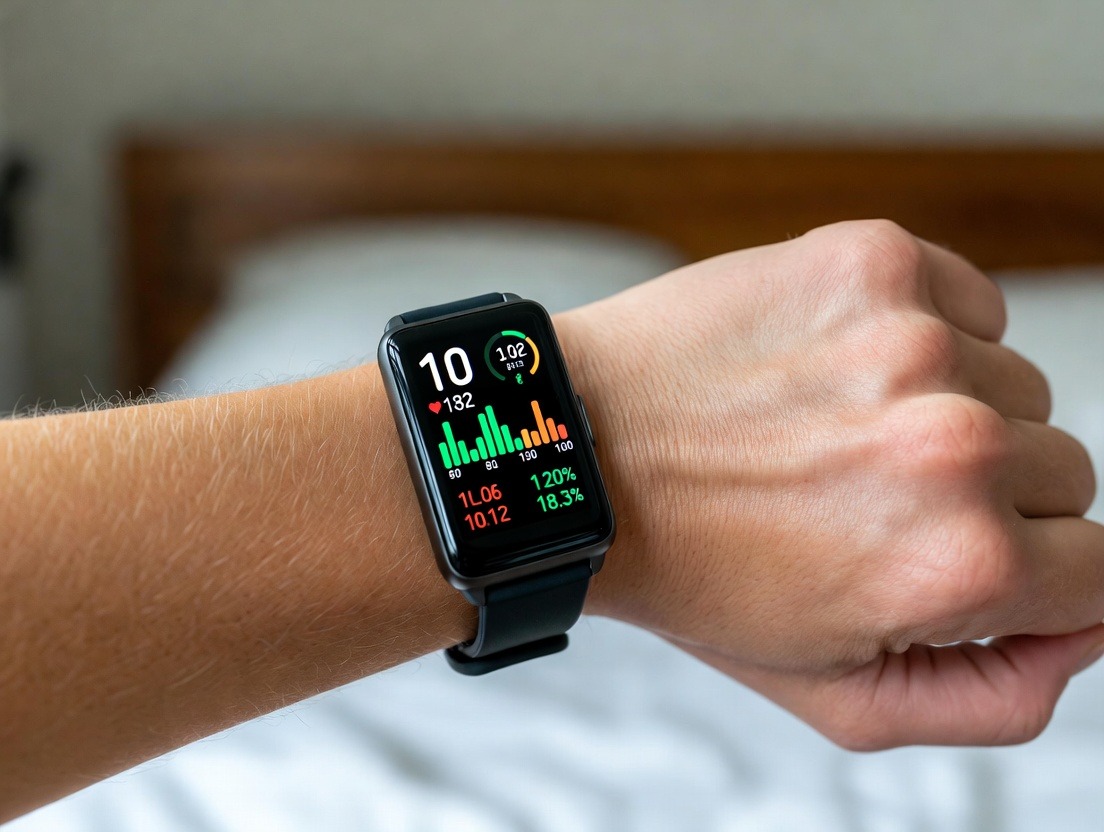
Often overlooked in favor of its flashier counterparts, respiratory rate—the number of breaths you take per minute—is a deceptively simple metric with profound implications for heart health. It is a direct output of your autonomic nervous system and a finely tuned response to your body’s metabolic demands, acid-base balance, and emotional state. An adult at rest typically breathes between 12 and 20 times per minute. Deviations from this norm, especially when persistent, can be early whispers of cardiac or pulmonary distress, making it a critical piece of the modern health monitoring puzzle.
The heart and lungs are partners in a intimate, biological dance known as cardiorespiratory coupling. Their rhythms influence each other. During inhalation, heart rate naturally increases slightly; during exhalation, it decreases. This is a healthy phenomenon linked to good HRV. When breathing becomes rapid (tachypnea), shallow, or irregular, it disrupts this harmony. Rapid breathing can stimulate the sympathetic nervous system, increasing heart rate and blood pressure. More critically, changes in breathing pattern can be a sign that the heart is struggling.
Continuous monitoring transforms respiratory rate from a number a nurse counts in a hospital to a dynamic, daily vital sign. Seeing it trend upward over several nights, even before you feel overtly unwell, is a powerful prompt to listen to your body, reduce stress, and prioritize recovery—all actions that ultimately protect your heart from unnecessary strain.
The true genius of the modern health monitoring approach lies not in any single metric, but in the symphony they create when played together. Isolating HRV, RHR, SpO2, or respiratory rate provides valuable notes, but the melody of your health only emerges from their integration. This holistic interpretation is what transforms raw data into actionable wisdom, moving you from simply tracking numbers to understanding the interconnected story of your cardiovascular system.
Consider a real-world scenario: Your wearable device reports a low "readiness" or "recovery" score one morning. Looking at the individual metrics, you see:
In isolation, any one of these could be a blip. Together, they form a coherent, high-confidence narrative: Your body is under-recovered and under systemic stress. The cause could be an oncoming illness, emotional anxiety, dehydration, or the effects of a hard workout two days prior. The integrated data doesn't diagnose the cause, but it loudly signals the effect, prompting you to ask the right questions and adjust your day. Instead of pushing through with intense exercise (which could strain a stressed heart), you might choose a gentle walk, prioritize hydration, manage your schedule to reduce stress, and double down on a restorative evening, perhaps by following a realistic nighttime routine for busy professionals to ensure better sleep that night.
This integrated analysis is precisely what next-generation wellness platforms and sophisticated wearables are built to perform. They use algorithms to weigh these interdependent signals and provide a synthesized, easy-to-understand score or assessment. This serves several key purposes for heart health:
By learning to read the integrated story, you become the author of your heart health narrative. You move from being a passive recipient of annual check-up results to an active, daily manager of your cardiovascular ecosystem, using correlated data to make smarter choices that compound into a lifetime of resilience.
The philosophical shift toward continuous, holistic health monitoring would remain a mere concept without the technological revolution that makes it seamless, accurate, and accessible. At the vanguard of this revolution are smart rings and next-generation wrist-worn wearables. These devices have evolved from simple step-counters into sophisticated clinical-grade sensors housed in elegant, everyday form factors. Their unique advantages are what finally make the "modern approach" a practical reality for millions.
The primary strength of a device like a smart ring is consistency and signal quality. Worn on the finger, it benefits from a rich capillary bed (the vasculature), which can provide a strong, clear signal for optical sensors like Photoplethysmography (PPG) heart rate monitors and SpO2 sensors. Perhaps more importantly, a ring is comfortable to wear 24/7, especially during sleep. Unlike a smartwatch that you might charge at night or remove for comfort, a ring stays on, ensuring the continuous capture of nocturnal data—the goldmine for metrics like HRV, true RHR, sleep staging, and SpO2. This uninterrupted data stream is critical for establishing accurate baselines and trends.
Modern rings and advanced wearables are sensor hubs, typically including:
The software and algorithms are where the magic happens. Raw sensor data is processed through complex, validated algorithms to generate the insights we rely on: identifying sleep stages, calculating HRV, flagging SpO2 dips, and providing recovery scores. The best platforms present this data in an intuitive, educational dashboard, not just as numbers but as insights and gentle nudges.
For the heart-health-conscious individual, this technology enables a new kind of partnership with your physician. You are no longer walking into an appointment with vague descriptions of "feeling tired." You can bring trends: "Over the past three months, my nightly resting heart rate has increased by 10 bpm, and my HRV has dropped 20%, despite consistent exercise. My sleep data shows increased fragmentation." This objective, longitudinal data is incredibly powerful for guiding diagnostic inquiry and assessing the effectiveness of lifestyle interventions or medications.
The device becomes your constant companion in wellness, a discreet guardian that collects the story of your heart's daily life, empowering you to write its next, healthiest chapters.
Embarking on a journey of modern health monitoring is exciting, but it requires a strategic and patient beginning. The most common mistake is to obsess over daily numbers from day one. A single day's data is a snapshot in a complex, moving picture. The true value is unlocked not by the absolute number on any given morning, but by understanding your personal, unique baseline and how you deviate from it. The first month of consistent wear is dedicated to this foundational task: letting the technology learn you, so you can learn what your normal truly looks like.
During this initial 30-day period, your goal is simply to wear your device consistently (especially at night) and live your typical life. Don’t try to immediately optimize everything. The data collected over these weeks will establish your personal ranges for:
This phase is about observation without immediate judgment. You will naturally see daily fluctuations—your HRV might be lower after a stressful workday, your RHR higher after a poor night's sleep. This is normal and educational. It begins to teach you how your body responds to your current lifestyle.
To get the cleanest possible baseline data, you can gently support your body’s natural rhythms during this time. A consistent sleep schedule is the most powerful lever. Going to bed and waking up at roughly the same time, even on weekends, stabilizes your circadian rhythm, which in turn regulates heart rate, blood pressure, and nervous system balance. Supporting this with a calming pre-sleep routine helps ensure the data reflects your true capacity for recovery, not just the chaos of modern life. For inspiration on building this foundational habit, our guide on how to build a nighttime routine that actually sticks offers practical, psychology-backed strategies.
By the end of this month, you will have moved from abstract ideas about "health" to concrete, personalized knowledge. You’ll know, for example, that your optimal HRV range is 50-70ms, and your target RHR is 58 bpm. This personalized baseline becomes your north star. Future deviations—like a week where your HRV averages 40ms and your RHR is 65 bpm—carry significant meaning, prompting you to investigate the cause (e.g., work stress, poor diet, overtraining). This personalized feedback loop is the engine of proactive heart health.
With a solid baseline established, your health data transforms into a dynamic biofeedback dashboard. Each major lifestyle domain—activity, nutrition, stress management, and sleep—acts as a powerful lever, directly pulling your cardiovascular metrics up or down. The modern monitoring approach makes these cause-and-effect relationships visible, sometimes startlingly so, enabling you to experiment and optimize with precision.
1. Activity & Exercise: This is the most direct lever for improving heart efficiency. Consistent, intelligently dosed cardiovascular exercise (zone 2 training, where you can hold a conversation) strengthens the heart muscle, increases stroke volume, and lowers resting heart rate. The monitoring feedback is crucial here. Your recovery score and HRV data tell you if you’re allowing adequate rest between sessions. Ignoring this data and chronically training in a state of low recovery leads to stagnant or worsening metrics, a sign of overtraining that stresses rather than strengthens the heart. Conversely, seeing your RHR trend down and your HRV trend up over months is objective proof your fitness regimen is working.
2. Nutrition & Hydration: The food you eat is information that triggers inflammation or promotes repair. A heavy, high-sodium, or high-sugar meal in the evening can lead to disrupted sleep, elevated nocturnal heart rate, and a lower HRV score the next morning. Chronic dehydration forces your heart to work harder to maintain blood pressure, often raising your RHR. Monitoring helps you identify personal food triggers and reinforces the benefits of an anti-inflammatory, heart-healthy diet rich in plants, omega-3s, and fiber. The connection between evening habits and morning metrics is so strong that avoiding heavy meals before bed is a key tenet of any perfect nighttime wellness routine.
3. Stress & Mental Load: Mental and emotional stress are not separate from physical stress to your body; they trigger the same sympathetic nervous system response. A day of high anxiety or constant cognitive load will almost invariably result in a lower HRV and a higher RHR that night. Monitoring makes this intangible force tangible. It can motivate you to incorporate proven stress-resilience practices like meditation, diaphragmatic breathing, or nature time. Observing your HRV improve as you consistently practice these techniques provides powerful positive reinforcement, turning stress management from a vague "should do" into a data-validated "must-do."
4. Sleep: The Master Lever: As we’ve established, sleep influences every other lever. It is when recovery happens, when stress hormones are regulated, and when the heart gets its rest. Optimizing sleep is the highest-return investment for your heart health. Every aspect of your evening routine—from digital sunset to room temperature to relaxation practice—is an intervention aimed at improving your sleep data. Seeing the direct correlation between a wind-down ritual and superior deep sleep/HRV scores is the ultimate motivation. For those with busy lives, discovering nighttime wellness rituals that take less than 30 minutes can be the sustainable key to unlocking this master lever.
By pulling these levers deliberately and observing the results in your data, you graduate from following generic health advice to practicing personalized health engineering.
While the core cardiopulmonary metrics form the foundation, the modern monitoring ecosystem captures additional, contextual data that deepens the narrative. These secondary metrics help explain the "why" behind the primary heart and sleep data, creating a richer, more complete picture of your physiological state.
Nocturnal Skin Temperature: Tracking the subtle changes in your wrist or finger temperature throughout the night is becoming a standard feature. Our core body temperature follows a circadian rhythm, dropping to its lowest point during deep sleep to facilitate recovery and rising toward morning to help us wake. A disrupted temperature rhythm—such as a failure to drop adequately—can indicate poor sleep quality, a disturbed circadian cycle, or even the onset of an illness or infection (as the body raises temperature to fight pathogens). For heart health, this is another piece of the recovery puzzle. A night of elevated skin temperature often correlates with less deep sleep and a higher RHR, signaling that the body was busy fighting rather than resting.
Activity and Movement Patterns: The accelerometer data does more than count steps. It provides crucial context for your cardiopulmonary metrics.
Menstrual Cycle Tracking (For Women): For individuals who menstruate, the hormonal cycle has a pronounced, predictable effect on cardiovascular metrics. Resting heart rate and basal body temperature typically rise in the luteal phase (after ovulation) and drop with menstruation. HRV often follows an inverse pattern. Advanced apps allow cycle logging, and the algorithms can learn these patterns. This context is vital: a pre-menstrual rise in RHR is normal and should not be misinterpreted as a negative health trend. This awareness prevents unnecessary concern and allows women to tailor activity and recovery expectations to their cycle phase, optimizing for how their heart is functioning at different times of the month.
By weaving together these contextual threads with the core cardiovascular data, you move from seeing isolated metrics to understanding a full-spectrum physiological report. You can distinguish between a poor sleep score caused by a late workout (high activity context) versus one caused by an oncoming cold (elevated temperature context). This depth of understanding is what makes modern monitoring truly intelligent and personally actionable.

Data without action is merely trivia. The culmination of the modern monitoring journey is the translation of personalized insights into a sustainable, living plan that actively promotes long-term cardiovascular resilience. This plan is not a rigid, one-size-fits-all prescription, but a dynamic framework built on your unique data, lifestyle, and goals. It turns awareness into empowered daily action.
Step 1: Identify Your Priority Lever. Review your baseline and recent trends. What is your data telling you? Is your most obvious opportunity for improvement in Sleep Quality (low deep sleep, high fragmentation)? Is it Stress Recovery (chronically low HRV)? Is it Cardiovascular Fitness (higher-than-desired RHR)? Choose one primary area to focus on for the next 4-6 weeks. Trying to optimize everything at once is a recipe for burnout.
Step 2: Design a Targeted Intervention. Based on your priority, choose 1-2 concrete, small actions.
Step 3: Observe, Nudge, and Adapt. This is where the feedback loop closes. Wear your device consistently and watch how your targeted metrics respond over weeks, not days.
Step 4: Integrate with Professional Care. Your personalized plan exists within the larger context of professional medicine. Use your data as a communication tool.
Your heart-health plan is a living document, co-authored by you and your data. It respects your body's signals, rewards positive habits with positive feedback, and provides an early-warning system for when things go off track. This is the essence of the modern approach: a proactive, participatory, and deeply personal partnership with technology, all in service of the lifelong rhythm of your heart.
The conversation around diet and heart health has long been dominated by cholesterol. While important, this is a narrow view of a much broader battlefield: inflammation. Chronic, low-grade systemic inflammation is now understood to be the central driver of atherosclerosis—the hardening and narrowing of arteries that leads to heart attacks and strokes. What you eat doesn't just affect your blood lipids; it directly signals your immune system, either calming or igniting inflammatory fires that damage delicate arterial linings over time. Modern health monitoring provides a near-real-time window into this inflammatory axis through its impact on your autonomic nervous system and recovery metrics.
Your gut is ground zero for this process. The gut microbiome, a vast ecosystem of bacteria, plays a crucial role in modulating inflammation. A diet high in processed foods, refined sugars, and unhealthy fats promotes "dysbiosis"—an imbalance in gut bacteria that leads to a leaky gut barrier. This allows inflammatory molecules called endotoxins to enter the bloodstream, triggering a systemic immune response. This chronic inflammatory state places a silent, constant strain on your cardiovascular system.
How does this show up in your data? Inflammation activates the sympathetic nervous system (the "fight-or-flight" branch). Therefore, dietary choices that promote inflammation often produce the following clear signatures in your monitoring metrics:
This creates a powerful opportunity for personalized nutrition. You can use your wearable data to conduct self-experiments:
By using your HRV and sleep data as a biofeedback tool for your diet, you move beyond dogma and into personalization. You discover which foods truly fuel your heart's resilience and which ones subtly undermine it, allowing you to build a sustainable, anti-inflammatory way of eating that is proven—by your own body's data—to work for you.
We have long known that stress is "bad for the heart," often associating it with dramatic, Hollywood-style heart attacks. The reality is more insidious and far more common. Psychological stress—the mental load of work, financial worry, relationship strain, or constant digital connectivity—exacts a continuous toll on the cardiovascular system through the same physiological pathways as physical threat. Modern monitoring technology makes this invisible burden starkly visible, quantifying the "stress signature" in your heart's data and empowering you to manage it with precision.
When your brain perceives a stressor, it triggers the hypothalamic-pituitary-adrenal (HPA) axis, flooding your body with cortisol and adrenaline. This initiates the sympathetic nervous system response:
In acute, short-term situations, this is life-saving. The problem for modern humans is chronic, low-grade psychosocial stress. This state keeps the sympathetic system subtly but persistently activated, leading to hypertension, endothelial dysfunction (damaged artery linings), and increased plaque formation.
Your wearable device acts as a continuous stress auditor. The metrics don't lie:
Armed with this objective data, you can transition from feeling vaguely "stressed" to strategically managing your nervous system. This is where behavioral interventions meet biofeedback:
By quantifying stress, you depersonalize and depower it. It becomes a physiological state to be managed, not an immutable part of your identity. You learn which stressors hit your system hardest and which recovery tools are most effective for you, building a personalized stress-resilience protocol that actively safeguards your heart around the clock.
Your heart does not operate at a constant state throughout the 24-hour day. It follows a potent, innate rhythm dictated by your circadian clock—a master biological timer in your brain that synchronizes virtually every physiological process, from hormone release to cellular repair. This clock is primarily set by light and darkness. When your lifestyle is misaligned with this circadian rhythm (a state known as "circadian disruption"), you impose significant stress on your cardiovascular system. Modern health monitoring doesn't just track sleep; it helps you see and correct this misalignment, using your body's own signals as a guide to optimal timing.
Circadian rhythm governs key cardiovascular parameters:
Disruption comes from modern life: blue light at night, erratic meal times, irregular sleep schedules, and shift work. This confuses your internal clock, leading to metabolic dysfunction, inflammation, and constant sympathetic activation.
Your monitoring data reveals circadian health (or disruption) in several ways:
Armed with this insight, you can become a master of circadian hygiene—practices that strengthen your internal clock:
By aligning your life with your circadian compass, you reduce internal friction. Your heart's natural rhythms are supported, not fought. This alignment is a profound, foundational layer of prevention that stabilizes blood pressure, improves metabolism, and reduces inflammatory load, creating an internal environment where cardiovascular disease struggles to take root.
Your heart does not beat in a vacuum. It responds dynamically to the world outside your body—the air you breathe, the temperature around you, the length of the day, and even the altitude. The modern health monitoring approach captures these environmental dialogues, revealing how external factors influence your cardiovascular system and providing the insight needed to adapt proactively. This awareness turns you from a passive occupant of your environment into an active manager of its effects on your heart.
1. Temperature Extremes: Both heat and cold stress the cardiovascular system.
2. Air Quality and Pollution: This is a major, often invisible cardiovascular risk factor. Fine particulate matter (PM2.5) from pollution can penetrate deep into the lungs, enter the bloodstream, and cause systemic inflammation, oxidative stress, and endothelial dysfunction. Studies show clear links between poor air quality days and increases in heart attacks, strokes, and arrhythmias. While most consumer wearables don't measure pollution directly, you can correlate external air quality indexes (AQI) with your biometrics. On high-pollution days, you may notice a dip in HRV, a slight elevation in RHR, or higher resting respiratory rate—signs of increased physiological stress. This data can guide you to limit intense outdoor exertion on bad air days, using indoor air purifiers, or wearing a mask.
3. Seasonal Shifts: As daylight hours and temperatures change, so do your body's needs.
4. Altitude: At higher altitudes, the air contains less oxygen. This triggers an acute stress response: heart rate and respiratory rate increase to deliver more oxygen to tissues. Over time, the body adapts by producing more red blood cells. Your SpO2 data becomes particularly valuable here. At altitude, you can directly observe your blood oxygen saturation decrease and your resting heart rate increase. Monitoring these metrics helps you pace yourself, stay hydrated, and recognize signs of altitude sickness, which places severe strain on the heart and lungs.
By observing how these environmental factors move your personal metrics, you gain a superpower: contextual adaptation. You learn that a poor recovery score on a hot, polluted day isn't necessarily about your training or diet—it's about your environment. This allows you to adjust expectations, modify behaviors, and protect your heart from external stressors with intelligence and foresight.
In a culture that often glorifies "no days off" and pushing past limits, the modern data-driven approach introduces a revolutionary, heart-smart counter-narrative: Strategic recovery is not passive downtime; it is an active, essential component of building cardiovascular strength and resilience. Your wearable’s "readiness" or "recovery" score is not a grade, but a prescription. Learning to listen to it—and act on it—is perhaps the most sophisticated skill in the modern heart health toolkit.
The physiology is clear: adaptation and strengthening do not happen during the stress of exercise; they happen during the recovery period afterward. When you train, you create micro-tears in muscle fibers and deplete energy stores. During rest, particularly deep sleep, your body repairs these tears, rebuilds stronger, replenishes glycogen, and rebalances hormones. This process lowers your resting heart rate, improves stroke volume, and enhances autonomic balance (raising HRV). If you short-circuit recovery by introducing another stressor—be it another hard workout, psychological stress, or poor sleep—you interrupt repair. This leads to a state of cumulative fatigue, or overreaching, which if sustained becomes overtraining syndrome—a condition marked by hormonal imbalance, suppressed immunity, chronic inflammation, and a plateau or decline in performance metrics, including those for heart health.
Your monitoring data provides an objective, individualized gauge of this recovery state. Here’s how to use it strategically:
Ignoring the yellow and red lights—"pushing through"—comes at a high cost. It trains your nervous system into a state of constant sympathetic dominance (low HRV, high RHR), drives systemic inflammation, and increases injury risk. For heart health, chronic under-recovery means your most vital organ is perpetually operating in a stress state, negating the benefits of your healthy efforts.
By embracing recovery as a data-informed strategy, you train smarter, not just harder. You respect your body’s communication, you build resilience systematically, and you create a sustainable, lifelong practice of heart health that balances stress and restoration in perfect harmony.

For the athlete or highly active individual, the stakes of heart health are framed differently—not just about longevity, but about performance, safety, and achieving peak potential. Here, modern health monitoring shifts from a general wellness tool to a precision instrument for optimizing training, maximizing recovery, and providing an early-warning system for cardiac overstress. The same metrics that guide general heart health become the key to unlocking the athlete’s edge while safeguarding the engine that makes it all possible.
The athletic heart undergoes specific adaptations: it becomes larger and stronger (athletic heart syndrome), with a lower resting heart rate and higher stroke volume. However, intense endurance training, particularly when combined with inadequate recovery, can also increase the risk of atrial fibrillation, ventricular arrhythmias, and in rare cases, exercise-induced cardiac remodeling that is maladaptive. Monitoring provides the guardrails.
1. Periodization and Overtraining Prevention: An athlete’s training plan should oscillate between stress and recovery—this is periodization. HRV is the gold-standard, non-invasive metric for guiding this in real-time. Instead of rigidly following a pre-written plan, the HRV-guided training approach uses morning HRV readings to adjust daily workload.
2. Optimizing Recovery for Adaptation: For athletes, sleep is where the magic of adaptation happens. It’s when human growth hormone is released, tissues repair, and the cardiovascular system resets. Monitoring sleep stages is critical. An athlete in heavy training needs to maximize deep (slow-wave) sleep. If data shows consistently low deep sleep, interventions like nighttime routines for athletes focused on maximizing recovery become essential. This might include precise timing of protein intake, contrast temperature therapy, or targeted mobility work before bed—all aimed at improving the quality of physiological repair.
3. Monitoring for Cardiac Safety:
4. Fueling and Hydration Insights: An elevated nocturnal heart rate can sometimes signal glycogen depletion or dehydration from the day’s training. This data feedback helps an athlete fine-tune their intra- and post-workout nutrition and fluid intake to support full recovery.
For the athlete, the heart is both the prize and the protector. By using continuous monitoring to balance intense stress with intelligent recovery, athletes can push their limits safely, achieve new performance heights, and ensure their lifelong passion for sport builds a stronger heart, not one at risk. The data provides the confidence to train hard and the wisdom to rest harder.
Heart health is not merely an individual pursuit; it is a family legacy. Genetics play a role, but perhaps more powerful are the shared environments, habits, and behaviors passed down through generations. The modern monitoring approach offers a unique opportunity to break negative cycles and build a new legacy of cardiovascular wellness. By integrating heart-healthy data tracking into family life, you move from telling your loved ones to "be healthy" to creating a shared, engaging culture of wellness that protects every heart under your roof.
1. Modeling Behavior with Data: Children and partners learn more from what they see than what they hear. When you prioritize sleep by following a consistent routine and share (age-appropriately) how it improves your "readiness score," you make health tangible. When you choose an active recovery walk because your data suggests it, you teach the importance of listening to the body. Discussing how a family meal rich in vegetables made everyone feel energized, and perhaps even sleep better, connects choices to outcomes. You can lead by example with resources like building a family nighttime wellness routine for adults and kids, making heart-healthy habits a bonding experience.
2. Early Awareness for Older Children and Teens: For adolescents, wearable tech can be an engaging entry point into body awareness. It’s not about obsession, but education. Tracking sleep can reveal the dramatic impact of late-night screen time on mood and energy. Seeing a high resting heart rate after consuming energy drinks provides a powerful, objective lesson. This early education in how lifestyle affects physiology is an invaluable gift, equipping them with self-knowledge before unhealthy patterns become ingrained.
3. Supporting Aging Parents and Spouses: For older adults, continuous monitoring can provide peace of mind and early detection. Sharing data (with permission) can facilitate better conversations with healthcare providers.
4. Creating Shared Family Challenges: Make wellness fun and collective. Use step counts for friendly family competitions on weekends. Challenge each other to improve sleep consistency for a week, using your devices to track progress. Have a "device-free wind-down hour" where the family engages in calm activities together. These shared experiences, framed positively, build a family identity around caring for your health.
The family that monitors together, understands together. By making heart health a visible, shared value supported by objective feedback, you do more than protect individual hearts; you cultivate a home environment where healthy choices are the norm, resilience is built together, and a legacy of vitality is passed to the next generation. This collective approach is the ultimate amplification of the modern monitoring strategy.
With great data comes great responsibility. The wealth of information provided by continuous health monitoring is empowering, but it also carries a potential pitfall: metric obsession, or "orthosomnia"—the unhealthy preoccupation with perfect sleep or fitness data. This anxiety can itself become a source of stress, ironically driving down the very scores you're trying to improve. The ultimate goal of the modern approach is not to become a slave to your device, but to use it as a tool to cultivate internal awareness and trust. Navigating this requires intention and a healthy data relationship.
1. Focus on Trends, Not Daily Numbers: Your body is not a machine. Daily fluctuations are normal and influenced by countless factors. A single day of low HRV or poor sleep is meaningless noise. The signal lies in the trend over weeks and months. Look at your data in weekly or monthly averages. Is your HRV generally trending upward over the last quarter? Is your average RHR slowly decreasing? These long-term trends tell the true story of your heart health journey. The daily number is just a single frame in a long movie.
2. Use Data as a Guide, Not a Gospel: Your wearable provides objective physiological feedback, but it does not capture your subjective reality—how you feel. Always pair the data with your own perception. If your device says you had a poor sleep score but you feel rested and energetic, trust your feeling. The data might have been skewed by a single restless period. Conversely, if you feel drained but your scores are green, it might be a sign of mental or emotional fatigue not fully captured by the sensors. The most powerful state is when objective data and subjective feeling align.
3. Establish Data-Free Zones and Times: To prevent constant checking from fueling anxiety, set boundaries.
4. Watch for Red Flags in Your Behavior: Be alert to signs that monitoring is becoming detrimental:
5. Remember the "Why": The ultimate purpose of all this data is to support a vibrant, healthy life full of energy and presence. It is a means to an end. If the process of tracking is detracting from the joy of living, it's time to recalibrate. Use the insights to build sustainable habits, like a realistic nighttime routine for busy professionals, and then trust that those habits are working, even when you're not scrutinizing every digit.
A healthy relationship with your data is one of relaxed curiosity, not rigid control. It’s a partnership where technology informs your intuition, not replaces it. By mastering this balance, you harness the full power of modern monitoring to support a heart that is not only well-measured but truly well-lived-in.
The landscape of heart health monitoring is not static; it is accelerating at a breathtaking pace. What we consider cutting-edge today—continuous HRV and SpO2 tracking via a smart ring—is merely the foundation for a future of hyper-personalized, predictive, and seamlessly integrated cardiac care. The convergence of advanced sensor technology, artificial intelligence, and genomic data is poised to transform our relationship with our hearts from generalized management to precise, preventative medicine. Understanding these emerging trends allows us to glimpse the next frontier of cardiovascular wellness.
1. Multi-Sensor Fusion and Clinical-Grade Accuracy: The next generation of wearables will move beyond optical PPG sensors. We will see the integration of:
2. AI-Driven Predictive Analytics and Early Warning Systems: As datasets grow larger and more longitudinal, artificial intelligence will uncover subtle, complex patterns invisible to the human eye. Future platforms won't just tell you your recovery score; they may predict your risk.
3. Integration with Digital Therapeutics and Telemedicine: Your wearable data will become a seamless part of your medical record. In a telemedicine visit, your doctor could review your 30-day heart rate and sleep trends in real-time. "Digital therapeutics"—FDA-approved software that treats medical conditions—could use your data to adjust a personalized program for managing hypertension or insomnia, with efficacy tracked continuously.
4. The Era of the "Digital Twin": The ultimate horizon is the creation of a "digital twin"—a highly sophisticated computer model of your unique physiology, informed by your genomics, continuous biometrics, and lifestyle data. Doctors could simulate how a new medication or lifestyle change might affect your virtual twin before applying it to you, enabling truly personalized, risk-free intervention planning.
This future is not about more gadgets for gadget's sake; it is about creating a continuous, compassionate feedback loop between an individual and their health. The heart will no longer be a black box that we check occasionally, but an open, understood system that we nurture daily with precise, personalized care. The modern monitoring approach is the first, crucial step into this empowering future of lifelong cardiovascular vitality.
Your Trusted Sleep Advocate: Sleep Foundation — https://www.sleepfoundation.org
Discover a digital archive of scholarly articles: NIH — https://www.ncbi.nlm.nih.gov/
39 million citations for biomedical literature :PubMed — https://pubmed.ncbi.nlm.nih.gov/
Experts at Harvard Health Publishing covering a variety of health topics — https://www.health.harvard.edu/blog/
Every life deserves world class care :Cleveland Clinic - https://my.clevelandclinic.org/health
Wearable technology and the future of predictive health monitoring :MIT Technology Review — https://www.technologyreview.com/
Dedicated to the well-being of all people and guided by science :World Health Organization — https://www.who.int/news-room/
Psychological science and knowledge to benefit society and improve lives. :APA — https://www.apa.org/monitor/
Cutting-edge insights on human longevity and peak performance:
Lifespan Research — https://www.lifespan.io/
Global authority on exercise physiology, sports performance, and human recovery:
American College of Sports Medicine — https://www.acsm.org/
Neuroscience-driven guidance for better focus, sleep, and mental clarity:
Stanford Human Performance Lab — https://humanperformance.stanford.edu/
Evidence-based psychology and mind–body wellness resources:
Mayo Clinic — https://www.mayoclinic.org/healthy-lifestyle/
Data-backed research on emotional wellbeing, stress biology, and resilience:
American Institute of Stress — https://www.stress.org/


